Yeah, that sounds very relatable. I’m sure lately you’ve been achieving a lot of your goals. What’s something that you want to achieve in the near future?
Well first I want to finish high school. That’s something very important for me to do. After that, I would buy my mom a house. That’s something I’ve been really, really itching to do, but that’s more of a long-term thing. The nearest goal that I have for myself would probably be to finish high school with good grades.
Yeah, well you’re almost there! You’ve only got a year left! So close!
What’s a piece of advice you wish you had two years ago?
Actually, my acting teacher said this thing all the time. He said, "It’s not about you.” That’s probably the greatest piece of advice that I’ve learned and that I wish I knew a long time ago. It’s like in conversations and in arguments and stuff, most cases, the other person is going through something else that’s making them act in that way. It’s not really about you, it’s about doing justice to how they’re feeling. It’s the same in acting really. If you make it about you, then you’re not doing justice to the character they’re portraying, you know? It’s about their stories, their truth and their being and I think once you start making it about you, you lose the audience’s interest. It’s being really present in any moment and being out of your own head. It’s about making the person you’re talking to feel really heard and listened to and like you’re there with them. I think it’s really important in taking yourself out of the equation.
Yeah, that’s great advice. So Gossip Girl is a very big project for you, how does it feel to be waiting for the public to experience it at the same level you are now?
Oh my gosh. I don’t think I have experienced it, you know what I’m saying? It hasn’t really hit me yet. It doesn’t feel very real. I’m nervous to come and take it on and see how the audience takes it. More importantly, I’m excited. I’m excited to take on the challenge. I’m so, so eager to meet and work with the cast and crew and the material. Just this whole experience—just take it in. It’s not really something you can prepare for.
What’s something you’re watching right now?
I just started Good Time with Robert Pattinson.
What’s an album you’d recommend?
Oh, oh, OH! OnePointFive by Aminé, or anything by Erykah Badu, or Nina Simone… it’s amazing.
If you were the last human on Earth, what would you do first?
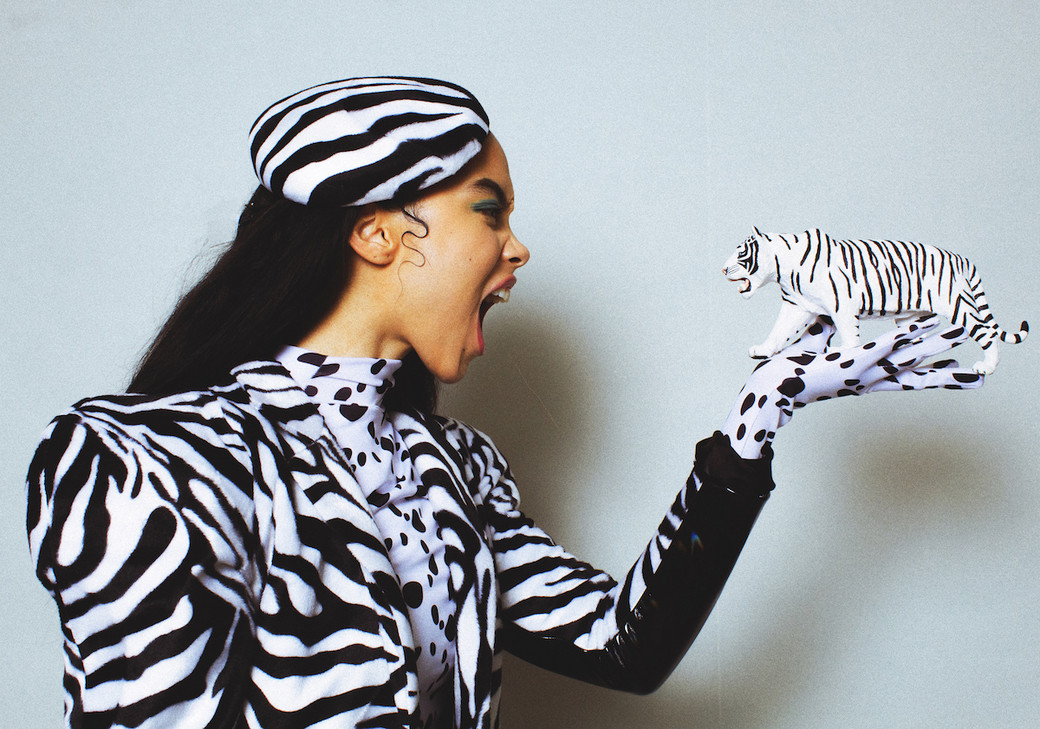
You know like in the Jungle Book, I would probably try to make homies with some animals.
Modern day Mowgli!
Yeah, exactly, and just kind of travel.