Introducing Comesesso
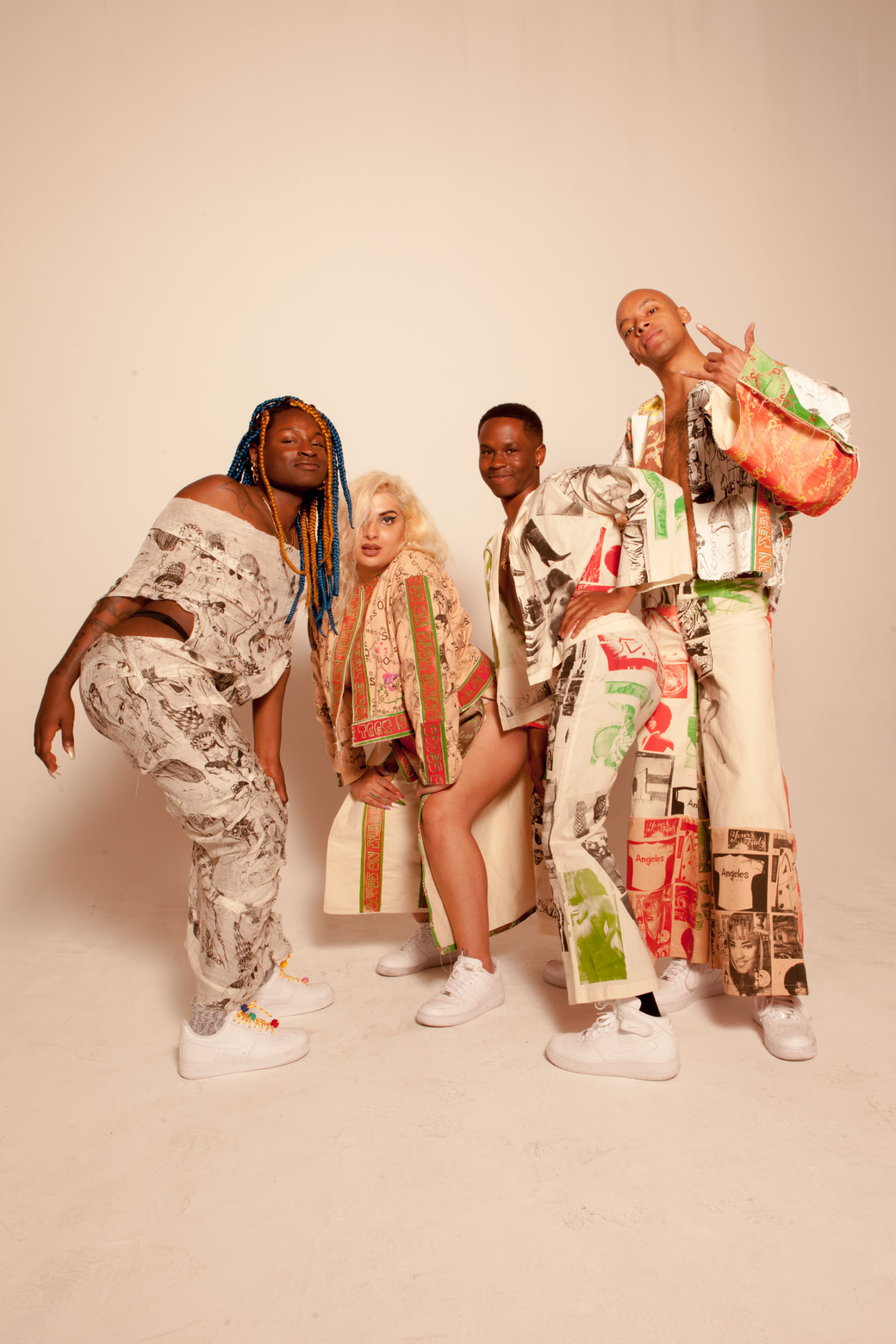
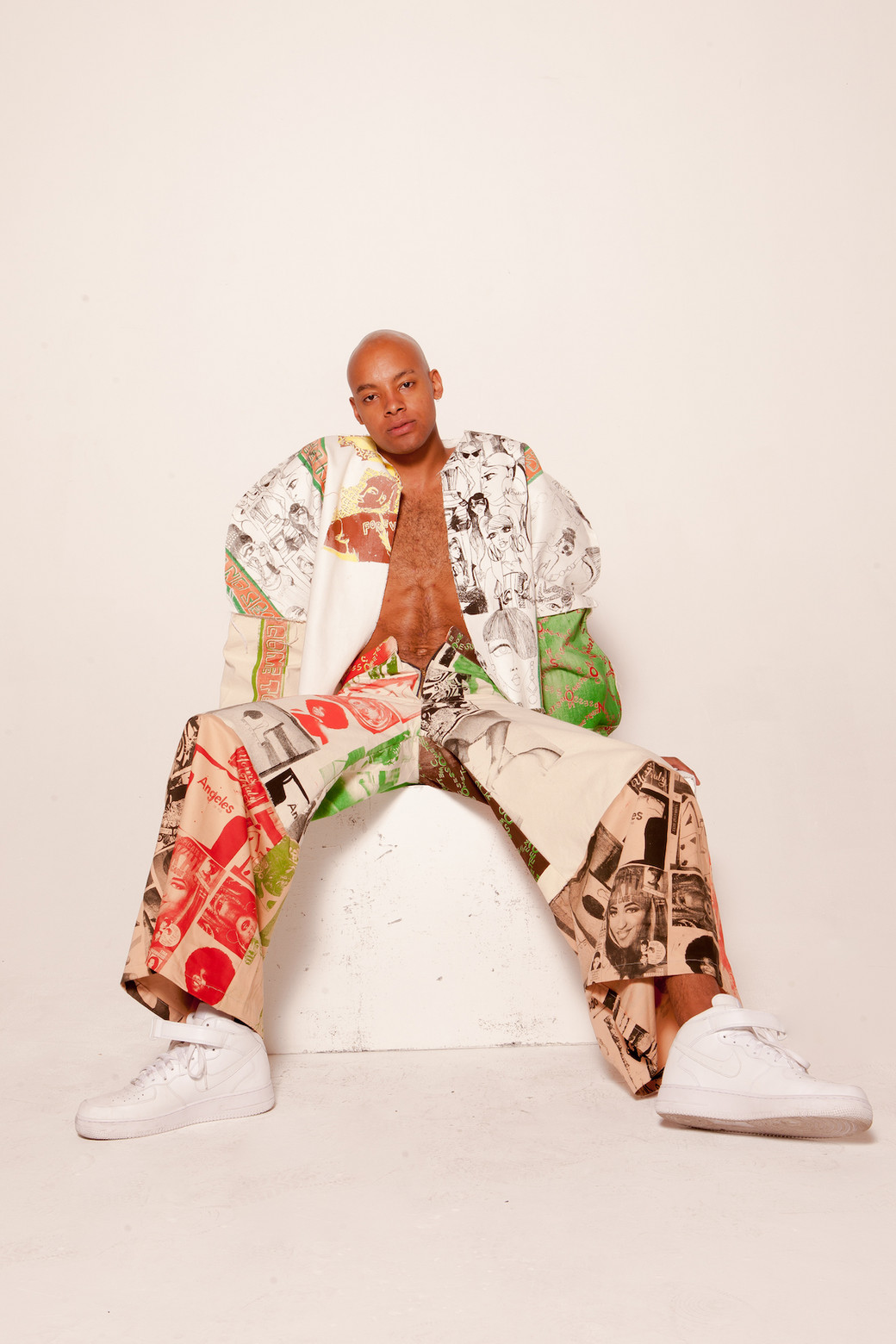
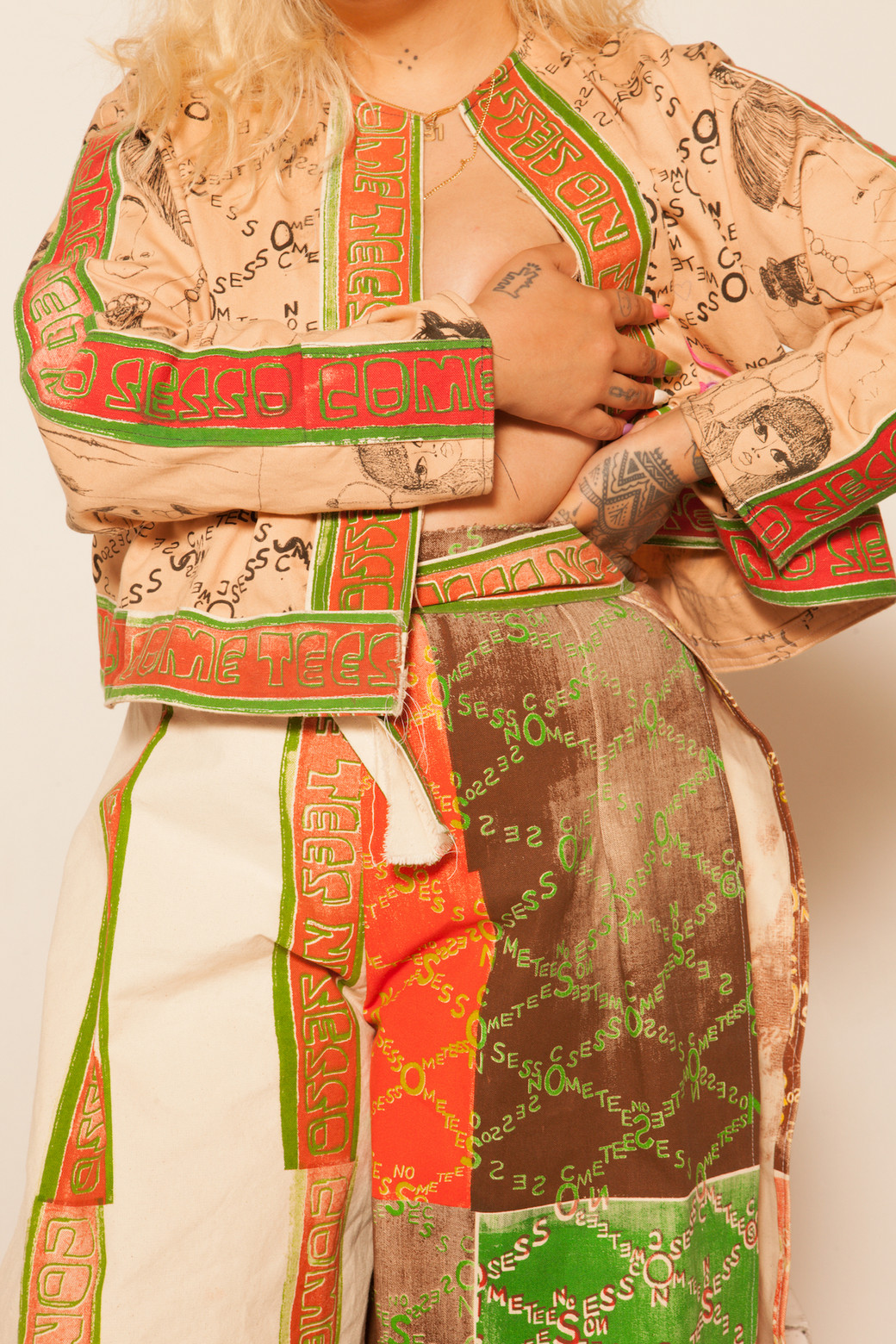
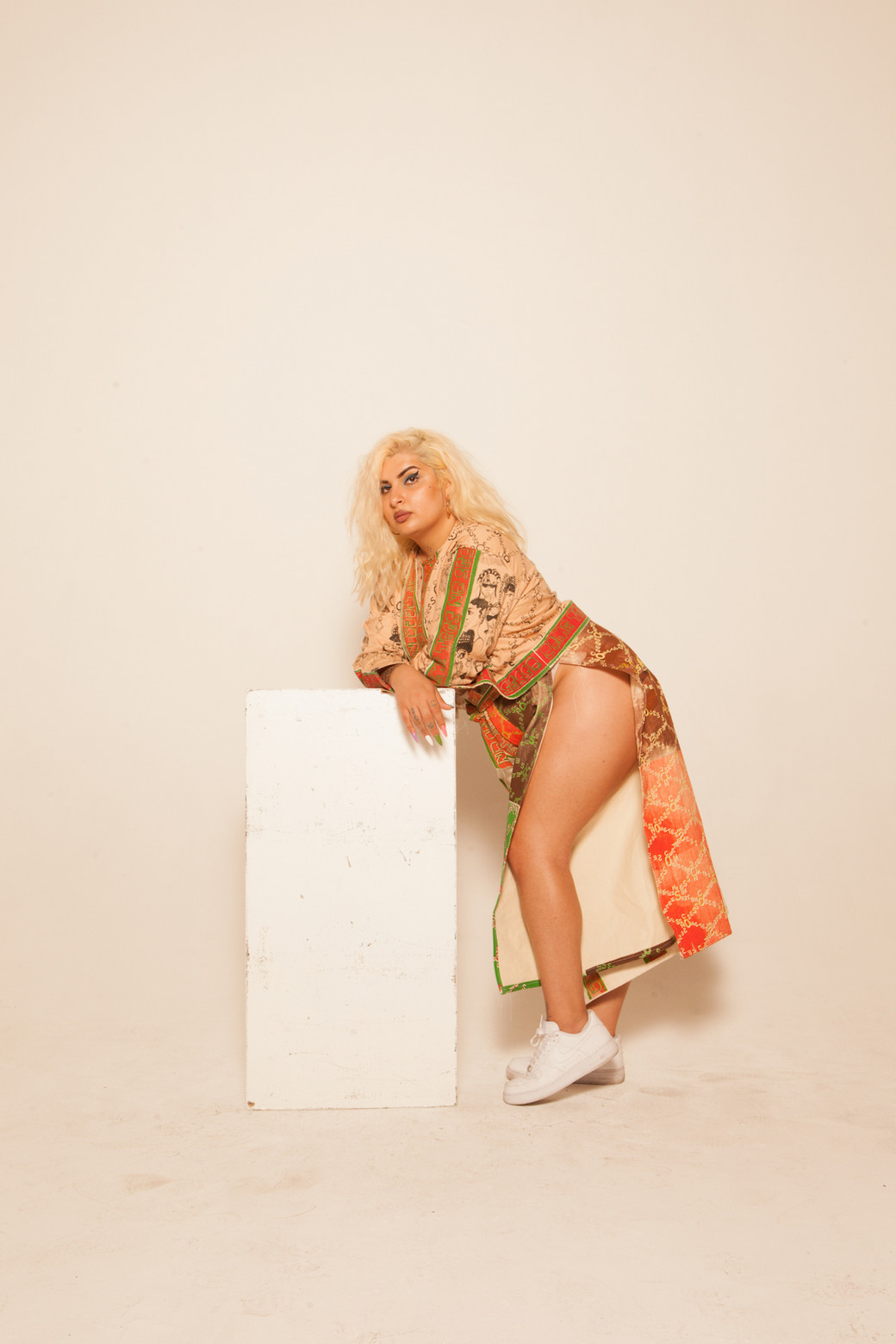
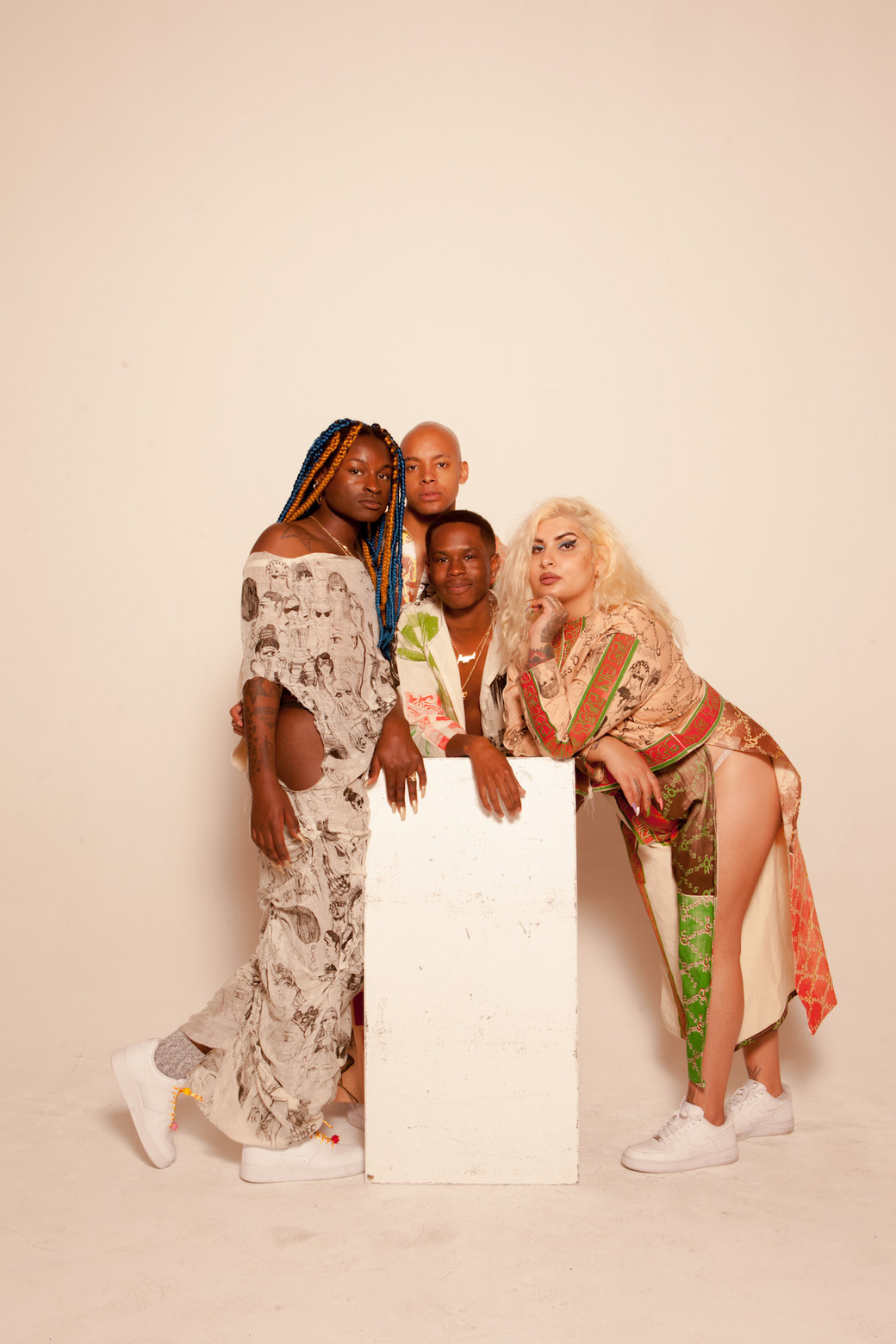
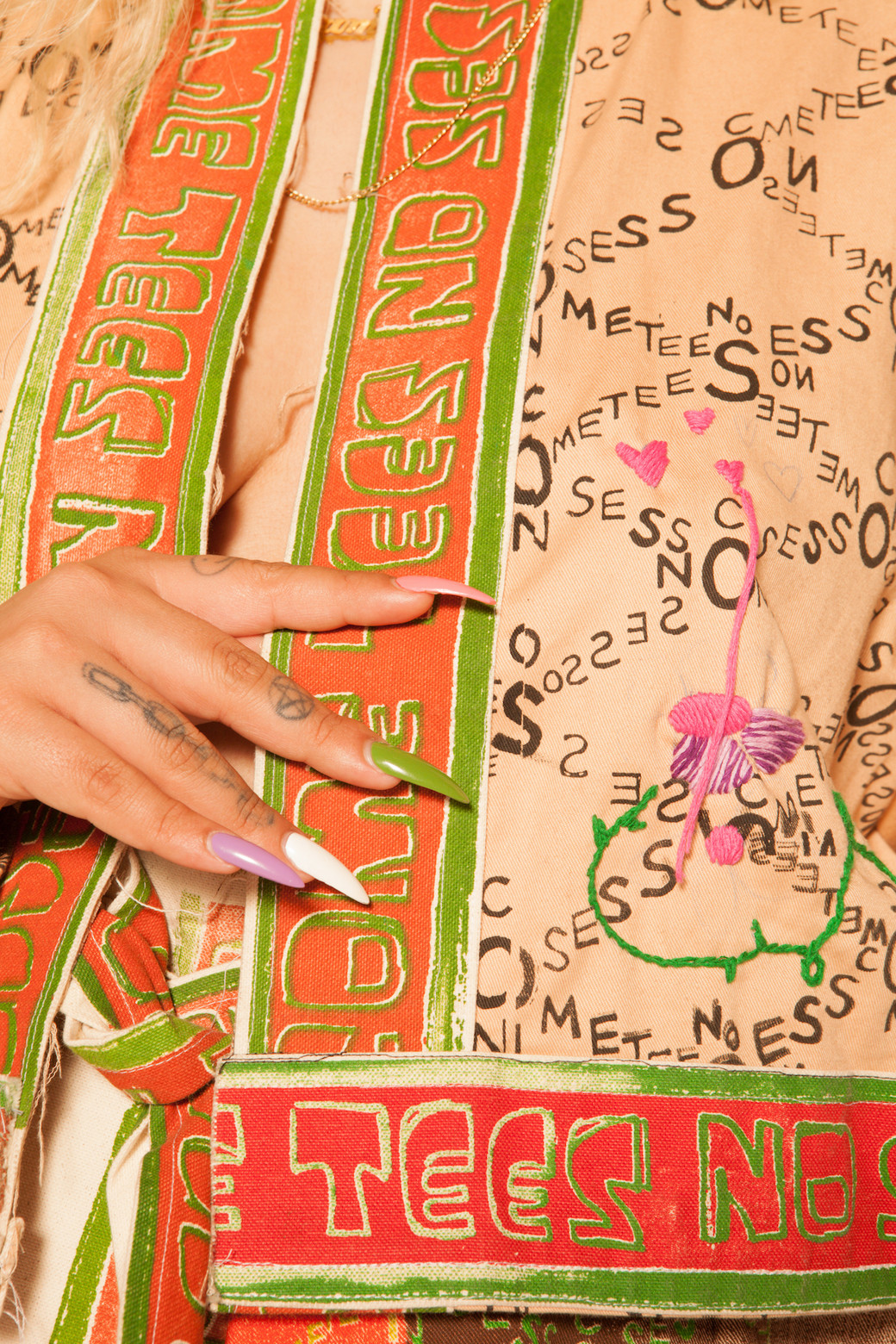
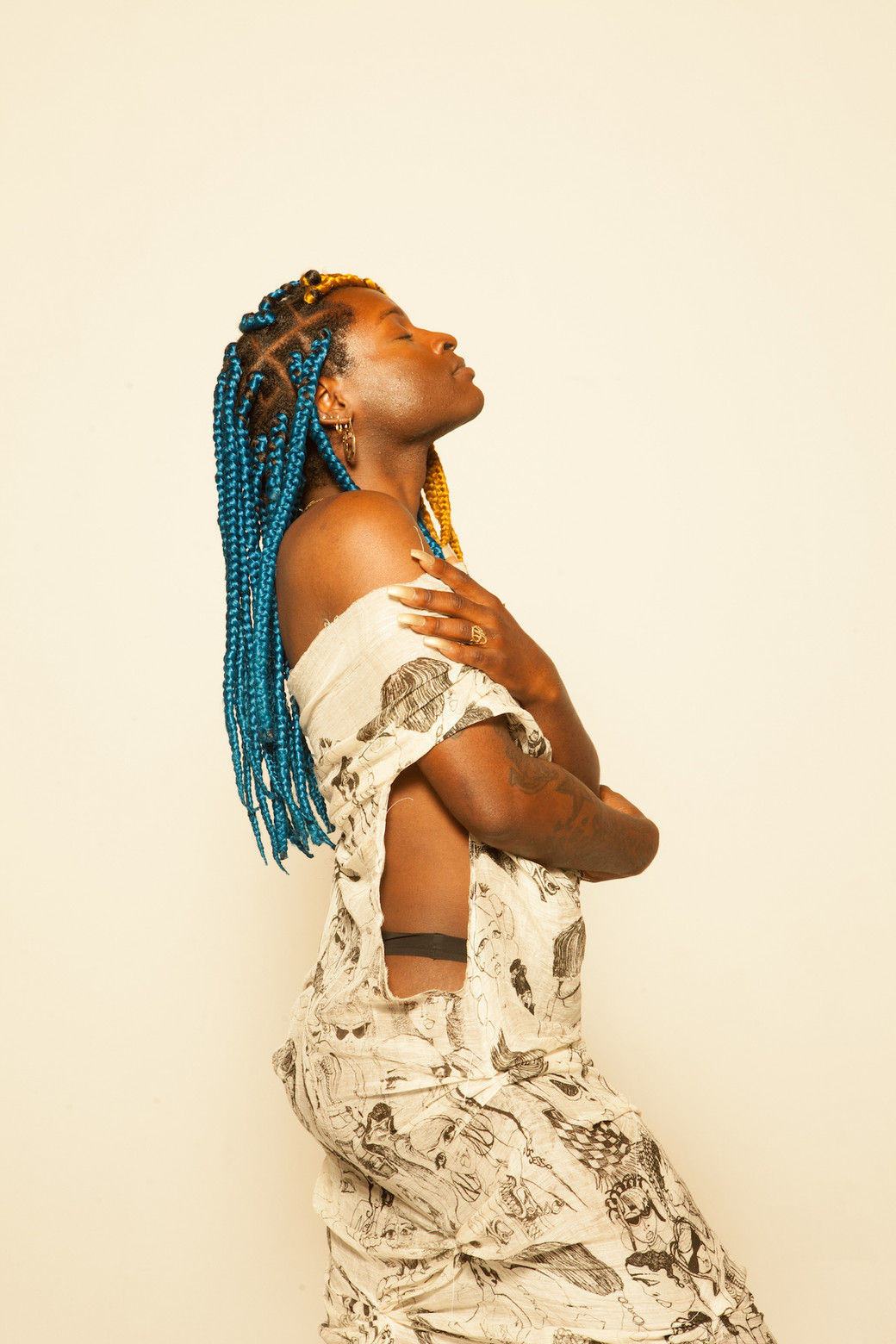
- Photos by Lula Hyers
- Models: Pierre Davis, Arin Hayes, Leo King, Sanam Sindhi
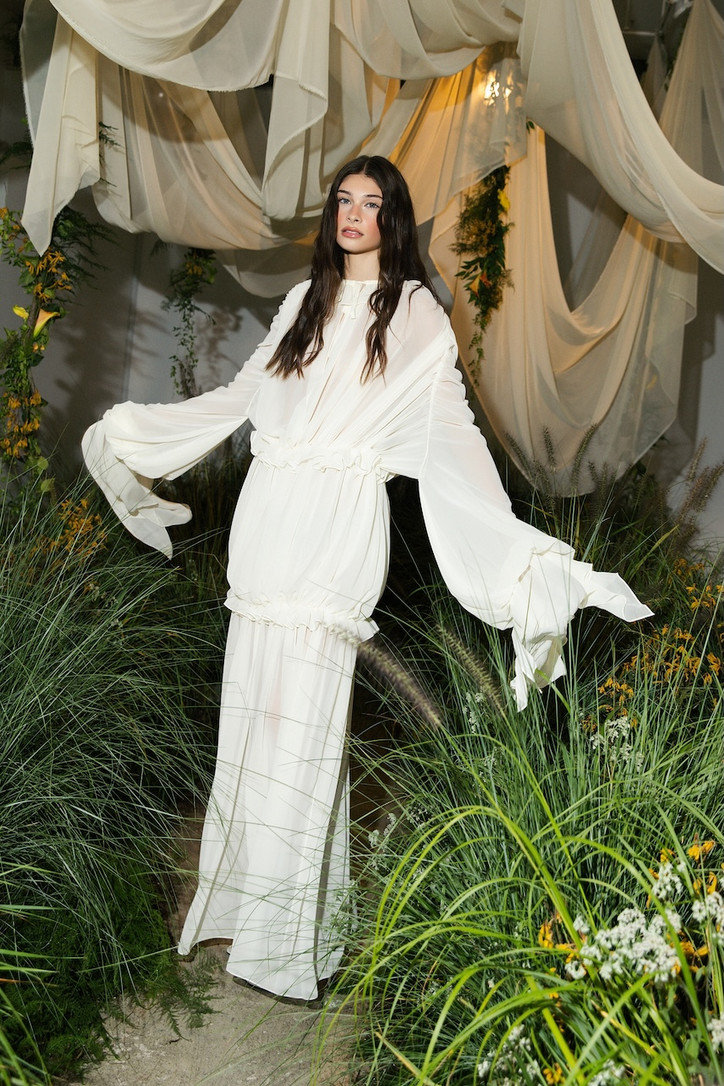
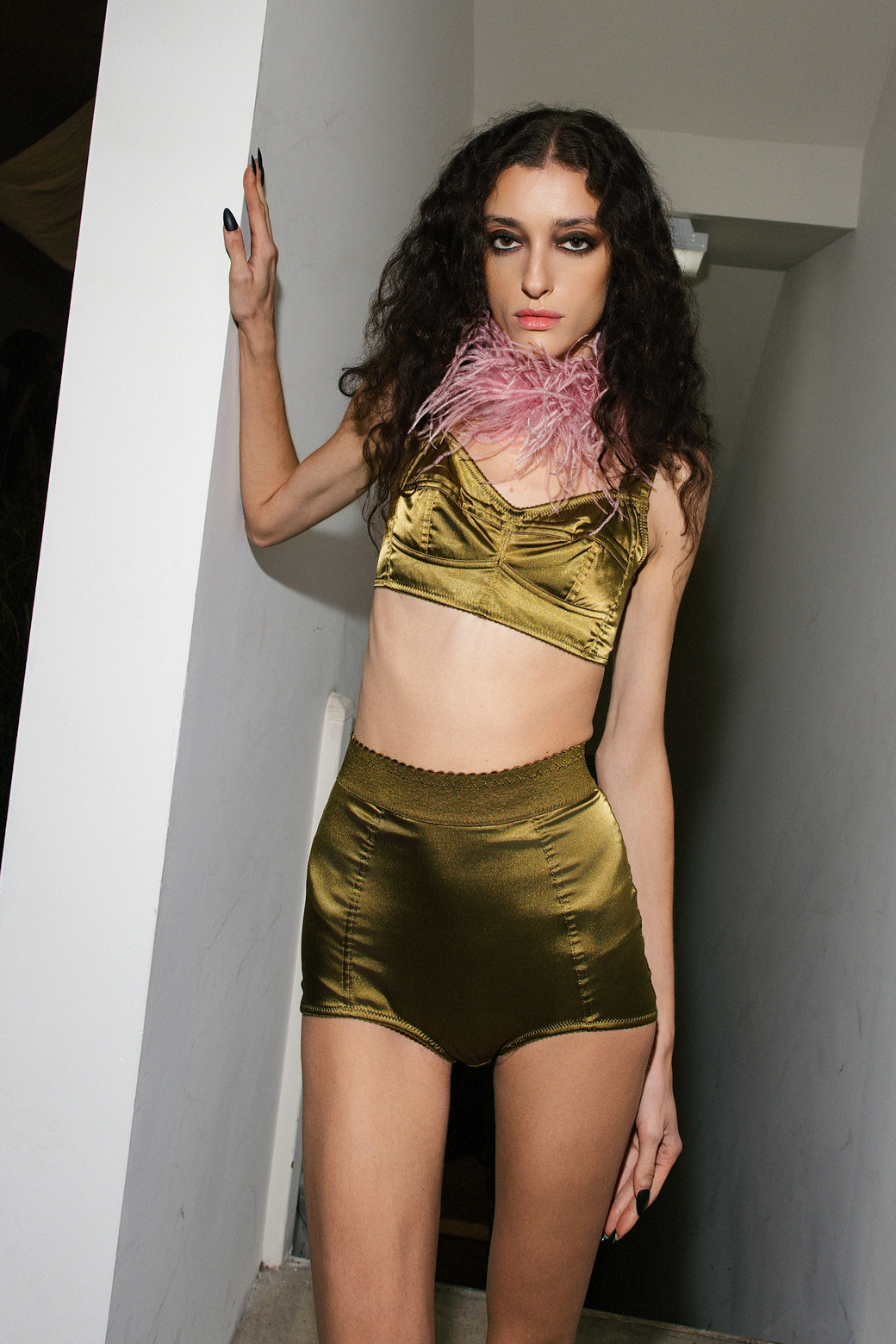
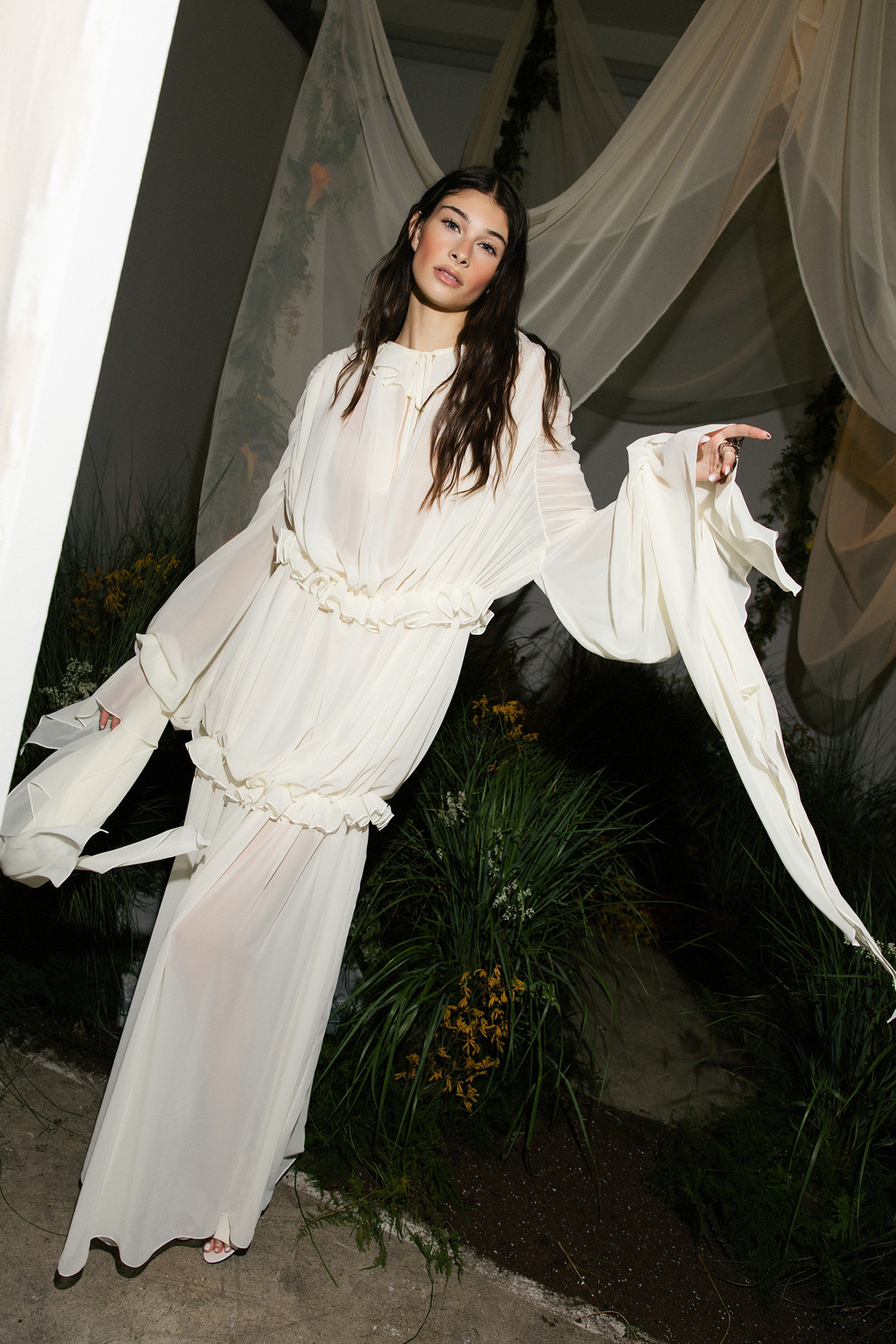
- Designs by Pierre Davis of No Sesso and Sonya Sombreuil of Cometees
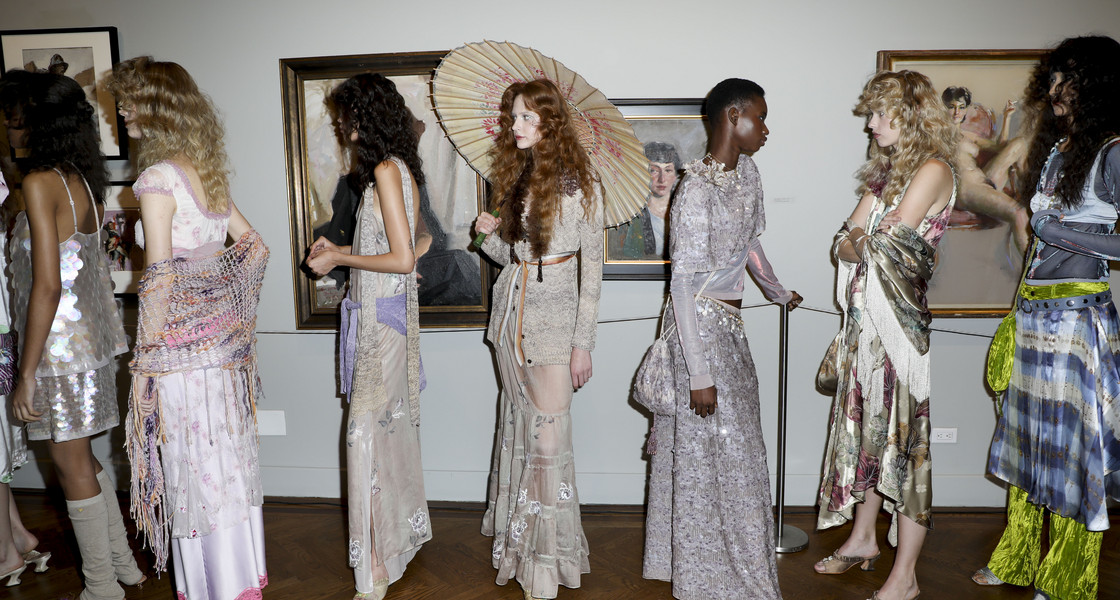
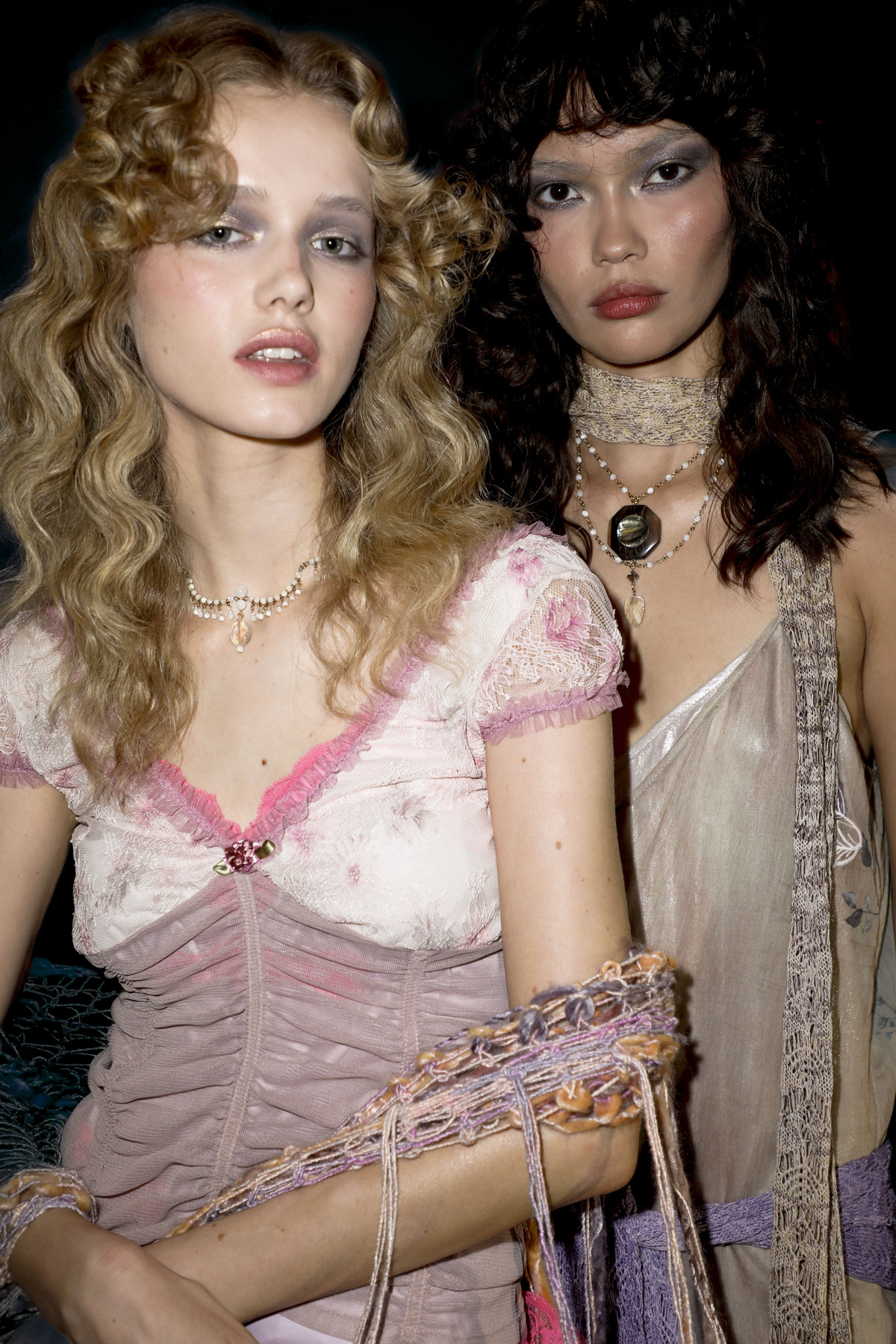
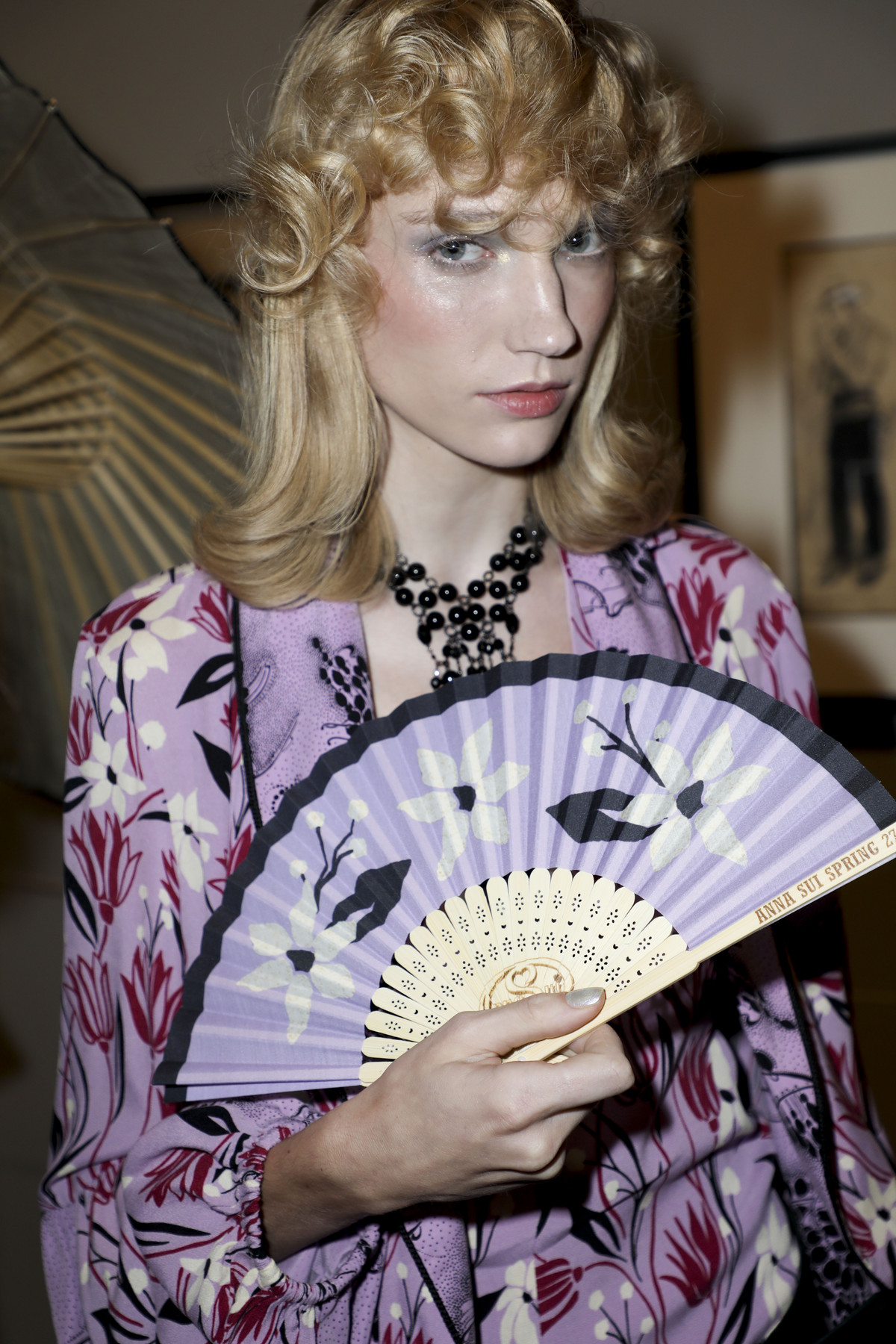
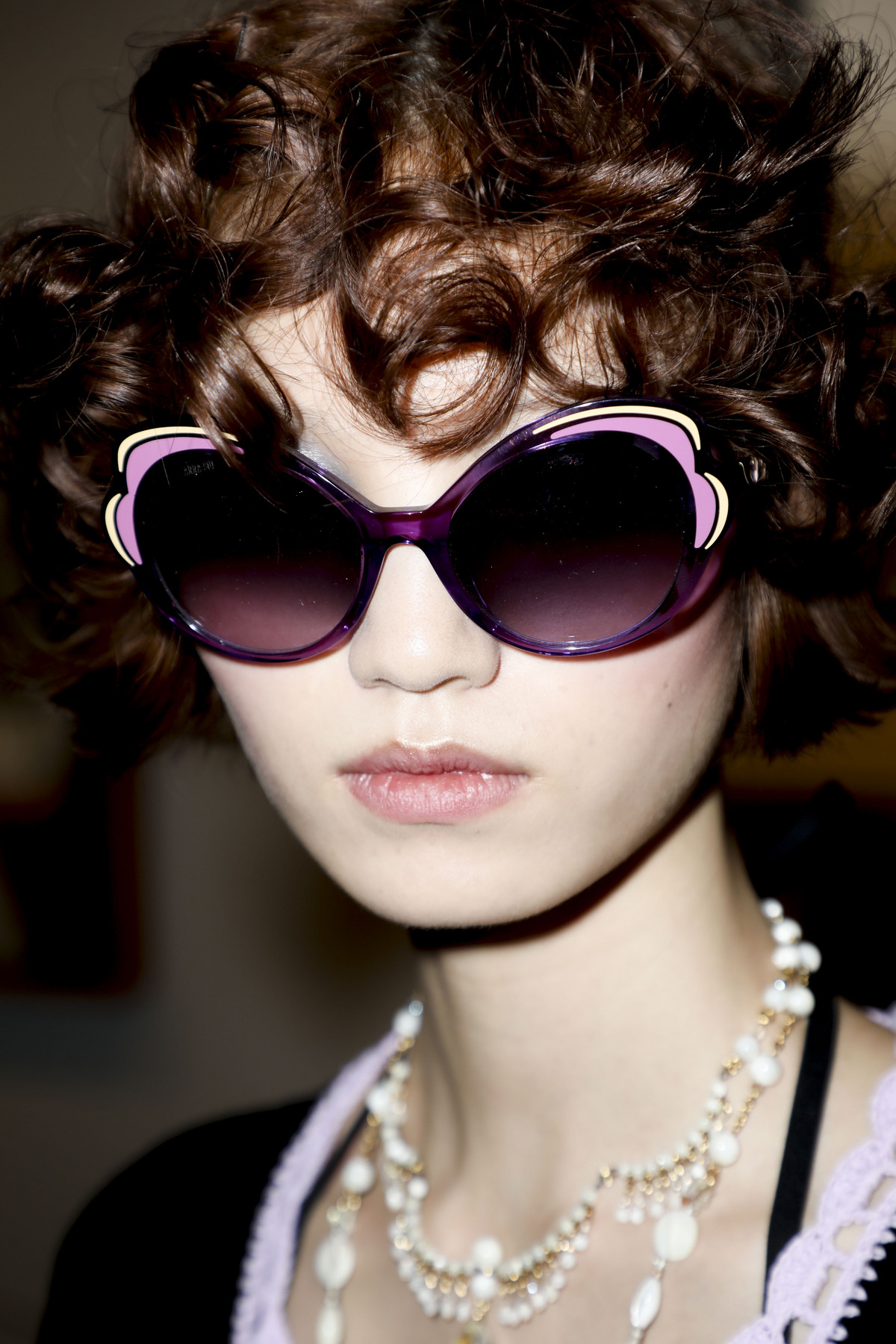
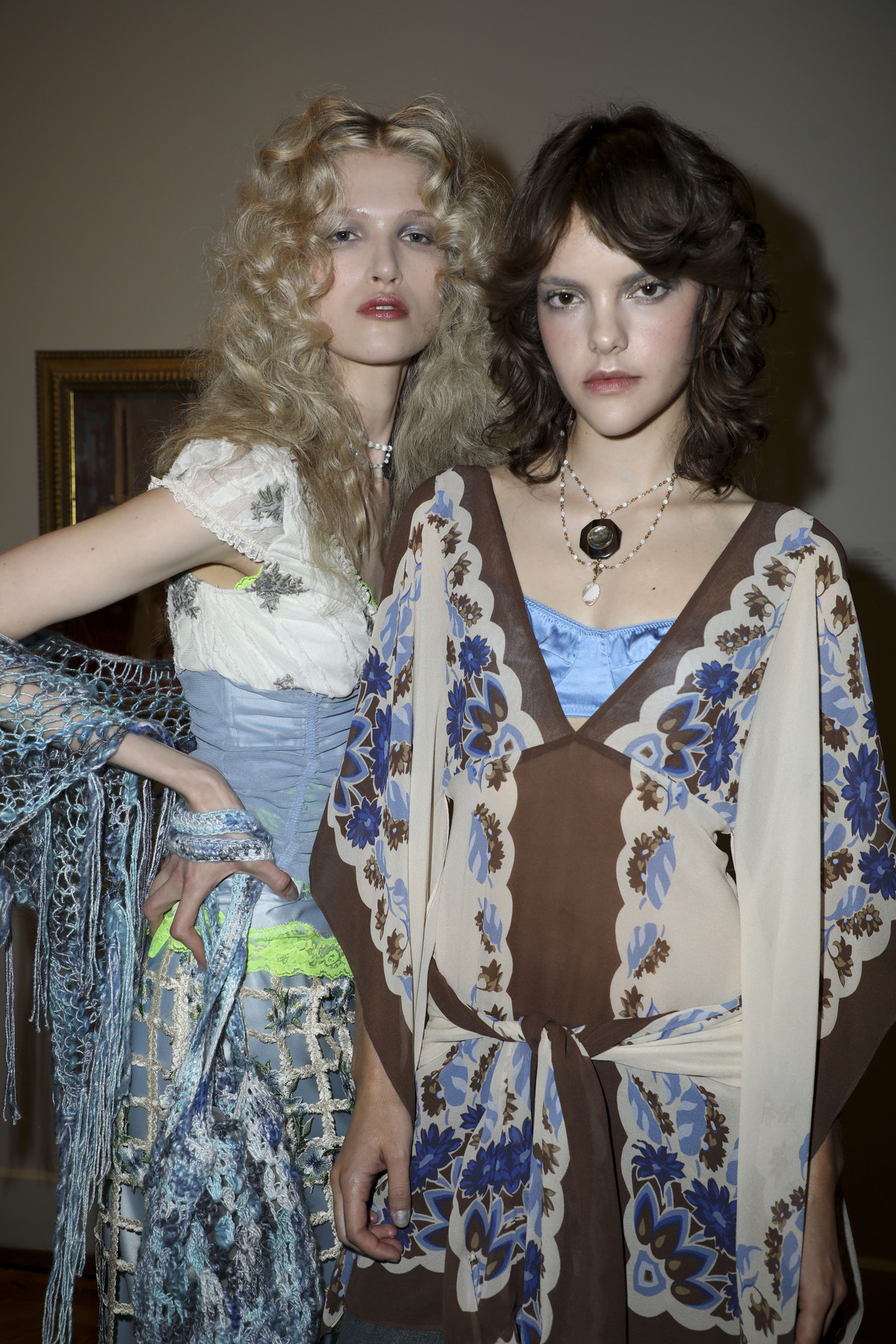
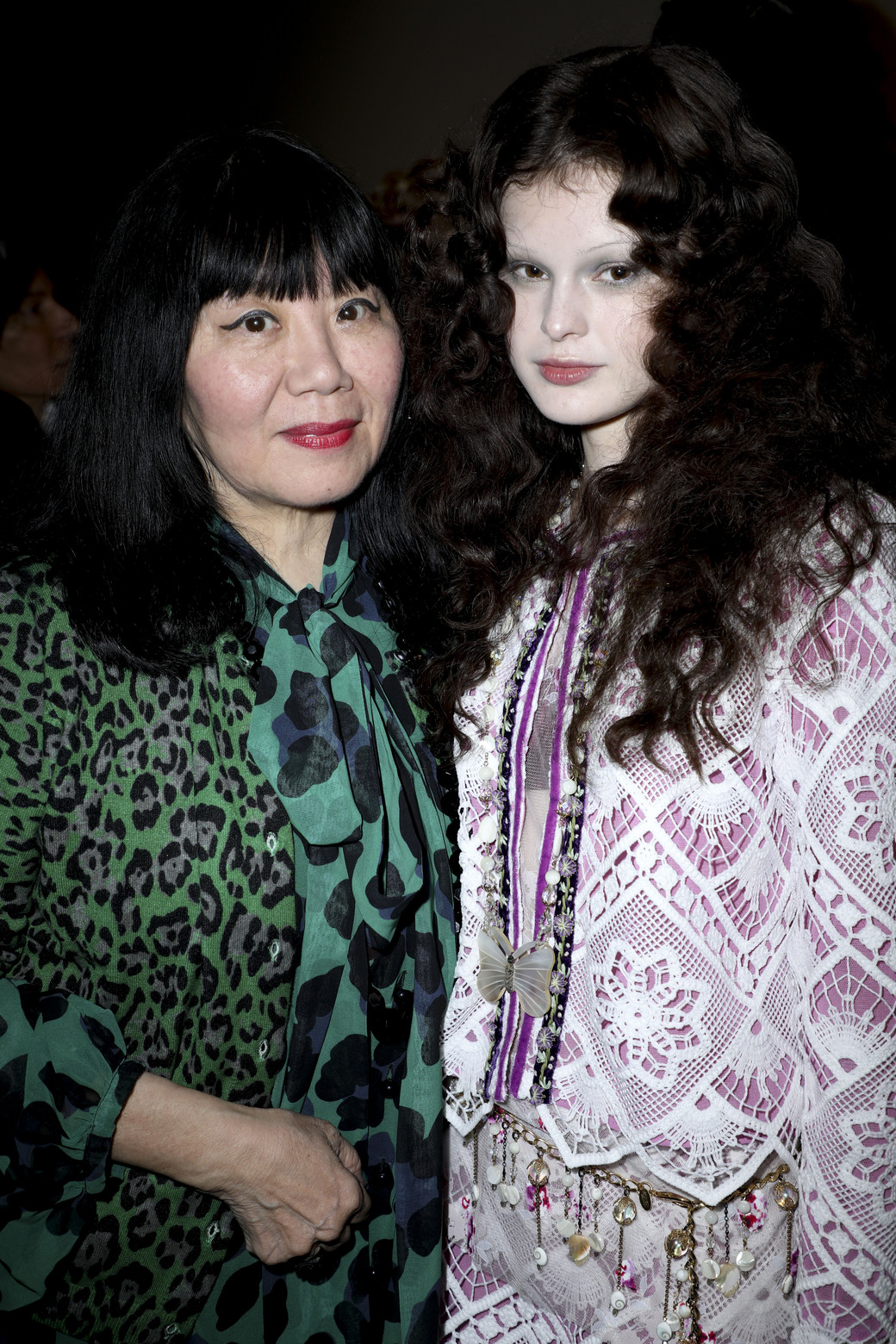
After discovering Howard Gardiner Cushing’s paintings while flipping through a 1970s issue of Vogue and observing Justine Cushing’s walls adorned with the most fantastical paintings, what began as a search for a photograph suddenly became something else entirely for Sui: a new visual world.
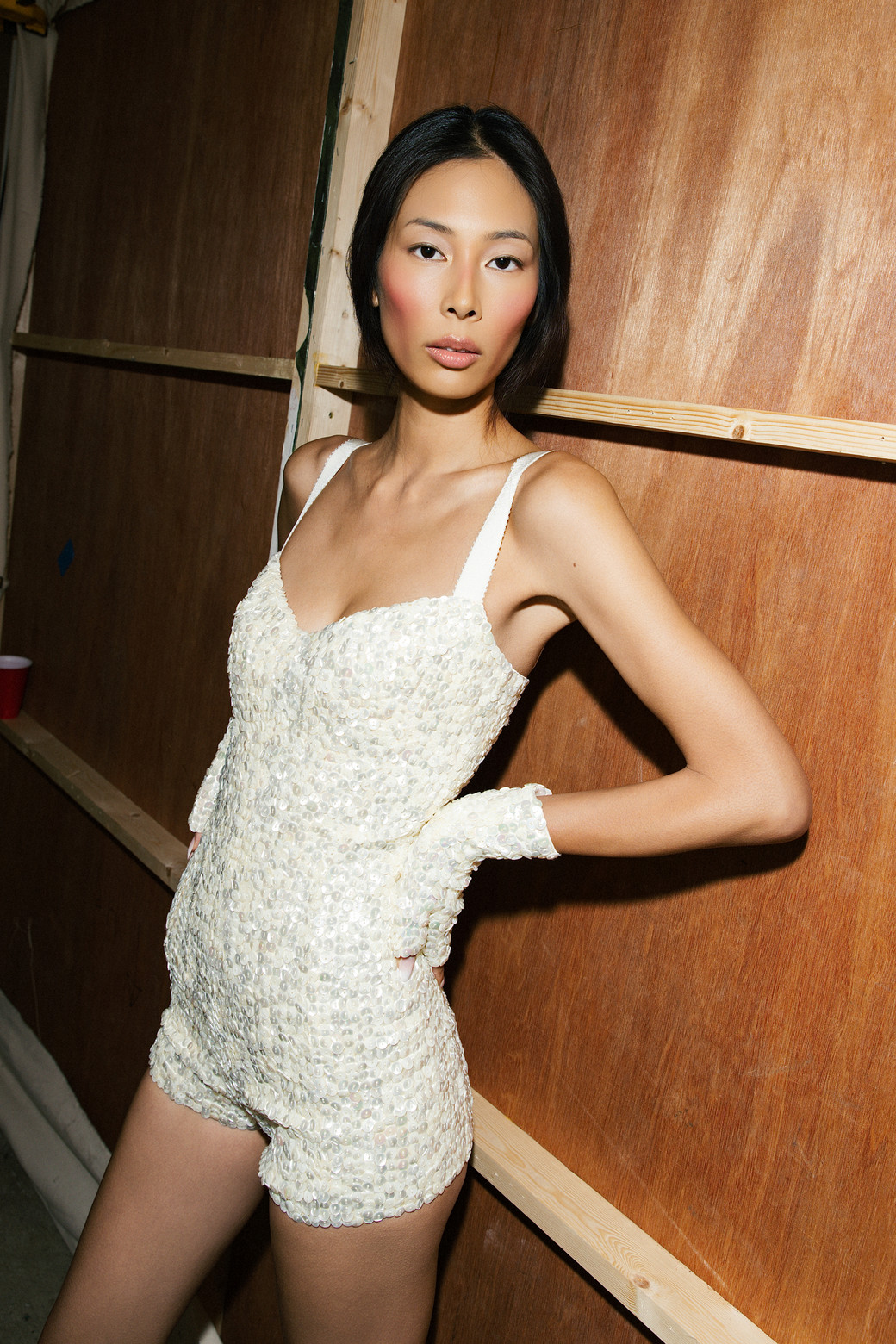
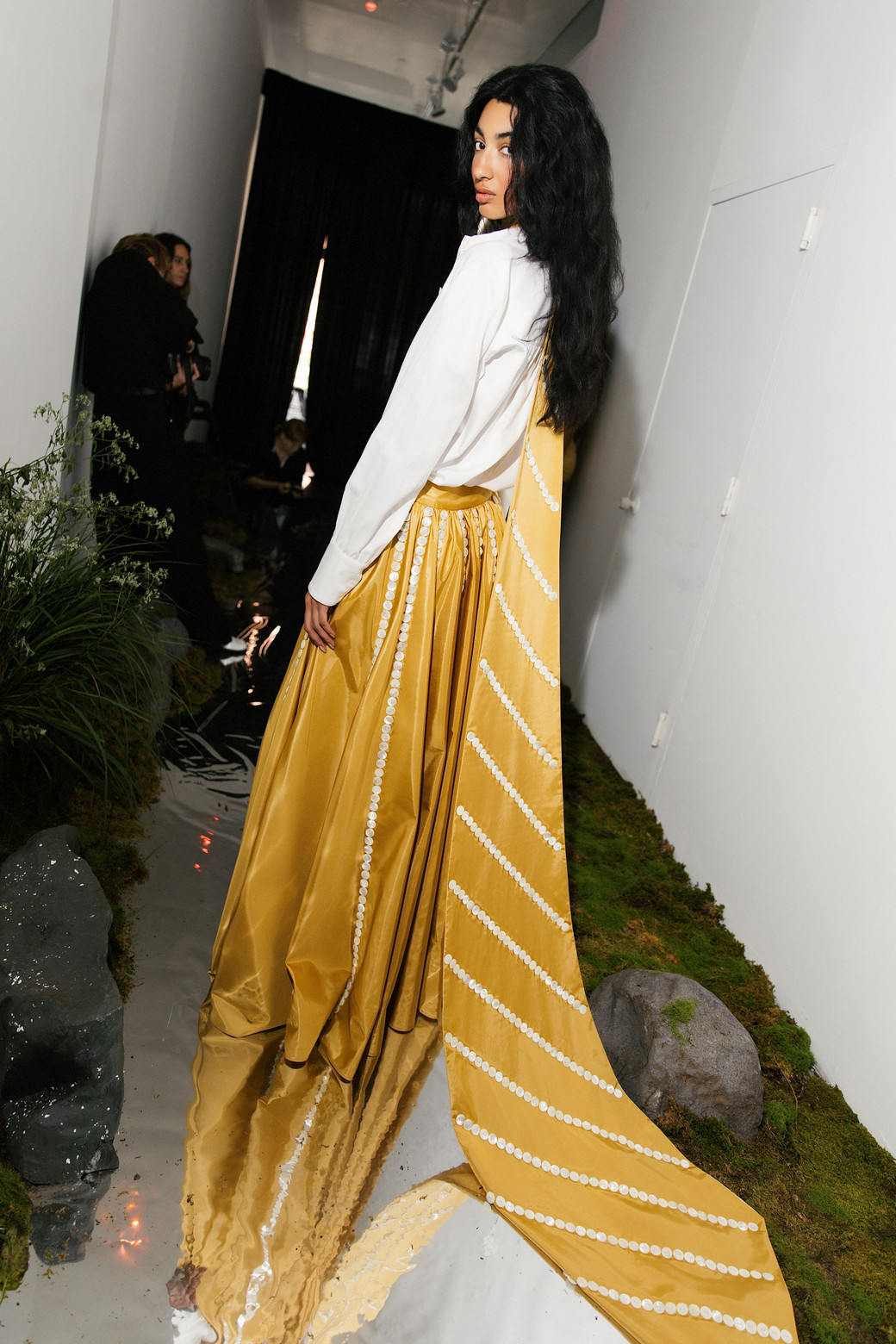
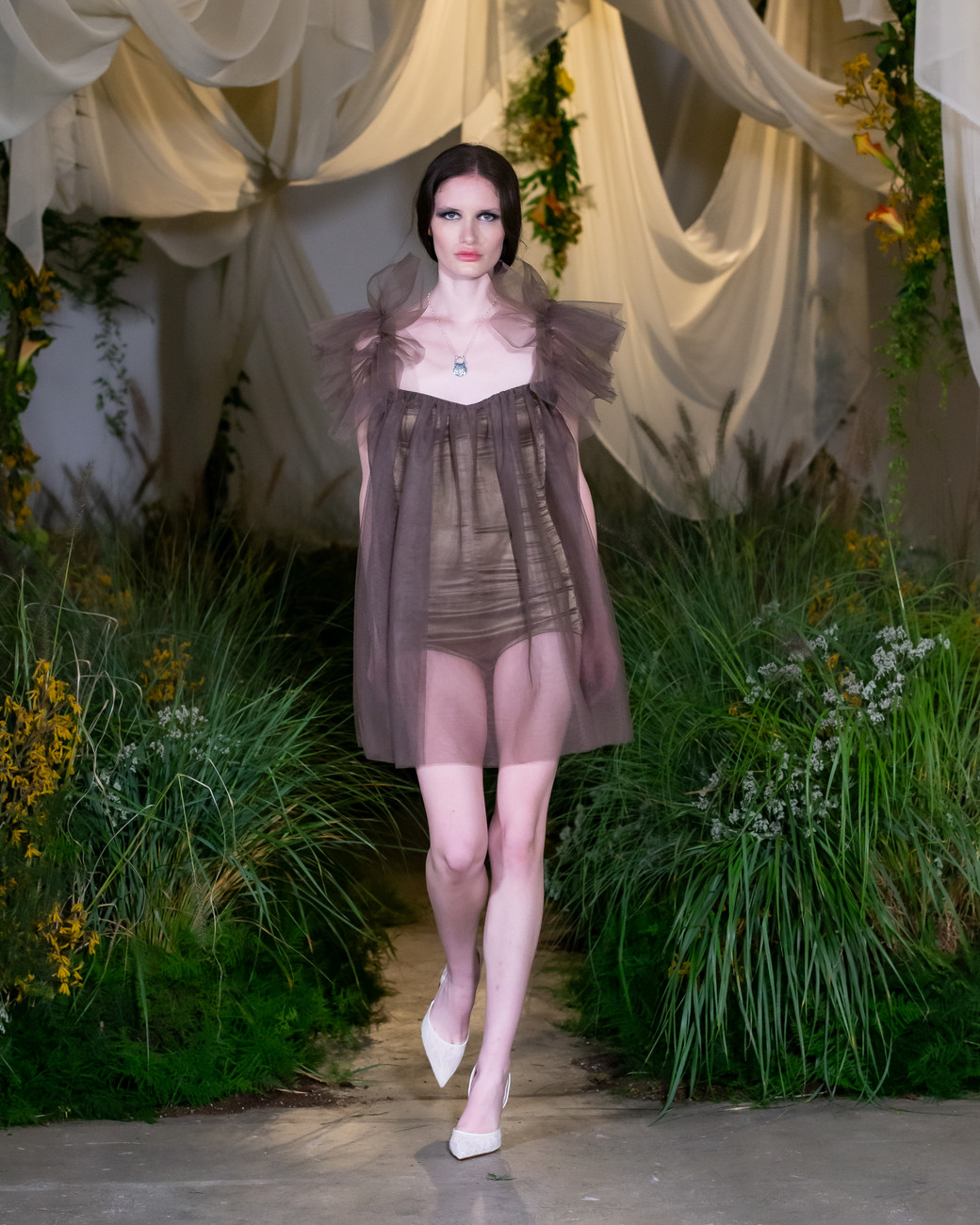
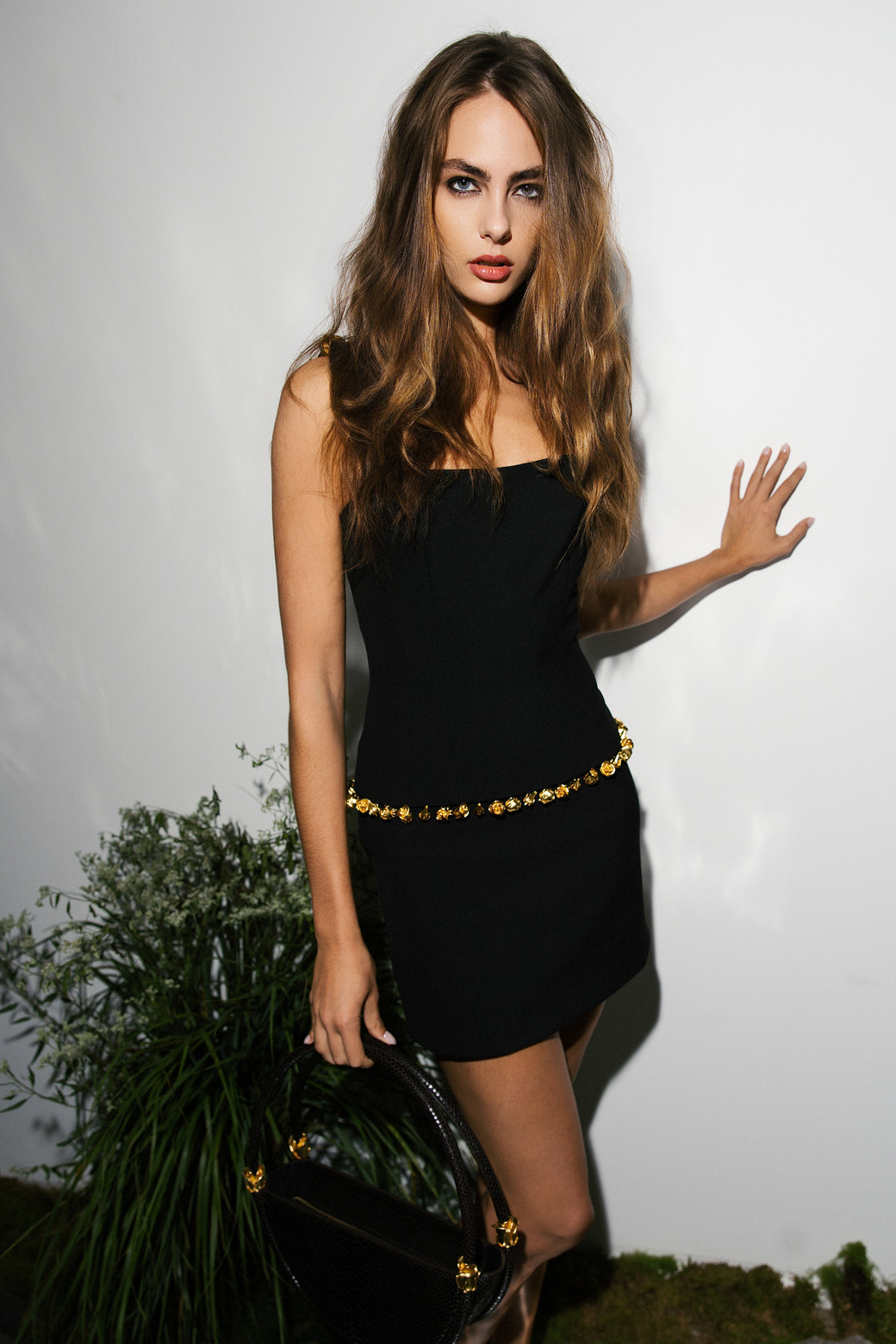
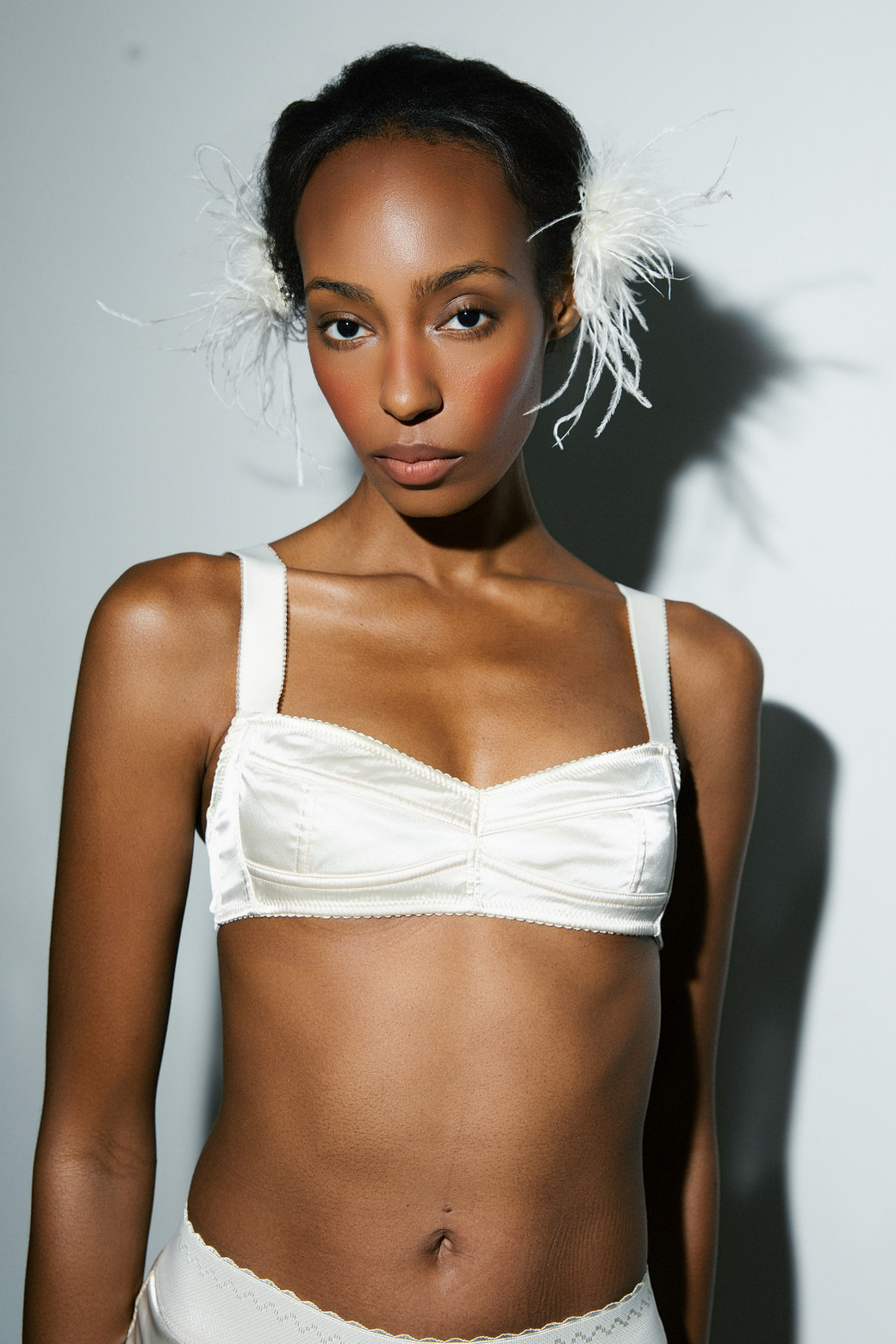
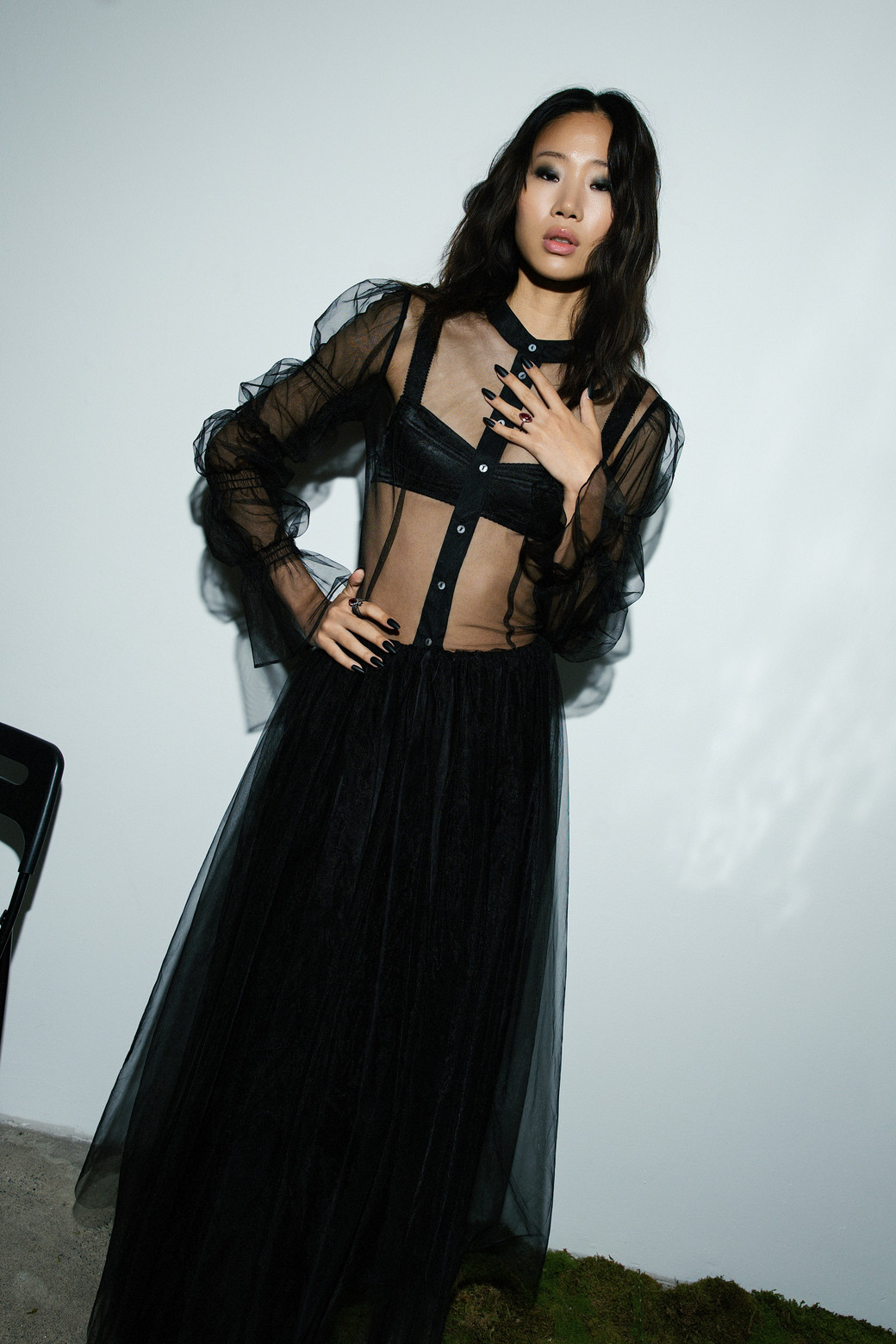
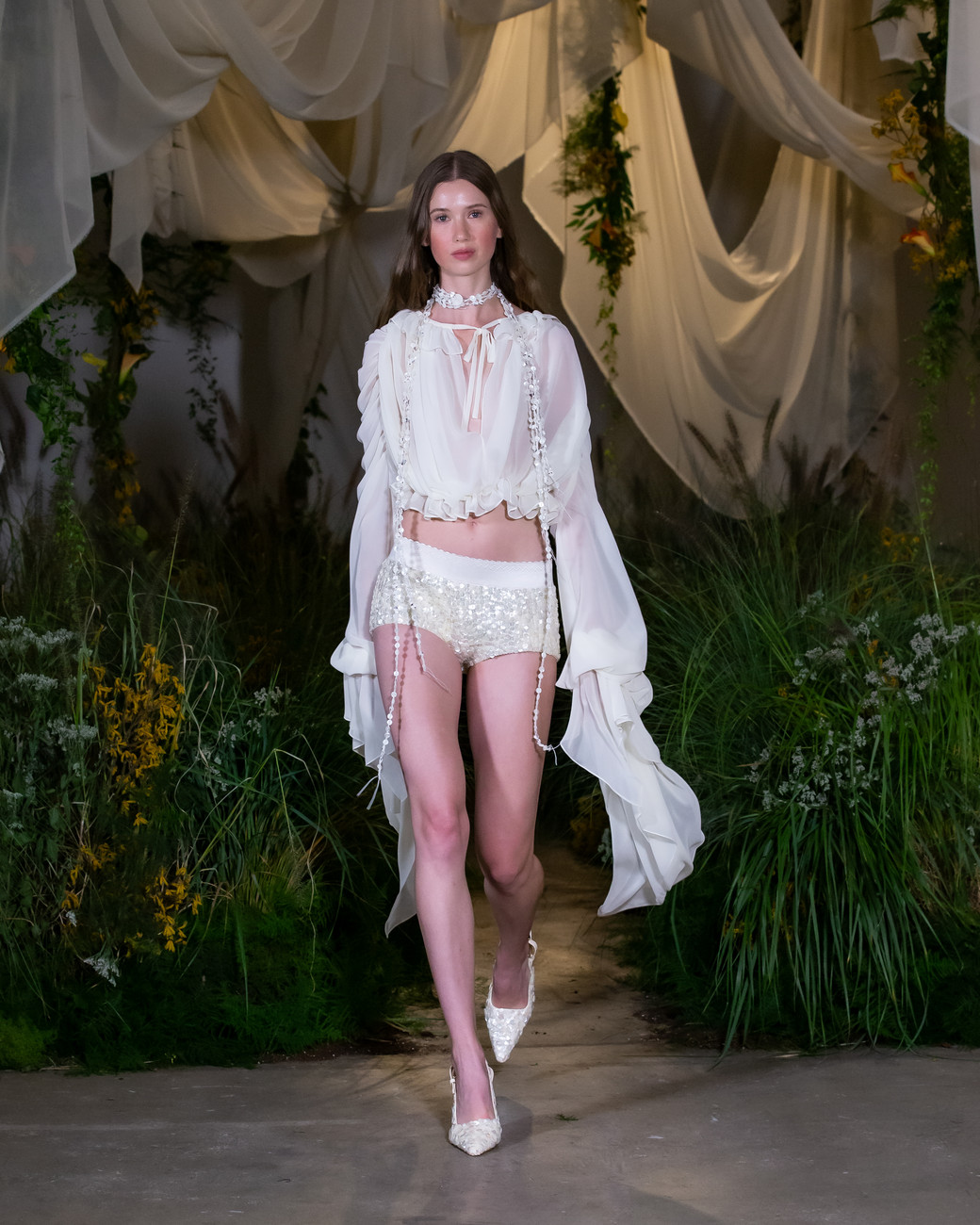
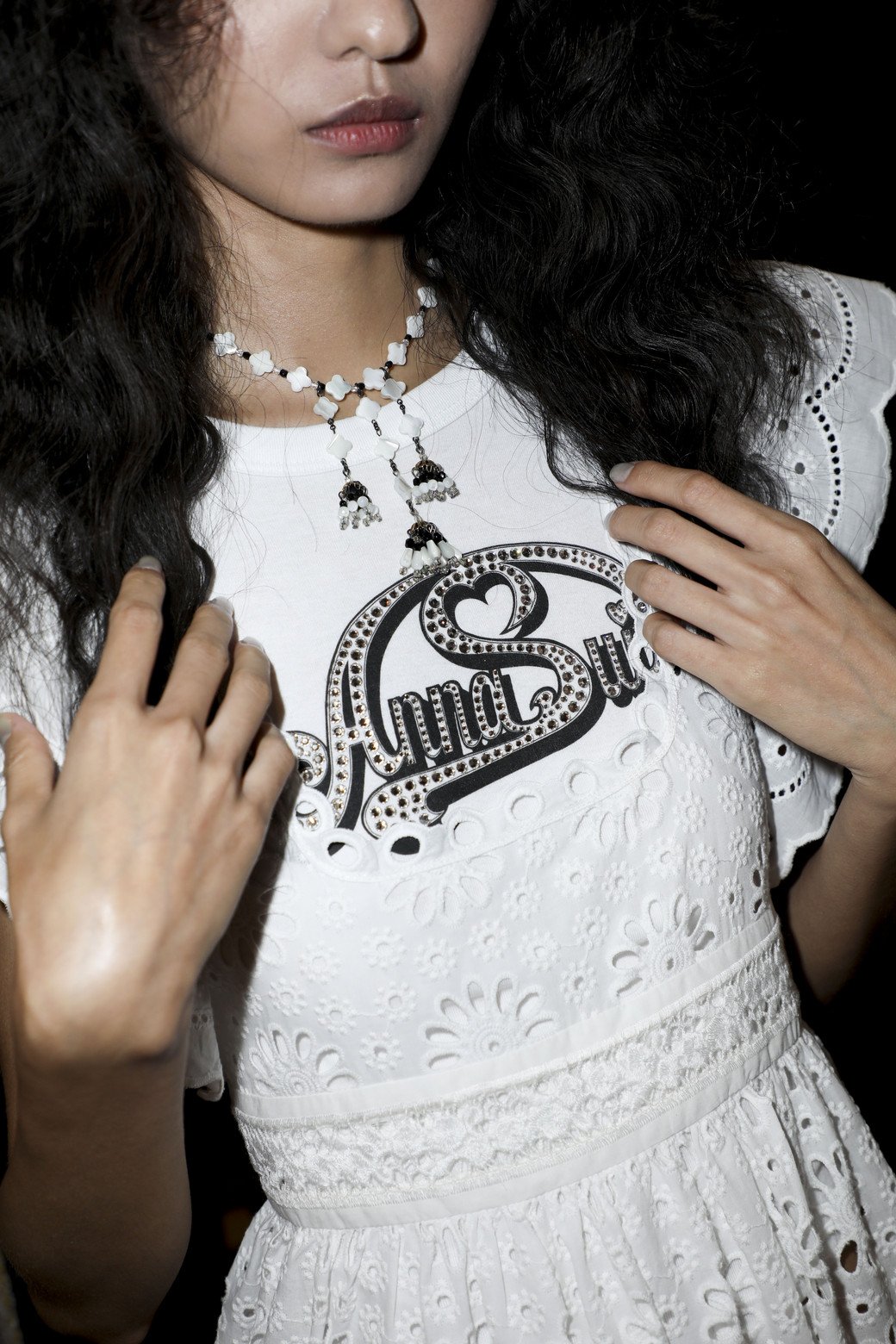
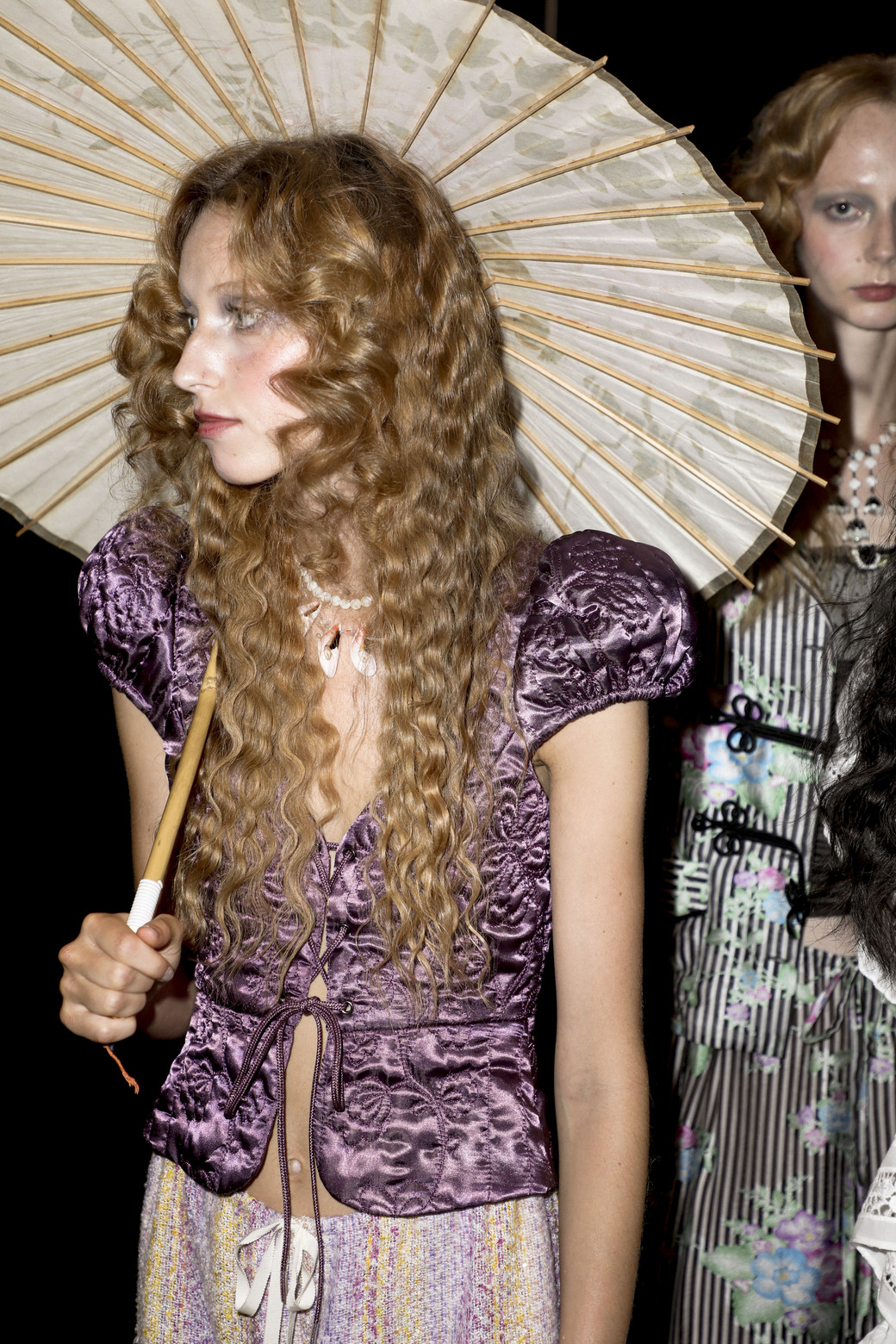
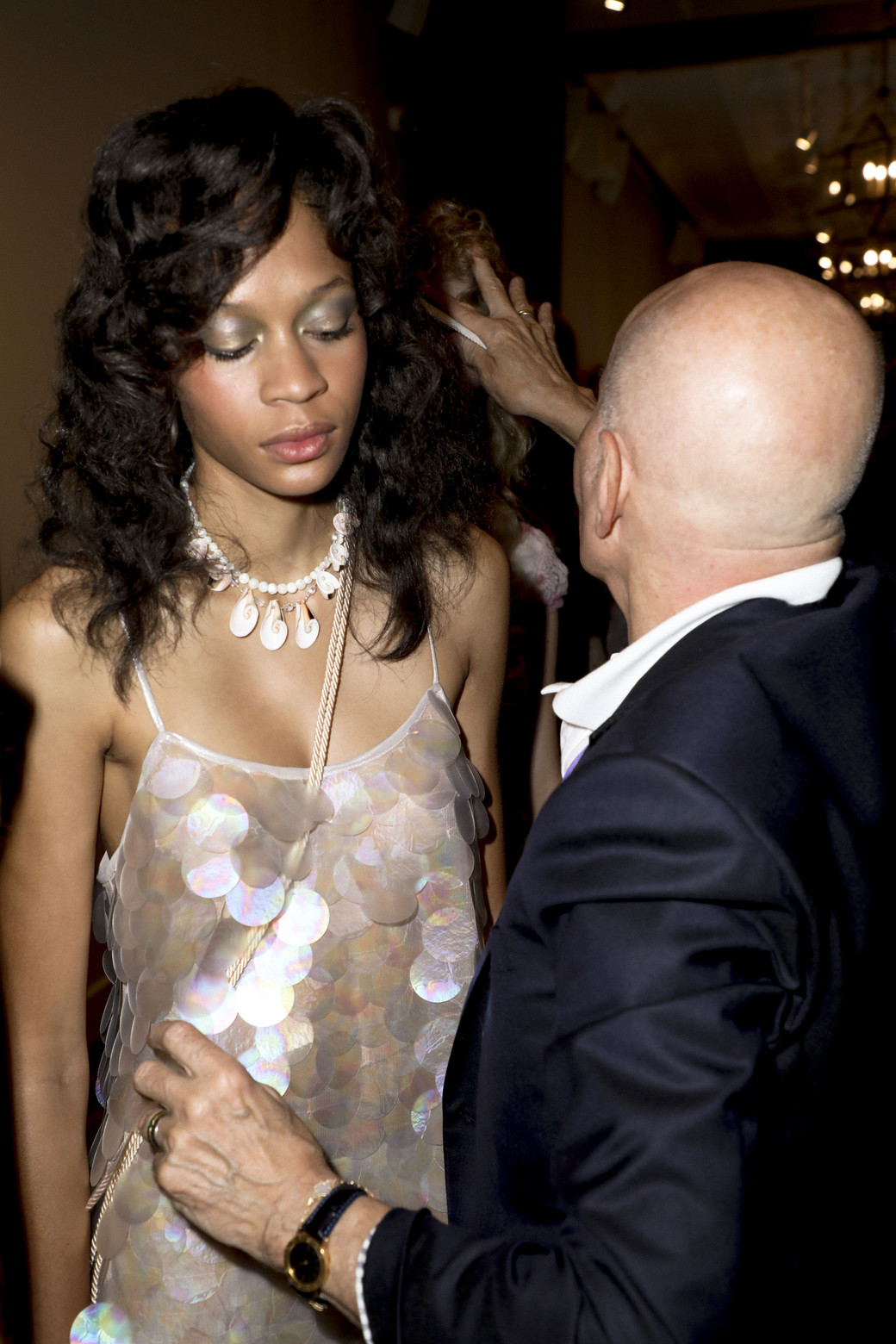
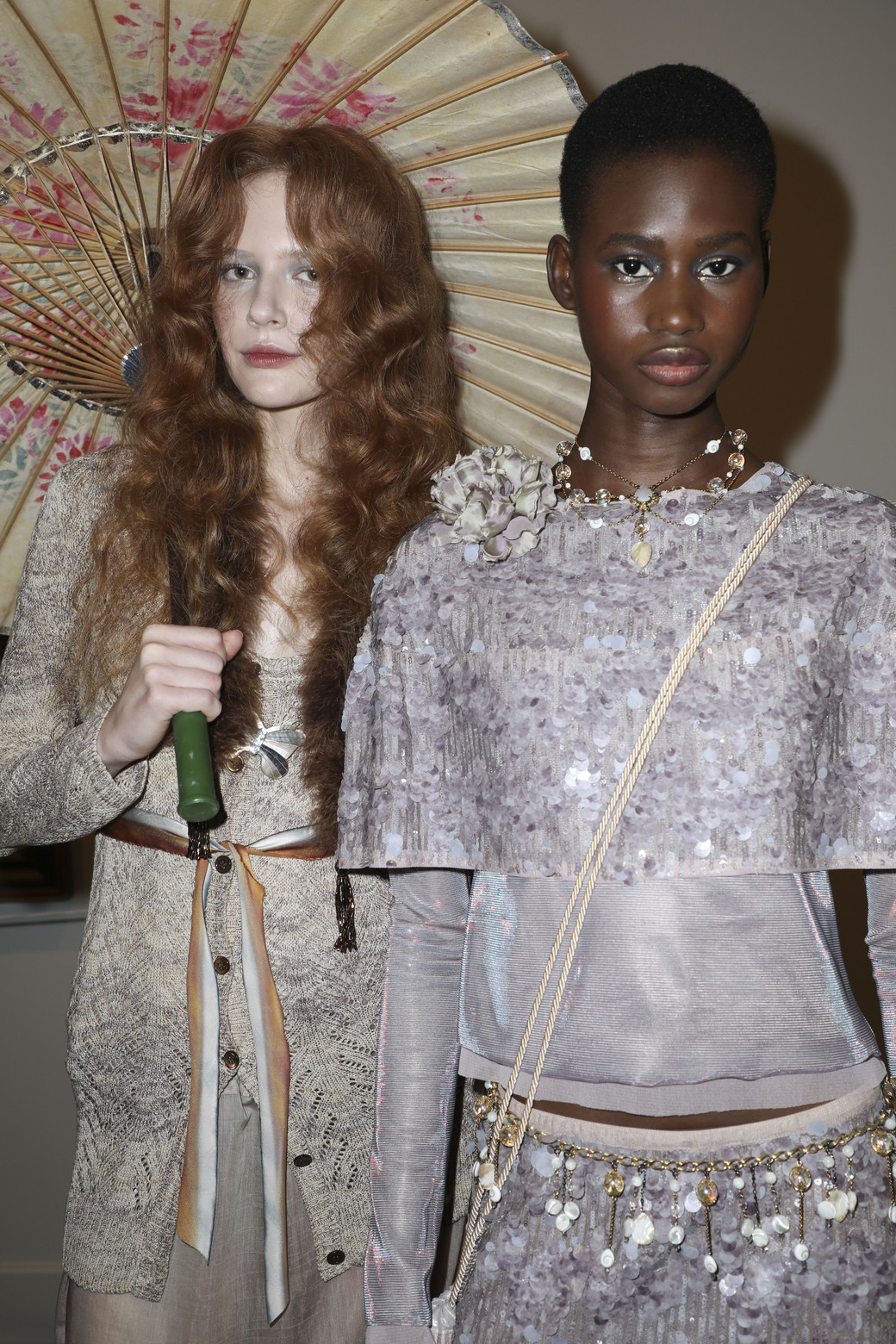
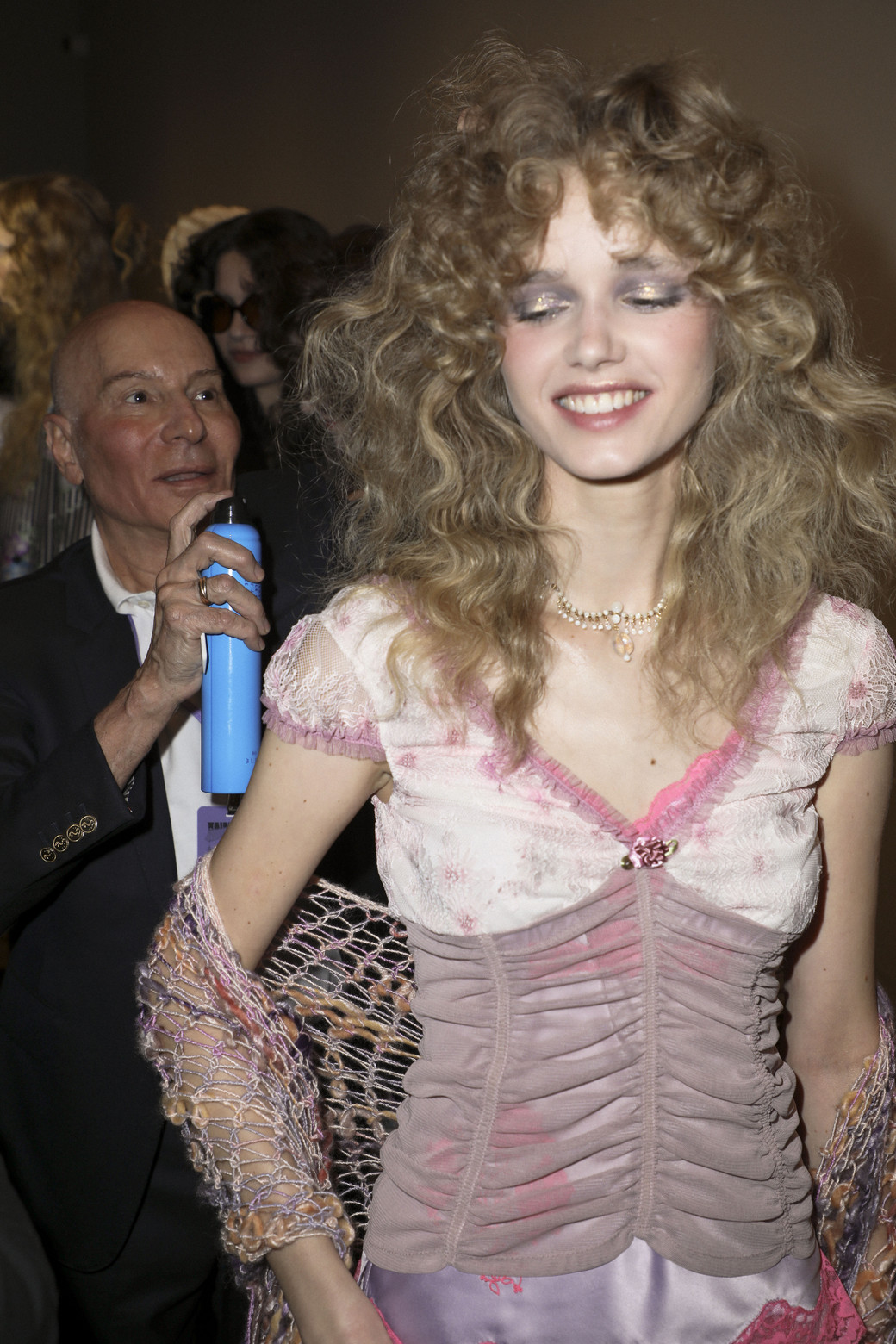
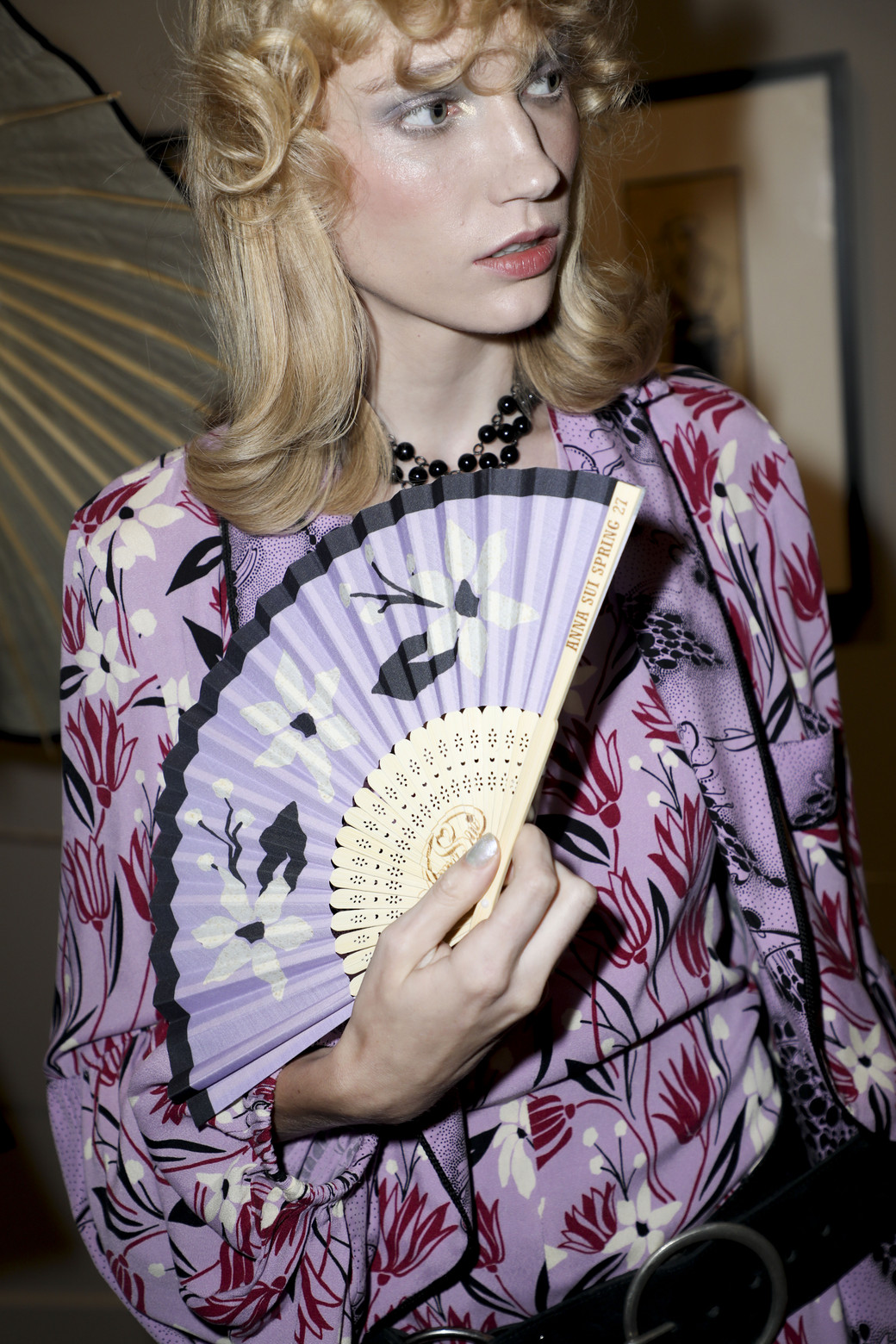
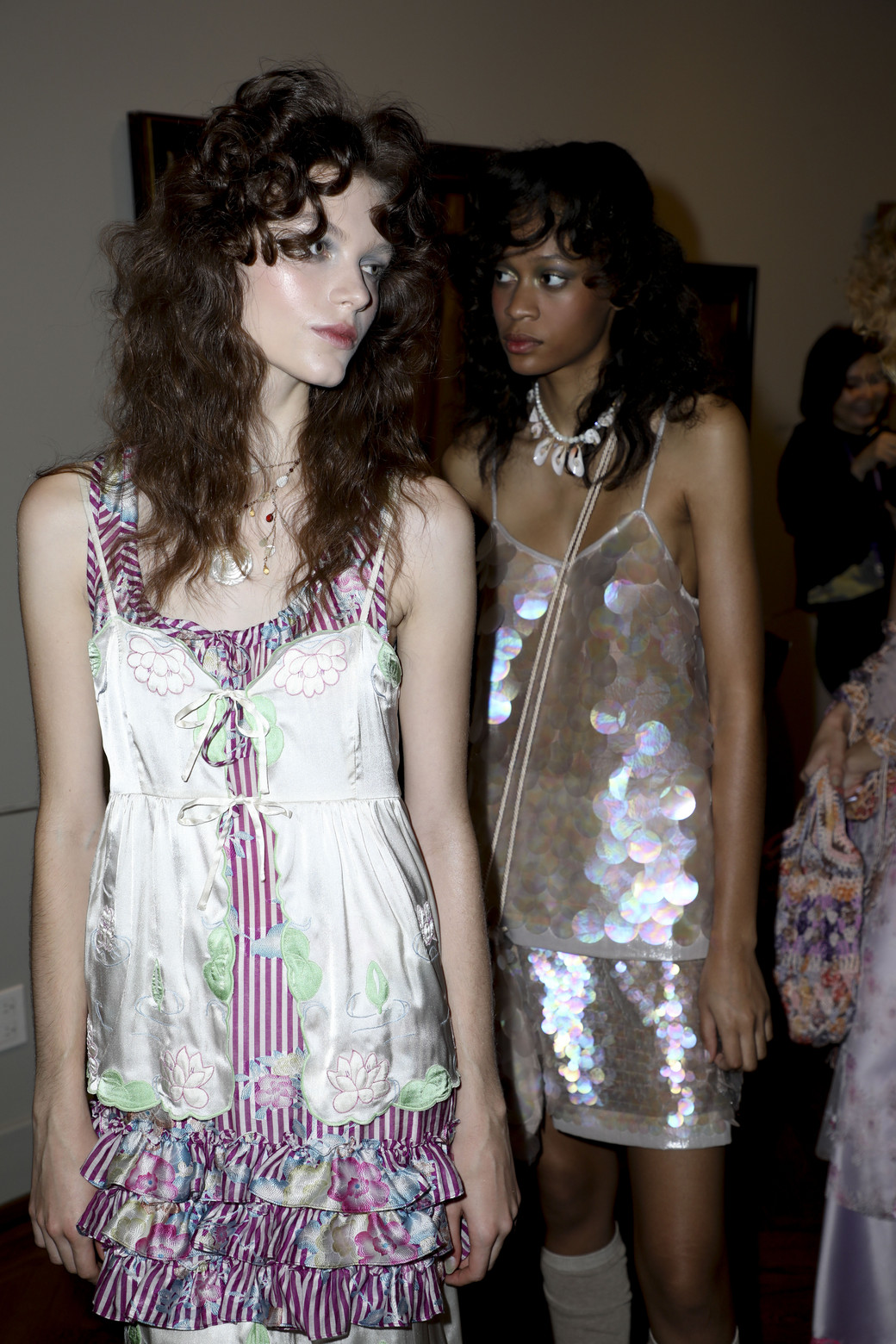
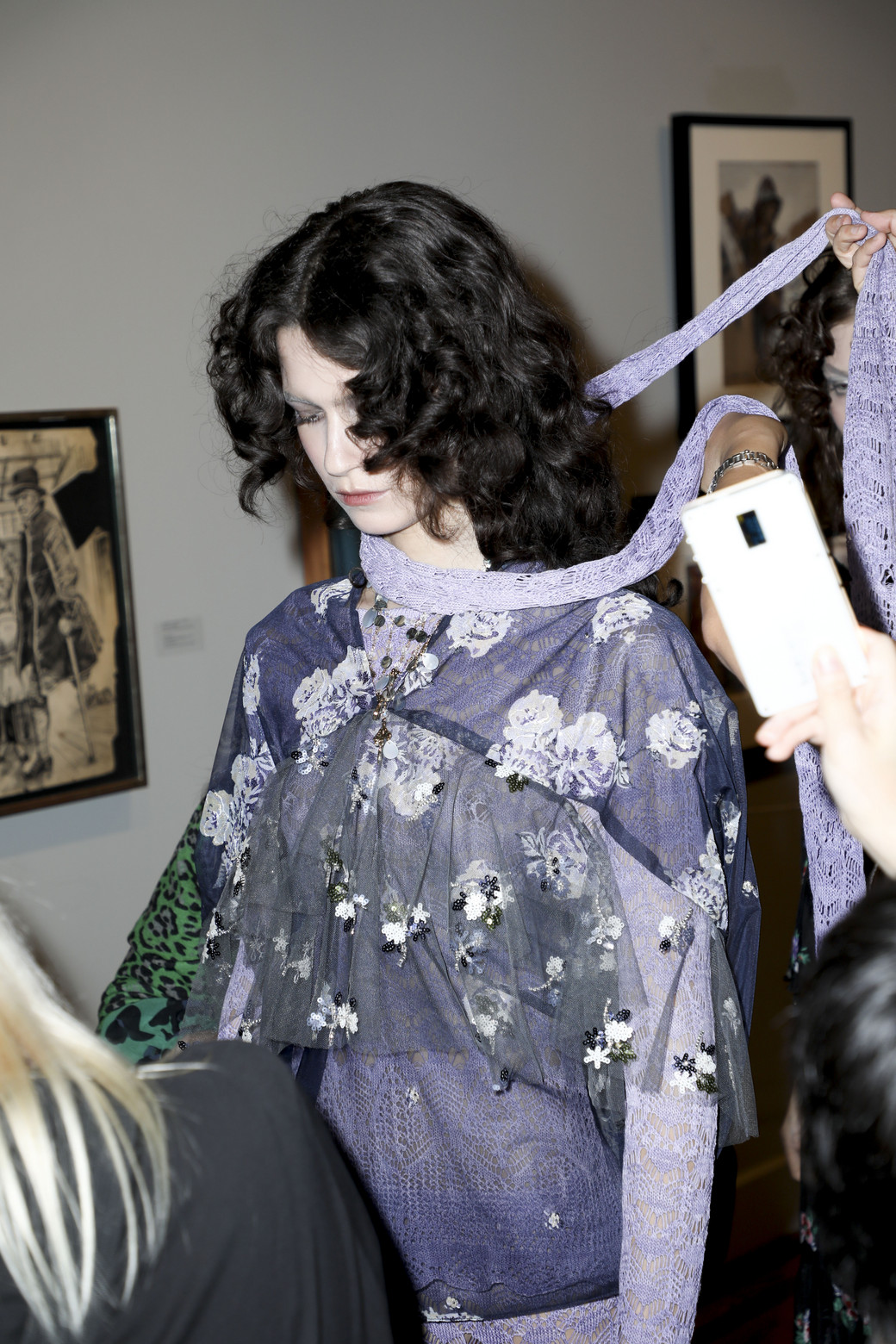
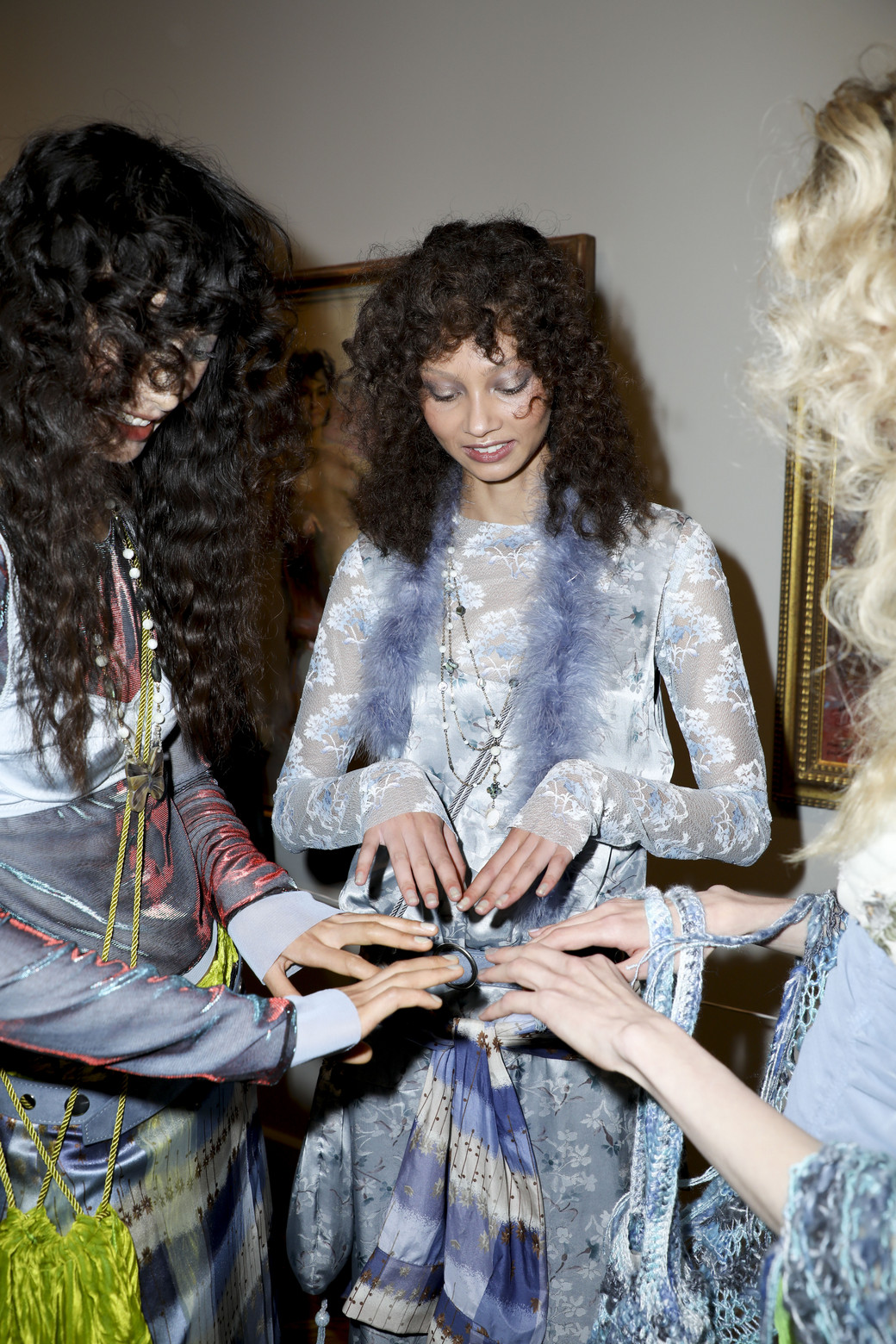
The collection explores that same feeling of enchantment and discovery through romantic florals, opulent embellishment, nostalgic lingerie, lace, crochet, luminous satin, and fantastical prints. Some pieces, like the Lilac & Black Fairytale scarf print and Beardsley & Nouveau Florals, appear on a kimono-sleeve jacket and matching robe, in what feels like a louder, bolder, yet still traditional Anna Sui approach, while other pieces, like the Heirloom Embroidered halter top paired with Cabochon Bejeweled jeans, lean into the brand’s more familiar themes of playfulness.

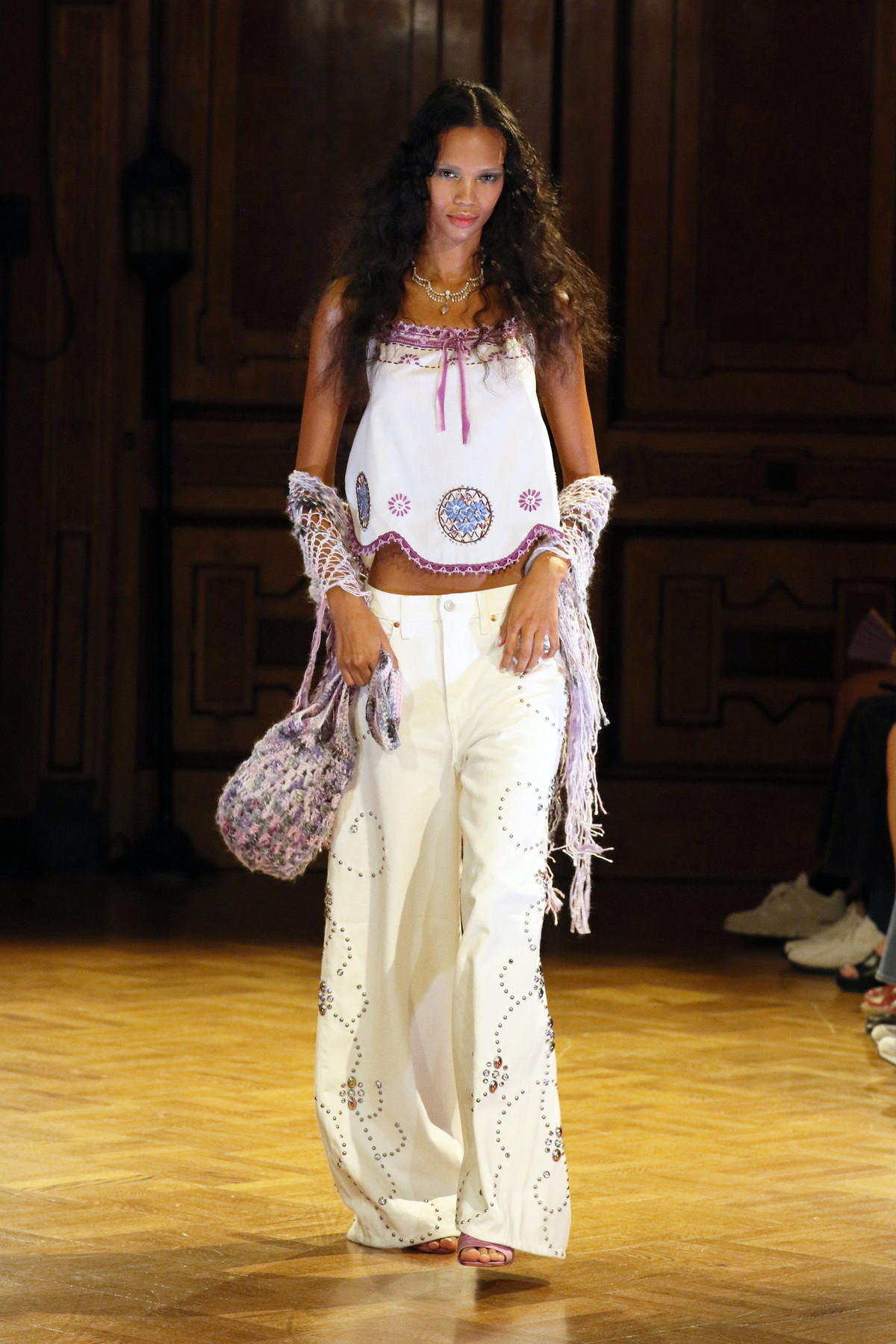
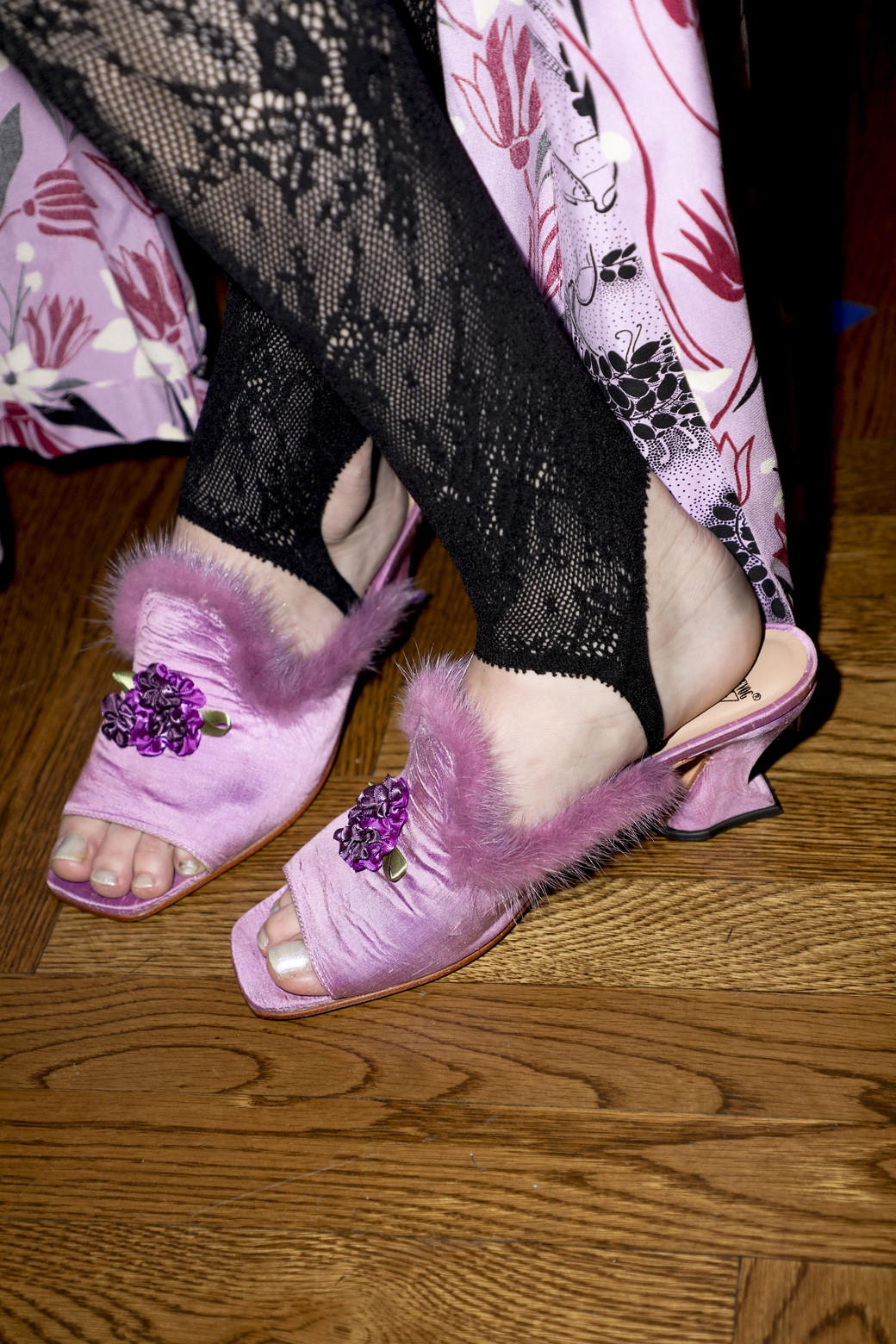
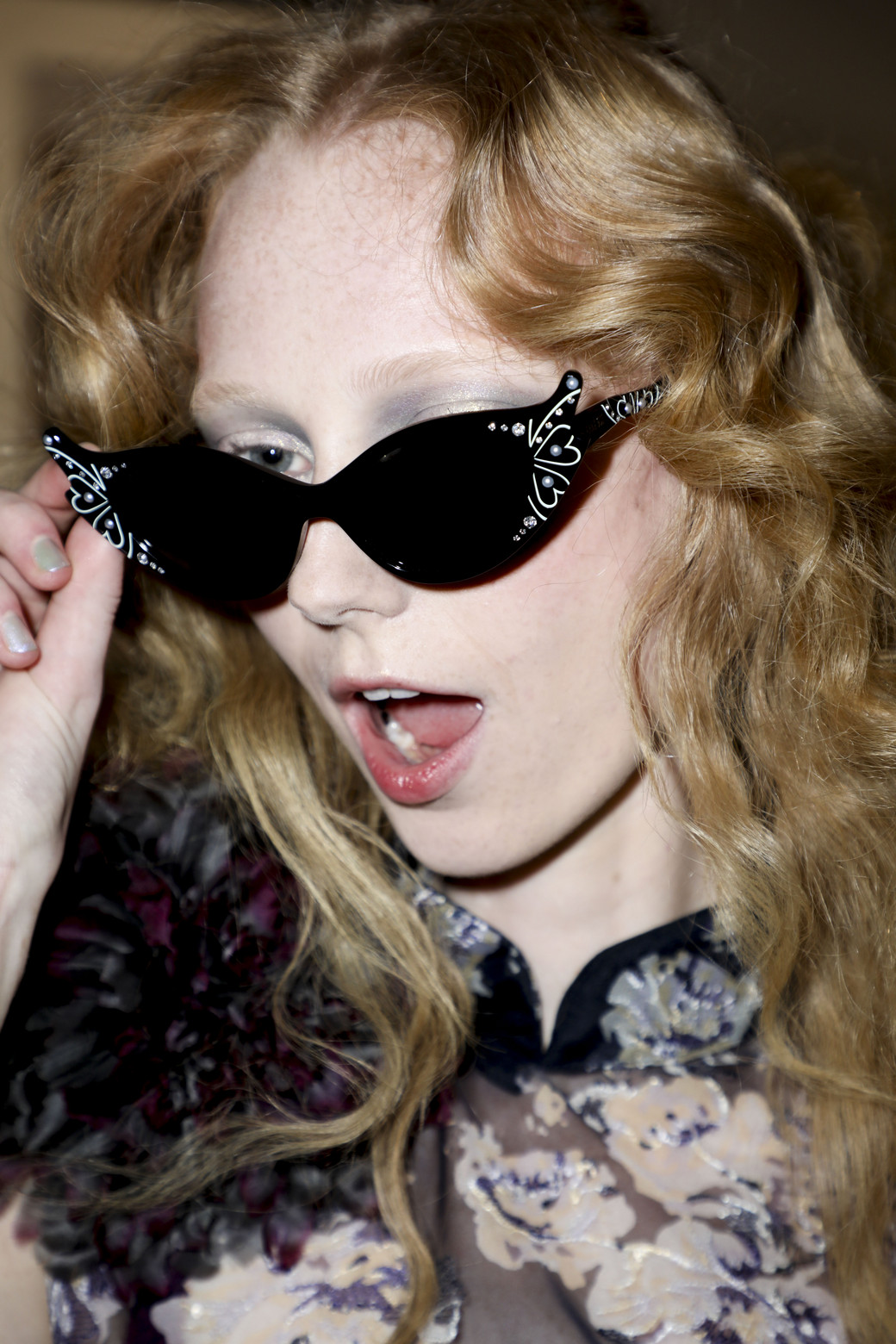
Floral prints serve as one of the collection’s many stars, with designs including Garden Border, Anemone Crinkle Chiffon, and Cornflower Satin Burnout appearing throughout, creating an ever-changing garden of color, pattern, and texture. While the collection is outwardly bold on its own, Sui collaborated with artists and designers to help bring her vision to life. Erickson Beamon Jewelry draws from the Arts and Crafts movement, while John Fluevog Shoes transforms vintage fabrics into fairytale boudoir slippers. Mondottica Eyewear adds fairy-like elements through crystals, iridescence, and Art Nouveau lines, while Olah Hair accessories are customized in Sui’s prints with tulip, calla lily, and lily of the valley scrunchies.
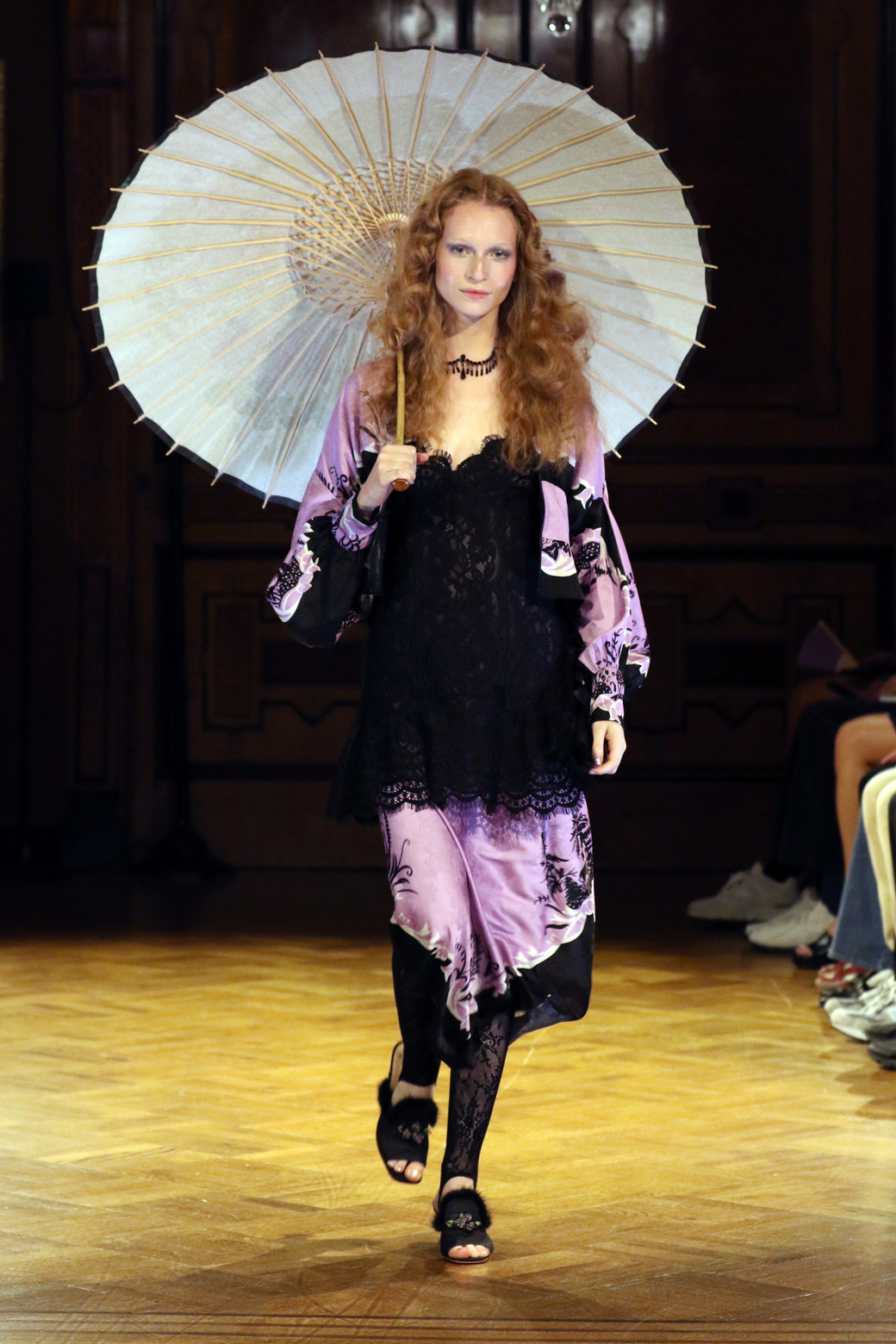
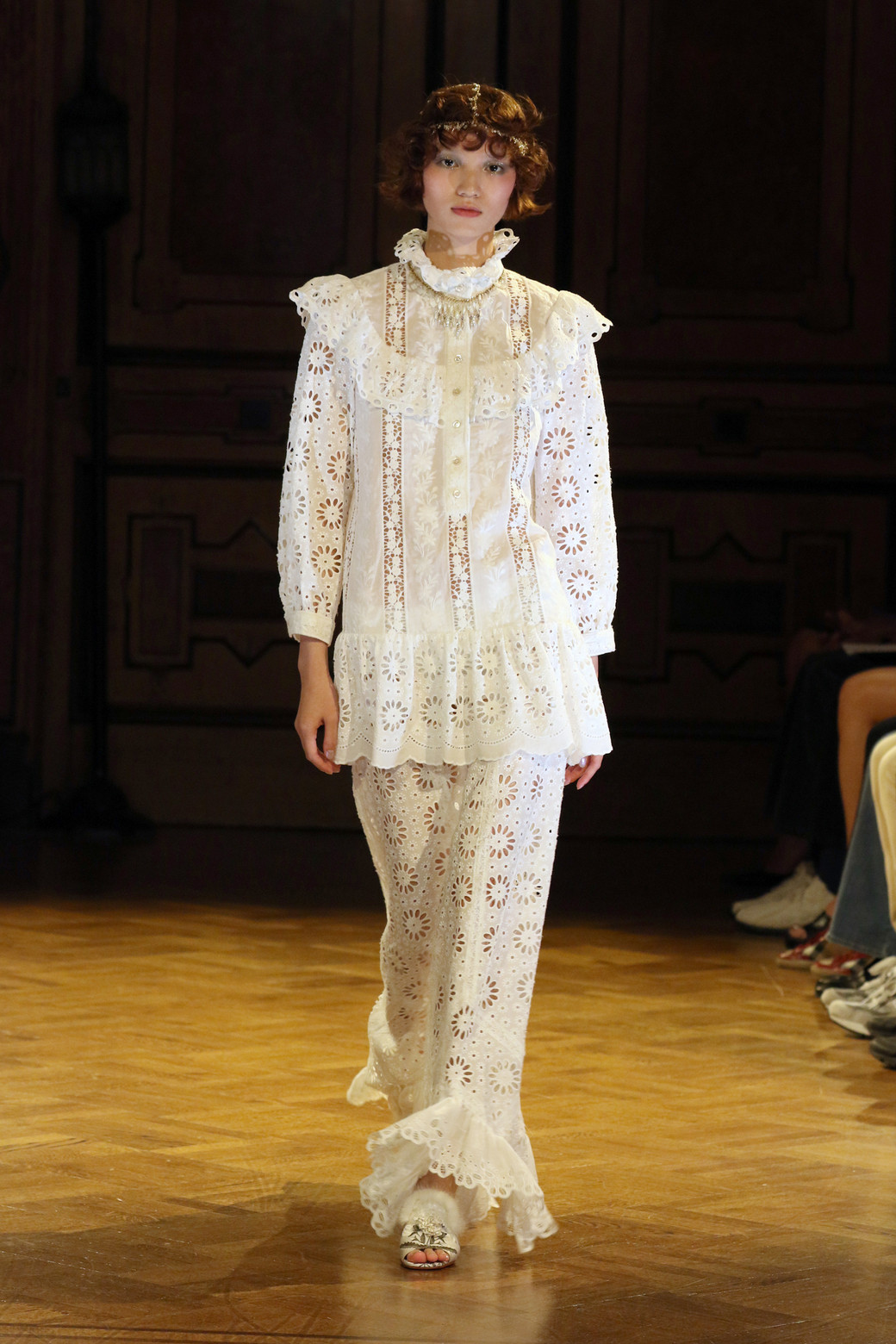
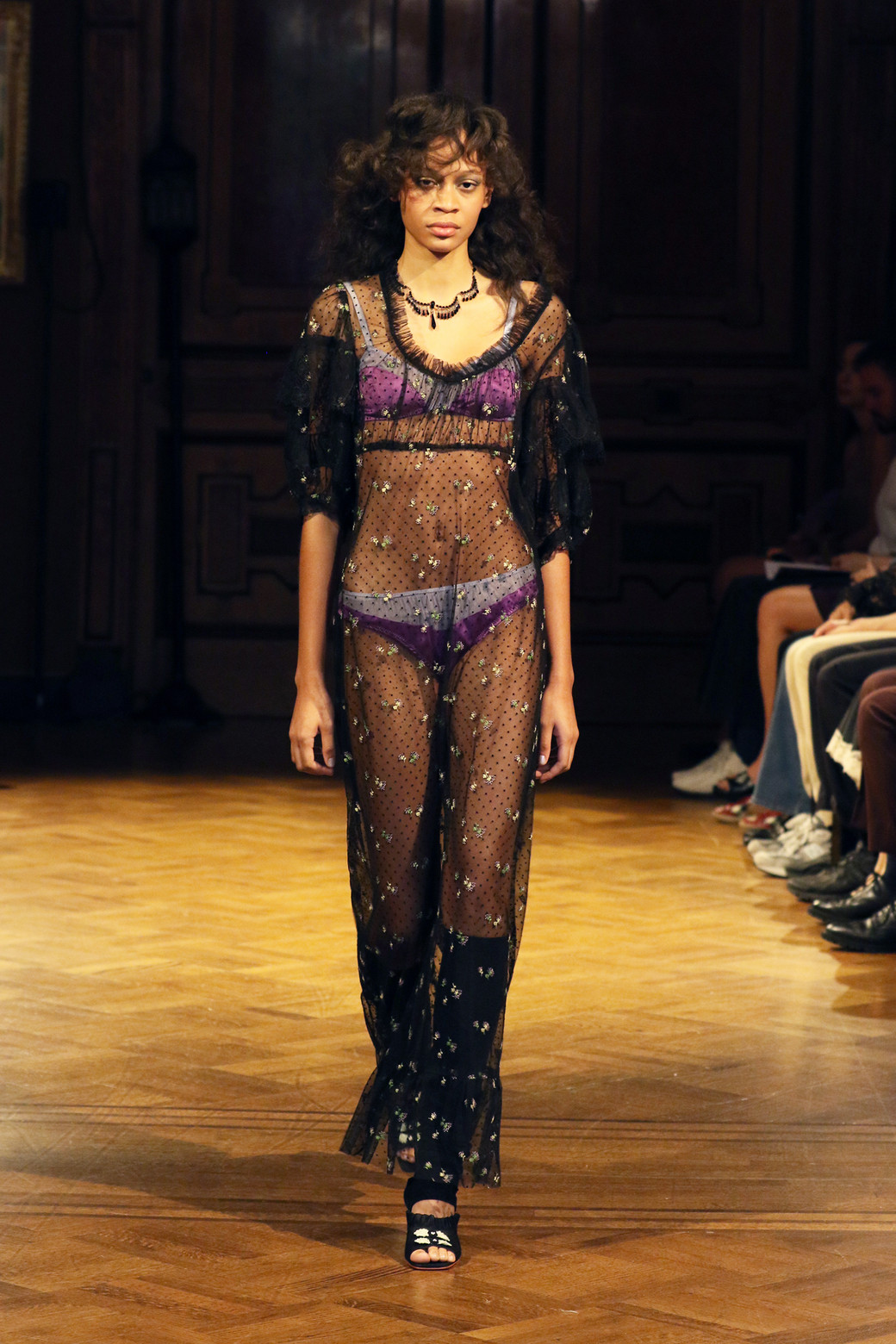
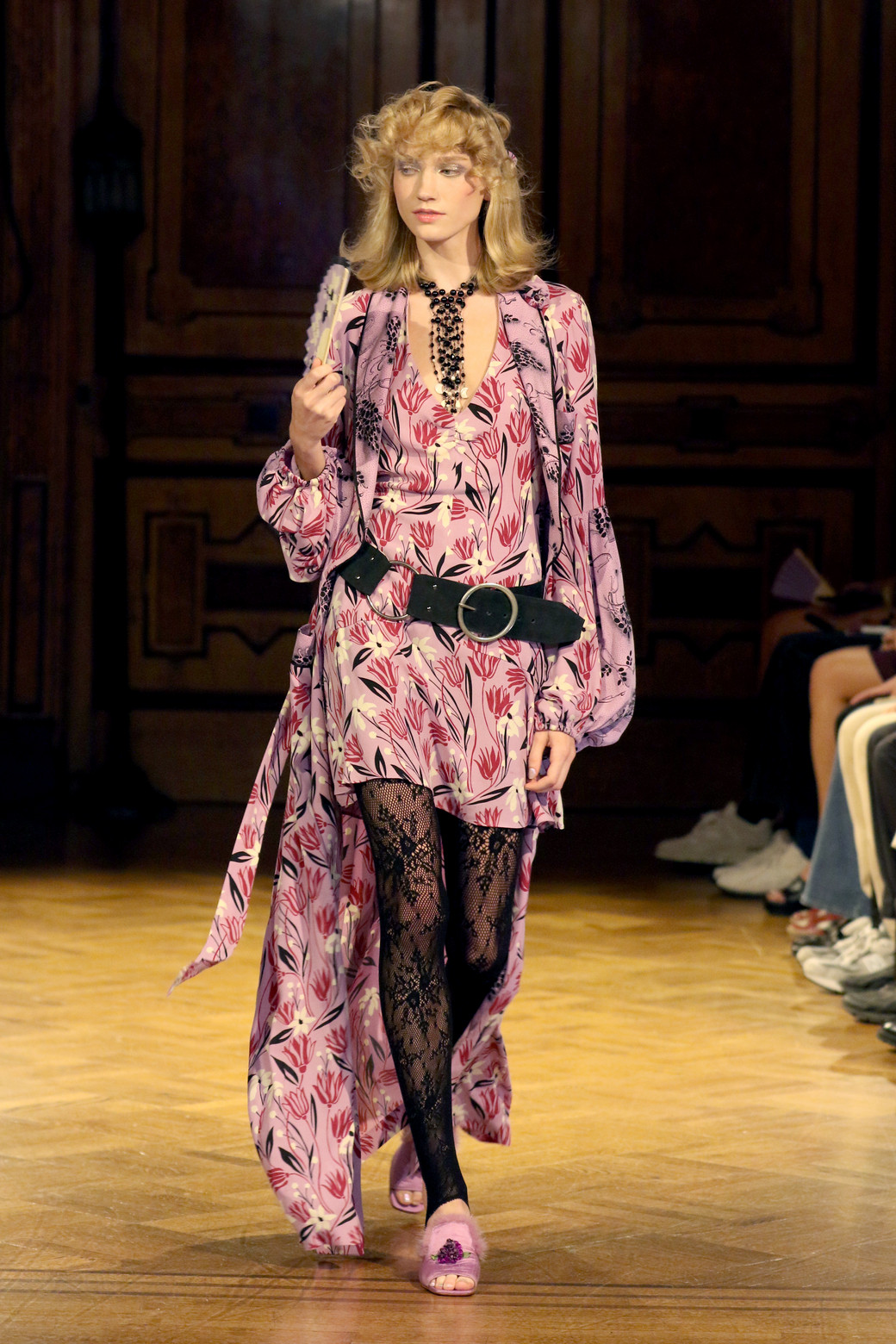
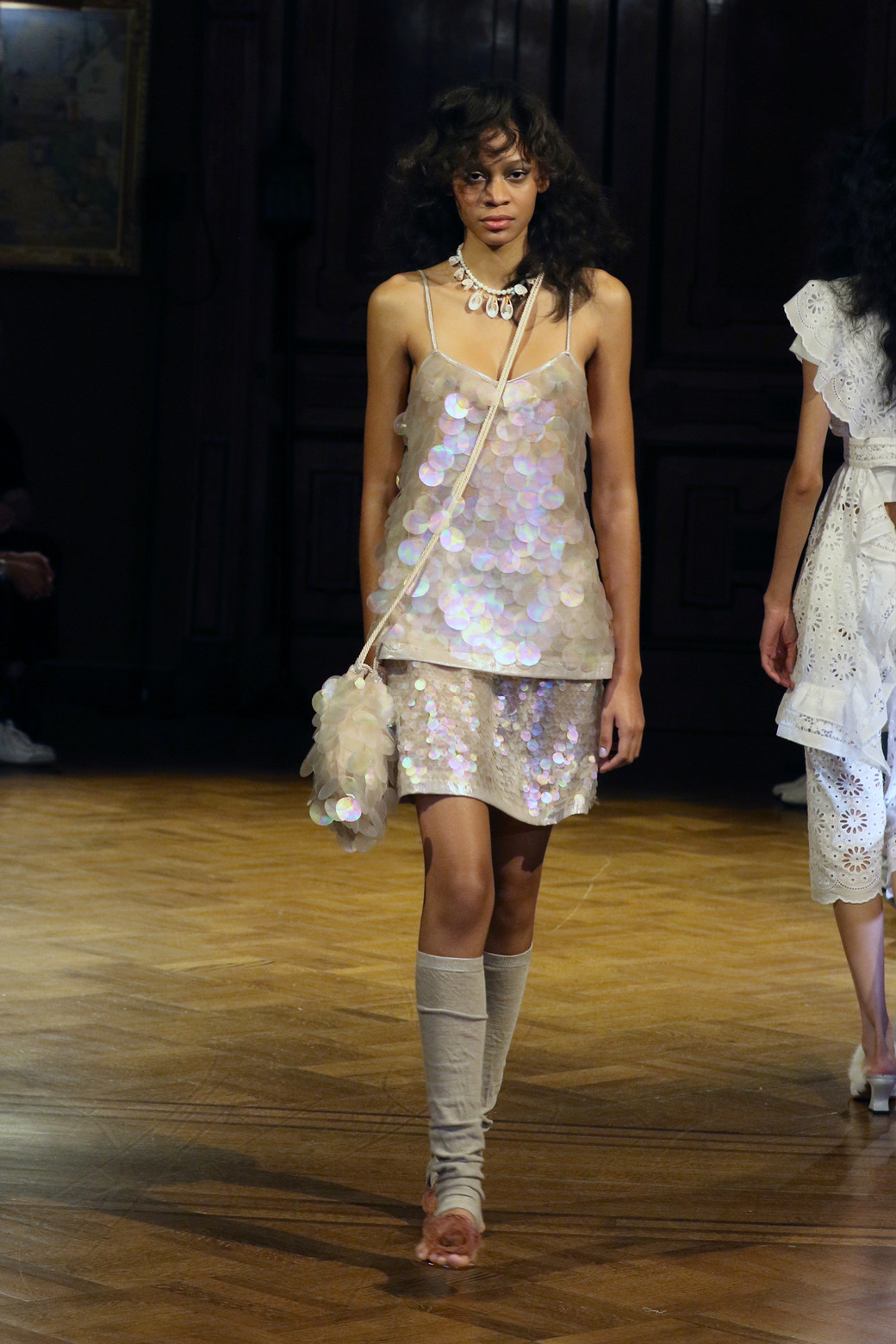
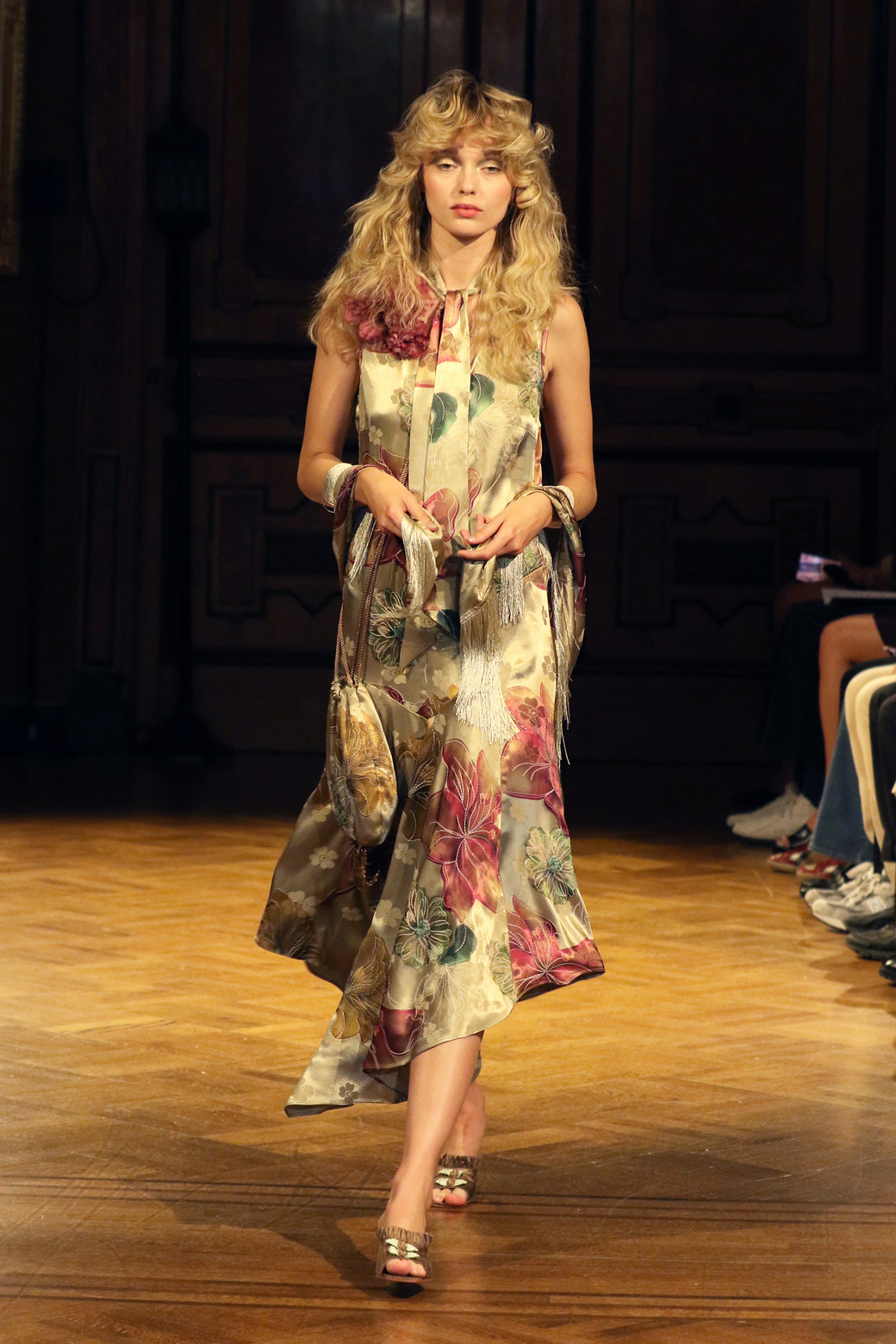
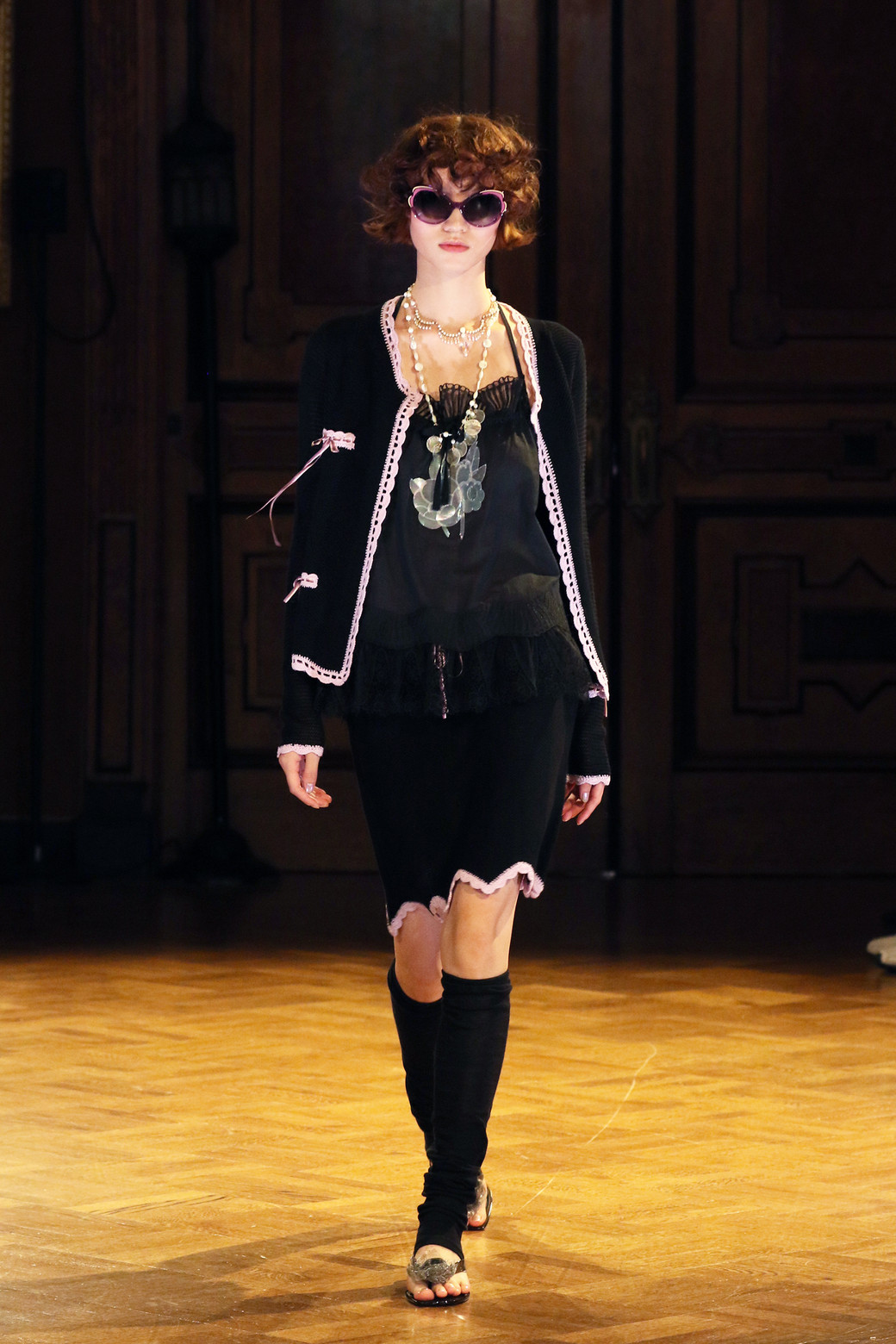
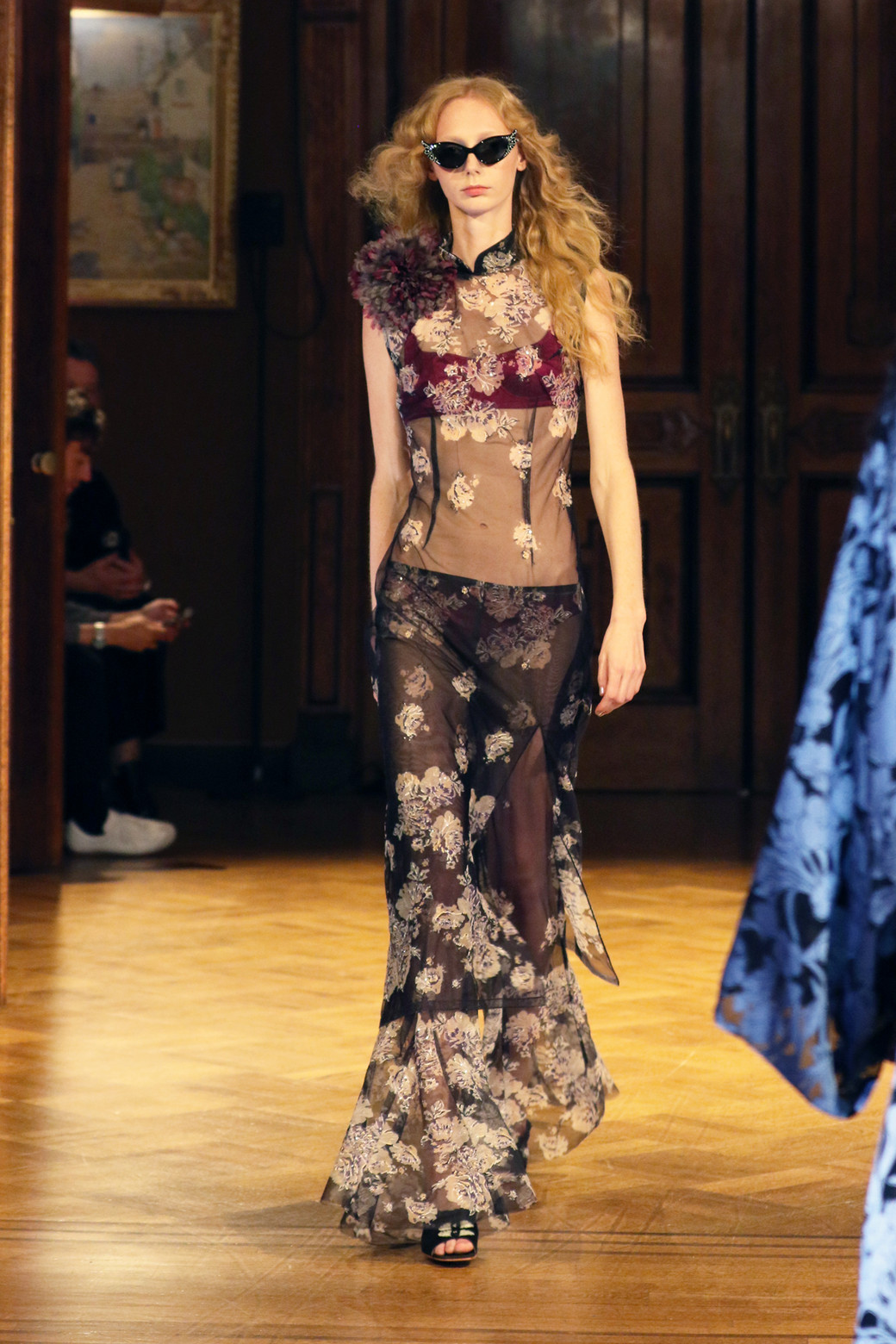
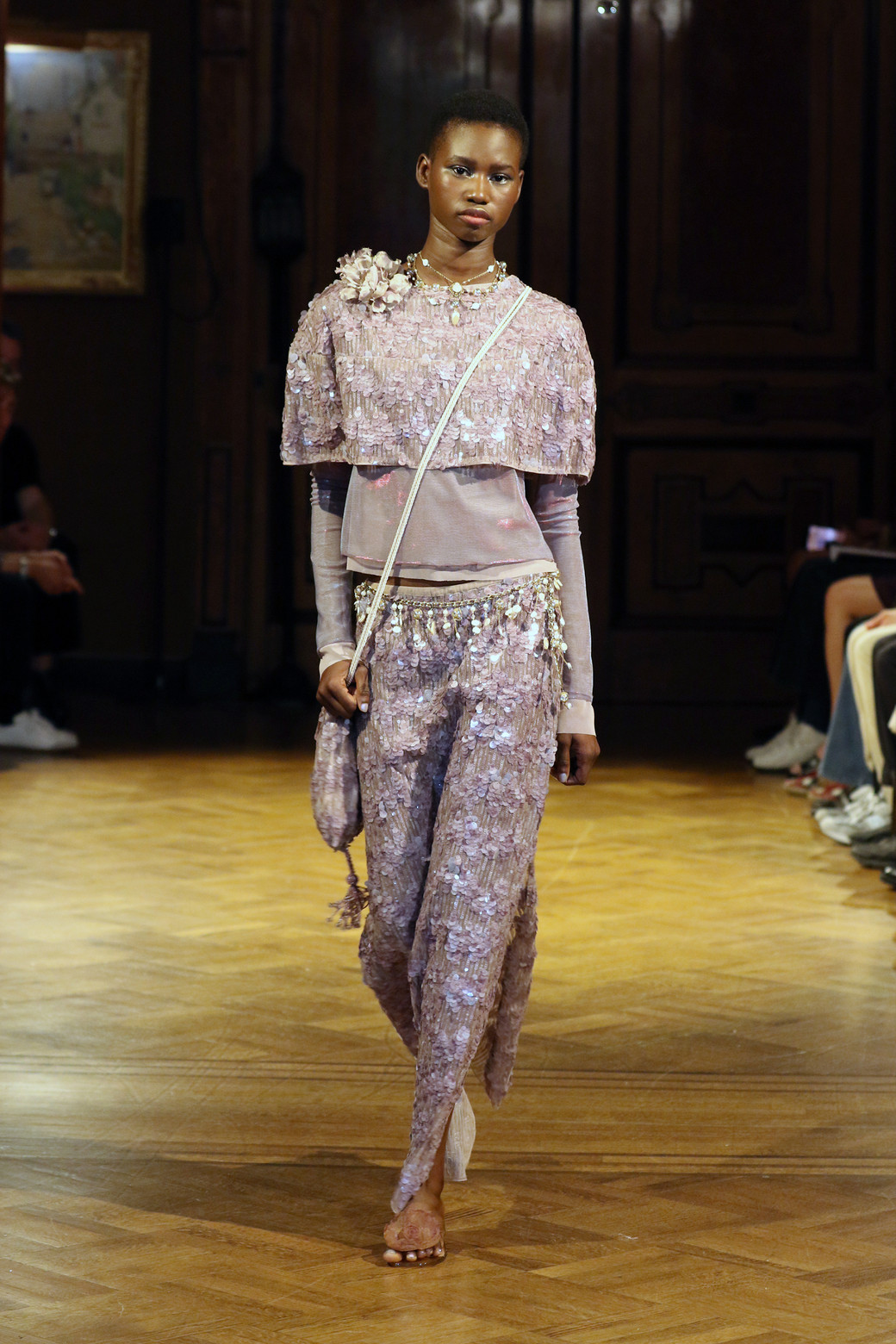
While the ornamental designs are expected from Sui’s signature style, the collection’s careful use of layering, luminosity, and the transformation of inspiration into finished pieces creates a dreamlike visual language, marking a new era for Anna Sui rooted in accumulation and curiosity: the process of one discovery naturally leading to another, where chance becomes discovery, a painting on a wall can spark a creative exchange like no other, and ultimately, wonderment.


“There was the cotton candy girl; there were the girls who were tanning, and the girls who were washing the car. I wanted to create a role for every person depending on what they were wearing. I wanted to create a scene with an audience.”
Maya was deliberate about the casting process, careful not to succumb to the modern ideal of working exclusively with influencers or signed models. Instead, she sought ways to capture the essence of downtown New York. Maya describes the cast to be the coolest girls—those who unapologetically embody their individuality.
As a former organizer and host of underground cabaret parties, Maya wanted to infuse her brand with the same sense of play. The parties started in a Tribeca loft, eventually moving to various establishments around New York City, such as NSFW, a members-only, erotic club. “It became a community where people came together to just be themselves. Choosing a different theme for each party was creative for me. There was a school-girl theme, Playboy Bunny, Studio 54, Alice in Wonderland, Black Swan.”
Although the pieces in “Collection 003” were designed to get wet, it’s a mistake to assume the collection is limited to swimwear. AYAMA refuses to fit into a category. In fact, much of “Collection 003” wasinspired by outfits from Maya’s underground parties—dance attire and lingerie similar to swimwear. For Maya, AYAMA Car Wash was not just a launch party. It was an act of rebellion, a way to confront misogynistic ideals that run rampant in the fashion industry and beyond.


“At first, I was denying myself the idea of braiding my two worlds—the underground parties and AYAMA as a brand and business. They felt like two separate parts of myself that didn't have anywhere to meet. It was always hard for me to grapple with because there was a whole side of me that felt like an imposter. The car wash was a way to merge the concept of my underground parties with my brand. I wanted the event to be sexy and interactive. AYAMA has always been something society could digest, so doing the car wash was an activation for the brand and for myself. I was self-actualizing something for myself.
The car wash was catering to the male gaze, which in a way was rebelling against it. A lot of men look down upon women who are outwardly sexy, or those who sexualize themselves, even if that's what they are attracted to. The underground parties also catered to the male gaze, but rebelled against the notion that only men have the power to sexualize a woman.”
AYAMA proves that business and art can take shape in many forms. When asked to encapsulate her work in one word, Maya did not hesitate to respond. With a laugh, she said, “Play.”