I definitely agree with that in the form of popular music.
T—Could you elaborate on that?
Blues, rap, disco; It's usually centered around violence, sadness or loss.
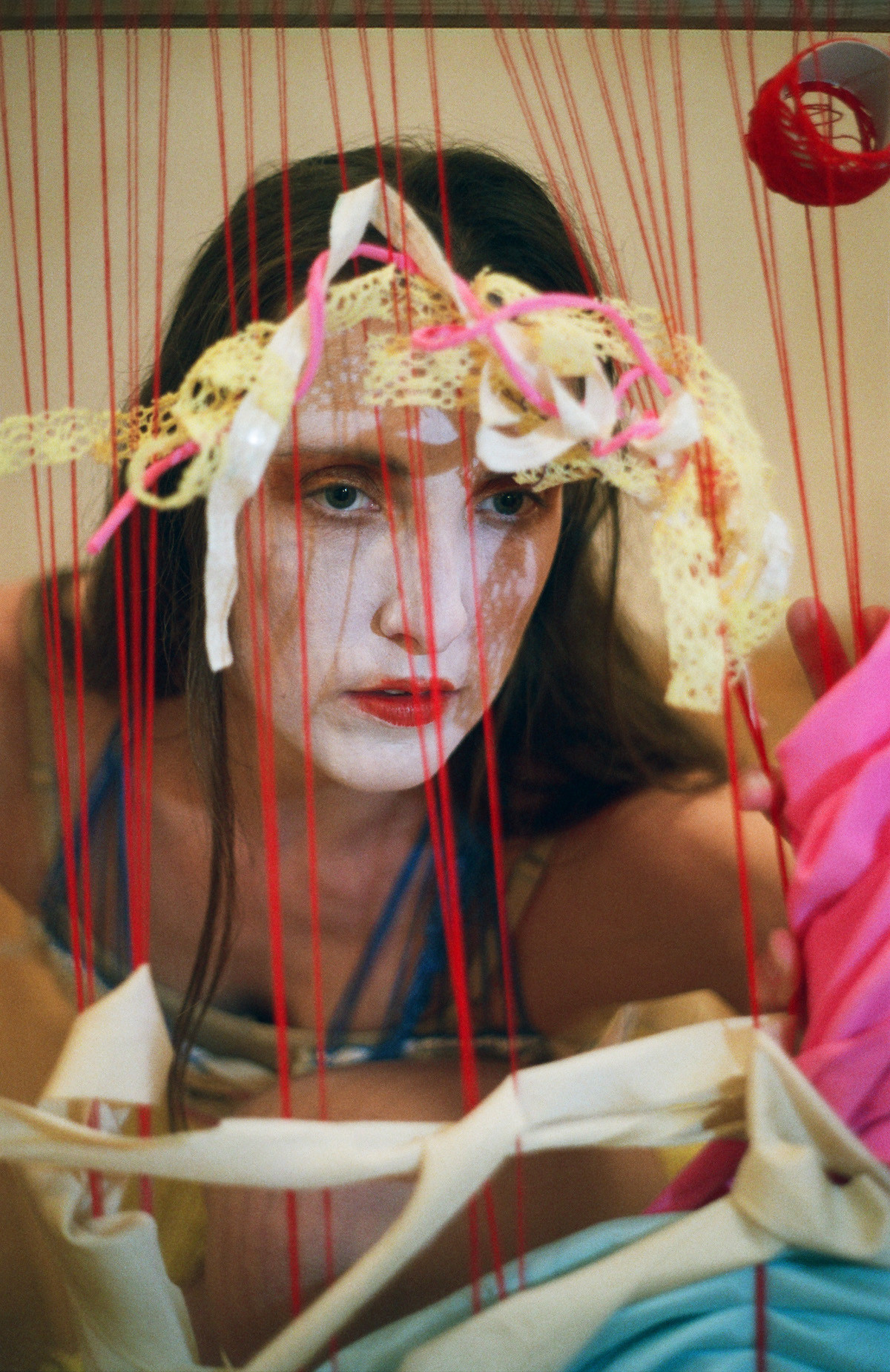
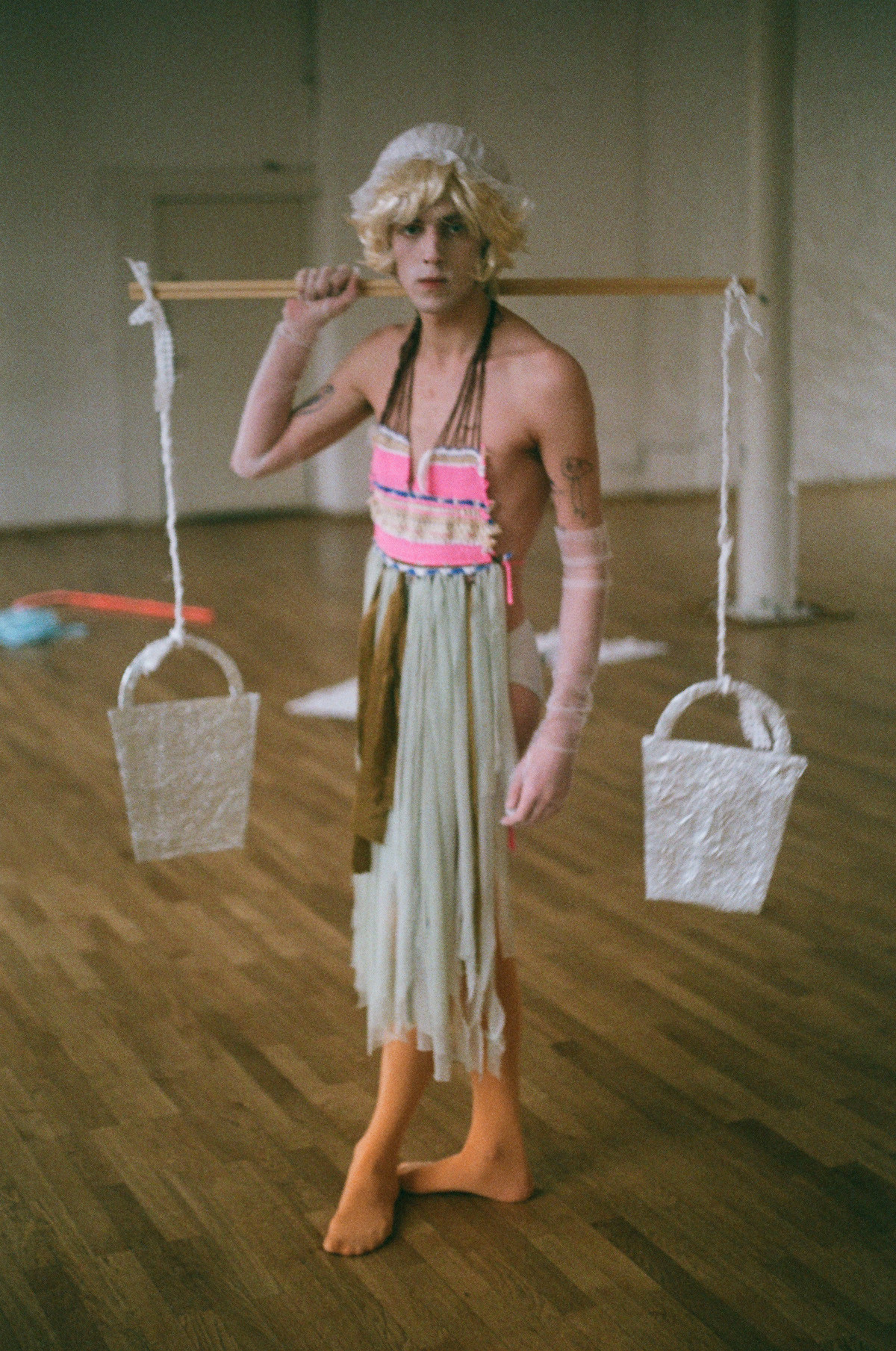
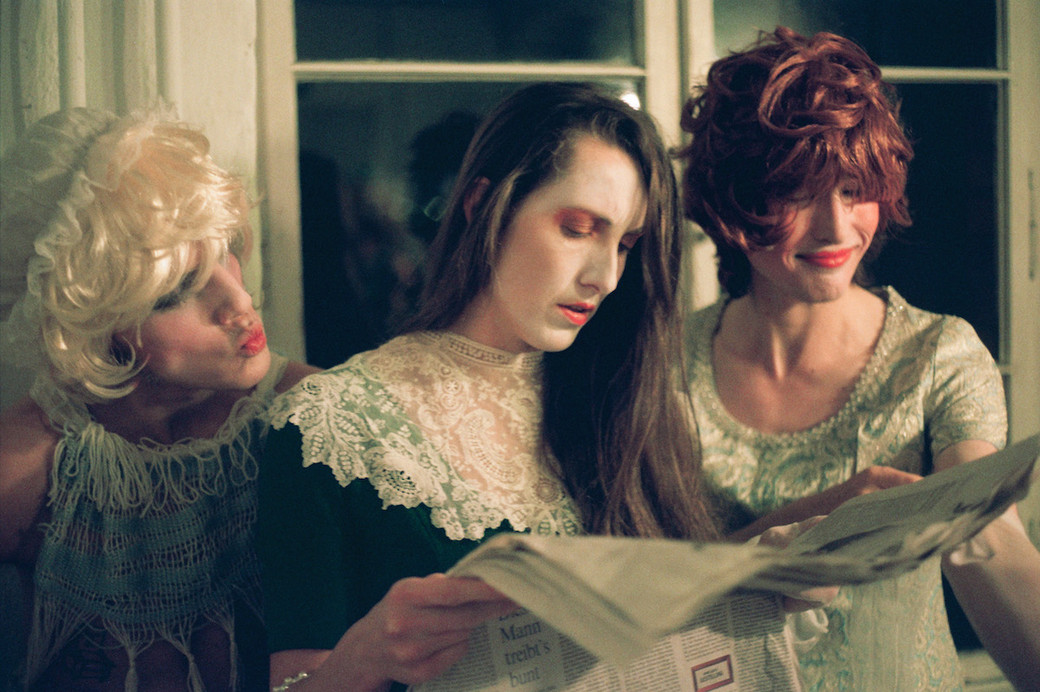
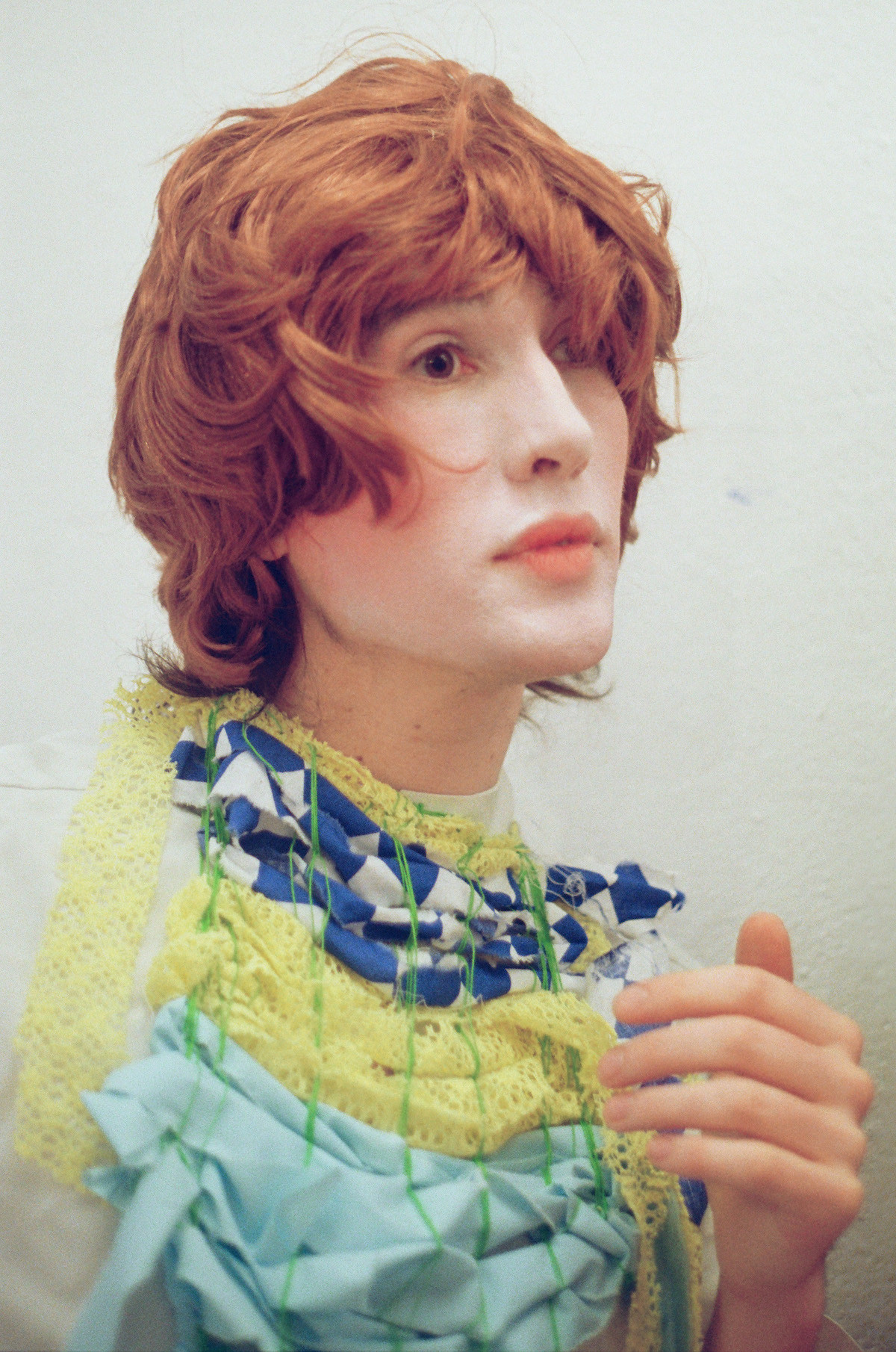
T—Yes absolutely, and the new episode of Dripfeed centres around a troupe of Final Girls, the female archetype from slasher films who confronts and survives the killer. In Dripfeed, this group of final girls come together to process their trauma through performance. Throughout the story they discuss how competitive the conditions are, and how they are being pitted against one another. What is the ideal final girl? There’s a line, “You have to hold whatever hope you have next to the terrors which cannot be unseen." Who will be the one to deliver these messages of female trauma and suffering? I think of Me Too and partly of Greta Thunberg. Why is she the correct messenger for the horrific messages we have to hear? What makes her the best public face?
It's interesting the connection with the Final girl as this survivor of trauma and then if someone goes viral they have to have the most suffering in order to be heard. You can't be successful having a relatively safe or stable life, which maybe says a lot about how society is structured.
T—The Final Girl as an archetype feels very appropriate for the times. Society is collectively having to confront the monstrous aspects of itself and we are living through significant perspective shifts. It's typical in slasher films for the viewer to adopt the perspective of the killer, and then at some point flip and start siding with the Final Girl.
So it feels like a nation of Final Girls?
T—(Laughs) Yes, the Final Girl is a complex figure and in this story she's not a virgin and she's not innocent, nor is she the ultimate victim. We' re still figuring her out but she's definitely an archetype that's worth looking at again.