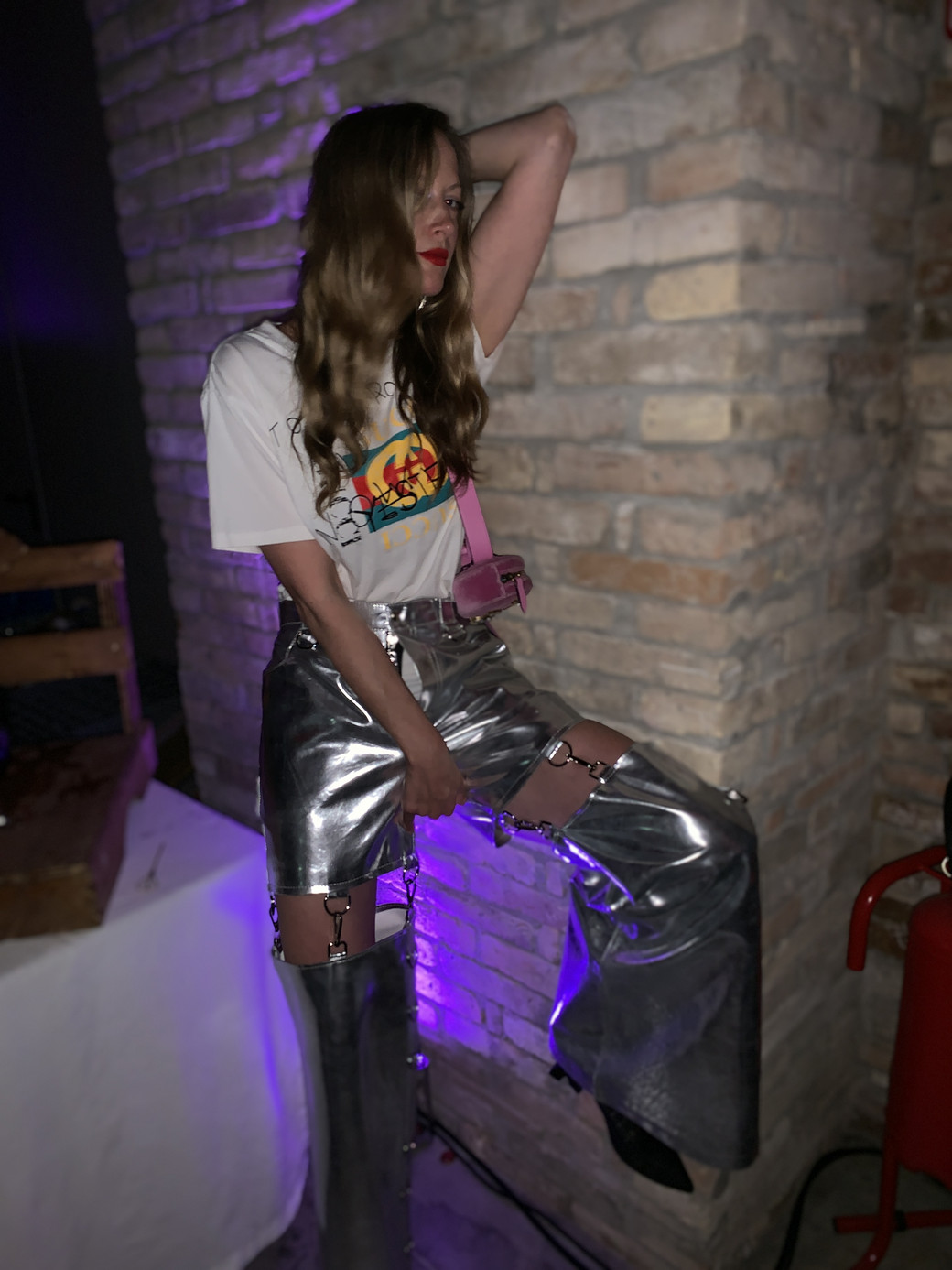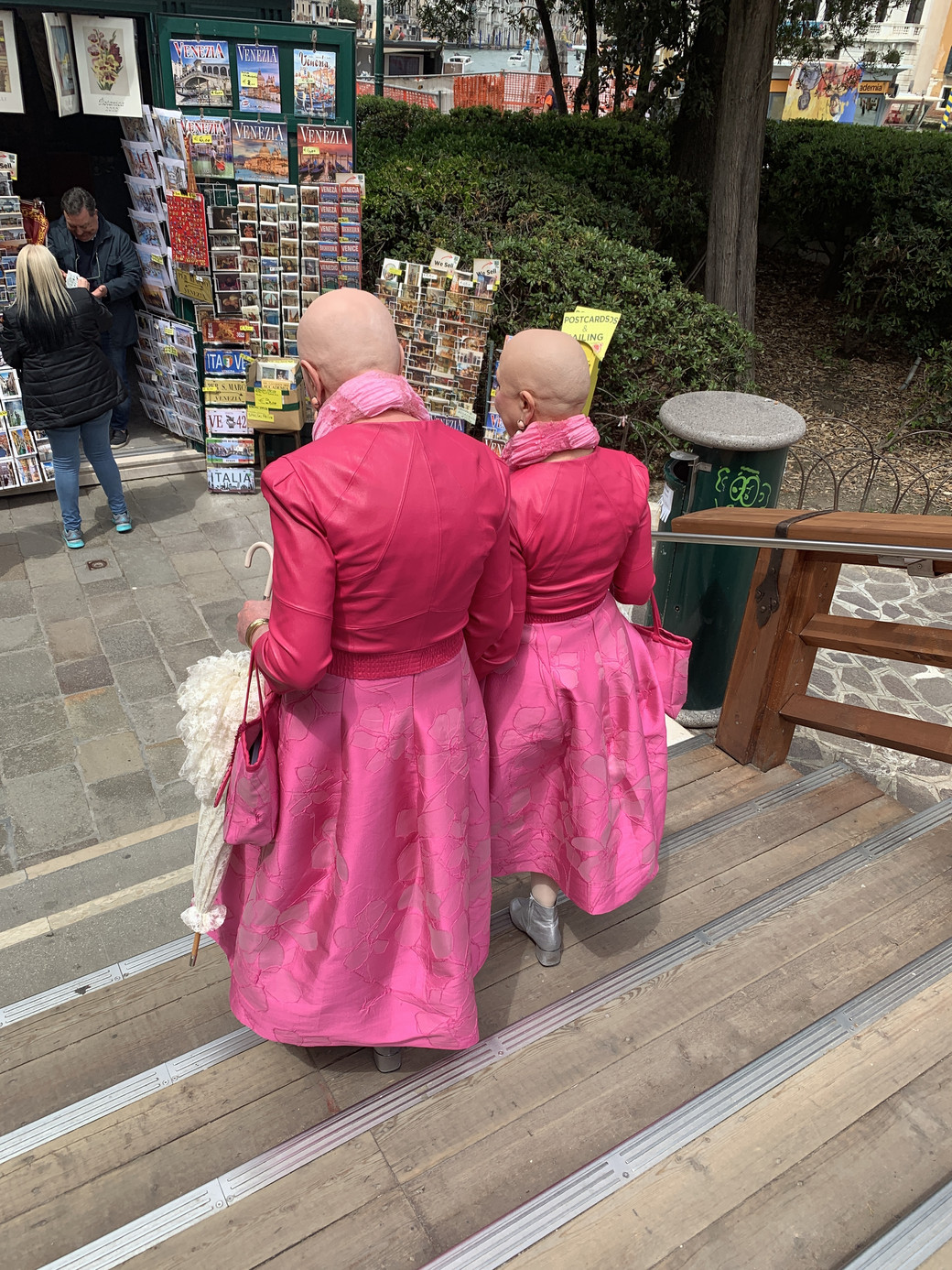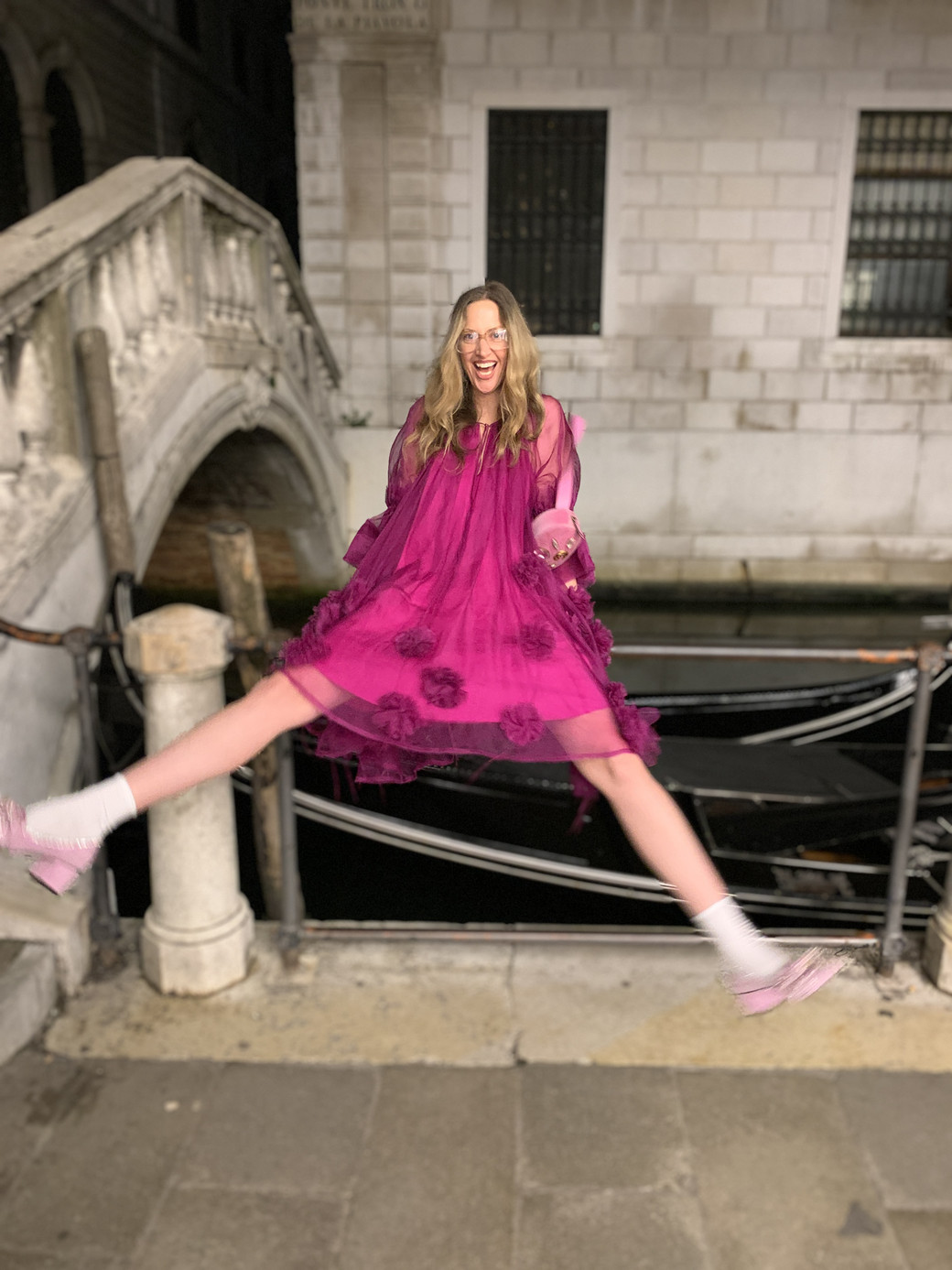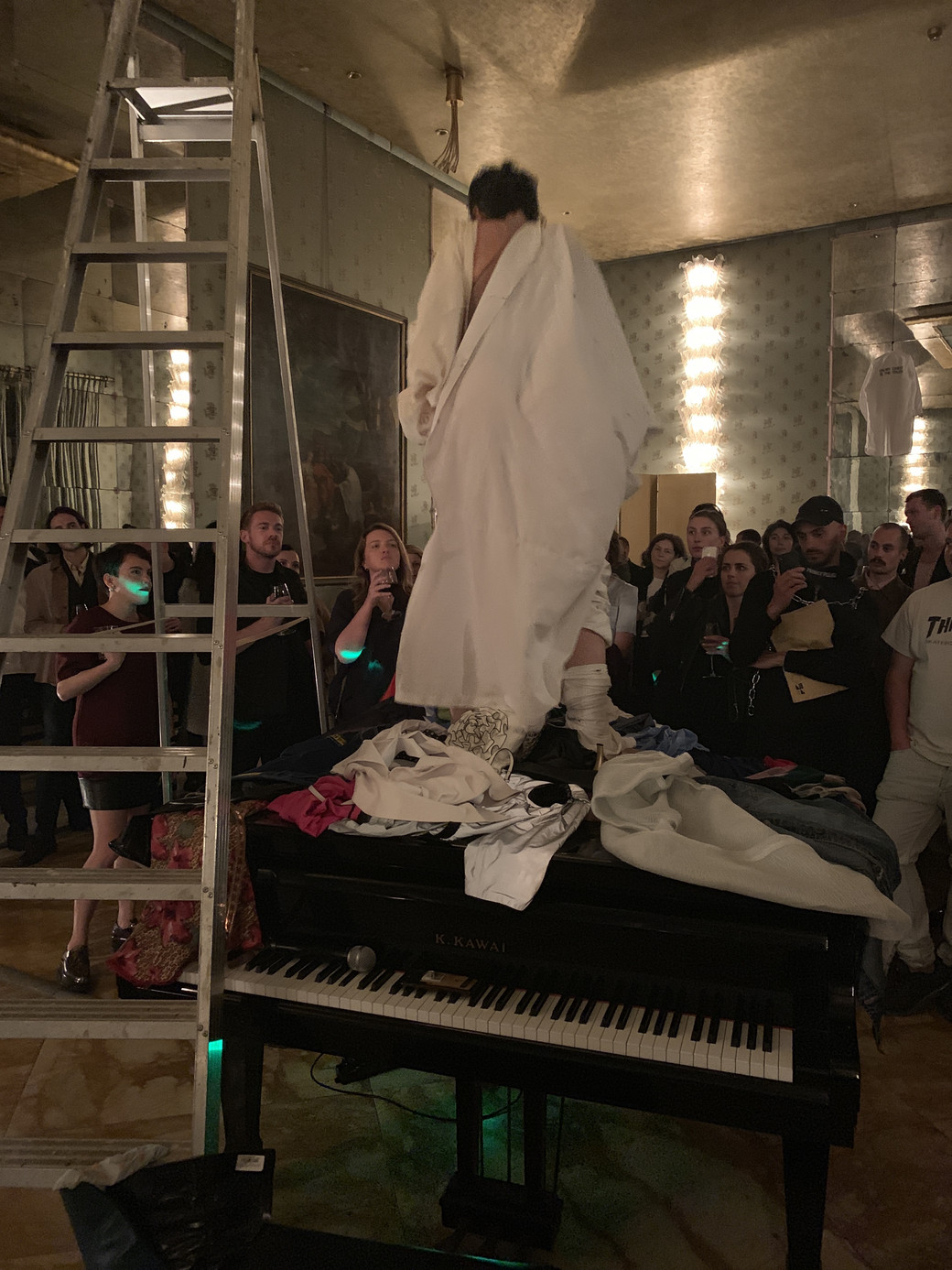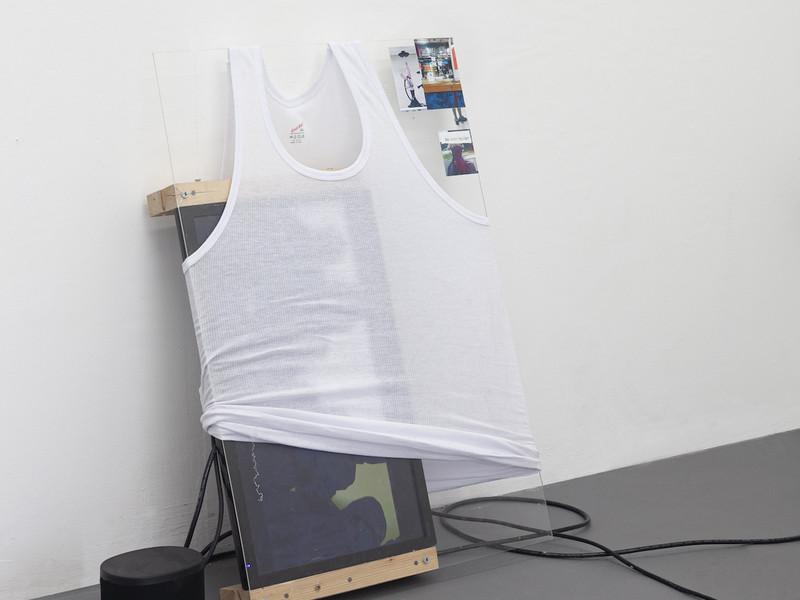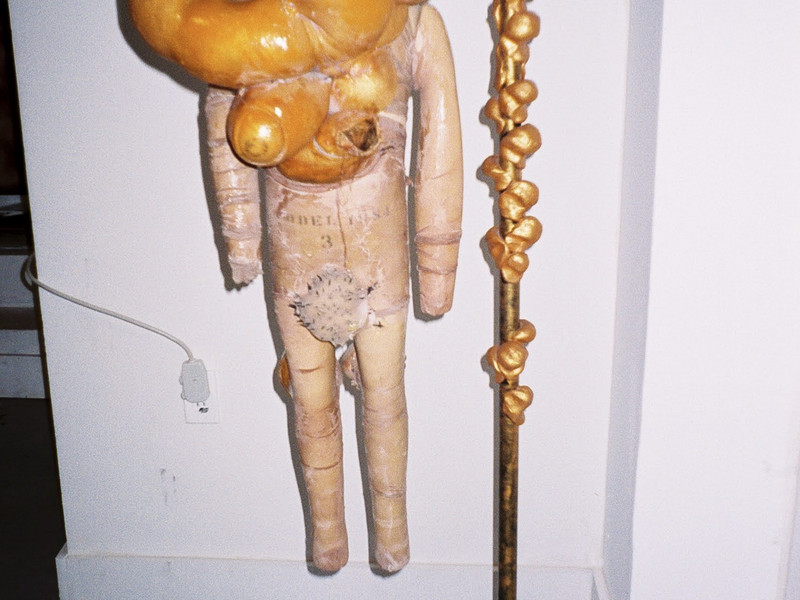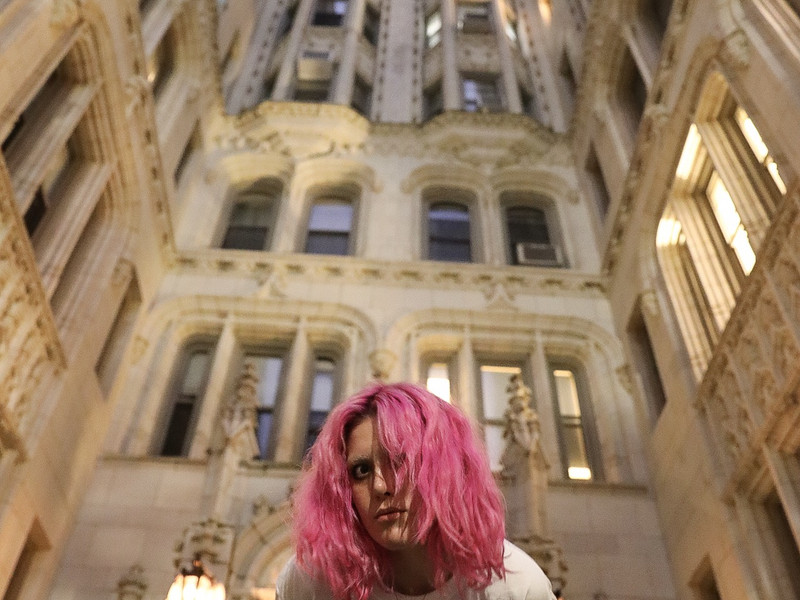


These are the Biennale beasts of the the art world, the artists, curators, collectors, gallerists, and institute directors. Like most art fairs now, and most Insta bios of our culturally polygamous times, they are joined by the the fashion world as well. At the Biennale, it infiltrates through collaborations, patronage and parties hidden under the guise of deejays, performers and influencers who collab their way onto guest lists and crash their way into pavilions. They are joined by the wider network of the creative industries, the agencies, the producers, the makers, the department stores, all descending on this sinking city for this global art event. Everyone is here to gorge on the 360 glocal cultural narrative that this Biennale always delivers: it’s a hybrid of the Olympics, Eurovision and made-in-Chelsea, with each country having a represented artist or collective, and curator there to deliver their response to the set theme.
We are all here anticipating the art world’s global response to the social, political, and ecological crises we are in. The climate alarm is ready to be sounded, the red alert will be heard streaming from the canals… or perhaps not? We can only guess what is to come—what is to be discussed, dissected, held to rights, and what is left ignored. Rugoff states: ‘Perhaps art can be a kind of guide for how to live and think in “interesting times.” May You Live in Interesting Times will take seriously art’s potential as a method for looking into things that we do not already know—things that may be off-limits, under-the-radar, or otherwise inaccessible for various reasons.’
Not only are there 90 pavilions for this to play out until late November, there is also wider central pavilions with 27 artists inhabiting Venice. A performance schedule has also been drafted for the opening week; it’s a sensory overload of delight. The schedule, devised by Rugoff, is curated by Aaron Cezar, who noted: ‘Performance is a way of processing and documenting the immediate world around us. It is both an alternative means of writing history as it forms, and rewriting history, bringing forth stories that aren’t told, which are often those that complicate the normative “textbook” narration.’