
Can you tell me about the piece you did for The Chimney?
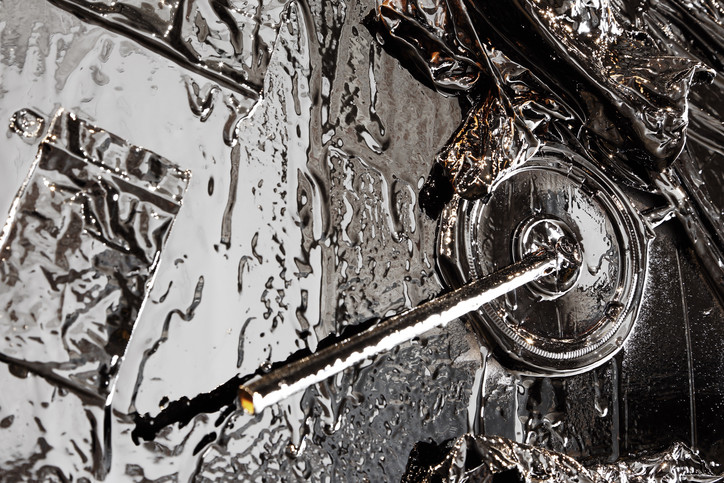
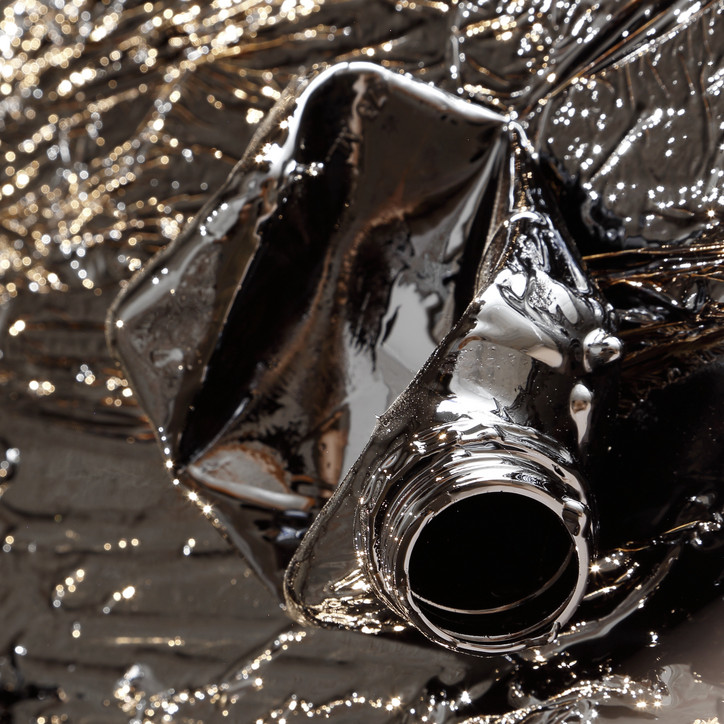
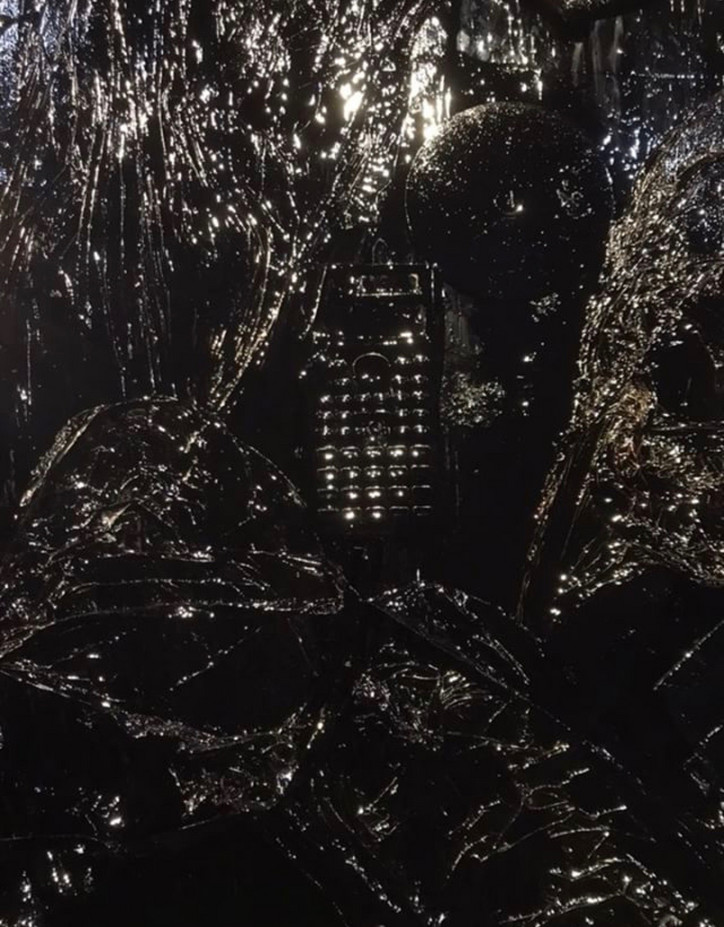
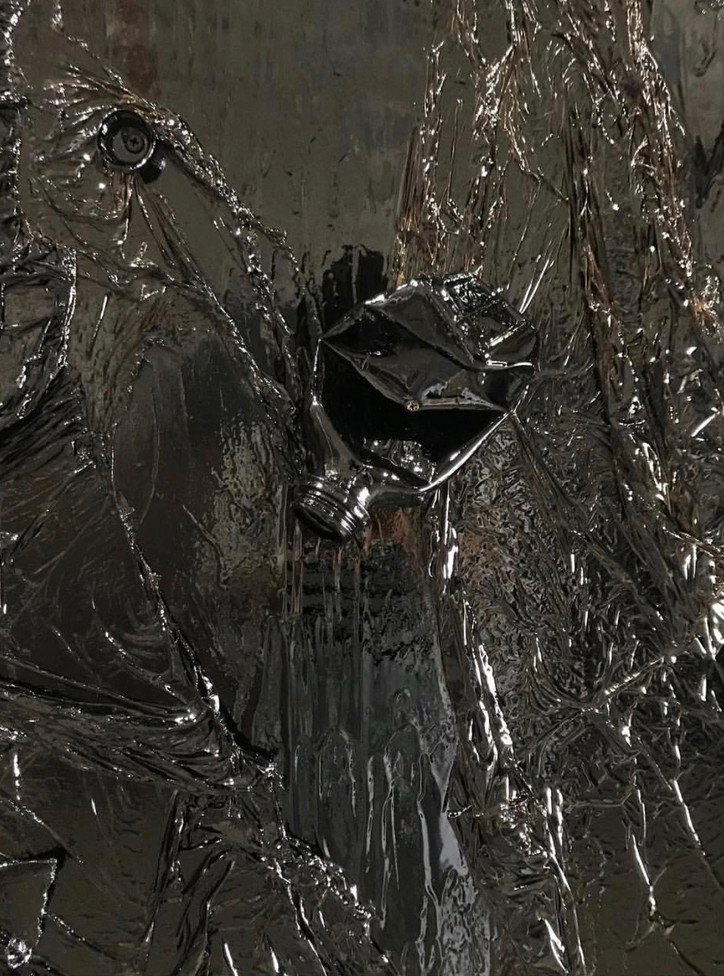
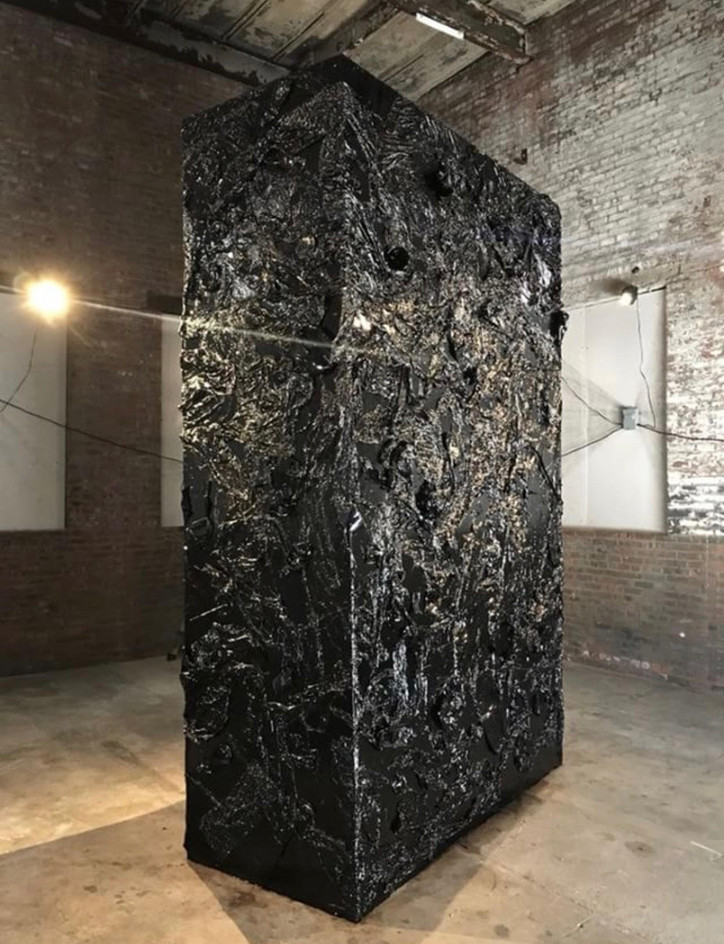
My exhibition is about the environment around The Chimney, especially the creek near the gallery. This creek is polluted—it’s the most polluted creek in the United States—and I was very interested in the subject. So, instead of bringing in some works from afar, I proposed to make a site-specific work for this exhibition concerned with the creek, which has been polluted since the 19th century because of the petrol refinery. So, this creek is very polluted by petrol, back to the Industrial Revolution. I work with materials like coal, and coal and petrol are the same family, sort of—they’re fossil fuels. So, I thought, 'Maybe I could work in the same idea through petrol this time.' So, what I’ve done, I’ve built a kind of Shinto shrine for all this negative history of this creek, and what's floating in it. It’s not to clean the creek with my work, but to purify the creek by the spirituality of this dark history.
It reminds me of something ancient.
Exactly, the title of the sculpture is 'Monolith.' I decided to make a monolith that suited this space—The Chimney has quite a high ceiling. Actually, this building was made as a petrol refinery. It’s an ancient power plant.
Do you always draw from things around the gallery?
I like to work site-specific, but not every time—it depends. Usually, I like to work on a conceptual level with the environment.
What drew you to this project?
I was interested in where this pollution was coming from, and what’s going on now, and what we’re going to do after. So, I made a shrine to this dark history, to here, to what’s going on, what happened in this creek, and I picked up a lot of garbage on the street around this creek to construct the Monolith—I picked up a lot of plastic garbage.