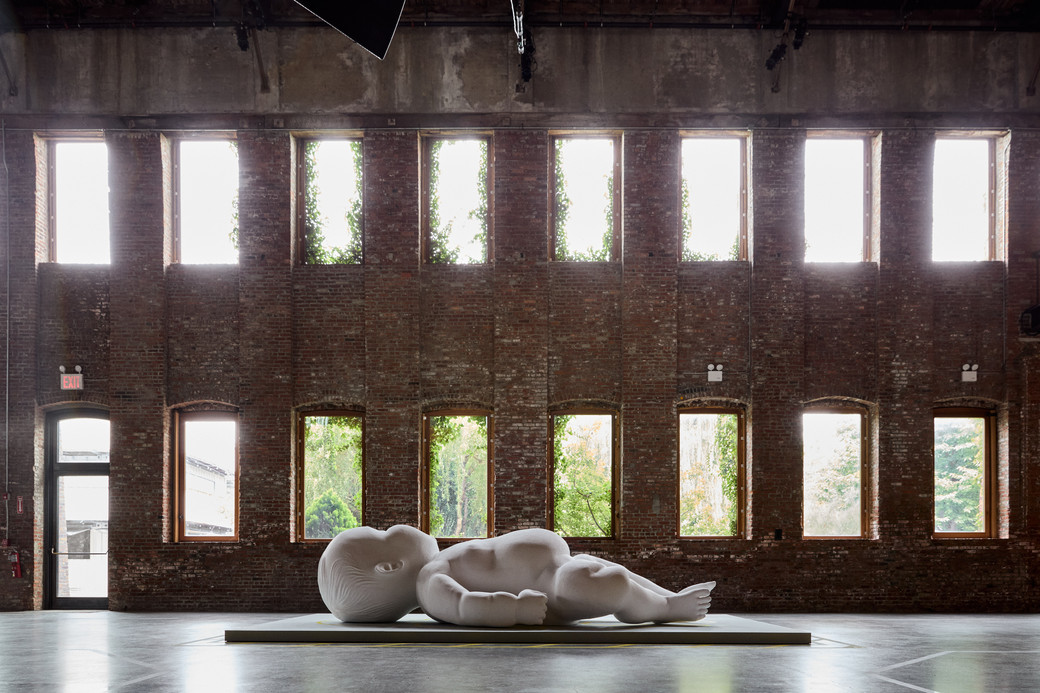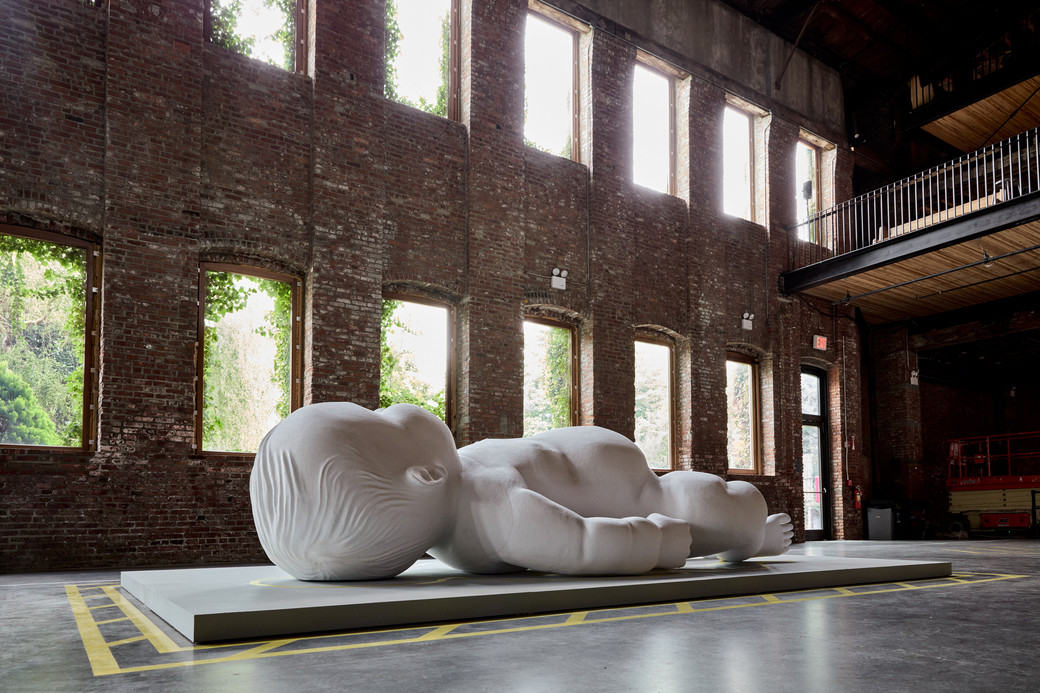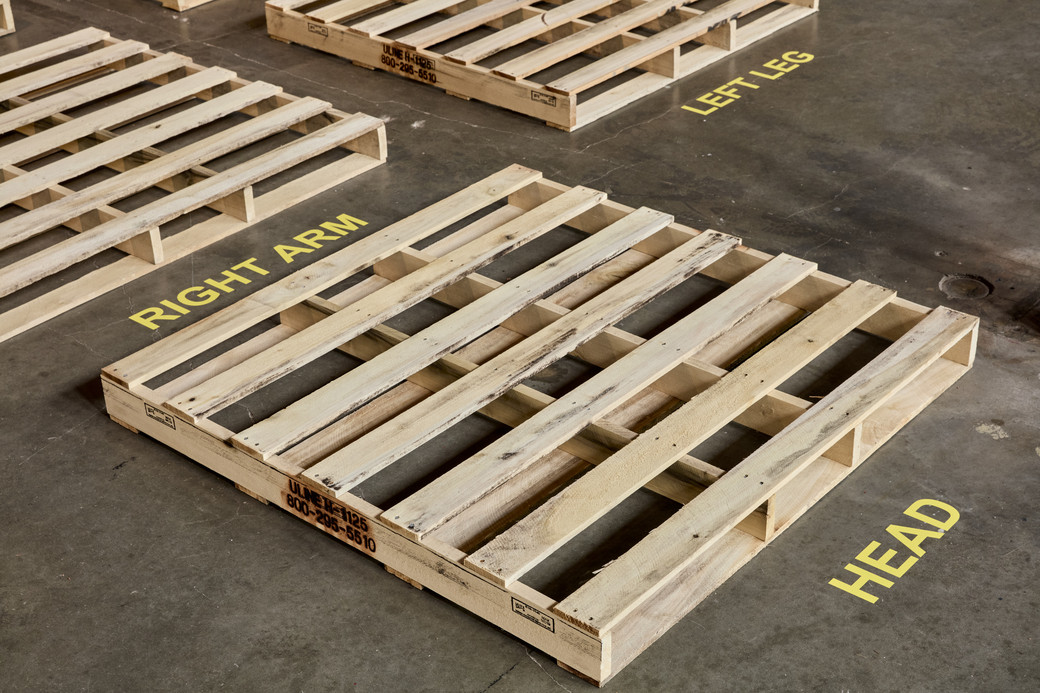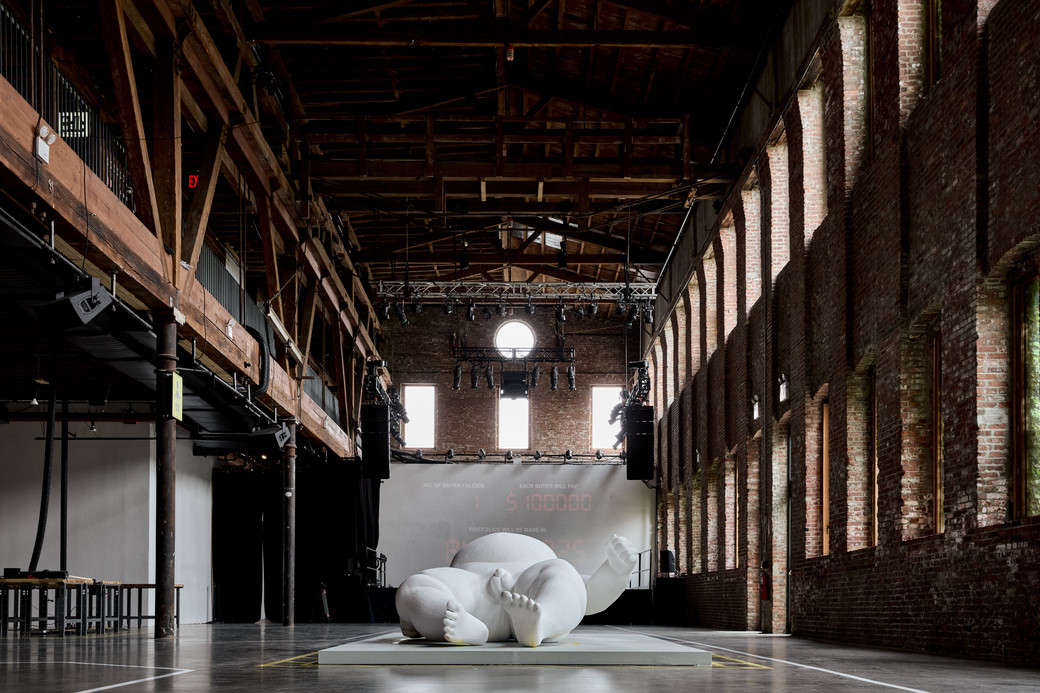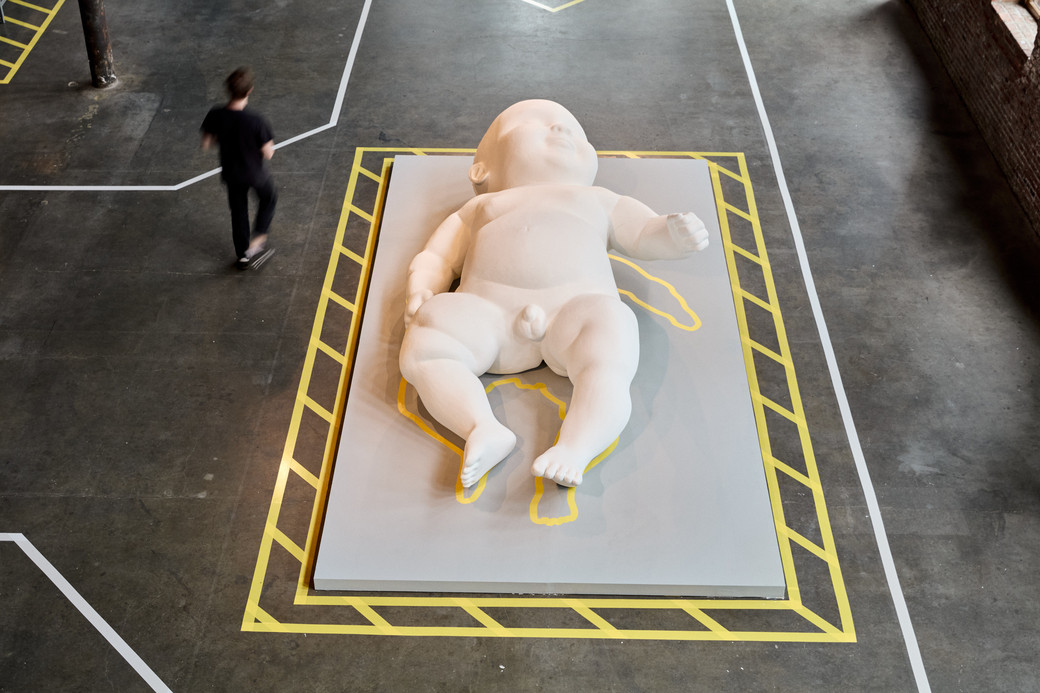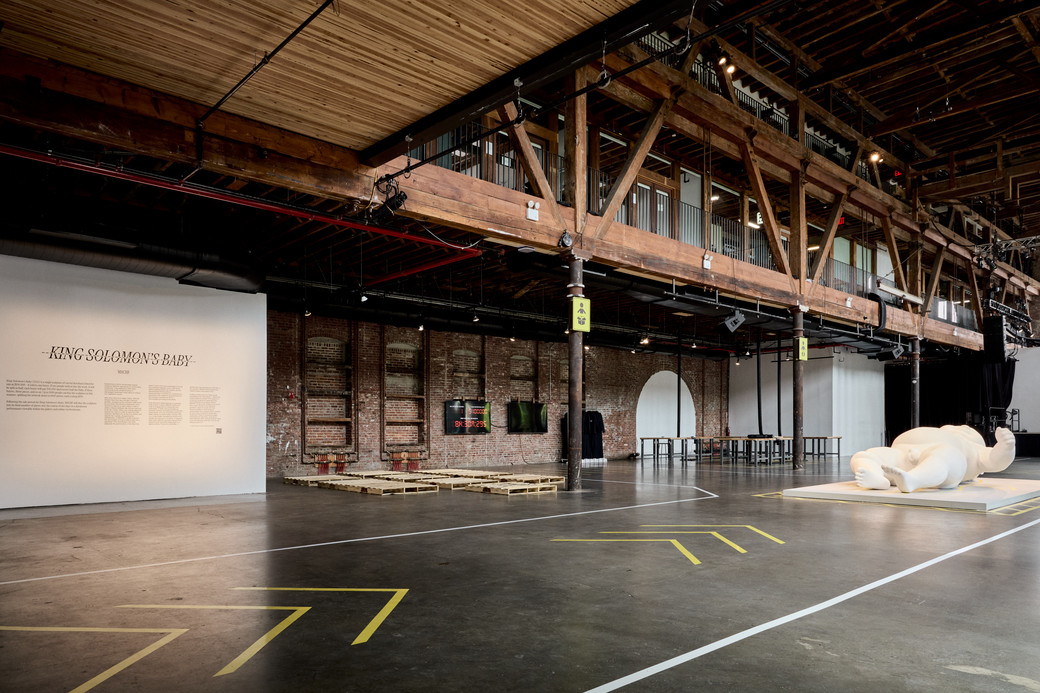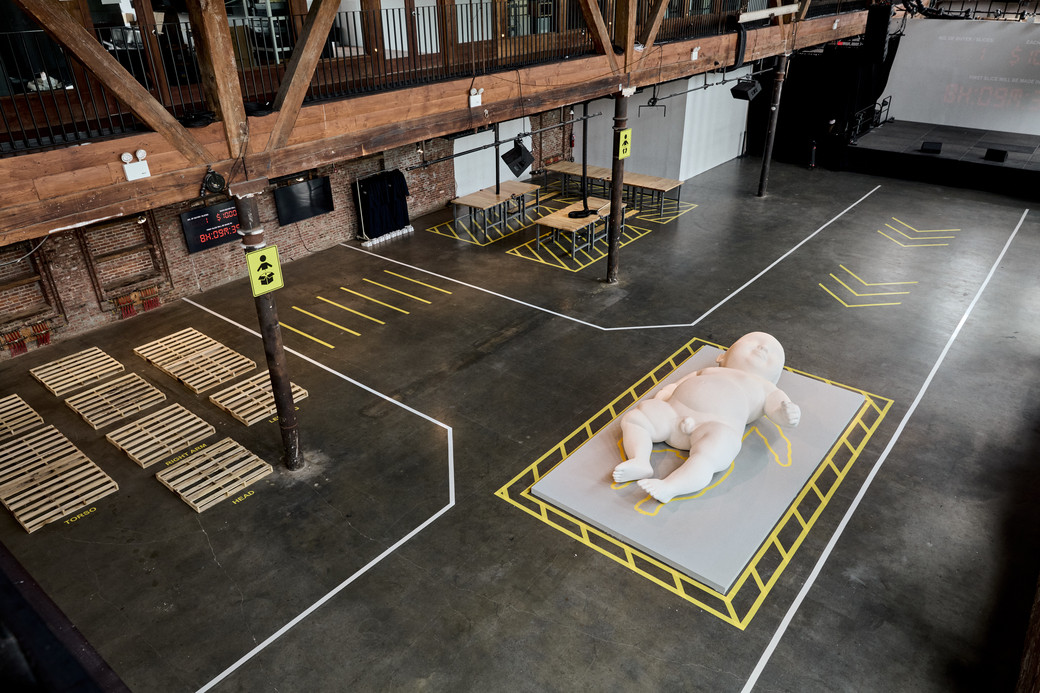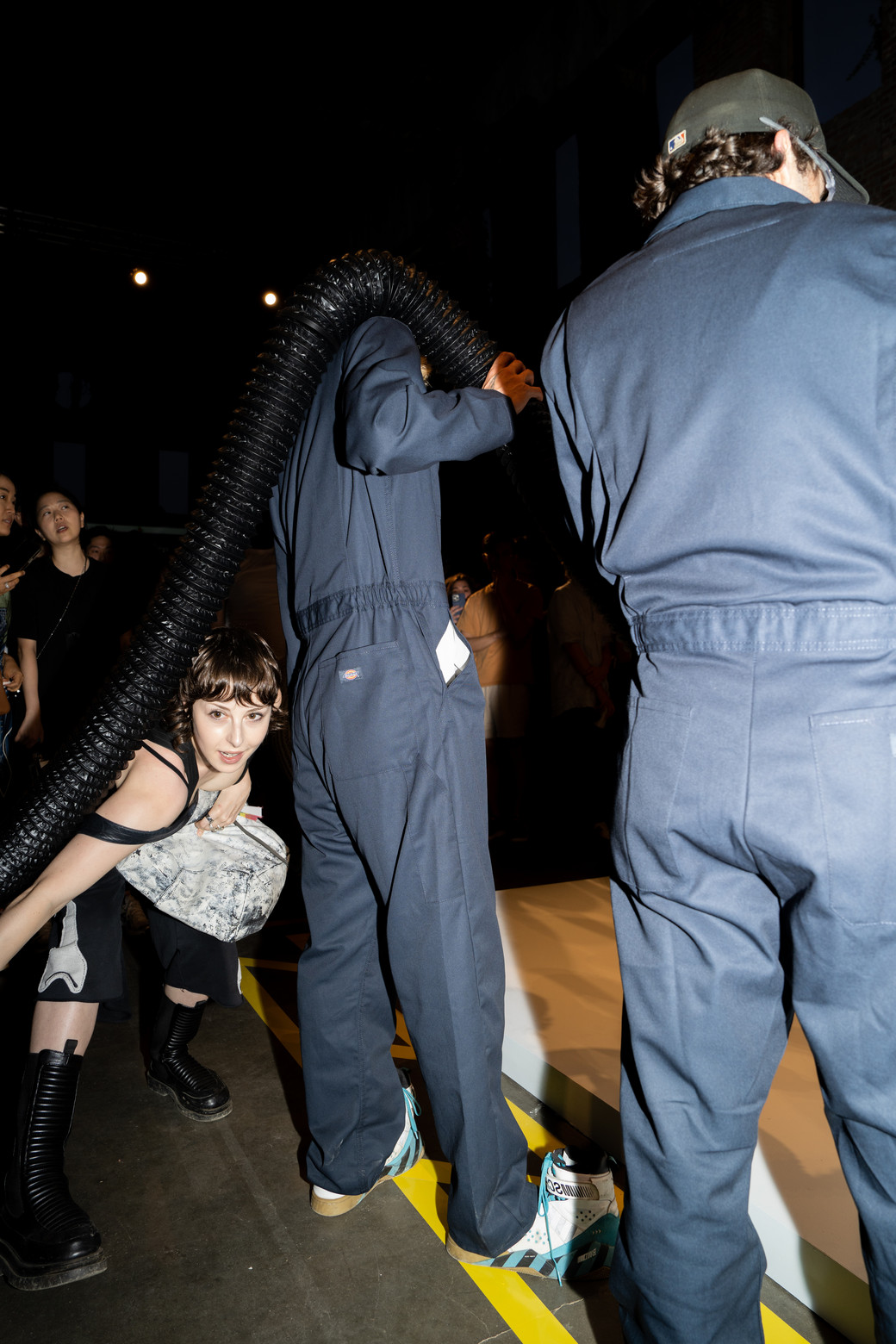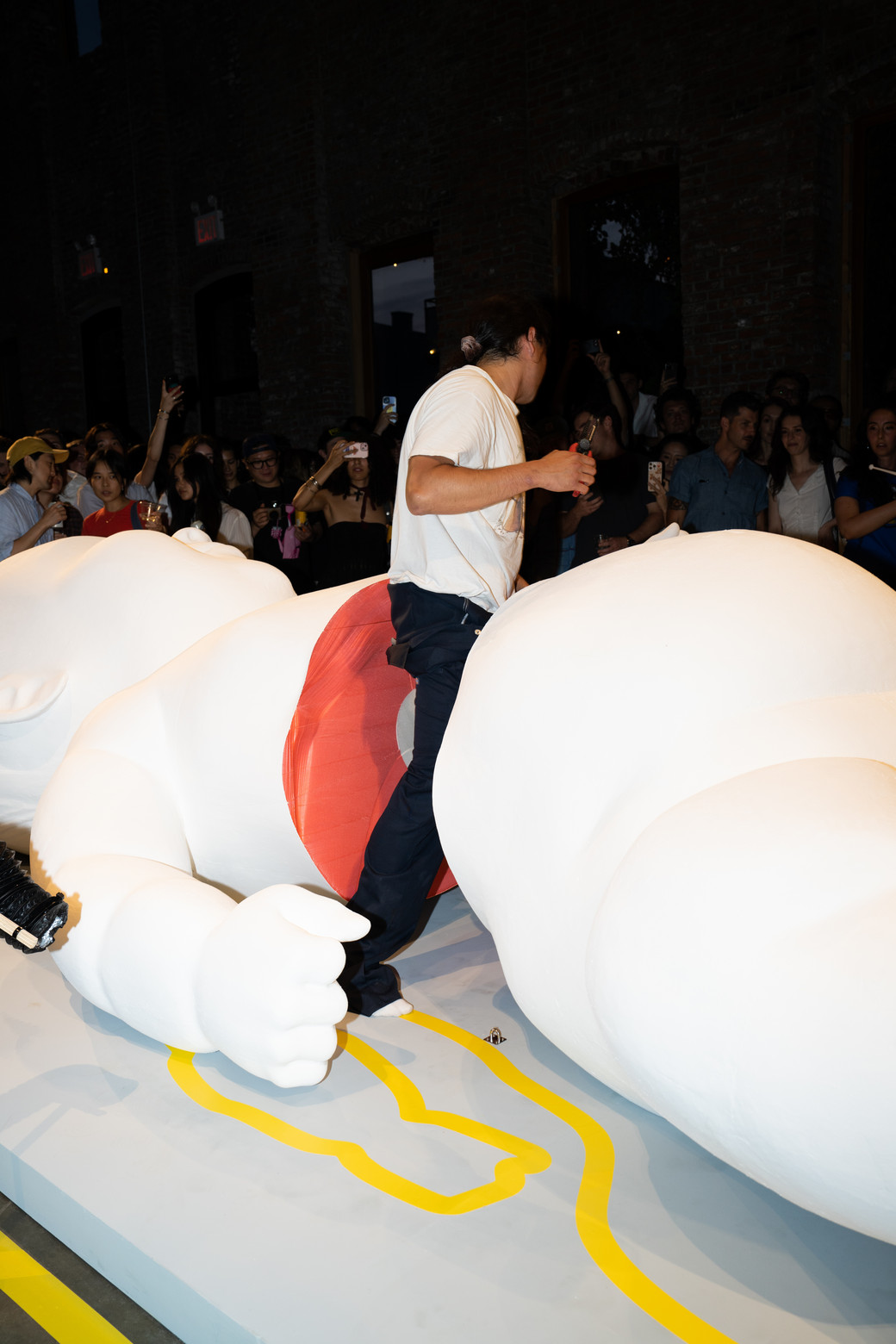


But MSCHF’s interpretation of the parable finds new meaning within the story. The act of cutting the sculpture into 1,000 pieces directly contradicts the original ending of the “Judgment of Solomon,” but falls directly in line with MSCHF’s ongoing mission of accessibility within the art collection world, and exploring the complexities of collective ownership of art. The blending of religion and art in this circumstance creates the unconventional vessel for this experiment. One of MSCHF’s creative directors Lukas Bentel tells me that part of the uniqueness of King Solomon’s Baby (2025) is that it provokes a discussion on what constitutes a piece of art’s worth.
“ Normally an artwork is something that we all appreciate, generally in a museum where many people could see it or in a private collection, but the image is something that we all kind of collectively own,” he says. “This is an interesting experiment to try to make as many people see if they would want to own this thing together, but together they all kind of destroy the actual piece.”
King Solomon’s Baby (2025) pokes fun at the idea that art collection is an investment—that authenticity and monetary value precede aesthetics and creative expression in importance. In 2020, MSCHF purchased an original Damien Hirst print for $30,000, only to meticulously cut out each spot on the artwork and sell them individually for $480 a piece—yet another callout of today’s art collection culture.
Like the Hirst print, cutting the baby into a thousand pieces makes it more accessible to a more diverse group of buyers, but simultaneously destroys the original artwork. “That's the tension with art ownership,” Bentel says on the matter. “And when you're making something in an art-world-specific context, often one person ends up technically owning it or stewarding that piece.”