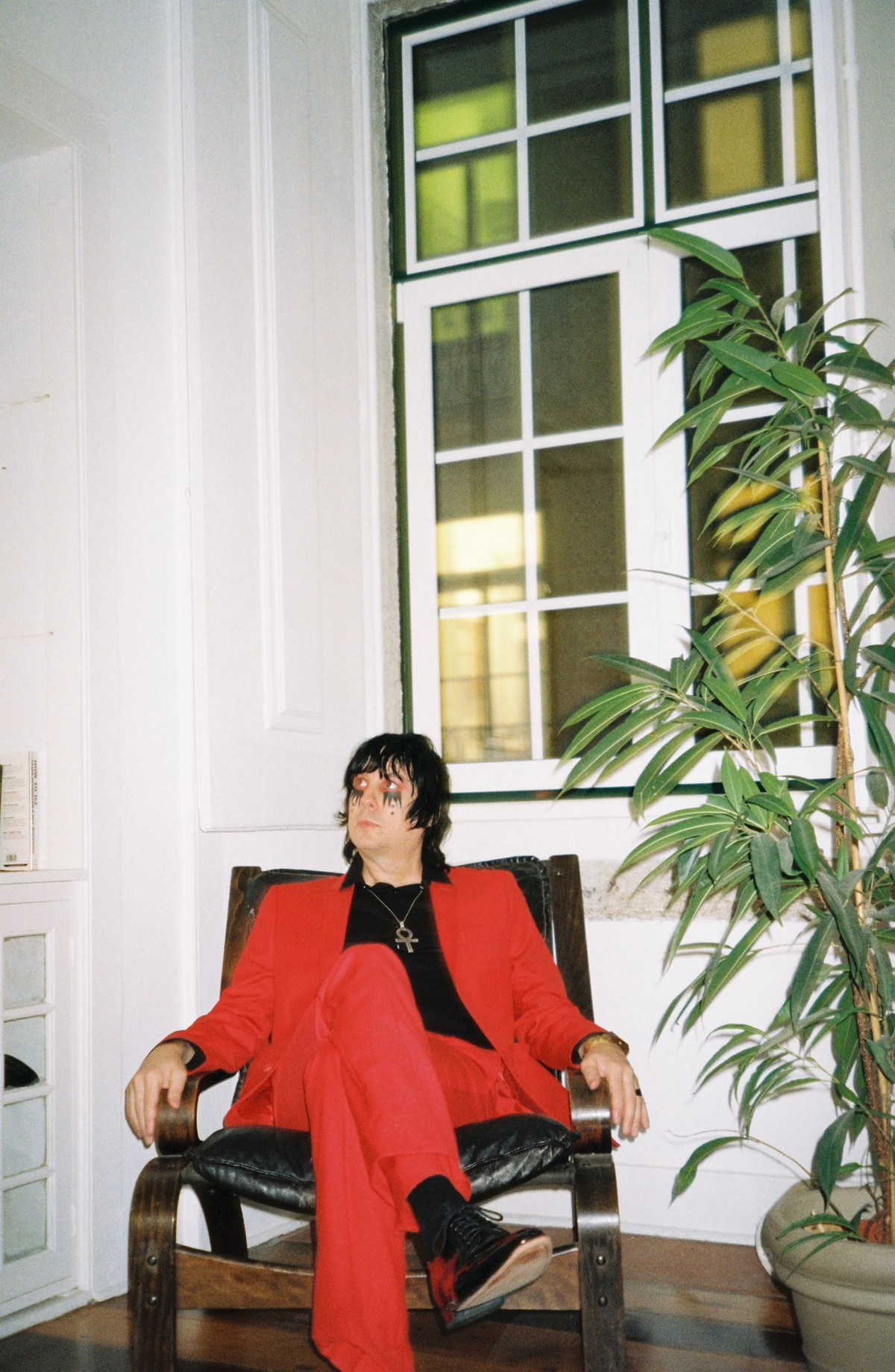
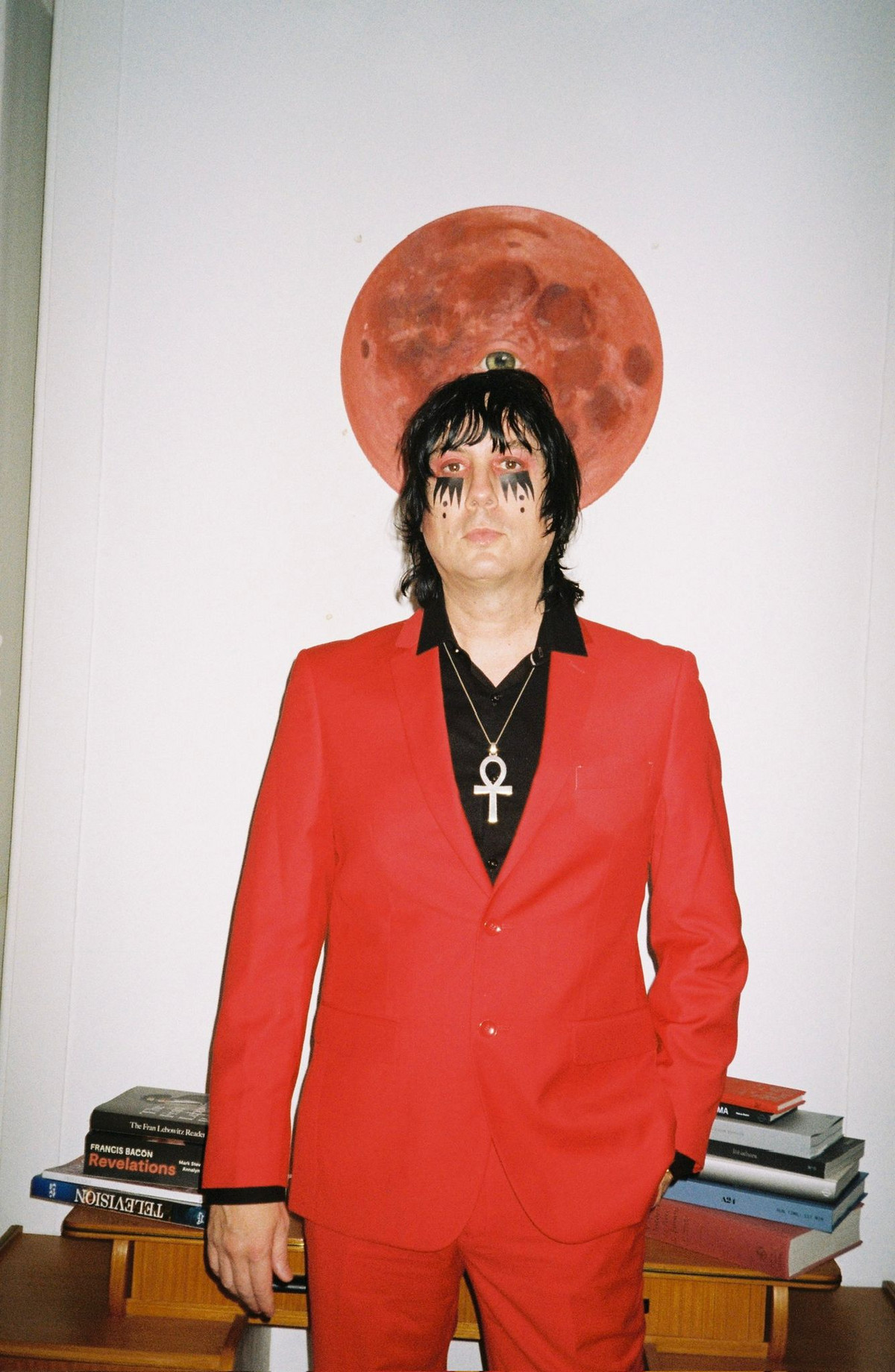
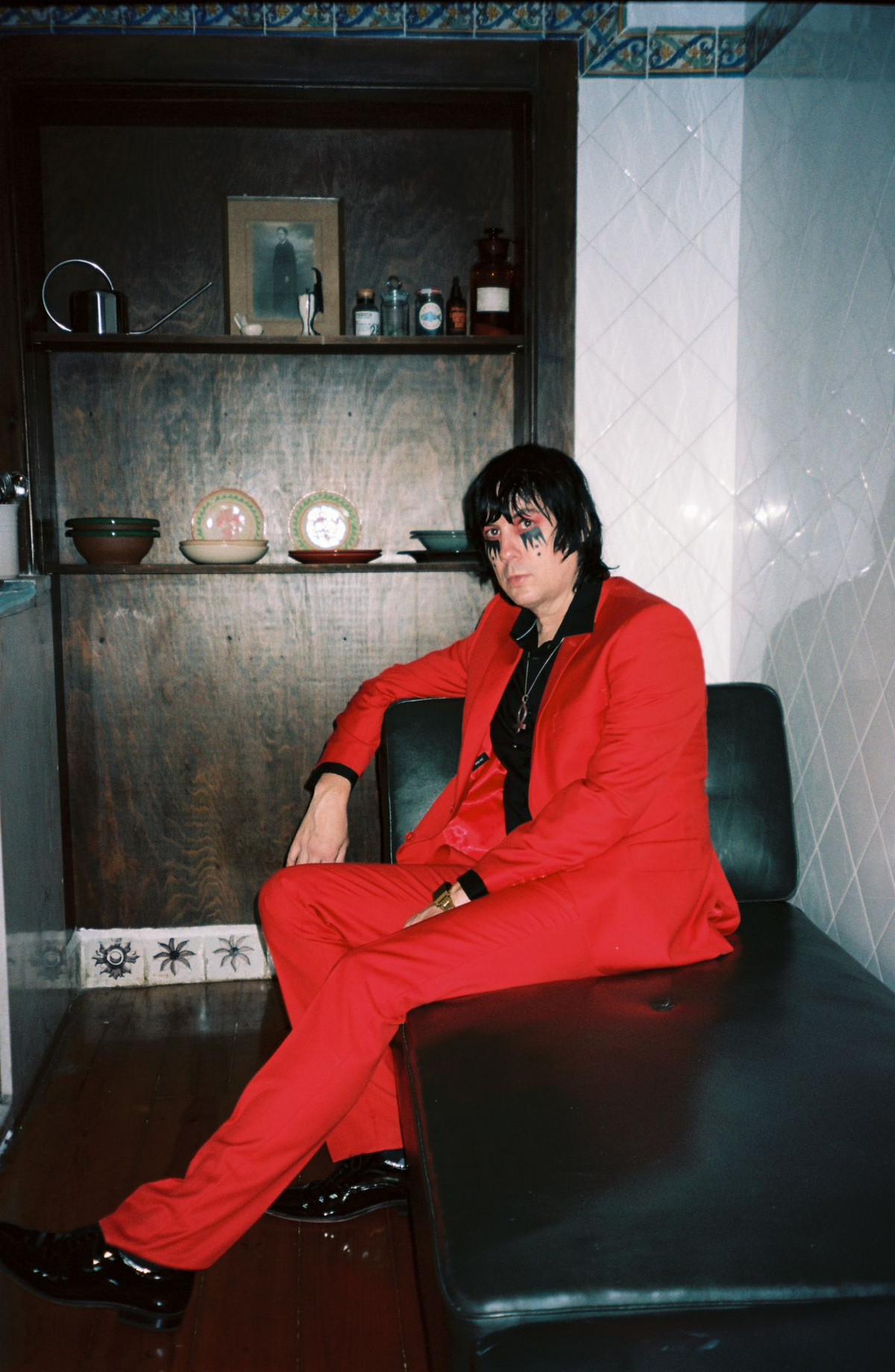
Andriy Zozulya: You started out in the underground and never aimed to be a pop star. Given you now compose for films, run a label, and shape scenes, do you still feel like the same Johnny who began in 1990s Portland?
Johnny Jewel: I've approached writing & recording the exact same way since I began in the late 1980's in Houston. I permanently feel like an outsider regardless of how many people are listening. I need deep isolation in order to hit that flow state. My process is the same for creating. After years of anonymity & working in private, what continues to evolve is how I navigate the stage where my work becomes public.
Your work has been described as “visual sound”, you say you don’t read music, you imagine compositions like abstract paintings. When a director hands you a script, what’s the first mental image or colour you hear before you even touch a keyboard?
Often, it's elemental. My initial response with a script will be more along the lines of texture than color. For example, is it going to feel metallic, is it going to be organic, or is it going to be windy, cold, warm etc. This train of thought immediately informs instrumentation choices like bells, woodwinds, strings, or synthesizers. I immediately have an instinct for octave regions for each sound. Impressions of color come after the tonality of the texture is explored & melody comes last.
With your bands like Desire, Chromatics, Glass Candy, and through your label Italians Do It Better, you’ve spanned genres from Italo-disco to noir synth to ambient soundtracks. Is there a unifying philosophy or emotion behind all these shifts?
As the writer & producer of these projects, I'm the common thread at the center of all the records. I never set out to achieve any specific goal other than making the very best record that I can. I allow the music to dictate what needs to happen. I use my life and my experiences as emotional conductors for electricity. The better I can tune in to those raw emotions, the more accurately I can translate the essence of those ideas into realities for the audience. Art is a reflection of what we already know to be true. A lot of times, that understanding lies in the subconscious. The job of the artist is to magnify these frequencies & get out of the way. The perception of music is all about the listener's personal relationship to the language of sound.
You recently scored Holly, a haunting drama about isolation and possible clairvoyance. How does your approach differ when you compose for a film with delicate horror-strands rather than a psychological, neon-lit crime drama?
I loved working on Holly. This type of film allows for more supernatural elements. That's the main difference between the thriller crime genre & something that leans more towards horror. I keep more footing in reality while working on thrillers. Horror films can be more metaphysical or fantasy based. This informs the sound of the project & the choices I make. For example, in Holly, there are no practical or visual effects to illustrate her clairvoyance. The closest visual indication we see is wind, & even that is very subtle in the film. It's in her hair occasionally, or in the trees in the distance. In this case, all supernatural feeling had to come from the music. As a composer, it's important to understand where to amplify the scene & where to hold back. Ultimately, you are there to reinforce the director's vision, so you need to have a clear understanding of where to place musical energy in order to elevate that narrative.