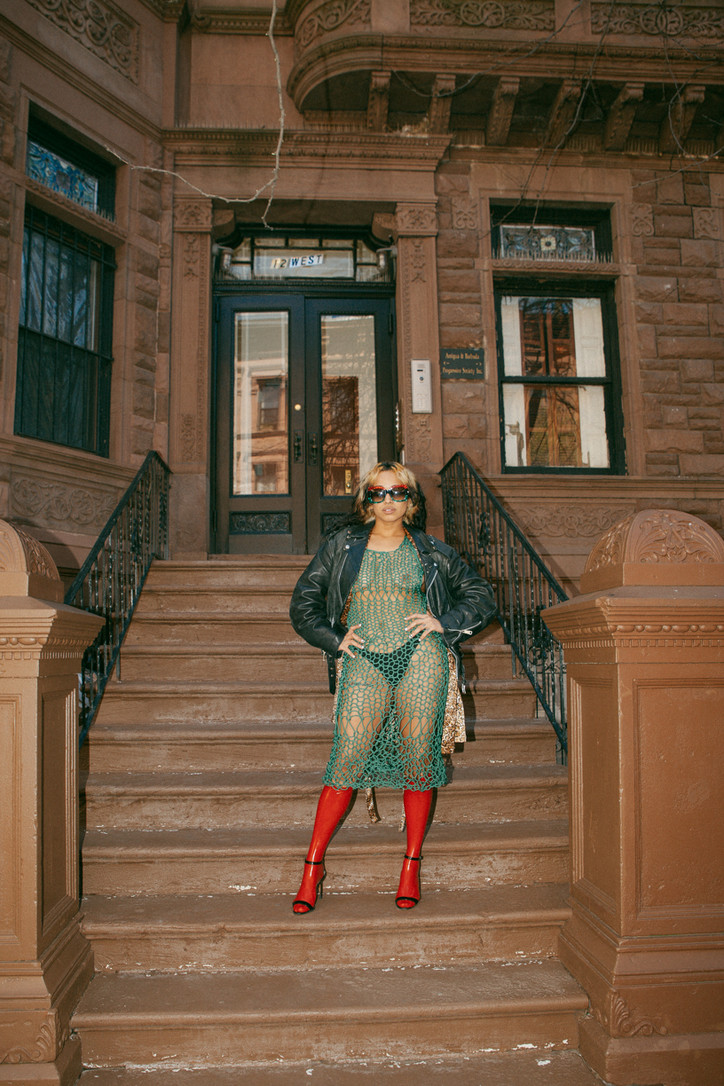
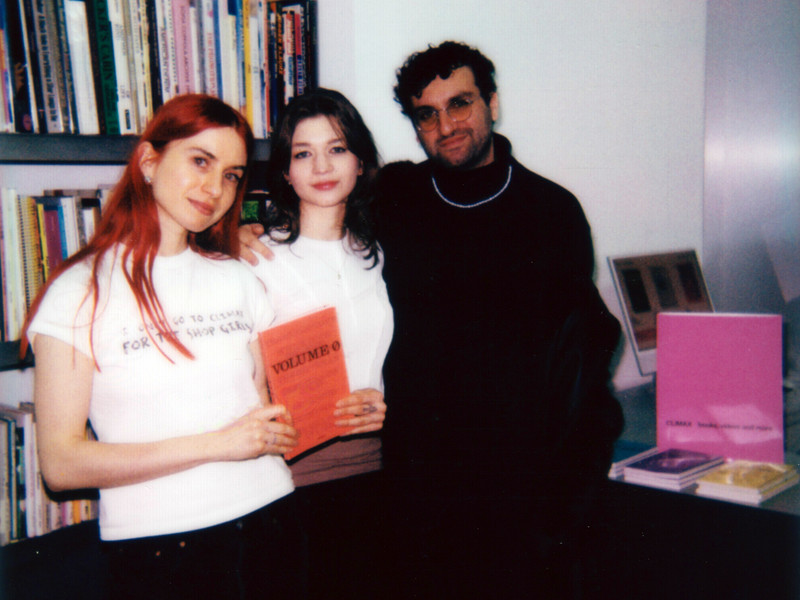
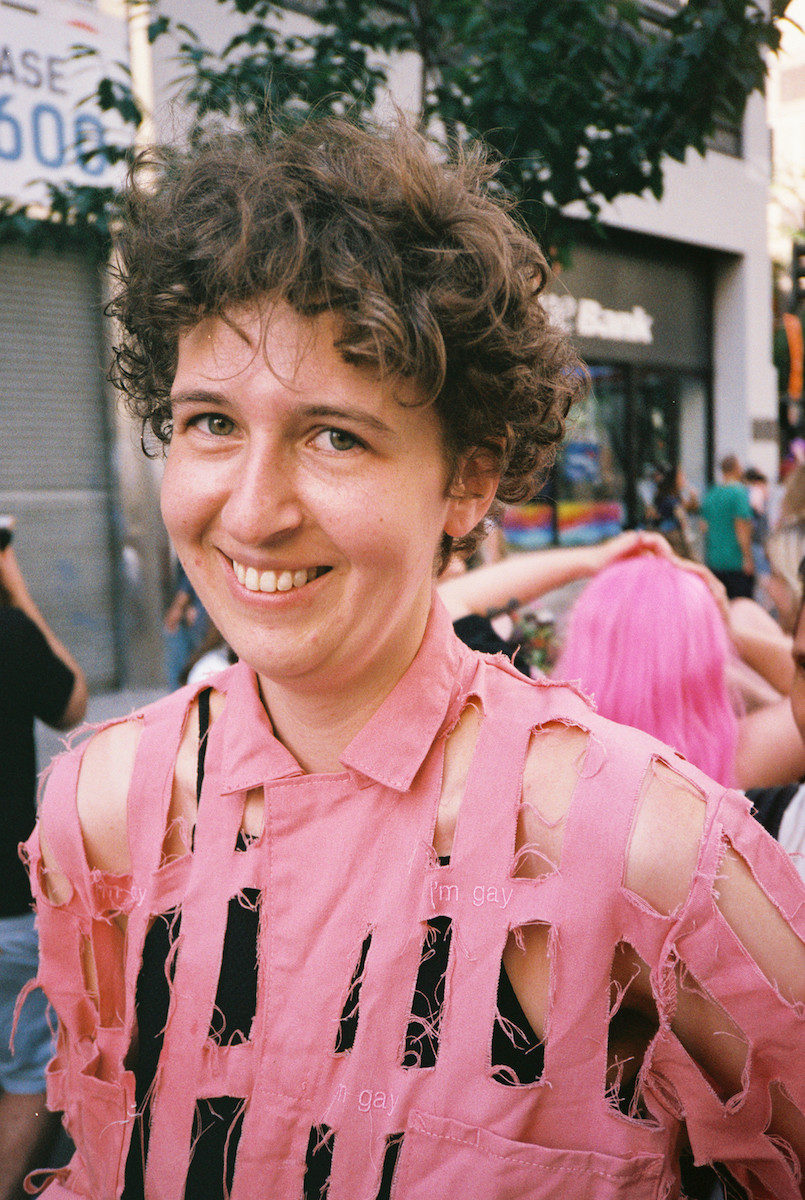
You were born at Harlem Hospital across from Schomburg Center for Research in Black Culture. Tell me about the significance of these institutions, and their juxtaposition?
I went to the Schomburg a bunch when I was a teenager. I was born in one of the worst hospitals in New York. There is no coincidence that Schamburg is across the street from “Crack Hospital”. I grew up in poverty and with immigrant parents, and growing up in this environment made me angry. Reading certain books made me active. It helped me relate so closely with so many people and helped me talk about power and influence, and relate through our tension and anger in the club. If you have an angry person, an angry woman, an angry brown person, you can activate that. Now with a certain influence and power it’s important for me to have a place to express how I feel and my existence in the world - whether it means I’m poor, a women, a brown person, queer, and all of those things at the same time. Maybe my whole life is me crossing the street to the Schomburg Center, from the hospital and that’s all of it in a nutshell. Where I am and where I want to be. To make sure I cross the street and read those books at the black library. To ensure my life is the real life and not just a fantasy. Fantasy is important, but it’s not the core of our existence.
What are you reading right now?
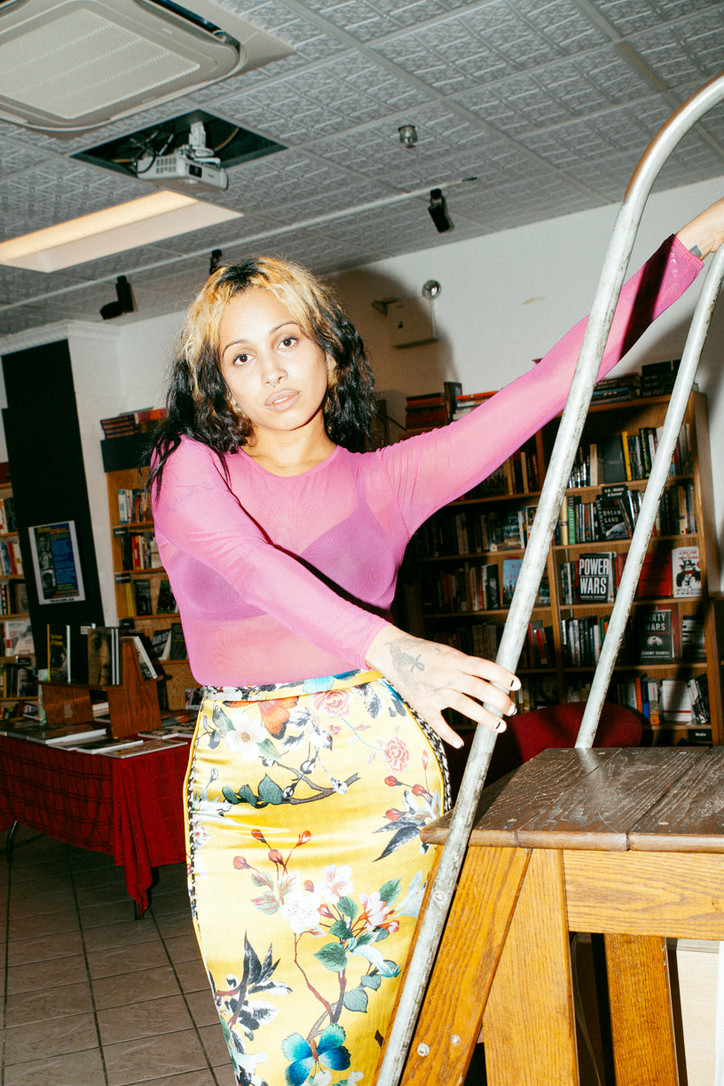
I’ve been getting back into stuff from when I was younger. I recently dug them up for an exhibition I did about my materials and design process. The main one I’ve been reading is Eldridge Cleaver’s, “Soul on Ice”.
What does it mean to you?
He was the Minister of Information from the Black Panther Party. He was partly writing a guide to understanding America at the time, which is ironically a question a lot of people are asking right now. Be it people, black people, gay people, immigrants, women. I didn’t seek the book out, but through a series of events it came to me again. The ideas I was thinking about as a teenager, as a radical, were as important as they are now for me to survive, when I think about immigration, sexuality, and sex politics.
How does your research of radical text inspire your role as a cultural practitioner?
I didn’t imagine I would ever become a radical thinker. Not as a young person, without family members who talk about anything I think about. The reality is that most people who grew up around me expected the version of the truth they learned in school and didn’t question it. When I became a DJ, the performance was directly influenced by the stuff I read. It was at first radical black text, then it was gender theory. I’m not just there to please people aesthetically or with content I use. I don’t want people to feel comfortable. I’m also working to become as liberated in the process of DJing as possible. That’s what happens when you read about topics of people's rights, and jump into DJing. In my case, it was the content and using music to tell those other stories. It was the thing that came most naturally to me. I certainly appreciate a role where people let me come into a space to play music for them. I have reference points. In the last few years, I’ve been digging to reconnect with what’s at the core of this evolution for me.