Did the (court-ordered) recovery program you mentioned in the column help you in any way?
I was 21 when I went through it. I’d just been arrested for a DUI. I wasn’t really listening to anyone’s advice at the time. I do think it gave me a sense of perspective, though. I found myself being really judgmental of everyone else and had to check in and remind myself that I was sitting in the exact same room as them. I fell off my high horse pretty quickly after that.
You made a bold move with the ending of #ELSEWHERE, specifically with the last two sentences. What was the significance of ending the column this way? When did you decide you were done?
The events in that last essay, at least while I was writing it, were very, very recent. I was still trying to process them. There wasn’t really an ending in sight in that moment. No real closure. I thought about getting rid of it entirely at first, but I decided ending it that way actually made sense. I’m 23. I have no idea what happens next. I don’t think you’re supposed to have a whole lot of closure in your early twenties. You don’t have to have a happy ending yet, and that’s okay. It doesn’t make anything you’re going through any less relevant.
Needless to say, the content of the column is controversial. What has the reaction been throughout the weekly release of these essays? Any DMs?
Divisive, I guess, but mostly positive and supportive. Lots of DMs, which is cool. I’ve been able to talk to the people who’ve been reading it. All mental health issues aside, growing up can be super isolating and confusing. It’s been really rad to read all these messages from kids who relate to the column and feel less alone because of it. I’ve even seen a few of them talking to each other in the comments and I think that’s great. I’m happy to know they’re feeling connected.
Most of the negative feedback has been from older people, which I think is just a generational thing. The rest is from people who think my comedic tone is mocking serious issues. And it is, sometimes, but they’re issues I’ve lived through and dealt with, so I feel I’ve earned the right to talk about them however I want. Life is funny even when it isn’t. I think it’s really important to be able to laugh at yourself. I don’t know what I’d do if I didn’t.
What is your response to people who believe you’re “glamorizing,” or otherwise “glorifying,” those serious issues?
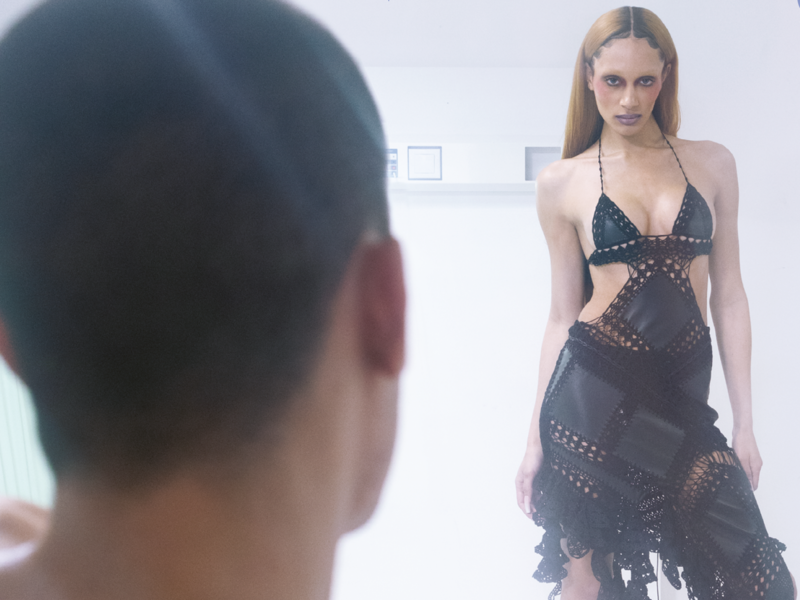
I’m just bored of hearing about it. I’ve stopped paying attention. There’s nothing glamorous about anything I’ve written. It just so happens that I live in Los Angeles and sometimes work as a model. A lot of my writing is set against that backdrop because it’s where most of my life has taken place. I can’t change that, and I don’t see why I should have to censor myself or apologize for it. I think people just innately see that world as glamorous. That’s not my fault and it’s not my problem.
Now that #ELSEWHERE has come to a close, what’s next for you?
I’m stepping away from nonfiction, for a while, at least. It took two books and a column to do it, but I feel like I’ve finished telling the story I wanted to tell. I also think stepping back will help me with the depression and everything. It’s difficult going back and unpacking all that trauma to write about it. Exhausting, actually. I don’t regret any of it, but I think I’m finally ready to move on. I’m at UCLA now, workshopping my first novel, which I’m excited about.
But like I said, I have no idea what happens next. And I’m fine with that.