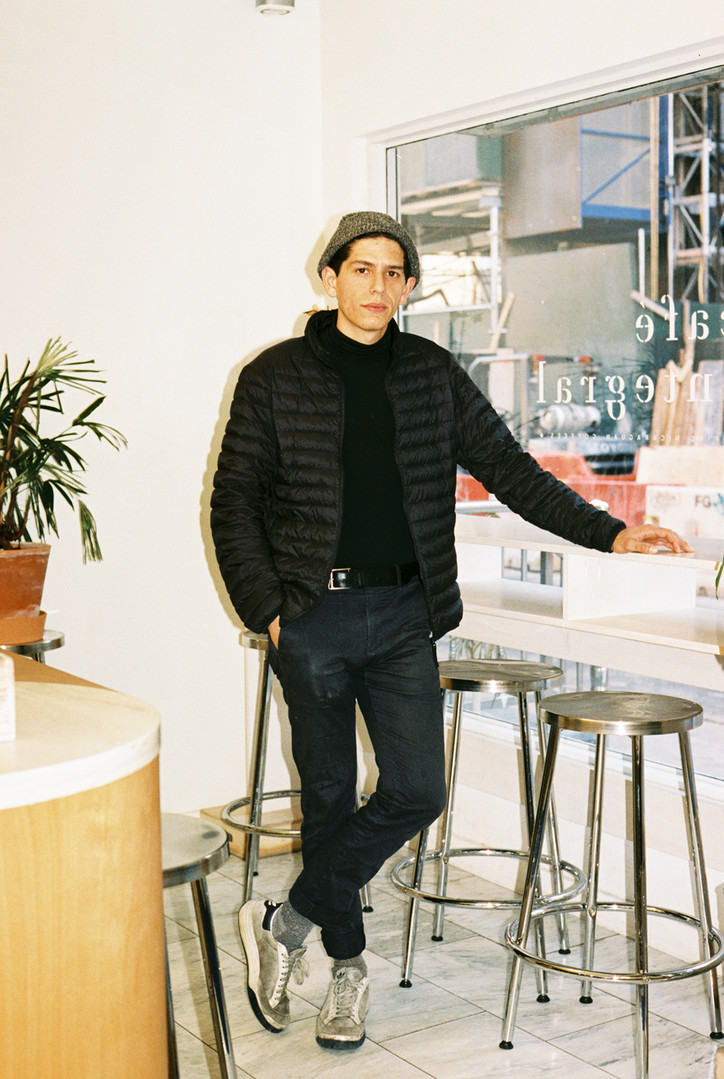
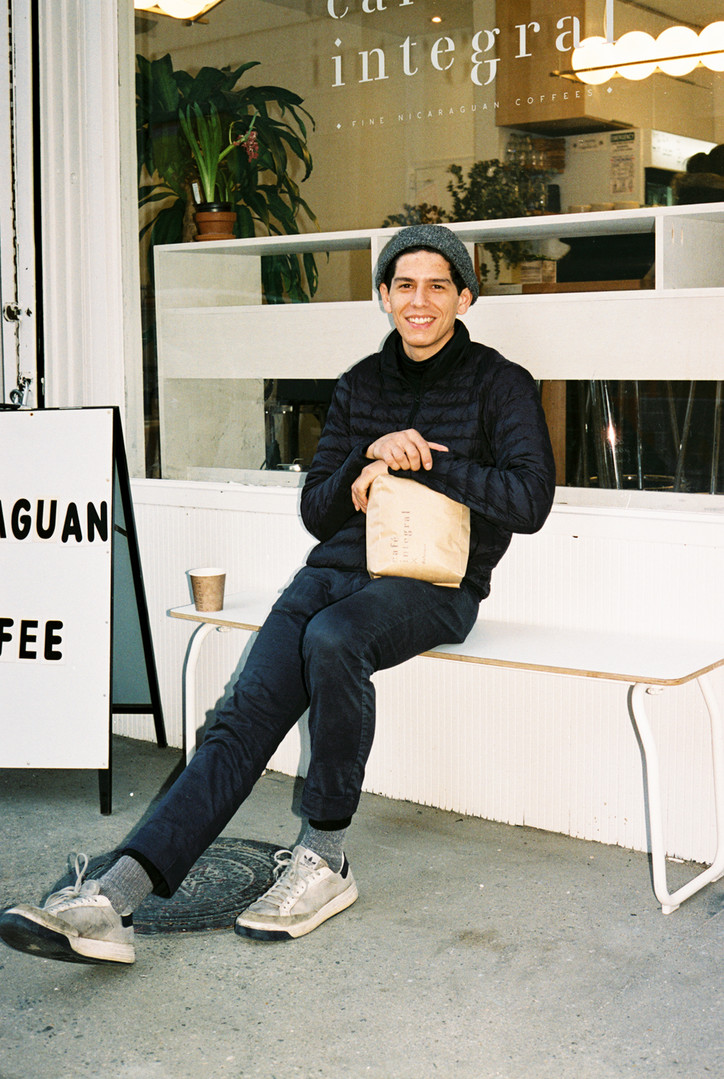
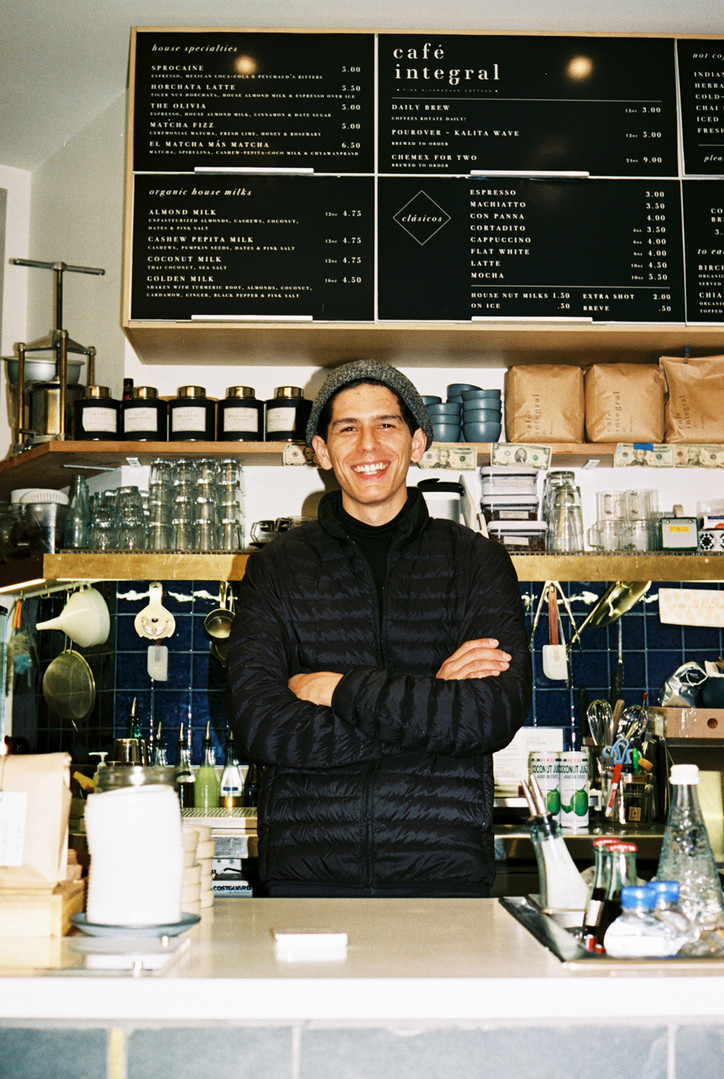
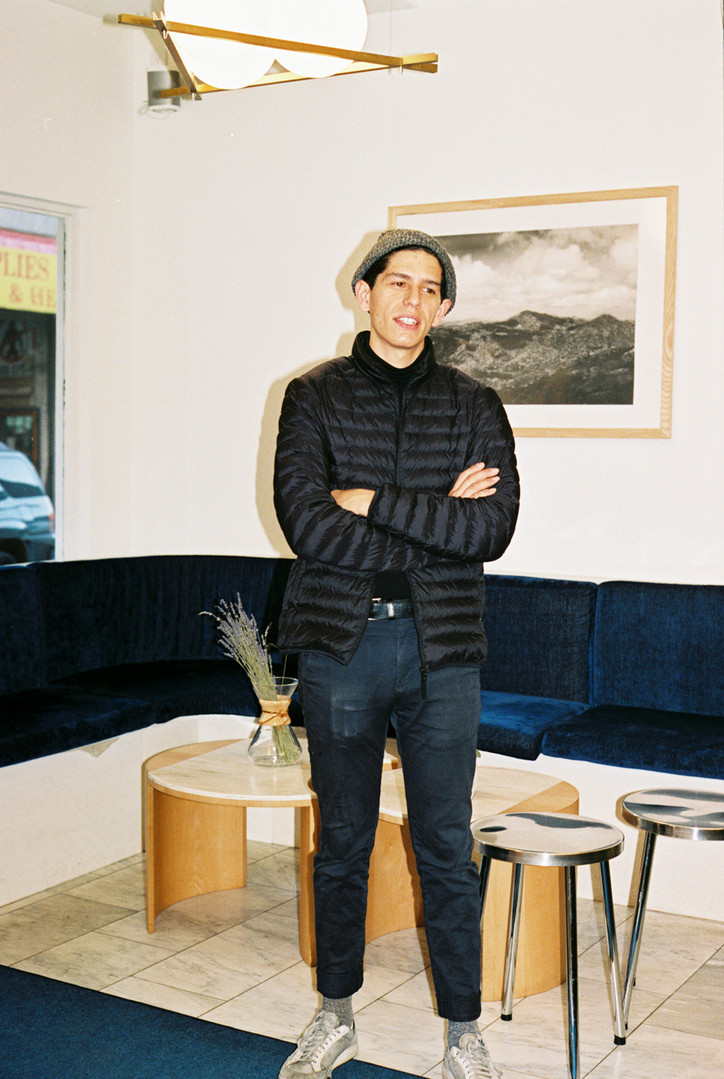
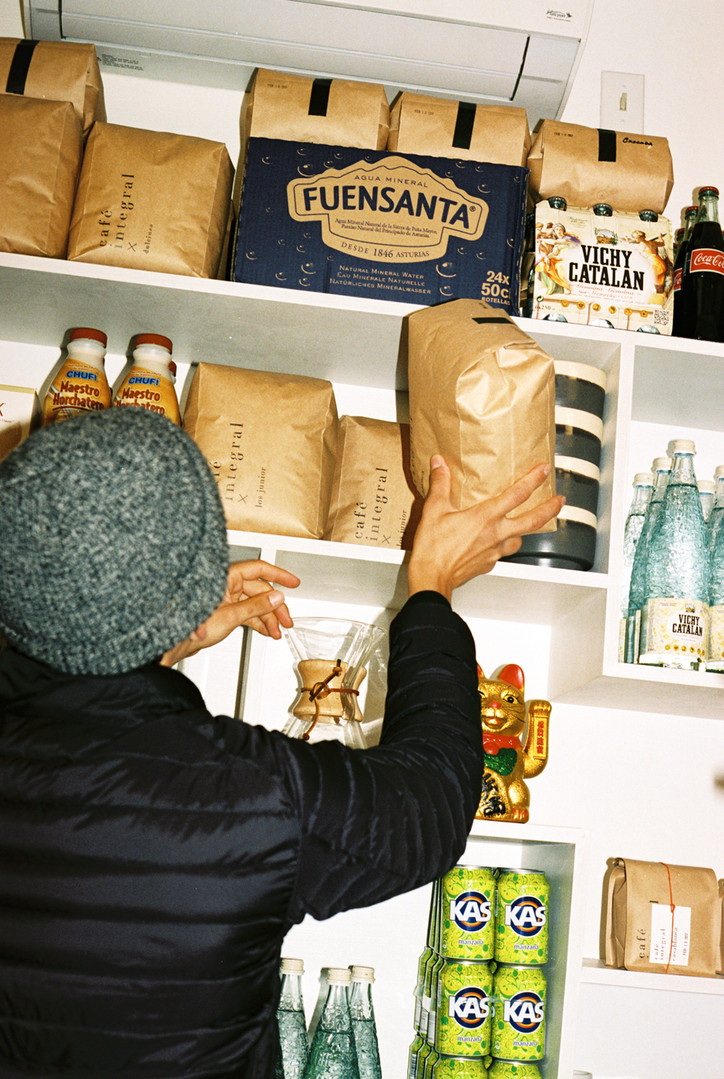
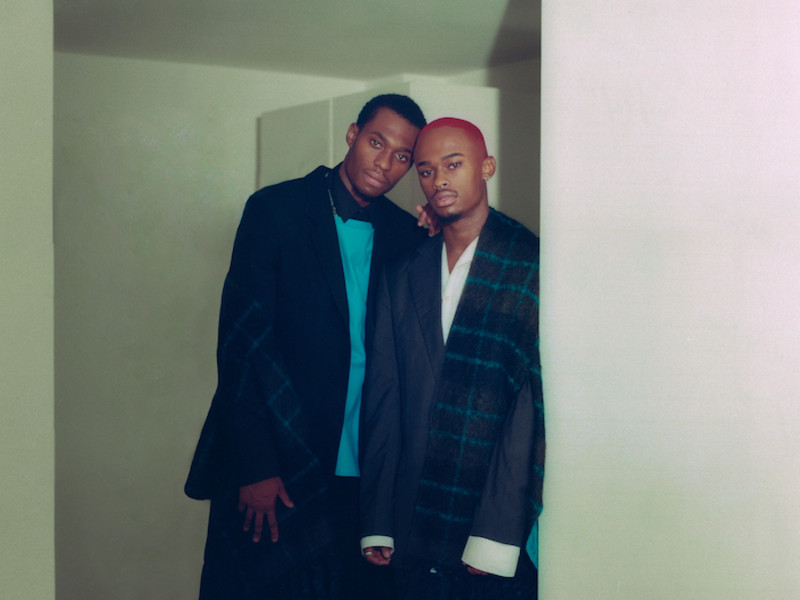
Vega is a self-identified early riser (he typically wakes up before 5 AM), and his unwavering can-do attitude and hyper-enthusiasm are attributes that have served him well. So we found a quiet morning to share life-affirming mantras and talk the hyper-local hustle.
New York is all about the hustle. You started the business as a subscription-based service first. What was it like to do everything from roasting then biking it all town yourself?
Well, it wasn’t quite a subscription service—at least not exclusively, though many people received their coffee every 10 days. It was a milkman model. If I give you a jar, the jar is a buck. and we can reuse it—it lasts. In many ways, it was less sophisticated, not quite as thought-out, though in retrospect that would have been a cool idea. Really, [Integral] began as a “greens” business, selling unroasted coffee we had imported to other quality-focused roasters. The roasted coffee bit was more of a “friends and family” offering that I was hoping would get the product in more hands.
It's hard to get people to make spontaneous commitments, or at least it was harder than it is today. And part of the goal was to get people interested in Nicaragua in a positive light—that was the greater goal in a general sense, and so this method was as appropriate a route as any.
How was it?
Thrilling and exciting. At the time I was roasting every pound by hand on a sample roaster, which meant it actually took multiple roasts to produce the 12oz. package. Then I’d wake up at 5 am, trek on the bike. But that was the most fun perhaps—the places it took me, the people I met. It was consuming, entirely, to be sure. But it was exhilarating. You don't realize how un-credible you are as a random, Hispanic coffee-producing guy.
At first, coffeehouses wouldn’t stock it, and any entrepreneur can relate to how difficult it is to maintain your grit and motivation when rejected. What made you think I'm going to do it anyhow?
We weren’t really aiming for coffeehouses. And before we knew it, we were gearing up to open at American Two Shot. In that sense, the move was motivated by that opening. We also had tremendous encouragement from our customers—and of course we were inspired by the producers, whose hard work is hard not to emulate and ultimately get behind.
In starting this business, you were hoping to get Nicaraguan coffee as well-known as Brazilian or Columbian coffee. Why isn’t it as well known? Is it bad PR? Not enough exposure? Culture clash?
From a “professional” standpoint, Nicaraguan coffee wasn't well-regarded. It hadn’t seen its fifteen minutes of fame or had a protagonist fighting for its coffee. It's interesting. There are many reasons why and ultimately Nicaraguan coffee wasn't held in high regard—in many ways it isn’t yet, but that’s what we’re after.
I think ignorance is perhaps the biggest challenge. People don’t know why Colombian coffee is “renowned,” and perhaps they don't understand that Brazilian coffee, though available and popular, isn’t necessarily good. So it's more of an awareness issue, in my mind, because there will always be amazing Nicaraguan, Colombian, and Brazilian coffees. The challenge is presenting the best of it—to find it, to bring it to fruition.