AKILI KING
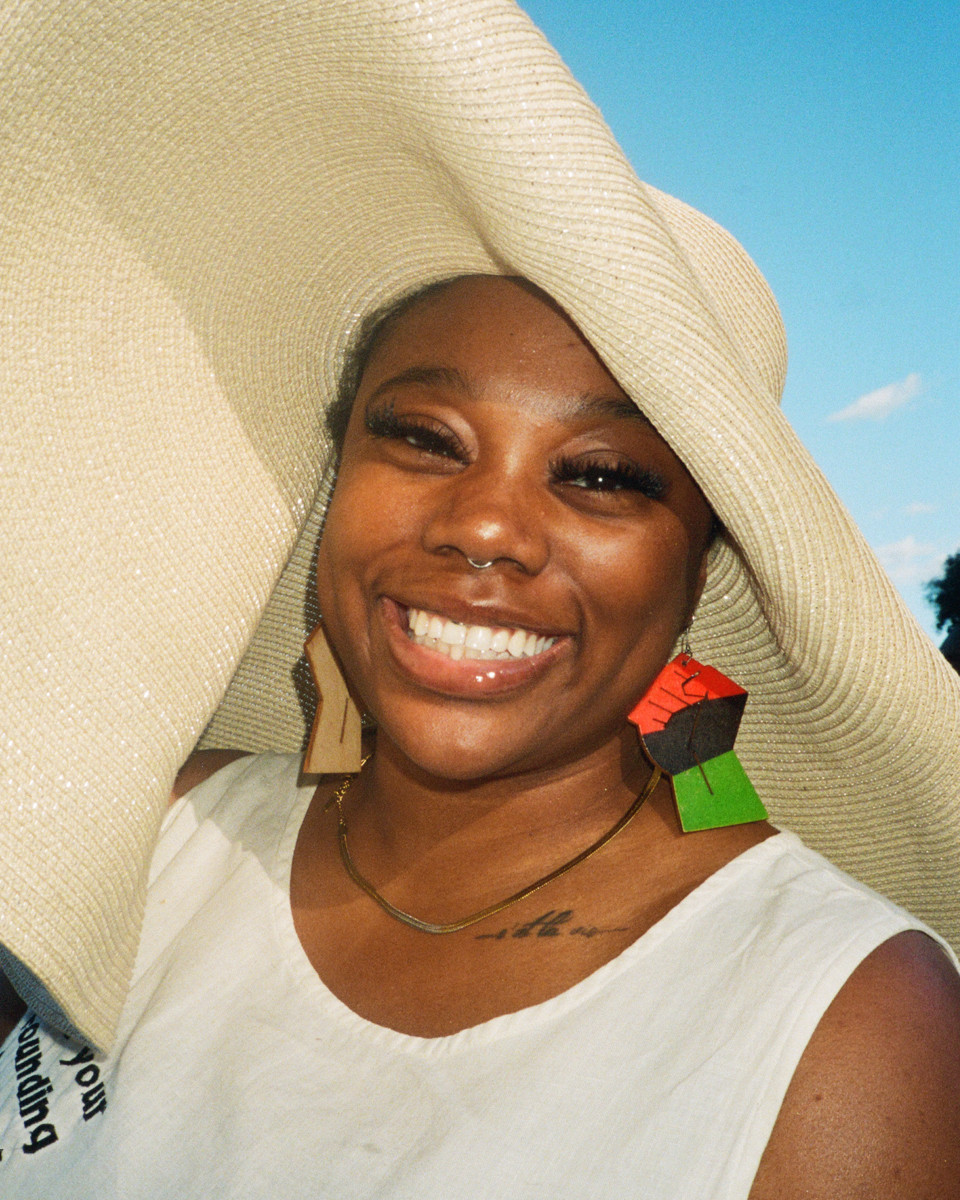
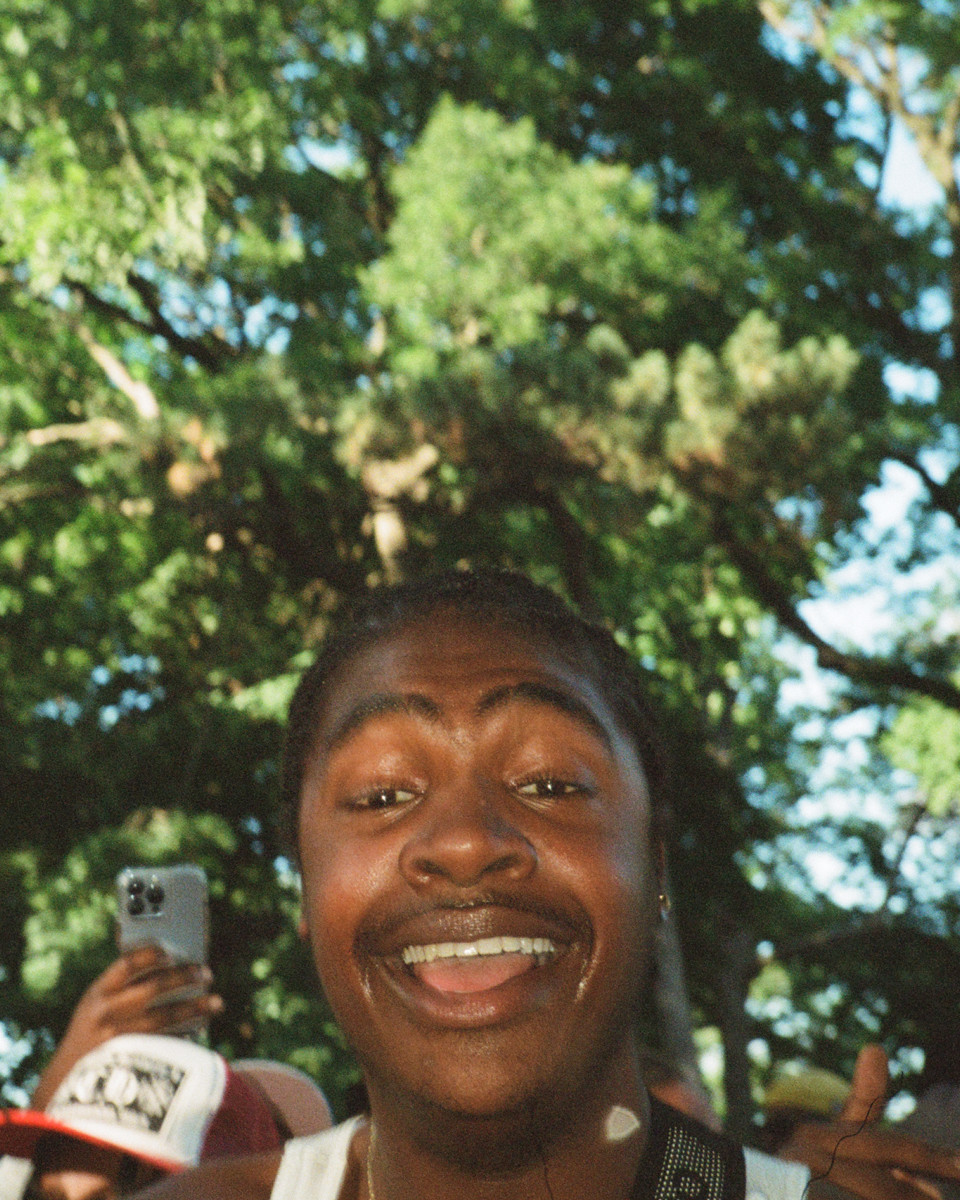
Amplifying voices that haven’t been heard is the business that Akili King is in. Through her series Texture Diaries, a safe space for Black women to tell their journey with their hair, King is redefining what is beautiful. European beauty standards have lived on for far too long creating deeply set insecurities in Black women that aren’t necessary. Through this series, she’s opening up the floor for Black women to finally authentically express themselves. The Vogue alumni, is as mother nature to earth, a nurturer. For so long, Black women lacked nurturing in their lives often the caretakers, King exposes the softness and vulnerability that Black women so badly want to feel and show.
What is your definition of intersectional activism and what does that mean to you?
I think it's the ability to see activism as not in the non-traditional sense because I think a lot of people only see it as marching or protesting, or being in the streets as they call it. But I think that it's about being open to other forms of how you can push the envelope in the different spaces or the different gifts you've been given. For some reason, Misty Copeland came to mind. She is one of the first principal dancers who is a black woman and who has a different body type than most ballerinas. But she created space for so many to come after her. And now we see more and more popping up. And of course, there were people before her like Alvin Ailey, and whatnot, but for some reason, she came to mind, because that's a non-traditional form of activism. You think of a ballet dancer, you don't think of them as like, fighting for our rights, but you can do that within the space. You know, given what your gift is, and you can fight and lift your voice, use your talent to push the envelope to make a case for, you know, it's not just this body type, it's not just this type of beauty or this type of whatever, whatever it is, and show that it can be done in several ways and that there's space for everybody to thrive. Yeah. And I think that that's what activism is, right? Even the civil rights movement was about that, like saying, we deserve rights too. And I think that can be applied to so many different mediums. So I think one layer of it is about being open to activism, being nontraditional, but then also recognizing that you're not only fighting for yourself, but you're fighting for other people that might be marginalized.