As many as three out of four people remain unemployed a year after being released. How to do you think the program has impacted inmates or helped with the adjustment of returning back to everyday life?
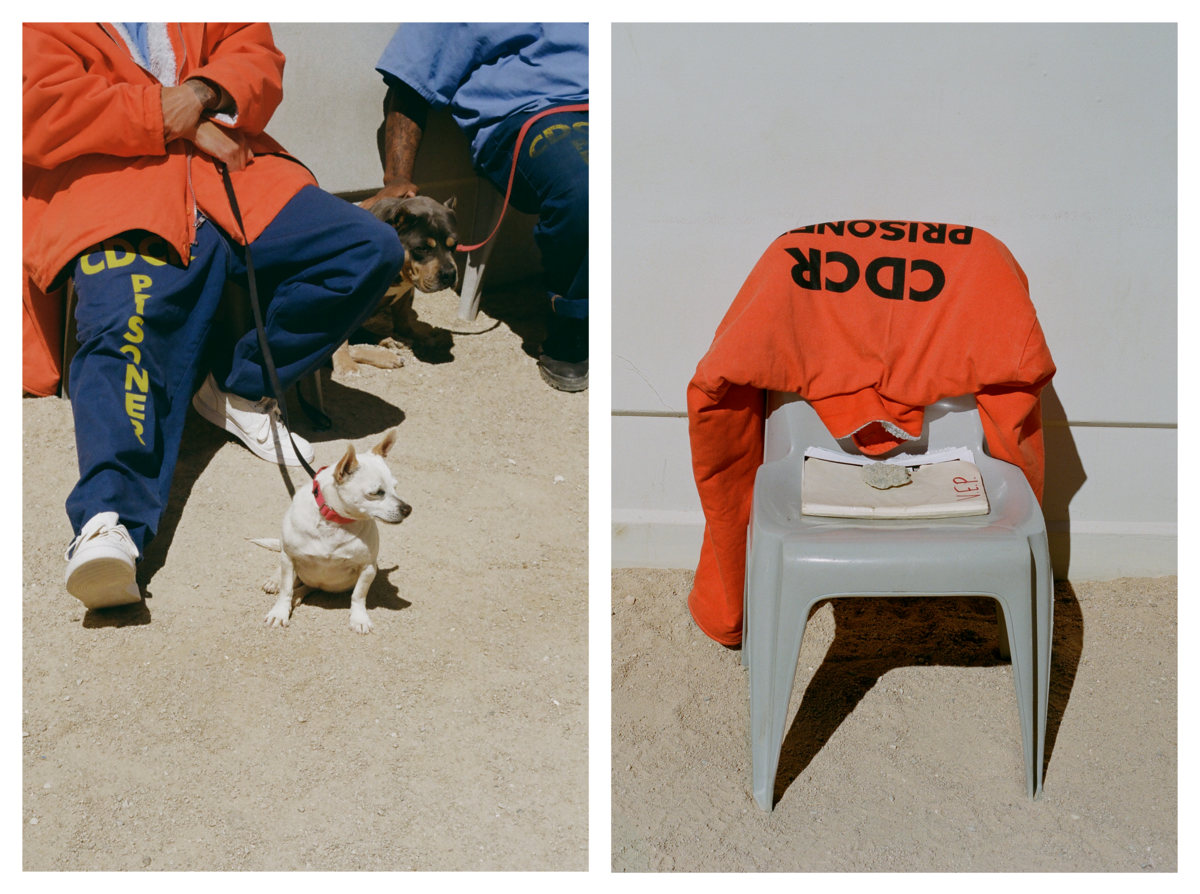
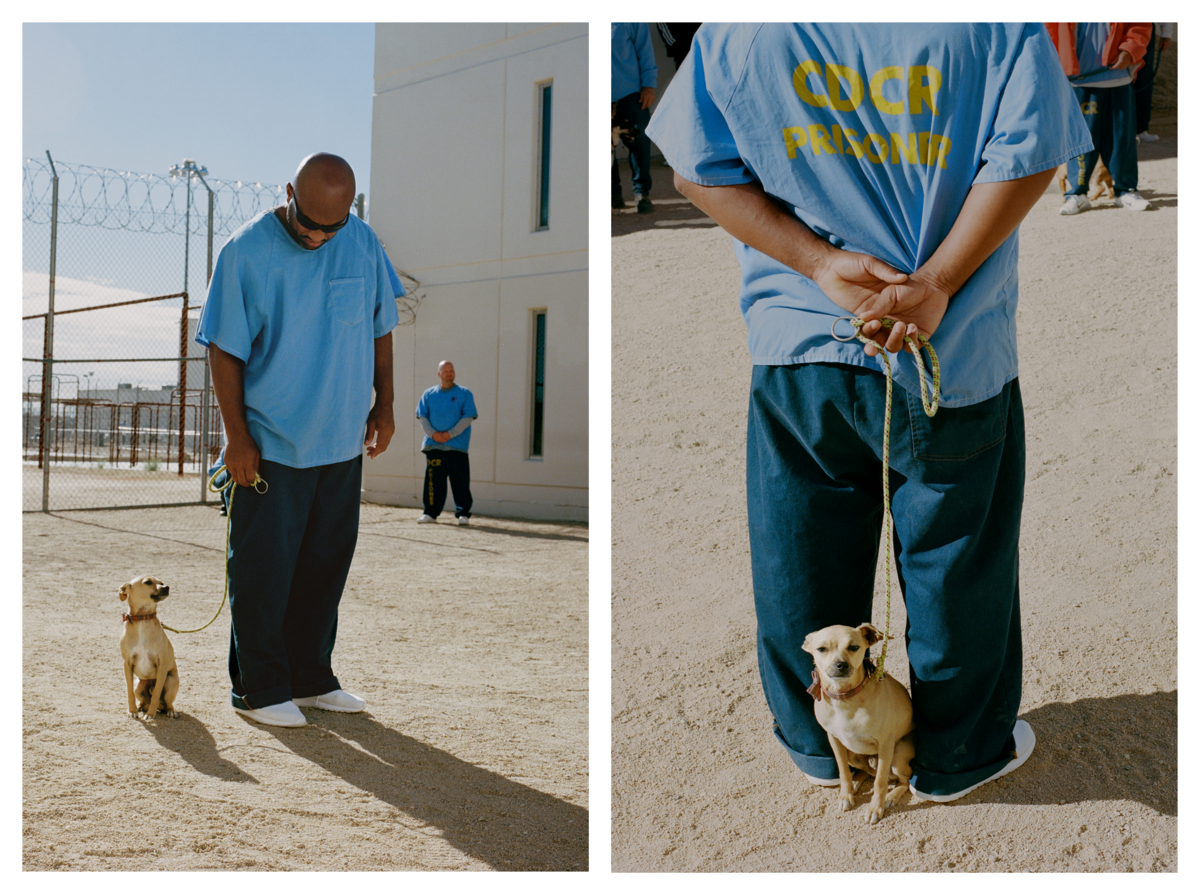
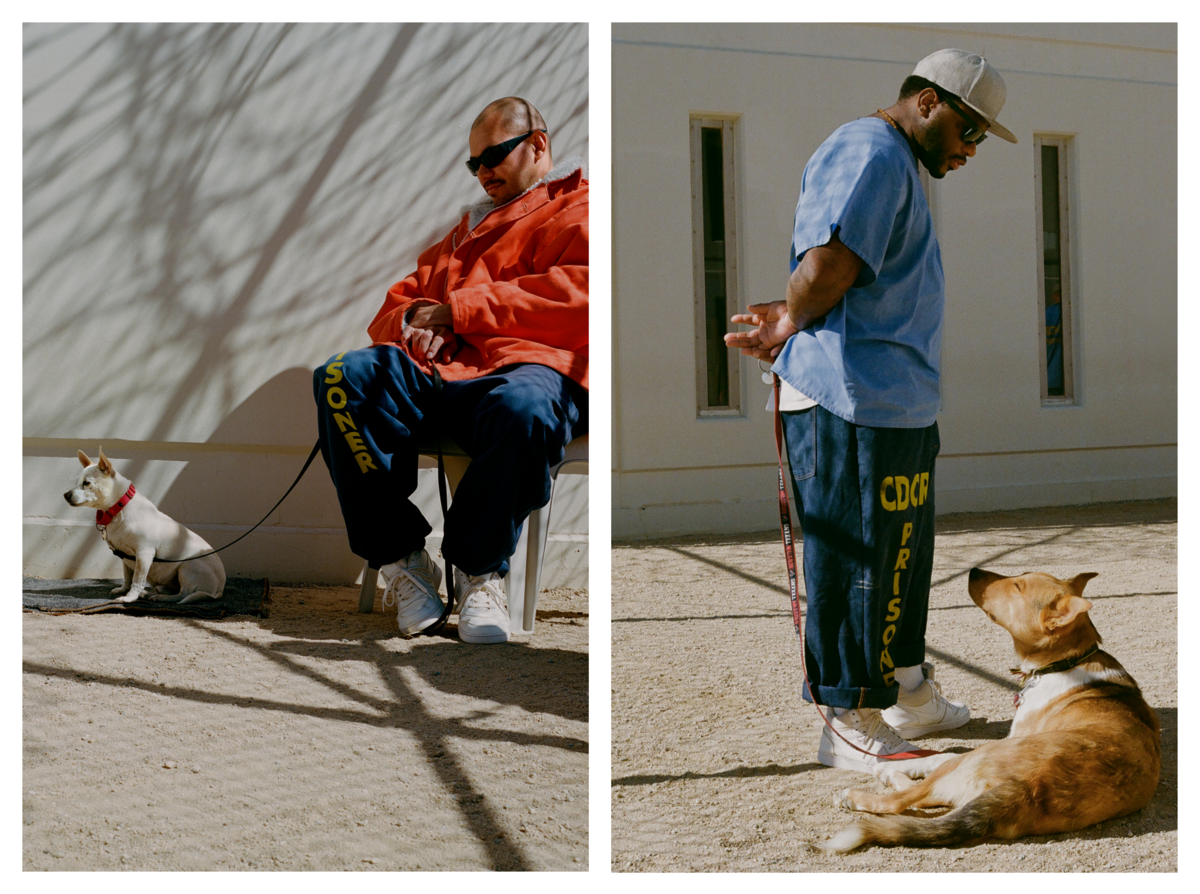
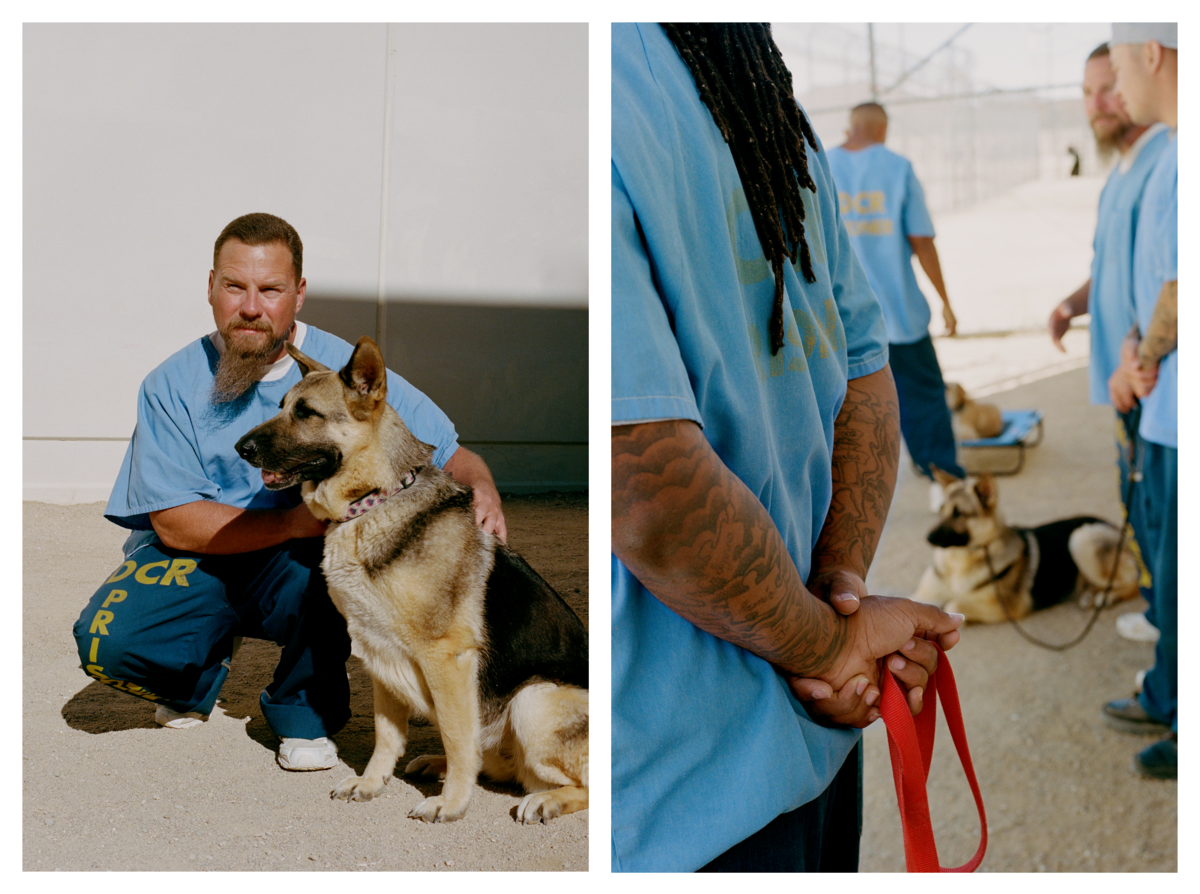
Recidivism is a gigantic problem in the US prison system, between 8 to 10 violent offenders end up back in prison within 3 years. So not only are they not employed, they're back in prison at a cost of $50,000 to $100,000 a year per inmate. We're paying more than I make in a year just to incarcerate a single human being in the state of California, which is astounding to think about. Conversely, there is a couple things that are important: theres about 2.5 million incarcerated Americans, and up until recently we euthanized 2.5 million animals a year so it only makes sense to have those two figures work to cancel one another out. We can do that because the pet services industry is an $80 billion dollar a year industry. To give you some perspective, the music industry is $43 billion a year, so it's almost double the size. The pet industry is in critical need of trainers well-versed in dog physiology that understand canine handling, reactivity, and behavioral modification. and that's exactly what thes guys are getting in prison. By the time they graduate one round of the program, they've racked up hundreds of hours of dog training experience, as well as weekly hands-on experience every with some of the best trainers in America.
I see you keep in touch with the parolees that have graduated from your program. Has the program inspired or motivated some of them to pursue careers in the dog industry once out?
Yes, 9 of the 17 men who have been released are now professionals within the pet industry.
In what ways would you like to see the program grow? What can people looking to help out contribute?
Because so many animals are still being euthanized every year, my vision is to implement this program into every facility. What this program does for safety on the yard, for inmate-and-correctional-officer interaction, for the families who are able to see their guys on social media, how the program brings down drug dealing and drug usage--there are simply just too many benefits to mention. The program can and should be in every prison, if not on every yard. Most prisons have several yards. There's certainly enough animals to do so, and it would radically reduce costs at a state level in terms of programming for inmates, animal control, and getting these guys on the pipeline for employment. Our biggest objective is to create a training program and facility at our ranch so we can host people who are interested in rescue and give them the tools needed to start their own programs.
You see tough situations and animals in horrific conditions daily, how do you manage to remain optimistic?
I have the fundamental believe that people are inherently good, I just do. It's just a matter of how do we access it, how do we cultivate the goodness in people. How do ER doctors or EMTs deal with seeing mangled corpses everyday? You just get use to that aspect of it. I'm also just highly aware of our overall purpose, and that purpose is to create change and institute paradigm shifts and in order to this sometimes you gotta obliterate it. I'm certainly trying not to get jaded because getting misanthropic is the last thing that would help me be effective.
What’s next for you and the program?
We're heading to Washington D.C. this week, where we're meeting with a lot of important people to try and make this program a requirement within the prison system. Next up, we're implementing Pawsitive Change within teenage male foster homes, so be on the look out for that.