


Livestream: Parley for the Oceans - Deep Space
Parley for the OceansParley for the Oceans
Posted by Facebook on Wednesday, June 6th, 2018
Stay informed on our latest news!

Parley for the OceansParley for the Oceans
Posted by Facebook on Wednesday, June 6th, 2018

Florence
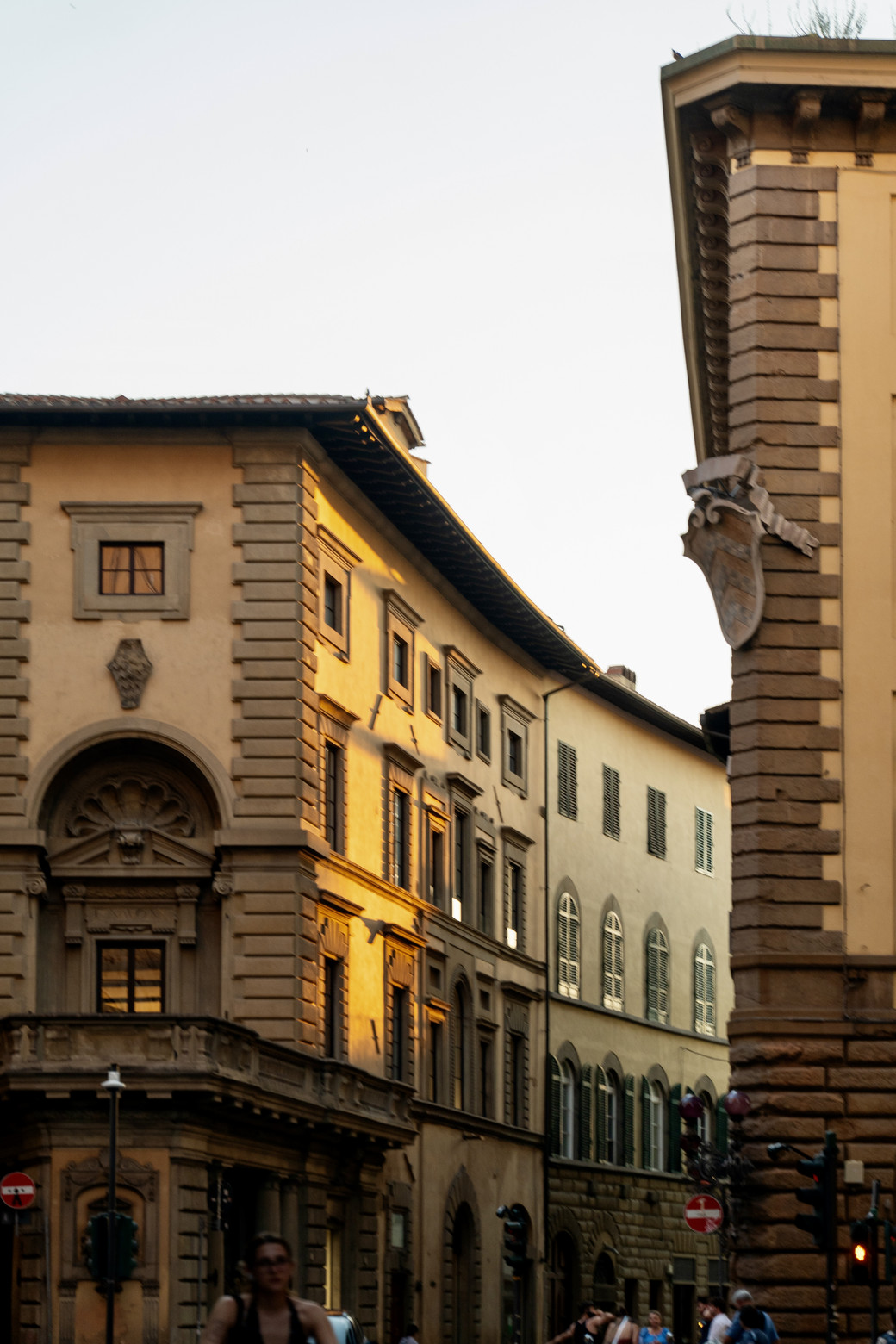
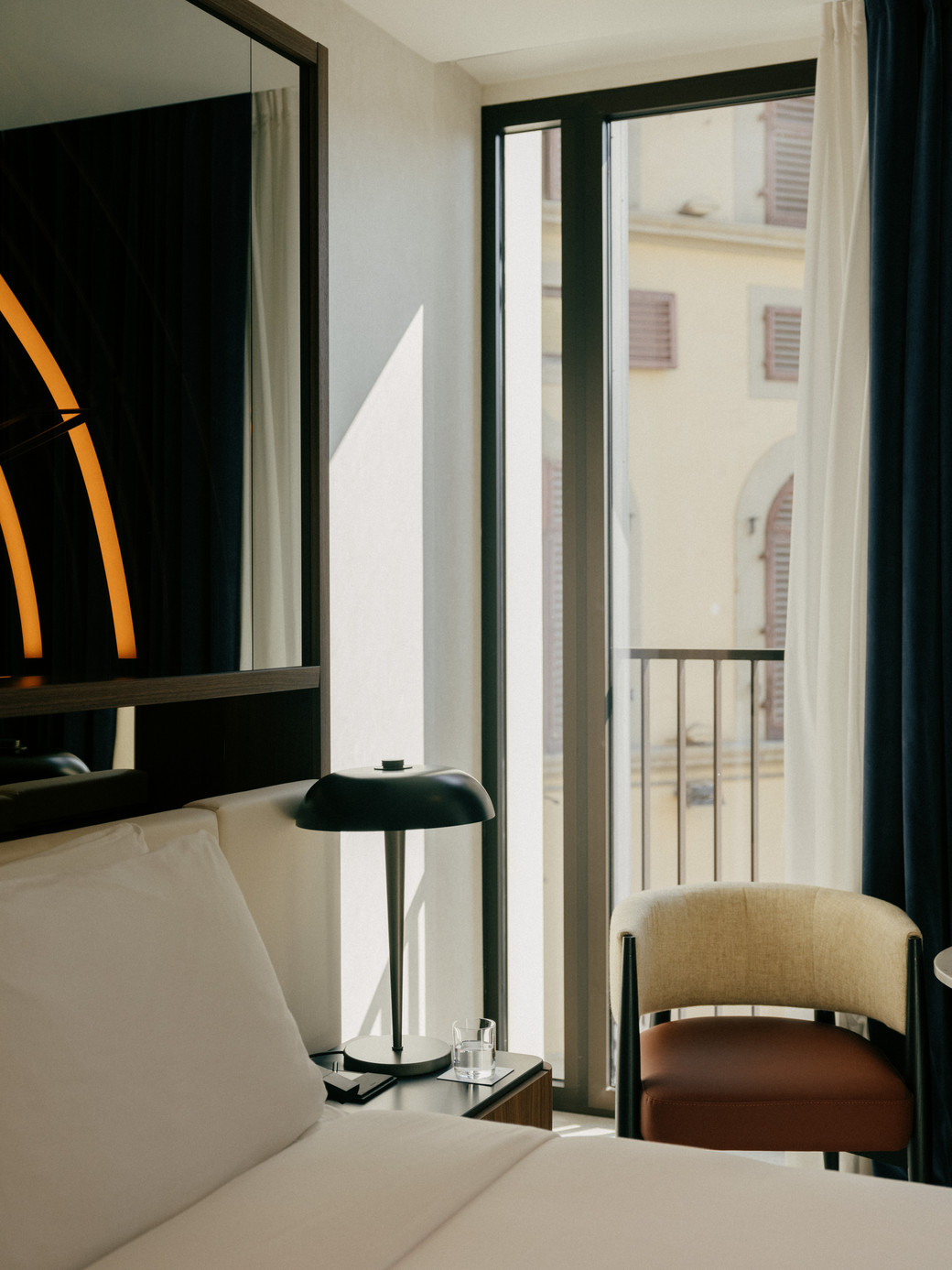
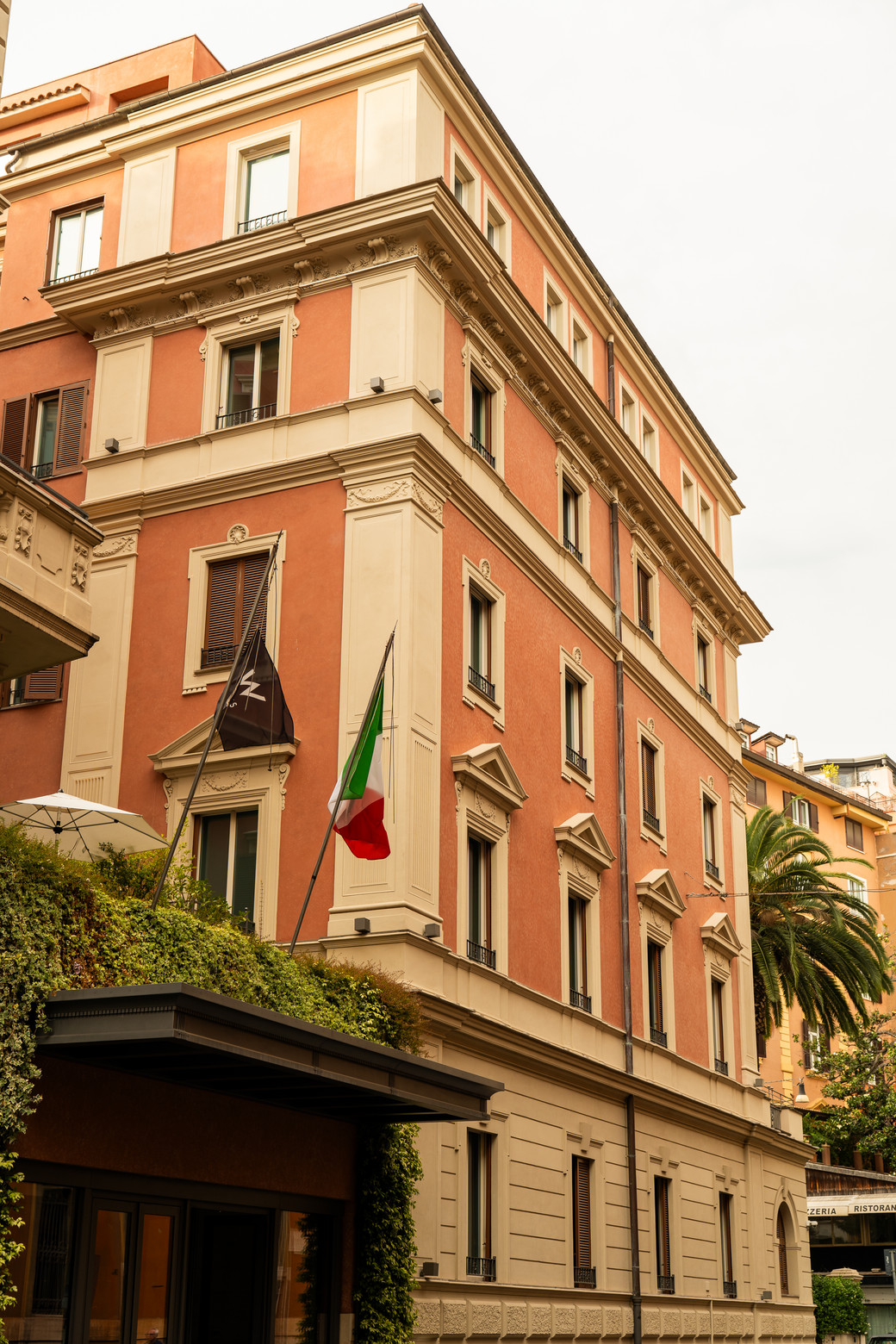
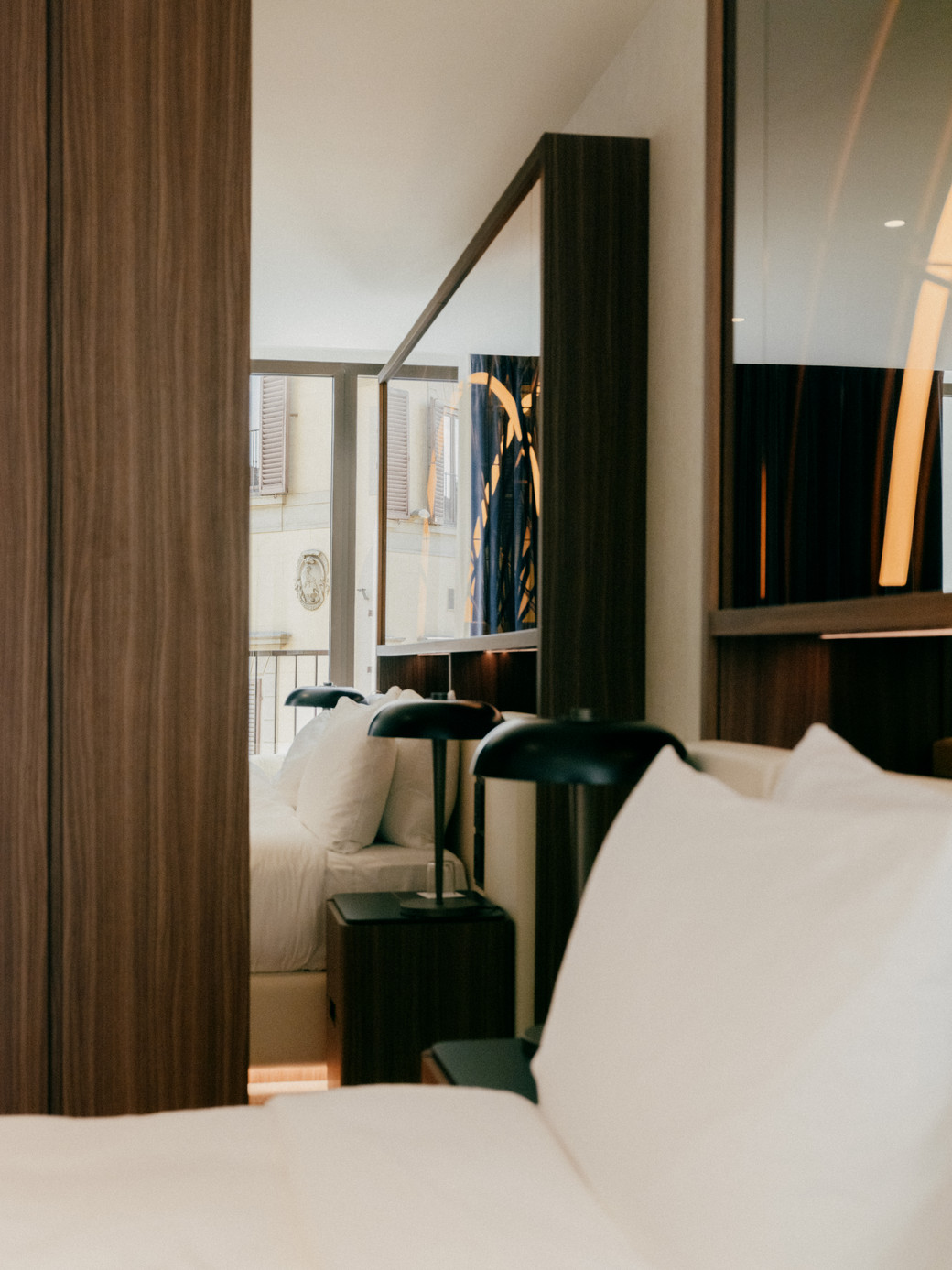
W Florence occupies the former Grand Hotel Majestic, a rationalist-modernist building designed by Florentine architect Lando Bartoli in 1968. It is an unexpected place to begin in a city where the Renaissance tends to dominate nearly every conversation about architecture. I liked that the hotel does not try to out-Florence Florence. Instead, it turns towards a more recent chapter of Italian design.
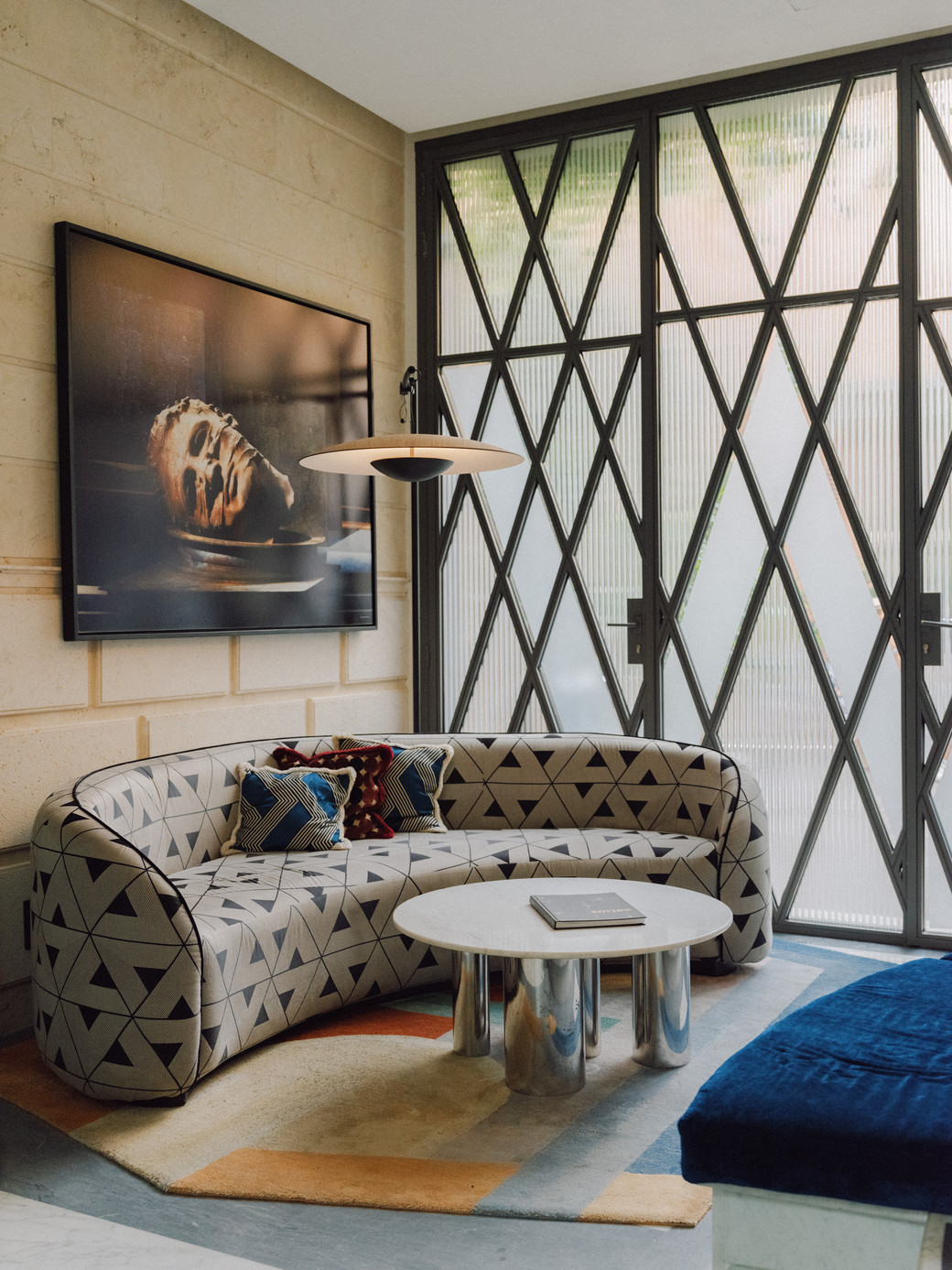
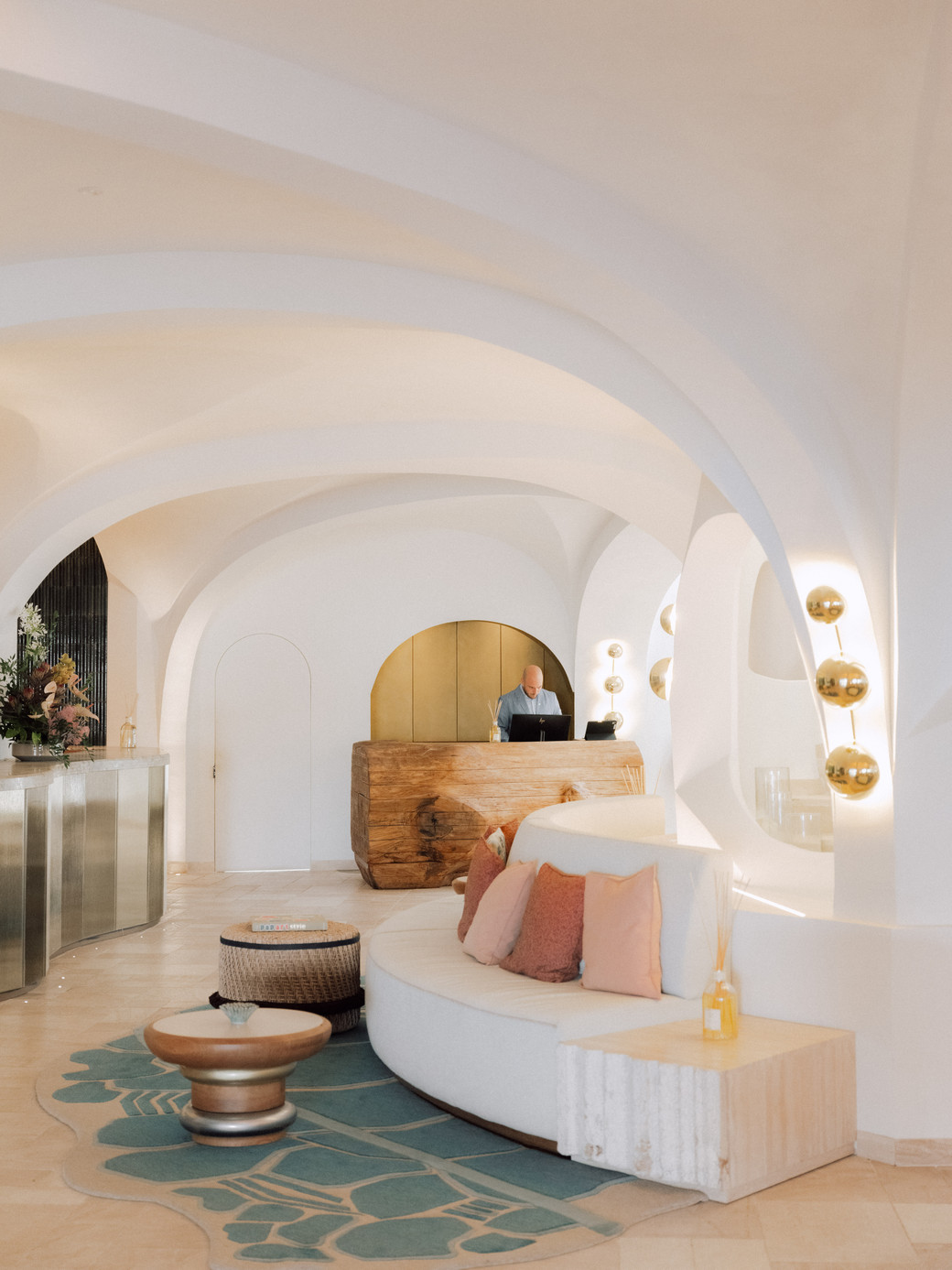
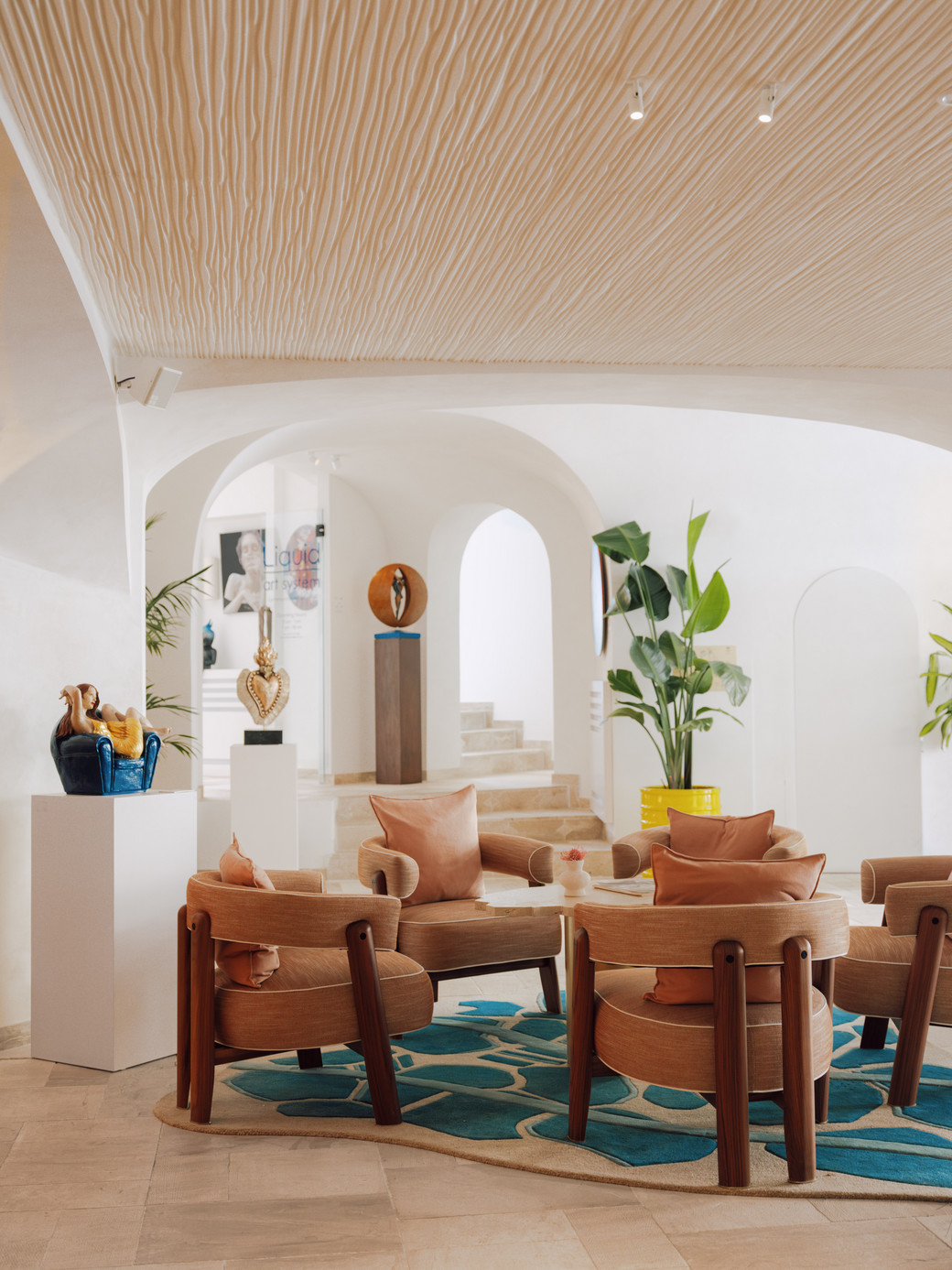
Genius Loci Architettura restored the building, while AvroKO created interiors influenced by the 1960s and ’70s. Curved forms, polished surfaces, warm wood and graphic details appear throughout, but the references never become a full period exercise. The hotel feels contemporary, with just enough of the past left visible beneath it.
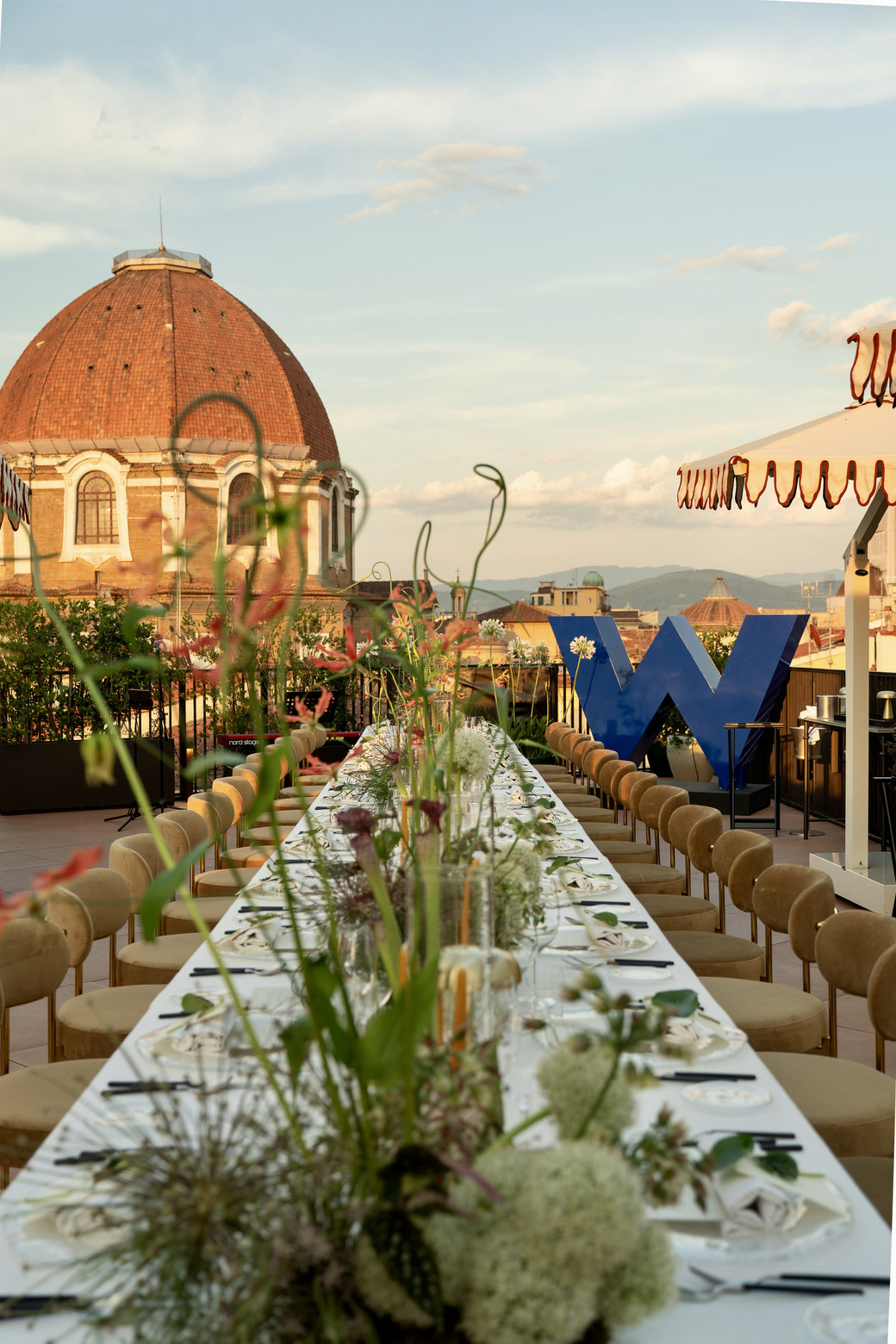
What stayed with me most was the movement between the city outside and the calmer spaces within. W Florence sits near Santa Maria Novella and only a short walk from the Duomo, yet its central courtyard creates a surprising pause from the streets around it. The hotel has 119 rooms, alongside Akira Back’s restaurant, the W Lounge and Zefiro, its rooftop overlooking the city. Its character comes less from one dramatic feature than from the way materials, shapes and spaces have been put together.
Rome
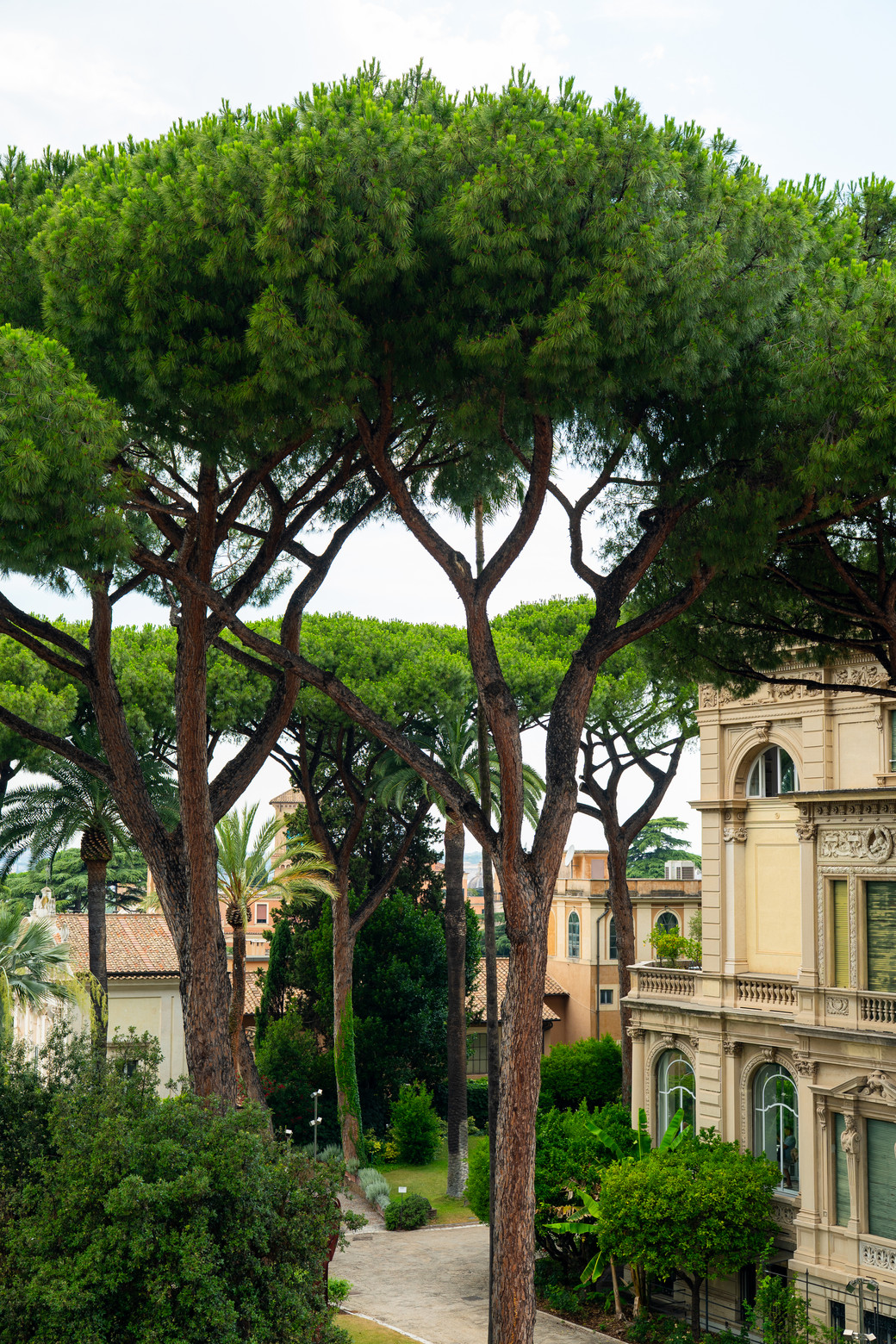
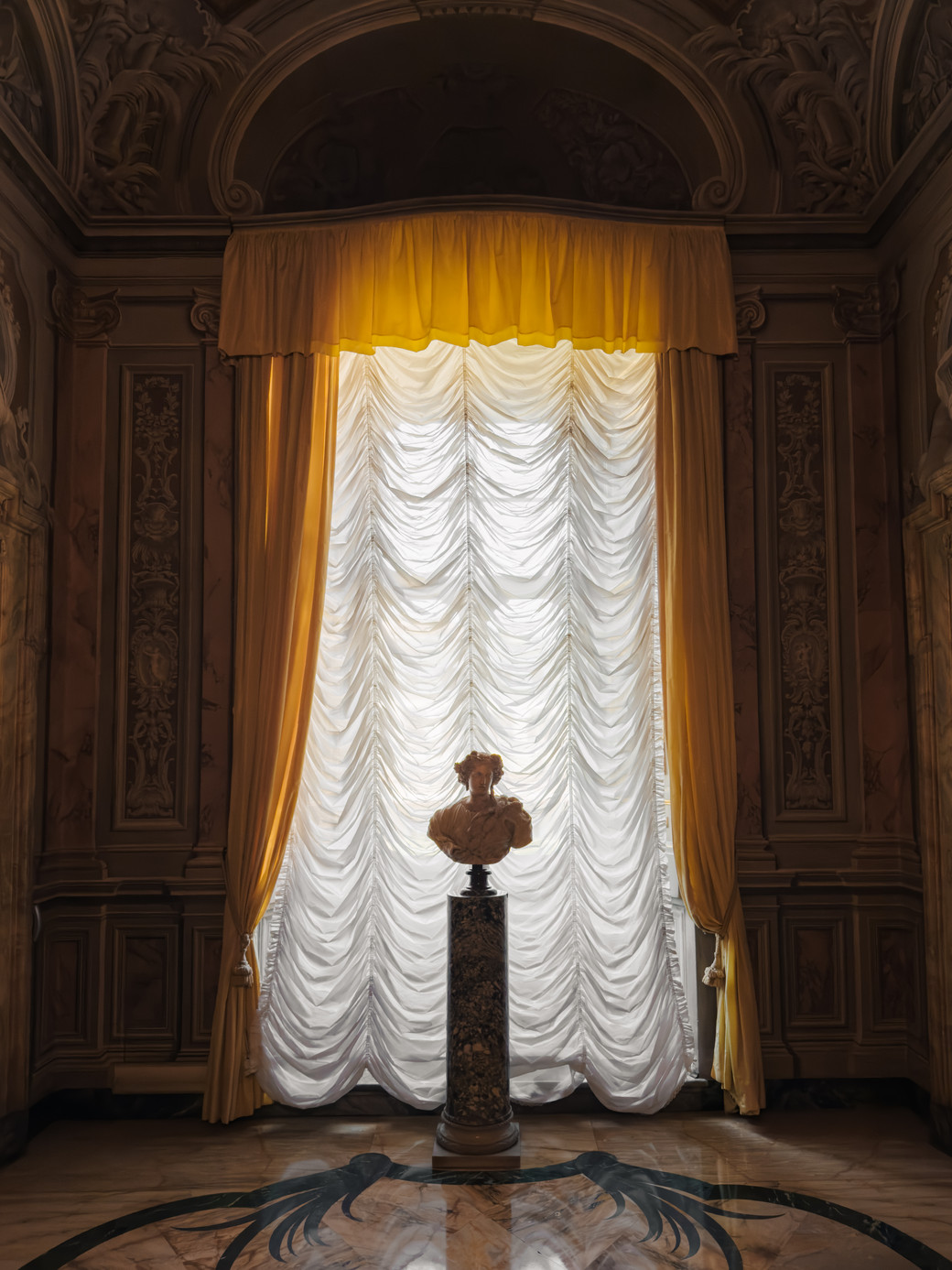
W Rome, the brand’s first Italian property, occupies two connected 19th-century palazzi close to the Spanish Steps. Where Florence feels controlled, Rome works through collision. Meyer Davis placed saturated colour, patterned surfaces and contemporary furniture against the formality of the original architecture, allowing the two periods to sit beside one another without trying to resolve the difference.
That approach feels right for Rome. It is a city where architecture, daily life and different centuries seem to overlap without much concern for consistency. The hotel reflects some of that looseness. Historic details remain visible, but the rooms surrounding them feel lighter and less formal than the palazzi might suggest.
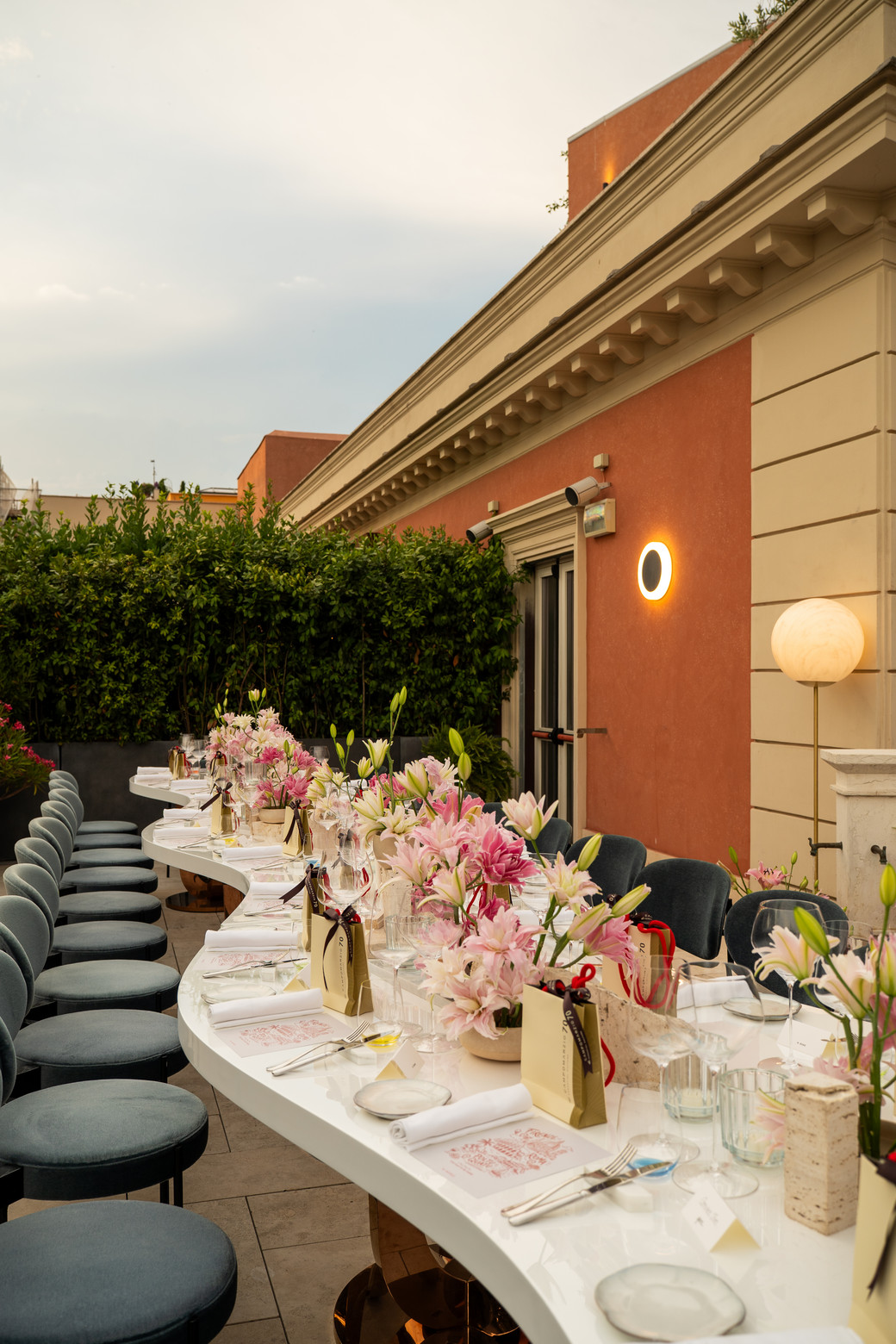
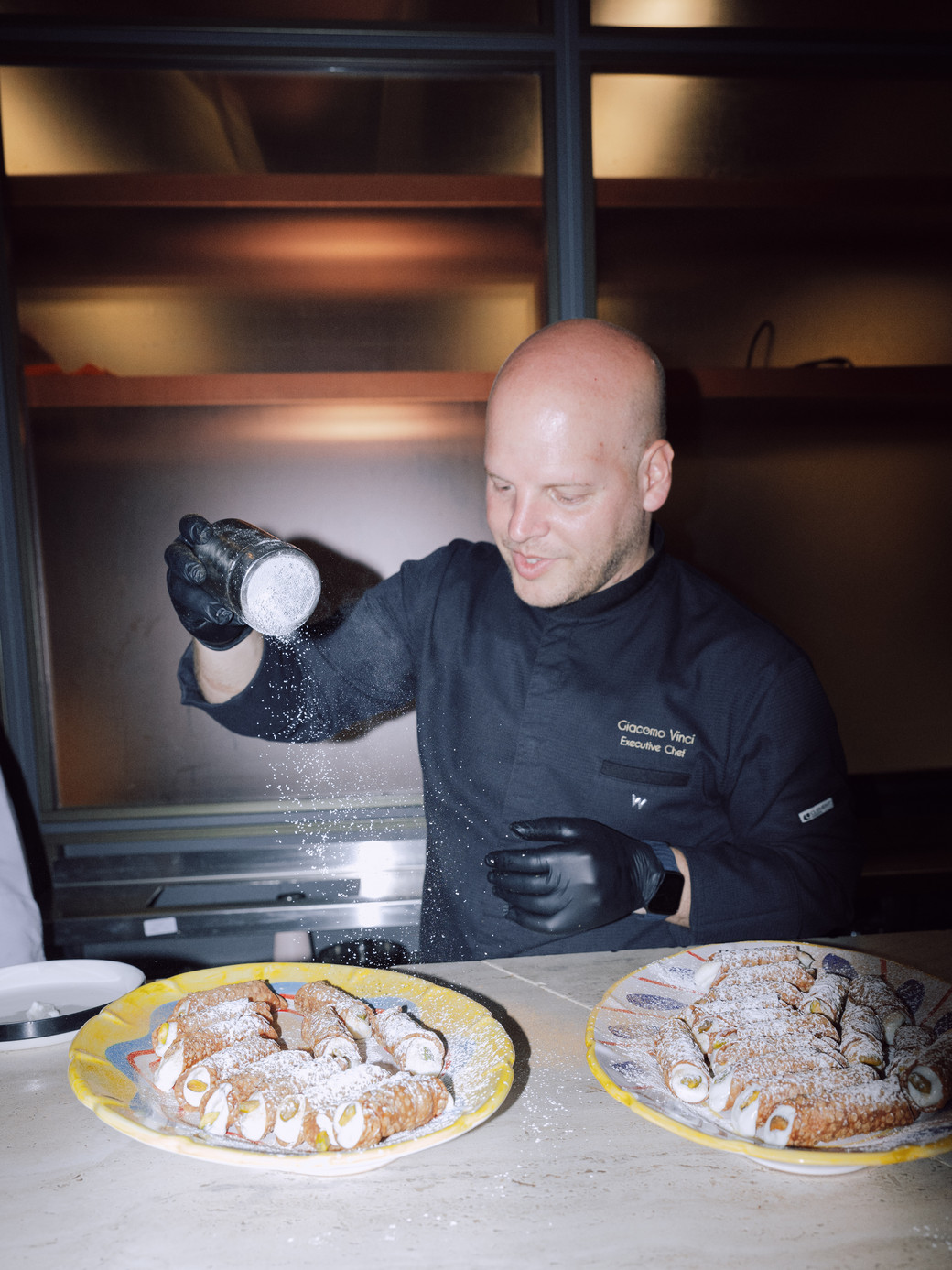
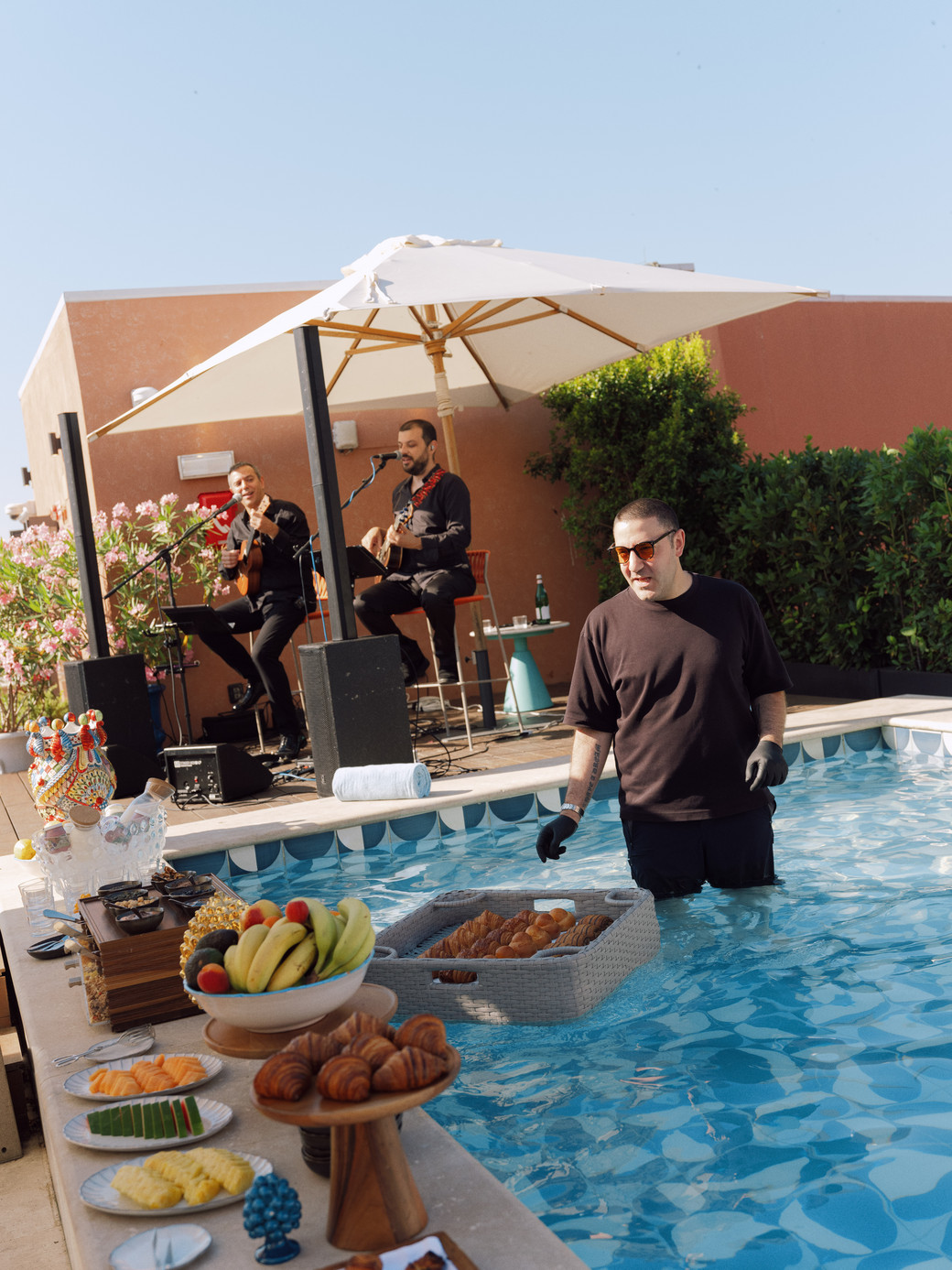
I liked how much the atmosphere changed throughout the day. The courtyards felt quiet and almost private in the morning, while the rooftop opened the building towards the city later on. At Giano, Michelin-starred chef Ciccio Sultano brings Sicilian ingredients and methods into a Roman setting, without turning the experience into something overly ceremonial. The same ease carries through the hotel. It feels polished, but the atmosphere remains easy.
Sardinia
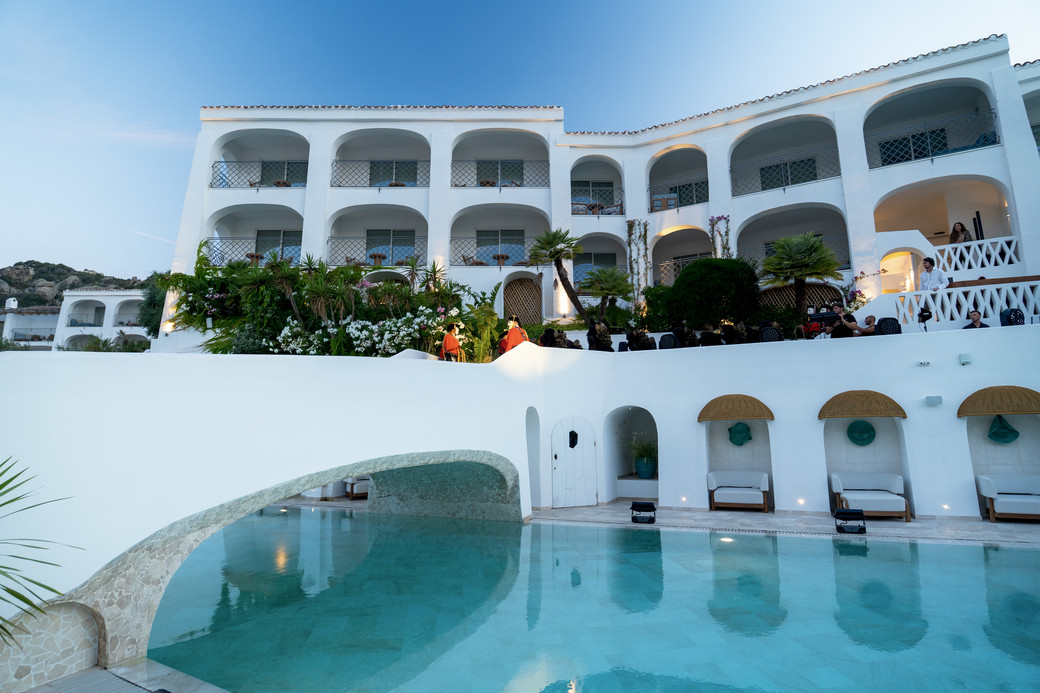
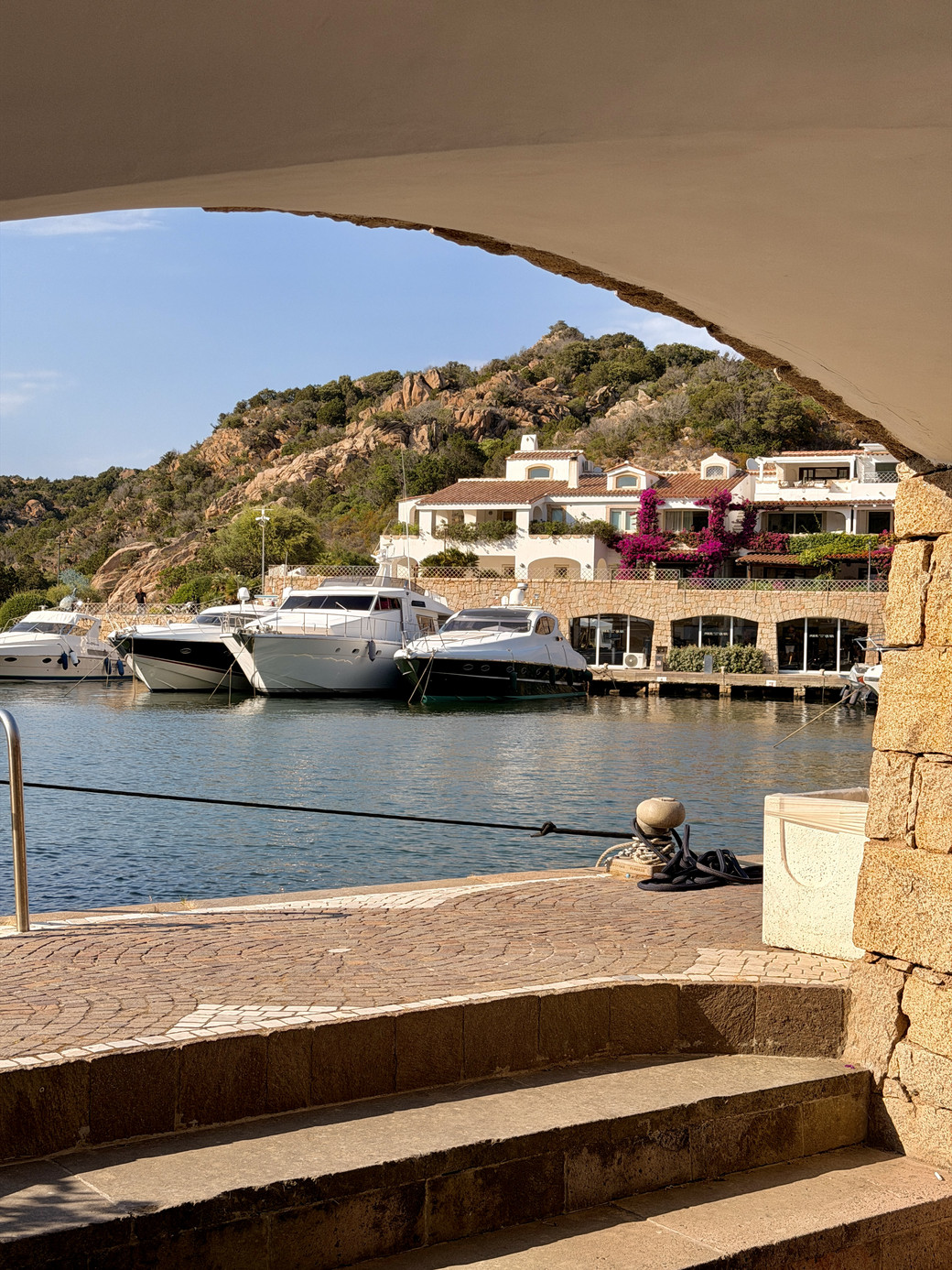
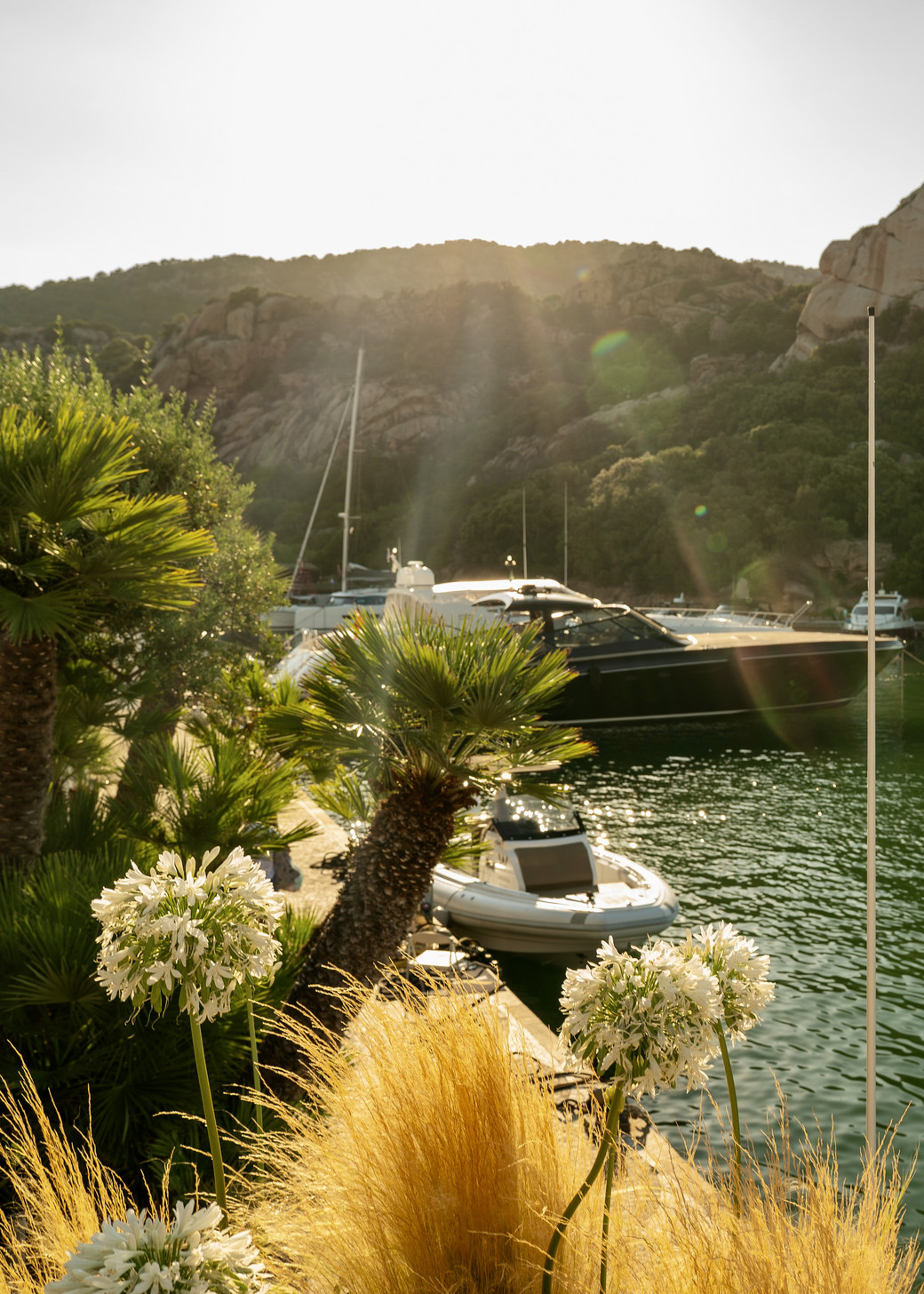
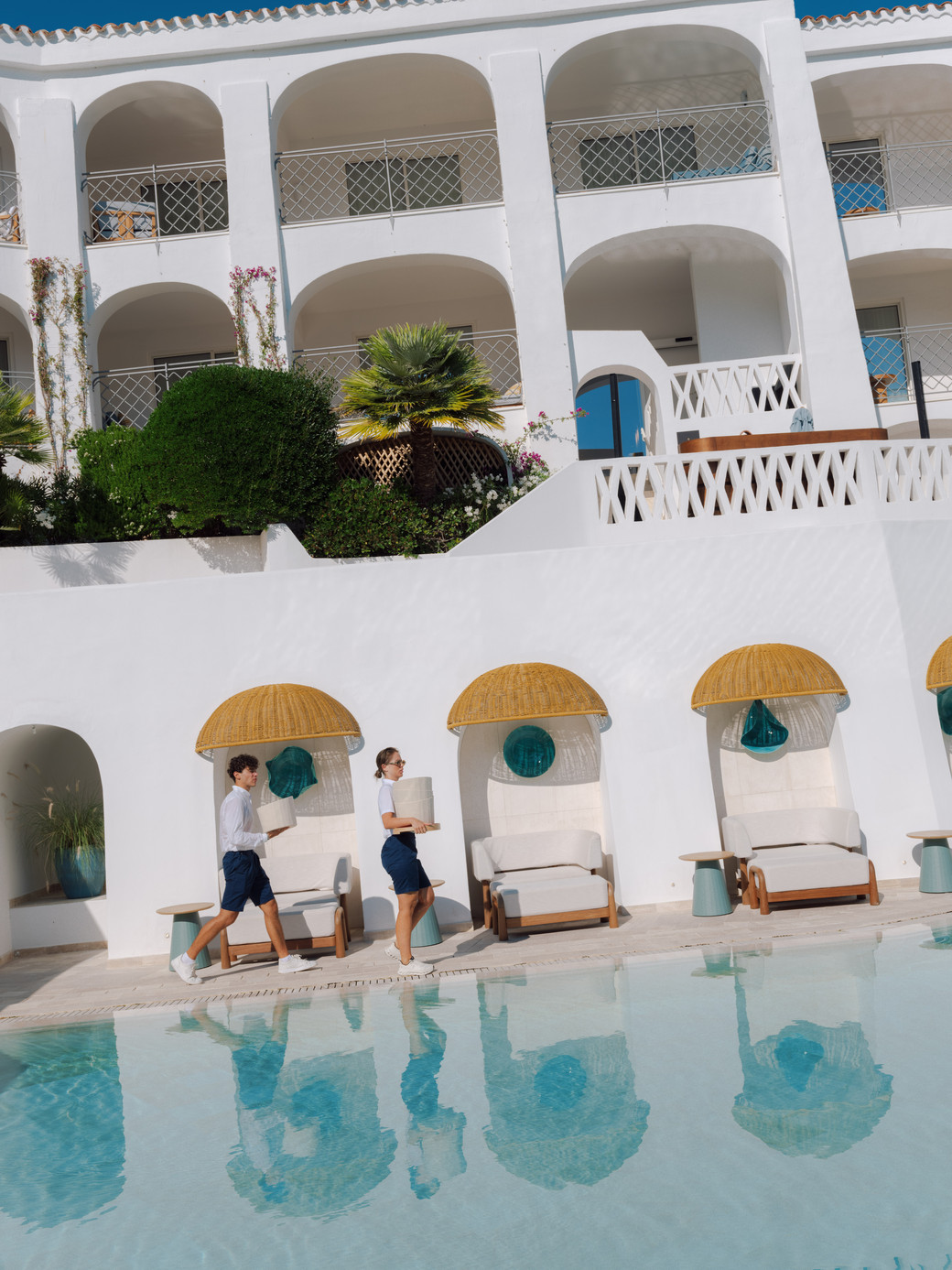
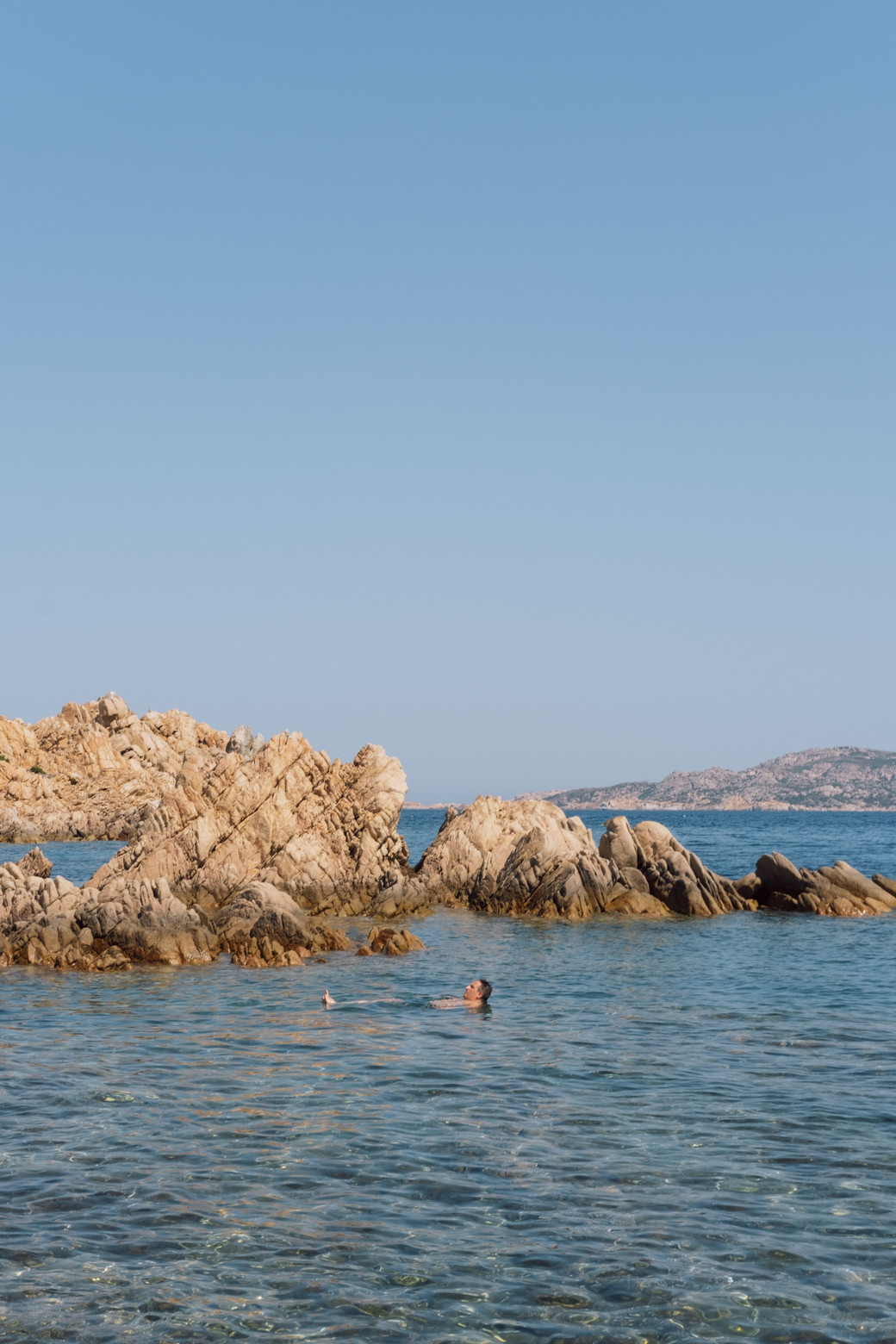
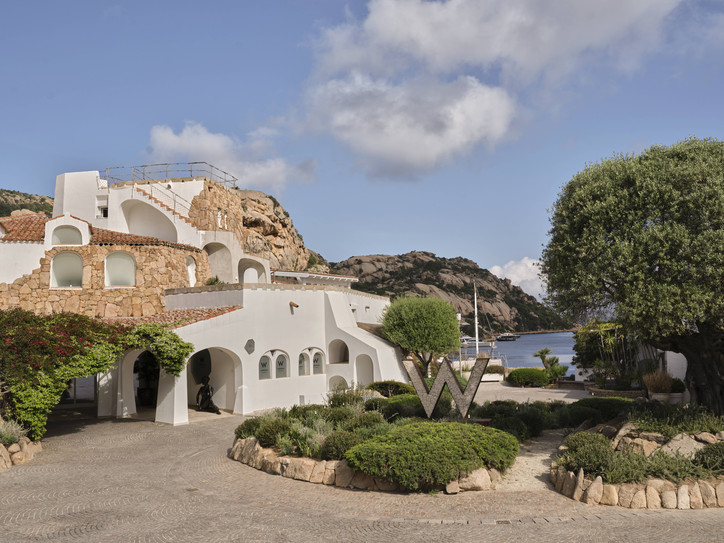
At W Sardinia, Poltu Quatu, the landscape arrives before the hotel does. Poltu Quatu means “hidden port,” and the village is built around a marina inside a natural fjord between Porto Cervo and Baia Sardinia. Whitewashed buildings descend towards the water, while granite cliffs rise behind them. From certain angles, the property seems to fold into the coastline.
Designed by Meyer Davis, with architecture by DE.TALES, the hotel includes 157 rooms and suites. Its interiors draw from Sardinian stone, craft and woven textures, but the references remain quiet. Natural tones and tactile surfaces connect the rooms to the island without reducing it to a predictable image of Mediterranean life.
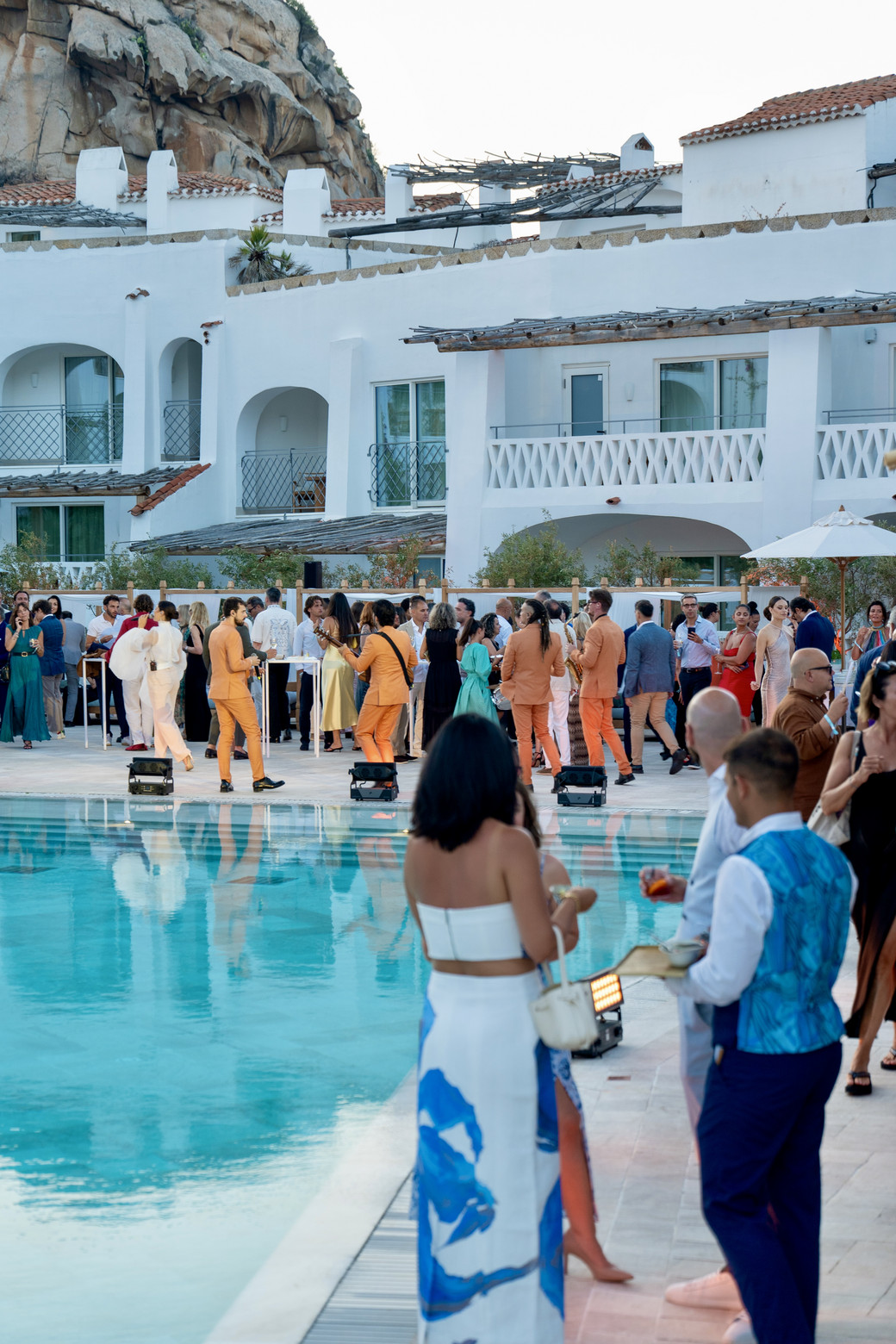
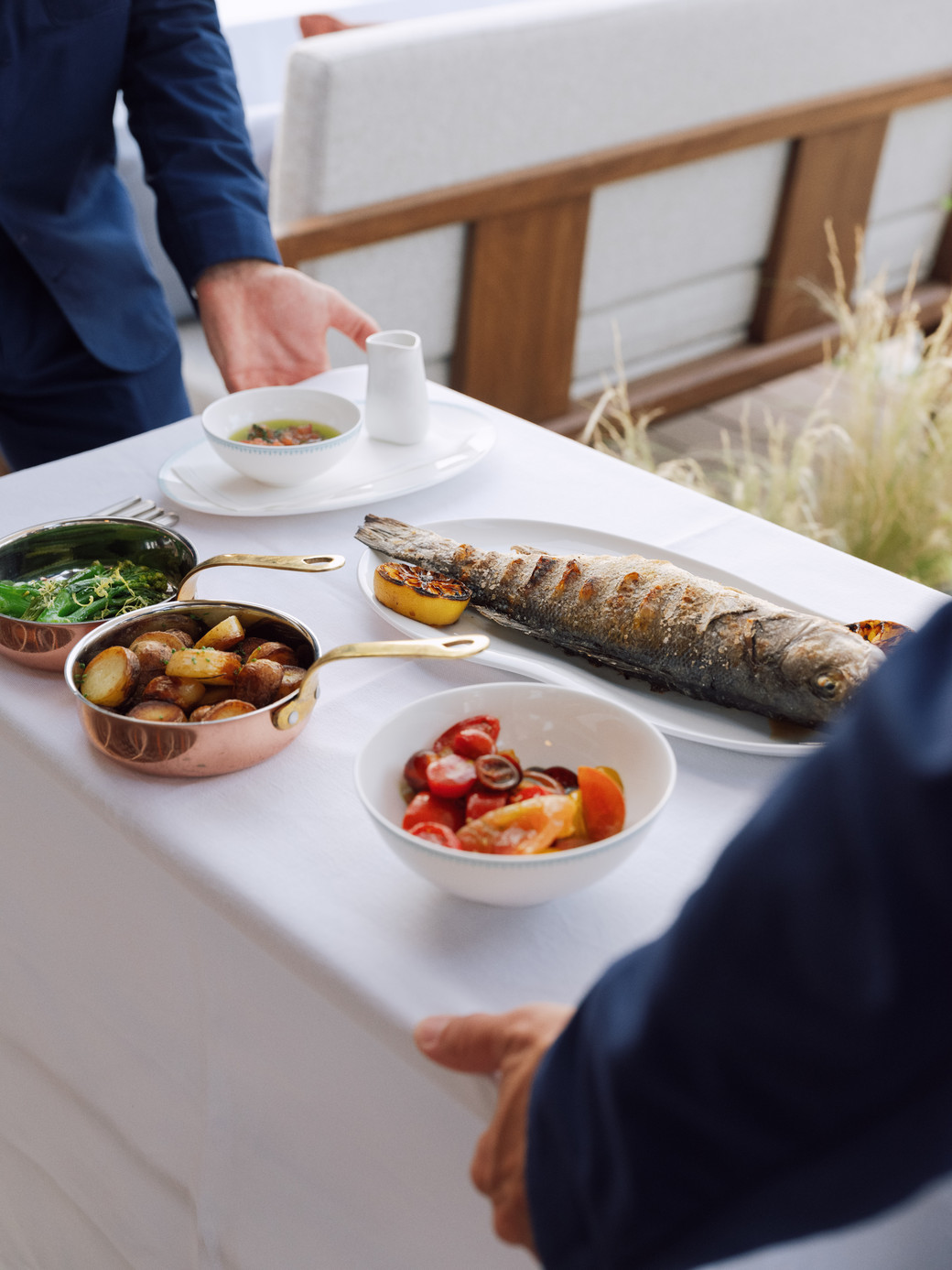
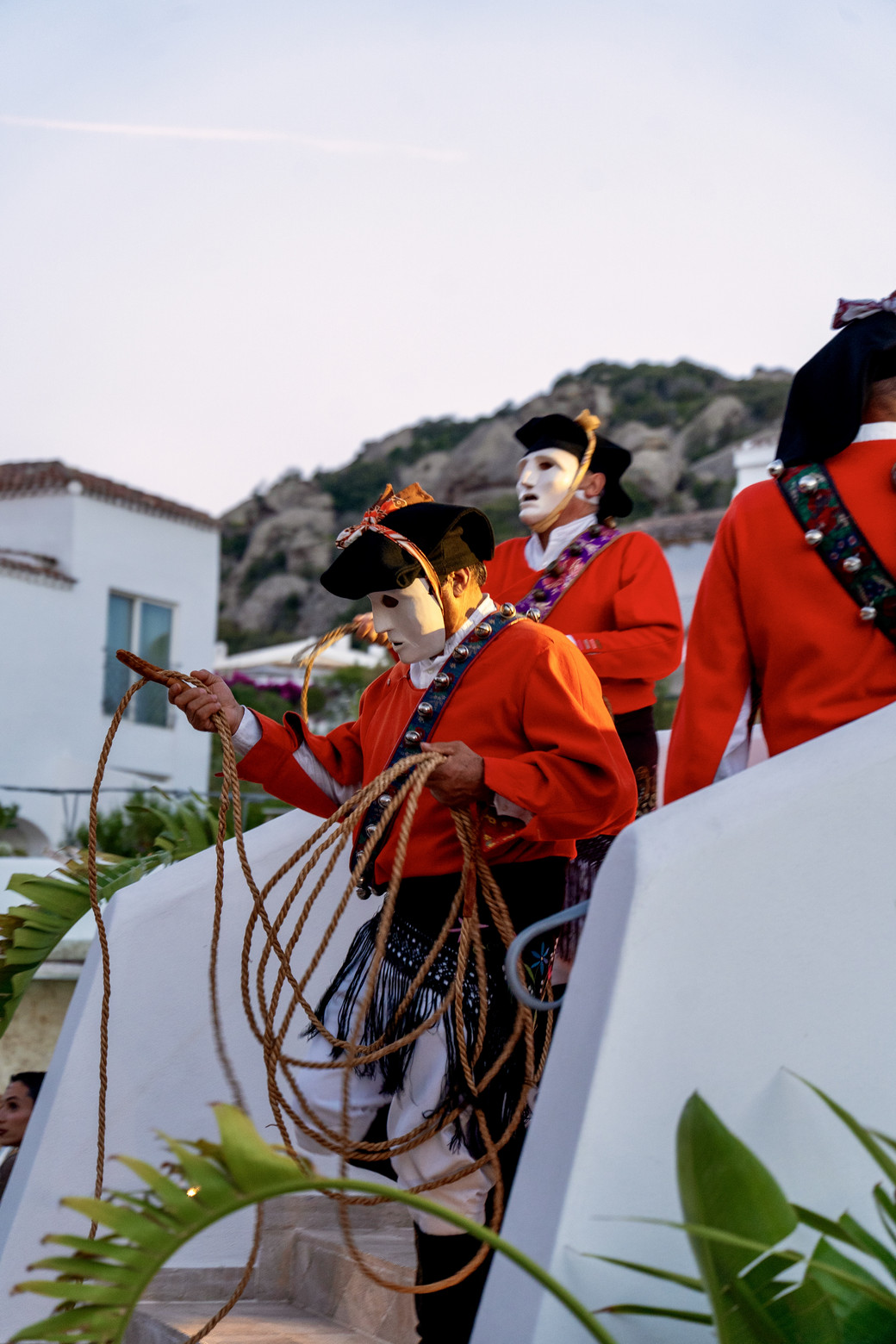
The hotel is strongest when it allows the setting to do most of the work. TANIT faces the marina, while the W Lounge and WET Deck open towards the water and surrounding rock. The days settle into their own rhythm: slow mornings, long lunches, time at sea and evenings near the harbour. There are local food experiences, collaborations with artisans and boat trips around the coast, but the property does not seem anxious to fill every hour. Sardinia already provides enough.
W is also developing 29 private residences beside the hotel, planned to open in 2027, with terraces, gardens and plunge pools alongside access to the property’s services. The project suggests that the brand sees Poltu Quatu as more than a seasonal stop, although the hotel is at its most convincing when it simply responds to what is already there.


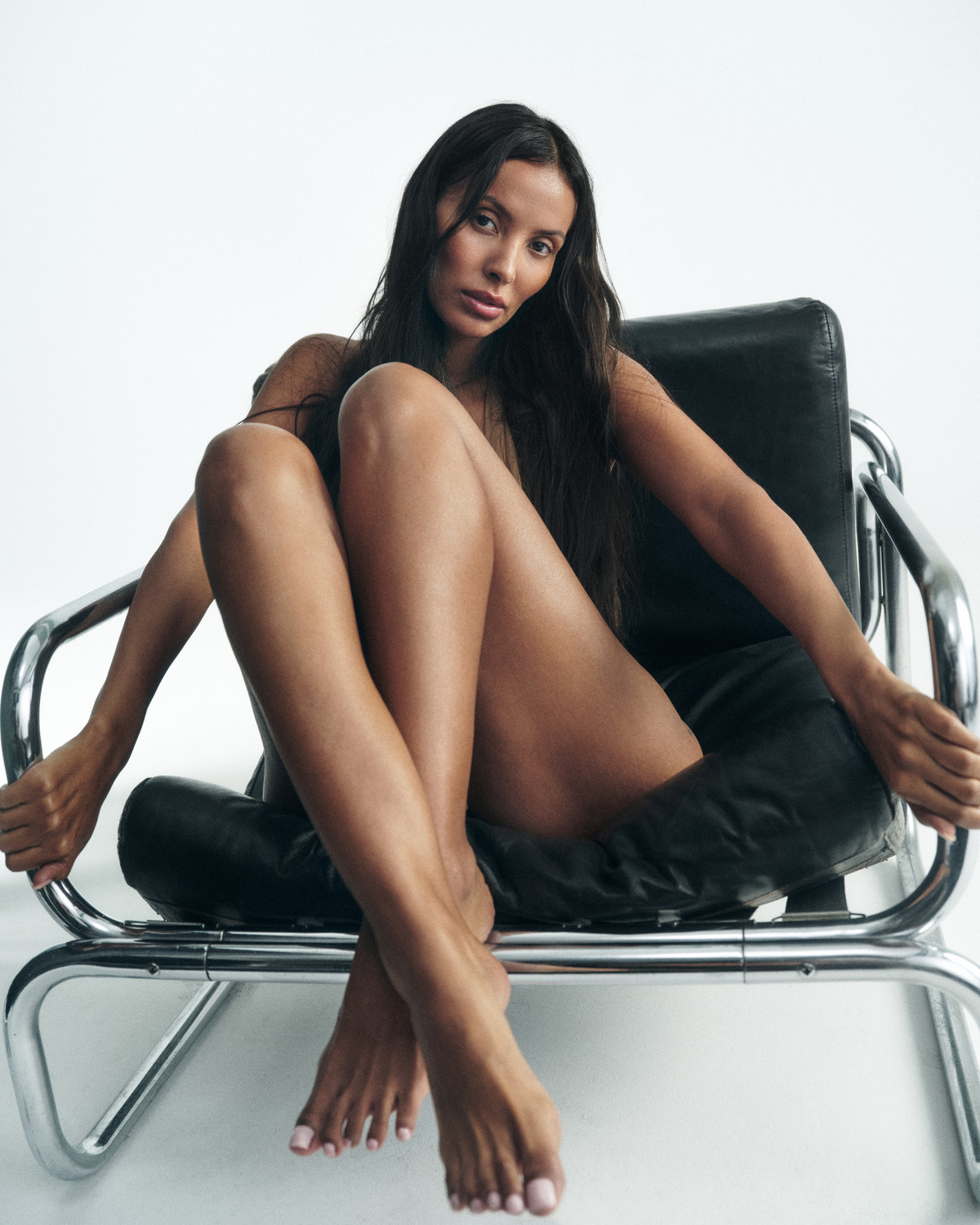
MAYA JAMA wears JACKET by HERMÈS, UNDERWEAR by FLEUR DU MAL, SHOES by LANVIN ARCHIVE @ RELLIK LONDON.
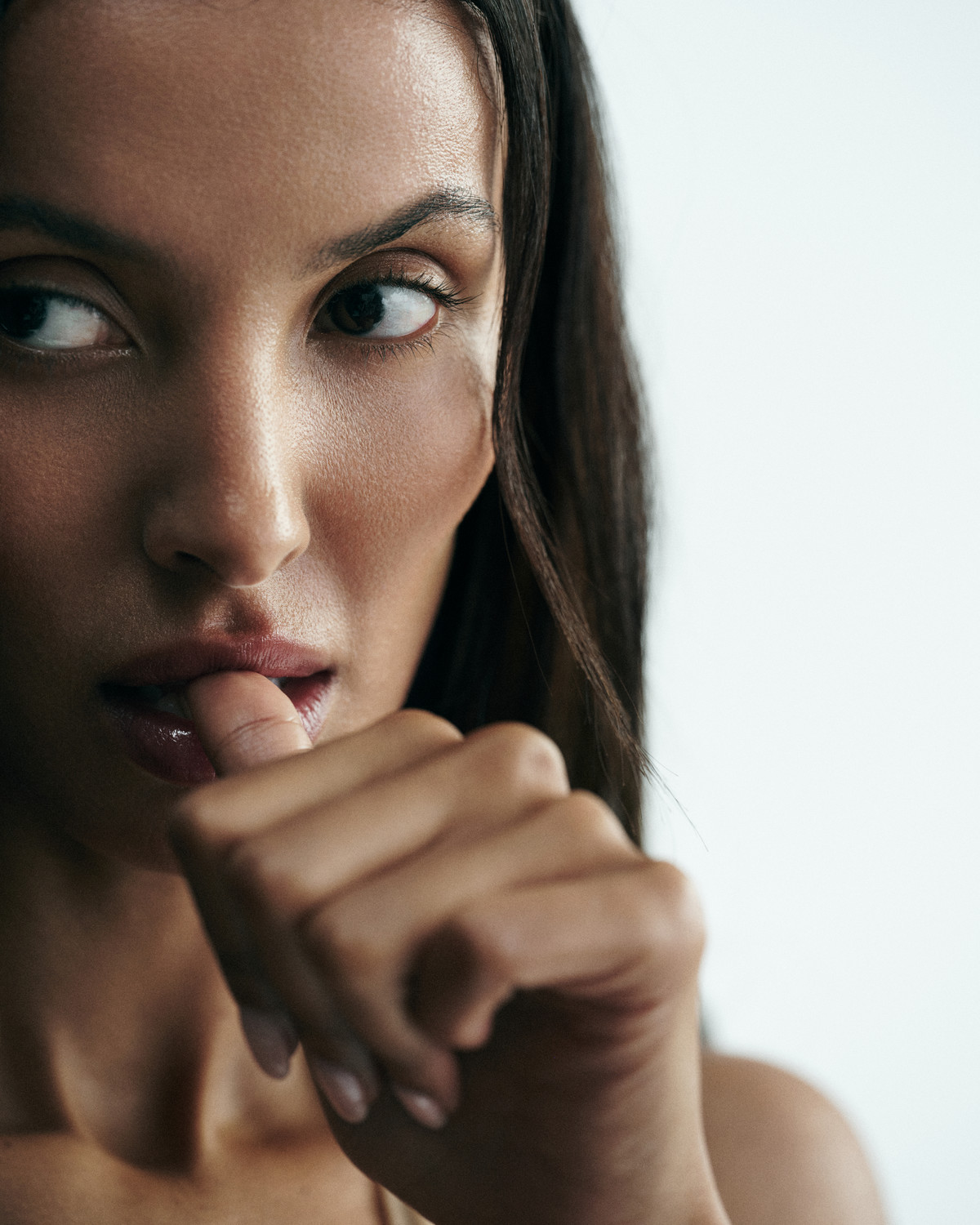
Today, we aim to strip back Maya’s self-professed alter ego, her television self, to reveal something rawer, more exposed. She says it feels natural to her, because day to day, she isn’t in full glam. Maybe it’s only novel for those of us who don’t know her personally. We only know her from the outside, staring through a warped screen. Maya is acutely aware of this fact. “No one’s really going to know you unless they actually spend time with you,” she affirms when she loosens up later in our conversation.
Getting to know Maya begins with something light: learning how she gets hyped for a shoot. From soulful house to Goldie Boutilier’s Cowboy Gangster Politician, music is essential. As soon as she wakes up, she turns on the speakers; it’s the first step towards “feeling sexy about yourself.” It’s an inch closer to confidence and self-love.
“I feel like a distant vicar or something,” she jokes, reminiscing about the three marriages that have occurred during her time hosting Love Island.
Is the show really about love? Or is it about fame, desire, and validation? She thinks the show sits somewhere in between, though she’s keener to reassure me that most contestants find love whether they expect it or not. “[It’s an] extreme holiday romance, basically,” she finishes. I appreciate her sincerity, but I cannot quite suspend the belief that this is the whole picture. With brand deals and social media success on the horizon for the contestants, the reality show can feel inherently transactional and performative, like an artificial celebrity-making machine. Perhaps we’re being too cynical.


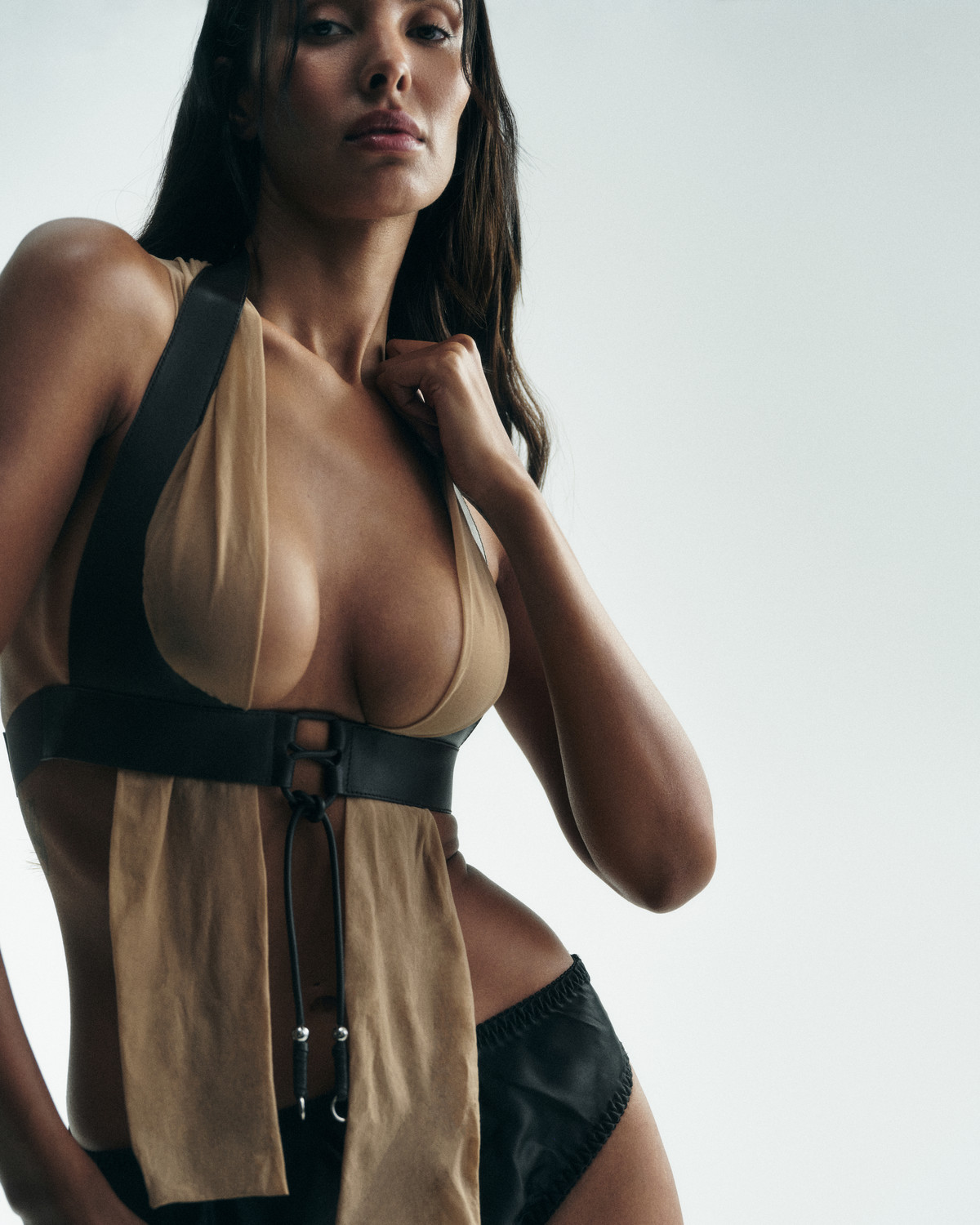
AYA JAMA wears HARNESS by HERMÈS, SCARF STYLIST’S OWN, SILK BRIEFS by AGENT PROVOCATEUR.
But how much of love does Maya think is real, and how much of it is performance? “It depends on where you look, because I feel like I love wholeheartedly. I could ignore the world if I’m with the person I love… I think my love is pure love.” She diverts the conversation back to herself, yet remains guarded, prepared even. It’s intriguing: What she says is deeply romantic but lacks distinction or vulnerability. Love is harder to unpack amid glam, where the private self disappears into a public persona.
The room falls into a brief silence, save for the rhythmic scraping of Maya’s nails being filed, as I ask about her controversial fashion opinions. For once, she pauses. “I love them on other people, but I don’t like loafers on me.” She suddenly turns to me. “Have you got a loafer on?” The once quiet room breaks into laughter as we all glance down at my shoes: a well-loved, heavily creased pair of leather loafers.
“I never fell out of love with a skinny jean,” she continues. “Don’t shoot me.” She admits she may still own a pair but has largely “been bullied out of them.” Her hair and makeup team jumps in to defend skinny jeans. Perhaps Maya’s love for them will lead to their revival, an unassuming renaissance.


MAYA JAMA wears SKIRT by MIU MIU ARCHIVE @ RELLIK LONDON.
MAYA JAMA wears EARRINGS by ANTHONY VACCARELLO for SAINT LAURENT.
Skinny jeans aside, Maya is most open when talking about her role in The Gentlemen. It feels like a full-circle moment. Acting was her first love, but an early rejection from Skins, a seminal British teen drama, temporarily derailed those ambitions. The show would go on to define 2000s youth culture in the UK. “[At the time] I was like, ‘fuck acting. Never doing this again.’” Joining a show directed by Guy Ritchie fully completes the circle, seeing Maya reclaim the raw grit of Skins after years of polished hosting. Moments like this have shifted her perspective on rejection completely: “As I’ve gotten older, I just see it as redirection.”
Yet, this role felt kismet. Acting had completely faded into the back of her mind as her presenting career took off. “I achieved pretty much all the dreams I had as a presenter,” she reflects. “I wanted to try something new and challenge myself again.” She found exactly that when joining the show for Season Two, as being the newcomer meant working alongside a cast and crew who knew each other very well. Maya had to find her feet in this dynamic. “I didn’t think I was that shy,” she confides.
Acting meant unlearning the hyper-charismatic on-camera persona she has built over more than a decade of presenting, one where focusing on the lens is essential. The largest hurdle to clear was embracing the fiction, channeling another character, but Maya found it deeply rewarding. At the end of a day of shooting, she had surpassed the limits of her ultra-likable image and was genuinely proud of herself.
Maya doesn’t plan to slow down anytime soon. She needs the thrill, the frenzy of ambition, of taking risks. “It’s exciting. Why not do it while you can?” She remains tight-lipped about her upcoming projects and new role, but Maya wants to break away from people’s expectations. “I want them to love me for my skill, even if it’s as a villain.” It sounds ironic from someone with such a curated identity, yet her reaction is telling. Playing a villain would be an act of reaching for recognition beyond the singular persona she presents. She continues, mentioning the challenge of separating an actor from their character; playing a villain would completely deconstruct the stability of her existing archetype.


MAYA JAMA wears TOP by RICK OWENS, BRA by ALEXANDRE VAUTHIER ARCHIVE @ RELLIK LONDON, GARTER BELT by AGENT PROVOCATEUR, SILK BRIEFS STYLIST’S OWN, TIGHTS by FALKE.
MAYA JAMA wears SKIRT by MIU MIU ARCHIVE @ RELLIK LONDON.
Trolls are the other side of this coin. Yet, Maya doesn’t let them get her down. “I feel sorry,” she says, “like you’ve got time to do that.” It’s a mixture of empathy and curiosity. “I don’t know anyone that sits and trolls a stranger,” she laughs. In a world filled with trolls and haters, crazy rumours are never far behind. “I’m always defending not having had a boob job. I’m not against it in the future but, so far, the tits are real,” she tells me with a giggle. She isn’t defensive. The idea is amusing.
Her laughter subsides as we return to love, unconditional love. “It is seeing someone for every flaw and imperfection… and still loving every part of it,” she smiles. “Riding through the tough bits is unconditional [love].” Her answer shows a vulnerability, as a layer reveals itself. Above all, she chooses to highlight the fundamental importance of acceptance and perseverance.
What is Maya’s greatest love story? I expect a lengthy anecdote, but what she says cuts through the abstraction of her other answers: it’s her mother. “I feel like we grew up together,” she says. “She had me at 19 and did everything herself. She was just a baby.” Family is at the center of love for Maya. “Now we’re more like a sister-motherhood. She’s still learning from me, and I’m learning from her.” It’s a relationship of safety, of shared experiences and mutual growth, a sacred one. A sanctuary away from prying eyes.
From the light-hearted fun of wearing skinny jeans, to embodying villainous characters, or growing through life with her mum, to Maya, love isn’t a singular convention. It’s a lifetime of private moments shielded from fame, a love held together by memory, not performance.