For Lovers
Lamar is a muse for the ages, a lens through which we can explore the love within both our hearts and others'.
Check out the video and photos below.
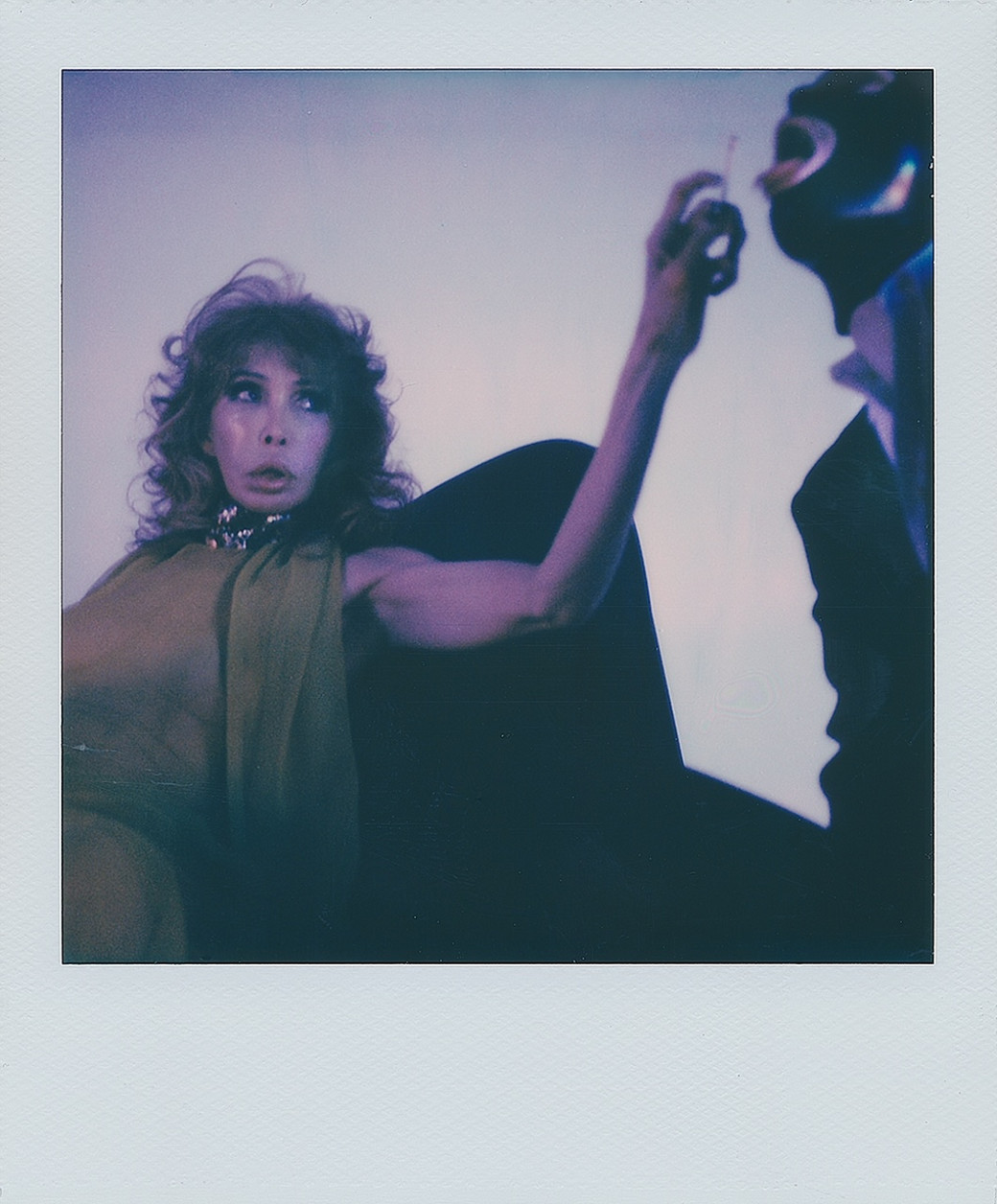
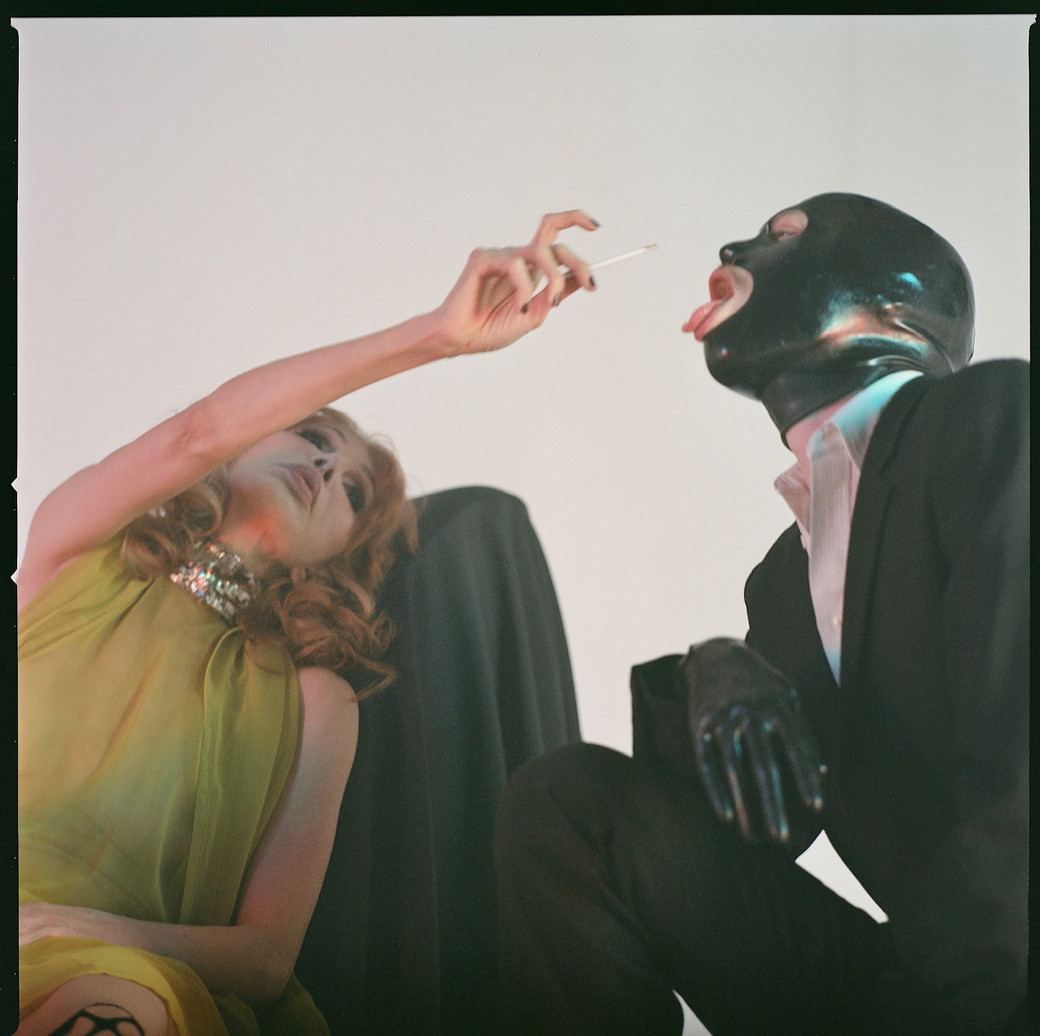
Lamar is a muse for the ages, a lens through which we can explore the love within both our hearts and others'.
Check out the video and photos below.

Sophia Lucina— Hey, David. Thanks for chatting with me so late in the evening. What is it, 5pm in London?
David Shields— Yeah, just about 5. And thank you for setting this interview up!
Alright, so just to start off. How familiar were you with Black Mirror before you started filming?
DS— I feel like just being someone in this generation, it’s hard not to know about Black Mirror, you know?
For sure. I think I was about 14 or 15 when I first saw an episode. And it just totally shifted by world view.
DS— Exactly. They just stick with you.
Without giving anything away, what can you tell me about your character in this upcoming episode?
DS— Well, Charlie’s introduced a new element to the show, let’s just say. It still feels like Black Mirror, of course, but it’s got this new element.
How secretive!
DS— [Laughs] I know. It’s an element he swore he’d never use. But I think even the most die-hard fans will be receptive to it.
And how about your character?
DS— I play a public figure named Michael Smart. He’s this guy who’s got a lot of power, and he uses this power to try and persuade others to join his side.
Now, we’ve only been chatting for about five minutes, but I get the sense that you’re not too similar to your character.
DS— No, I mean, I hope I don’t bear much resemblance to him. You’ll have to let me know when you watch it.
That being said, how did you prepare for this role?
DS— Well, it’s set in the late 70’s. So I researched a few figures from that period that resemble him, had the same profession as him, and all that.
Good mental practice.
DS— Yeah, absolutely. I even sought out and met with people who had the same job as him back in the day, and asked about the kinds of people who were similar to him. You know, like what made them tick.
How about the physical element of it?
DS— Well, it’s interesting, I was looking back at old videos and people treated public speaking with such rhetorical flair. In terms of intonation, their cadence. There was a sort of culture that doesn’t really exist now.
For sure. I’ll have to let you know which historical figures you remind me of!
DS— [Laughs] Of course. Shoot me a quick text!
So, clearly Black Mirror is a genre of its own. But how else was this project a unique experience for you?
DS— Well, for starters, I had never worked on an anthology before. So that was a novel experience. By being an anthology series, it allows for an investigation of a whole range of ideas, issues, and ethical questions.
Absolutely. Speaking of ethical questions, I’ve been seeing a bunch of articles on how Charlie tried using AI to write an episode. From what I’ve gathered, he didn’t really find anything there.
DS— Well, thank god! Because, otherwise, a lot of people would be out of work. [Laughs] No, but, I honestly think - especially with the current writer’s strike - that the use of AI is this lurking, dark presence. In a Black-Mirror-esque style.
For sure. I think right now it feels like a joke, but in the back of our minds, us writers are fearing for the takeover.
DS— It’s like, there’s this fateful future where machines do most of the writing, and we only have to bring in a couple humans to do the final touch ups. It’s quite a worrying idea.
It’s like, who will the machines come for next? Are we all doomed?
DS— Oh, goodness. I hope not. I am glad people are speaking up about the contents of the writer’s strike. Despite sounding like something straight from a Black Mirror episode, it is quite serious.
Taking it back to your episode, how do you feel it relates to society today?
DS— Well, as you’ve said, the show does a great job of being prescient. Despite being set in 1979, it does align well with the current state of society. Charlie, and Bisha K. Ali wrote the episode a while back, and since that moment, there have been several events and conversations that make the episode increasingly relevant to society.
That’s almost prophetic.
DS— Right. In that sense, he’s done it again. Like a modern-day oracle or something.
Well, I’m excited to see! Thanks so much for meeting with me, Dave. You’ve got some exciting stuff coming up, I can’t wait.
DS— It’s all been a special experience. And, thank you!
Season 6 of Black Mirror is out now on streaming platforms. Catch David Shields in the season finale, 'Demon '79'.

Scrounging: A Cookbook begins with an introduction by Canadian chef, author, and producer Matty Matheson titled A Theory of Scrounging. Here, he emphasizes the importance of food in film and its versatility.
“There are so many ways to use food in a movie,” Matheson writes. “If an actor eats an apple in a scene, how are they eating it? Do you actually see them slicing it? Or taking big sloppy bites and talking while they chew? When you’re watching Brad Pitt eat a shrimp cocktail in Ocean’s 11, or Samuel L. Jackson eat that burger and suck on that straw in Pulp Fiction – that’s what makes those moments more human, more real.”
Each page not only gives readers ingredients and recipes but also offers step-by-step directions to achieve the dish or drink down to boiling water or what type of pan to use.

As a bad cook like myself, I made one of the easiest recipes to prepare and to stomach – Lady Bird’s Microwave Meal Thanksgiving: Inspired by the Munchies. And here is the recipe: “one joint, six Smart Ones microwave meals.” This meal is a perfect representation of the hard worker who is too tired to cook at the end of the day but isn’t too tired to roll a joint.
One of the more outrageous recipes was Mark Watney’s Baked Potato dipped in crushed Vicodin from Ridley Scott’s 2015 film The Martian. While it’s not impossible to obtain, we do suggest taking some precautionary measures. The ingredients include: “one seeded potato, one tab of Vicodin, and one can of military-grade, standard issue protein (if you can’t find that, a gray oblong of corned beef or a refrigerated, well-done chicken breast will suffice).”
They weren’t all so crazy; some of the recipes are authentic dishes. One of the yummier meals comes from Bong Joon Ho’s 2019 film Parasite. Mrs. Kim’s Eight-Minute Ram-Don with sirloin is a quick, yet delectable Korean dish that combines ramen and udon. I didn’t trust myself to make the steak, so I made it without meat and it’s now a regular dish during my late weeknights.
A timeless beverage in Scrounging: A Cookbook is Aunt Frances and Aunt Jet’s Midnight Margaritas with Barbados lime and cragged salt from Practical Magic. The frozen slushy is not only perfect for a summer day, but also a late-night drink reminiscent of the film.
Scrounging: A Cookbook gives you enough recipes to make one dish or drink a week for over a year. While not all of the recipes seem digestible, it never hurts to give yourself or your friends a good challenge.


Burnt Milk is a visual interpretation of Miss Ronnie's debut novel named after the common Caribbean dessert made by boiling condensed milk until it’s caramelized. In the film, this dessert is one of the few comforts afforded to Una, an alienated and isolated Jamaican midwife living in the United Kingdom.
The crux of the film is centered around Una’s monologue, written by Miss Ronnie and performed by actress Tamara Lawrance. In line with Joseph’s previous films Mada and Like A Baptism, the protagonist Una is caught in a cycle beyond her control, and so much bigger than her. Joseph talks about his interest in “people who are trying to escape the world around them or break cycles, and the different portals they use to do that." She longs to return back to Jamaica.
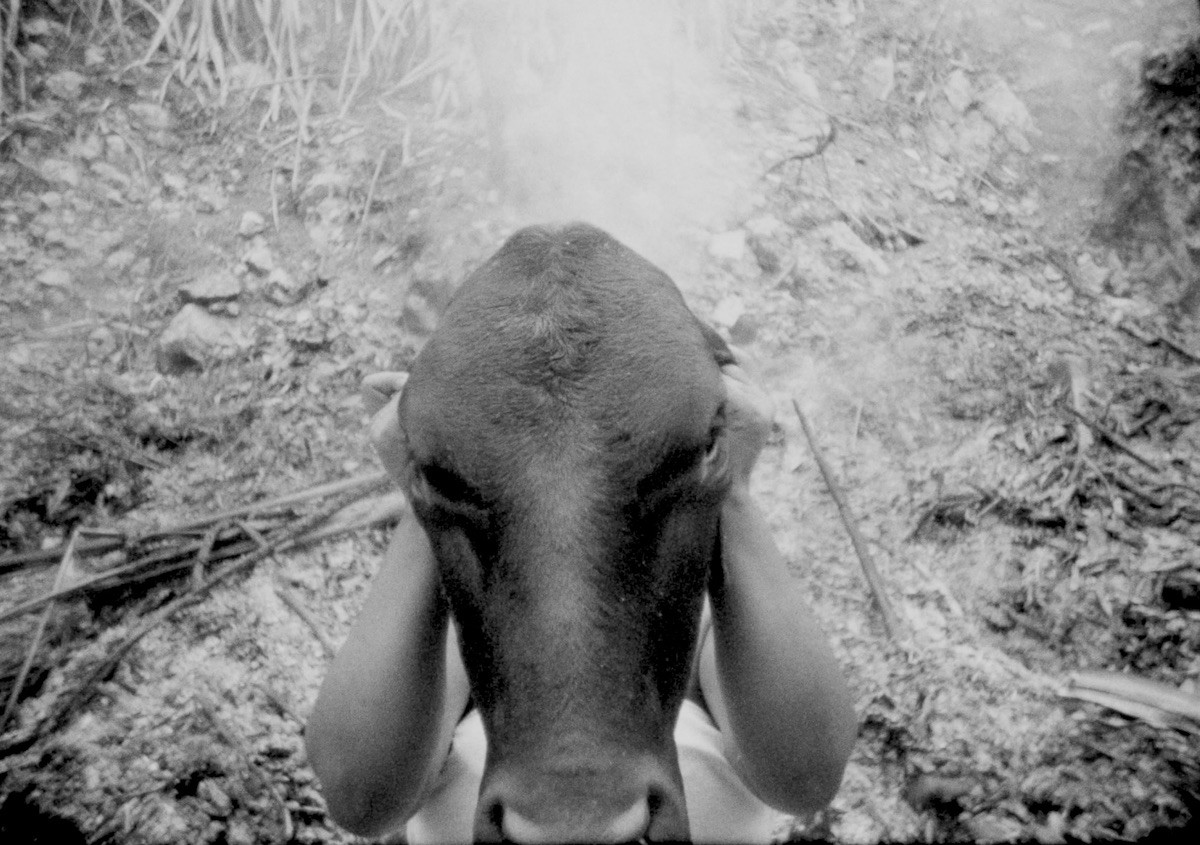
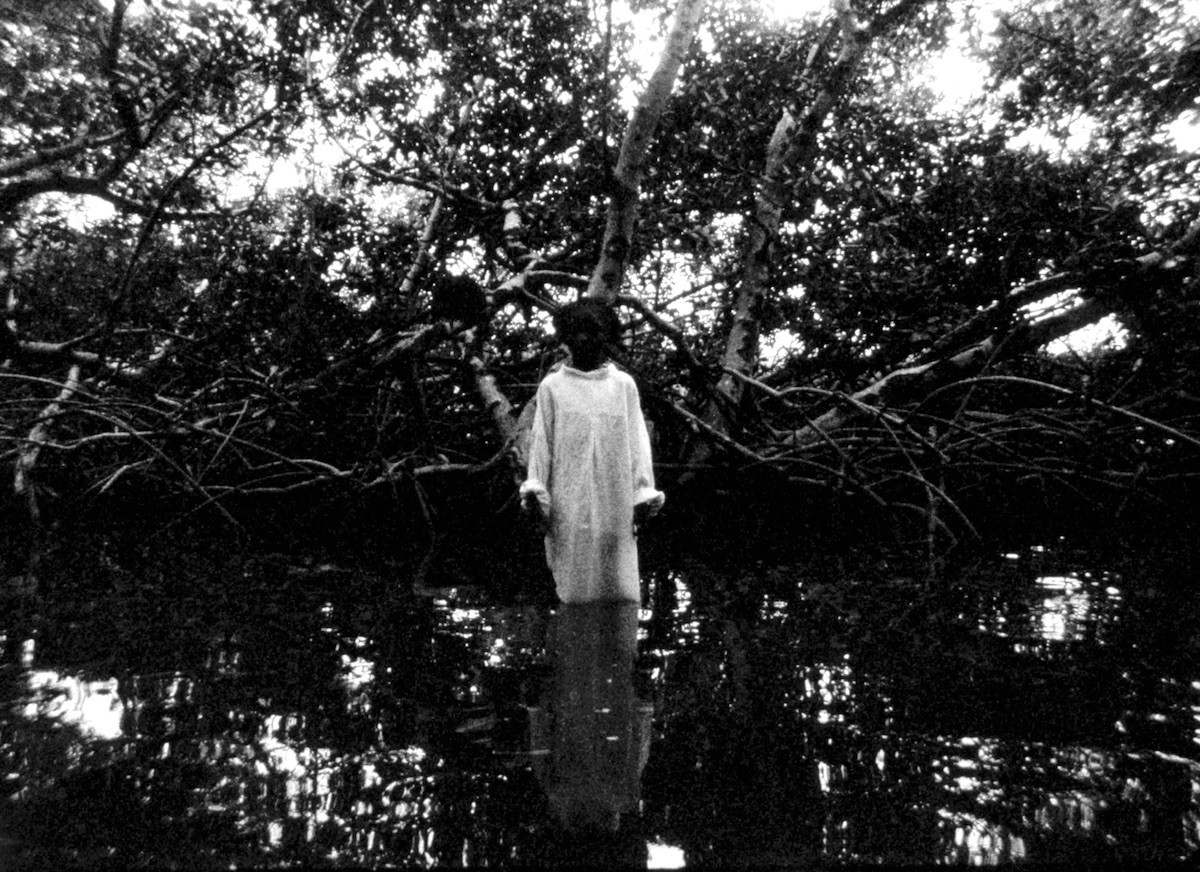
Una is an embodiment of Jamaica’s strange relationship to time. Joseph envisions her being able to “almost stop time, and fall into timelessness, through these hallucinations and daydreams, and petit mal." Una’s visions are rendered in stark black and white imagery, invoking the magical allure of her homeland. Joseph explains that "I think Jamaica is a place of really strong contrasts. I wanted to mirror that by draining it of the saturated colors it's often visually synonomous with."
The ten minute short premiered on May 19th and will be on display at the British Pavilion until September. Watch the trailer below.