For Lovers
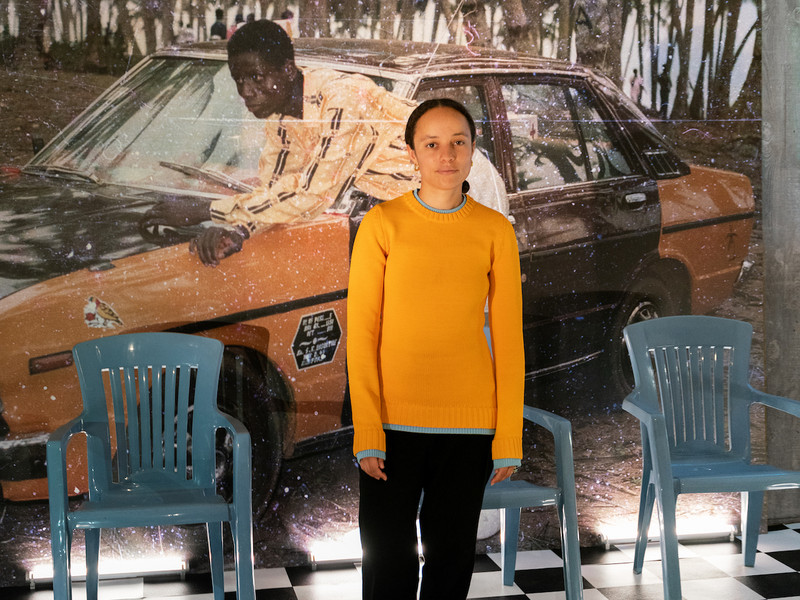
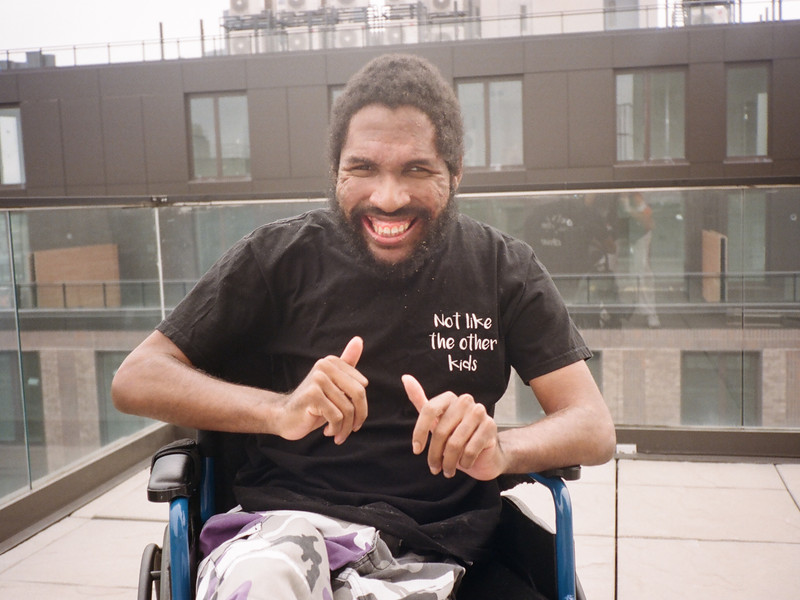
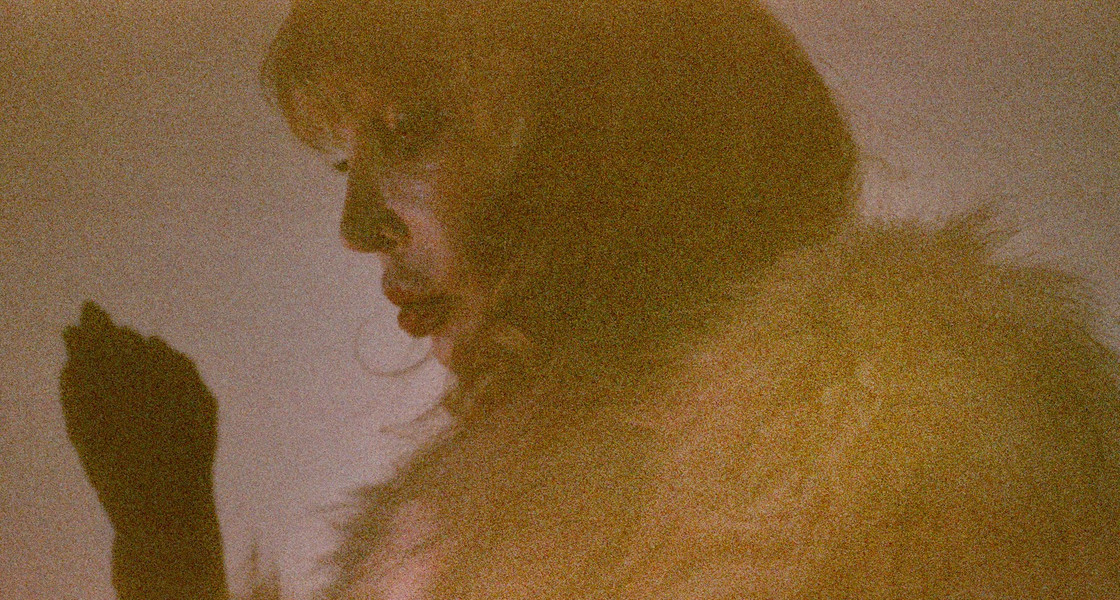
Lamar is a muse for the ages, a lens through which we can explore the love within both our hearts and others'.
Check out the video and photos below.
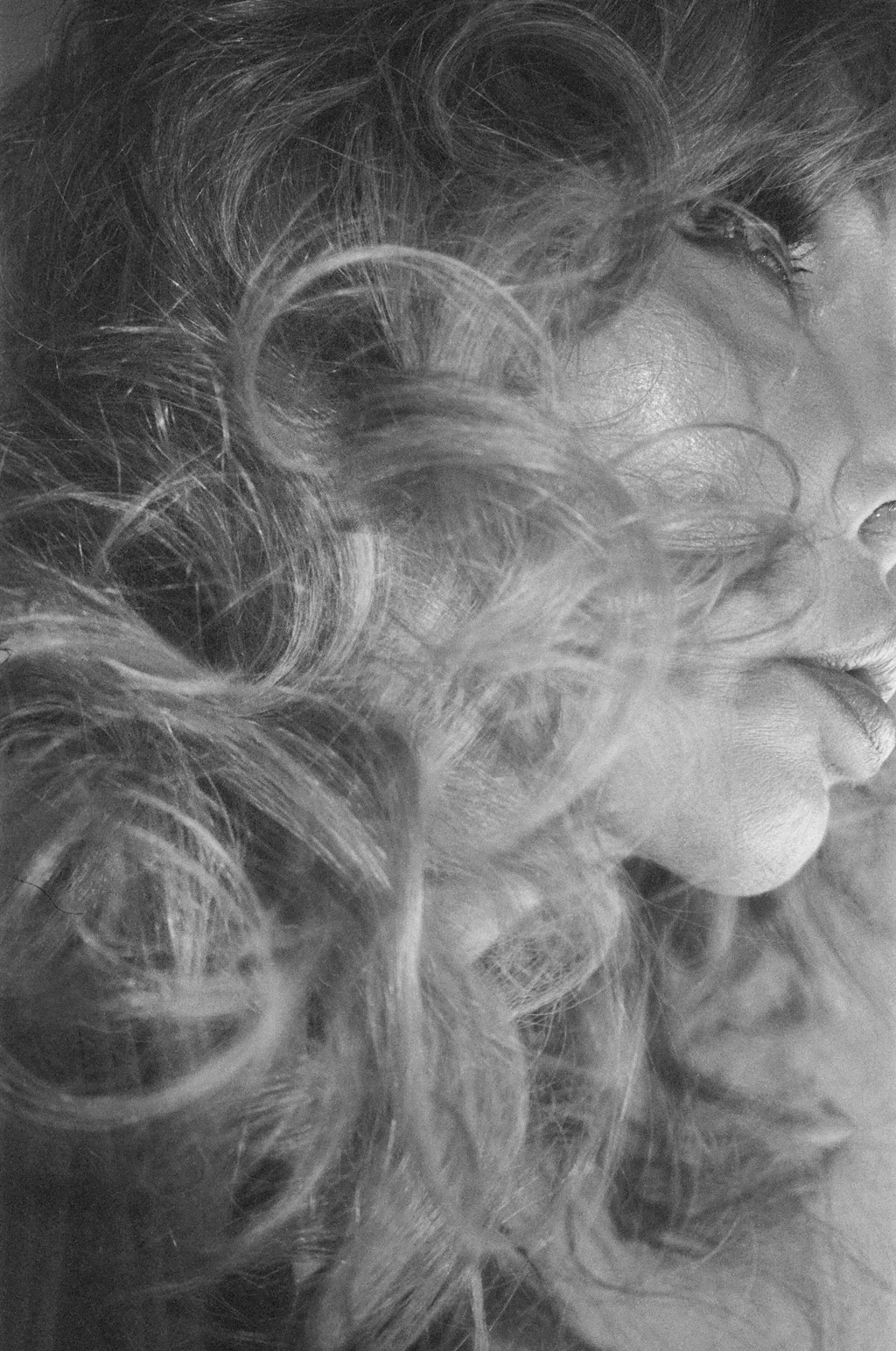
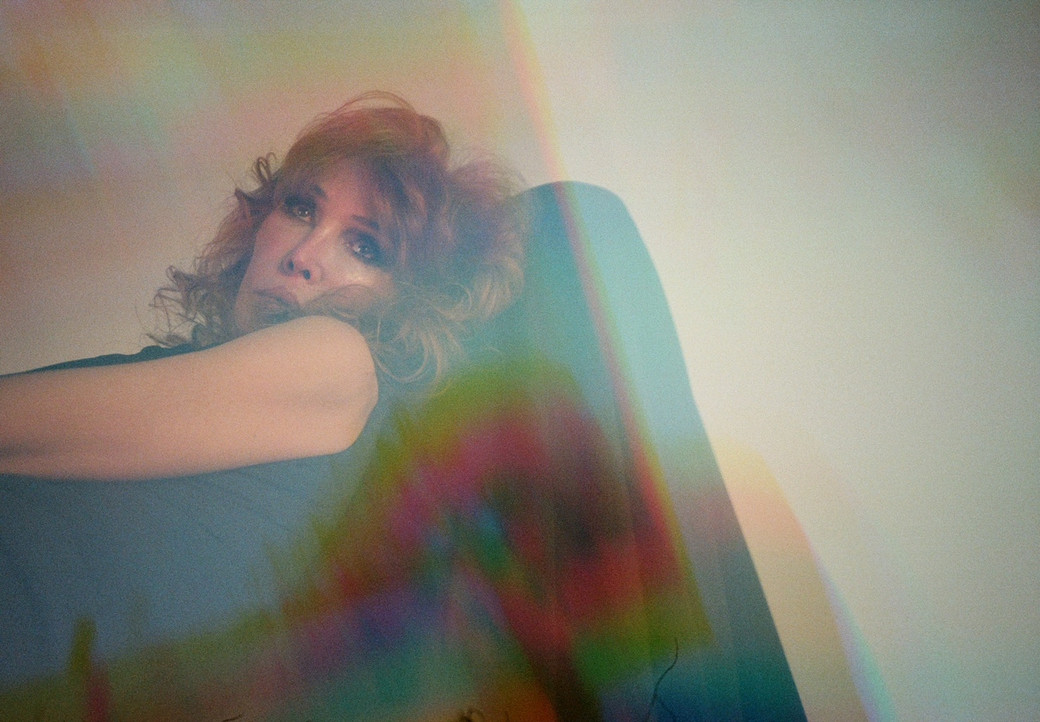
Lamar is a muse for the ages, a lens through which we can explore the love within both our hearts and others'.
Check out the video and photos below.
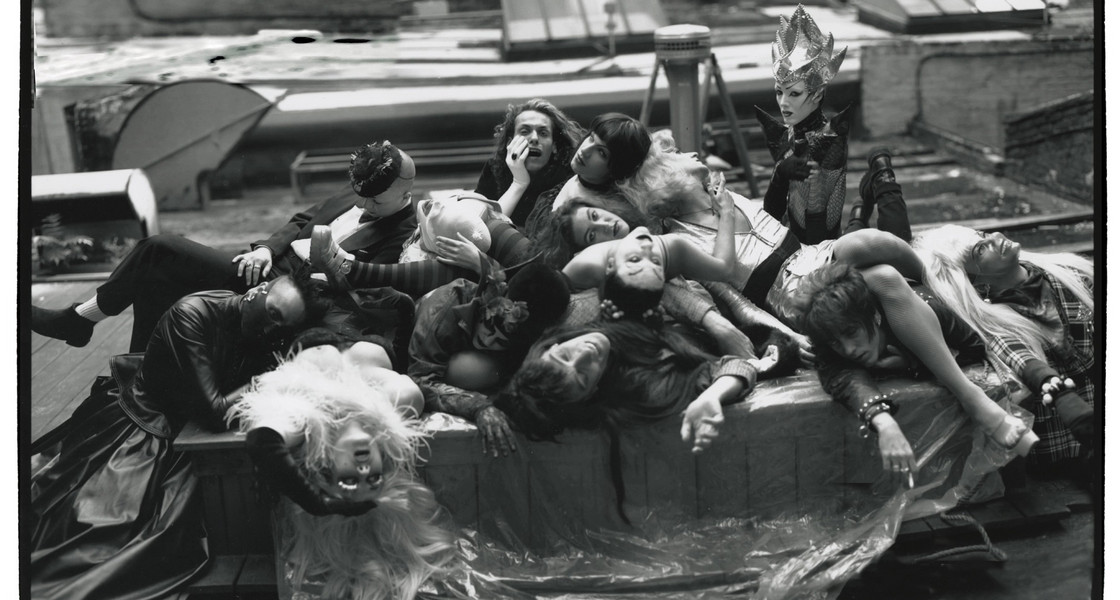
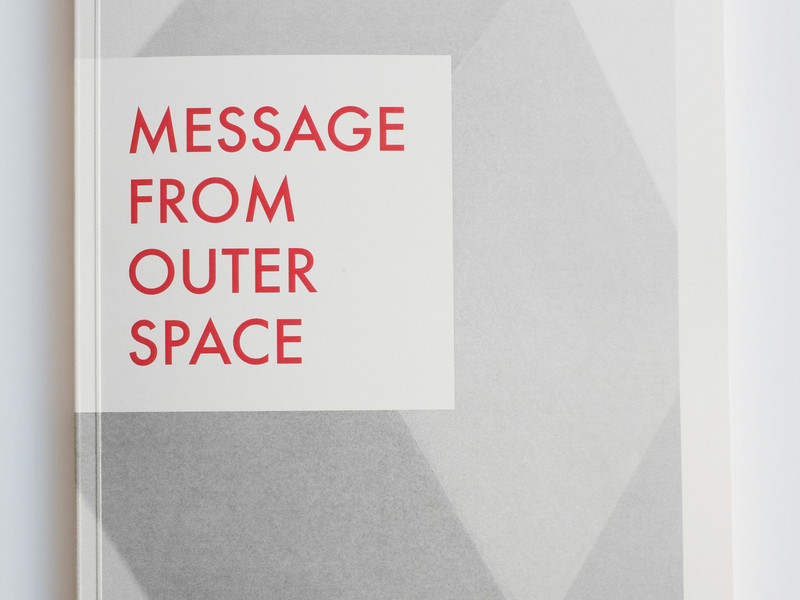
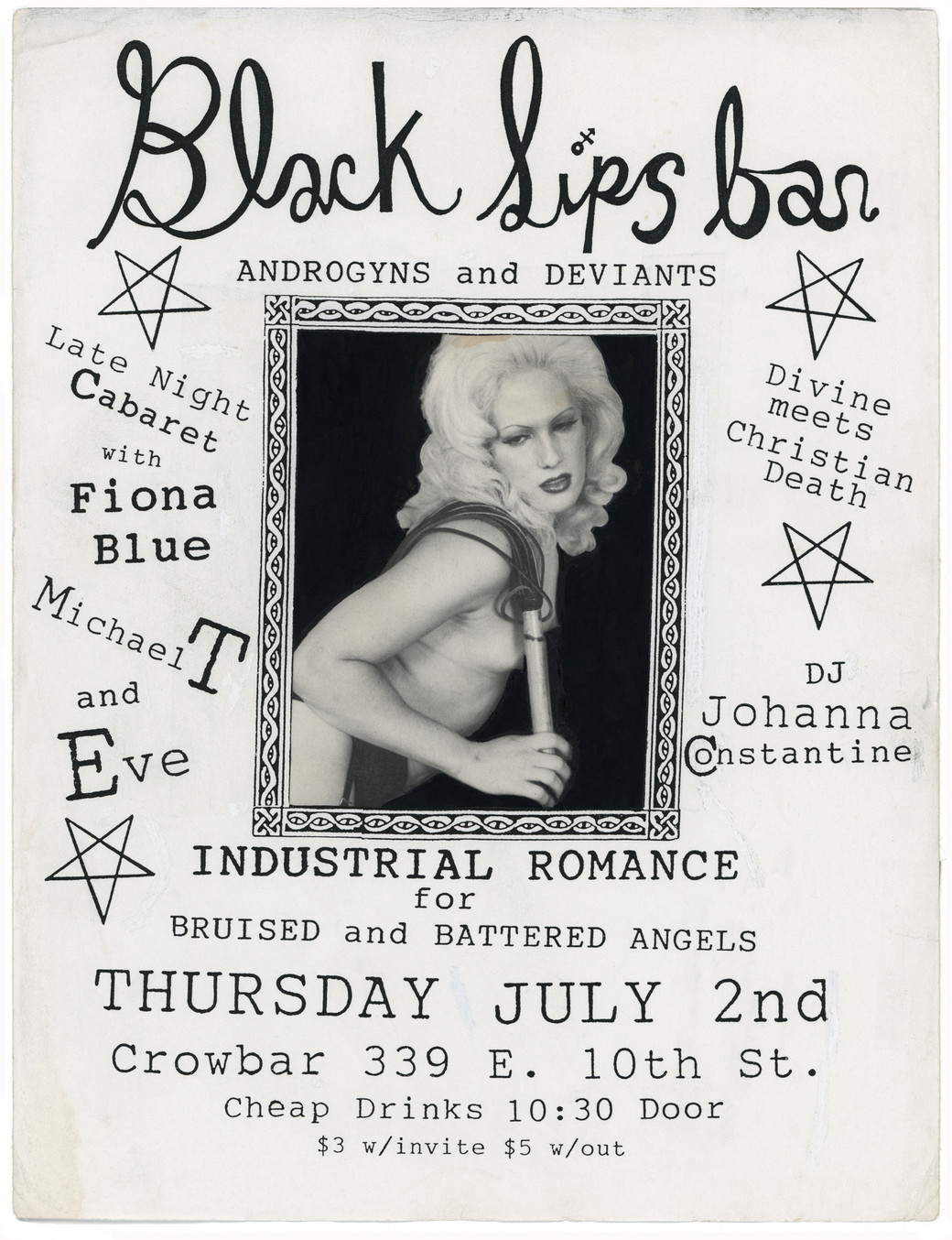
Now, decades later, Blacklips' legacy is cemented in Blacklips: Her Life and Her Many, Many Deaths, a book that archives its scripts, photographs, essays, and hand-drawn fliers. Alongside the release, ANOHNI has curated a companion album, Blacklips Bar: Androgyns and Deviants — Industrial Romance for Bruised and Battered Angels, 1992-1995, featuring downtown icons like Sissy Fitt, Kabuki Starshine, Divine, and ANOHNI's alter ego, Fiona Blue.
In light of these monumental releases, office spoke with ANOHNI and her collaborator Marti Wilkerson about hissing at death, staying connected, and bringing Blacklips' defiant legacy to a new generation.
What was it like sifting through the collective’s archives to put this together with Marti knowing that you initiated Blacklips all those years ago?
ANOHNI— It was a long process. It took about three years. Digitizing the videotapes of all the shows was a revelation. We had never seen many of the plays before. We saw some of the work as audience members instead of performers, which gave us much more insight into what we were doing up there. When you are on stage in someone’s play that you have only read through once, you are too busy thinking about your part in it to worry about the big picture. So it was humbling to look back and realize how little I actually understood about what had transpired.
The only other time Blacklips was unearthed to the public was in the exhibition at Participant Inc., 13 Ways to Die. What sparked the desire to create this book and music compilation?
ANOHNI— The archive is kind of vast, and we were hesitant to feed it to the internet in dribs and drabs. It was something quite personal for a lot of us. I think we collectively reached the stage where we were ready to address the work and the relationships we had as a group and let the wind carry it where it would go. Thirty years have passed since we started the group and 27 since it ended. Some participants are already long gone. So I think this was something that felt timely. The book and exhibit were a chance for the group to come back together, enjoy each other's company, and reflect on what we did together when we were younger.
Marti— Blacklips had always been obscure. The plays took place on Monday nights and didn't start until 1 or 2 o'clock in the morning. As more of the members kept dying, we realized that authoring the book ourselves was the way to go, using our first-person accounts and primary source materials.
Was this the first time you both did a huge sweep of everyone’s records of that period in your lives? Or is it something you often did, so the project just made sense?
ANOHNI— It was really the first time.
Marti— There were many photographers in the group, and we had intimate access to each other. From 35mm negatives to 16mm and super 8 footage to the newly digitized videotapes, we gathered all our stuff together and started to scan, browse capture, and edit. We used that to create a flurry of color-saturated pages with script blurbs and sections of silent black-and-white analog imagery to rest the eye, with a smattering of ephemera here and there to add context.
Where is everyone now? How connected have you all stayed?
ANOHNI— We remain a loosely knit group of people and are all in touch, which is kind of miraculous. Certain people like Clark Render, Hattie Hathaway, Chloe Dzubilo, Lulu, Art L’Hommedieu, Page, Howie Pyro, Shecky, Wendy Wild, Jake, and others have joined the Blacklips “Away Team”. But the majority of us are still dragging our hearts around.
Marti— A lot of us are still here in New York. Some of us are in California, some in Berlin, and some are always on the move. We will always be connected, this was a creatively formative time in our lives. It was a time of experimentation and stretching our wings. There was such a commitment, and the bonding still resonates.
Every aspect of the Monday night performance was created by the collective — from the set to the plays, to the fliers, to the energy that surrounded that night of the week — was this similar? Did everyone play a part?
Marti— In terms of the book itself, the content is a merge of all our archives. We also drew from a series of interviews and original essays from the members of the group. Most of the scripts are presented in our own handwriting, next to collages, paintings, and drawings we all made. You can truly say the collective is the author of the book. Each person added a texture. Johanna Constantine has an Art Brut style when scrawling with a crayon or greasepaint, Kabuki Starshine has a fine line, which is Erte-like. Ebony Jet was into cartooning, Art L'Hommedieu illustrated an entire Tarot deck based on the members of the group. People wrote poems and lyrics and made posters, flyers, and press releases. We tried to pull in everything we could while keeping an elegant, chronological design.
What is the significance of the title? Is it in reference to loved ones that passed? Or does death mean something else?
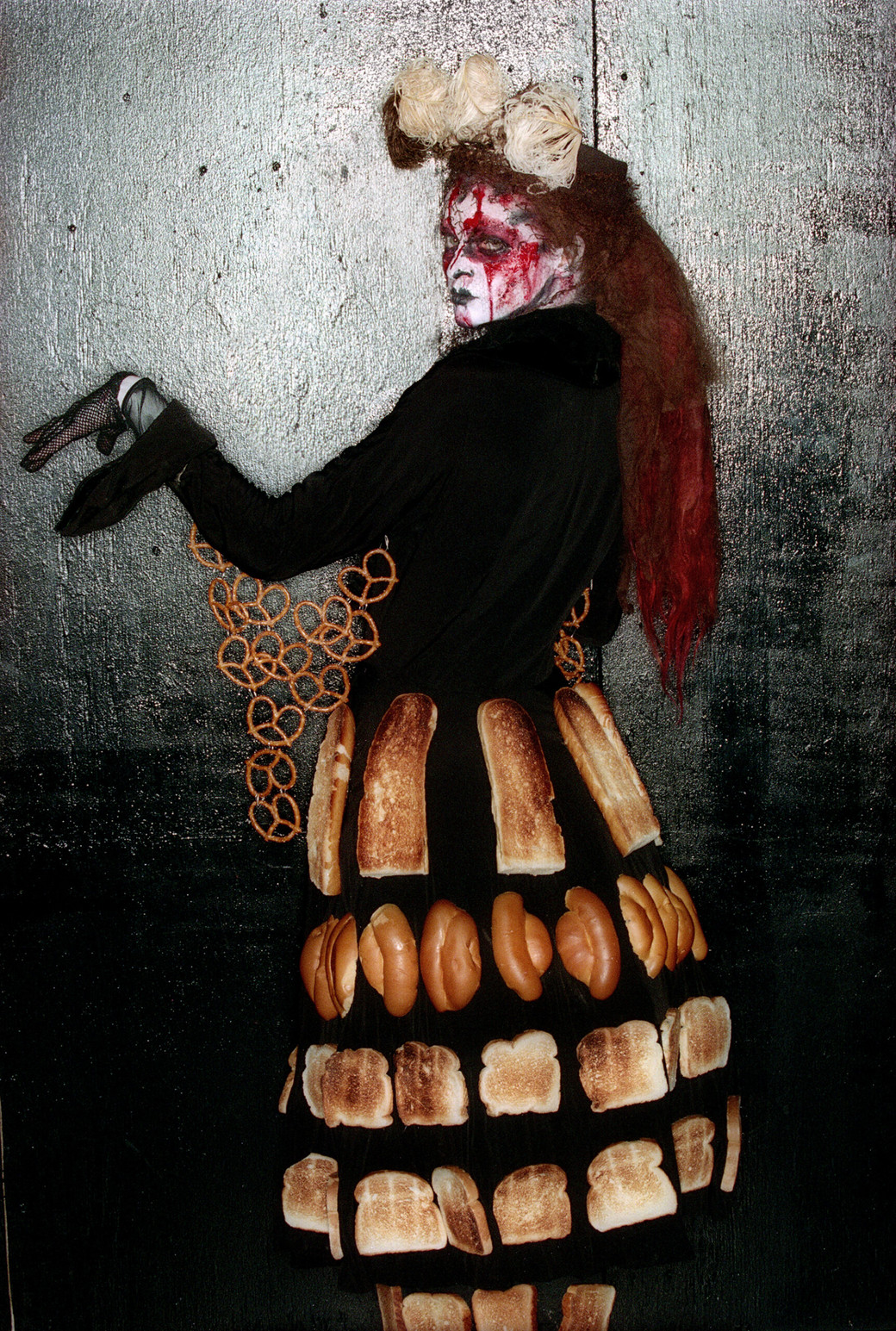
ANOHNI— It is a reference to the fact that at Blacklips, we specialized in death scenes for a number of reasons. We often said that the stage would most likely be filled with “dead" bodies by the end of a play on any given week. We did a lot of gore and forged many dramatic deaths. For me, Blacklips was always hissing at death and "camping on the graves of the dead." At the time, it was the AIDS crisis in NYC.
Marti— I think besides the death reference, the title also captures a feeling of the possibility of many, many outcomes.
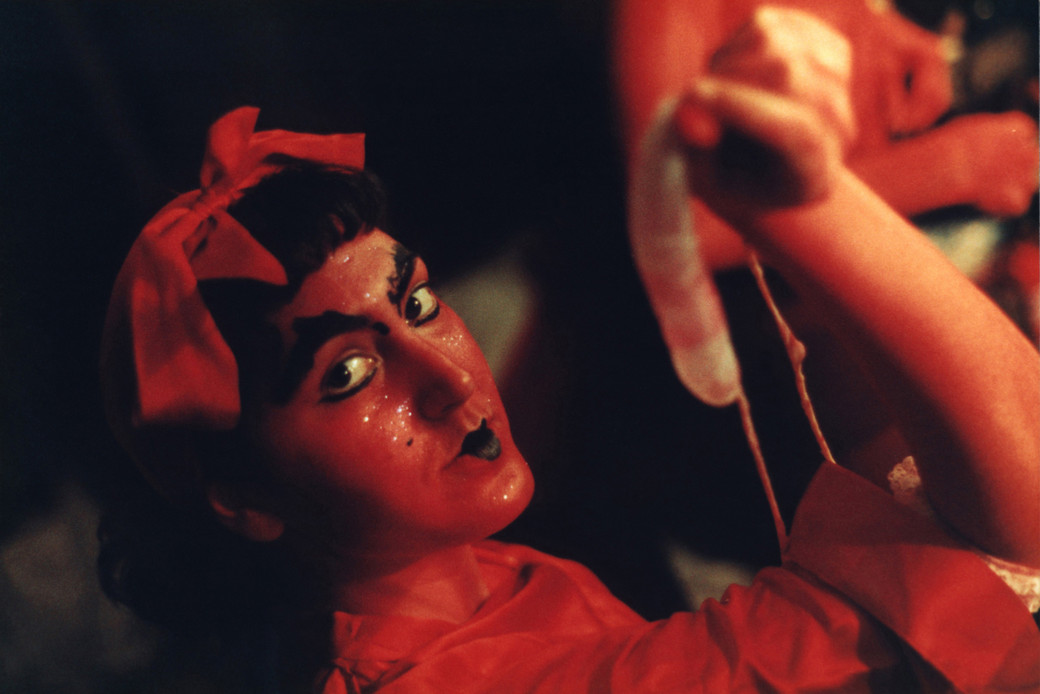
I can only imagine how emotional a project like this could be.
ANOHNI— It was touching to really absorb some of the plays written by other members of the group. James F. Murphy’s plays really surprised me with their surreal wit. Clark Render's plays are just so funny. The archive is kind of engrossing; it almost feels like cracking open a tomb, and all the spirits fly out and come back to life.
Marti— When you see the book, especially the video stills, everyone living and dead, is there in the same space. I did a lot of scanning of these tiny fragile Polaroid collages made by Lulu, one of the dead members. I felt very honored to handle them carefully and replace them back in the little albums afterward, just as she had arranged them.
What was your favorite play to perform or watch?
ANOHNI— My favorite moment is the “Maggot Ballet” from a play I wrote called “Starvation." In the scene, Psychotic Eve performs as a "Human-Sized Maggot” with two assistants, “Shit Pip” and “Chicky Wang.” They perform a tippytoe dance number, leaping graciously around on the stage while tossing “alcoholic livers” into the audience. Eve then lays hundred of maggot eggs while James F. Murphy sings their praises.
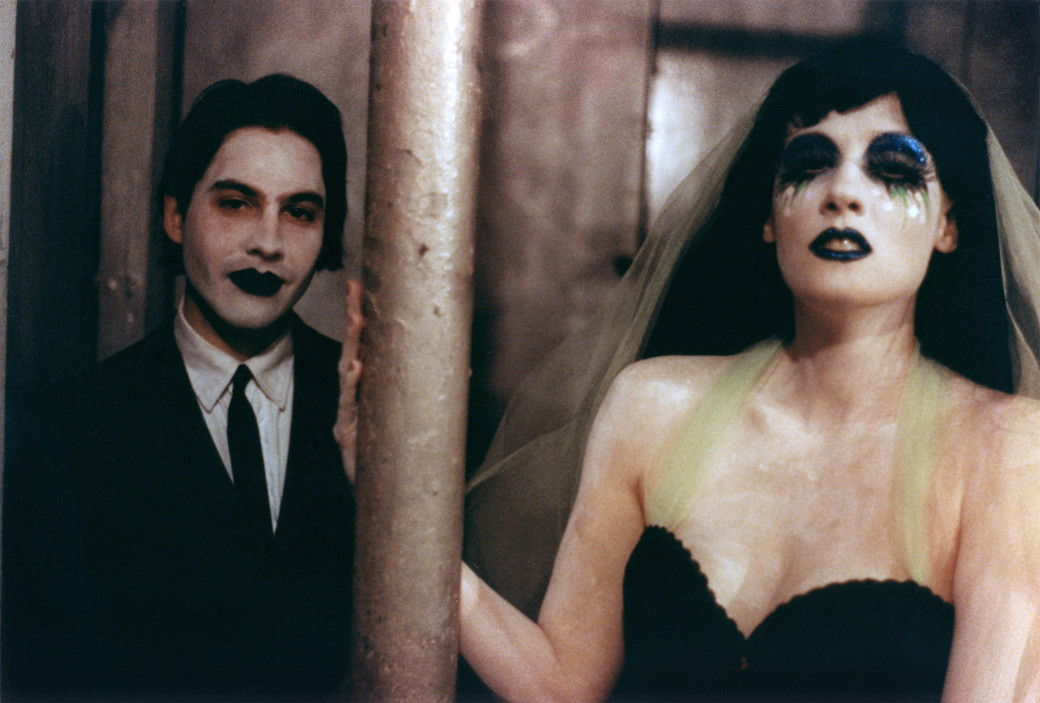
Marti— I have a soft spot for our version of "Frankenstein." People loved portraying these iconic characters, and everybody really ran with it. Right down to the lighting person, who created an "apocalyptic storm" on the Pyramid stage while cranking the smoke machine in concert with an old "hurricane wind" sound effects record. To the instinctive impulses of Howie Pyro and Kabuki Starshine as the monster and the bride. The audience gasped and screamed when they came alive and cried when they died.
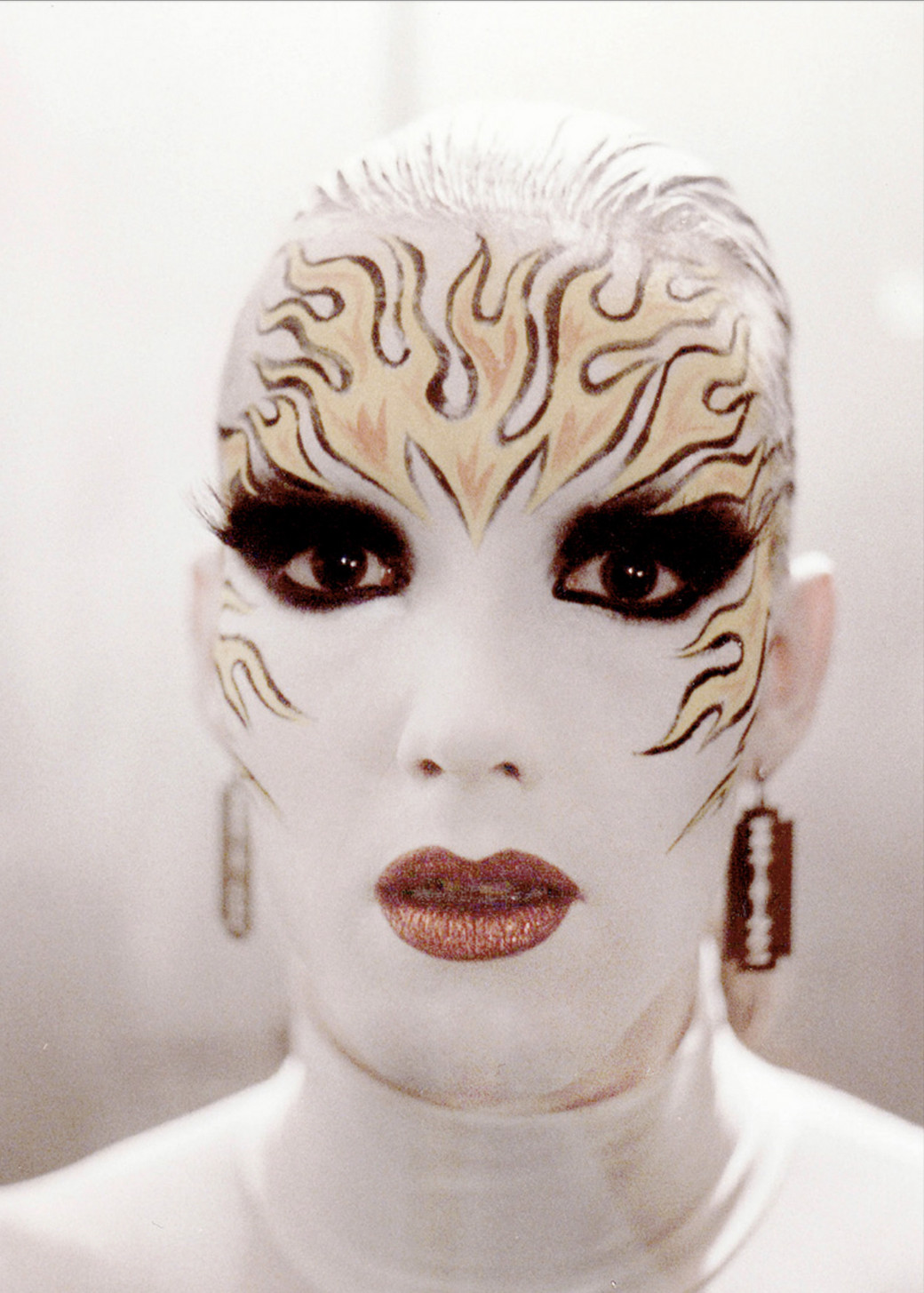
Is the version of “Rapture,” as Fiona Blue, in the compilation from the first performance at The Pyramid?
ANOHNI— Yes, it is a version I recorded for performances at Pyramid and Jackie 60 in 1992. I used to perform with a backing tape.
How long did it take to put the compilation together?
ANOHNI— About a year. The compilation is a mixture of tracks we enjoyed listening to in DJ sets before and after the shows, some archival recordings, and finally, some new recordings that I produced of favorites that members used to perform. Sissy Fitt singing “Sister Morphine,” Ebony Jet singing “Satellite of Love,” and James F. Murphy’s “Satan’s ‘Lil’ Lamb” were all rerecorded in 2022. I digitized many of my audio and video archives over the last few years, giving me more access to things that had been buried. Johanna Constantine advised on some of the DJ track material. I designed the artwork using drawings and materials I made during that era.
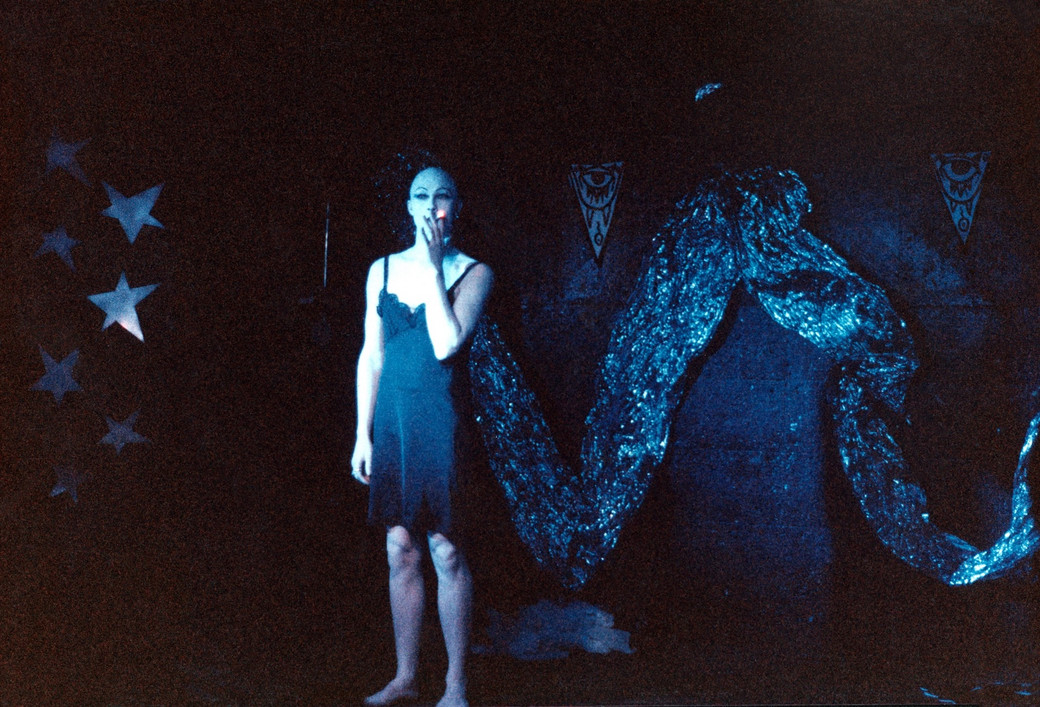
How does it feel knowing that people may find this book, listen to the compilation, learn of Blacklips for the first time, and feel validated in their identity?
ANOHNI— To me, making this work was kind of a survival strategy as much as anything else. It was a response to a world where most of us felt like there was no obvious way forward. We weren't searching for stardom or escape from that scene, really. We were really doing it for ourselves and for each other. The audience was vicarious onlookers for the most part. It was such a different time, long before the internet. People may recognize some quality of anarchic creativity, and I hope the book will encourage those people to hike up their skirts and get busy. Get their feet muddy. Not everything should require monetization in order to seem worthwhile. Some of the most meaningful things I was ever a part of happened in barren rooms late at night with very few people listening and even fewer people paying, and the fact that it was so secret made it special.
A lot of the tech now is designed to reduce everything to a potentially monetizable gesture, which insidiously strips us of our ability to protest that platform or the terms of engagement upon it. It's just very hard to break free now for all of us. They have really tightened the noose in the last 25 years. I would never have thought that I might consider the early nineties to have been a simpler and more innocent time because they were harrowing in many respects, with people dropping dead of AIDS and drugs and the Gulf War just beginning for the first time. But the internet has poisoned everyone, and it's more difficult than ever to figure out how to live now or how to be free within oneself and within community.
Marti— We have already experienced this a bit during the Participant, Inc. show. New people coming up to us and feeling a kindred spirit. One of the Blacklips pronouncements by our host, Dr./Mrs. Clark Render was: "Reject the outside world. Welcome to Blacklips, Episode 9.”
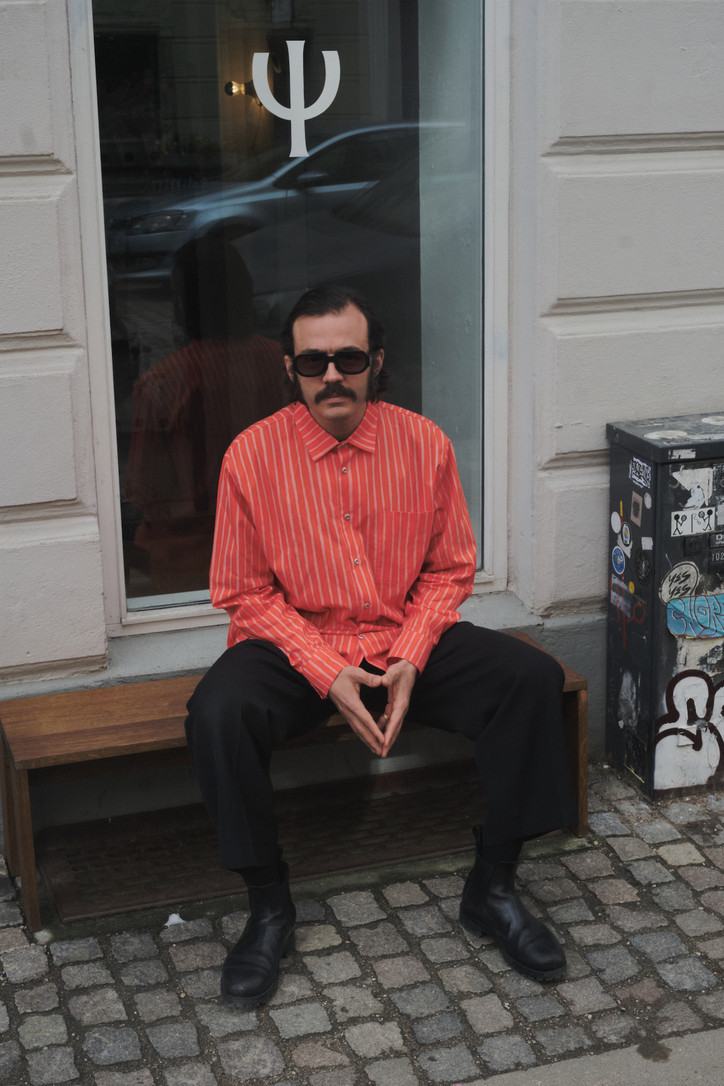
Let's start by talking about the olive oil side of things. Can you explain the process and what goes into making a batch of cold pressed olive oil?
Basically, you have your farmer in Greece who is cultivating olive trees. These trees have been planted in the last 50 to 100 years. Some of them, in the last thousand years. The olive tree is extremely resilient and it doesn't need a lot of water. Then, you're making sure it's not getting contaminated with insects or pests that could kill it. Our olive oil is all organic, and that means anything that's happening in the cultivation process is non-chemical. Around November, you remove the olives from the trees by knocking them off with a long rake and they fall onto tarps. We take the bags of olives to the olive oil mill where they are washed and moved through a machine that takes out the pits and then they press the olives and you get the juice.
How involved are you in the process? Are you actually going to Greece and visiting the farm, or was that only a one time thing?
We are there every season for the harvest. I'm not the farmer in the fields all year taking care of the trees, but I'm there for several weeks every year in October and November making sure that the process is going smoothly and actually working with the farmers in the mill. As we start to scale, that will change in terms of my ability to actually just work only exclusively with one farmer, but we are there and we are a deep part of that process.
How did you go from being a book publisher living in New York City to owning an olive oil company in Copenhagen?
This opportunity was presented to me in February of 2020, at a time in my life when I was peaking as a publisher in regard to what I was doing with Paradigm. Then the pandemic happened and I was back in Ohio working on a photo book, taking care of myself and my mental health. I started googling people associated with the Japanese farmer Masanobu Fukuoka and that brought me to this Greek farmer. I bought a one-way ticket to Greece and started farming. He put me in touch with this olive oil farmer. When I finished my apprenticeship, I reached out to this farmer and went and found him and saw his production and what he was doing. I was captivated by his ideology and his mind around farming and production. I brought his oil to Denmark, introduced it to my business partner, and the rest is history. Now, I live in Copenhagen and have an olive oil store. I was open to the transition and was ready to take that next step into a different place of my life. I was publishing for almost 12 years and I was working in the arts and creating different communities and activations around Paradigm, but I saw this opportunity and I had to take it.
How are you creating a community in Copenhagen through this new venture?
There is a strong community in Copenhagen around Psyche. It's a lot smaller of a place than New York and there really isn't anything in the market like what we're doing. Having an olive company that speaks to all kinds of individuals and people, all races, all colors, all genders we are an inclusive company, that promotes health and wellness. It isn't really positioned in anything, but the education and sale of olive oil, getting people in the mind that the olive oil that they buy probably isn't what's being sold to them. We're trying to create a transparency in our supply chain on top of creating a community around what we're doing. It's a unique pocket, especially in a country that kind of needs that edge, if you will.
What is the connection between the olive oil production and distribution and the cafe you're also a partner in?
The physical cafe that we had last year was a temporary residency at the former Relæ, which was a Michelin star restaurant and is two doors down from our flagship store. That venture was brought to me by Mati Pichci, a food curator in Copenhagen who was working at Atelier September and before that, was staging at Noma. He was buying our olive oil and then he asked if I wanted to get involved. I knew it was an incredible play for marketing and for continuing to build the community. We had an amazing time doing it, and it really did activate the community in a much stronger way because it created a more open forum. The reason I'm in Milan now, is to find new ways for the oil and the cafe to reach wider communities through physical activations.
How do you intend to maintain the community if there's not a physical space?
We still have the store— Psyche Organic is an olive oil showroom/office. We actually have our one year anniversary coming up on March 18th. That's where the hub still is. Everything is still functioning out of that space. If you want to come find me or my partner or connect to the brand, you can come there as we still activate events there. Then, on top of that, when Psyche Organic or Psyche Café does an event, that's how the community continues to grow.
What other cities do you plan on expanding into?
New York and Los Angeles are both already a part of our community. I’m selling to Scarr’s Pizza in NYC and to a beautiful store in LA called Homesick Studios. These two places allow the brand to reach into communities in both cities. We plan on expanding into the rest of Scandinavia, Asia and northern Europe.
Besides the farming practices, what else makes Psyche Organic unique?
First off, our eco-friendly bag is totally unique to the olive oil industry. In the current state of the olive oil market, we are the only company selling in this bag. Then, from an aesthetic standpoint, the communities that we associate ourselves with, nobody has really gone into olive oil like a fashion brand would. Taking from my mentors and the people that I came up with and looking at how collabs work and how hype works, because that's where this thing gets really interesting is that I thought I was unique walking into a room saying, "Oh, hey. I'm a book publisher," or, "Hey, I'm a photographer or whatever." But I don't know. There's a lot of that. I walk into a room now and if someone says, "Hey, what do you do?" You say you import and export olive oil, it's a different conversation piece. That being said, just from the history that I have in design, photography, production, and creative direction, I'm applying all of this to olive oil and to scaling olive oil. That's what I would say makes it hyper unique.
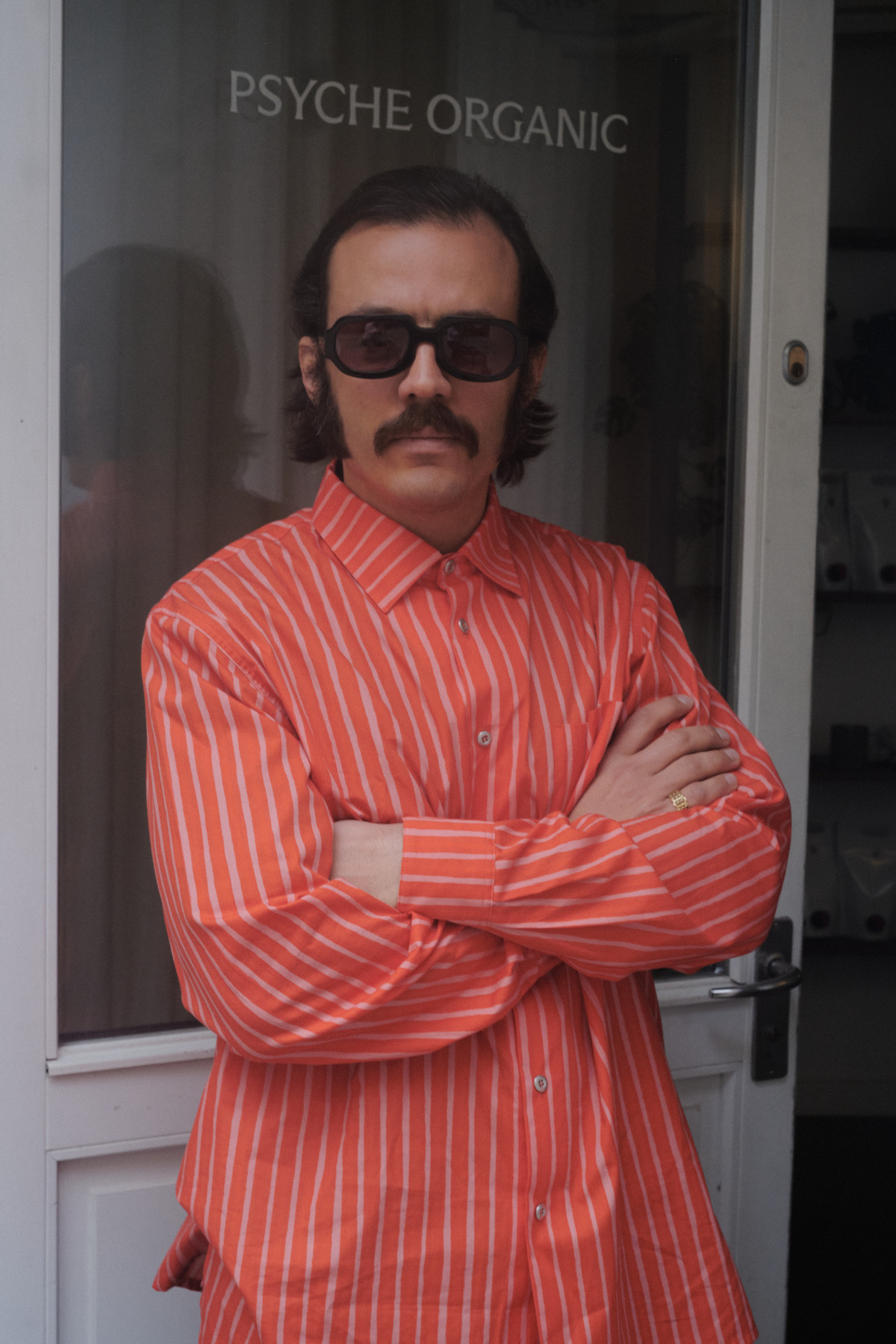
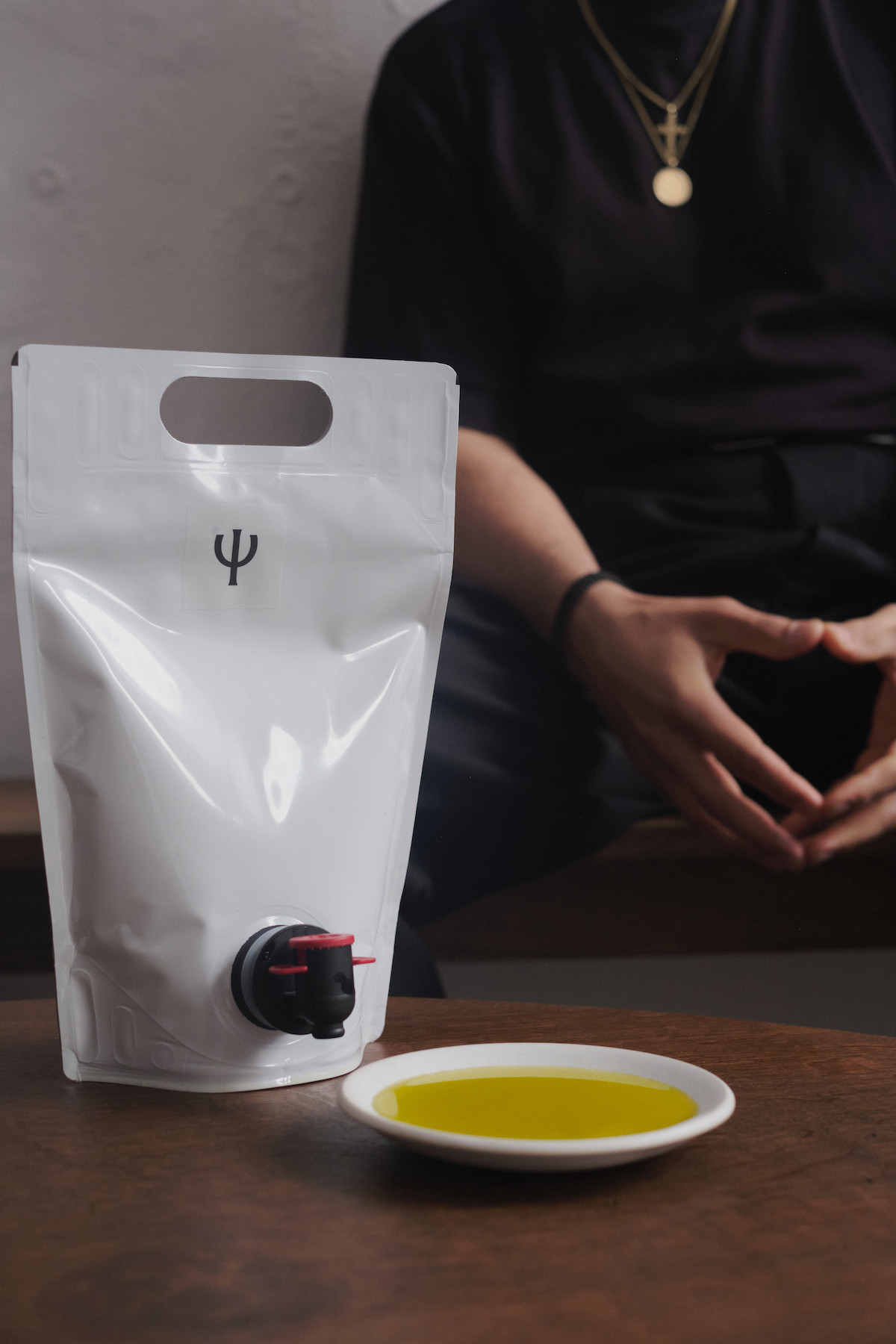
What is the vision for the future of the brand? Is this what you see yourself doing for the rest of your life?
Yes and no. The vision for the future is to build a blueprint in one of the most corrupt food segments. Olive oil, from what I understand, is one of the most corrupt food industries in the game. Change the blueprint for the model and show people like, "Yo, you can create a transparent supply chain. You can actually sell people the product that they believe they are buying. You can deliver them taste. You can deliver them quality, and you can deliver them health." Right? It's built off of the principles that I learned from Yvon Chouinard at Patagonia through reading his books and following his company over the last decade. Taking that, changing the blueprint, scaling into larger markets, building an infrastructure that allows me to live my life and give back to the communities in a deeper financial way. Then, in the next ten to fifteen years, retire from the day-to-day business of Psyche Organic and build my own farm, grow food and create an art residency that's a little bit off the grid. That's my life plan, if you will.
In the past couple of years, you have made a lot of major life changes in your personal and professional life. What are some of the greatest challenges you've had to overcome?
For me, it's more about accepting certain reality points. First of all, accepting that now, Paradigm has to stop for me. It was my lifeblood for twelve years, really. I lived the brand. It was a deep part of my identity. To answer your question in the most straightforward way was my ego death from New York and from letting go of this thing that was so much of my personality and my character. I would walk around LES and you would see me out there so much, and your ego is tied up in walking into a restaurant and knowing the waitresses and girls looking at you a certain type of way, and you're walking in the streets and you see a friend of yours who's a rapper or a painter or whatever, and you have this kind of street love and you have this credibility and your ego is tied to this thing in New York City because that's what New York City cultivates. I worked my ass off to bring this ecosystem to life, and I feel very grateful to have been accepted by New York City. Having left it hurt because I was at the top of my game. I literally left right after I dropped the Adidas collab. It was a little bit difficult for me, to be honest, but I also knew that this was the right step because I was leaving something that, for me, had changed. New York City changed after the pandemic. What was happening in that upswing was really beautiful. I also feel very grateful to have been in a position where I was about to breakthrough in 2020. It just wasn't the case. Having made the decisions I made to go farm and get involved in this olive oil practice, the hardest thing for me was just leaving New York City and accepting that reality.
Is there a possibility of Paradigm and Psyche coexisting, or are you completely done with that chapter of your life?
Paradigm just released Adam Zhu's ‘Nice Daze’. We just released a book with my old friend, Sergej Vutuc. The book came out in Paris a few weeks ago. I have one more book coming out in LA with Jakob Hetzer this spring. Then, I have my final collection dropping in Osaka, Japan this fall. That wraps everything up with Paradigm and also allows the space to transition totally into Psyche Organic. Paradigm will always have this cult status thing—I'm not interested in selling it. I'm not interested in passing it on to anybody else. If you got to touch it and you got to see it and you got to be involved in any kind of way, you felt it and you know that it was real. I just feel grateful for that chapter because now I'm embodying this new thing and people are understanding that this is my new lifeblood.
Where is the product currently available for sale? Is it available online or just from specific retailers?
The olive oil is currently available at Scarr's in New York. It's also available at Homesick Studios in LA and then there will be more oil coming to North America in the next, let's say, three to six months. If you're in Denmark, you can buy it from our store. Right now we ship all over Europe so if you’re in any main bracket European country you can buy it online.
Before we wrap up, I want to say that in all the years I have known you, you have always been good at building a community around whatever it is you’re working on— whether it be publishing a book, producing a rap cypher, or designing a pair of sneakers. I'm sure that you'll be able to take this concept and bring it all over the globe.
Thank you. That's what I'm doing. It feels good because look, I don't think I'm going to change the world, but I know that the people who touch the oil are a part of the things we’re building and are deeply affected by it. It's super exciting and I feel very grateful to still have you part of this community. I hope you will come to Copenhagen and become an even bigger part of it.
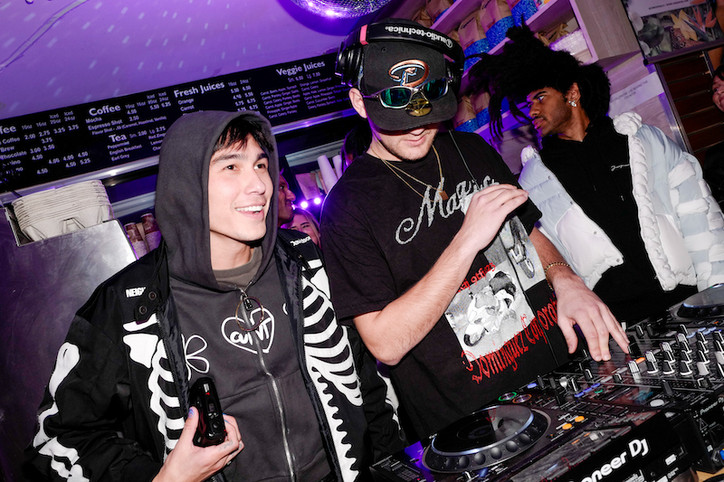
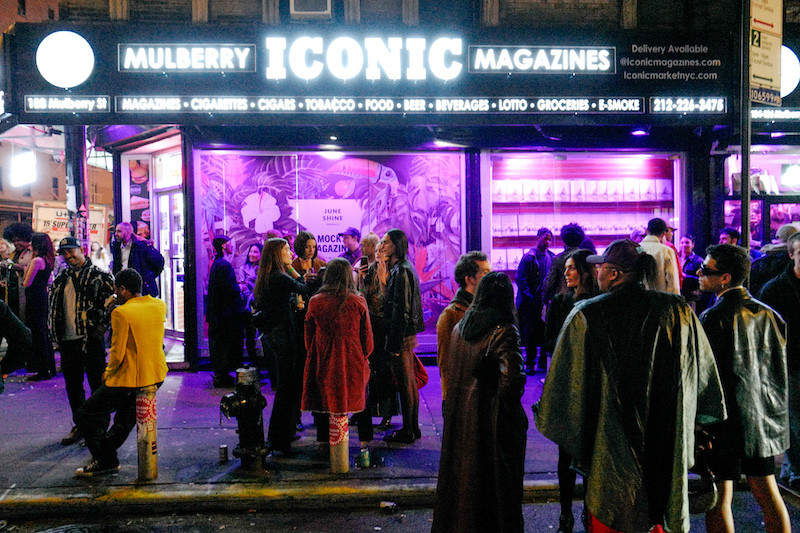
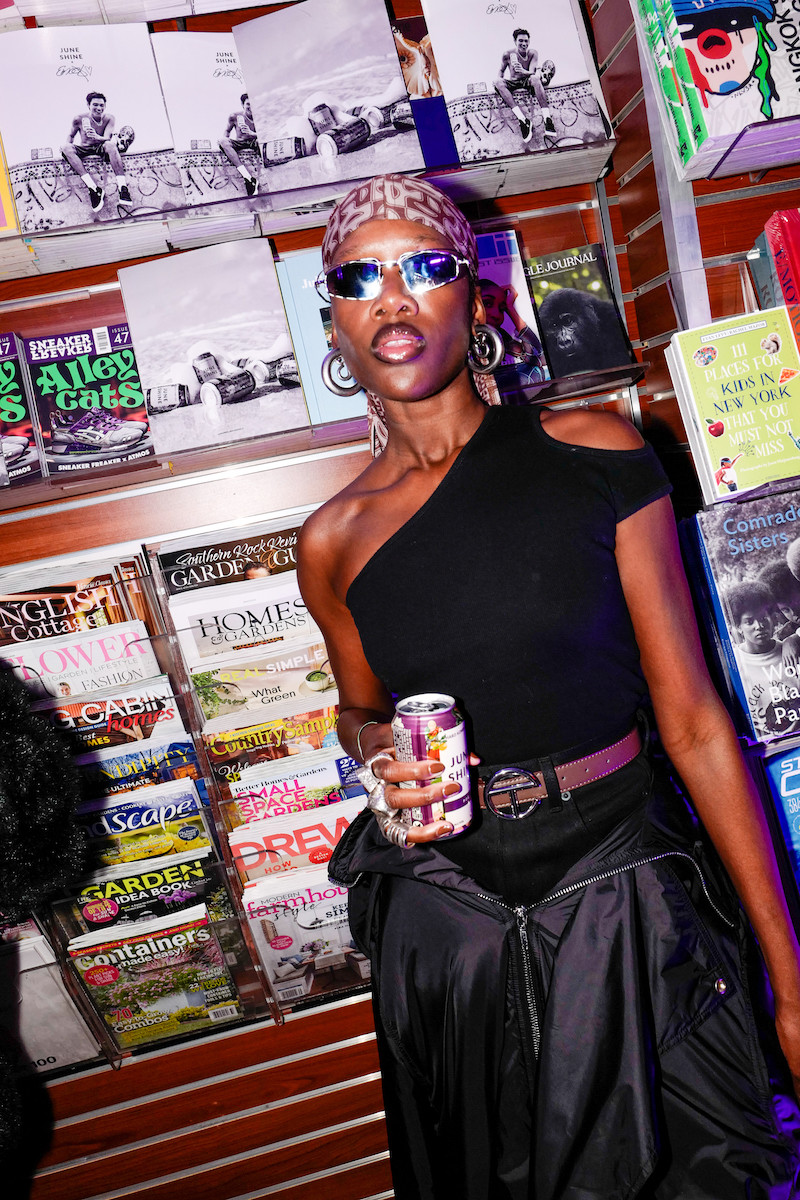
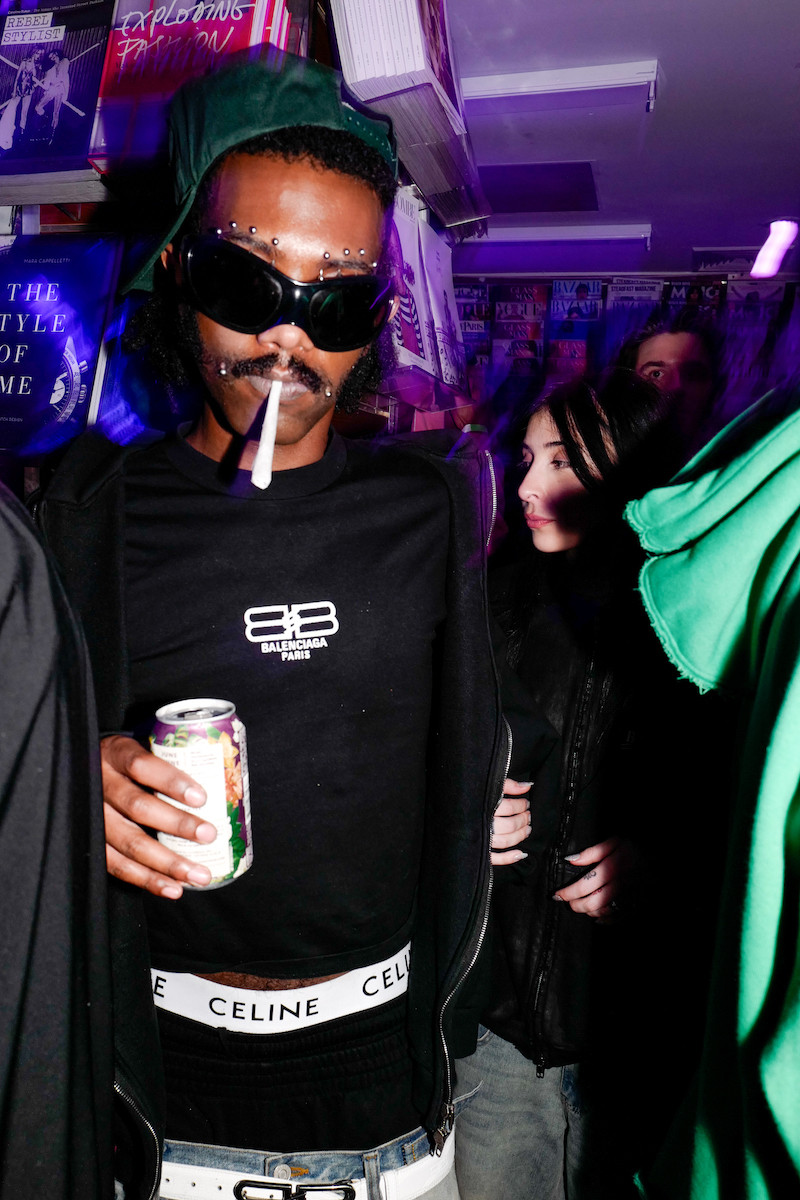
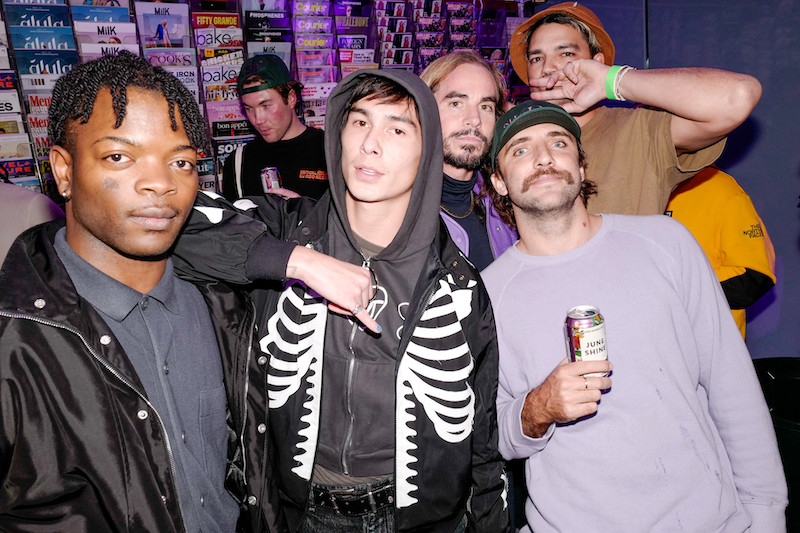
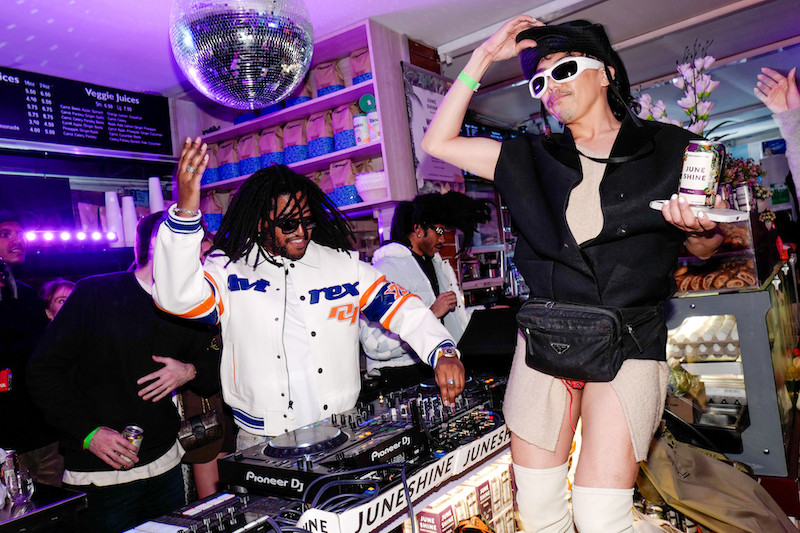
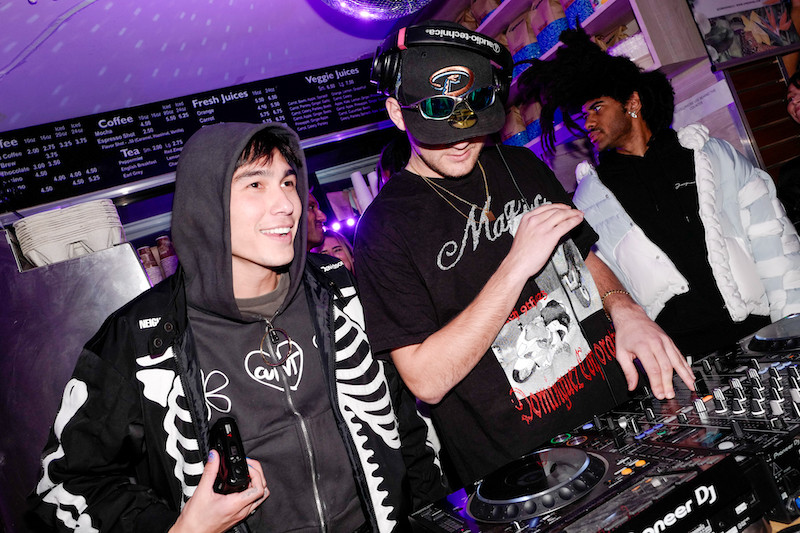
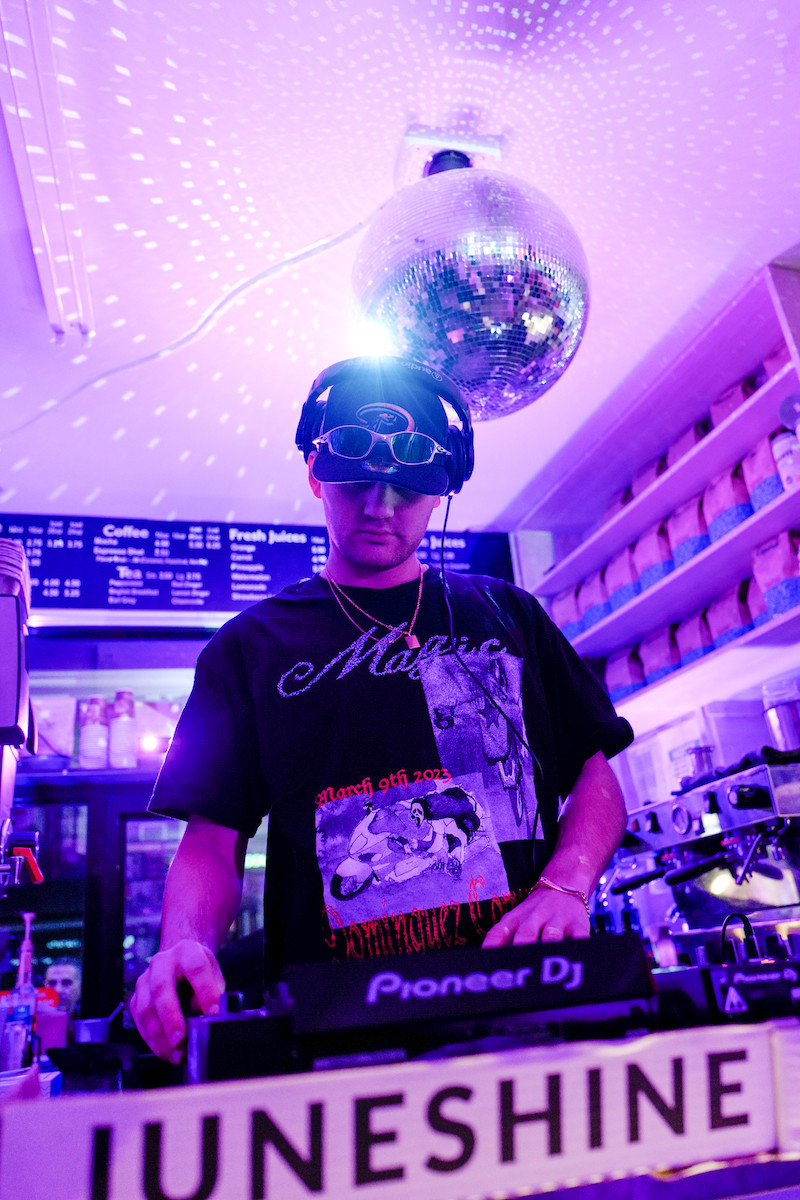
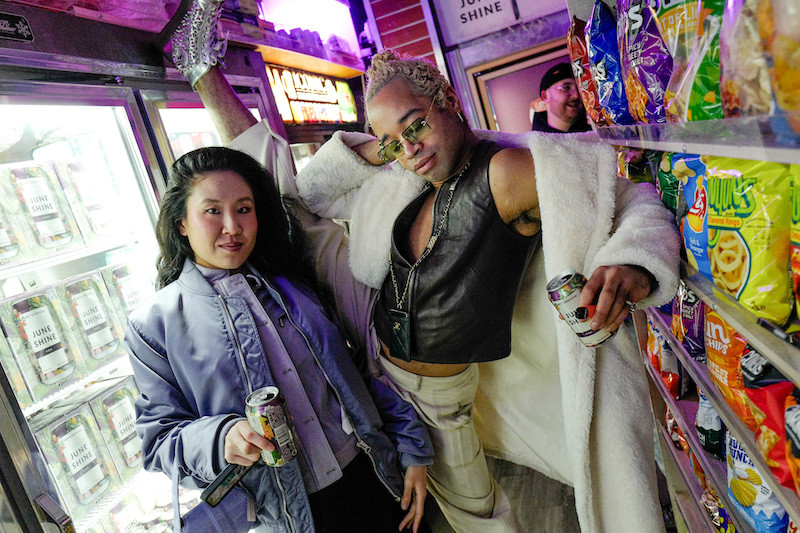
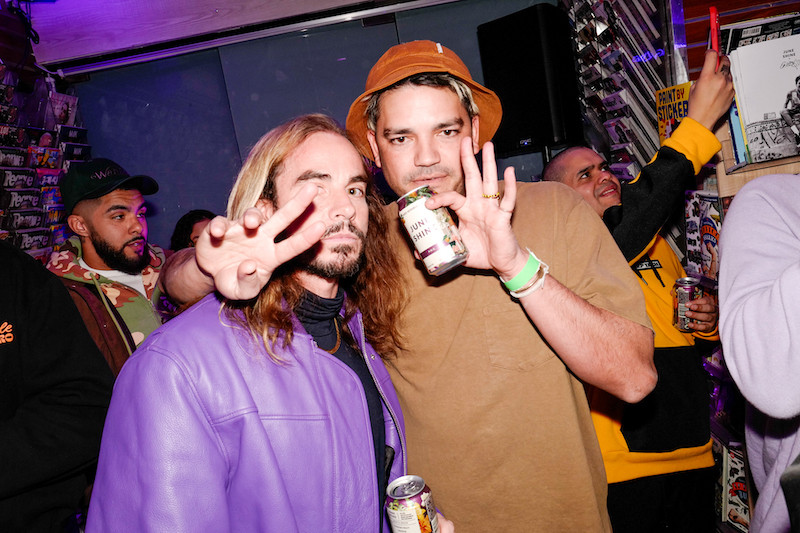
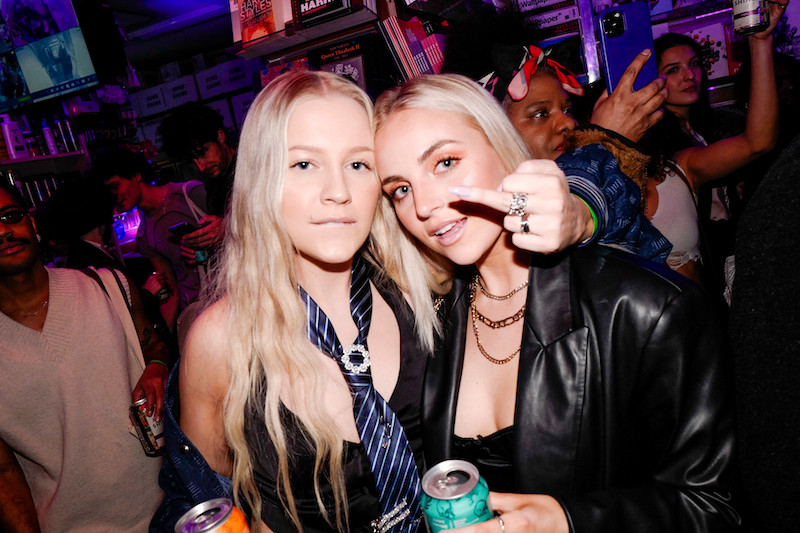
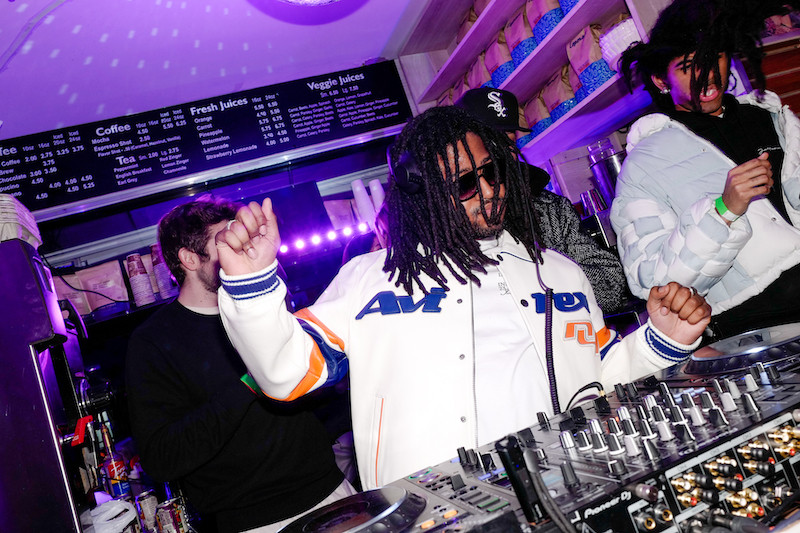
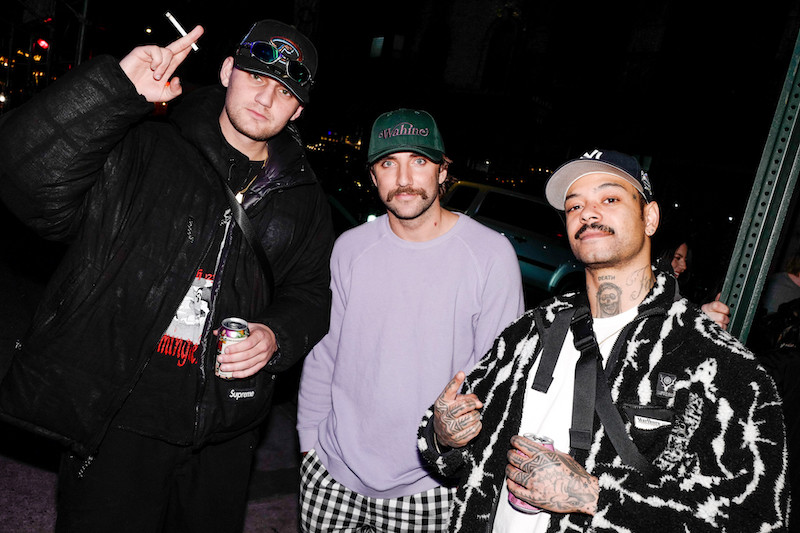
DJs Juju and Austin Millz kept the crowd dancing in the tightly-packed room as notable guests such as A$AP Ferg, G-Eazy, Kim Shui, Fai Khadra, Kailand Morris, Taofeek Abijako and others joined in on the fun.
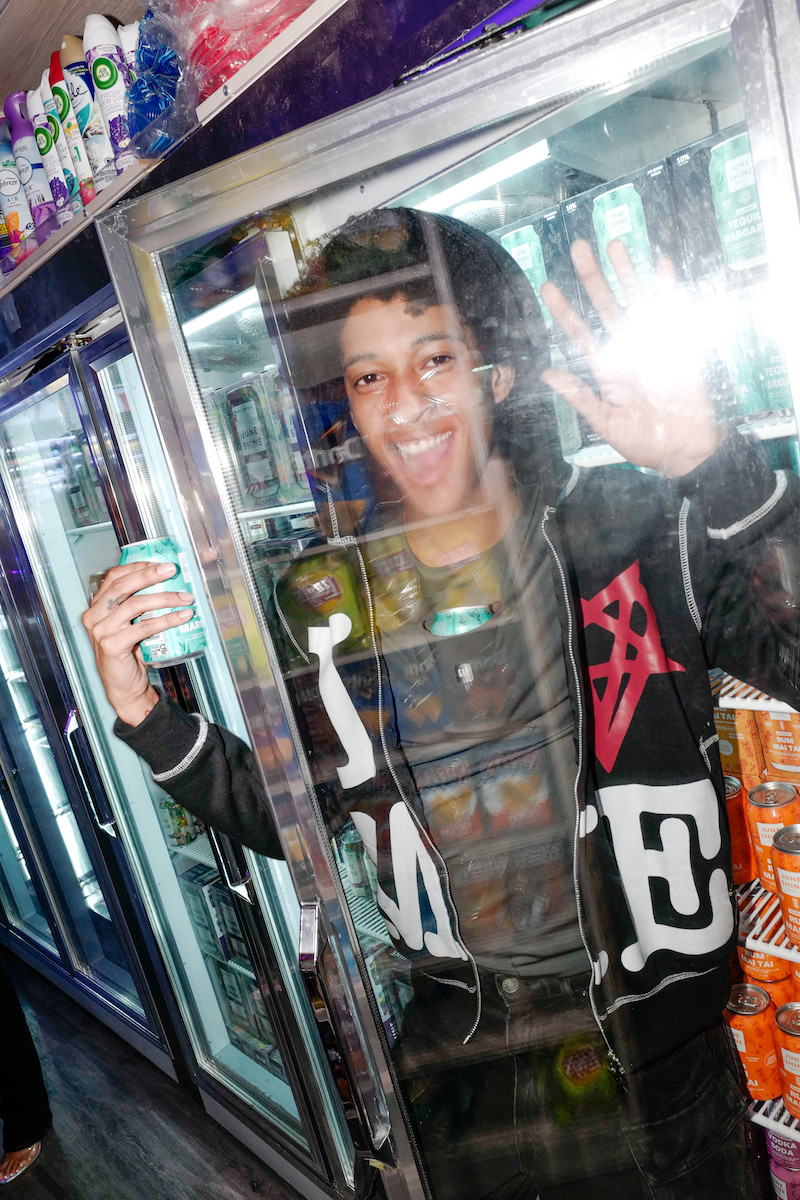
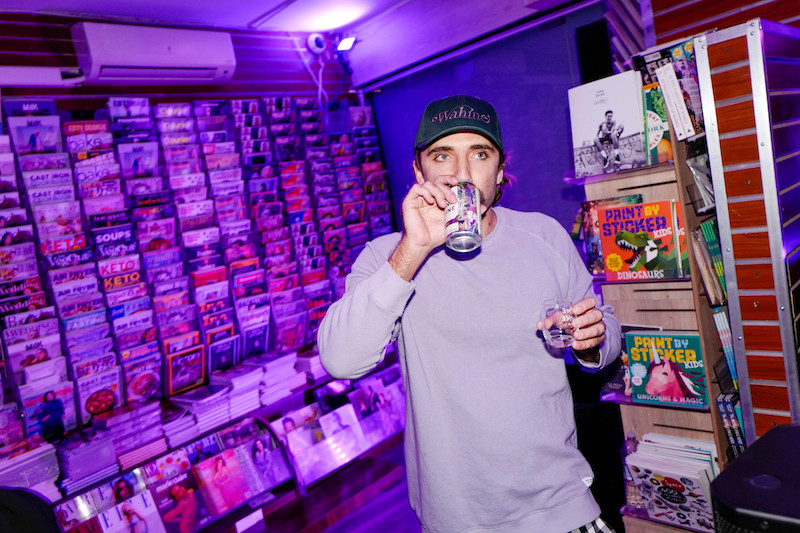
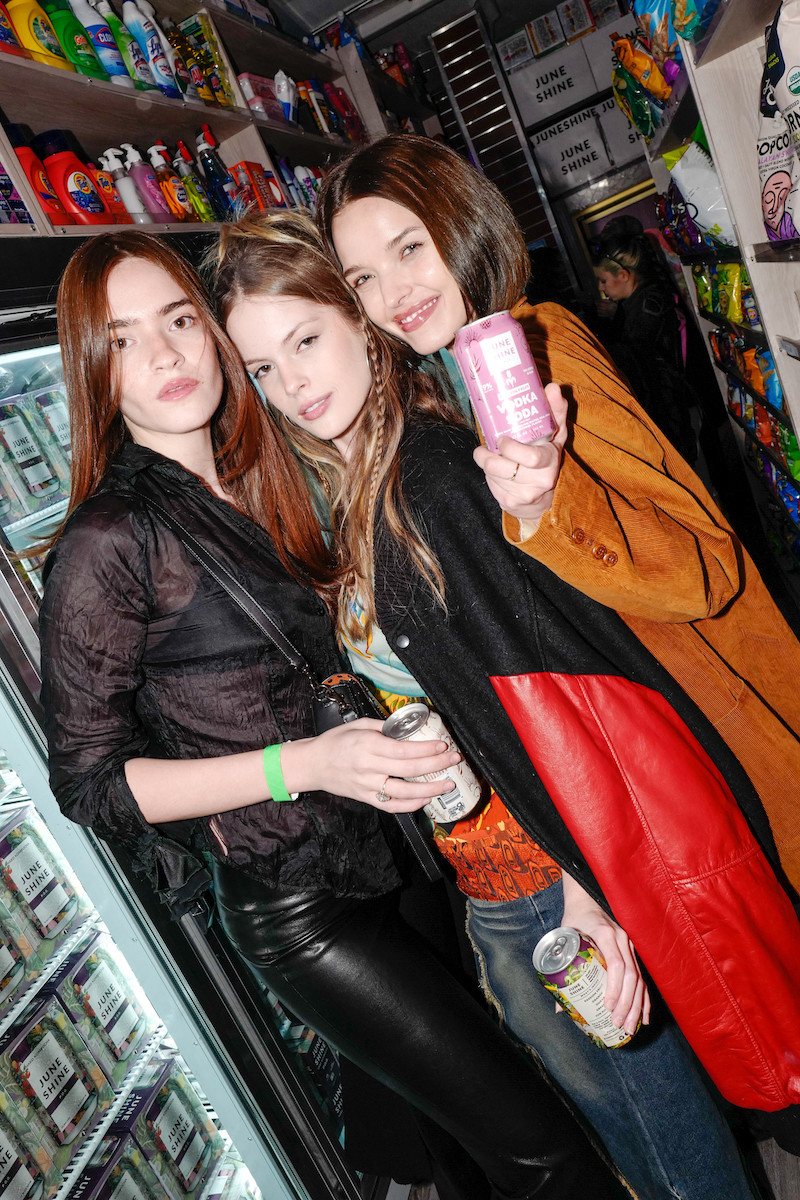
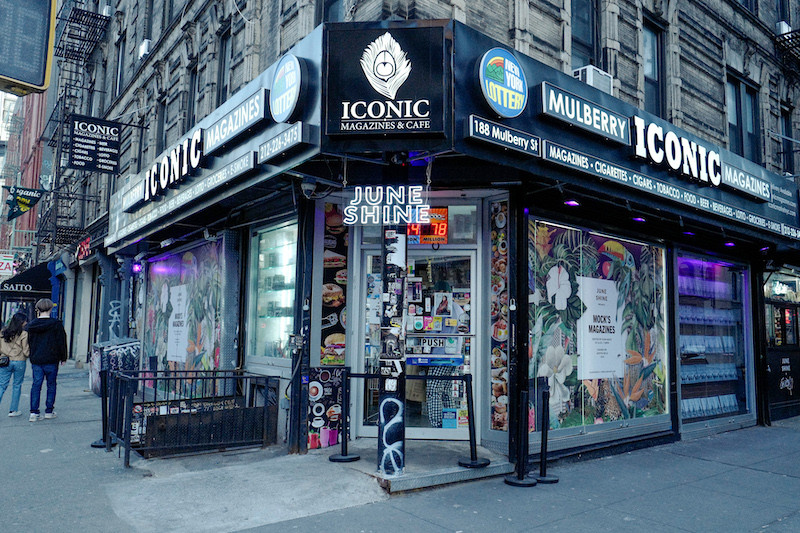
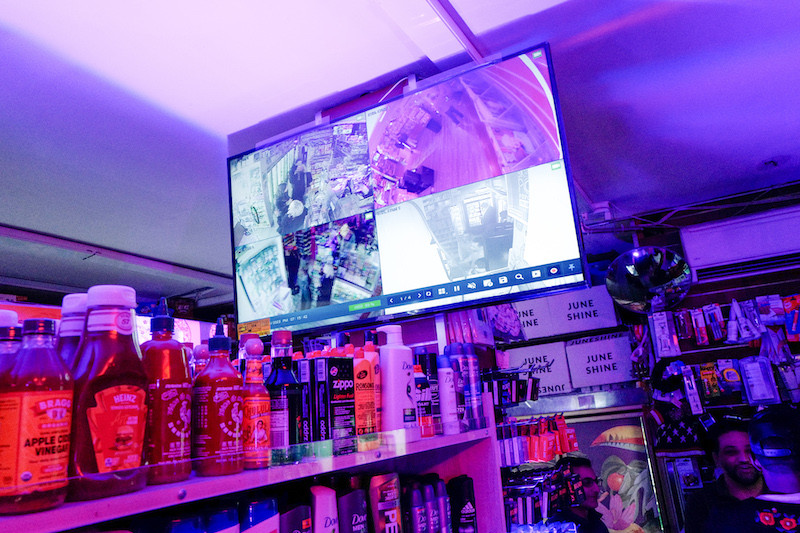
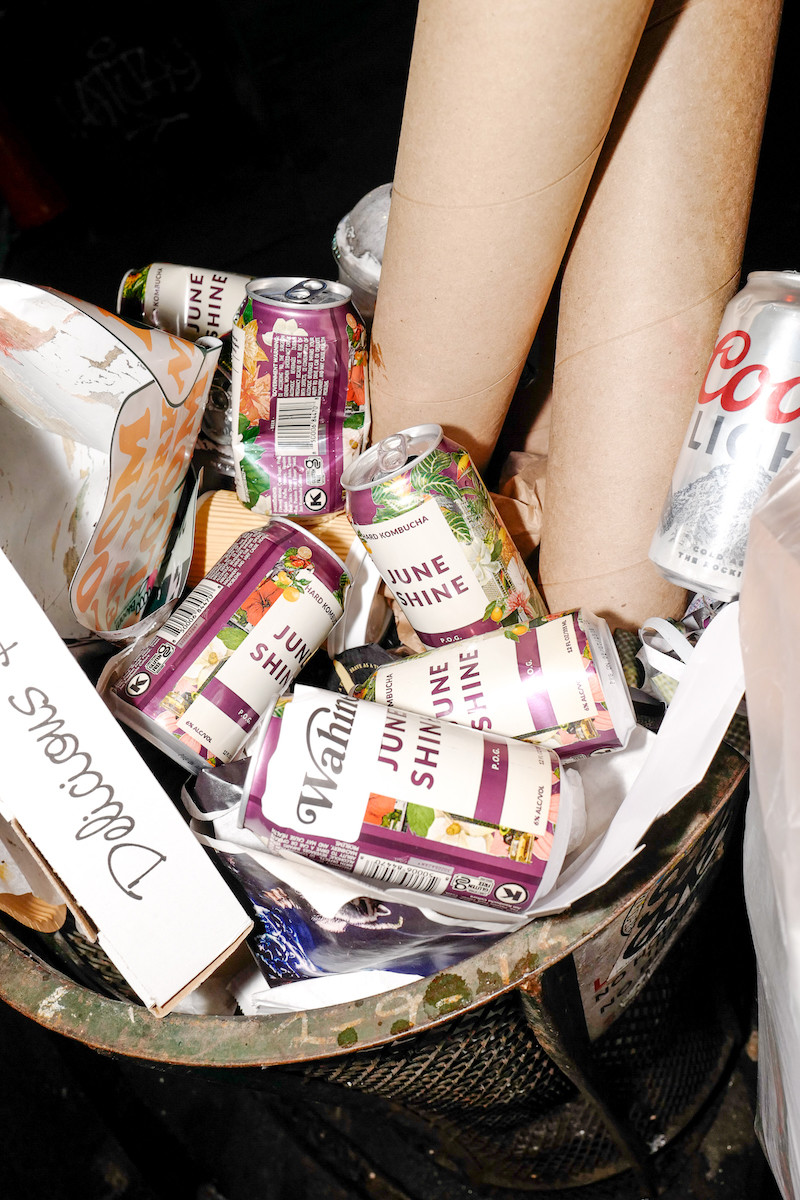
P.O.G. and the various hard kombucha flavors surely had people buzzing. It was difficult to not try every single flavor in the bodega fridges... but with six to 10% ABV level, two cans did just the trick. “I wanted to create a flavor that reminded me of Hawaii when I read it, hear it, and most importantly taste it. P.O.G. covers all the bases," Mock says. "Coming from Hawaii, family is the most important thing. So brands I partner with have to have that same vibe. Being a part of JuneShine feels like family."
P.O.G. is now available in stores, but in the meantime, check out the event below.