For Lovers
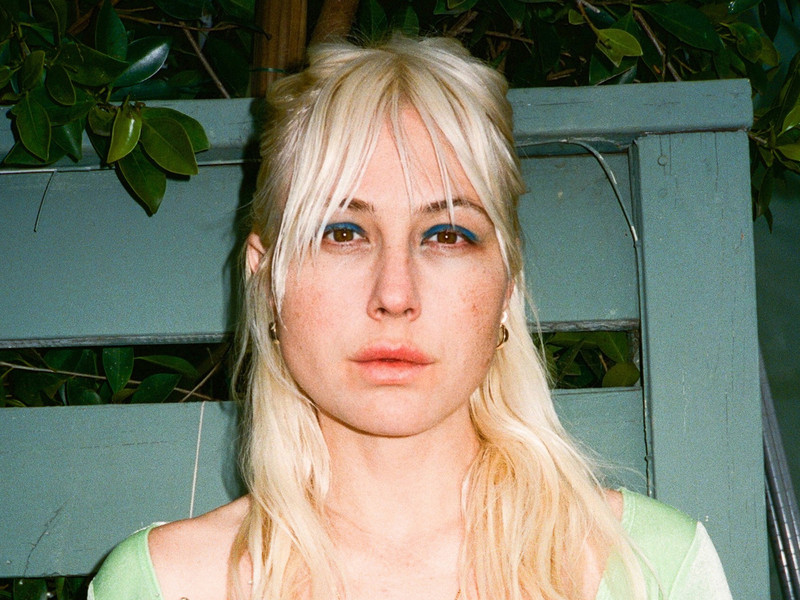
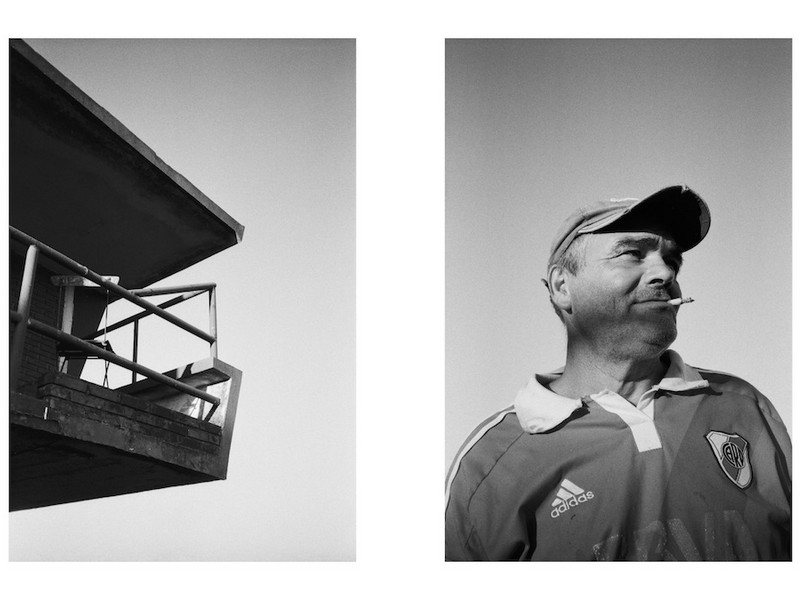
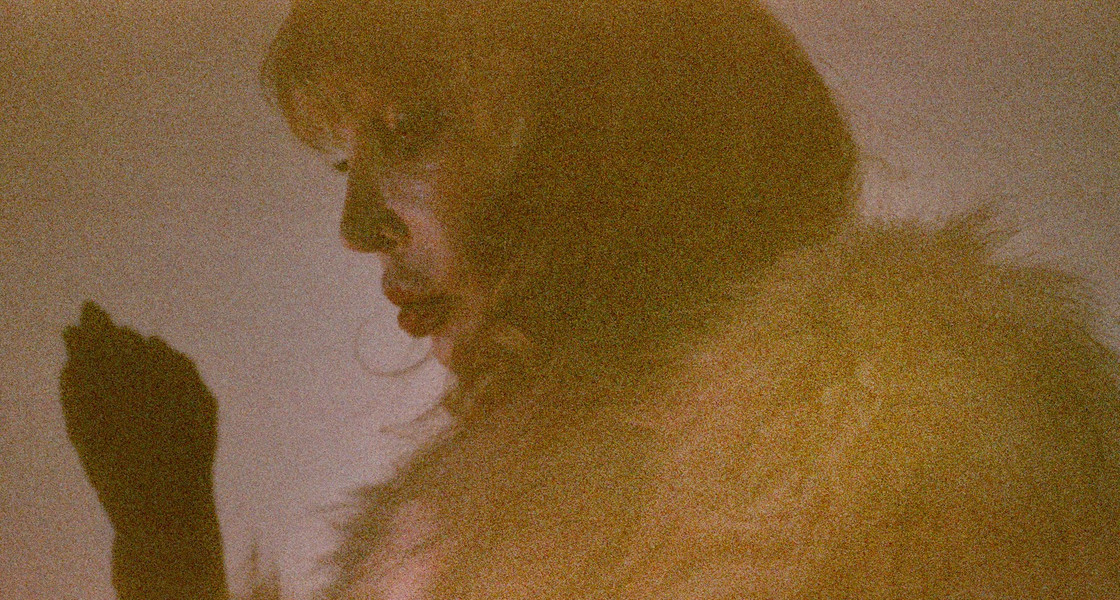
Lamar is a muse for the ages, a lens through which we can explore the love within both our hearts and others'.
Check out the video and photos below.
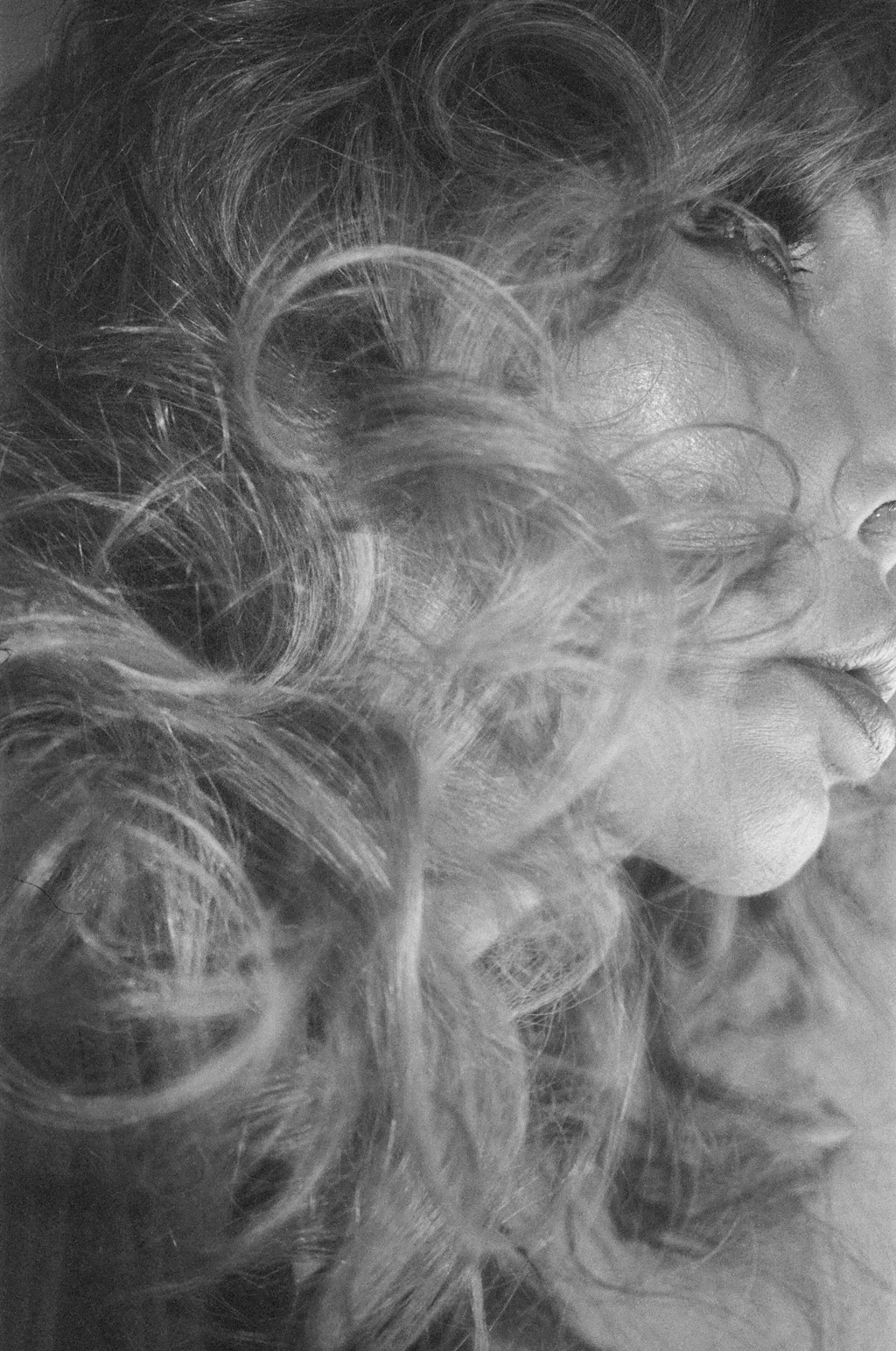
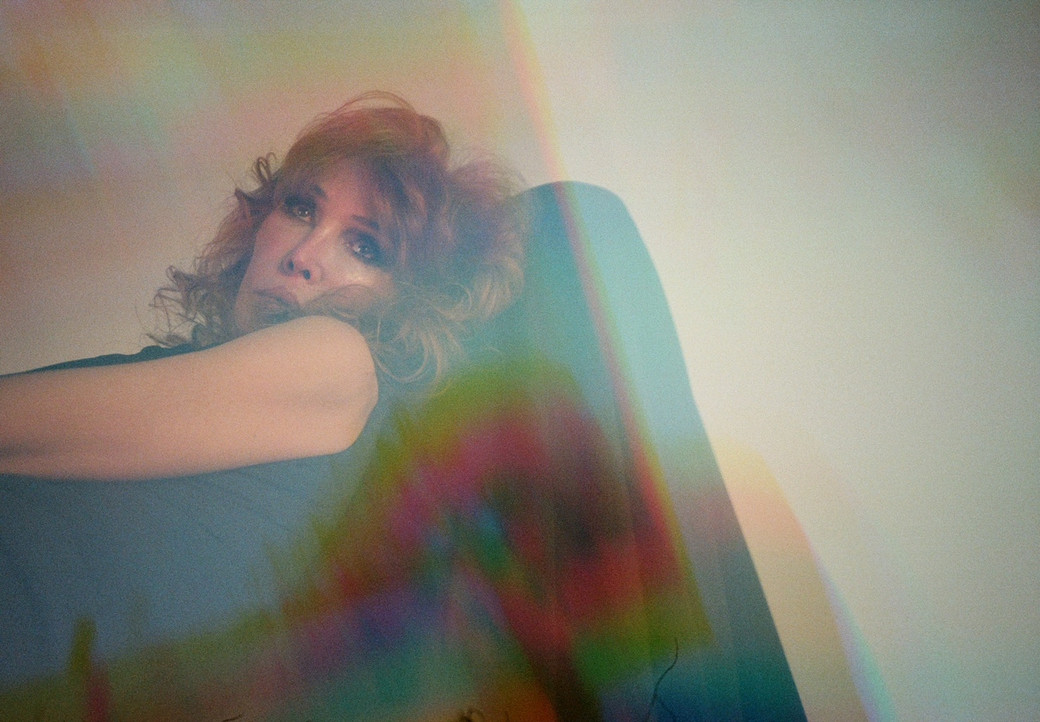
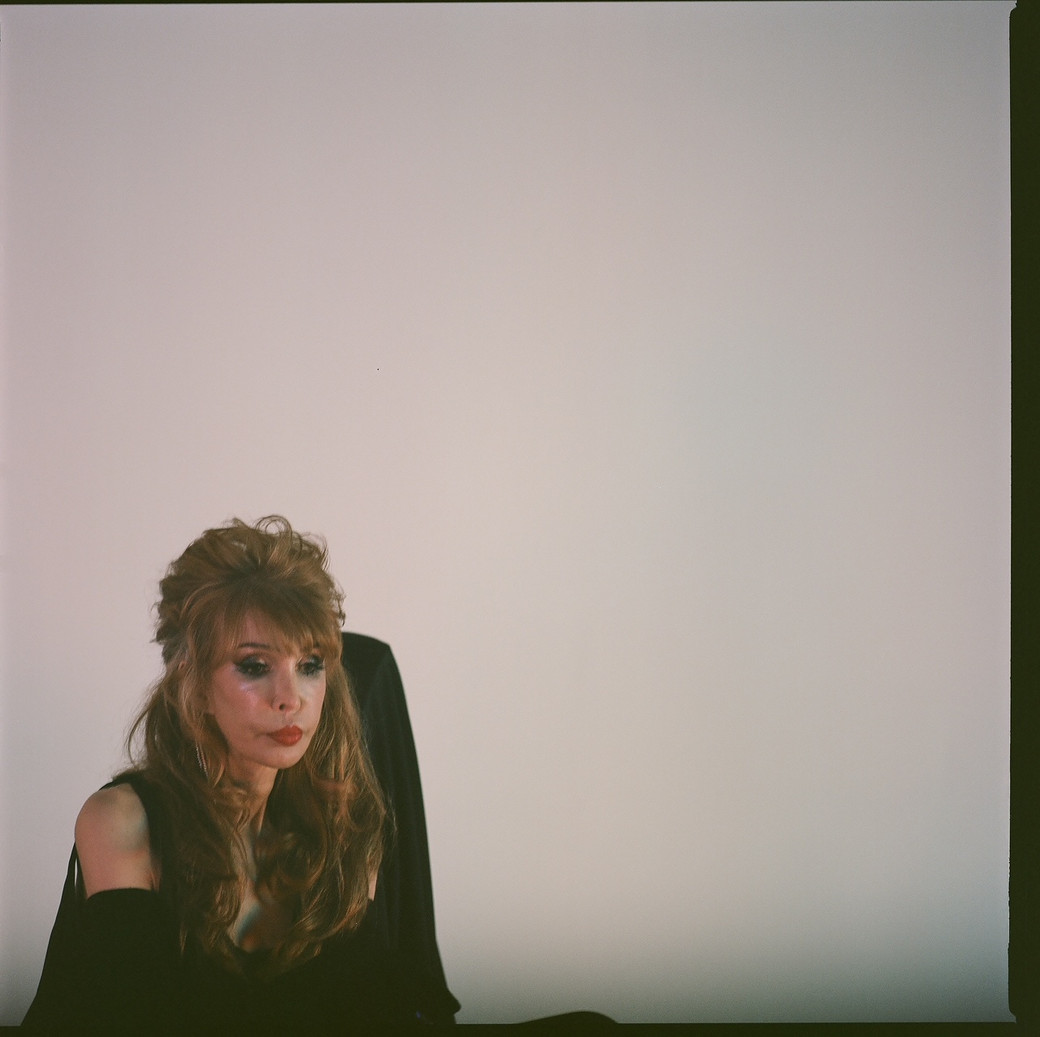
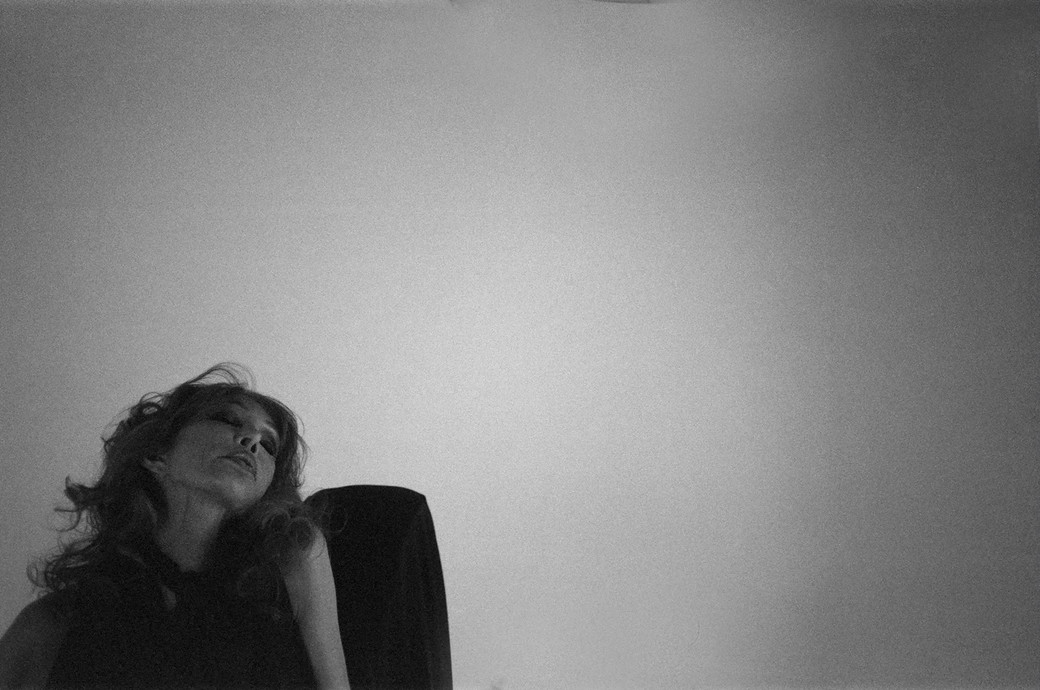
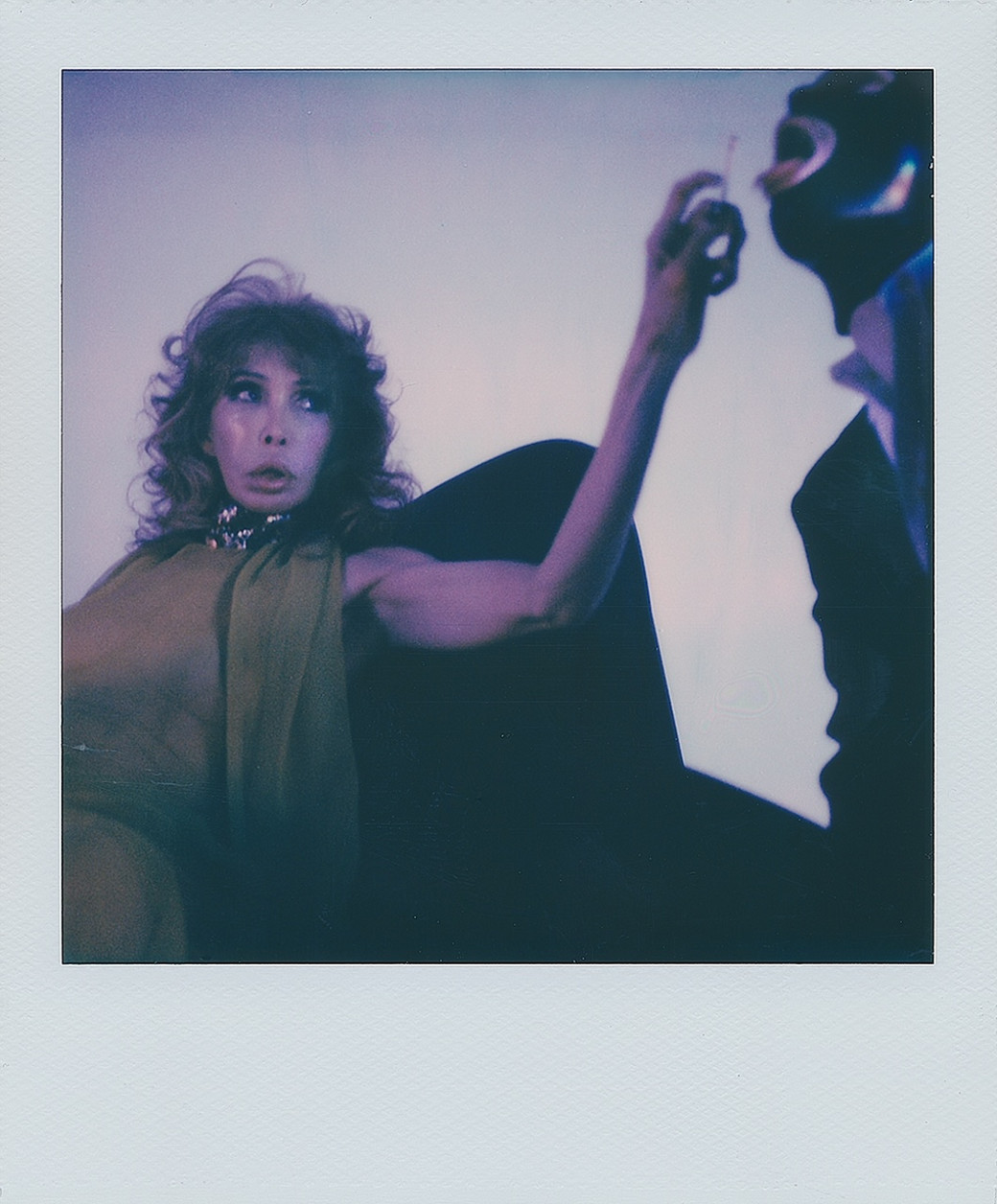
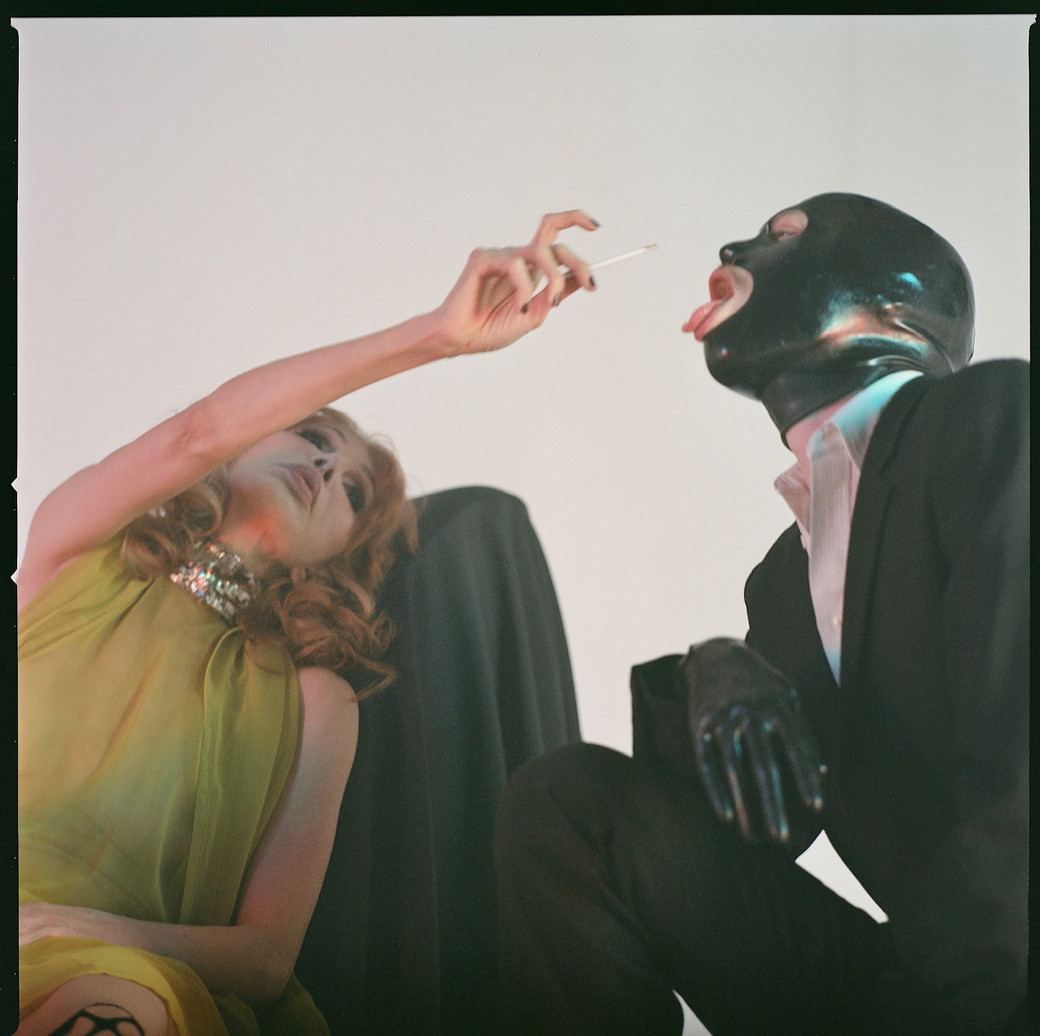
Lamar is a muse for the ages, a lens through which we can explore the love within both our hearts and others'.
Check out the video and photos below.

office sat down with founder, Monica Wesley, to get the tea on this matter: why brands are censored for showing all-gender and size inclusive imagery.
Non-male bodies have been policed since the dawn of time, and this is a continued issue on today’s platforms. One can be sexy but not sexual, especially if it’s from the point of view of the male gaze or serving the male gaze. When the woman or non-man has the agency over their body, when they’re the one in control, suddenly the image violates community guidelines.
You may be thinking, “No way, I’ve seen lots of models and influencers post sexual content on Instagram that doesn’t get taken down.” But how many of those influencers are fat or plus sized? How many of them are queer? Disabled? According to Wesley, the system is seriously working against these groups.
Monica showed office two images that were left up on Instagram. One of a man with a naked woman draped over his shoulder like an object, taking a mirror selfie with his phone strategically placed “censoring” her. The next is an influencer’s photo of herself in lingerie. These photos are acceptable to Instagram, while Uye Surana’s product representations seemingly are not. “Clearly Instagram does not treat accounts the same,” Wesley explains. “These are both examples of content that by Instagram’s standards should not be discoverable across their platform and maybe one might argue that they should have been removed based on other similar content they have taken down in the past.”
Uye Surana has been flagged for “overt sexualized positioning,” and has suffered from Instagram’s recent “Sensitive Content Control” that was put into affect this past summer. “We’ve always received product violations… on a regular basis. While I consistently submit appeals, which usually get the products approved, this is only a temporary solution. Facebook continues to review our products frequently and takes them down for the same violations.” Uye Surana is not alone in this struggle. Many other small businesses that market lingerie, undergarments, or anything related to sex or sexuality are censored consistently. The excuse is that it’s about censoring sexually explicit content, though we see that when the woman is thin enough, or the photo is tailored to the male gaze, suddenly it’s acceptable. So, it’s really not about sex. It’s about control.
The more Uye Surana has attempted to correct this issue and recover their outreach, they’ve noticed their content continues to be pushed further and further away from their followers and from discovery. Wesley notes, that the Sensitive Content setting “limits and does not differentiate between ‘sexually suggestive or violent’ and ‘drugs or firearms’. So they are saying you have a choice if you wish to seek out ‘Sensitive Content,’ but clearly you don’t actually have that choice,” she claims. This is why censorship is such a slippery slope. It’s a question of what these platforms really are protecting us from, and why. It’s a question of choice - shouldn’t we have one? Who are the victims of accounts like Uye Surana, who are trying to offer a wider variety of people something to feel sexy and confident in?
Below is our conversation with founder of Uye Surana, Monica Wesley. See what she has to say on this matter!
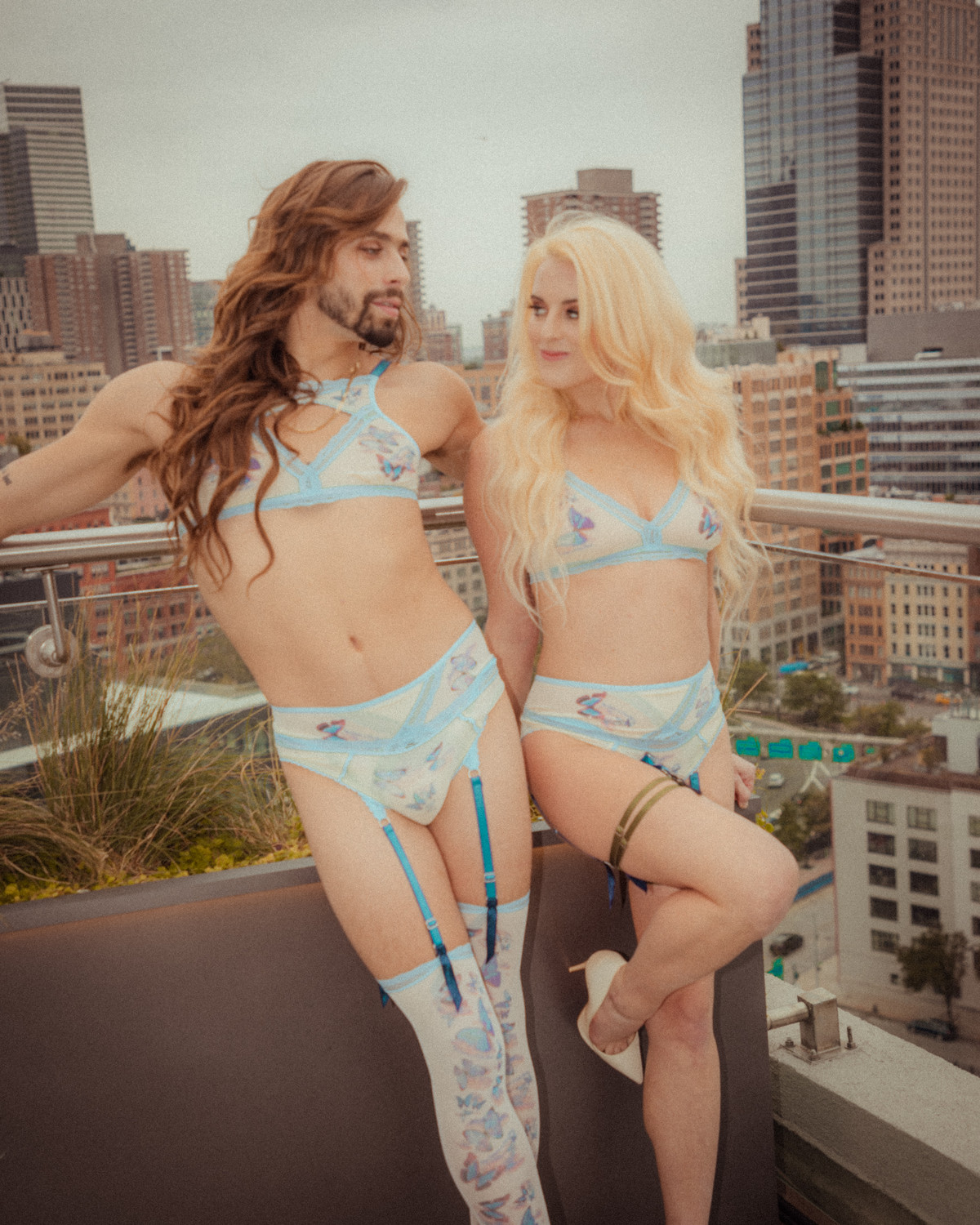
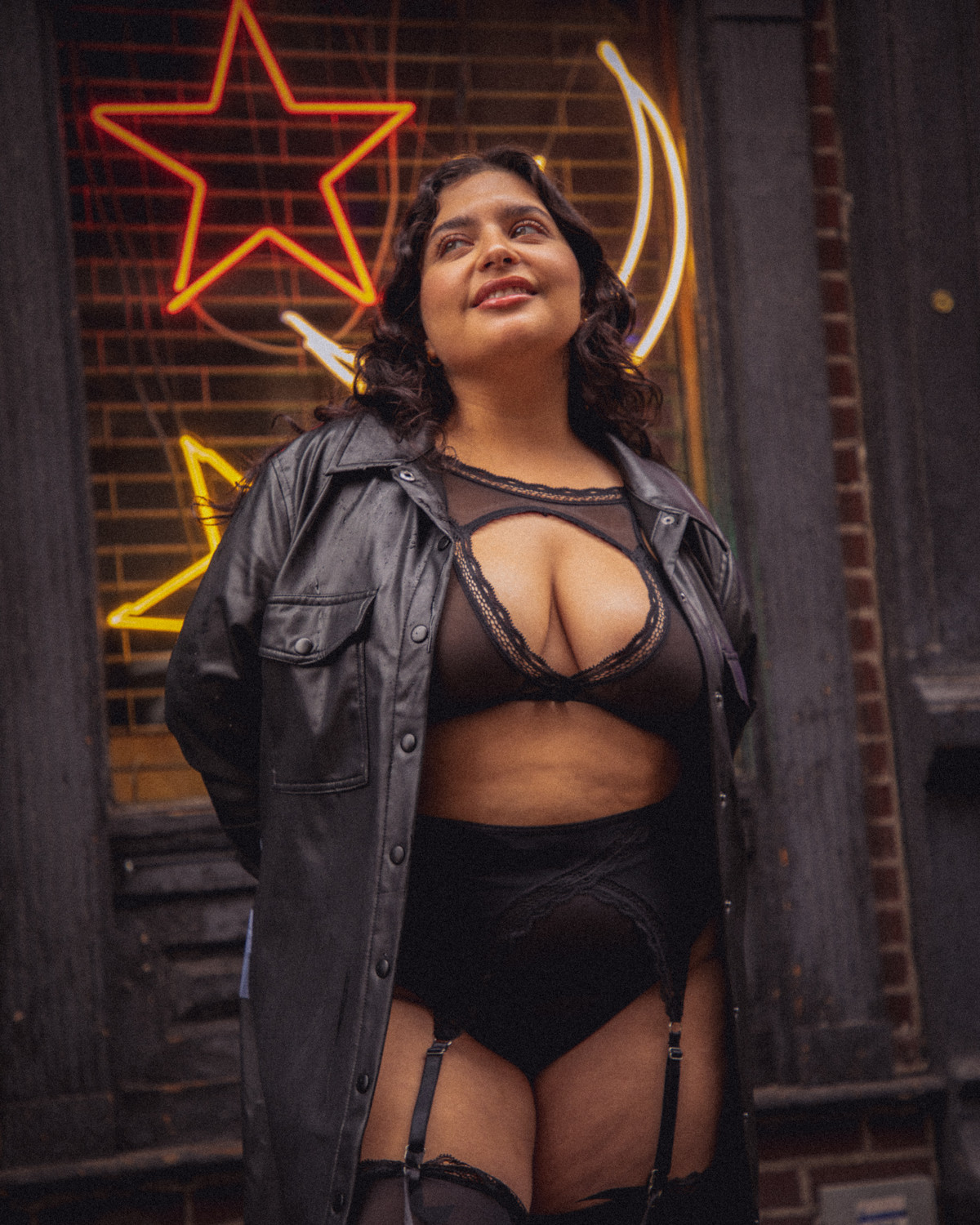
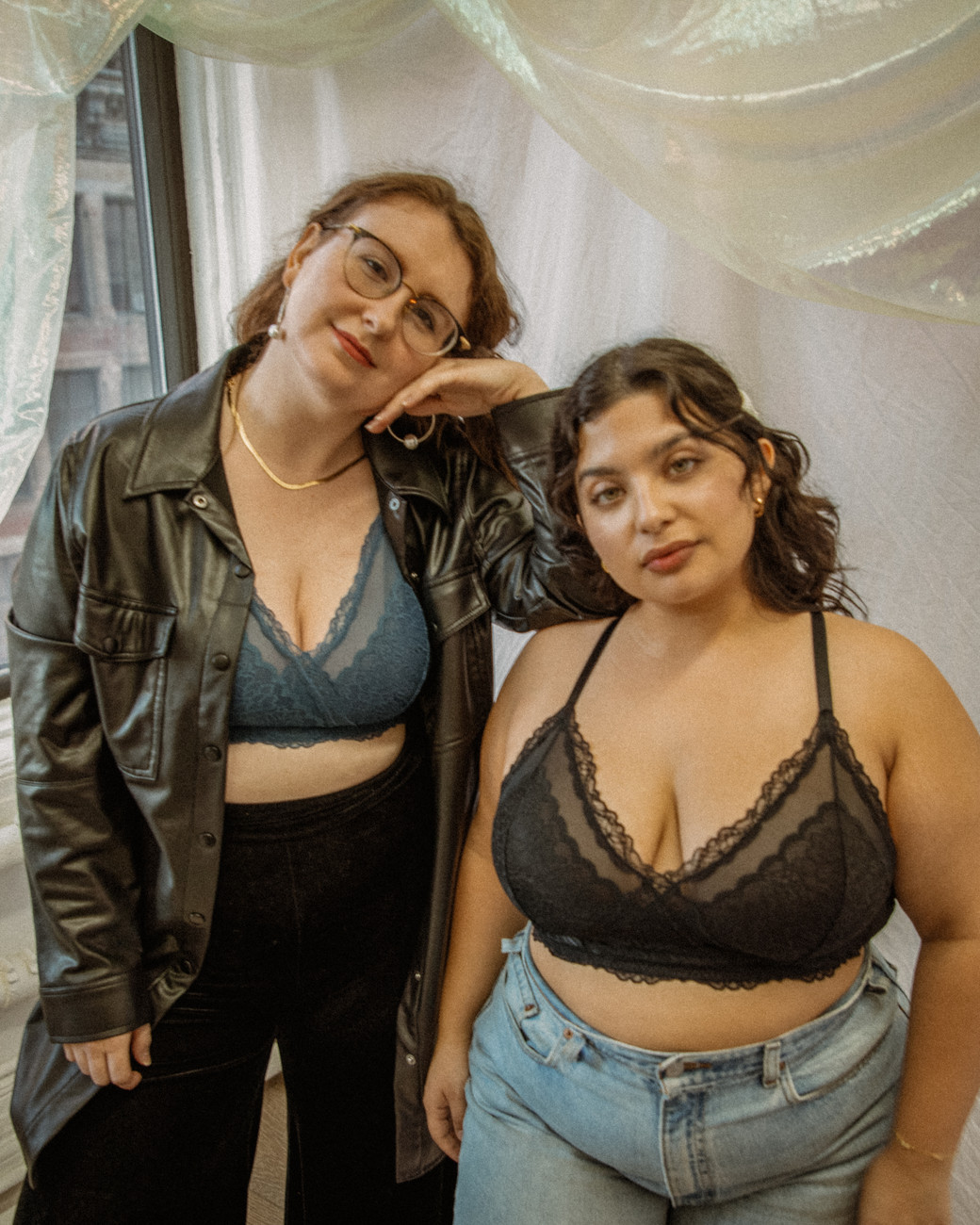
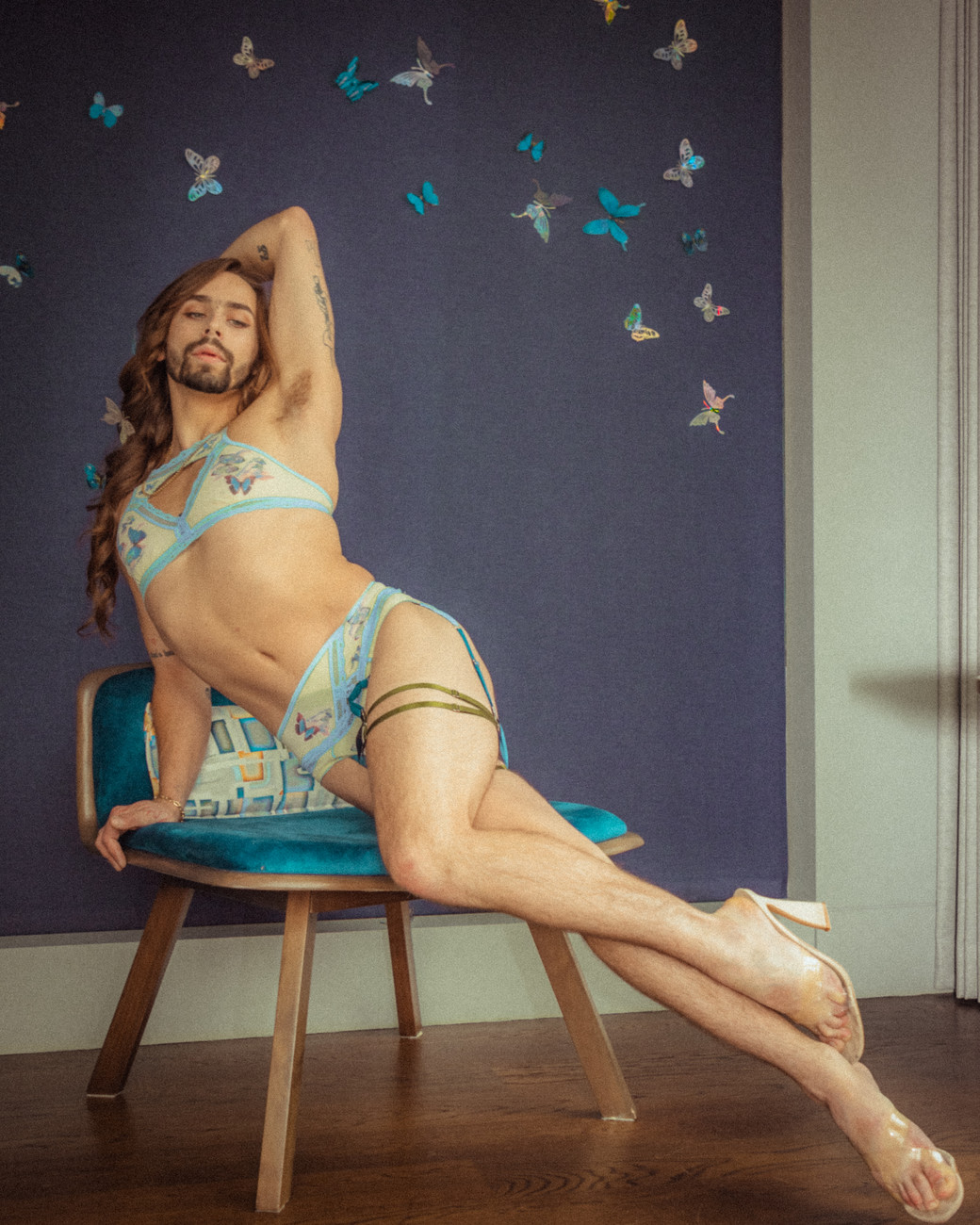
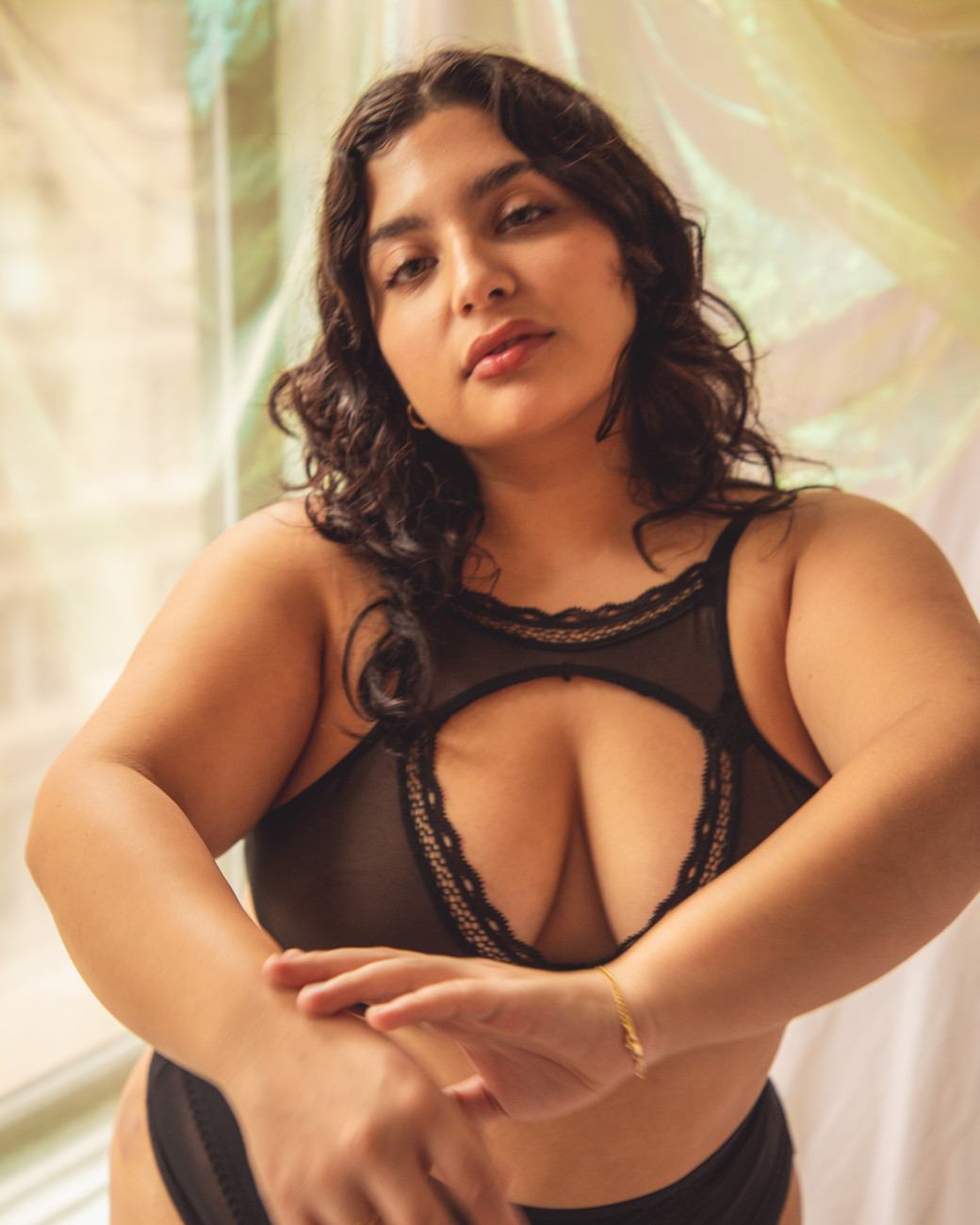
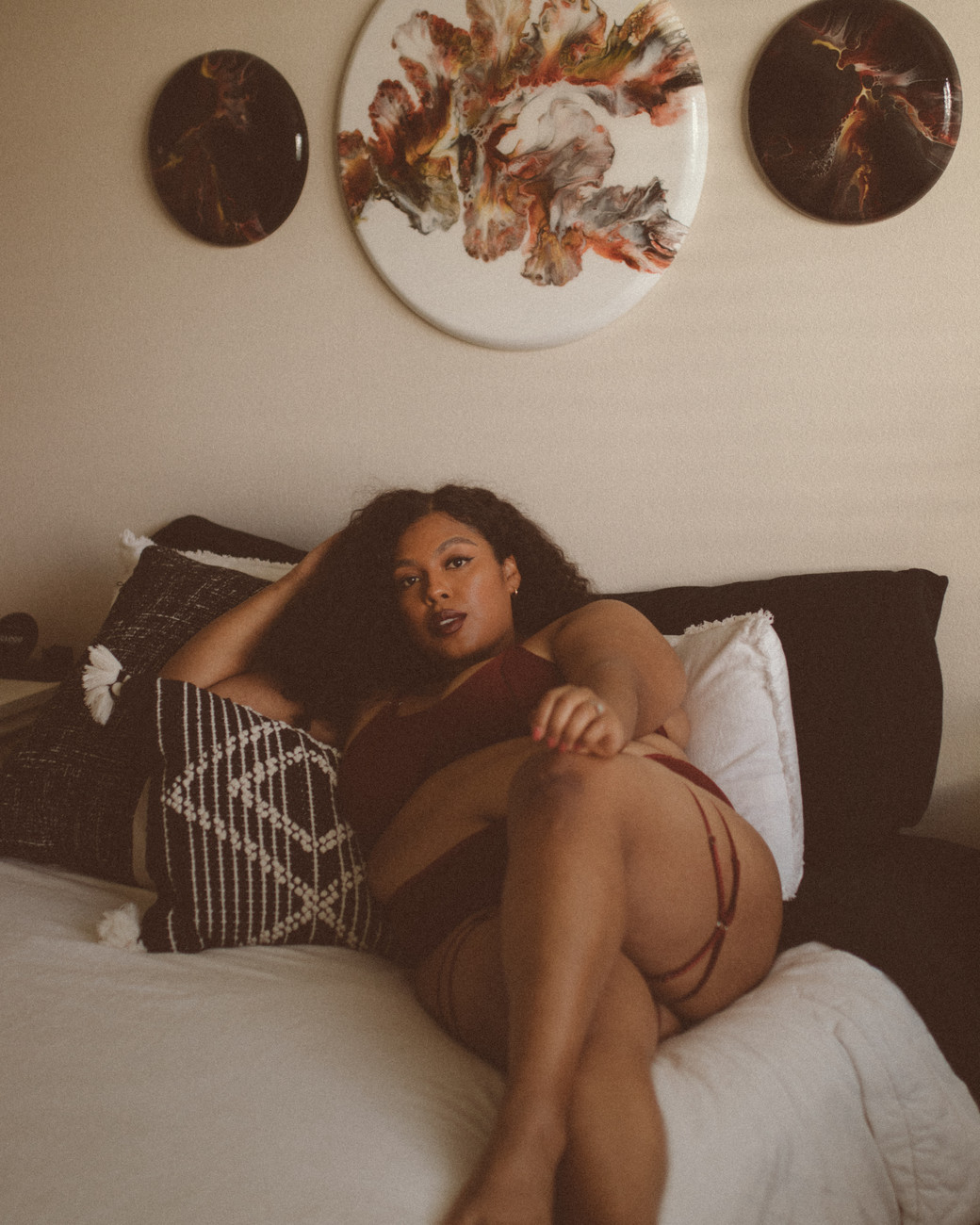
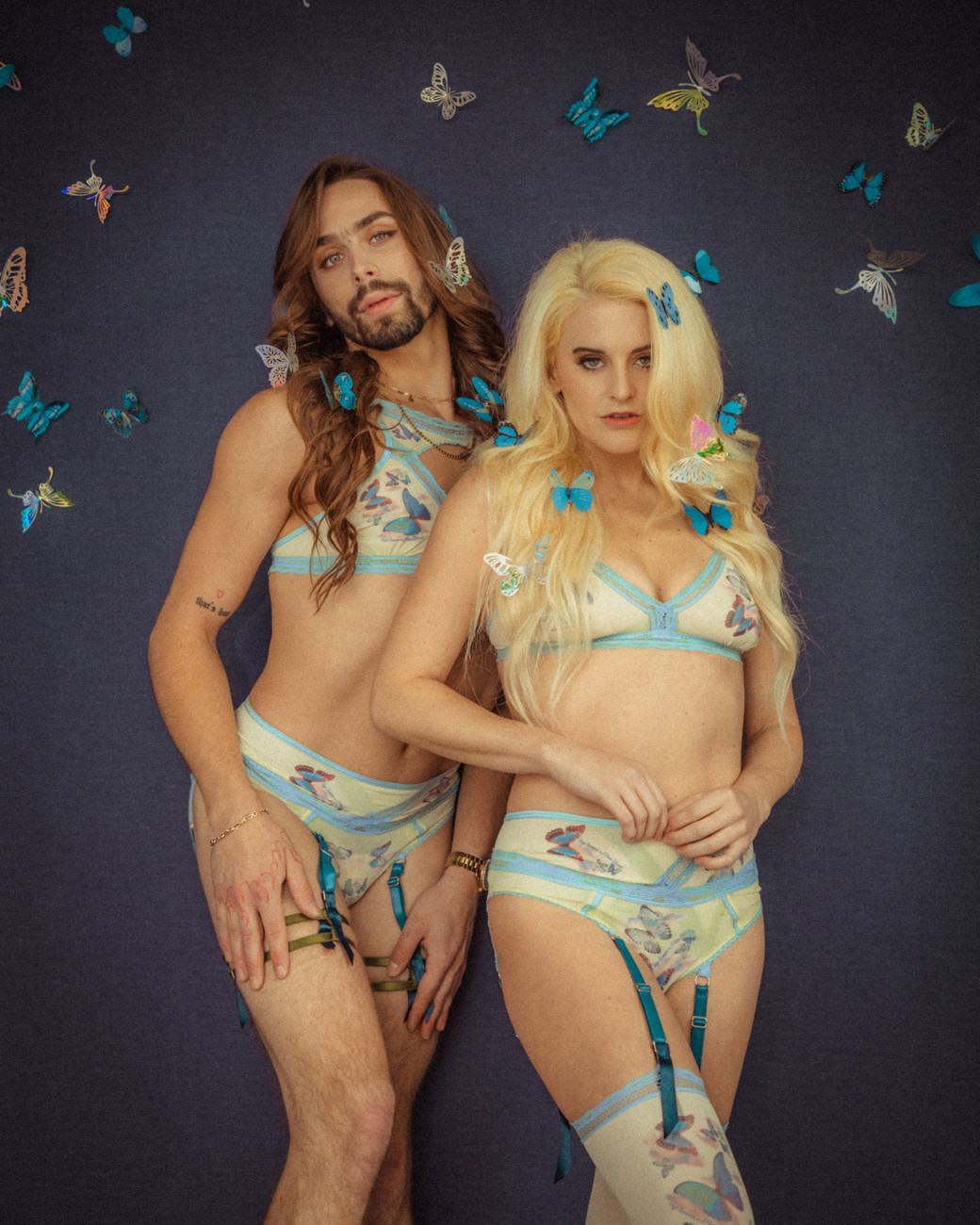
Above photos picture Dale Keswick and Rachel Lynch, then Gina Sophia Zamudio.
What is the mission of your Uye Surana?
I founded Uye Surana in 2012. During my time, it was developing garments that were intended to be both as comfortable as they were beautiful, and we focused on soft lingerie and adjustable styles. Empowering the wearer to take control over their undergarment. Have it feel like it fits well, it looks good, give them some ways to adjust it during its lifespan.
Do you think your goals have shifted since 2012 when you launched the brand?
Yes, little by little I wanted to include different groups of people and be able to develop garments for them. Having a background in design and being very perfectionistic, I had to work with different people first to be able to find garments that would work with different body types. I began with expanding our bralette range sizing to accommodate more of a small back and full bust woman. Then, shortly after that, I expanded our size range to 2XL, 3XL, and worked with fitting people who were plus sized and learning what the difference is and what their needs were. As I’ve gone on, I’ve begun to see different groups of people and try to think of how they can be included in the design.
What kind of instances of censorship have you come across? Why do you think this is?
I have been working using Facebook and Instagram since the beginning of when these products were available to brands. I, as a small business owner, had to use them to build awareness for my company, and I’ve invested a lot of time into them. I’ve experienced from the beginning that they’ve allowed products to be tagged on Facebook and Instagram that they are constantly going through this frustrating cycle of disapproval. Where first they go up for approval, then, during the process, a few of them, a lot of them, whatever, get rejected. There’s not necessarily anything you can find different about it. In the replies that they give now, ‘cause I had actually looked over -- I had taken some screenshots when I was frustrated back in 2019 over their rejections of products, and then I looked at them more recently -- and the replies have become even more vague. All that they say now is that the products are rejected due to “overtly sexualized positioning,” and that that should somehow be corrected. Not how one can correct it. I mean, I am so careful with how we promote. There are no exposed nipples, no exposed anything. I blur things out, we always use covers. We’re super, super careful. But, somehow there’s always some way, and you’re always left guessing because they’re not clear guidelines. I’ve been very frustrated trying to look for information and articles. I’ve actually spoken to a marketing expert from Facebook that, when you have a brand account, one of Facebook’s marketing experts will reach out to you from time to time to try to set up a call and see how they can help you successfully run ads. I met with them to get some insight into how I can get these products approved [for advertisement]. I can submit an appeal, and sometimes they get approved again. Probably a handful still get rejected no matter what. How can I fix this? So, I spoke to the marketing expert, and they were surprised and had never heard of this issue before, which, to me, was really surprising. They said, “Well, you know what? I’ve actually never worked with a women’s lingerie brand before.” He noted he had worked with a mens underwear company. I asked if any of their products had gone through this and been rejected, and he said, “no, never once.”
It’s a situation I’ve dealt with for as long as I’ve dealt with the platforms that I’ve largely stayed silent about because how most people view my work is through a brand. They don’t see me as a person who might speak up about things that bother them. But I’ve been experiencing it, and then in 2019, Instagram came out with this “demoting of vaguely inappropriate content.” There’s only one article on TechCrunch that provides two examples. I tried to find so much more information on how to get around this, but there’s only that one article out there. It’s a woman sitting three quarters in an opaque bra and some panties on a bed smiling, and a close up shot of a man wearing jeans grabbing his crotch. Those are the examples that the platform provides as vaguely inappropriate.
As a lingerie brand, I don’t really have an option. The content is already downgraded by the platform. On top of that there’s now this "sensitive control." Another level of downgrading. They’re going to “give you a choice,” but the default is that you will not see content that is potentially offensive, which is sexually suggestive or violent, could be about drugs or firearms. Any of those four categories they’ll limit out. They won’t give you the option of deciding for yourself what you might find offensive. Most people are largely unaware of that. There is really no choice. There’s censorship on top of censorship. It’s a little disheartening. I don’t know what else I could say.
That’s understandable. I find it disheartening, and I’m not even in your position. You’ve suggested that gender and sex is a factor, how does body type and race play into it in your opinion? What other factors are there that you believe affect censorship, too?
I’ve long seen conversations and known that body type, like if you’re a plus sized or larger body, the skin ratio is automatically going to be censored because there’s more skin to be shown. There’s a big demographic of people that have to cover up a lot more in order to have their photos be shown.
So, your brand being a brand that focuses on accommodating a lot of different body types means it’s automatically going to be censored more over brands that only pay attention to XS-L sizing, which is really unfortunate and not fair.
Right. It feels like my brand has kind of been doing things a little bit before they’ve become popular for bigger brands to do them. We’ve included different groups and thought about different people before it was even on the radar for big brands. A lot of the reasons that Uye Surana’s audience follows us is because they feel inspired. They know from a deep place that we want to show them, and show them different types of people to the best of our abilities. A lot of diversity, body type, race, gender, whatever areas we feel like we can. That’s a lot of why our audience follows us. So it feels really difficult, because the things our audience wants to see are the things that have to be censored and hidden from the platform. And things they don’t care as much about are the things that are acceptable. These things work against each other with factors of trying to get past an algorithm that just cares about likes versus trying to get past censorship. So those things combined make it so that we’re at a kind of plateau level that we can’t really -- even though I see people follow us every day, I’m like, You’re not gonna see our content, it’s not going to show up on your feed.
It’s all so ironic because it’s okay when there’s a man present who has agency, or it’s okay when it’s for the male gaze.
It’s okay when it’s shown through a male lens. That’s what really baffles and upsets me about this image I sent you of this man holding a naked woman over his shoulder like she’s some sort of prized cattle, and just to censor one part of her body that absolutely could not be seen with his cell phone to capture the moment. That’s what can be seen across the platform on the Discover Page? Because it’s through a male lens. If a woman does it then it’s not acceptable. These are not things that you can say that the platform says, because the platform doesn’t want to say anything. But, after observing for so long, these are the only things you can conclude because it becomes very apparent over time. This other photo, next to the man with the woman over his shoulder, this influencer with the see-through top and her nipples are showing. And the product image below of the model with a mesh top and her nipples are showing. I can’t really sell mesh products. They often get rejected even when no nipple is showing at all. I think it is possible the platform is internally labeling, like, This is a brand that constantly violates policy, or We know it’s a lingerie brand that isn’t acceptable to us.
I can’t help but think it has to do with the size of the breasts as well.
I try not to think that something is happening unless I really know it’s happening, and to a certain extent, you really know it’s happening. I think what definitely happens is that you can show the body every five posts. You can show a woman in a bra and panty set. But the other four or more posts are all a jacket and a coat. Occasionally “violate policy?” That’s okay. A lot of time I see the image of them in almost nothing does better than the images of them in a dress and blah blah blah. But if every post you have is like that, I think they label your account and hide all your content.
Well I really hope this interview reaches some people and helps in whatever small way it can. The hypersexualization of women, bigger women, women of color, it’s an issue I really care about that I believe is largely at play here.
The fetishization.
Exactly. The larger message is repeatedly pushed to society, not just on social media, but that women’s sexuality and our bodies are only allowed to be sexual through a male lens. Or are only appropriate to be viewed through a male lens.
Yes. That’s very true. You can’t let women have the agency to profit off of that. Only men can.
Yeah. Makes my blood boil. So what can people do to help combat this issue that you and your brand are facing?
It feels as though, as a brand, our voice has been taken away. And so by trying to speak out and bring awareness, when I initially spoke to my colleague Katie, that’s when I wrote the first press release we sent. That’s when we posted the video about the sensitive control and to turn on the “allow” feature. But at this point, there is no small “turn allow” feel. It just feels like there really is no awareness toward this at all. It needs to be more of a conversation. When you think about it, our content can’t really be seen. It does affect sales, we can’t tag products, Facebook and Instagram want to push their “Shop” section more, it’s not really a big possibility for us. These things do affect women, non-cis men. They affect your livelihood, your freelance, your income, they affect businesses owned by these groups. It’s just, you know. The people in charge of these things don't want any of that to change.
Why do you think Instagrams like the Fenty X Savage account are able to post raunchier things? Do you think that has to do with followers?
It’s also because, like, if you’re a celebrity you can do more things. The bigger you are, the more resources you have. They probably have better connections to Facebook and Instagram because they spend more money there, they might have more of an “in” and be able to get past these things.
But in terms of what people can do to help Uye Surana and other small brands that may be experiencing this, to add to your answer, would be to support those small brands and maybe share their pictures on Instagram…
Sure. Support, share, comment. Don’t assume the brand is expecting you to buy. We also just want to engage with our followers.
That’s a really good point.
We love when people send us photos when they do buy something or comment what they like or what they’d like to see more of, why they follow. It becomes ever so much more feeling silenced and you can’t do anything about it when your audience is cut off from you. Just engaging.
What makes your brand stand out from other lingerie companies?
I think that it’s a unity of the design and the comfort level and the putting the wearer in control of how their garments can fit their body. Offering all of our styles through our full size range, working with creating unique prints and things that are fun and playful and reducing what waste we can with our dying processes and techniques.
What inspires your designs?
I think a lot about the functionality and something fun. I like a lot of different lingerie that can be incorporated into your outfit or plays with outerwear ideas and plays with something different. For prints, I really like researching and looking at different nature imagery.
I think that definitely comes across in your designs, especially in the high neck bralette; that piece is so functional for a cute outfit or as an undergarment. Lastly, when do you feel your sexiest?
My hair when I take it out of a bun, and it has perfect waves for, like, 15 minutes. Good skin days, boots I can walk in, lipstick, stockings, and matching lingerie sets that coordinate with my outfit. Like, from outerwear to what's layered underneath!
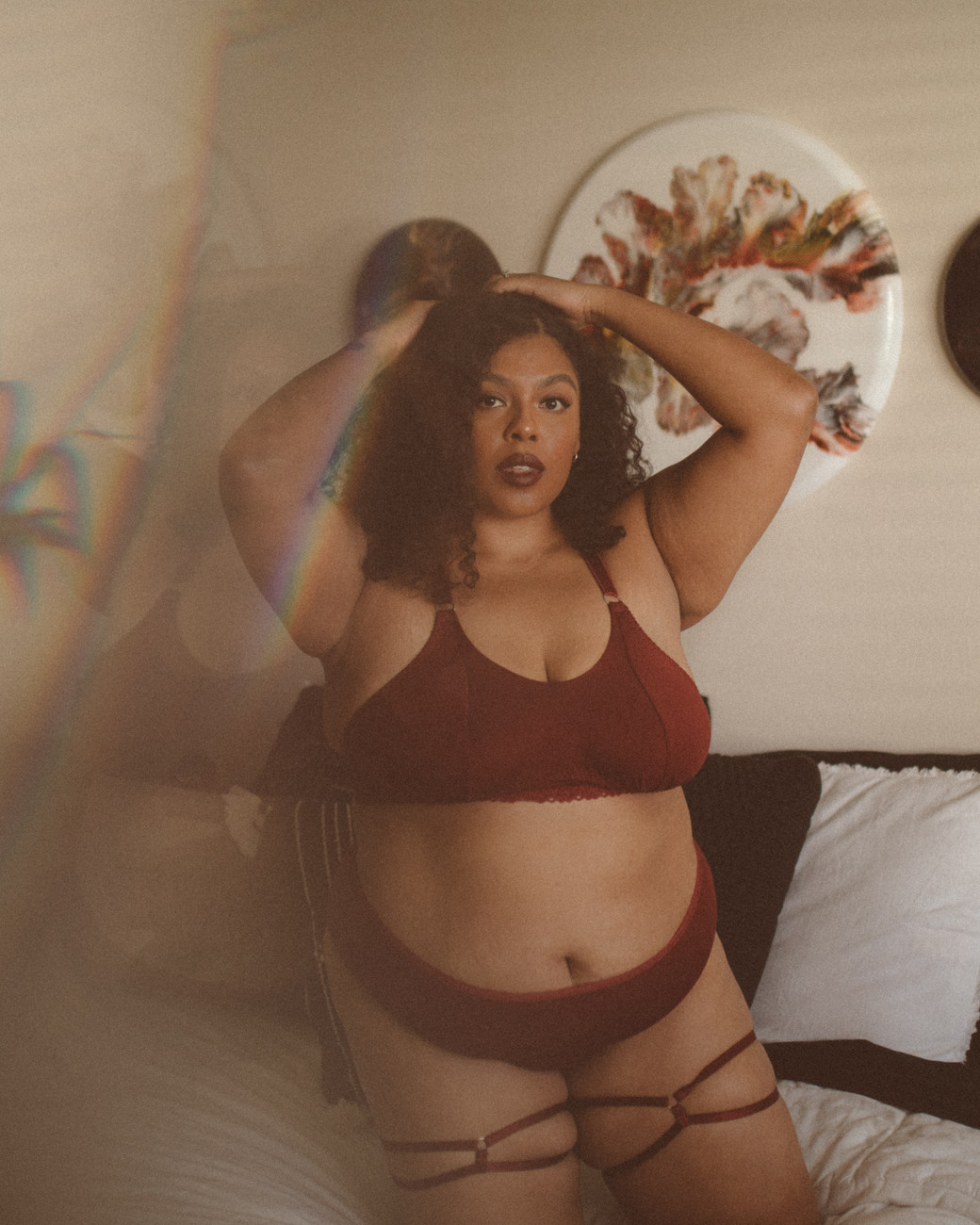
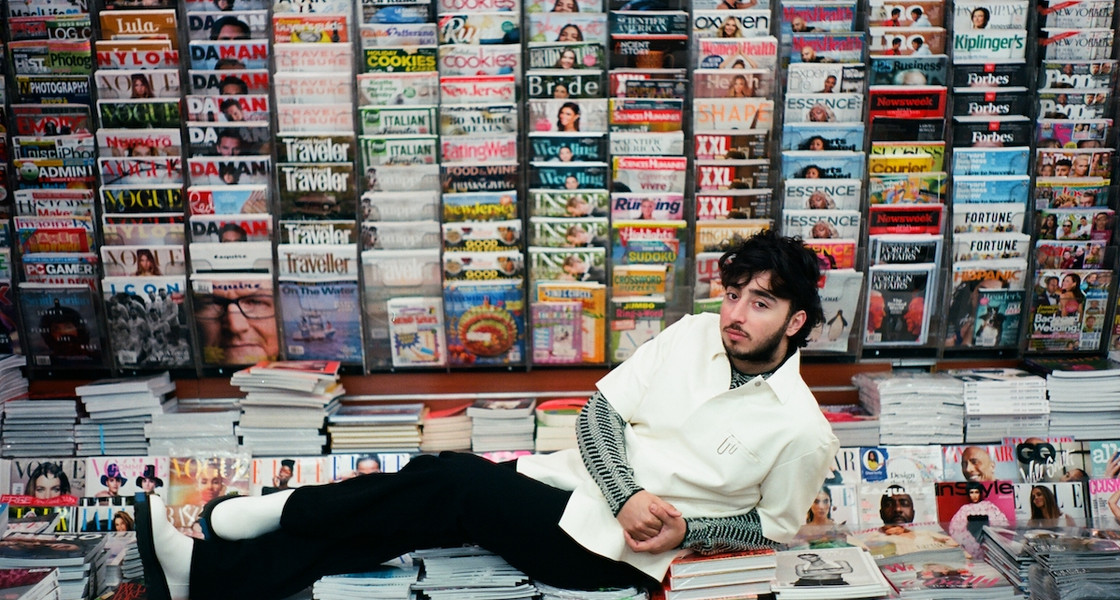
Field Trip Records was founded in 2018 as an independent record label born in Los Angeles that forms a global outlook and outreach. What’s different about Bia’s label is that it remains uniquely independent while collaborating with other major labels, all the while keeping an “artist first mentality.” With Ssg Kobe, HVN, and Mallory Merk under his belt, it’s imaginable that Field Trip will turn into something beyond its imagination.
Even though it no longer remains a question, office caught up with Bia to find out who he really is.
So, there was a change from being just a regular college student, to being the mogul you are now. How did that change your mentality, the way you think, and the way you live your everyday life? Because it did seem like it happened all so fast.
I'll probably say this, I have a ton of friends that are young and really successful, right? And it seemingly happened to them one, sort of overnight, and two, at a very young age. Whereas to me, I think things are really gradually happening. So since it wasn't like some overnight thing, I was just sort of growing up with things that were happening. So just the mentality of it — I think it's not like an overnight change. And I think, I think the key is just — if you asked my best friends, I've always been the same person. It's just, you just start to work on different things and start to manage your time differently, but it's, it's, you have to just stay consistent throughout.
And what were those things you started putting more intention in and more time in?
I always wanted to work in music. I was wanted to DJ. When I was like 8, 9, 10 years old, this is when started becoming really popular, everyone would give me their iPods and pay me to curate their iPods for them. So my first hustle was like playlists maker. That's how I bought my first video games and stuff like that. And, so I always wanted to DJ, but it's sort of funny because it's like where do you start? I mean, I've been DJ-ing for years now, I've DJ'd all over, I've DJ'd festivals and all kinds of stuff. I do it because I love it, but I was wanting to work in music overall. So I was trying to figure out if I was going to do management, or start a record label, and build these things. And a couple of years ago, it came to a point where I've been working with young artists and established artists in a bunch of different capacities. And I had a couple of friends that were doing the same and one of our mentors, big brothers, came to us and was like, "it's time, you're going to start your record label." And, I haven't looked back since, I mean, that's everything else that I do, even if it's DJ-ing or throwing an event, it all feeds back into what I actually work on every single day, which is the record label. So we've signed some amazing artists and that's changing every day. You know, during COVID, now that shows her back, the strategy of how you roll out music, how you promote music, how you make music changes. So every day we're signing different things and working on different rollouts. We have a ton of music coming out.
So you were a really big music nerd growing up. I know you like J Dilla. What is your favorite J Dilla song?
There are just so many. He was so ahead of his time, considering the technology back in the day. I don't know I'm looking at all of these Slum Village lists, Pharcyde Tribe called quest beats. I don't know if I can pick one beat, but I think he's definitely one of my favorite producers. I'd say Pharrell, obviously — one of my favorite producers. I think when you settle in the nostalgia, you see how other records age, but like, I guess, you know, all that early Neptune stuff was so — people don't realize how much it changed pop music in general. Like Justin Timberlake's solo work, and that whole era of like, even like Timberland, like that whole era of pop music was insane.

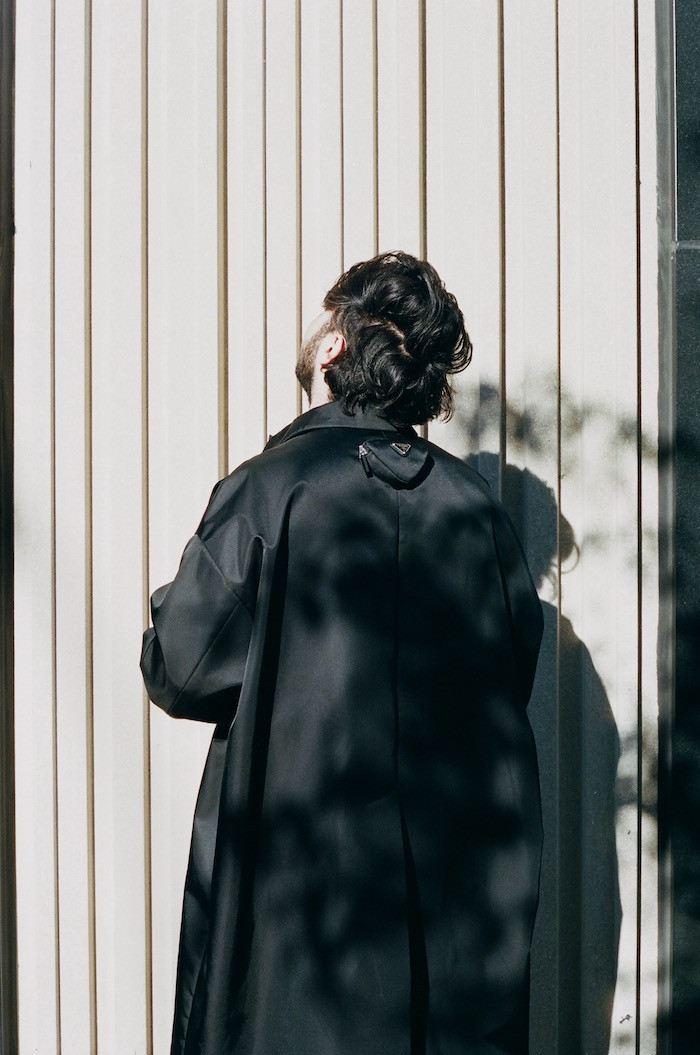
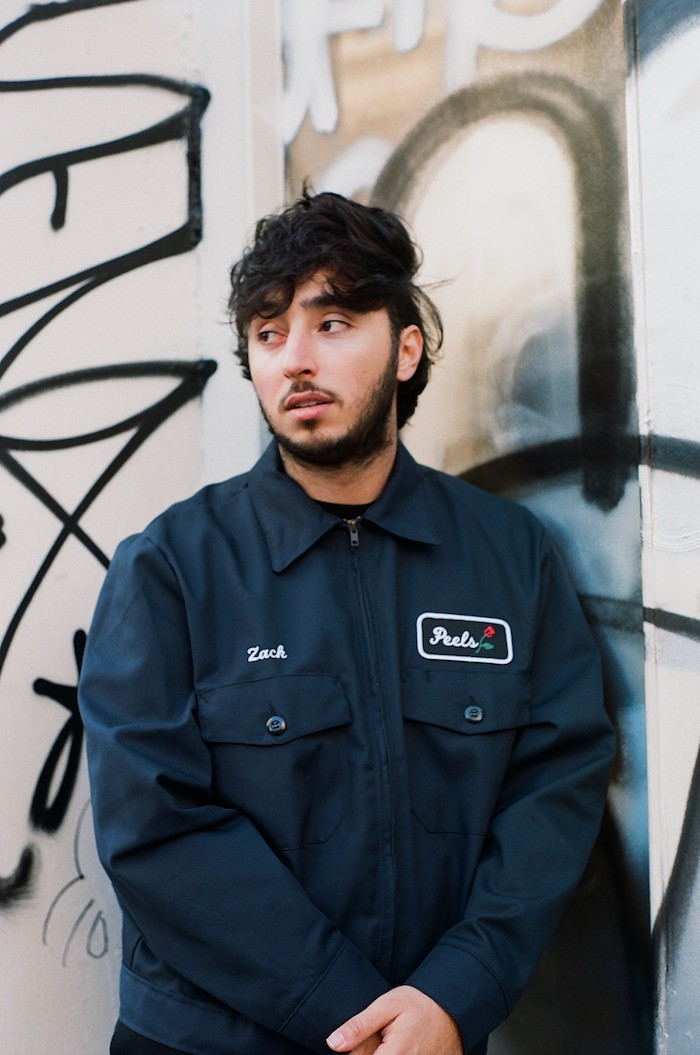
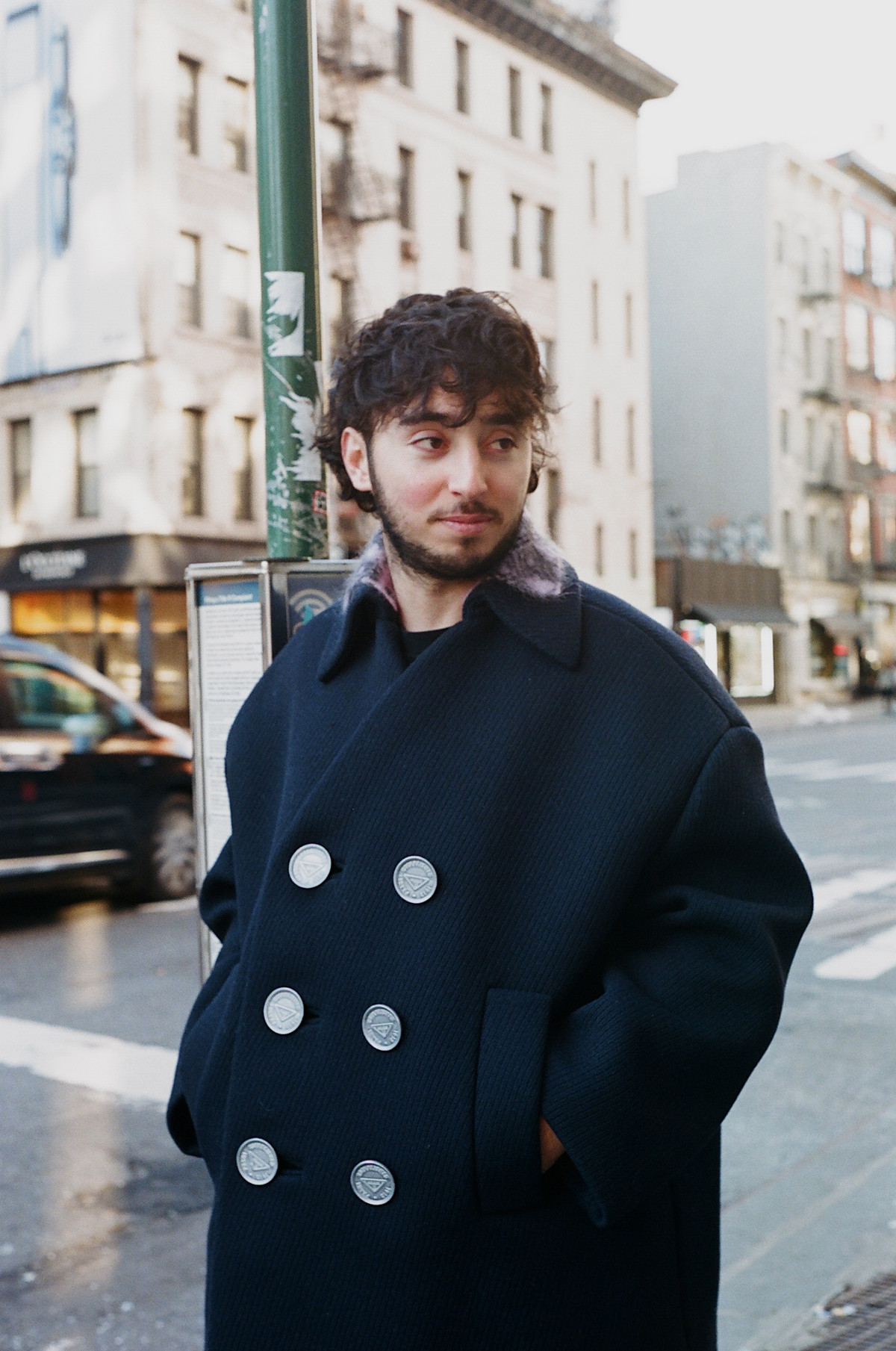
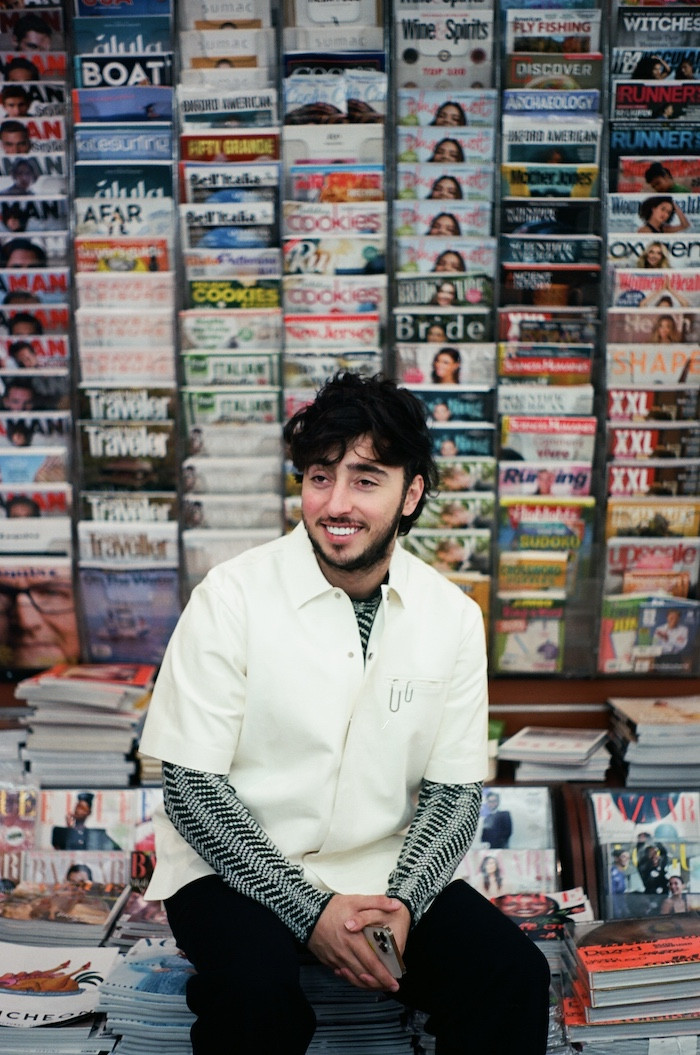
Jacket by Prada, Shoes by Prada, Pants by Off-White, Jacket by Peels.
What are you looking for in an artist that you love to hear in other music since we're speaking of nostalgia?
So, we work with this artist Yeat, and so the parallels we'll make is like when you see an artist — and you know, comparison is a tough thing, but especially when you're comparing artists and they're so unique. But take an artist that Young Thug for example, who's such a strong individual has own lingo, his own way of dressing, his own sort of like universe built around him. And I think anytime you see an artist that has their whole own movement that people are following. Like Yeat has his own lingo, his own way of dressing, his own sound. And he's like this new sort of combination of a lot of things from the past. He's like 1/8th Carti, 1/8th Yung Lean, he's like all of these things. And whenever an artist has all their own stuff going for them, you can help build that out. Because all we're really doing is — how do you take an artist's vision and make it reach as many people as possible? How do you help and give them the resources?
And what made you want to start that initiative, because it's one thing to be like, "Okay, I'm going to have one artist that I manage" instead of starting a whole record label? Because taking on that responsibility must be a lot.
I felt like we were uniquely positioned where we were finding all this stuff early. I was already the one that was like behind the scenes, introducing the younger artists and the bigger artists, and making those things happen. And then we realized like we were breaking songs through the club, we were breaking songs through showing our friends. We were breaking by being a studio and making these link-ups happen. And so we realized that we should sign our own artists and develop them and whatever. And you know, when I signed this kid, SSG Koby, and we realized as we started to develop him, there was a whole scene of kids that were also making similar music, and they're all growing. And it's kind of like this SoundCloud 2.0, whereas 2016, might've been like SoundCloud 1.0.
There's a whole scene that's carved out. And we started to see that we can give all these kids the resources and all these artists resources, and help them strengthen what they're doing. Through the live component, through helping them market their music, whatever. And I thought that we had a sort of new take on how to market and distribute music. We figured this is like our best way to tackle this, to start our own label, assign artists. And we have all the leverage with major labels anyway because they have the culture, the people, and the hype. And then the major labels have things that we don't have, which is global staff. And like the budgets that we want to unlock, or whatever. So we found the system where we keep our label independent, and we sign the artist, and then we take that individual artist to a major label and partner with the label, but only on that specific artist. And so we have no exclusivity anywhere we can kind of like move however you want. So like that model has been really successful for us.
And you do so much along with that, you work within fashion, DJing, and crypto — is this your favorite thing to do out of everything?
Yeah. It all feeds back into the music. You know, I grew up wanting to be around fashion, lining up for sneakers, and always wanting to be around, and reading magazines or whatever. We kind of like bust down the door and kind of like got into the fashion world. All that is just is — it's pure. We love it. And all that is if anything's cultural cachet to position our artists, everything we do feeds back into the music.
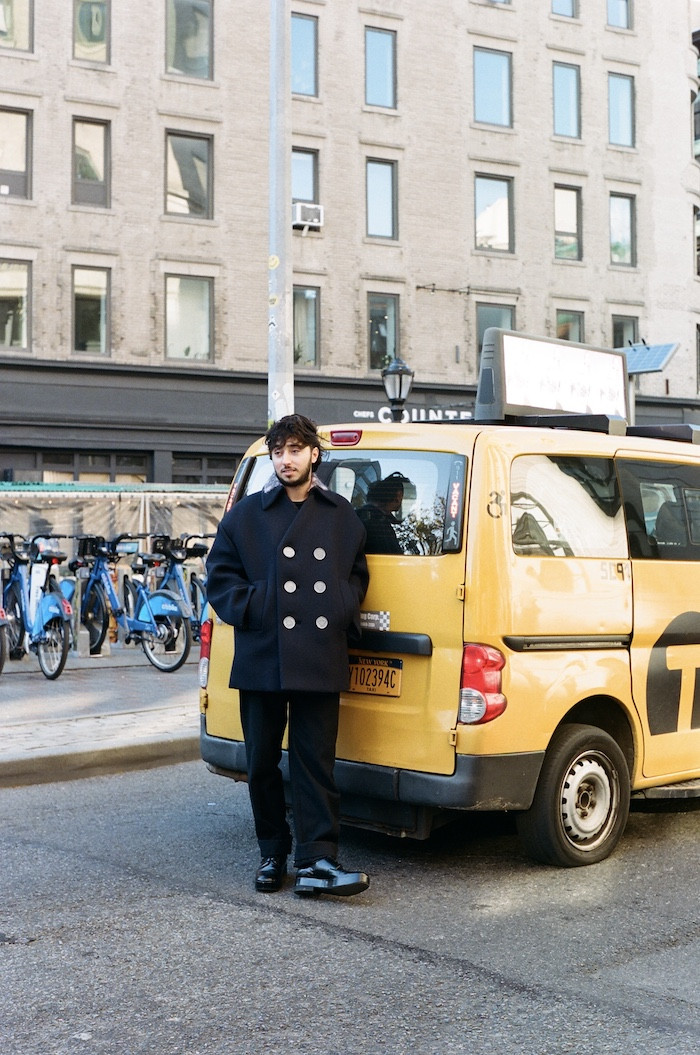
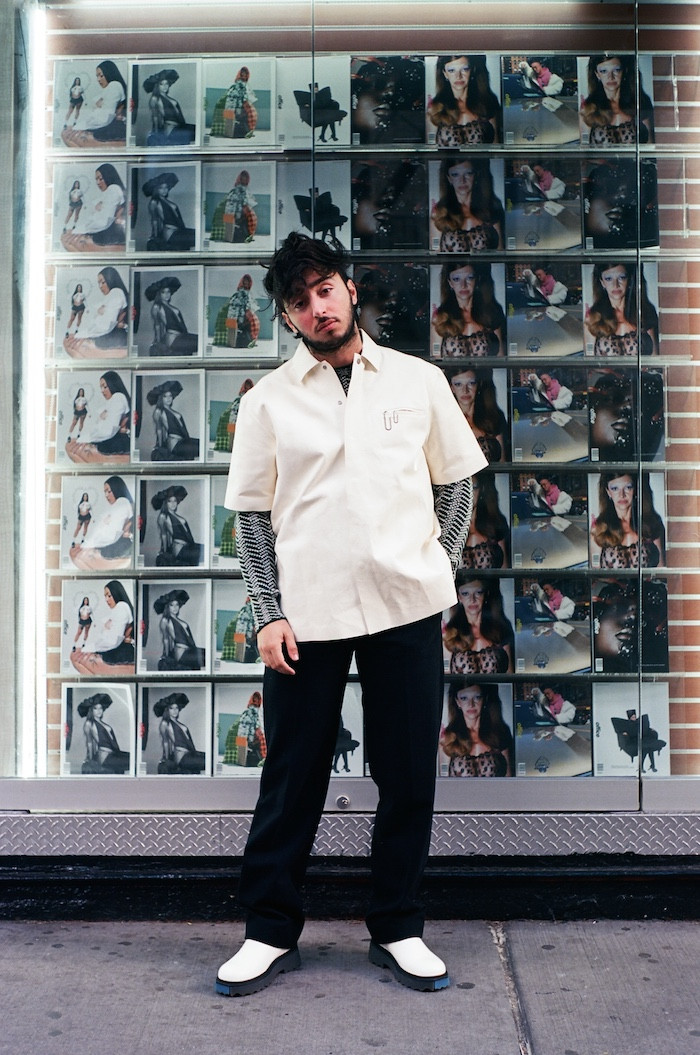
Top by Prada, Jacket by Prada, Pants by Off-White, Shoes by Prada
Would you move into film or scoring films one day? I think scoring movies is the most intricate and incredible thing anyone could ever do.
It's unbelievable. If you ever do something, you want to do it, right. Like scoring movies is an amazing thing. And if I feel like we're in a position where I can really do it justice and we can put together something really special and dedicate the right amount of time to it, then definitely. I want to get into film eventually. I want to keep building up the record label and then, you know, same way any other major, like media conglomerate — then into the film and all that good stuff.
What would you want to do in films specifically? Would it be the music side or would you like want to produce films?
Produce films. But, we're talking 10 years down the line.
I feel like sometimes when people think about you, they have this conception that you grew up as some random rich kid and like got access to fame through nepotism. And especially when we talk about clothes and culture, there is like a vulture mentality to it as streetwear progresses further into the mainstream lens. So what style did you have growing up and how are you implementing that into what you do in fashion now?
That couldn't be further from the truth, I grew up in Brooklyn, like three blocks from where Barclays is. And like before It got gentrified or whatever, you know, whatever happened to that area. I haven't been back in awhile, till recently, I've been going back now. My style came from like — well, one, I started going to a private French school, uptown, my mom's French. She put me in this French school and I was commuting, and you have to wear a uniform. So during the day I was like 'how can I like put this uniform together in a way that's like my own?' I was wearing like dress shirts and ties every day. And for me, it was like, 'what kind of cardigan I'm putting on?
What kind of shoe am I wearing? How am I cutting my pants?' But I used to skate every day. I stopped skating probably when I was like 13, 14, because I had a really bad bike accident. And I started playing sports and I was I was focusing on whatever, but like I grew up going to Tompkins Square every day.
You had skate dreams?
I had skate dreams, for sure. I mean, I was one of the first kids skating at L.E.S. Like I was little kid when it just opened, I was skating every day. I don't think people even know that. And that's how I started liking shoes. And I was wrecking all my shoes. My mom's like, "Why do I keep buying your shoes? And then you just put holes in them. Then you ask me for another pair, like the next month." That's kind of like where it all came from. Like my mom was French. She
was always putting me on to the coolest stuff and you know, hand me downs and vintage stuff.
I was always inspired, like I used to want to dress like 'The Great Gatsby' in the Robert Redford version, the 1974 version. And they were like knit sweaters, polos, and all that. And like that was inspiring and very French. And then obviously, I was skating every day and I was buying like Etnies and skate shoes or whatever. I was just figuring it all out. I never thought that I had to stick to one style. I was kind of just like, you can do all this different stuff.
Who's your favorite skater?
My favorite skater is this kid named Zach, he skates for Illegal Civ. Yeah. I just think he's smooth. It's just steez. You know, I went to high school with Mikey [Alfred] from Illegal Civ. Mikey's the greatest of all time. I love all those kids. And like every time he'll post a clip of Zach skating, I'm like this kid just so smooth. It's like just steezy on a skateboard. Like he hits all the swag points, all the style points for just for like how smooth he looks at the skateboard. But then like he gets like mad pop.
Well, I just like what Illegal Civ is doing so much because it's really highlighting that they're building a business around being friends. Like you can tell that these guys all love each other. You can tell that they're all like the best of friends, you can tell they go on these trips and they're just like joking around. They've got each other's backs and like through the skate videos alone, you can like see that camaraderie.
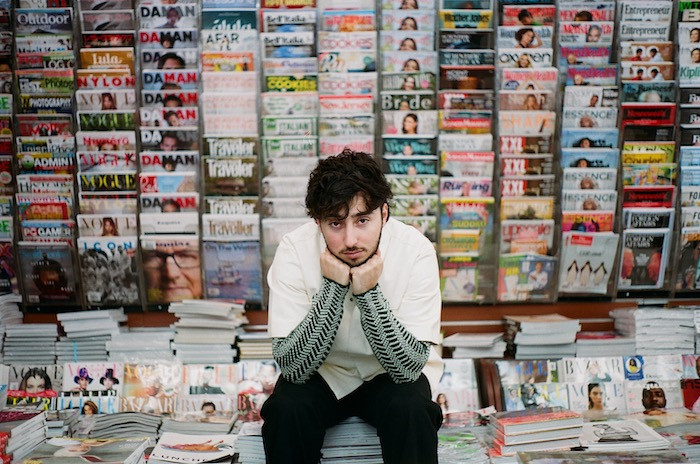
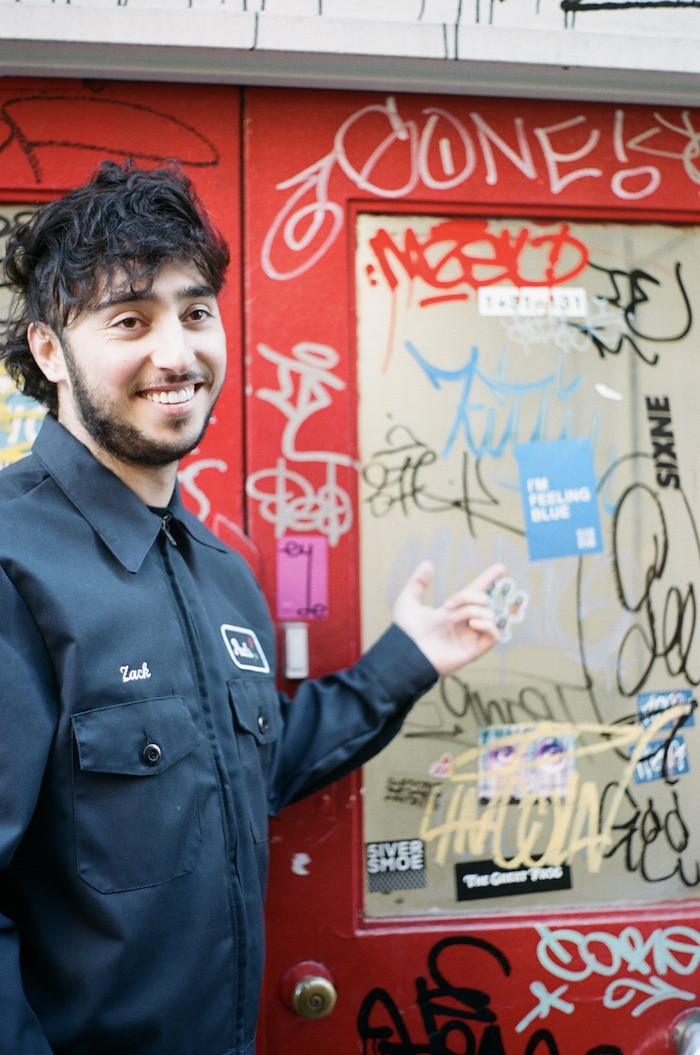
So speaking of business, I feel like people are familiar with you due to who you're seen with. I hate this word and act, because it seems so transactional, but it's "networking." What is your approach to it? Because I assume you don't do it in a sleezy way.
I never asked for any favors. I never asked for any favors. I think the only reason I have all these connections is cause I don't try to make all the connections. There's people that I met, that we became the best of friends five years after we met the first time because I'm never like trying to force a lunch or whatever. To me, I'm just like, let me just focus on what I can focus on, which is like building my company and building my things . And then, you know, do cool shit on the way and linking people up with other people. I always actually like to introduce people to each other and let them do amazing stuff. But sometimes it comes back around, sometimes it doesn't. The best ways that always supposed to be genuine. Kids are smart, right? Even talking about as consumers, kids can tell when you're posting stuff for your friends and kids can tell them when you're posting stuff that's paid for. So I tell people, if you're gonna post the music, do it because you actually like it. People will catch attention anyways.
Like, Field Trip— our record label, we just curated the music side of ComplexCon. So we curated the whole stage, and what do I do? I booked the whole stage full of my friends. Like, Lil Yachty who's a dear friend and never DJ'd before, but he's always telling me "I want to be DJ" So I was like, "yo, why don't you DJ for the first time? Like start selecting music. Like let's not even call it DJ-ing And it could be your first set of selecting music live." So his first set ever is on
our stage at complex. That's the whole thing, like how do you tie together friends? Like he sent me an open verse three months ago. He's like, "what do you think of these songs?" I was like, this is fire and sent it someone else. I sent it to this kid, Kobe who we signed. Kobe put a verse on it.
And we've been sitting on it for three months. We just kind of have it in the vault. The other day, we all happen to be in New York. He was staying at the Mercer, so I just went to go have lunch with him. We're hanging out. My artist Kobe landed at Newark because he had to come into town for a rolling loud. So he's landing and I'm like "Yo Yachty, why don't we shoot the video to that song right now?" And he's like "okay, bet." I hit Hey Kobe's manager, I was like "Yo, when he lands, bring him straight to the Mercer." So he comes to the Mercer, you know, 17 year old kids, fresh off a plane.
I'm like, "Yo, just go change in the bathrooms," he's opening his suitcase, changing in the lobby of the Mercer, puts on a fresh fit. I hit my two friends, one that has a VHS camera and one that has like a little handheld. And I'm like, "yo, both of you guys pull up to Mercer, one of you bring a beats pill." They all pulled up at the same time, I'm like just start filming and we'll just walk around the neighborhood. And we just started playing the song off of like a beats pills. The reason the video is cool is because it's just real and raw.
You were talking about people always wondering what you do. Has there ever been a moment where someone has been so bold and then come up to you and has said, "So what, what do you do? And what do you say?
It happens. I say " I own a record label, I DJ, a couple of other things, but they all lead back into music."
What do you like to do on your day off? Do you ever have a day off?
My personal life and work life is one of the same.
But what do you like to do in your free time? What are you and your friends doing?
I watched pretty woman with my friend the other day. Look, I've been out more than I haven't. So I don't know anything else. When people won't understand and are like "why are you always out and stuff?" And I'm like, you guys realize that throughout the history of like art, music, and business— being out has always been the most common ground. Because where else than like a bar, party, or a restaurant, can there be a skater, a businessman, an actor, college kid, and everyone's in the same room that are all brought together by either food or music. And so to me, it's a beautiful sort of place that if I'm not doing anything, why would I just be out with a couple of friends?
What are you, what is your biggest theory? Or words to live?
Be a good person.
What does that mean to you because that's pretty subjective.
So going back to like what we were talking about earlier, like how do you do things in the right way, like maybe network or whatever. It's like to me, where my life is so interdependent on developing places, dealing with art, artists are human beings and very emotional. It's a very personal thing to put your art into the world for anyone to consume. So it's like always make sure you put artists in the right positions. Like, I don't do a deal if it's only a financial thing, I have to be like an actual emotional alignment. That's kind of how I treat everything. So being a good person sounds like stupid and trivial, but it's that's the golden rule. Don't be an to asshole to anyone.
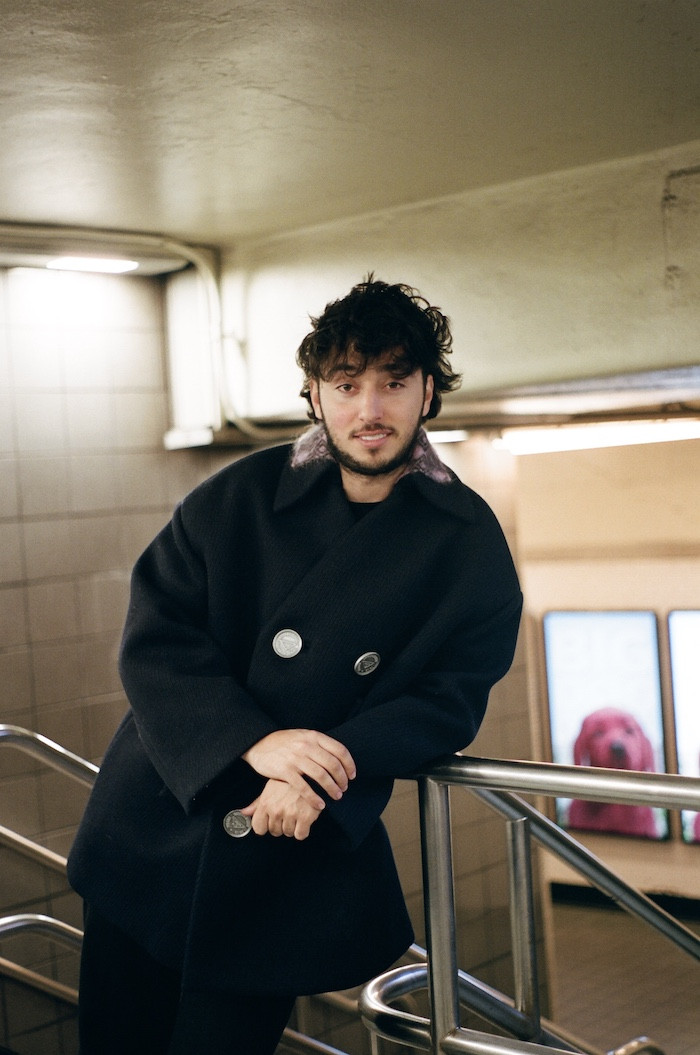
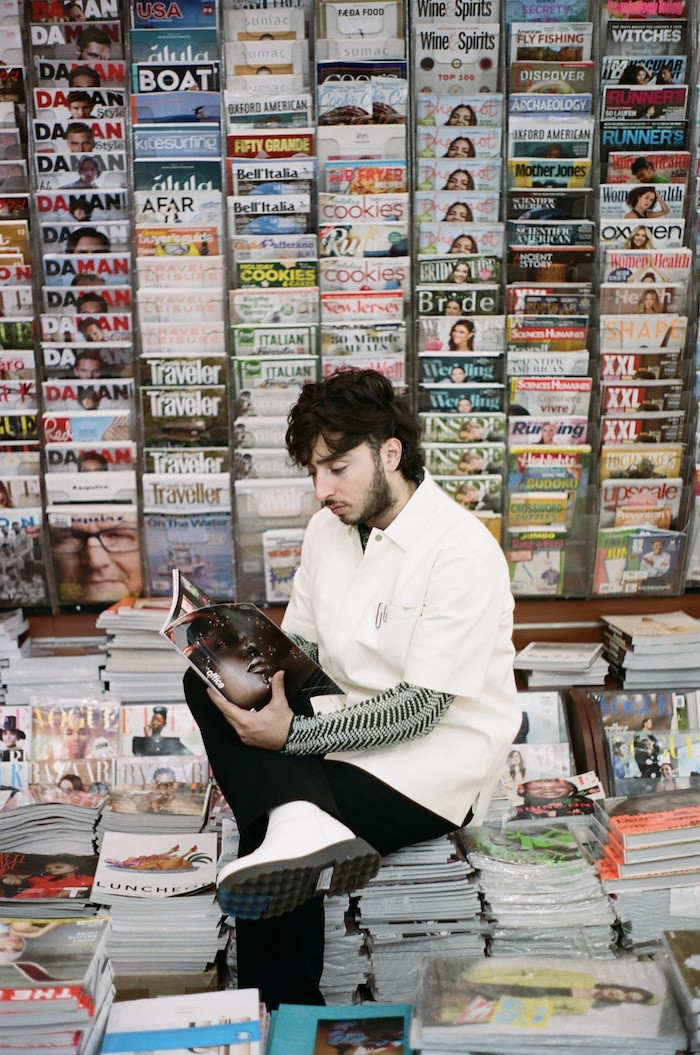
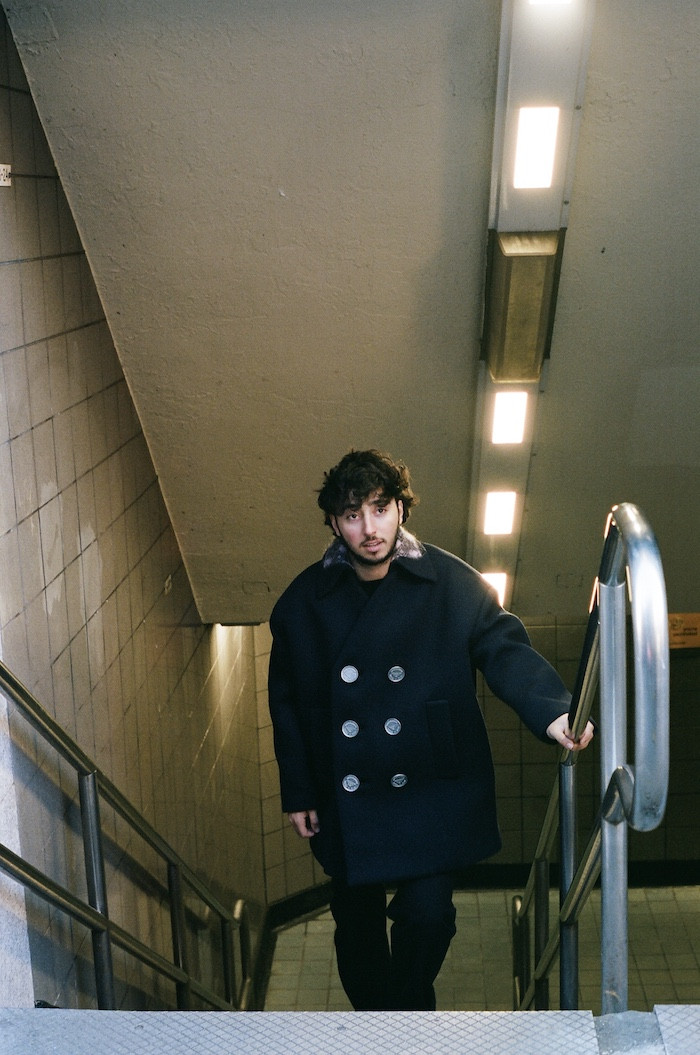
Being a good person is like don't try to make a little side deal. Don't fuck anyone over. It's like realizing that everyone has their own shit going on in their life. You know, every individual lives a life as individual as your own.
They have their own complexities, their own world. And you have to kind of respect that and keep that in mind when you're talking to anyone — it forms empathy. Speaking of, hypothetically, if this was Zack Bia's world, you were in charge — what does this world look like, what're the rules, what is going on there?
It's hard to imagine a world that's so different than what's happening now in terms of like, what do you change? What's the first thing you change? What's right to change? I think we're experiencing it now. Everything's changing. And I'm not going to go on some full crypto, you know, dark web conspiracy talk. But I think the everything has to change or education has to change. I think the financial institutions are going to change. And the way my world would look like it's just a world in which —I was raised by a single mom. Everyone has their own complexities. And I seen the things she struggled with and things my brothers had to balance with dealing with school and trying to build a company. And the balance of family and work and different priorities. So I think just based on my own experiences, it's just a world that would sort of change the things that personally affected me. It's a different education system. It's a world that prioritizes different things.
I wish I could, I could answer it that simply. And maybe the sky would be orange. Maybe I'm attacking it too deep. Maybe I have to just be like, yo, there'd be Yeat playing in the streets. And the sky is neon green.
No, but it is like uncovering the whole education system, systemic racism, like everything that we've, that we know that we don't even think is like a problem that would have to change as well.
Whether we're conscious of it or not. We are products of all these different things. And every block you grew up on profoundly shapes you as a person. I went to a nets game, and I only say to preface it with this, not sound cool, but it's all the players are my friends. I'm there with some cool people, whatever. But I grew up three blocks away, not knowing a single person, just a kid from Brooklyn whose mom just moved up from Paris. You know, like just sort of learning all this stuff on the fly. And my only two friends at the time were these two kids who lived on my block in Brooklyn. I moved out of Brooklyn when I was eight, almost nine. And that's the place I've lived in the longest, my whole life. I've moved 13 times since then. I've traveled a lot of, I met a lot of amazing people. I've been able to accomplish a couple of things. So long story short, my road leads me back to Brooklyn and I'm at this nets game. It's like an afternoon game. And I'm like, you know what? I haven't been back to my child at home since I left, you know, over 15 years ago.
So I'm walking down, Brooklyn, I'm walking around the arena. I'm like 'That Modell's is where I bought my first pair of Jordans. This little crack in this street was where I fell on the skateboard, this little P.S. is where I caught my first football.' Like all these funny things. All this nostalgia is coming back. So I go to my old house and it looks different now, you know, it's been cleaned up, but the block, the curves are still the same because it's been historically zoned, or whatever. So I'm looking at my old house. I'm thinking about how much has changed. And I moved up to Manhattan, I moved to LA, I've done just all this crazy. It's kind of overwhelming. I call my mom, like, where do my friend Gabriel live? So I walked down the block. I'm thinking about like my birthday parties on the block, and all these other things I have completely not thought of. I'm ringing the door bell, no one answers, I ring again and my mom's friend opens the door. She sees me and immediately starts crying. 15 years, recognizes me off the rip. She runs through to her bedroom, pulls a picture of me and her son at his third birthday. It's on her nightstand to this day.
So, to put it into perspective, that's just how life goes. It can take you in all of these crazy directions. And to be at this game 15 years and to be at a Nets game to see all my friends play, and I grew up two blocks away. So from Brooklyn, to around the world, to come back there. That's just like the story of my life.

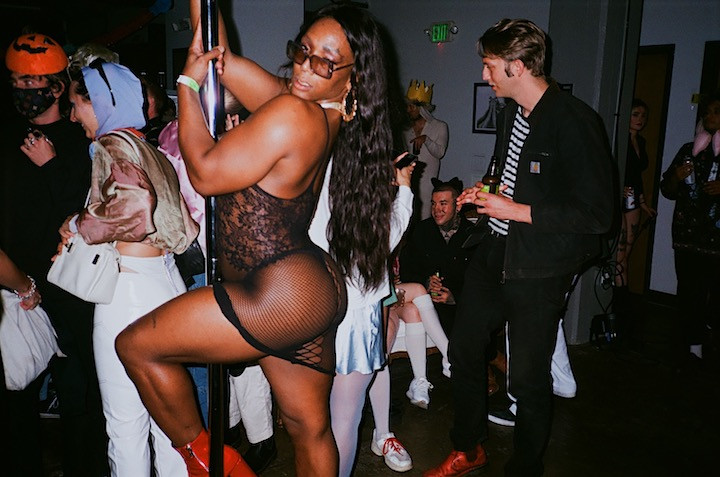
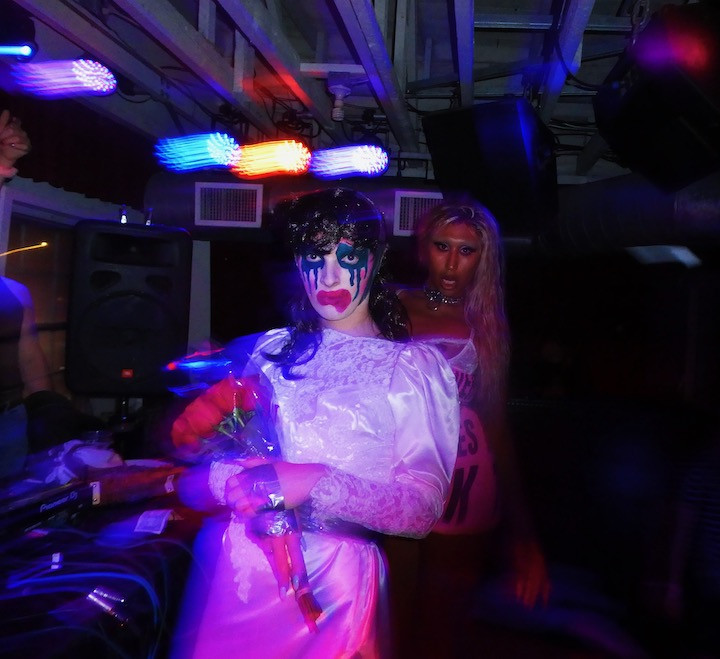
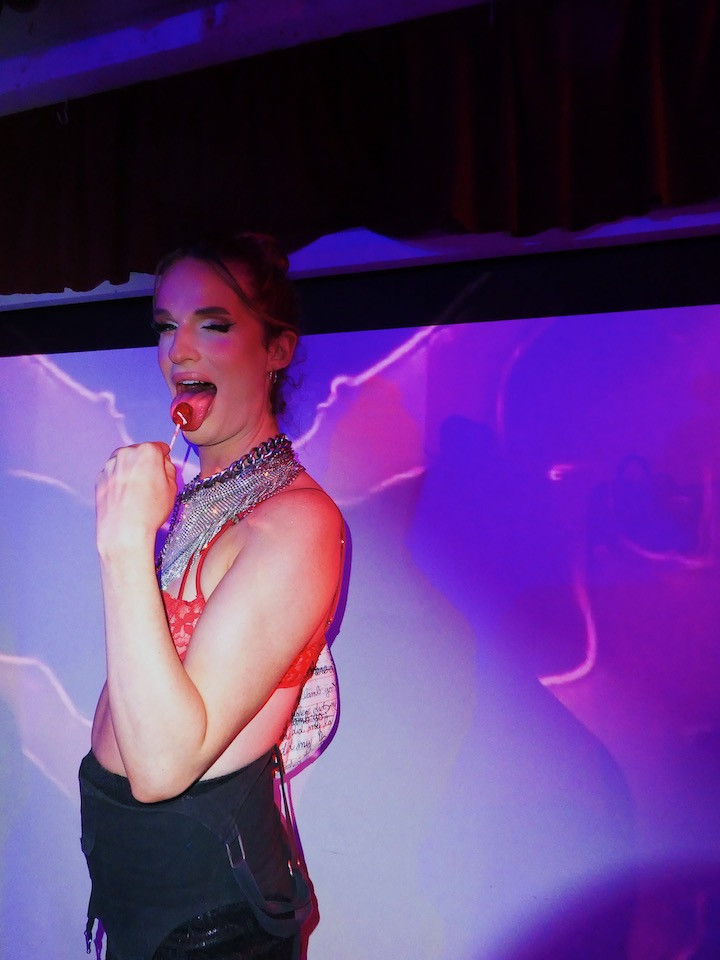
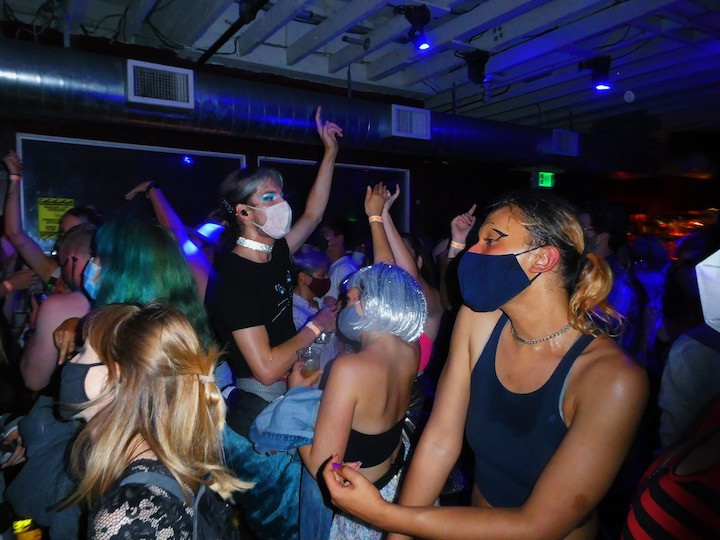
Kraft, Fake and Gay’s founder and organizer, speaks on the inspiration behind the idea:
“I’ve been DJing different genres of music for a really long time, and I got bored after a while of going to very serious parties. I just wanted people to have real fun. The first time I opened for SOPHIE here in San Francisco, she played this extended edit of Lipgloss that she made with Charli XCX, and it just kept going and going and going. I just wanted to hear that everywhere I went, and there was really nowhere in San Francisco you could listen to music like that. So the question became how do I do this and how do I get people there.”
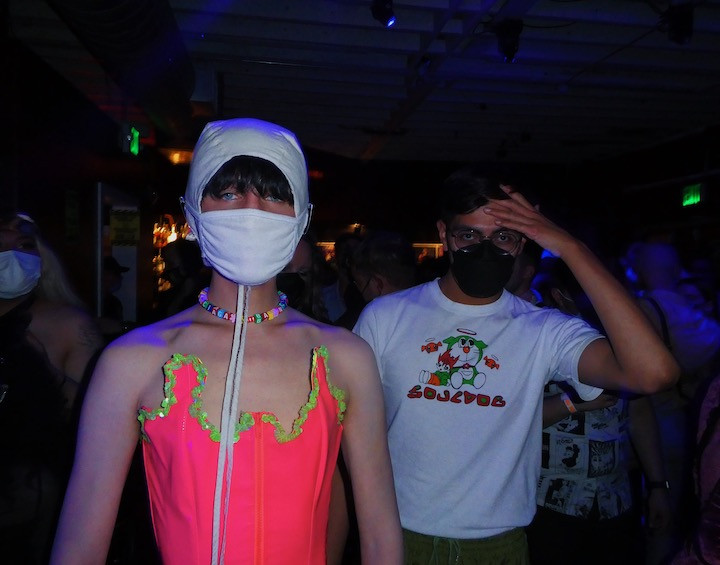
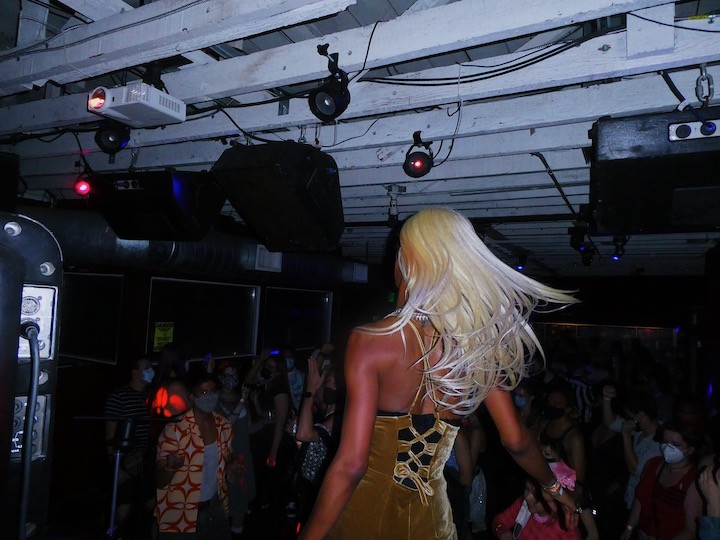
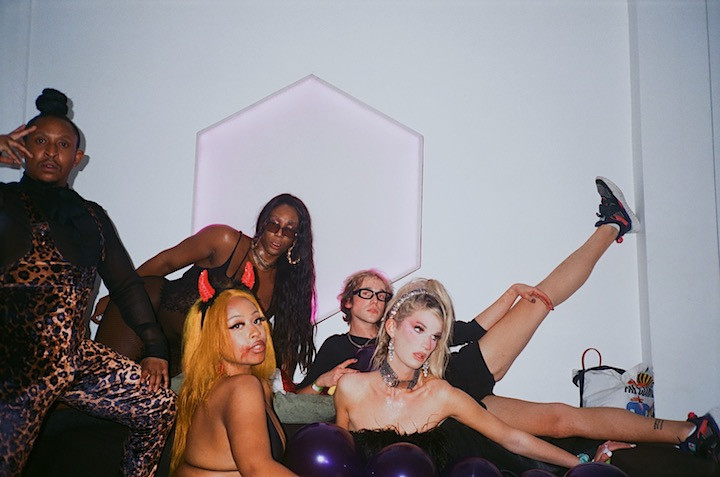
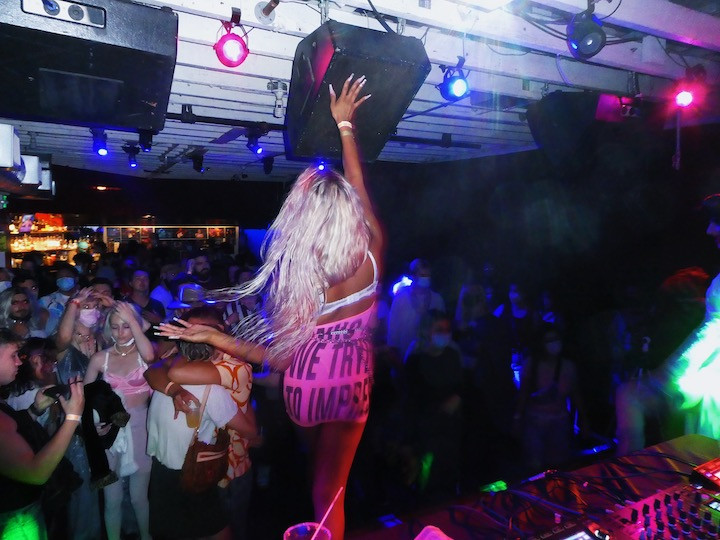
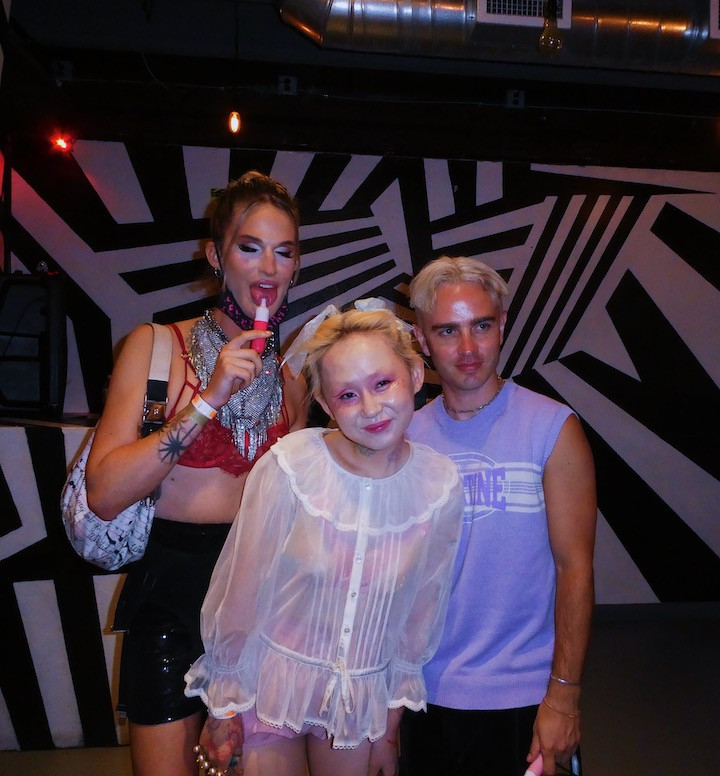
Fortunately, that question has been answered. The party’s wild popularity (and tendency to sell out of tickets in advance) are a testament to its necessity in the scene in San Francisco. Outside the Bay Area, Fake and Gay has teamed up with other kikis like Brooklyn-based SKSKSKS. With more collaborations and extraordinary headliners to emerge, Fake and Gay will continue to be the party for doll royalty and their dedicated queer liege.
Buy tickets for Fake and Gay’s party this weekend featuring headliner SSION and guest Glitterparis here.