For Lovers
Lamar is a muse for the ages, a lens through which we can explore the love within both our hearts and others'.
Check out the video and photos below.
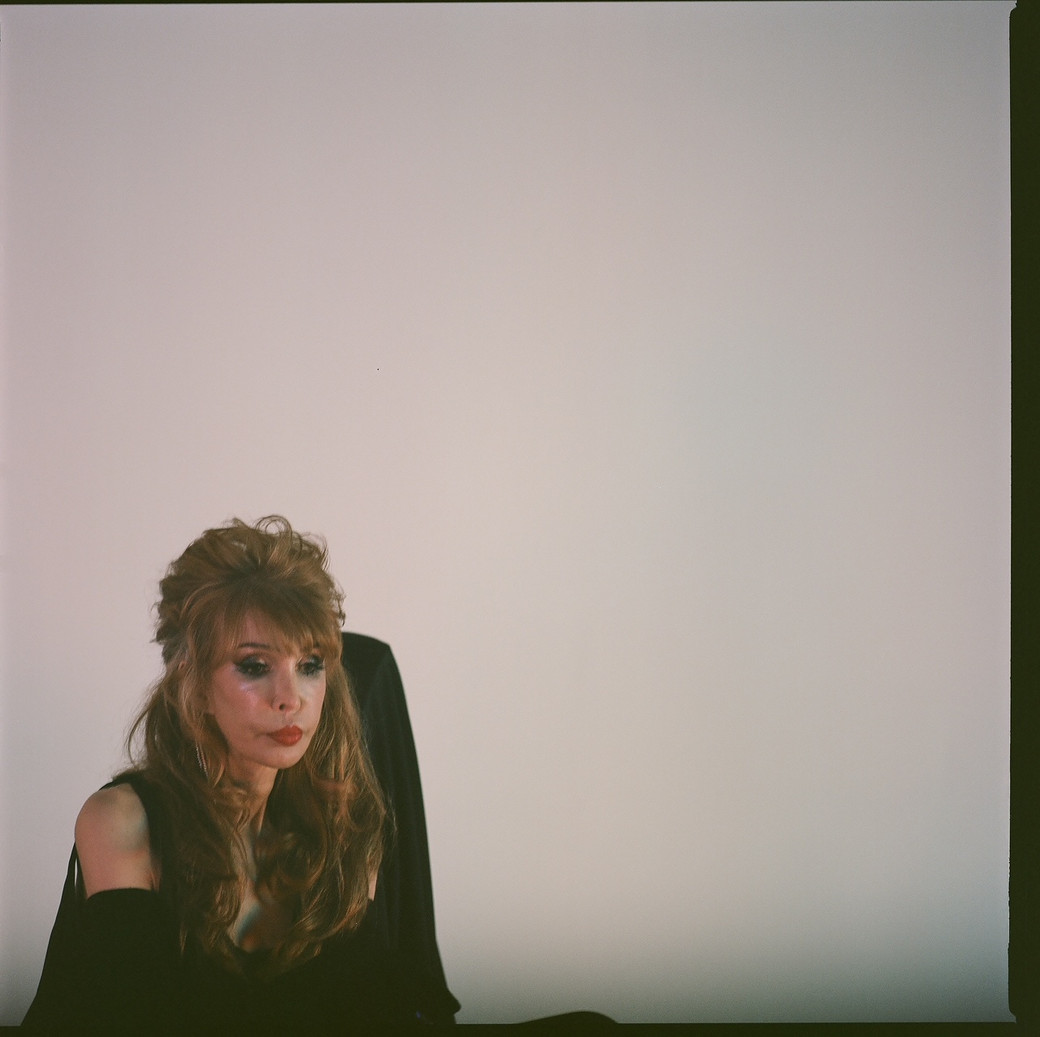
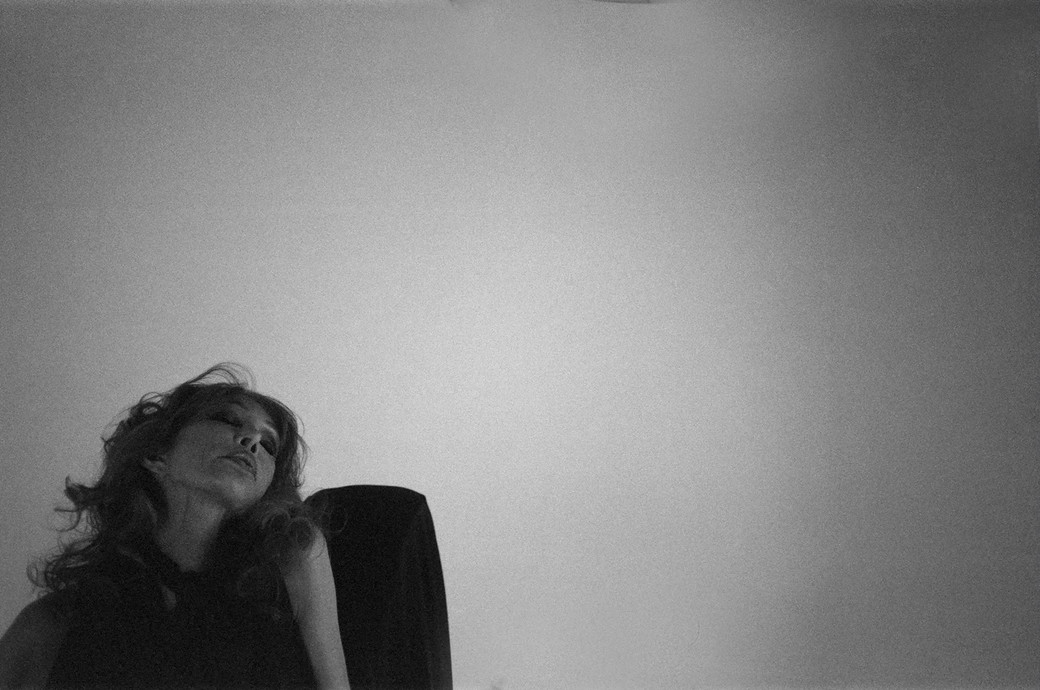
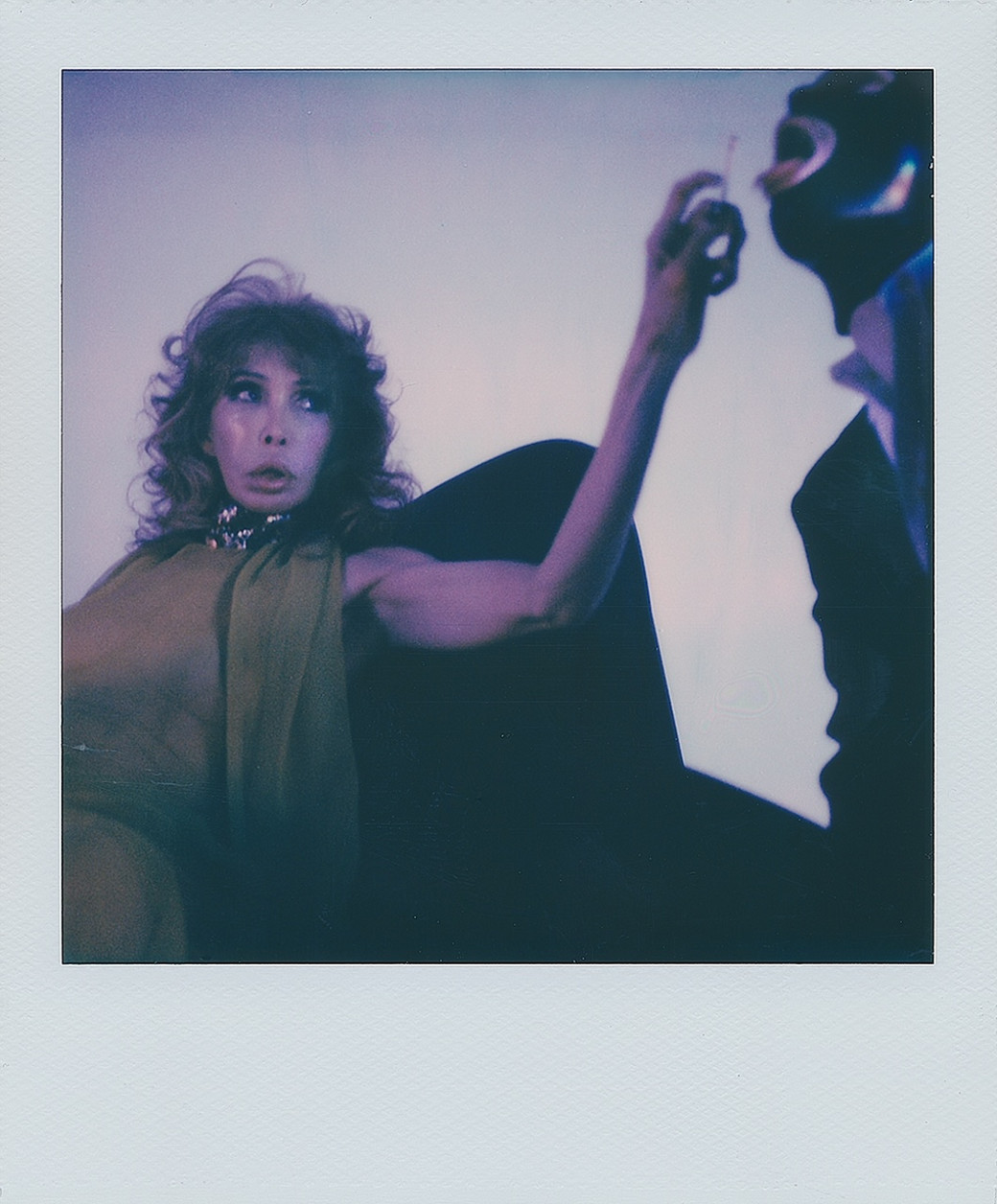
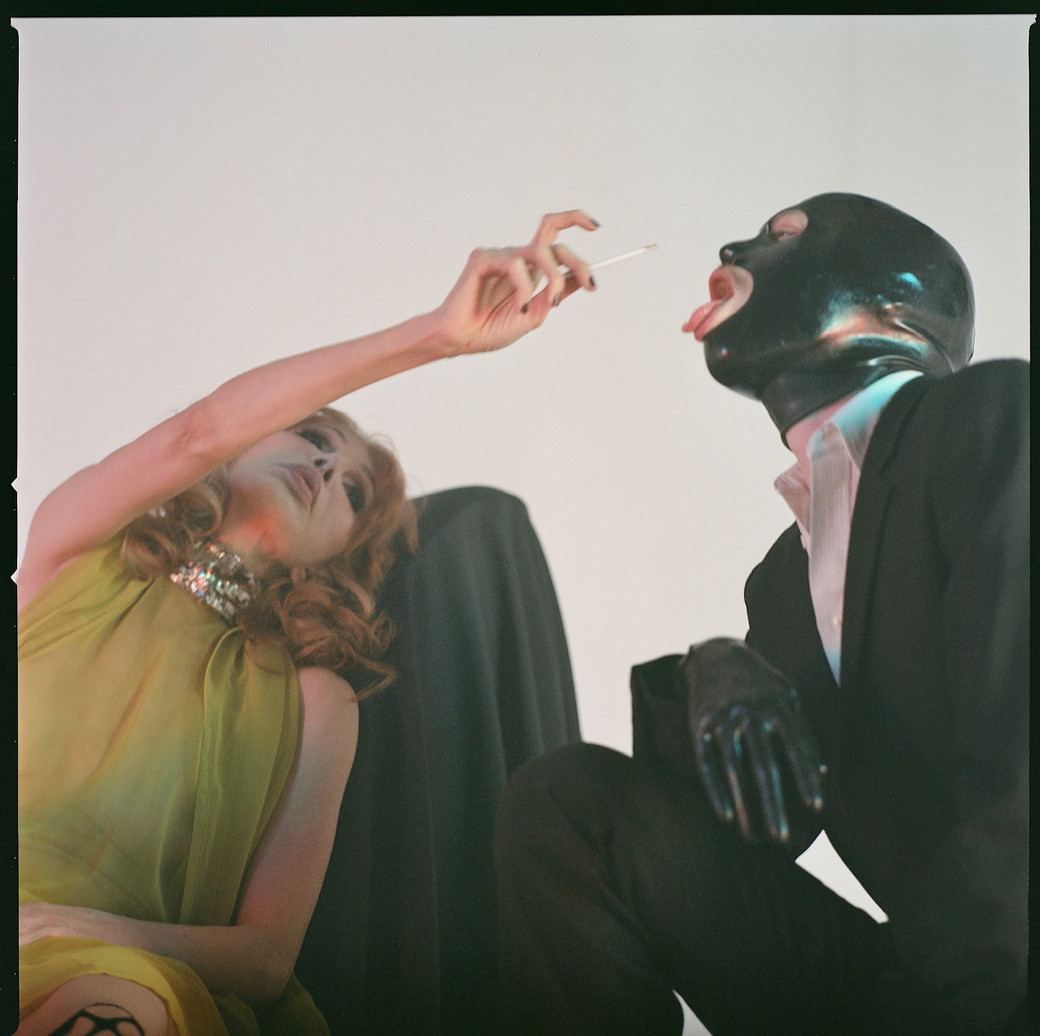
Lamar is a muse for the ages, a lens through which we can explore the love within both our hearts and others'.
Check out the video and photos below.

Lead photo courtesy of HBO Max
For this collaboration, we came together and asked our three artists to investigate the idea of “identity” and “self-reflection," through words as well as their respective medium. Our third and final artist in the series is painter, illustrator, sculptor, and comic book author Kezia Harrell.
Using a playful palate, Kezia Harrell’s multi-disciplinary pieces present powerful reappropriations of the narratives of Black Americans across history and popular culture. Incorporating surrealism and fantasy in each piece through space and forms, Kezia’s work builds worlds for the Black identity that sit outside of the heavy traumas of the past, safe from the perpetuation of the white perspective.
In many pieces, the artist uses self-portraiture to explore these topics, whether literally or by way of imagery nostalgic to her personal experiences growing up. Technically inspired, thematically and politically thought-provoking, and personally moving, Kezia’s work carries significant weight, and we were honored to have her take on self-reflection and identity as a part of this series.


How do you define “identity”? What would you say are the most important aspects of your identity?
Lately I define identity as the one true thing we own. It’s what situates us in our lives and leads us through it. The most important aspect of my identity is my memory. I remember all of my selves, from my earliest memory to right now. When I remember, I see myself as infinite.
How do you feel that you present and express yourself differently digitally, versus in person, versus in your work?
I’ve been an internet user since I was 5. I’m basically a cyborg, as I’ve never not had access to the world wide web. My mother made it that way. We had a big ass Macintosh. I mean it was thick. And it had this game where you could create digital portraits, there were hundreds of facial features built into the program to choose from. I made all kinds of people; green hair, purple hair, big lips, big nose, itty bitty eyes, giant ears, you name it. My mom always says, “Cyberspace is a real place.” And it really is. Today we see it from an even more surreal light as we carry cyberspace in our hands, we rely on it to actually communicate. It’s shifted how we relate to ourselves and an even bigger world than we thought. I’m a storyteller and every storyteller loves an audience, so I love how I can mold my own story online. I love it’s broadness.
Upon self-reflecting, where are you able to see personal growth since you first began your creative journey? What are you most proud of?
Picasso has a quote that I’ve been quoting since my sophomore AP Art class, it goes “Every child is an artist. The problem is to remain an artist once they grow up.” My creative journey began when I was about 4-years old and it has evolved with me as I’ve aged. All of my phases as an artist are valid. The one I feel the most proud of is my middle-school to high-school self. That was when I started branching out and exploring concepts and art history. When I was in high-school I started to actually get comfortable with my reflection. The first piece I made was a color pencil drawing of women in my family. It was my first time using color pencils for a portrait. I was surprised at my ability to render color and depth, and so were my teachers. I was the talk of the art department. I’ve always been complimented on my work but in high-school that’s when the “serious artist” title came along. I felt responsible to actually speak. I used to make what I called “line language.” And It was basically graphic abstracted lines that, if you looked at them for long enough – you’d start to see a bunch of happenings. Paired with line-language would be drawings of luminously Black skinned humanoids.
I was invited to enter a competition held by a local shoe store. They gave us all boots to design in our own original way. I worked very hard on my book. I painted on my line language and my humanoids. My mother and brother Chaim helped me build the electronics so that it could blast music and also spin around slowly. I sculpted these black polymer spikes that shot out of it and everything. It was so dope. But I lost the competition to a dude who made a Mario Bros. themed shoe. I spent weeks pissed about that. It kind of shattered me at the time but I didn’t stop creating. I remember thinking to myself “This is why I don’t do competitions anyway.” I have all of my old work, except the shoe. I just let it get knocked around in my bedroom until I eventually threw it away.

Photo courtesy of HBO Max
With increased alone time, what keeps you feeling connected during quarantine?
I have a very close knit circle in my life. While I’m always alone with my art, I can leave my studio and be greeted with the beautiful faces of the ones I love. I keep my loved ones close, I’m very social and I have a natural habit of keeping in touch with friends & family, near or far. Sunday mornings I go on early morning leisurely strolls and to find something new to paint on my iPad. I’m very sensorial; I feel just about everything so I often escape to nature. It refills me when I’ve spent my energy. Although I am a loner in a sense, I still feel longing of connection. At least before if I wanted to be barricaded to my home, it was a choice. I’m a world roamer, I like to bounce around the globe. I really wanted that for my 2020 but the year showed me how to really be gratuitous and sit the fuck down sometimes. [In 2020] I learned that the little things are what makes the world go round. We are the little things, and I miss us. I hold on tighter during hugs this year. I’ve made the most amount of art this year than I ever have before and it’s subsequent to my earlier depression. They always say it must rain for the sun to shine. Or something like that?
What might be your mission statement—as applied to your work, and also to you as a human, today?
I want to make as much work as my two hands can produce. I’ve seen a lot in my 27 years and I want to share my visions. Ultimately I just want to be an adorable old grandma one day with silver locks that sways past my ankles when I walk. I try to make decisions that she/they would make.
You’ve spoken to the fact that self-love has been an important element and inspiration in your work as well as your lifestyle. How do you actively practice this day-to-day?
Sometimes I don’t practice self-love every day. Self-love seems [so] ritualistic—though technically I probably practice it every day... I [just] try to acknowledge the ways I love on myself, people, and things in my world. For instance, I love laughing. One of the ways I give myself space for self-love is by emitting laughter.
Human by Orientation’s ethos is to celebrate your fullest self. How have you learned and grown as an artist through your journey of embracing your full self?
I learned that I am the perfect subject. I used to feel guilty about telling my story until I seen its inevitability. I’ve been doing the right things all along.

Lead photo courtesy of HBO Max
For the office x Human by Orientation collaboration, we came together and asked our three artists to investigate the idea of “identity” and “self-reflection”, through words as well as their respective medium. Our second interview of this series features John Yuyi, the Taipei native, NYC-based multimedia artist.
John Yuyi, despite her youth, has proven to be a powerful and driven force across multiple creative industries. Though she started out in fashion as an intern at Jason Wu, Yuyi found success as a solo artist, using stick-on tattoos as her medium and herself as the canvas. Playing with post-internet ideas and imagery, and the influence of social media on modern culture and self-image, the artist swiftly garnered acclaim across creative industries—leading to gallery shows, publications, and collaborations with Gucci and other major brands.
As an artist already working to make sense of identity and the post-internet world, we were delighted to dive into the discussion with her.


Photos courtesy of HBO Max
How do you define identity? What makes up your identity?
I guess it's something you feel strongly related to yourself, you have that mutual feeling. What you represent. My background, a girl born and raised in Taipei, is my identity. Asian culture is my identity. Moving to New York as a foreigner is my identity. A female trying to establish something in this world is my identity. Fashion design background trying to come across to art is my identity. I guess your challenge is your identity. What you love is also your challenge.
Do you feel that you present and express yourself differently on Instagram and in your work than you do in real life?
Yes absolutely. I would say when this phenomenon happens on social media, it's a crisis for that social media. Social media is becoming a platform expressing perfection. Yes, people show the vulnerable side, but at the end, you can't be dark all the time. You feed more, cause people expect more. I guess a lot of people have the pressure of what to post, what to show on social media more than before. Me, as well. But I try to be true to myself. And I also try to do whatever fulfills me more. Overall, it feels pretty great. I like to stay on my bed using my phone and doing stupid funny things with messy hair IRL.
Much of your work has been an exploration of self-reflection. How has your perception of yourself changed since you started out, and how has this translated in your work?
I can strongly sense my change recently. I always cherish the emotion I had at different phases of my life. I think I used to be more naive and not thinking too much. It was pure and just an impulse to show myself to the world. It was relatively hyper. At the same moment, I feel like I lost control of what I wanted to do or what I was doing. Now I’m trying to take the control back. The things that never change are—I want to do what I want to do and what makes me happy. An impulse won’t satisfy me. I want some new challenges from myself.
Today, what do you think the relationship is between the digital world and the art world? If there is a divide, where do you feel that you fall? Do you prefer a gallery space, or a digital space when presenting your work?
Umm I think it’s a totally different experience. Yes the things shown in the digital world can spread borderless, but in a physical space you can see the texture, you can see the movement, it’s not a video movement, the size of the art is jumping out of your screen size. I prefer both. Cause it’s equally influential.
How do you stay connected during the quarantine, with the increased alone time?
I was 80% on my own. Sometimes the whole week the only person I talked to was the deli staff. Hahaha, I think that’s why I spent times on social media interacting with people. New York is a lonely city. So it’s not a crazy lonely situation for me. But I think somehow you feel slowed down. And it’s not just you, you know whole world slowed down.

Photo courtesy of HBO Max
In spending time and energy on social media and in the digital space, do you have to set boundaries to protect your mental health? How do you practice self-care?
Yes, I think mental health has been a major thing that I care for myself with. So first I don’t let myself get kidnapped by social media, likes or followers. I will sometimes share my feelings, but I have to find the balance of not showing too much on digital world. Or showing the negativity. Yes you can let people pet you and comfort you in digital world. Somewhere in the world people care about you. It definitely helps. But finding the fundamental problem and fixing it IRL also matters.
Where do you seek inspiration? Are there places, or people in IRL or on the internet that you go to?
Ummm, yes instagram, of course. Exploring new talented ppl. IRL, museum, travel, different cities. Clubs, friends' places. I like hanging in different friends' places, and they will show you what's interesting on YouTube or on the internet. Chill but always inspiring.
What is your relationship to your body? How does that fit into your personal identity?
Umm, it’s a neutral thing for me, that’s why I like nudity. You have it, I have it. And I like that the feeling is somehow mutual but special towards the body.
Human by Orientation’s ethos is to celebrate your fullest self. How have you learned and grown as an artist through your journey of embracing your full self?
I would say I’m very lucky in this journey. There are a lot of struggles, but so far I’m still able to be on the path, I'm super grateful. I guess I found out my desire to do it, and I faced it, and I've been doing it with a brave heart and keep pushing the limits of myself. Cause I also want to see how far I can go.
Lead photo courtesy of HBO Max
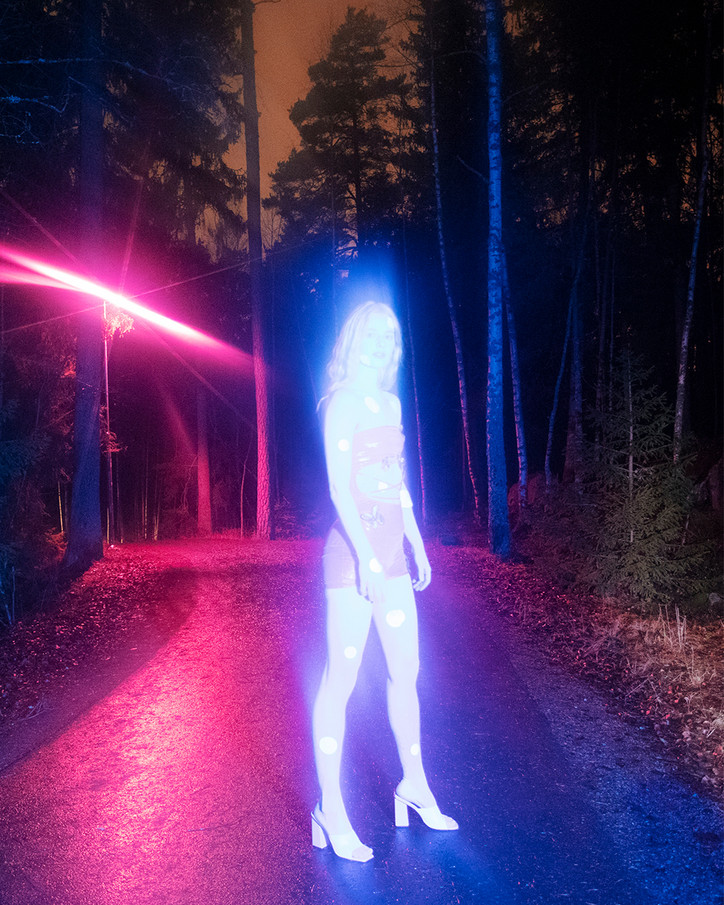
For this collaboration, we came together and asked our three artists to investigate the idea of “identity” and “self-reflection," through words as well as their respective medium. For the first of our three artists, office x Human By Orientation present photographer Arvida Byrström.
Arvida Byström’s work, and its boldness, lead to notability at a young age. Having come up alongside the likes of Petra Collins and Molly Soda—known as ‘post-internet,' ‘Tumblr-era’ artists—Byström set herself apart with her distinct, “girly” aesthetic style and the statements made by her poignant photography, often focusing on feminism, bodies, and sexualization. At times using herself as the subject, her work continues to unpack the female form on a personal and sociopolitical level, sometimes softly, and sometimes quite shockingly.
All that being said, Arvida is a crucial artist to include in any series on self-reflection.


Photos courtesy of HBO Max
For this project, how did you approach the process of actual self-reflection?
I guess I approached it in a way where the actual image and the creativity got to take up the biggest part as a symbol of art as self-making without having to have a function. When I was younger I tried to find [out] what I looked like and who I was through photographs, but eventually, I realized that photography is way better at showing a manipulated warped version of reality rather than anything we would call truth.
Today, what do you think the relationship is between the digital world and the art world? If there is a divide, where do you feel that you fall? Which space inspires you the most?
In the ‘90s there was an art movement called ‘net art'—[and then] later, ‘post-internet art’ came along—so digital has been a part of big institutions and museums for a while now. The way the internet and our digital gadget is omnipresent and completely integrated into our world I think could inspire us to stop trying to separate [the] digital from non-digital. Most people never go “offline," so instead, I think we should view the online and digital sphere as a vital part of our lives now, where we have to demand rights—everything from the devices we use being made in an ethical way [without] underpaid labour to tech companies not spying on us.
How do you define femininity, as it pertains to you? How does it fit into your “identity”?
I think there are different femininities! And it also shifts in different contexts, so by nature, it is really hard to find a finite definition of such fluid concepts. A lot of femininities requires a certain kind of perfromance though, where things regarded unfeminine or unwomanly are often just existing—for men, women and non-binary people. I am intrigued by a sort of hyperfemininity that is almost so in your face it is annoying. It is interesting how differently I get perceived depending on how much of that visual femininity I apply in the morning. Say, make up and high heels definitely give you different attention than just a hoodie—so different clothes, how they fit and feel and the response it gives you can have an immense impact on how you take on that day. Something that isn’t a woman but is showing another kind of femininity is a lot of voice assistants! Siri, Alexa etc. I have a video where I wrote a monologue to Siri where she kinds of ponders on her femininity and disembodied nature… Femininities! Ha! I find it very interesting why we do that to technology.
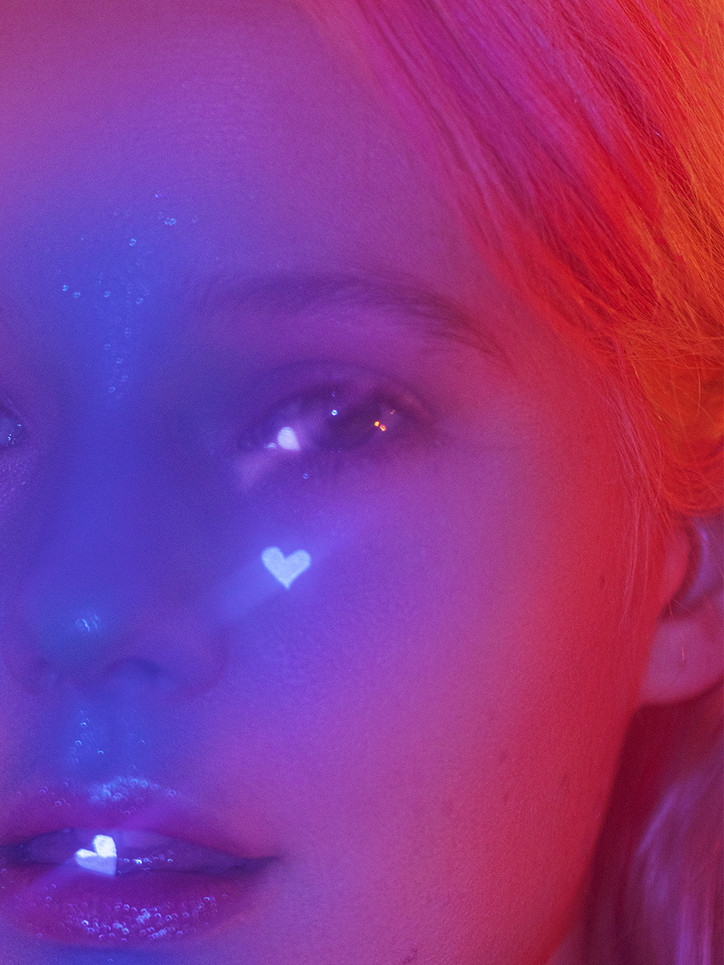
Photo courtesy of HBO Max
Ironically, as we are speaking on self-reflection, you have already done some serious work surrounding the concept of the “selfie." Can you offer up some more of your tips on taking thoughtful selfies, and tell us why this is important to you?
I think we have to accept that selfies, from a photo historical point of view, are extremely important and impactful. The phone camera is a minor photographic revolution. This doesn't mean that it is inherently good, it might even at times be bad! But it is something, and I think it will be hard to know what this something truly is until some time has passed. It is so easy to dismiss selfies as something shallow, but the truth is selfies are a very wide category of photographs, taken with phone cameras, by yourself. It can be you showing that you are with a friend, it can be you trying to see if you too can be regarded as beautiful [like] the photographs by beautiful women you get exposed to everyday.
Talking about the selfies that are usually hated—the ones where feminine people try to show how hot they are— it is kind of absurd to jam a bunch of photos into people's faces everyday, give them a tool where they can easily replicate this, and expect they should practice self control? Of course one [would] want to try to be those glorified people in the pictures.
I took a lot of self portraits in my teen years. First, I did it to make sure I was skinny and looked hot like a model. Then later, I used the camera as a tool to reflect on how my body could be interesting and valid in other ways. Basically, selfies and flip cameras are a tool—a tool you can use for good and bad purposes.
Human by Orientation’s ethos is to celebrate your fullest self. How have you learned and grown as an artist through your journey of embracing your full self?
I think for me it has been very important to realize that my fullest self is constituted by the people around me. If I don't cherish and sacrifice stuff for loved ones around me, I will be a very shitty version of myself. [And] honestly, this probably affects my art badly. Working non-stop is kind of [considered] “good” and encouraged in our society, but if you dont make sure your life is worth living, being a successful artist will be pretty damn shitty in the end. I sincerely think self-sacrifice for people around you is a virtue.