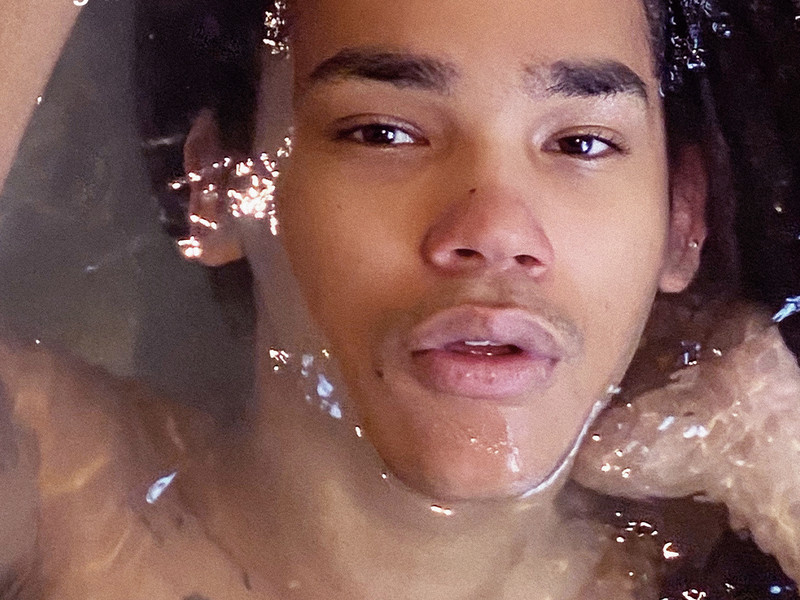
For Lovers
Lamar is a muse for the ages, a lens through which we can explore the love within both our hearts and others'.
Check out the video and photos below.
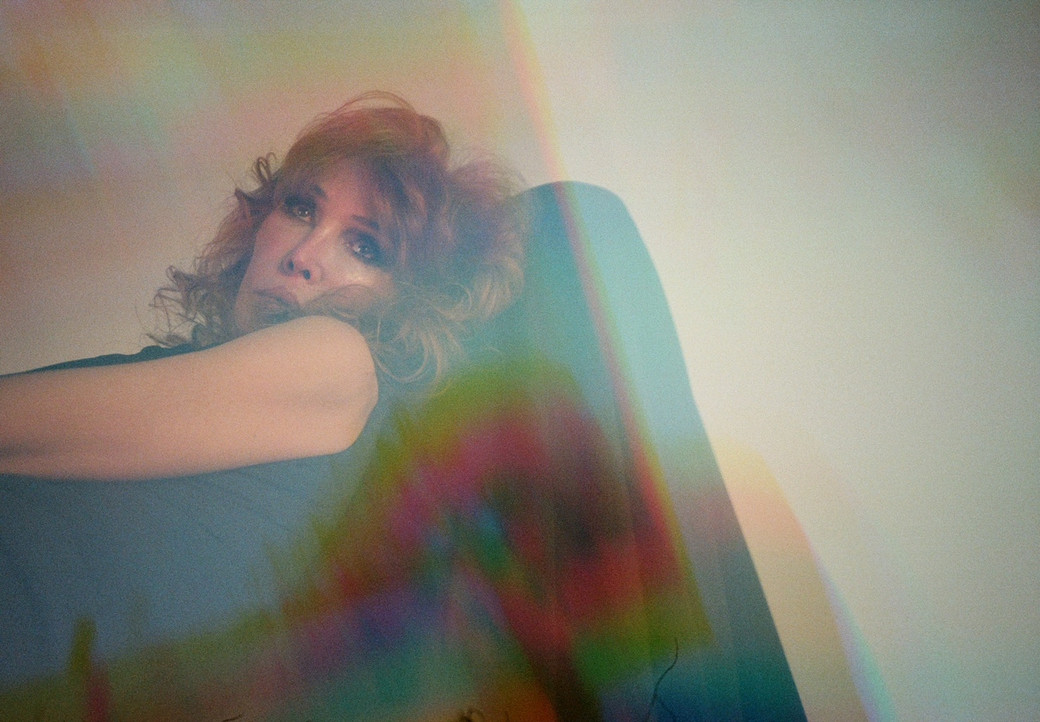
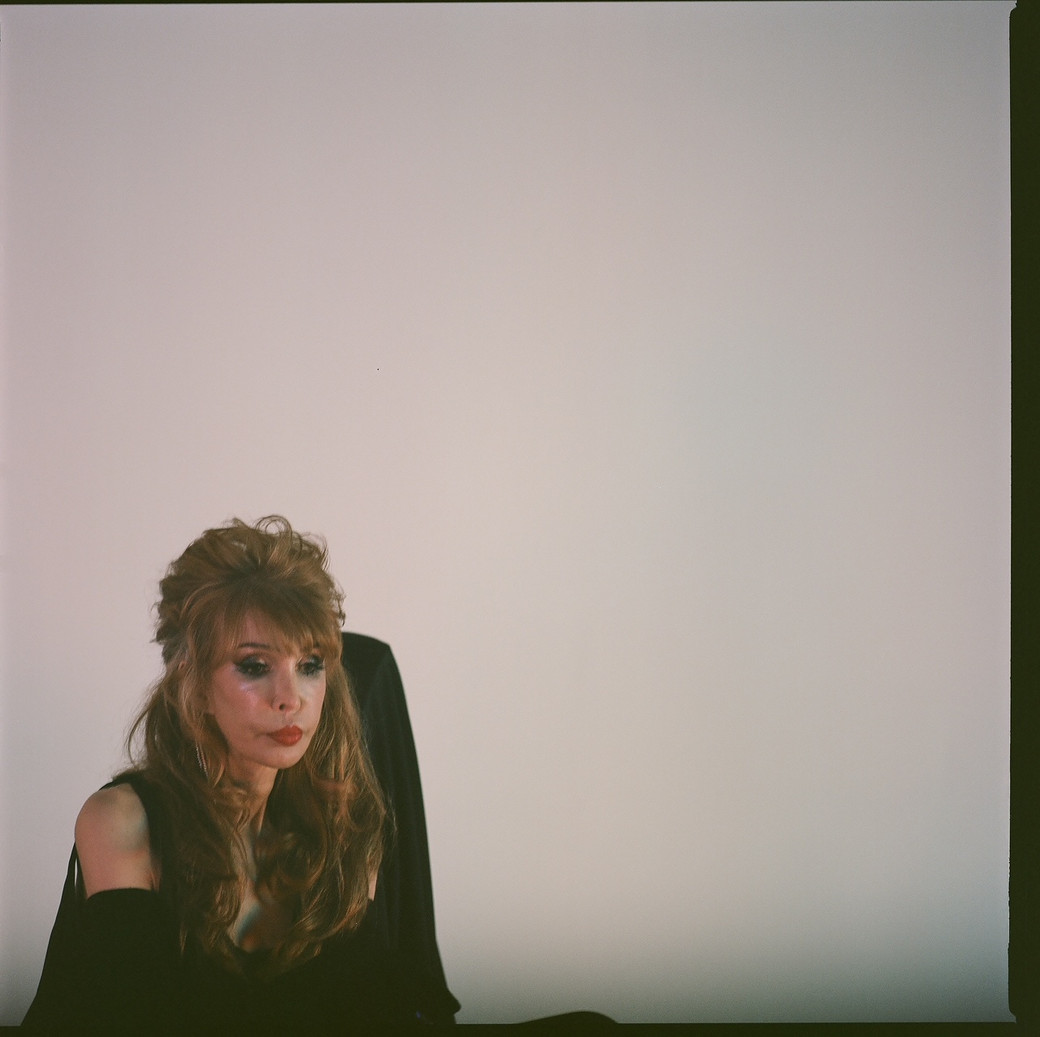
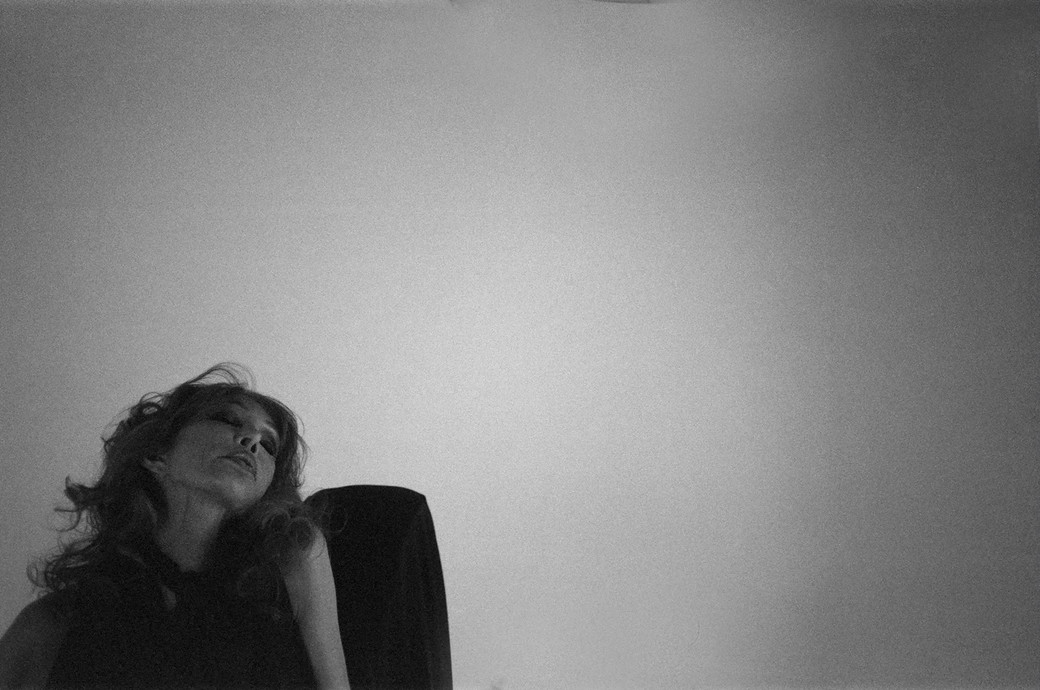
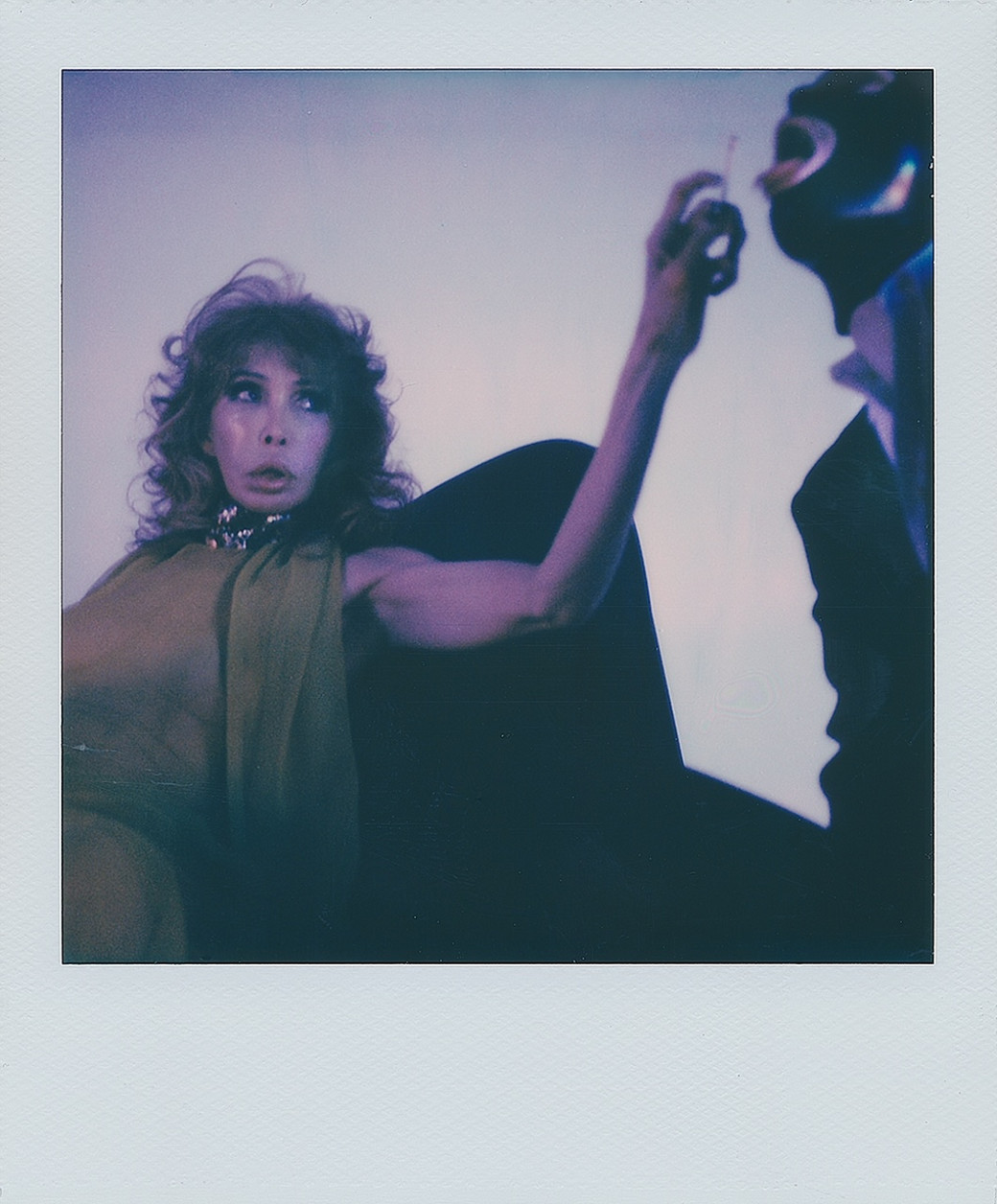
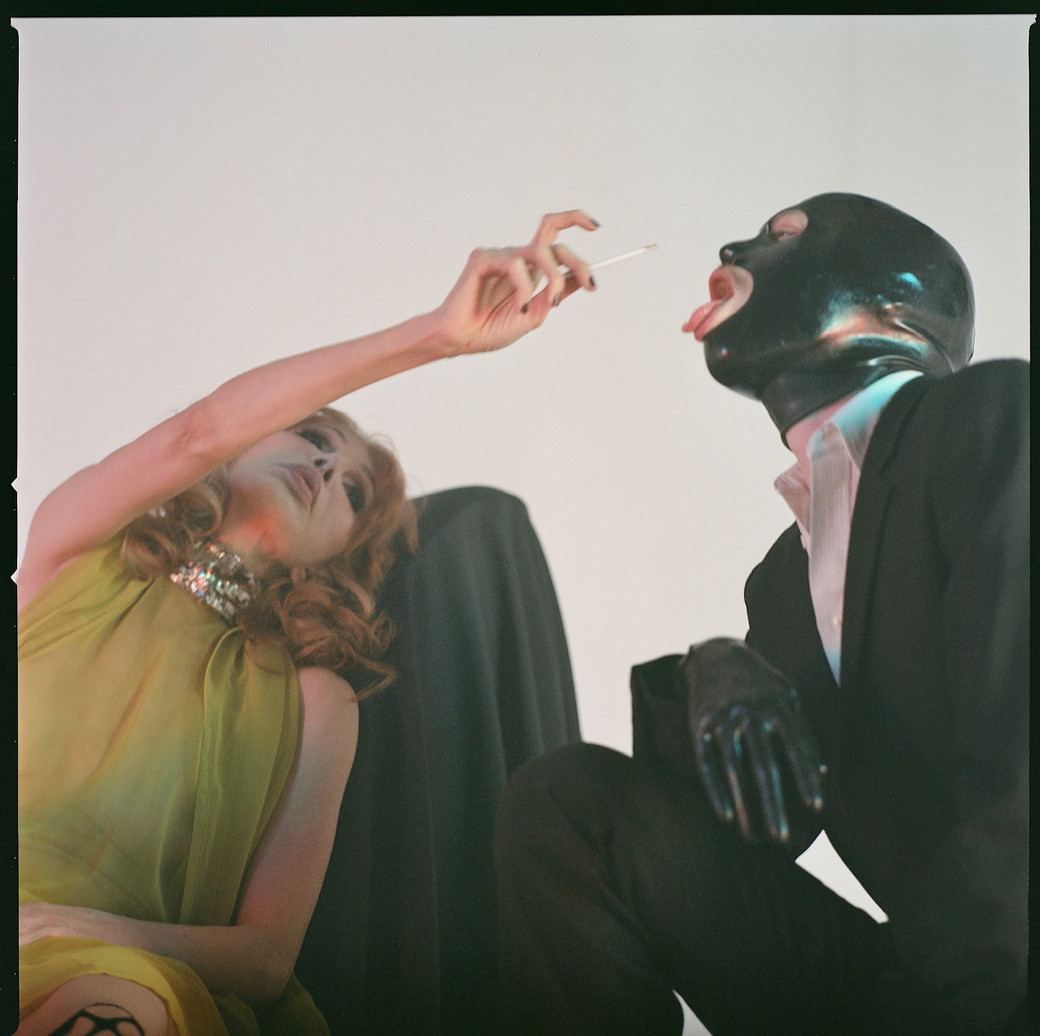
Lamar is a muse for the ages, a lens through which we can explore the love within both our hearts and others'.
Check out the video and photos below.
One such adventurer I have come to know is Róisín Tapponi, an Iraqi-Irish film curator, film programmer, and writer, known to many inquisitors as The Habibi Collective. Róisín has single-handedly created one of the most comprehensive archives on the internet on South-West Asian and North African film, period—but the specific mission of The Habibi Collective is to act as an archive for women filmmakers from the region. The Collective is far-reaching in its implications and archival value. And, as it is staged on Instagram, it has an international reach on a massive platform available to anyone with an Instagram account, circumventing the exclusionary nature of academic and artistic institutions. With almost daily posts of movie stills, videos, presentations, and online screenings shared directly with over twenty thousand followers, the outreach rivals decades-old institutions. Róisín is possibly one of the most successful contemporary film curators in what she has created and proven with The Habibi Collective.
And the emotional gravity, too, of the project is almost as valuable as its successes. It's an instant, approachable archive to culture unavailable to entire generations of both those living in the diaspora as well as those without access to institutions in the region. The Collective is a bridge to culture kept away by distance, politics, and trauma. What once required academic resources or institutional support is now available in your pocket. It’s a project of healing. And it began, exists, and will remain all on Róisín’s phone.
On almost a daily basis, I see people I follow within the diaspora share something from The Habibi Collective. Often, I see people who have never met each other, in different parts of the world, share the same post. And when one does post something from The Collective, it sparks a dialogue, usually difficult to begin in the first place, about the art and culture we all, as one, are searching for. And that’s perhaps one of the most shocking parts of all, that the entire “Collective” so-called is all done by Róisín. Something so significant to so many people is performed by one single person. Entire conversations around culture building begin because of what Róisín decides to post one day.
And I wondered about that throughout writing this article, but never actually got the chance to ask Róisín about it: why is it called The Habibi Collective if it’s just one person? I have begun to interpret, whether this was the intention or not when she began it years ago, that perhaps it’s because we, all of us that receive the archive, are a part of the Collection. Róisín, in real-time, is performing the priceless labor of diaspora building, collectivizing us in spite of the borders that have separated us.
I spoke to Róisín over Zoom, me in Los Angeles, she in her London flat, an appropriate accommodation for a conversation about what is possible at a distance. We spoke on The Collective, future projects in film, and Róisín’s background in journalism.
Hi Róisín, how are you doing?
I'm doing good, thanks. it's been quite a hectic day. I just got back to my flat and I fully crashed, fell asleep. I'm working on a project with The Anthology Film Archives in New York. It’s a really exciting project. Pre- Lebanese Civil War cinema, which isn’t mainstream. There’s no archive, basically. I'm working with a critic and we're trying to make the archives. That's a fun research-led project. but yeah, so that, so I just had that, so I just came up with that. How are you, how was your day?
Where are you right now? Are you in London?
Yeah, I'm in London.
Which area are you in?
I'm in East London and I've always kind of lived in East London when I've been in England. it's very nice.
All of my family is completely displaced, I grew up in a million different places, constantly moving. I'm still living out a suitcase, but this is officially my home and yeah, I very much like it here. It suits me and I have my friends and everything.
I want to get right into the Habibi Collective. What is The Collective to you?
It’s not a business or anything and it's very much based on my motivation. It’s a grassroots initiative, a community-led project. It’s a resource. An open-access site, that's the weird thing about it. It doesn't exist solely in academia, where a lot of my research lies, but also it's not completely divorced from critical inquiry. So it's operating in this weird ground. It's also very much now operating outside of institutional spaces which was a conscious decision I made in the past year or so. If you had to have a geographical map of the arts, cultural film scene, I don't know where it would lie. Yeah. I don't feel like I can explain what it means to me without being able to place where it is for other people.
How did it come about?
It started in 2018, but my research started way, way before that. I grew up primarily in Ireland in the middle of nowhere. I watched a lot of films. I'd watch a director a night. so I would watch a lot of like, John Casavetes I loved, I loved Harun Farocki, I loved Cheryl Dunye, I loved Trinh T. Minh-ha, a lot of essay films. I'd watch a director and night by the stove.
This was very much at the time when I didn't have any cinemas near me. I wasn't in a city, but it was social media platforms started to become a thing. A lot of what I was discovering was online. It’s not like there’s much of a diaspora, apart from my family, in Ireland. Everything I found was on me. I started making a film log, which I still keep to this day, a chaotic 2003 Microsoft document.
I saw that there was a lack of films by Arab women. And that was a huge part of my identity that I wasn't seeing represented on screen. So, my practice is, and always will be, and has been research-led. So I started researching, and I remember watching Measures of Distance by Mona Hatoum. She’s a Palestinian-Lebanese visual artist who studied in London. It's an essay film about her mom, a correspondence. It's very beautiful. That was a huge turning point for me.
I started from that, from that moment on, actively searching for films by Arab women. There was nothing natural about my finding these films. They weren't available to me. Arab women's film especially is very prominent right now. It's very famous. When you think of big films from the region, you think of Haifaa al-Mansour, Nadine Labaki, Shahad Ameen, Charien Dabis, you think of women! But it was not like that at the time.
A lot of people in interviews ask me, “Why are you focusing on women films when programming seems pretty equal now?” My programs, the non-Habibi ones, are always fifty percent men, fifty percent women, or like more women, but there's nothing natural about that. I get sent 98 percent of films by men. And then I have to do that hard research to find women and then somehow make the program equal. So there’s nothing natural about this growth in women filmmaking. It has been the result of a lot of people working hard behind the scenes.
Again, the same premise of people thinks that the most famous films are the best. Which is so not the case. They’re the most famous because they have the most money and they have the best producer and they have the working distributor.
And so I started Habibi, on Instagram, for a few reasons. I was interested academically, in the archive and in an open-access site. I think accessibility has always been at the heart of what I do. Instagram is super accessible. You don’t need a JSTOR password to access it. So I started posting stills from films that I was watching. Now, I usually get some sent to me or I can reach out to other curators. There's no business plan or anything. It's a community that just grew. None of the people that engage with the Habibi Collective are there because they love film. They’re not film buffs. They're there because of representational purposes because they're seeing themselves represented on screen.
So a lot of people started asking, ‘Where can we watch this work?’ They still ask me that every single day and it fucking drives me mad, but that's how I started curating screenings because, I was like, ‘Okay, people want to see these films. I want to see these films.’ So every screening has been sold out to date and they've kind of been everywhere in the world or wherever I'm invited. And I curate around themes. Climate migration. Queer identity. I don’t like to curate around national borders because borders are so precarious in the region and also that's so homogenizing. We never see a festival around ‘American cinema,’ so why should we have one in Lebanese cinema? Though, I have curated in that vein when I have a mission, like a fundraiser. So for example, I did a Sudanese experimental film festival in Sweden to raise funds for the revolution when it was happening. And also I recently did the Beirut artists festival. And of course, the Independent Iraqi Film Festival. And the screenings I do are always free. They’re always after work hours and always attended, which I think is a really strong accomplishment in London. The audiences are young diasporic people of color, people who work in the arts. They're not the white, neoliberal people that are managing the arts in London.
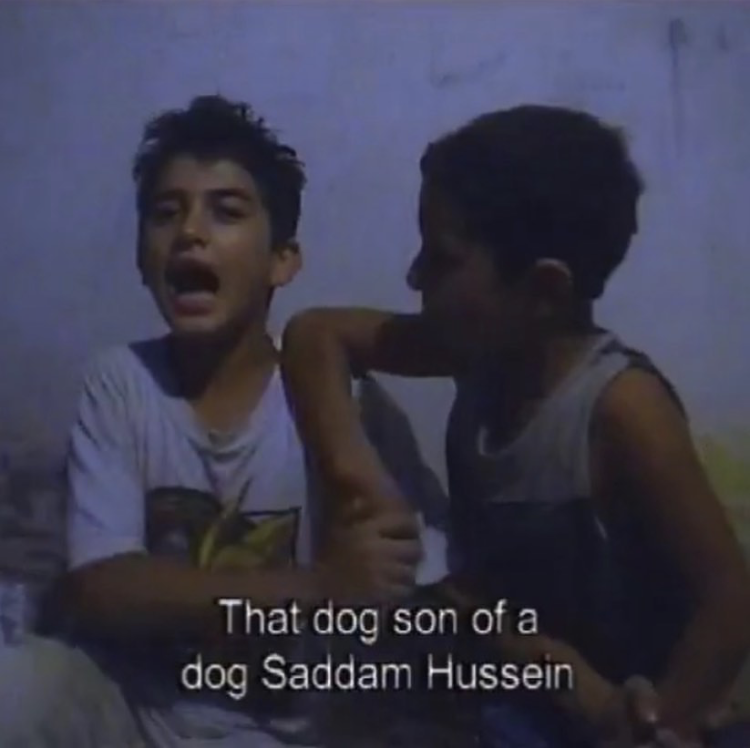

Left — Serheldan (2003), dir. Serheldan Ahmad and Christine Chamas
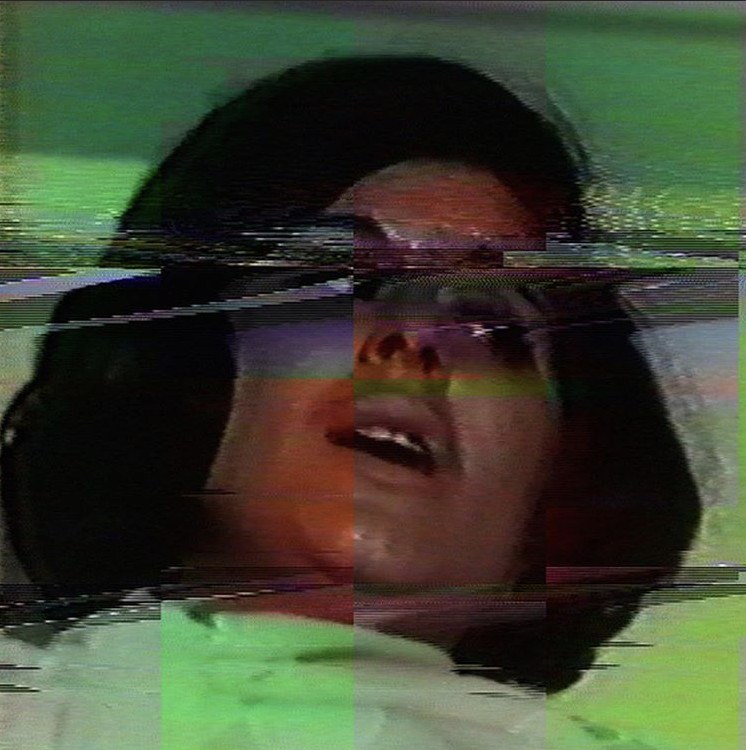
Top right — Mussolini's Sister (2018), dir. Juna Suleiman
Bottom right — The Three Disappearances of Soad Hosni (2011), Rania Stephan
Wow, that is such a huge accomplishment.
Yeah, I'm pretty proud of that. I think that's what I'm most proud of. For Habibi Collective, even now that it’s getting more popular, the people that it’s made for are the people that are consuming it. Maybe because I'm a very shrewd businesswoman. I have my very strict politics of production. I'm very strict with how I run things and that has helped me keep control. It hasn't been swept up by brands.
What is your relationship with the films that you deciding? I read something you said in an interview, a film archivist is the part of the film industry that isn't appreciated but they're doing the most work. And I wanted to know what is your actual mentality behind choosing a film and how do you engage with the politics of the films you choose?
Well, there’s a lot to say about politics. The people that I admire in the industry are, first and foremost, P.K. Nair, who was an Indian film archivist, and also kind of Henri Langlois, who was a film archivist in Paris. We don't have an equivalent in the region. In London we have the BFI, in New York, we have the Anthology Film Archives. In the region, I get friends sending me all the time film reels that they've saved from the garbage. And with the heat, people don't know how to preserve these reels. Everyone wants to be a filmmaker. Yet, there’s so much work to be done. So much work. And there's a huge lack of people willing to do that work. So I guess I'm just trying to inspire other people to do similar things.
As for the politics of how I choose films, when I started getting commissions it was from London-based white institutions. And then I realized the program's presence in their public program was just to tick those diversity boxes that would get them more funding that I should have been getting. I've always rejected them because they're fine showing a Black artist, but they're not willing to represent that diversity in their boards or in their staff. So a lot of what I do is working beyond the politics of representation and towards the politics of production.
And by that, I mean supporting the filmmakers beyond just screening their films. And, I'm a moving, breathing film. So I will link people up with suitable people like scriptwriters, producers, or I'll help submit their films to festivals or I'll offer advice or give talks. It’s kind of like a directory. I feel like a feel directory. I come across people like that. And then that's how I gain exposure to their work. And then I work with their film. So that's how I find films. The whole project came out of a lack of resources. There’s no online directory where you can search for an Iraqi film on the revolution in Tahrir Square. Everything I receive is from contacts, from people in the film industry who I know and hear.
I'm a bit bored of institutional critique. I used to think that my presence in these spaces would help diversify them, but it doesn't. I like to work in my own kind of space. I have quite a lot of freedom within how I program the films. For example, I directed the Queer MENA Film Festival and that was something that I never would have been able to do in collaboration with an institution in the region. And even distribution is very political. So, distributors, especially now that we've all moved online, have to do this thing called geo-blocking. Neighboring countries who they don't like don't get to see the films.
I was looking into the Independent Iraqi Film Festival, and I wanted to know what that whole experience was like and the reception of it. I read too somewhere that you were talking about how doing it online and independently from an institution in the region saves you the trouble of going through the politics, but how was the actual process of the festival, and did it start online or did it move into that with the pandemic?
I don't particularly like film festivals. They're very, very cold. They’re culturally gatekeeping. They're very exclusive. With Cannes, the biggest independent film festival in the world, they didn't even show it online and it's just that kind of behavior.
So it was built on being creative and finding a new way that film festivals can be run. I was working with three really incredible, amazing people, Israa Al-Kamali, Shahnaz Dulaimy, and Ahmed Habib, all Iraqis. I was directing and doing the programming mainly. We decided, well, I kind of put forward that we don't charge. If you're a filmmaker applying for a film festival, you need to pay an entry fee, usually quite an extortionate one. You need to have a certified producer and you need to have a European distributor among many other things. So we scrapped all of that. Anyone who wants to apply can apply. And also, we were going to pay you as well. We're going to pay your screening fees. And we eliminated the competition element because that's something I really hate. If we wanted to mobilize filmmakers and create an industry, create community, I'm not going to pit them against each other.
We made it open internationally to anyone for free. Obviously no money in it at all. Zero. We didn't apply for any funding. And, it was online because it could reach more people, and also, none of us are living in Iraq. There’s a huge diaspora and the diaspora is very, very strong. I don’t think there’s any other SWANA community that compares. I guess because of the war.
So yeah, that's why we wanted to make it online so most Iraqis could access it. We also had everything in Arabic and English. and I think that's a big part of how we managed to get the huge Iraqi viewership, which is, again, the thing I'm most proud of. We managed to get our biggest viewers were Iraqis in Iraq.
Wow.
As for selecting the films, I watched over eighty films, and they were all very lo-fi, handhelds, all of this documentary, some really beautiful ones. We showed, obviously the ones that were of the highest quality. The women filmmakers were actually really difficult to find for Iraqi cinema. All of the women filmmakers, apart from Zahraa Ghandour, were a part of the diaspora. I think it's maybe because Iraq is a war zone. It’s very easy to ask, ‘Why aren’t there more Iraqi filmmakers?’ You have to respect that. People can’t just do that. It’s not safe.
We're going to have it next year as well. and we might have it. We'd like to have in real life. It will be very, very easy to have it in London, but I'm more interested to have it in Iraq. Although, I don't think the Iraqi government likes me much. I just don't think it will be a good idea or safe.
So you’re starting a streaming service, Shasha.
Yeah! So Shaha is Arabic for 'Screen.' That’s taking up all of my time right now. It’s a huge operation. There's a lot of us. I’ve always run Habibi Collective, I'm the only person involved. I didn't have money to pay a salary and free labor is one of the worst crimes in the art industry. So that was always my reasoning behind that. It’s just me on my phone. But, obviously, I need a lot of people to make a streaming service, so a huge web development team, UI designers, UX designers, graphic designers, brand identity people, programming, team marketing, blah, blah, blah.
So I made it separate from Habibi because we’re going to show films by men. Habibi's women and women-identifying folk, but Shasha is going to be everyone. And also it's a business, it's a streaming service, there's money, there are transactions. Habibi, I want it to stay beautiful, pure. Me on my phone.
It’ll be ready in January. It's the first independent streaming service for SWANA film, which is very exciting. It’s going to be like 20 films per month.
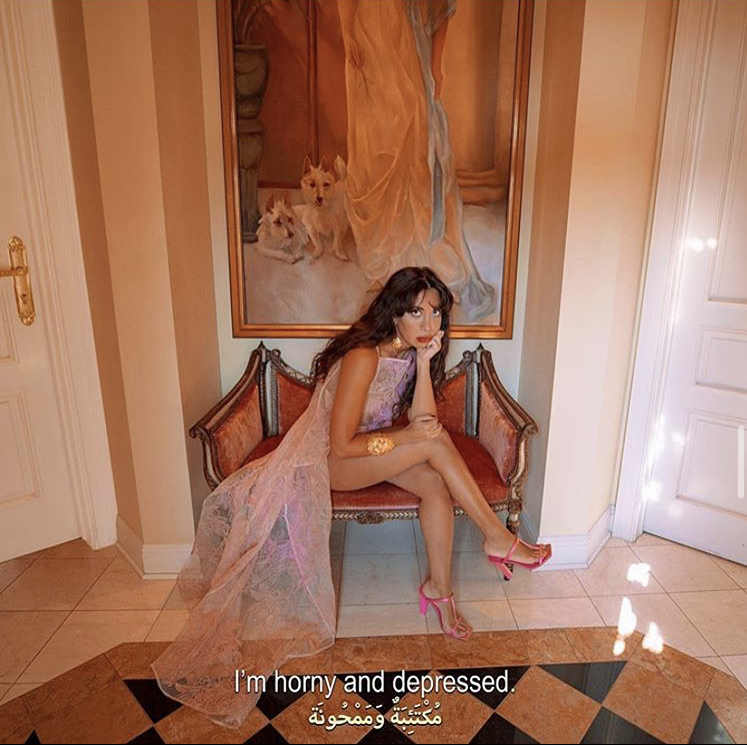
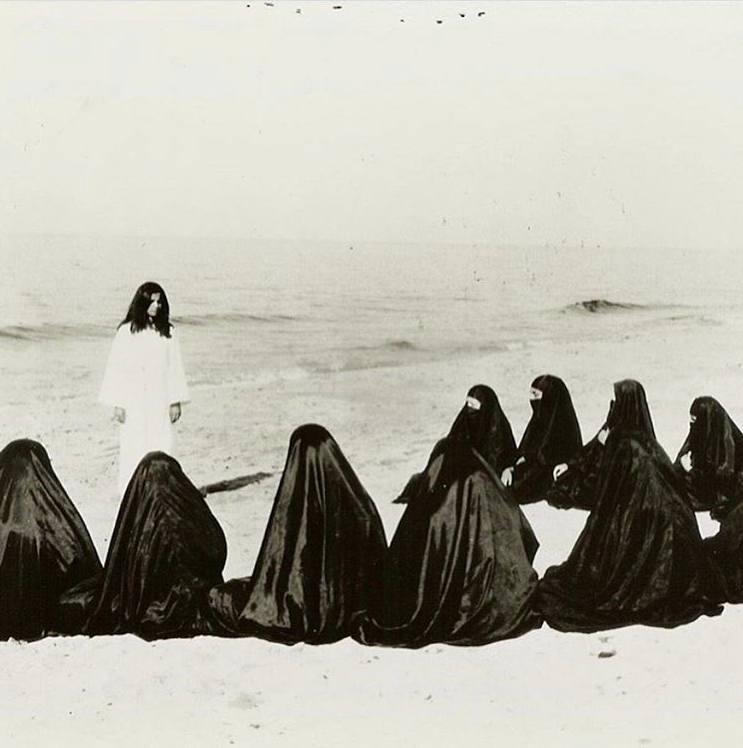
Left — 3eib (2020), dir. Sarah Bahbah
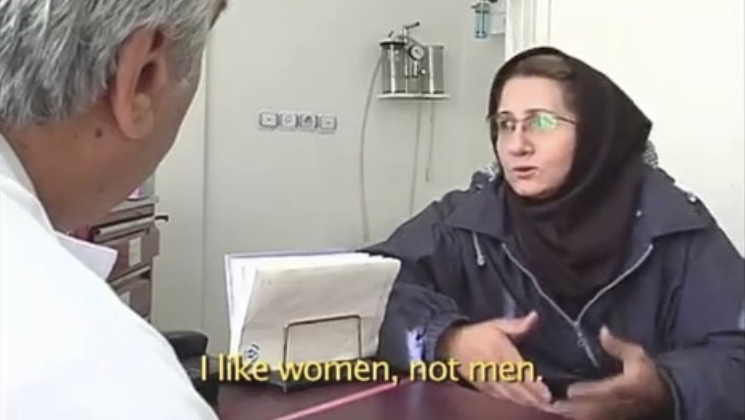
Top right — Be Like Others (2008), dir. Tanaz Eshaghian
Bottom right — Leila and the Wolves (1984), dir. Heinry Srour
Wow, really?
It’s not going to be a normal service. It’s going to be curated each month. I'm really excited. It probably wouldn't have happened without COVID because I was so busy with screenings. So many work trips planned, which all got canceled. I panicked. But now there is a higher demand for online screenings and also it just reaches more people. You can reach anyone in the world. so I guess it fits in with that whole digital foundation that Habibi was.
I wanted to know, too, about your online magazine ART WORK Magazine.
My first job was as a journalist. And this was at a time when fashion bloggers were a thing. I was writing about fashion stuff, then I lost interest in fashion, although I was a model and I was in the fashion industry again, but from a different position. And then I started becoming interested in art and my academic background is in comparative literature.
So, I never studied film or art. I've always studied literature. I started writing for the magazines I was reading. And also, I have a huge love for academic journals. When I first moved to the UK, South London, I remember being in the big Tesco's and seeing a copy of Vogue, which I had never seen before, and I was like, ‘Mum, can I, can I have this?’ And she was like, ‘What do you want that for?’ My family isn’t even remotely interested in the arts.
You don’t have to explain that one to me. Well acquainted with the attitude.
I was just very attracted to that world. I was working my first full time, journalist position at an Arab youth culture magazine, and I was freelancing at i-D and The Guardian.
And then, just like with film, I didn't really like how things were being run. I had all of these problems and I wanted to create a magazine that was completely moved away from that. Just have friends and people I admire write for it, cultural workers living on the margins. It's very chill. I don't want to try to make something big. We'll have the magazine, not stress about it. No bullshit.
It was a very slow process as well. In journalism, you have to file in like two days, whereas I literally worked on these texts for months with the writers and we'd meet up over coffee and stuff. When I’m freelancing, I never meet the people that I actually write for. So we built those relationships. It was collaborative. There was no hierarchy. And they were present through all of the editing. It was not about the actual output, but more about the process. I never really care about the outcome. The value for me is in the process.
Others of us would like to do the work that you're doing, not specifically archival film work, but more spotting holes in academia or ephemera within the region or about the region. Do you have any advice on how to get up and do the work to inform on the region?
I think the number one main thing is to do your research. I didn't, in no way shape, or form, start any of this being like, ‘I want to change something. I want to change the industry.’ I was just pursuing my interests. And I think that's the number one thing. When people ask, ‘How do I change things?’ You need to, first of all, know everything that you can know about film. You do the work first. I work with so many big institutions where the film team doesn’t know about film. People get into these high positions but it’s not because they know shit, most of the time. It’s about connections.
So, value that interest. And if people do have that one thing that they know a lot about and love, then go for it. Pursue whatever you want to change. You don't need a lot of money. You don't need loads of followers. That will come naturally if you are really persistent with what you want to do.
What I try to do is be really honest and transparent about money. And be open with your contacts, too. People are so weird about sharing their contacts. Share your contacts with everyone. That’s so important. Especially as a journalist. I’m always sharing. I have a database of about 300 press contacts which I share all the time so that other people can pursue careers in journalism, to pitch.
Don’t worry about making change, becoming activists, worry about actually doing your research and doing your hard work, and staying up all night, reading about whatever you're interested in. I think that's key, knowledge. Knowledge is power.
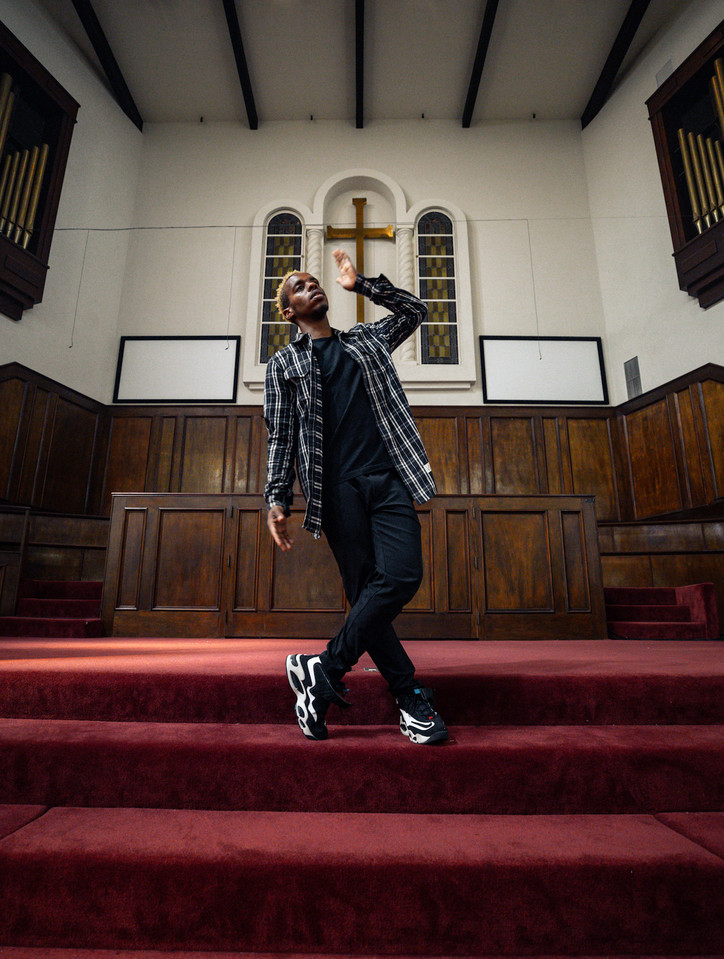
But Buck, the man I spoke to over Zoom last week, is very human, and that may be one of the most incredible things about him. When we connect, he greets me with a genuinely huge smile, rare on this platform, and says, “How we doing today, Saam? I’m really excited to speak with you, man.” I had just spent the better part of a few straight days researching Buck and his art, something that seems outside of this reality, and he still greeted me as a friend.
It’s one of many surprising things about Lil Buck that I learned throughout our conversation. For someone of such great success as him, performing with world-class artists, being the face of Apple commercials, and starting his own dance company, he is exceedingly humble and cannot get through one sentence about himself without naming every person that is responsible for it. And perhaps that can explain Buck’s great success: his history reminds him of how far he has come, and it promises too how far he can go.
Charles “Lil Buck” Riley was born on May 25th, 1988 in Chicago, Illinois, where he lived with his mother, two older sisters, and younger brother for the first portion of his life. “I grew up poor in a very poor family,” he says. “We lived in my grandmother’s basement. We moved a lot, man.” Due to his mother’s struggles with abusive relationships and financial hardship, when Buck was eight, he and his family moved to Memphis where his father lived, whom Buck had never met before. “I found out I had three younger sisters on my dad’s side.”
It was difficult for Buck to make many strong friendships because it never felt like he stayed anywhere long enough to build the community he needed. “I never thought there was anything special about me,” he says. “There wasn’t anything I had to offer. I didn’t even know myself.”


Though, the one constant Buck had in his life was movement. “I’ve been dancing for as long as I can remember,” he remarks. “I started dancing seriously when I was thirteen. That’s when I knew I wanted to be a dancer.” Buck and his older sister Stephanie would dance together in their free time. “She was a majorette,” he says through his excited grin. “She’s always been dancing. She got me into dancing. It was a coping mechanism. It made me feel happy. It was the only thing that made me feel free.” And one of Buck’s favorite pastimes with his sister, apart from dancing, was watching old VHS tapes of Michael Jackson. “I thought he was some mythical being,” he reflects on Jackson. “We didn’t have YouTube. We didn’t know what was going on in the world. I thought you just had to be a special kind of person to move the way he did.”
But Buck stumbled upon myth in the streets of Memphis, watching older boys dance together and have battles with the Memphis-born dance style of jookin’. He first witnessed jookin’ when his sister came home from school one day and danced with precise, weightless control of her limbs that he had never seen before. She taught him what she knew and he became infatuated with the style. But Buck remembers one moment in particular that pulled a string in him that set him out on a lifetime of mastery in jookin’. “I was at the Crystal Palace Skate Rink in South Memphis,” he recalls. “Dancers would come to the skating rink because they would have the skaters come off the floor for the last hour that the rink was open and open up the floor to anyone who just wanted to come dance and have a good time. We’d see people battling. It was the first time I had seen people who were jookin’ for years.”
It was at the Crystal Palace, during one of the dance battles, that Buck saw Jeremy “Bobo” Greer, whom he calls one of the pioneers of Memphis jookin’. “When I saw Bobo, someone from my own neighborhood, someone who looked like me, with the baggie jeans and the long t-shirt with golds in his mouth, when I saw that guy glide across a carpet just like it was water, everything stood still.”
In one moment, the impossible became the present for Buck. “He was gliding just as smooth, if not smoother,” he offers, “and just as cold, as Michael Jackson.” He had a rare, priceless moment of revelation. The walls of possibility he had known collapsed. “I went home,” he says, “and I couldn’t stop thinking about the way he danced. I woke up in the morning and he was still gliding in my brain. And it never went away.”
If you look up “Memphis Jookin’” on Google, the first result is a video of Lil Buck performing at the Kennedy Center. It’s a dance style that most have probably never seen before seeing Buck perform it, but to Buck, jookin’ is a central part of what it means to be from Memphis. It was a part of the way people thought about things, Buck reports. “my mama used to do the Gangsta Walk back in the day,” an older version of jookin’ from the Memphis music scene, “and that came from just getting upppp!” Buck argues that jookin’ is just as close to people’s hearts as rock and roll, or the blues, or any of the Memphis legends like Elvis Presley and B.B. King. “It’s just as Memphis as barbecue,” he says. And for something so special to Memphis to have originated in the streets is one of the most beautiful parts of jookin’ to Buck.
When Buck started jookin’, he found that the form satisfied a lot more of the needs in his life than he had anticipated. “I was bullied a lot in school,” he reflects. “People misunderstood me. And my mom worked two jobs. I didn’t spend a lot of time with my family. I never really had any friends.” Jookin’, for Buck, went beyond his desire to escape through dance: it offered an opening into community at the heart of Memphis culture. “I wanted to be a part of something amazing,” he recalls. “I would wake up in the morning trying to learn how to do the moves. And I would stay up late at night perfecting them.”
Buck trained like this for years, dedicating most of his physical energy and mental space mastering jookin’. By the time he was sixteen, after three years of relentless training, he was beginning to formulate a sense of style and rhythm. “You have to do it a certain way for people to recognize it as jookin’, it has to be authentic to the culture” he stipulates, “But it's also a dance style that has a lot of room for your own creativity.” As Buck trained, he discovered that he had extremely flexible ankles and knees, which allowed for advanced improvisations of the form. Personalized evolutions of an art form—revolutionary diversions.
Once Buck had felt comfortable enough with jookin’ after a short three years, he accepted his first dance battle against his hometown idols. “I was nervous, I had never battled,” he says. “I was still a huge fanboy. Everybody was superstars to me. These guys were my personal Michael Jacksons.”
But in the Memphis scene, Buck couldn’t show any fear. He was determined to prove himself. He battled a fellow joker named TJ, who is now a close friend to Buck. “When I tell you I was nervous, man,” he smiles, “I was afraid I was gonna pee my pants.” But when the museum came on, Buck calmed. “I was a totally different person. I was ruthless.” Three years of training presented with an aggressive perfection performed to those whom he worked to replicate. He could finally call himself a Memphis jooker.
It was at this point that Buck enrolled in hip-hop dance classes, and eventually, Buck’s mother enrolled in a performing arts high school after a lifetime of switching schools. Stability and focus were found in the mastery of his form. He joined a hip-hop dance class to hone that introduced him to choreography outside of his private intuitions. He also learned ballet to build up his core, strengthen his footwork, and build greater patience, eventually earning a scholarship to perform with a ballet program. At this point, he felt well-rounded not only as a jooker but as a trained dancer—learning to walk by running.
As Buck entered adulthood, he took advantage of the emerging social media sphere, putting dance videos out on YouTube and Myspace. A film producer in LA discovered Buck and flew him and his cousin out to LA to shoot a video. “That was my first time on a flight,” he says. It was the first time Buck could dance for audiences outside of his hometown and he left people in total disbelief with his jookin’. The professional dancers that worked on the set he was hired for were so amazed by jookin’ that they relieved themselves from appearing in the video so that Buck and his cousin could show off.
After leaving LA, Buck kept in touch with the dancers he met, and they started reaching out urging Buck to move to LA so that he could continue to pursue dance. One friend offered to fly Buck out and let him crash but the friend could only afford a one-way ticket. He had already gained so much through jookin’ within his own community, but maybe it was time to show the world what his community was made of.
He took the ticket and started saying his goodbyes. “My mom was scared pantless,” he jokes. “She cared about me so much. She just wanted me to be alright.” With the little money they had, his mother gave him one hundred dollars to start in LA. “I didn’t know about the luggage fees,” he laughs, “so it actually ended up being around twenty dollars.”
He arrived in LA with a place to stay, twenty dollars in his pocket, and the drive to do the unimaginable, which was just enough to get off the ground. He would dance at the Santa Monica Pier to make extra money. Eventually, he signed with an agent and started doing commercials to sustain himself. He appeared on the Ellen Show. He co-choreographed a Janelle Monáe music video. And, eventually, he made contact with Yo-Yo Ma.
“That story begins back in Memphis,” Buck explains. The ballet company Buck belonged to in Memphis, New Ballet Ensemble & School would often do outreach programs to schools in the area. During a performance at a school in Little Rock, Arkansas, Buck performed a mix between jookin’ and ballet, something he and the director Katie Smythe would often experiment while practicing. The video ended up going viral.
While Buck was working in LA, Damian Woetzel, the president of The Julliard School and an appointee on the President’s Committee on the Arts and Humanities by President Obama, saw the video and wanted to work with Buck. He reached out to the ballet company and eventually found Buck on Facebook and asked him if he wanted to put a performance together with Yo-Yo Ma. “I was like, ‘Yo-Yo who?’” says Buck, but after researching Ma, he discovered Ma’s level of mastery and prestige that draws comparison to Buck himself. It so happens that Yo-Yo Ma is known for his rendition of “The Swan,” and Woetzel wanted to bring the two together to collaborate.

Buck went to the Disney Concert Hall in downtown LA to a performance by Ma where they planned to meet. “Yo-Yo gave me the biggest hug,” he remembers, “ and he says, ‘I want to try something,’ so we went out to the hallway and he started playing ‘The Swan,’ and I started dancing. It was magic.” They eventually coordinated a performance at a meeting between different creative celebrities to incorporate the arts in education that ended up in the viral video recorded by Spike Jonze.
What I originally loved so much about the video was the shocking departure from what I was used to seeing with the sort of classical music like “The Swan.” I expect careful, reserved expressions that find confidence in their surviving antiquation. I don’t expect what Lil Buck does. In a way, I felt embarrassed by my reaction to Lil Buck’s dancing. Why is it that we find discomfort in the pairing of art forms? What would be possible if we found ways to destroy the barriers of relation?
For an artist like Lil Buck, it’s not that his art asks these questions. Rather, his art is a rare moment of explanation. An answer, unexpected. When I ask him how it felt to jook with Yo-Yo Ma, he admits, “I can't even describe the feeling,” and continues, “it felt natural and it felt real for me because that was who I am.” To Buck, dancing with Yo-Yo Ma was a product of a lifetime of finding his voice. “I didn't grow up with much of a voice,” he says, “I didn't grow up thinking there was anything special about me. I knew that this was something I could speak to. This was something that people can understand.”
It was an unexpected moment for Buck, an accomplishment he didn’t expect to achieve, blending the conservative, elite, and aged world of classical music with Memphis jookin’, merging a world felt unattainable to someone like Buck with a form that, to him, was once unattainable. To destroy boundaries like this is deserving of a master that has himself has done the impossible already in his life. “To present street dancing like Memphis jookin’ to the classical world and have them see for themselves that street dancing an art form as any other dance, any other art,” he slows, “it’s beautiful. Like growing a rose out of concrete.”
Buck continued to grow and spread the message of Memphis jookin’ to all those who would look. Over the next ten years, he would dance with Madonna at the Super Bowl, model for fashion catalogs, perform with the New York City Ballet, organize more collaborations with Yo-Yo Ma, and appear in more Spike Jonze movies. And yet, even with all of these collaborations, it took time for Buck to create the sort of project that was by and for himself. Not “the jooker,” not, “the street dancer that performed with Yo-Yo Ma,” not, “Madonna backup dancer,” but just as Charles “Lil Buck” Riley.
“I’ve always wanted to touch on who I am as a person,” he explains, “I speak my truth in my dance but I never got a chance to tell my own story. I never got to express the traumas I went through.” Although he was appearing with some of the biggest names in all corners of the art world, he didn’t feel as though anyone knew who he was beyond the dancing.
Recently, Buck was teaching a dance class with Red Bull, who regularly sponsors dancers, and started speaking to different people at the company about creating a video. He got in touch with director David Javier to start on something, a video, that would just be about Buck.
Buck grew up close to the church with his parents being dedicated Christians. “I think choir is a big reason I got so passionate about dance,” he says. “I always thought the choir was where the holy ghost was. When they started singing, I couldn’t control myself. I would jump up and start moving. And my mom would scream and say, ‘My son got the holy ghost!’ These are the moments I never get to talk about.”
Buck told David about his past, everything he went through as a child, and how the recent Black Lives Matter protests were bringing out memories of his life in Memphis, dealing with police brutality and gun violence within his community. So they made a video, released one week ago, titled, “Nobody Knows,” a dance collaboration with Pastor T.L. Barrett and The Youth for Christ Choir. It’s a short video, a little less than five minutes, that tells a lifetime. A boy from Memphis, reaching outside of what is human, touching hands with God. A manifestation not only of personal history but also community memory. It encompasses pain and the love and hope found in common strength. And it’s a dance.
“I couldn't hold myself back,” Buck remembers. “I started to cry in some instances because it was something so personal to me and something that. I feel like I got to get off my chest and I got to speak through in the best way I knew. I'm actually speaking to your soul through dance, my truth. This was me out there naked.”
I half expect when I watch “Nobody Knows” for a singer to appear at some point in the video and begin to perform along with the themes, and yet it would feel out of place. “Nobody Knows” is a landmark for Buck as the central subject. It’s a departure from an empty sort of emotion that Superbowl dancers may know far better than Memphis street dancers: feeling like your work isn’t being seen. “Growing up jookin’,” Buck starts, “we take pride in the time and effort we have to do to cultivate this art that we've been growing. And we've been training ourselves. We're craftsmen, man. We're artists. We’re not just background dancers for other artists.”
While Buck reached heights in his career that he never expected growing up in Memphis, he found a surprising distance from the appreciation of his form the bigger he got, and it’s a problem all dancers in the industry face. “I'm working really hard to try to inspire the dance community,” he says. “Hone in on who you are as an artist and invest in that.” Buck feels especially passionate about making sure that those within the Black community, who are historically exploited within the dance sphere, are not undervaluing the power they have through movement. “This is a mission for me,” he states, “to show the Black kids in my community that they have a voice with their dance. You have power with your dance. As long as you focus and hone in on what you do, and work really hard at what you love. Don’t take no for an answer. You can make this happen for yourself.”
I can’t tell if Buck’s dancing is what it looks like to be touched by God, or if it’s the sort of thing that makes others believe they are witnessing an act of God. I imagine witnessing Lil Buck perform may feel similar to how it felt to witness the Chicago Bulls win their first NBA championship against the Magic Johnson LA Lakers led by a young man named Michael Jordan. Perhaps it is how those sitting in the Vivian Beaumont Theater felt when they saw a young woman named Whitney Houston perform “Home” on The Merv Griffin Show in 1983. It must have been what Lil Buck felt when he first saw Michael Jackson dancing on TV when he was a kid growing up in Memphis.
But, one of the most inspiring things I found in my conversation with Lil Buck was realizing that he doesn’t see himself the way that I or any of his admirers see him. After a lifetime of beating impossible odds, he reflects on his career with humility and compassion for young artists like the kid he was watching Michael Jackson on VHS.
“I’m not an anomaly,” he assures. “I’m not the only person who can do what I do. I’m not a special case. There are a lot of obstacles for us, being Black in this industry. It’s hard for the Black community, for people of color, to survive. This industry wasn’t made for us. But we set the tone. We are the trendsetters. Our culture is what people love. We have the power.”
I ask Buck, before we run out of time, to imagine a young kid in Memphis watching “Nobody Knows” on their computer and seeing the way Buck dances in the same way he looked at Michael Jackson. He smiled and closed his eyes for a moment and took a deep breath. I then asked him, if he could say anything to that kid, what would it be?
“Wow,” he begins. “Thinking about what I’ve been through and what I thought as a kid, what it all took. I would just tell him, ‘Man, you should dream big. Dream as big as you possibly can, because no dream is too big.’” He smiles at me and begins to laugh. “You know,” he says through a chuckle, “when I was a kid, my biggest dream was to be a backup dancer!” Watching backup dancers when he was younger, Buck assumed they were just as well paid and just as well respected as the singer, getting up close to the singer, looking better than the musician. They added just as much to the art, so they should be just as lauded. And yet, although he may be right, such is not the reality.
“So, man,” he continues, “I would tell that kid to dream as big as they possibly can. From my experience, no dream is too big, and your dreams may not even be big enough for what you can do. You gotta go for it. You gotta work hard at what you love, for what you believe, for what you want to have happen for yourself. If what you love is dance, take the time to learn, have patience, learn the craft. Be a craftsman! Dream as big as you can.”

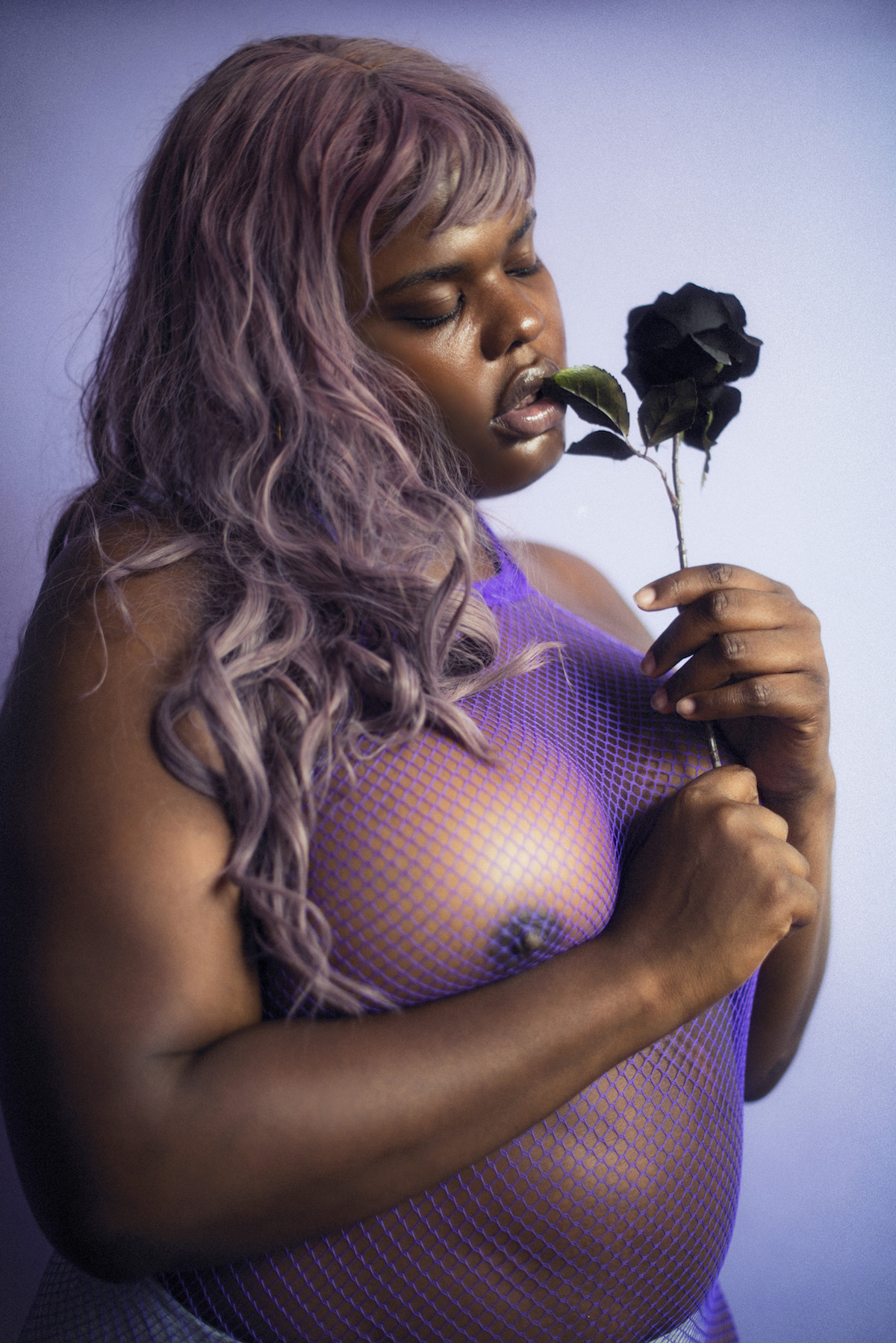
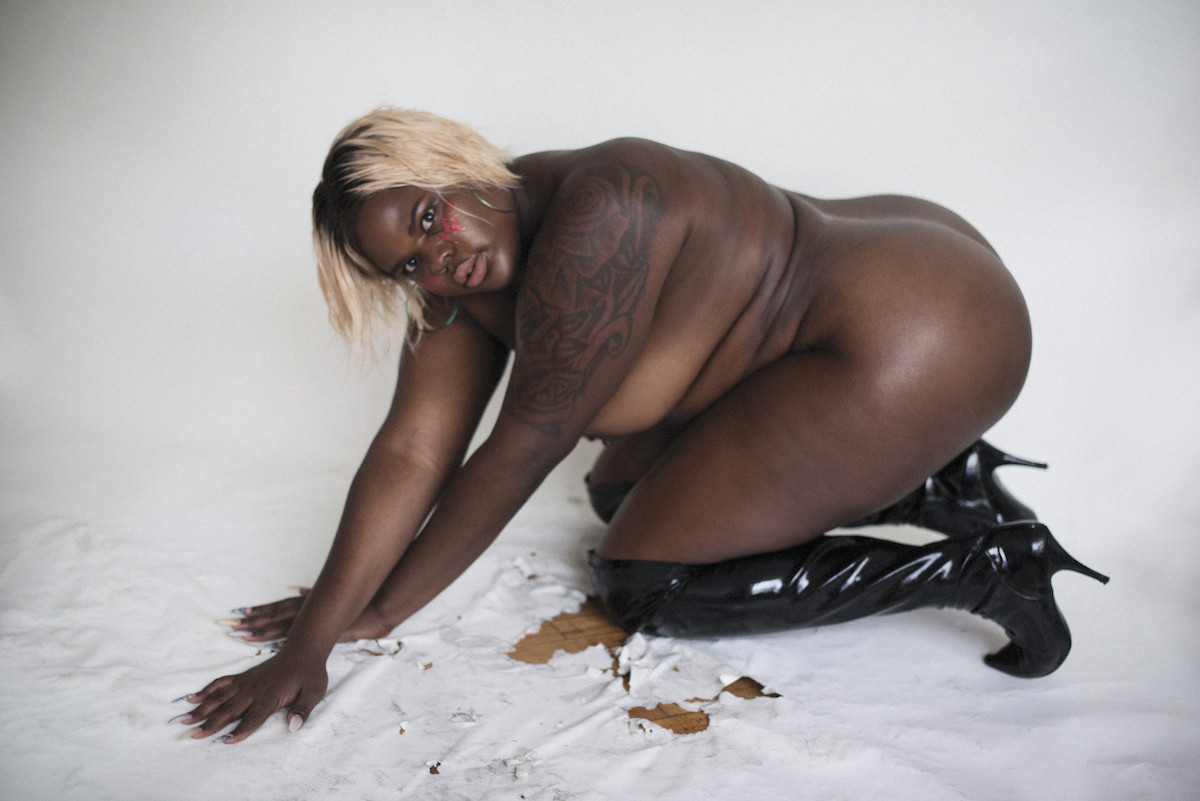
Gia Love wants to be remembered for her contributions to the Black trans community and let them know that she's with them—in all of their various shapes and sizes. office spoke with Gia Love to discuss her views on Black trans rights, the fashion industry, and how she strives to make a difference in the world.
Being a trans model and activist in the current social turmoil has to be challenging. How do you navigate these waters?
I just dig deep within my soul, and just know that no was never an option for me. I’m about to be 30 on November 30th. I finally have the fire inside of me to inspire people. I’ve always wanted to be that person who inspire people, through everything I’ve done. But I felt like it was time for me to take on a new kind of space and maybe even a broader audience. For the sake of representing all people and improving the lives of others holistically, can we really tackle some of these structures that make it hard for people who are different?
Do you feel as though fashion is taking the necessary steps to actually stand in solidarity with trans people? Why?
I don’t think so at all. You’ve been seeing more trans people being represented, but it’s the same girls. It’s been the same girls with a similar narrative. It’s like, “Who is respectable of the not so respected?” I told myself, if I’m going to be a model, I need to do modeling that matters, modeling that changes the lives of little kids. I just want to be that beacon of hope.
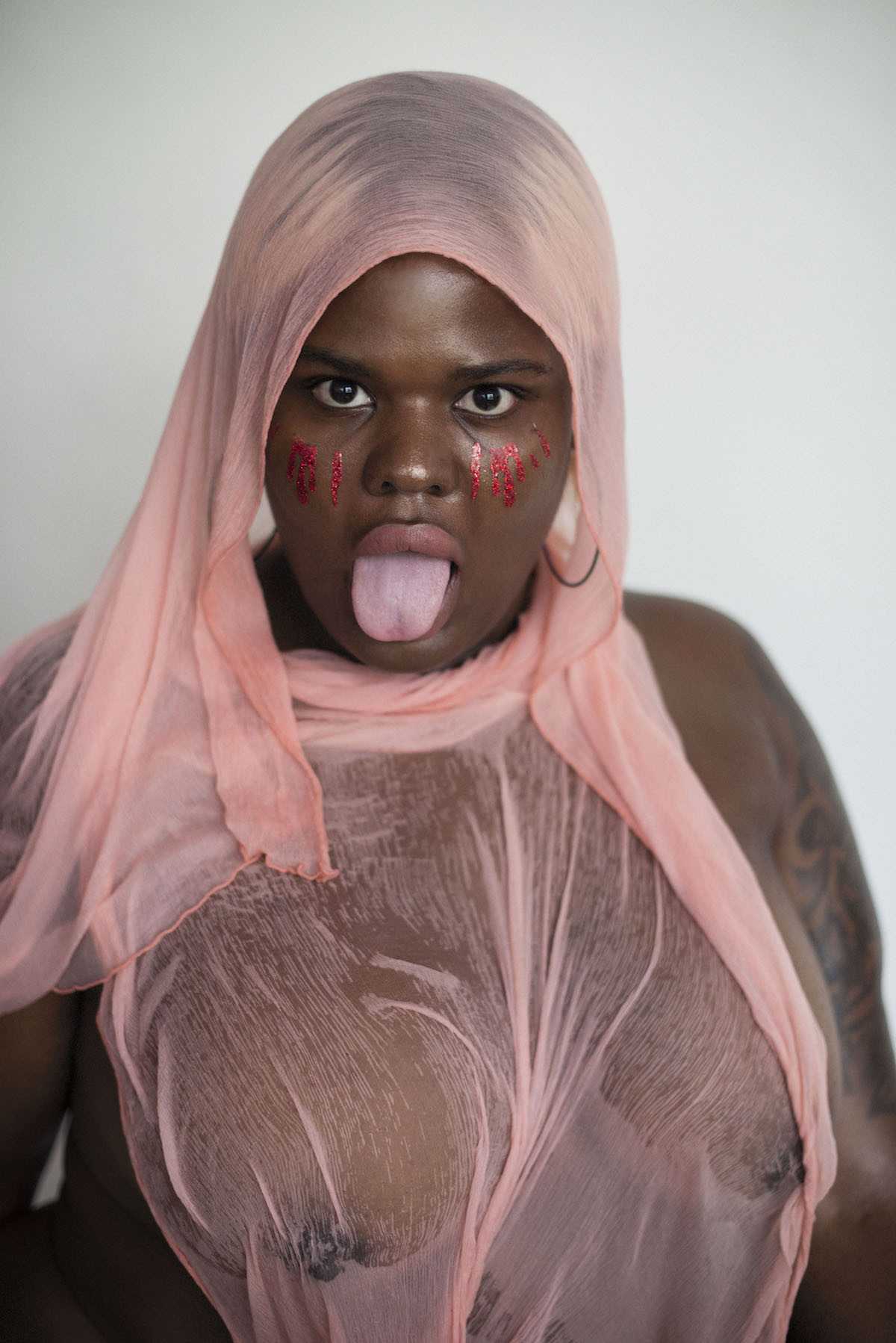
In 2020, almost 2021, what does Black trans activism mean and look like in your definition?
I think that Black trans activism is literally waking up every day and walking out of your door. I know that sounds very simple. We have to exist against a narrative that basically suggests that we’re not even human beings. So, in 2020, in some states you can be fired. Like you can’t ever work [for being trans]. So just existing, and existing despite of the barriers that the majority puts in place for us is our form of activism.
As a person who wasn’t able to grow up in the ballroom community who now loves it, I’ve seen the Kiki documentary. What does it feel like to be a part of something that will impact culture 25 years from now?
I’ve always been fighting to tell my story, and I’ve always fought against narratives that people have placed on me. The Kiki film for me has given me an opportunity, or reference, for history. It’s something that I can never take away. It’s something that will inspire people for generation to come and give a comment on a time we were in at that point.
I can see from your Instagram that you have a couple Telfar bags. How do you feel about the brand?
I love the brand. I love the bag, and what it symbolizes. It’s kind of like a movement within itself. Like you’re walking down the street, and you see people with Telfar bags, and you wink at them, you know what I mean? I really support our community and what we contribute to the larger scheme of things.
If you could be on the cover of one magazine, which one would you choose?
Jet. I would be a Jet girl. Because of the impact that it had on Black women, especially me growing up, and going back and seeing the types of women and the people that they profiled on there makes me want to make Black trans women a part of the conversation.
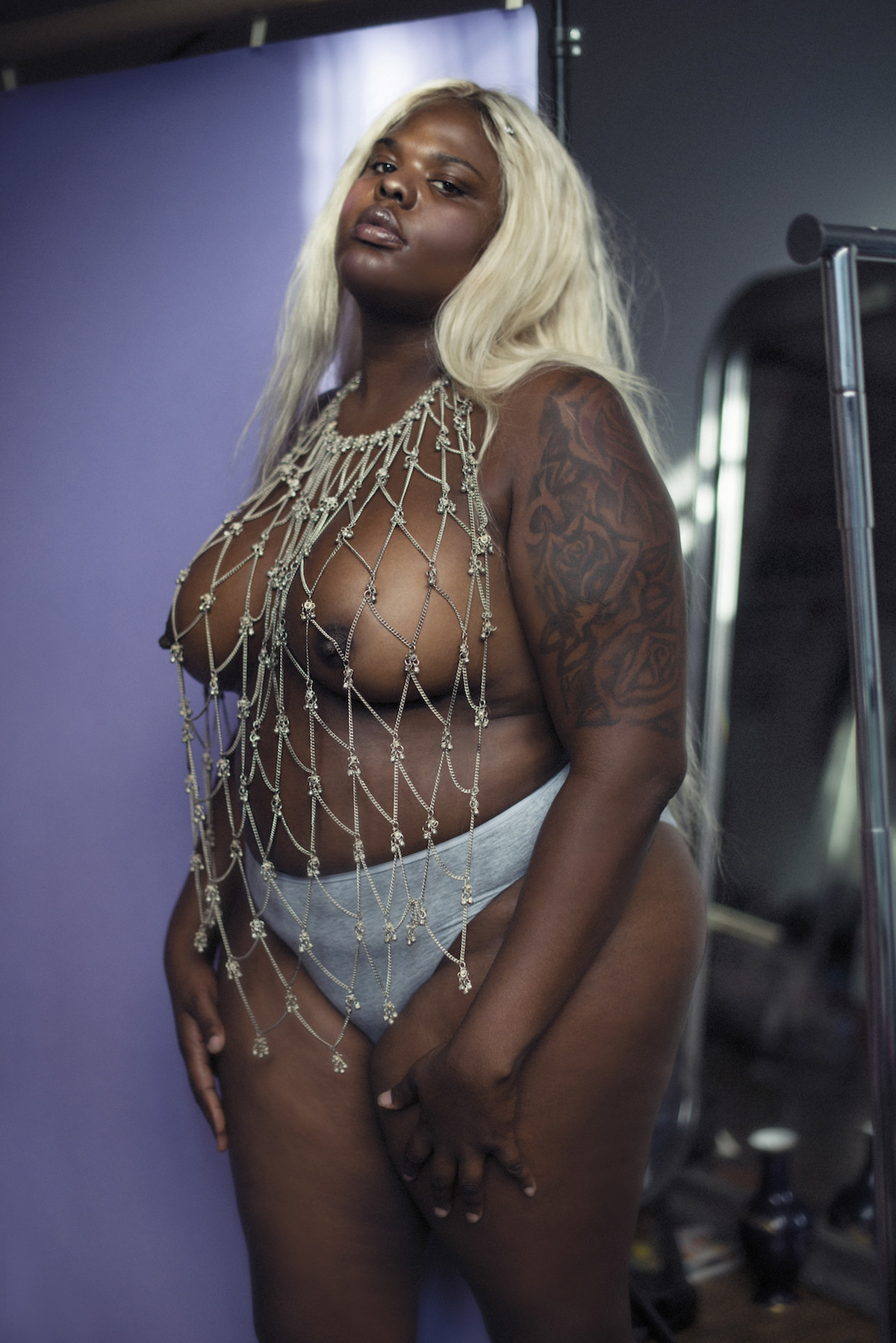
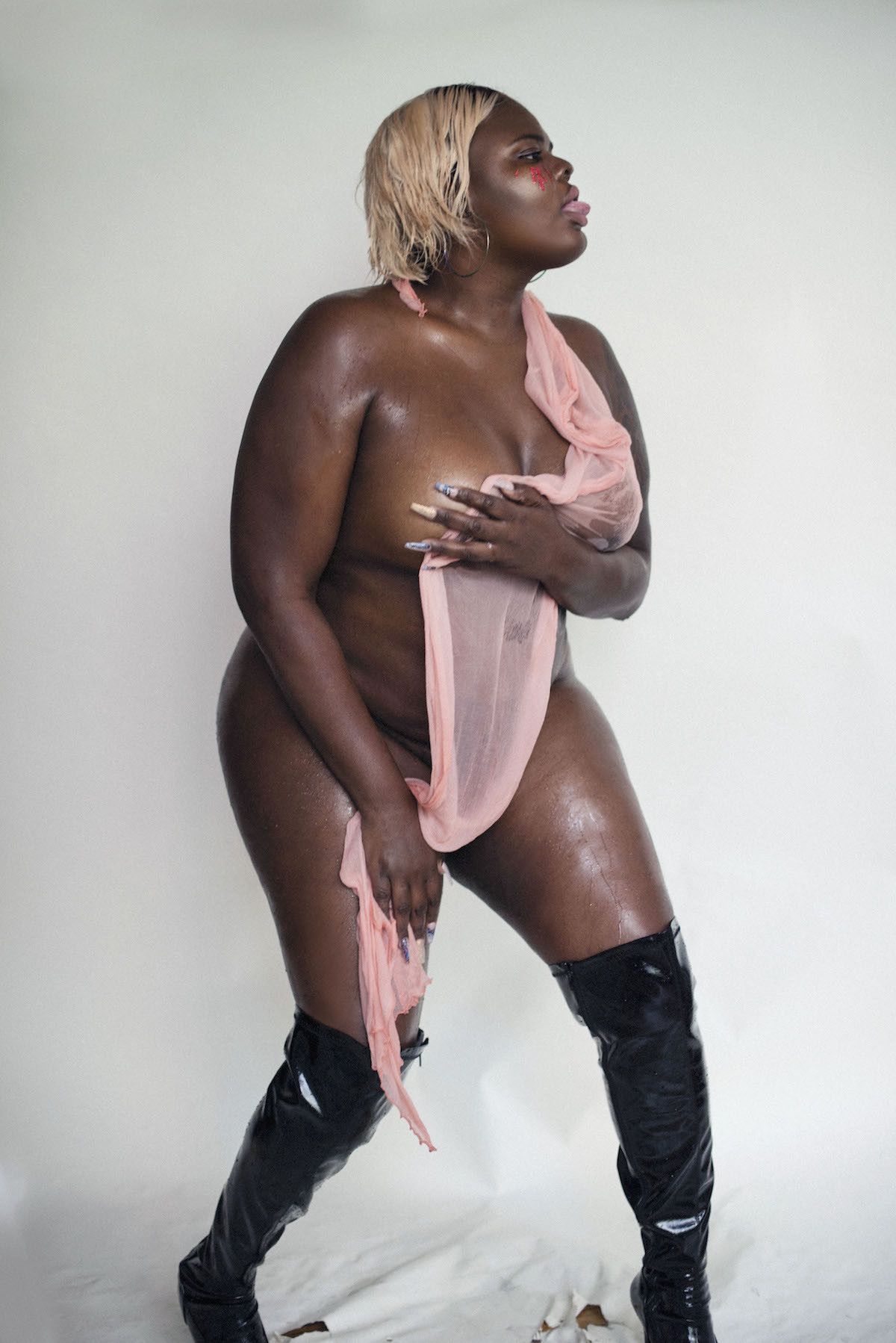
Are you working on any upcoming projects?
Yeah, I have a nice upcoming project that I worked on with some other trans women. It about everything that I talk about in terms of like diversity, inclusion, and fashion. It’s a trans directed, trans executive produced, and trans created concept. We worked with people who look like us to get this done, even Telfar is featured in it. Stay tuned and be on the lookout for that, because I really think that it's going to really contribute to changing the conversation about what it means to be Black, trans, full-figured, and beautiful.
If you could see your energy as a color, what would it be and why?
I bring a brightness to things, and I love to stand out. I always say whether or not I fit the mold of like, what is conventionally beautiful or what is conventionally acceptable, you will never forget me. You will always see me; you will always remember me. So, yellow.
What’s one thing you want to be remembered for?
I think that when Beyoncé said, "I was here, I lived, I loved," that really resonated with me. I want to be remembered for loving. I want to be remembered for being a person who unconditionally loved people and really did everything in her power to make sure that the most vulnerable among us have a voice and can be heard, not just seen.