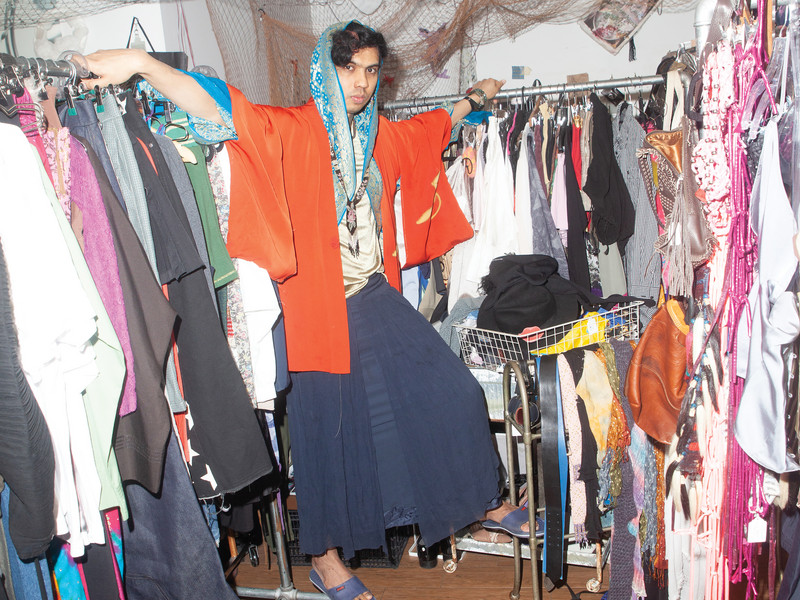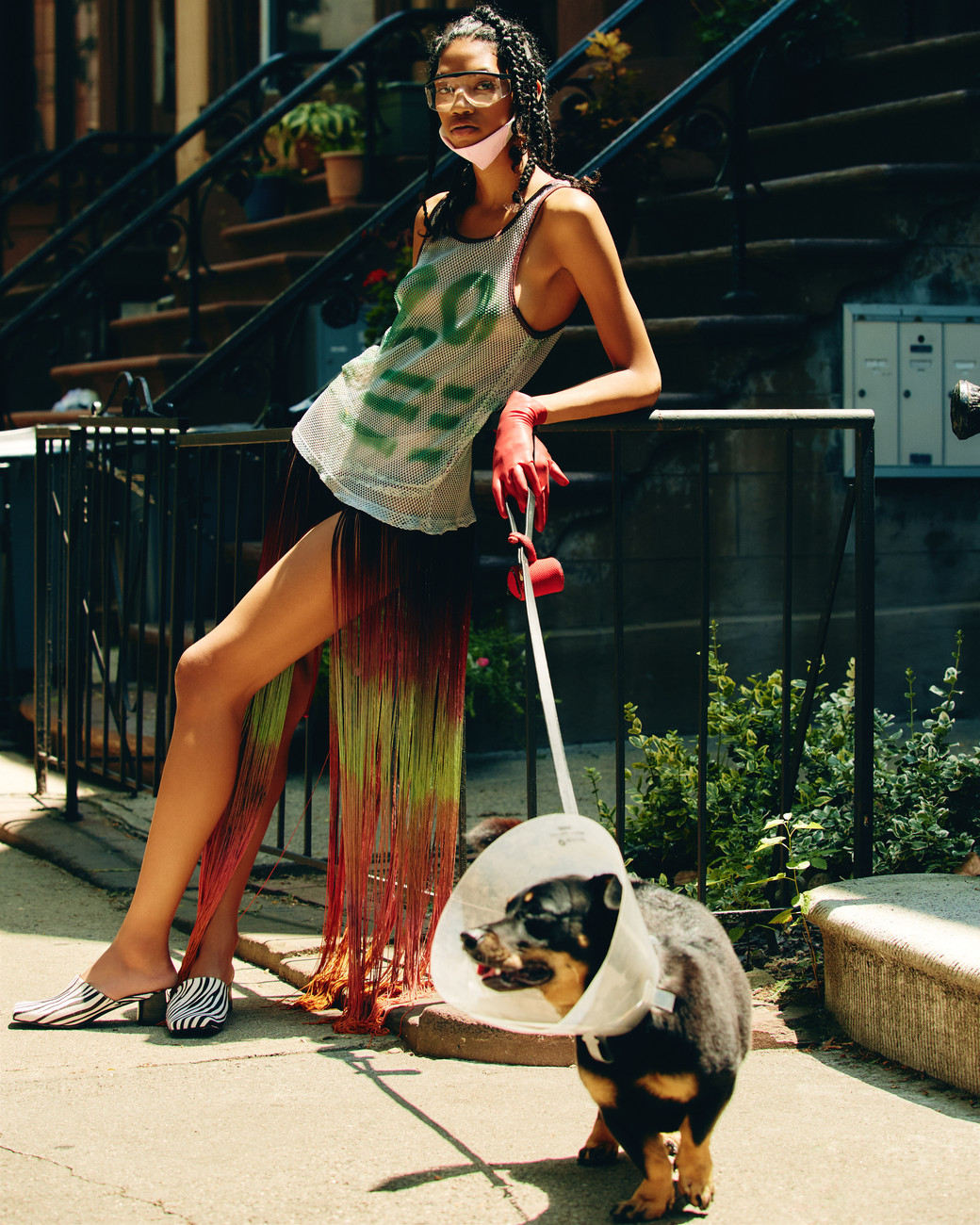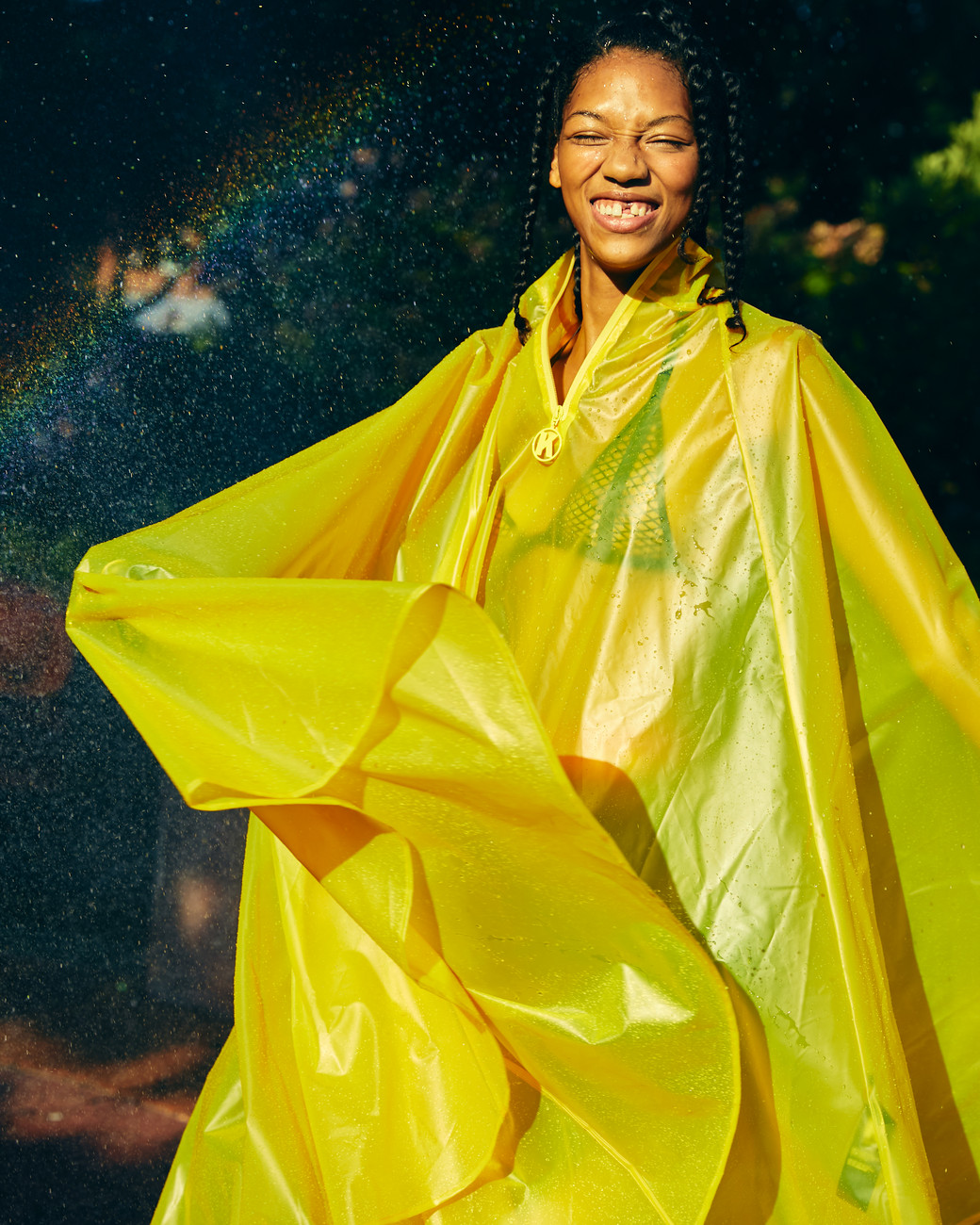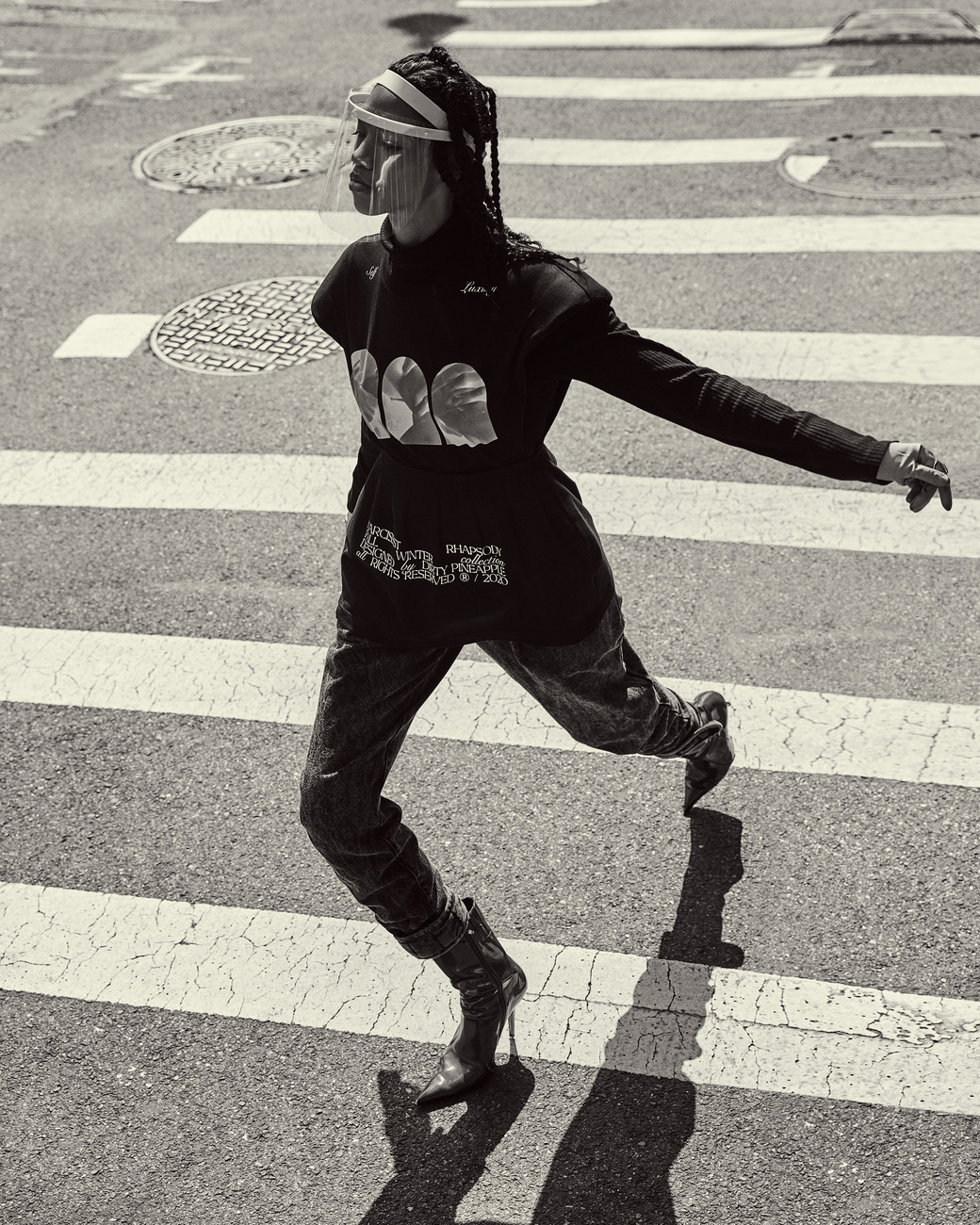
For Lovers
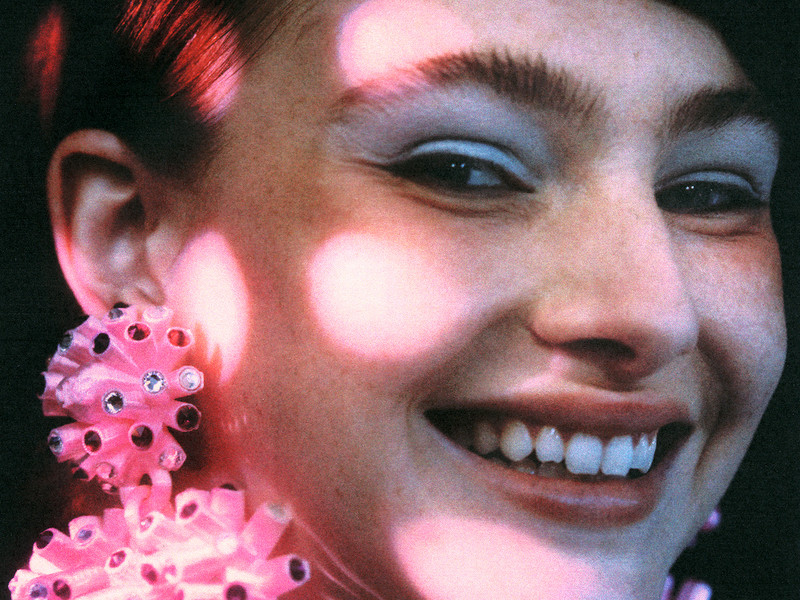
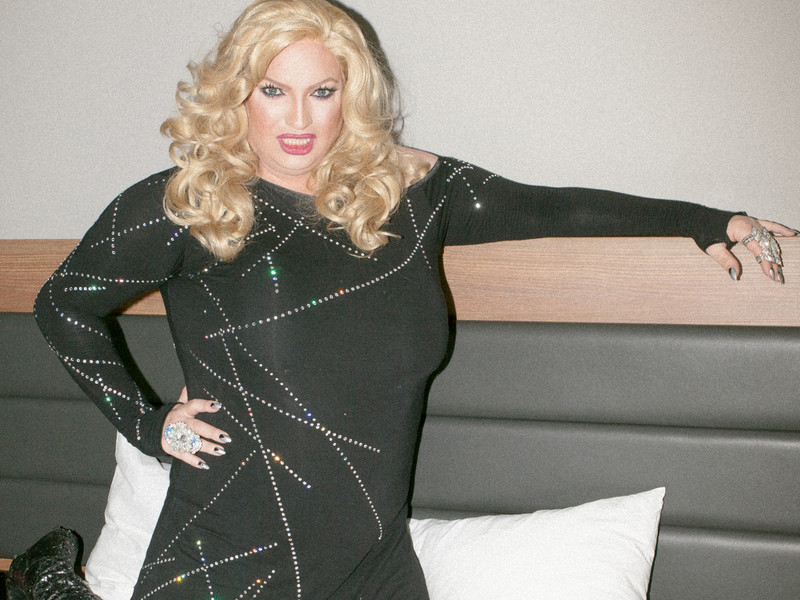
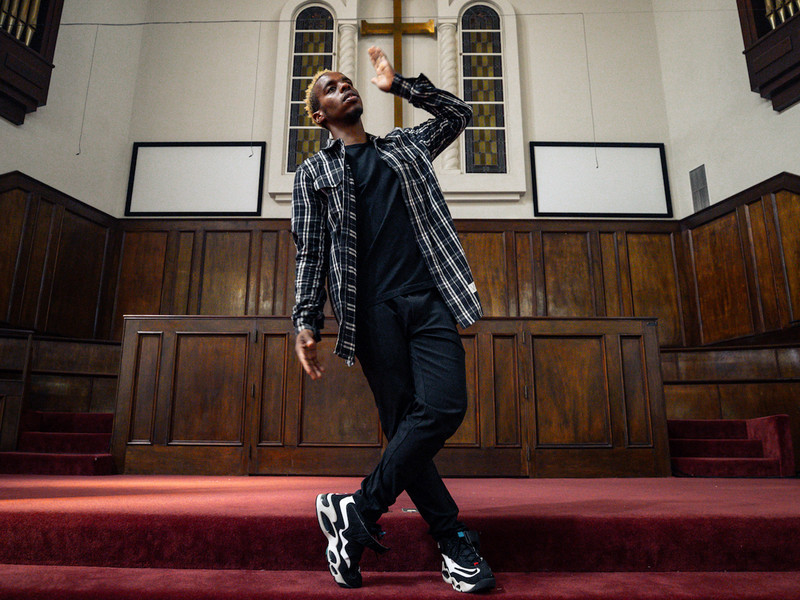
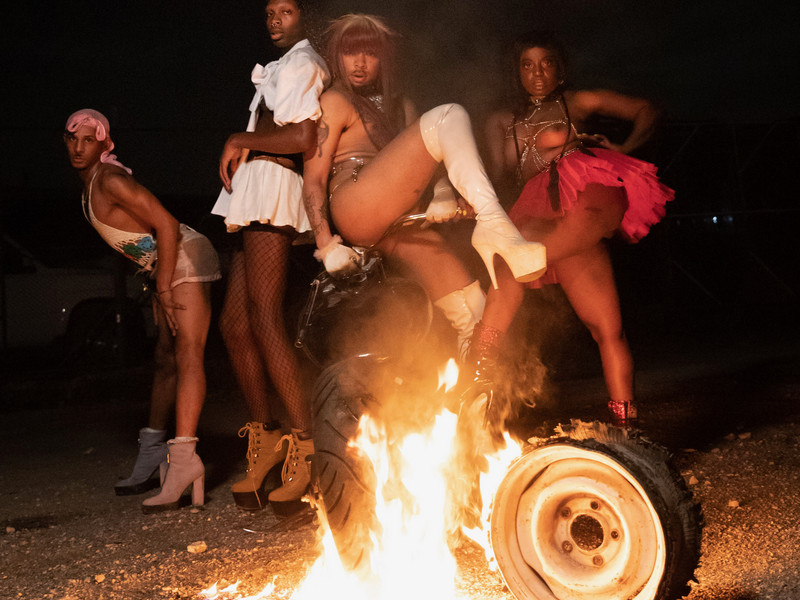
Lamar is a muse for the ages, a lens through which we can explore the love within both our hearts and others'.
Check out the video and photos below.
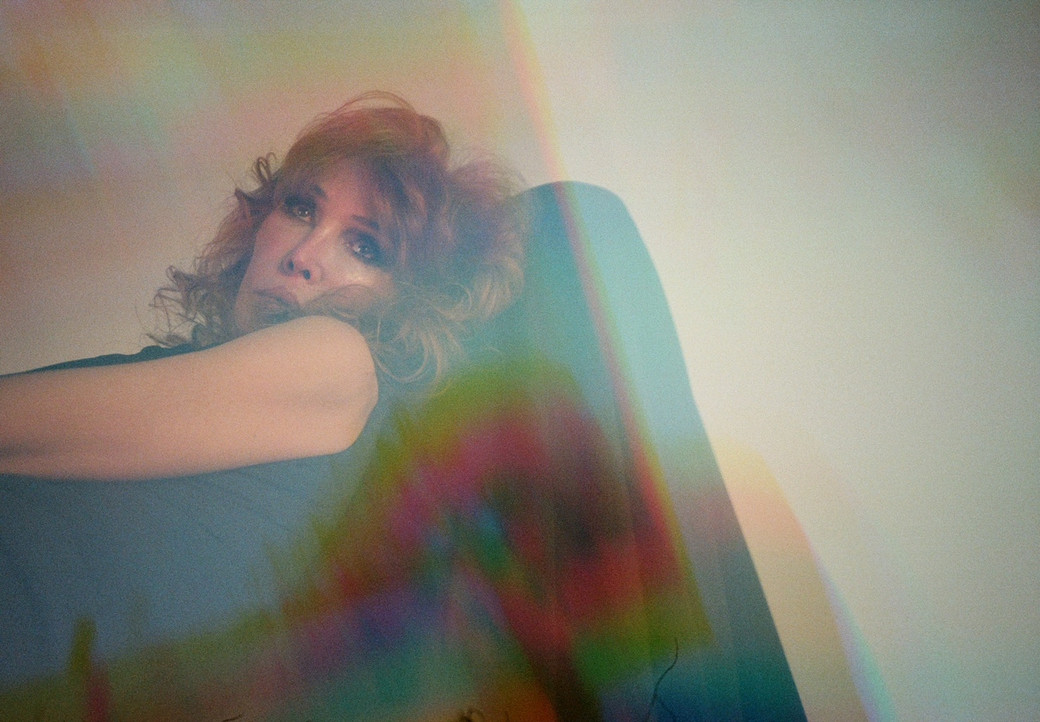
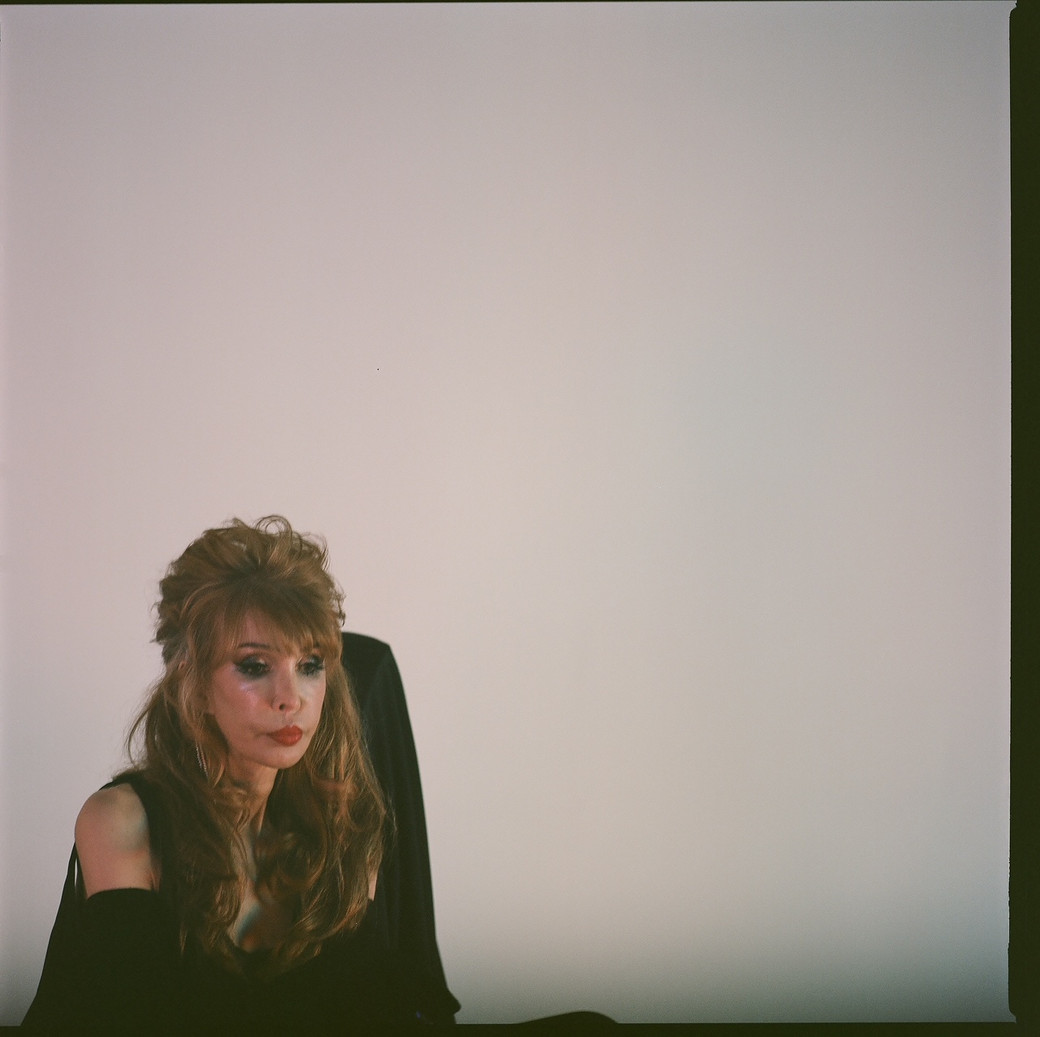
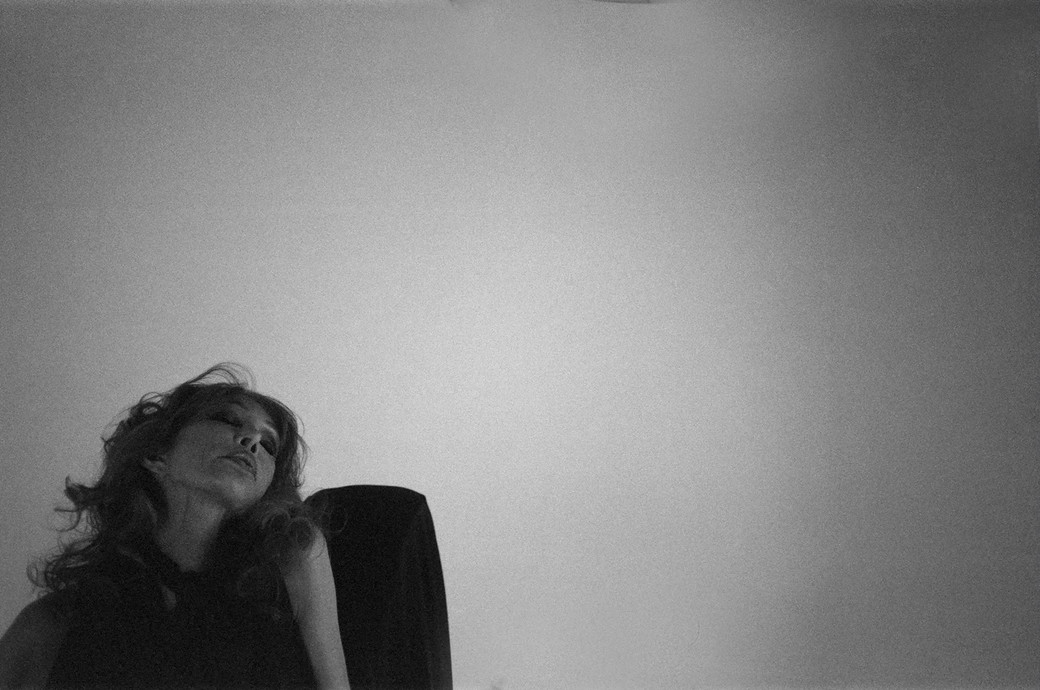
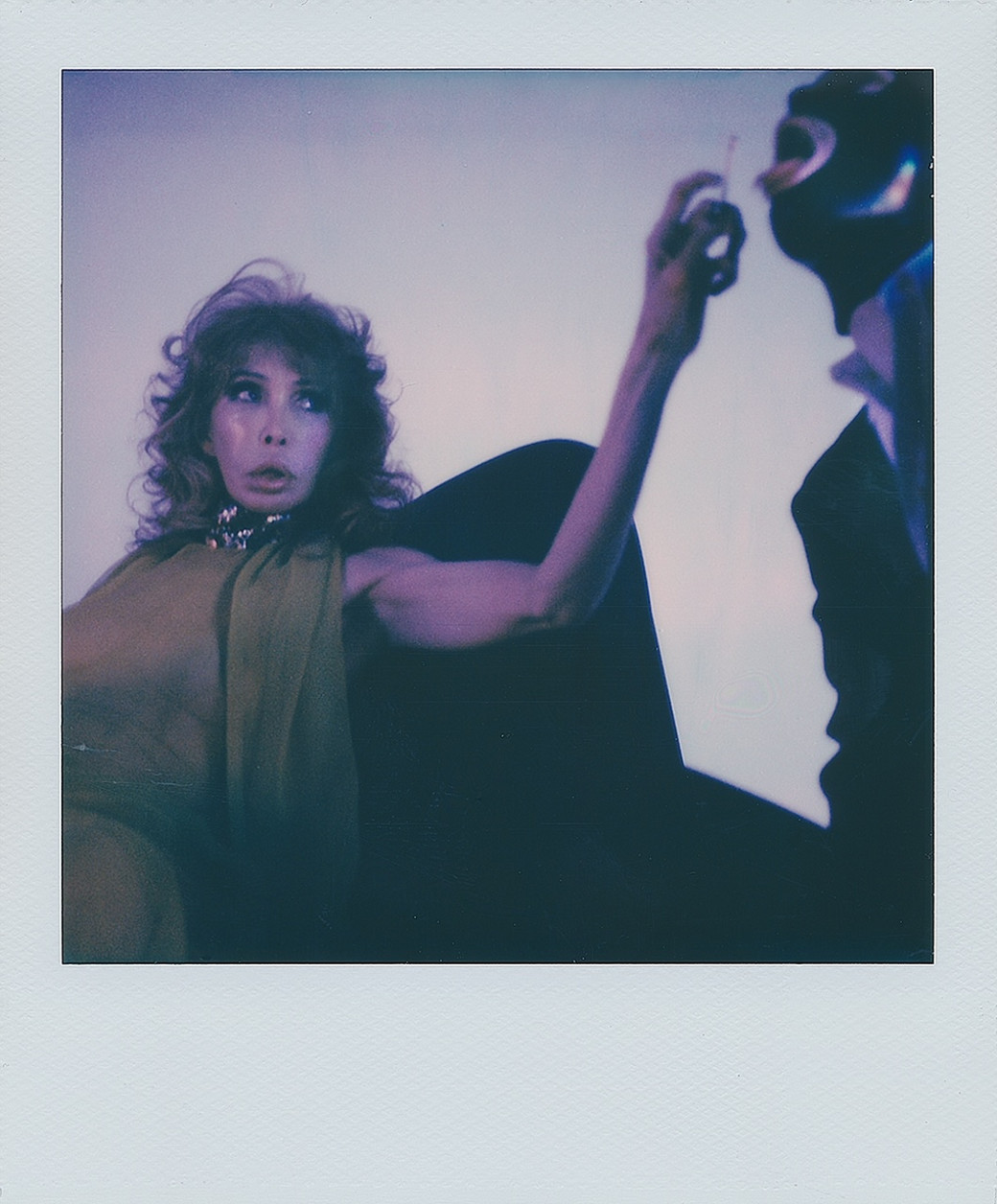
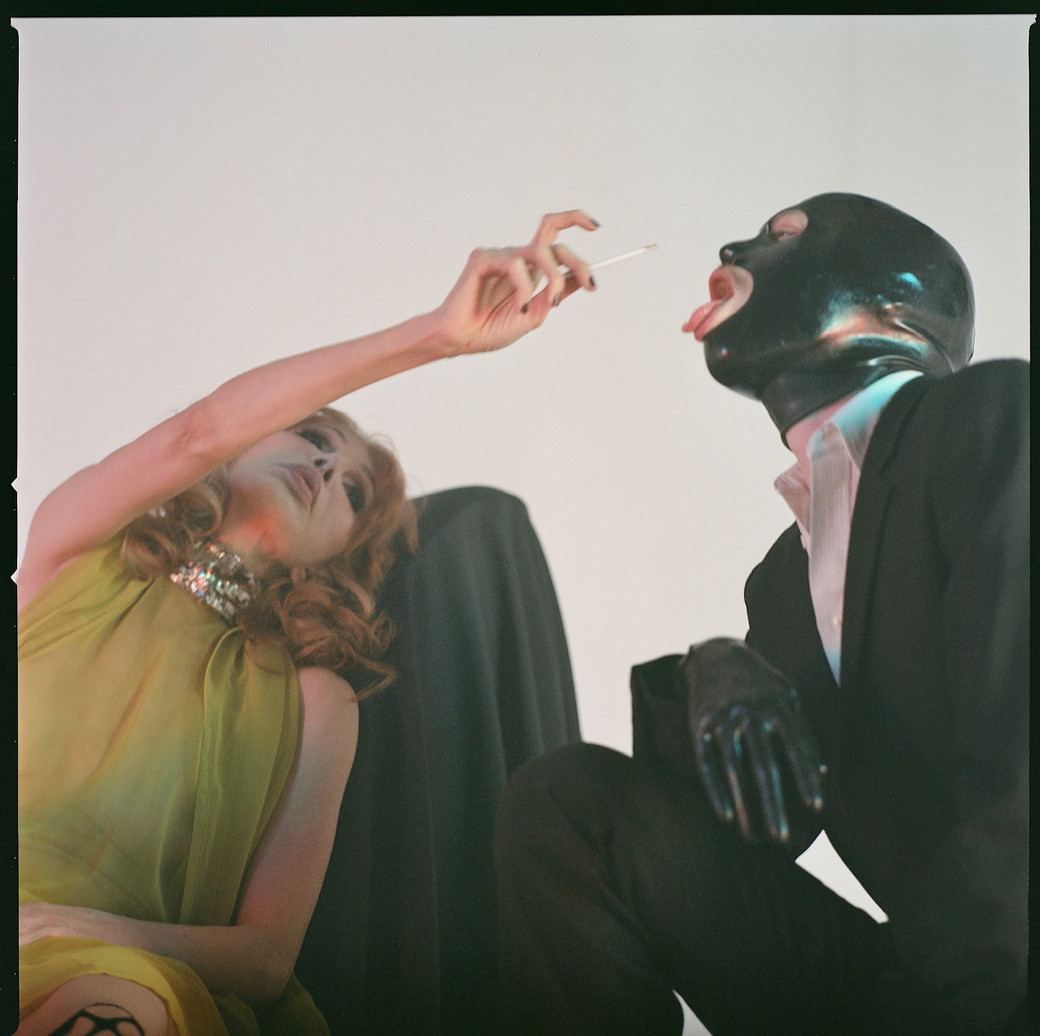
Lamar is a muse for the ages, a lens through which we can explore the love within both our hearts and others'.
Check out the video and photos below.

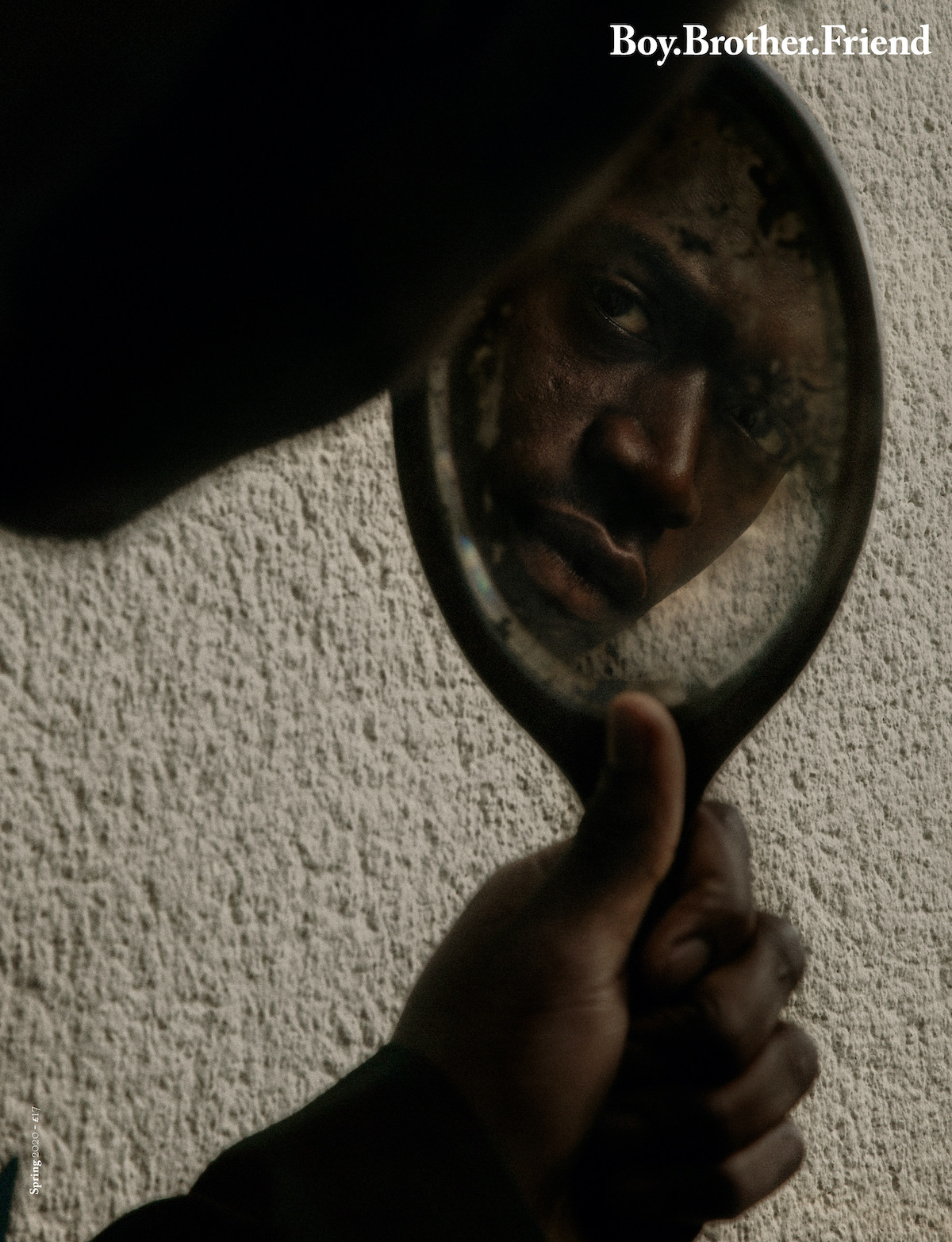
Enter BOY.BROTHER.FRIEND.—a fresh UK-based publication and online platform creating spaces for fashion luminaries and their related theological texts. BOY.BROTHER.FRIEND. is a magazine with an imperative mission, and office caught up with founders KK Obi and Emmanuel Balogun during the launch of their first issue to learn more.
What was the driving force behind founding BOY.BROTHER.FRIEND?
KK OBI—I did a zine in 2017 called Boy.Brother.Friend. At the time I was a bit fed up with shooting models—I was working for a small, independent men’s publication. And I just had this need to be fulfilled; I thought, “There are all these really interesting people around me, wouldn’t it be great to get them all together and shoot them in a really beautiful way.” That’s really how it all began. We did a partnership with LN-CC and it all kicked off. The reception was really good. It all makes you feel confident like, “Wow I should actually, maybe try and do this.” I’ve always wanted to do my own thing —to do something that felt representative of where I came from and where I am.
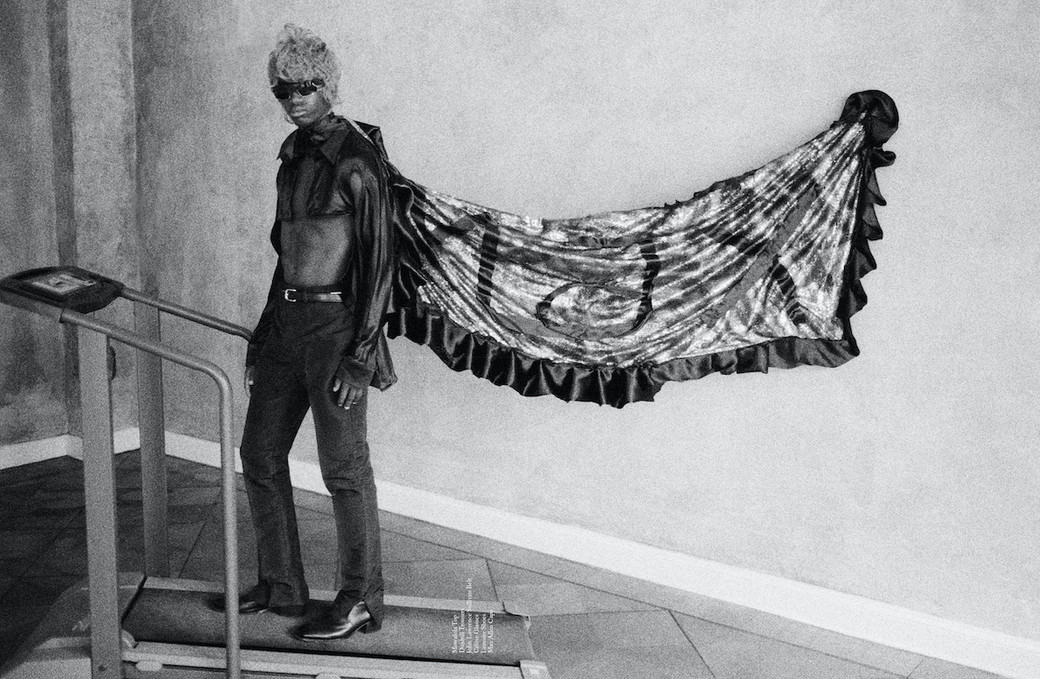
BOY.BROTHER.FRIEND. has a gorgeous online presence but is primarily a print publication. What made you choose the medium of print?
Emmanuel Balogun—KK and I, we’ve been friends for a number of years now—over ten years, even though we’ve had diffrent walks of life. KK works in fashion, I’m working in art and international development, so we see the diffrent industries in different ways. People of African descent or of the diaspora are comminicated and spoken about in terms of the need to develop. When you’re talking about Africa there’s always this constant conversation about ‘Where it needs to be,' not where it is. And in fashion there’s not much conversation about Africa until recently. So we thought it was important for us to create something that was physical, that would be logged in history in a library, something that younger generations could find.

Something that’s available even when your WiFi is out.
EB—Exactly! When you look at all these people who are trying to see and define themselves, wheather it’s in terms of African or Black, there’s always help when looking back at publications that once existed and are no more. So we had to create something that would exist and persist. That’s why it’s in print.
KK—We also wanted to offer something strong digitally, which is why we’re doing the website, and there will be more developments added to that side as well.
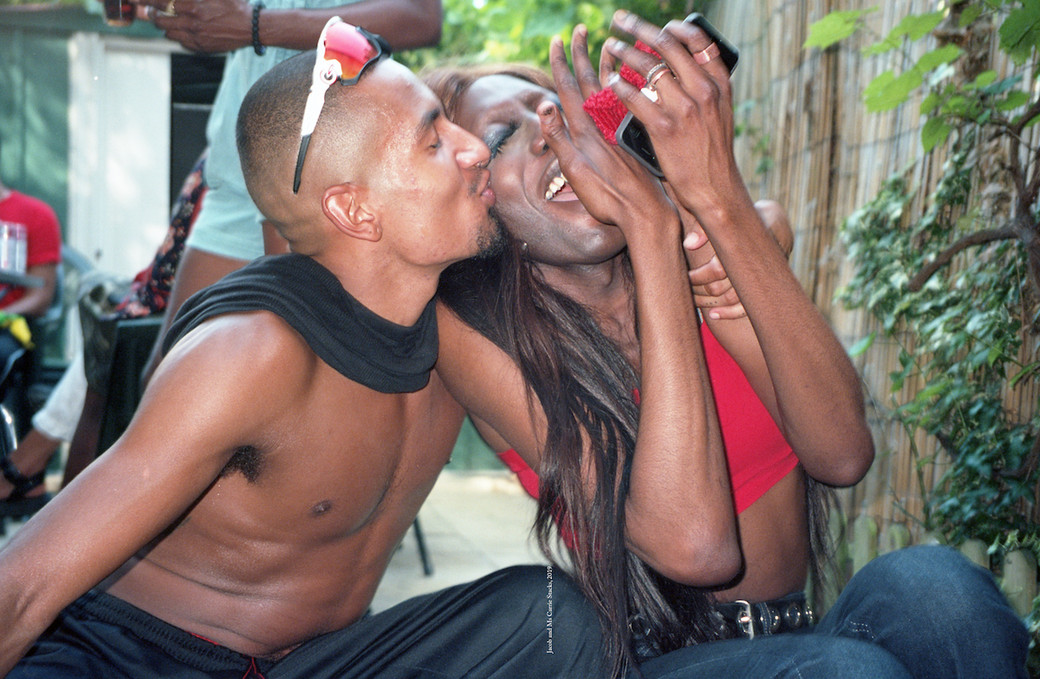
EB—Going back to the first question, I’d say it’s also really about adding more to the story or rewriting people into history and re-telling history. You get to tell your history for your people. We shot our close friends, who are of our generation, and we shot people who are older than us as a way to bridge multigenerational conversations. It’s really about creating history and rewriting history, and making sure that we remain in history.
KK—Because as you know history has not always been on our side.
At all!
KK—It hasn’t always served us, at all. So that’s definitely why we wanted to have—or start having, those conversations.
Issue 1’s theme is Discipline. What made you want to start there?
EB—It’s about looking at the spaces that we’re in, and the codes you might have to adhere to in order to get your work circulated. Adhering to structures and messages that people will willingly market. So it’s like, ‘How do we control ourselves?’ Whether that’s through religion or coming from a culture where you have to adhere to tradition and be a certain way. So it really is about all these different codes in our life that condition ourselves and also the means of control that are used to keep us in place.
KK—We’re dissecting that. Really kind of probing that. We wanted to have these really strong portraits of people who, through their discipline, are using their work to change the conversation. Around the time we started there was a lot of conversation around the environment and ‘diversity.' But what did all of that really mean for our communities? That’s really where we started with this theme.
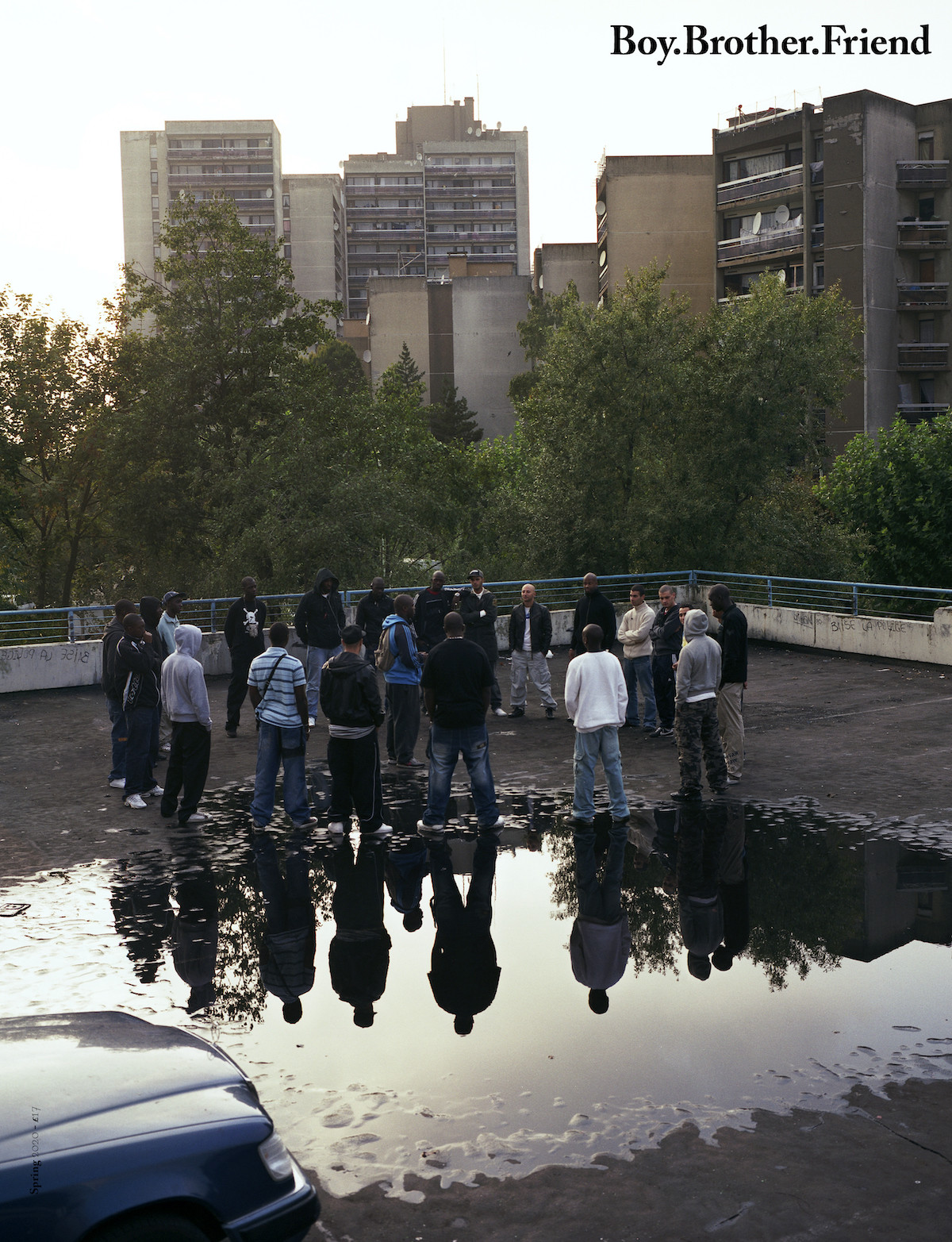
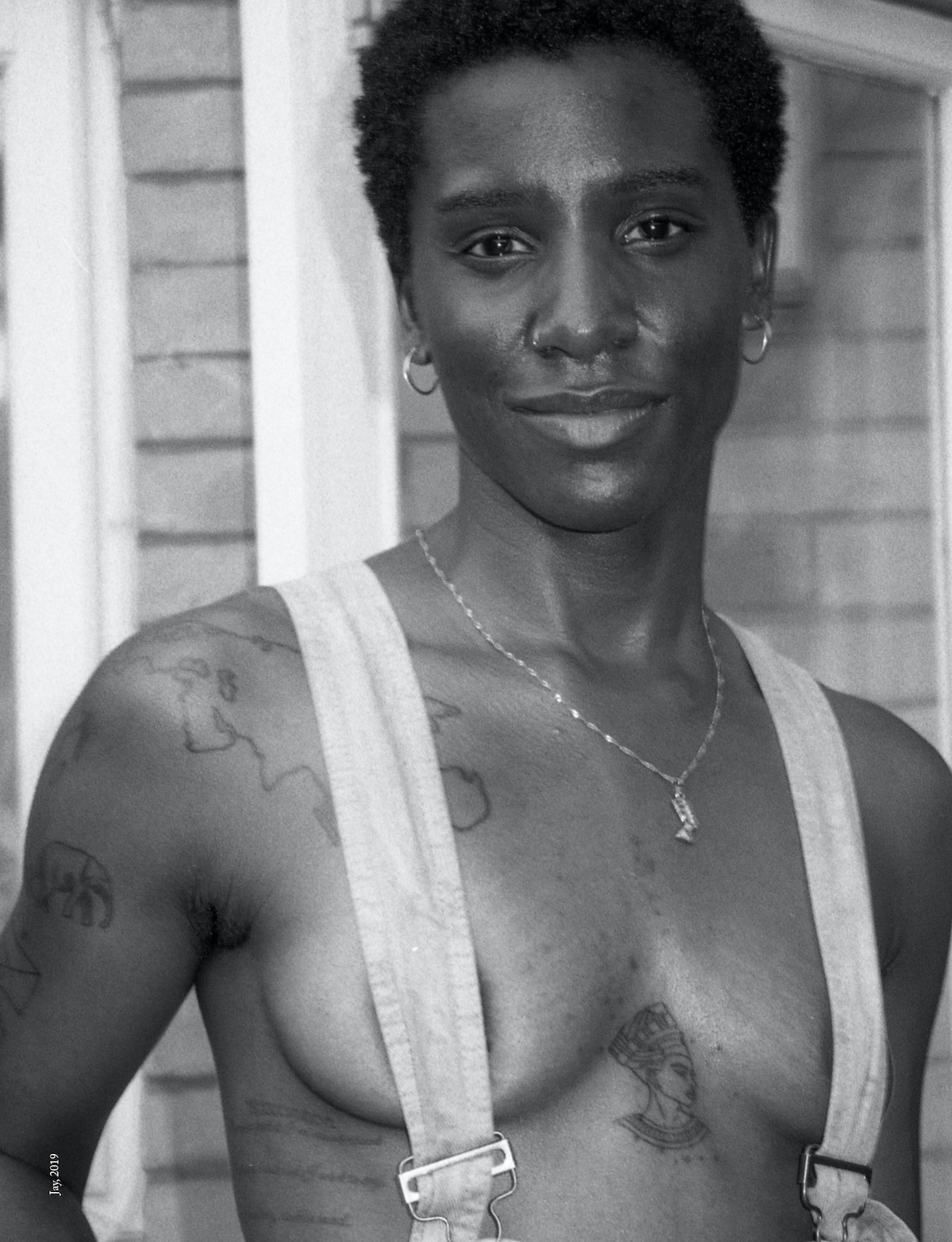
I’m really liking that two-prong approach—investigating how the world is impacting people and seeing how people are changing themselves so that they can be presentable in the world. There aren’t a lot of outlets to explore thoughts like that which are also in the form of being beautiful and engaging.
KK—Exactly. There are lots of platforms out there but they’re all afraid to have these serious conversations about the things that are affecting certain communities. We wanted a space where we could actually be critical, and be critical of ourselves.
EB—That’s why you see in the mission statement it’s really about fashion, contemporary art, and theory. That element, theory, is really important because people are fascinated by images and conversations but I guess do people really read?

Some of us do.
EB—Yeah some people do! That’s good to know. People are always fascinated by concepts and research but a lot of times research is just image collecting. It was really key to involve people who had been doing the work before we got involved. There’s Cornel West—he’s known more in America than in the UK. There’s bell hooks. We love bell hooks.
The interspersal of her quotes throughout the issue is a really strong design choice and one of my favorite aspects.
EB—Read their book Breaking Bread. That’s the one.
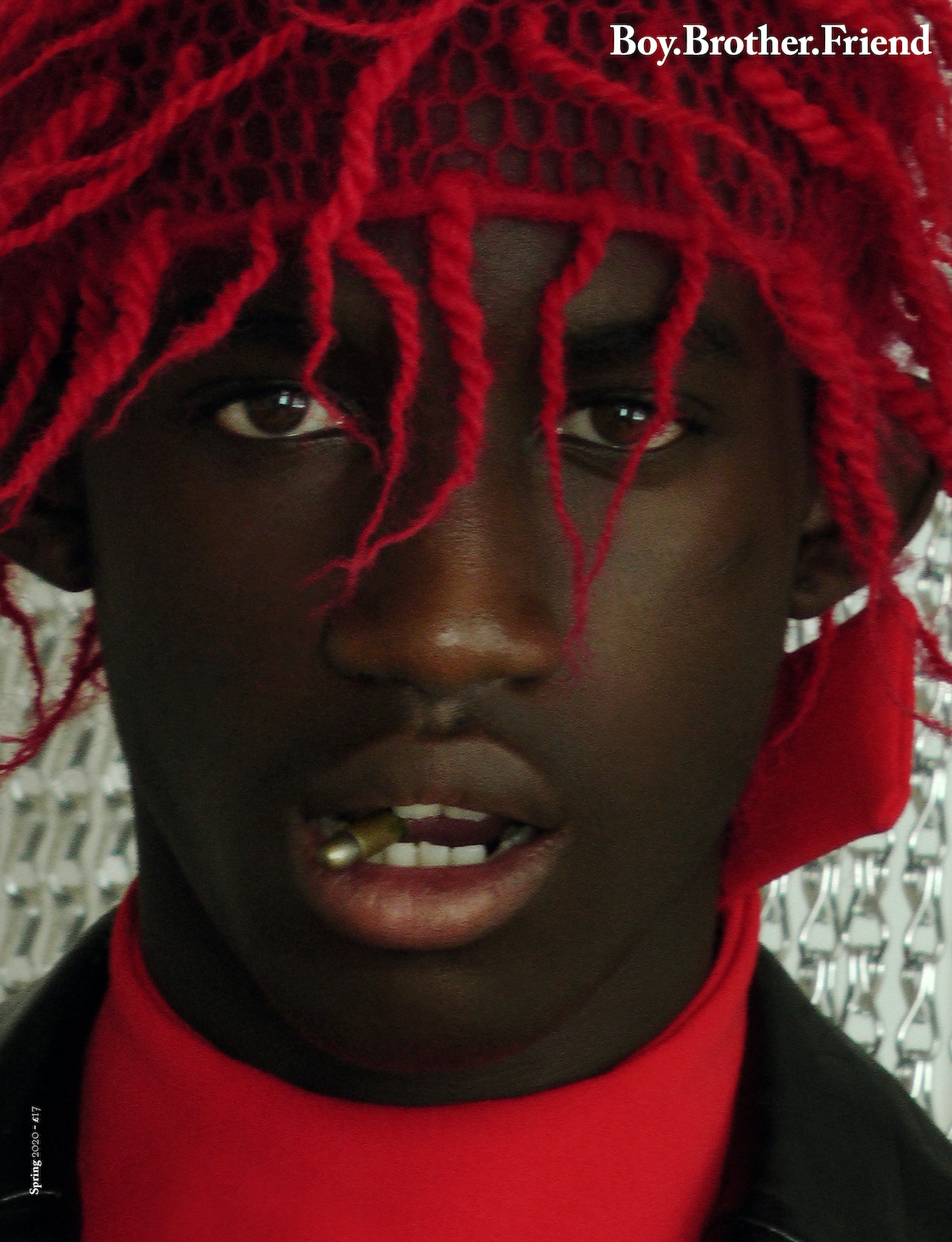
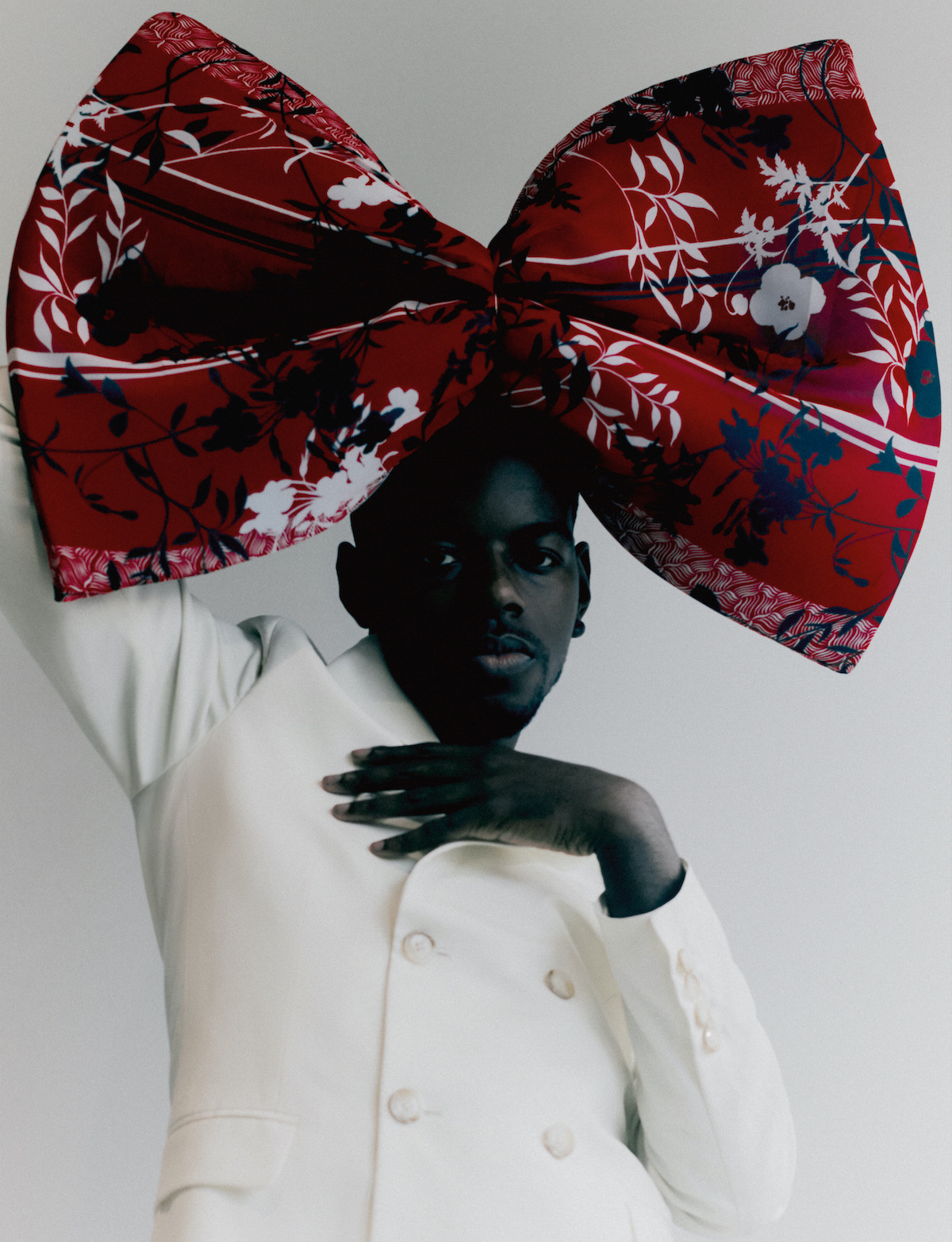
Are there other thought leaders you’re looking to highlight in the future? The attention to Black mental health advocacy was super important to me in Issue 1.
EB—You’ll have to buy issue 2 to find out...
KK—These sub-themes are so layered. We may be revisiting things as time goes on. There’s gonna be one-off’s. The concept of diaspora people is so multifaceted. Many of these themes may come back again and again.
EB—Considering the main focus is diaspora, it’s key for us to really dissect what that means. There’s a lot of people going back to the continent who might not have been born there but have African heritage. We want to really change people’s perceptions of who constitutes ‘the diaspora’ because it will often be people who define that in ways you might not imagine.

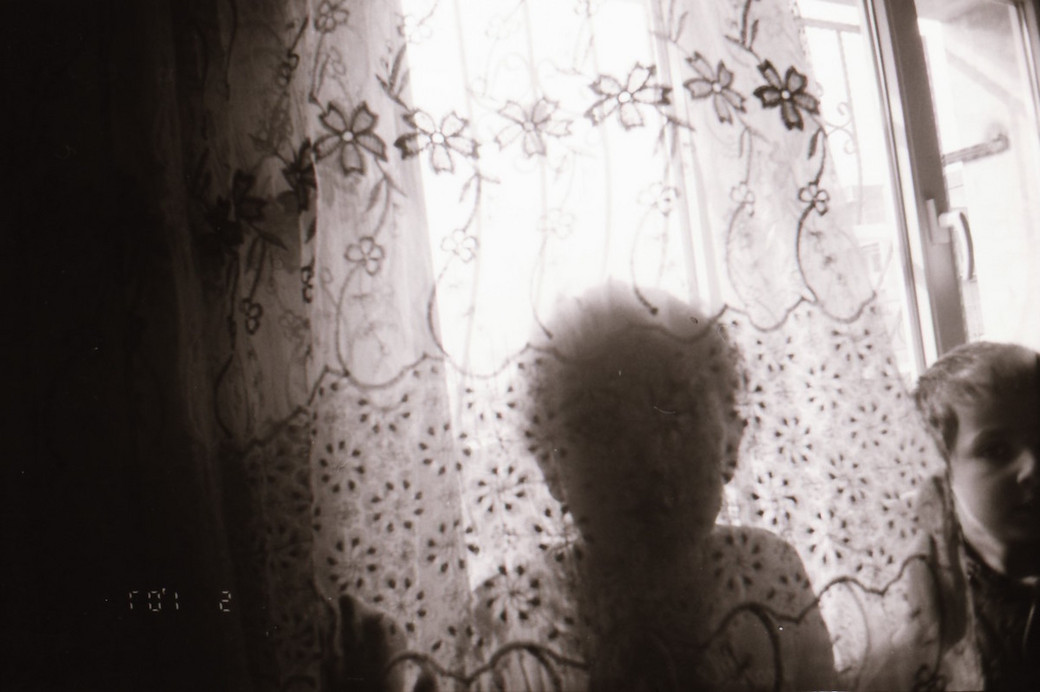
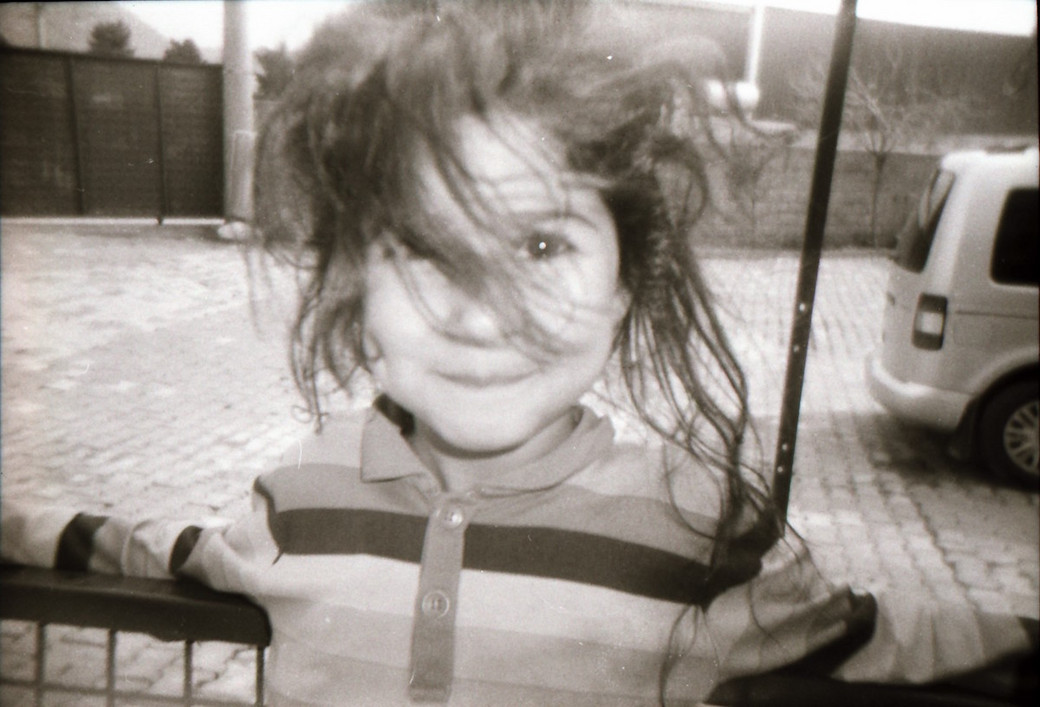
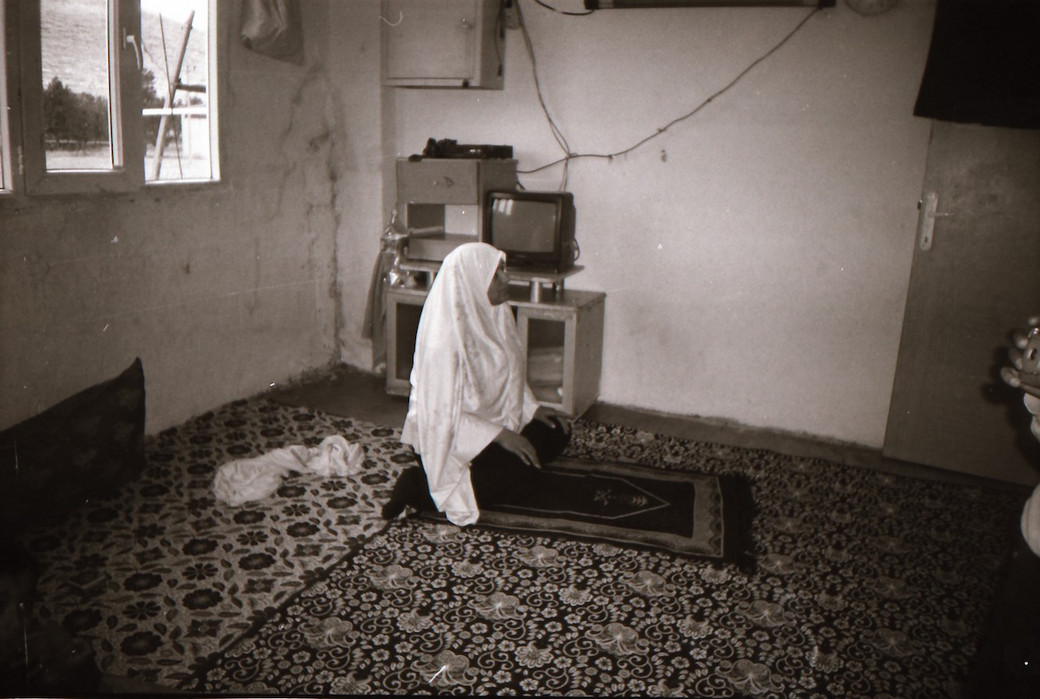
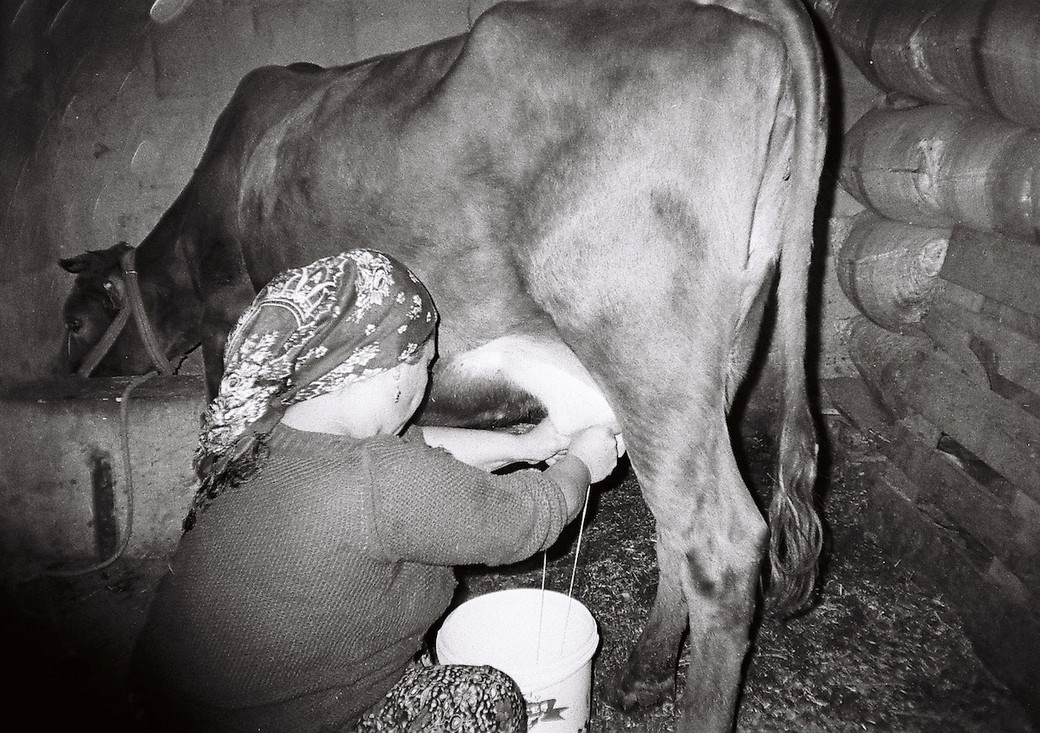
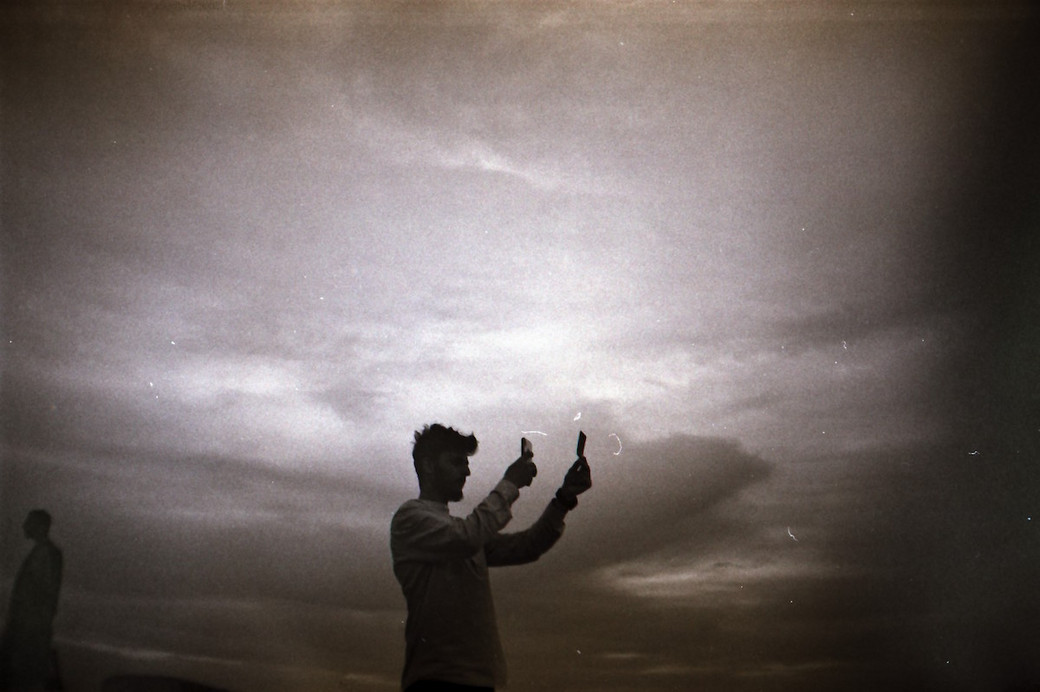
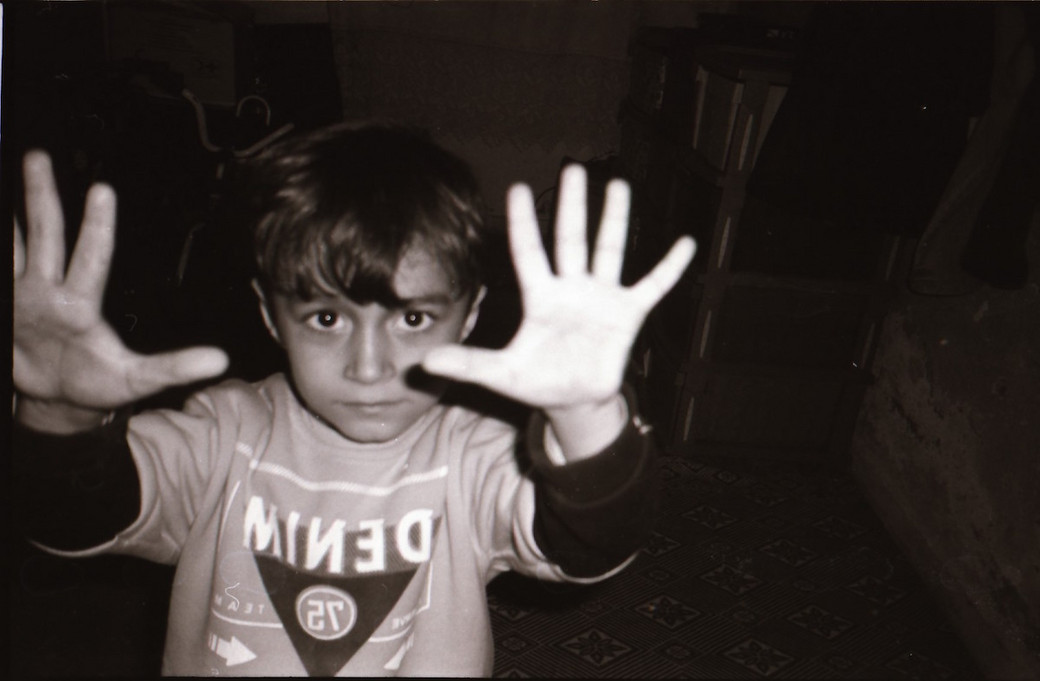
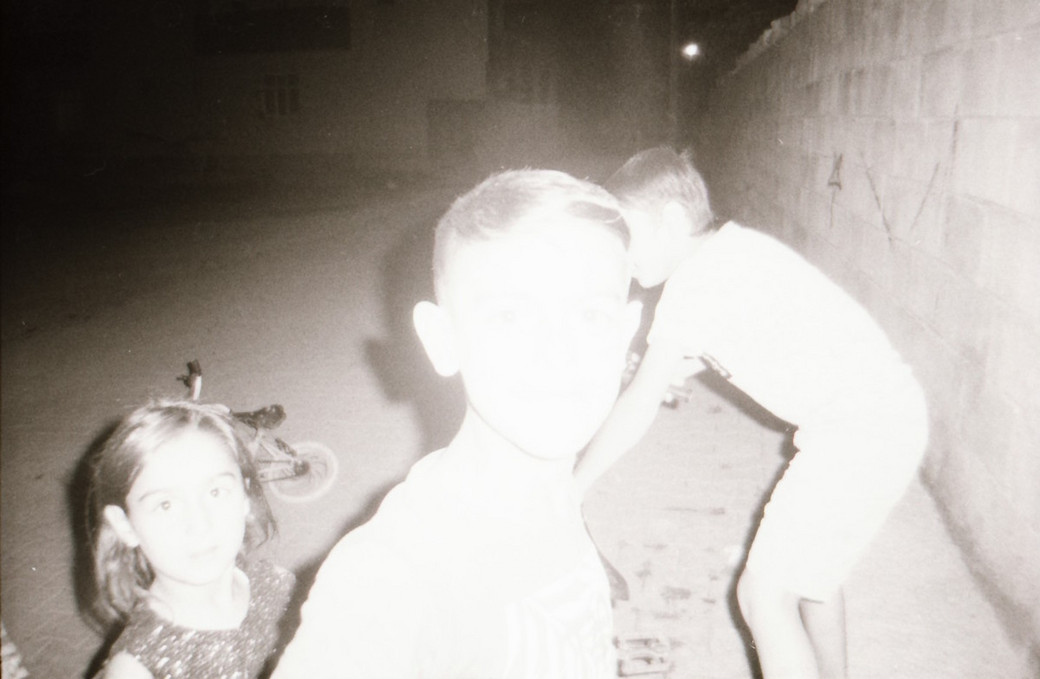
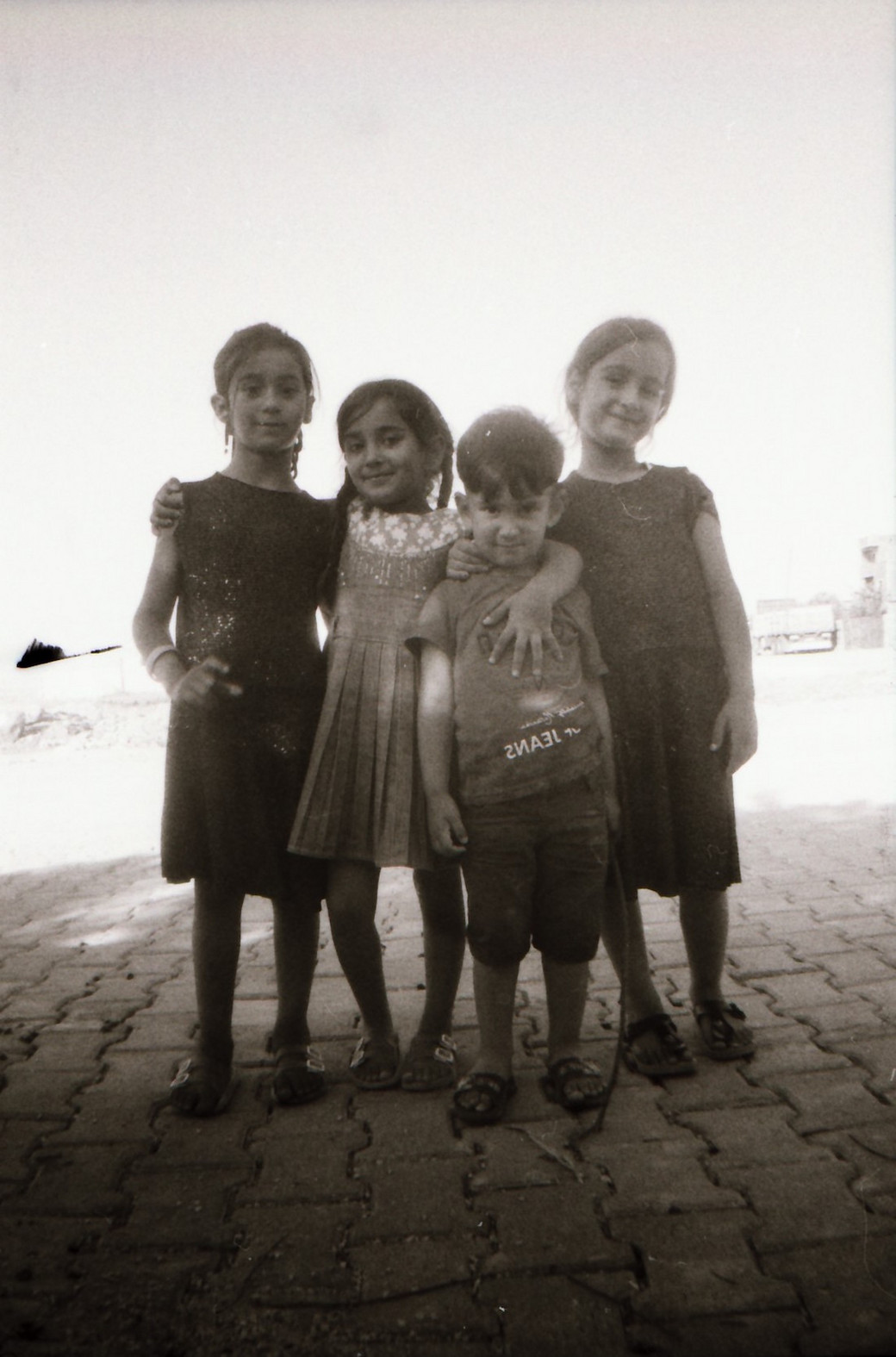
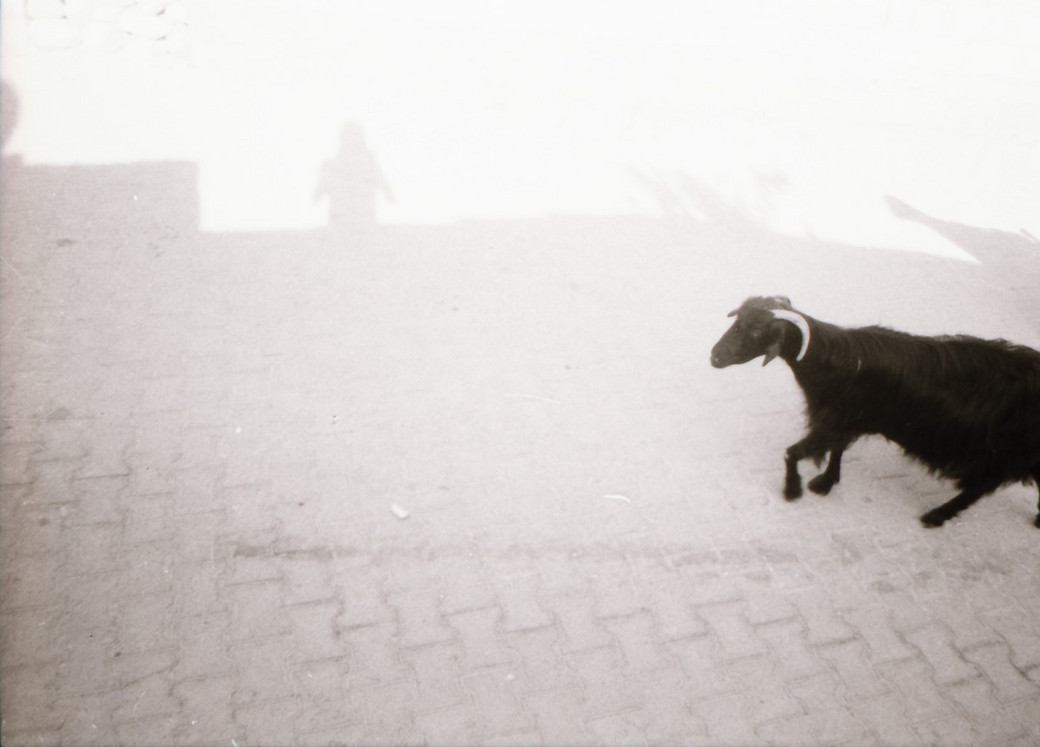
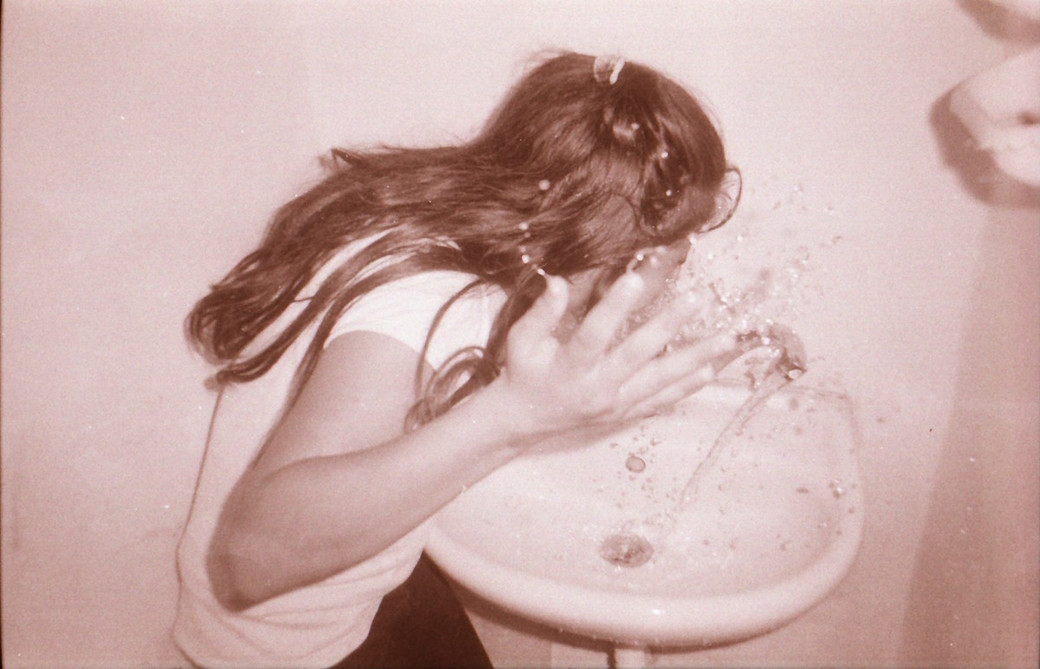
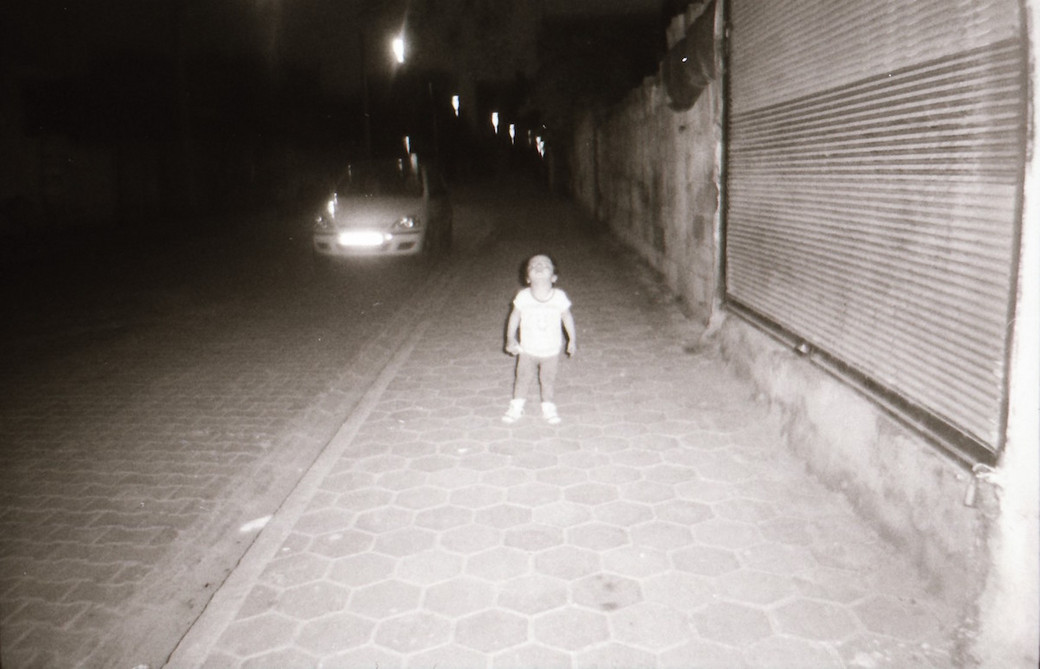
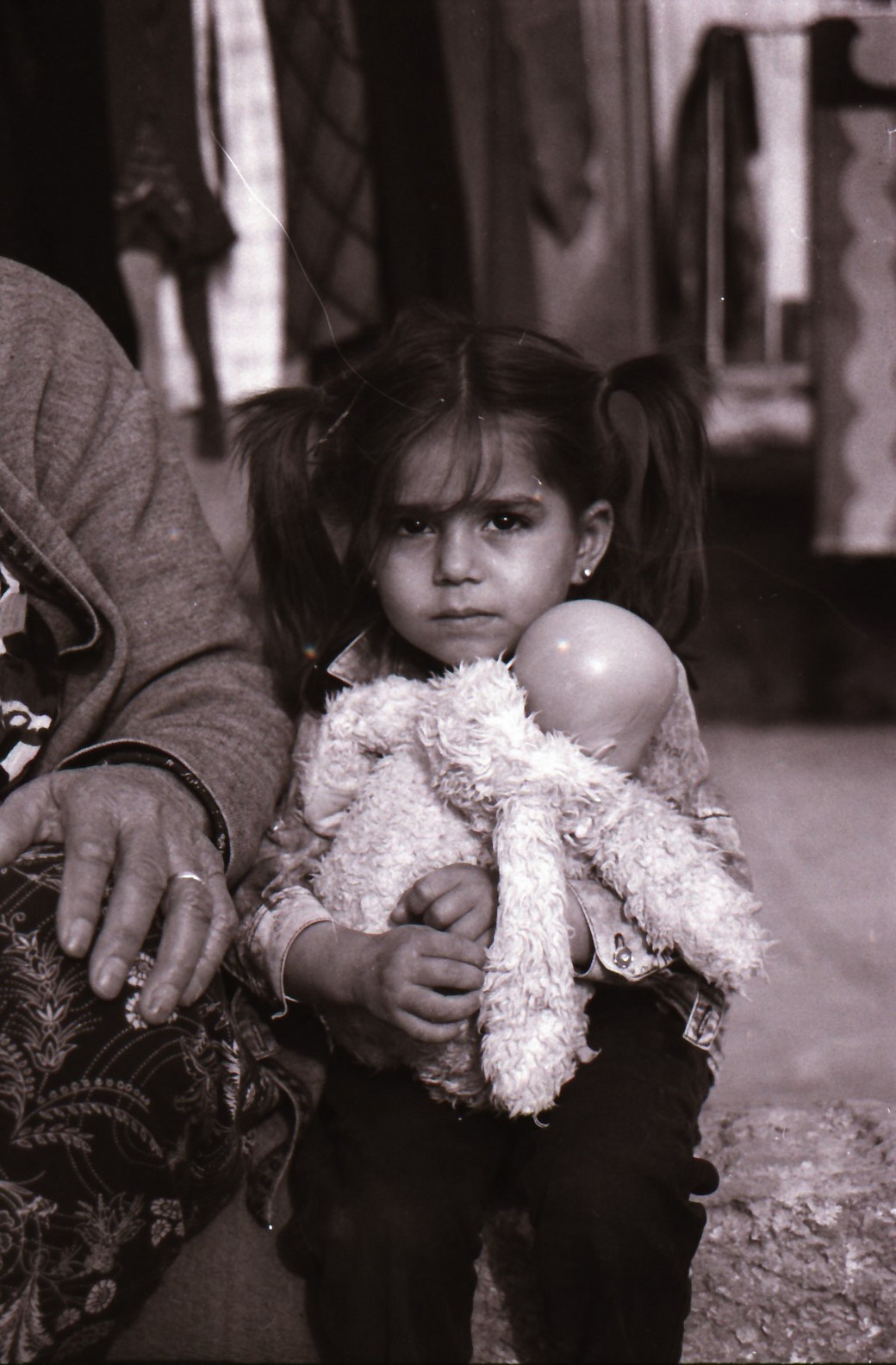
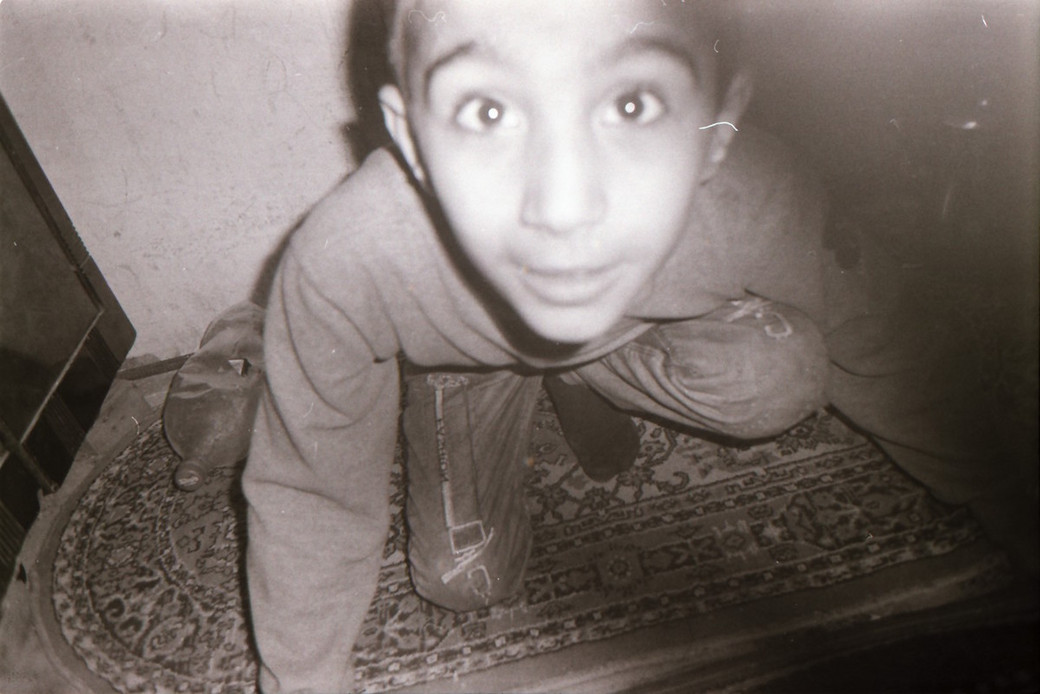
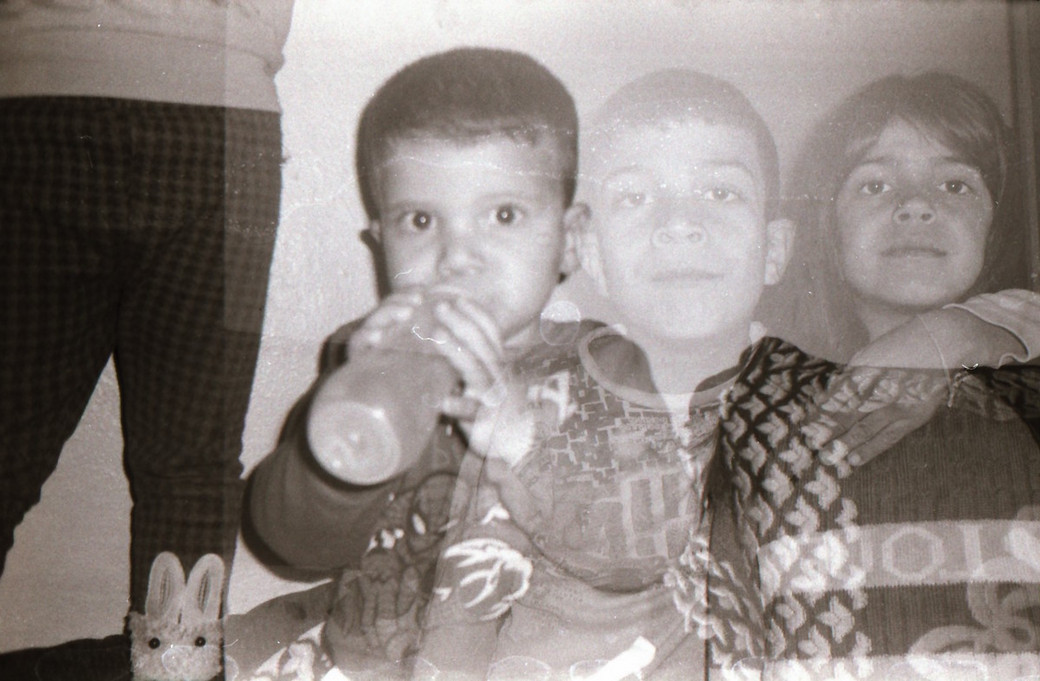
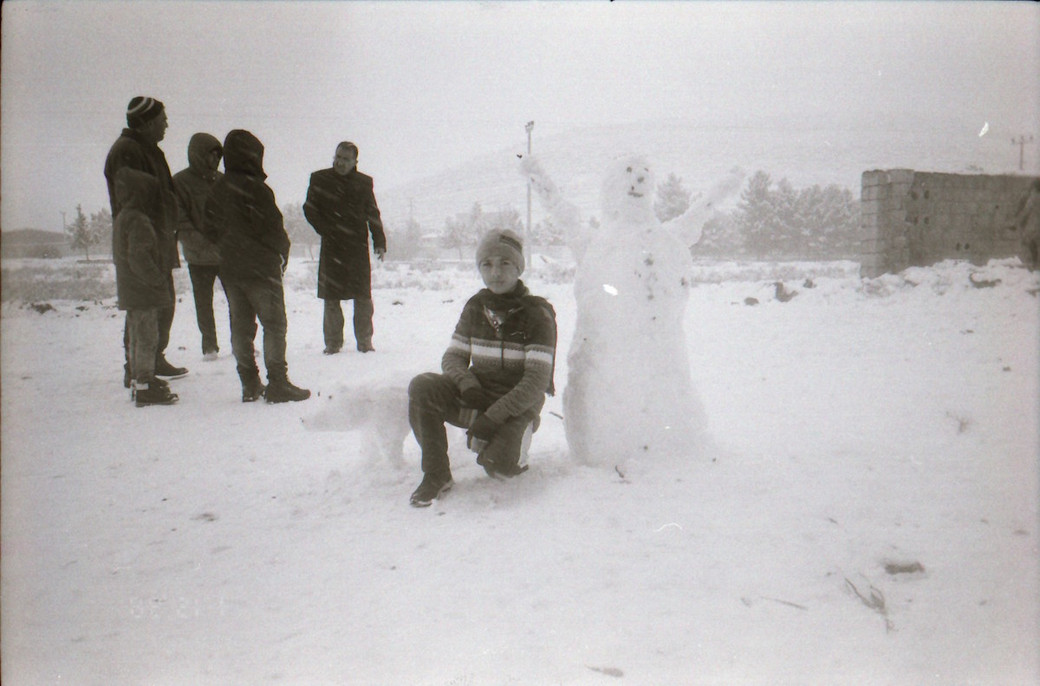
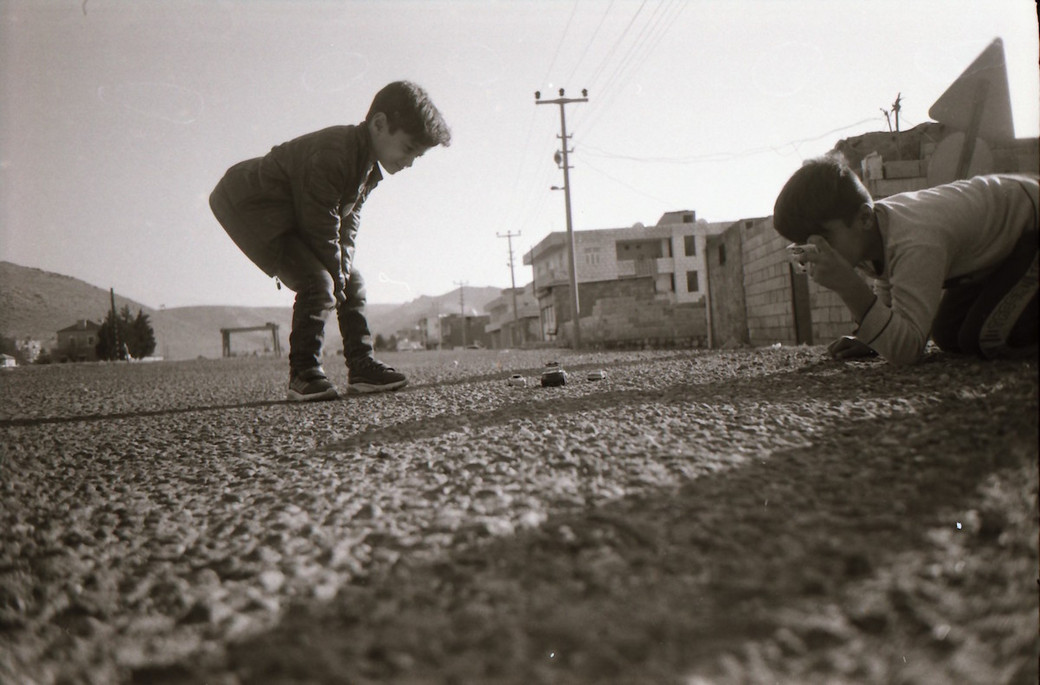
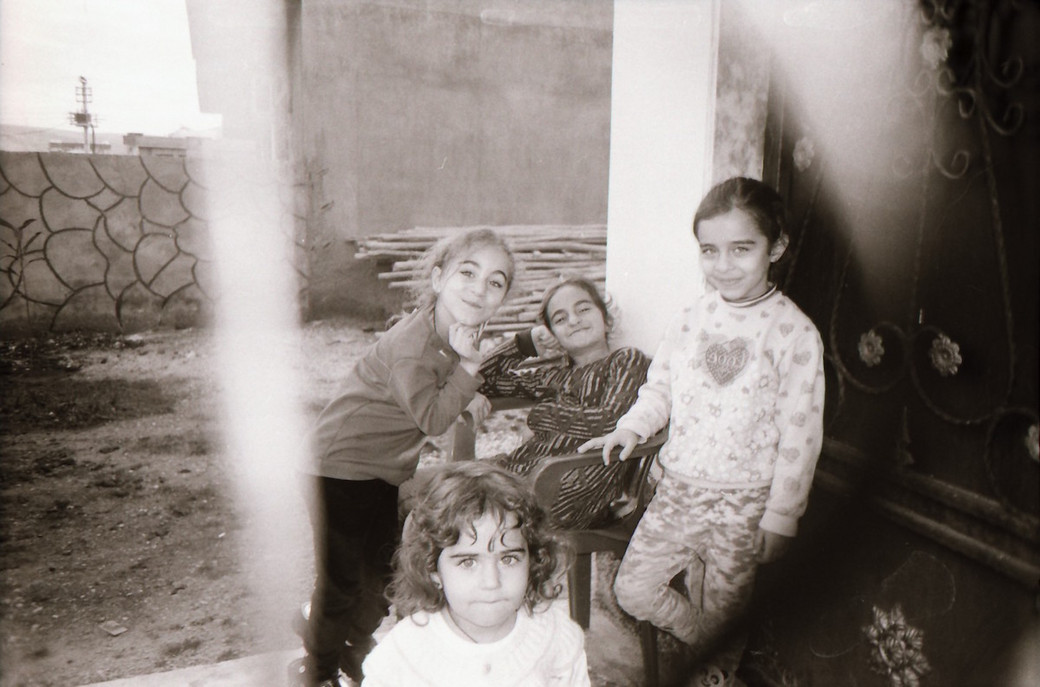
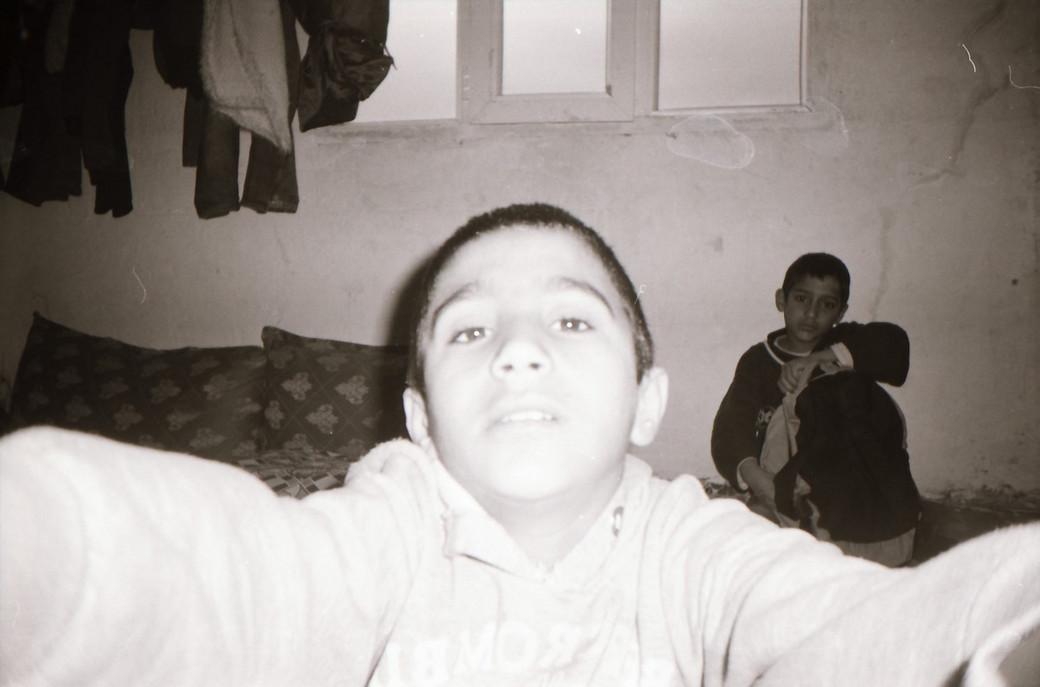
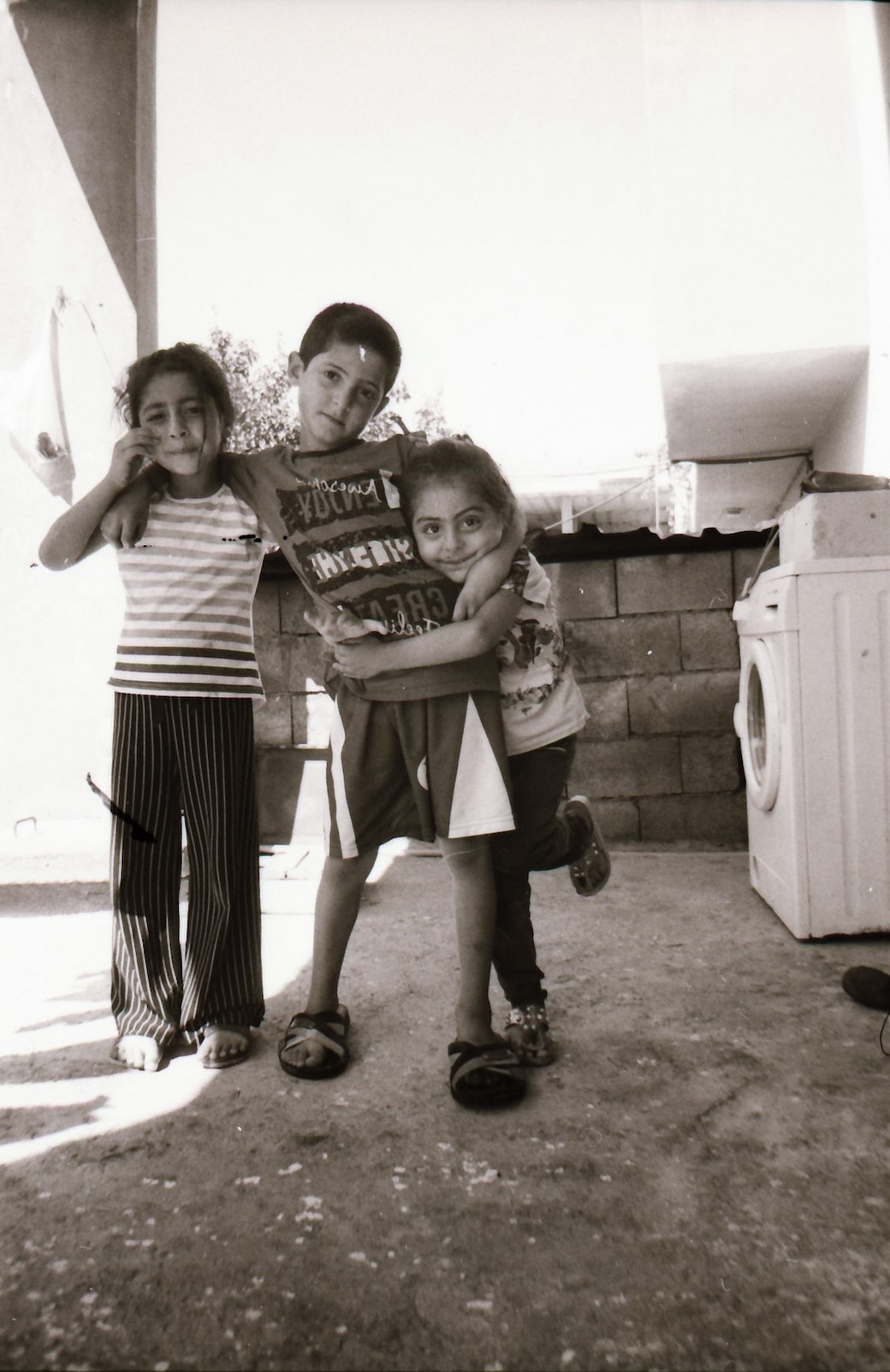
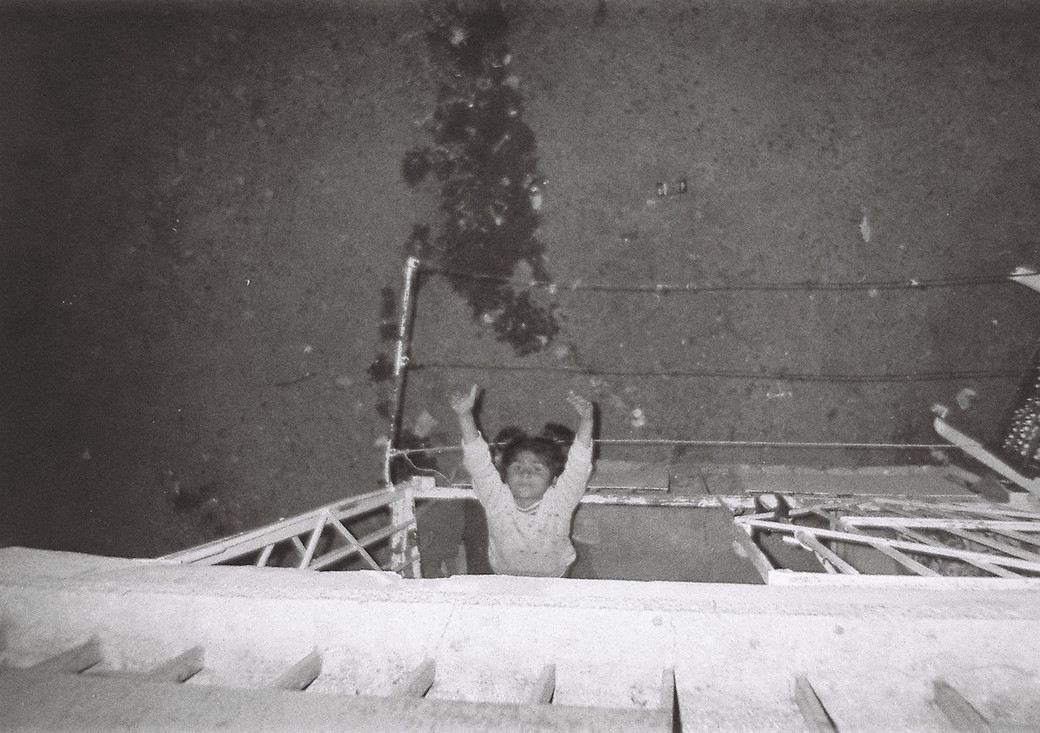
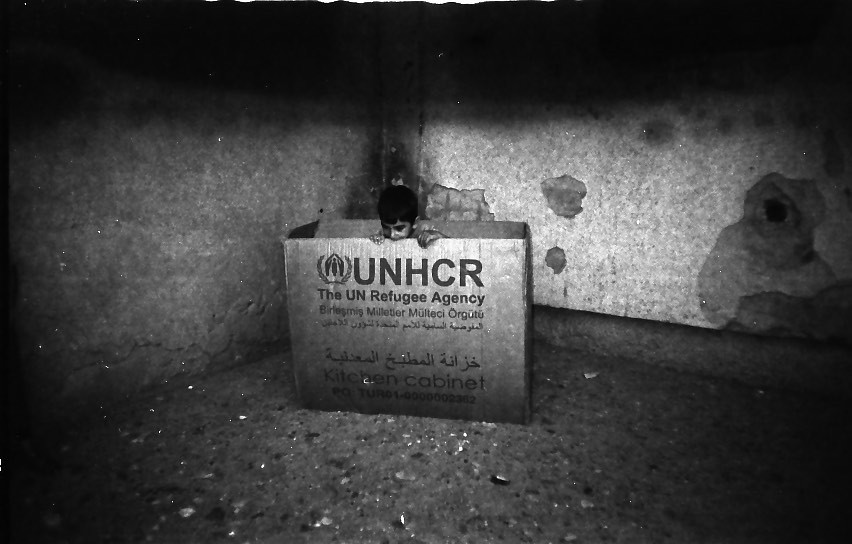
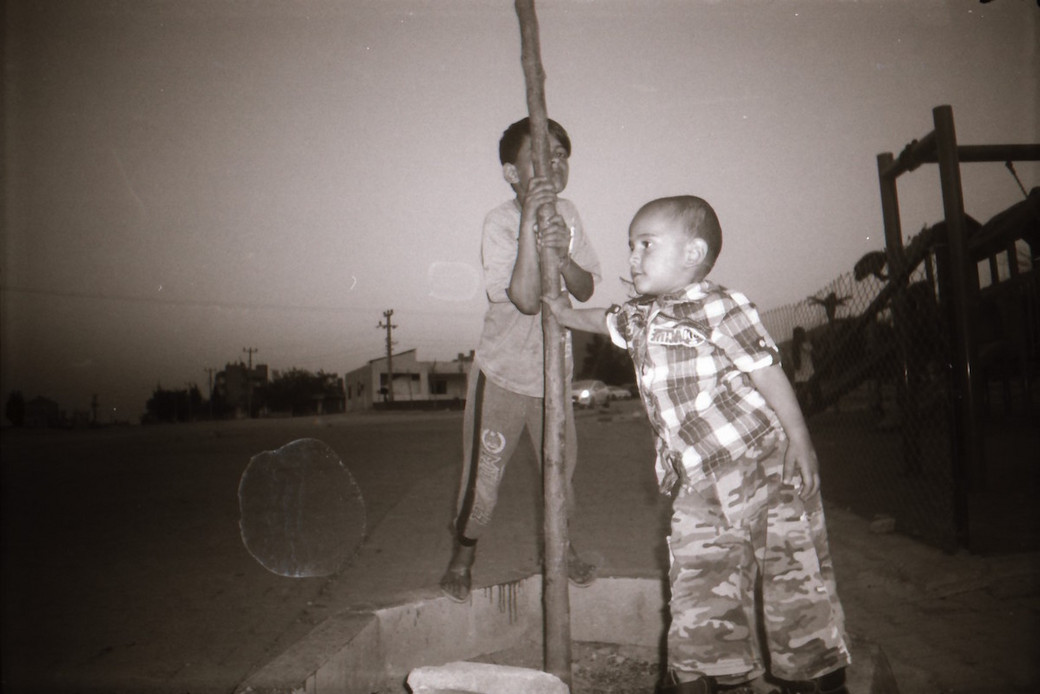
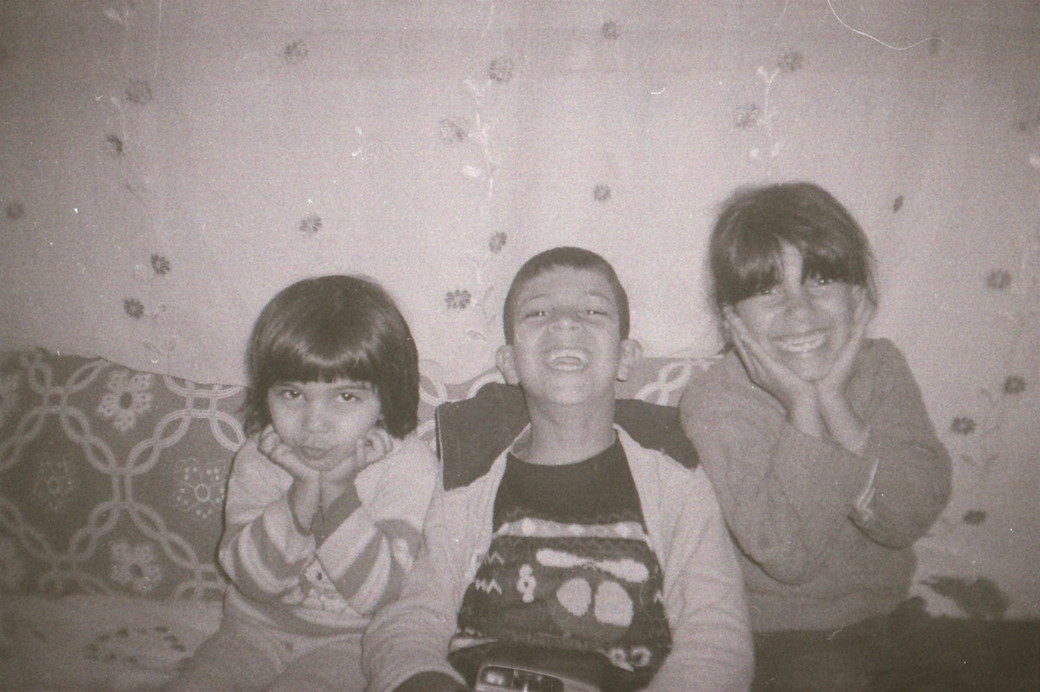
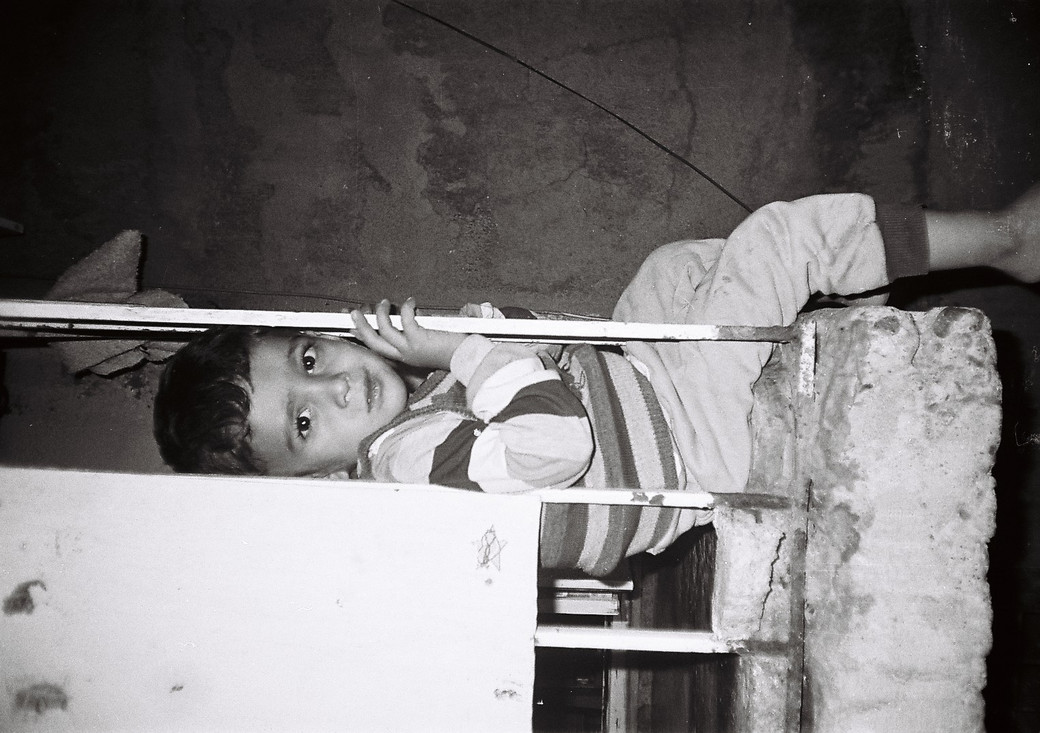
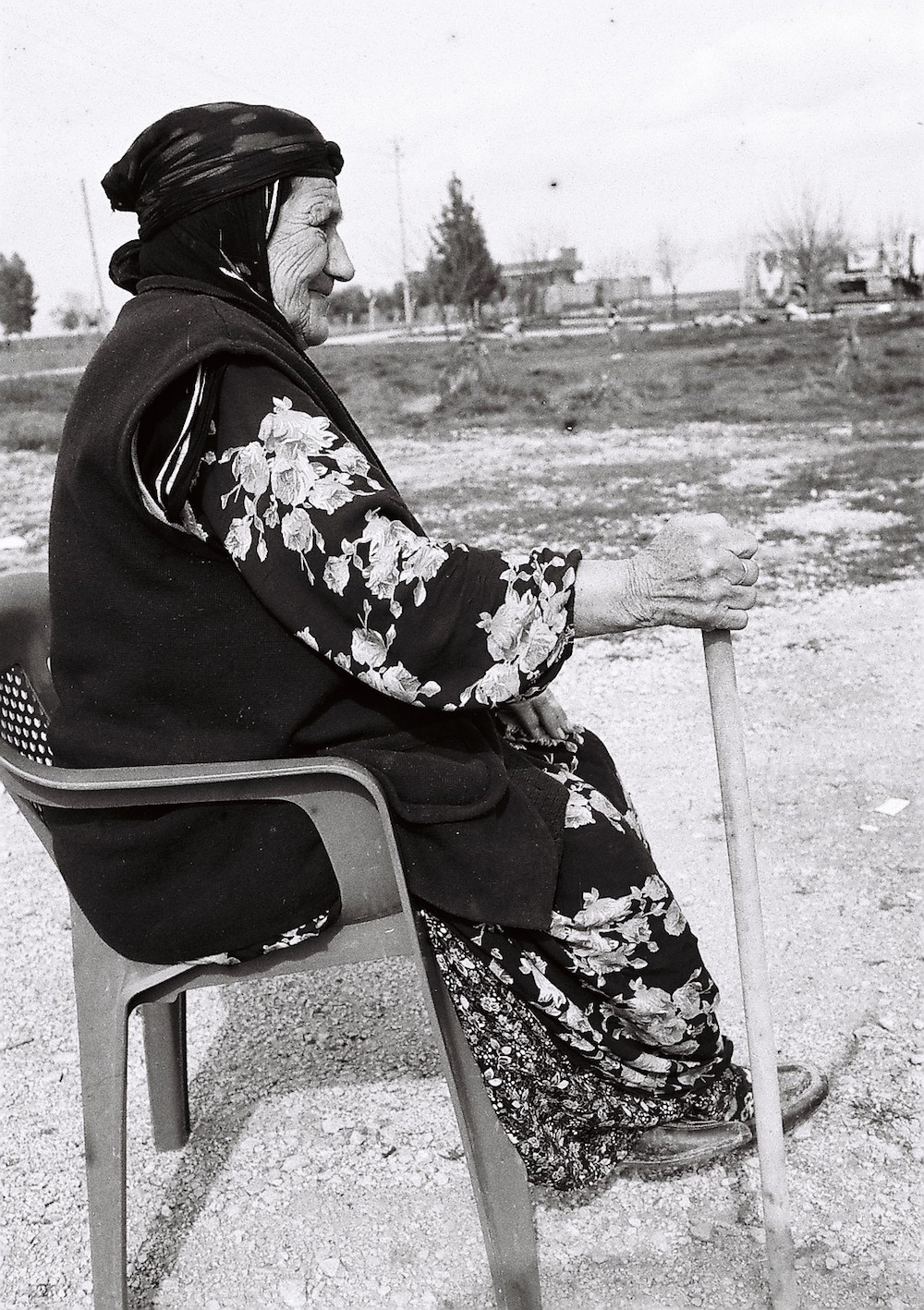
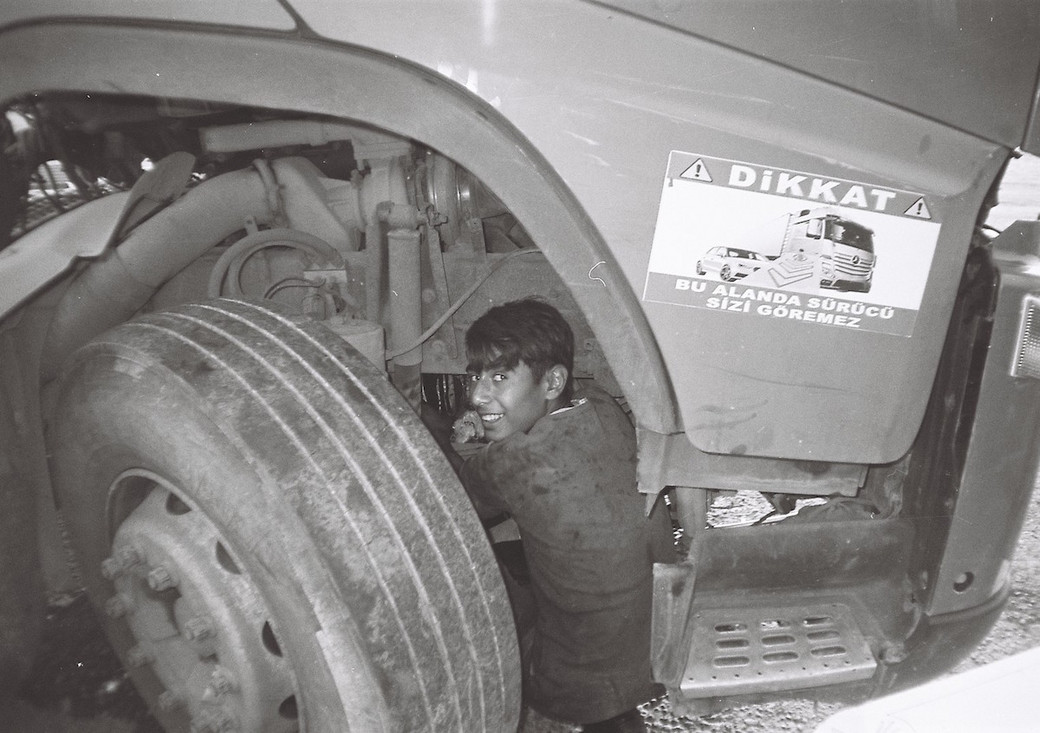
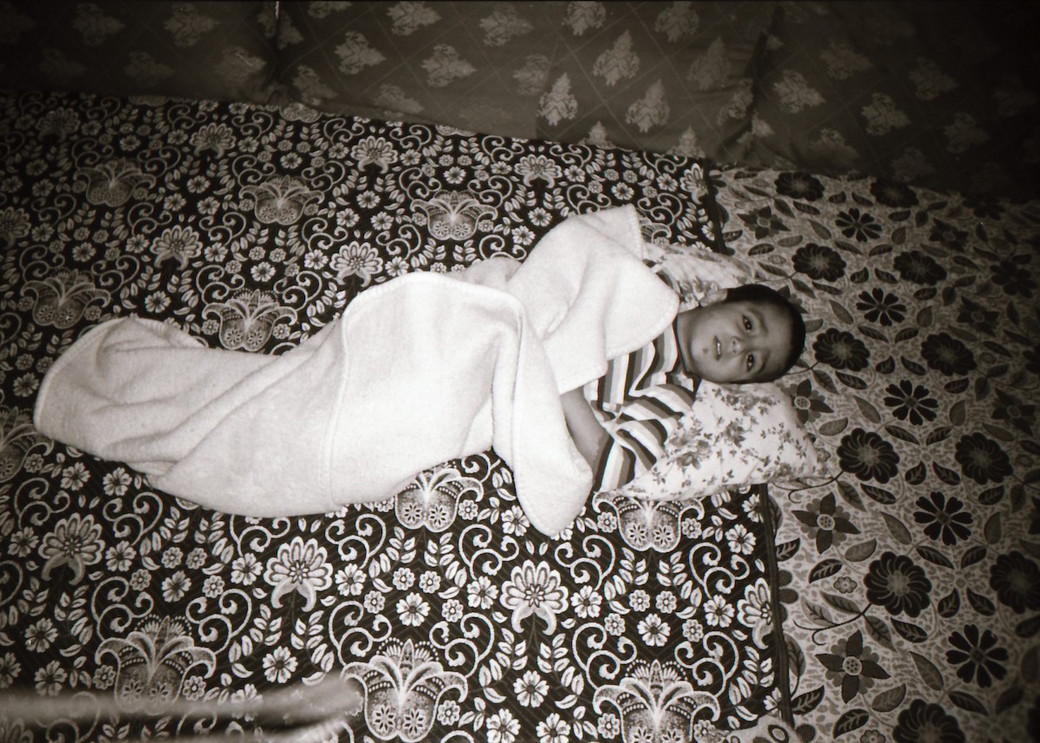
Sirkhane Darkroom, meaning “Circus Darkroom” in Arabic, Turkish, Farsi, and Kurdish, is a mobile photography program for children, with a location on the Turkish and Syrian border as well as one in Iraq. The program was created in 2017 by 27-year-old Syrian photographer Serbest Salih. Serbest studied photography at Aleppo University in Syria and worked as a photographer for local humanitarian organizations. In 2014, after the invasion of Kobani, Syria by the Islamic State, Serbest moved to Mardin, Turkey to work as a photographer for German humanitarian NGO Welthungerhilfe. It was after this move to Mardin that Serbest conceived the Sirkhane Darkroom. “We created Sirkhane Darkroom in 2017 in İstasyon district,” he tells office. “İstasyon is the poorest area of Mardin and is also home to hundreds of refugees.”

Serbest thought up one way to unite the refugee children, who hail from all over the region, as well as the local children of İstasyon: photography. With children of so many backgrounds and language barriers, Serbest thought photography to be the perfect unifier. “The idea of the project is to empower and use photography as a language to let children express themselves," he says. "We can bring these children together and show the world the reality of being a refugee from the eyes of a child.” The thousands of words found in a photo would act as the translations between the children.
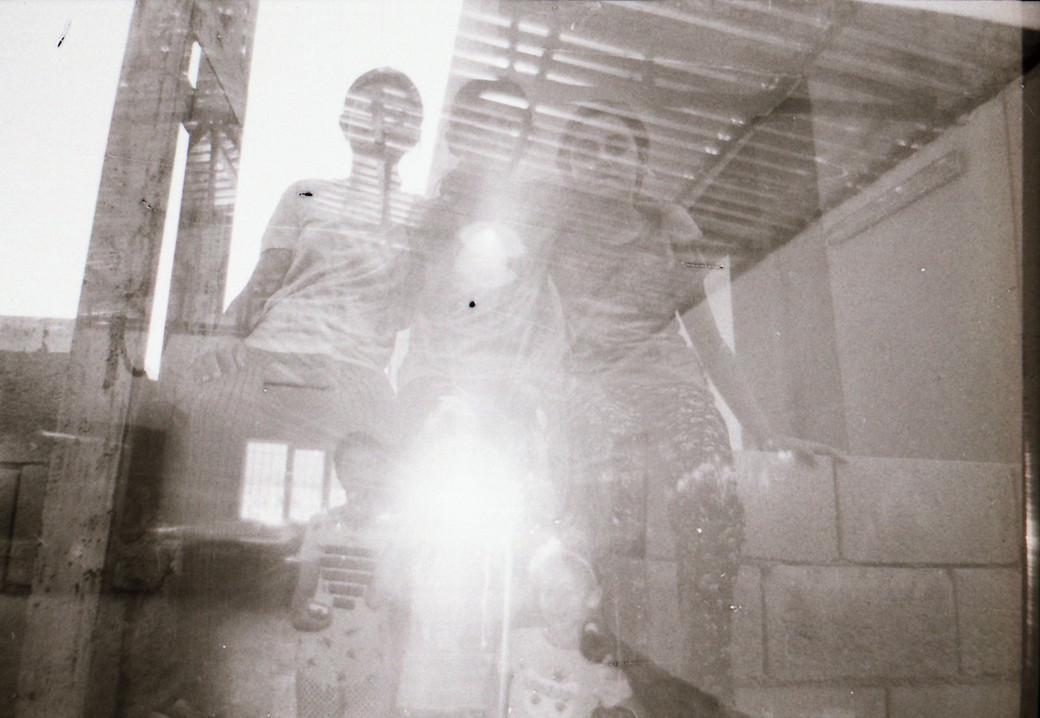
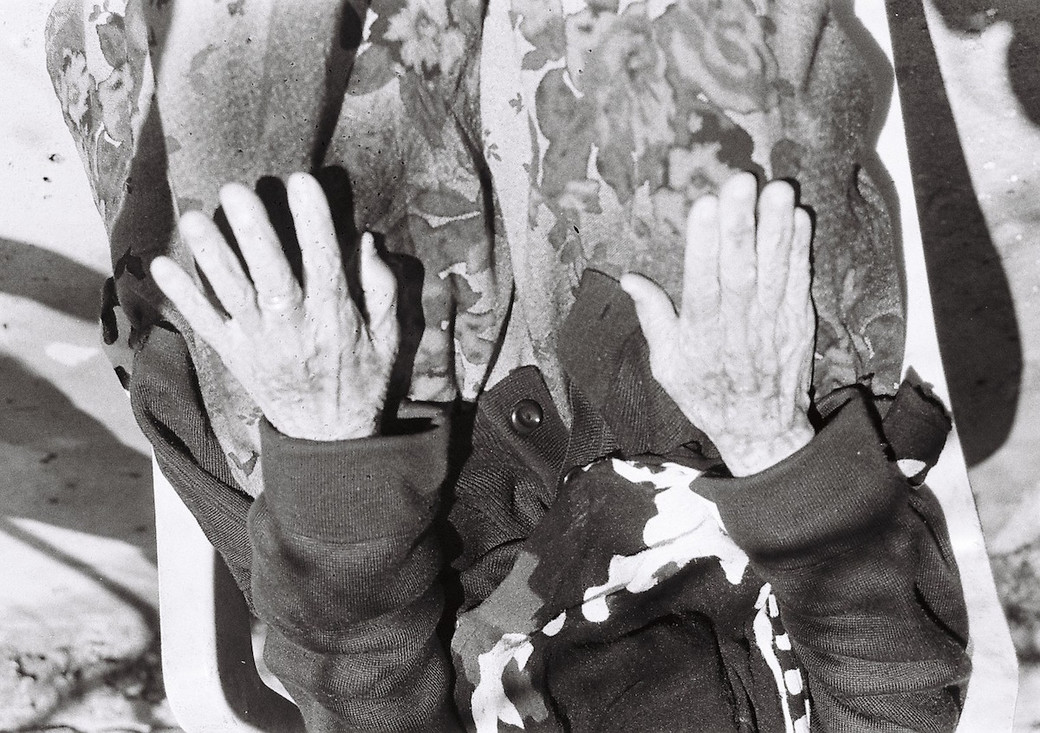
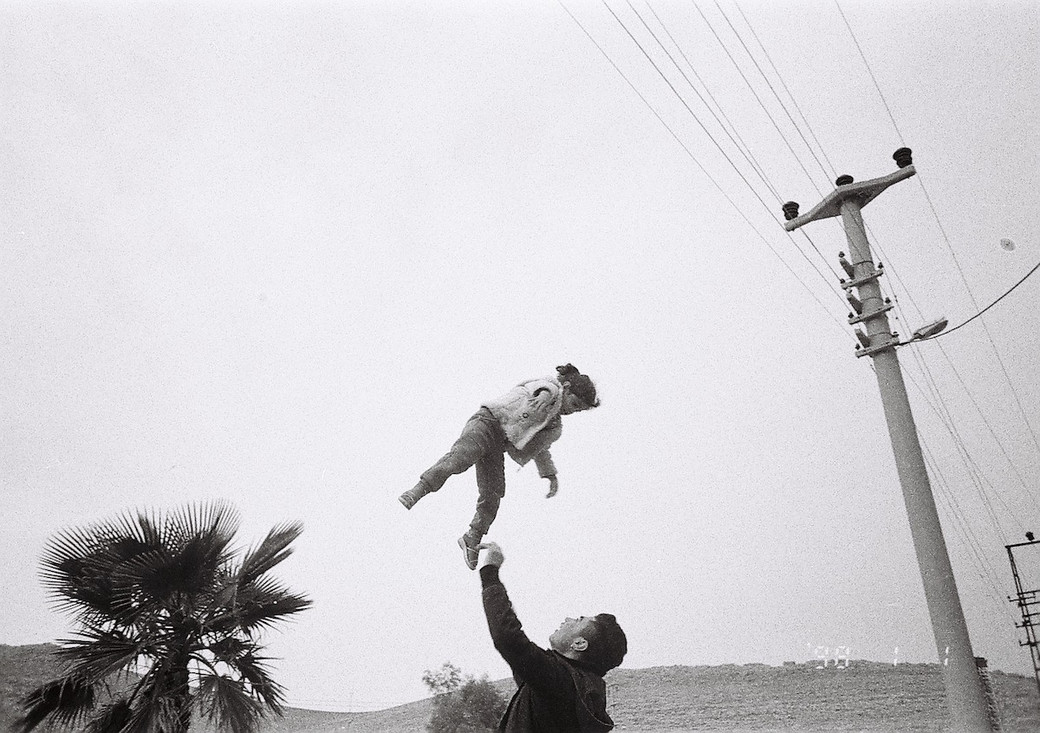
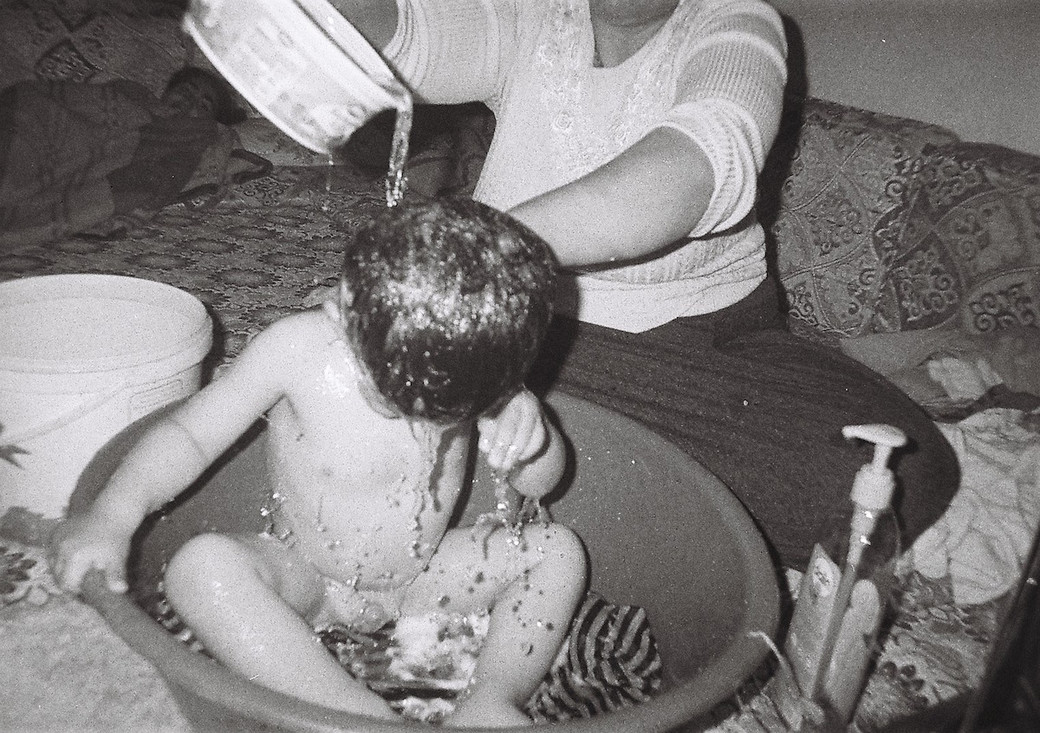
When looking at the photos from the Sirkhane Darkroom, it’s easy to forget they were taken by children. The photos feature impressive technical craft and complex compositions as they depict daily life. Additionally, it’s a sobering reminder of what depictions of this region we are fed in the west, often overwhelming the subject matter with scenes of violence, war, and disaster. These children offer on the ground insight in ways even the most skilled western photographer could never hope to capture.
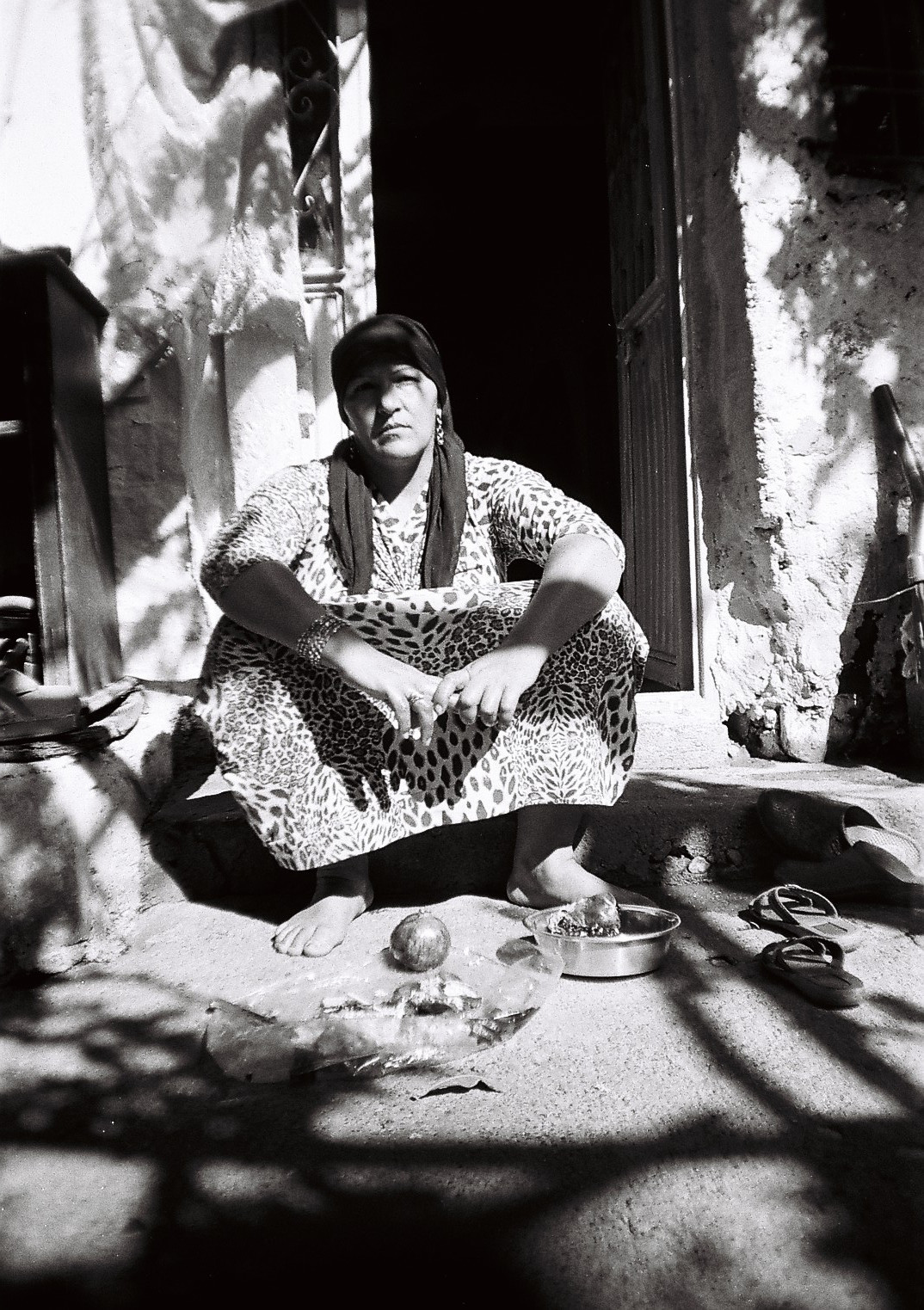
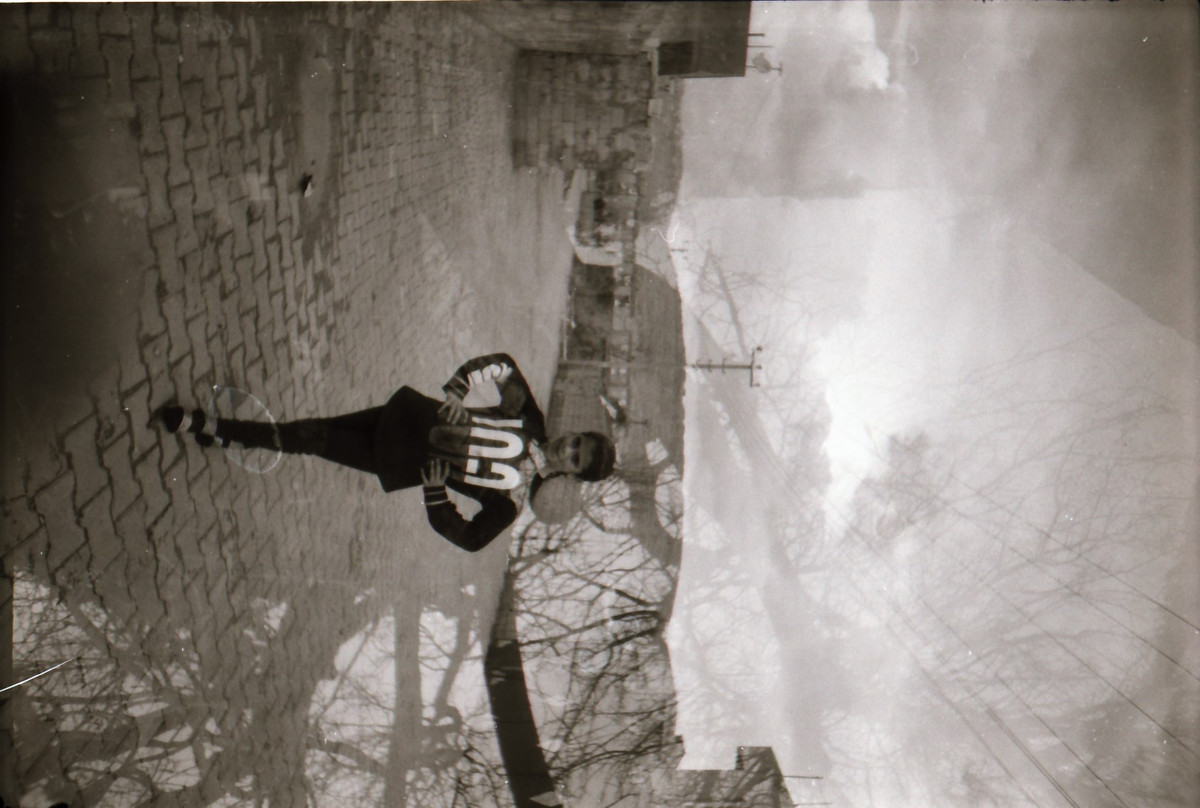
Serbest sings praises of the children in his program. “I’m always very excited to see their work,” he says, “Because children see the world from different levels and they captured moments sometimes adult photographers cannot.”
Parents within these communities may be the most surprised of all. Serbest tells office that while families in the community had at first thought the program would show few results, “After seeing all amazing photos, the families started believing in the children.” It reached a point that members of the community would commission children in the Sirkhane program for portraits.
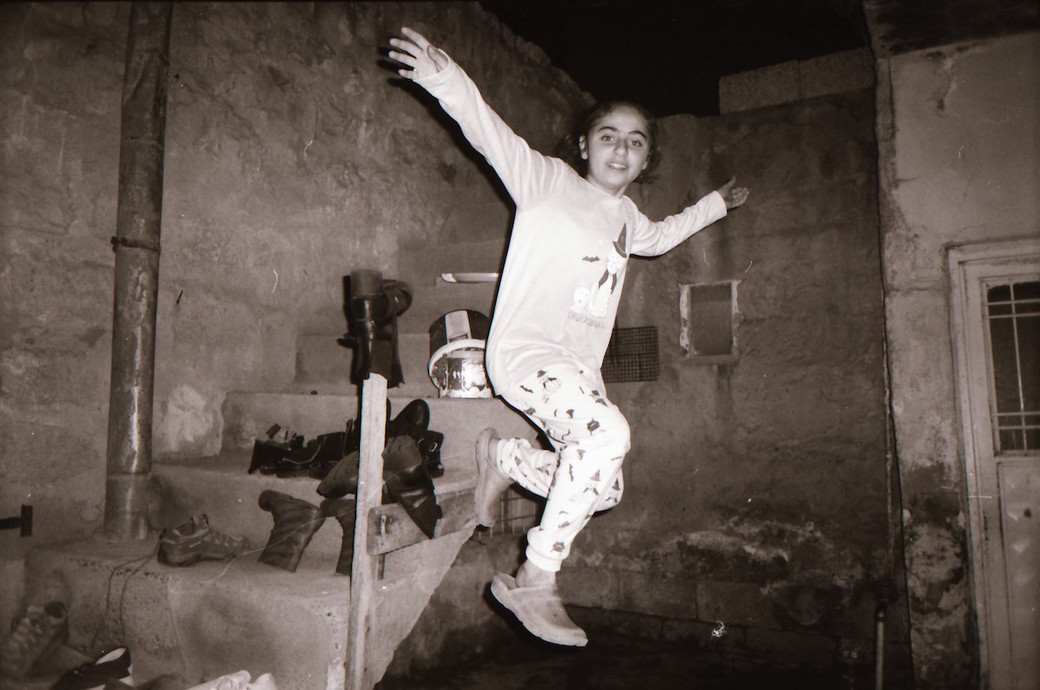
Serbest believes in the power of art and photography not only operates as a function of expression, but also as a means of opportunity. Many of the children within the program have expressed to Serbest a desire for a future in photography. “Most of them are continuing to take photos,” says Serbest. “Even after they leave the program, I try to help children apply to programs where they can pursue their art further.”
Serbest dreams of making the Sirkhane Darkroom into a traveling program, the Caravan Darkroom, bringing the opportunity to create art to children across the region. You can support Serbest, the Sirkhane Darkroom, and the children of the program by donating to their fundraiser.