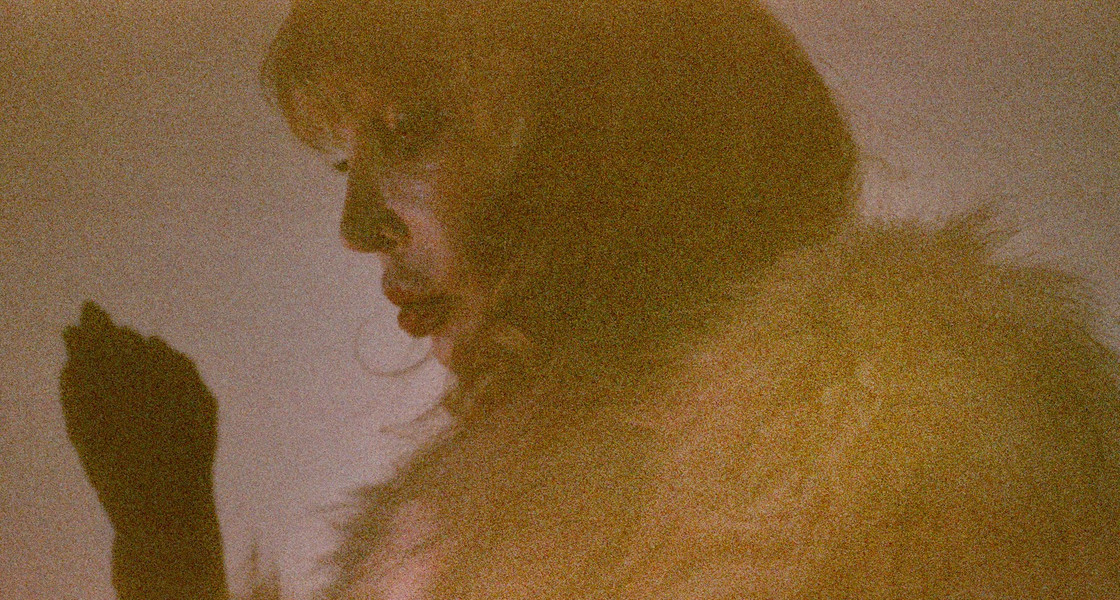
For Lovers
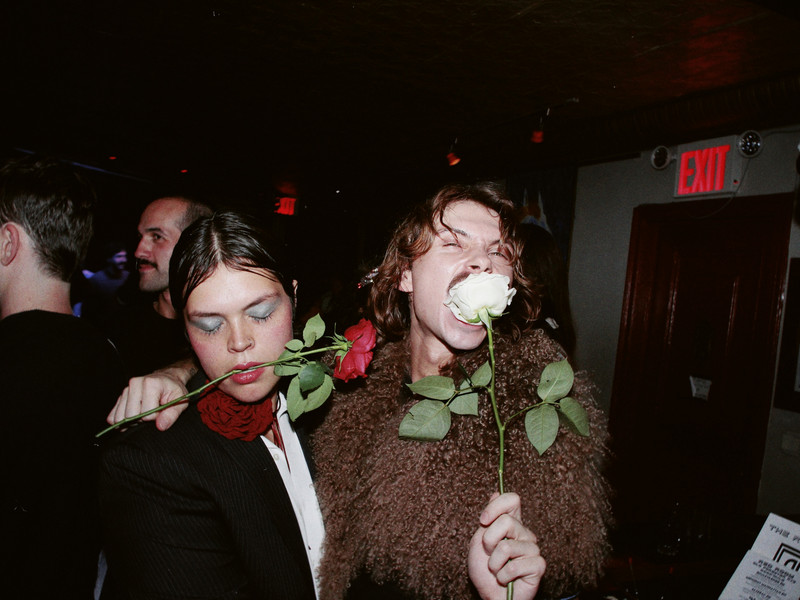
Lamar is a muse for the ages, a lens through which we can explore the love within both our hearts and others'.
Check out the video and photos below.
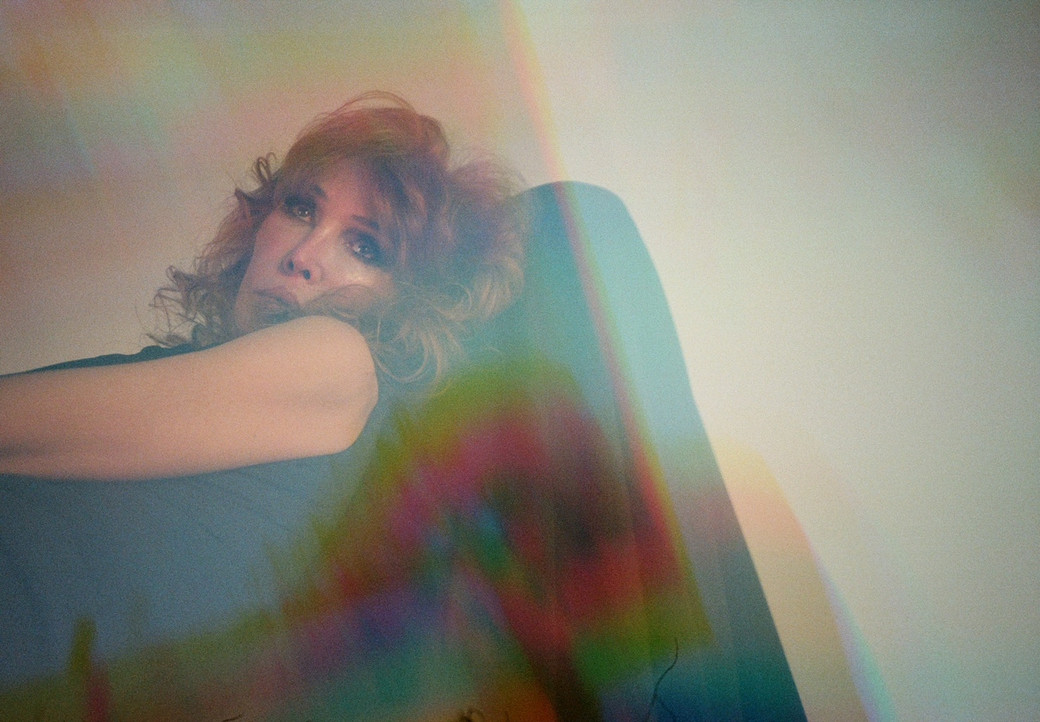
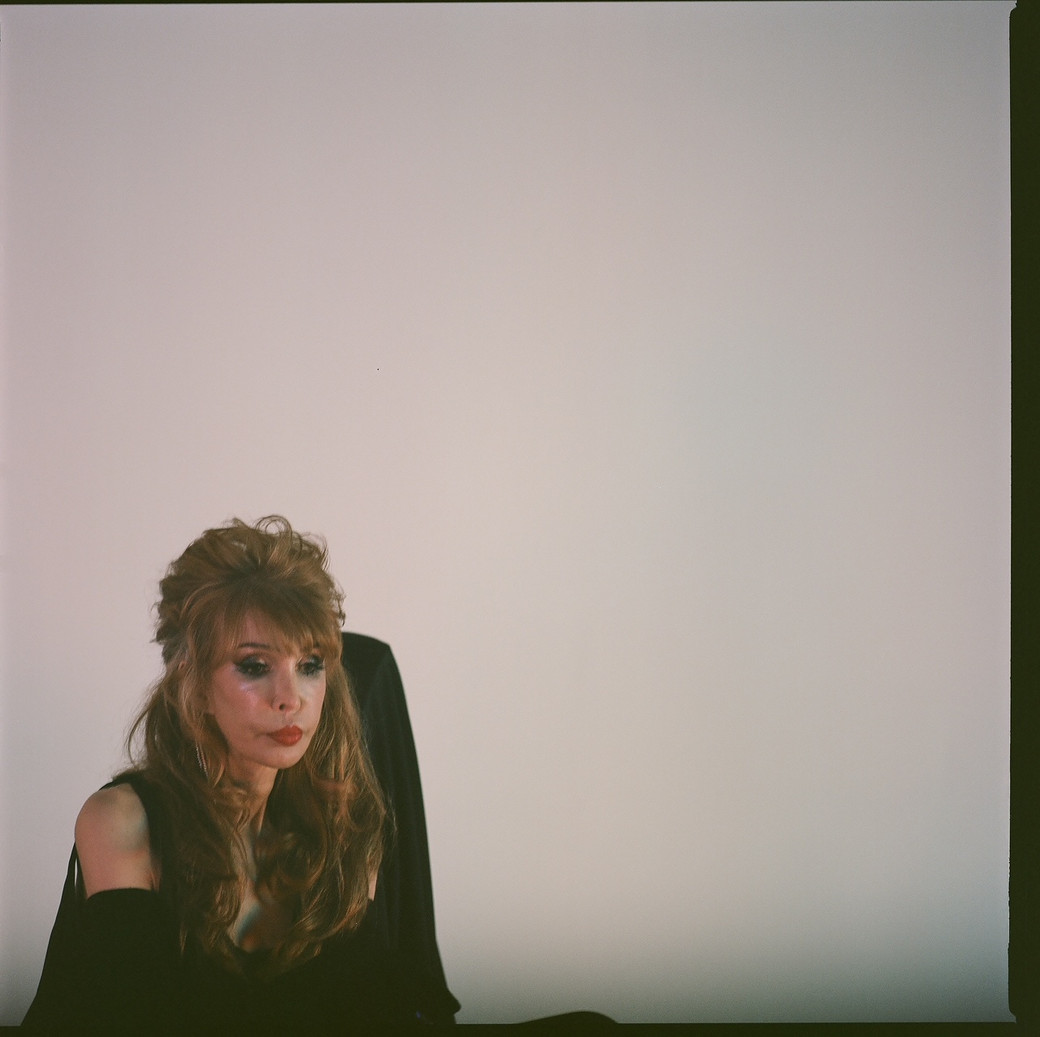
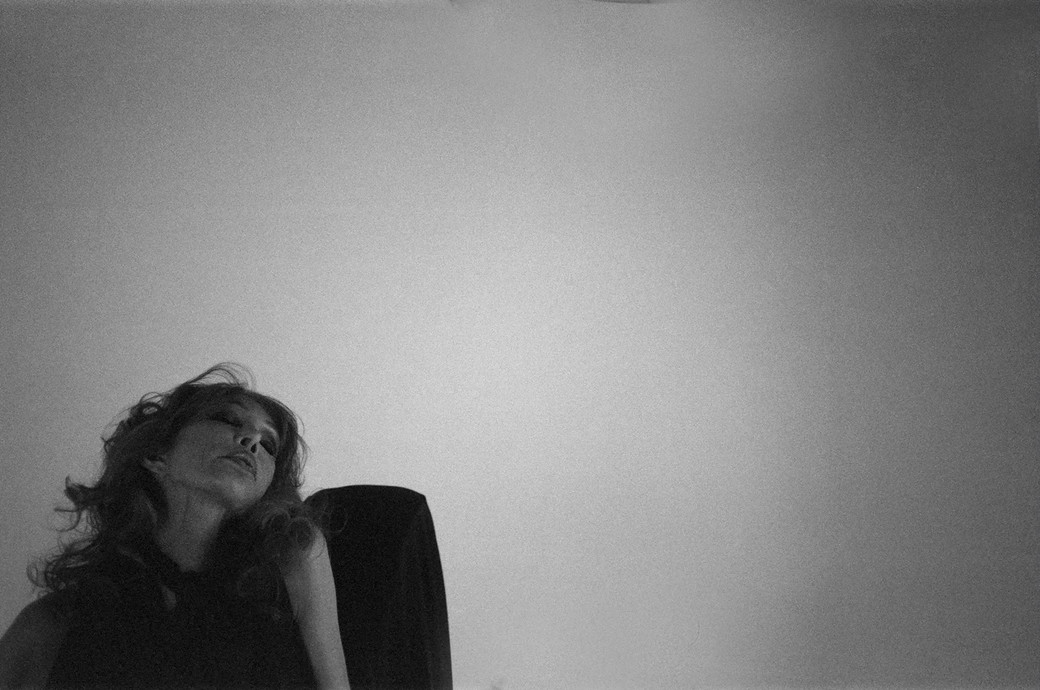
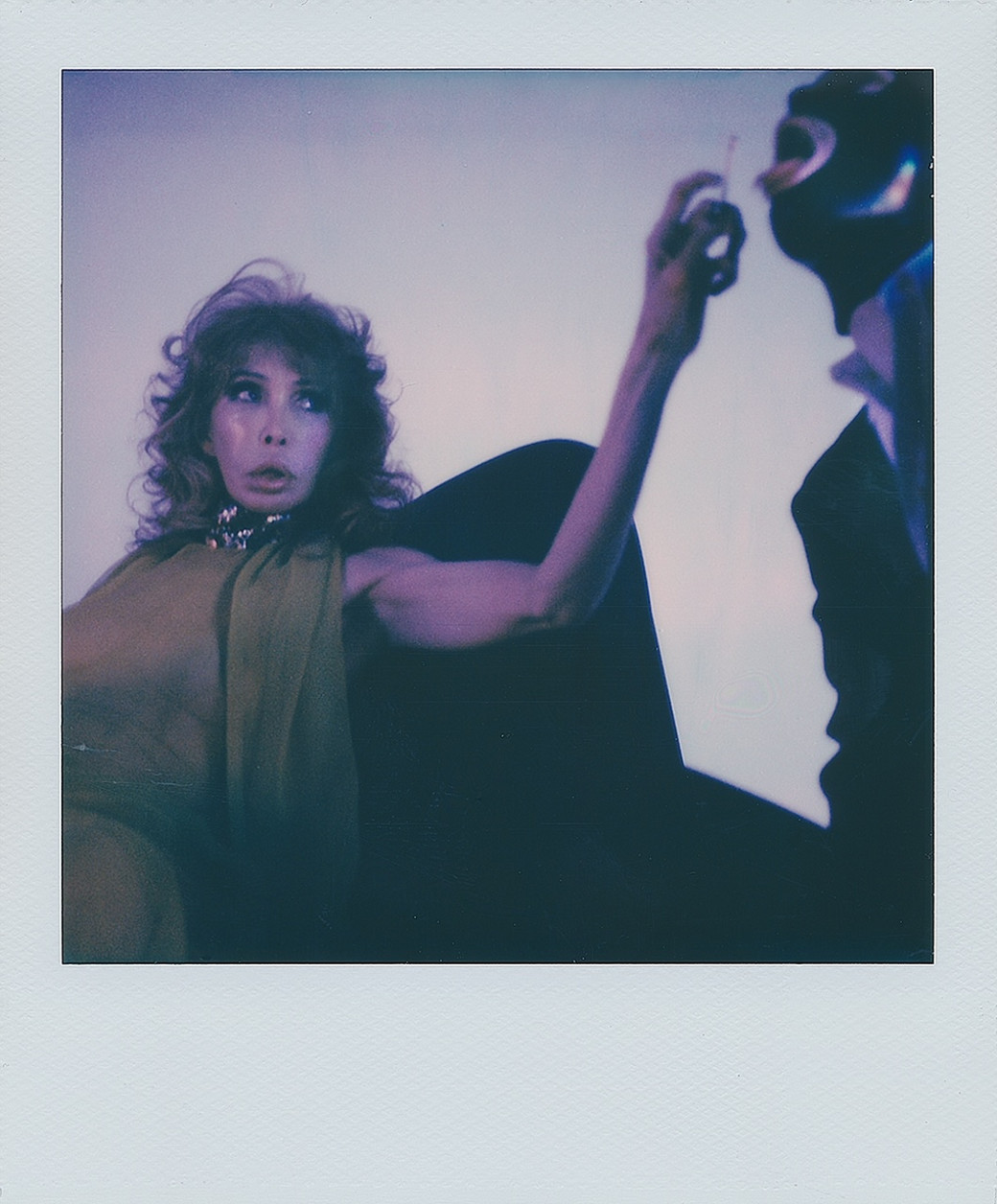
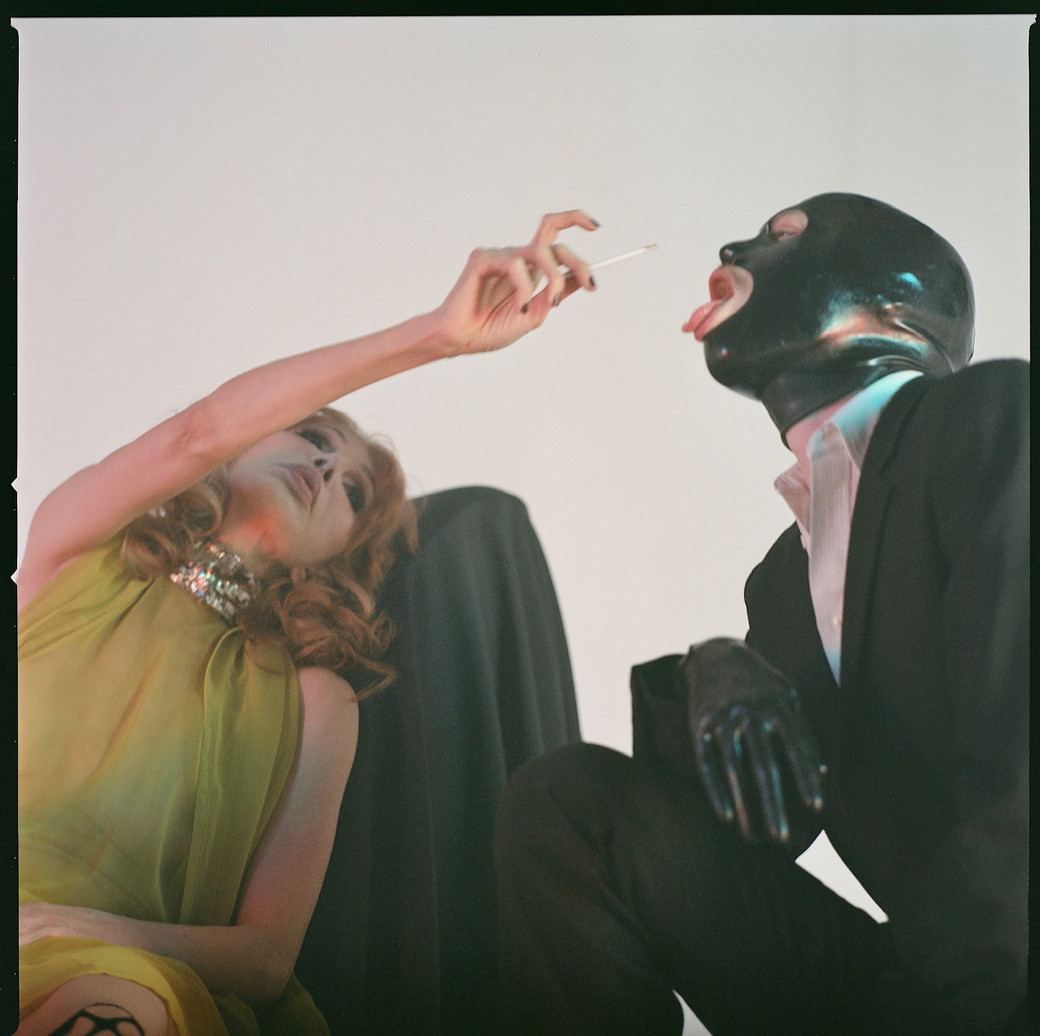
Lamar is a muse for the ages, a lens through which we can explore the love within both our hearts and others'.
Check out the video and photos below.
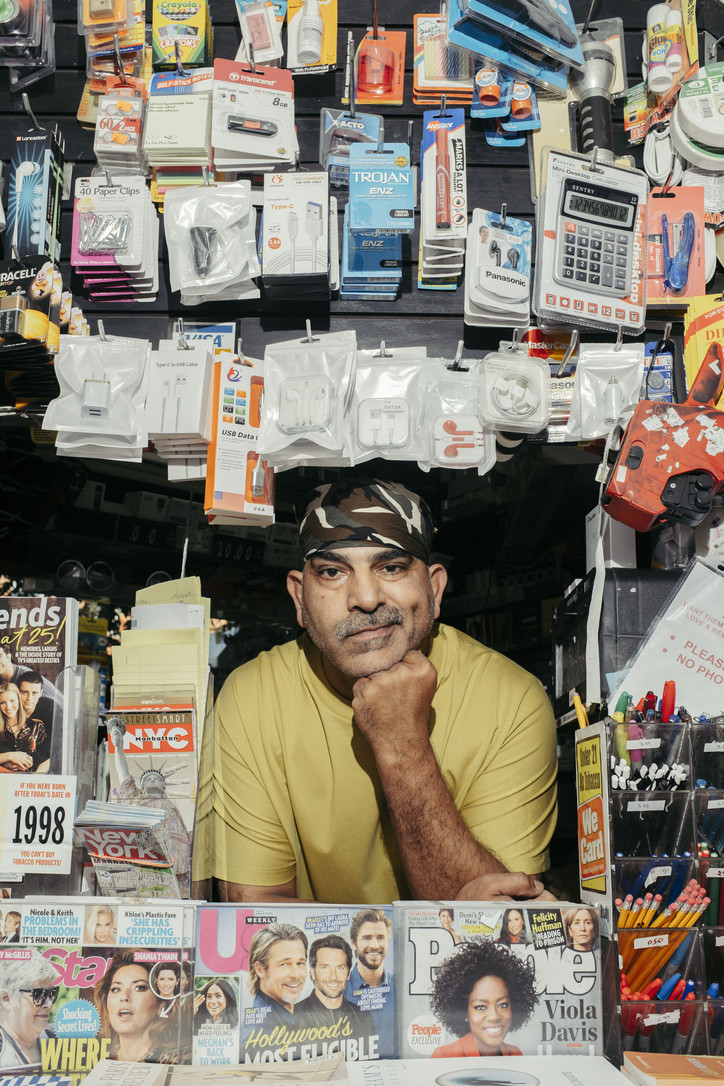
His bond with Ahmed has become so integral to the newsstand’s identity, so much so that they’re often mistaken as blood brothers. In his early years at the newsstand, business was booming: Print was the most accessible way to read the news and find job and apartment listings, and hundreds would line up outside the West Village storefront on Saturday nights to get their hands on the Sunday New York Times.
But fearing for the future of print has long been the nature of the business for the pair. In 2008, the financial crisis stood to change the industry indefinitely, and print magazines began departing Casa’s stands as publications went digital. Now Covid-19, which has already hit publishing hard, is impacting critical factors like foot traffic and international shipments and poses a grave, unprecedented threat: “The weak will get weaker,” MediaVillage analyst Jack Myers said in March, shortly after the first Covid-19 case was reported in New York. Up until recently, Casa has been utilizing Instagram, GoFundMe, and alliances with other local businesses to stay afloat ahead of the city’s June 9th “Phase 1” of reopening. “Everything is getting worse—we’re never getting good news from the business point of view,” Wasim tells me.
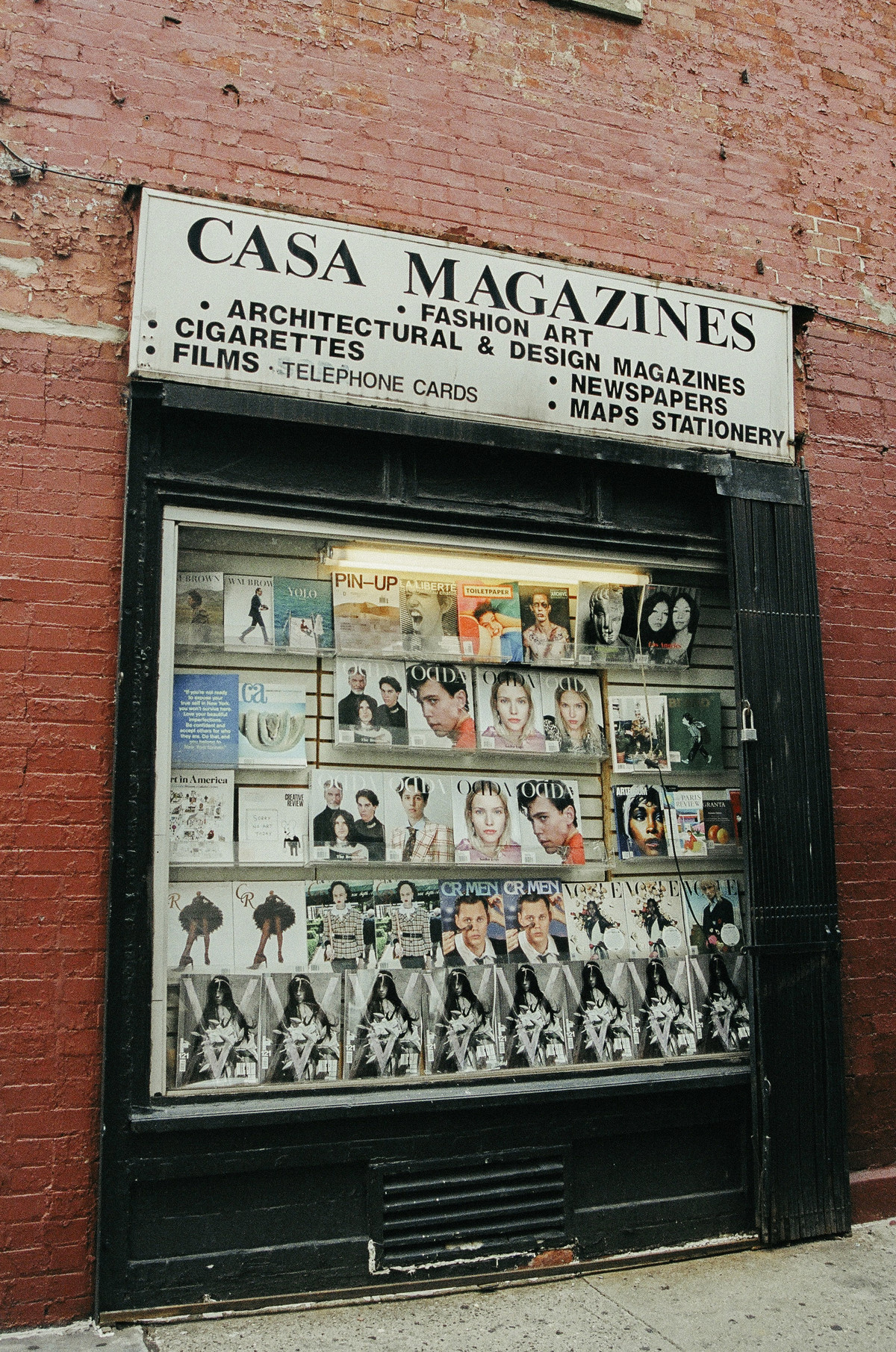
When I visited Wasim late last year, Casa Magazines, no more than 400 square feet in space, was bustling with tourists and locals. “Where’s the New Yorker?” one patron called from the front. Recalling from memory, Wasim motioned toward the latest issue with a laser pointer—he tells me he knows where everything is, from memory. Over the course of two hours, I met dozens of customers Wasim knew by name, and pieced together his story; what brought him to the magazine business, and Casa, and what made him stay. At one point, I asked him what another media industry crisis would mean for his profession, a question that now feels like an unfortunate premonition.
He shrugged: “Look at the whole world—one day you’re gonna die, you know? Nothing is forever.” Coronavirus hasn’t deterred Wasim—he’s still in the store working most days, and continues Casa’s Instagram tradition, donning a mask as he advertises new titles.
“I fell into this business, but I love what I do,” he said. “And I’ve never wanted anything different.”
Below, Wasim opens up to office about his work, his personal life, and what it's like to be sustaining one of New York City's treasures in a time like this.
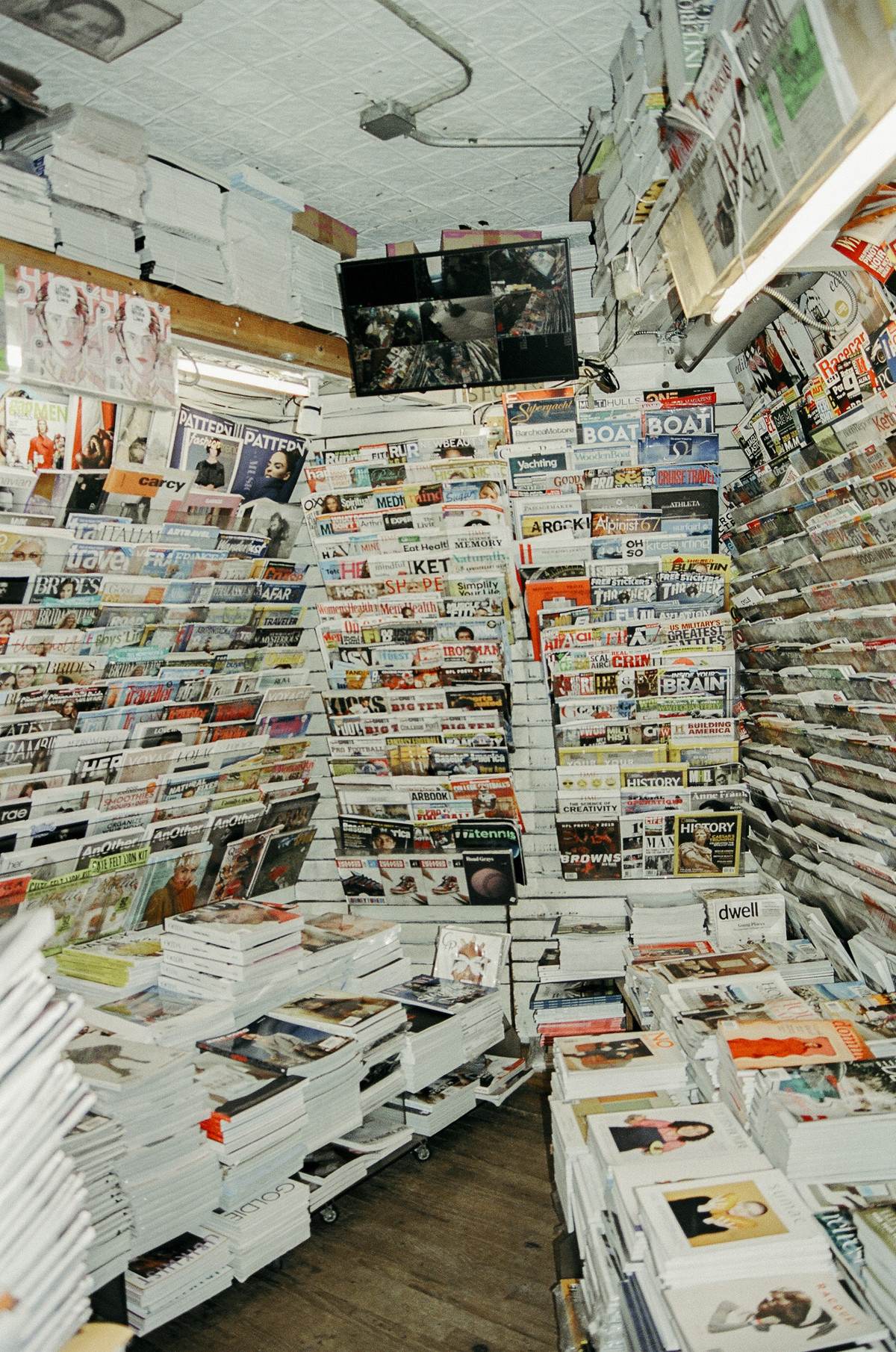
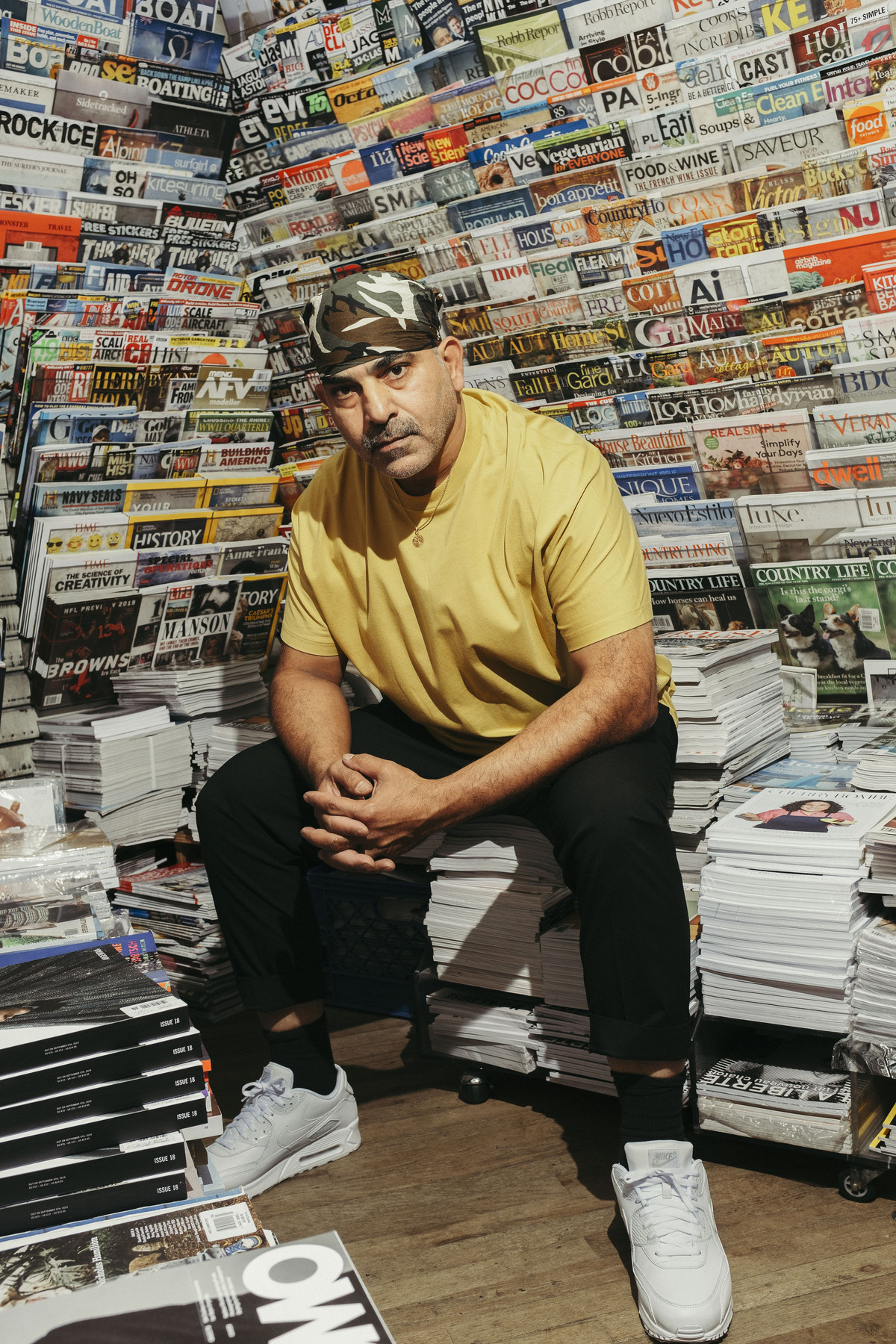
I’ve been working at Casa Magazines for 15, maybe 16 years. My job isn’t easy—sometimes I have 40 bundles to display, sometimes I have like 80 bundles. We carry almost 3,000 titles. I have to remember exactly where everything is, from memory—months, titles, issues, they’re all in my head. And it’s all in this small space. If we were just a little bigger, we could probably hold something like 10,000. But our customers have supported us, consistently, for years. I’ve met so many educated people in this business: Designers, actors, directors—I’ve even made friends with people like Liv Tyler, and Sarah Jessica Parker … Julianne Moore, she’s my best friend, you know [laughs]. But now that there’s coronavirus, the city is empty—there are no locals, and no tourists, and our international shipments have stopped. And that means no magazine sales.
Even beyond that, things have been changing here in the West Village, for a while—for the longest time, our main clientele was members of the gay community. Over the years, they’ve been pushed out, but some of the people who don’t live here anymore still make a trip down to see us. The way technology has advanced, it’s changing things, too. At one point, we were cash only. Now most people want to pay with their credit cards. Will people completely stop using cash in five or ten years? We’re talking about paper—so I think in five or ten years, magazines might be completely digital, too. But when people walk into a magazine store, there’s a distinct smell, and that smell of paper and print makes people take a deep breath, and feel happy. When they have something physical in their hands, they feel something different. I hang on to the fact that what makes print unique might be what helps save it.
This business is all I know. I got my start in New York in a basement apartment in Corona, Queens with my three brothers. I was only a teenager, so I couldn’t find work. I didn’t know English, I didn't know what anyone was talking about, I didn’t know what was even going on in my own life, for the first three years. When I turned 18, I went looking for a job. I wasn’t educated, didn’t have skills to become a handyman or something. By then I could speak and understand a little bit of English. Even though I will never be able to speak English as well as an American, I’ve never been shy about speaking it despite it not being my own language. I applied to different retail jobs until I got my first magazine stand job on 1st Avenue and 63rd. I’ve worked at magazine stands across the city since.
In a lot of ways, New York is all I know in America, too. The one time in my life I went somewhere else, it was San Francisco, some 20 years ago. It was okay for a few months, and then after that, I just got bored. New York City is the city that never sleeps for seven days a week, right? In New York, when you feel depressed, you can go to Times Square, you can just go to the Madison Square Garden here, there, and you can take everything in.
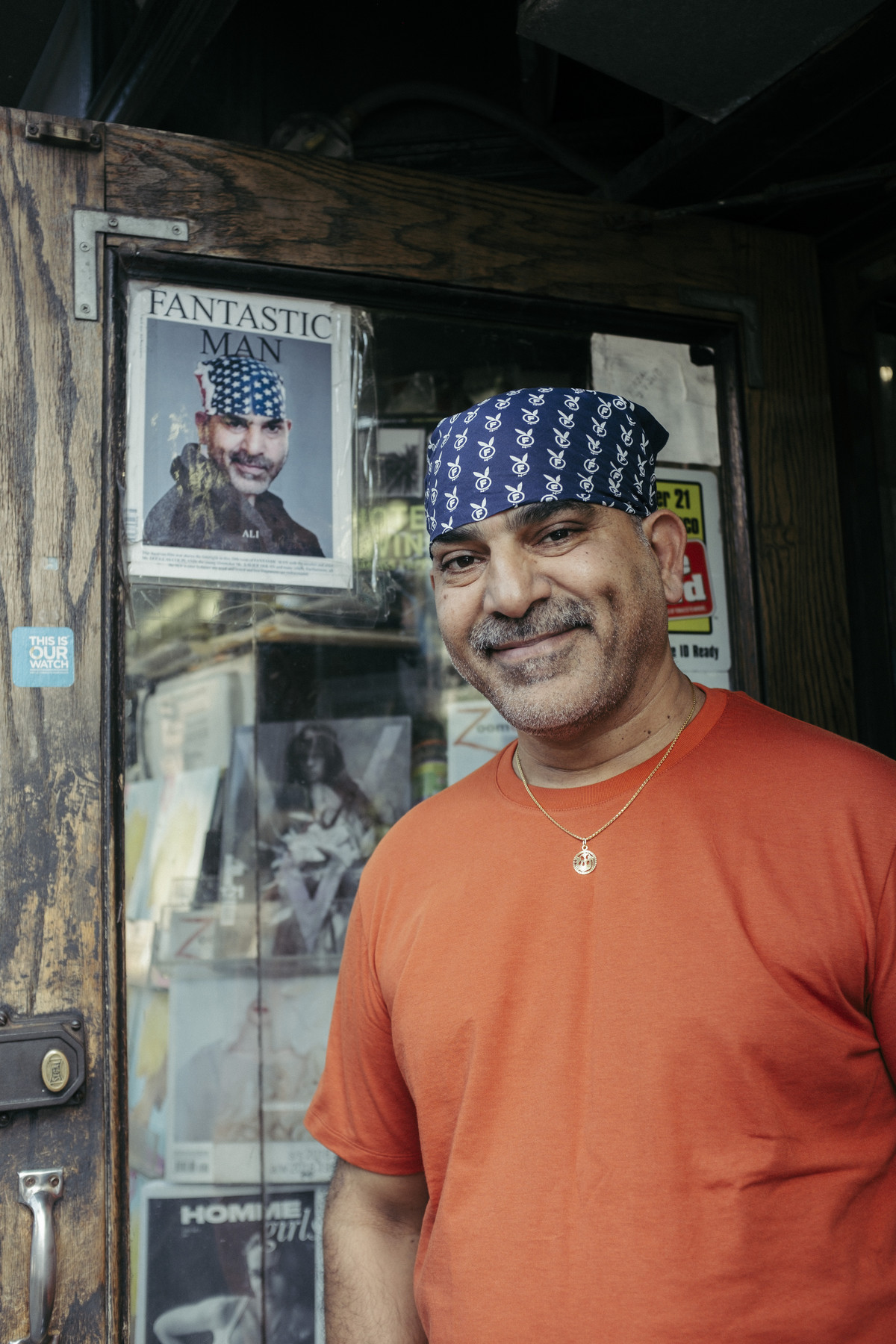
Growing up, I was a troublemaker. I got into street fighting. You see my height, and my build, right? So people would come up to me and say, "King come, we gotta go beat somebody.” I went along with it. My father was the Education Director of Karachi. People started to ask him, "Hey, what is your son doing?” My parents thought I was turning rotten, so they sent me and my two siblings—we’re like the Three Musketeers—to the United States for punishment. If there’s one thing that I’ve learned, that has been very important, in all my years of life, is that I never lie. I believe in karma. I know myself, and since I was born, I’ve never lied. I will never lie, even if I suffer for it.
Everything in this world is not for everyone—and I feel like for me, it’s too late to pursue my lifelong passion of photography. America isn’t like back home, where you can hang around someone, and learn from them, and become a professional in something after a few years. Everything in this country requires education: If you wanna be a plumber, you gotta go to school, if you wanna become an electrician, you gotta go school. I’m bad at English, I don’t have a high school diploma, so I can’t go to school for photography. But that doesn’t stop me from taking pictures of things that I see with my phone, or being inspired by the things I see in every magazine we receive here in the shop, every day.
All my parents really wanted for me was for me to not be a troublemaker. In Pakistan, you’re told what to become—but in America, you get to choose your dreams. That’s what I want to pass down to my kids. I want them to shape their own futures.
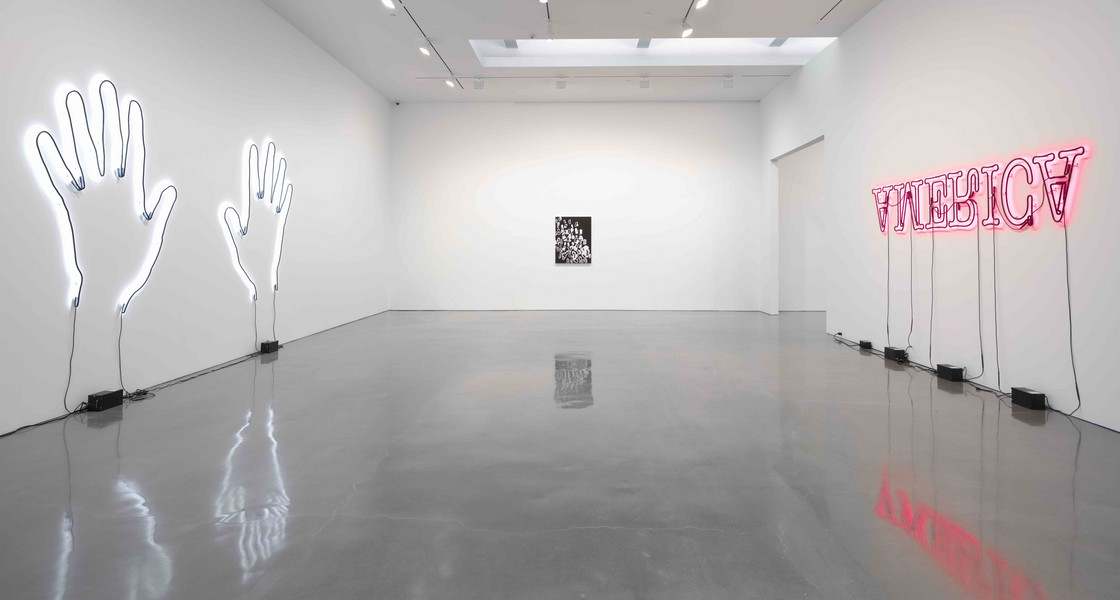
"NOTES FOR A POEM ON THE THIRD WORLD (CHAPTER ONE)," 2018
Like most artists, I started out hoping I would have something to “say.” Something spinal enough to make your eyes widen as your neck snaps back from the page. Squirmy enough to make your feet creep inward and pigeon-toed under the table. While in the process of finding my voice, I realized I had become a messenger for someone else, an intravenous therapy administering the claims for some cause or another, writing to tell the stories of those in need as opposed to needing to share something about myself. The work of Black artists is often the work of service to Black stories, as is the case for Glenn Ligon; Our wretched history, discriminating pain, our God rearing hope. As artists and Black men in White America, Ligon and I also share the disorder of a double consciousness. We “stand-in” for our community, whenever we stand out, and we’re perceived as threats to be put down wherever we show up. In both circumstances, the stakes are highly charged, though in the latter the charges are routinely dropped.
"Notes for a Poem on the Third World (Chapter One)," 2018 on view at Regents Projects LA (2019), figures two giant neon hands raised at 84 x 155 inches, mounted on the back wall in the gallery’s second room. Ligon has applied a layer of black paint to the face of the neon tubes, which consequently throws a ‘shadow’ of escaped light back against the wall producing an outer glow. The large-scale sculpture is in fact a trace of Ligon’s actual hands. Their painterly, adolescent line calls up the act of tracing one’s hands as a child when learning how to draw. In this way, he offers no fingerprints to mark his DNA. No major or minor lines of the palm to determine his health, a path his life will take or the depths of his intelligence. No lifeline, headline or heartline for some esoteric palmistry zealot to speculate. What his hands lack in forensics they provide in language. They shout, anxiously, “HANDS UP, DON’T SHOOT!” and in their startled angst give shape to too many wretched bodies that have echoed through the hearts and minds of a vexed diaspora.
These hands are painted black, like me. Raised high against and swallowed up into a vacuum of whiteness, also like me. Like two mirrors set face-to-face to reveal a number of images in infinite, Ligon’s hands draft a domino line of reflections. In his hands I see my own, in my own I see the outstretched hands of a community.
TURBULENCE
"Notes for a Poem on the Third World" is Ligon’s first figurative neon sculpture. In offering this work as a figure, it embodies the formal readings of a painting. By way of analogy, Gregg Bordowitz states in his analysis of a text-based painting by Ligon, "Untitled (I Am a Man)," 1988, “The great challenge a painter must meet is to distill motion into a significant form so that the viewer may sense, feel, and anticipate all the possibilities of motion suggested by the formal elements of the painting. Through line, color, and composition, the artist creates a compelling sense of turbulence, strongly felt by the paintings viewers.” He goes on to describe how “turbulence” is experienced in a third space, a space of thinking and making connections, mediated by our existence before we encounter the work and our relationship to it and the world after we leave it behind.
Applying that logic to "Notes for a Poem on the Third World," my third space draws up the figure of Michael Brown, an unarmed black teenager who was shot and killed by a white Ferguson, Missouri police officer on August 9, 2014. That shooting mobilized a community into protest, transforming Brown’s show of surrender into a weapon of resistance and a national movement that rallied behind “HANDS UP, DON’T SHOOT.”
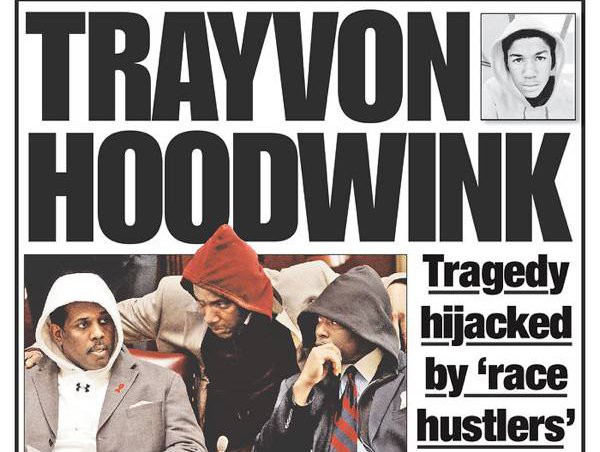
It reminds me of my dad Bill Perkins, then State Senator of New York. His signature fedora replaced by a hooded sweatshirt, flanked by Senator Kevin Parker and Eric Adams, who were also wearing hoodies as they walked into the senate chambers on March 26, 2012. They chose to wear hoodies on that day in solidarity for the family of Trayvon Martin, the 17-year-old who was shot in Florida for wearing “suspicious” clothing. Lampooned on the cover of the New York Post the next day, that photo is framed by text, scandalously, “TRAYVON HOODWINK. TRAGEDY HI-JACKED BY RACE HUSTLERS.”
But I’d be damned if the souls of those ghastly bodies don’t dare to groove and shake. Together, Michael Brown, Trayvon Martin, my dad, Senators Parker and Adams, dance out their rage to the Congo drum of Busta Rhyme’s “Put Your Hands Where My Eyes Could See.” They pose centerfold in the juicy wet melee of Hype Williams’ fisheye lens.
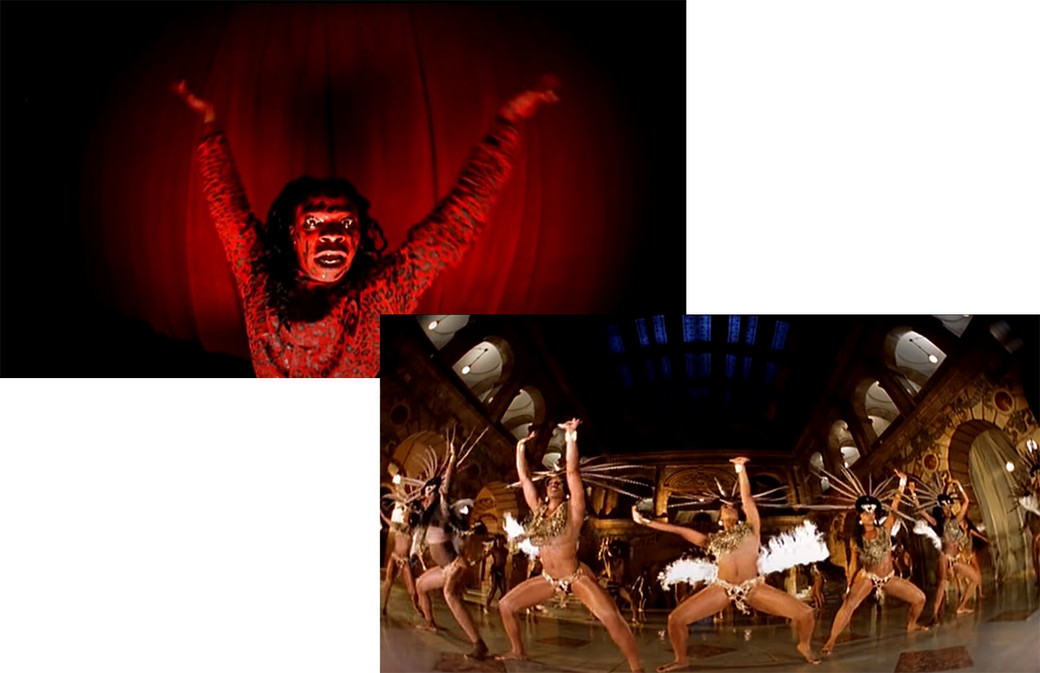
My third space is a black space. A double consciousness of both trauma and redemption. Where adversity is re-imagined as opportunity, transformed into a feat of endurance. This is how Blacks in America make Life Matter.
NOVEMBER 3, 2020.
Mounted opposite "Notes for a Poem on the Third World" is "Untitled (America)," 2018, a black neon sculpture painted red that spells out the word 'AMERICA.' Displayed upside down, this work builds on a series of neon sculptures that also spell out 'AMERICA’ in large capital letters of a light-weight typewriter script, a letter form that also appears as a stencil in Ligon’s text-based paintings. Each individual letter in "Untitled (America)," 2018 is comprised of a single neon tube mounted against a white wall as if free-floating. Two electricity cables looping through the letters form the only visual and structural connections between them. The cables drop neatly to the floor and along the wall to intentionally visible power supply units. In other sculptures, ‘AMERICA’ has been spelled backwards ("Rückenfigur," 2009), and also backwards and forwards in "Double America," 2006, with two stacked 'AMERICA' sculptures presenting a mirror image of each other.
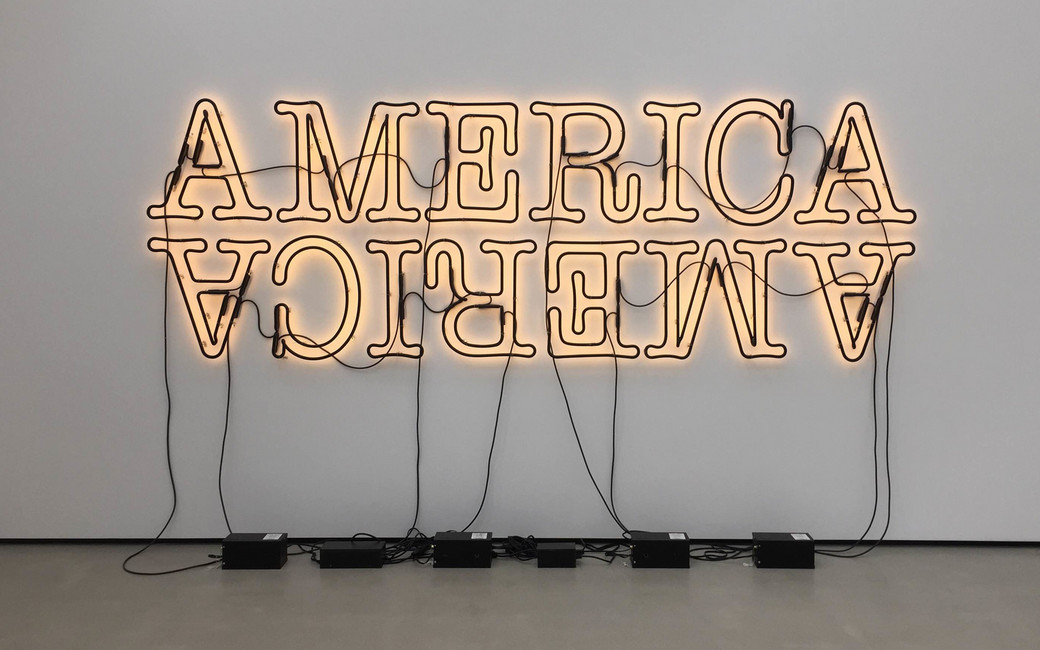
Born in Bronx, New York in 1960, Ligon is best known for text-based paintings and neon sculptures like these that draw inspiration from literary works by writers such as James Baldwin, Zora Neale Hurston, Ralph Ellison, Richard Pryor and Jean Genet. He redirects excerpts from their texts to resurrect new meaning; to reveal the ways in which the history of slavery, the civil rights movement, and sexual politics inform our understanding of America. In the 'America’ series, he splits the country into two, exploring the dualities found in a country that has become increasingly bifurcated along social, political, sexual orientation and economic lines.
Described by curator Scott Rothkopf in the catalog for Ligon’s America exhibition at the Whitney Museum of Art (2011), "AMERICA (2006) looms large and powerful, yet its letters are thin, open and permeable suggesting a national portrait of the country’s power and fragility.”
"Untitled (AMERICA)," 2018 corroborates another truth. Also looming large, hung upside down, it reveals America’s unchecked anger, hell hot and boiled over. "Notes for a Poem on the Third World" is pushed up against the opposite wall, nails chipped as America casts its shadow. From darkness, the whites of our eyes illuminate motifs bound to the metamorphosis of the exquisite experience of a color. From chained bodies, hanging nooses, German Shepherds and firehoses, to our outstretched arms and hands. The national portrait of Black life in America today.
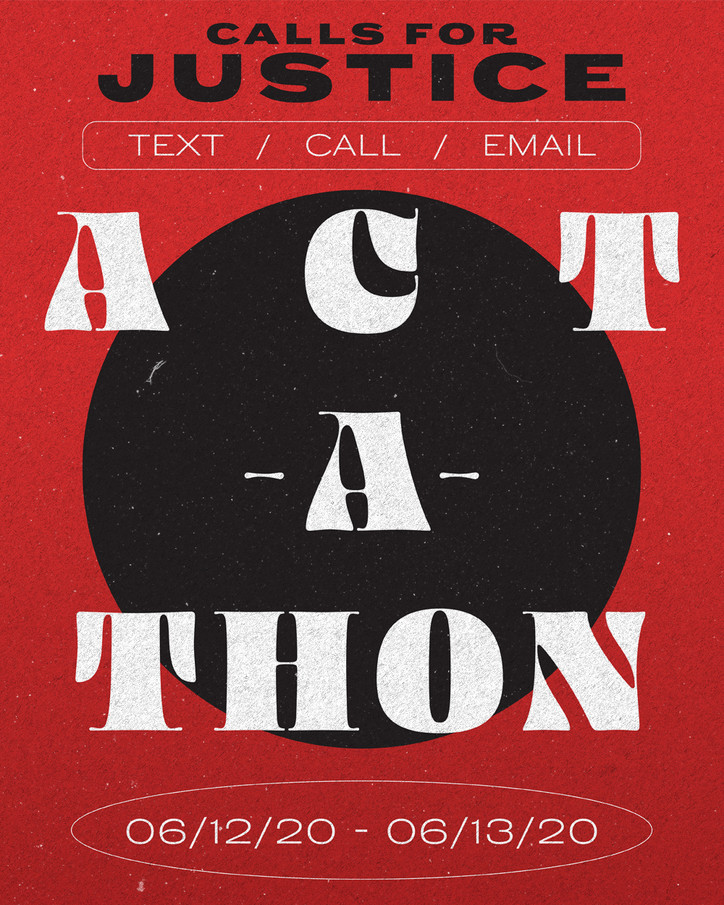
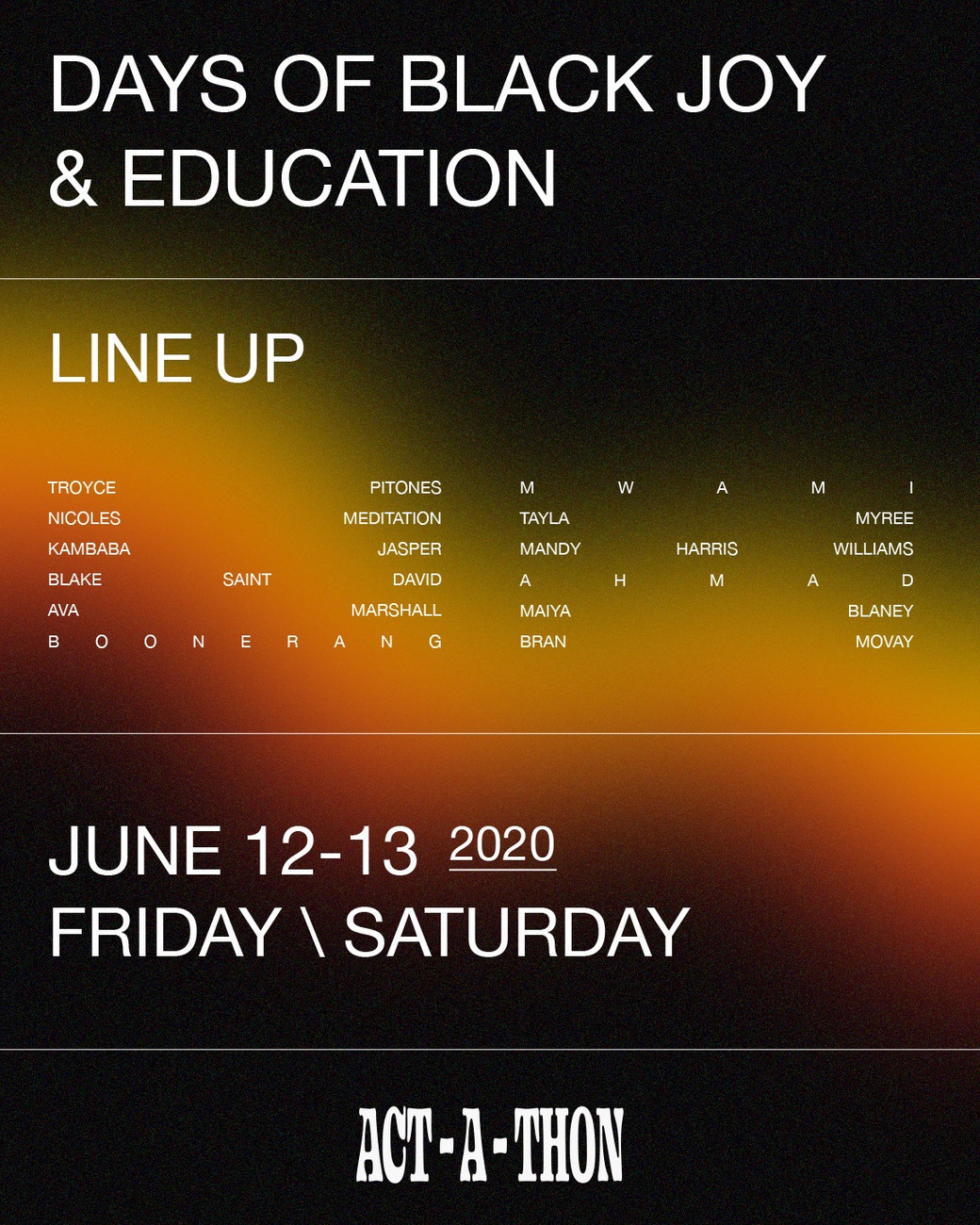
During the course of these two days we ask that you commit to our virtual ACT-A-THON, contacting at least four of your own state elected officials via phone call or email, in addition to contacting state representatives and police departments across the nation. During this time, we challenge you to take action and be a part of creating the change that so desperately needs to occur. We believe that it’s time to make efforts beyond the internet, beyond posting black squares. This is not the time for silence: we must use our voices to directly stand up against the institutions that are upholding systemic racial injustices. We believe that if 11 million people can post a black square on Instagram, then our collective power as active voices taken to the state can be truly effective. Join us.
HOW TO PARTICIPATE
- Repost and share this information.
- Sign up for a day and time slot that you will be working on our sign-up form.
- Go to actathon.com on June 12 - June 13 during your chosen time.
- Find your home state on our website, which will direct you to call/email/script information that you can use to contact four of your state’s elected officials for large reform issues, along with state representatives and police departments across the nation for individual reform issues.
- Tune in to our Instagram live from 12 p.m. to 6 p.m. EST on both days of the event for entertainment and education from various performers, DJs, speakers and hosts.
LINEUP