For Lovers
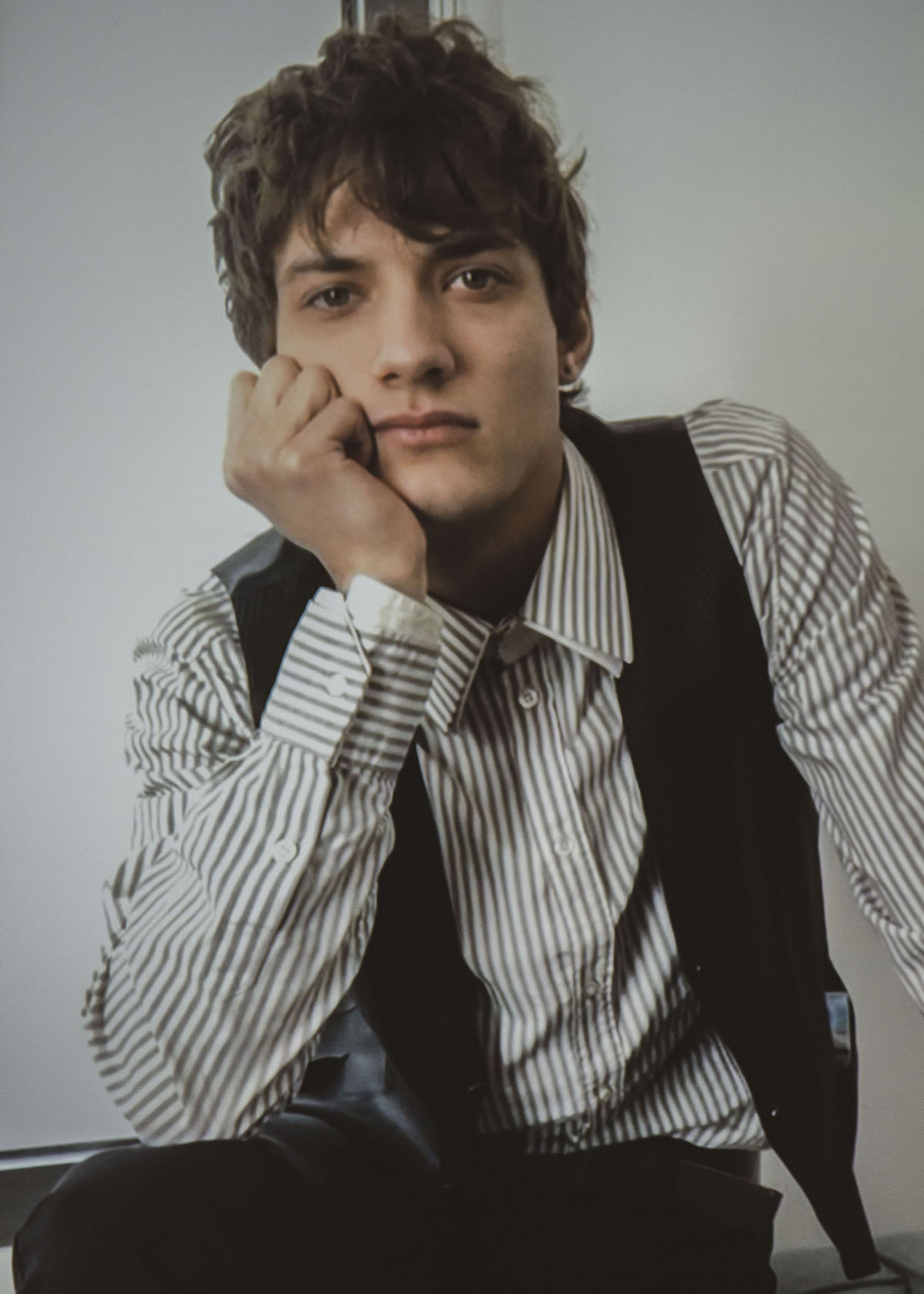
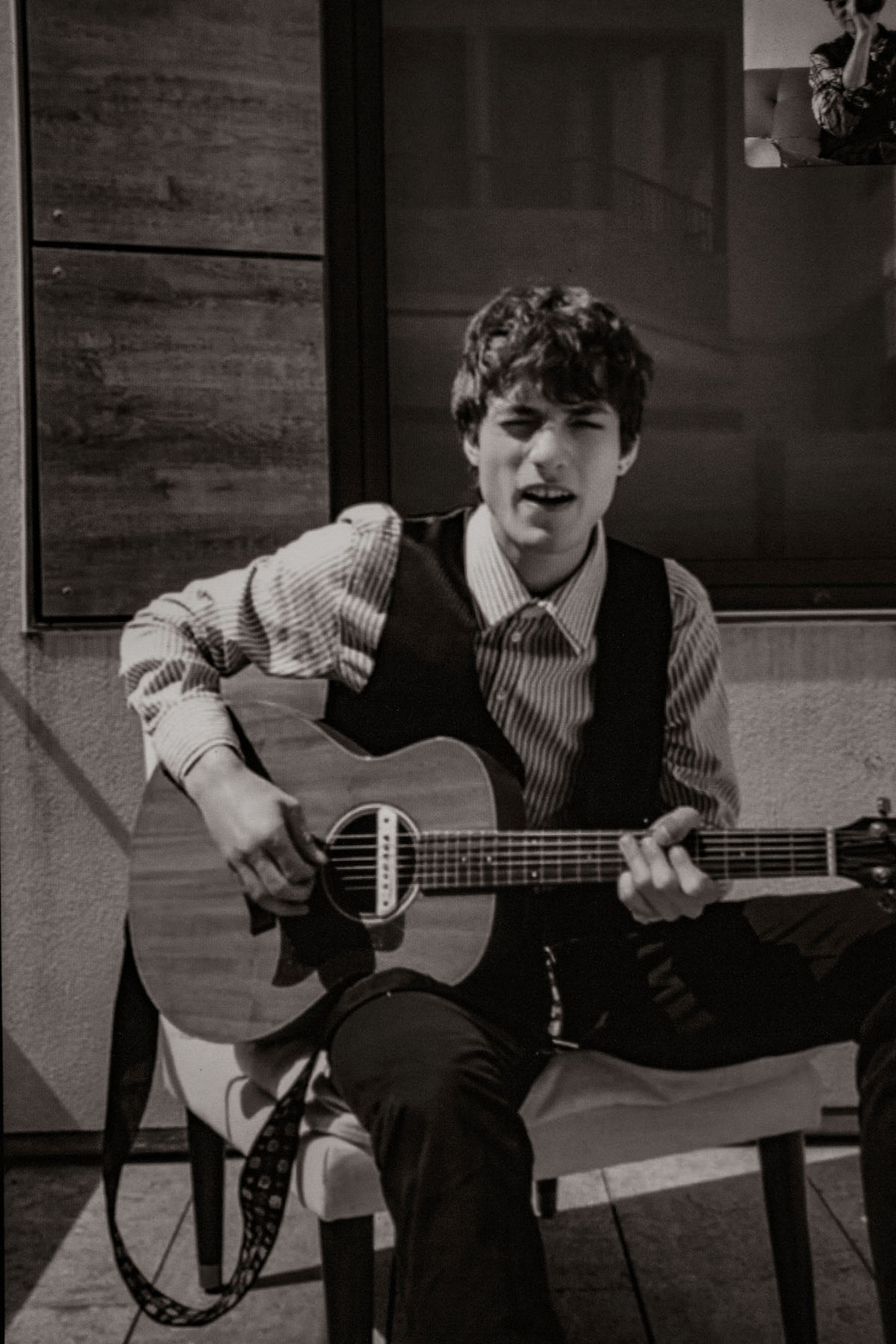
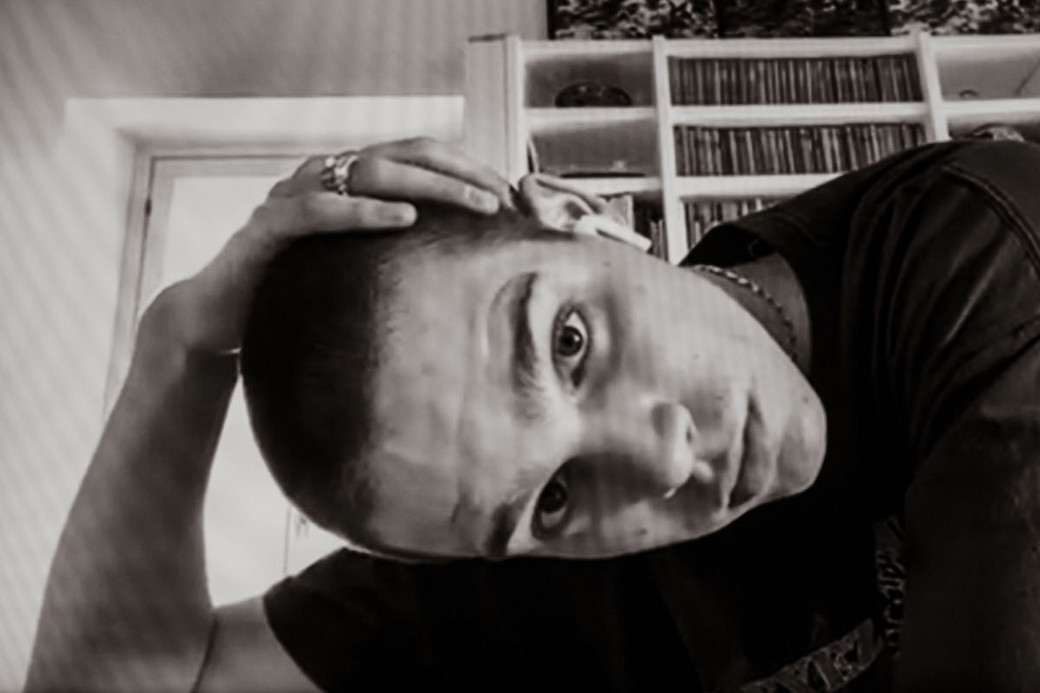
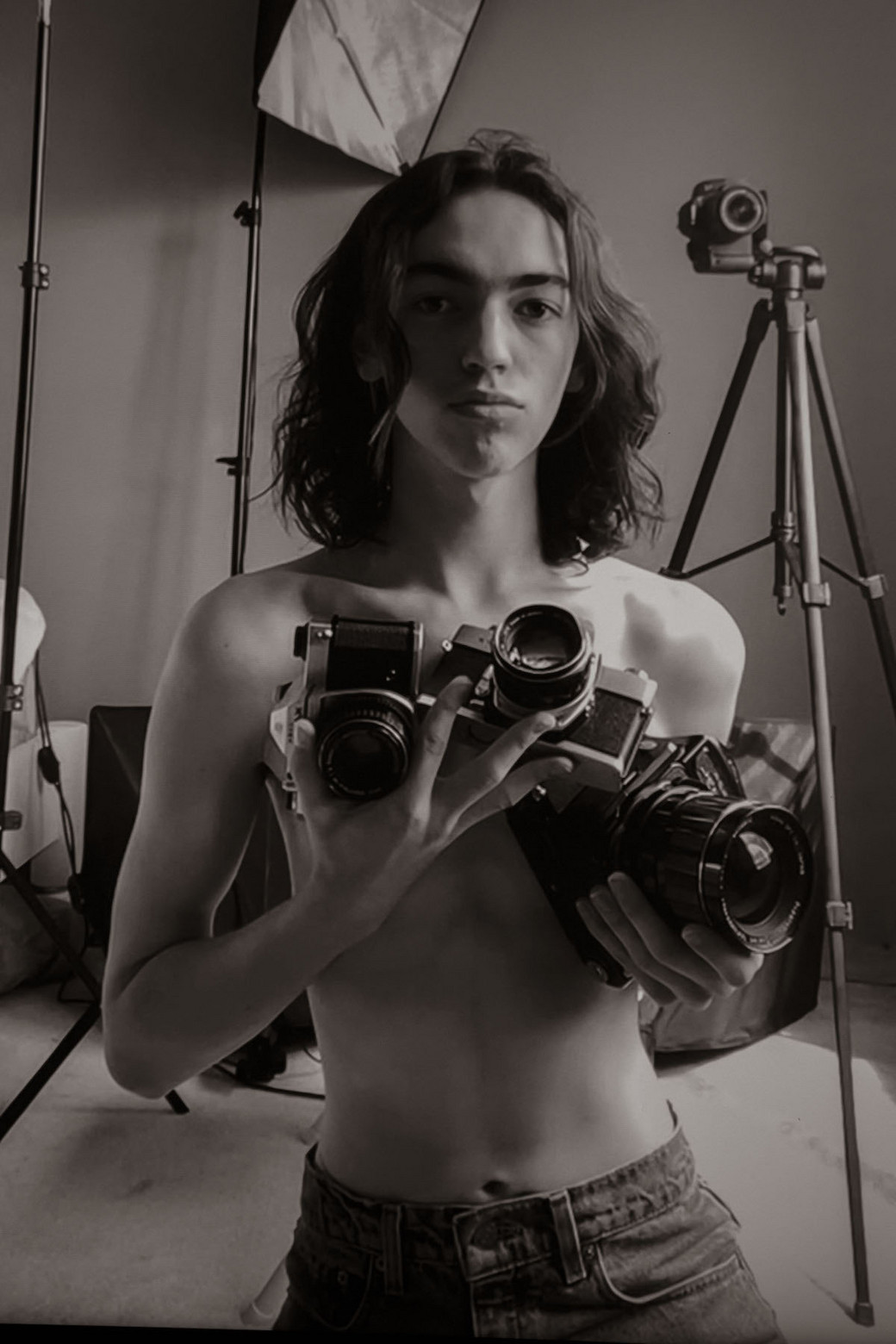
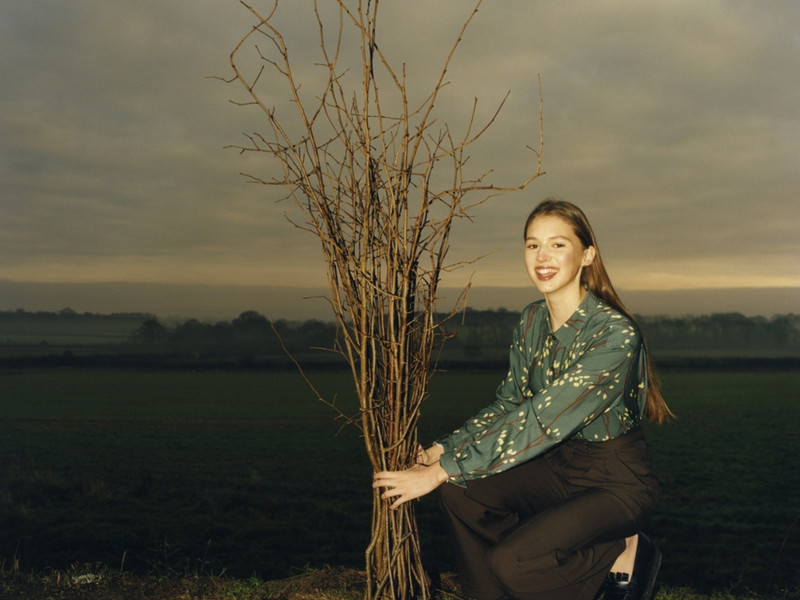
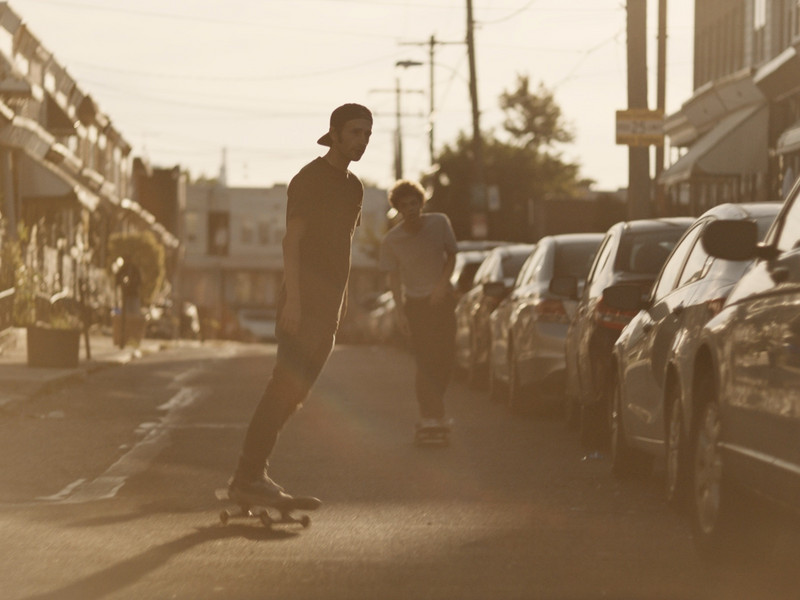
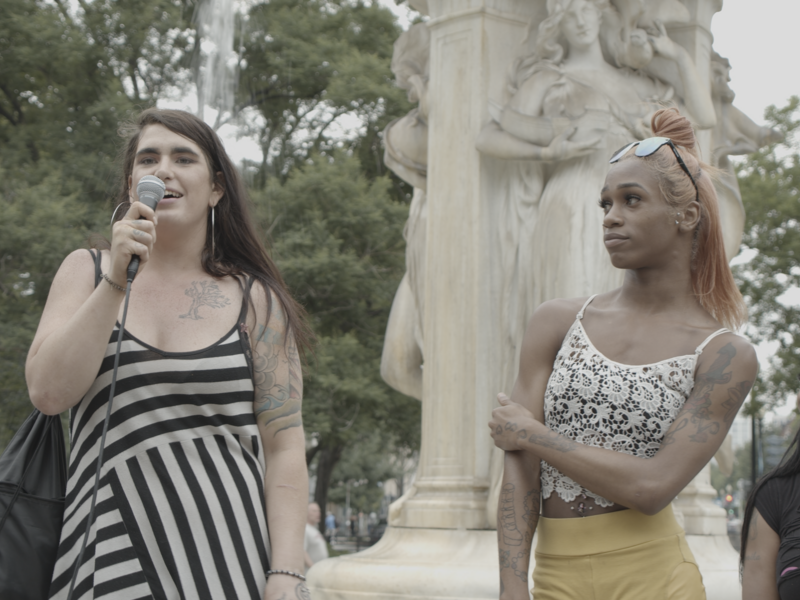
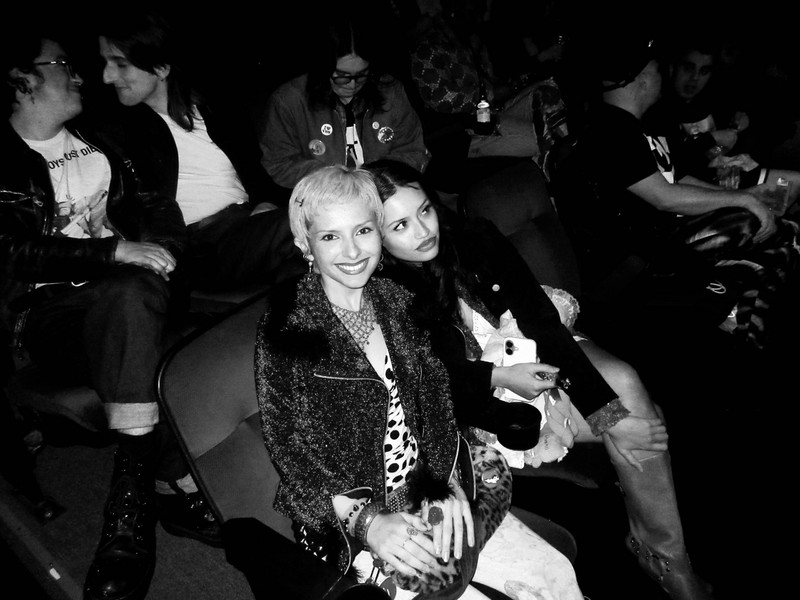
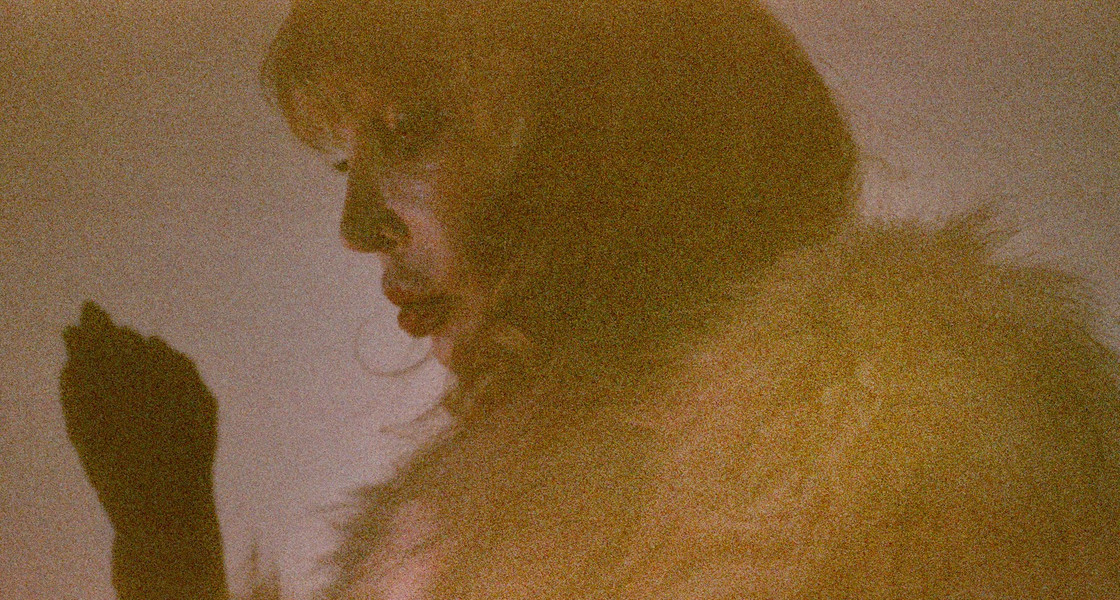
Lamar is a muse for the ages, a lens through which we can explore the love within both our hearts and others'.
Check out the video and photos below.
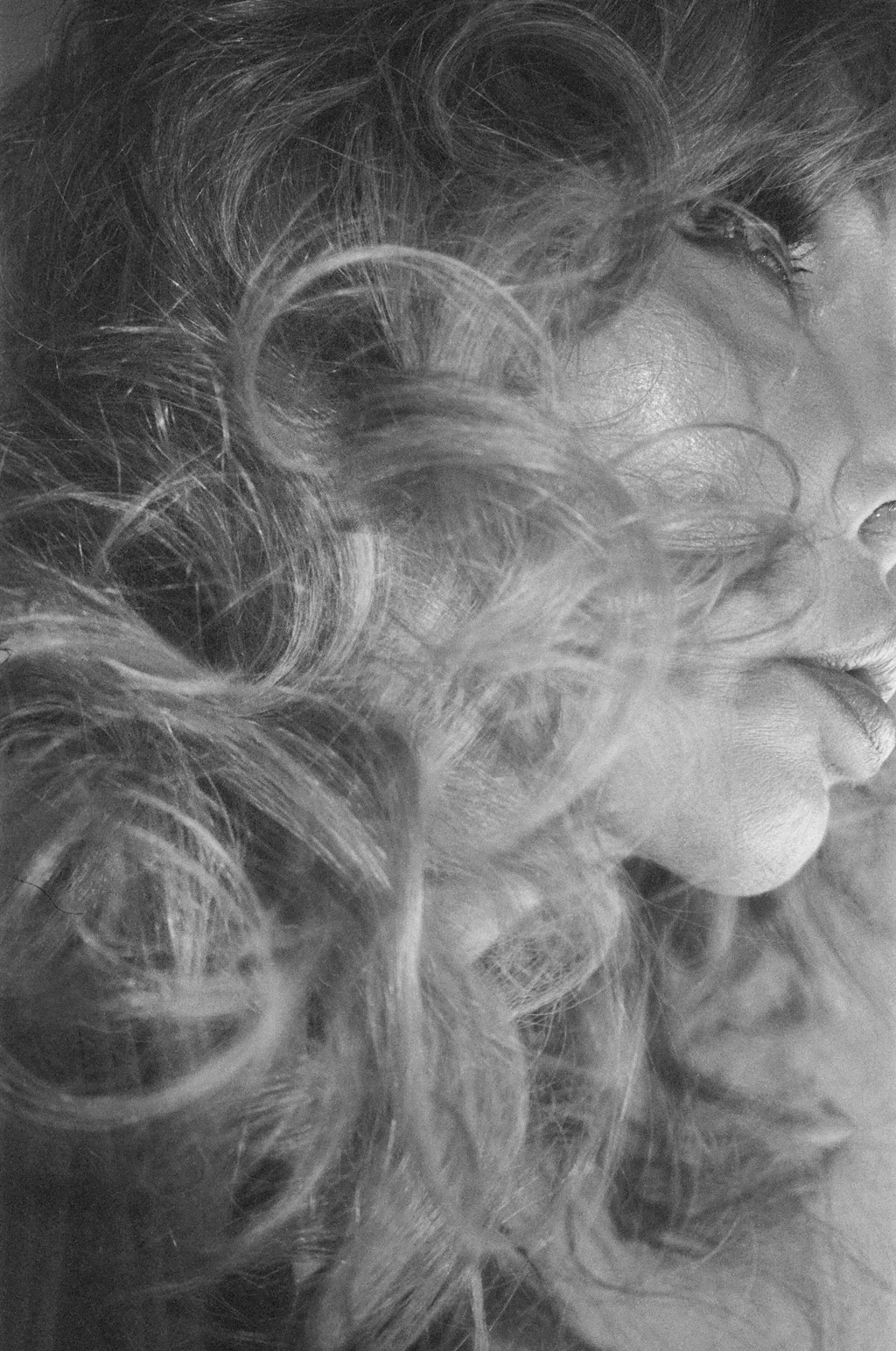
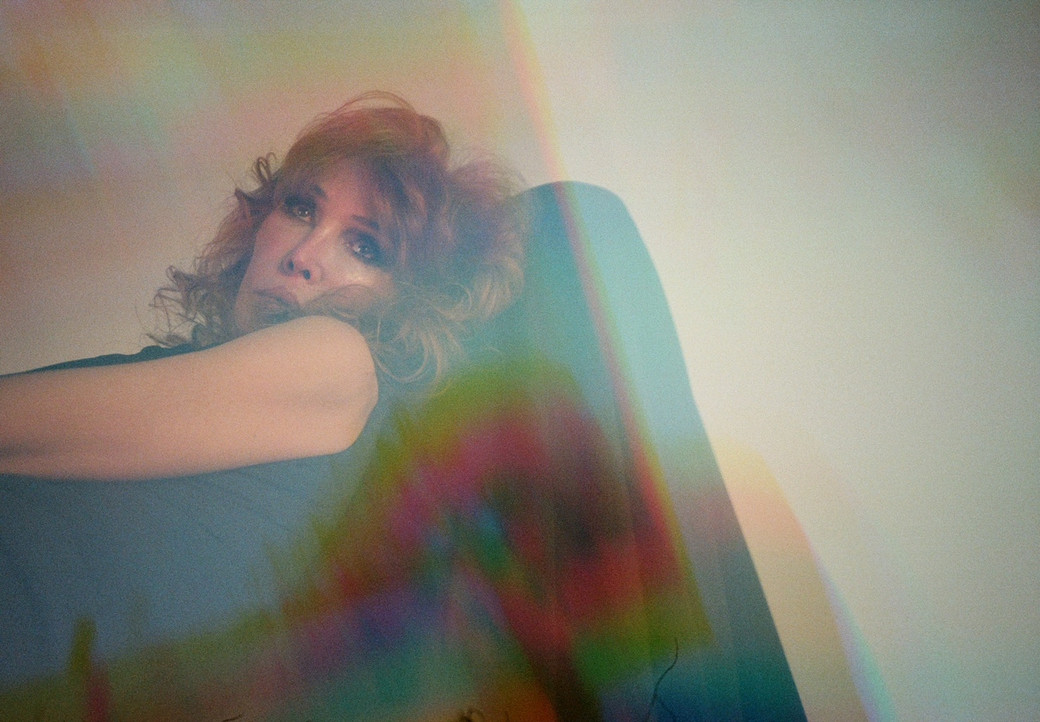
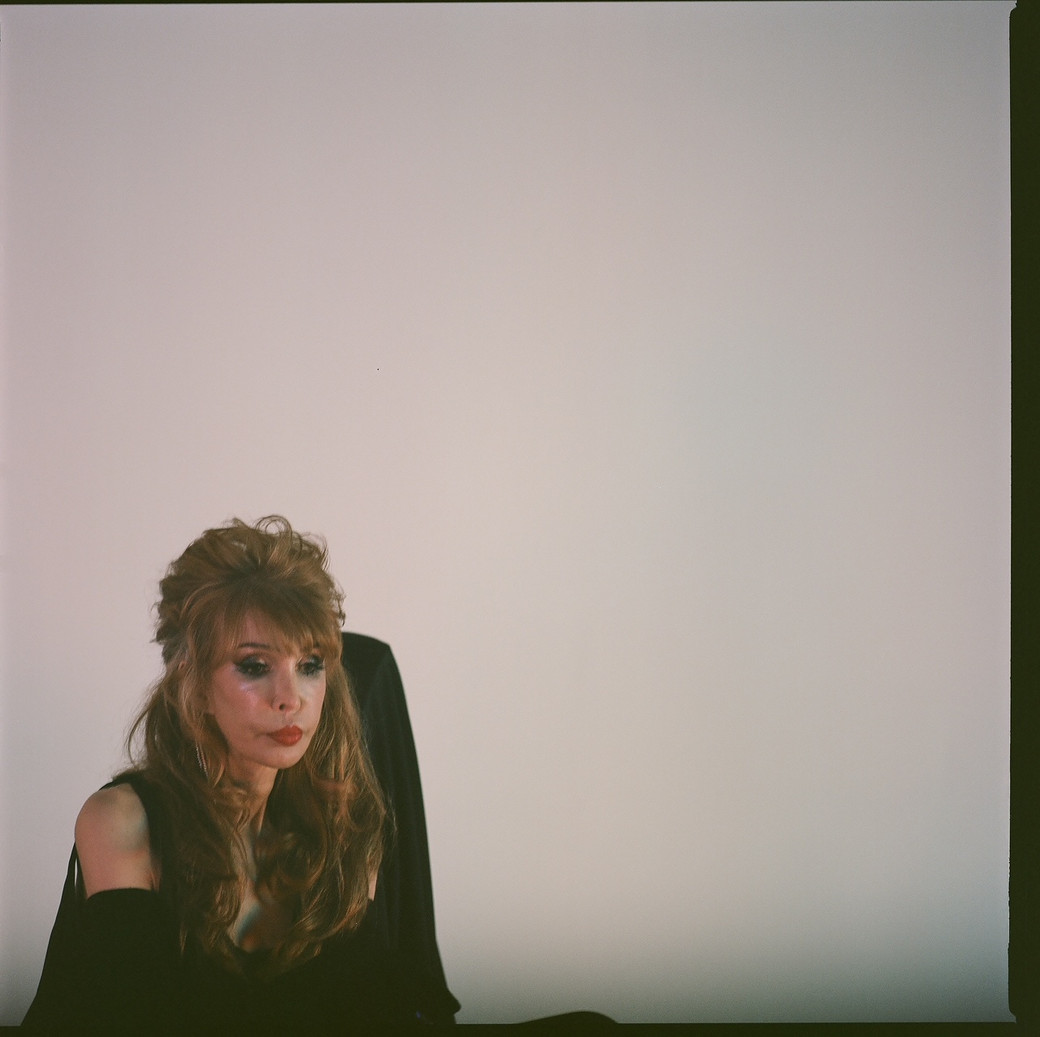
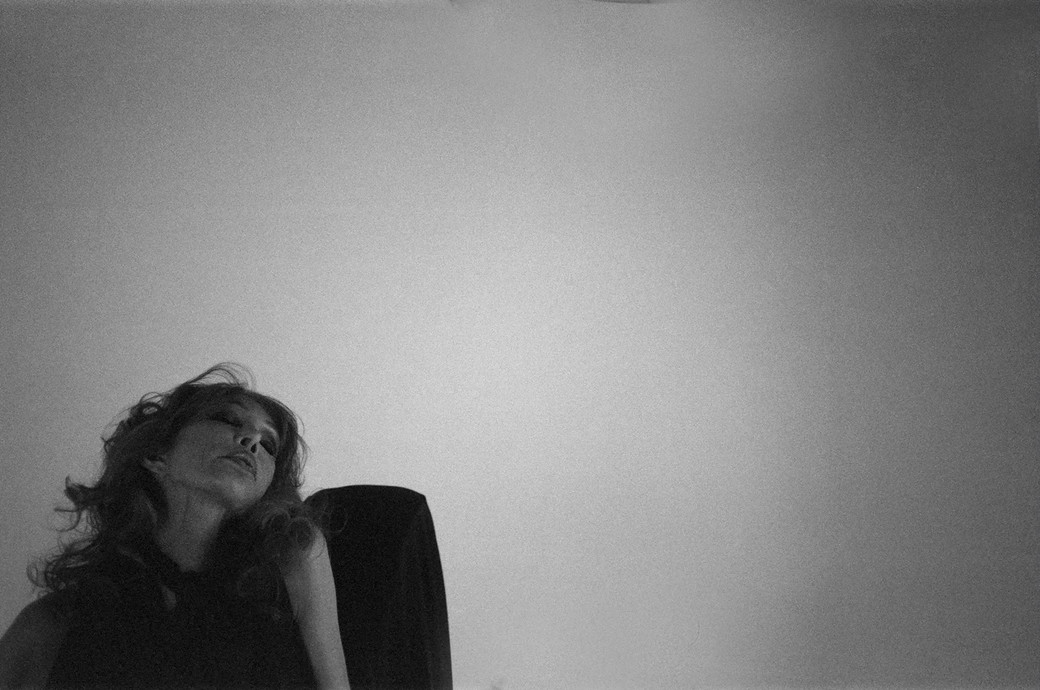
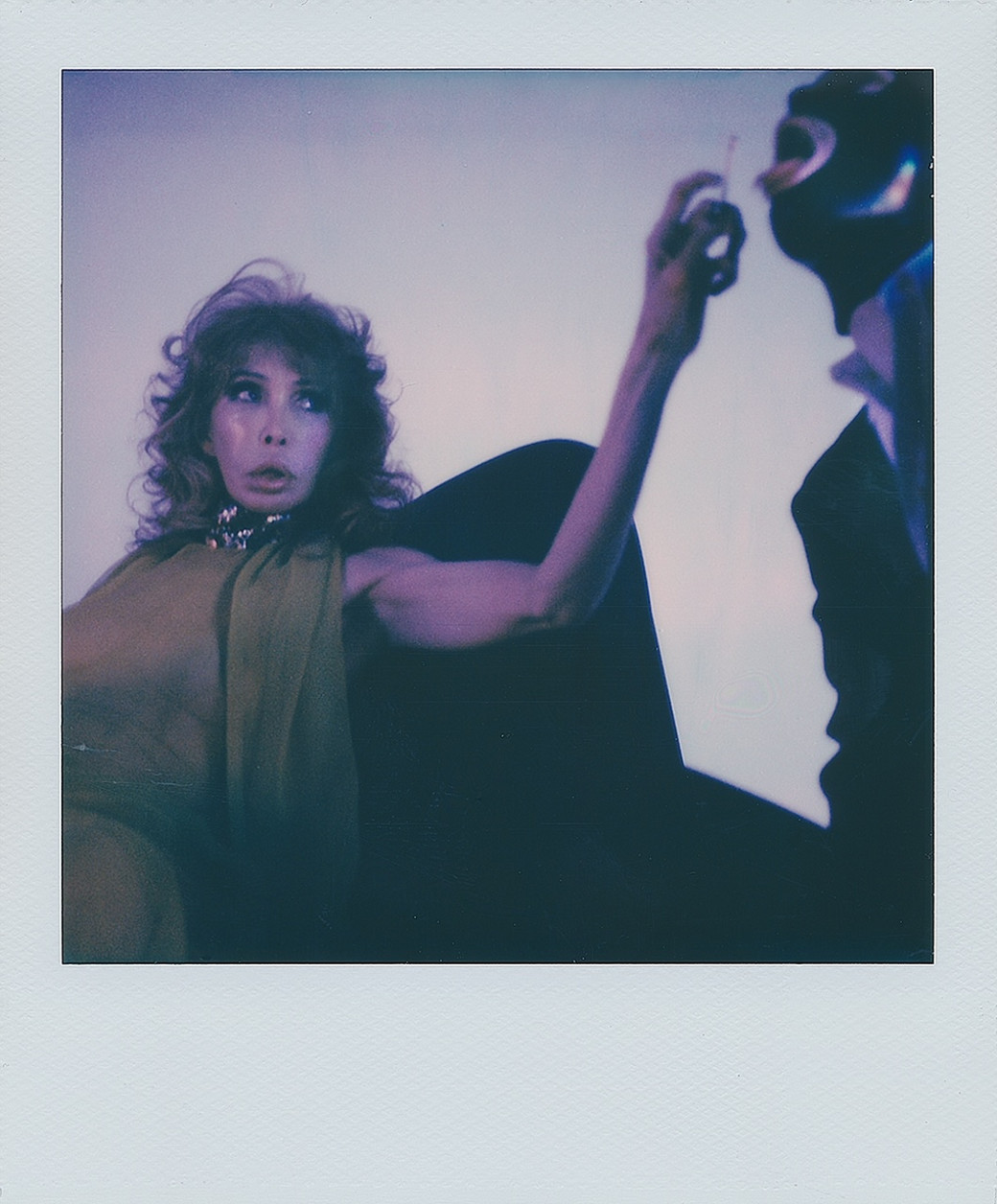
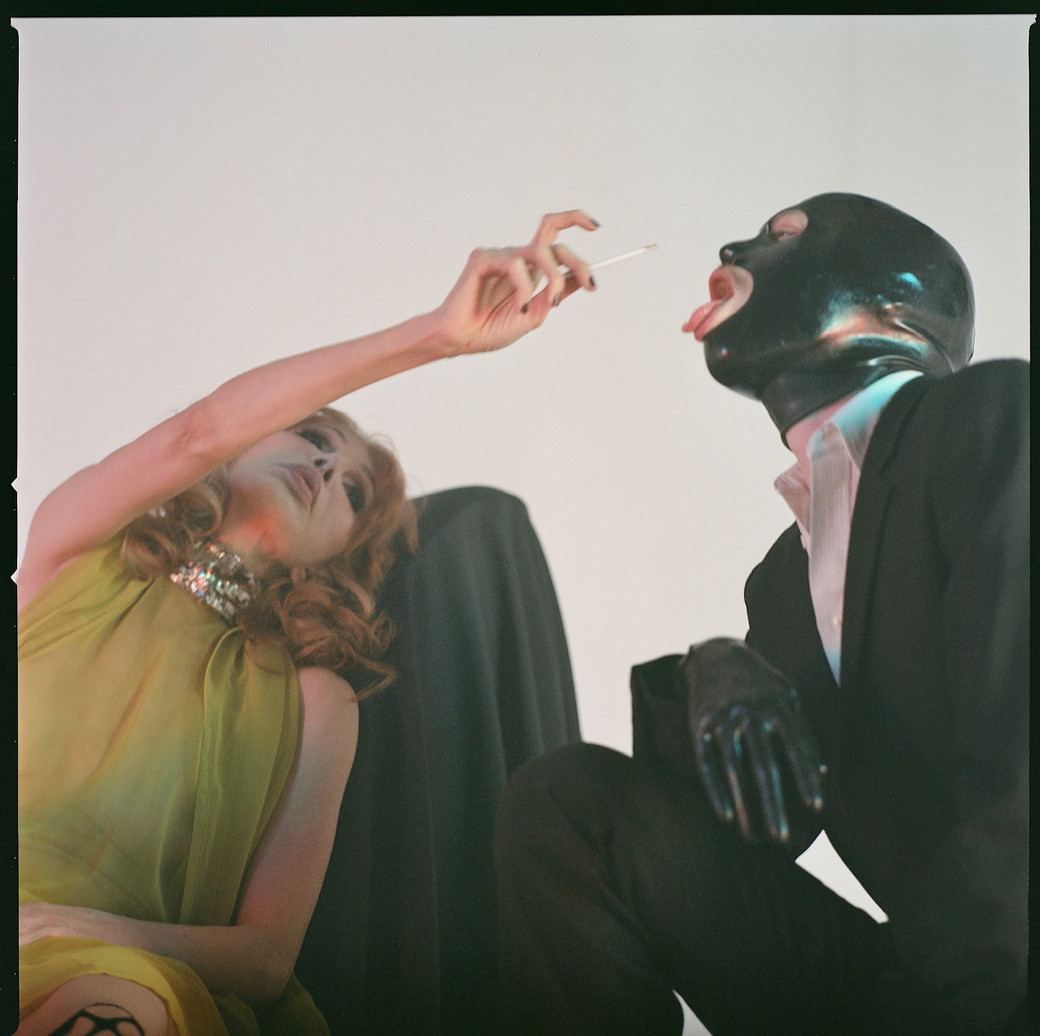
Lamar is a muse for the ages, a lens through which we can explore the love within both our hearts and others'.
Check out the video and photos below.

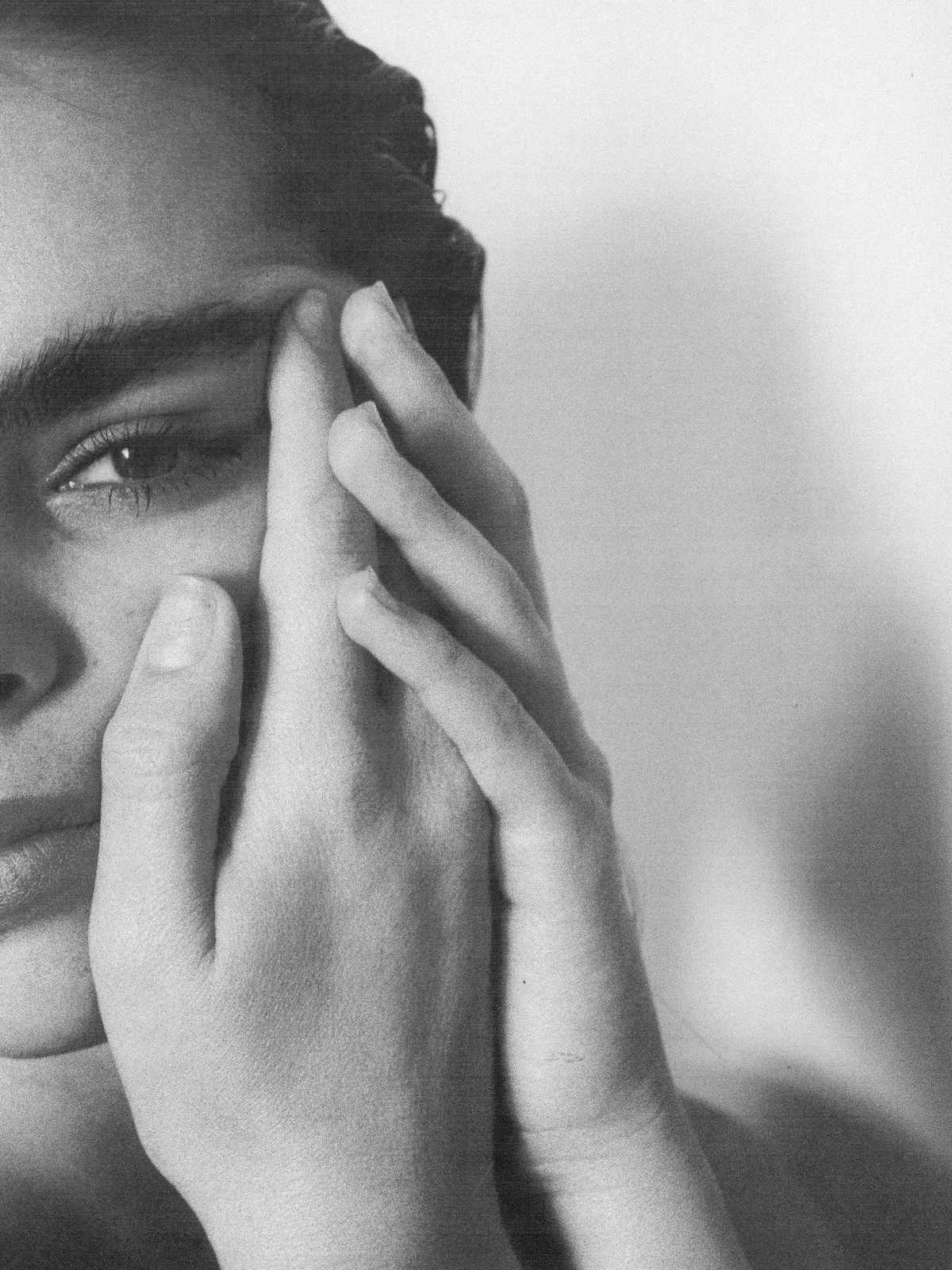
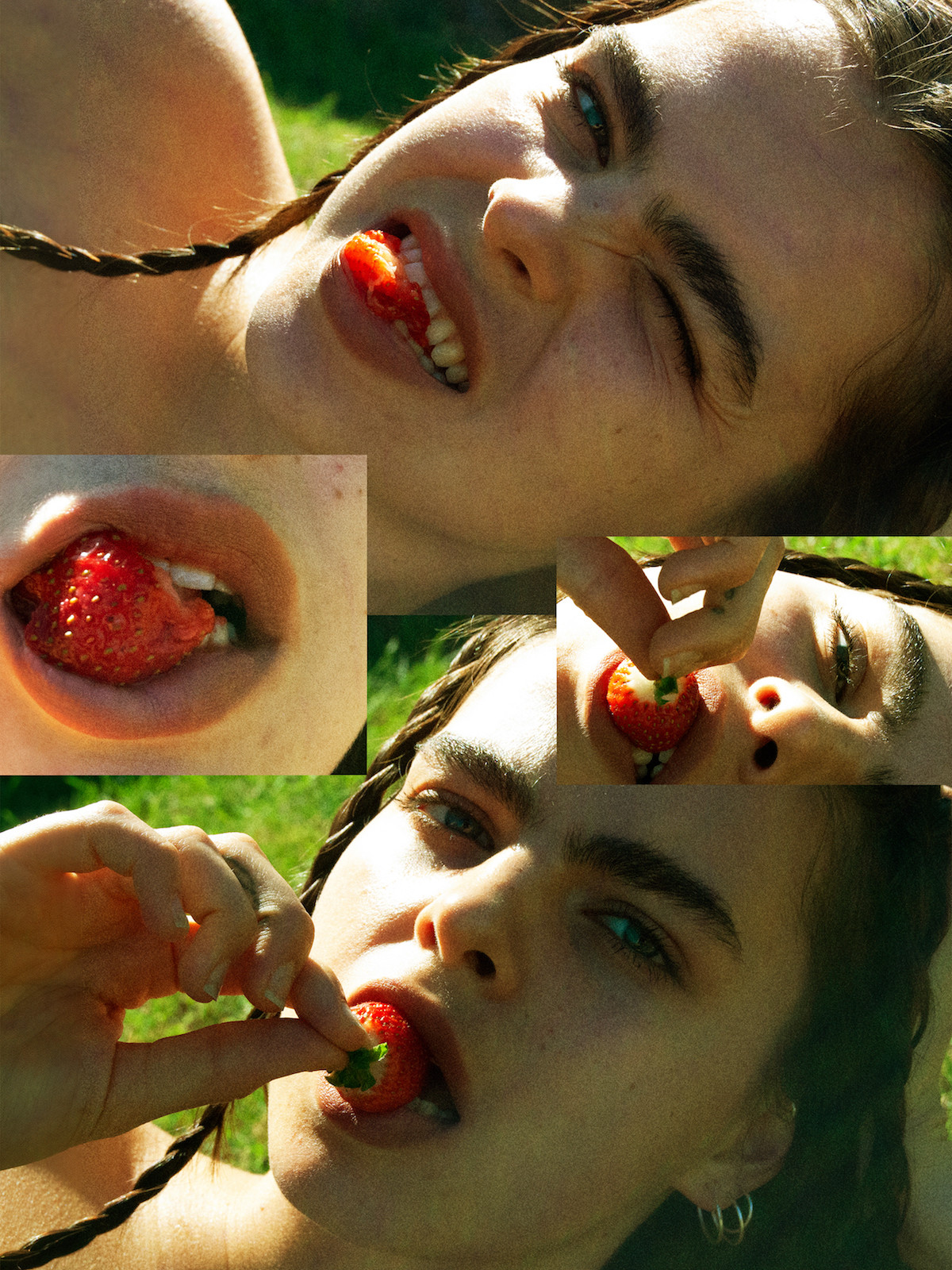
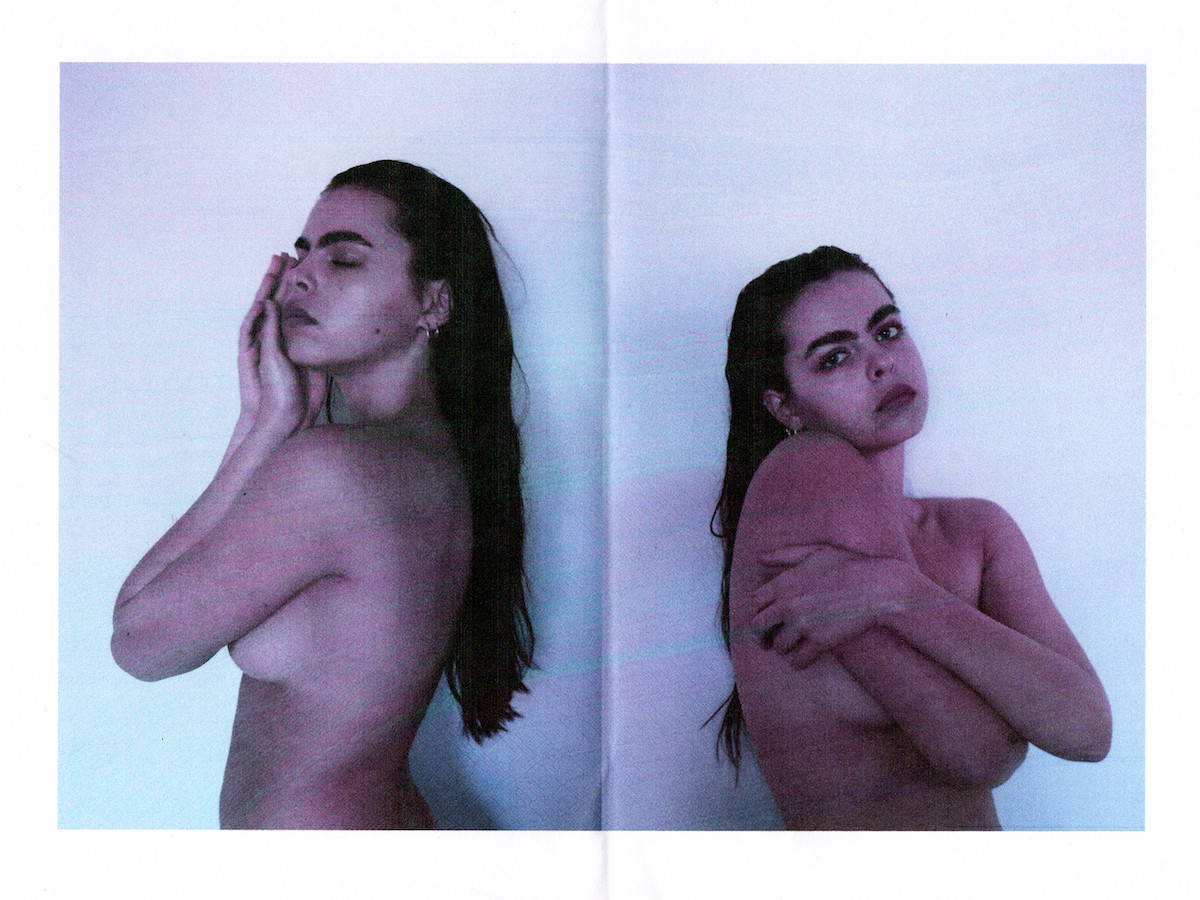
A myriad of emotions are being experienced during a time in history when norms are under reconstruction and every sensation feels heightened. It’s easy to become exhausted, and even depressed while in isolation, and TQD offers a mental sanctuary celebrating the recognition of self-worth. Recently, Beardsworth spoke to office from Cape Town, where she is currently with her family. She also shared exclusive images shot while in quarantine.
It’s quite late over there but then again I’ve been losing my sense of time. How was your day and how are you doing?
I was speaking with someone about this – the sense of time thing is so strange. I’ve been pretty good at structuring my days but I feel like the fact that it’s the first of May is so strange because the last six weeks of my life have been far from my normal way of structuring and measuring time. My day’s been good though. I’ve just been working on stuff and on pictures for this interview, which is very exciting.
You mention structuring your day. Do you have a certain routine?
Having a routine is really important for my mental health. It was what I struggled with when we first went into the quarantine phase. For the first two weeks, I was feeling out of sorts. I was like, “What am I doing?” I wake up and I always drink lemon water - I’ve been trying to work out or do some form of yoga or movement every morning, and that definitely has helped me because I’m not really going out. Where I am in Cape Town, they’ve only just made it so that you can go and exercise outside. The last four or five weeks, you haven’t been able to walk or run or anything outside your house. I do that and then I have a list of stuff I want to get done that day, projects I want to work on. Most of them are creative things.
You’ve traveled the world quite extensively and through those experiences have been able to flex your creative muscles through photography and other outlets – during quarantine has there been one form of expression that you find yourself drawn to the most?
It’s been quite varied. I’ve been painting a lot. I don’t particularly want to be a painter, I’m not very good at it – it’s not something that I’m gonna put on Instagram and people are gonna be like, “You’re so talented.” But I really enjoy the process - I like having the time at the moment to be able to sit and do something for three hours. It feels like a luxury, so I’ve really been enjoying that and it’s also quite an inner-child connecting kind of thing. Painting and not caring about what it looks like, and getting immersed in the activity is wonderful.
You wrote the very personal and honest essay No One Can See Me Cry on Zoom. Your sincerity is comforting. What can you share about your experience writing it and what prompted you share it with everyone?
I’ve been a really avid reader since I was a child. I’ve found that the most special thing about reading something, which goes for most art forms but that I find particularly pertains to literature, is when you read something and feel like you’re reading someone else’s experience that resonates with you and your own experience. That might be something that you haven’t even shared with somebody before – like a clicking moment in your head. I’ve always loved writing, I’ve had diaries since I was a child. I just wanted to write something about how I’ve been feeling and I hope it’s something that makes somebody else feel a connection – maybe they feel misunderstood, maybe they feel alone. I want to share things so that other people can see them and then can feel like they’re not alone.
There’s a particular line in the essay that really hit me. You wrote: “Depression fragments your reality in a way that can be uncontrollable, hypnotic, and sometimes beautiful.”’ During this time, has there been anything about yourself or even the world that you recently discovered that you find beautiful or have never noticed before?
For me it might not be noticing something new, but I’ve definitely had the experience the last few weeks of being able to really reconnect with myself and develop new parts of my relationship with myself that I haven’t had the chance to do before. Obviously, I’m extremely lucky to be in a safe space and not have to worry about a lot of things that many people are having to worry about right now – like having food to eat and having money to support my family right now – I’m not having to worry about those things, which is a blessing. I’ve found it a really valuable time to focus and reflect on the last years of my life and where I am with myself because at the moment we’re all in a space where we’re not being validated by other people around us. I’ve had a lot of personal growth, realizations, and conversations with myself about things which might not be very fun or comfortable. Being alone and having everything stripped away has been a really enriching experience.
And it’s so important to have an outlet to express these shifts in perception, bringing me to The Quarantine Diary, which you created with your friend Jessica [Lawson]. What can you share about it?
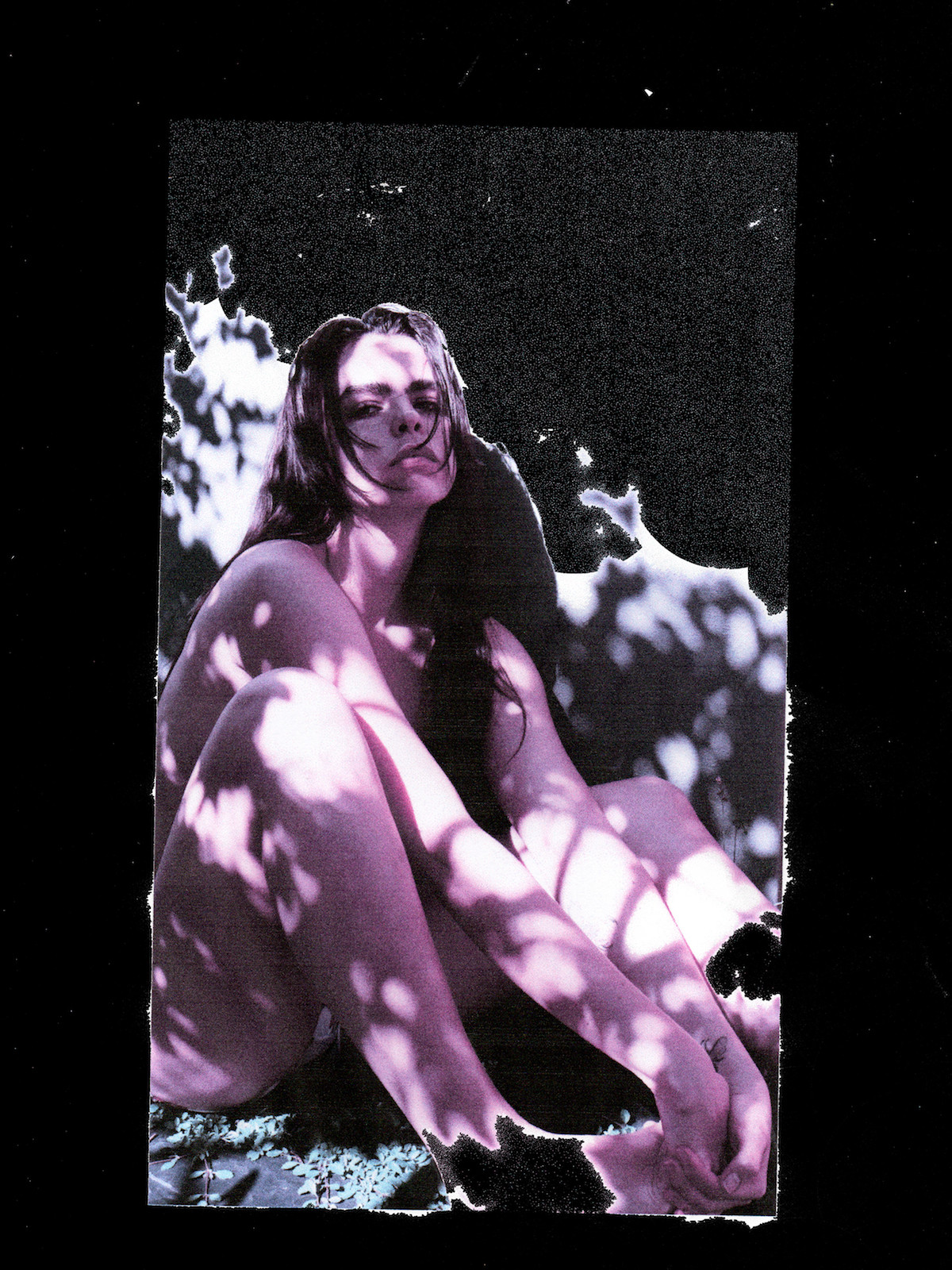
It’s actually special, me doing this with Jess [Lawson] because she’s the person I’ve been best friends with the longest in my life. My family are English but we moved to Cape Town when I was around 13 and Jess was in the same high school as me. We’ve always had a very open relationship with each other about our mental health – we both had a lot of mental health struggles when we were in high school. We became allies and bonded a lot. Despite living in different countries, we always speak a lot, voice note a lot and Skype. I had the idea for the project the first few weeks I came back to Cape Town because they were closing the borders and my parents wanted me to come back here. I didn’t really want to be by myself in London because I have no extended family there. I got here and was going through it with my mental health. I was so depressed, so anxious, my moods were so erratic. We all have goals we’re working towards and projects we’re working on and all these things have been fallen by the wayside, suddenly our whole world got turned around its head. I wanted to start a platform, something like a diary. At first, I thought “I’m just going to do it for me” and then I wrote the No One Can See Me Cry on Zoom piece. I woke up one morning and I was like, “Fuck. I really think it could be such an amazing thing to create a diary platform for everybody to use” - spoke to Jess about the idea and we developed it together. It was very much born from our love for platforms like Tumblr when we were younger, where you’d be a teenager sitting in your bedroom feeling like you had this connection with other people and a creative outlet where you could put anything you liked. That was where the idea came from and we spent two weeks hashing everything out and building the website. It’s been a really rewarding project so far. It’s so incredible to see people using the platform and we’ve had some really incredible messages from people.
How has it been to connect with people in a virtual space?
I don’t really like technology that much. I like doing things with my hands, I like seeing people in person. I say I’m quite an analog person generally, so I’ve actually found a new appreciation for the internet during this time. It’s really come into its own in a lot of ways, especially for creative people—there’s been such an incredible way that art has been shared with people. The project is just aimed for anyone that wants to use it. We’ve been getting people from all over the world who’ve written in their submissions, which is incredible. I expected it to be friends, and friends of friends and its people I’ve never met before sending these beautiful submissions from like Mongolia or all over America, just everything. I’ve really enjoyed it, it’s been uplifting.
People talk about entering a time of new norms. What do you hope some of these norms might be?
It’s difficult to tell with people because humans are a really interesting species; how we adapt and change and remember things and forget things is really fascinating. From what I can gauge from my own experience and from speaking to a lot of my friends is that I think people are going to live their lives in a more thoughtful and more holistic way—I don’t mean in a way of like using loads of crazy natural medicines and doing yoga every day but I think people have seen the benefits of having a slower lifestyle and I know for me that just incorporating small changes into my day, like being active or doing yoga more often or writing in my diary, these small changes have had a beneficial impact on my general well-being and health. There’s a lot of things we’ve taken for granted that we’re now going to appreciate so much more. I feel like we’re all going to appreciate spending time together. I really hope that this makes us all a lot more present.
“If these pictures and book can open up a new way of thinking and feeling for a viewer rather than telling them something they already know, that's a win and is beautiful.”
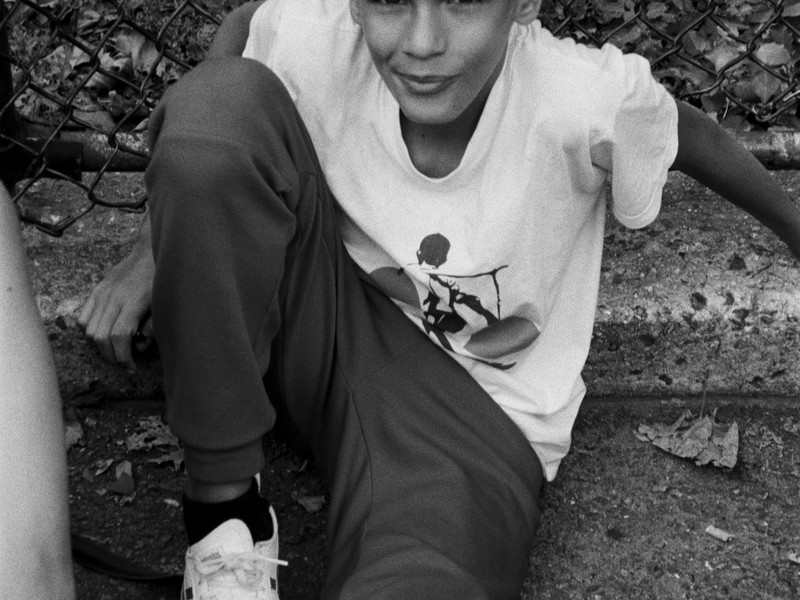
office sat down with Billet and Kline to hear from the photographers about the process, feelings, and ideas that brought this piece together.
How did Rabbit / Hare come about?
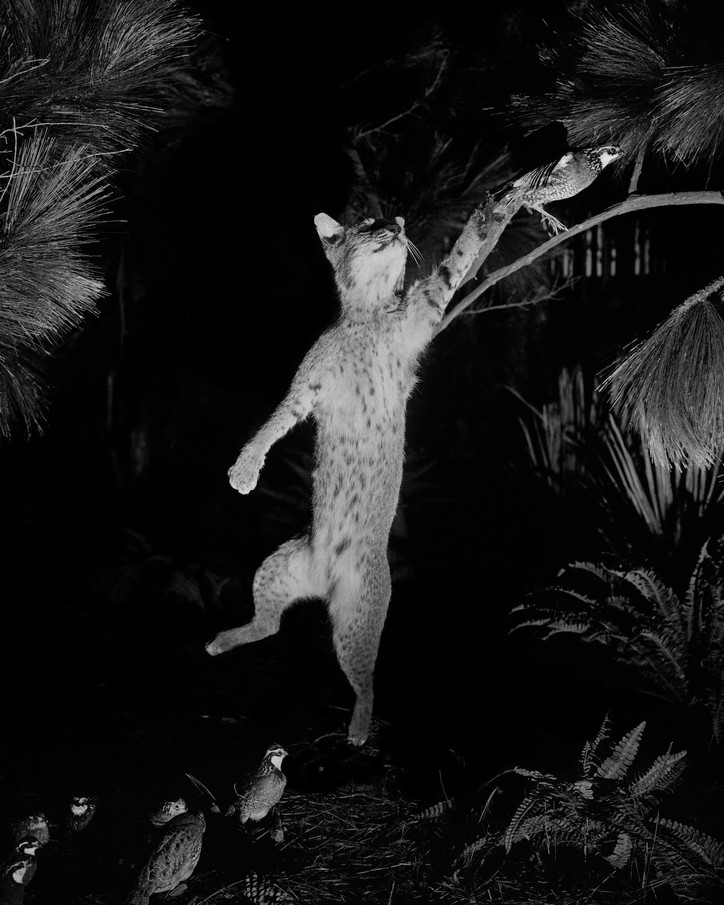
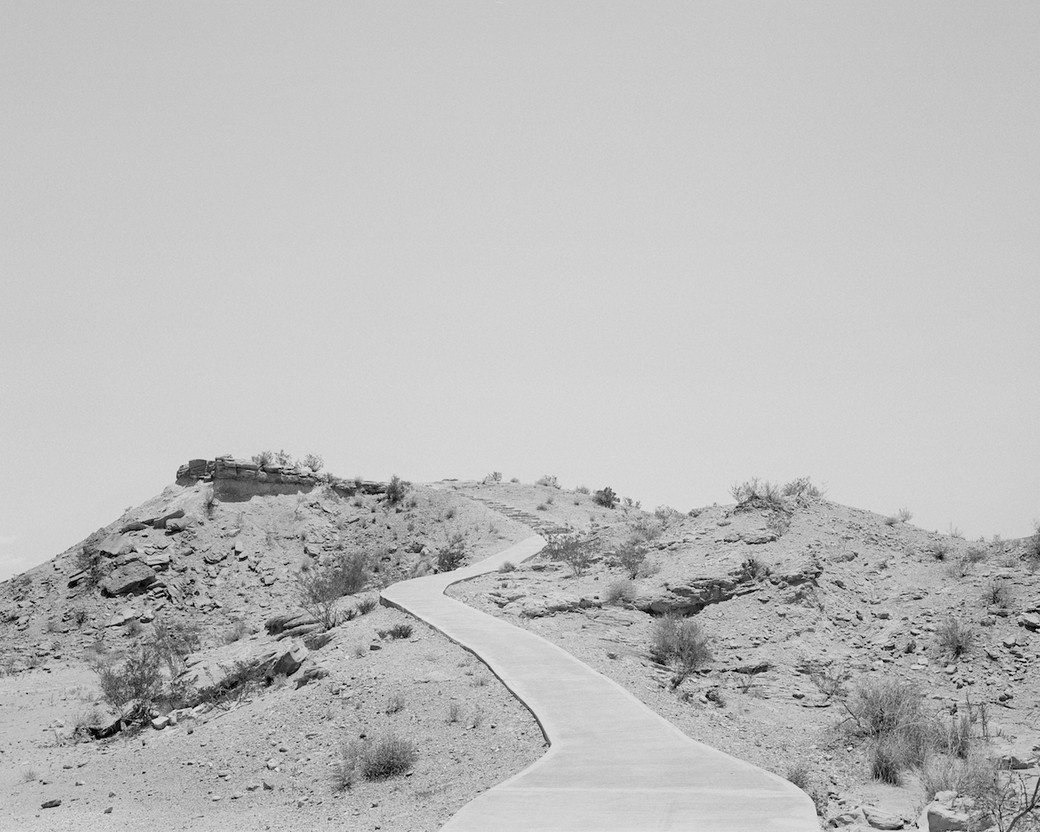
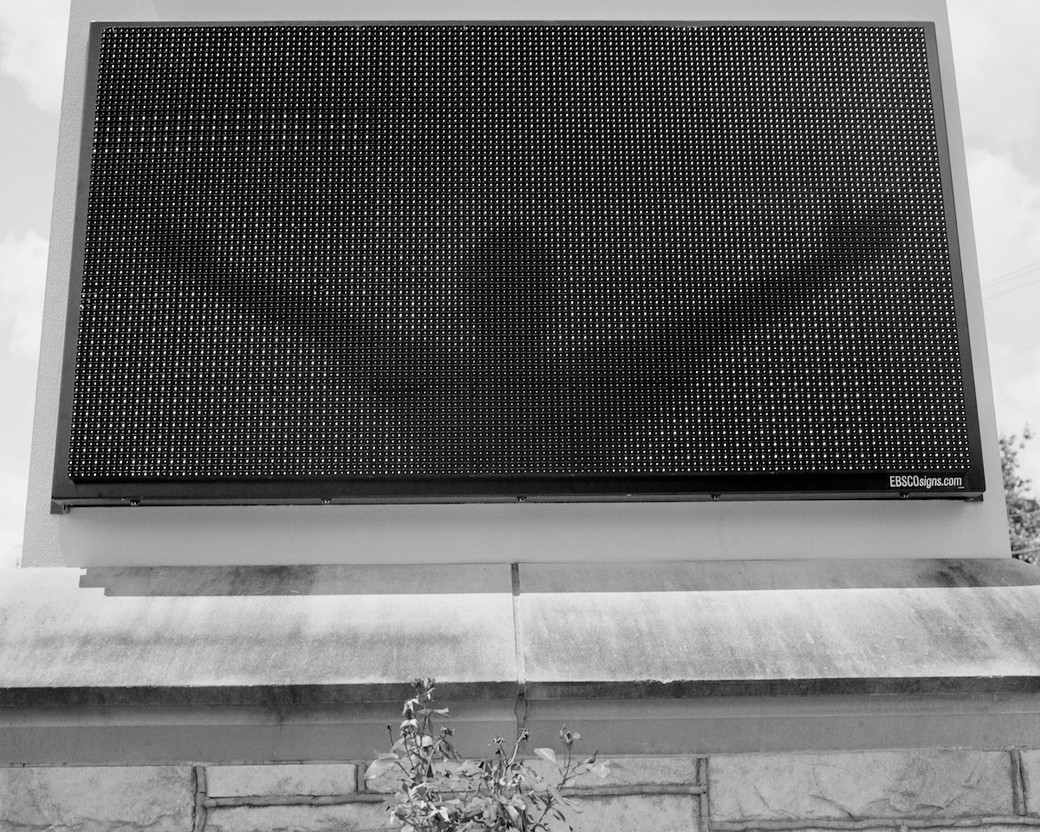
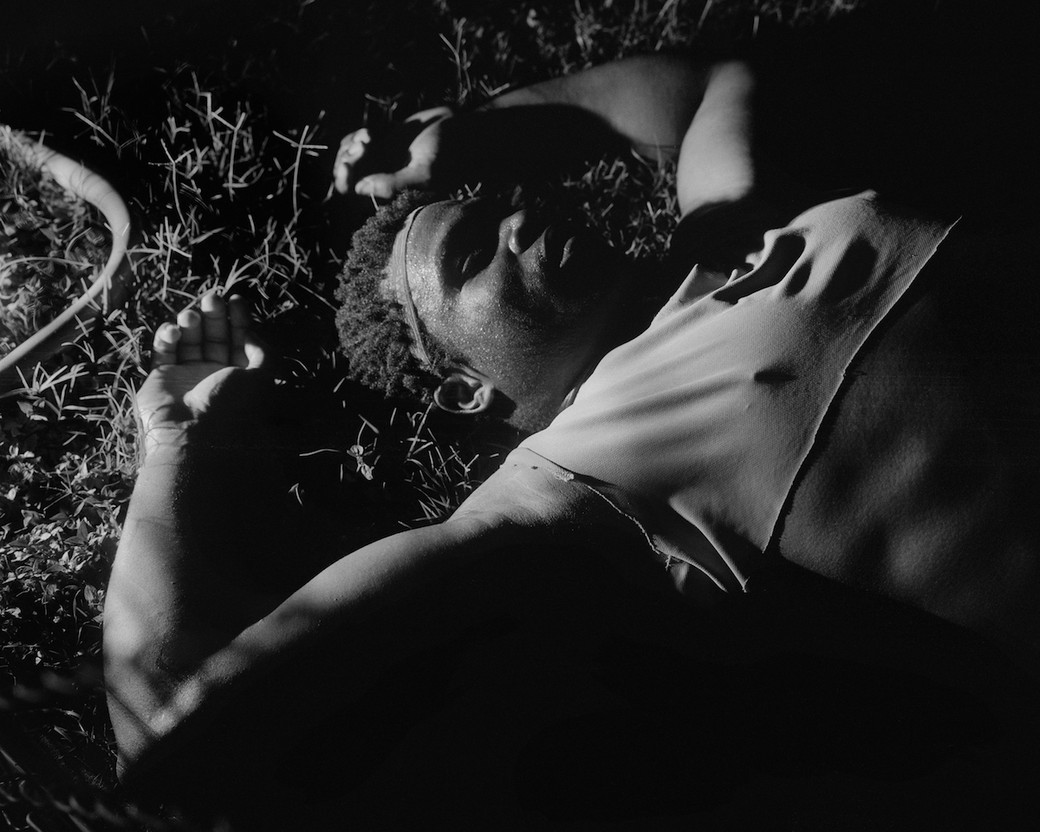
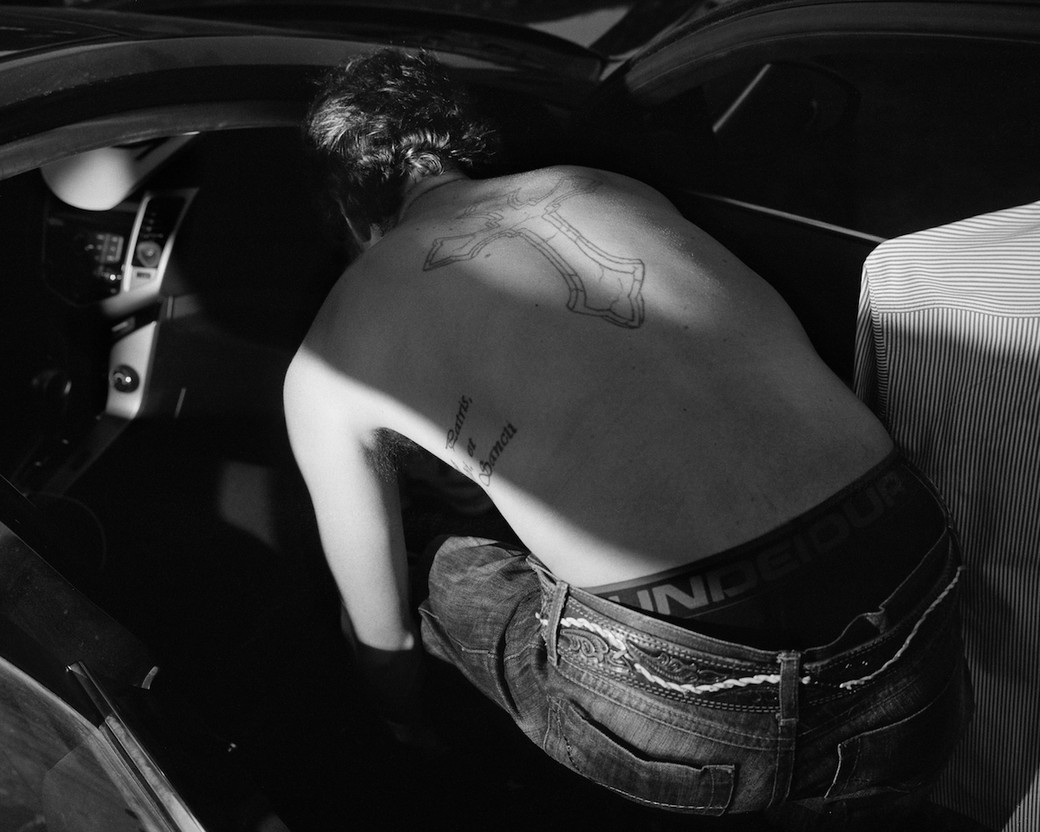
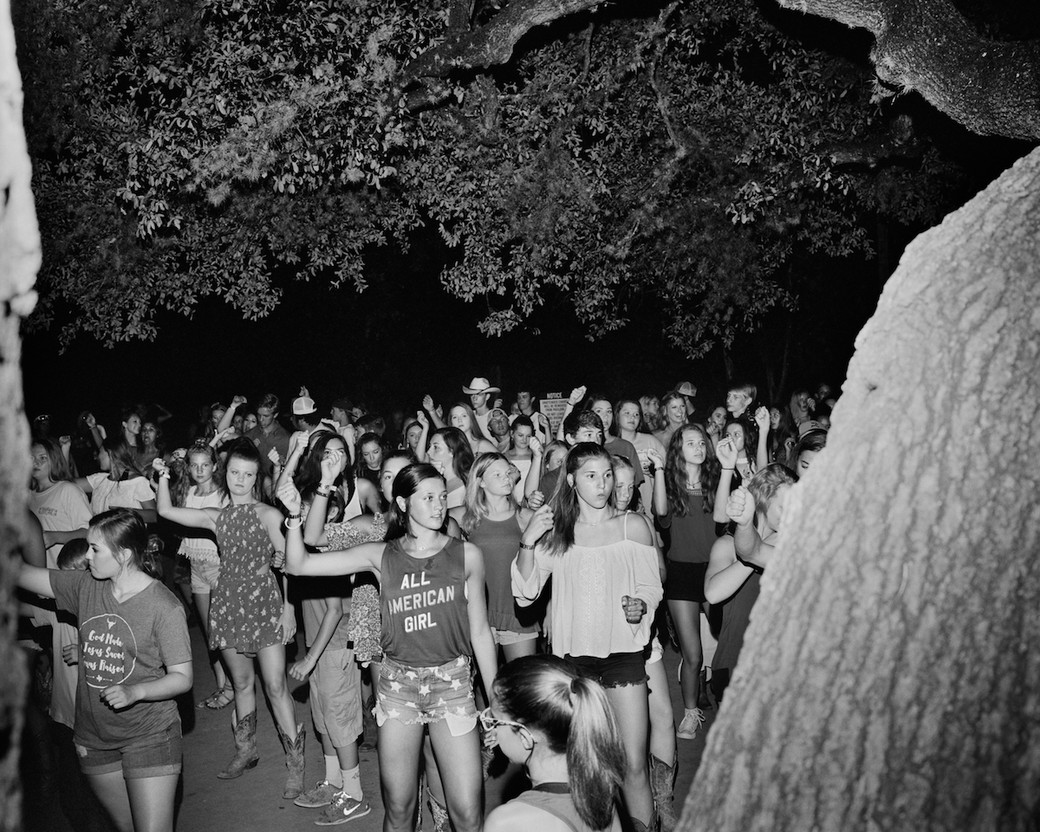
During the very confusing socio-political atmosphere that began to scream in the summer of 2016, the idea for the project started coming together right before the start of our final year in undergrad. We had this broad idea to go to Texas for its importance to our understanding or questioning of American masculinity that trickled down to us through our fathers and families’ relationship to Texas. The project took on the form of a two month road trip through the American south to Texas and back, because the road is what best facilitated our interest in embracing the unknown, interacting with people and looking at the country following the election of the 45th president.
It had actually been largely fueled by where we grew up and who we grew up around. Both of our mothers’ sides of the family are from small farms in Spring Grove, PA, two of the men in our lives drove trucks, both our parents are seperated, and we lived a few blocks away from each other for the majority of our adolescence. Depending on who you talk to or what timeline of documents you look at, York was the first capital of the US or the fourth. Either way, you’d think this would somehow ground this place. But it never felt that way. It always felt like this place was constantly in between identities. The area we grew up in was largely middle class, blue collar with some shades of baby blue. The men in our family and in the general area held their visions and lives to a certain hard-edged, emotionally distant masculine stereotype, a stereotype neither of us felt at home in and butted heads with.
On I-83 going north out of York there is literally a 15 foot tall ripped man lifting weights spinning in circles at the York Barbell company. This identity made up the environment we were growing up in, so there was always a push and pull with our relationship to this heteronormative lifestyle that made up the majority. The way that Texas had been mythologized, romanticized, and dramatized for us through family and media, it seemed like the epitome of the identity we were questioning since we were in middle school, so we needed to go. We didn't have an option.

Did the state’s polarization play any role in the idea for the road trip?
There were political motivations going into thinking about the project before we hit the road. The nature of Texas being a largely red state, specifically in relationship to the resurrection of outdated “shoot first ask questions later” ignorant views that were coming back into the spotlight during the 2016 presidential election, was definitely important. But at the same time we weren’t going into this with the idea of illustrating these things we were already seeing in the media and things we already knew. Why make anything if you know what the outcome is going to be? The world needs to talk back with you.
However, as we mentioned before with our upbringings, Texas has always played a big part in our lives, even though neither of us had been there before receiving the grant. We used those elements and larger political motivations as jumping off points to get us on the road. But as soon as we got on the road it was important to keep our minds open and embrace the unknown chance encounters to form our new experience together, rather than let someone else tell us what’s what, and make images that can exist outside of a confined political discussion.
How does the contradiction of “gentle,” being in such a polarizing state, come about for you? Are these motifs you purposely set about creating?
Billet: With everything we photographed, we had an open mind and heart towards it. We went into this space having no idea what to expect but trying to make our own sense of it. This contradiction came from us trying to escape from a place we called home, and expecting to be greeted with animosity. However, we were surprised to find the opposite: we found pieces of home along the way. We realized that the harder we pushed and tried to escape the place we knew, the more we found people and places that reminded us of where we come from. Since we shot on film we didn’t look at any of the images until the project was done and we developed it. We had no intention of this while making the work.
Kline: When we were getting ready to get on the road we had a few people and professors express explicit concern for the two of us. They knew how we worked and were concerned for our safety going into new places during a tense time in the country. We may have been a bit naive going into it but as soon as we got on the road and throughout the entire trip we really didn't run into any opposition. So right from the beginning, these expectations of tension made way for the openness.
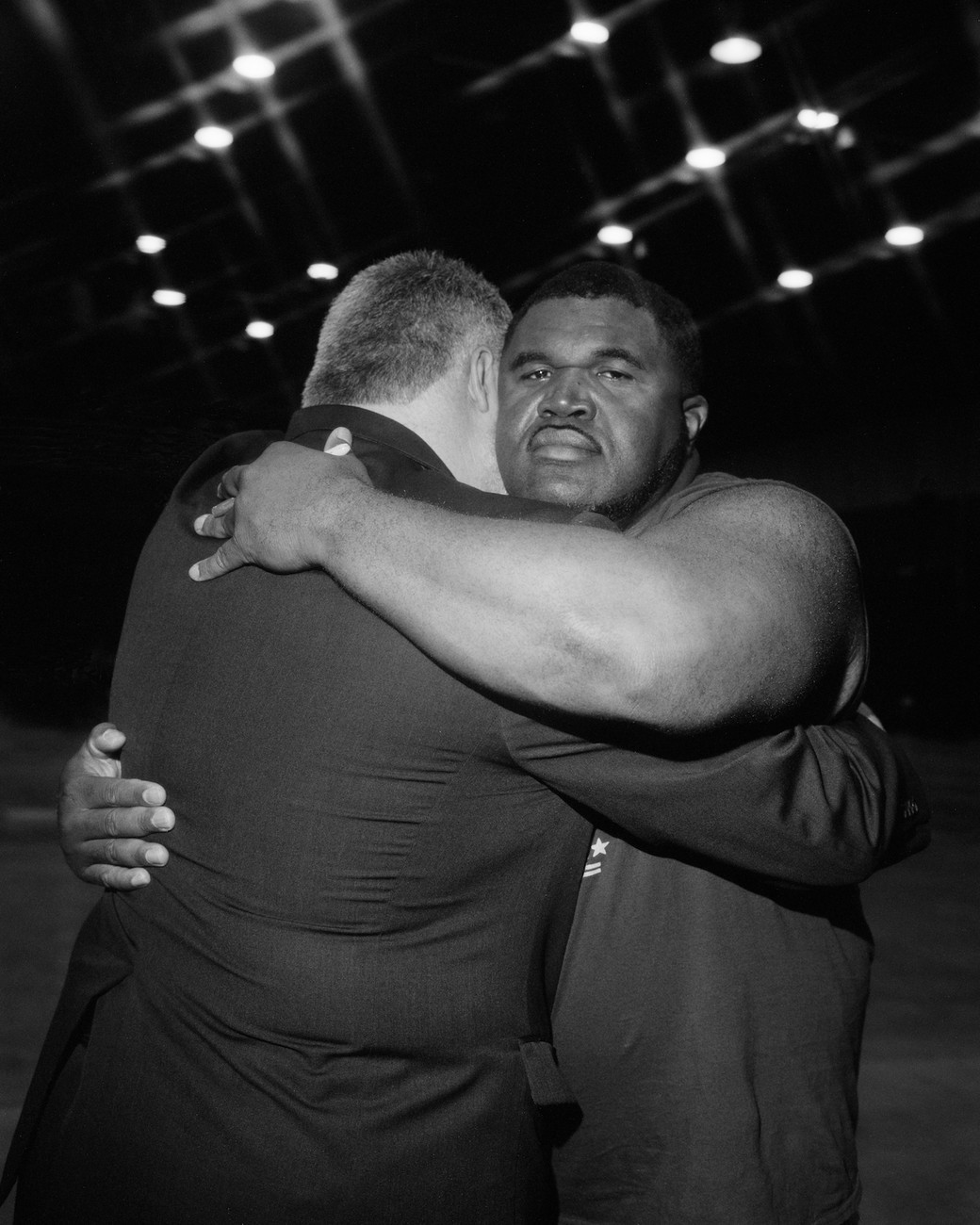
Photographically, I think it comes across most literally in the portraits of men. This might be obvious but many of the men we photographed just totally opened up in front of us, letting their guard down and sharing themselves, breaking down a bit. Which I do think was also pushed by the way we held ourselves and also the common trait shared between us of being male. If we wanted to work with people we had to open ourselves up as well and be vulnerable in the collaboration and spend the time in conversation to try and make a picture with them. Most of the people were just as interested in us as we were in them. As soon as we described what we were doing, that allowed for a way where we wouldn't just be just taking [photos].
We didn’t set out to illustrate these motifs of contradictions happening in a seemingly polarizing state, because we couldn’t. This was our first time being in any of these places so it was all new and we were learning on the road daily. One of the things that I think brought out the resulting gentleness was just how generous most people on the road were. Southern hospitality is totally a thing. But there was still a feeling of violence floating in the void just outside of the light that countered the openness, even if it wasn’t tangible.
What is it that attracts you to human vulnerability and producing art that provokes thought, possible discomfort, and possible pleasure?
Billet: Well, honestly I’m not a very good musician and I wish I could be. [laughs] But, in all seriousness, I think one of the most beautiful things about producing or making an image is that your emotions going into it can be seen. You have an opportunity to construct how this moment makes you feel, it’s not only what you’re seeing but a document of the atmosphere and thought of the place from my own viewpoint.
Going back to music, it creates a mood and evokes a whole array of feelings. Through my practice both in collaboration with Ian and on my own, I’m trying to do the same and allow for the viewer to enter my version of the world we’re living in. I think about the pictures, how all parts of it create meaning, and these parts of the image that we see are so familiar to us because they are an actual thing. The nuances of color, the space, and tones of an object that you can relate to, and they are not just an idea of an object. Everything around the object gives context to what is being shown. All of these aspects don't force you to try and automatically feel. With a photograph, you allow yourself to enter the space and work your own way around it. For me, a picture can be an individual experience guided by your private personal associations with the subject or object.
Kline: People are so interesting and weird and beautiful. Making work that provokes thought is so much better than just waiting around to die. To make something that makes me feel, that can make someone else feel is so goddamn special. We fuckin need people. If a tree falls in the forest and no one is around does it still make a sound? If I exist in the world but no one else is around do I still exist? I don’t think so.
Maybe that’s dramatic, but everything right now is dramatic. We need people and the variety of experiences that each and everyone of us brings to the table to open up the world and open up the stories. Even if opening the dialogue up brings in views we don’t agree with, that's what makes the stories more complex and interesting and human. Thank god everyone isn't a replica of each other in grey suits. It’s essential to produce art that provokes thought, possible discomfort, and possible pleasure because we need to, because that is what life is, it’s a spectrum of confusing emotions and our role is to embrace that and make something weird from it.
You can purchase Rabbit / Hare here.

Great series! Can you break it down for me? What were your inspirations?
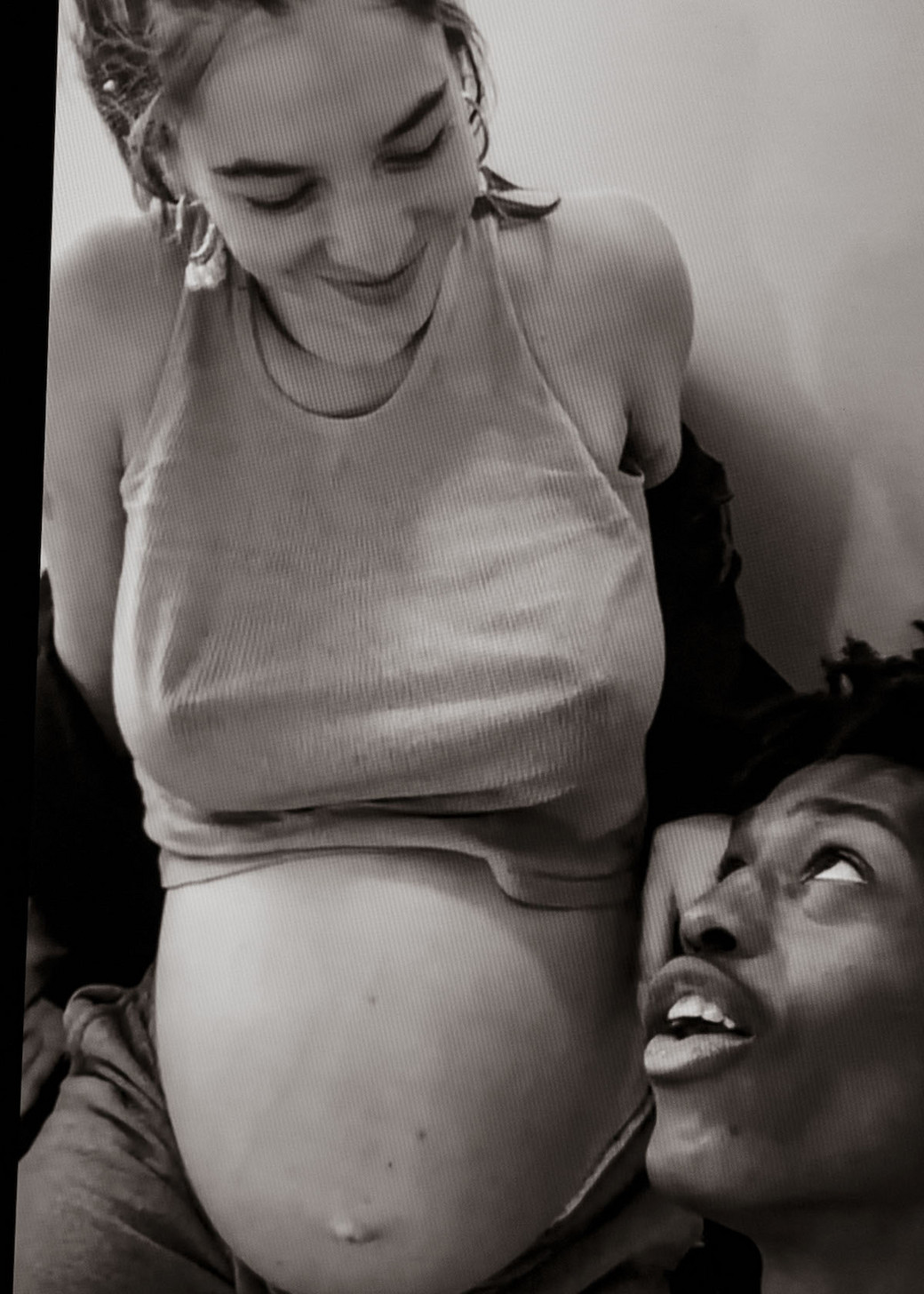
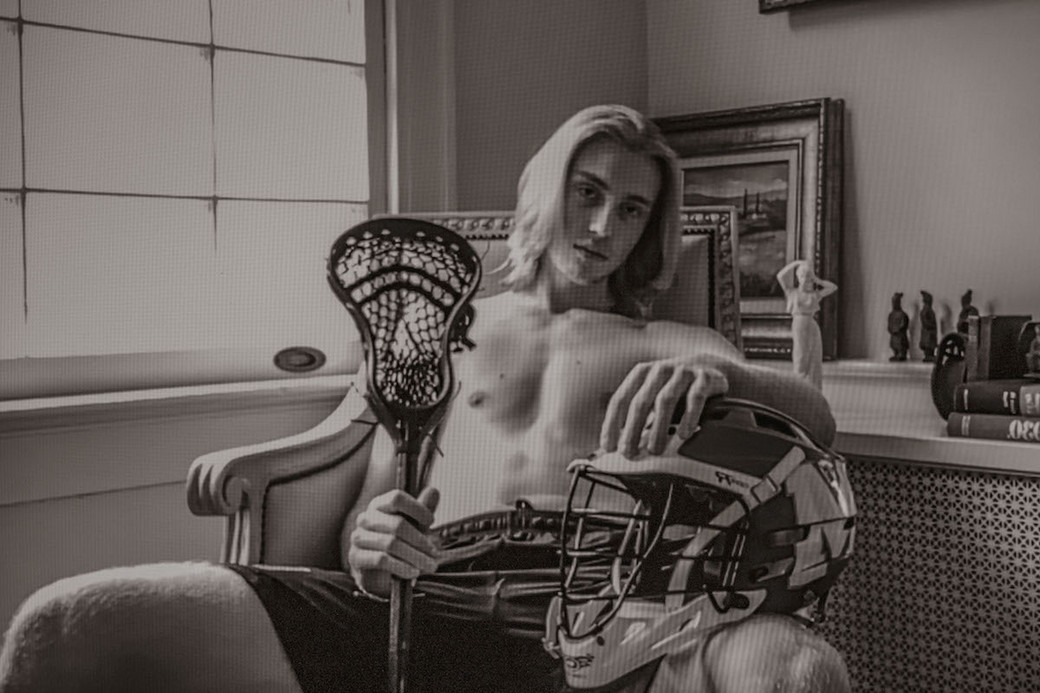
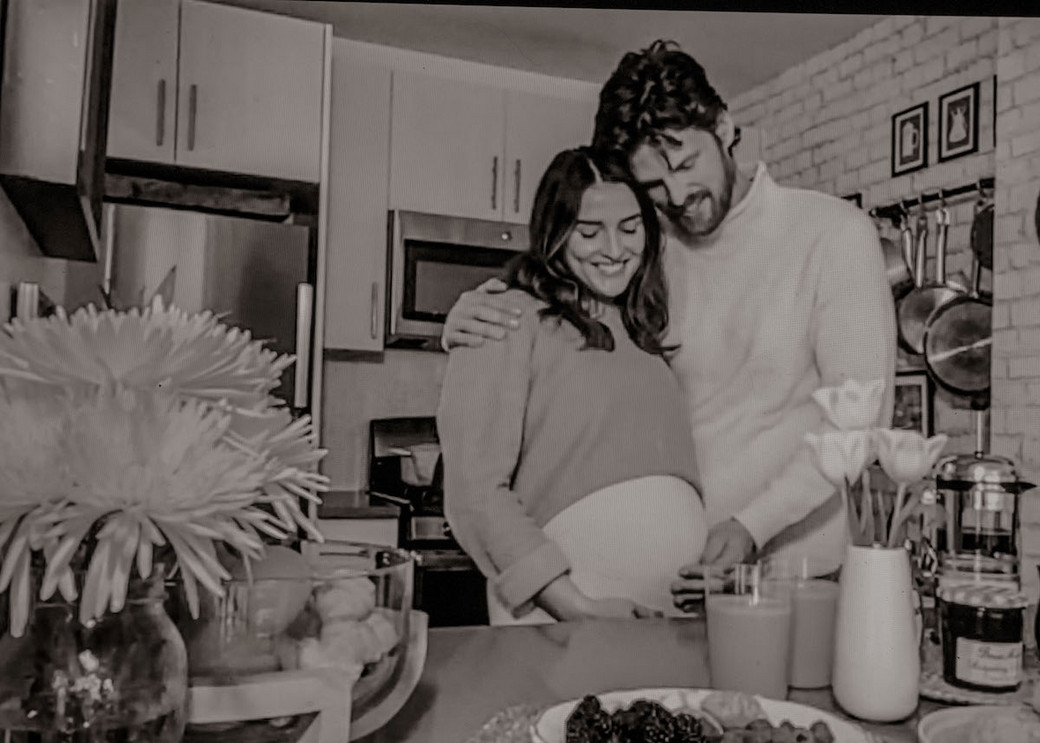
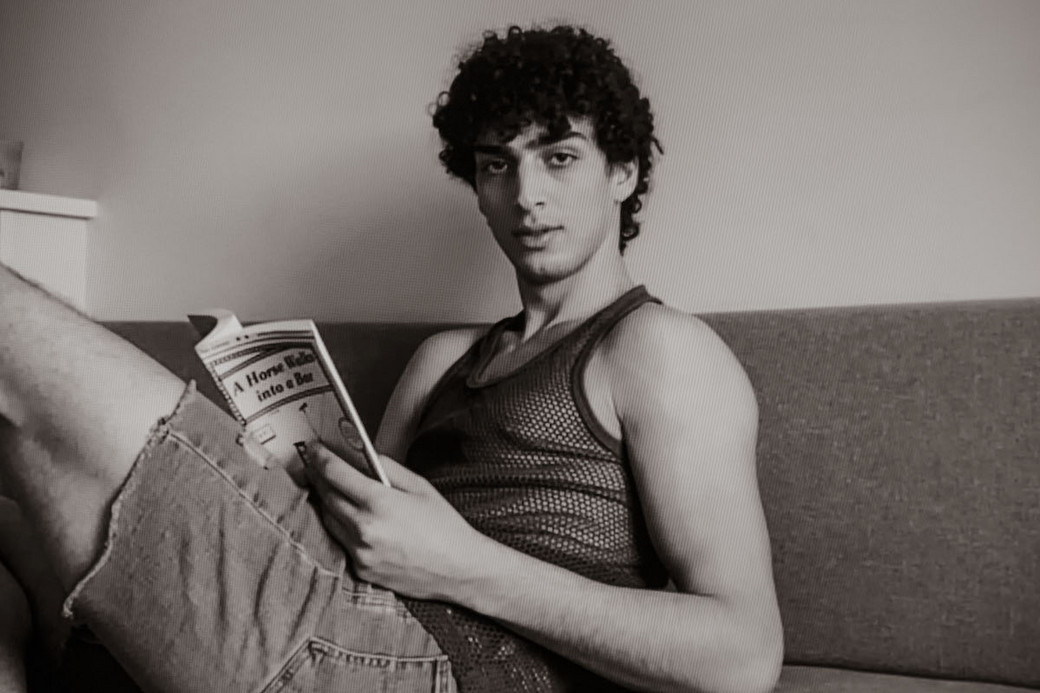
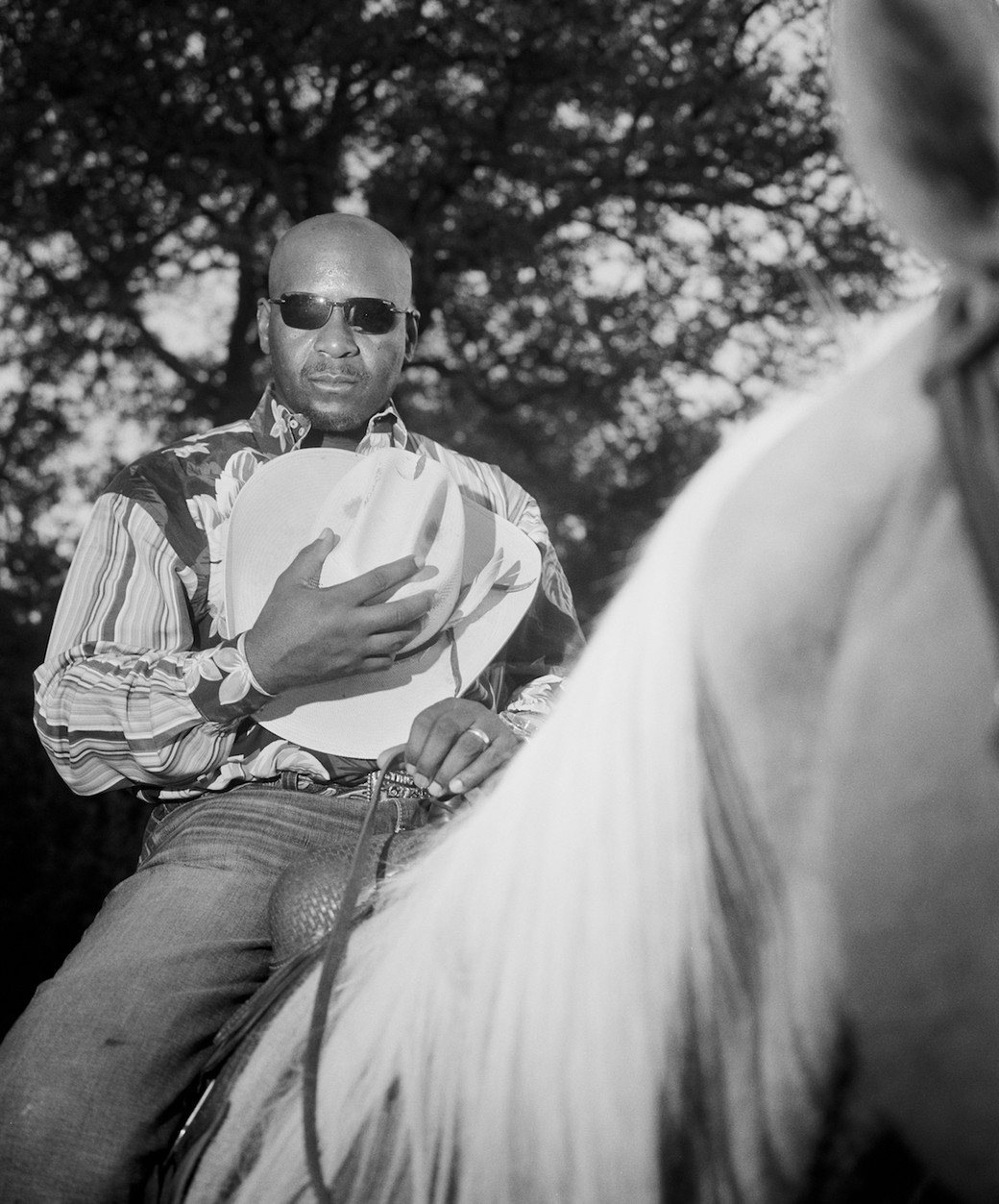
Well, I was trapped in the house and when this started, like everyone else, I was talking to my agents at The Society Management about what we can do. We thought it would be cool to get all the guys who were willing to participate in an at-home shoot. It was something new, I was eager to do something different. It was challenging and fun. I wanted to show them in their home environment, what they are doing, how they are spending this time at home. The main idea was to show what’s keeping them busy while they’re trying to wait it out during the pandemic. Some guys have families, some guys live alone, so I really wanted to show their family and how they are spending their time. I tried to show viewers what an ordinary day in quarantine looks like for them. I didn’t really have much reference, I just wanted to go with the flow. We were very limited with resources. At first I wanted to shoot them in these crazy looks but then I thought, well what will they wear? They probably don’t have crazy, cool clothes at home. I told them to wear whatever they feel comfortable in, be yourself. Read a book, watch TV, play with your kids, whatever you’ve been doing and just pretend I’m not on FaceTime taking pictures of you.
What did your process look like for these shoots?
I called them from my laptop to their iPhones. The iPhone camera is the best they can have at home. I was screen mirroring my computer screen to a massive TV and then taking pictures with my professional camera through the TV screen. It was challenging because we had to wait for better service most of the time. Some guys wanted to go outside on their rooftop because it was such a gorgeous day outside, but then he got to his rooftop and service was terrible. So the picture quality was rubbish and I wouldn’t be able to use those. It was interesting from that point of view. I tried to push as much as I could. Some guys in Italy had really bad service—I had to call four or five times trying to get the best quality, we were fighting against bad wifi. Sometimes the pictures were so scrambled, that I had them move to another room for better service. So guys were hopping around their rooms as close to their routers as they could. I learned a lot about technology! But we managed to get some amazing photos.
What surprised you the most about this?
I was so nervous. I was thinking this will never work. Then I started to shoot and when the pictures came back on my camera, my first thought was, “Wow! This is really amazing.” When you take a picture of a screen, it gives the picture more of an attitude. It adds character to the pictures. I was really surprised how good the photos came out. That was my biggest surprise. Every guy was a little skeptical at first, as I was as well. I experimented with my wife at first—I called her on FaceTime, she went into another room in our house and I tested it out. I was seeing some potential with it, but I wasn’t expecting them to turn out so well. I wanted to keep on going and shooting more. Most of the guys were very skeptical because they didn’t realize you could do this. The most challenging part was getting the perfect lighting, trying to guide them into light and positioned right. It was challenging and tricky, but it was a nice experience for everyone. They were so surprised and happy.
The series features Bryce Anderson, quarantining in Arizone; Federico Spinas, quarantining in Italy; Hao Yunxiang, quarantining in Bejing; Jake Dietrich, at home in NYC; Jake Parker, at home in NJ; Ronald Epps, quarantining with his wife and two children in Philadelphia; Serge Rigvava, at home in NYC; Tamal Lee, expecting his first child, this week, in Brooklyn; Quaher Harhash, at home in Berlin.
Check it out below.