For Lovers
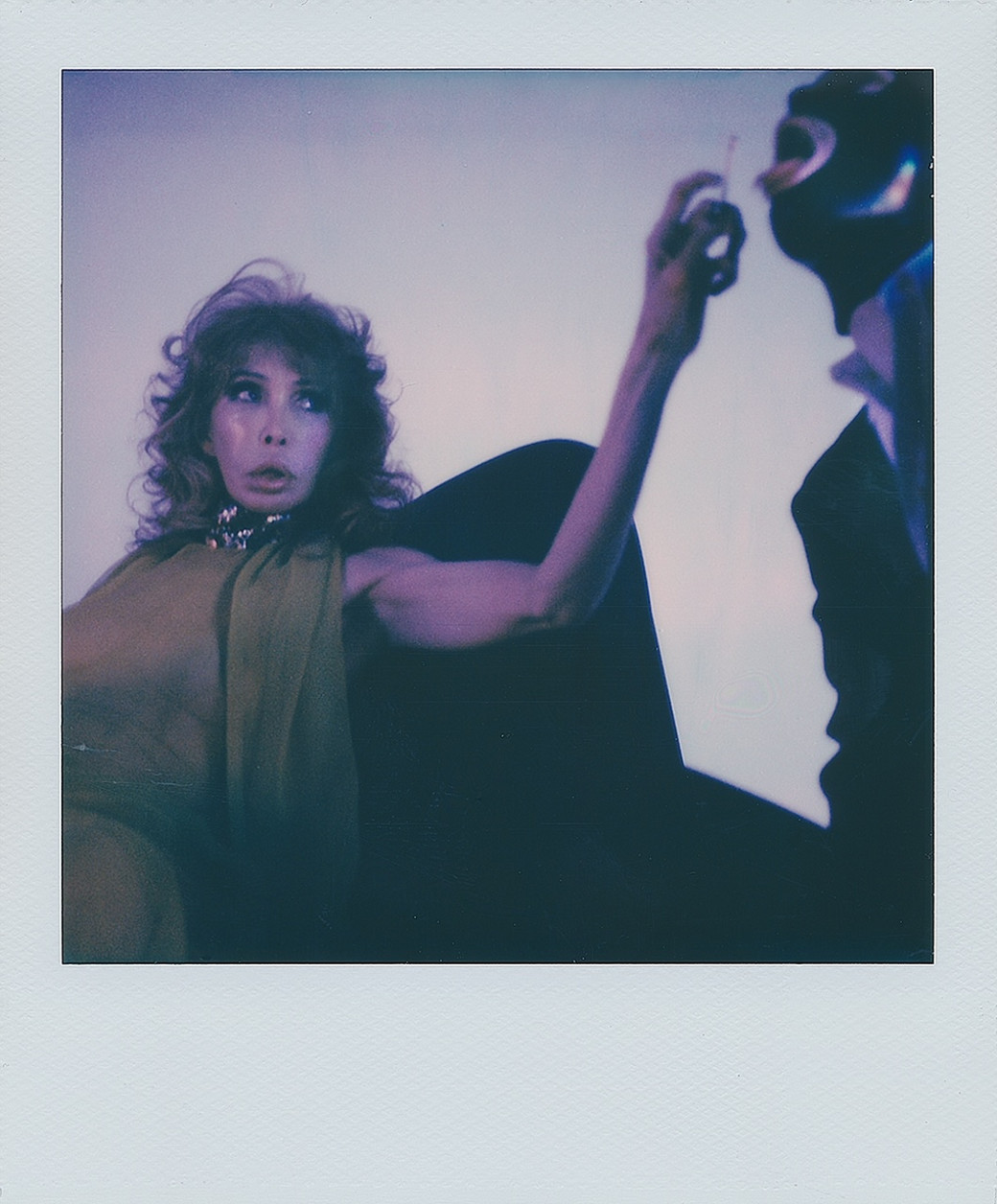
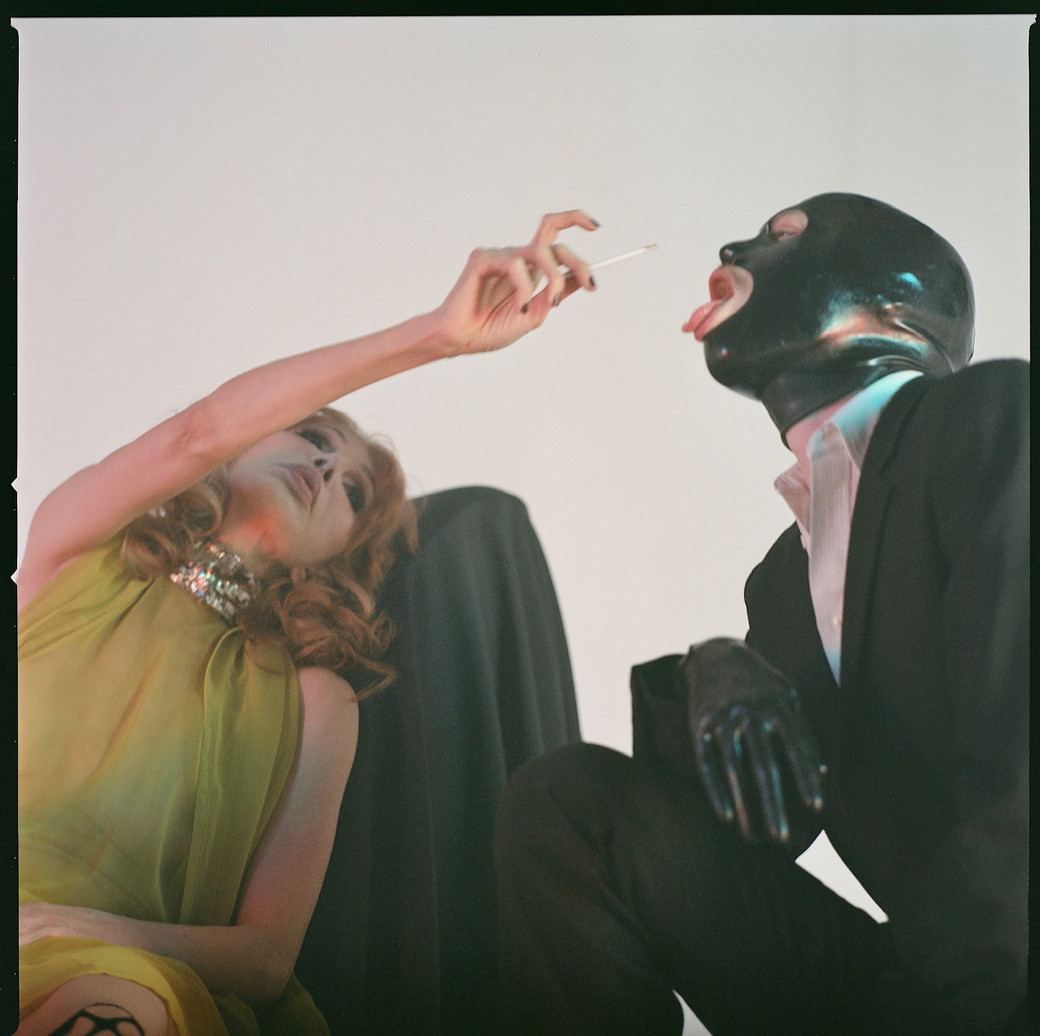
Lamar is a muse for the ages, a lens through which we can explore the love within both our hearts and others'.
Check out the video and photos below.
Lamar is a muse for the ages, a lens through which we can explore the love within both our hearts and others'.
Check out the video and photos below.
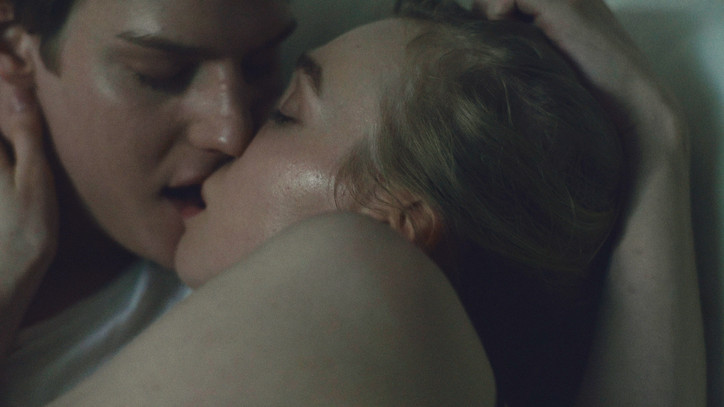
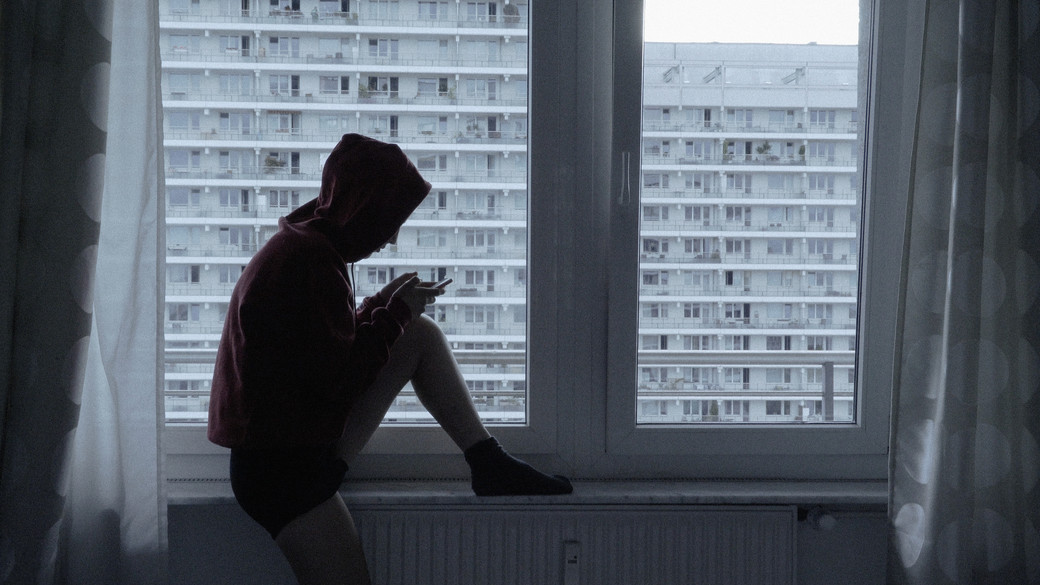
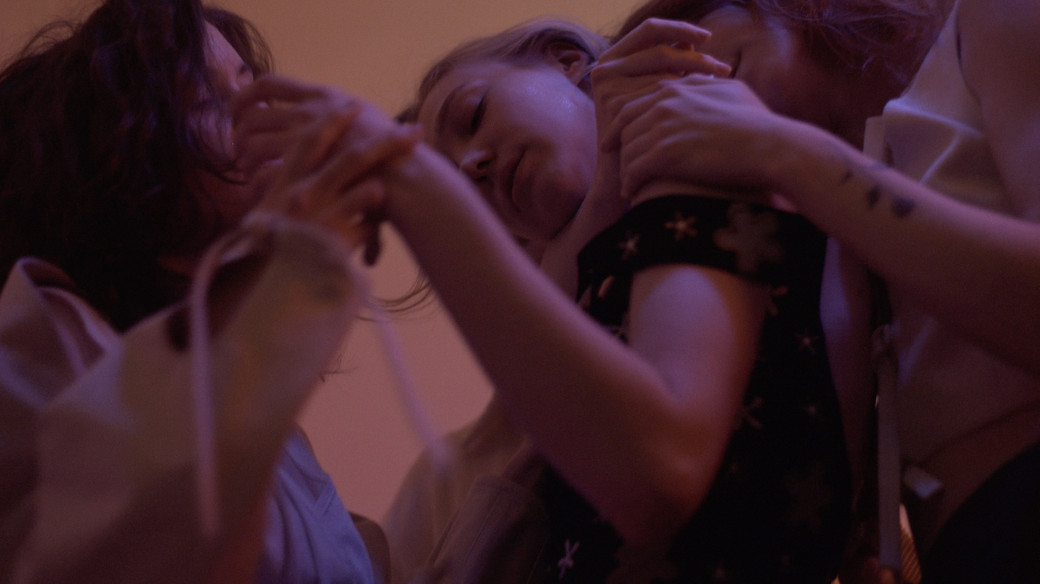
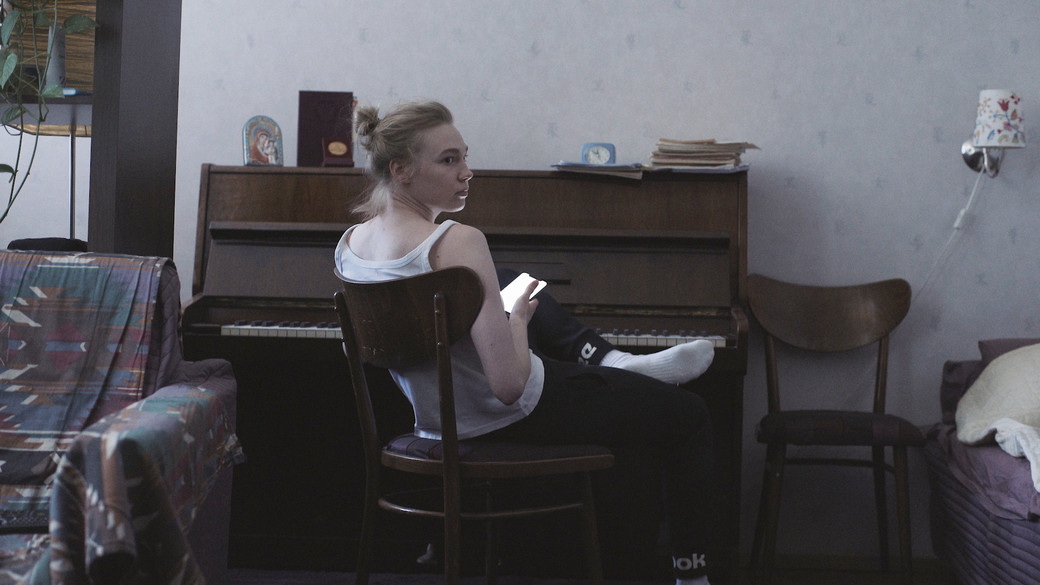
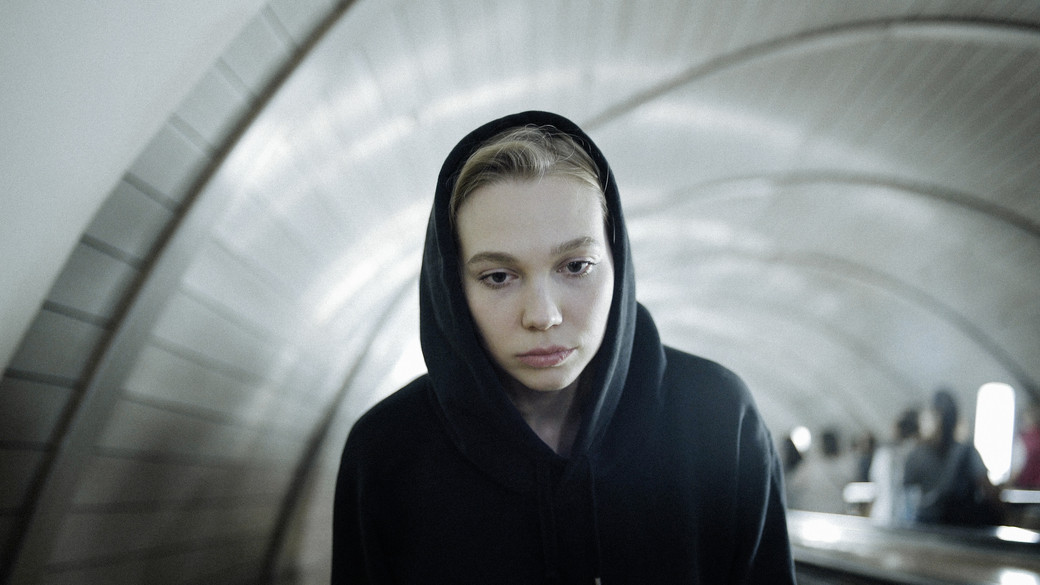
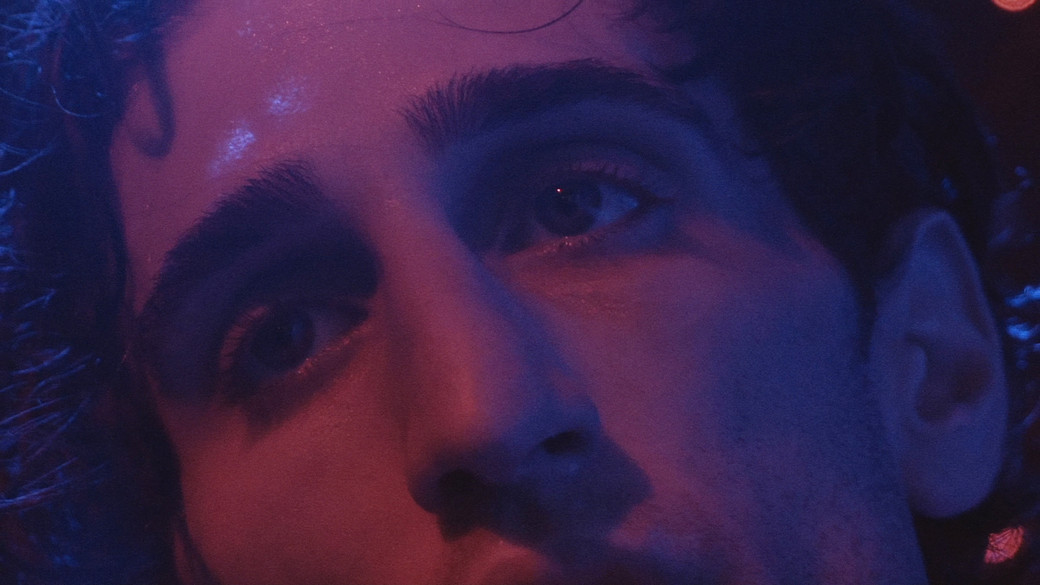
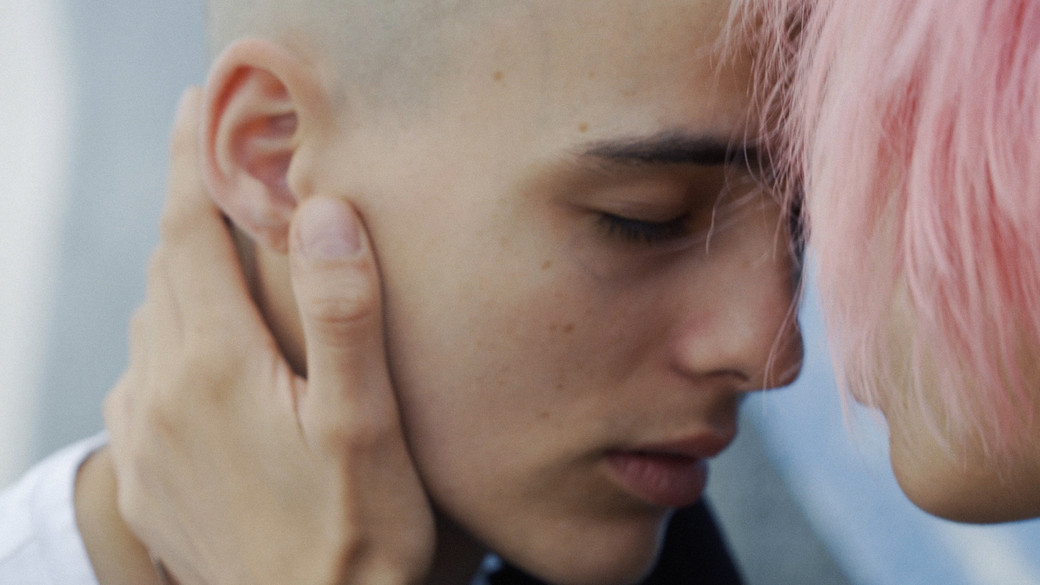
“It felt right to make something and cover a theme that you don’t see in movies often, yet is extremely relatable to a lot of people whether they are comfortable admitting or not,” says Bedzhanova, regarding her brazen take on mental health issues in the film.
Beware of Dog is set to make its world premiere at the 2020 Slamdance Film Festival in Park City, Utah in the Narrative Feature Section. After the festival, Bedzhanova intends to screen the film in various cities, including New York and throughout Europe. For updates on the film, head over to their Instagram.

She didn’t have much luck finding a girlfriend at the bar, but she did find her people within the drag community at the Pyramid Club, around the block from her place in the East Village. “I feel like I was raised by drag queens because that community embraced my band. They’d have us open for them all the time.”
Between making music and taking roles in shows like “Grey’s Anatomy” over the following years, she eventually heard about “The L Word” pilot from a friend and went out over and over for the role of Shane. When Kate Moennig got cast for the part, Hailey thought it was over––”but then I got a call that they wanted to bring me back in for a different part, which was Alice. And [show creator] Ilene says they created that role for me, because they liked me––that started the process of my life changing.”
“The L Word” was well loved; delivering the stories of six friends in and out of romances and drama, who always managed to find their way back to, and ground one another. It normalized queerness for women in a way that hadn’t been done before on TV––and hasn't really been done since. All this before gay marriage was even legalized in California, where the show took place.
The show concluded after six seasons in what felt to the cast like a premature ending; and within a couple years of being off set, Hailey and her co-stars were working to bring it back. Eleven years later, queer culture’s grown and shifted enormously, and the show’s returned to grow with it, and us, in the series sequel, “Generation Q.” In it we see three of the main castmembers reprise their roles, including Hailey's Alice, alongside a younger generation of new characters whose diverse identities usher "The L Word" into the modern day.
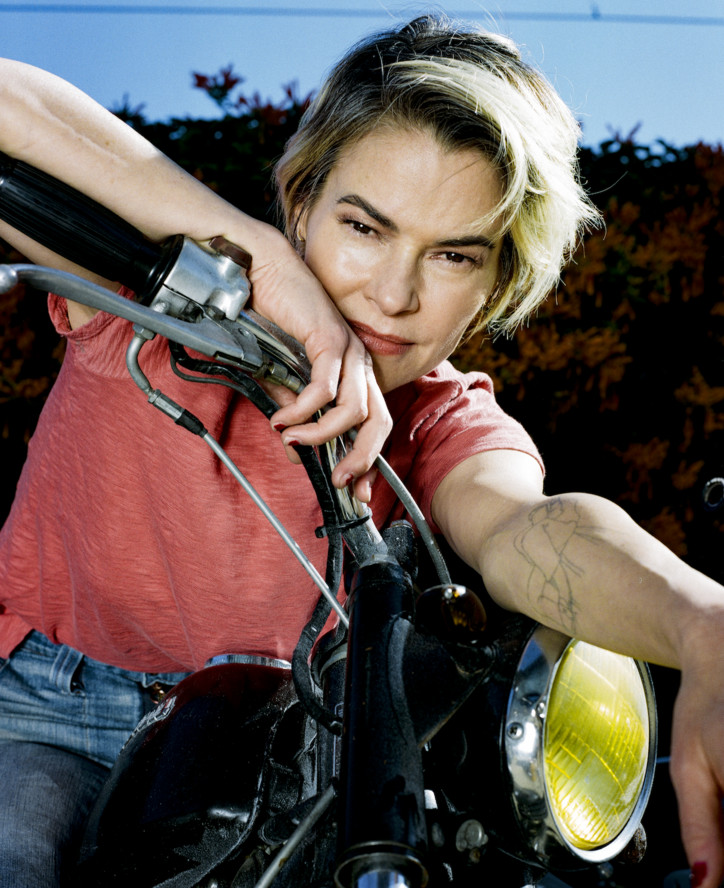
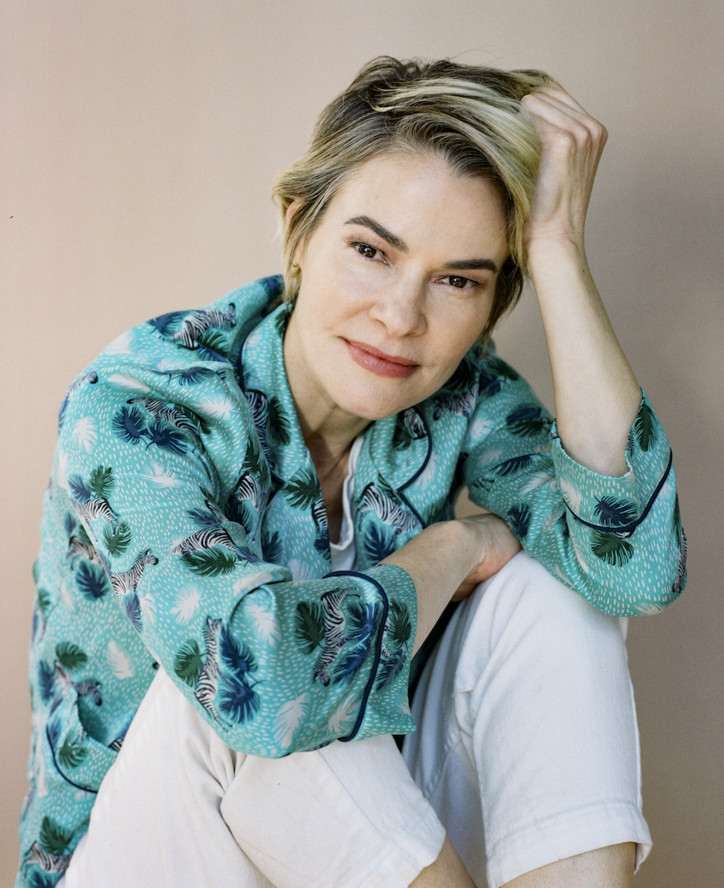
office sat down with "The L Word" star to talk growing pains, lesbian visibility, and finding a girlfriend in '80s New York. Read our interview, below.
Do you feel like you’re pretty similar as a person to your character on "The L Word"?
It’s a little hard. There are qualities that are the same. Obviously I’m not Daniel Day Lewis so I’m not completely transforming into someone too outside of myself. But there are qualities about Alice that I don’t have. I think she’s a little more sarcastic. I’m a witty person but I’m also much more of a shy person, or more of an introvert. It’s fun to play someone who’s constantly commenting on everything around her and everybody. Those are the things that I’m nothing like. But I think energetically, we’re pretty on point.
How do you feel like "The L Word" has impacted TV and culture during its run, around lesbian visbility?
Well I think everything that comes out that is about the gay or queer community helps. I never think one project changes everything, but I do think we were a big part of giving lesbians visibility. It’s hard to imagine now, but even back in 2003, the world was so different. You didn’t see any queer television, it was really rare.
There was “Queer as Folk” on Showtime, but I mean, [shows that were] lesbian-centric just weren’t around. I really feel like we were guiding people. We were showing people this is what the community looks like––at least, some of the community. And I think it was pretty profound, how "The L Word" impacted the world.
Do you feel like you had any examples of queerness at all when you were growing up?
I had nothing. I grew up in the '70s. So back then you had to find people. It’s not like I was looking for queer people, but when I’d watch television I’d look for people that felt like me.
I remember Jo on “The Facts of Life” was a big one for me. There was just something about her that felt familiar. And “Cagney & Lacey” was a show that was on TV that, the bond that these women had––they weren’t lovers––but something about that rang true for me. But there was nothing. "Rocky Horror Picture Show" was the first time I found my people––I was like, I need to go there and be around those people. Where are my freaks?
What was it like when the show ended in Season 6?
It was very sad. It did feel premature but it was back when all the shows were stopping at six seasons, like "Sex and the City." It didn’t feel ready to wrap up, and it was sad. I think it took me a couple of years to come down from it because we really did form such a family. We lived in Vancouver and all we had was each other. Coming back to LA and plopping back into my normal life was really strange. And just figuring out what to do next was also crazy. It was hard.
This last 10 years we’ve missed it so much, and it was part of what drove us to start pushing to bring it back. The process of what you’re seeing now has taken the last six or seven years––we started talking about bringing it back about three years after it was over.
What were some of the challenges brought up about bringing it back?
There were a million. We were still in the middle of so much change. There was marriage equality, we were in the middle of it, so I think to Showtime it didn’t feel like it was timely. And looking back, I think they were right, because when they finally said yes, it was like I get it, it’s the right moment. We weren’t done telling our story. So part of the catalyst was that we were ready culturally to be telling these stories again.
What’s feeling different to you about "Generation Q" from the original series?
There’s a lot that’s different about it. I think we have a long way to go; there was so much pressure around how to incorporate the old cast and the new cast and how you blend these worlds. Age-wise, I have a lot of younger and older friends, but what I’m craving to see as we continue the show seasons on, I want to have those conversations with someone from the queer community that’s 17 or 21, and I want to hear those stories, and I want those characters to learn from someone who’s my age. It just melds together better. I think we have a lot to teach each other and a lot to learn from each other. I’m excited to watch those conversations happen.
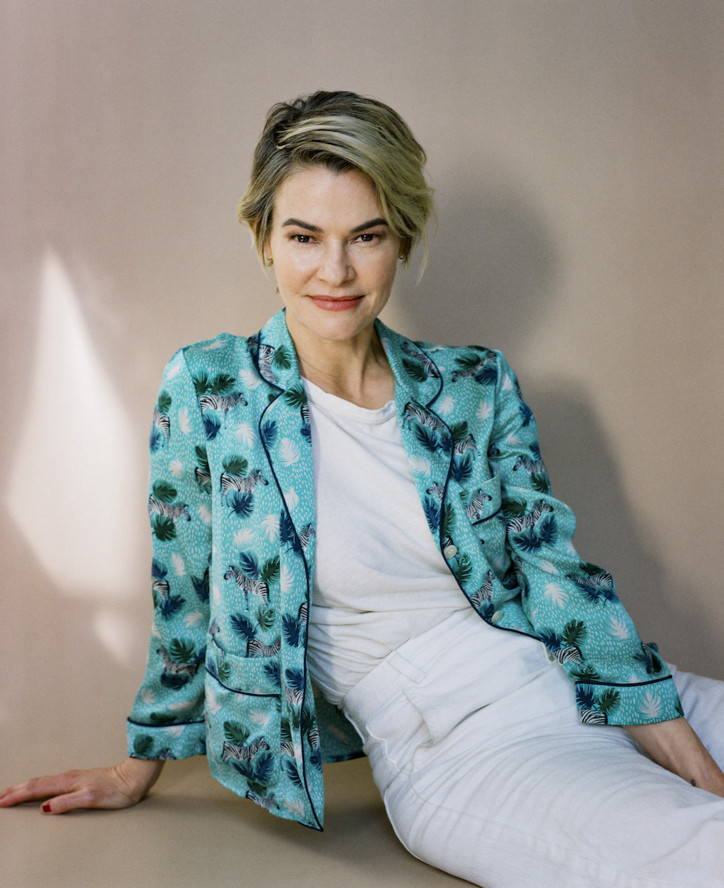
I think it’s nice we're seeing this new dynamic between the older and younger generations.
Yeah because we’re all the same. The world has changed, but it’s all the same. The conversations are the same, just contextually they’re different.
What zodiac sign would you say Alice is?
A libra. I think I know what she is and now I’ve forgotten. I feel like she’s a libra.
She seems like a libra, that makes sense.
Really?! I got it right, good. She’s probably not a libra at all but I guess I’ll find out.
What was your coming out soundtrack?
It was “Troy” by Sinéad O’ Connor.
What was your strategy if you saw a girl you were into at a bar? We’re in the era of dating apps and all this convenience now, but you didn’t grow up with that kind of thing.
We didn’t even have computers. I used to leave school. Being gay, it was like, 1989, people knew I was gay but it was more secret back then. You had to find each other. I don’t want to say it was seedy, but it wasn’t easy, you had to really search and find bars and people. It was way different than it is today. So I would always leave school, I would go to the original Cubby Hole, I had my sister’s ID because I was underage and I’d go for happy hour and sit at the bar and all these people would trickle in. If I saw someone I’d send them a drink.
Ah!
Yeah we’d end up talking, they’d realize I was 18, whatever I was. I had no game. I had zero game. I was trying to figure out all by myself in the city, how to talk to women. It wasn’t easy.
Did you ever end up dating someone from Cubby Hole?
Nothing. Zero. I’m actually glad it happened that way because… my life would’ve taken a different path. No, I just would end up falling in love with my best friend. It was very insular how my love life began.
Do you have any favorite gay spots in New York or LA?
I’m so out of the loop. I was actually hoping when the show started back up I’d learn where people hang out now because I don’t know anything anymore. If I go somewhere it’s because there’s an event or an appearance situation. I don’t hang out at bars anymore, so I wouldn’t know. If you have any let me know.
Gush is cool. You should come when you’re in New York.
Okay. I used to be in a band called Gush.
What are some of your favorite moments for Alice from the old series?
I think for me the show is about friendship and in a nutshell, it should always be. Any scenes we had together where the whole group was doing something fun, those are the ones I remember.
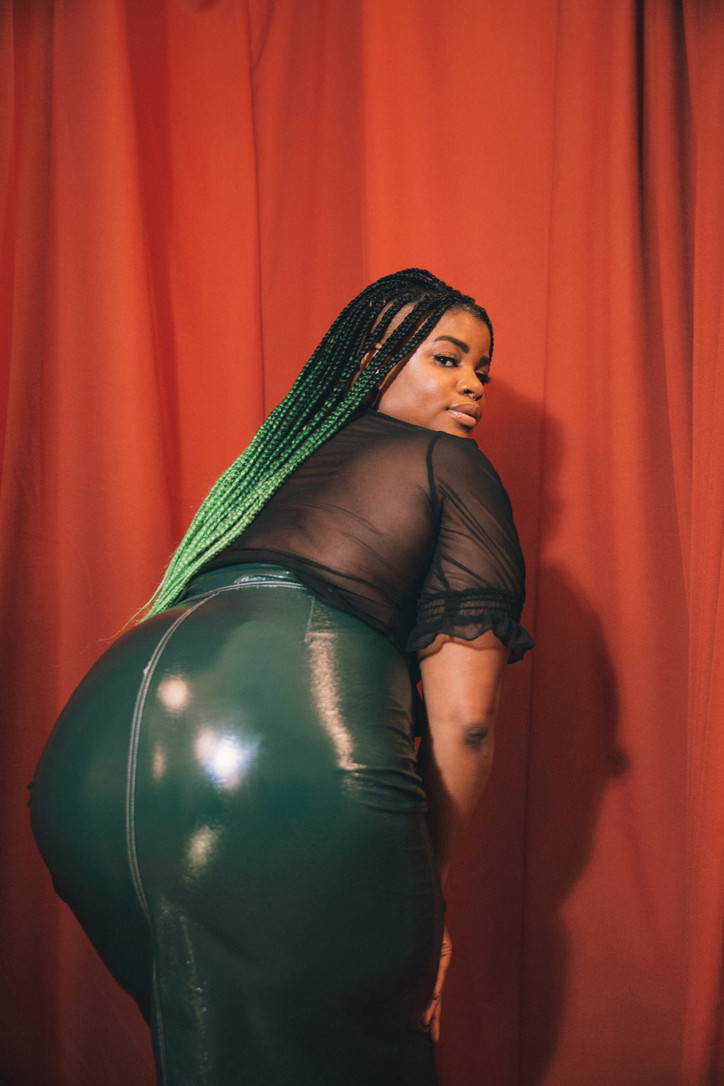
The queer non-binary sex educator, advocate, and breast cancer survivor has their agenda filled to the brim with aspriations of their own. And while Hart is compelled to spread their knowledge along the way—the last thing on their mind in being your hero. Bluntly but with love, Hart passes up rose-colored glasses, opting for a magnifying glass. Read more about Hart's findings below.
You've become a go-to person for all things sexual education within the black queer community. Do you feel as though there is pressure, whether from you or the people who support you, to constantly be on work mode 24/7?
100%. I feel, as black people, especially queer black people, we equate our worth to how much we work—it has a lot to do with being diminished in our existence. So, we look for things inside of capitalism to make ourselves feel good. It’s also what capitalism teaches us, that if you have a good job, or that even now with the age of social media that if you have a lot of followers, that means you do a lot of work. That means that you are important. That means that you’ve made a name for yourself, and that’s more important than you taking care of your mental health, you resting, or you binging a Netflix show all weekend. What needs to be forward facing is the type work that you do. There's definetly some things rooted in slavery that are carried out in our existence today.
In 2019, there were at least 22 trans people killed. How can we better support our community?
There’s lots that we can do. First, lot of those statistics are on black trans women, and a lot of the people who are killing black trans women are unfortunately black cisgender men. I think it’s important that we are not infantilizing black cisgender men, and I feel like we do that a lot in the black community. We’re like, "oh our boys" or, "it’s okay that they got very angry and punched a wall and screamed at you–they’re just a man." I think that we need to separate ourselves from the gender binary because so much of our existence as black people is not even included in the conception of the gender binary anyways, so us adhereing to it makes no sense.
I think that as a community of black folks, we are constrained by things that we think are going to bring us towards whiteness, or that we think are going to bring us towards some sort of freedom–if it looks like we are no longer going to be seen in chains. So I think that it’s important that black cis men are spoken to and held accountable for their actions, white people stop perpertuating the gender binary, and stop creating these impossible structures for blacks to navigate and just exist even in a workspace. And that we actually hire black trans women to work in offices that not only educate others about gender, but do the things that they want to do that are fulfilling to them. It’s more than visibility, it’s actually a paycheck to the visibility. I think there are a lot of different avenues, but right now it is a crisis, and it’s not related to a crisis.
Abortion is still illegal in several states within the U.S. till this day. Why do you think the fight for women to have free reign over their body is still an ongoing fight?
The United States is based on a foundation of white supremacy, and the core of white supremacy is to control. In order to not give up power, I have to control somebody’s body to have a baby—if you have more babies that means more people. I think it has everything to do with white people producing more because black people have been sterolized against their will, latinx people have been sterolized in order to create birth control and to create safe abortion methodolgies, our bodies have been as experiments. So that conversation has a lot to do with white people. It centers white people, and I think when we have an intersectional conversation about abortion it looks a lot different because black people even die in accessing safe aboritons. I think that we have to consider if they’re illegal then people are going to seek the actual illegal methods that are often times not safe and may lead to someone’s death.
There are 21 states in the U.S that are not required to teach sexual education. How do you explain the importance of sexual education?
It’s lifesaving. Sex ed is just as necessary as math and english, and we disregard it too often. I know adults who don’t know where there clitoris is or that they even have one. People with disabilities are not related to, as if they don’t have a sexual body. Young people are not related to, as if they don’t have any sense of autonomy. These are all things sexual education would resolve if we just embedded it in education system, but it’s not! Because we live in a very religious white suppremacist society that says, "let me control your body". If you have this information, the correct information about your body, you’re going to take care of your body in the ways that you need to, instead of doing things that would be wild and leave you in harms way. So sex ed is life saving, I can’t say that any other way. It needs to be regarded as just as important as anything else.
What’s your advice on dealing with people who refuse to accept that sex education is much more fluid than what we were originally taught?
It’s funny because one of my students at Columbia gave me back a feedback form—I do my own personal feedback forms—and one of the forms said to have reduction in dogma. Which I guess they felt they were smart for a second—I’m clearly salty about it—but they’re saying I stand too firm in what I believe is the truth, but there’s lots of truth. Dogma is kinda almost related to religion it’s not necessarily related to a sex ed class. They didn’t like that I was saying that gender is actually not binary; it’s not an opinion that is not binary it’s just the truth. Gender is fluid and sexuality is fluid. These aren’t opinions it’s just the truth. So my pushback to that is I’m just telling you the truth, and you can do what you want with that as long as you understand that the truth won’t change. If you feel like your sexuality is set in stone and that there’s no freedom inside of that okay fine then do you, but don’t don’t harm other people in the process.
Tell me a bit about Sexualizing Cancer.
As I was going through breast cancer, even as my mom was going through breast cancer, it was all very white cisgender able bodied surbaban lifestyle with a picket fence and a minivan with an island in the kitchen. All of that was the picture of breast cancer and it still is in a lot of ways. Sexualizing Cancer was my response to that. It’s important that doctors all the way to people without cancer are not relating to us like we are some sort of exception to this rule. And it was also a way for me as a breast cancer survivor to reclaim my body through things like kink and BDSM, but also to explore lube again and to explore what masturbation looked like with my new body. Because I already understand how a lot of that works, but I didn’t understand how it worked for someone with cancer even though I had it. I had to discover that on my own, so once I did I just wrote a curriculum about it—that was my last paper in Masters program.
How do our preconceived notions of gender limit our understanding of periods and physical processes?
They limit our understanding because if you go into any public restroom or in an office restroom, there may be now tampons in the bathroom, but that is a new advent. And they are now free in some bathrooms but you still have to pay (they are usually in a dispensary where you pay 25¢ and that’s ridiculous). I don’t have to pay for toilet paper in a public restroom, so why am I paying for any sort of menstrual pads or tampons? But also they should be in the “men’s room”, or there should just be fucking gender neutral bathroooms, and we can have all the supplies that we need to go to the bathroom and get the fuck out. But we’re like, "oh it’s only women that have periods and that’s it’ so we put them in the women’s bathroom only," and that's limiting.
It’s also when trans people go to the doctor and the doctor is talking to them. If this is a trans man then they need to be having conversations about their period. Like when was the last time you had your period? Are you on testosterone? Has your period stopped? Those questions are sometimes not there depending on where you live in the country or even what you have access to New York City. It’s such a detriment, and it just leaves a huge group of people out and people are so vested in periods being for women it’s nuts! Any gender can get their period so relax!
Tell me about the podcast Hoodrat to Headwrap.
My podcast, Hoodrat to Headwrap, is not a destination. My partner Ebony is a self proclaimed hoodrat, and I wear a lot of headwraps. It’s just me and him talking shit about life. The subtitle is a decolonize podcast, so we often times talk about stuff that’s happening in the world. Stuff that’s happening personally in our lives, and work to decolonize that topic. Our latest podcast episode was about interracial relationships, and it’s probably one of our most popular to date. It’s literally just us sitting around talking just a candid conversation about how feel about stuff, and then we’re just recording it. So we don’t hold back or anything—it’s cute.
Based on your years of teaching, have you noticed any issues arise from white students when you solely focus on the strife of marginalized people?
You know what’s so funny? They don’t get mad! We have to strike a balance. I don’t pathologize blackness in my class because white people love that. They love talking about how bad black people are or like how can we help the black people. No, I’m talking about how black people are poly, how black people fuck. How black sex workers navigate the world, and all of this stuff that doesn’t put us in the light of ‘look at the poor black people’. And I think that that helps some of my predominantly white classes see that they don’t always have to talk about black people in such a detrimental way. They don’t need to save us. I teach at the school of social work, and their idea is that they need to save us. I’m like nah they don’t need any saving, and that’s the first thing you need to let go.
You crafted the term top-less activism—can you explain how this term sprouted?
I just went topless at a music festival, and I literally just did it because I wanted to raise awareness. And then from there it kind of went crazy, I just kept doing it. I was doing because I wanted people to see and black queer young person with breast cancer scars with a double masectomy. That’s really what the catalyst of it all was because then I was like this is actually a form of activism. Whenever I go topless, people see what this looks like and they don’t have to Google double mastectomy and only see Angelina Jolie or some random white person. Maybe my picture will show up, which I think I have accomplished. I think [laughs].
In a world where being naked is overly sexualized, especially the bodies of black woman and black queers, where did the confidence stem to be top-less in photos? How did you deal with the backlash?
I didn’t get a lot of backlash. People are terrified to scrutinize somebody with breast cancer because it’s inside of ableism. People are like, "oh my god you’re such a hero" or, "you’re so amazing", but they won’t necessarily say, "oh you’re so fucking sexy" or, "you look hot". I wanted to shift people relating to me as a hero because it was either hero or sexy. I wasn’t hearing sexy enough, but I have certainly only heard sexy in my life too as someone who was always sexualized. There was a part of me that was like wait go back to saying I’m sexy, so there was this inherent anti-blackness where I could only be these two things that I had to kind of navigate for myself. And my response to that is that I’m just fucking topless because I’m hot. Because I don’t want to wear a shirt. Because who cares about nipples or the lack of nipples. So what? Anybody can take their shirt off, it’s ridiculous—it’s skin. It’s literally fatty tissue that’s a little browner than the rest of your body who gives a fuck.
You speak a lot about making sure your ancestors are alive and present within everything you do. What advice do you have for anyone who wants to be intune with their ancestors but doesn’t know how? What should be the first thing they do?
I would try to read any sort of family history you have, and then if you don’t know your family history, which is a lot of us, just go read some Audre Lorde, James Baldwin, or Toni Morrison. They are our collective ancestors. Ida B. Wells, Fannie Lou Hammer, all of these people who had the privilege to write what they were experiencing and their feelings. I think it’s so important to get connected in that way. I also think it’s important to go to places that we have been. Wall Street is an African burial site. The city of New York is built over the African burial site, and I was actually diagnosed on Wall Street. Whenever I go there I feel held. Whenever I go to New Orleans I feel held. Oakland, Baltimore City, Miami, Atlanta all of these very black ass cities—we’ve been everywhere! Tulsa fucking Oklahoma! I know that we are there, and it feels good to read about. Oh we traveled through here and that Great Migration went through here. That’s fucking tight, but where are the black people? Everywhere I go I’m looking. Where are the black people? I’m always asking that question. In looking for ancestors and considering ancestors, I think it’s important for us who think about ancestors often to know that some of our ancestors were fucked and that they had some fucked up politics. They weren’t here for the revolution and definetly not no fucking freedom. They may have been here to just survive. But we are fucking dope, and I think it’s just important that we honor who we are in the ways that we know how.
What do you aspire your legacy or imprint on the world to be?
Oh wow, I just want to make a difference. I don’t even really care if people really know my name or not. I just want a difference to be made. Like oh yeah black queer people can get breast cancer, great. Sex education needs to be in school, fantastic. Gender is not binary, great. I want to take myself away, and that’s really hard to do. That’s something that I’m working on by taking myself away and being less self important and solely focusing on what is needed. What needs to be put out into the world? Maybe a little less Ericka and more shifting of systems.