For Lovers
Lamar is a muse for the ages, a lens through which we can explore the love within both our hearts and others'.
Check out the video and photos below.
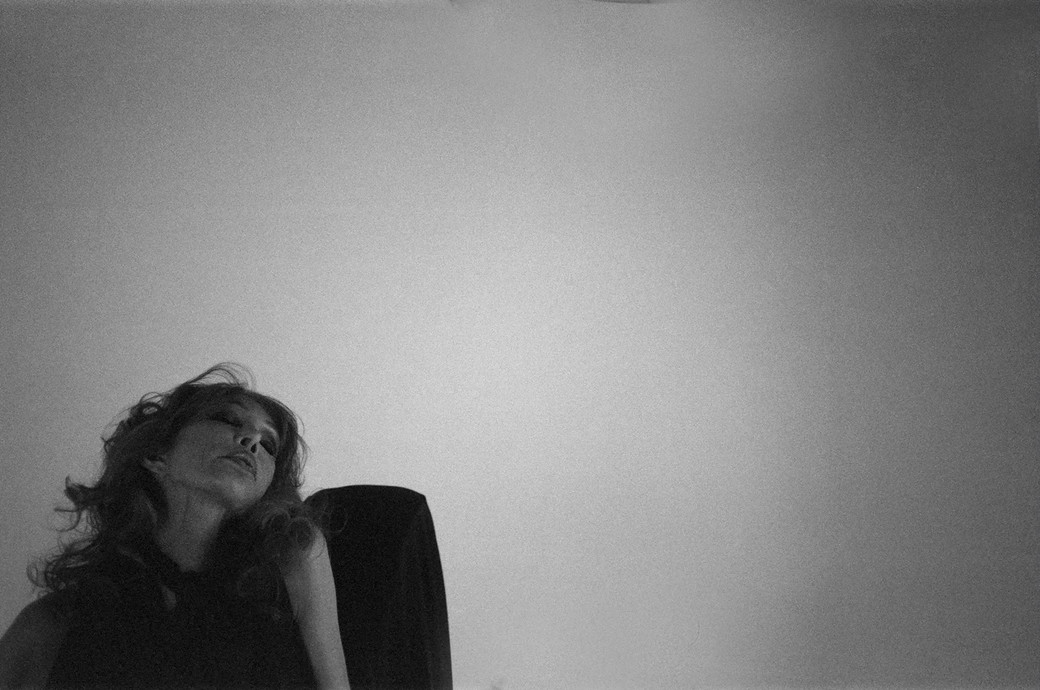
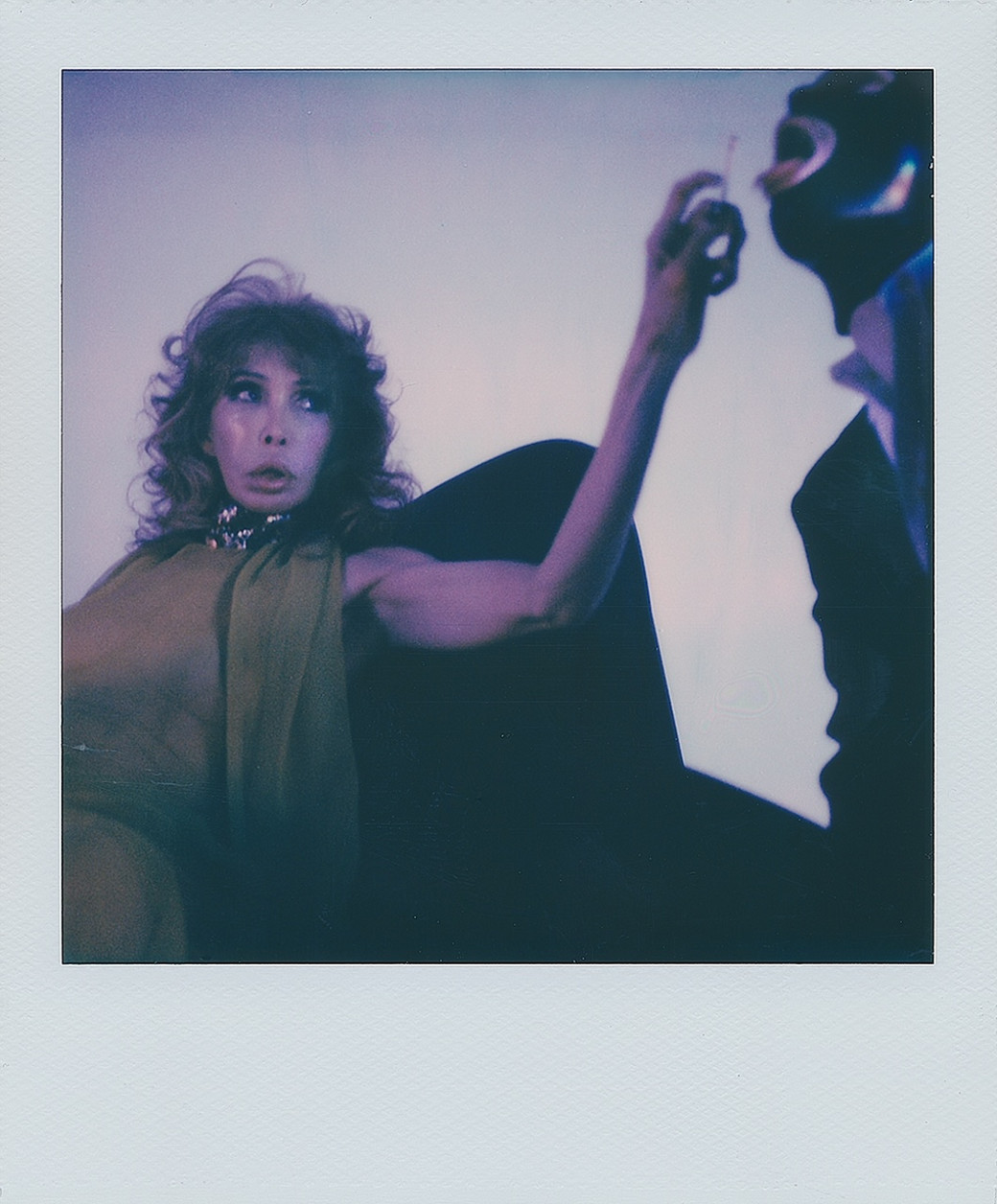
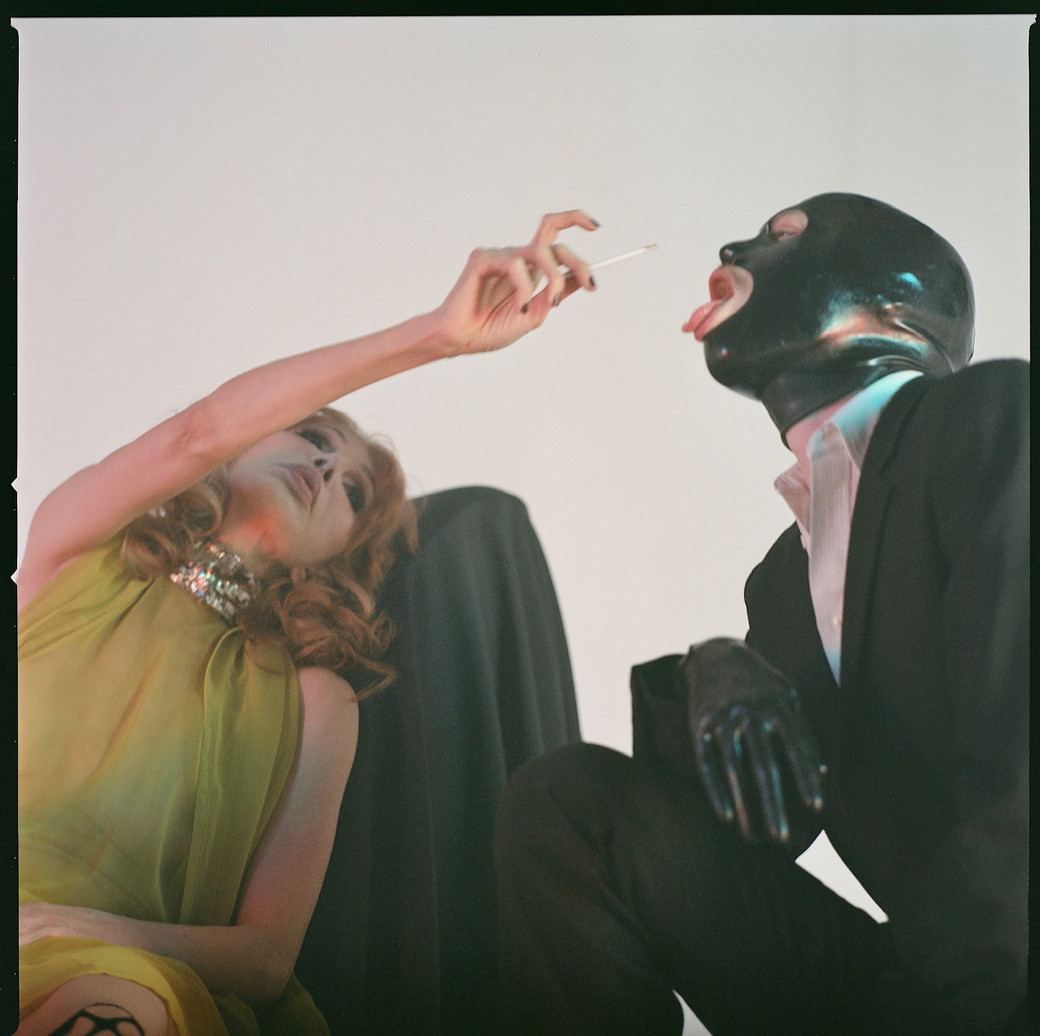
Lamar is a muse for the ages, a lens through which we can explore the love within both our hearts and others'.
Check out the video and photos below.
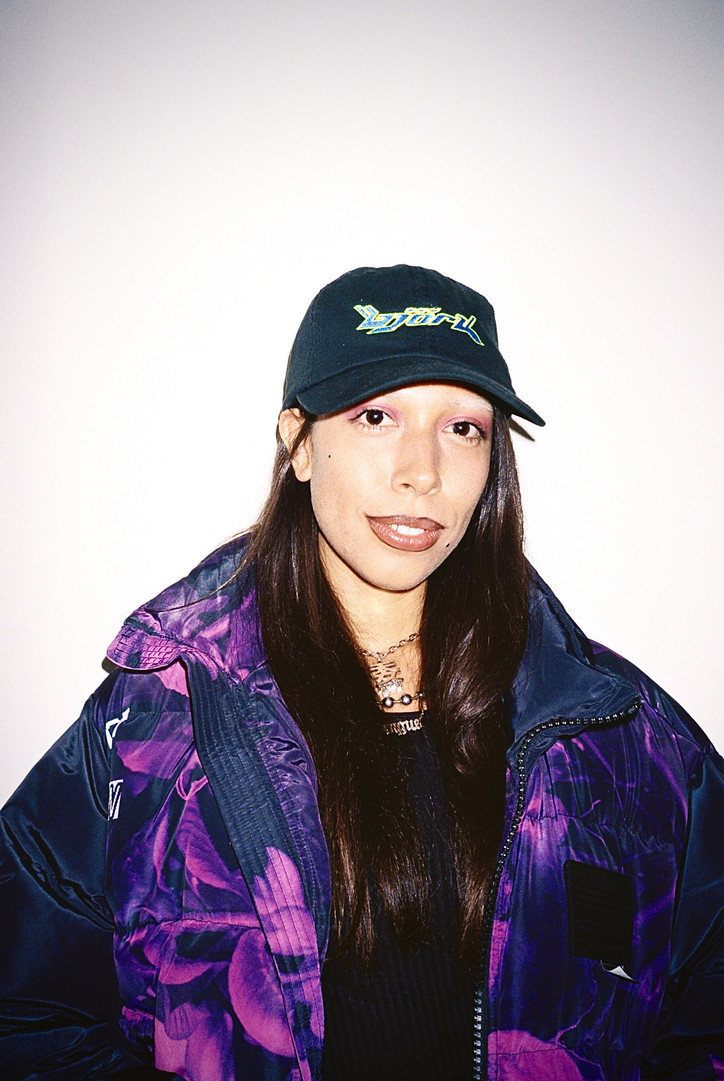

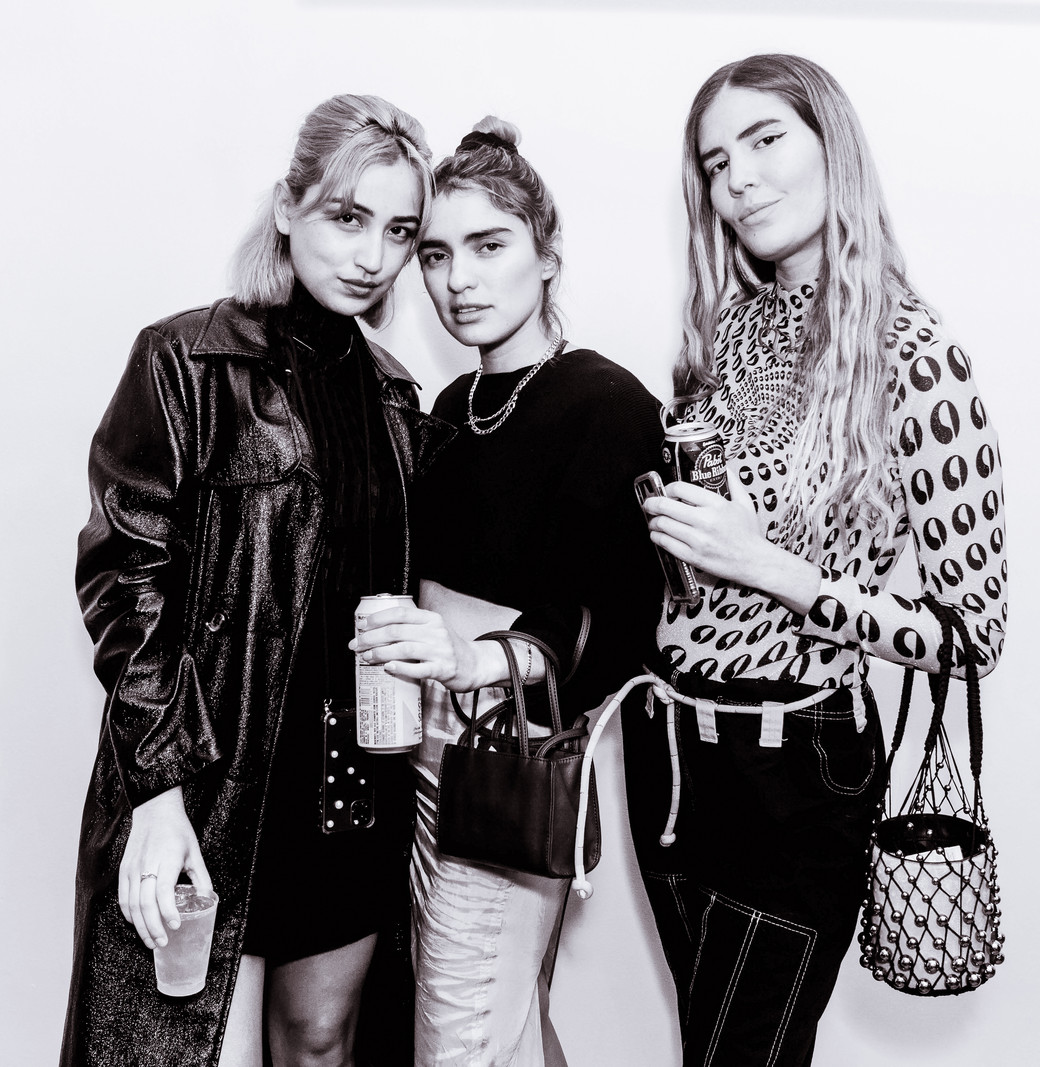
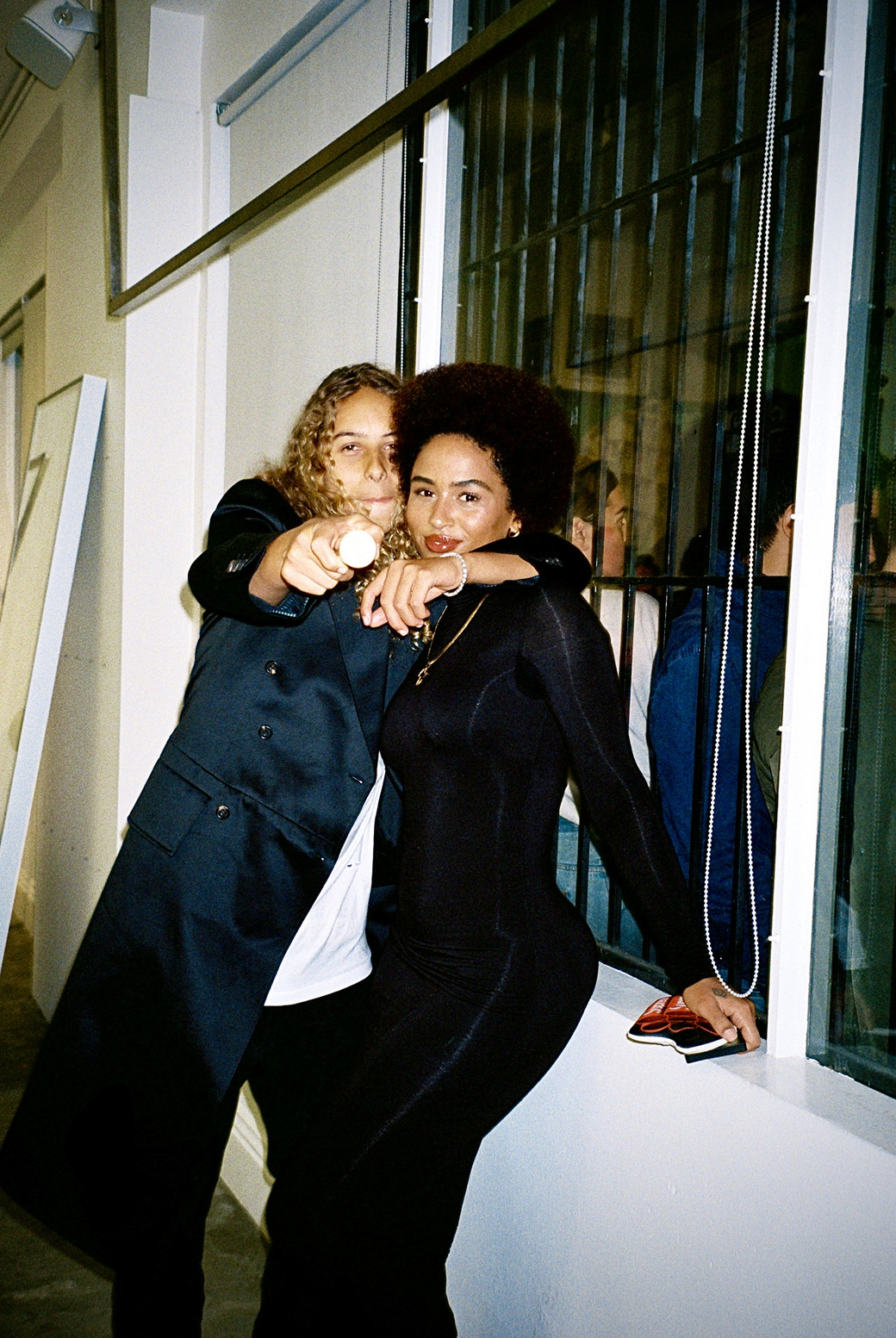
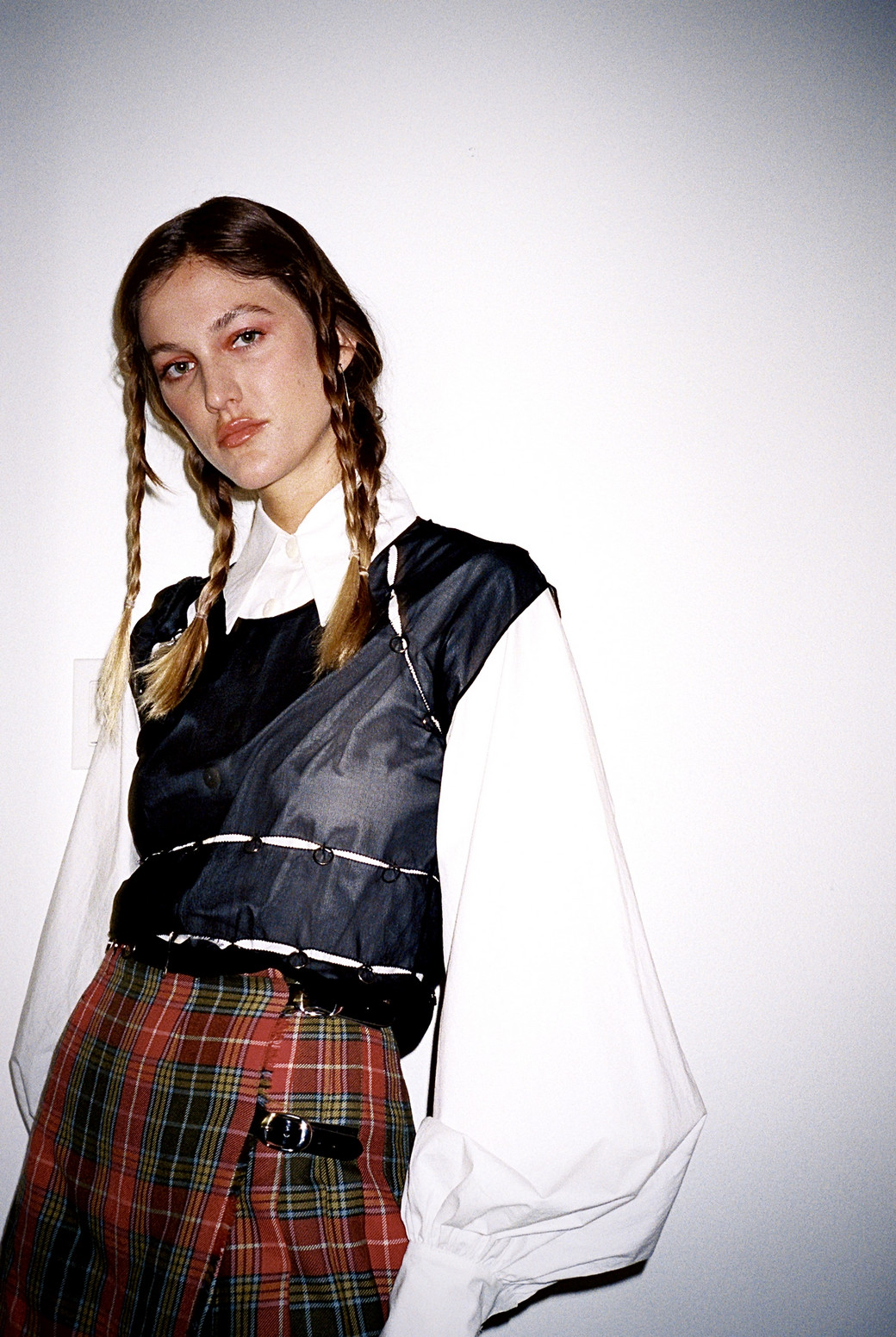
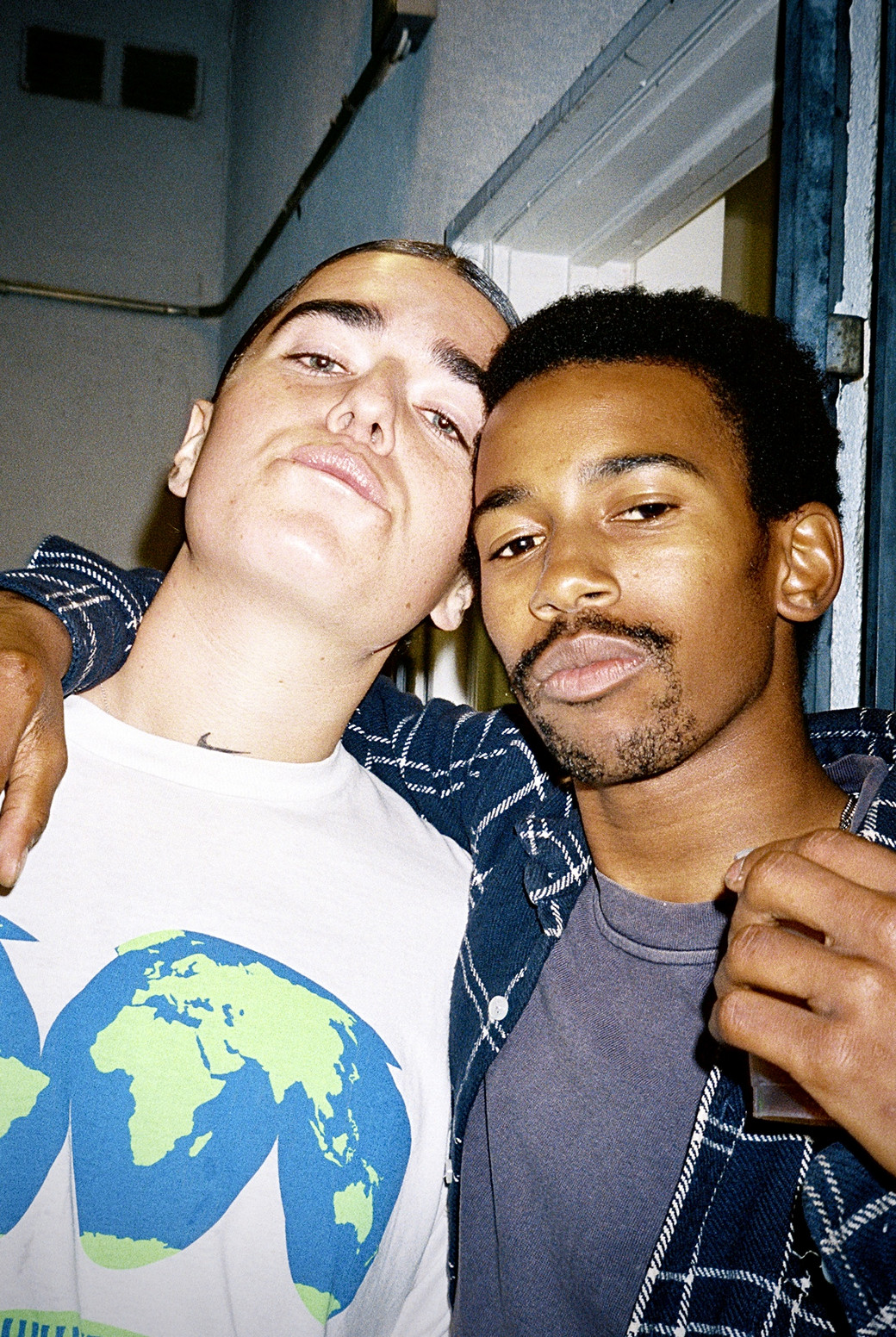
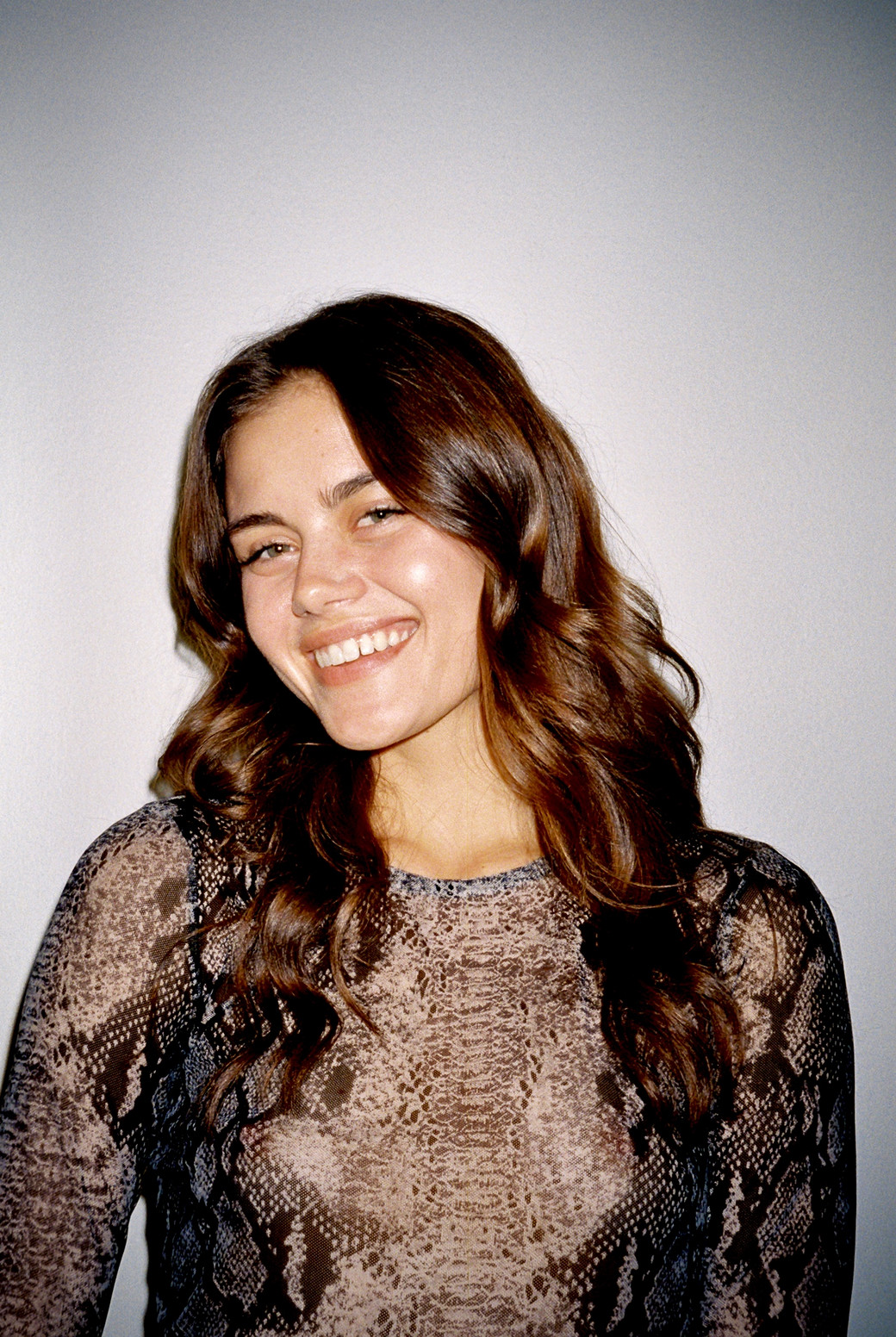

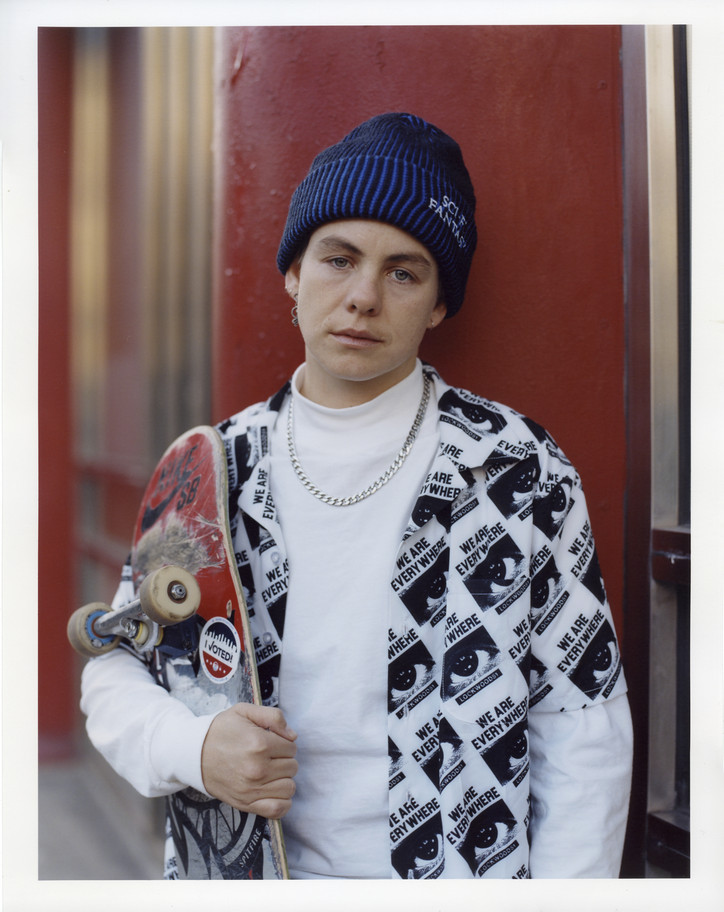
Before we get started, what name do you currently go by?
Right now publicly people know me as Lacey Baker. Obviously that’s my Instagram handle, but my friends call me Lee. I do prefer that––it feels like it suits me better. Lacey is super feminine and, you know, people have known me as that publicly for a really long time. So it's kind of hard to detach from it; but it’s a process.
What are your pronouns?
I use they/them pronouns.
How do you identify?
I identify as gender-queer non-binary. That’s pretty much it.
What’s the most exciting thing that’s happened to you in the past month?
Something that was exciting this month was starting off ‘Battle at the Berrics’ which is like the game of skate. That was fun. I had a photoshoot with Dazed magazine China, I’m stoked for that. I took a music production class, that’s exciting––I’ve been working on music stuff on the side. I like, write songs and shit. So I’m trying to learn how to record those––that’s also exciting. My ankle is pretty much fully recovered, so I’ve been skating a lot. Lots of good stuff. Lots of great stuff.
How old were you when you first started skateboarding?
I first stepped on a skateboard when I was 2 or 3. From that moment on, there was always a skateboard around in my life. I was in foster care for a brief moment, so that’s where I discovered it. Then I was back at home with my mom, and I just skated in my front yard––waxed up the curb and just obsessively tried to learned how to kickflip. I learned it when I was 8, so that was like my favorite thing ever at the time. I’ve been skating pretty much my whole life.
What made you gravitate toward learning and mastering skateboarding as a sport?
I was just really obsessed with skateboarding the moment that I saw it. And then when I started trying, I don’t know, there was just some obsession that I had. I was really young too, so I didn't have the language to describe why I liked it. I just knew it was something exciting, and I got really set on trying to learn how to kickflip. Also the other thing is, I had Tony Hawk’s Pro-Skater game when I was 8 years old, the Nintendo 64 game, and so I knew you could be a pro-skater because of the video game. So I think somewhere in my child brain I was like, 'I want to be a pro-skater.' And I told my mom. But I really didn’t know what that entailed. I was such a little kid, but I just really genuinely loved skating so much.
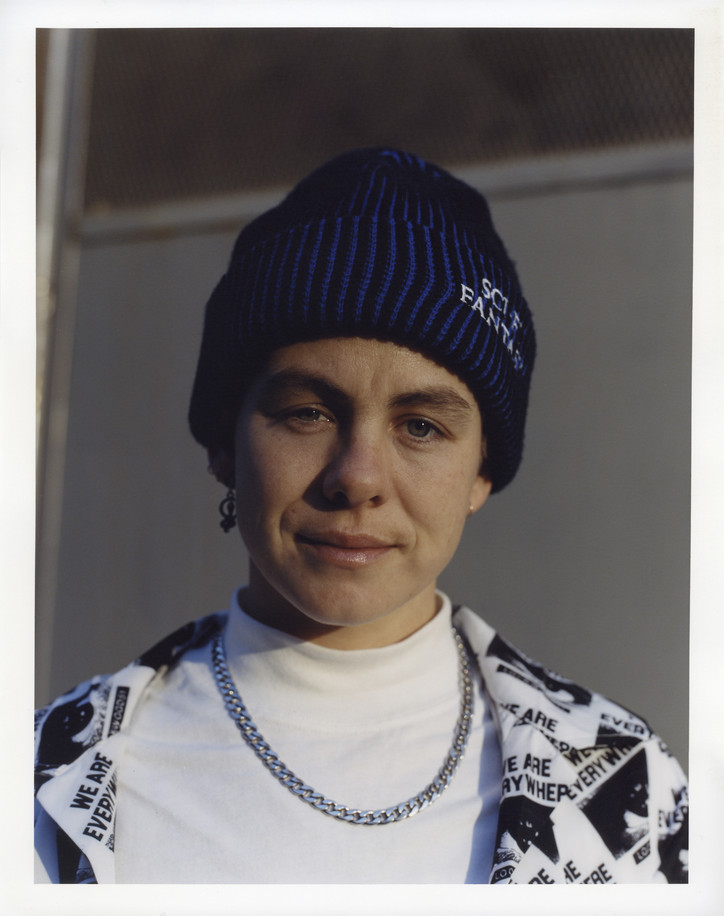
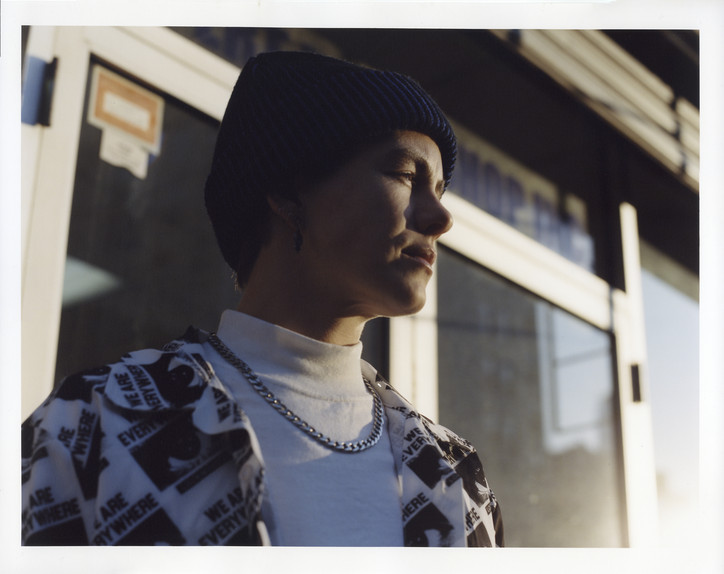
You’ve stated in a previous interview that the skateboarding industry wanted to shape you in a way that wasn’t you. Can you give any examples of when you were faced with that type of challenge and talk a little bit about what you did in response?
So the skateboarding industry's influence of me and my personal style sort of came from a sponsor, that was a clothing sponsor. I skated for Billabong and my directing manager was not the one being like "You have to wear girls' clothes,"or whatever, but she was hearing it from the people up above that they wanted me to be wearing Billabong girls' stuff. I was young and impressionable, so I tried. I wore tight pants and girls' clothes. It just felt super awkward. I felt very uncomfortable. And then I was always trying to find ways to alter my clothes to make them look less feminine. Eventually I was just like, I’m over it. I'm just gonna go back to wearing baggier pants and more masculine stuff.
Also around that time––2008––the Recession happened, and that’s when Billabong cut their skate team. I also wasn’t skating for Element anymore. They didn’t give me a new contract, which suprised me because I was working super fucking hard. I started being authentic to myself and then the recession happened, so there was just no opportunities for me, but I feel like if continued to be feminine, maybe a company would have continued to invest in me. But I just think they didn’t know what to do with me at that point.
As a response I just kept being me. There was nothing more I could think to do besides keep skating, dressing the way I want.
How did you navigate pursuing a skate career during the Recession?
I ended up going to school for graphic design and I worked a full-time job for two and a half years. I filmed a video part which came out on Thrasher called ‘My World,' so that made some waves because people could see that even though I was working full-time, I was still like, super down for skating and trying to go super hard.
Do you feel like the skateboarding realm has become more inclusive since you began? Have you seen or experienced a progression?
Yeah, definitely there are people out there doing stuff to be more inclusive and create a safe space for women and queer people and gender-nonconforming people in skateboarding. To generalize that group we call them non-traditional skaters. There’s Skate Like A Girl who does a ton of work all on the West Coast. I started a thing called NYCSP which is an acronym for The NYC Skate Project, which is kind of like a similar thing to what Skate Like A Girl does, so we partnered with them to host skate clinics. We have bands and then art stuff––workshops of all kinds so that queer community can come together in New York with skateboarding as the common thread and also just be creative and self expressive.
I feel like it's super marketable right now to be woke, so we're gonna have people paying attention to us more, and I just don’t want there to be any exploitation, or a trending wave and then all of a sudden in a year or two years it’s like, 'Oh, sorry, that was just a passing phase.' I want it to be everlasting. And the way to make it be, is to keep doing the work. It's cool to be at the forefront of movements like this where we're just creating space.
Any parting words for any younger people who are embarking on a similar journey/struggle to understand their identity and where they fit in their lives or in specific industries?
It ended up working out for me just to be authentic and really explore myself in ways that are true to me. And obviously I went through some pretty crazy phases as a result of being sponsored so young but I think at the end of the day, authenticity is going to always bring you the most joy. That’s my No. 1 thing I hope to inspire people to do.
How can everybody do their part in helping the trans and non-binary community?
I feel like it's very powerful when there’s allies visibly standing up and doing the work as allies and not just claiming the word. And that looks like learning about what it's like to be trans, or queer, or a woman, or a person of color, any of those things. Educating yourself on that and then speaking up on their behalf and not speaking ahead of them or in front.
I get misgendered constantly, and people don’t understand most of the time how to use they/them pronouns, and so it’s exhausting for me to always have to be to the one to be like, 'It's actually they/them.' If there were people around that were able to correct somebody, just little things like that, and just being a good ally and exploring what that really, really means.
In one word, what does the future look like?
Sofunandsobusy. That was more than one word... Definitely more than one word. I would say: exciting.
In a 2017 interview, the filmmaker and multimedia artist Arthur Jafa explained his desire to make Black cinema “with the power, beauty, and alienation of black music.” Jafa, who’s worked on films ranging from Julie Dash’s Daughters of the Dust (1991) to Solange’s Don’t Touch My Hair, to his latest film, The White Album, which recently won the highest honor at the Venice Biennale, often fuses Black music into his film work to drive narrative. In conversation with critic and writer Antwaun Sargent, he explains, “Music is the one space in which we [as Black people] know we have totally actualized ourselves.”
This year, while viewing the work of nomadic, multidisciplinary artist Richard Kennedy, I stood in the back of an audience at The Kitchen as he presented a one-person opera calling out ex-lovers and corporations in the same breath. Bound in packing tape, he screamed, “I am tired of being your side bitch! Fuck corporate pride, bitch.” As the piece went on and the tune of his angst reverberated with the help of a looper pedal, I began to wonder what might happen if we take Jafa’s assertion about Black music a step forward by looking to opera as architecture for the future of Black cultural production.
What might we learn from revisiting the work of Leontyne Price, Paul Robeson, Marian Anderson and so many more of our legends who told stories through opera? What could we also learn from turning our focus to contemporary artists? What would it mean to apply the rules of opera to the way that we move forward as creatives? How can we resist being treated like the old guard’s side bitch?
Opera, which quite literally means “labor” in Latin, has historically been a medium wherein whatever can happen, could happen. There’s bravado and dramaturgy. Opera doesn’t apologize for how much space it commands. Opera doesn’t work for exposure. Opera holds our attention for as long as it damn well pleases.
I believe that we’re in a moment where we need opera and its grandness more than ever. We find ourselves in dark times clamoring to figure out how to get proximate to power without letting it swallow us whole. What would happen if we became operatic? What would happen if we relentlessly sought abundance?
To see an opera is to know that you’re signing up for an experience; opera isn’t static, small or quiet. And we shouldn’t be either. In this roundtable, I’ve assembled four powerful voices in the world of contemporary opera—Kennedy, along with mezzo-soprano Alicia Hall Moran, vocalist, composer, librettist and cultural worker Imani Uzuri and opera director Kaneza Schaal—and asked them about their love affair with opera and who we should all be looking to for inspiration.
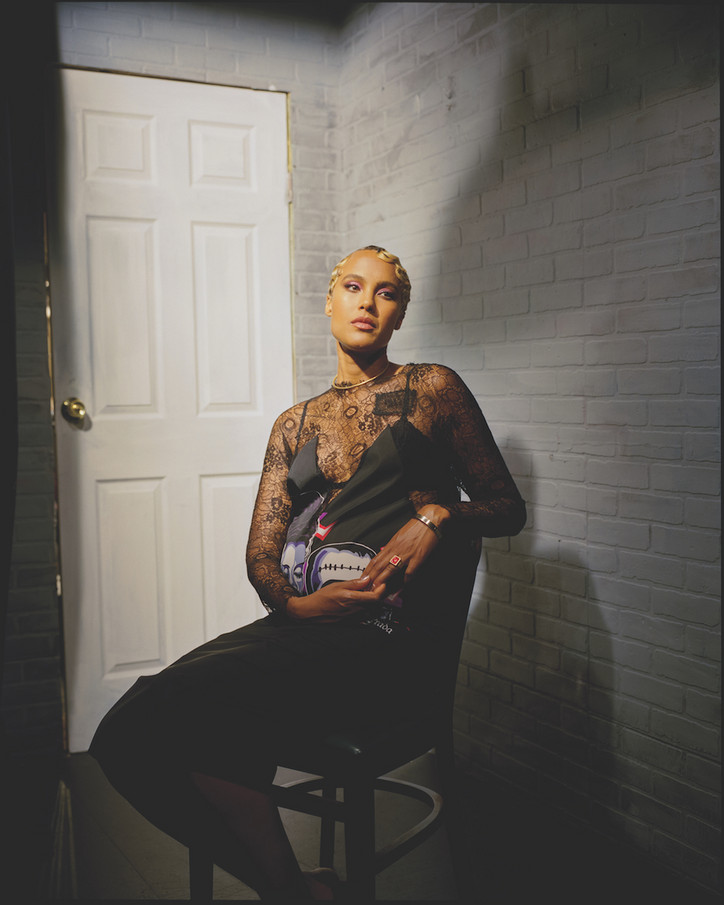


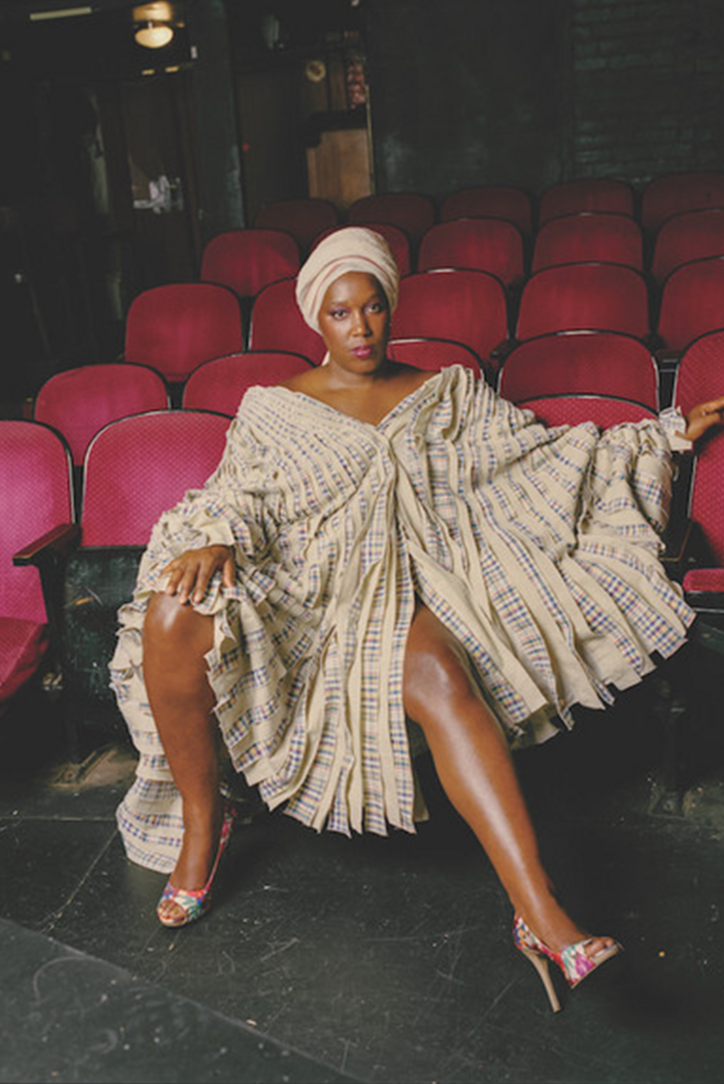
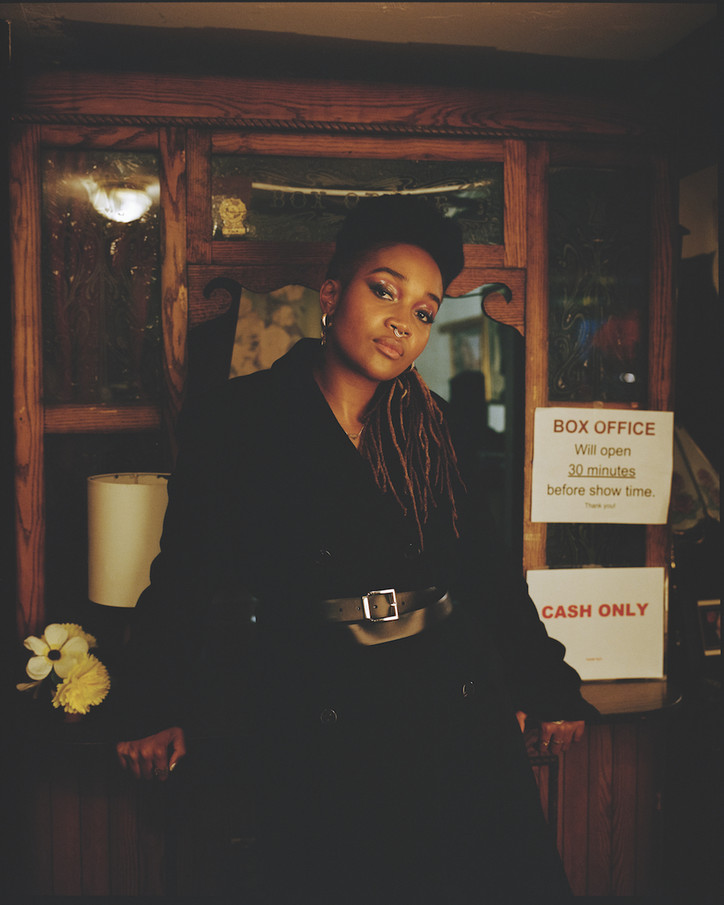
(Clockwise from top left) Kaneza wears dress by PRADA, jewelry Kaneza’s own. Richard wears dress by PRADA, earring stylist’s own. Imani wears skirt by MARKGONG, earring by CYRIL, head wrap and shoes Imani’s own. Alicia wears dress by PRADA.
Kimberly Drew — What first got you interested in opera? Why is it an important medium to you?
Richard Kennedy—I started going to the Sorg Opera House in Middletown, Ohio when I was in third grade. The local opera company offered students two-dollar tickets for dress rehearsals and I would find change around my house to take myself to see The Magic Flute or The Barber of Seville. Opera as a medium contains all art forms. I’m a multi-disciplinary artist and opera allows me to wear as many hats, wigs, and pens as I wish.
Kaneza Schaal—I remember going to the opera in San Francisco when I was a kid. I remember wearing a purple sweatsuit that matched the curtains. The smell of everyone’s perfume. The velvet. The silence before it began. Everything was heightened, like it could meet me at the level of my imagination. In daily life, everything around me asked me to be smaller—at the opera it felt like a world where I could be as huge as I felt. As the poet Maureen Owen said, “People are afraid to say extravagant things definitively.” Of course, opera has existed throughout the world for thousands of years. I think of the places where stories play out that rivet and delight me, where song and ideas collide. Growing up watching Intore dances in Rwanda; seeing Peking opera in Hong Kong and in basements in NYC’s Chinatown; wondering how the call and response in Odissi dance might interact with Flexn dance battles in Brooklyn.
Alicia Hall Moran—Here’s what I love about the opera: complexity. Opera is layers upon layers. It’s all the instruments of the orchestra, and many voices, sometimes firing all at once. It’s many points of view inside one show. Opera is an argument, large forces of passion and idea pressing up against one another and a protagonist with a problem—the bigger the better. The biggest problem, the biggest thing, the most profound emotional states, these are all at home in opera. It is hard to find anything that is out of place in the opera.
[It] also challenges time and space in extreme ways that I find exciting. You know, sound travels so much slower than light. In the blink of an eye we can peek the truth, but in opera we have compositional permission to wind our way painfully— or pleasurably, as the drama dictates—in and out of the truth. Slowly. We are released from real time in a clear and distinctive way. It just takes a long time to sing a sentence.
Imani Uzuri—For my own work, I love the way that contemporary opera allows for abstraction and experimentation. This is important to me as I conjure the worlds within my large works. Even my first album, Her Holy Water: A Black Girl’s Rock Opera, was named as such to underscore that even the minutiae of our lives as Black folks are epic. Writers like Toni Morrison, Zora Neale Hurston, Ntozake Shange, Toni Cade Bambara, Audre Lorde, Alice Walker, Octavia Butler, Sonia Sanchez and Lucille Clifton understand that our everyday lives as Black people are filled with magical realism. It is who we are as Black people—we dream prophetic dreams, we see the future, we understand the nonlinear nature of time, we understand that the veil between here and there, now and then, death and life is thin. Contemporary opera provides a canopy in which I can explore these interstitial spaces of the spirit, mind and psyche. It helps me think larger, ritualistically and circular.
KD— Why is opera important within a Black cultural context?
IU—I think our lives throughout the Black Diaspora is operatic grand, even in our supposedly ordinary day- to-day happenings. What seems simple is so majestic, from the various ways we walk, how we dance, pray, dress, think, cook, our use of language—poetic and otherwise—how we live life. In the context of art songs, I love that folks like Paul Robeson, Odetta, Richie Havens and Roberta Flack include African American spirituals and work songs as part of their repertoire. These haunting melodies and layered stories come from our enslaved Black American ancestors. They provided inspiration during the Civil Rights Movement and still provide wisdom and inspiration today. They are coded, rebellious and spiritually transformative.
RK—Opera means great effort and that inspired me to start thinking of it as the most Black art form there is. The traditional structure of opera lends itself to fantasy, tragedy and opulence in ways that mirror many Black experiences. Black people have long starred in operas but the roles written for Black people are few. I go to the opera every now and again and I’m usually one of maybe ten Black people in the audience.Opera needs us, and we need operas that center the Black experience without the slave narrative or Prince Charming on a white horse cliché.
KS—I want to say exuberant, lavish, big things, with clarity and conviction. We live in ALL CAPS. We live in big worlds. Big things happen in our lives. It’s important to acknowledge living in a world as rife with earth shattering events as we do. Playing small doesn’t help anyone. Opera beckons and celebrates the epic, the mythological, the bombastic. This carves a place for the fullness and contradiction of living today.
KD—Which opera legends do you feel that we should be talking about more?
IU—Marian Anderson, Leontyne Price, Jessye Norman, Kathleen Battle and the legendary Robert McFerrin Sr.— who was the first African American man to sing at the Metropolitan Opera in New York City, and who happens to be the father of Bobby McFerrin—and George Irving Shirley, as well as others I may not know the names of yet. We need to acknowledge operatic works by Black creators, including Scott Joplin’s Treemonisha. We need to be talking about Black creatives who have added to the legacy of opera as well as honoring elder Black composers, performers and creative artists who are under-recognized for their contributions to classical, contemporary, experimental, avant-garde and creative music and musical theater, such as Dr. Undine Smith Moore, Joseph Boulogne Chevalier de Saint-Georges, Florence Price, Mary Lou Williams, Julius Eastman, Alvin Singleton, Ben Patterson, Bernice Johnson Reagon, Eubie Blake, Noble Sissle, Flournoy Miller, Aubrey Lyles and Jeanne Lee.
AHM—The first opera singer I ever met was the illustrious Shirley Verrett. My mother would say that the neighborhood listened to [her] voice sailing through the air shafts up and down the block. She sang at the Met Opera, at Carnegie Hall and all around the world. But she also sang at home. That was the key for me. Can a tremendous voice be a found object? It’s how your music seeps into you that matters. If it is all books and hearsay and videos on YouTube, then your socks will get knocked off when you encounter it for real. It’s an encounter between the performer’s breath and your breath. You have to go listen to the vibrations in the space with the maker sometimes. That is also what opera is all about.
KD—Where do you think opera is headed in the coming years?
AHM—With the passing of Toni Morrison, I think many of us feel a certain gratitude and sense of responsibility. I have a renewed sense of freedom. She wrote about the whole wide world by writing just about us in this world. She reminds us what the word “universal” really means. I think that is the future of opera—more views inside the total human condition, scoping more recent politics and more contemporary atrocities—personal and public—through the lens of big thinkers, daring writers, and bold musical styles. Plus all this, opera is expensive, even the most minimal opera. Instruments, live singers, a director or several directors, lights, costumes, sets and an awesome amount of musical preparation—opera needs someone to write its check and opera is a big spender. [It] will always remain a luxury and I think I like that idea. Writers, musicians and producers who continue to believe that it is worth the expense are keeping a portal open for all of us who want to think big and dream even bigger. My husband Jason Moran and I will score our first opera for orchestra and singers next year. I love to work with people thinking amazing thoughts, asking me to do unimaginable things before an audience. I hope people don’t think it always has to suggest something sexual, though it can. Telling basic truth is one of the most daring things you can do. That’s been true for art since forever. Nothing new there. We have to do that, and keep doing that.
KS—I am looking for an opera that tells glorious and horrific stories with grace, violence and beauty. How can we sing of Pulse, of San Antonio, of our borders? I am developing a new opera, an exorcism of King Leopold II and his reign of terror in East Africa. The piece uses Mark Twain’s King Leopold’s Soliloquy as a starting point to evict the deranged king from our present. I am interested in the residue of colonialism, imperialism and slavery in our everyday lives. Opera is the container I’ve found that is big enough for this question, for a ritual as grand and spectacular as an exorcism.
IU—I think more and more of us are claiming our space and innovating—as we always do—within opera and other ‘unexpected’ art categories. This is a great, beautiful, necessary and wonderful thing. Black American Harlem Renaissance poet Langston Hughes wrote “...I’ll stand up and talk about me, And write about me—Black and beautiful—And sing about me, And put on plays about me! I reckon it’ll be Me Myself! Yes, it’ll be me.” Amen, Ase and So It Is. —END