For Lovers
Lamar is a muse for the ages, a lens through which we can explore the love within both our hearts and others'.
Check out the video and photos below.
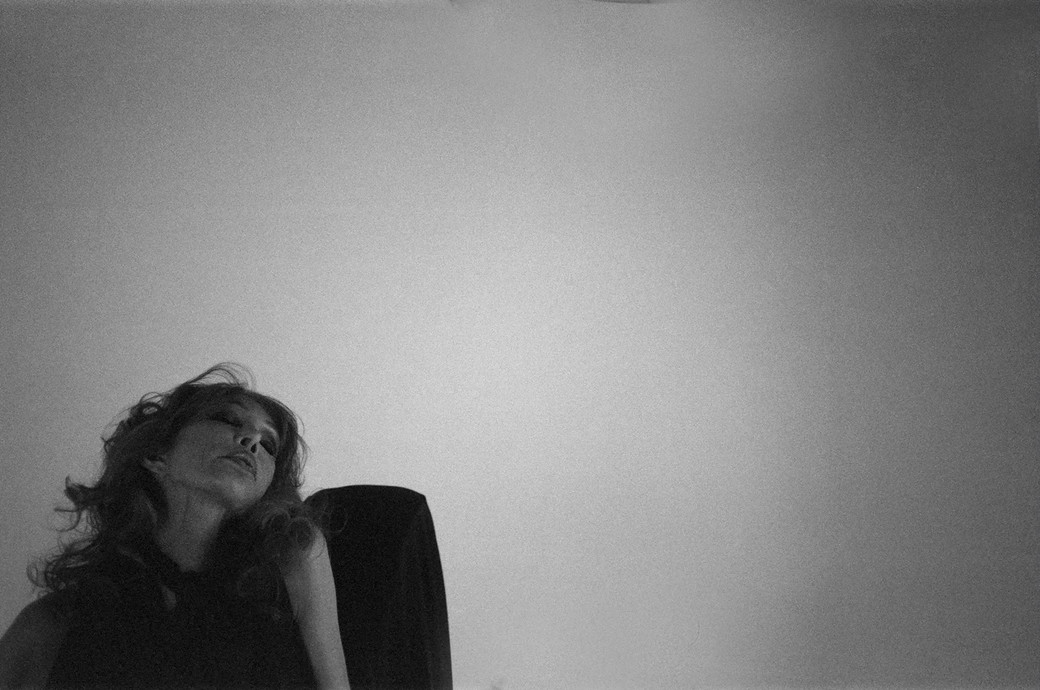
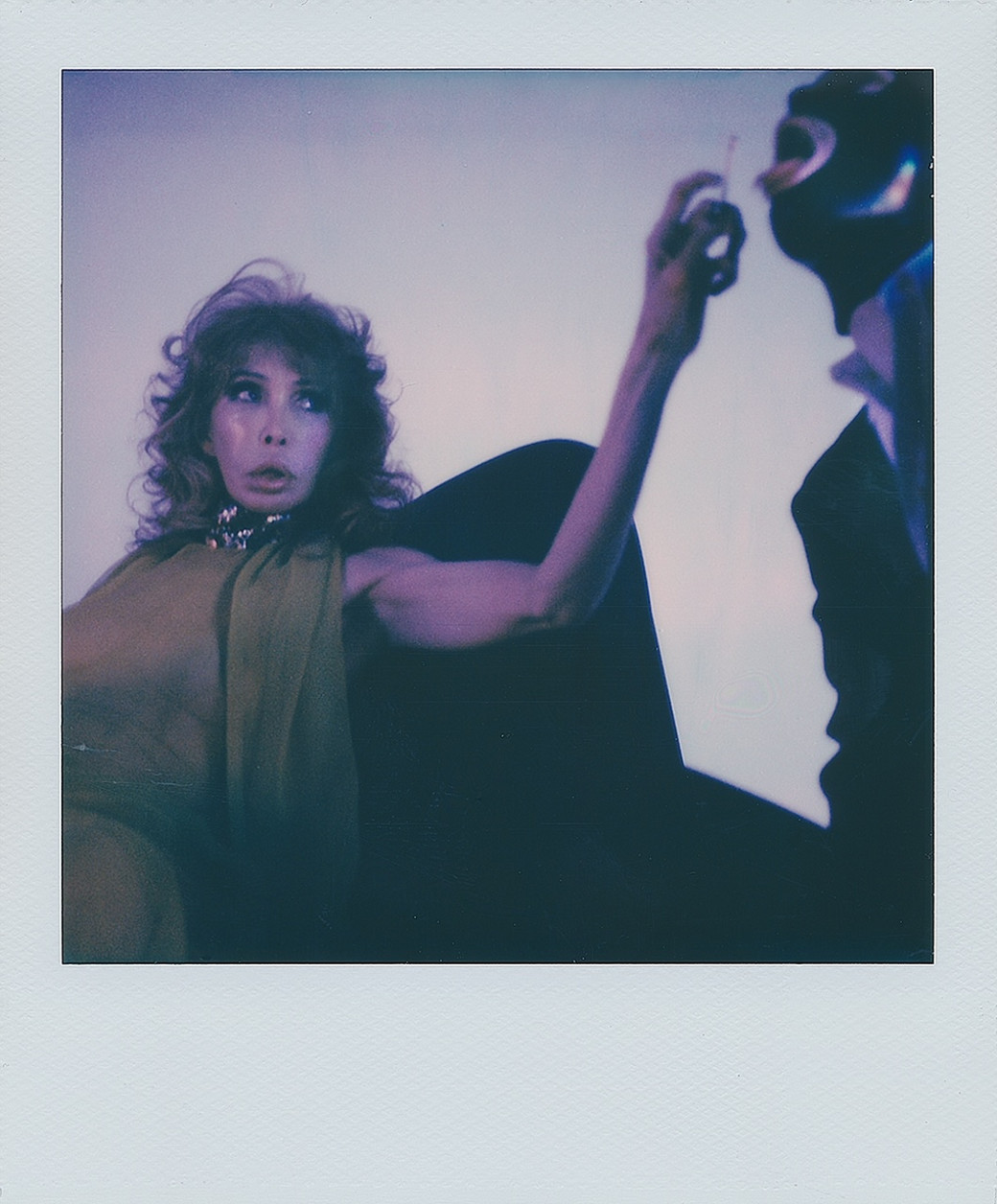
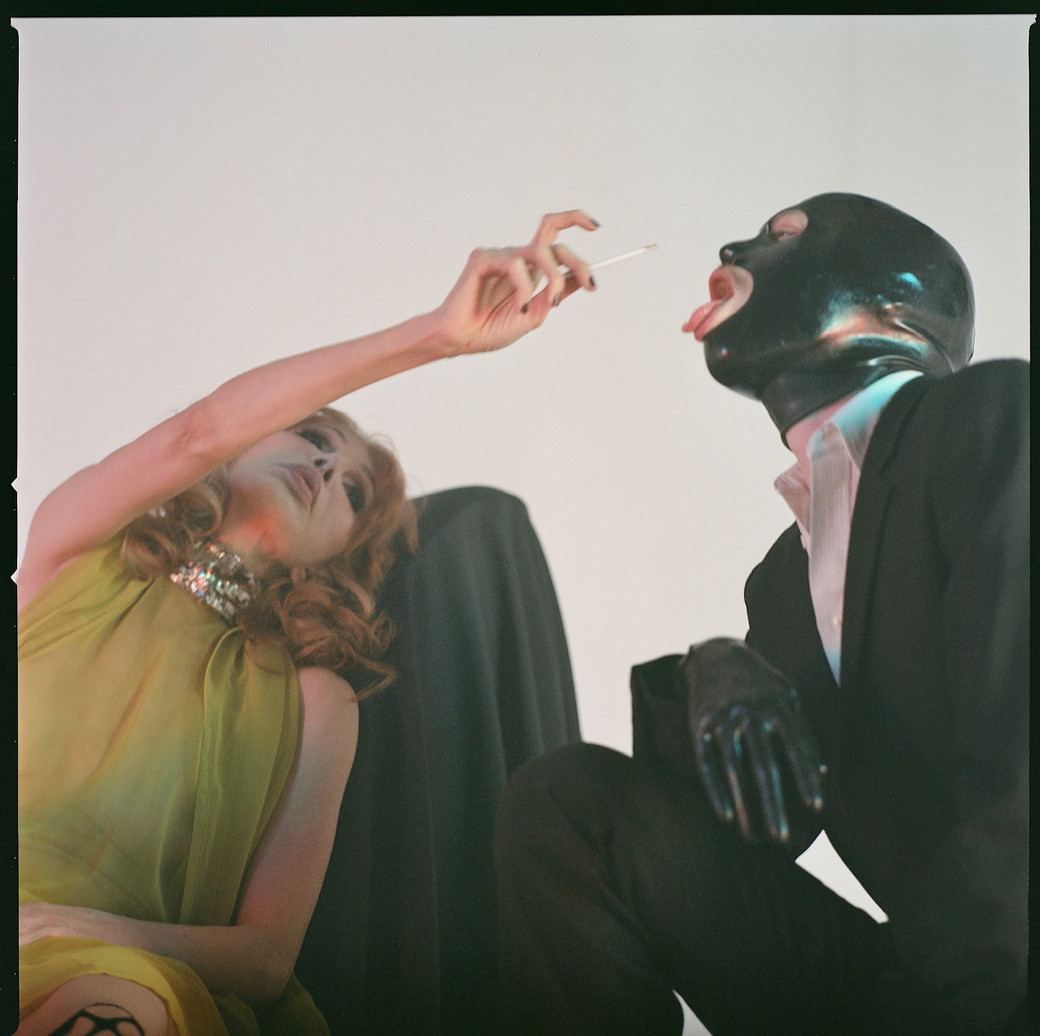
Lamar is a muse for the ages, a lens through which we can explore the love within both our hearts and others'.
Check out the video and photos below.

The installation, brilliantly crafted by Amit Greenberg, consists of 100,000 recyclable glass bottles designed by the artist himself hanging in the air with an effortless celestial beauty on par with the ocean herself. The kicker? From the LGLB bathing suits to the bottles, whatever purchase you make will benefit #the100kintiative, a campaign launched by FOUND and Oceana to commemorate the 100,000 marine animals impacted by plastic in the ocean. With funky prints and flavors such as cucumber mint and elderflower in the mix, lending a helping hand to our sea creatures is refreshing no-brainer. office got the chance to sit down with Greenberg and pick his brain about this special project, read below.


What do you think the relationship is between intention and reception?
As a creative, I encounter the fine line between intention and reception very often. My work has always evolved with the audience in mind, and I have experienced the beauty of viewing moments and the interaction of people with the finalized artworks and designs. I think every idea has its turning point once the art comes to fruition, it takes on a life of its own and the initial intention tends to unfold beyond anything we can imagine.
What quality and/or features make the artistic realm such a potent medium for activism?
Art is magic—it's unexplained yet understood on a subconscious level at the same time. There is the alchemy of transforming an idea to an actualized experience, and as others experience it on a sensory level, they also encounter the osmosis of the idea. The power of sending a message is inherited in art.
How was the concept of the project at large visually and physically articulated within your installation?
The essence of the concept was to bring attention to the issue of plastic pollution and its deadly effect on our marine mammals. I designed the full visual identity for Found with the primary goal of bringing the cause of #the100kinitiative to the public arena. I teamed up with Found, Les Girls Les Boys and Mats Christeen at the Foundry Wood to create the art titled, "Songs for the Ocean", my vision of an ocean wave made of the glass bottles. The installation is intended to create an immersive experience that can reach all senses with a sustainable approach in mind. For the opening and multiple events, percussionists Fernando Velez and Elizabeth Pupo-Walker created a ceremonial piece of music played with metal straws on the wave of bottles, as the music and rhythm fill the space the viewers are handed out metal straws and invited to take part—the message is an inspiring call to action through the installation and beyond.


What drew you to this particular project?
It was an exceptional team of people who all wanted to make something amazing happen in a short amount of time. The Les Girls Les Boys team and the Found team worked closely together to bring in lots of other great partners to the project, such as Starrett Lehigh and Naeco. In particular, I had the opportunity to collaborate with other artists like Alana Tsui, who took the idea and created giant murals and artwork in the space, Mats Christeen, and of course, Fernando and Elizabeth.
Describe your personal relationship with the ocean in one narrative sentence.
I grew up in the port city Haifa in Israel, so the ocean provided me with a serene escape, a place where I can meet myself through nature.
The design of the bottle was inspired by...
The livelihood of marine mammals themselves was the main inspiration. I chose to highlight the different types of whales on the background of the transparent Found water with the hopes of having our oceans as clear as the drink.
What was the most important feeling you wanted your viewers to walk away with?
I wanted viewers to indulge in an enjoyable activity, but most importantly to understand that it is our responsibility to keep the oceans plastic-free and to protect the beautiful creatures that exist within it.
Be sure to catch the magic at the Starrett-Lehigh building as part of the RXR Social Impact Month before closing day on July 19th!

What does Far-Near mean to you?
Regarding the name: this book series is intended to broaden our perspectives of Asia. I really wanted to showcase the vast and various areas of creativity across the Asian continent. From the Far East to Middle, South, Central, and Near East—the goal is to broaden the notion of what Asian culture is, and reduce the sense of otherness put on Asia. Hence, the direction of Far to Near: bringing things closer to home.
Why did you choose print?
In print, the content, and the creatives, have a permanent place in the cultural discussion. While we do supplement the printed book with online content, those pieces are more time sensitive. The work in the book is meant to be everlasting; more concrete explorations.
What was like growing up in New York; and how did being biracial shape your voice?
A melting pot. I grew up with my father, who is Italian from the Bronx, but he is very eclectic. So I explored many different spiritual groups as a child—going to meditation every week at Indian spiritual groups, as well as Korean Daoist meetings, for example. It opened me up to being interested in seeing our similarities, and differences, across cultures. However, I was not brought up with the Asian side of my heritage; but I always identified with it because physically, I look very asian. Ariana, my features editor, and I, both embraced, and searched, for any form of Asian culture we could absorb throughout the city. Whether it be through manga, dim sum in Chinatown, or karaoke in K Town, we felt an urge to learn more about Asian culture, since we didn’t have a direct connection with it. I feel like this has bled into my work now: as this part insider—part outsider experience has helped me see what might be missing in the arts, fashion, cultural industries, regarding representation; also, how Asians value their own work, or what outlets they have to express themselves.
Can you describe the relationship between Taste and Distaste?
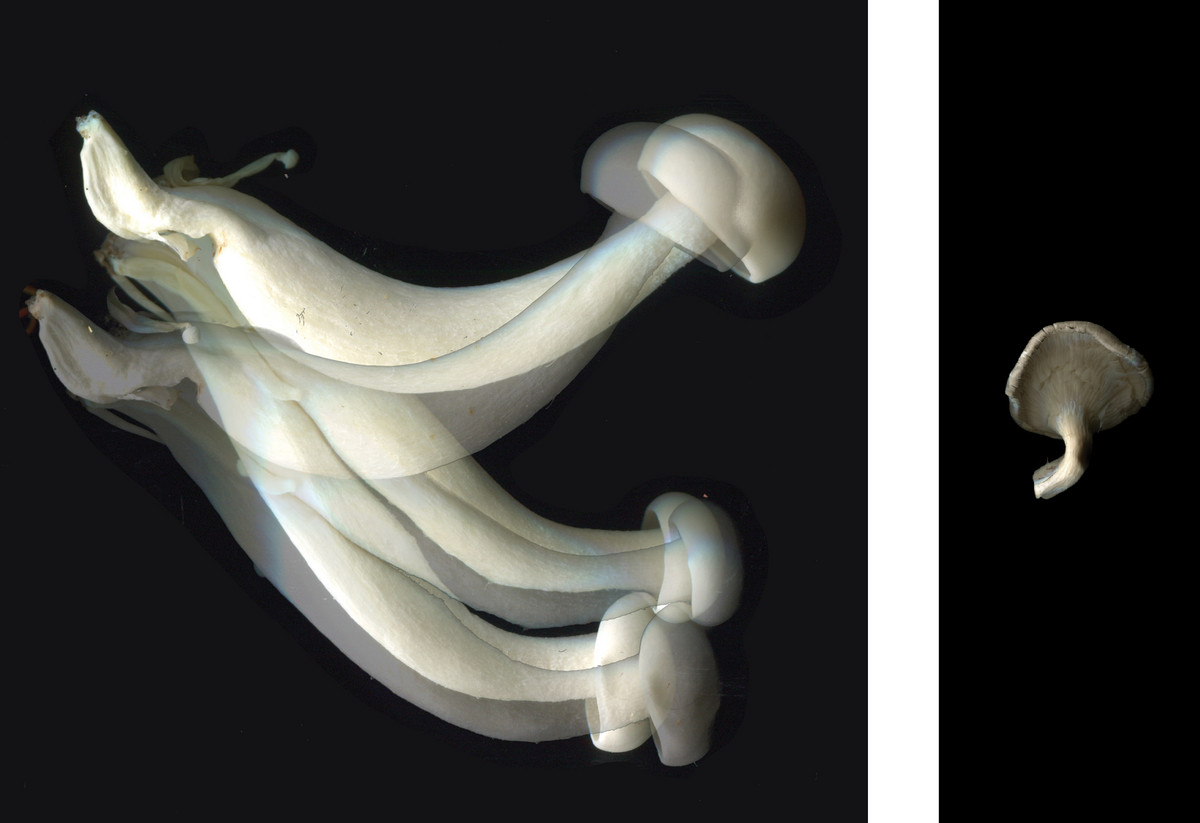
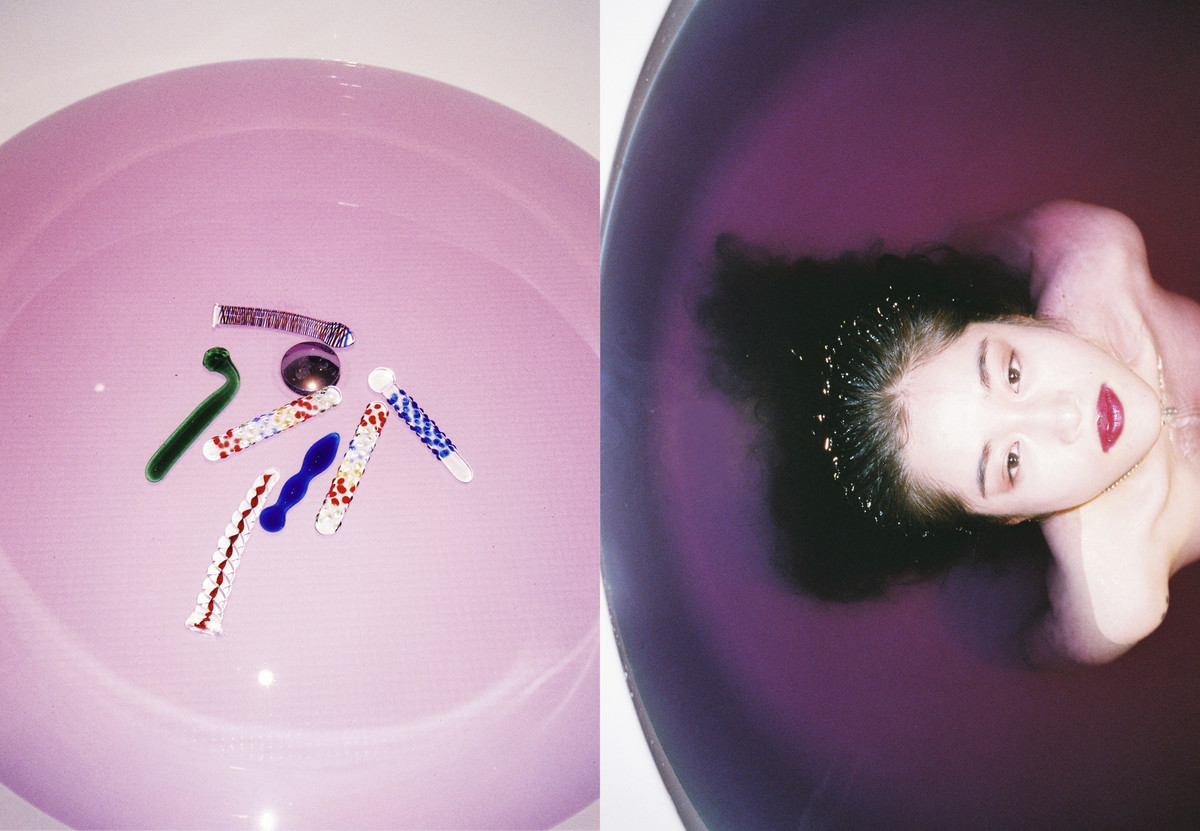
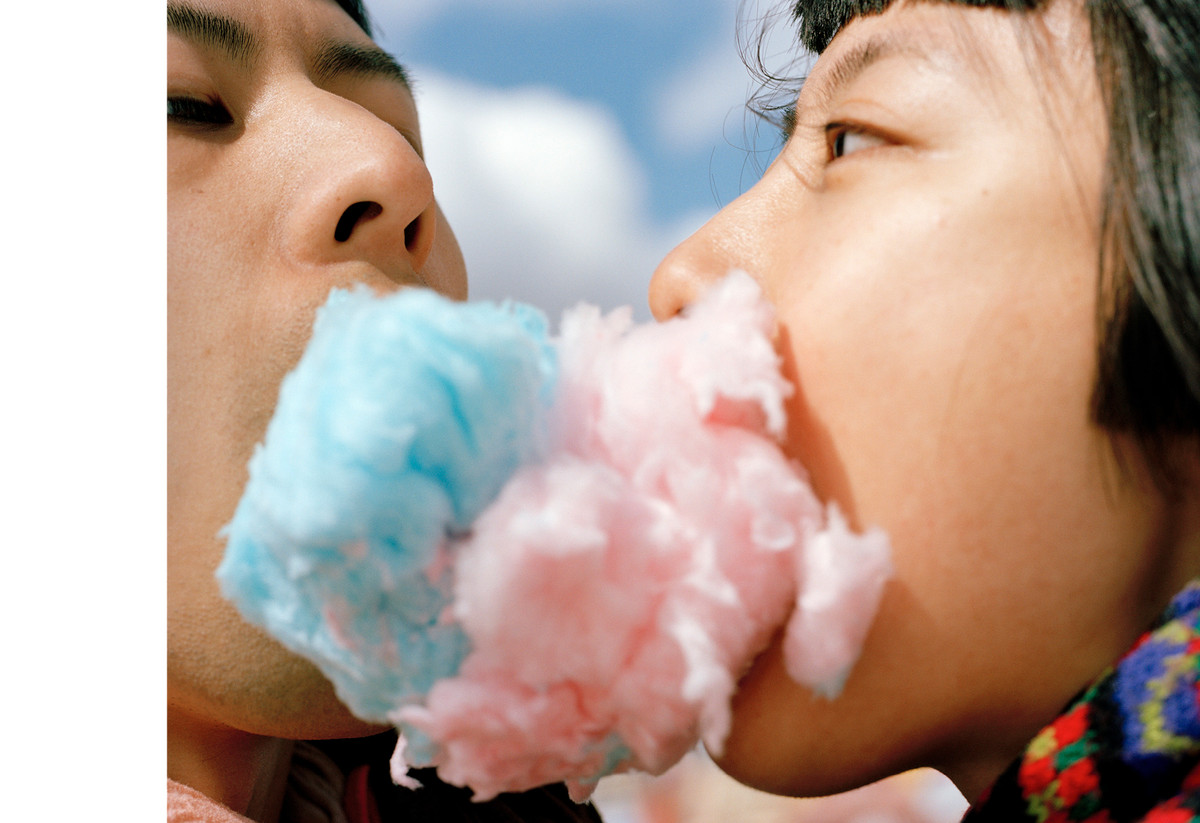
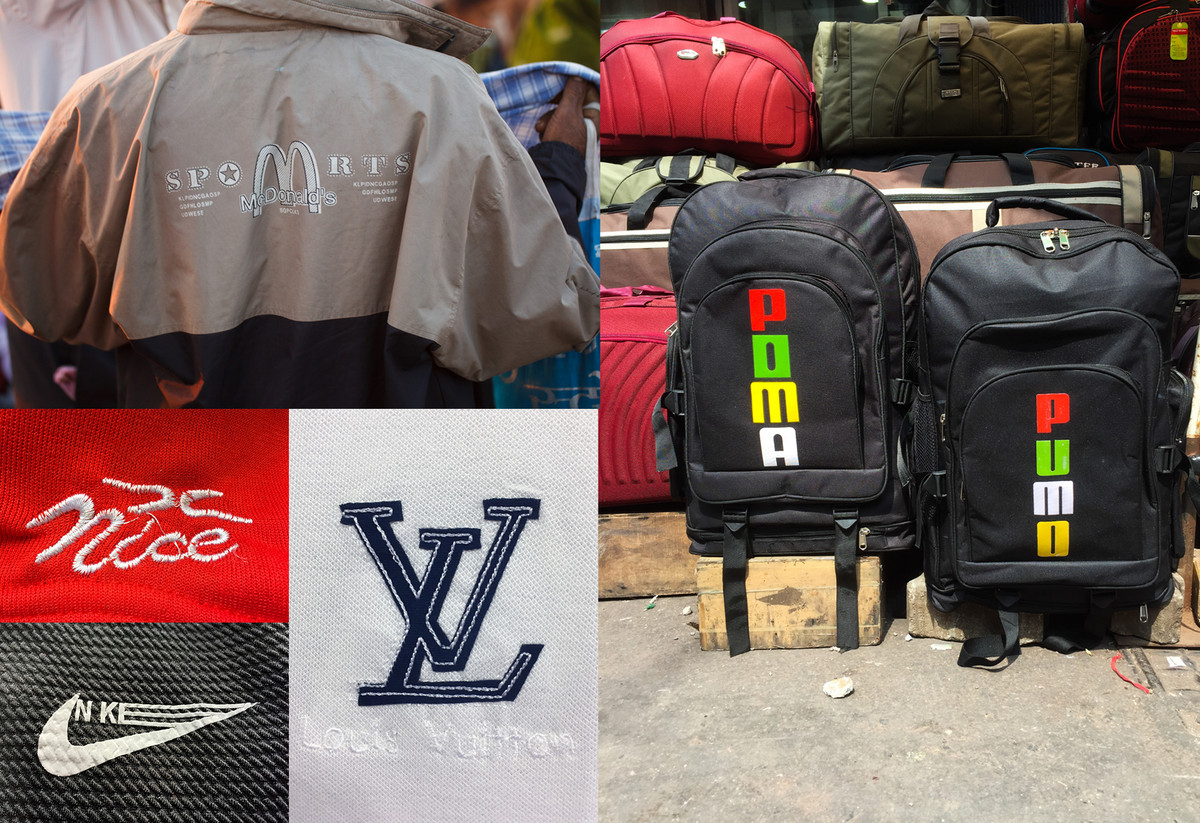
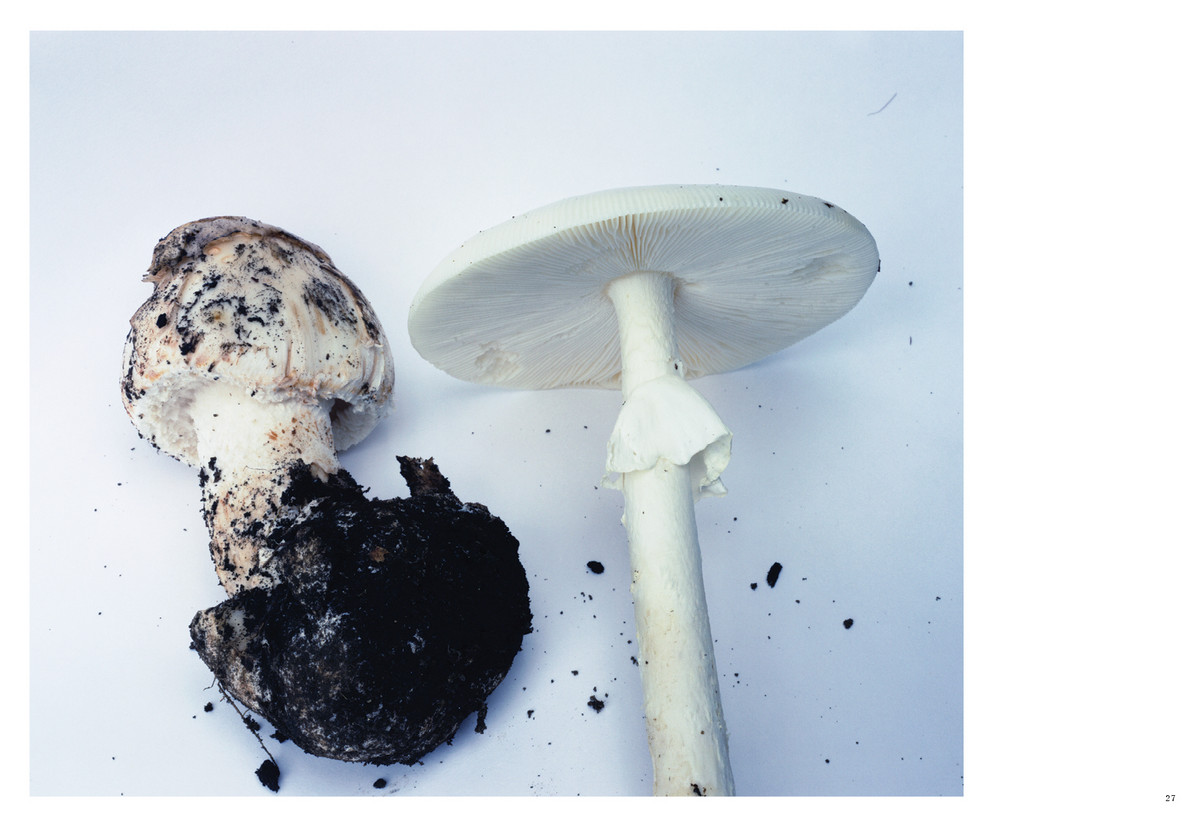
It’s all based on perception. What tastes good to one person could taste bad to another. What looks beautiful to one might look tacky, or hideous, to another. Why is that? Where does that preference, or perception of good and bad come from? I found it very interesting to work with artists who chose to focus on seemingly disgusting things, like irradiated mushrooms, or spam, or bootleg items, but present them in such beautiful ways that you change your idea of what is tasteful.
Do you believe in ghosts? If so, what do they look like?
I think they are us, in a limbo between life and death. In Tibetan Buddhism, they call these stages, “Bardos”. I think ghosts are usually in this in between state, unsure of where to go, or what steps they should take. Maybe they’re still too concerned, or attached to their lives, and need to be satiated.
What is the most interesting thing you’ve read recently?
I’ve been reading a book by Mingyur Rinpoche, a Tibetan Buddhist. In his 30s, Rinpoche left the monastery to give up everything to become a beggar. He wanted to remove himself from his identity, but he admits how difficult that truly is, even if your whole life is dedicated to doing just that. In reality, as much as we try to label others, and ourselves, we are only fitting ourselves into impermanent boxes. If we explore the possibility of change, or the obtuse and subjective idea of culture, we realize none of it is as permanent or factual, as it seems. One day your identity could be perceived differently, or completely change.
What do you listen to when you’re alone?
Sometimes when I’m feeling melancholy, I listen to a lot of George Michael, and The Carpenters. When I want to have fun, I’ll listen to Italo disco, or trap music. Recently, I’ve been really into this indie artist/composer: Mica Levi.
What is the origin of Movement? How did humans learn to move with expression?
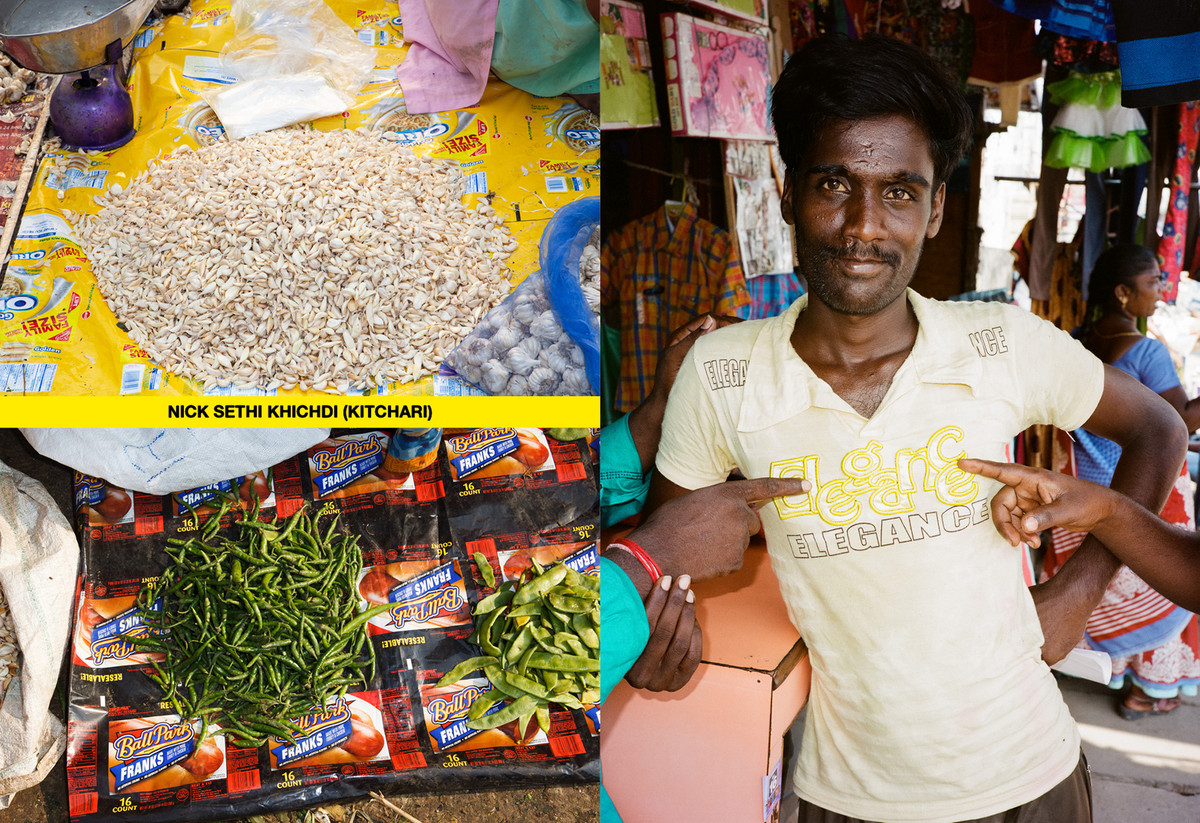
I read this book once, though I can’t remember which book anymore, that states, “all animals move to survive, forward and backward, with a purpose to search for food, find shelter, etc. The only thing humans can do without purpose, that only humans do, is dance.” I think dancing is a form of expression: it’s either about letting go, or controlling your body. It’s so deeply embedded in a culture…
Does modelling inform other areas of your craft?
It’s been a great way to meet photographers, hair stylists, and makeup artists. I feel like as a model, it is easier to get to know the team—to speak, and learn, about each other without any sort of ego, or time constraints, compared to my work as an art, or creative director. It also helps me understand what models have to go through; how to be conscious of their comfort levels, or even, what is possible with the human body? Haha.
Close your eyes, and picture a room. What does it look like?
I see this apartment with a red wall, and a matching velour couch facing me; to the right, a purple wall with another couch, in purple. It’s minimal, kind of warm, and very subtly beautiful.
Have you ever been heartbroken?
Yes. I have... especially when I was younger, experiencing things for the first time. My first relationship, I was heartbroken. The first time in my career where my work was turned down, or watered down, I was heartbroken, but since then I’ve kind of learned from those experiences about how much emphasis I should put on an individual thing, and how to navigate expectations in relationships, and work.
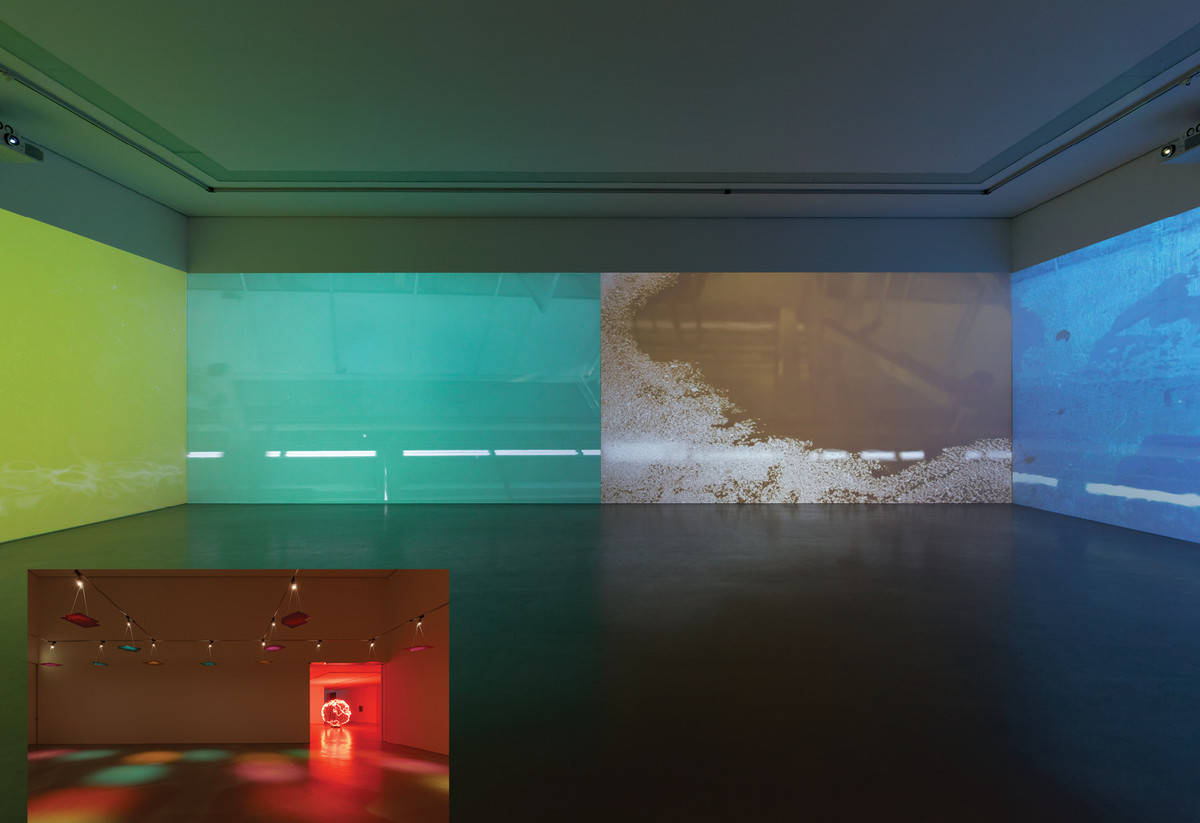
What is the most challenging part of creating a book? And what do you find rewarding?
The logistical work is the most difficult. It is very hard on the ego to reach out for fundraising—also, planning events and distribution; to be told no, or be told something is out of your budget. The most rewarding is definitely the process of searching, and speaking, with different creatives. I get so excited to learn more about someone, and their personal craft and experiences. I learn so much with each story, each book. It’s amazing to work with someone to create exactly that you had in mind, and also to create something you never thought about doing. I also love hearing from people who have read the book, and see their reactions to the work.
Does politics have a place in art? What about fashion?
I think politics do have a place in art, but it’s up to the individual whether they want to address it—or not. I think in fashion, it is not necessary, but what is necessary, is cultural consciousness. Ways of dressing are naturally cultural, as it is in some ways part of everyday life. There are a lot of brands who borrow, or take exact pieces, from cultural traditions, while lacking the consciousness to pay respect, to acknowledge the use of a culture. I think that is very wrong.
Favorite body of water?
Rivers ... like Pocahontas says, “you can’t step in the same river twice.” Siddhartha, as well: he talks about how rivers are always the same, yet always changing, always flowing. I also find it super interesting that civilizations start around rivers. In some ways, it is the core, or center, of civilization, and culture.