For Lovers
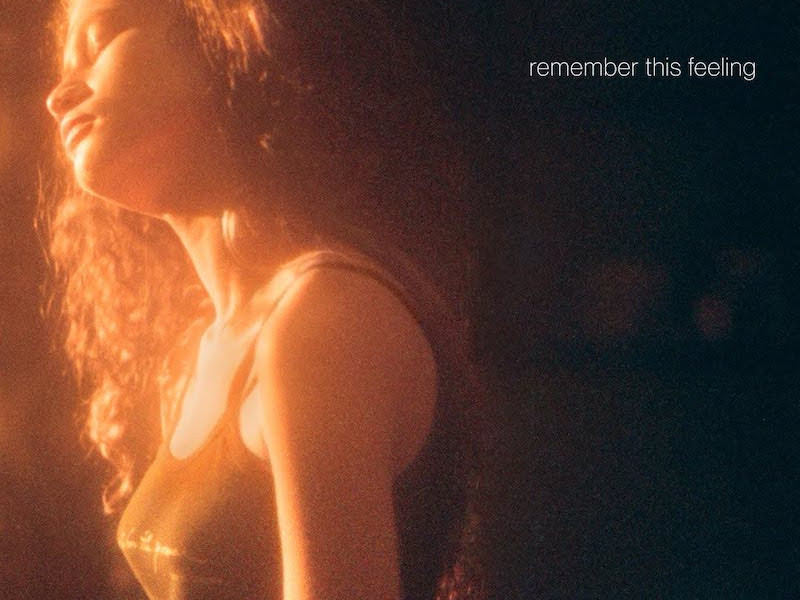
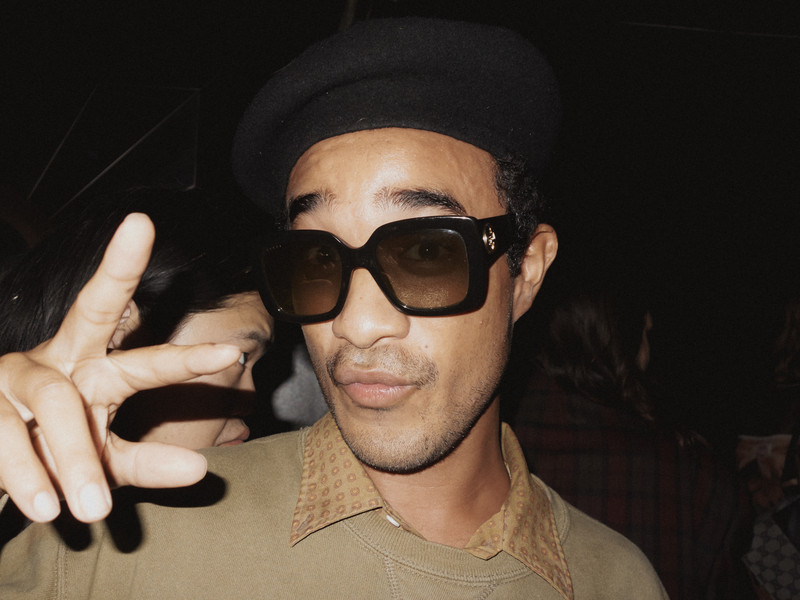
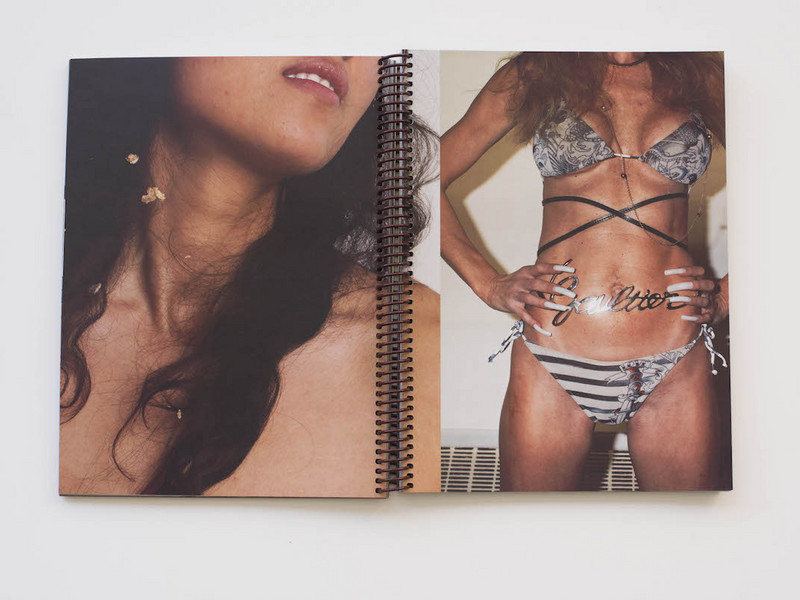
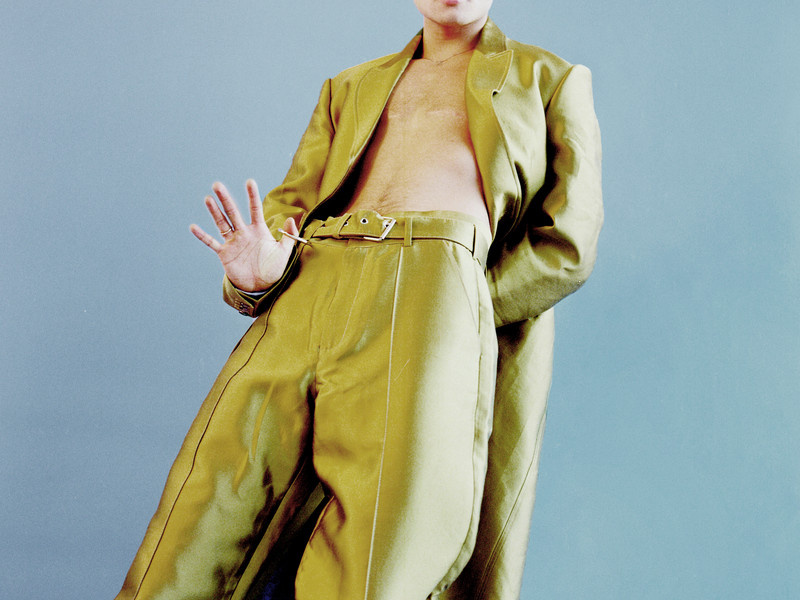
Lamar is a muse for the ages, a lens through which we can explore the love within both our hearts and others'.
Check out the video and photos below.
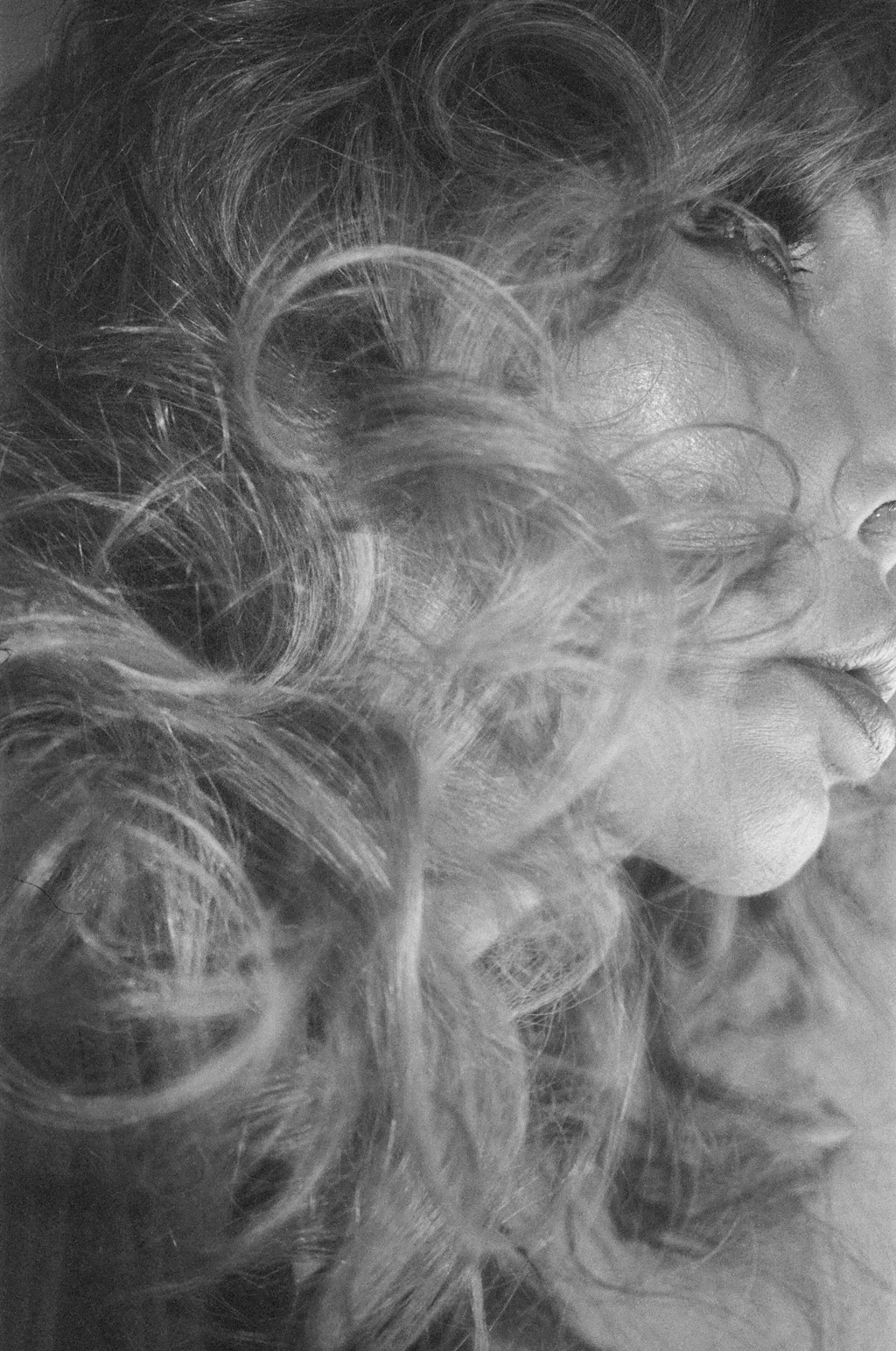

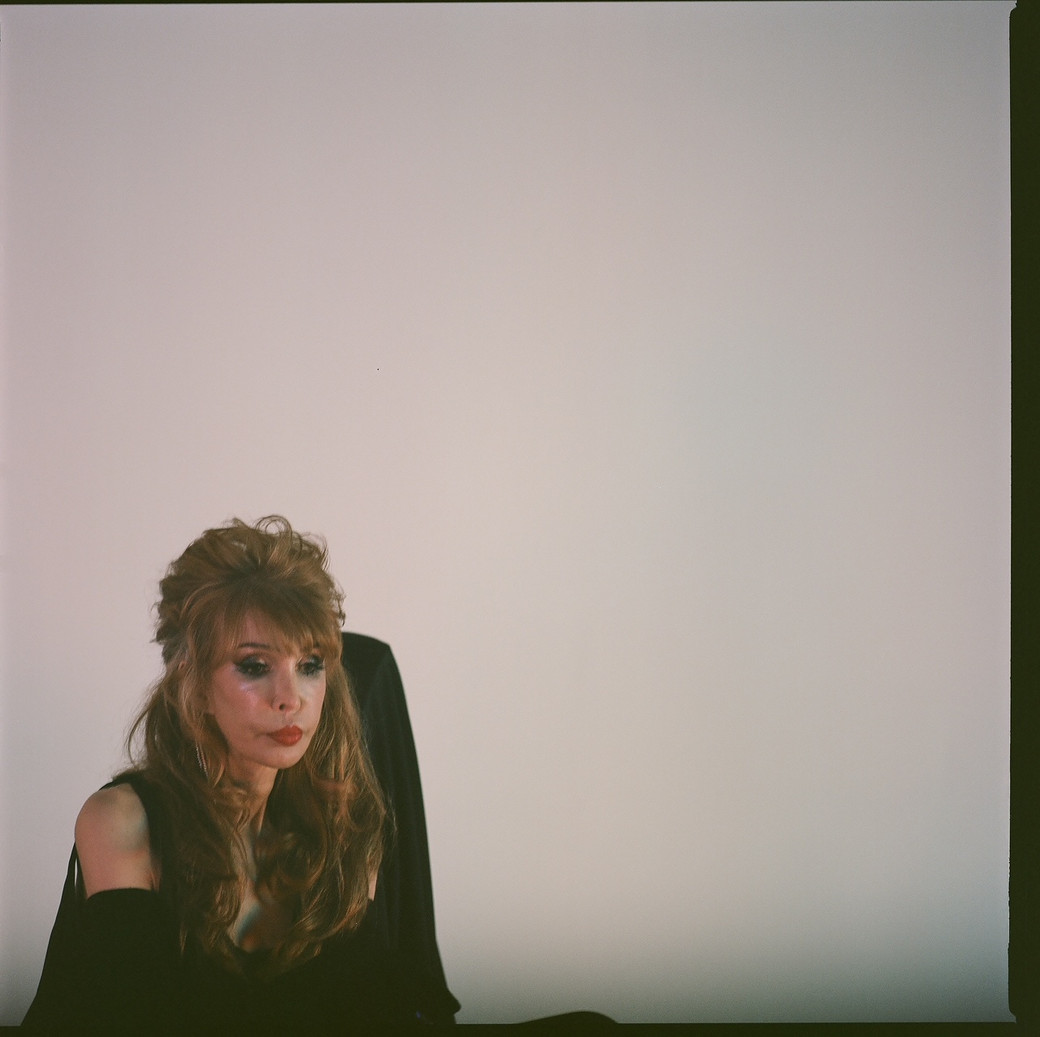
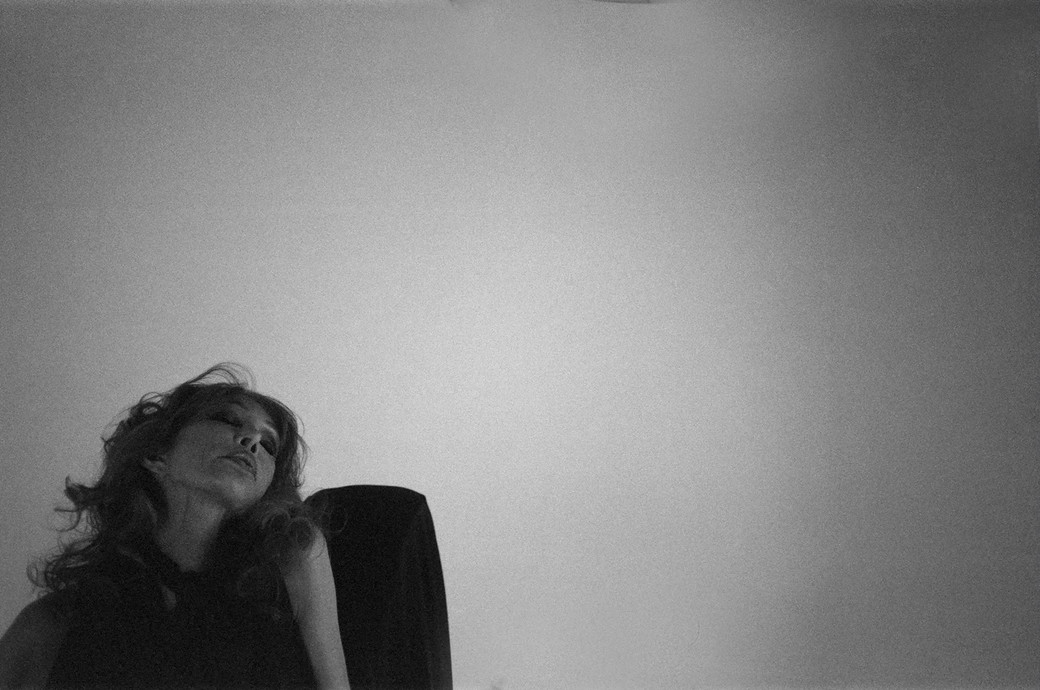
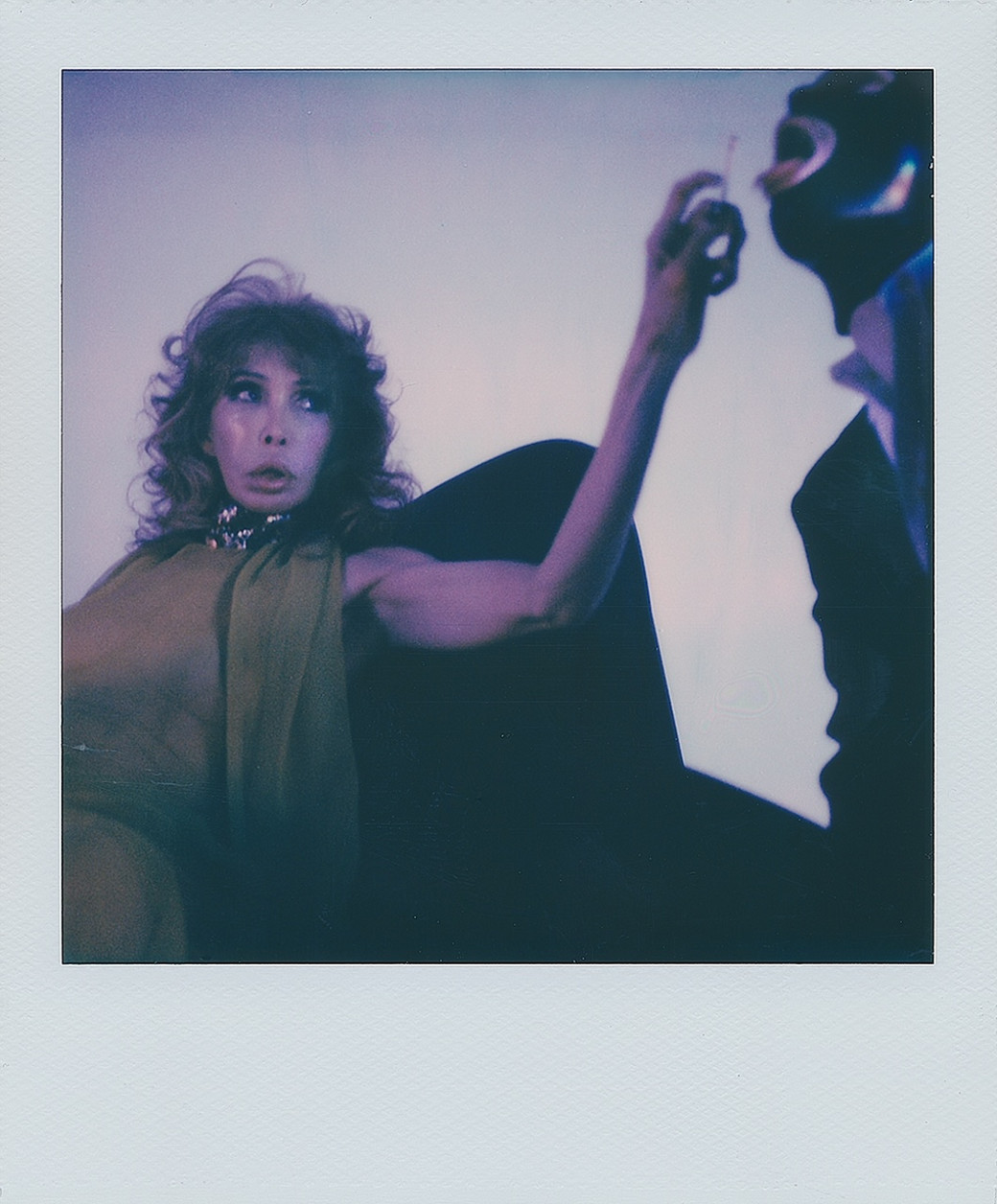
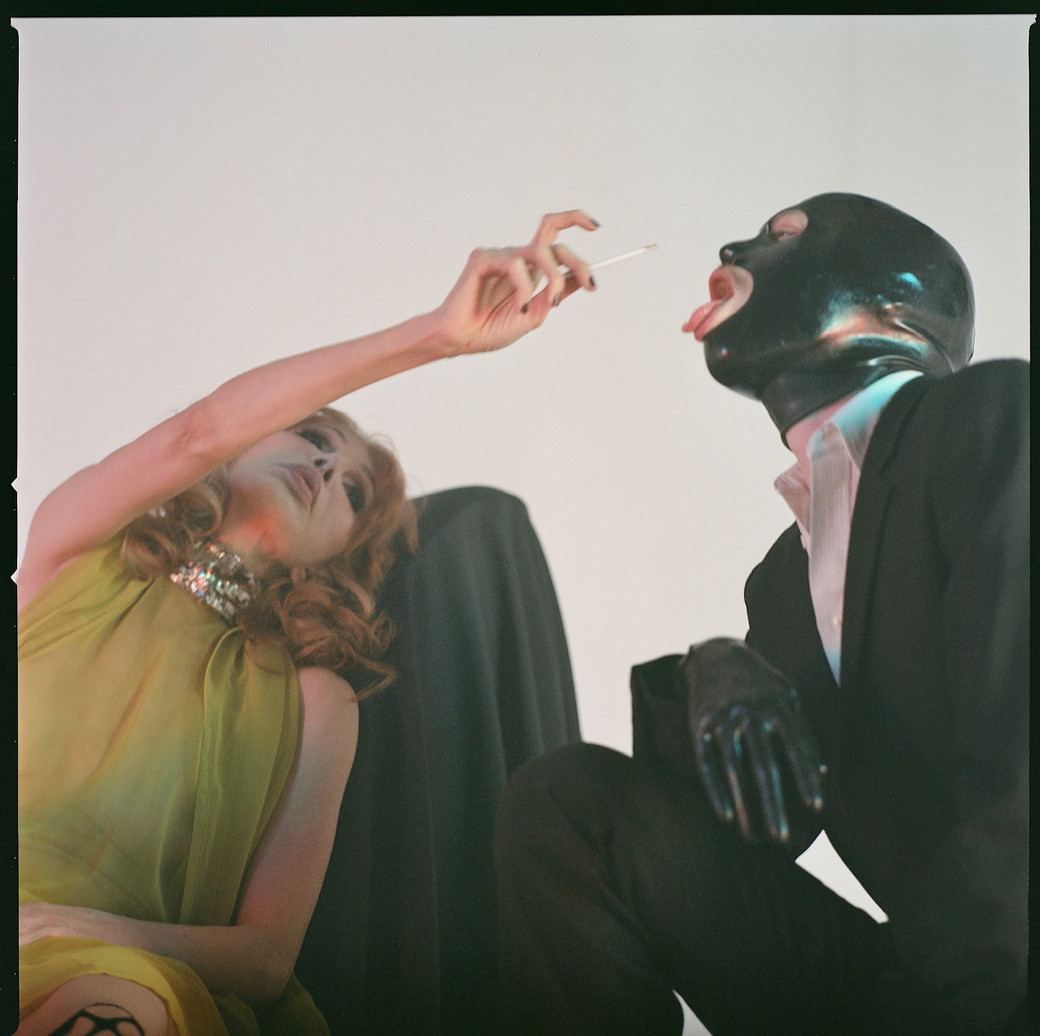
Lamar is a muse for the ages, a lens through which we can explore the love within both our hearts and others'.
Check out the video and photos below.
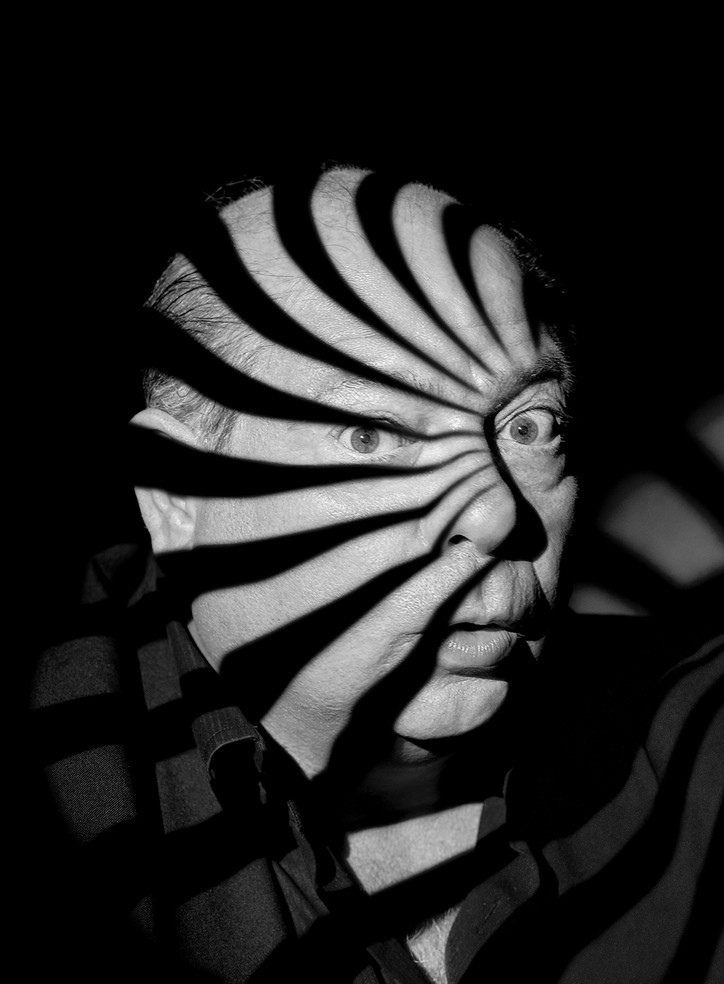
I don’t think anyone would deny that the original Beetlejuice is a beloved goth masterpiece. I never thought of it as particularly American before, but indeed it is: to turn our collective squeamishness towards death into a cynical fetishization, to add sarcasm to the Great Beyond is, in point of fact, a very American thing to do. These days, American culture is digging through its past and canonizing its masterpieces by revamping them any way it can, whether for the stage, the screen, or a hybrid of the two. The stage version of Beetlejuice is the latest iteration of this trend, joining the hallowed ranks of our shared cultural mythology through its resurrection via Broadway.
Burton purists beware: Broadway took many liberties with the story, the characters, the tone, the music, the dialogue, the concept. Right off the bat the point is made clear that you are not about to relive the thrilling Stygian 80s gem, but something else entirely. Beetlejuice, the character, acts as narrator, speaking directly to the audience with meta facetiousness, even in regard to the “departure from the original source material.” The campy faux mourning of Winona’s Lydia is transmogrified for the stage into legitimate grieving, for in this version, Lydia, played by a plucky Sophia Anne Caruso, has recently lost her mother, and her family’s recent move to the new house is her father’s way of moving on from his wife’s death as rapidly as possible. This family drama becomes, for better or worse, the anchor of the plot. The recently deceased Maitlands, who are the real stars of the original film version, become a kind of means to an end on the stage—their primary role is as the ghosts that introduce Beetlejuice to Lydia. The music (it is a musical, after all) is surprisingly upbeat, with fewer numbers with tunes that resemble 'The Marionette’s Funeral March' than one may have thought were called for. The show-stealer was Delia, Lydia’s life coach-cum-step mother played by a hilarious Leslie Kritzer, who’s comedic timing was spot on and her character switch to the Argentinian beauty queen in the netherworld brilliant. Adam Dannheisser wasn’t half bad as the father, either — I looked forward to the moments when he and Delia were onstage together.
I’m assuming you’ve seen the movie, of course. The real question with Beetlejuice on Broadway isn’t whether it was successful or even good, but whether it’s at all possible to take an iconic treasure and revamp it with ample creative liberties and have it stand on its own. Stories of this nature, for us modern-day godless American heathens, form our fractured cultural mythology: these are like the tales the Greeks and other ancient societies told around campfires to explain the phenomena of the natural world. The difference is that we use and exchange our stories differently, they contain a specific source and an exact form—Beetlejuice the film never changes, hit play now and it’s the exact same movie as it was 20 years ago. Its adaptation to the stage represents what occurs naturally to a myth when it moves by word of mouth: it changes.


'Beetlejuice' is currently playing at the Winter Garden Theatre in New York City. Slideshow photos by Matthew Murphy. Lead Image: Danny Rutigliano (Maxie Dean), photo by Darren Cox/Spotco.



"I don't know if when you're that young you purely think about yourself being one thing because you're in this constant state of discovery, and looking for where you get the most positive feedback from your talents," Ali explains, and as someone who ventured into the realms of sports and music before following his intuition all the way to the Hollywood Hills, the realness of this sentiment is almost tangible. But Ali, if anything, is living proof that creative fulfillment takes many forms, and is achieved through finding ways to incorporate all of your passions into your everyday life--music, acting, sports, fashion, you name it. Ali has been a face and muse of Death to Tennis since 2016, and office has the pleasure of sharing with you a portrait film of the actor for Stylist and Art Director Vincent Oshin and the budding streetwear brand. No need to paraphrase wise words, just watch the video directed by Chet King below.

The experience is a culinary journey, each small course a virtuoso little performance on the palate. The numerous waiters that dance about the table bringing another little chapter in the story, clearing away the ruins of others, form a kind of dazzling choreography in and of themselves. As this is going on, and you and your table mates are still negotiating what to try next, from seemingly nowhere emerge made-up women in flowing white gowns carrying large double-sided mirrors in gilt Baroque frames. They gaze at themselves while simultaneously offering a reflection to each table they slowly move past.
This is the conceptual zenith of the show, which from thence forward is pure spectacle, revolving around aerialist acrobatics and a healthy portion (or two) of exposed flesh. A florescent human tree illuminated in blacklight was a visual high point, but as soon as the curtain revealed the tree it was deconstructed, a missed opportunity for the enthusiastic dancers.
I tend to expect too much of everything, even at an orgiastic pageant in Times Square. The performance was produced by House of Yes, the sexy Brooklyn club space that has become a nightlife mainstay, and which is, consistent with the spirit of nightlife in Brooklyn, delightfully DIY. That sensibility, however, doesn’t necessarily translate to a top-dollar hotel in Manhattan, where the surroundings exude an opulent polish that implies a performance at the level of Dita Von Teese or something on the mainstage of the Bellagio in Vegas. I have a feeling that, even as I write this, the troupe has tightened their dance moves, added a bit more conceptual titillation throughout, and either hired a glittery drag queen to host or put the current host in glittery drag. I wouldn’t hate a live band, either, but maybe I’m reaching.
The food was incredible, the service incomparable, and the dance party at the end entirely dependent on the group you came with. Luckily the office crew is a bunch of jitterbugs.
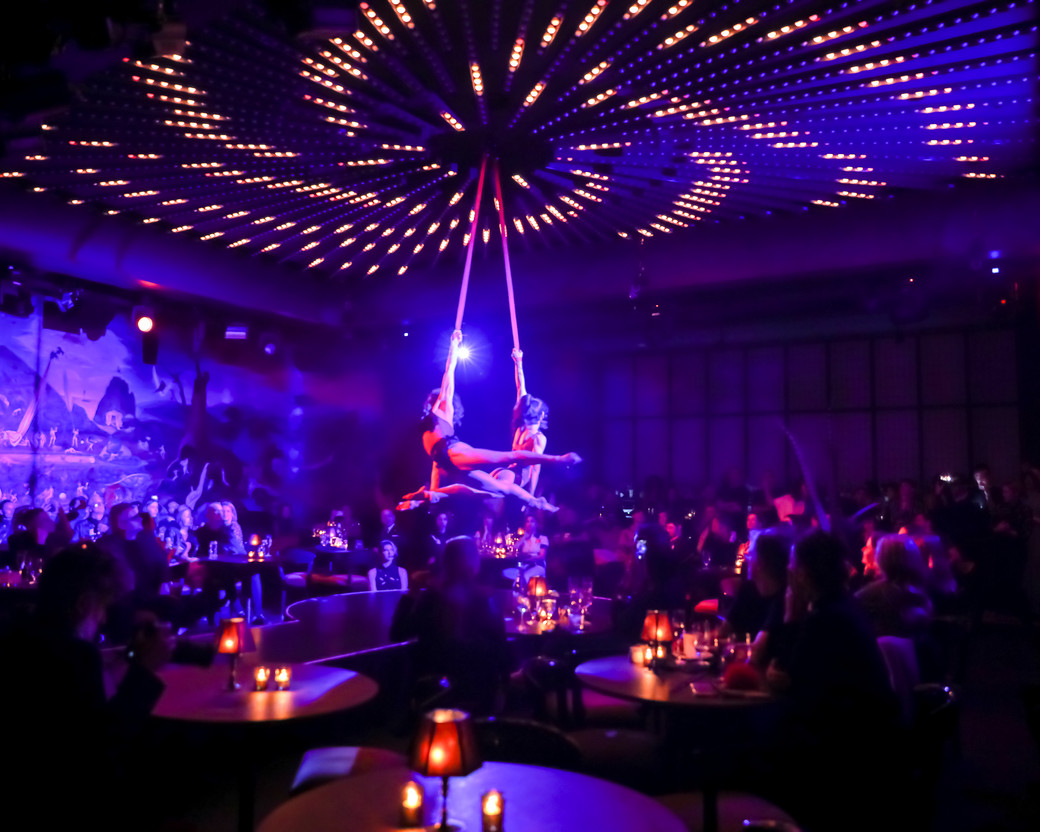
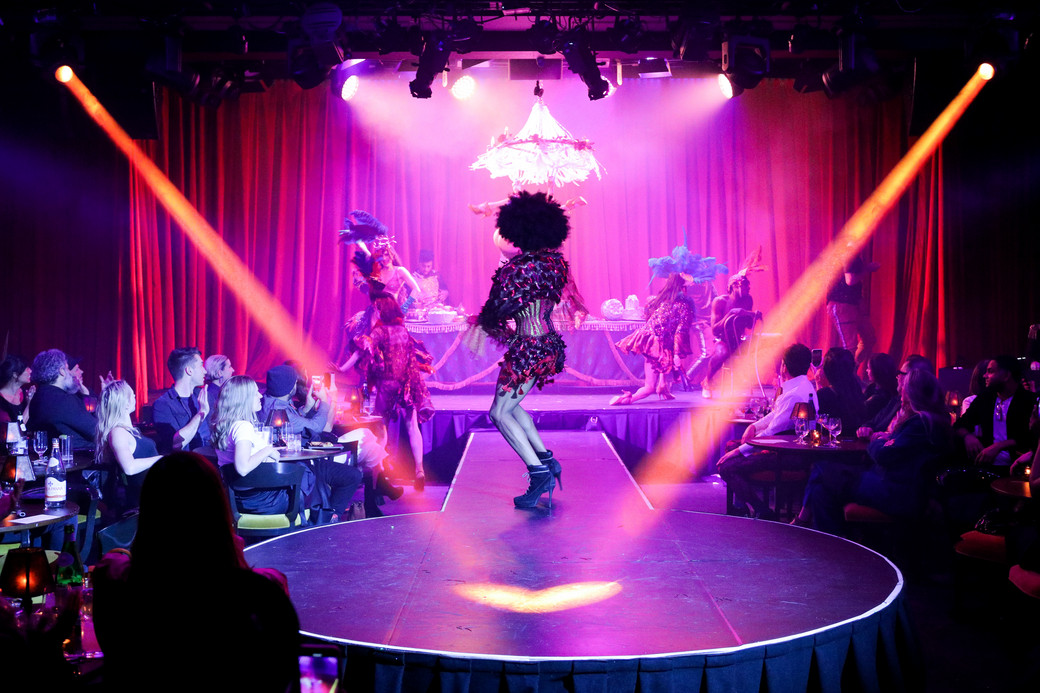
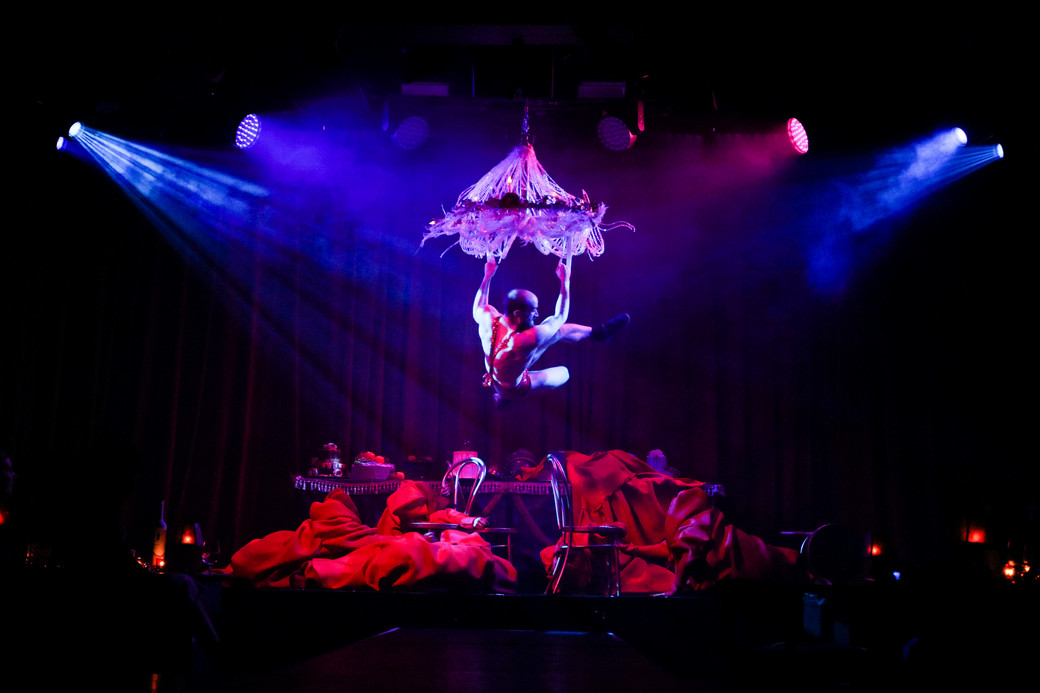
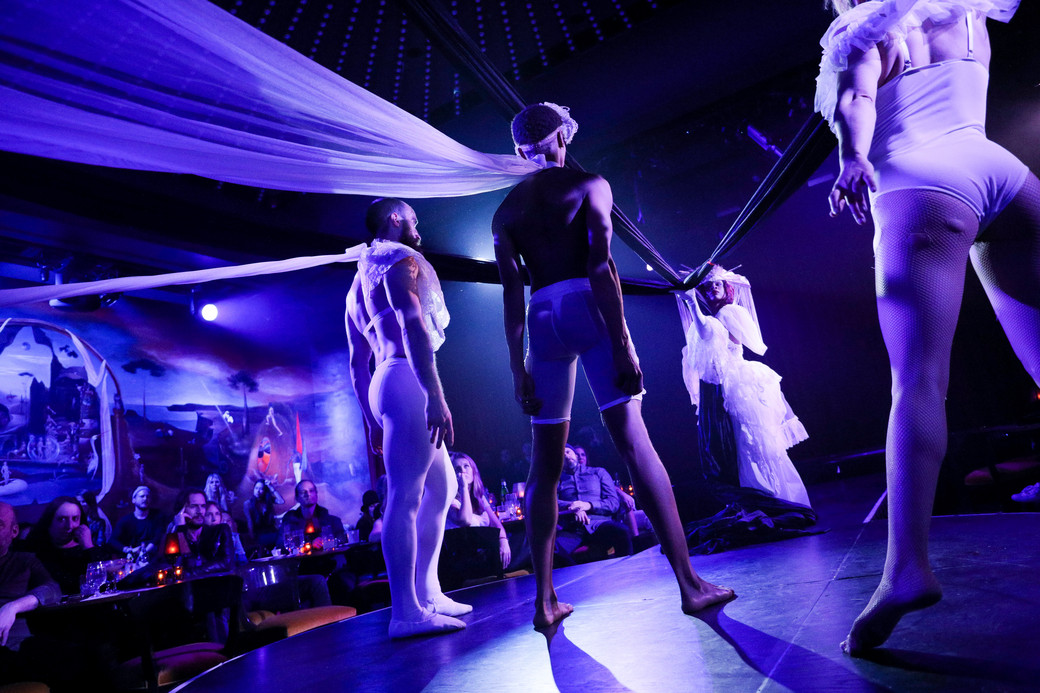
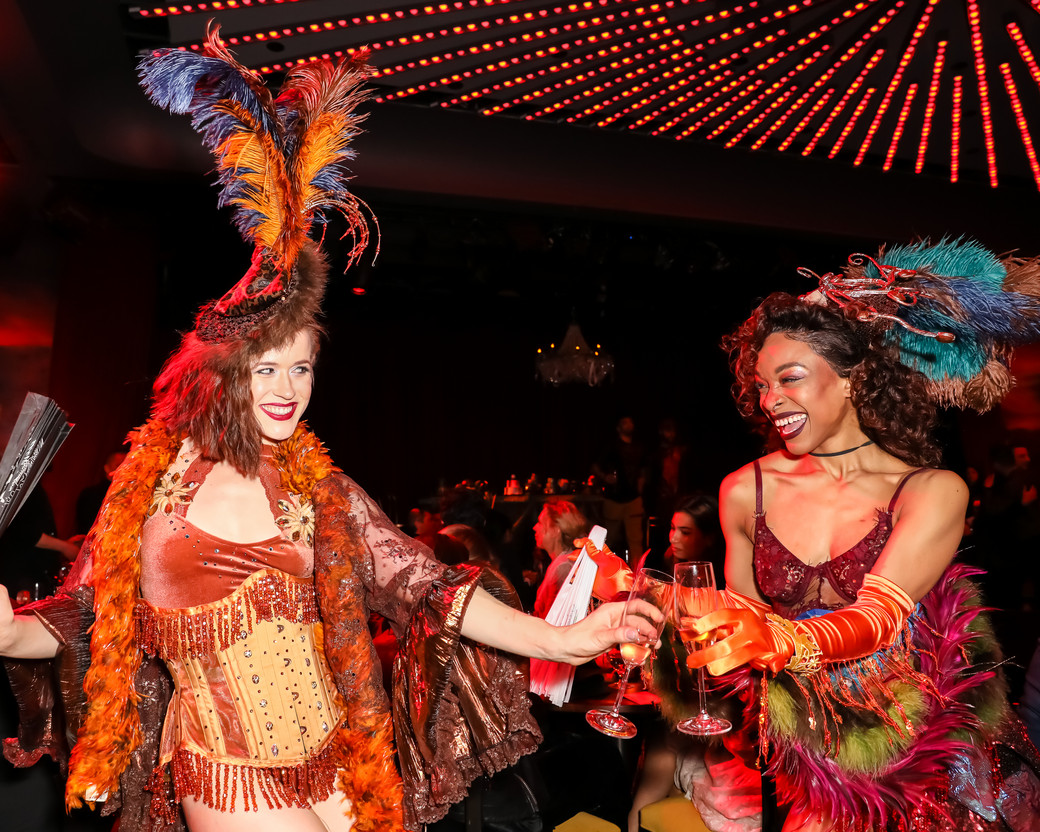
'The Devouring' is now open at Paradise Club in The Edition Hotel in Times Square.