For Lovers
Lamar is a muse for the ages, a lens through which we can explore the love within both our hearts and others'.
Check out the video and photos below.
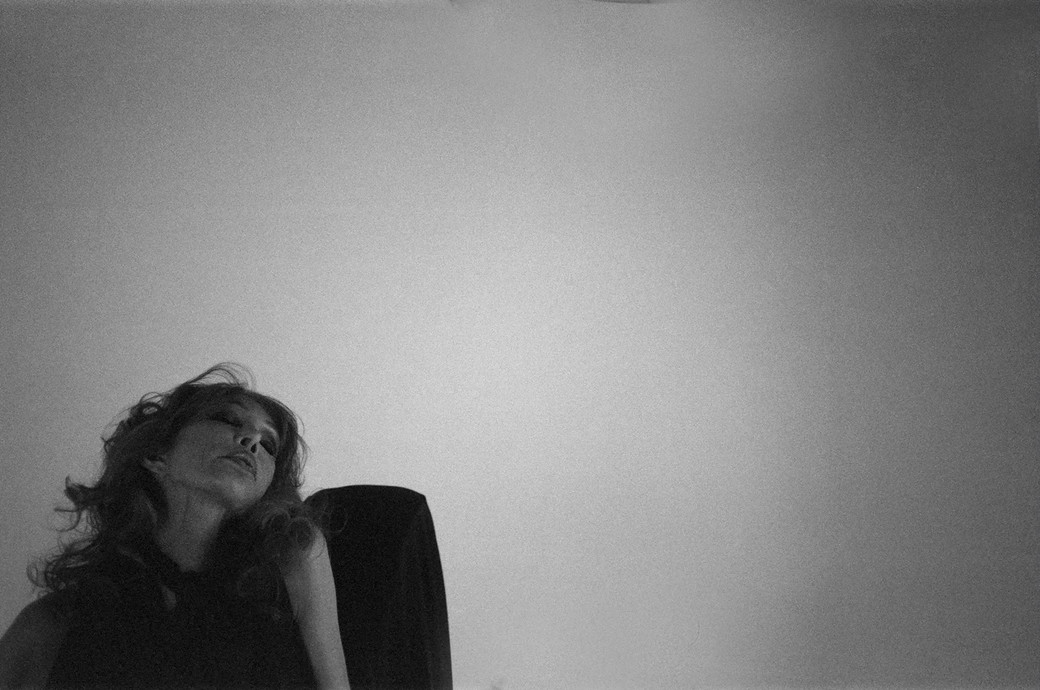
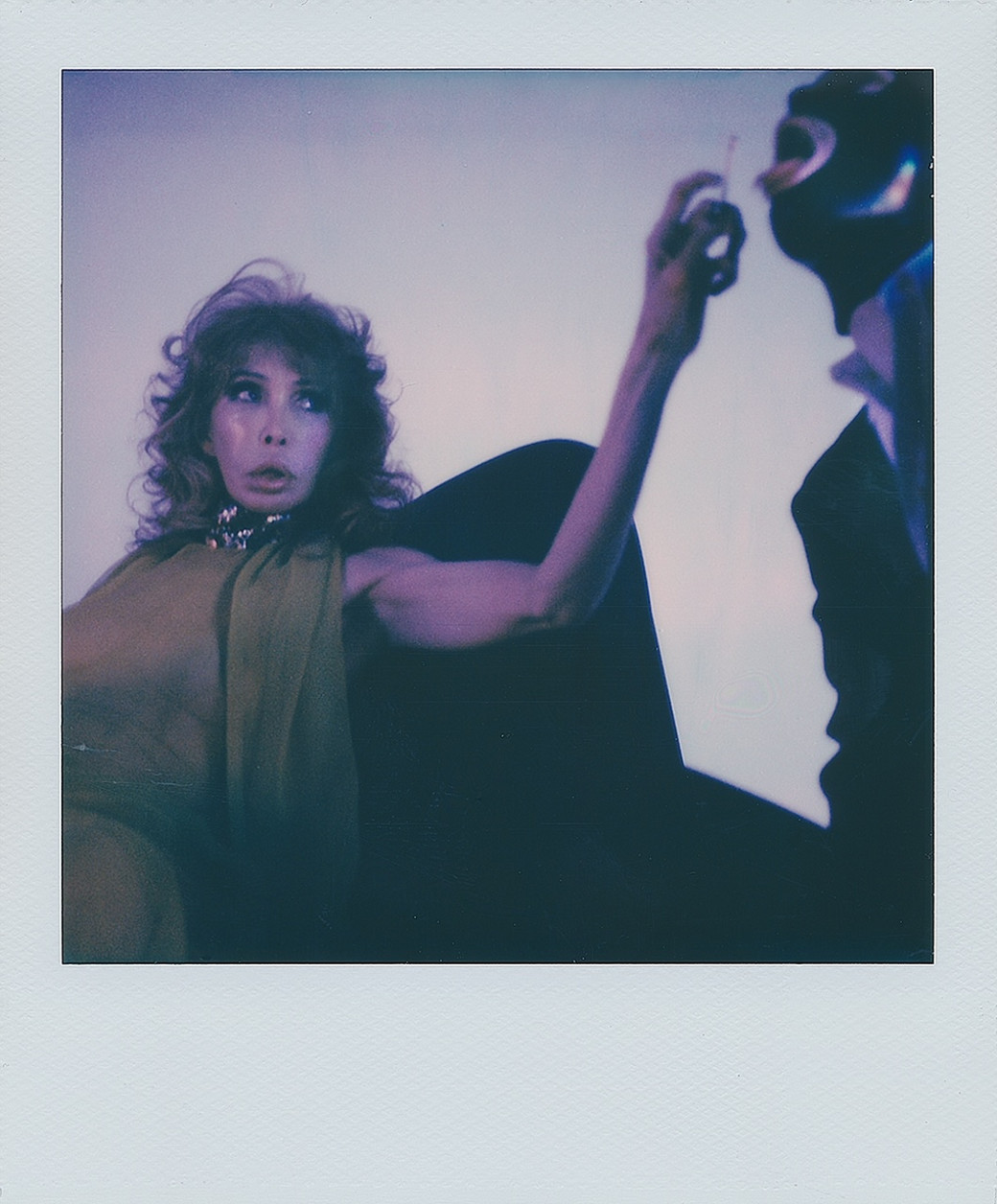
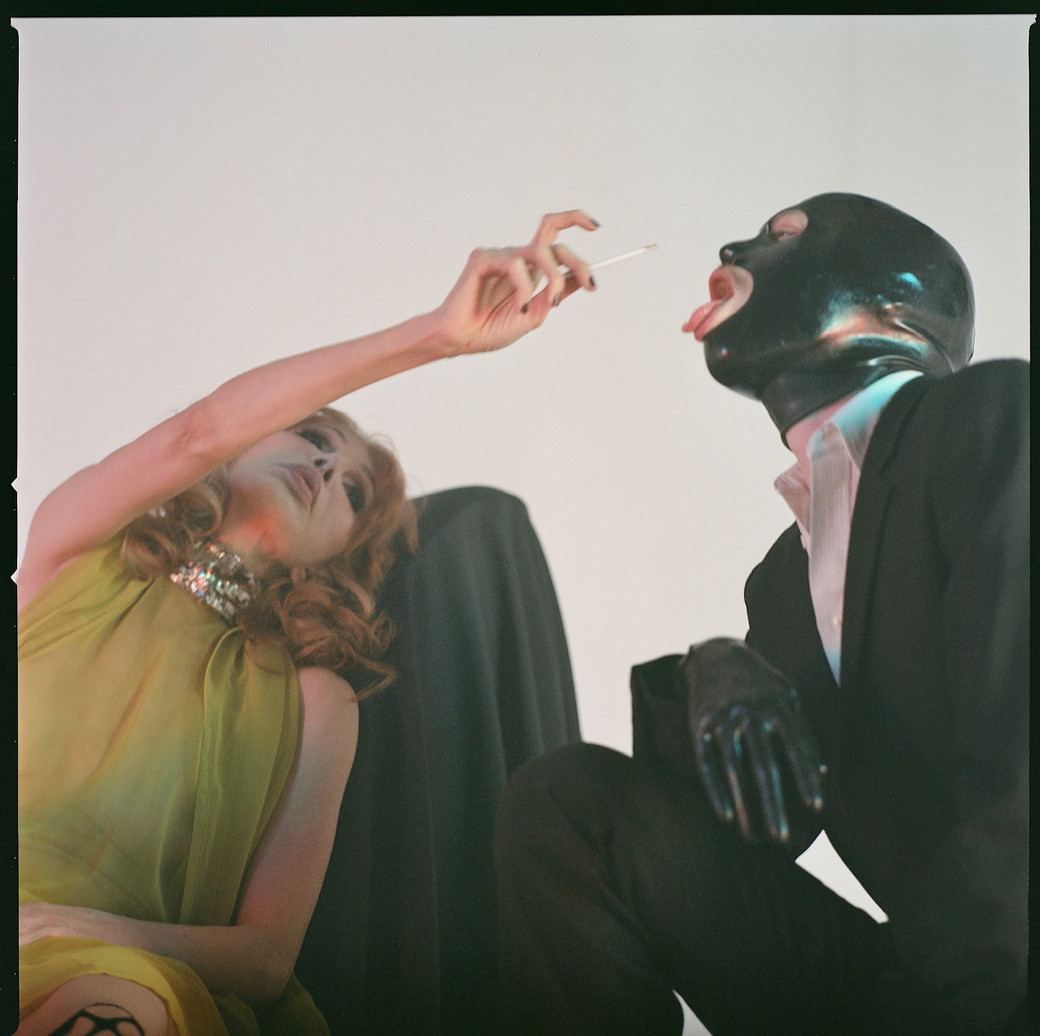
Lamar is a muse for the ages, a lens through which we can explore the love within both our hearts and others'.
Check out the video and photos below.

Read our interview and peep the images, below.
Tell me about this shoot.
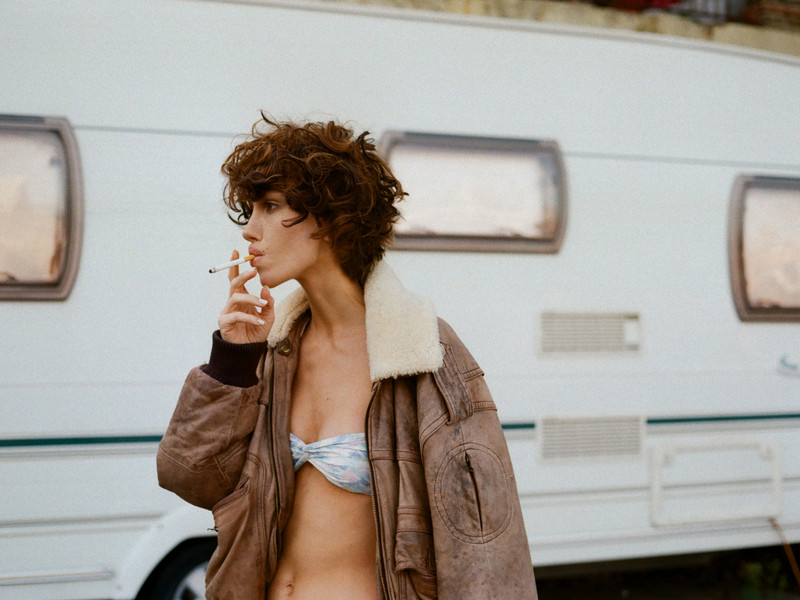
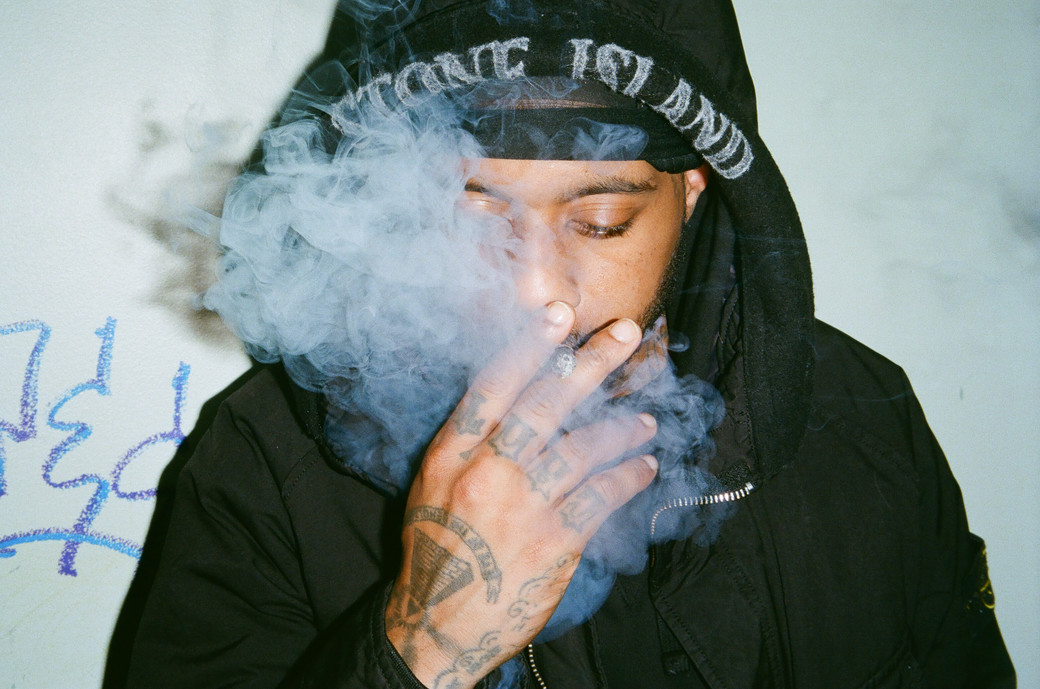
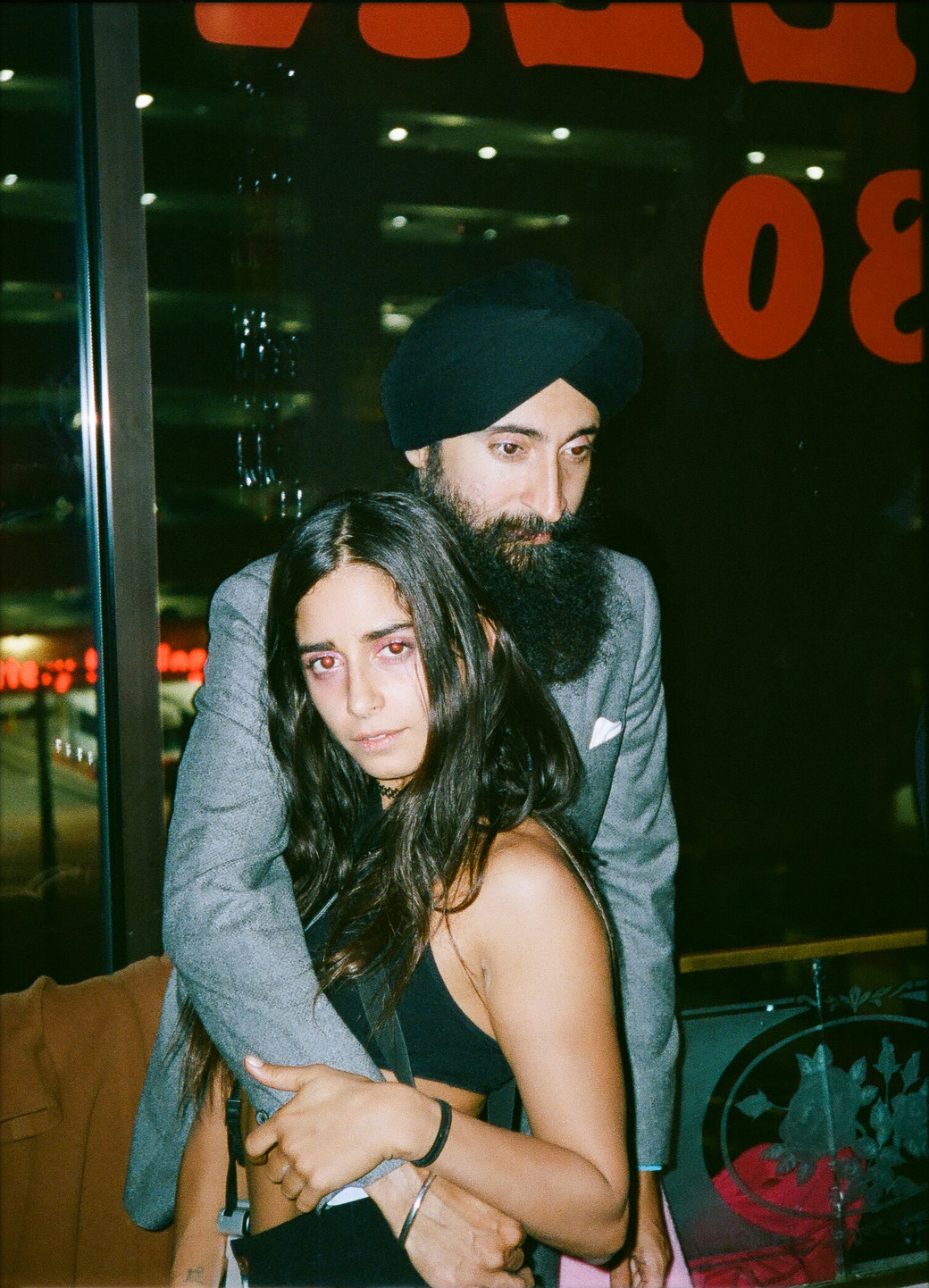
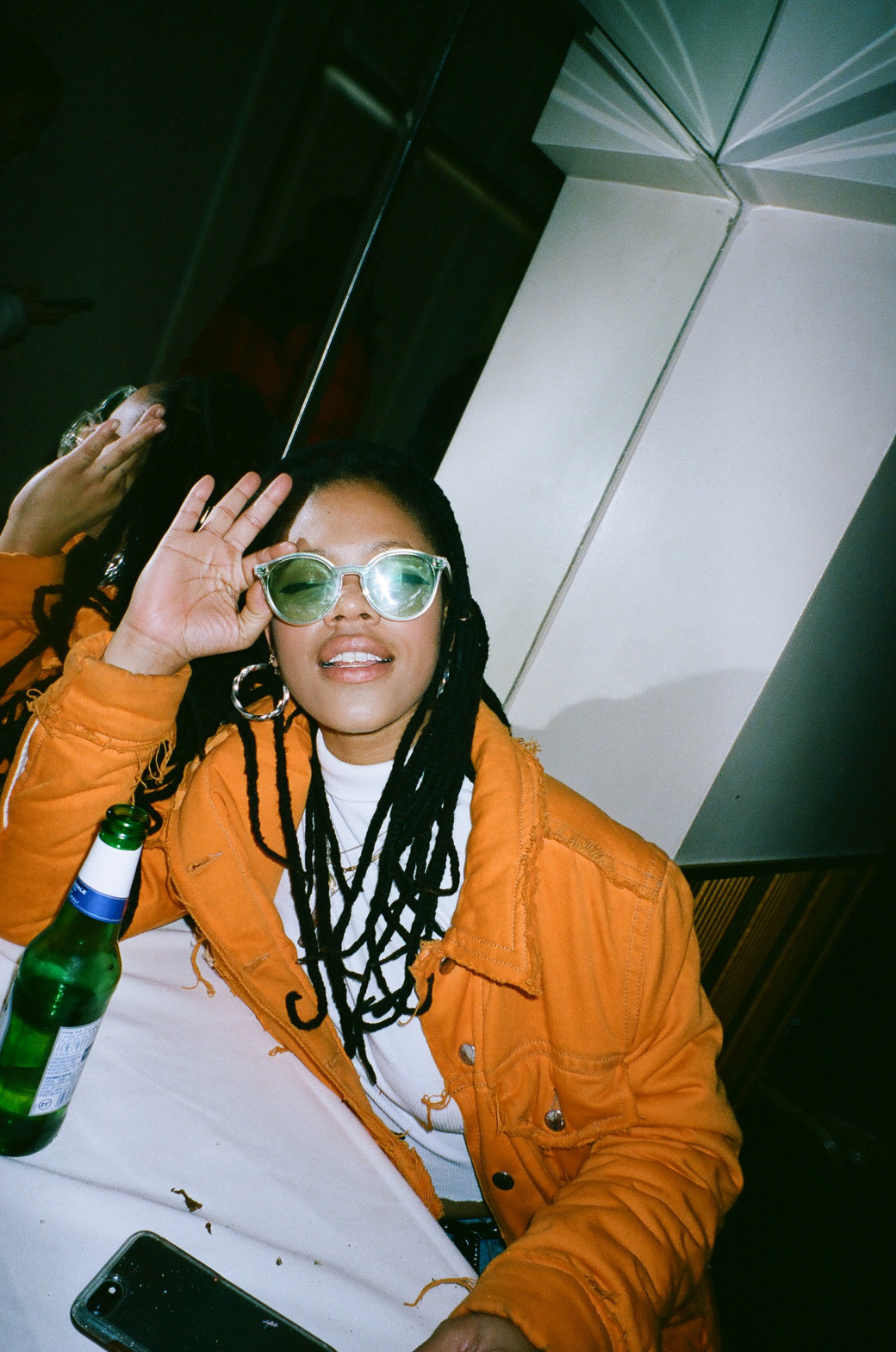
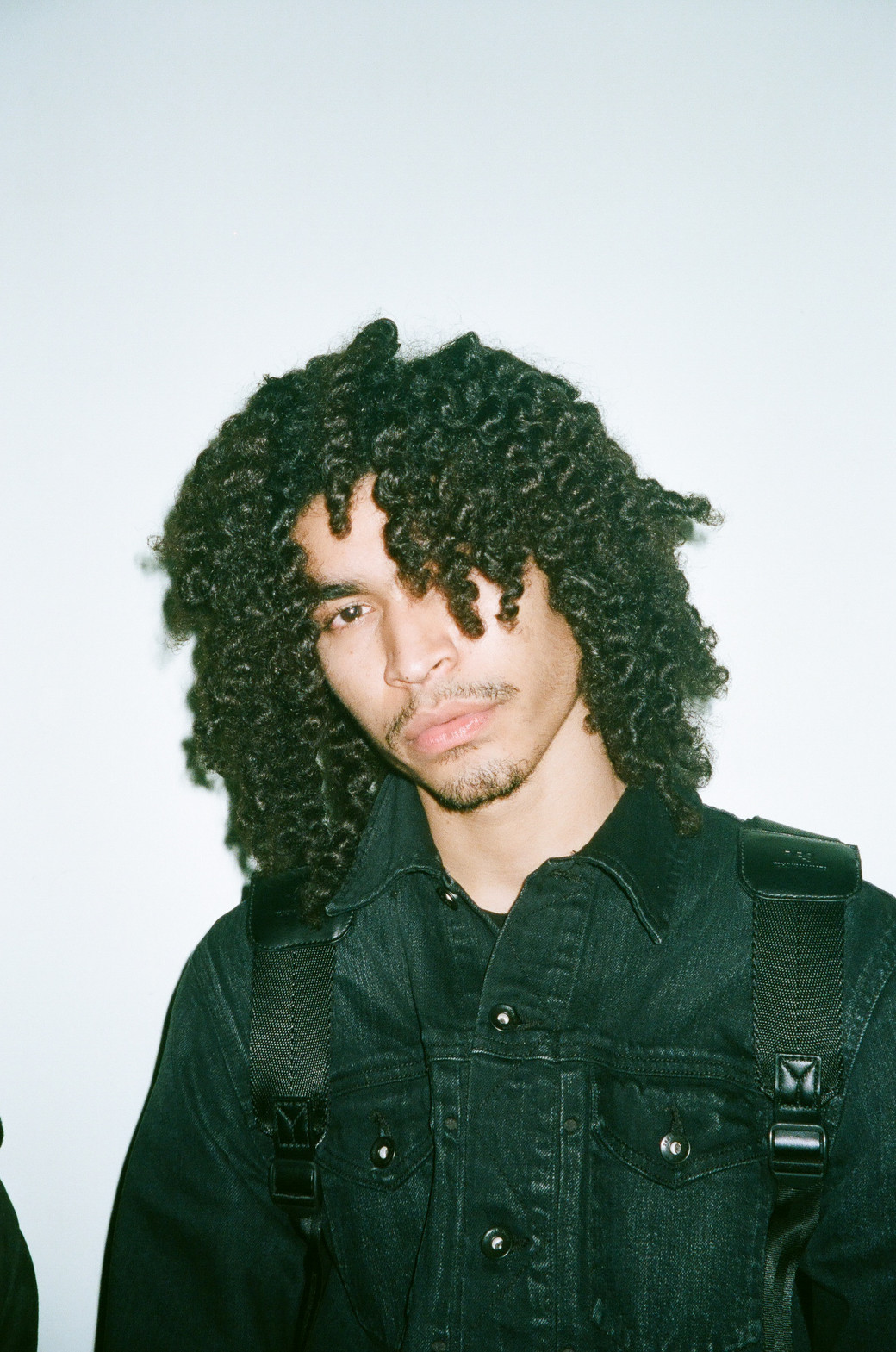
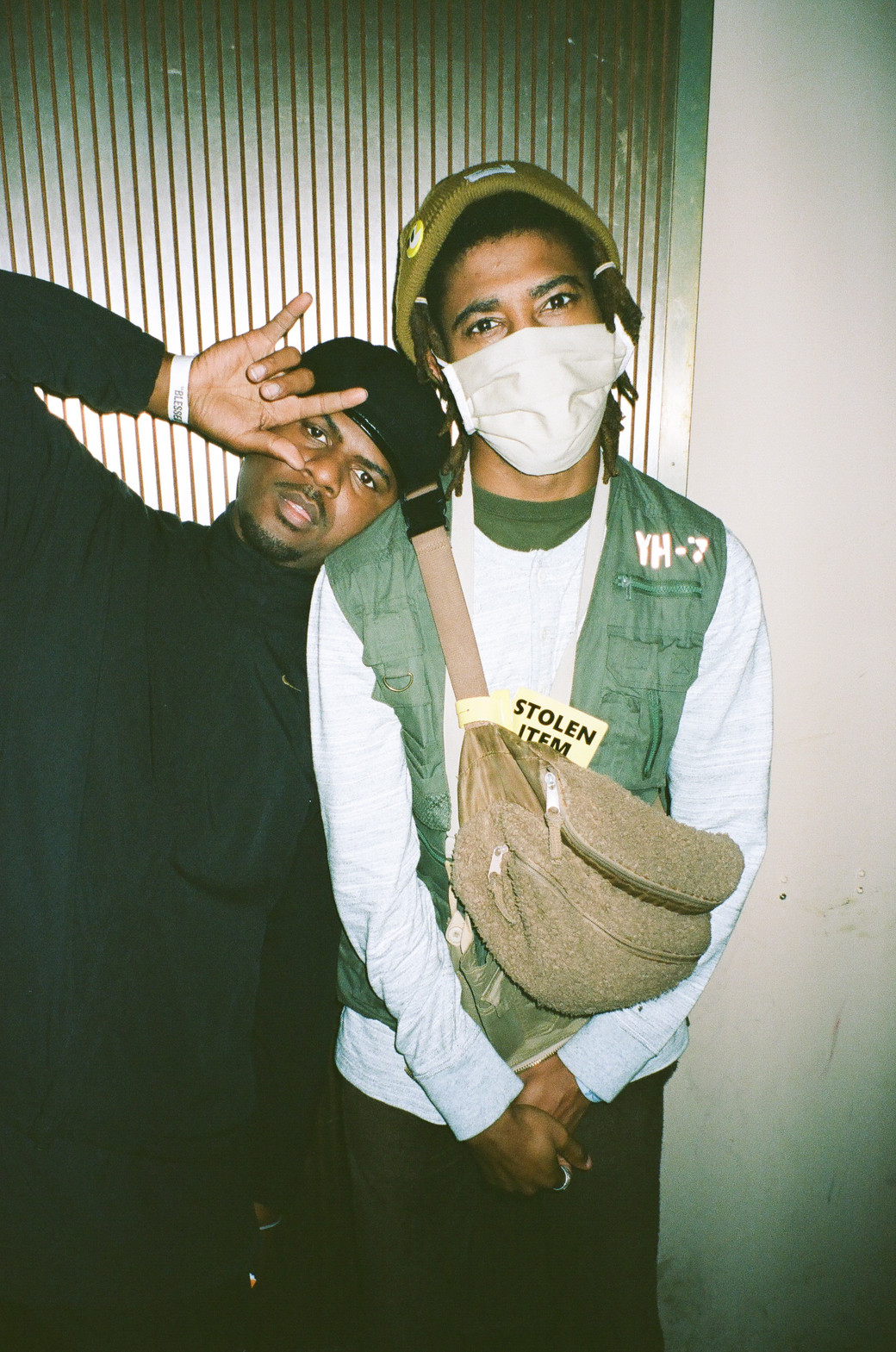
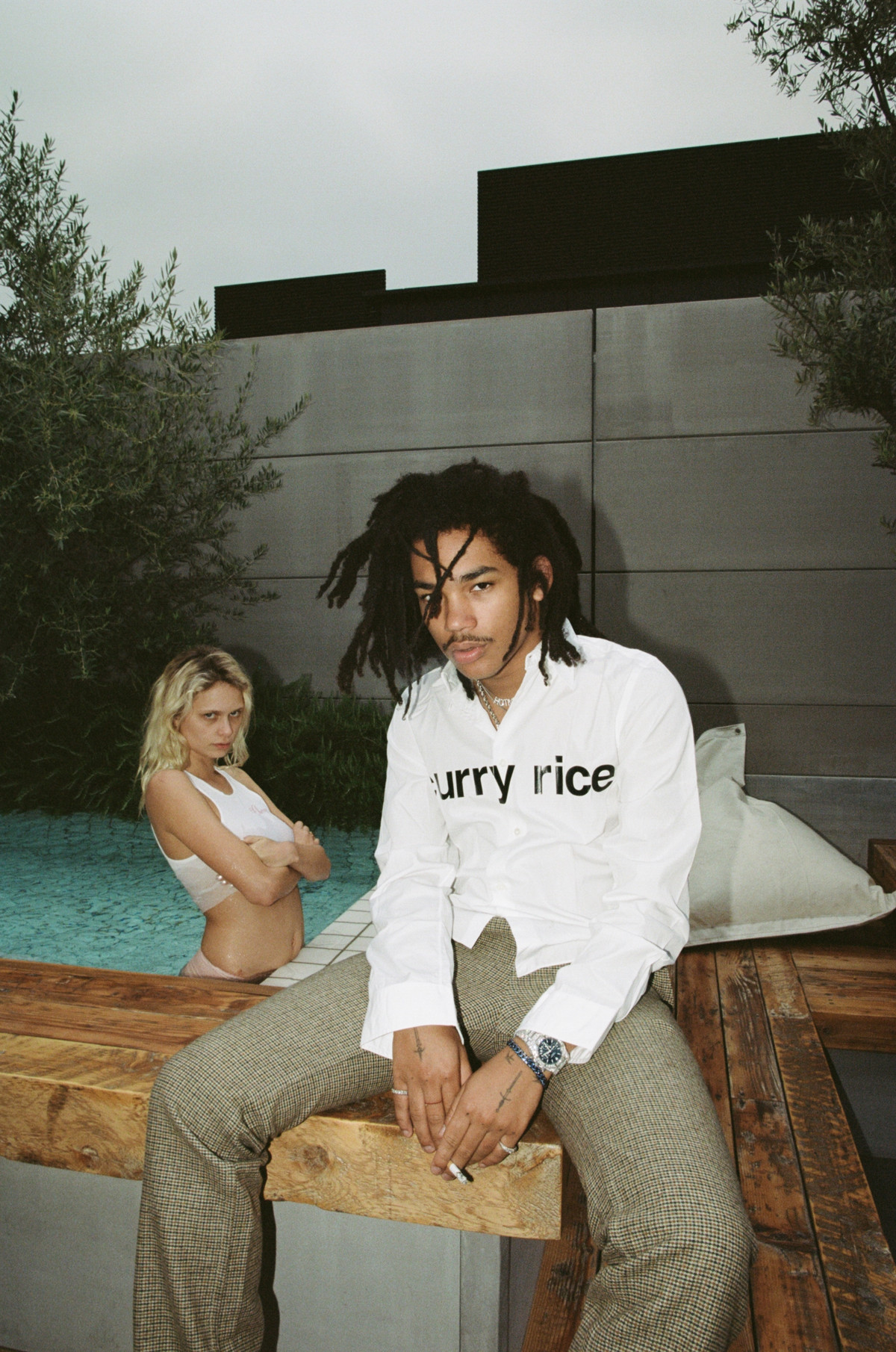
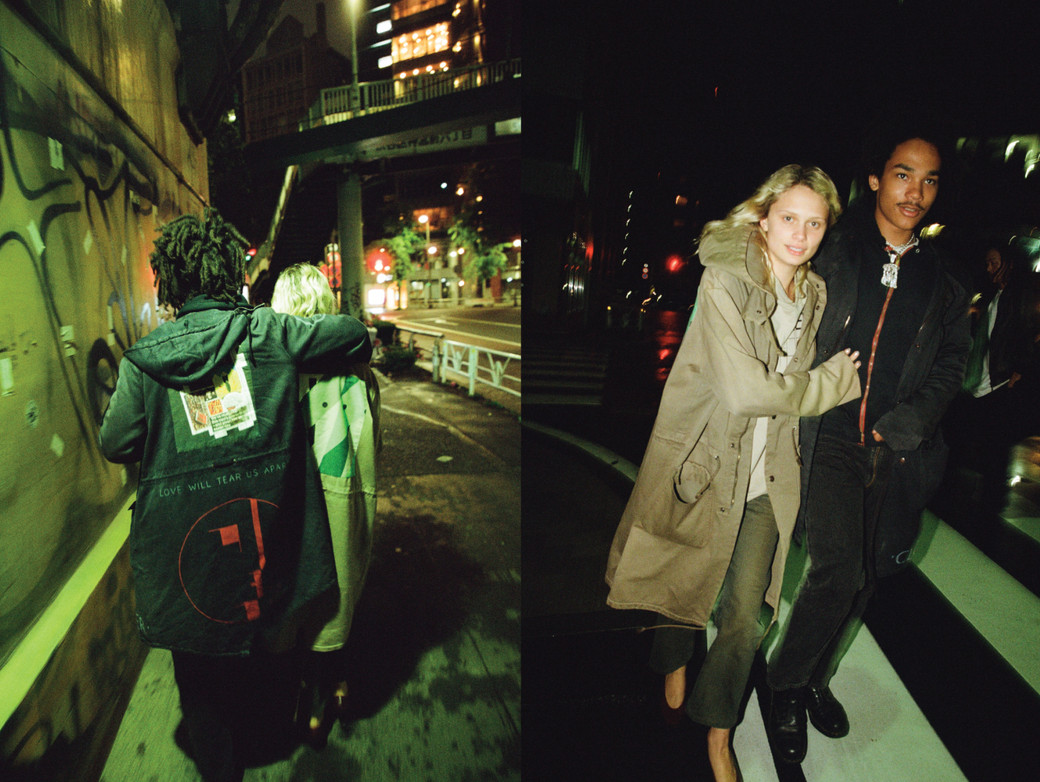
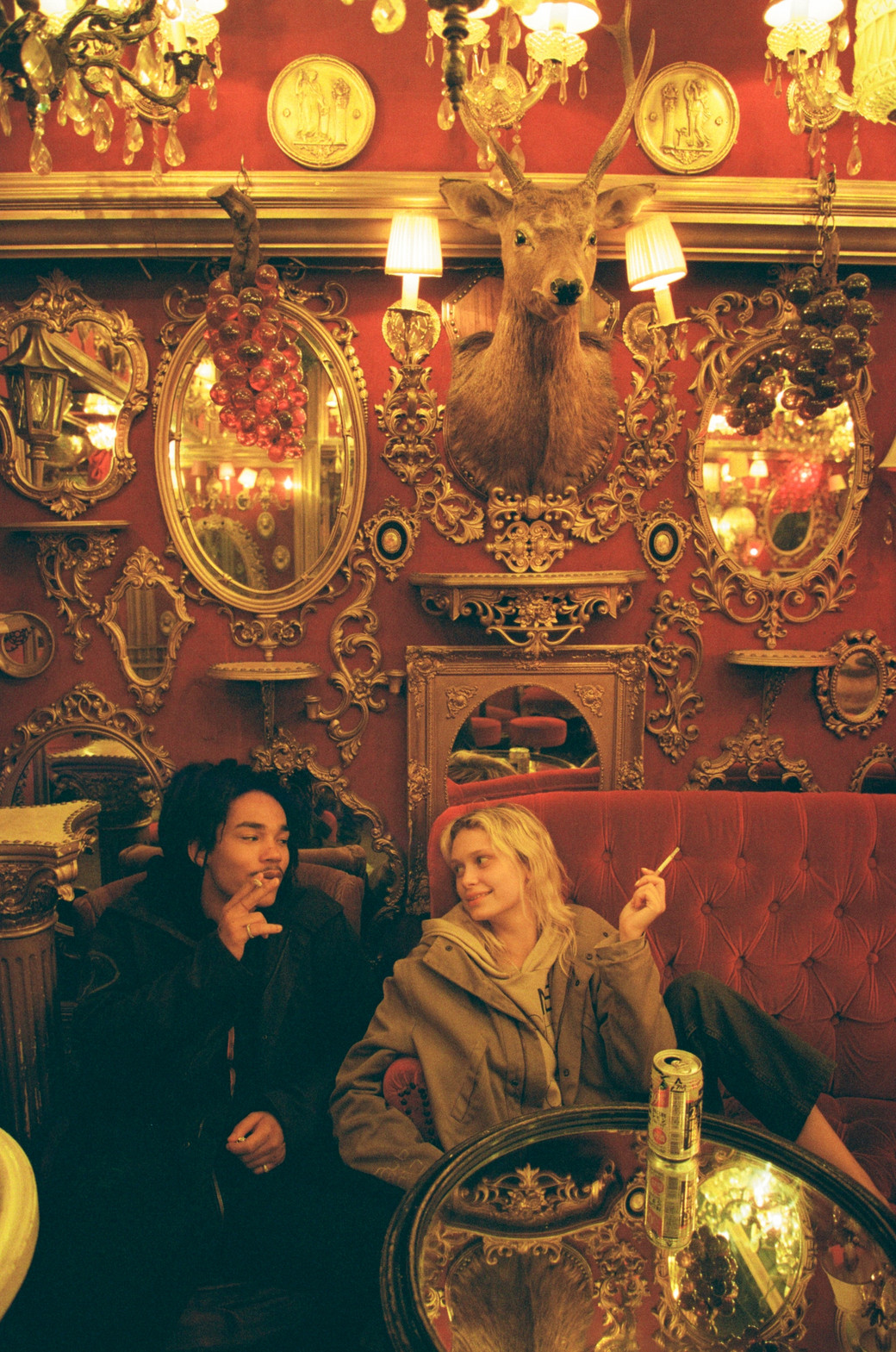
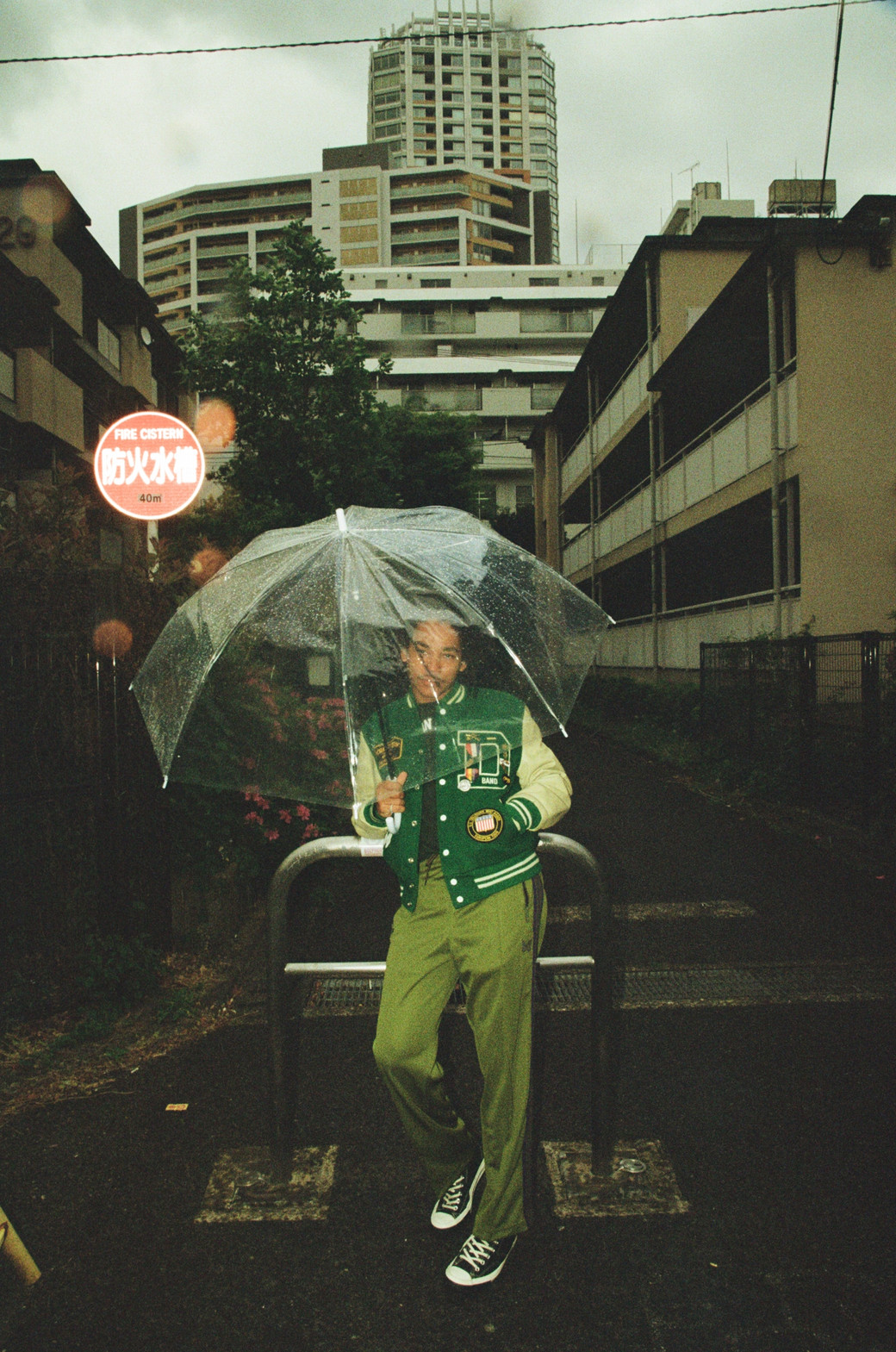
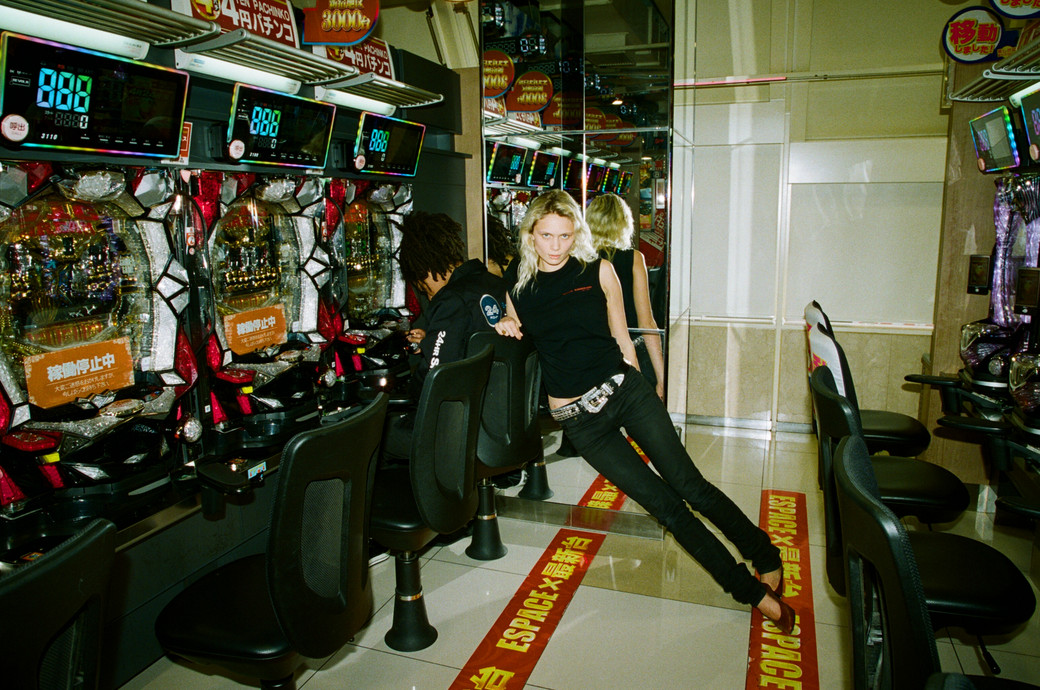
Noah: We’ve always wanted to go Tokyo, and Luka wanted to have something in his repertoire that was shot there because he’s never been photographed in Japan. Then we had the idea to fly out this model that we really like to be his girlfriend in the photos, doing a sort of ‘day in the life’ style shoot of what Luka would actually do in Tokyo if he was there with this girl. So, we went all over the city, and I just shot them doing everything from going to the arcade to just hanging out. The photos turned out looking really organic, because at the end of the day, that’s really what it was.
How long have you two been collaborating? What’s your process like?
Luka: We met on Twitter, like, three years ago. It’s basically that modern classic story of meeting on social media. But we’re basically the same person split in two bodies. We really do have one brain—we say the same things at the same time, we think the same things at the same time. It’s just never-ending. That’s how it goes.
Do you find there are any challenges working with another person? With art of any kind, there’s always a level of ego involved, and working with another person always requires some sort of compromise.
Noah: Working with anybody else, yeah, that’s usually a problem. But like Luka said, when we go into something, we pretty much always have the same vision, even if we don’t know it yet. We’ve really only fought like, twice, and that’s just because one of us was being snarky. But that’s really because we value each other’s opinions enough that if one of us doesn’t like the direction something is taking, we’re really willing to take a step back and take a second look at things, and really trust what the other one feels or has to say. Even though we’re both from totally opposite backgrounds and upbringings, it somehow just works out.
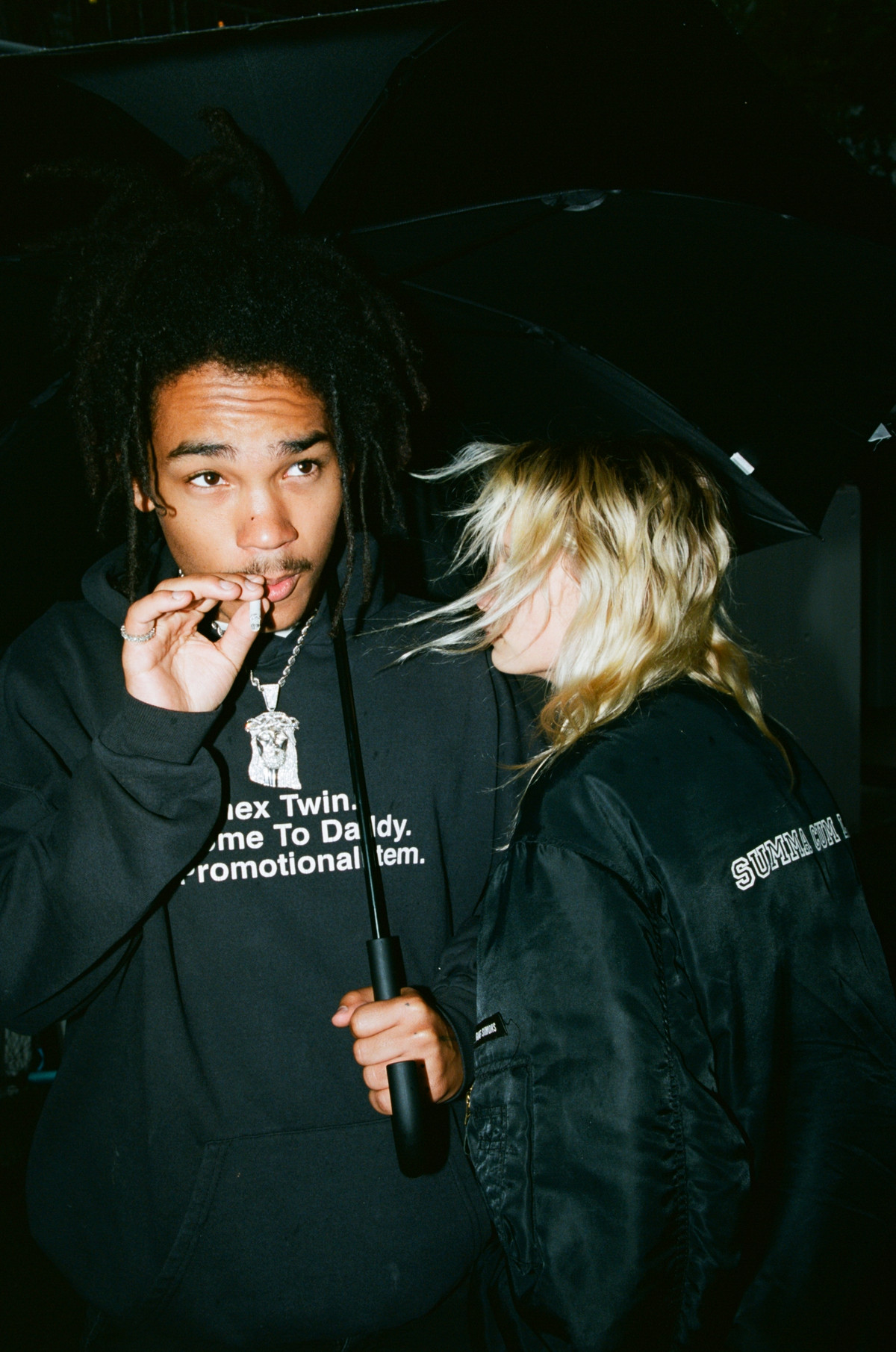
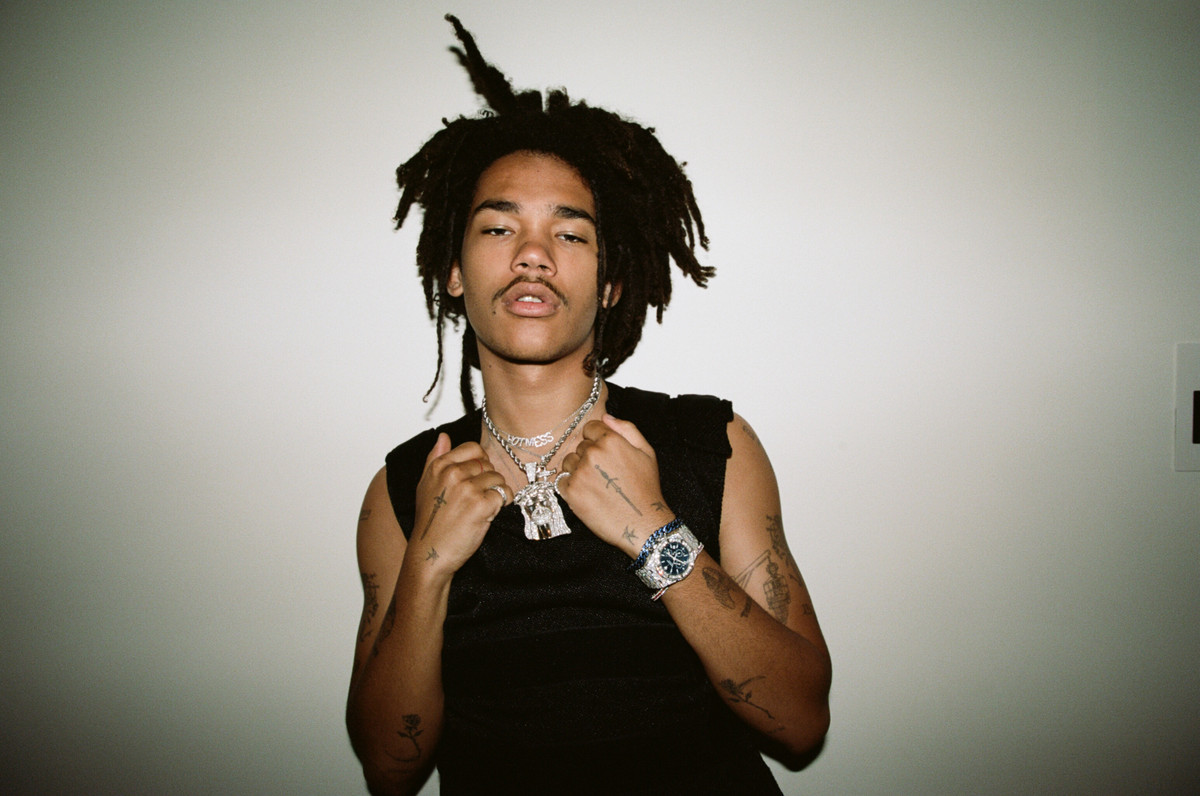
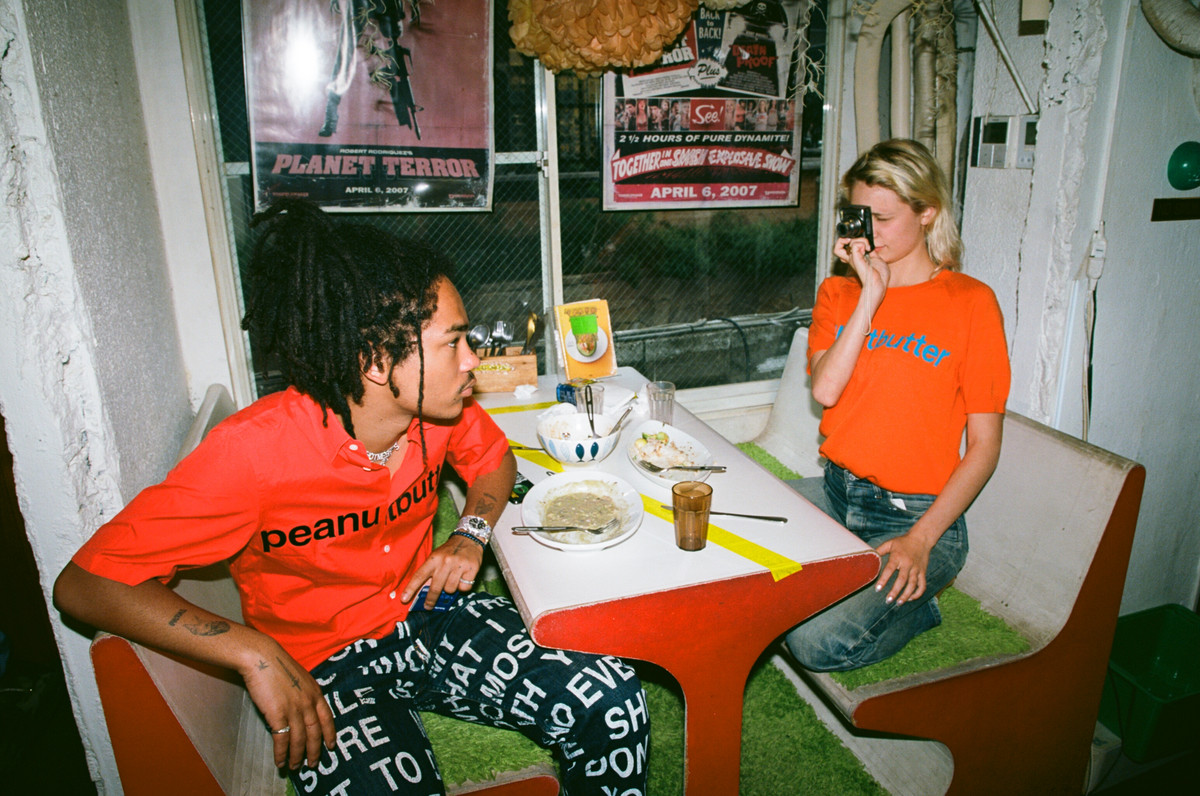
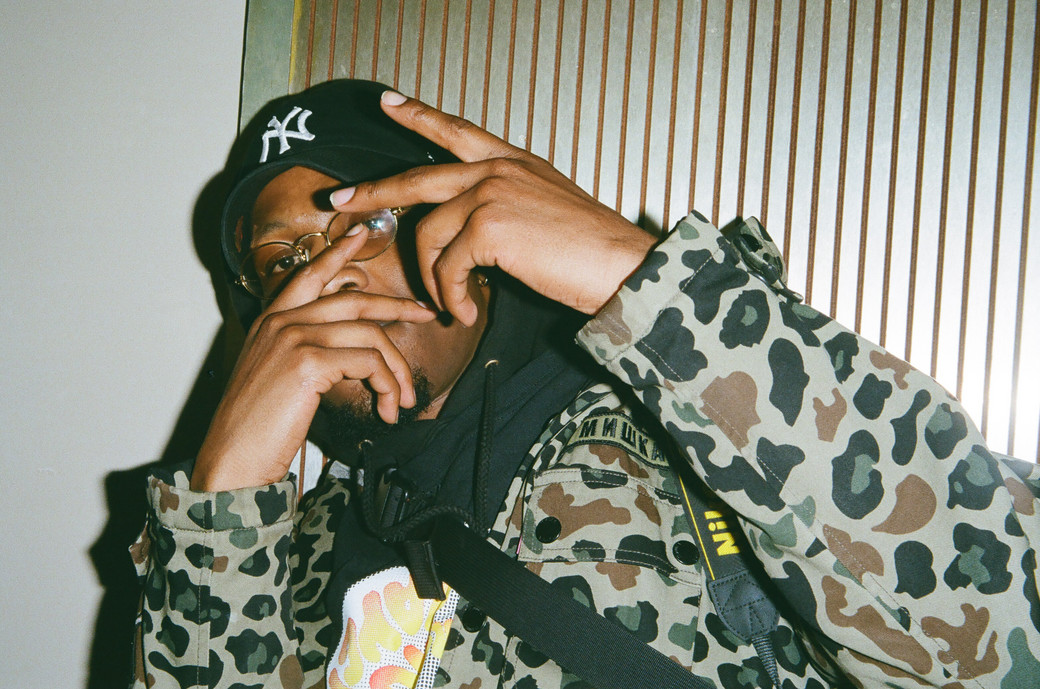
From left: Raf Simons archive bomber (on Lilah); Helmut Lang archive; all Junya Watanabe.
Speaking of backgrounds… how did you both get into art and photography?
Luka: I just woke up one day and was like, ‘This modeling shit sucks.’ Literally, dude. I hated being a model. So, I reached out to Noah because I liked what he was doing and I realized the only way for me to have fun in the fashion scene is to have my own thing going and to have full creative control.
Noah: Yeah, pretty much Luka DMed me saying, ‘I have an idea for this project’ and we just started working on it from there. But I’m from a small town in Colorado, and I was just shooting things like mountains and horses—stuff like that. Then we came together and everything kind of spurred from there.
Luka, you said the only way for you to have fun in the fashion world is for you to be doing your own thing. So, how do you make sure you’re always making something unique, especially now, when everything is so oversaturated?
Luka: Funny enough, we actually don’t pay much attention to what’s going on. We’re not a brand, right? So, we don’t make clothes. I mean, I can go to Fashion Week and it’ll inspire me, but not to go home and make some clothes that look exactly the same. So, on a creative level, most of what’s being pumped out, we don’t pay attention to, and most of what we do see, we don’t really like. Basically, we do shit because we hate a lot of what’s out there. So, it’s kind of like, ‘Let’s make shit we do like, so we don’t have to look at the shit that’s already done.’
What does inspire you, then?
Noah: It just depends—everything from laundromats to weirdos on Instagram that no one pays attention to. Just things we think are cool that most people probably don’t even notice.
Luka: Yeah, like lots of random stuff on the internet and troll culture—that’s a big inspiration to us. Trolling is very important in 2018.
What about for this shoot in Tokyo?
Noah: Right now, I don’t know—I’m just a really bad person to ask because everything I’ve seen leaves me feeling pretty underwhelmed. I look online and I see things that are almost cool, but then I think, ‘I wish fashion was more like it was in the mid-90s, or music in the mid-60s,' you know? I mean, this is going to sound super arrogant but I’m really inspired by us and what we’re doing—it just makes me want to do it more.
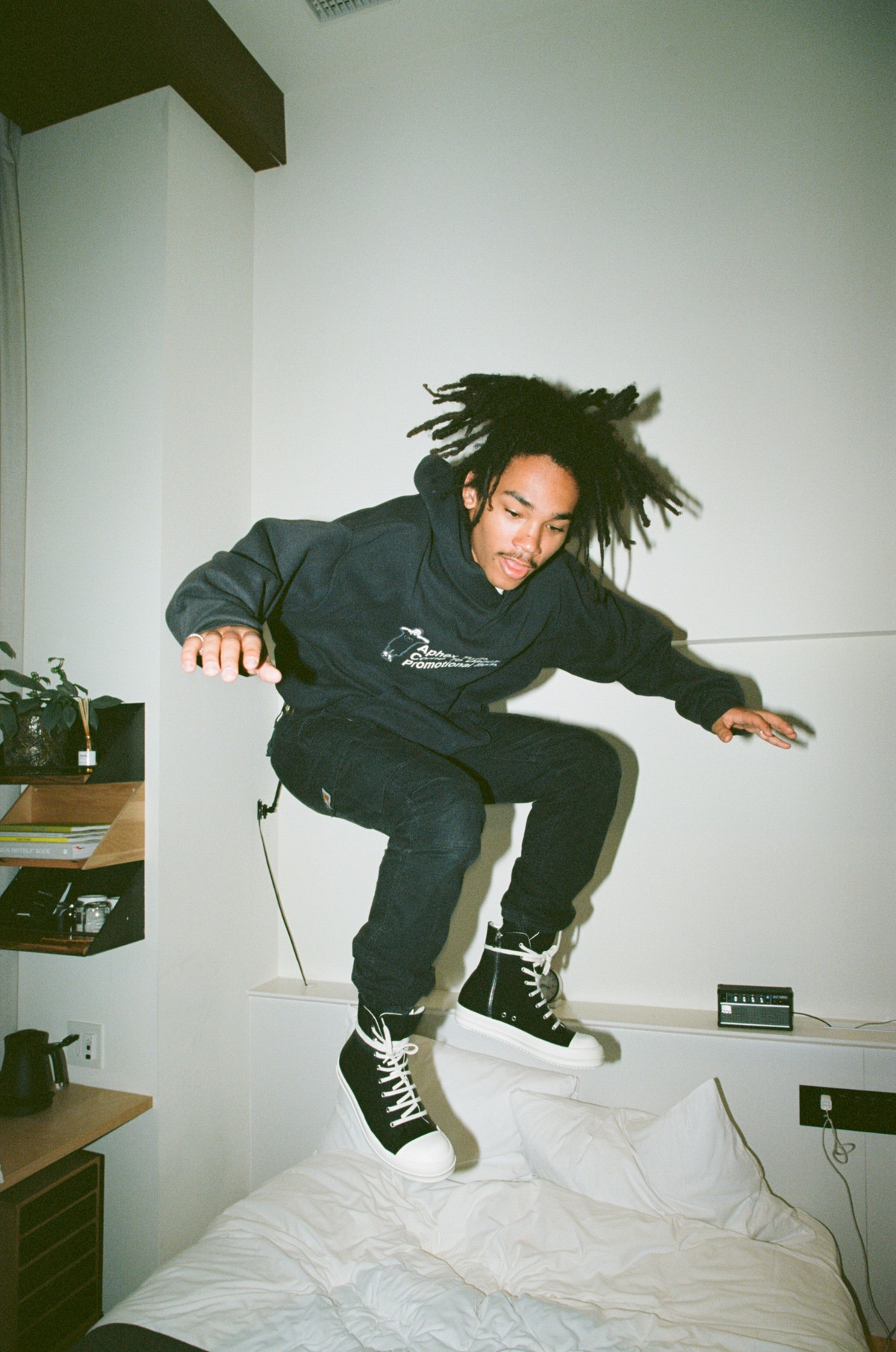
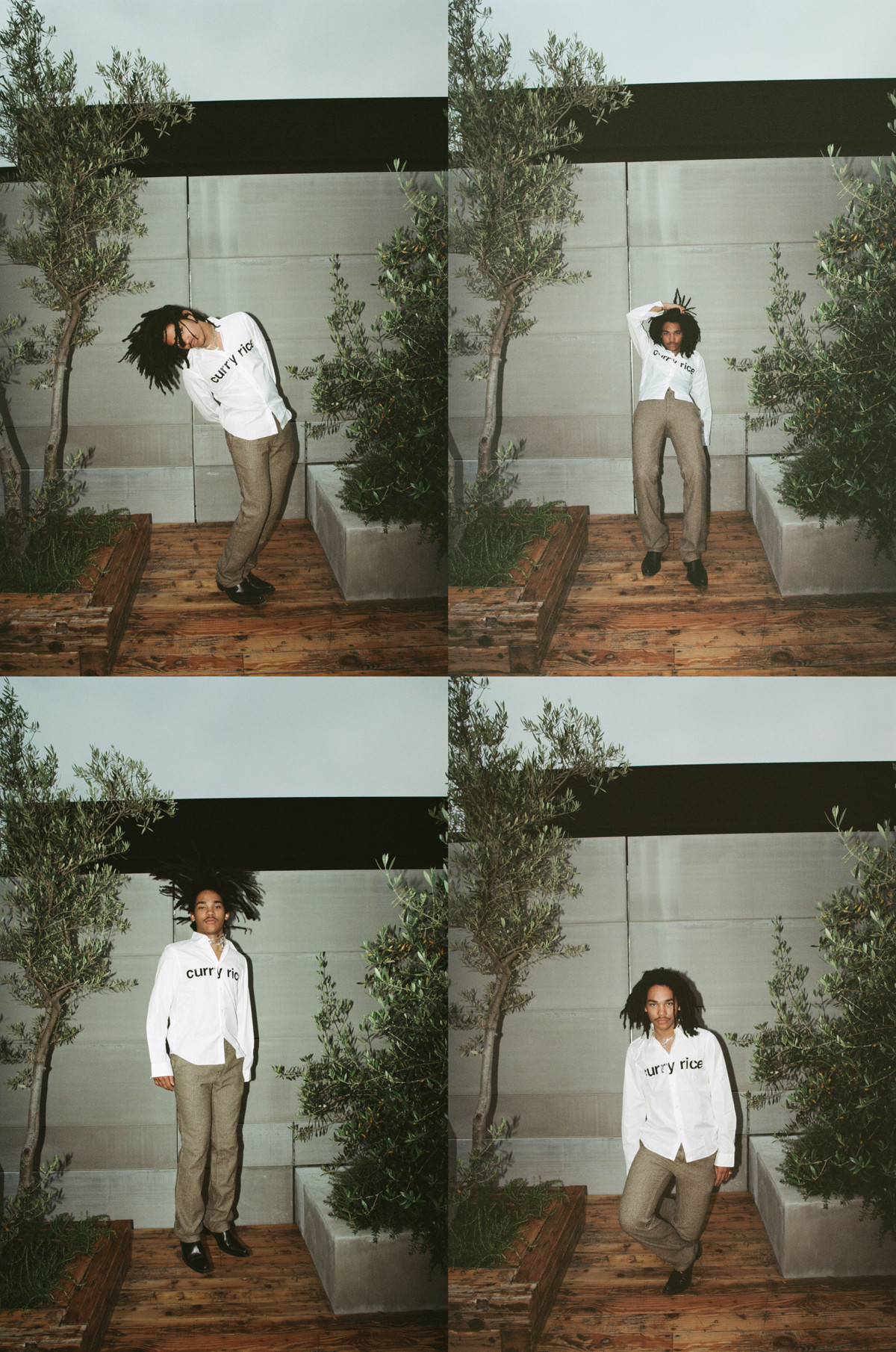
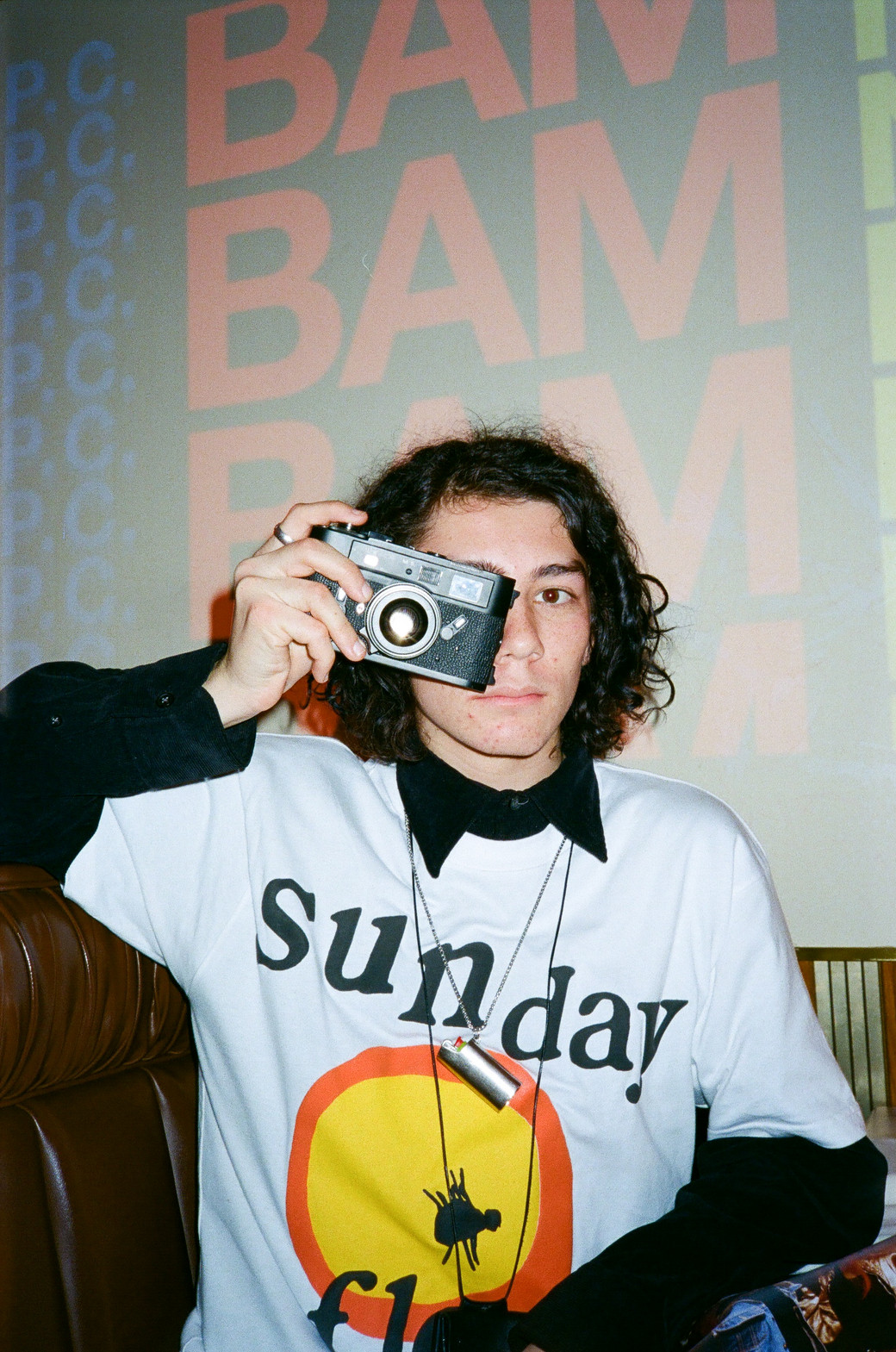
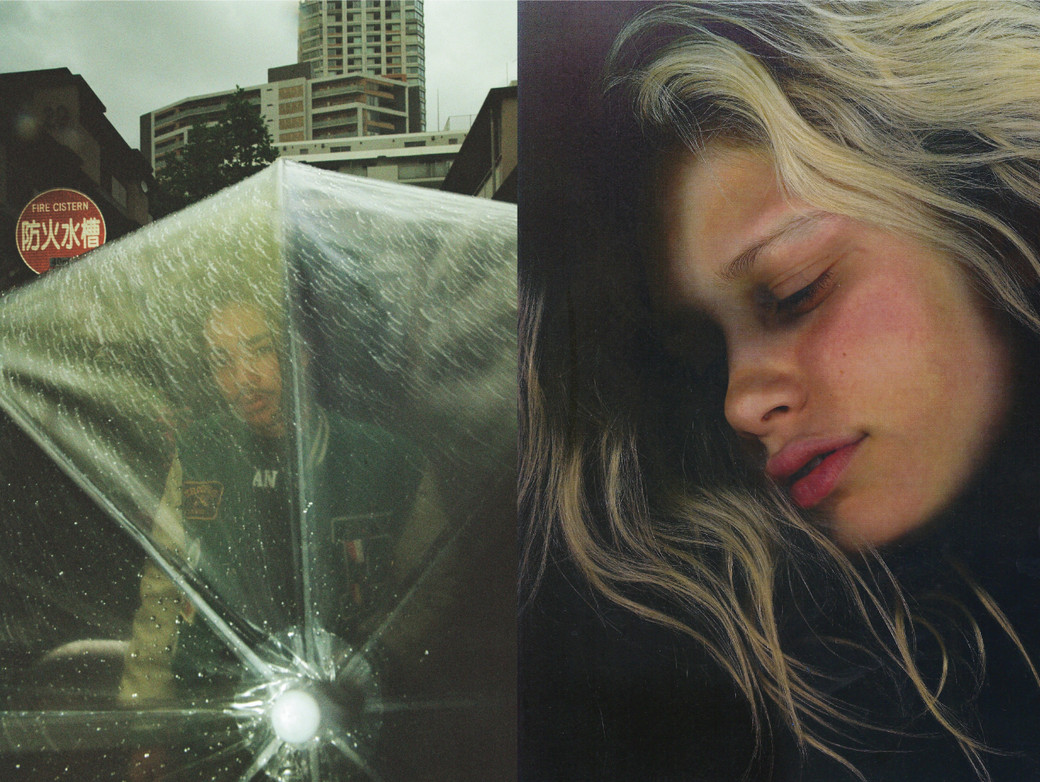
From left: Carhartt pants, Rick Owens shoes; Junya Watanabe shirt, Prada pants, Calvin Klein boots.
What do you like about Tokyo?
Noah: For me, it’s super modern and up-to-date but it’s actually so opposite from anywhere in the U.S. it’s insane. They still operate within the same spectrum as we do, but it’s just a completely different world. Total culture shock. And you don’t really expect it. If you go somewhere in South America, you might expect it to be completely different, but with Tokyo, since it’s such a big city, you expect it to be kind of like London, or New York. But then you go there and everything is the complete opposite, so it’s totally fascinating.
Luka: Yeah, and everything they do, they do it better than us.
What was it like shooting there?
Luka: It was so dope. We were just walking around, doing our thing, and I chose mostly archive clothes to wear. Like Noah said, there’s not a lot that’s coming out right now that we’re super into, so we went straight for archive stuff that’s probably the reference for all the shit right now.
What do you like, though? Like, when you get to style a shoot, listen to whatever record you want, whatever—what are the people, brands, things that you pick?
Noah: We like Rick Owens a lot. We’re going through another Aphex Twin phase that always comes and goes. I’ve also been liking a lot of Japanese directors from the ‘90s and Pier [Paolo] Passolini’s work.
Luka, you said you were over modeling. But technically, you’re modeling in this shoot. So, what is it about these kind of projects that keep you excited?
Luka: 100%. But also, now that I’m a personality, it feels like more people are shooting me for me, instead of how I look in the clothes. Do you know what I mean? It gives me way more say and creative input.
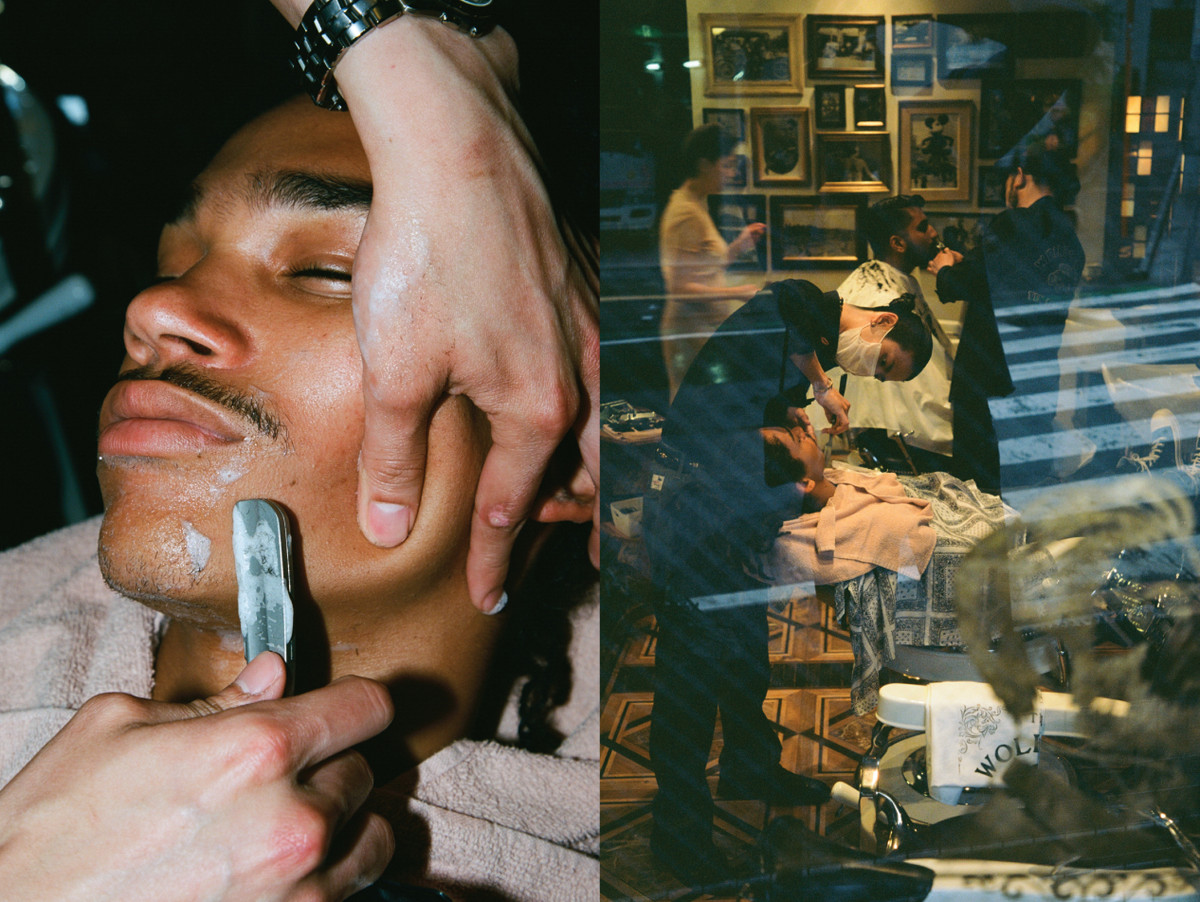
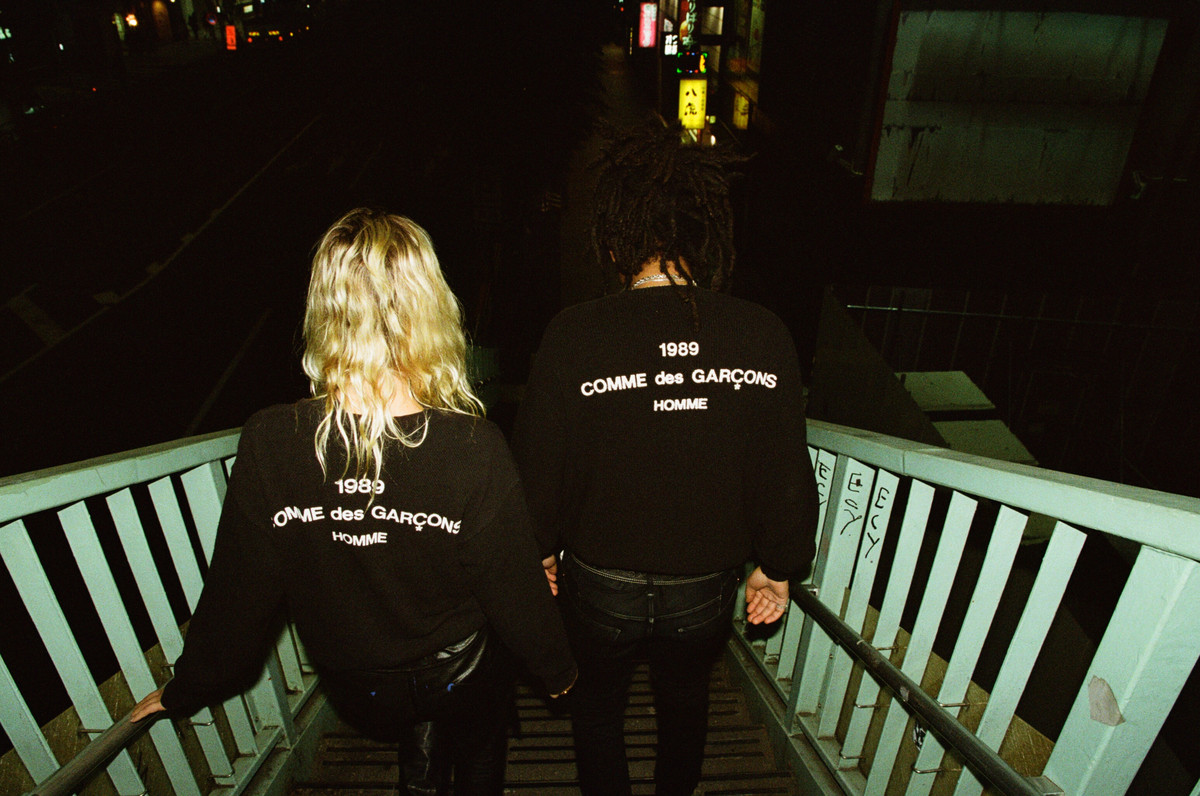
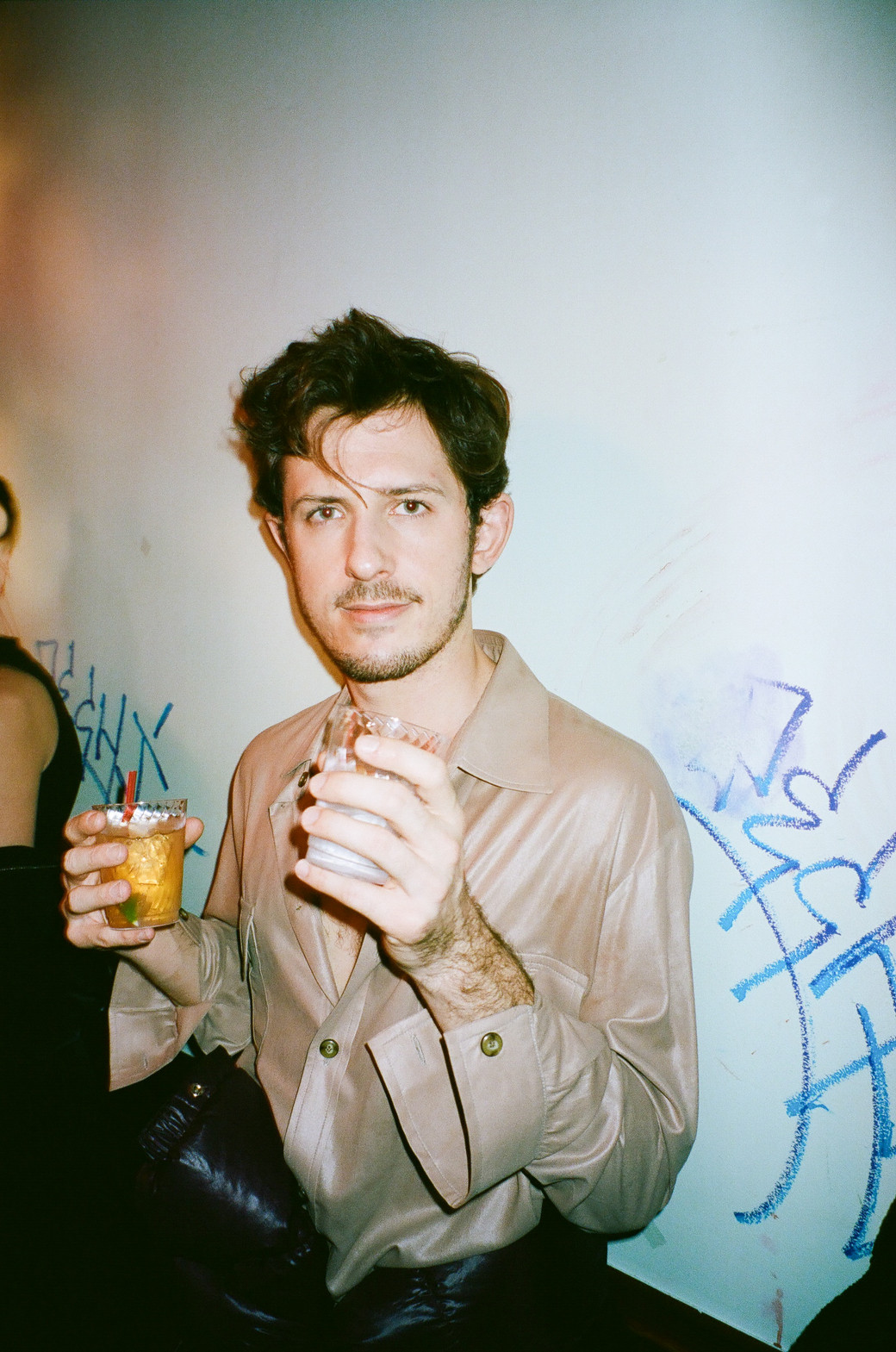
From left: Cherry top (on Lilah), Junya Watanabe top, Prada pants (on Luka); Saint Laurent pants (on Lilah), Comme des Garçons tops (on both).
It’s funny both of you said you don’t pay much attention to what’s happening, but a lot of what you have done has been a result of your presence on the internet. What role do you think social media has played in shaping your careers?
Noah: Obviously we wouldn’t be working together if it weren’t for the internet, and we’re both still on Instagram. I mean, of course, we both went through the kind of hypebeast phase where we knew everything that was going on all the time, and were always on our phones. But now, we like to be more in the moment, and rely on what we learned back then instead of constantly feeling like we need to be on top of what’s going on. We want to be making what’s next, not just continuously soaking in what’s already out there.
Luka: Of course we pay attention to what we like, but everything else is just noise—it doesn’t really matter.
Why the change? Do you think constantly being on your phone, always waiting for that new song, those new sneakers—is that bad for creativity as a whole?
Luka: Yeah, absolutely, mostly because then you end up doing shit that other people are already doing or have already done. Our brains are like a sponge. So, even if you squeeze it out from all of its contents, it’s still going to be damp, you know? Then you think you’re doing something cool and new, but really, it’s been done by a ton of other people.
Noah: That can be good, though, too, especially for people like Virgil [Abloh], because he knows how to take the things that are happening right now and tweak them, and reinterpret them, so they are totally original. That’s the way to push creative boundaries forward in this kind of climate. But taking your time on something, like people used to do—spending five years on a painting, or six years on a record—that doesn’t really happen anymore, because people are either going to forget about you, or—
Luka: Everyone’s attention span is five seconds long.
Noah: Right. Whoever can put out their work the fastest, is going to succeed. And that’s very depressing. But that’s also why the people who are really innovative are going to stand out.
It seems like authenticity is something that’s important to both of you in your work. This shoot, and a lot of the other work you guys produce together, follows that same sort of ‘day in the life’ kind of vibe.
Noah: Absolutely. Anyone can get a studio, hire a lighting guy and a make a moodboard on Tumblr. But it’s a whole different thing to actually take something that’s important to you and try to articulate it in a different way—in our case, through a photo.
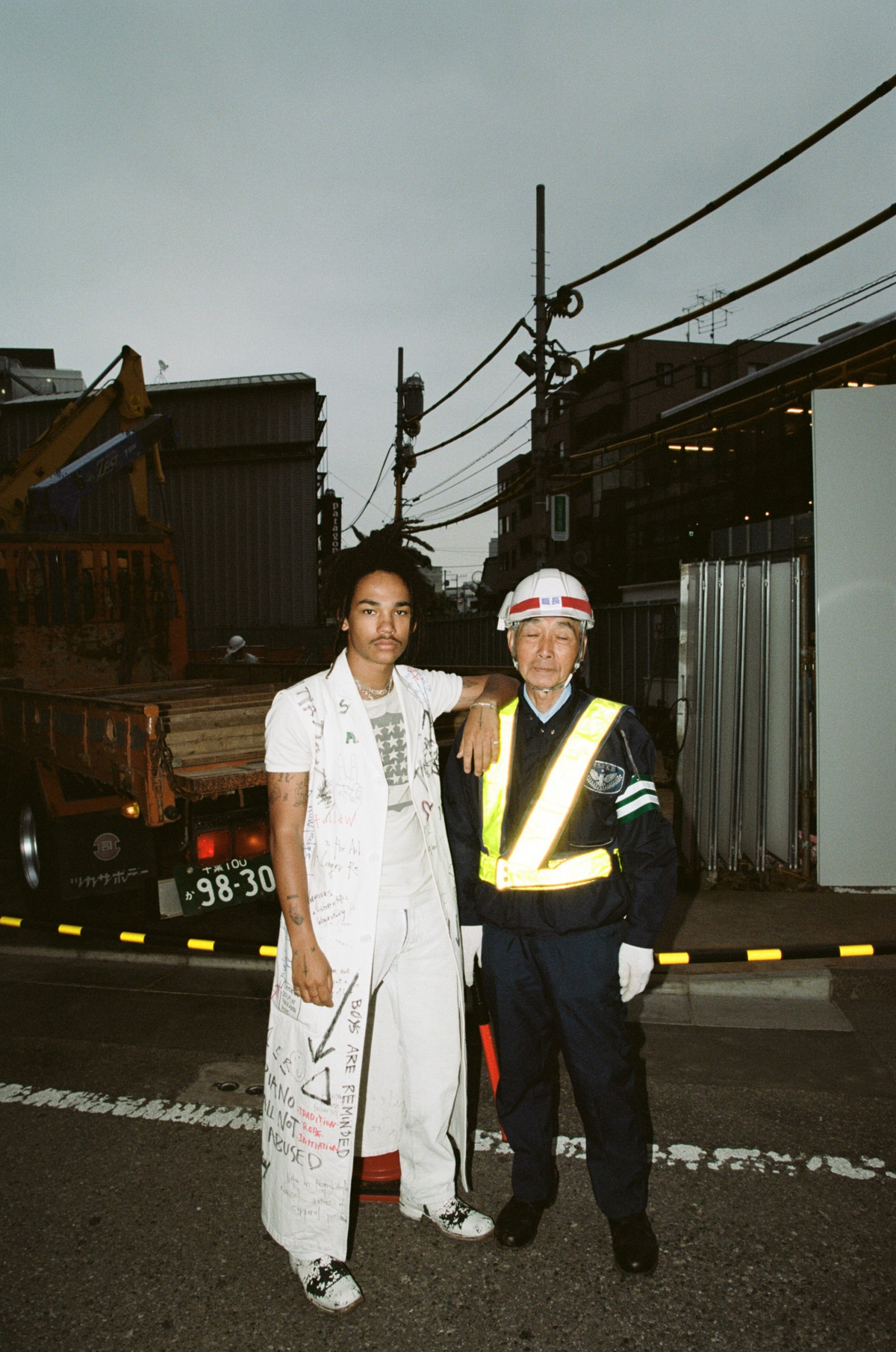
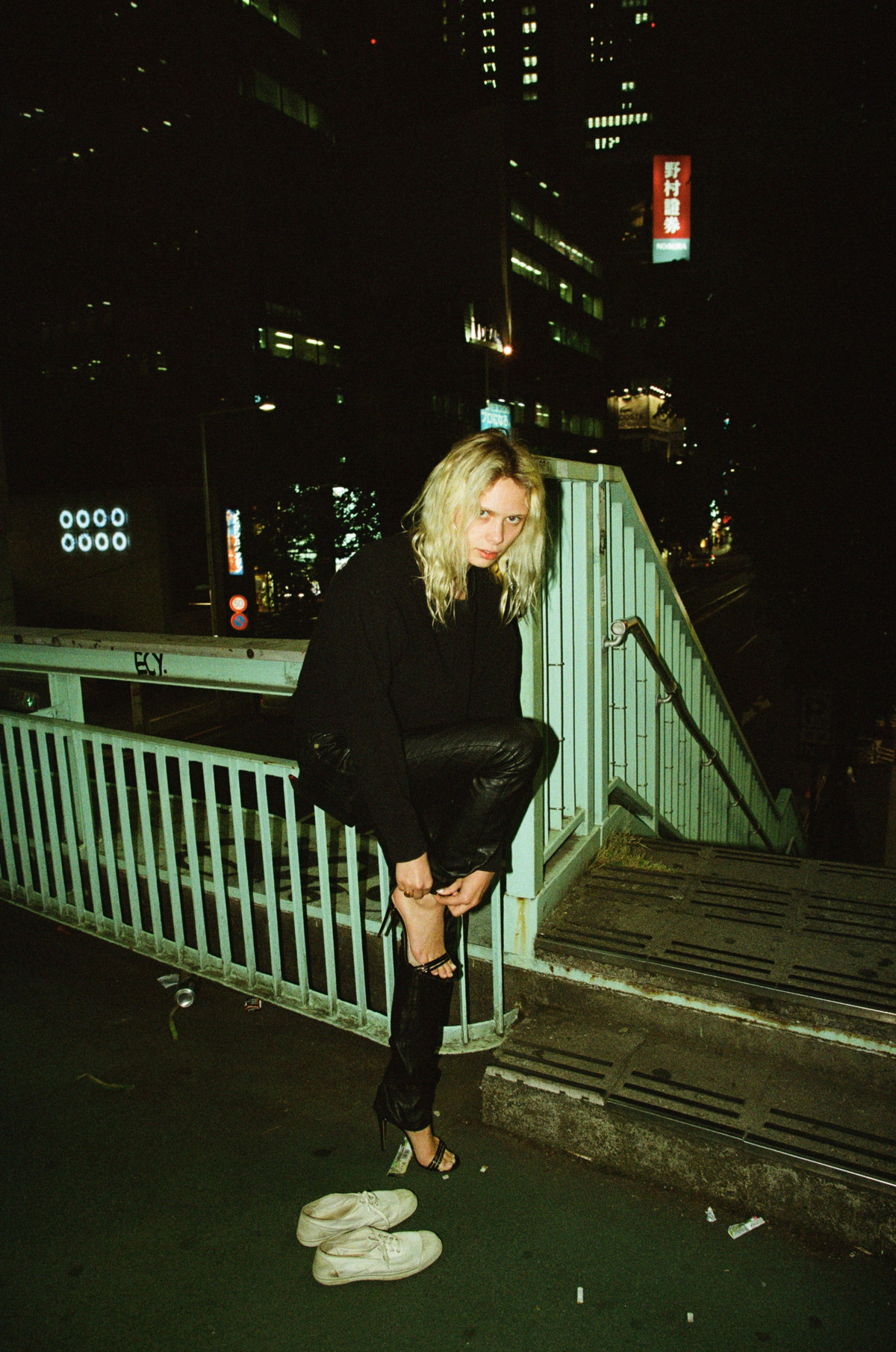
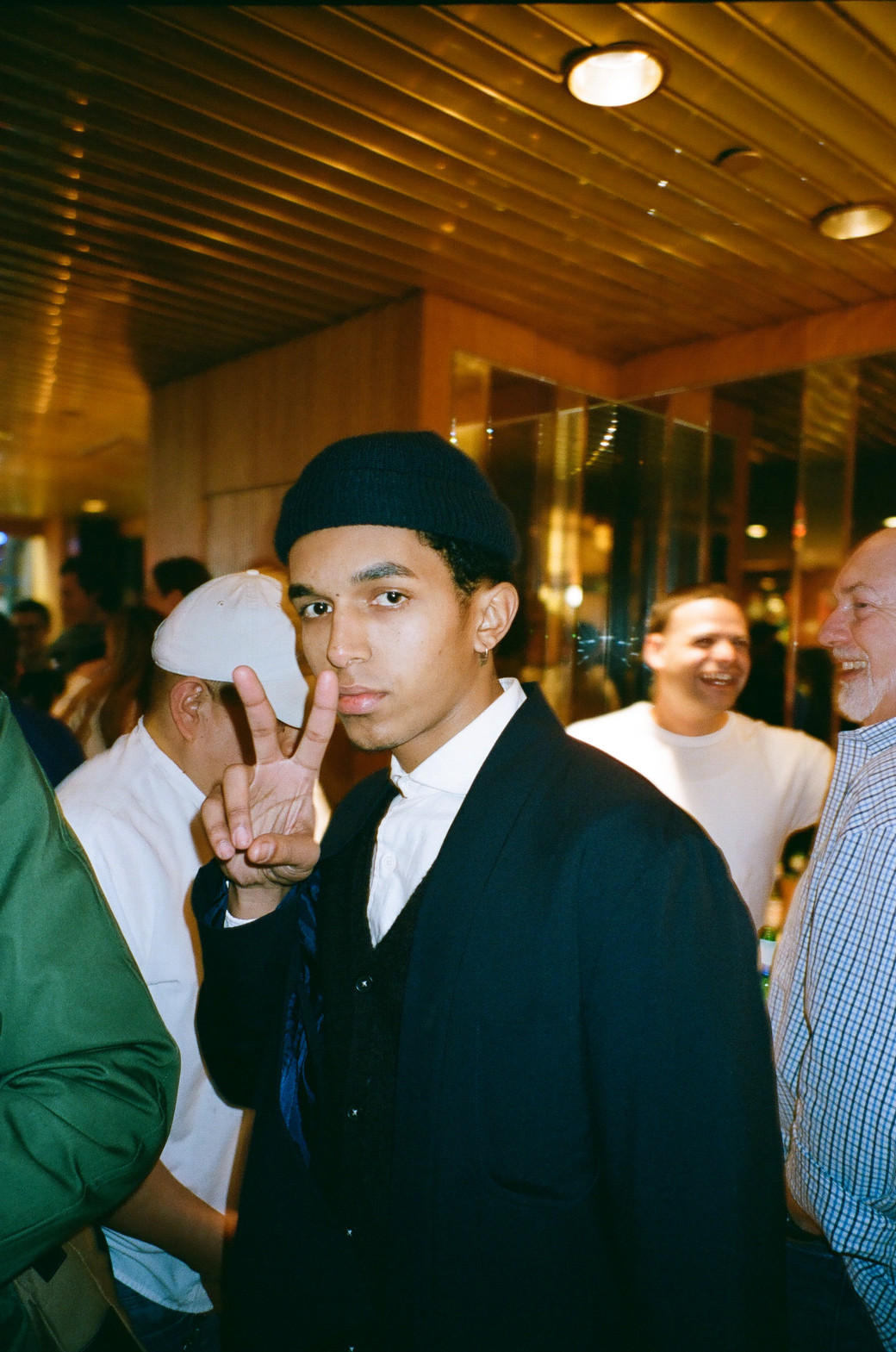
From left: Raf Simons jacket, Maison Margiela archive boots; Saint Laurent pants, Comme des Garçons top.
If you could shoot anyone or with anyone—alive or dead—who would it be?
Noah: Dead? I’d probably want to shoot Jesus, but alive, I’d want to shoot Kim Jong-un—or Terry Richardson.
Luka: I’d want to shoot with Richard D. James [Aphex Twin] or [video artist] Chris Cunningham.
I can’t believe you said Jesus. I ask people variations of this question all the time, and they often give me some sort of super basic answer—like, a musician will say David Bowie and an actress will say Marilyn Monroe. But you said Jesus Christ...
Luka: Jesus is the biggest influencer of all time! He walked on water and went so hard, got so many likes. This guy died for our sins and then he dipped!
What does Hot Mess have coming up next?
Noah: We just unveiled a new American Apparel campaign that we did, and we have something with Margiela coming out. A lot of photos, videos, merch—just everything we can handle, or can't, that’s what we want to do and put out.
What do you want people to take away from your work, no matter the medium—whether it be merch or photos?
Noah: I just want to inspire people—for them to look at our stuff and think it’s cool enough that they want to go do something themselves.
Luka: We also want people to like it. If they don’t, they can go blow a bag, but if they do, then that’s sick.

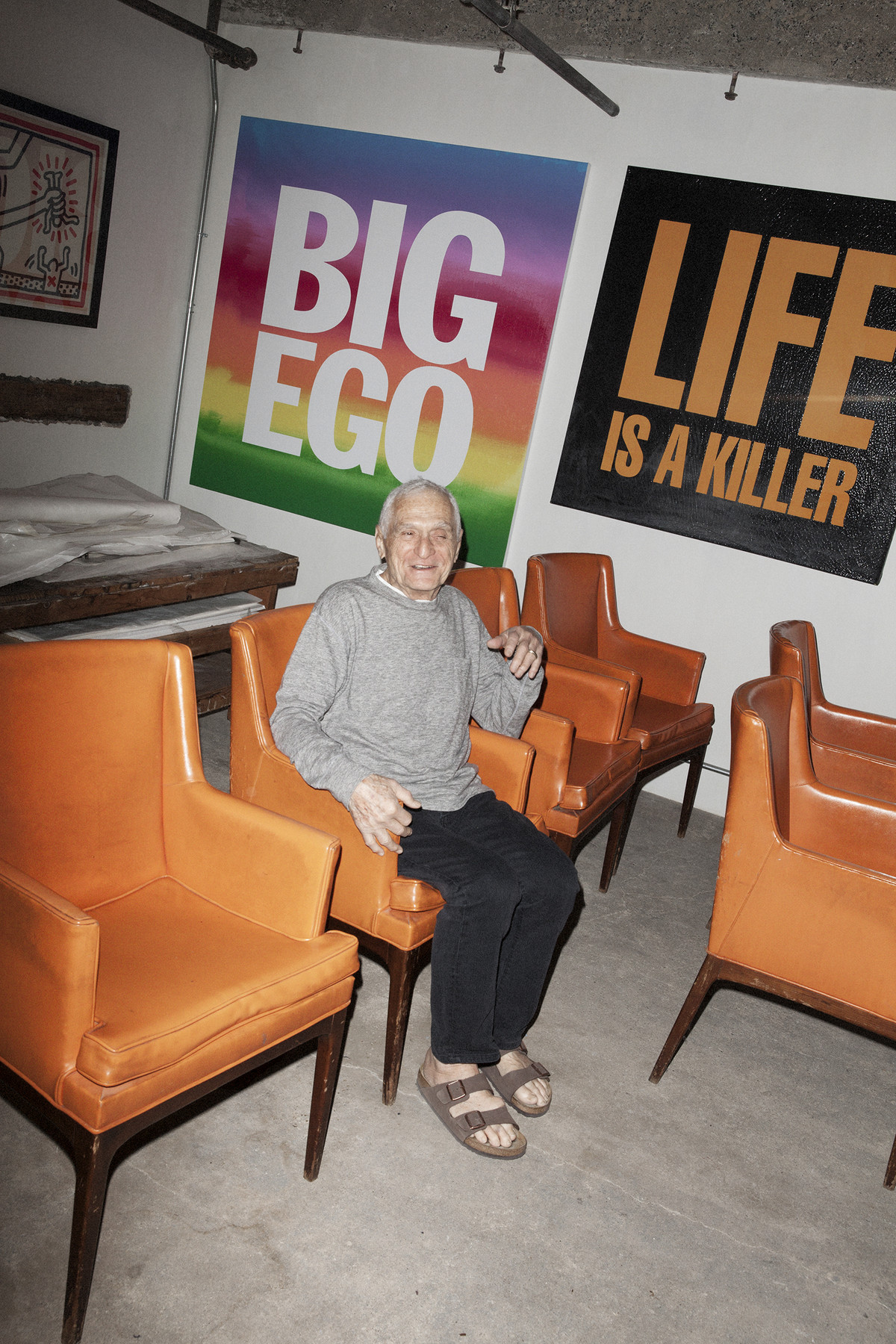
From his decades of experience, and thanks to a colorfast memory, John has stories in endless supply. Stories about a childhood surgery that could have cost him an eye, but instead led to his first whiff of fame. Stories of ditching Wall Street to pursue art. Stories featuring the creative deities he has counted as lovers, friends and collaborators, figures like Rauschenberg, Warhol and Burroughs.
Sitting comfortably upright in his chair, he recalls the many highs and lows of his past with fond acceptance, a product of his longtime devotion to Tibetan Buddhism and its philosophy of acquiescence: Go with the natural order of things.Welcome the good as it arrives, let it as it leaves. Even into his eighties, Giorno exudes a sort of preternatural calm, particularly when considering that which others might find tragic, from the death of a dear friend, to the metamorphosis of his artform into something beyond recognition.
Let me ask about your name. Someone once told me that there’s something uniquely satisfying about the sound of Italian artists’ names: John Baldessari, Vito Acconci...Have you ever considered the sonic qualities of your own name?
Well, I like the sound of it. Occasionally I do a first-person character, like this last poem I wrote, Who Is John Giorno? But it is just a voice. It’s just an ‘I,’ but sometimes I change it into ‘we,’ or ‘you,’ or ‘you’ being ‘me.’ When it works, ‘you’ is ‘me.’ [laughs]
Do you come from a long line of Giorno’s?
My four grandparents were Italian. Half of them were from Northern Italy, and then my father’s family were from Southern Italy, the province of Basilicata. South of Rome, all the way down to the sea down there. My father Giovanni Giorno, when he arrived here in the 1880s he changed his name to John Giorno. He was a tailor. He became quite rich—he had his offices up on 34th Street, facing Lord & Taylor.
Where did you grow up?
I was born in Brooklyn, and my parents moved to Roslyn Heights, Long Island in 1954. I grew up there, and went to Columbia College. You know, it’s more interesting than that—so my grandfather meets my grandmother here, downtown, in Little Italy, in 1888 I think. They get married, and then they move up to Harlem in 1893, then have five children, then move to Madison Avenue and 114th Street, and then they move to Brooklyn in 1905, to Bay Ridge, which was the suburbs. Then my parents, in 1932, moved to Marine Park, which was the next suburb. Then they moved to Roslyn Heights, which was the ultimate suburb. I couldn’t wait to run away from Long Island and come here! I’ve been in this building for 52 years.
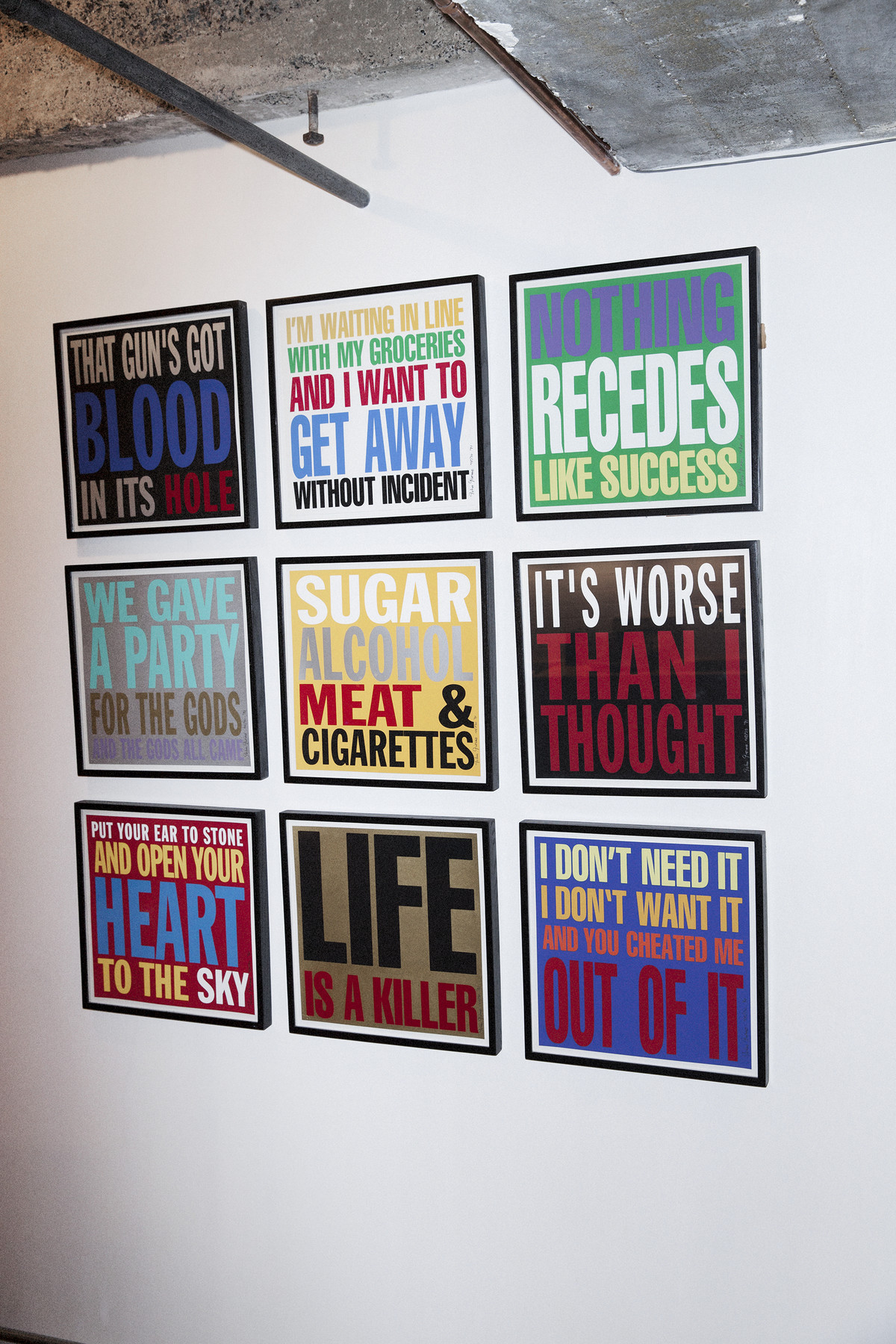
There’s a phrase you use on one of your famous silkscreens, NOTHING RECEDES LIKE SUCCESS. I wonder when you had your first taste of success, as a poet or otherwise.
Well there’s never one moment, but you have many moments that are important, whether you think they are or not. In terms of being successful, as in worldly success, it happened to me many times as a poet, even in the very early ‘60s. I was doing something with found poetry that nobody did, so I became famous, with Ted Berrigan and the Lower East Side poets, C magazine and that whole St. Marks world. And even before that, I was the star of Andy Warhol’s Sleep.
So you’d felt that fame.
Well much earlier something interesting happened. When I was 9 years old, I had a tumor between my optic nerve and my brain. It was 1945, and my family found a great doctor on Park Avenue, Dr. Algernon Reese. He invented a new operation of cutting away the bone, they had invented all these electric saws during World War II. Normally they’d just cut out your eye to get the tumor out, and then you’d be blind. So they did the new operation on me for the first time, when I was 9. It was a great success, and eventually they presented me at the Pierre Hotel, the American Medical Association. You know, it was “Stand here,” and then they would walk me to another room, and then “Stand here.” Suddenly I got taken on to this platform, and there were fifty of these photographers with movie star cameras! You know, the flash bulbs, it the same as they used with the movie stars. They all started flashing, and this was thrilling! I said, “This is what it’s like to be a movie star!” It lasted for just a minute, because they didn’t want to stress me out, and I was saying to myself, “No, I want more!” I walked out and I thought to myself, But I’m not a movie star, and this is never going to happen to me again.
So you took to the attention.
Well that’s something even more curious, not more than a year later a neighbor, through an uncle, got tickets to the Howdy Doody show. I was 10, and again it was this procedure, getting there two hours early, and it was a question and answer segment, we were going to answer questions together. We go out together, and there was this vast audience and all these lights. I get stunned, and I kind of like it! And then all of a sudden they’re asking these questions, but I’m just fascinated with these lights, and all these people. An audience is very powerful. So that was my first taste of an audience. So they ask some questions, and I say “...what?!” I’ve spent all my life performing, but that was a taste of an audience that shocked me. I find all these things curious.
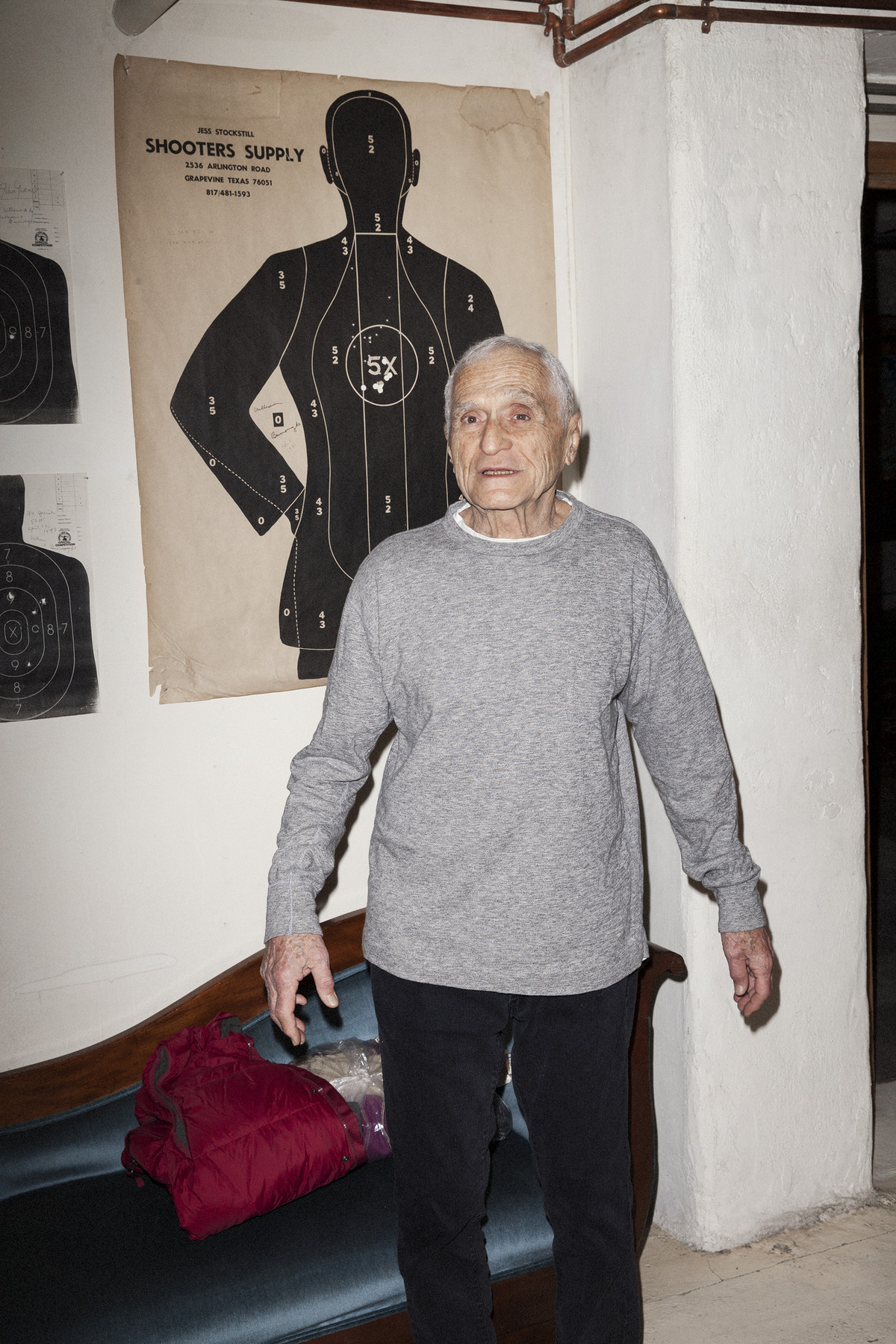
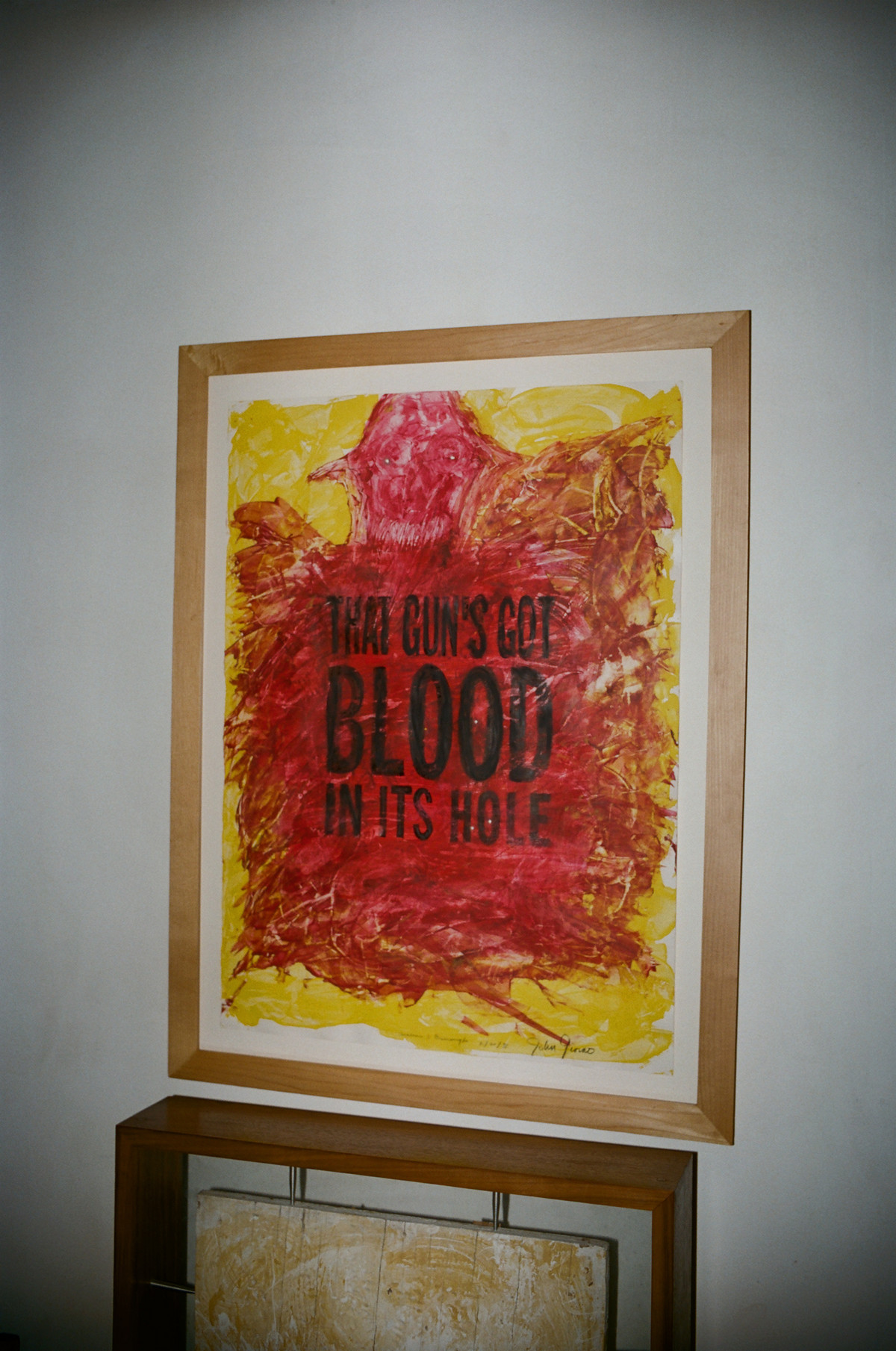
So then around the ‘50s and ‘60s there was this popular West Coast school of poets, Ferlinghetti and Ginsberg and these guys, but you’re so tied to the East Coast, to the New York school. What drew some poets to the west versus the east, and what differed in the style of those two schools? Was it political? Was it the climate?
It was all those things. There’s a certain feeling of mind in California, so Ferlinghetti and Michael McClure, Joanne Kyger, Diane di Prima were all from that. And then East Coast was William Burroughs, and Allen Ginsberg was also a force here, and the art world—so it’s a different world here. I got endlessly invited to California, but I wasn’t drawn there, not at all.
But you didn’t have that wanderlust?
Well see, I went to India, every year or two, sometimes for a year. I always kept this place, and then William Burroughs moved into the [downstairs] bunker in ’74 or ’75. And then all my lovers were from New York. So there was always a reason.
Do you believe in sort of spiritual auras, that sort of thing? Does a space like this absorb its inhabitants?
I think it does. The people who were here, there’s a residue of their energy. But that’s like consciousness, when it dies it vanishes. So in these three lofts there’s very much the feeling of things that happened, but that’s very impermanent. It’s like a grave. Remembering is the function of mind, and you see things externally but the external does not have a mind, it is a projection of your mind. So it’s one of those oxymorons, everybody has this feeling sometimes of an aura or a residue, but there’s no consciousness, it’s unsolvable.
In one of your pieces about Burroughs, you speak about absorbing his consciousness as he died—as a poet, do you think that’s something that you’re especially inclined to do, absorb those around you, and maybe speak with their voices?
As a poet, yes, but it was more to do with being a Tibetan Buddhist, it’s a meditation technique that is used to leave your body, ejecting your consciousness through your central nervous system out the top of your head. You can be assisted by a lama, and I’ve done that practice for years, so when he died I did it, as part of a longer meditation. When I did it I was really surprised, because it’s a physical thing, and you’re like “Oh my God!” But you don’t think about that for a second, because you’re doing something so special, you don’t get discursive about it.
At what age did your turn to Buddhism occur?
I went to Columbia College, and I always had a propensity, I took some of those courses. Philosophy courses, and Buddhism—they called it oriental religion. But there was no place to meditate, the zen center on Park Avenue was not where it was going. Taking LSD in ’64 and ’65, when you have a good trip, it’s a good trip. When you have a bad trip, it’s your mind, it’s not the drug. So you follow that train of thought, and you turn to meditation, and it works a little bit, and then you realize that that’s a possibility. So that drew me towards Tibetan Buddhism, which was just appearing here. I met a few people over the years, and I didn’t get to go to India until ’71.
What was the scene like at Columbia at that time? You talk about experimenting with drugs, is that something that was happening on campus?
Well I went to Columbia ’54 to ’58, so that was before drugs. Marijuana and Benzedrine, those were the only drugs we had.
But was school somewhat progressive, and culturally liberated?
It’s a complicated question—I hated Columbia, because everyone going there just wanted to become doctors, lawyers, bankers or whatever, and then move out to the suburbs, to where my parents were living. I would say to myself, “Don’t they know?!” On the other side of it though, that was the generation of really great teachers Mark Van Doren, Eric Bentley, Lionel Trilling—so I had the greatest teachers in the world. That was a great moment for me there, as a poet. They all had a profound effect on me. I got there through a high school in Brooklyn called James Madison, where I had equally as brilliant teachers. I was taught everything in high school, up to ’54, up to Beckett or whatever it was. So the teachers were really great.
But was the focus of your studies around philosophy?
No, it was English and creative writing.
So you graduate, and then what did the next couple months look like for you?
I went to Iowa Writers Workshop for about four months, didn’t like it so came back here. It got a little too crazy so my parents insisted—or, suggested—that I get a job. I was out in Long Island at this house, it was beautiful, it was great, I was just sort of cocooning, so to speak. But I understood the problem, I couldn’t stay there, and it seemed easy to go to Wall Street. It was ’59, and I went down to a brokerage house called Fahnestock, worked there for a year and a half. It was really rough down there, but it was also a gentlemen’s club, so it was easy. I faked it for a year, and I could’ve gone on, but I wasn’t good at it because I didn’t like it. So I quit, and my parents gave me back my allowance. Their allowance paid the rent here, it was very cheap in 1966.
So, a brokerage house is no place for a poet—who were the first people that gave you the sense of an artistic community?
Well even at Columbia, there was the West End Bar, which was a bunch of outcasts who went to Columbia College, Vietnam vets and alcoholics like I was, so we drank there, and then I turned a little bit to going downtown, Cedar Bar and the White Horse. It sort of started in ’61, by ’62 I was in this art world. By ’62 I went to every show, because they were all friends. I didn’t meet Andy until November of ’62, but I saw him at all these openings, because everyone was having their first show, Jim Rosenquist, Roy Lichtenstein, part of this scene that was very much connected to St. Mark’s Church, this scene around the second generation New York school of poets. Ted Berrigan, and that group of poets were my peer group.
So that scene provided an education beyond your formal education—to what extent did romances and friendships in that scene nurture you or develop you as an artist?
The people that interested [me] more were the artists, as friends. I mean Andy was one, and later in ’66 Bob Rauschenberg, and later Jasper Johns. I knew them during all of this, so there were these two worlds that were sort of together. The poets are very old fashioned, even though the New York School was modernism—they all liked me so I liked them, so they’d include me in their magazines, and we’d perform together—but they were very conservative. And then you had the beats, who also, nobody realizes, were also very conservative, they were lyrical poets, like 19th century lyrical poets taken up to date, like Allen Ginsberg, using the vocabulary of the 1960s but there was still the formality. And I’m not a lyrical poet, nor am I a modernist. So then on the other side there were all these artist friends, and they were all an enormous influence. You just watched what they did, be it Bob Rauschenberg, or Andy, or whoever—they just work all the time, and they do these things, whatever comes to mind, they follow that thought to completion. If it’s good, then suddenly they have this thing, and if it’s bad, they let go of it. So I did the same, and that’s what gave rise to my life. That’s how Dial-A-Poem started in ’68, or the performances in ’65 with the LP records. I just did what the artists did, if it seems like a good idea—and it’s not easy—go with it. Whereas the poets don’t like doing that, so then my path sort of went a slightly different way. And William Burroughs, who stayed a very good friend until he died, he was living downstairs so I was very much a part of the literary world also, performing with him, and then performing in the poetry world.
It sounds like it benefited you greatly to be able to straddle these different facets of art. So you’re writing down your poems, you’re performing them vocally, maybe recording them to records. At what point did you have the inspiration to commit phrases and words to canvas or silkscreen, and make more of an art object?
Well the first ones I did were in in ’68, and that had to do with the influence of these guys. One day, it was during the anti-Vietnam protests. Peter Orlovsky came here, we were silkscreening T-shirts of my anti-war poems, on white T-shirts. We did hundreds here, out the door, hanging them on the staircase, going all the way down. And there were those fumes, we got incredibly high just breathing, and I said “I know how to do this now!” So I started with black-on-black rectangles, I did a couple that year, and I continued every year doing something, as a part of the concept that I had in 1965, and the beginning of Giorno Poetry Systems. It was working with many venues that come out of being a poet— performance being one of the venues, and Dial-A-Poem being another of the venues, and LP records being a venue.
And obviously art was another venue. I was a part of the art world back then, because of having these lovers, but I never pretended to be an artist. I’m a poet. Because I saw instantly, the difficulty and the politics of wanting to succeed in that world, which is based on commodity and huge amounts of money. So my art stayed on sort of a low level during the ‘60s and ‘70s, I did shows mostly in Europe, and it wasn’t until the late ‘90s and for the last 25 years that I have had many gallery shows in New York. For me what’s wonderful about that is that it’s become a real venue for my poetry. The paintings, watercolors, and drawings are just an extension of it—exactly the same as my performance. Because paintings and drawings require so much skill, the skill to be able to do them is sort of equal to performance.
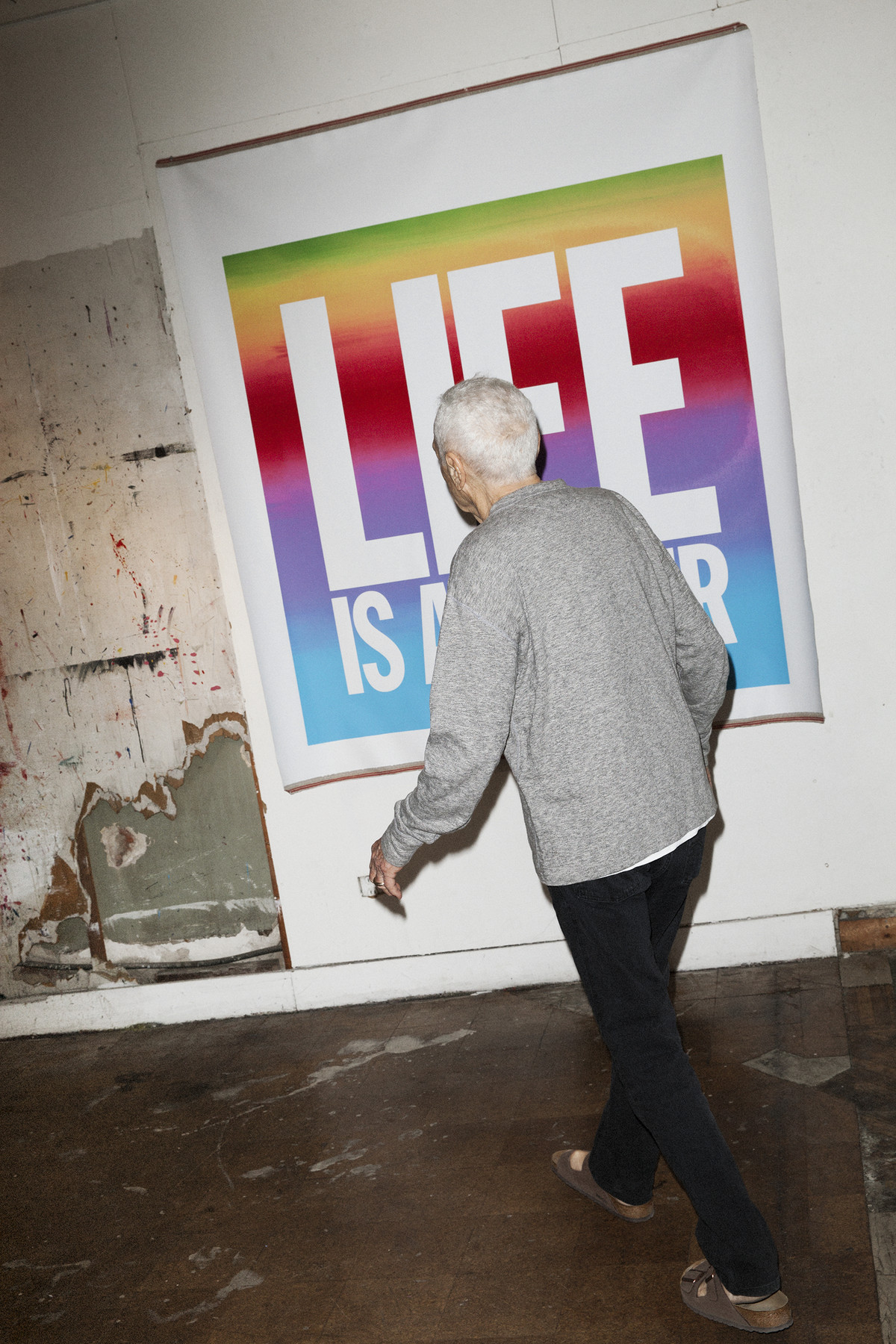
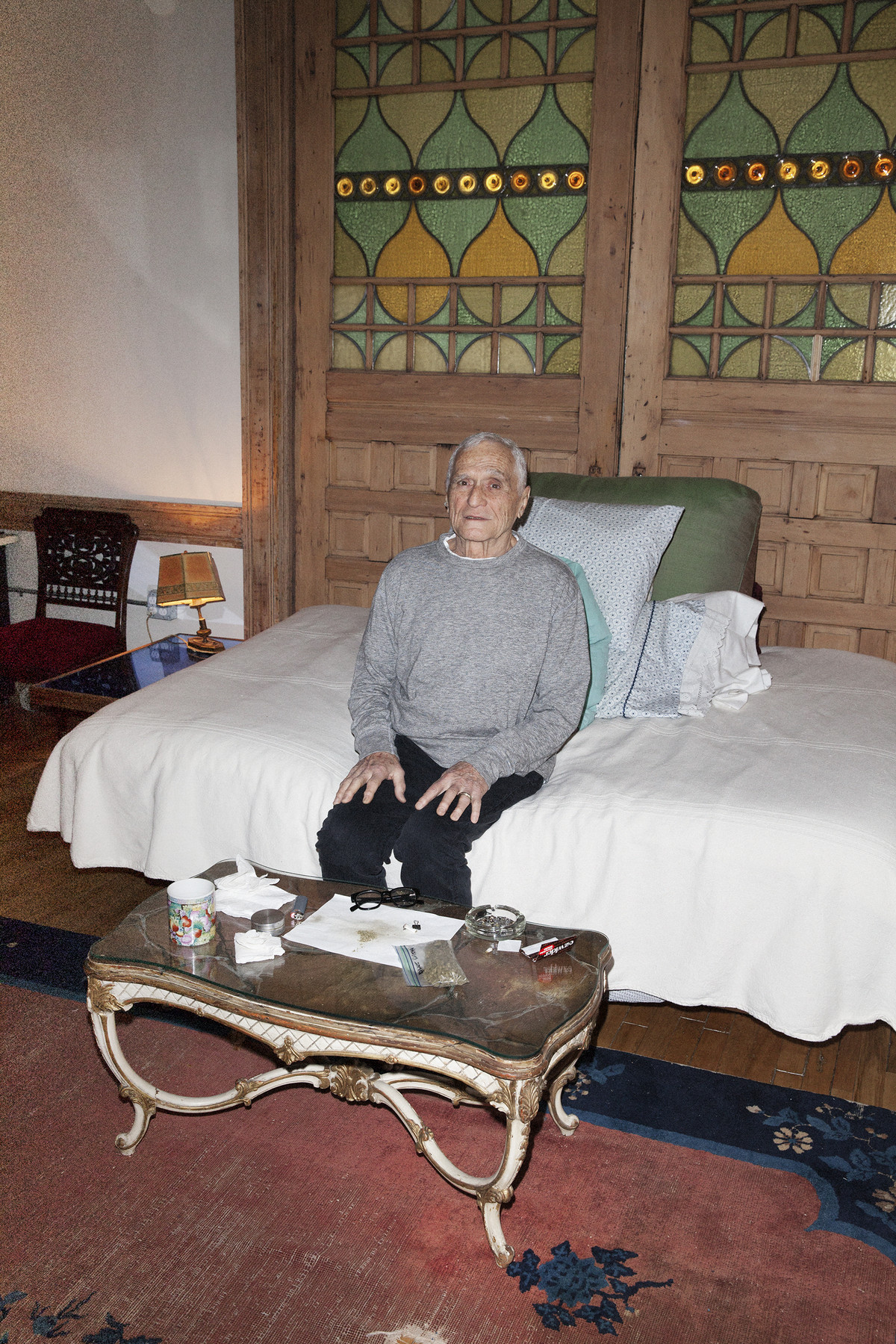
What were some of the periods of great conflict over the course of your career?
Well because of Sleep, I became a little famous, so that’s already something that everybody hates. Then I went on to Dial-A-Poem at MoMA, which was hugely successful for three years, I was in Life magazine, and Newsweek, and Time.
Tell us how Dial-A-Poem came about.
Well, I was talking on the telephone one morning in 1968, and I was crashing from some drug and had a hangover, and this person was really irritating me. I was hearing all of these stupid words, and suddenly I thought—this could be poetry, if it weren’t for this asshole... That stuck in my head, and then a few months later, in April, I got asked by the Architectural League of New York, they had a gallery space in the American Federation of the Arts building, they said “Do you have an art project?”And I said, “Yes, I do! ”That was Dial-A-Poem. What’s interesting is that I was the first person who connected the telephone technology with publicity, and content. It was immediately copied by everybody, even Don Rickles did Dial-A-Joke. It was all based on publicity, because any time I was in a magazine, the phone would ring off the hook.
It definitely seems prescient. Are there any contemporary technologies that inspire or entice you at all?
Well now you can get one telephone line and it connects to 10,000 calls. I never got into contemporary technology because I’m 81, you know, I don’t understand exactly what’s happening. But we chose the best 200 poems from Dial-A-Poem, and these people who called randomly got one of these poems. So we’ve done that in a few major cities recently, but it’s not the level of energy that I brought originally, to create the whole thing myself. Then we do some artworks, I have this telephone and there’s a small computer in the telephone, so you pick up the telephone and get a dial tone, and as soon as you touch it you get one of these poems. Now social media has changed everything, so I don’t need to do that, another world exists. This has been a golden age for poetry, this last 50 years, and technology is one of the reasons, unlike it’s ever been in the history of the world.
There are so many lamentations nowadays that social media and the nature of the modern news cycle has led to a dilution of language, but that runs in contrast to the concept you’ve brought up that poetry can’t be killed.
Exactly, it just means it’s a very fresh moment. Just because the New York school can’t propagate itself, it dies a natural death. But people are using words in such an obsessive way now, that you don’t even know what’s happening with poetry. Poetry has changed its skin, and you can’t yet see what the new skin is. But words are so a part of our culture and our minds, as they never were before, that it’s inexplicable. It’s not just like reading the newspaper 50 years ago, 100 years ago. So it’s great.
So many of the artists that you’ve counted as friends, colleagues, lovers, have died over the years. I wonder, especially considering your relationship with Buddhism and the acceptance of death, how these losses have changed you and your work.
From a Buddhist point of view, I let it come, let it go. I’ve got a really good memory, and I remember clearly what happened 30 years ago, 40 years ago. So there’s no nostalgia. And each one of them was a great benefit, or help, or a blessing for me, but if they’re dead, they’re gone.
Along with that frame of mind, you’ve mentioned that you won’t fear death, when it comes for you.
Well, it’s easy for me to say that. [laughs] But I’m not sure, I’m a Buddhist meditator, I meditate every day and I work with my mind. When you’re 81, you’re prepared, death is nearer than you want. So I feel very confident in doing meditation practices, but who knows, at the moment. At least I won’t be as terrified as a completely ordinary person. The religions, Catholicism, Judaism, they don’t prepare you for much. But meditation, in any tradition, where you’re working with your mind in a real way, should help. Death— that’s the next big thing I have to do. [laughs]