For Lovers
Lamar is a muse for the ages, a lens through which we can explore the love within both our hearts and others'.
Check out the video and photos below.
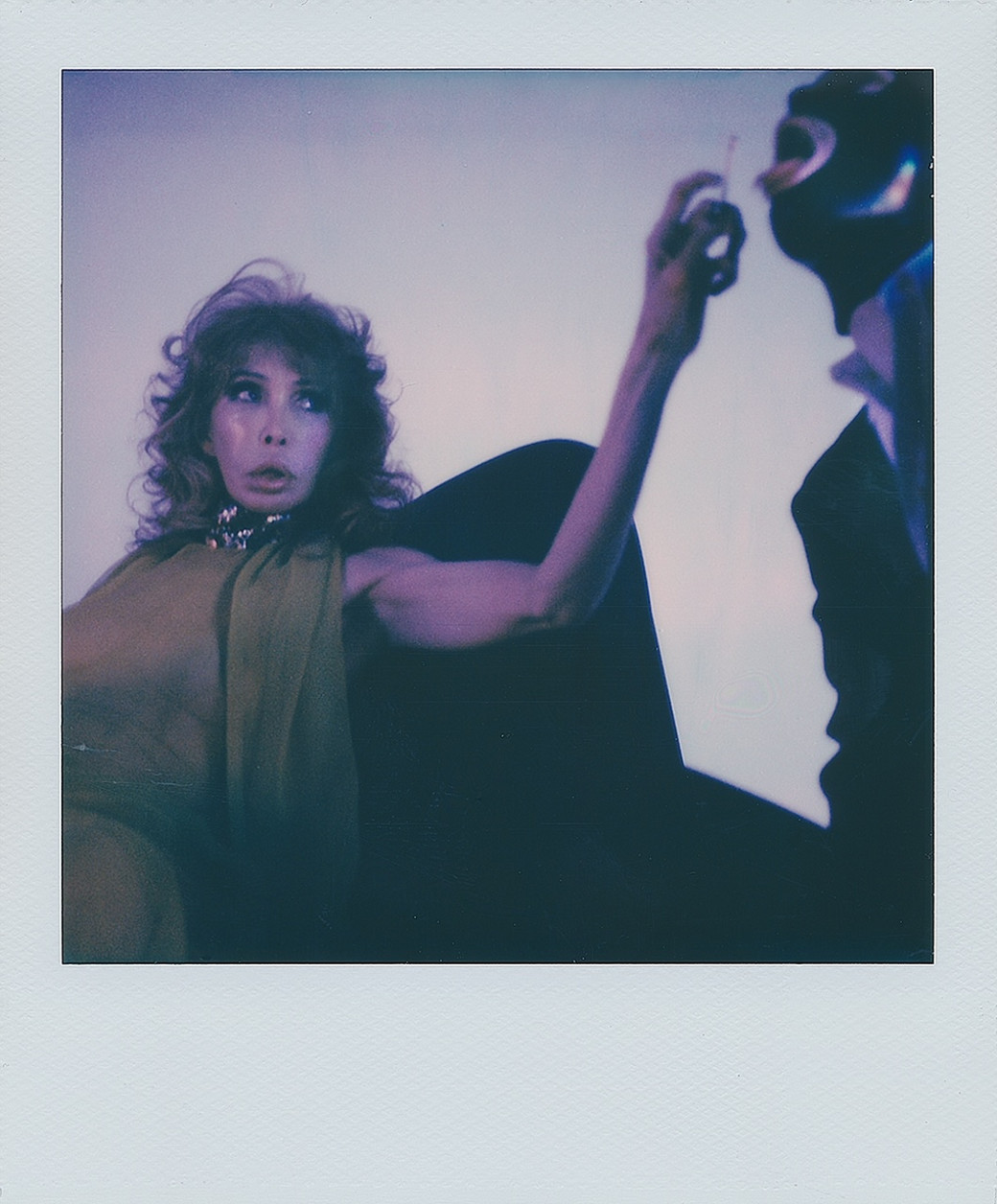
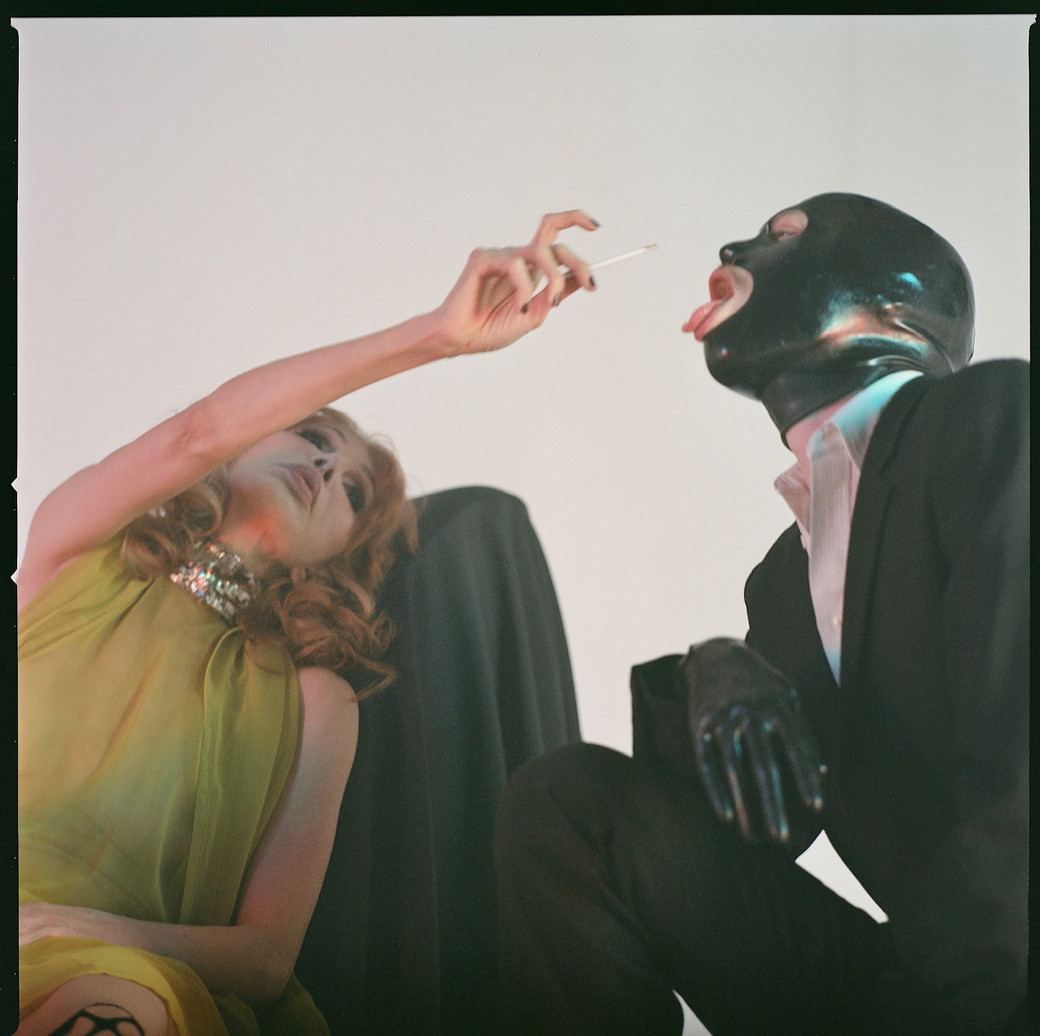
Lamar is a muse for the ages, a lens through which we can explore the love within both our hearts and others'.
Check out the video and photos below.

Printed in New Delhi, the 432-page explosion of vibrant imagery is the result of ten years worth of trips to India by Sethi who is American by birth, Indian by heritage. Though there is no set theme, the book touches upon gender, technology (lots of face swapping in there) and creeping westernization (you can spot some incredible rhinestoned bootleg gear imitating brands like Louis Vuitton and Nike). The book's title is the name of a traditional Indian dish, which has various spellings and ever-changing recipes, yet is a staple throughout the country. Similarly, Nick's work in the region reflects the tension between tradition and the threat of constant change.
Read our interview with Nick below, and check out some visuals from the photobook.


Where are you from? What was your upbringing like?
I was born in Maryland, and grew up in Florida. I was always into punk and hardcore, and spent most of my time at shows or touring with bands. When I was 17, I moved to India for a year before moving to NY, where I’ve lived since then.
When were you first intrigued by India?
I’ve been going to India since I was young, but as a kid I never really liked it. Between leaving my friends for weeks, getting sick, and having to make up school, I never understood why I was going. That being said, I think I was always intrigued by it because much of the work I do now stems from things I remember seeing when I was young. When I lived there at 17, I started photographing to try and connect with the country and people (since we didn’t speak the same language). It was then that I really started feeling a connection and need to explore the country. Now I feel so grateful to have those early experiences since I think they really influenced what the project became.


Tell me more about when you first started connecting with India via photography.
The first time I went specifically to photograph was in 2011. The trip was amazing, and it really set the tone for the whole project. Soon after I landed, I met a 6-year old kid named Bobicol who lived on the street with his family. He loved getting his photo taken, and we started hanging out every day taking pictures together. He didn’t speak any English, and I didn’t speak Hindi, so we just relied on physically showing each other stuff to communicate. Working with him really opened me up to this serendipitous way of working; just going out with a camera an open mind and seeing what happens. I’m happy to say that he’s 13 now, and I still see him and we make work together every time I go back to New Delhi!
What else continues to draw you in?
It's really the most interesting place on Earth to me. Every time I think I start to understand something about India, one million new things come into play, making it more confusing and more exciting. Its rich and complex history makes it so things can support and negate each other at the same time, which I find really interesting. Plus it's just insanely vibrant on both a visual as well as a cultural level.


Tell me about working for Terry Richardson. How did that come about?
When I first moved to NY, I didn’t know much about photography, and was working at Vice. Through looking at the magazine, I made a list of people I wanted to work for, with Terry being at the top. I didn’t really know about studios, and first and second assistants, etc… and just decided to email people cold. Eventually a friend put me in touch with his studio manager, and it was the right place right time for both of us, so I started working there the week after.
What was the experience like?
It was great. He and his whole crew always treated me well. At this point, he was shooting mainly huge fashion campaigns, not really any personal work. So I got to travel the world and be part of a very small crew doing huge shoots. Working on the Lady Gaga book with him was definitely a highlight, since we got to tour with her for a few months.


How long have you been working on your new book Khichdi (Kitchari)?
The first images in it were shot in 2007. So unknowingly, I’ve been working on it 10 years. 2011 is when I first started seeing it as a project, and eventually started taking more and more trips there. Every time I came back from a trip to India, I thought I had enough material. But when I started to edit, I knew I was missing things, so I decided to go back one more time. This happened like six times haha.
What were your goals with it?
Honestly, I never really set out with any specific goals. There were definitely subjects I wanted to explore, but other than that, I wanted to let the project kind of build itself. It's been a decade of growth (for the country, me, technology, westernization, culture, etc.), and I wanted to let those things inspire and guide where the project went. Also, from my personal experience, India works best when I don’t try to control the situation too much. I tried to work this feeling into the book as well, both in the layout and production. I collaborated with my friend Brian Paul Lamotte on the design, and we both travelled to India to print it. By working with a local printer, it came out far different from our original idea, but only in the best way. I’m really proud of the physical book as an authentic and special object!


There were so many items displayed at Dashwood and Vitsoe. How did you get it all back to the States? What was the idea behind the curation and all of the items chosen to be displayed?
It all started with these different objects I’ve been collecting and making since I’ve been traveling there, some for myself and some as reference. Obviously I love taking photos there, but sometimes I came across objects with a certain feel or smell or texture that couldn’t be duplicated in a picture. As Brian and I started working on the design of the book, I started showing him these objects. As we spent more and more time in India, we came up with the idea to make a special edition box that included a variety of things sourced and produced in India. So in the six weeks we spent printing the book, we recreated my collection in an edition of 20 boxes that all include shirts, stickers, zines and books, prints, etc. We chose to display them at Vitsoe and Dashwood in different states of completion, giving the viewer a look at the physical boxes, as well as a sampling of the objects inside.

Fashion archive images, to children eating grotesque insects. Women grinning ear to ear in wild contortions to literally unidentifiable organisms… virtually anything is game for Bijelich.
It was 2012 when Miro Bijelich realized the potential in Instagram beyond sharing simple images for friends and family. He saw it as more of a “public business card, if you will." Plus being a self-taught graphic designer, holding 15 years experience in trend forecasting and fashion production, and graduating from Central Saint Martins postgraduate fashion course, creating a running mood-board account seemed fully suit.
Now, 14k followers later, he continually uses the account as a means of expressing his individual sources of creativity and curiosity. “I use my account specifically to introduce and educate a wider audience to the mind behind the brand through imagery and then produce tangible products and projects that reflect the same mindset.” With the relaunch of his design studio - Cult11AD - with his business parter William Ndatila, we should all be thrilled to see how this expansive feed of random images has contributed to his process.
But for now, Miro has supplied office with his personal BIG MOODS— aka what you should expect before smacking that request button.

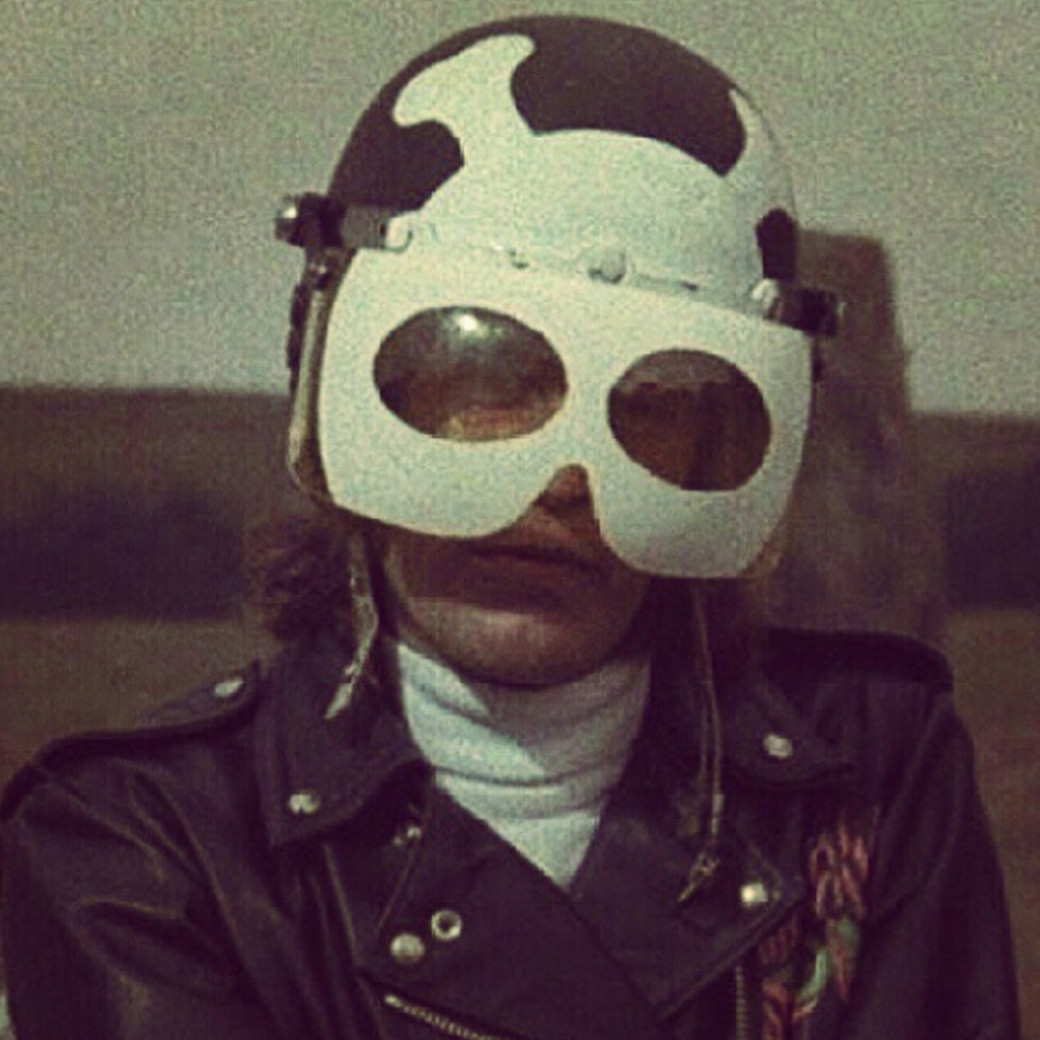

As long as I've known Igor and Marie they have been collaborators - on photohgraphs and films and music, on picnics in the park and drinks at the pub and dance parties that went on until dawn.
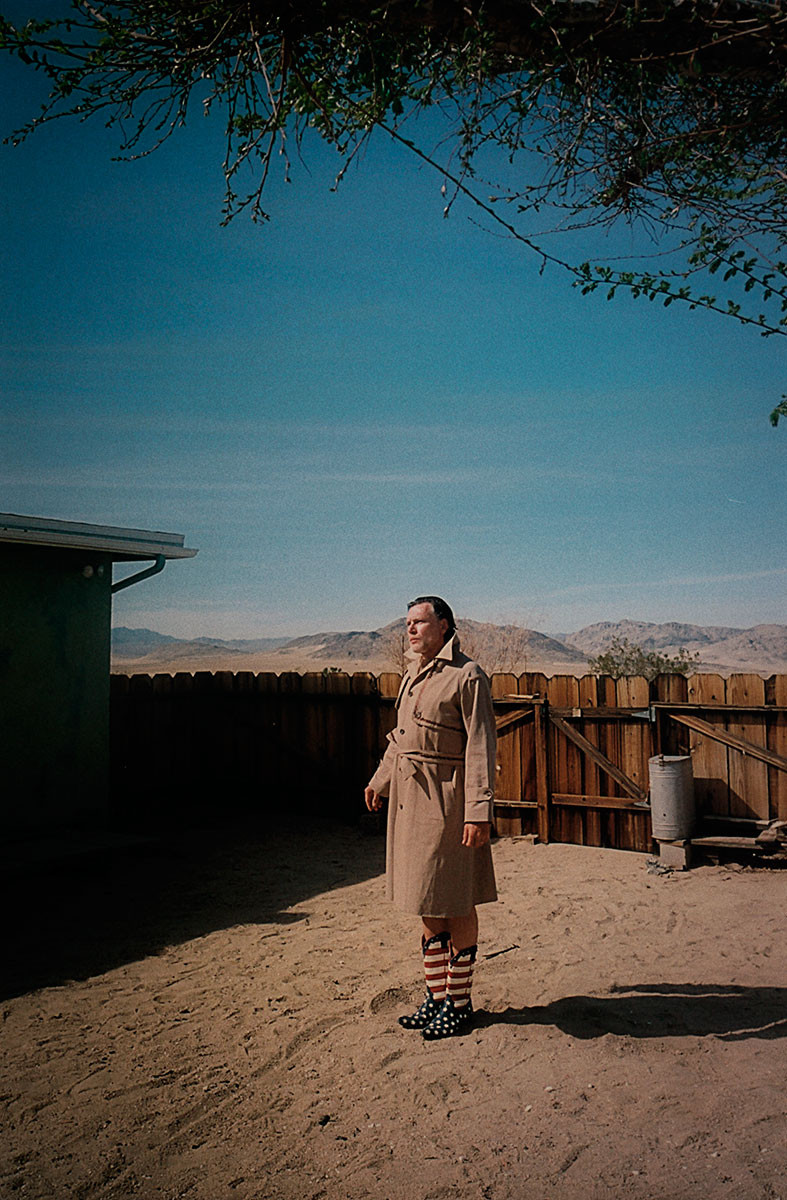
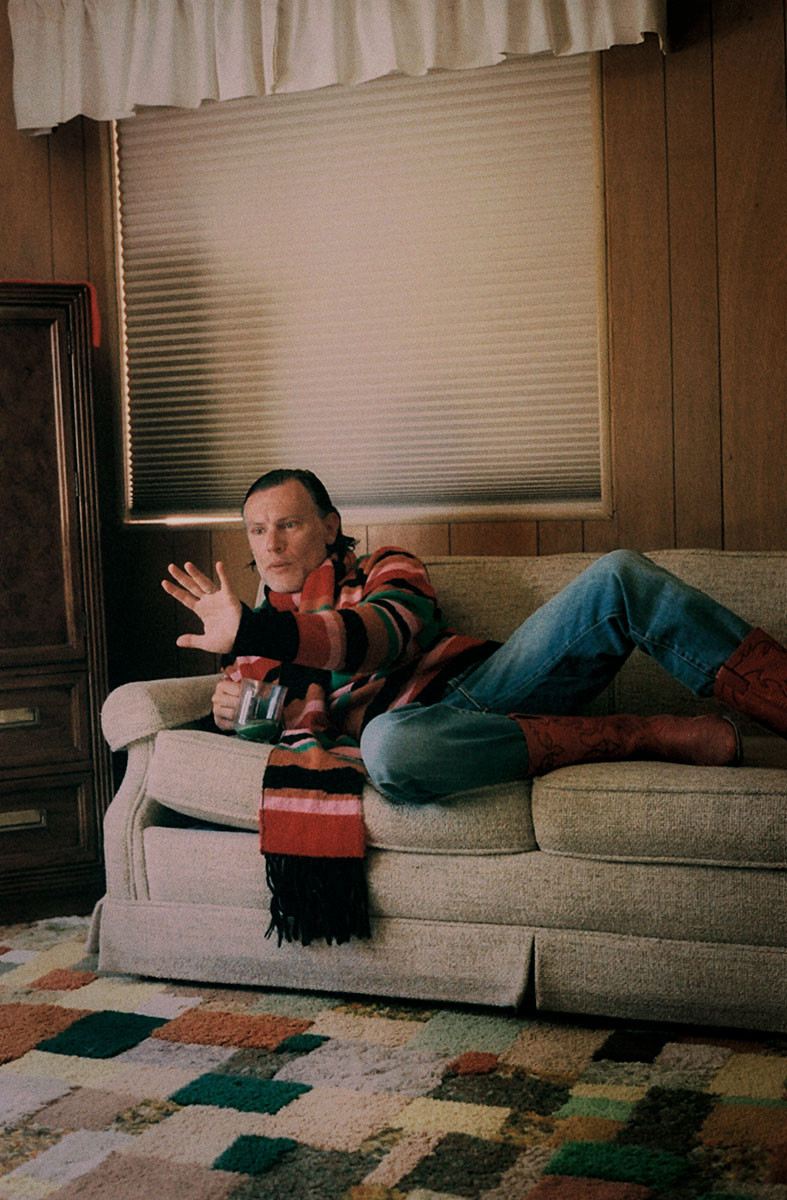
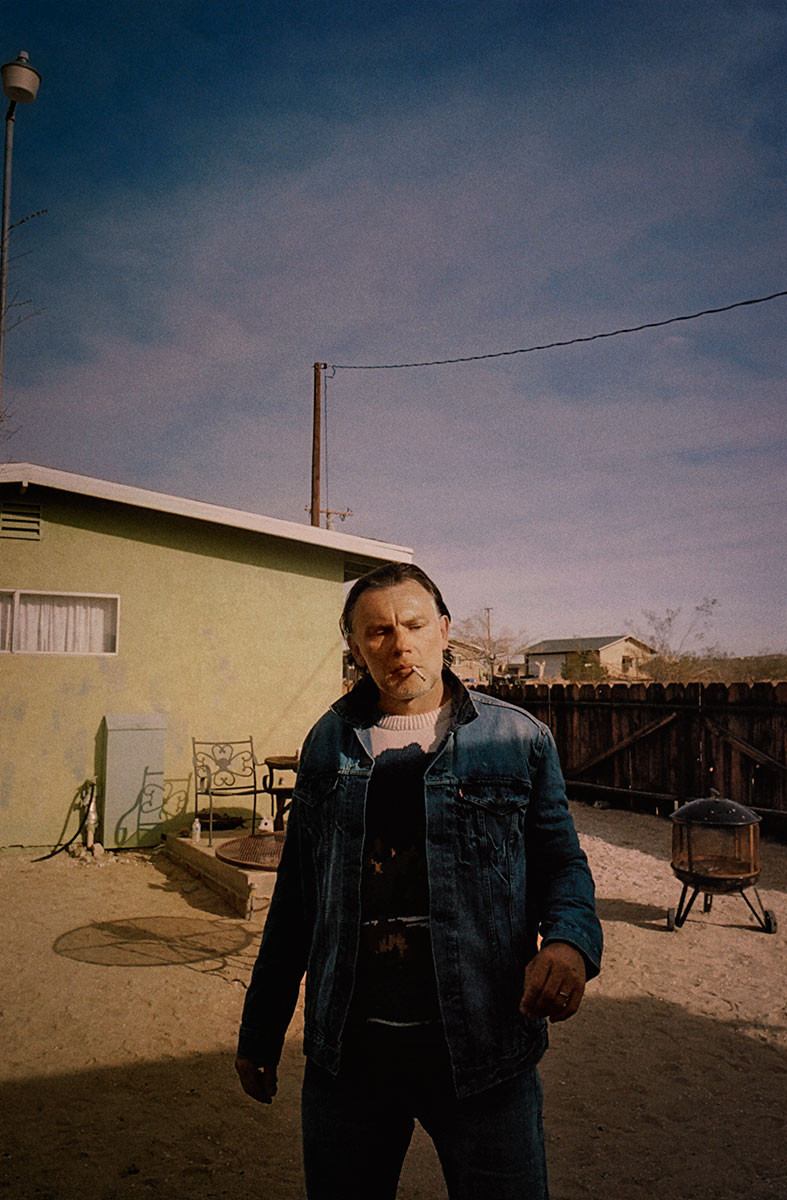
And how better to make sense of this new American landscape than to grab a car and a camera and a pair of comboy boots? As I watch them work, it becomes clear that making pictures together is not simply about the beauty and absurdity of the dessert. It's also about two old friends - long united by their immigrant status - using images, theater and fashion to explore a new home with outsider's eyes.
Thus begun a wide-ranging conversation on friendship and creativity, London and America, inauthenticity and migration, held during our evenings in the dersert, sipping mojitos in the backyard at sunset, and over Skype in the weeks that followed.


I should probably already know the answer to this, but I don't. How did you guys actually meet?
Igor Grbesic Well it was in London of course, and I would say it was at about 5am. I was in a band at the time. My bandmates and I went out and then around 5am we ended up back at this bar on Holloway Road called Bar Cosa for a lock in.
Marie Schuller Yeah, I was working at Bar Cosa. Igor's bandmate worked there too and he brought Igor back to the bar. Igor later ended up working there as well.
What brought you both to London in the first place?
IG Well, the war in Yugoslavia. I came because I was hoping to save my life, to be honest. But then to improve my life. I thought London was the center of the universe - everything that was interesting was happening in London. It smelled of freedom and vodka.
MS To be honest, I never wanted to go to London. I thought it was old-fashioned, that people were boring and just drank tea. It didn't sound cool to me as a 17-year-old German. I came for a job as an au pair and was only supposed to stay for five months - but I stayed for 15 years. It just became home. You start studying, you start setting up roots. I always wanted to go to New York - that was exotic and cool - and I kept trying to make it happen. I had a little stint there but kept falling back into the wide open bosom of London.


Sometimes I think that everything in London starts with a pub. Your local becomes your whole world. My life was shaped by the pub I worked at - it gave me all my friends, my relationship, my understanding of British culture. What did the bar where you met mean to you?
IG Bar Cosa was a fantastic place, one of those spots that gathered all the barflies and the locals.
MS There were so many characters. Igor, remember the old army guy who made me cry? It was just you and me behind the bar and he shouted at me, "Hey, you don't do anything! That other guy is doing all the work!"
IG Haha yeah. That was Army Andy, he was really nervous. He had been in Bosnia as part of the UN and has seen shit all over the place. Then there was Dangerous Dan. And Conspiracy Andy, and Rick Guinness. And then the bar owner - a guy who never drank but would have one mental night out a year. If it was a slow afternoon he would close up the bar and go shoot pigeons on the back terrace. I actually ended up writing a play based on all these characters.
MS You don't realize it back then...at the time I thought I was going to make films that were really glamorous and beautiful. But actually, that chapter made me more interested in the grimy side of society. We went to the worst places. When I think about it now some of it makes me kind of sick. The whole dirtiness of walking home at 7am and your feet hurt and you don't have money to take a cab.
You don't realize when you are going through it but it sets a foundation of how you see life. Like how Igor writes his music or his plays, or how I do pictures.
IG l think it does become romanticized, in a kind of skewed way.


Speaking of romanticization, what did you guys think of American before you came here?
MS Well you know it't funny, Igor came to London because he though it was the best place and I just came because I had an offer. Now we've ended up here in the completely opposite way. Igor came as part of this natural progression with you, whereas I came because as a filmmaker, LA was the place to go. I came here because of a dream, he came here because of an offer.
IG Yeah I wasn't too impressed with America, to be honest. My whole impression was informed by John Wayne, old Hollywood stuff. Then the cheesy rubbish of the 80's and 90s. I had a fascination with it because of that prevalence in the media, in music. But I also thought I should avoid this place.
MS We get taught about America through films. Then everybody comes here chasing those films. I think especially in places like Joshua Tree, they play on that. Pioneertown is a great example. You are literally walking onto a film set. A fabricated town that was built to replicate the backdrop of the American dream.


Was this photoshoot meant to mess around with that idea? Two non-Americans playing with cliched images of America?
MS Yes completely, we wanted to play with the whole thing. There is nothing authentic about the shoot. But it's designed to look like a documentary. So that's kind of the illusion. We are trying to create this deeply American world but there are no Americans in it - it's me, a German, and Igor, a Croat. It is just our perception of what America is. A hyper-reality.
IG I guess it goes back again to the way that I got to know America, through the media, through music, film and TV. The only way I can relate to America is to step back and be in this odd, but somehow still familiar, environment.
MS But that's exactly it. You, as an American, can see all the complexity. But we just have this one-dimensional image.
I've got a great example: Karl May. He is one of the most famous German authors, and he wrote loads of books about the America west, "cowboys and indians" kind of stuff. But never in his entire life has he been to America. And in Germany we all grew up on these books, we get fed this version and we don't know if its true.
Is theatricality and illusion often a theme in your respective work?
MS Theatrics are always a big part of my work, and so is playfulness. I like the idea that this shoot is hightly theatrical but lookds like a documentary. That merger of genres leaves the audience confused and intrigued, and there is a tension in it that I like. Photos and films that keep you guessing are much more fascinating.
IG Definitely as you say, fantasy, humor, playfulness and illusion are also in my writing. At the moment I'm working on a comedic movie script about destiny and coincidence. It's about an object, a pearl, finding its way back to its rightful owner through the decades. But the object itself is the main character, whereas the humans are peripheral. I'm playing around with the idea of a universe in which we are pawns in this object's journey.


You both have spent the majority of your adult lives as immigrants in other countries. Do you feel that being an outsider has informed your perspective?
IG I don't recognize borders. Boundaries are not for me. But then for the first time when I came to America, I was called an "alien". For me, an alien is something that eats you, as implied in the Ridley Scott film. That term surprised and scared me. I think it's so unfair to call a person an alien.
MS It's funny because I consider myself a Londoner, but I'm German. Germans think I do this "just to be cool". I don't know what the British think but I know they definitely see me as German - I have a harsher accent than Arnold Schwarzenegger. But the fact is I understand British culture way better than I understand Germans, who over the years have become increasingly mysterious to me. So I don't really belong to any country, which is totally fine and doesn't matter to me. But it intrigues me how "belonging" works.
IG I think Joshua Tree worked for us for that reason. The surrounding area is stunning and out of this world, martian-like, perfect for my new "alien" tag. One could feel at home if it wasn't so splintery, thorny, dusty and bloody hot.
This area is the perfect example of how fences are not only unnecessary, but counter-productive. If you don't fence yourself off, you have the whole desert as your back garden. It's vast and it's yours and it's beautiful. The moment you put a fence up, your view is narrower and you land is smaller.


Was there anything about moving to America that suprised you? That you didn't expect?
IG There is a lot more water in the bog (toilet) than in Europe. Everything and everyone is bigger than on TV. Or ever the big screen. And louder. And friendlier.
MS It feels like the lack of cynicism lets everyone live out their weirdness with no sense of shame. Everyone is chasing some odd obsession. Another thing that becomes very blatant, that isn't communicated in the media as often, is the widespread issues of drug addiction, mental illness, and homelessness. That is intense.