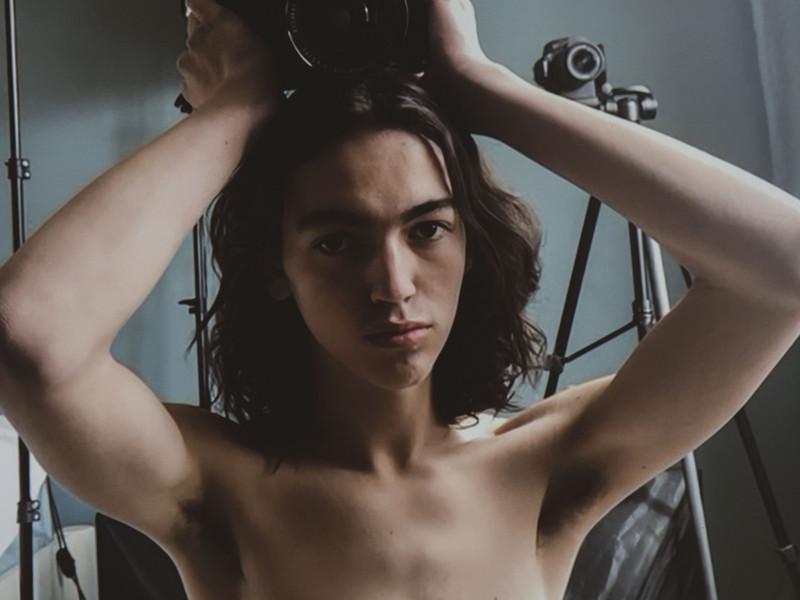
For Lovers
Lamar is a muse for the ages, a lens through which we can explore the love within both our hearts and others'.
Check out the video and photos below.
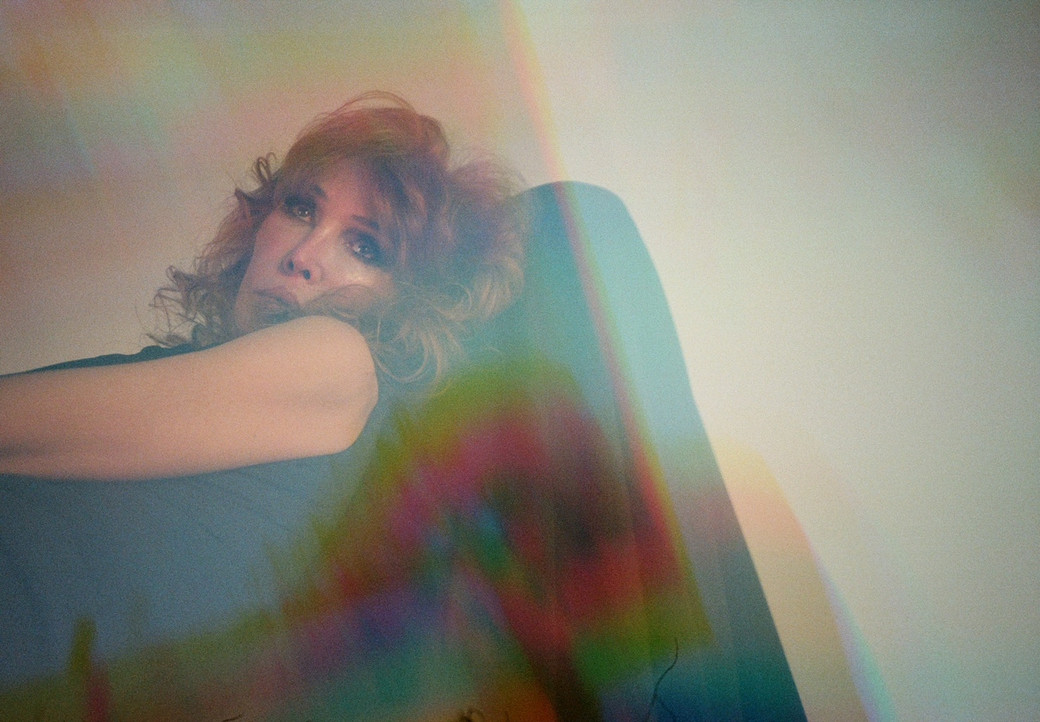
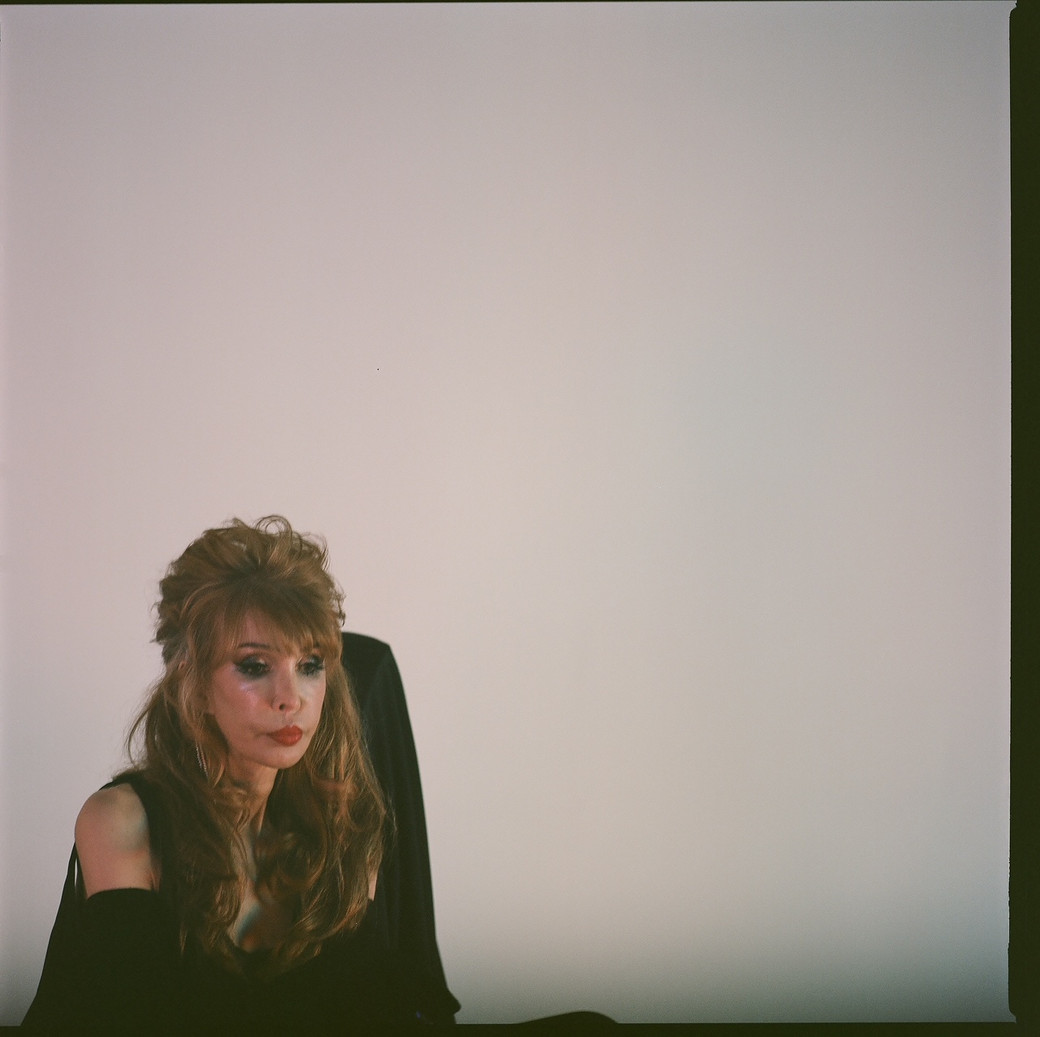
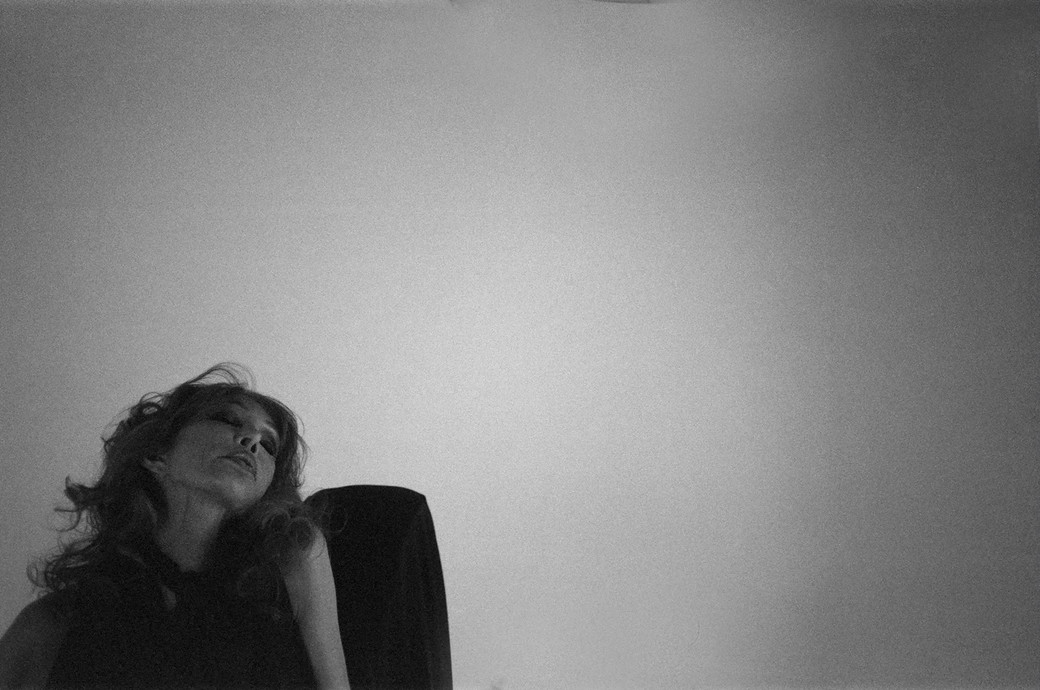
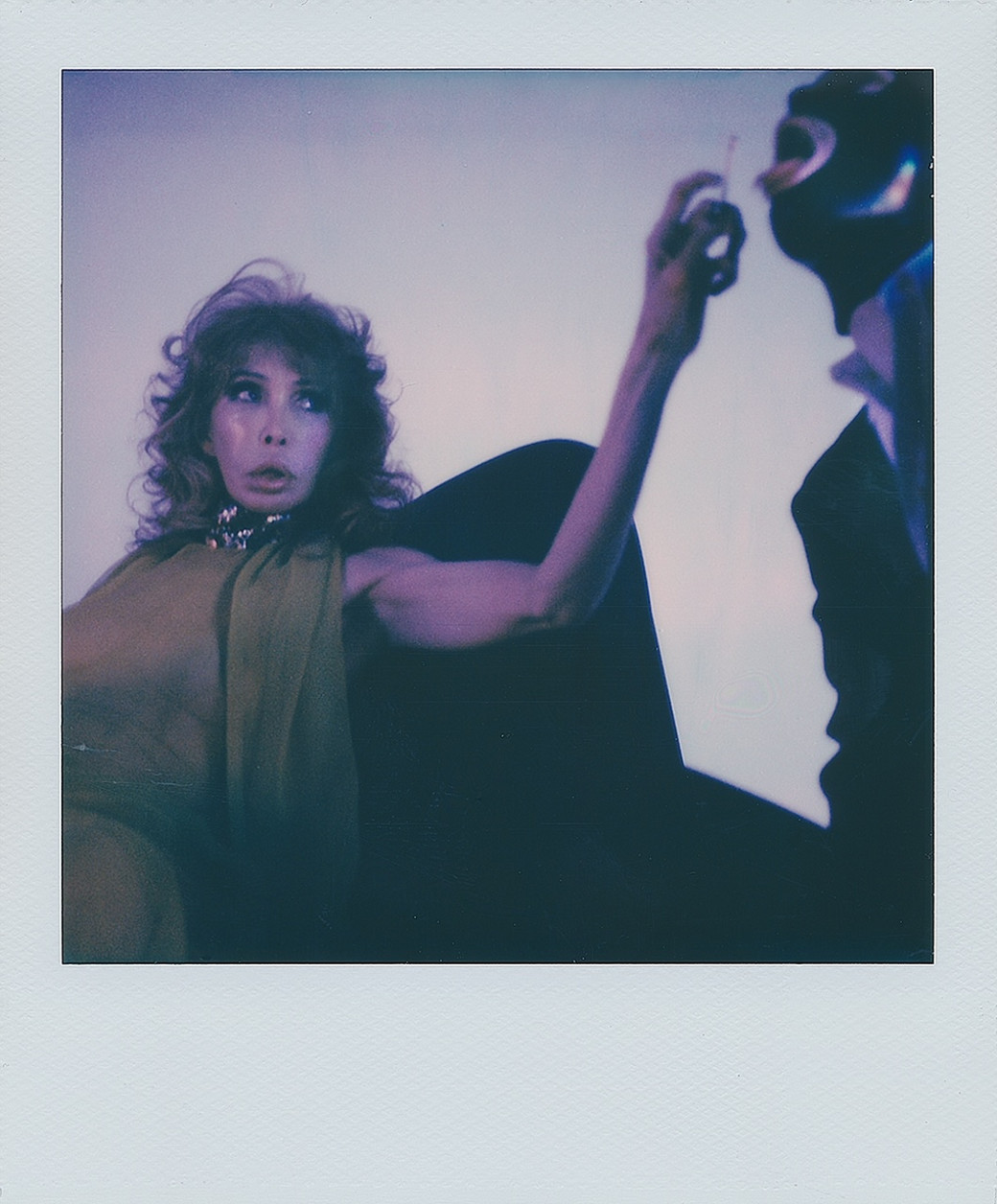
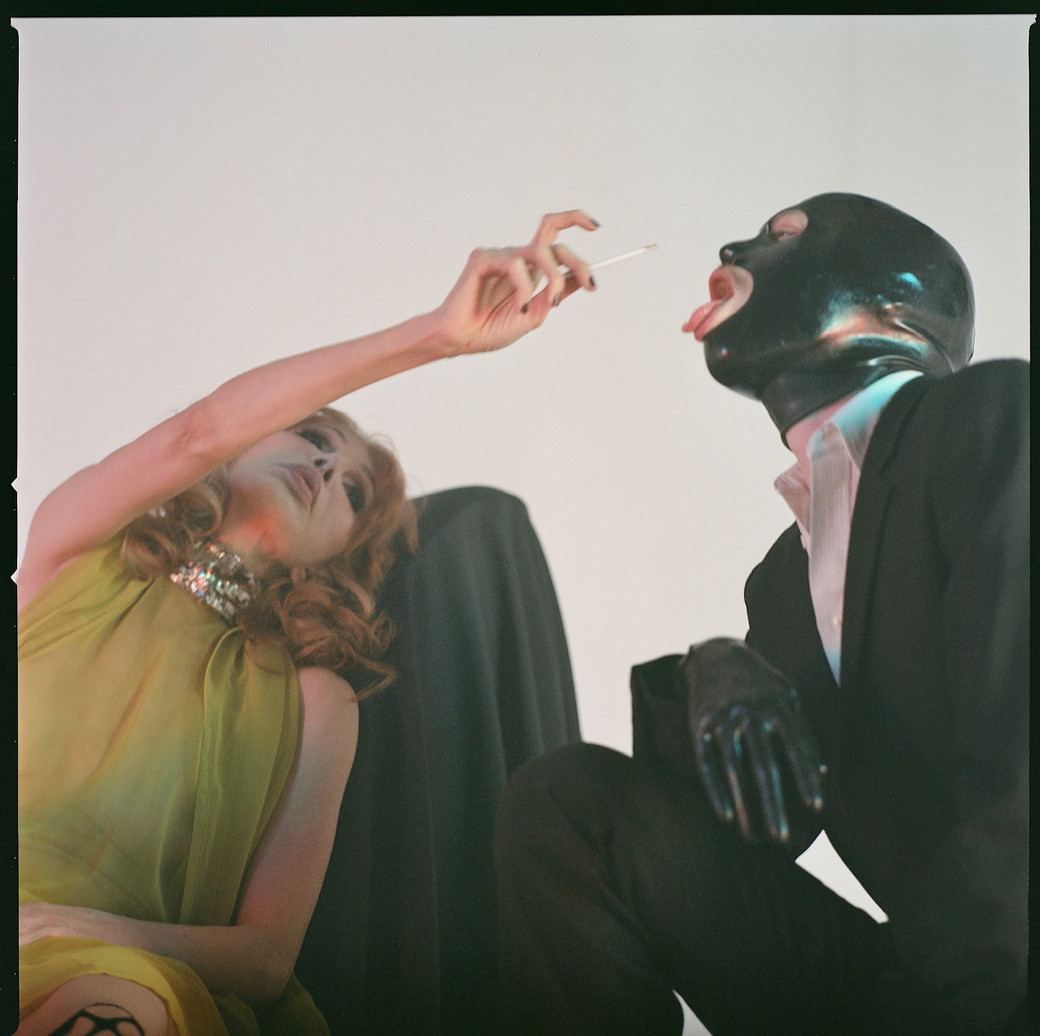
Lamar is a muse for the ages, a lens through which we can explore the love within both our hearts and others'.
Check out the video and photos below.

Can you describe Ayurveda and how it influences your food?
NK I was trained in French culinary arts in Montreal and when I had my restaurant, I was trying to recreate French cooking in India, with ingredients I was used to. I had this resistance, not on purpose, but because I think we try to recreate what we are taught because we see that as being perfect. I learned that Ayurveda was always a part of the story from the beginning, but I didn’t realize it would become integrated with food. So once I realized that, I fell in love with ingredients that were around me. Seasonality and locality came much more as an experiential thing, rather than an ethics. When I was starting to incorporate all these odd ingredients with the technique I’d been taught, which is very classic, I was also satisfying a palate and imagination which is individual. I could tell my own story with it. Similar to when you’re writing, you’re using a lot of inspiration and styles from other writers, and on a more basic level you’re using grammar and tools you learn. I’m using Ayurveda like building blocks. And adding French cooking techniques to those building blocks.


But you wouldn’t necessarily describe your cuisine as French or Indian.
NK We are citizens of the world, it’s not like you have to say I only do this type of cuisine. I couldn’t put a name on my cuisine, because we’re so integrated and exposed to everything. It’s more about the imagination and personal experience. I think most nouveau-cuisine restaurants are like that. It’s more chef driven, and imagination driven. It’s hard to put it into a box, I feel like I’d be taking away from it if I try to label it. I’m figuring it out, and it changes everyday. I couldn’t set it in stone at the moment, but I would say it’s a journey in Ayurveda for sure.
It was a very unique dining experience, because it caused you to be very present. Often people eat just to sustain themselves, but having the live music, which I found to be influential on the food, altered the experience of what and where I was eating. What was your approach to the music?
MH The dinner was divided into 6 parts, representing the 6 tastes described in Ayurveda: bitter, sour, salty, sweet, pungent, and astringent. I wanted to create a little piece of music, almost like a snack, before each dish that would somehow be related to the taste. Each taste primarily consists of two elements. The elements being: air, ether, fire, water, and earth. Of course, this is a bit abstract, especially when you’re translating it into music. I would have a sound representing the different elements, meaning each taste would have two sounds. It was my own translation, so there was nothing necessarily scientific about it, but there was something systematic about it. I just used intuition to create that translation from taste to sound. I was about the idea that you could open your consciousness for that taste, and for those elements to enter your body. And then, again, thinking about creative ways to translate more literally, we assigned colors to the elements. So there were 6 different colored lights. It was an intuitive and creative translation while trying to be literal. Nobody can tell you it’s wrong or right. We just found it fun for our own process and hopefully for the audience to feel as if there was a system to the madness.
NK Just to add to what he was saying, it is an abstraction, but in Ayurveda, everything is really one. The dimension of music, taste, sound, color, love, experiences. I called my cookbook Ojas, which is the finest byproduct of digestion. And you’re not only digesting food, that’s a very literal sense of it. In your solar plexus, your emotions are at the top of the list of what you’re digesting. This matrix that he described was the base structure, from which we were able to create a communication between me and him. While I was plating, the whole time it felt as if I were in communication with him. And then putting food out, I wanted the audience, to share that. Them eating the food, was almost like replies.


I know you studied engineering. How did you transition to cooking?
NK I was a logistics analyst and was traveling and training people on stuff like RFIDs, super nerdy. Without getting into too much detail I came back from an 80 hour week in San Francisco, and was totally spent, but decided to go directly back to work because I wanted to finish up everything I had to do. And it was expected of me too. I went to the cafeteria, a grapeseed oil bottle fell, long story short I was practically handicapped for 8 months. That really changed my perspective because I honestly felt I was invincible. We all do.
I had gotten into Ayurveda when I was 10. That was my Harry Potter. I wanted to be a yogi. And that never switched off. So after that happened, I didn’t want to take painkillers, or any of that stuff. So that pain and gruesome experience of rehabilitating myself changed something within me for the better. It was a blessing in a very intense disguise. I decided after that, I don’t want to go back to the world of engineering. I loved the science, but I wanted to do something creative. Cooking is more vocational and physical, but it brought out my creativity more and more.

I feel like all creative people have, to some extent, a sort of system or logic that is the basis for their creativity, so I’m sure the engineering background helped with that.
NK It’s such a strong foundation to be creative from. If everything is chaos, including the foundation, then the creativity has nothing to stand on.
MH It’s almost the only way to get anything done. Otherwise it’s just good ideas. Everyone has good ideas, it’s not that hard. It’s about having a driver or vehicle to turn it into something. I think that’s the hard part.
What was the purpose of the white suits?
NK We can make statements with something so small. The suits were to say on a happier level, we’re all stars and we’re connected together like a constellation. We’re all the same. We’re all here, we’re all a blank slate, we’re all working together. I didn’t want to distinguish that I’m the chef, he’s that… everyone has to be there for the experience to happen. Doing this, especially with your partner, and all your most loved people in the room, we created our own universe.

It’s been a big year for Bria— bearing opportunities one could only dream of, and they seem to keep coming. From the viral rumors of her romantic ties to Drake (they're just friends, but still) to having been optioned for a Harmony Korine film, call me cliche— but there's no other way to put it: Bria is one to watch. While she won't disclose the projects she's working on at the moment, we can confirm whatever they are will be much better with Bria.
office caught up the actor a few days after the Academy Awards— which her co-star WIllem DeFoe had been nominated for— to find out about her foray into film, and how that first taste of fame feels.


Dress by Eric Schlosberg, Dress by Gucci, Shoes by Nike
So, as the story goes, you were hit up on Instagram, out of the blue, by Sean Baker— having not acted previously. What do you think the draw was for instigating that initial connection? Do you see something instinctually similar about you and the character or concept of the film?
I was posting the silliest videos at the time. I was just having fun and I think Sean saw a carefree element that he wanted represented In Halley's character. When he initially told me about the film, I was really nervous but also really excited to be considered for the role because the film seemed unlike anything I had ever seen before!
Had you been to Disney World before?
Yes! I went once when I was 12, I think.
What was the first experience you had in Florida?
I grew up in New York City, but had spent eight months living in Miami before I had moved back to NYC. I love the weather in Florida but it's too slow-paced for me. I didn't even last a year.


Top by Eric Schlosberg, Jacket by Gucci, Top and Skirt by Hardeman, Shoes by Alexander Wang
How was it working with a child actor? Did you guys get along?
All the kids on set were so special! I had never really had such close bonds with kids until I met Brooklynn and Valeria. They literally became my mini best friends and we hung out every single day on set. I still keep in touch with both of them! I was just on FaceTime with Brooklynn the other day and I saw Valeria two weeks ago. It's been so special to watch them grow and to be able to experience all these new places with them. They're both really smart and talented girls and they've made me want to be a better person because I want to be a good role model to them both.
What are you working on now?
I've worked on a few things since TFP that I'm not allowed to talk about yet! It's been really exciting to get to pursue a new career that is challenging and something I never thought I'd be doing.
Do you have specific goals for acting, or having been pretty much thrown into the industry without notice, is that hard to gauge?
I definitely want to learn as much as I can and be able to take on roles that I would have never imagined being able to do. It's really interesting being a completely different person for each role, and I never truly realized how hard it was and all the different aspects involved in filming something. It's definitely a dream job to be able to tell special stories.


Top and Pants by Paco Rabanne, Shoes by Gucci, Dress by Gucci, Glasses by Planet.i
What do you think is the most important message instilled in the film?
Definitely empathy. It's important to be aware of similar situations that are going on in your own communities. This isn't just going on in Florida and making people aware is definitely an important message of the film.
What do you think the role of actors is in society? Did this change before and after the film?
As an actor I think it's really important to put your platform to good use. Especially now, that people are aware of what’s going on in the industry, it's important to stand up for the voices that aren't being heard. I never really thought of the social responsibility it gives you, but now having a platform has definitely made me aware that I have a voice and I should use it.


Dress by Acne, Shoes by Nike, Glasses by Planet.i, Earrings by Concrete Collective, Top and Pants by Eric Schlosberg, Jacket by Gucci
What is your guilty pleasure?
My guilty pleasure is definitely kinder chocolate. (laughs) It's kind of not healthy how much of it I can eat at a time.
What was your favorite movie as a child?
Girl Interrupted and Spice World.
Worst hairstyle you’ve had?
Probably side bangs. Ew.


Dress by Eric Schlosberg, Gloves by Collina Strada, Dress by Gucci
Finally— one weird talent, hobby, or interest you haven’t told anyone in an interview yet?
I can make my tongue touch my nose. And I really want to get a job narrating Planet Earth on BBC. That's probably my biggest dream.

In his documentary My America, Roper has managed to show there's still strength to fight, which he has found deeply present across America’s adolescent generation. By giving voices to those who usually aren’t listened to, he created a moving and necessary film addressing some of the issues America is facing with now. But, as Roper says, it’s not about politics. We sat down with the artist to find out why.


My America has obviously come at a poignant time, considering our political climate, what was your original inspiration for this film?
I had been living in NYC for 10 years and in 2016 I moved back to the UK just as Brexit happened. Then the USA elections happened, the inauguration, and by then I was feeling very anxious about the future and where we were going. People always say to me, “It’s middle America’s fault,” and I never understood that. So I wanted to go and see for myself and do a film about the next generation.
I wanted to find out what they thought and what they were doing to push themselves forward. The easy option was to shoot the film in NYC and LA, lots of freethinking and expressive people. But that was not who I was interested in. You see these people everyday walking down the street, happily expressing their individuality. I wanted to go and meet people who I would not normally meet or see.


What do you want your audience to take away after watching it?
This is not a political film; this film is about hope and strength within the youth of a country. I want to show their fight, their togetherness, and their hope. I want people to think that we all have a part to play in this world and you have to fight for what you want: you have to contribute. The youth of the world need to be listened to.
It’s hard not to think of Parkland when watching My America—how do you think kids can help in ways that adults can’t? Or how do you think kids’ views on the world are different than most adults’ right now?
They have the energy, they understand technology, but they are only just figuring out that they have so much power. It’s all about momentum and they have to keep fighting even after the press leaves. They need to take the fight to their government. The kids from Parkland have now organized themselves and they have said, “No more, this situation is bullshit!” And that is amazing because it is very simply bullshit that people can walk into a school and kill so many people over and over and over again. Some of the individualities in My America had more strength and fight in them than I have ever seen. Adults sit there and think that the system is corrupt and there is no saving it. But that’s not true there is hope, and you beat the system piece by piece. “The crowd” is the future. If the youth from every culture and background came together, it would be an unstoppable force.


Obviously there are a lot of ways in which the film industry needs to improve, what are some ways you think it can do that?
1. Inclusion: having a more balanced industry in pay, gender, and ethnicity.
2. Film is about stories yes, but it is also about showing ideas, creativity and magic. So let people be more creative and let them express themselves.
3. Have more outlets to show new work.
4. Have more programs to help young filmmakers produce films.