For Lovers
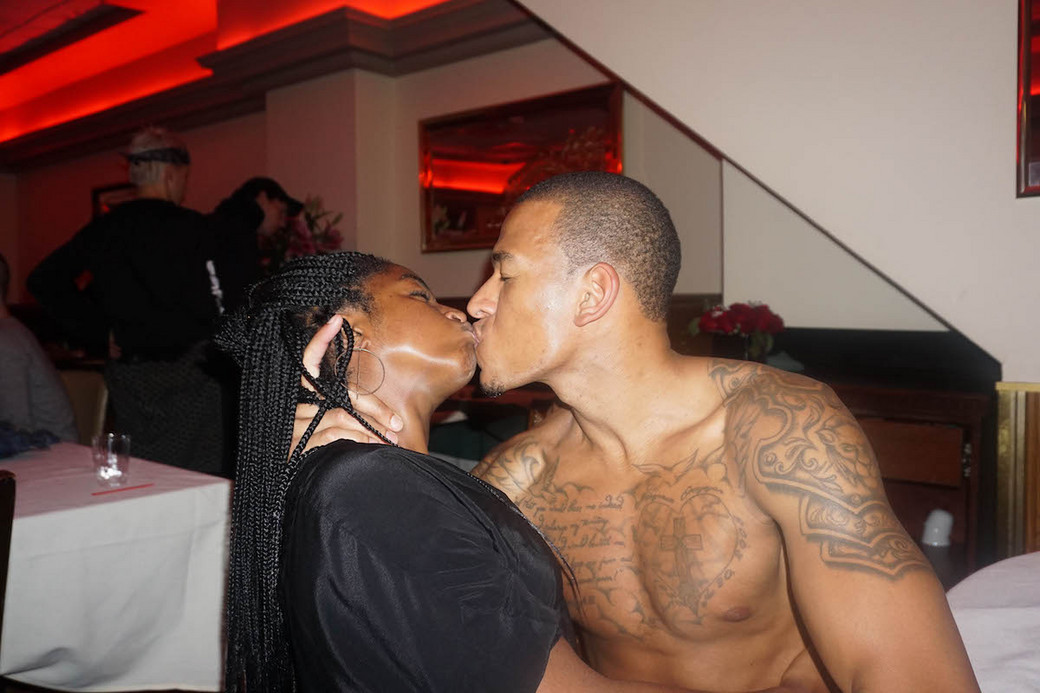
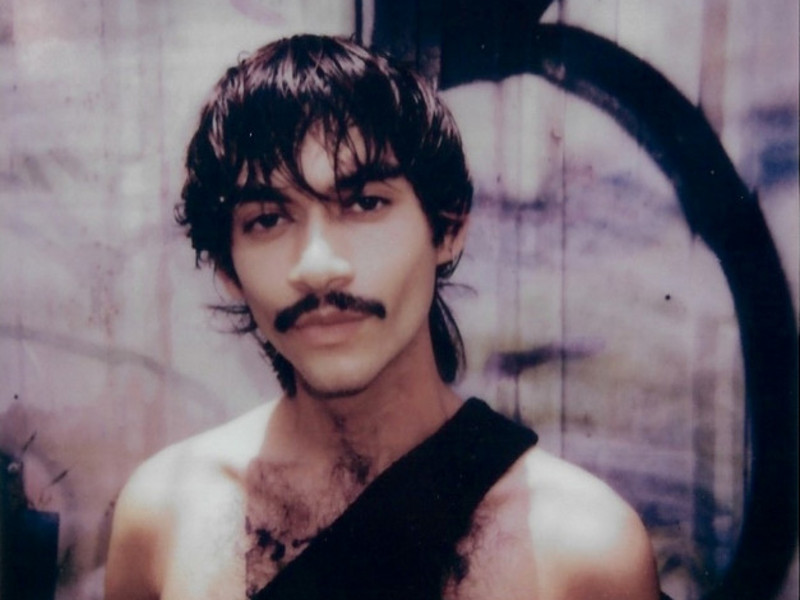
Lamar is a muse for the ages, a lens through which we can explore the love within both our hearts and others'.
Check out the video and photos below.


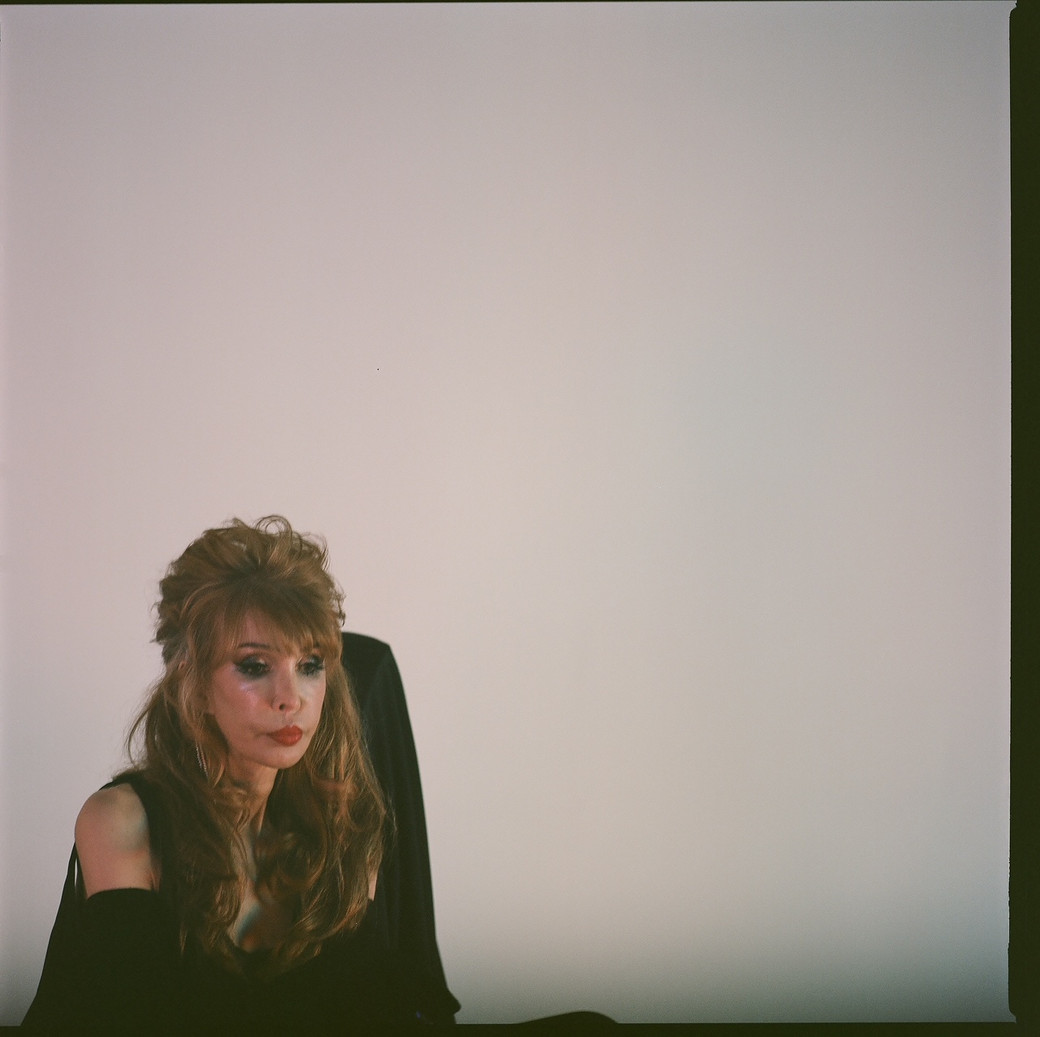
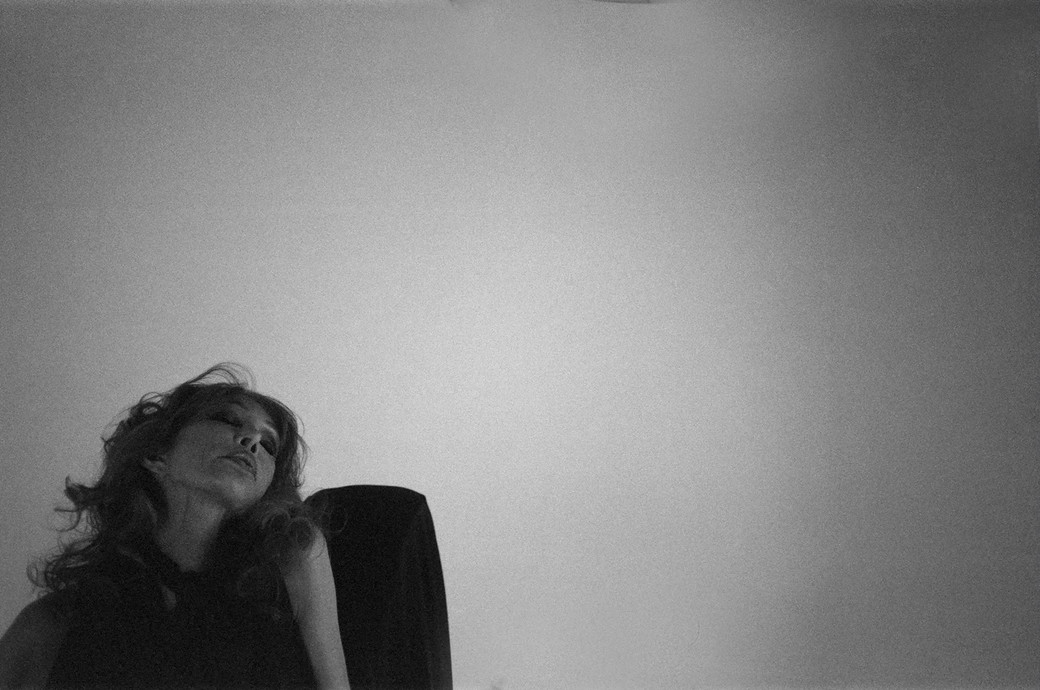
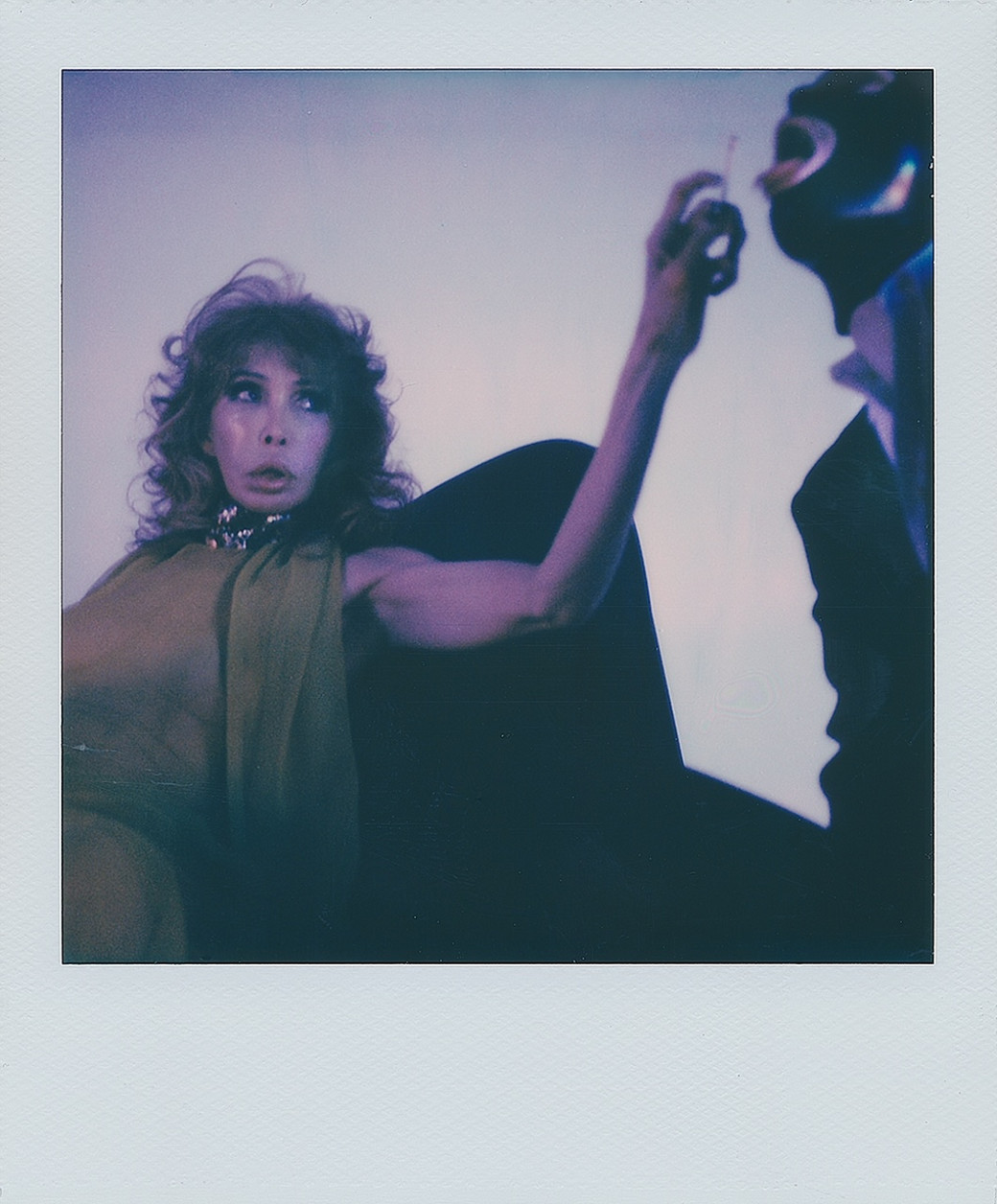
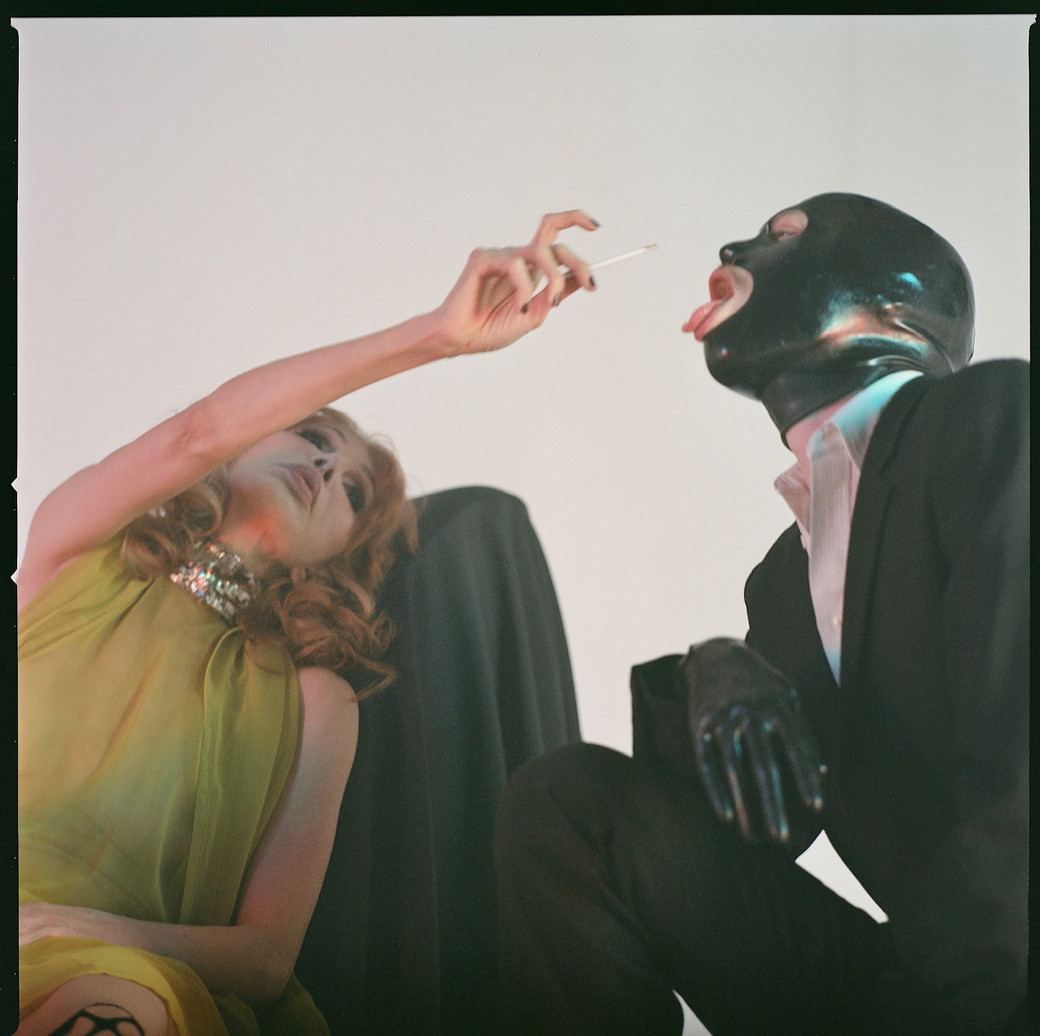
Lamar is a muse for the ages, a lens through which we can explore the love within both our hearts and others'.
Check out the video and photos below.
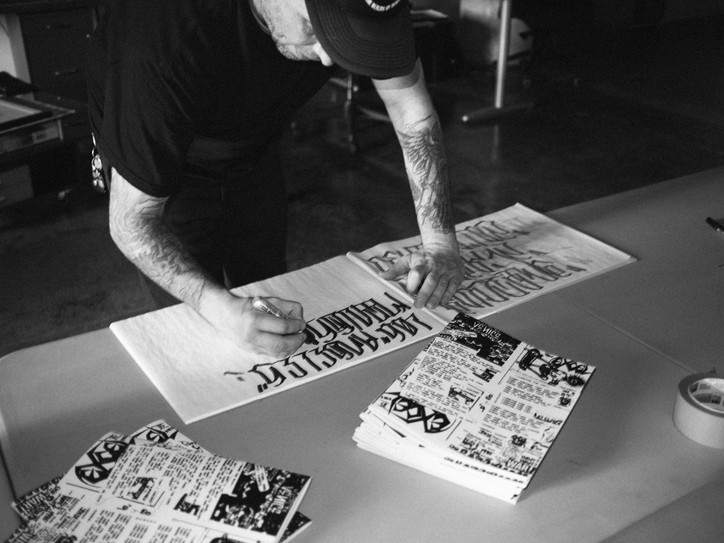
How’d you get set up with Mike and this book?
I met Mike through my good friend and neighbor, Erik Brunetti who I met at a punk show in ’86 or so. We were both graffiti artists and he had a bookbag with graffiti on it. Then when he started Fuct, I went to work with him. We’ve been friends ever since.
What’d you do for Fuct?
I did some graphics. I was the operations manager in the original warehouse. I’d already started working with streetwear companies in the late ’80s when I was still in high school. I worked at Dogtown in their warehouse and kind of worked my way up. I’ve done graphics for Stussy and XLarge over the years as well.
How’d you organize what you showcased in the book?
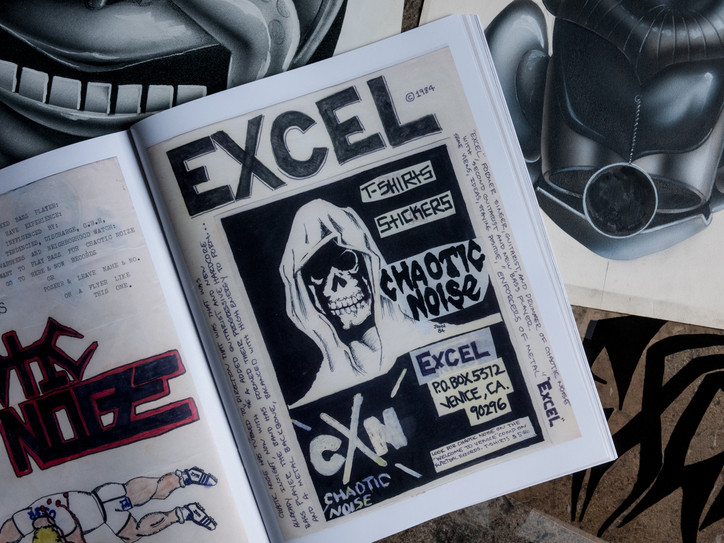
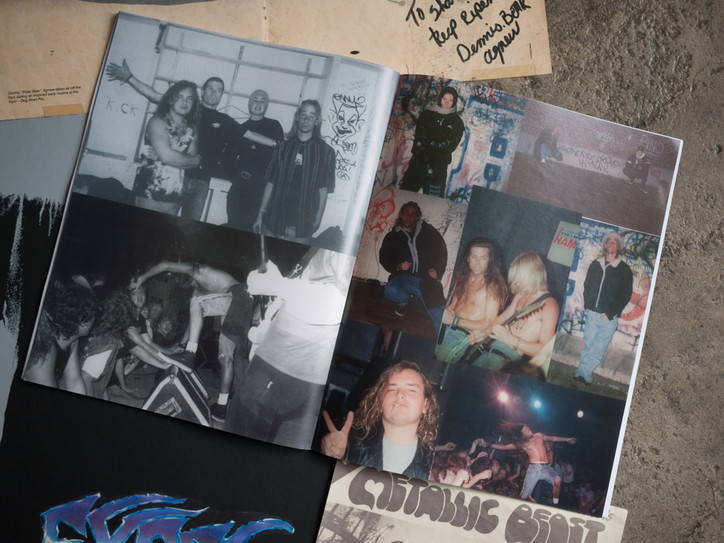
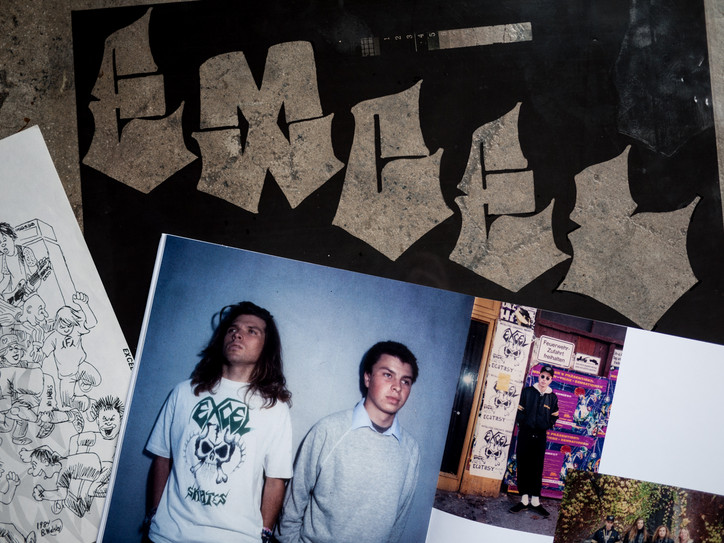
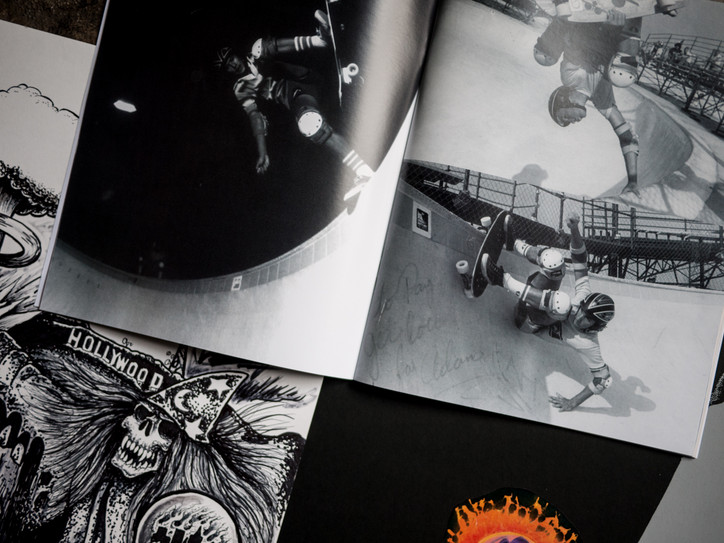
It’s representative of the different eras. It’s like the path that we took through the counter culture. In 1978 my dad started skating at Marina Skate Park and it just happened to be where all the Z-Boys were. We ended up becoming locals there. ’79 or ’80 is when they went from stoners to punk rockers. We were exposed to punk rock as early as anybody was, that we knew of, on the west side of Los Angeles. Then the skate park closed in ’81, and by ’83 I was Xeroxing a punk-band zine. We were writing to the bands we liked. We were fans of the original hardcore scene. By ’85 we started Excel and the rest of the book is the rise until the original lineup split up.
What was it like growing up in west LA?
I grew up in Culver City in west Los Angeles. It kept changing. Gangs were fist fighting and then they had automatic weapons. When cocaine was introduced, everything got way more militarized and crazy on the streets. You had to maneuver to get through it all. I think being into punk rock and skateboarding and being in a band kept us out of trouble. We always had shows coming up and we were recording. It gave us something so that we didn’t have too much time on our hands. We didn’t get involved in anything too criminal.
You were also in the graffiti crew Kings Stop at Nothing?
Yeah they started at Fairfax High — our guitar player was from Hollywood — and it was one of the first-generation Los Angeles graffiti crews. Everyone would come to our shows; we’d all be hanging out all the time. Excel was one of the first cross-over bands.
Can you tell me about your sound?
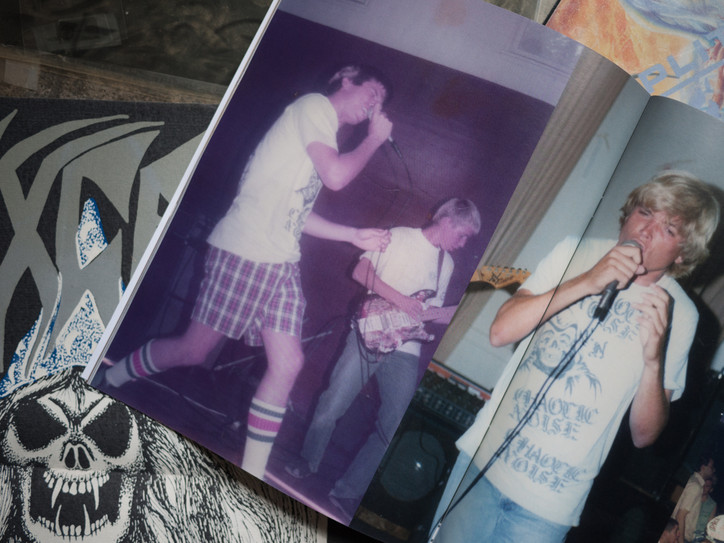
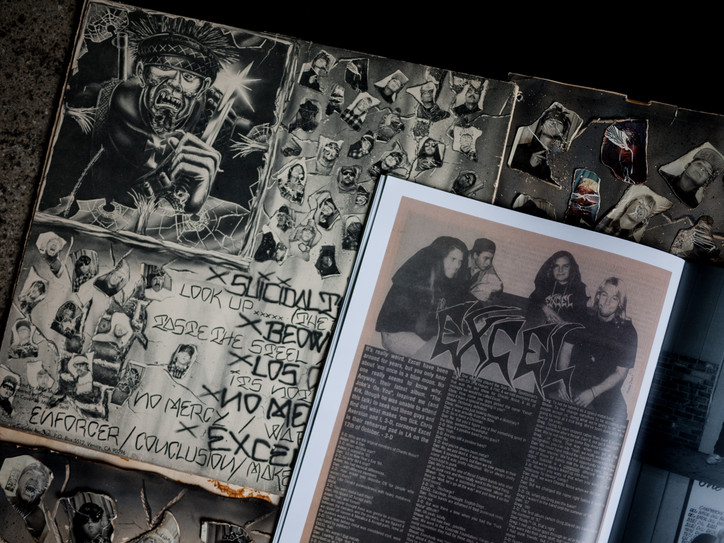
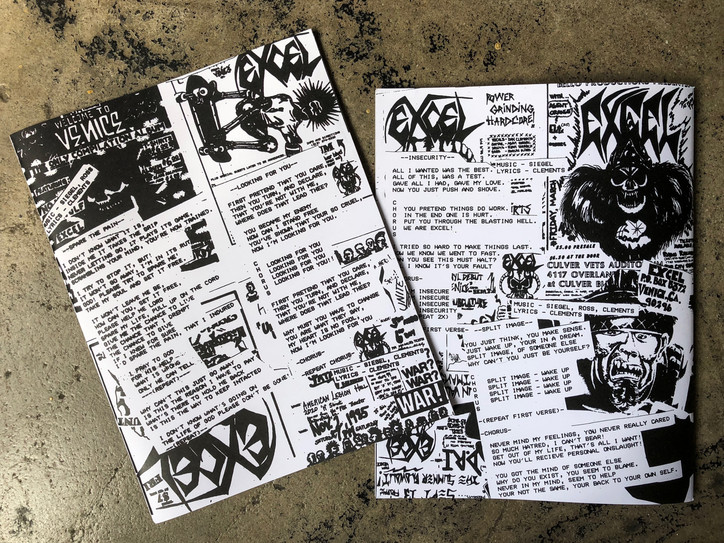
We were punk kids that were discovering Slayer and other metal bands. Our thing was crossing over punk with metal, which wasn’t common back then. You were either one or the other. We just tried to do our own thing. Our lyrics were frustration with relationships — or lack of relationships. Just a product of being a picked-on guy in school. We were fans of a lot of the straight-edge bands like Uniform Choice and Seven Seconds, but we weren’t straight-edge. We weren’t interested in preaching to people, we just wanted to be positive, you know? What was it like to tour in Europe back then? We never felt like we’d get there. But then demand just grew. Our record was produced by Mike Muir from Suicidal Tendencies and distributed through Caroline Records, which was a Virgin subsidiary. We were label mates with bands like Smashing Pumpkins and they eventually just put us on the road.
And you recorded with HR from Bad Brains — how’d that happen?
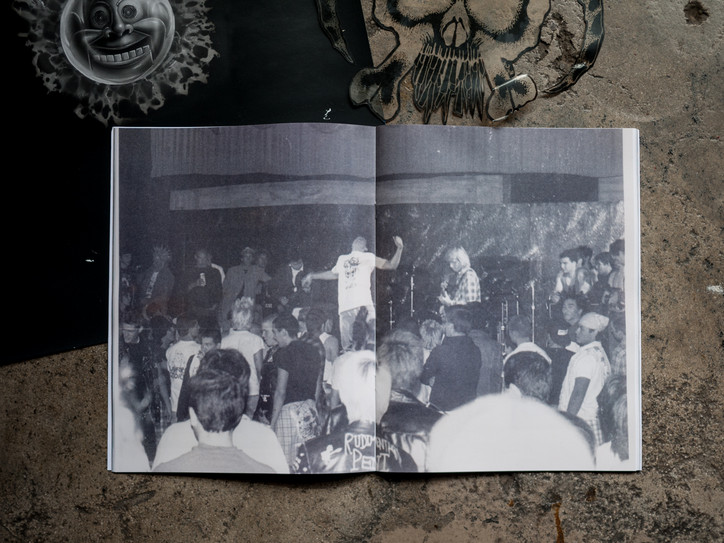
Bad Brains was bigger than music. When you’re not exposed to anything religious or spiritual previously, you hear that and it’s like more than music, with the message and the way it’s delivered. So anyways at the time, a friend of mine said he was with HR in Venice. We told him to bring him to the studio. And we ended up doing a song with him.
So you weren’t even planning it?
No, it just kind of came together. This is when I was living in the Fuct warehouse. After we recorded the song with HR, we were all heading home and it turned out HR had nowhere to go. And I felt like it was my punk civic duty to take him in. You know, I was in my early 20s and was kind of squatting. It just didn’t matter. He ended up staying with me for six or eight months. He thought I had money and like owned the company or something. And he came to me looking for a record deal. So I contacted the Beastie Boys who were partners with Fuct and were involved with XLarge at the time. Those efforts set off in motion Bad Brains signing to Maverick Records for the God of Love record. It was trippy and special. Someone like HR, you hold him high — especially being from the West Coast because we didn’t see him around. He wasn’t hanging at shows like he was on the East Coast. So this was a huge deal to us.
What was your reaction to Metallica ripping you guys off?
I mean, there’s nothing new under the sun. And it’s not a unique situation. But when we played in the Bay Area, they’d been at our shows; they were aware of us. Dan (Clements) was in touch with people in their camp because he was a huge Metallica fan. It was weird because the original Excel line-up broke up shortly after. So those two things at the time were a heavy blow. It was kind of funny putting it in this book, because if it were a documentary, it’d be entertaining. I mean if we’re writing songs that are reworked to become one of the greatest rock hits in history, how come we can’t get a break? But that’s just life I guess; shit like that.
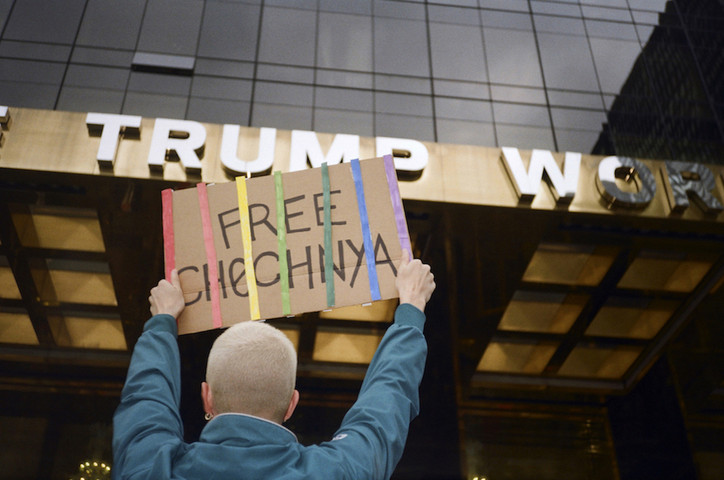
Speakers at the rally included Voices 4 founder Adam Eli, Russian-American journalist Masha Gessen, Rabbi Sharon Kleinbaum, and Voices 4 founding member Marc Sebastian Faiella. RUSA LGBT member Nina Zaretsky was joined by Voices founding members Ricky Santana and Lae DuBoi who each read personal letters obtained by RUSA LGBT from Chechen asylum seekers and survivors.
Following the rally a march took place from Stonewall Inn to the steps of Trump World Tower at the United Nations Plaza on the Upper East Side. During the march, designated marshals from Voices shielded the participants from oncoming traffic with additional support from city officials. Many onlookers displayed support for the cause with gestures of solidarity.

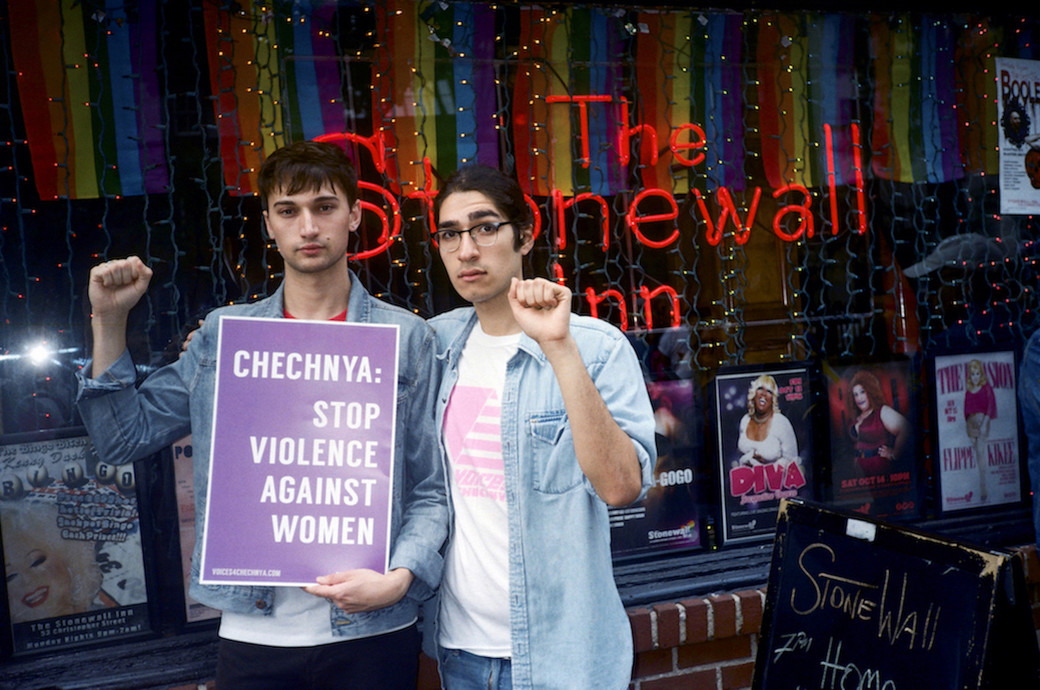
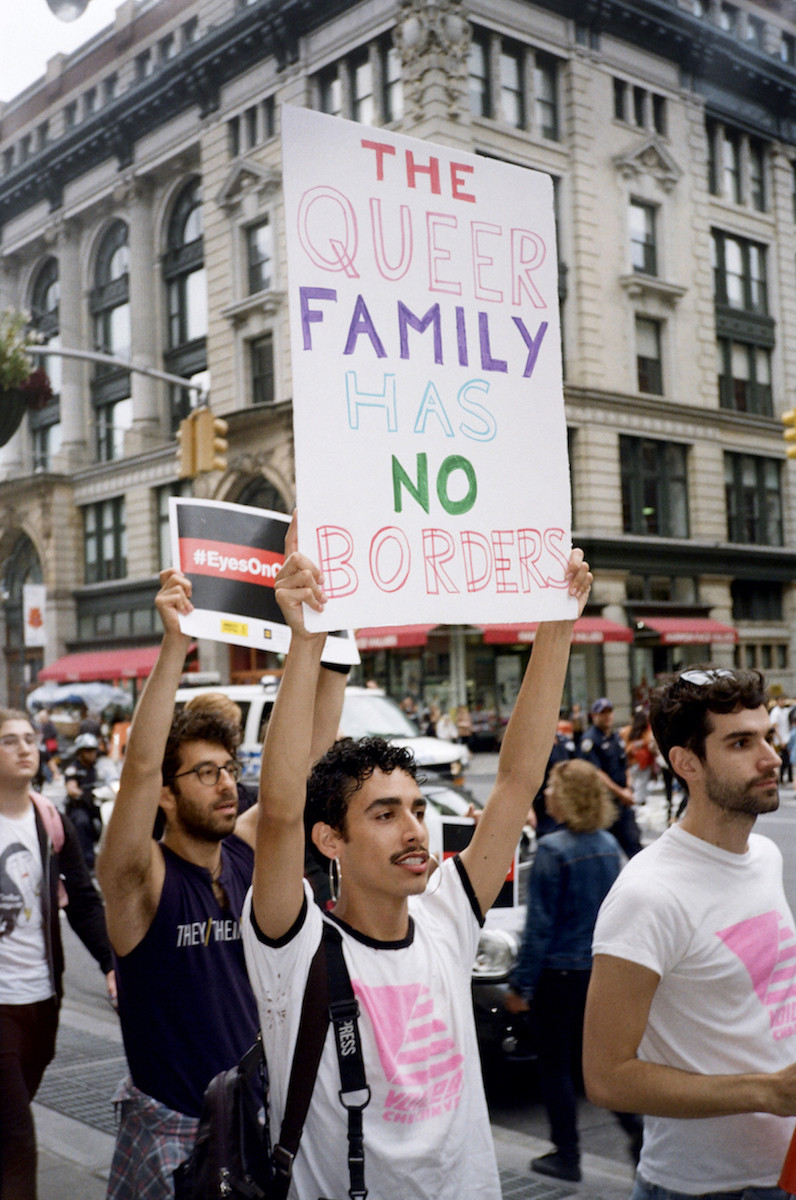
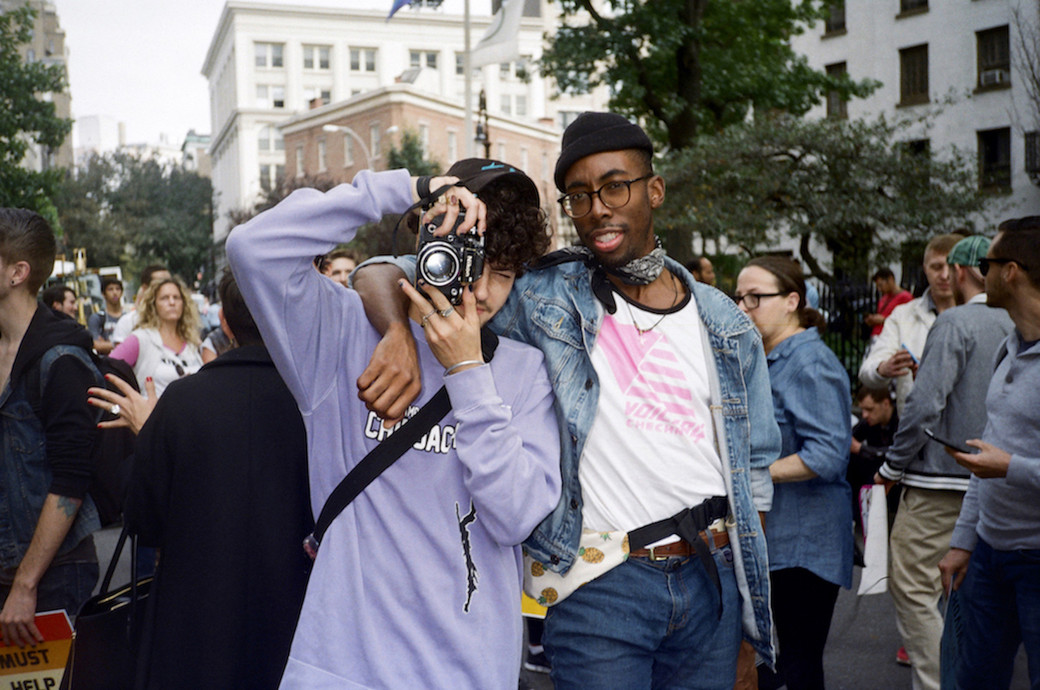
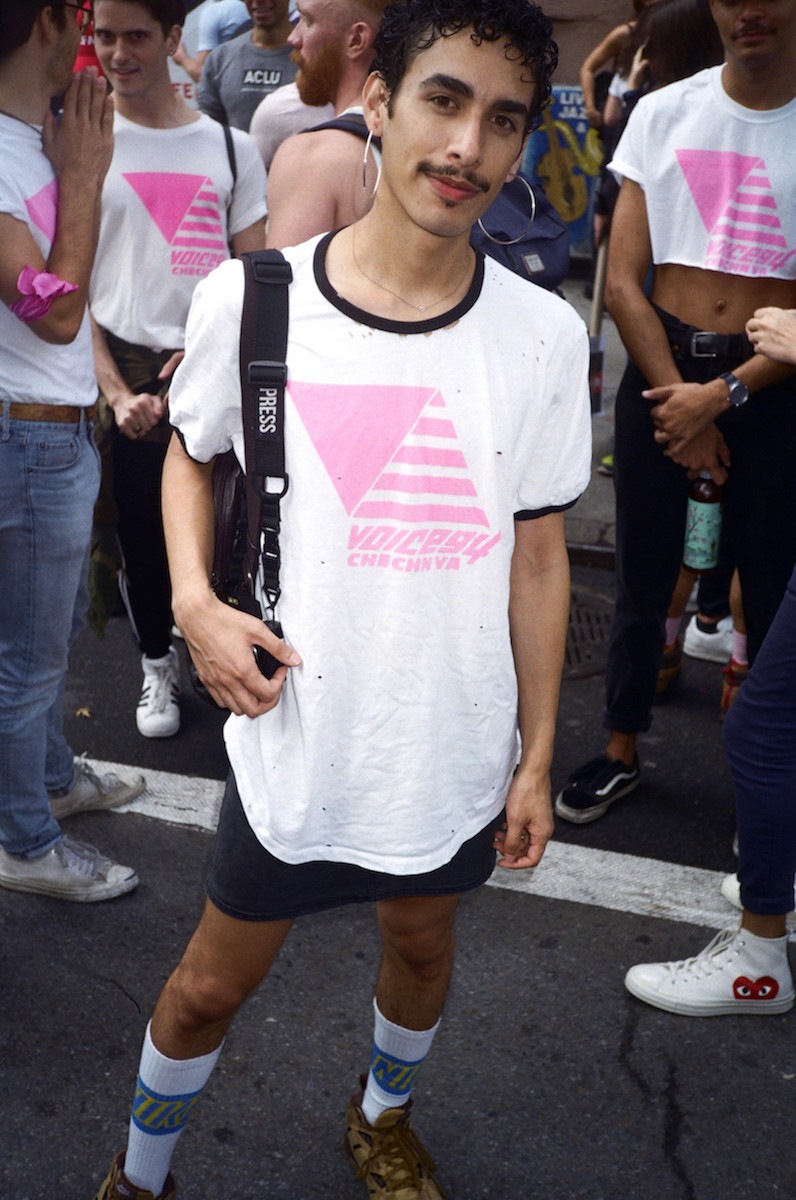
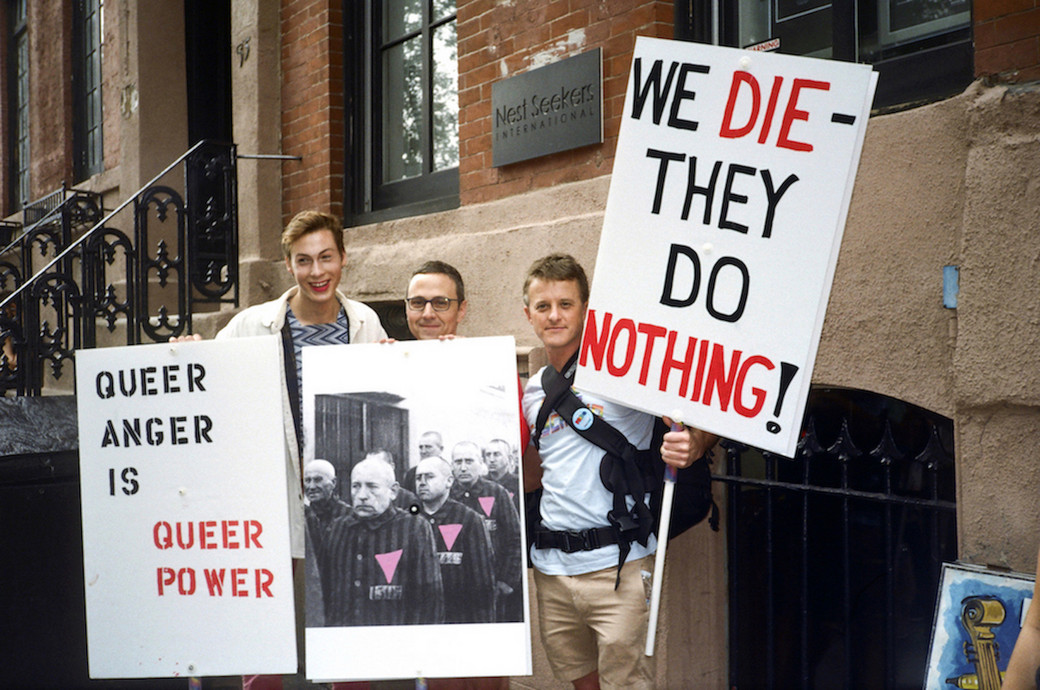
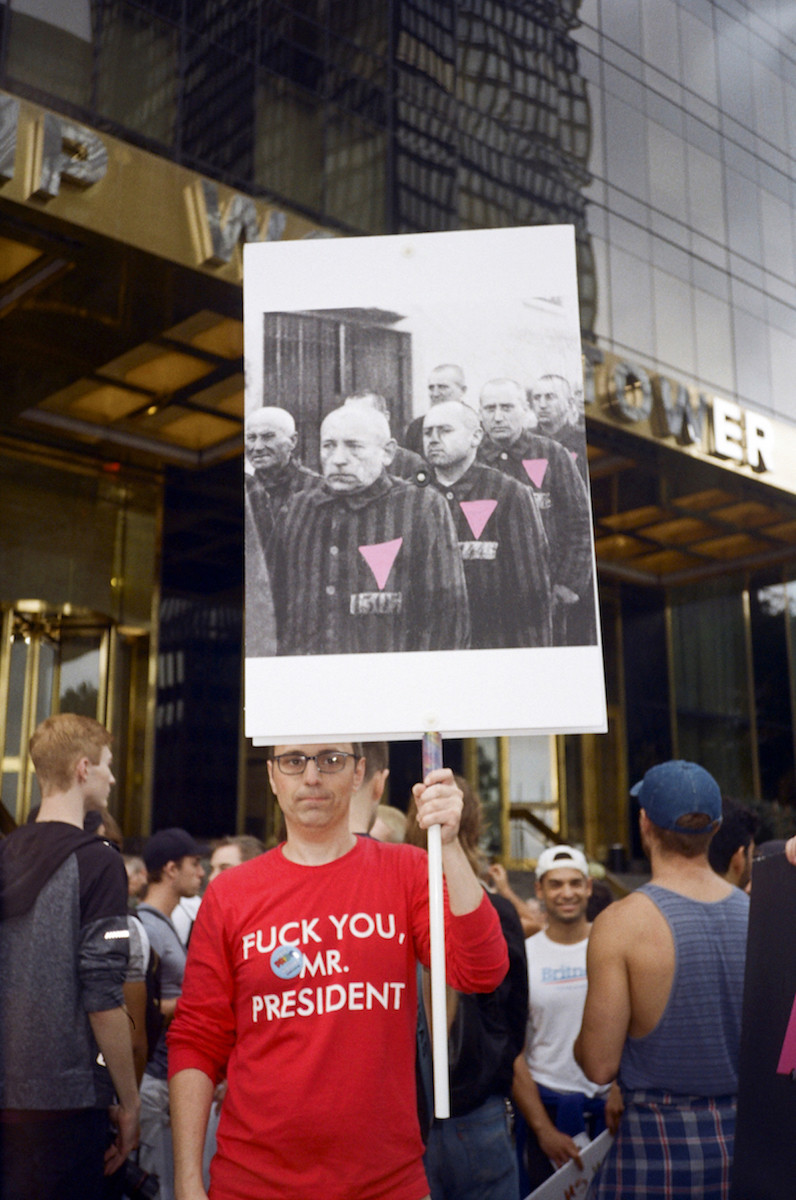
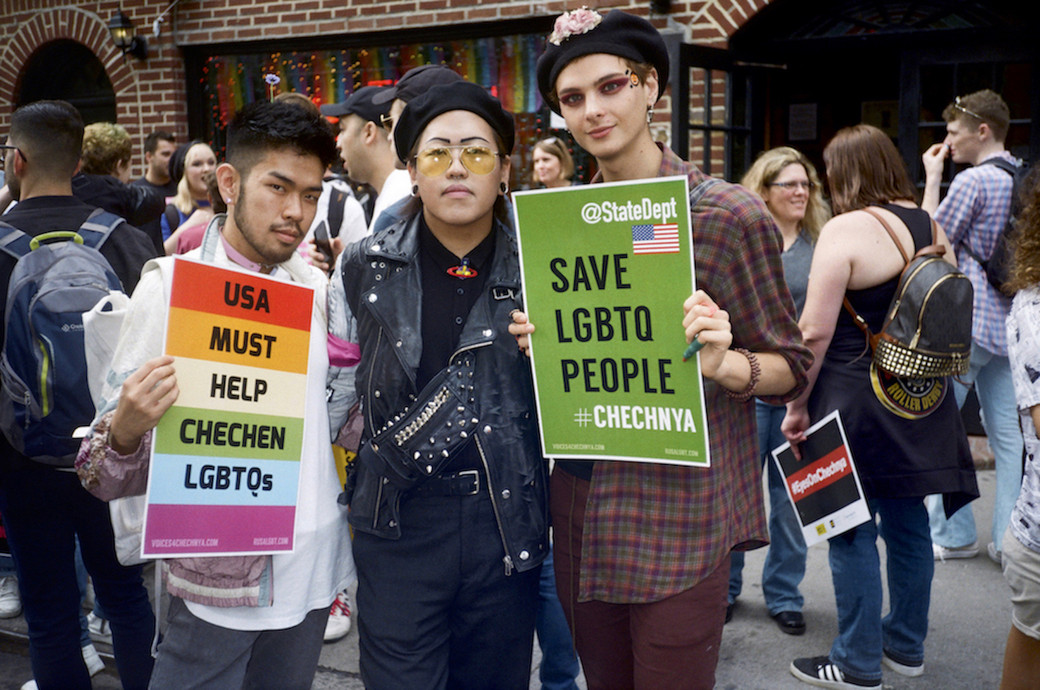
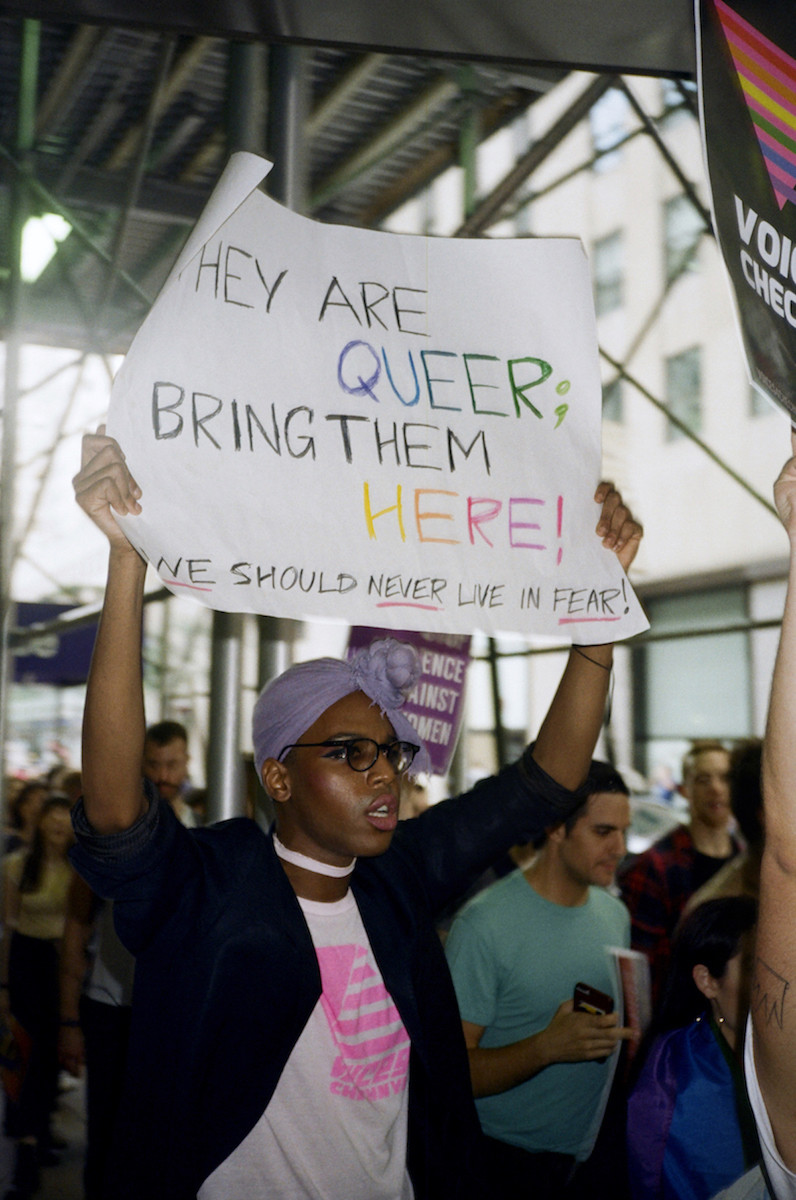
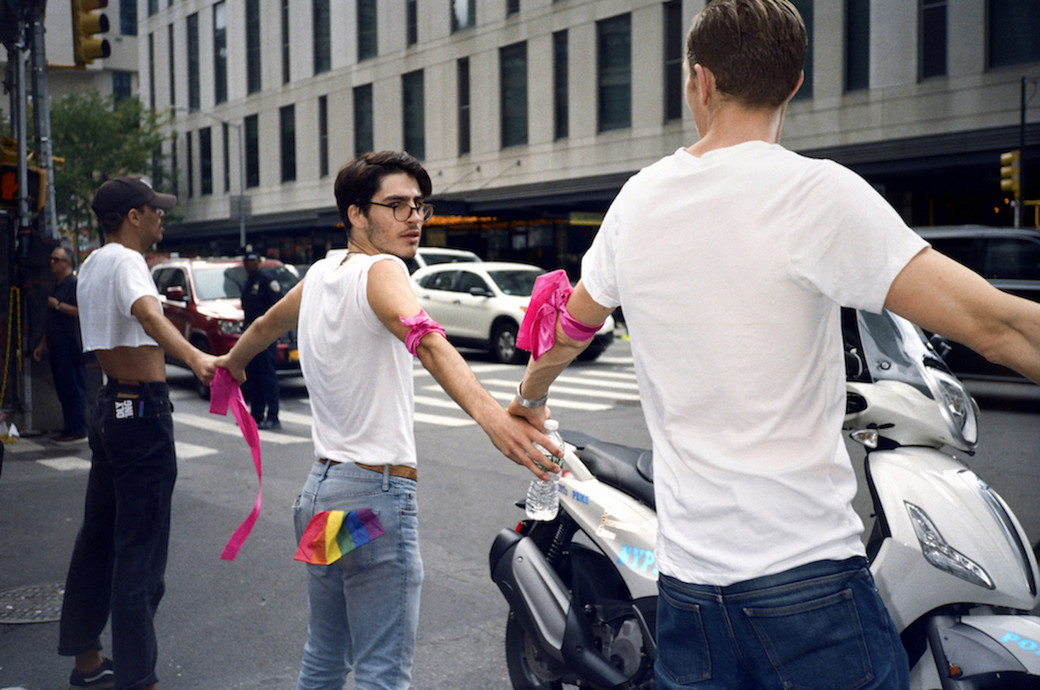
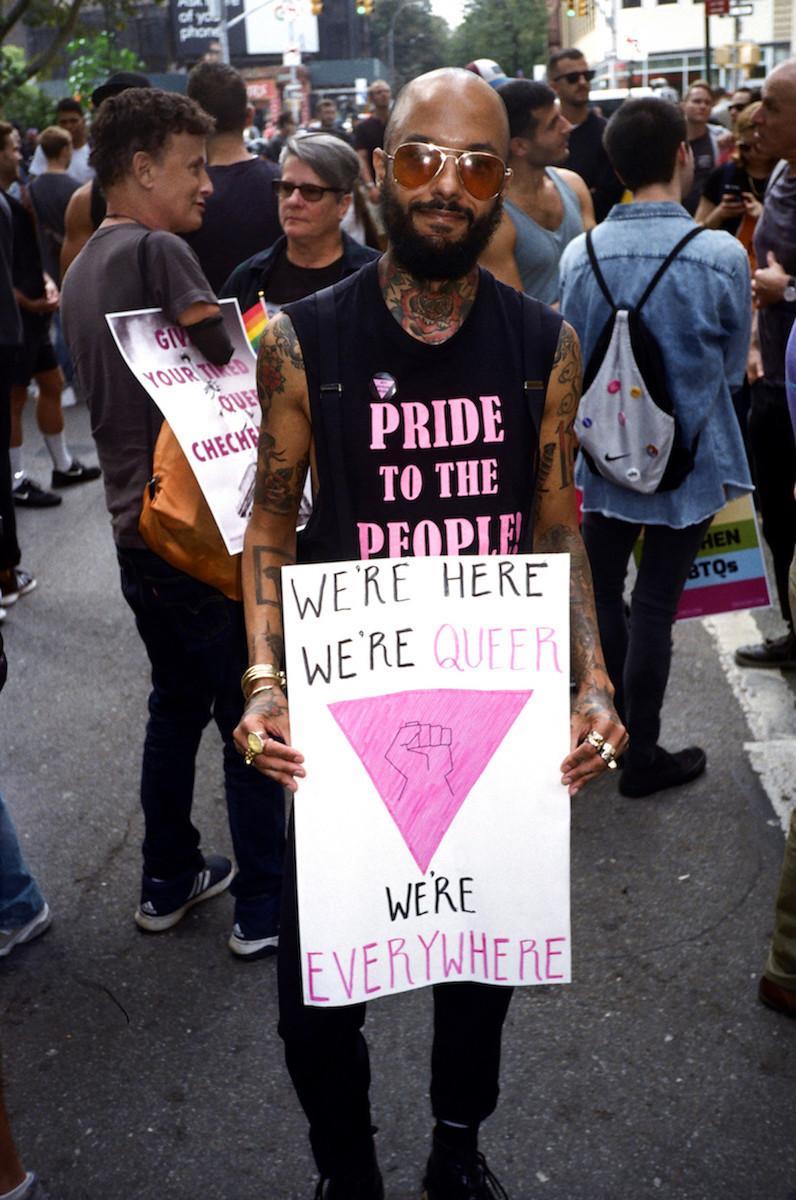
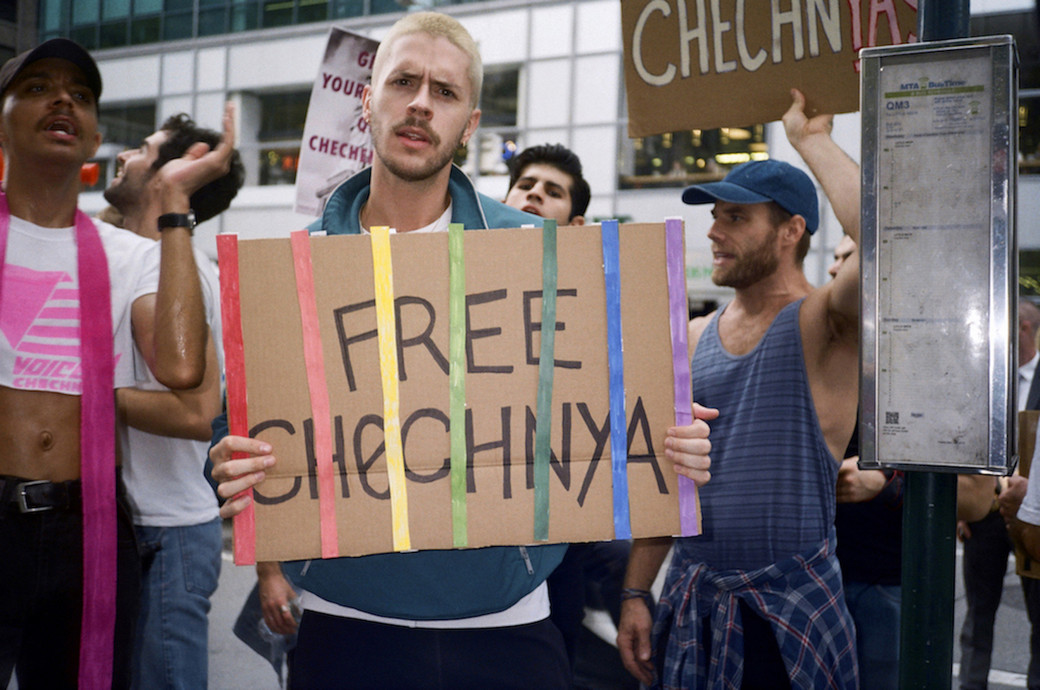
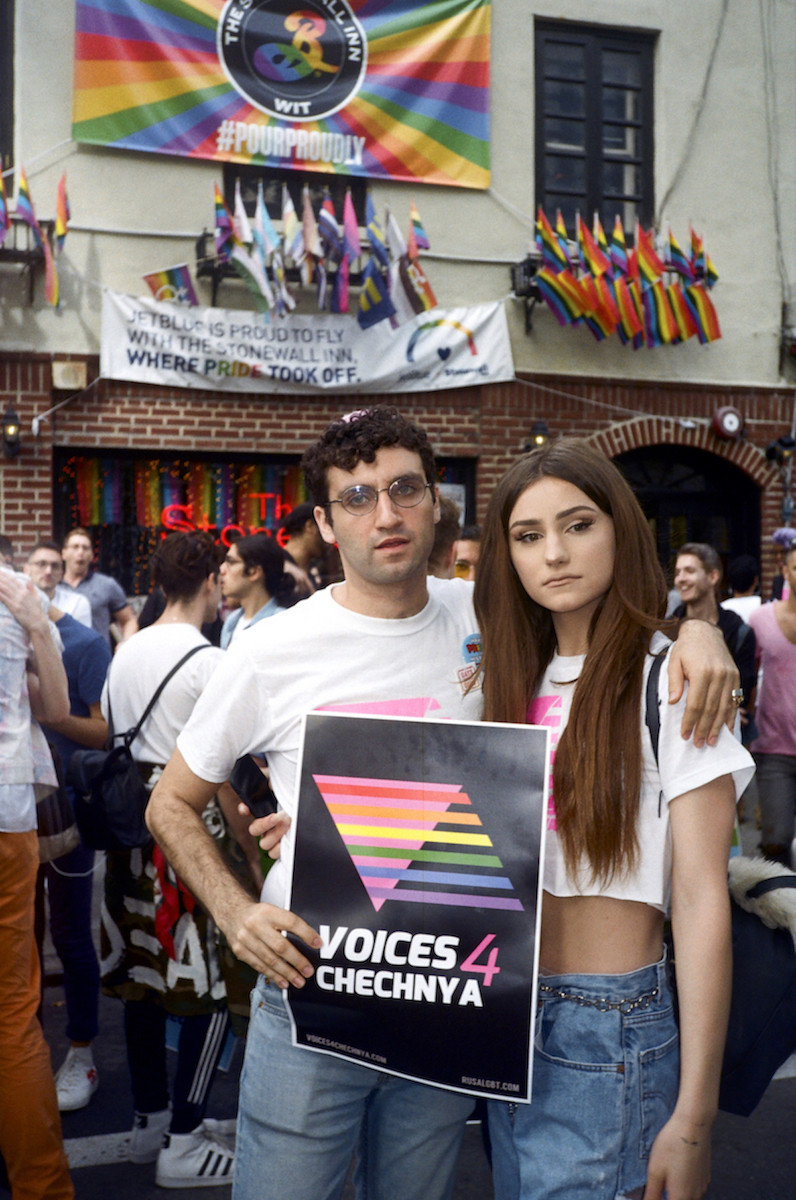
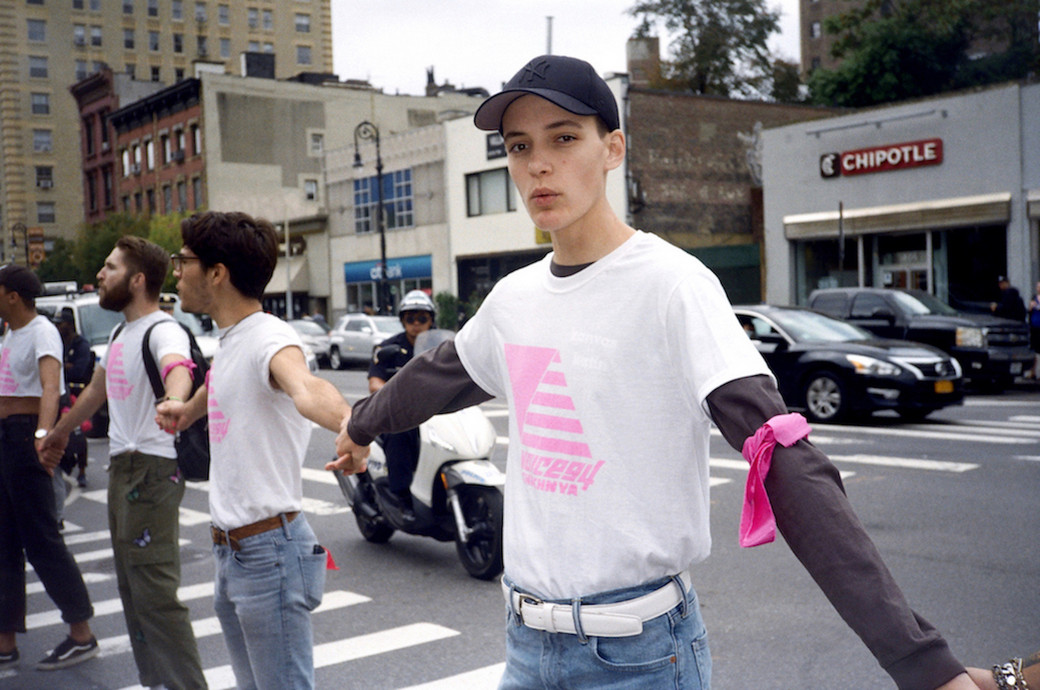
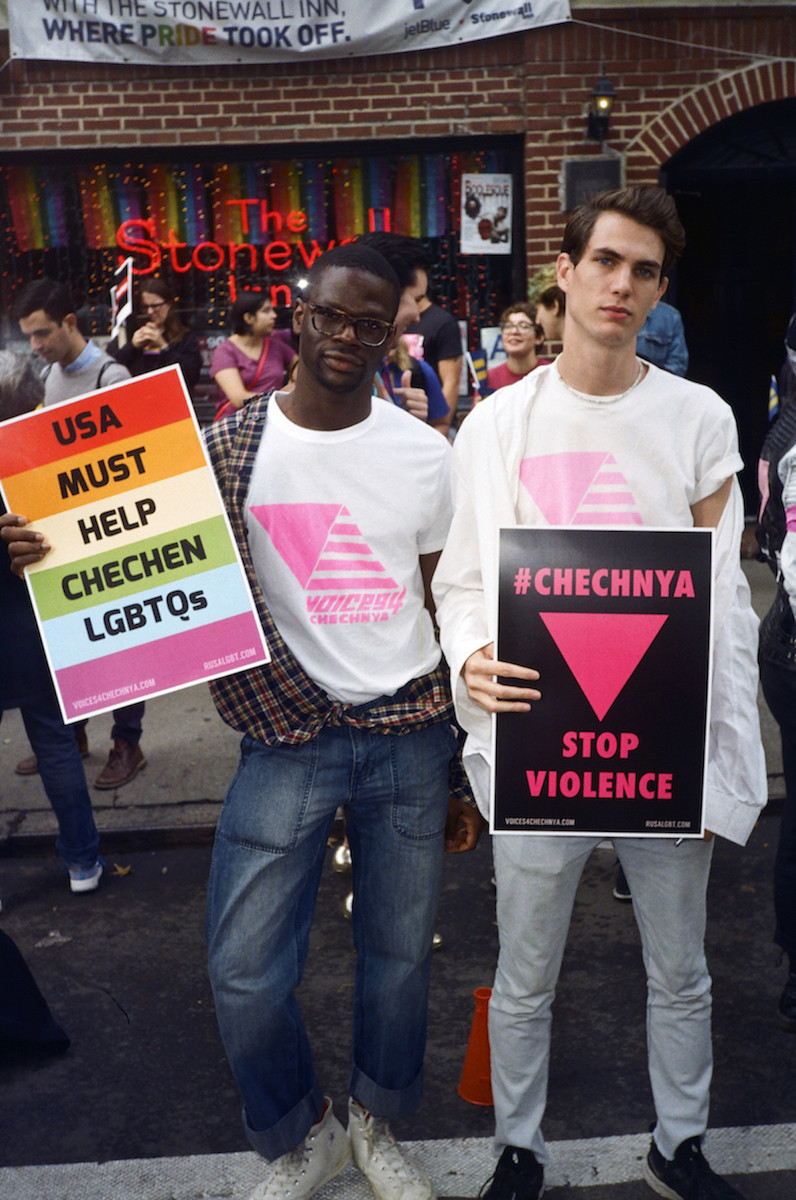
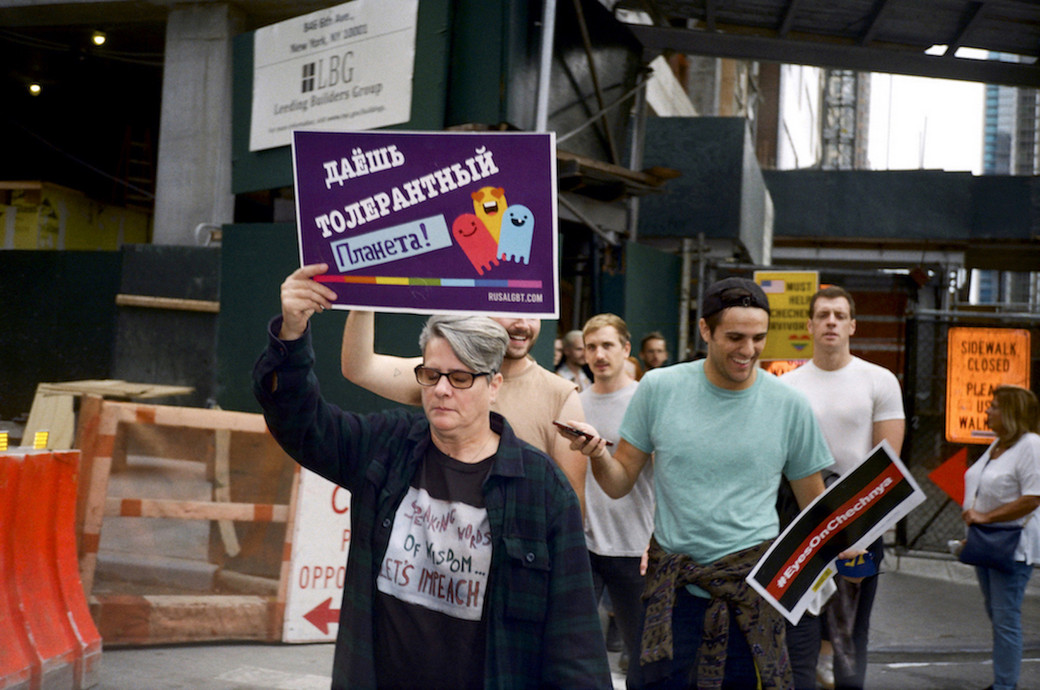
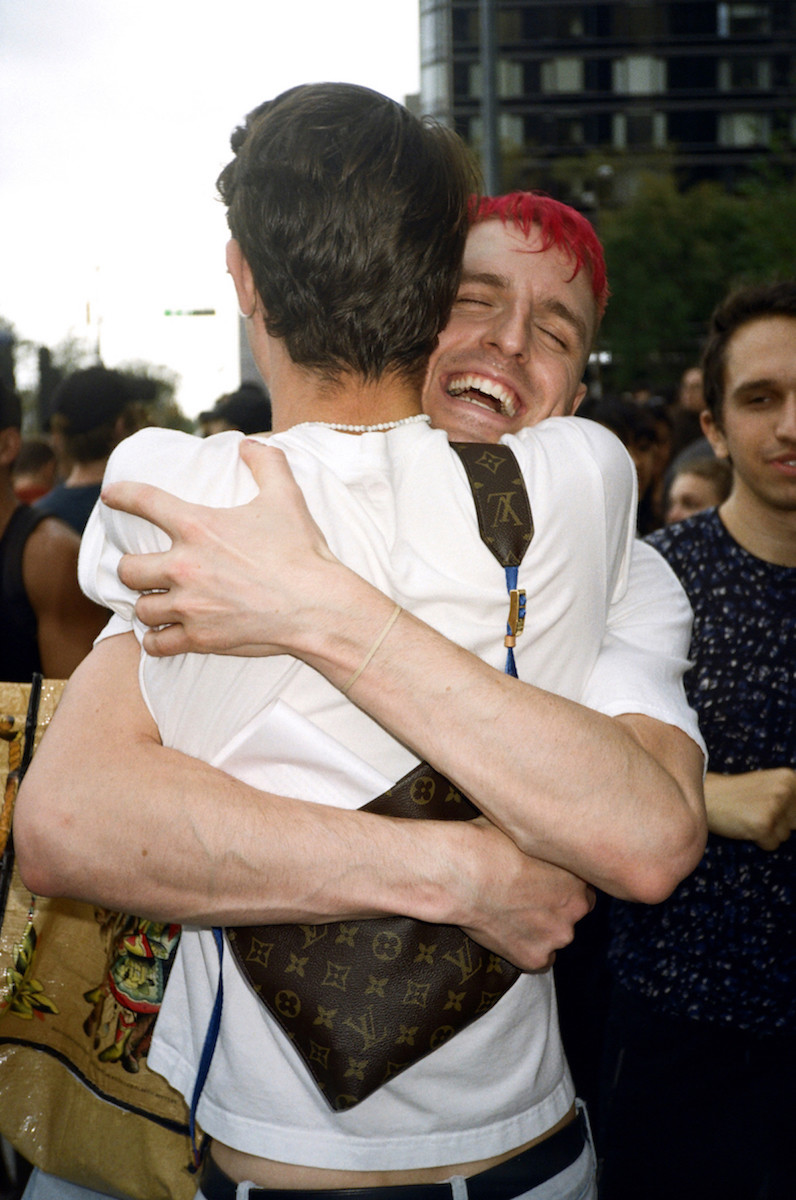
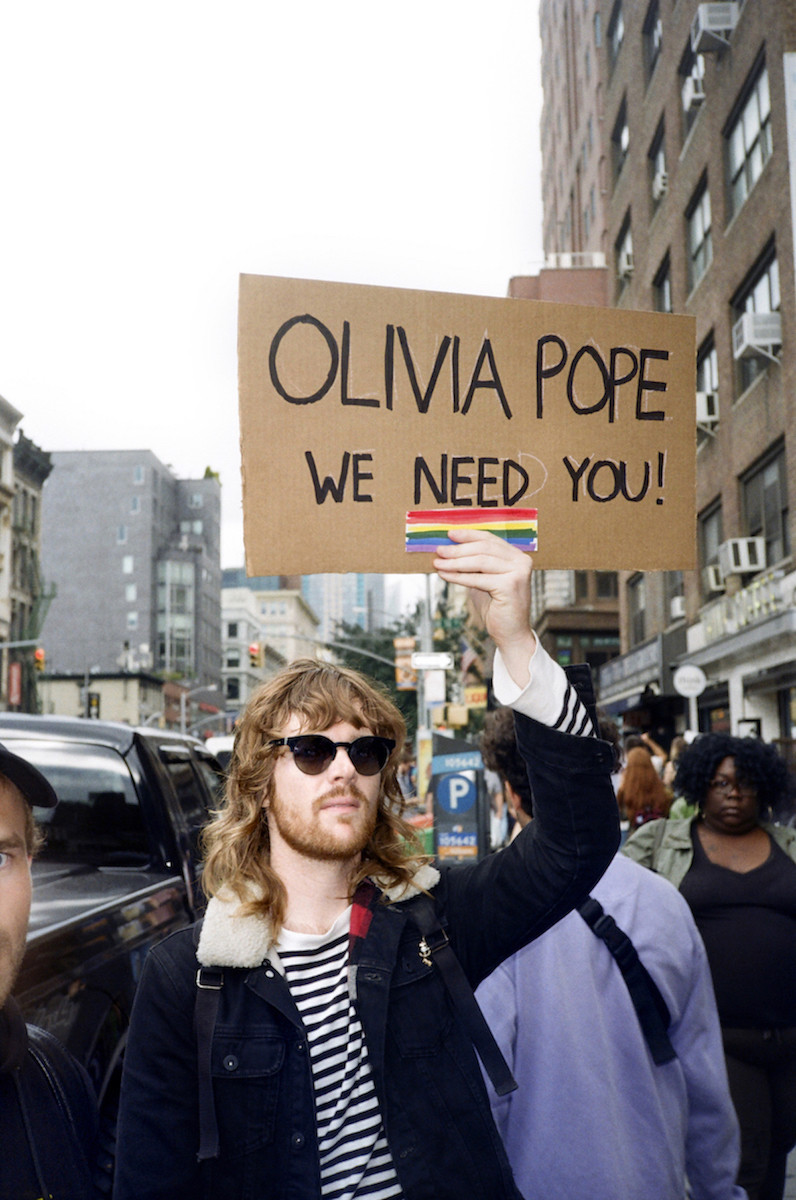
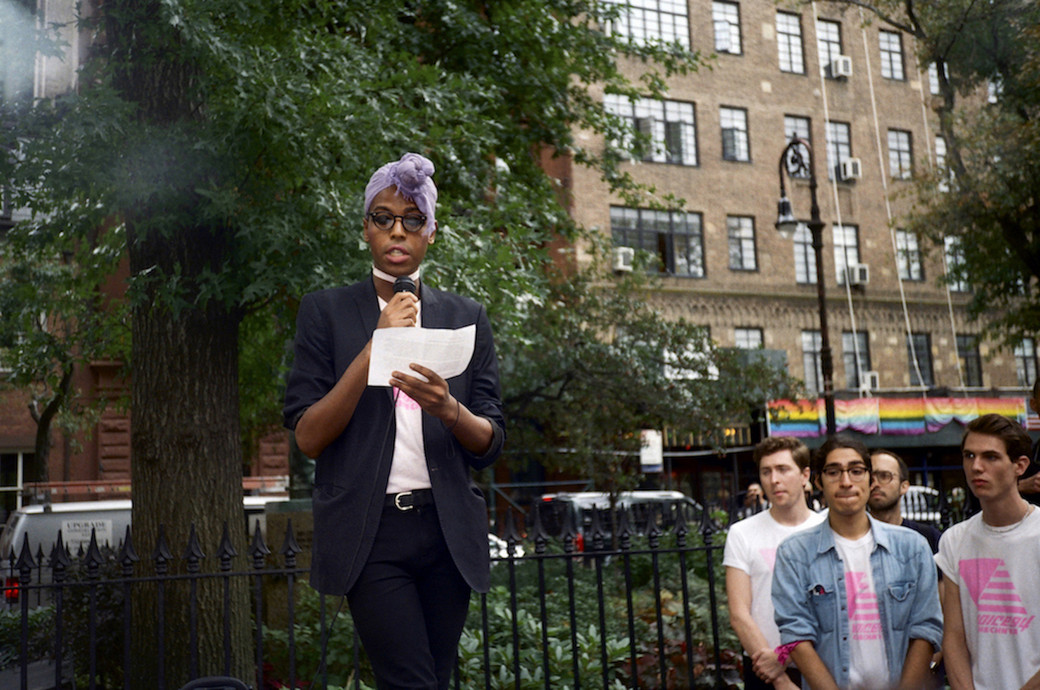
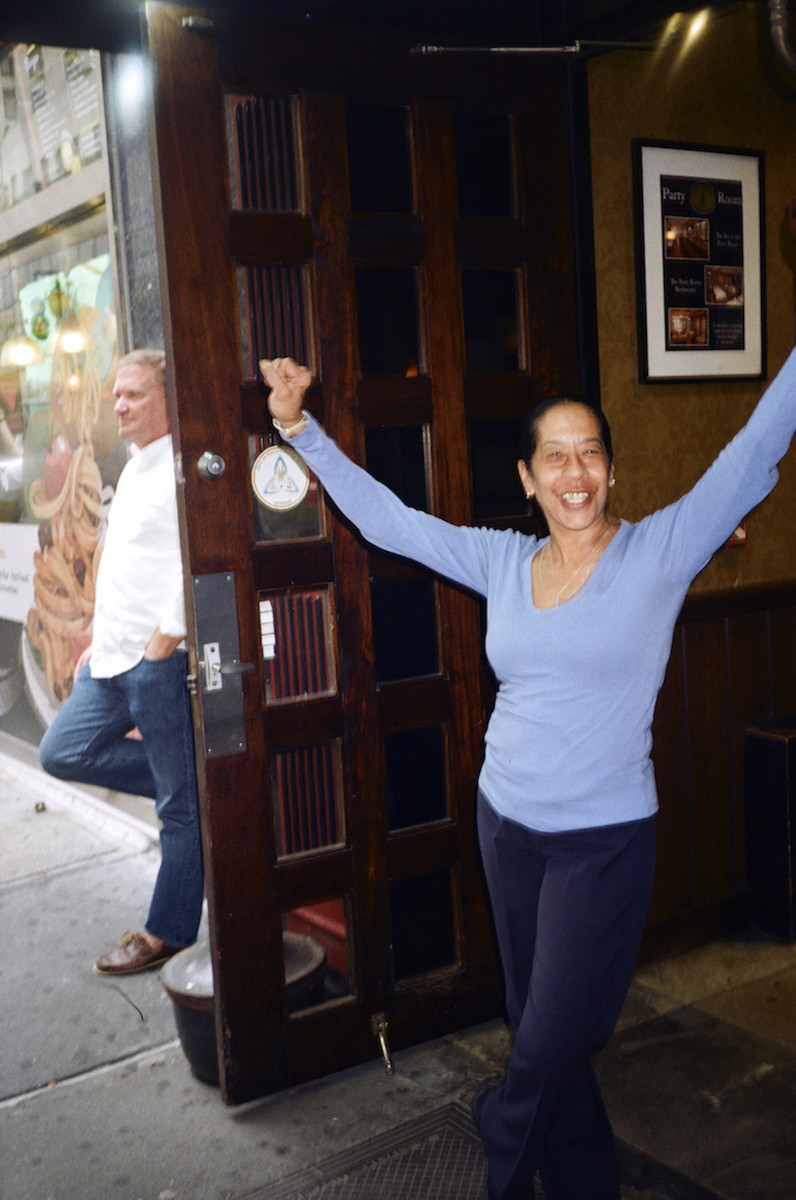
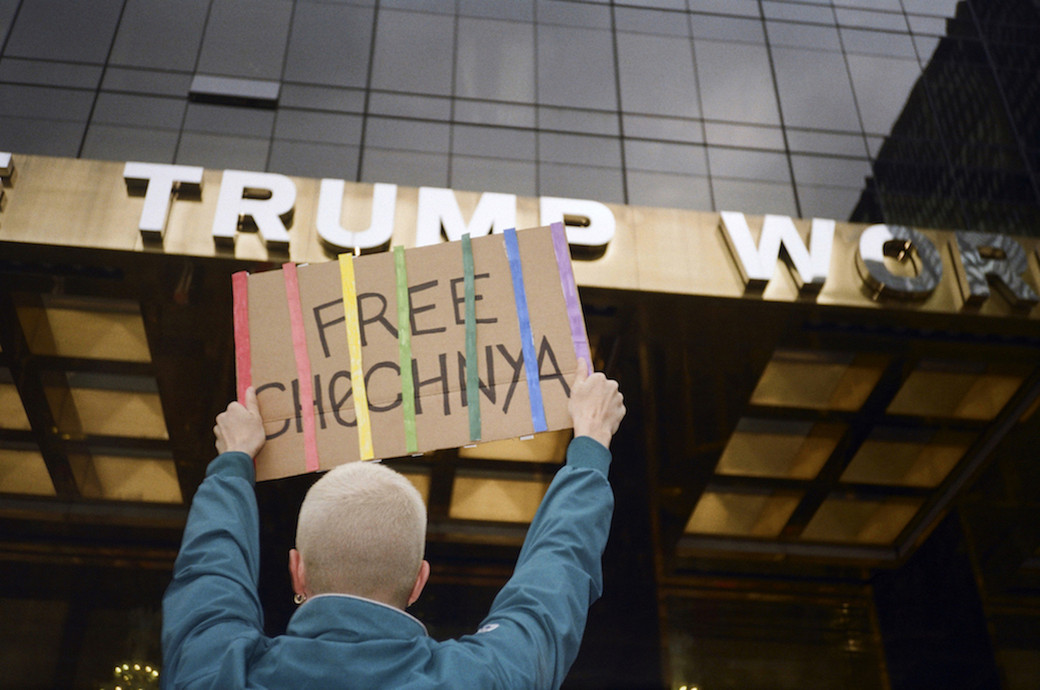
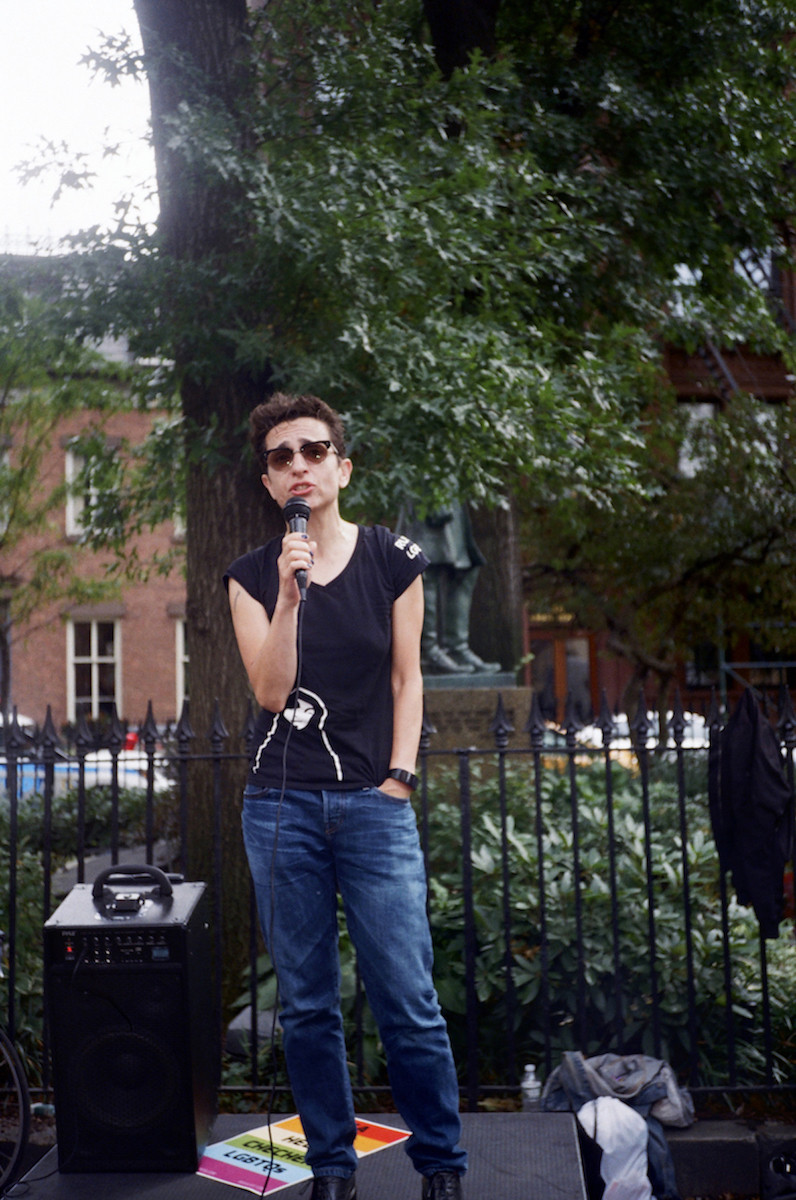
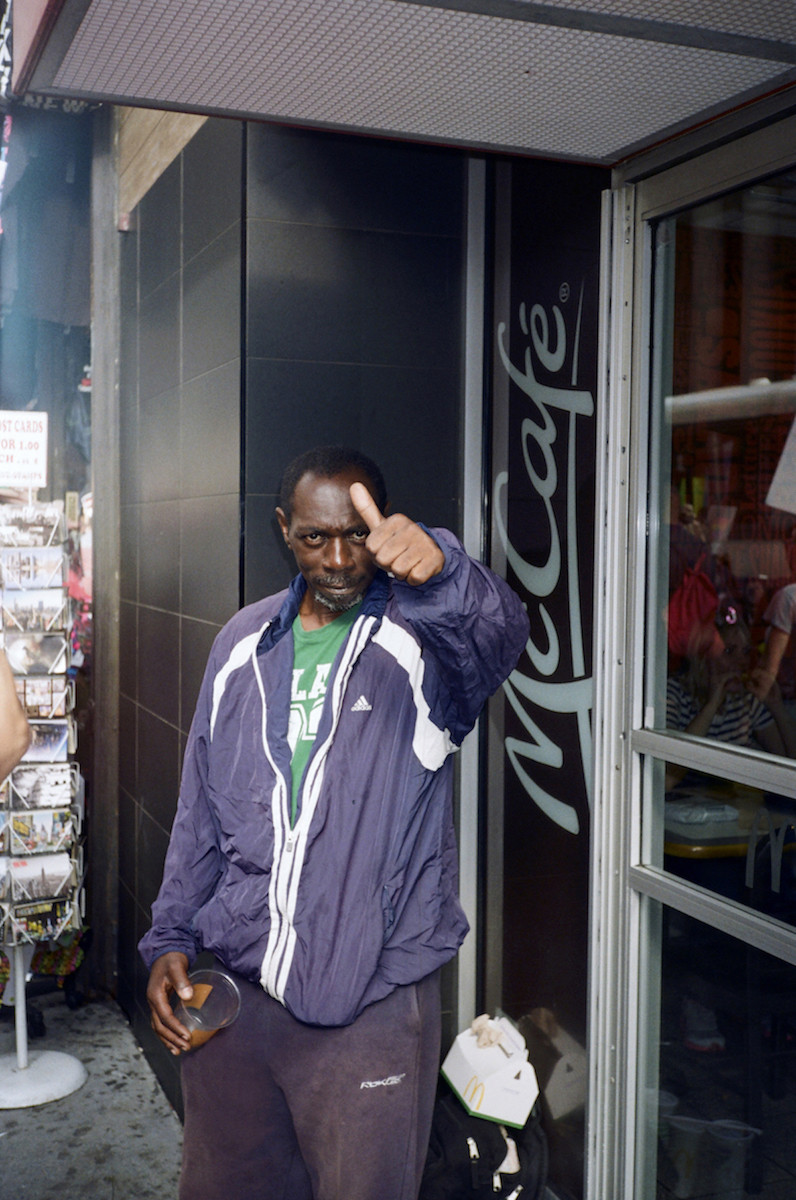
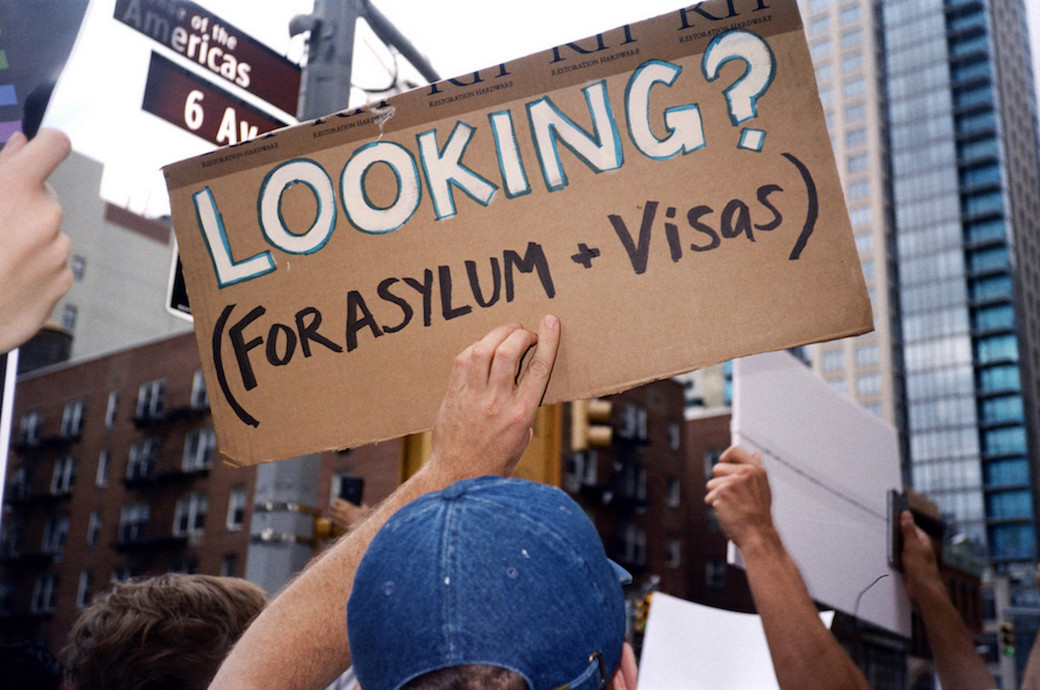
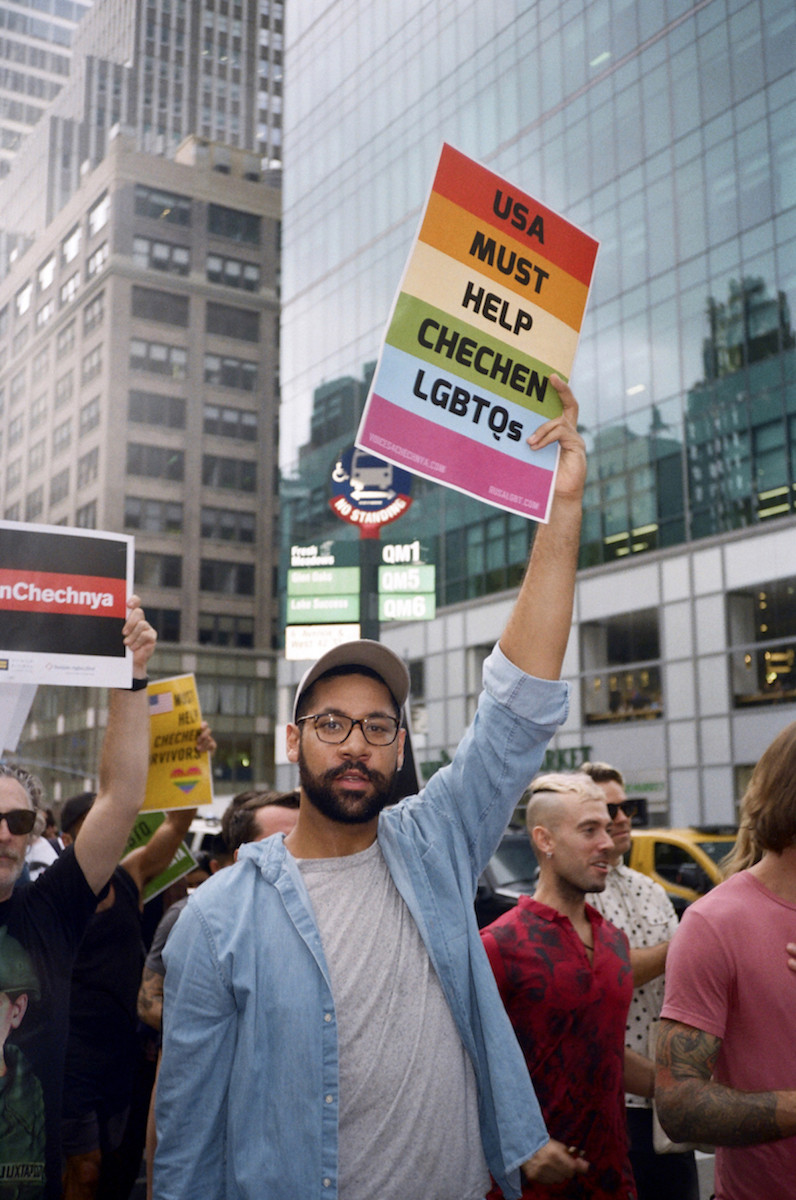
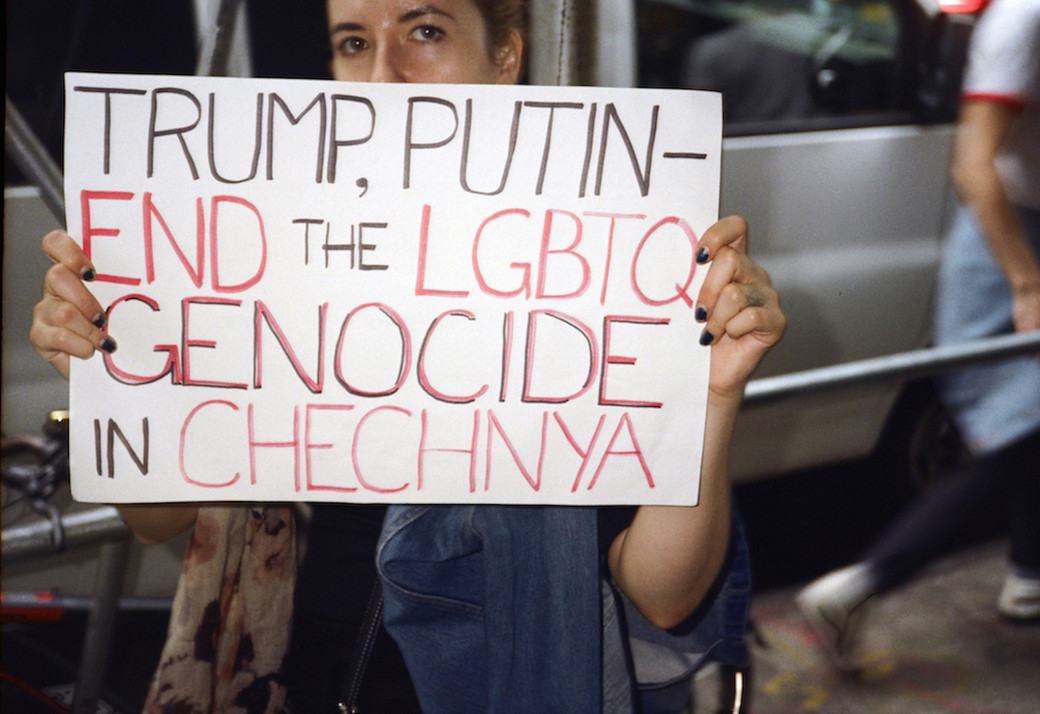
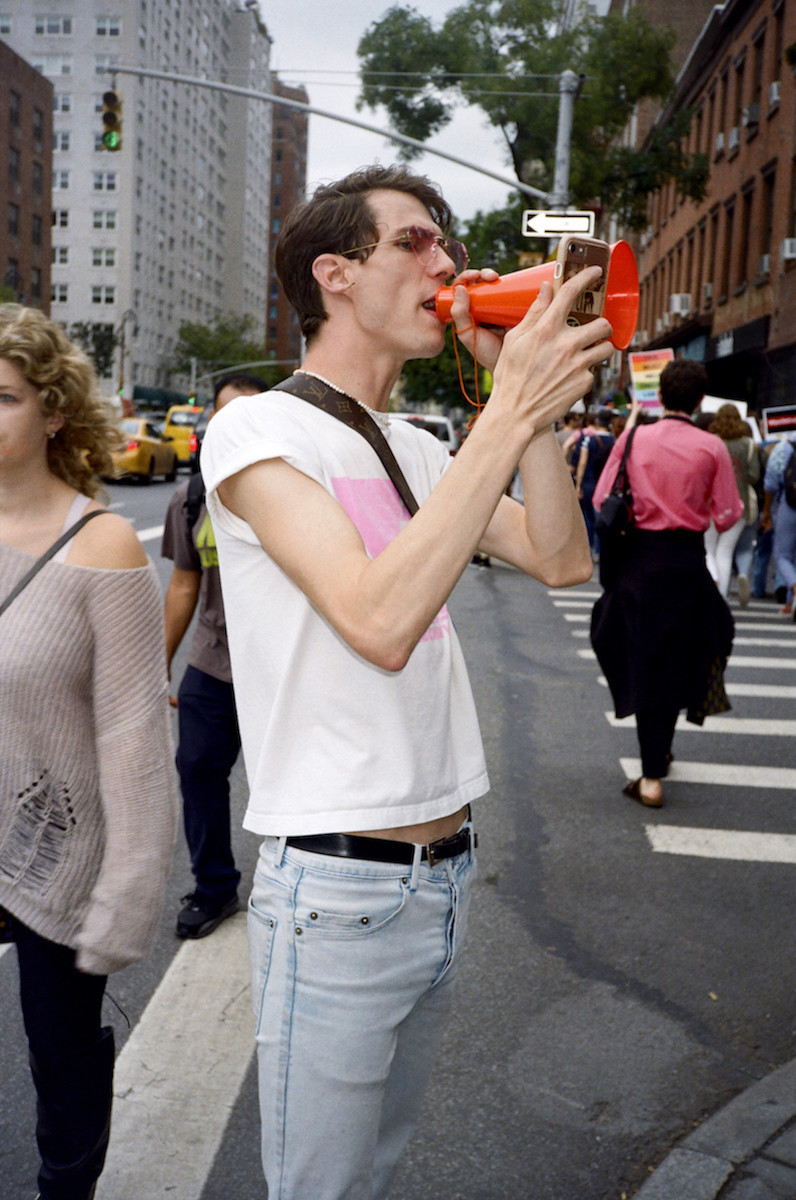
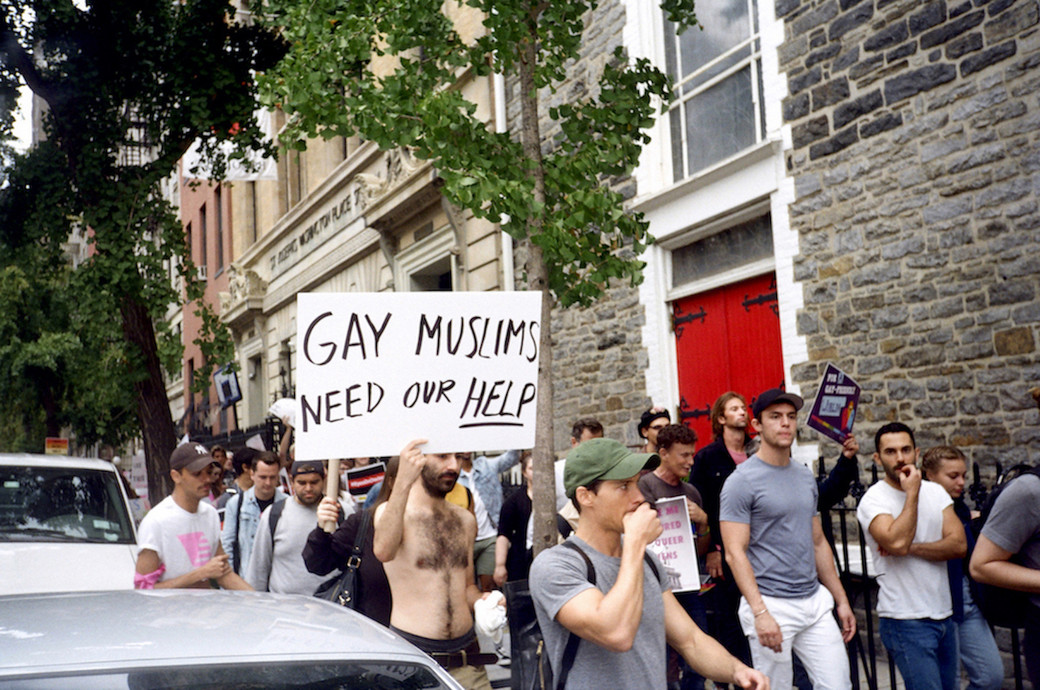

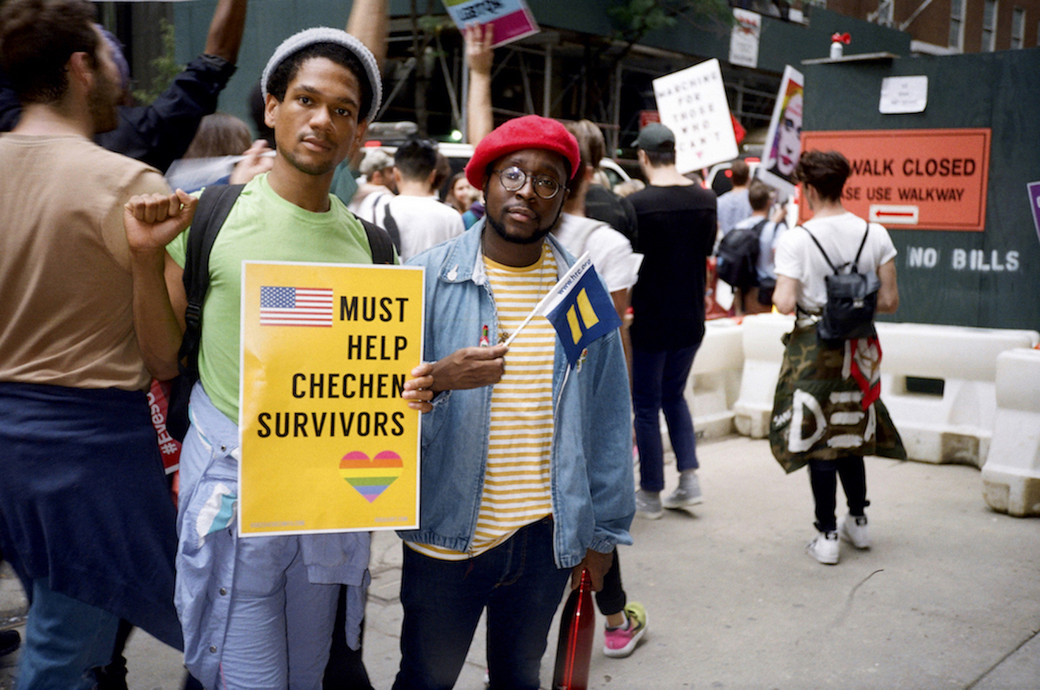
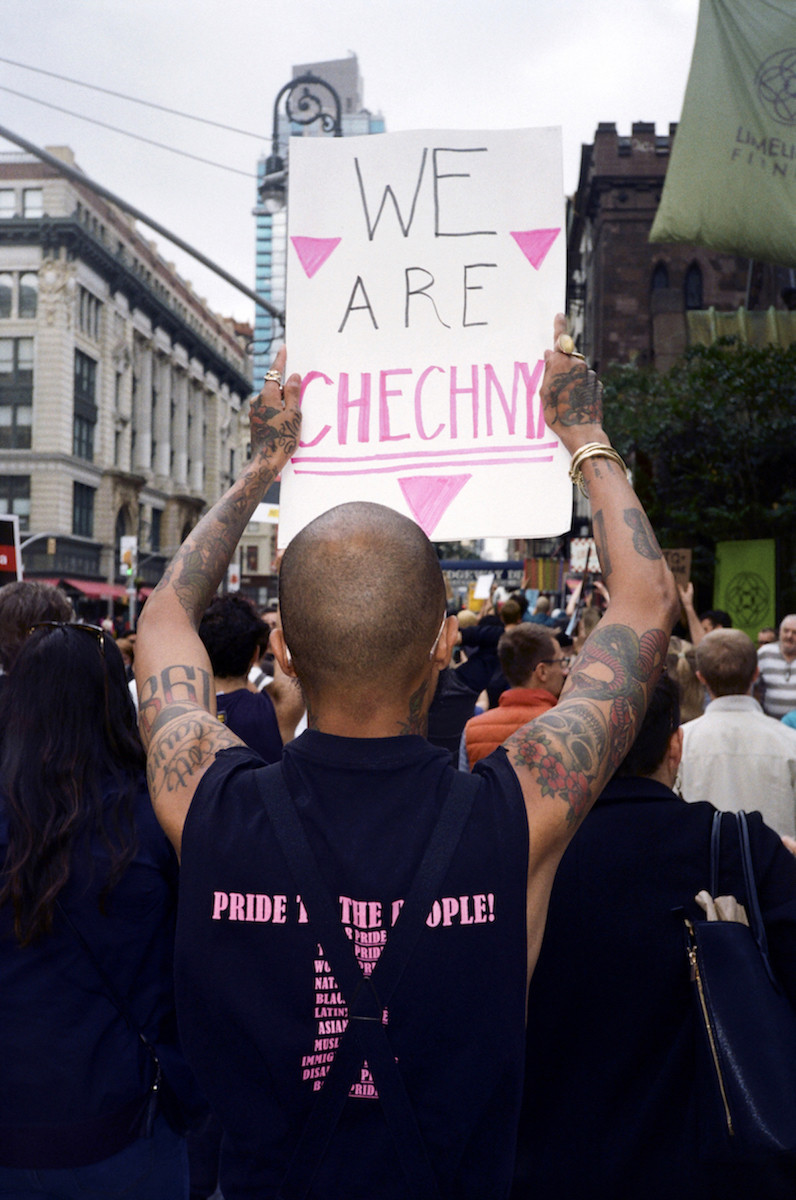
Once at the tower the group re-stated their demands for humanitarian parole visas from the U.S. Government for Chechen LGBTQ+ people. A group photo was taken before the participants peacefully dispersed. Participating in the march made a difference in my life in that it allowed for direct action against our government's current silence on the Chechnya situation and expression that we are all one human family.
In the LGBTQ+ community, if you mess with one of us you mess with all of us; we will continue to speak up and act up until all have the rights, safety, and respect that they deserve.

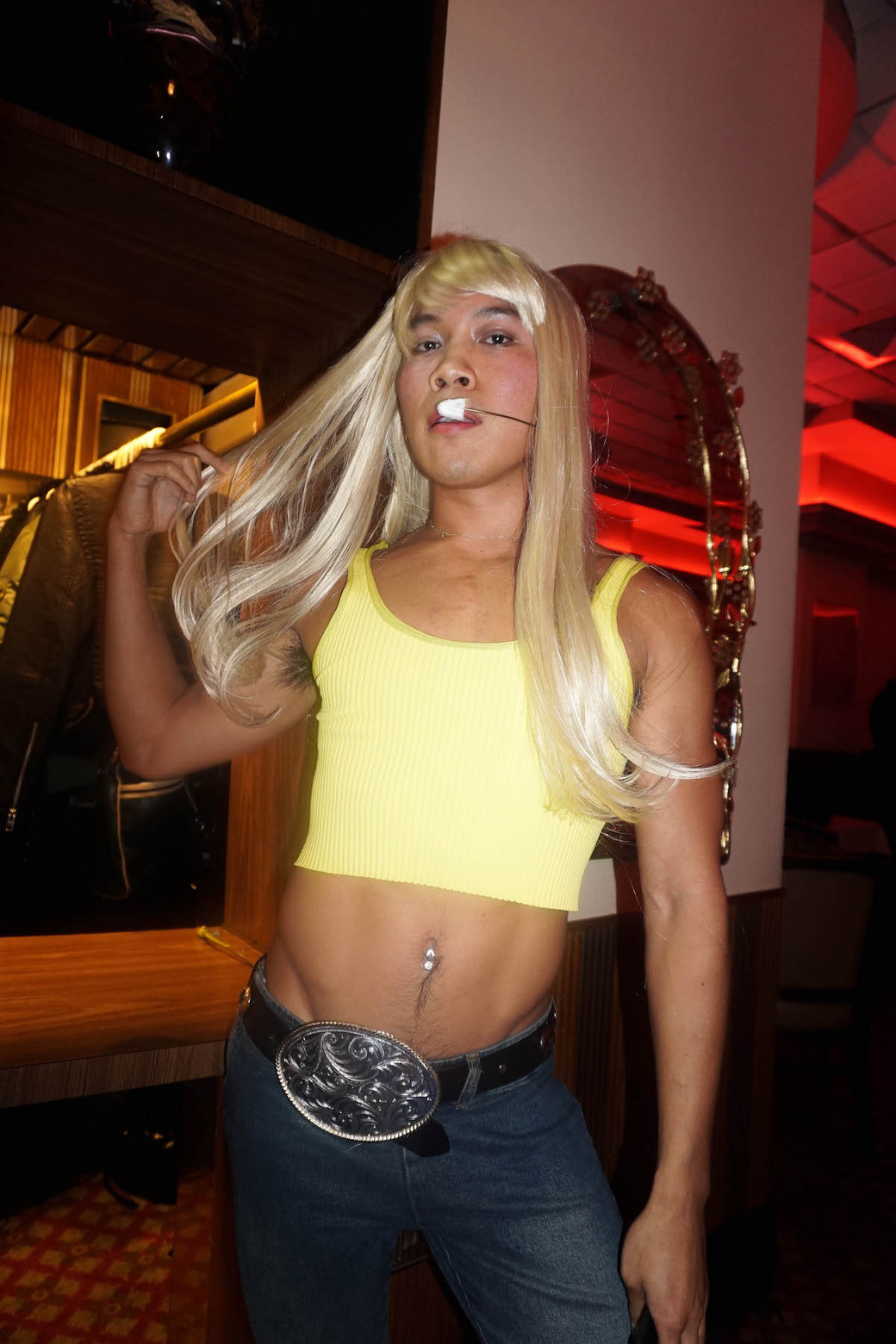
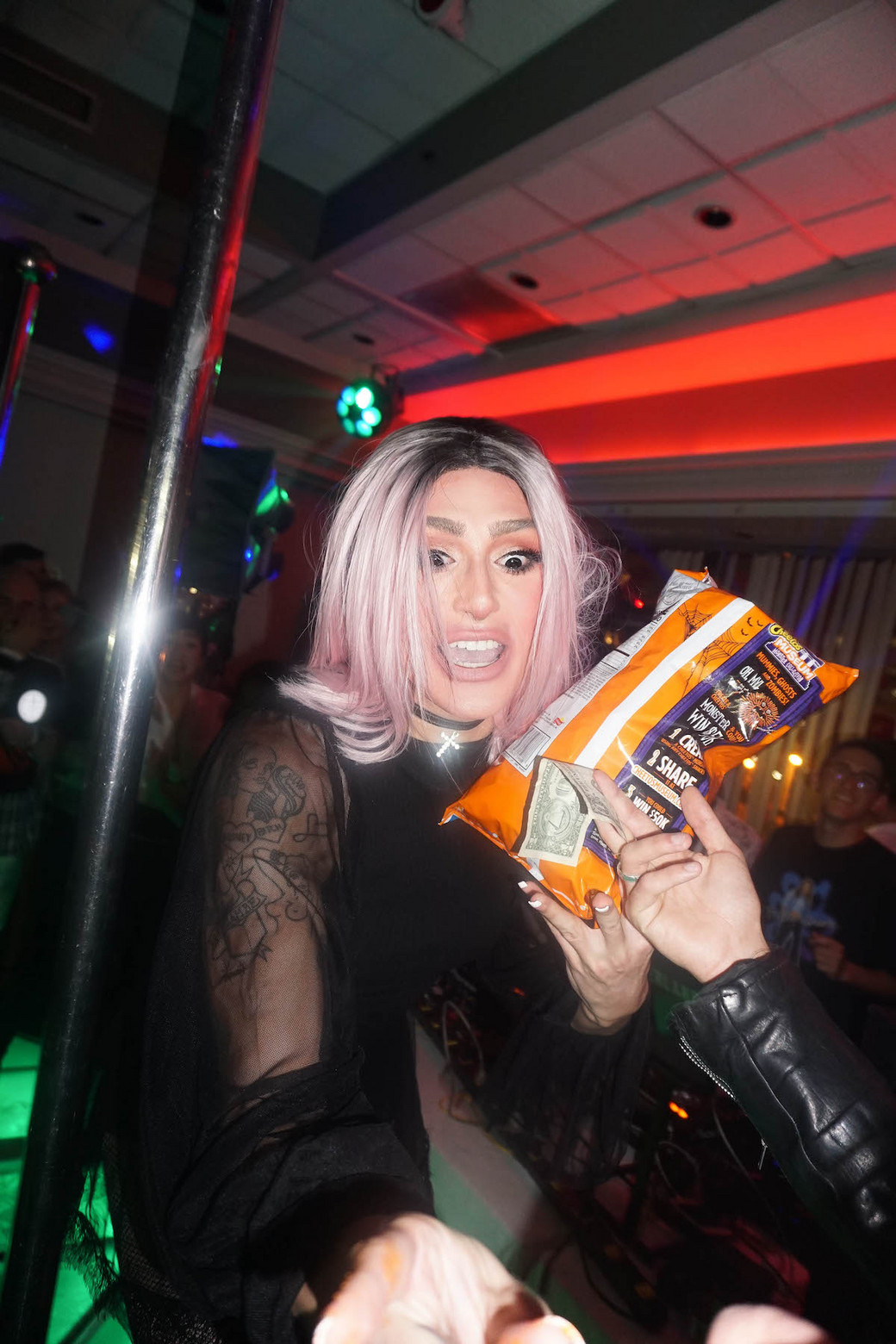
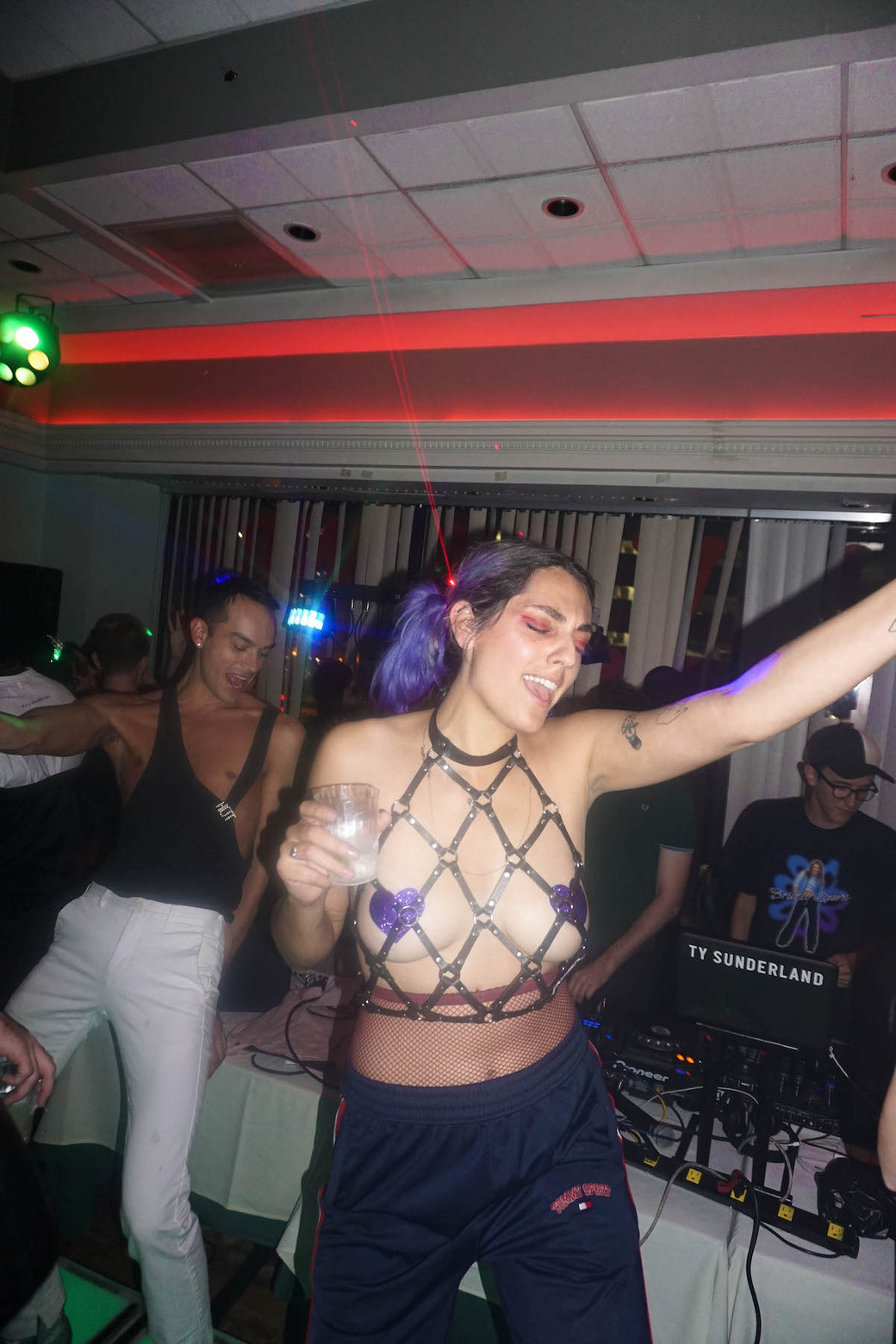
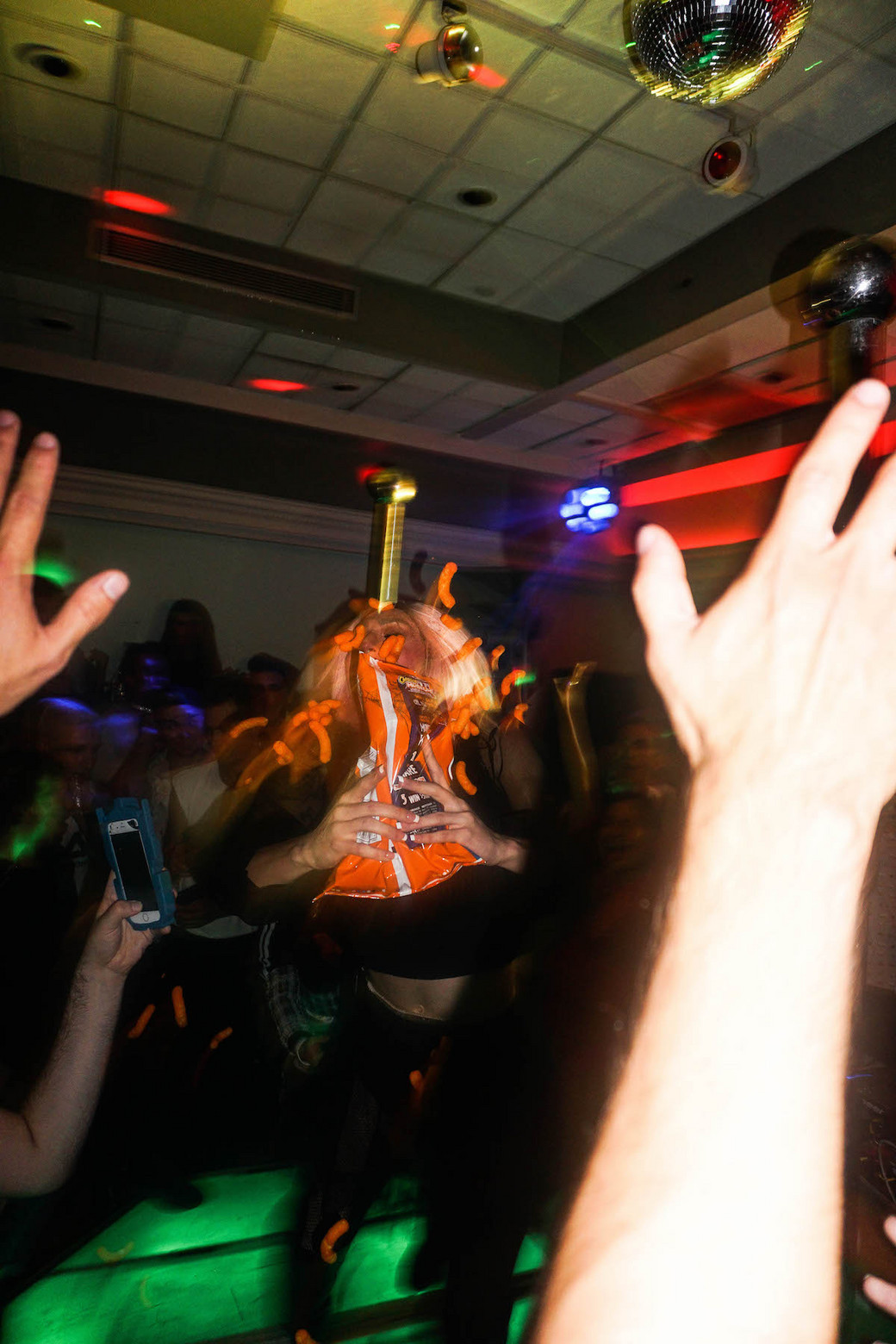
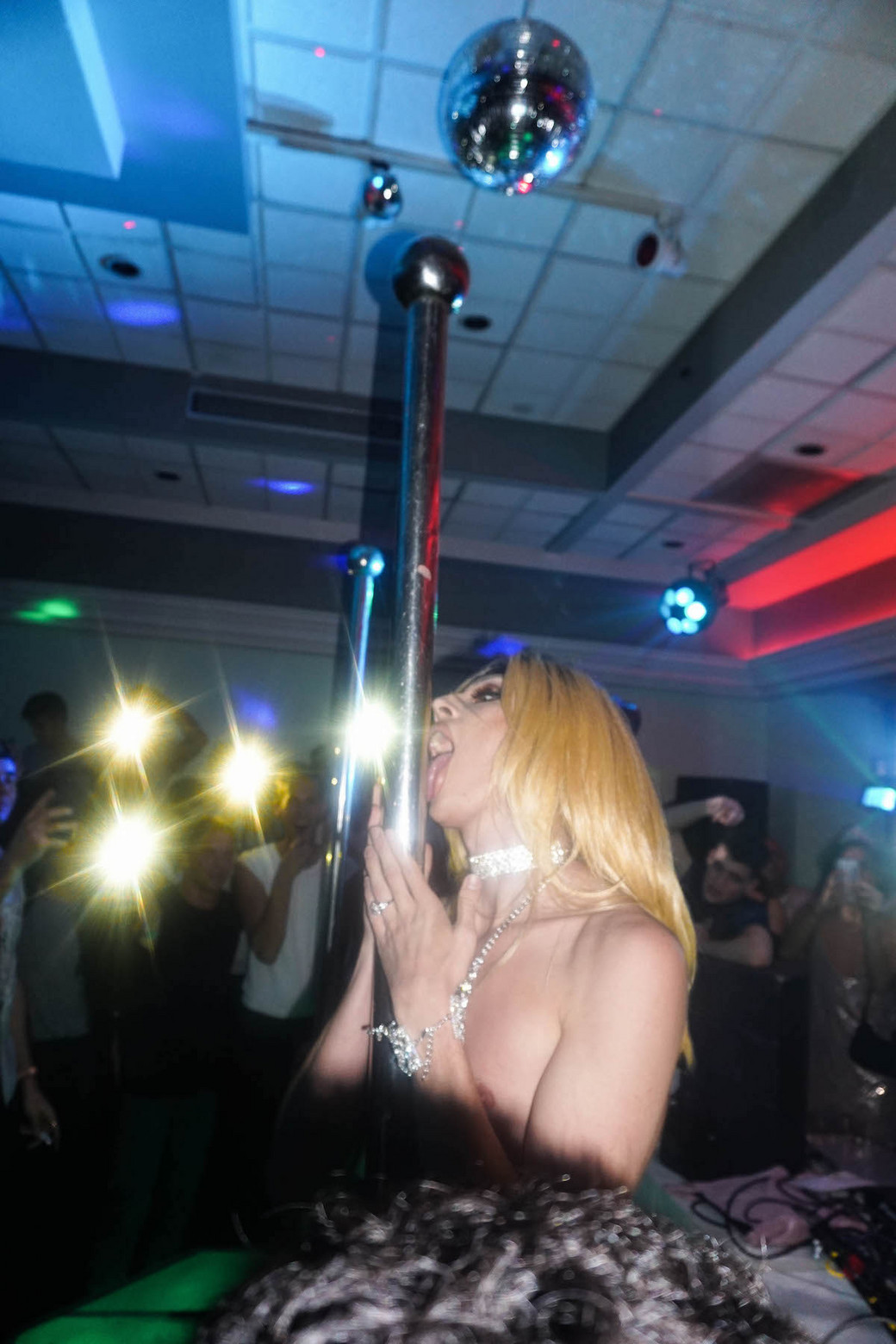
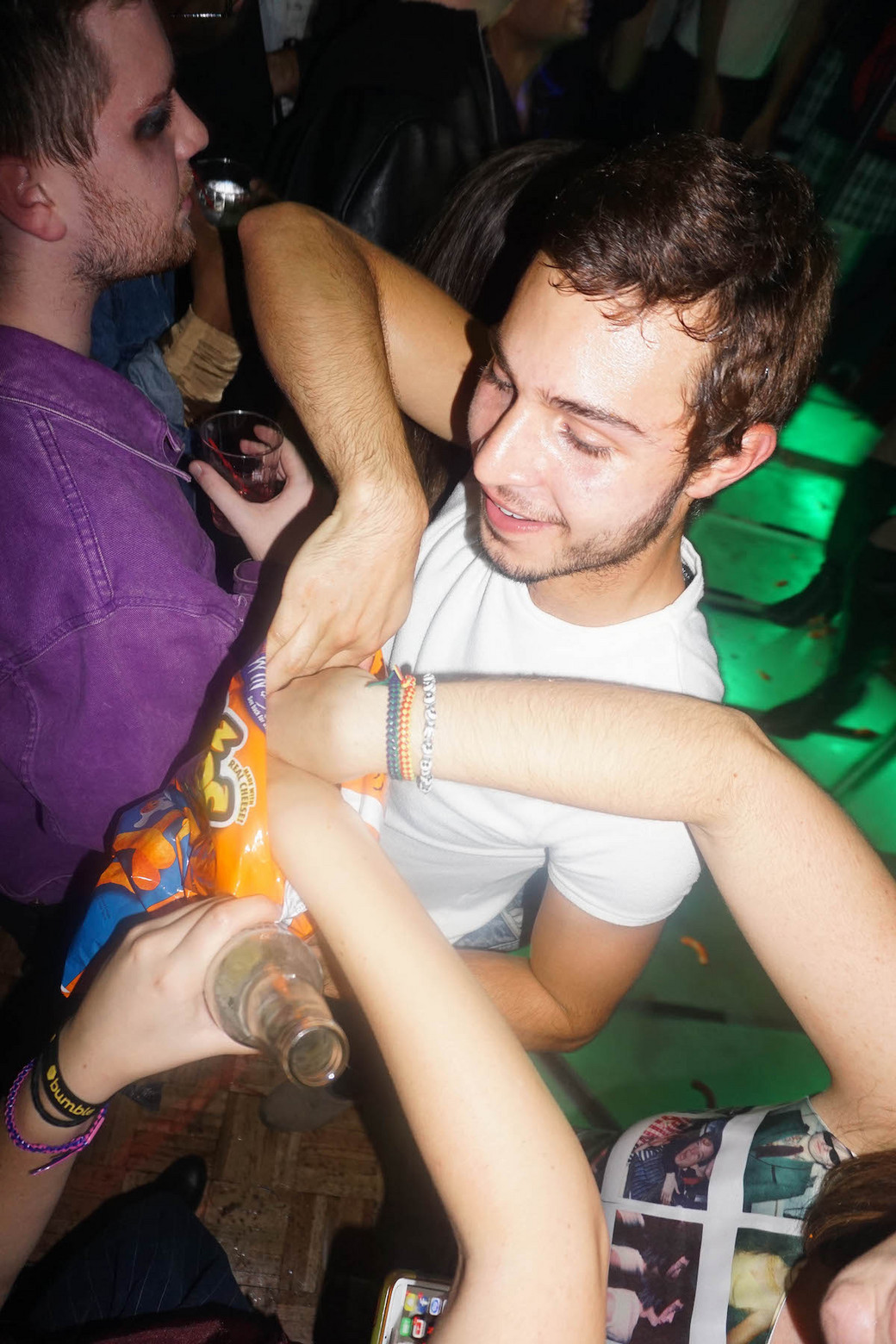
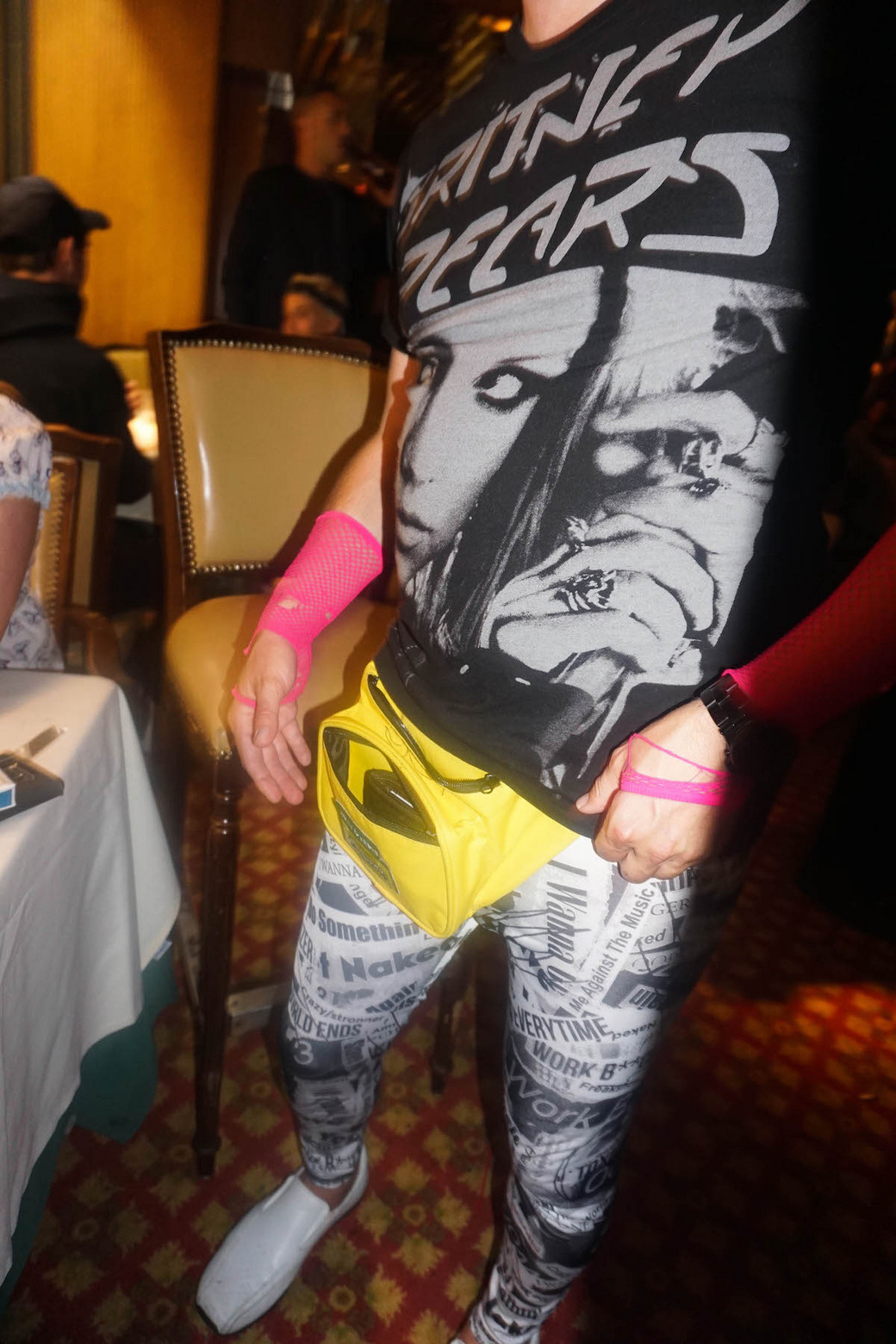
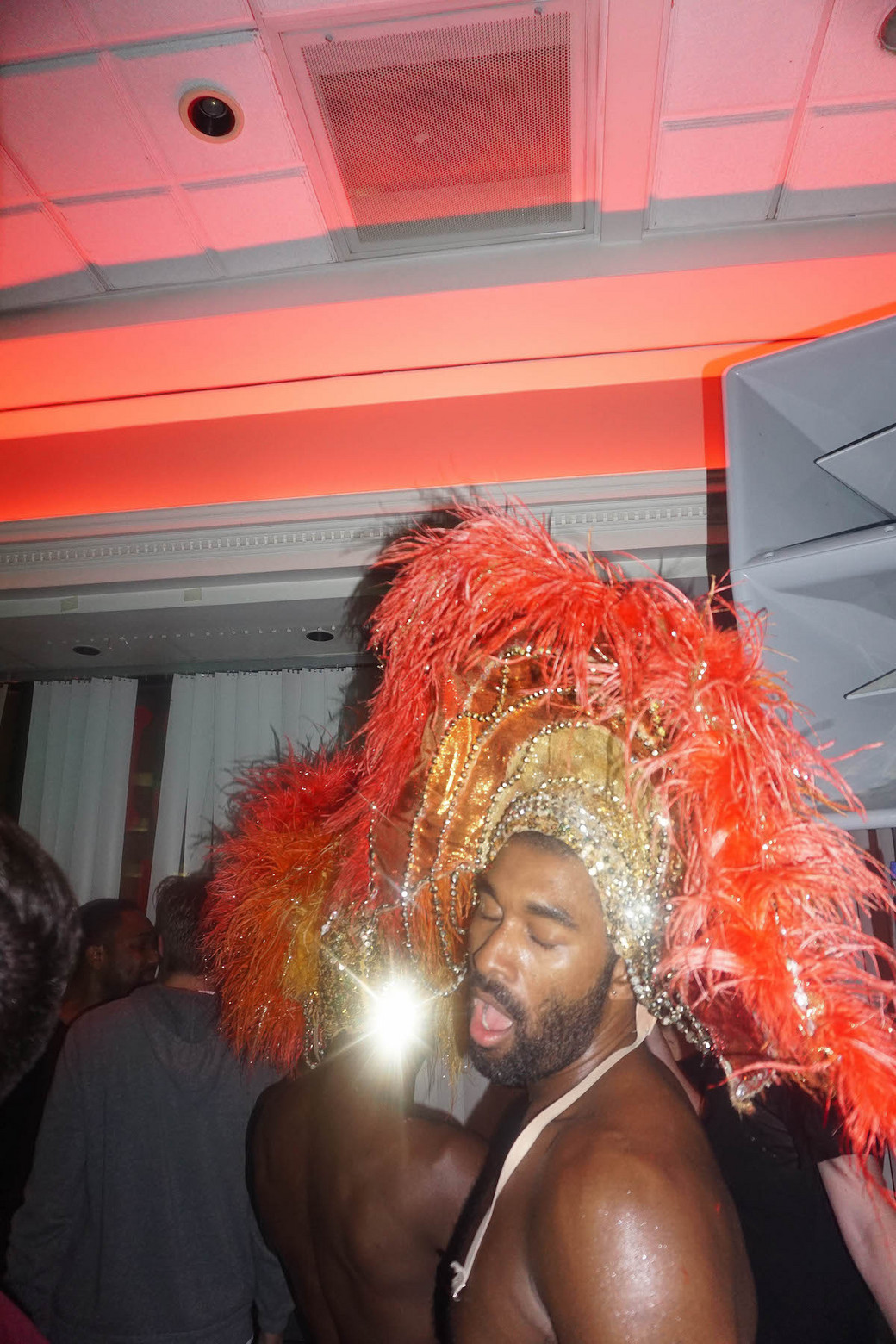
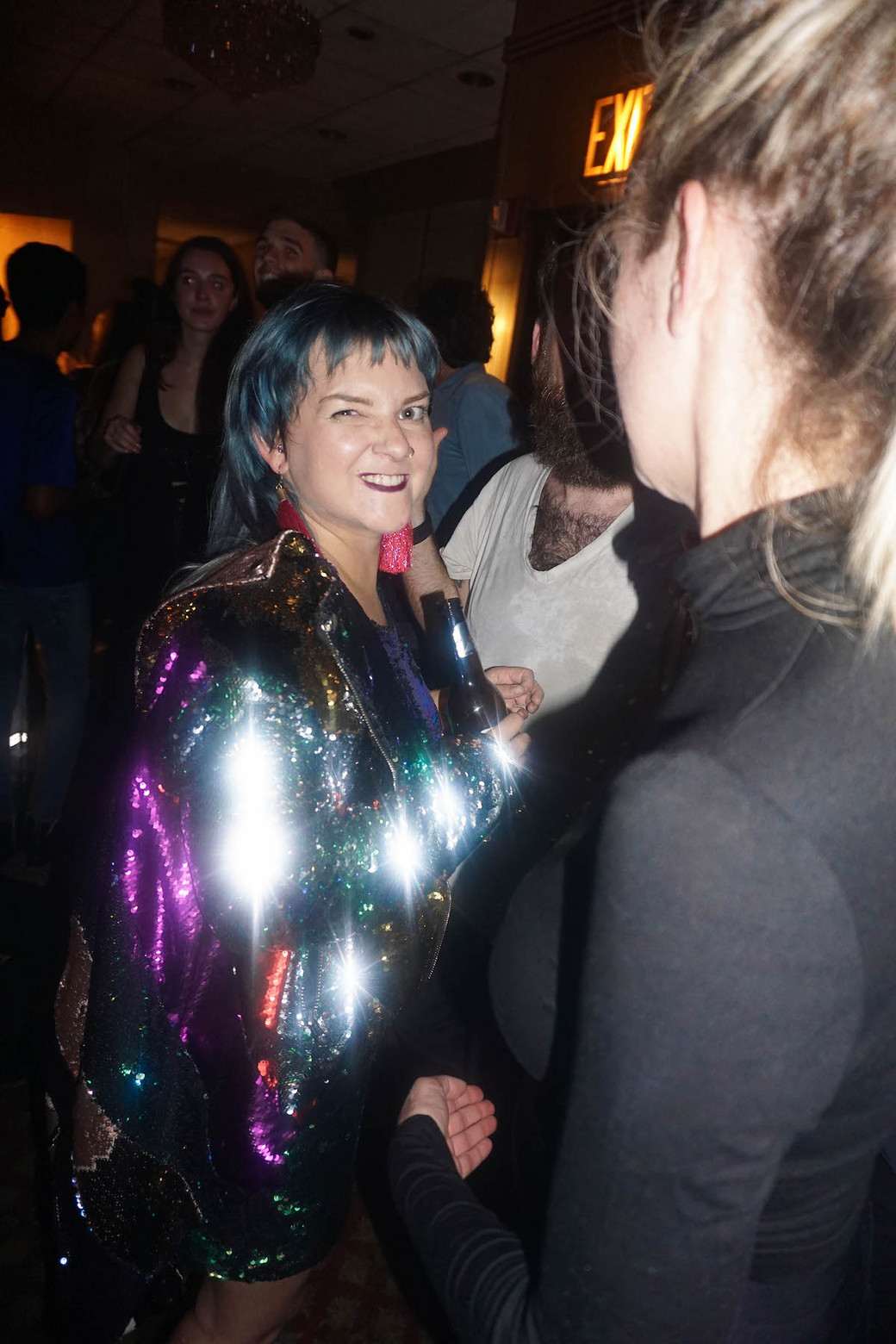
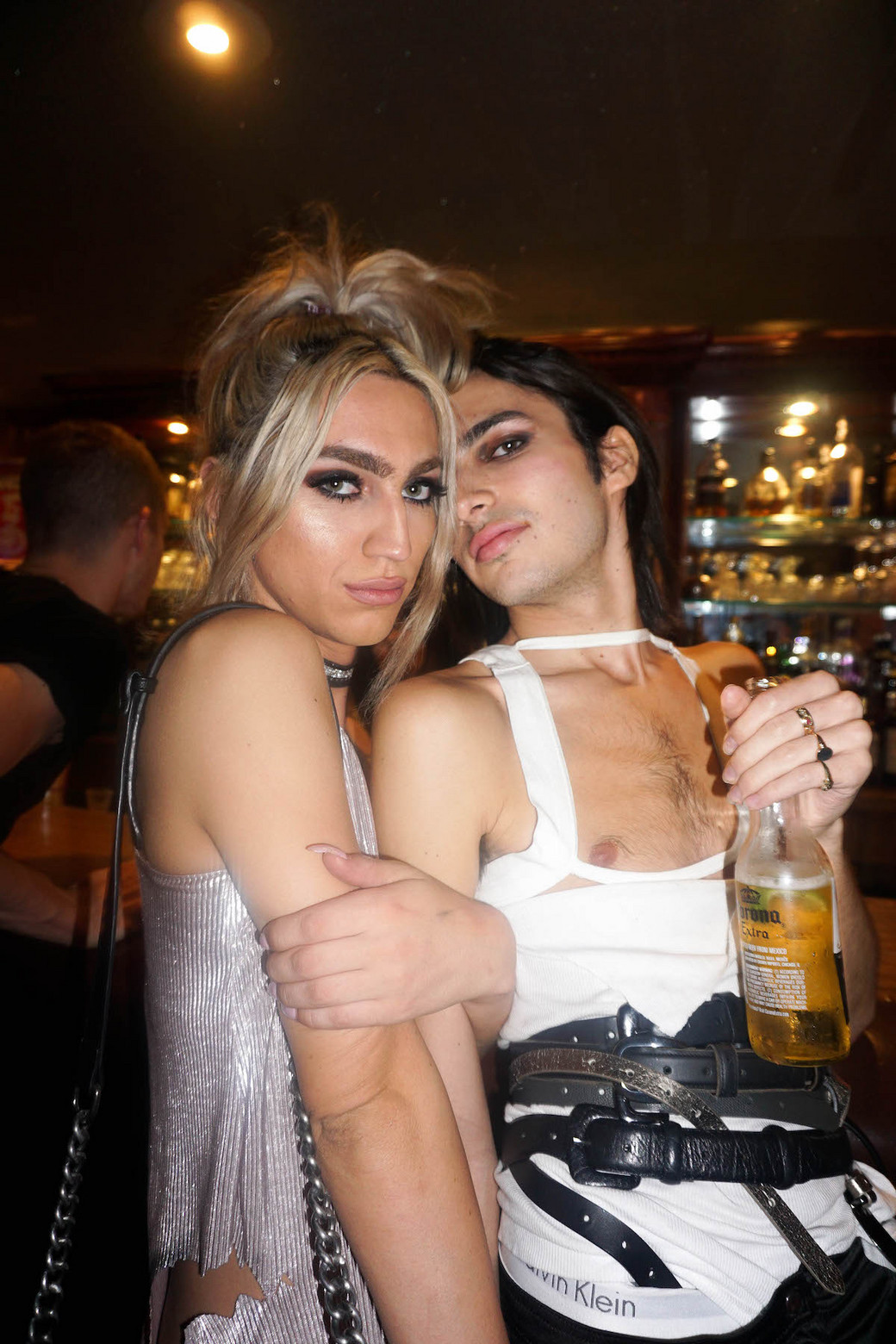
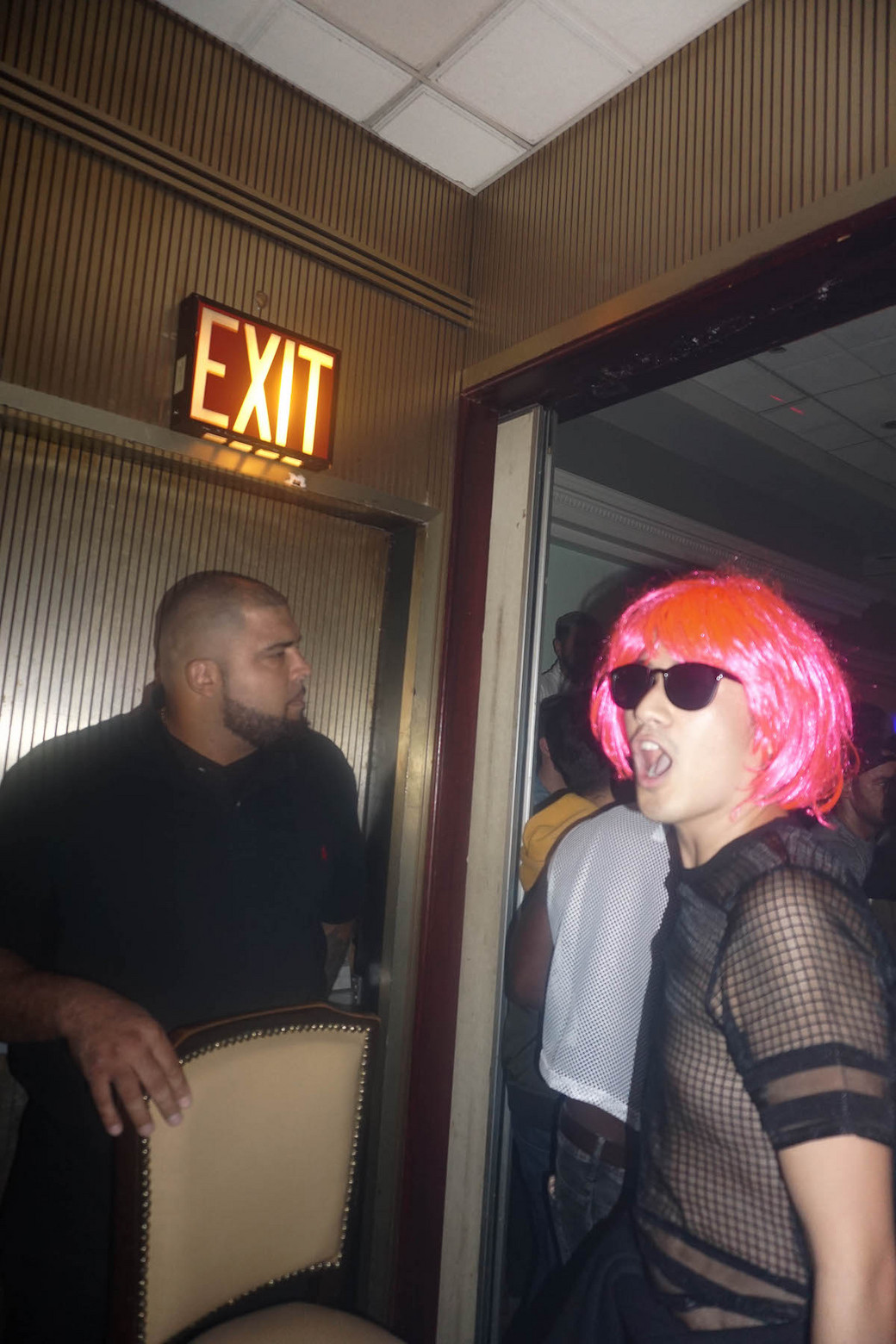
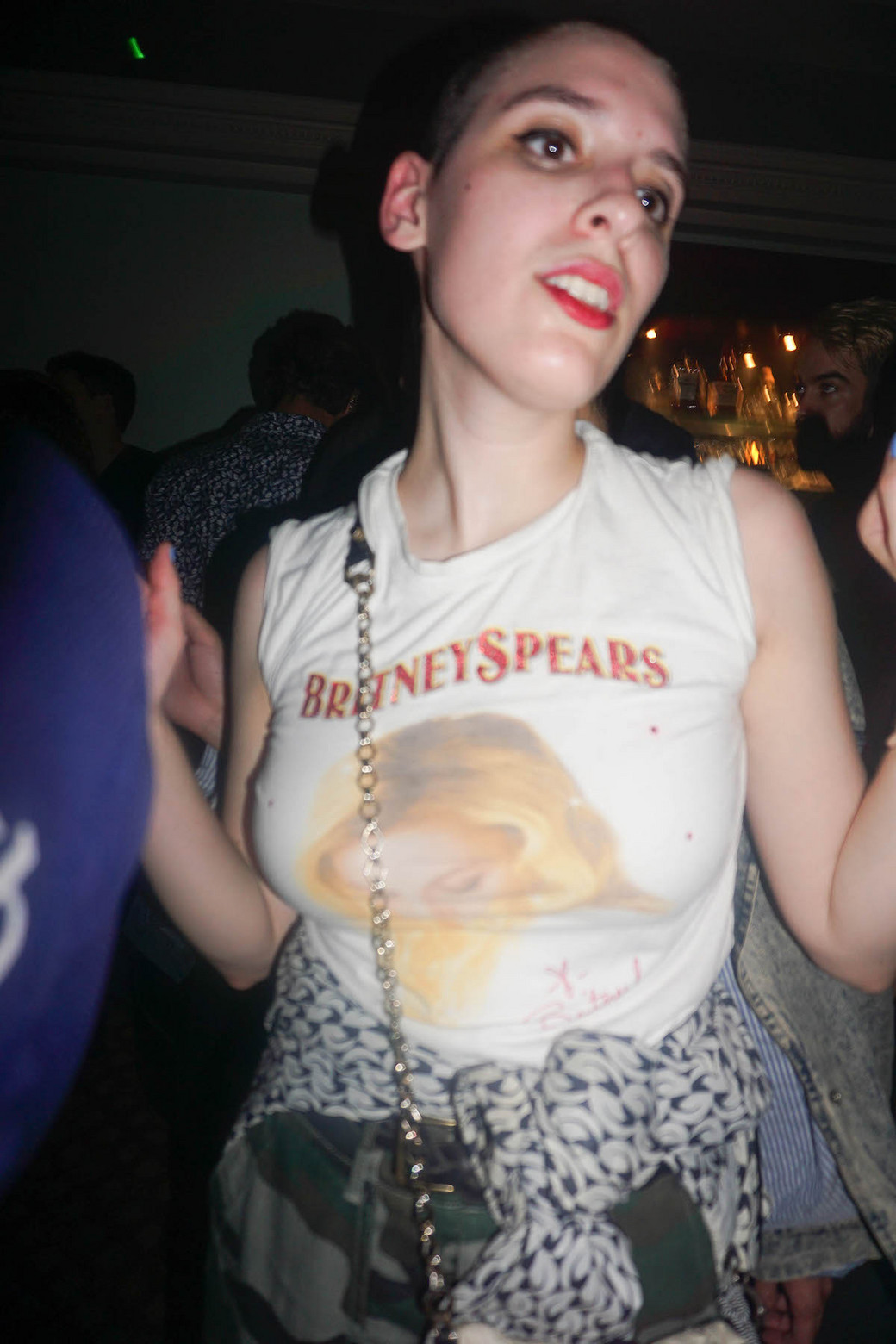
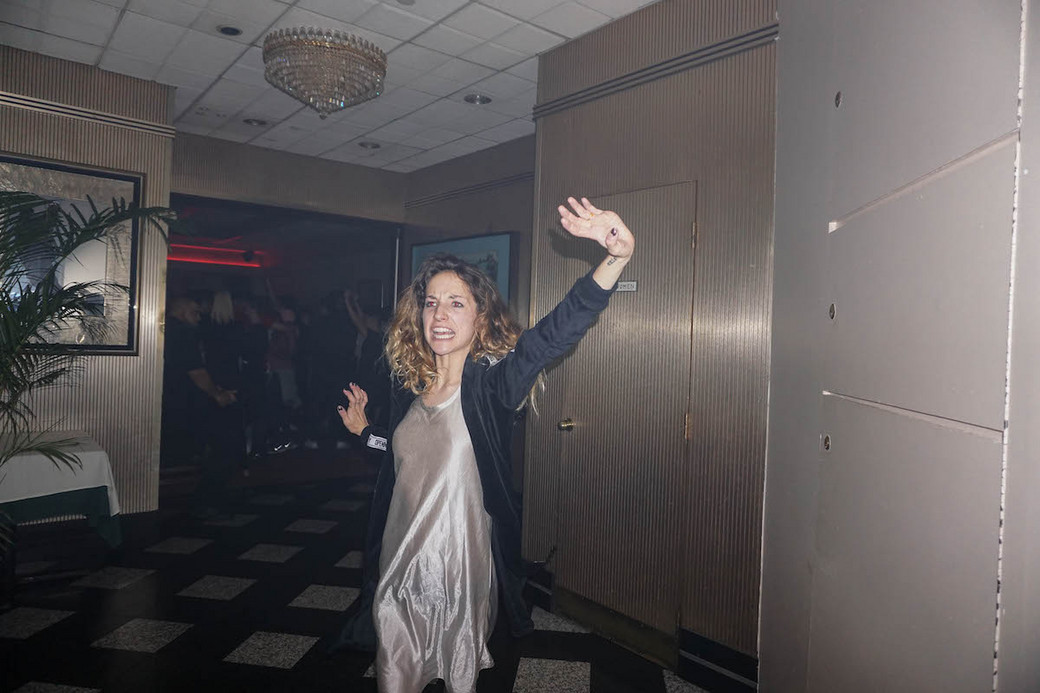
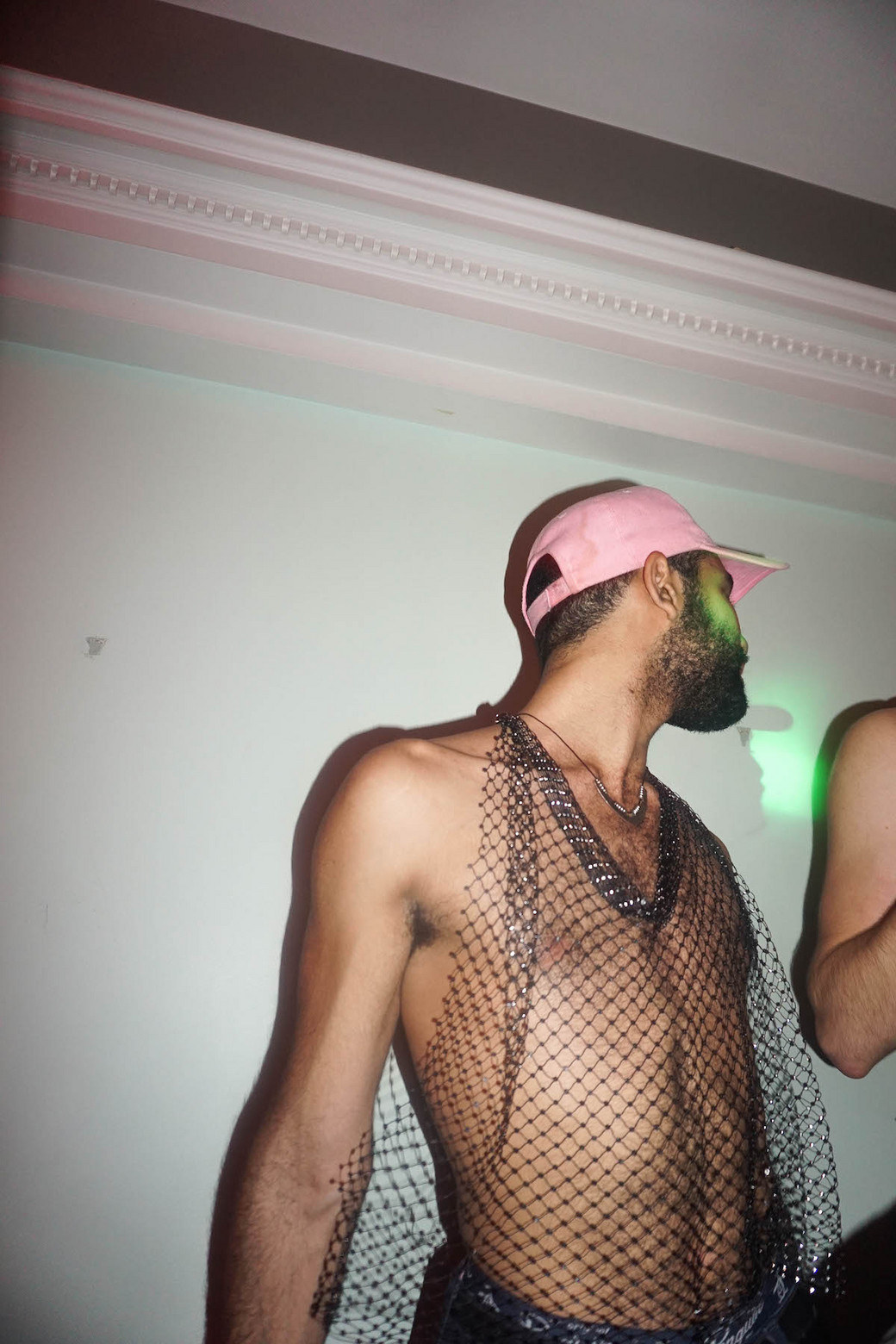
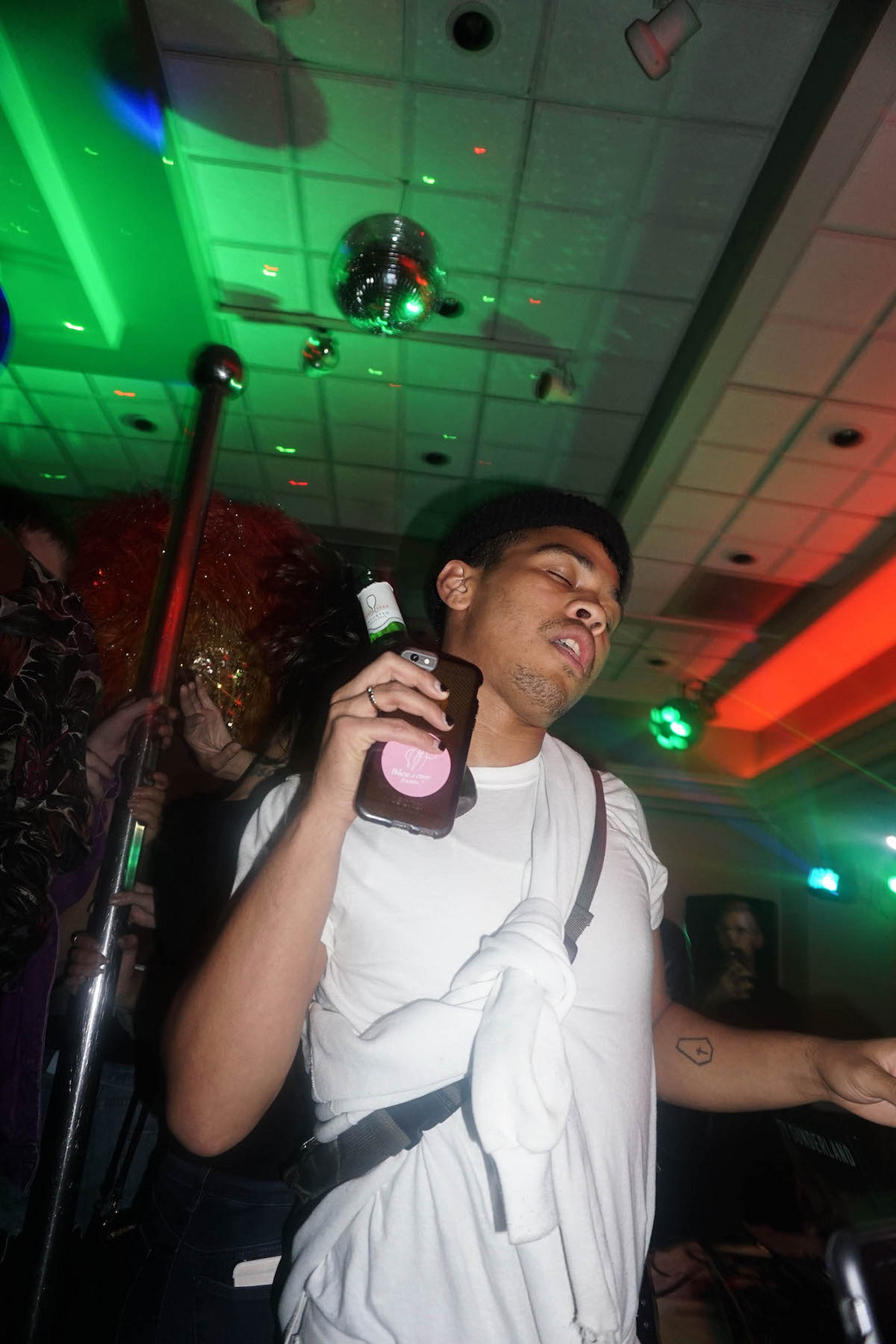
The night's theme was unity through all of Britney’s archetypes—the starry-eyed, pigtailed prodigy, the breezy, post-peak legend completing her Vegas residency, even 2007’s pink-wigged paparazzi princess breaking at the seams, drowning in the media’s lies… and Cheeto dust.
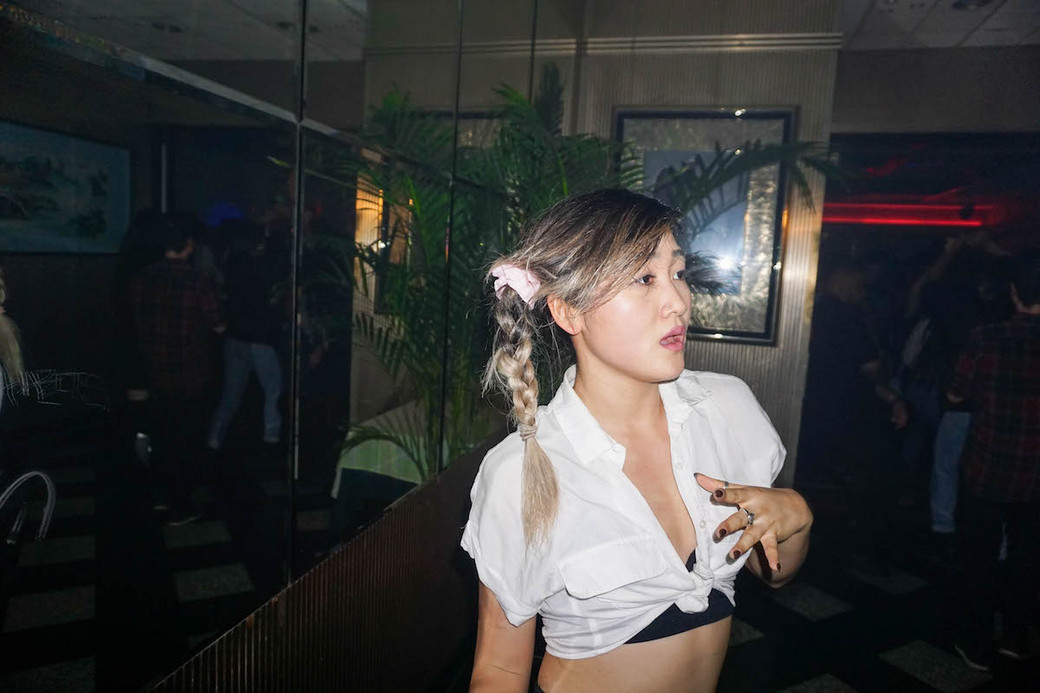
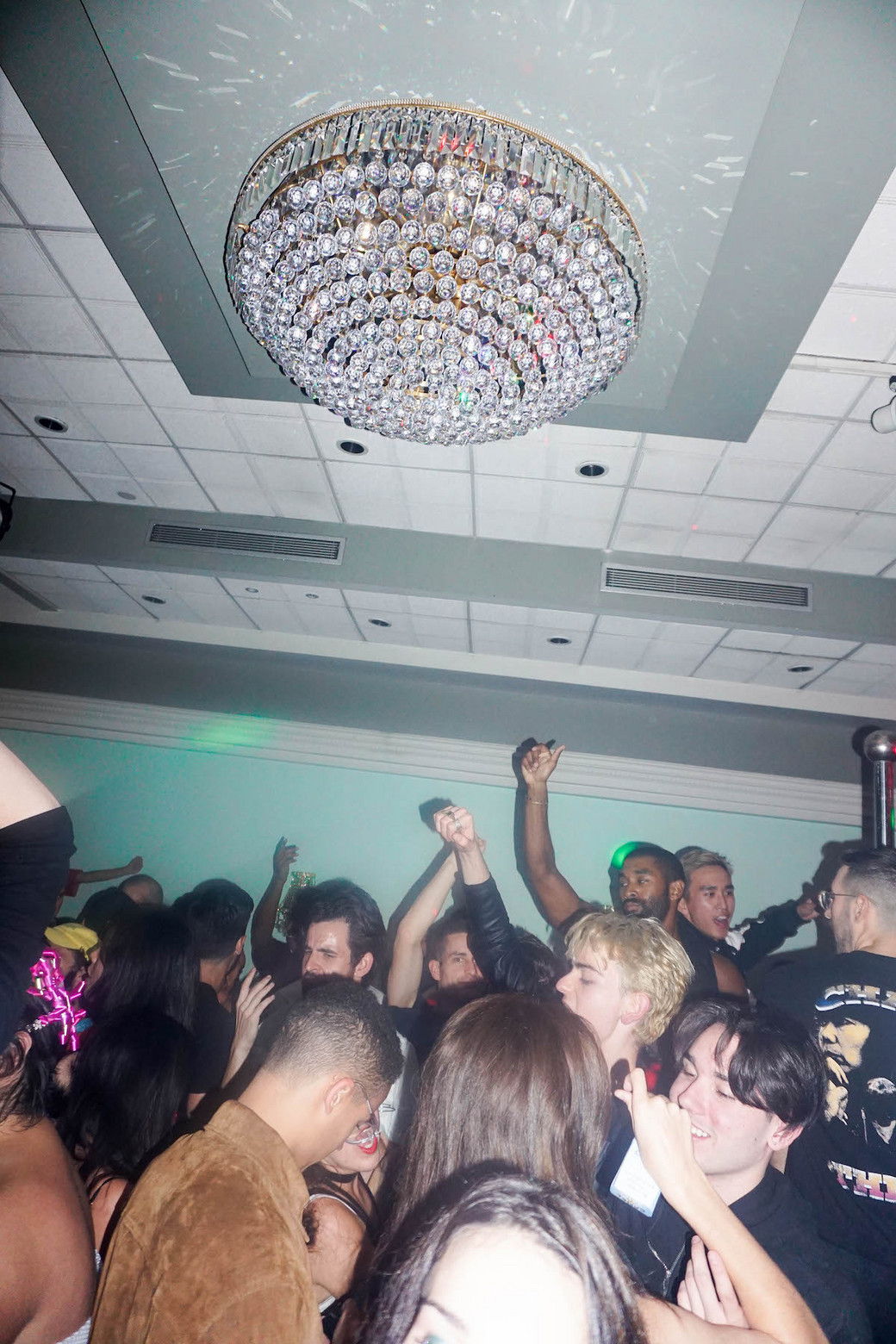
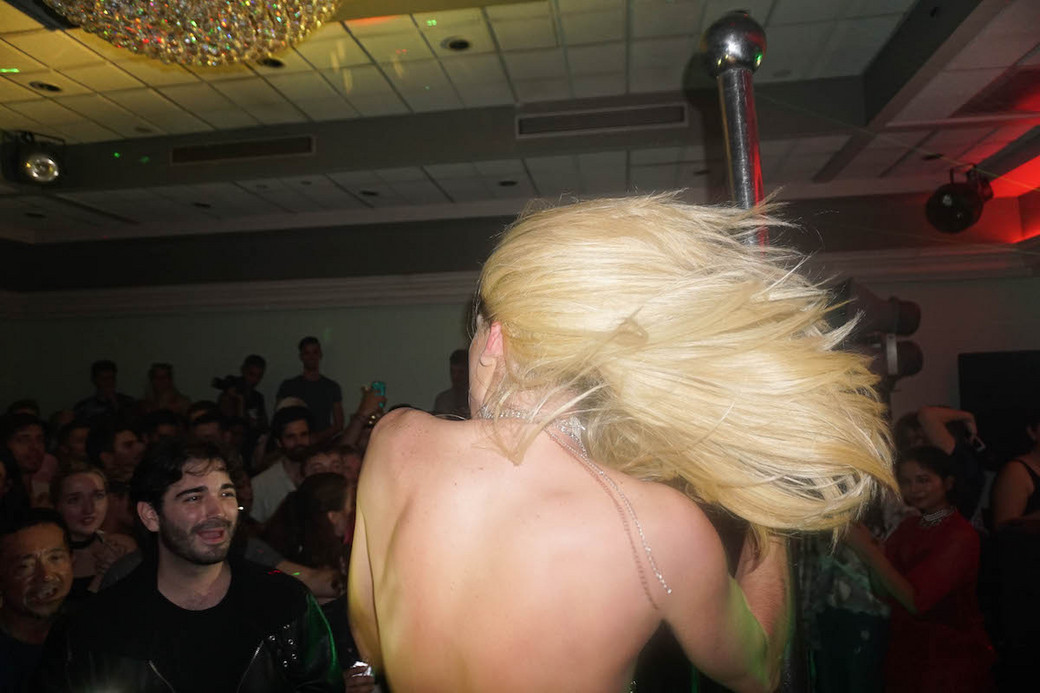
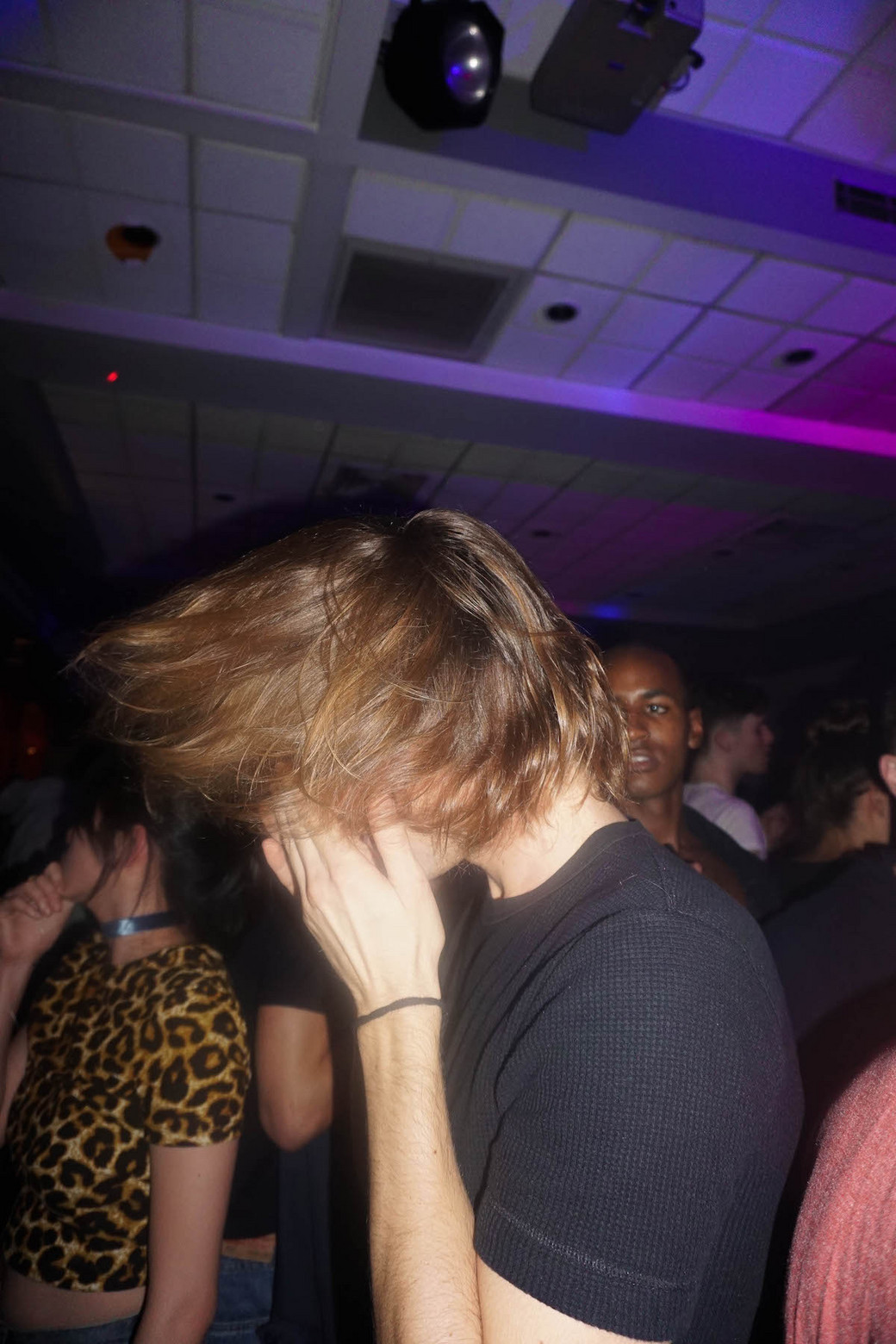
On the dancefloor, every hair whip was partnered with more and more realization of the beauty in Britney’s legacy—realizations proving that even in her downfalls, Britney Spears’ existence has fueled our desires and satisfied our needs for nearly two decades in a way that supersedes reality and in times when we may not have even been aware of the vacancy her antics were filling.
A people's queen since her inception, Britney's timeline is filled with pop culture checkpoints—her "Oops!...I Did It Again" innocence signaled a new kind of manufactured bubblegum pop entity, one that came about right when the new millenium was fresh and when Google Images was the brand new thing. A wide-eyed, perky ex-Disney star with just the right amount of parental guidance approval, yet seemingly at the cusp of becoming a woman. It's no coincidence that as the digital age produced more and more images, and as our collective horniness accumulated, Britney's sexual awakening arrived and the public ate it up. With this newfound gateway into our favorite celebrities' lives, we inevitably tore her back down, making her the head-shaving, umbrella-yielding mess that we loved to watch deteriorate.
Unsurprisingly, the evolution of how we express our strange obsession with the lives of celebrities, and that of Britney Spears, go hand-in-hand. The Britney of 2017 is a satisfying end product of the cycles the public has put her through—a post-TMZ mommy blogger who can finally share her life and kids with the world in a healthy way. Once again, the Britney we see is the Britney we want to see, which is especially gratifying considering the stressful sociopolitical world displayed on our feeds everyday. There's a sense of comfort that comes knowing that we can collectively revert to "Toxic" or "Womanizer" to let off some steam, and given Friday night's outcome, the route to euphoria-via-Britney is infallible.