For Lovers
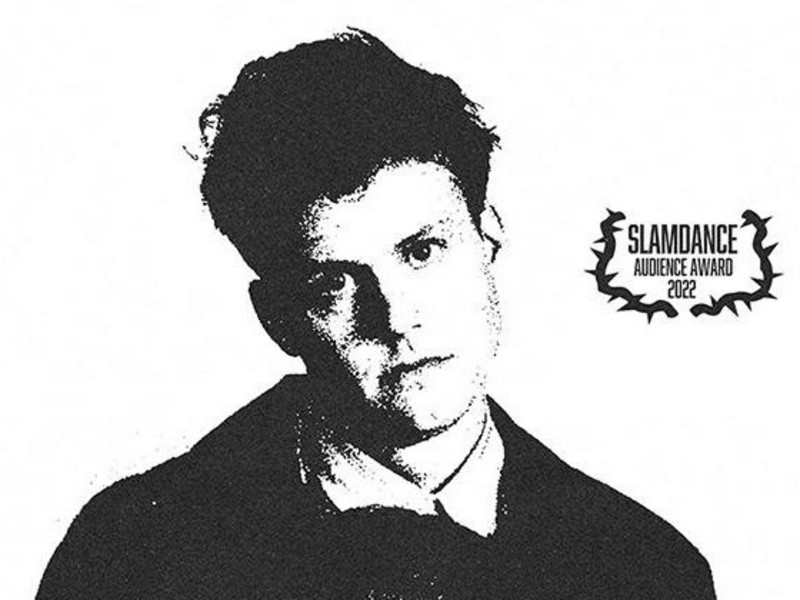
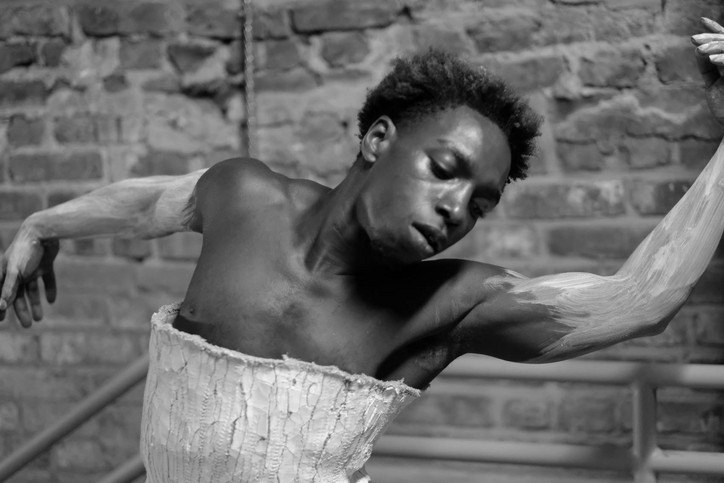
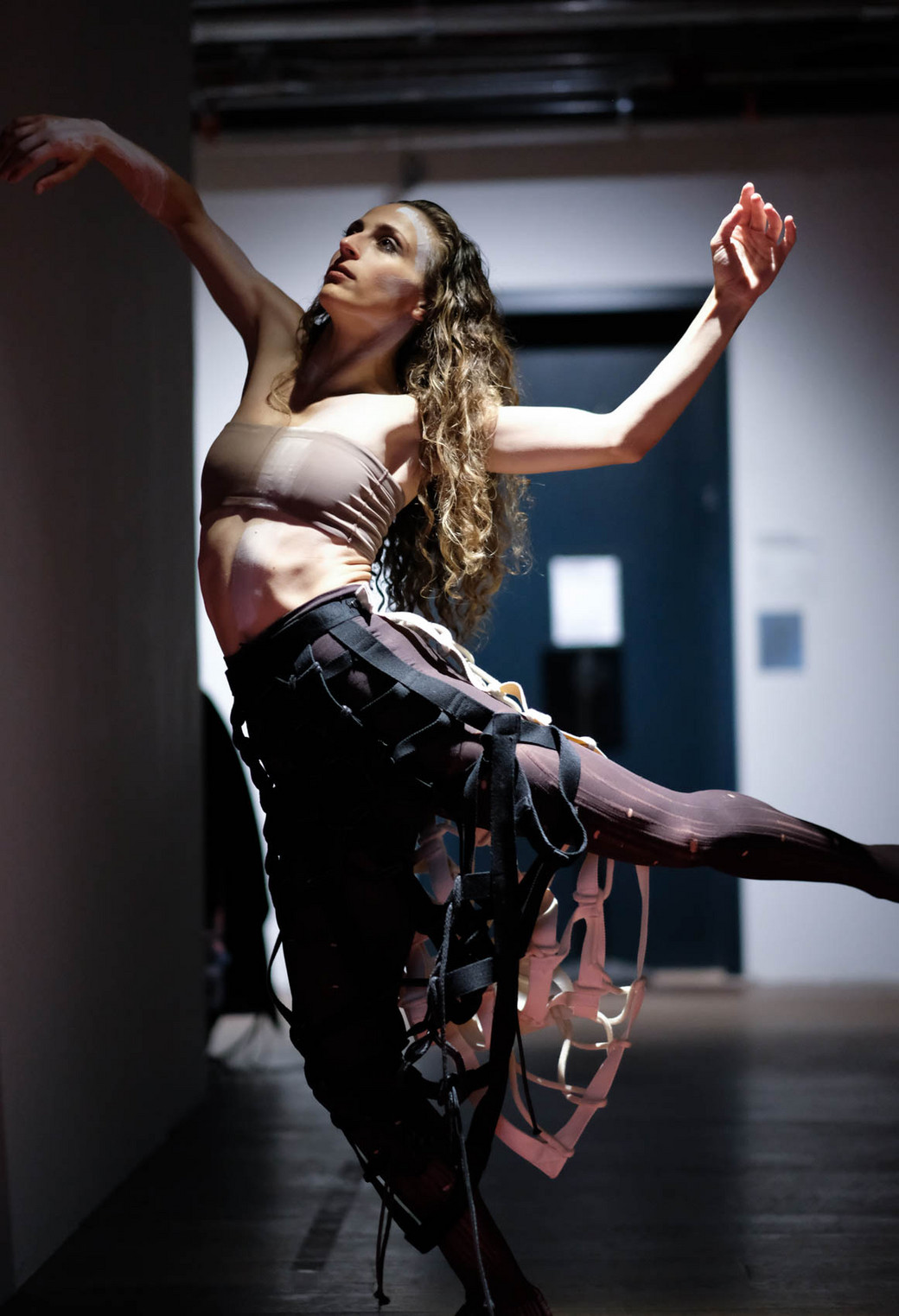
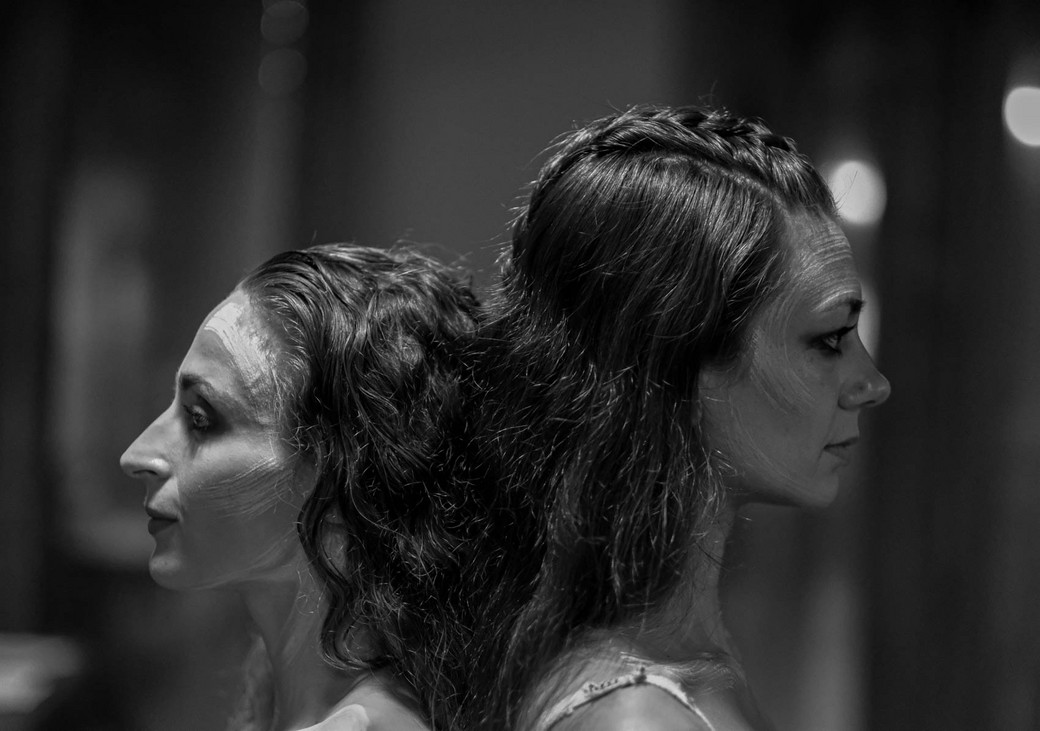
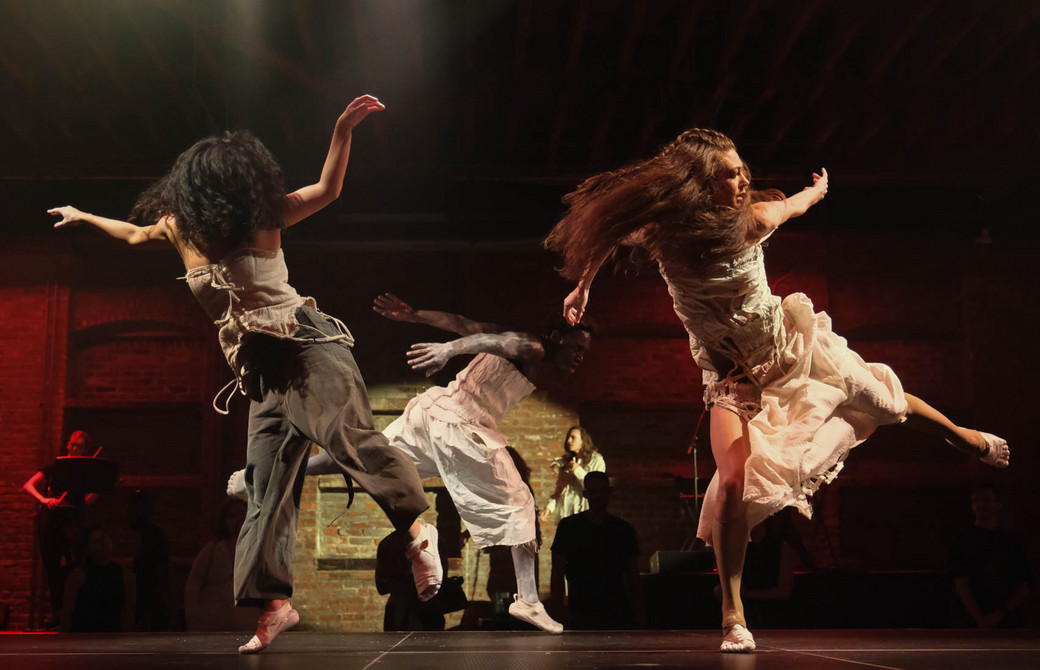
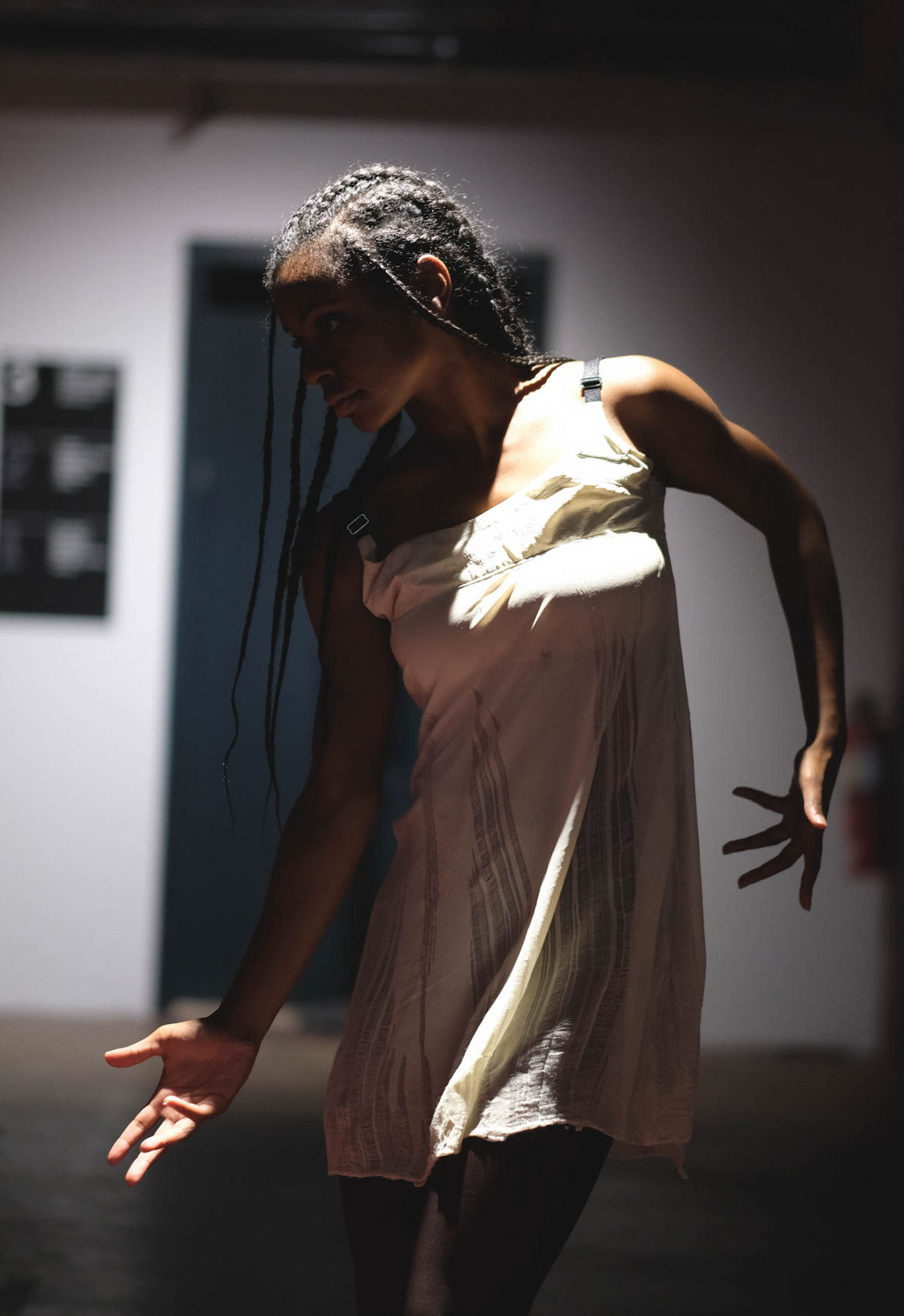
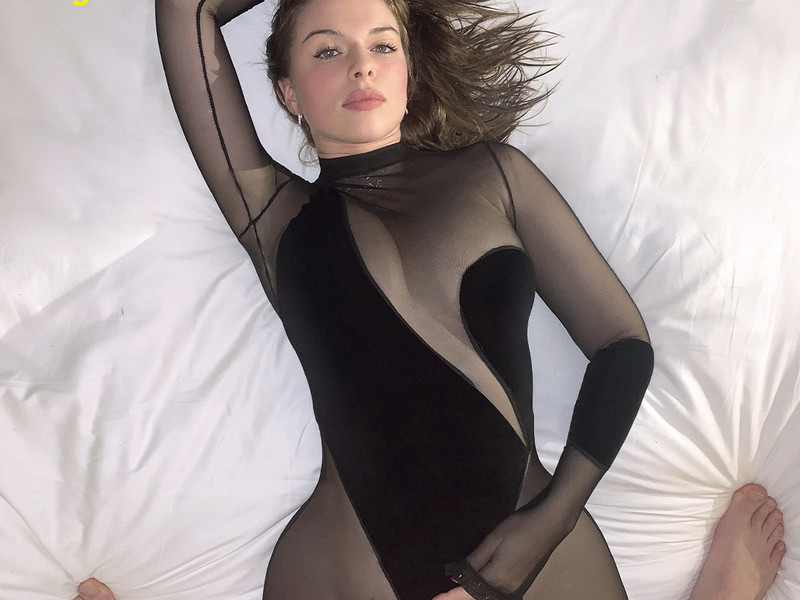
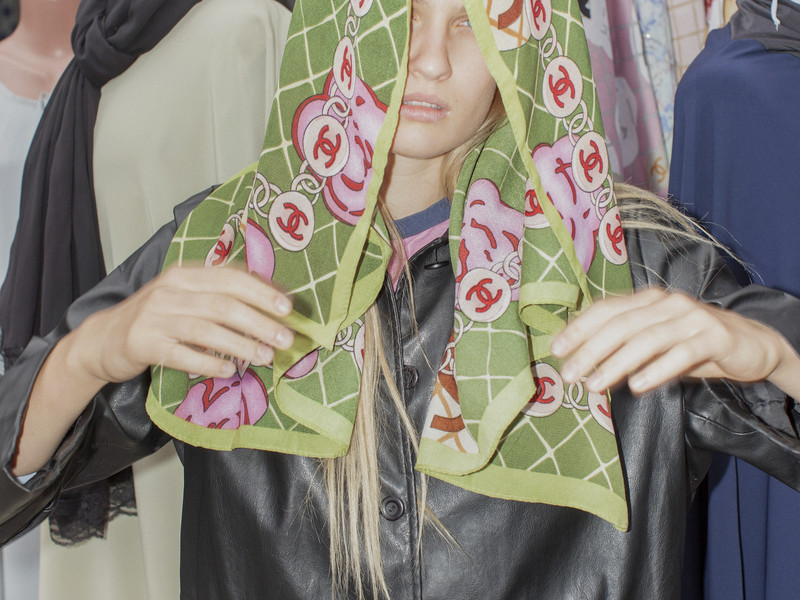
Lamar is a muse for the ages, a lens through which we can explore the love within both our hearts and others'.
Check out the video and photos below.
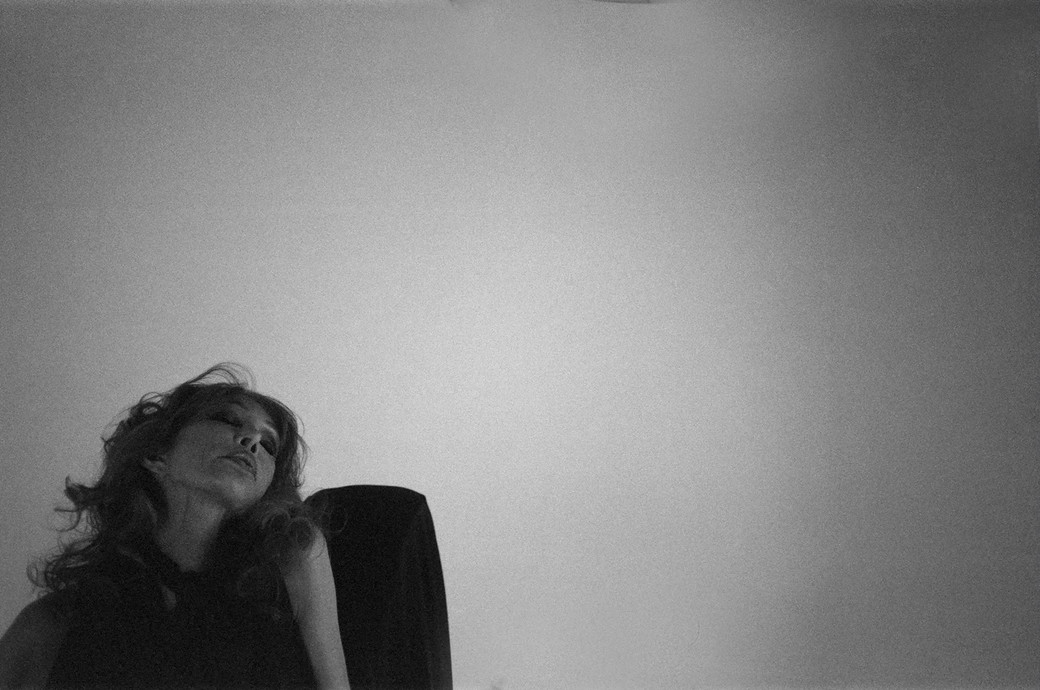
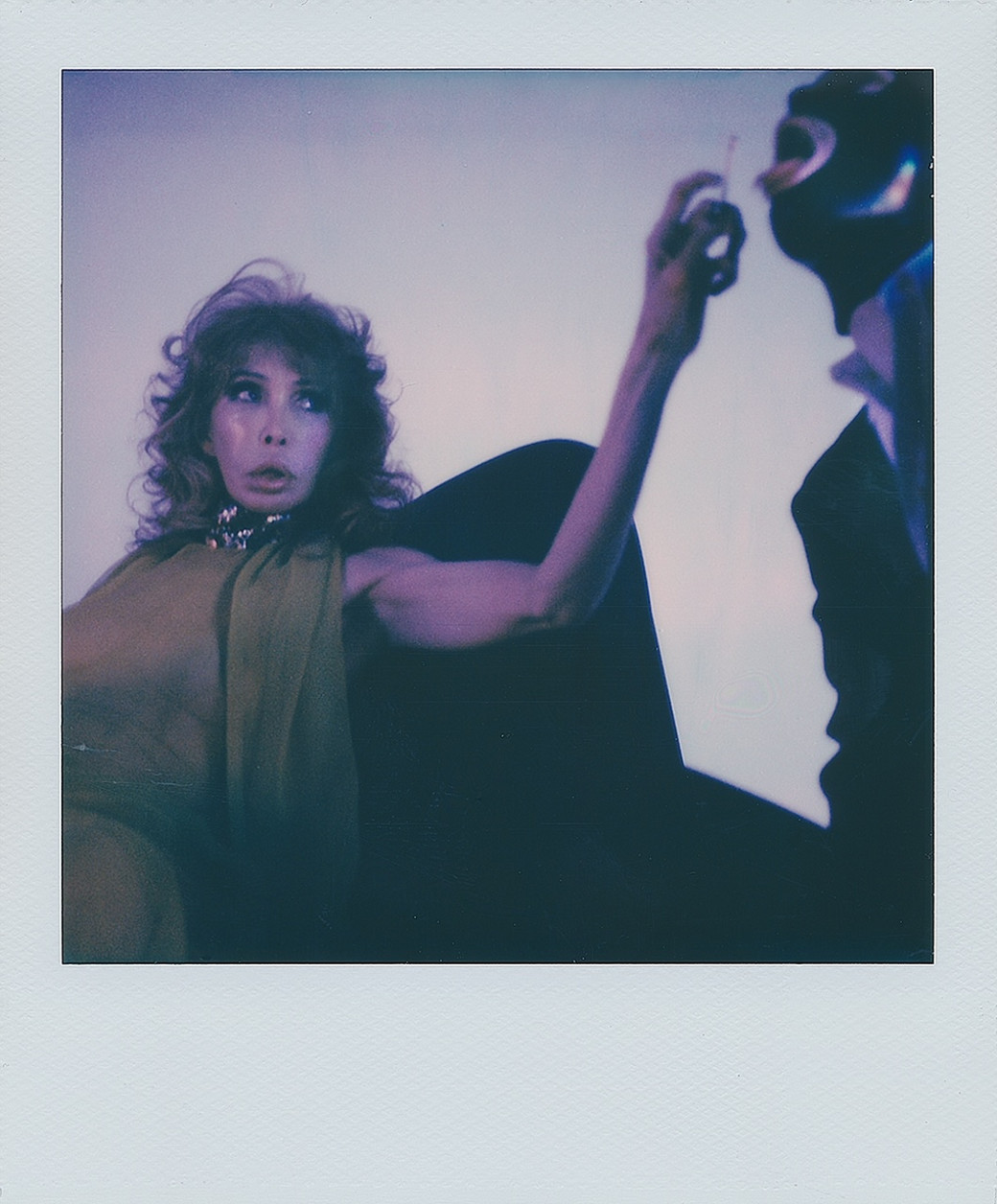
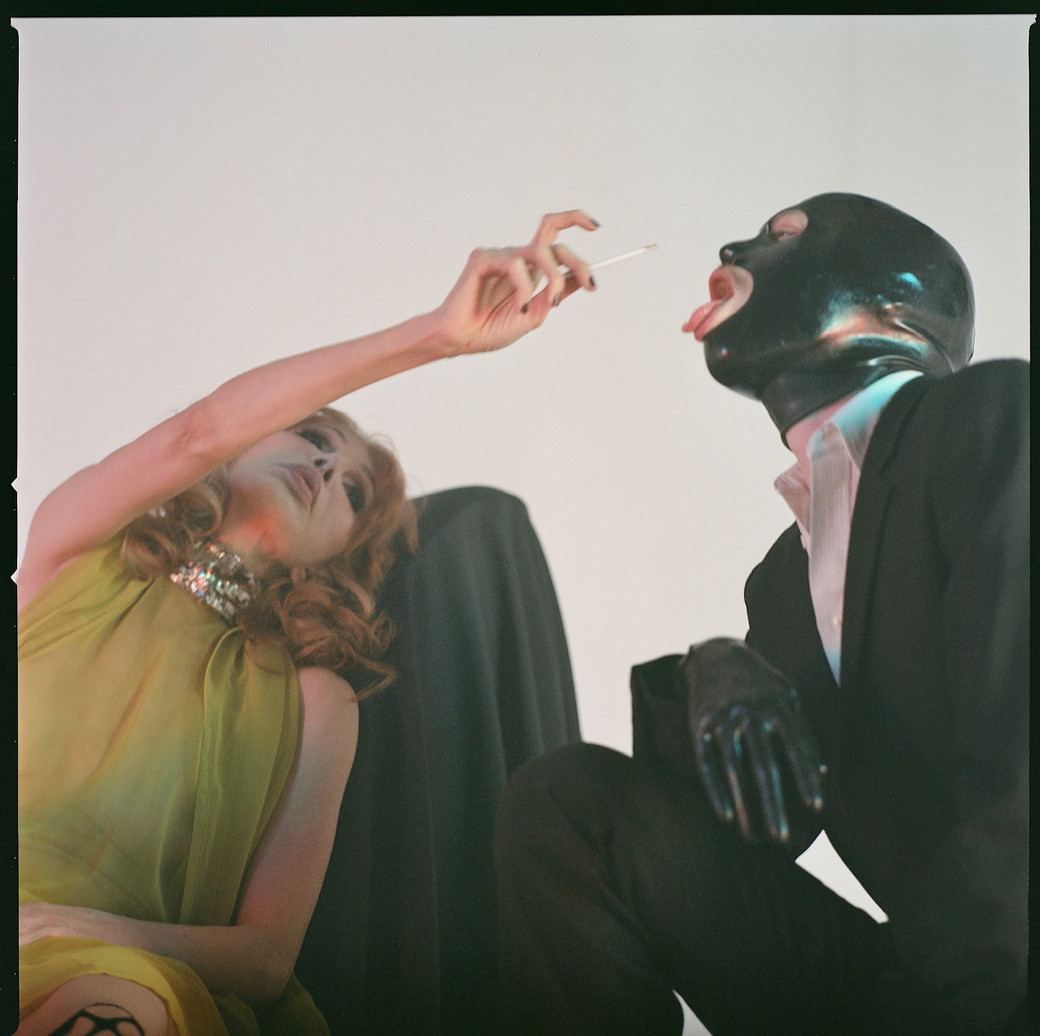
Lamar is a muse for the ages, a lens through which we can explore the love within both our hearts and others'.
Check out the video and photos below.
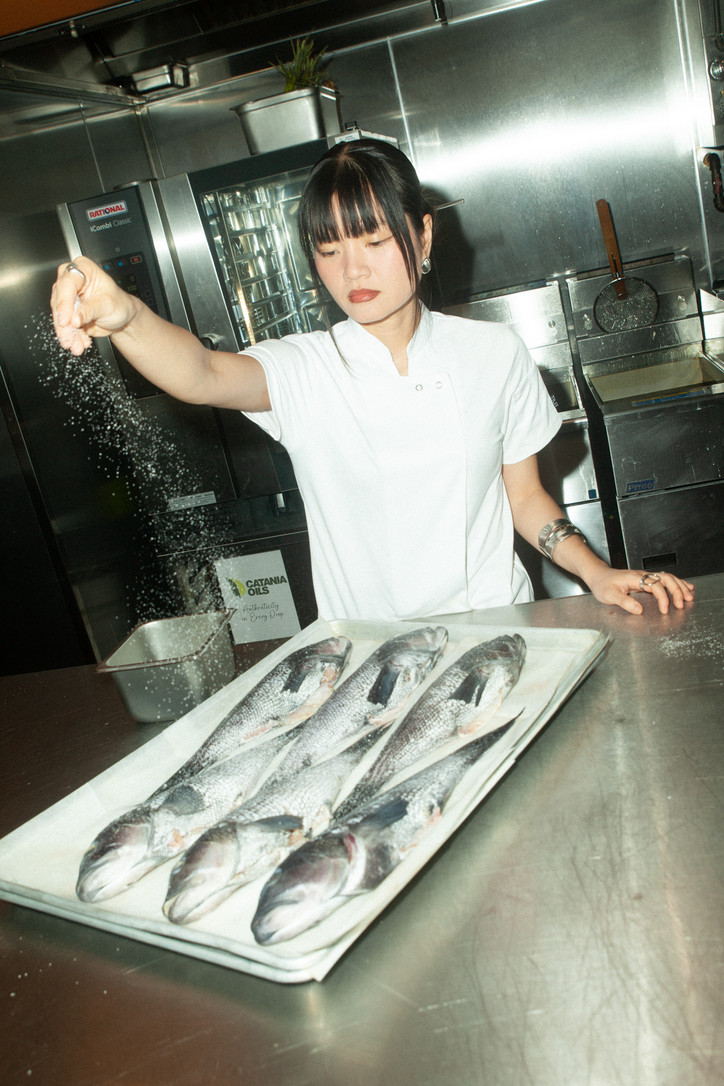
Your mom was also a chef—can you speak on growing up around her restaurant? How did your mom shape your culinary education?
Weirdly enough, my mom and I never cooked together. I remember peeking in wonder from behind the door at her whirlwind of activity or sneaking tastes, but she very firmly wanted everyone out of her space. She was this “one woman force of nature” and cooked a shocking amount of food from a little shoebox kitchen. It was stuffed from floor to ceiling with dry goods, machines, and tools, but meticulously organized—she never spent a half second looking for anything. Every time I cooked in the kitchen, I'd try to put everything back, but the next morning I'd see she had swapped cups or rearranged the ends of the chopsticks to be in order.
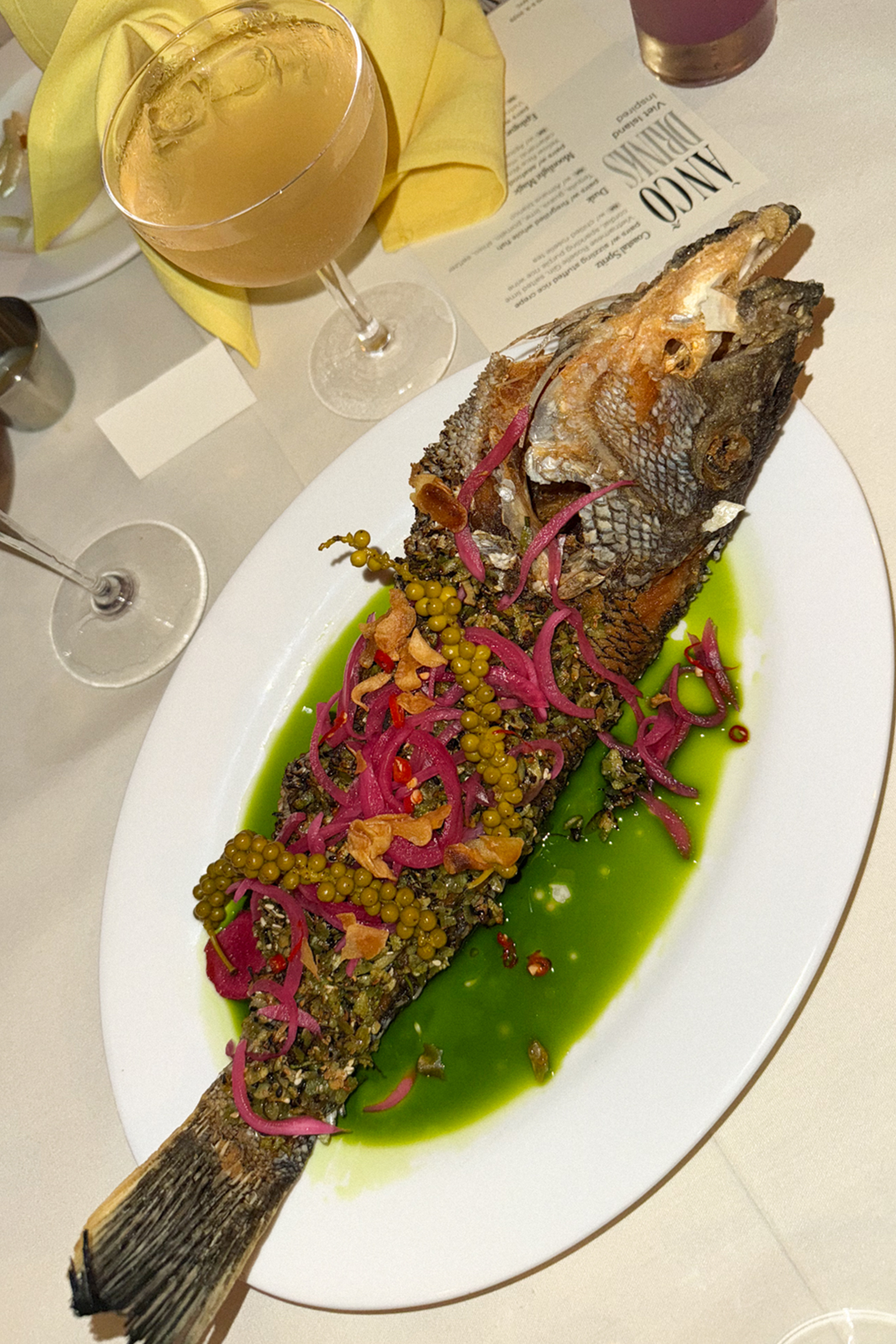
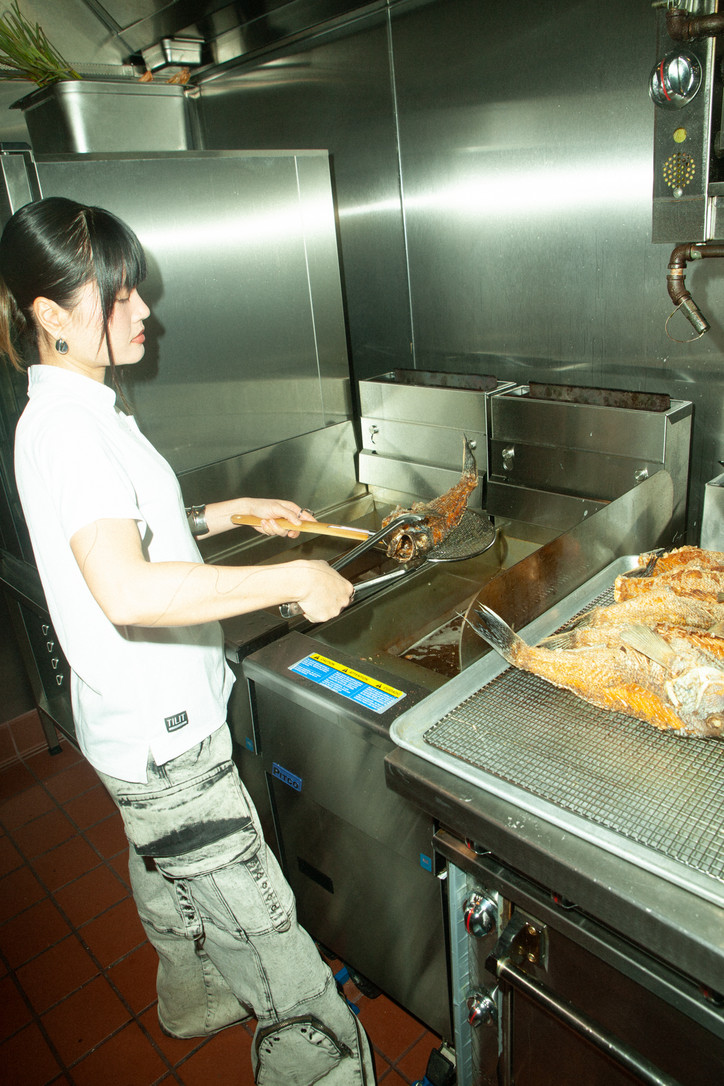
But even though I was supposed to be kicked out, I was always getting caught underfoot (and smacked with a spoon). Her dishes are to die for, but I learned that not everything needs to be so “by the book.” For example, I was like, “why can’t we use Vietnamese coriander (rau răm) to make infused oil? Why can’t we use sea moss in savory dishes instead of desserts? Why can’t I use cốm (young green sticky rice) as the crust on my fish? My mom might say, “It’s just not done.” I know she’d lowkey love it, though… But I think my mom and I share the same opinion—the magic of Vietnamese food is humble ingredients transformed into bountiful dishes & complex flavors, through hundreds of small steps.
I see Ăn Cỗ as the next layer on top of the foundation set by the generations of food creators that came before; these chefs and restaurants laid the necessary groundwork and goodwill for Vietnamese food and turned our staple dishes into household names. My dream is to fill in the gap for what’s next. I think Vietnamese people love our comfort dishes, but it’s not always how we see our cuisine. We also want that dazzle and splendor we think of when we imagine our food. To bring that vision to life, I want to serve not just a slice, but the whole cake—the dish, the culture, the vibe, the design, the drinks, and the stories that make up our food. The holistic vision of Ăn Cỗ brings is to reach deep into our heritage, history, and distant corners of the country, and reinvent, recontextualize, and reinvigorate the dishes our ancestors worked to develop. But for my mom’s food, I wouldn’t change a thing, and when Taylor and I go back we are so excited to just stay home and feast.
You went from your parents’ restaurant in Vietnam to Le Cordon Bleu in Spain. What were the differences in each approach to cooking?
I loved what I learned at Le Cordon Bleu, and I was shocked to see how much standardization formed the basis of culinary communication in the West. Instead of the organic process of watching and learning in Vietnam, I saw chefs measuring carrots by millimeters and steaks to fractions of degrees. I am able to do what I do today because I can speak to my cooks in sizes and processes that we all know. However, the hierarchy was super weird to me—luckily, my tiger mom had prepared me well, so chefs yelling into my face was unwelcome, but also irrelevant. I was already inoculated!
Looking back at how we cook in Vietnam, I lose my mind watching cooking videos from Vietnam because they’ll casually throw in vague terms like “cook it until it looks right” or “Now we stir-fry onions… oh I forgot, but make sure to add the garlic first.” But I have also learned to appreciate our organic approach to cooking, and I am consistently surprised at how dependent classically trained people are on recipes. Up to my 7th volume, there have been no recipes written down and I probably couldn’t make it the same again if I tried… and somehow that feels just right, given the ephemeral nature of the series as a whole.
Why Ăn Cỗ in New York? What do you want people to learn from your experience?
If not New York, then where? I mean, my mission is to show the depth of regional cuisine through elevated banquet culture, and I can’t imagine doing it anywhere else on earth.
I had this couple come to my Island Sunset dinner from San Jose, the Viet nexus of America, and share with me how excited they were to try the menu. I was kinda shocked—didn’t San Jose have the best Vietnamese food in the states?? But they said they wanted to see Vietnamese food in its splendor on the world stage, and that it meant everything to see Viet food cooked by a Viet chef in the heart of New York City.
It’s probably also possible because New York is just a more curious audience that is ready to try new things, and usually doesn’t have as many preconceived notions about what Viet food should be—I’ve served a lot of people’s first quail, first frog legs, and first goat at Ăn Cỗ. This time, I served them mắm nêm, a famously “stinky” fermented fish sauce, and people didn’t even bat an eyelash. I can also pull in this incredible team of multi-cultural cooks from all over and teach them how to make Viet food and flavors, and they are excited to learn.
To me, New York City has been home since the moment my feet kissed the ground, and I wouldn’t do it anywhere else, but it helps that it’s in a city my mom knows all the aunties have heard of when she wants to go brag!
Do you think your career would be different if you had stayed in Vietnam?
I had started this blog with Taylor in 2015 where we would travel around Asia, learn how to cook in the local style, and write about applying the learnings to Viet food for an audience of like 100 people. It filled this little need in our hearts for discovering the blend of culture, food, history, and flavor. We went to Sri Lanka, Malaysia, Indonesia, the Philippines, India, Myanmar, and more, always bringing back some new insight to try cooking at home.
In 2017, my marketing strategy career was very much full steam ahead. I was working on some major brand activations for international companies, and Taylor was starting to grow an educational enterprise in Vietnam. I don’t know what really made me pull the plug and decide to relocate (first to Seattle in 2017, then to Madrid in 2018, and finally to New York in 2019), but I just felt a calling elsewhere. I guarantee that both of us would still be on the same path, and still trying to kindle the flame and wondering if we ever coulda shoulda woulda done something more with food…
Taylor mentioned that some of Volume 7’s dishes were inspired by meals you shared on a trip to Vietnam. What are some other memories associated with each dish?
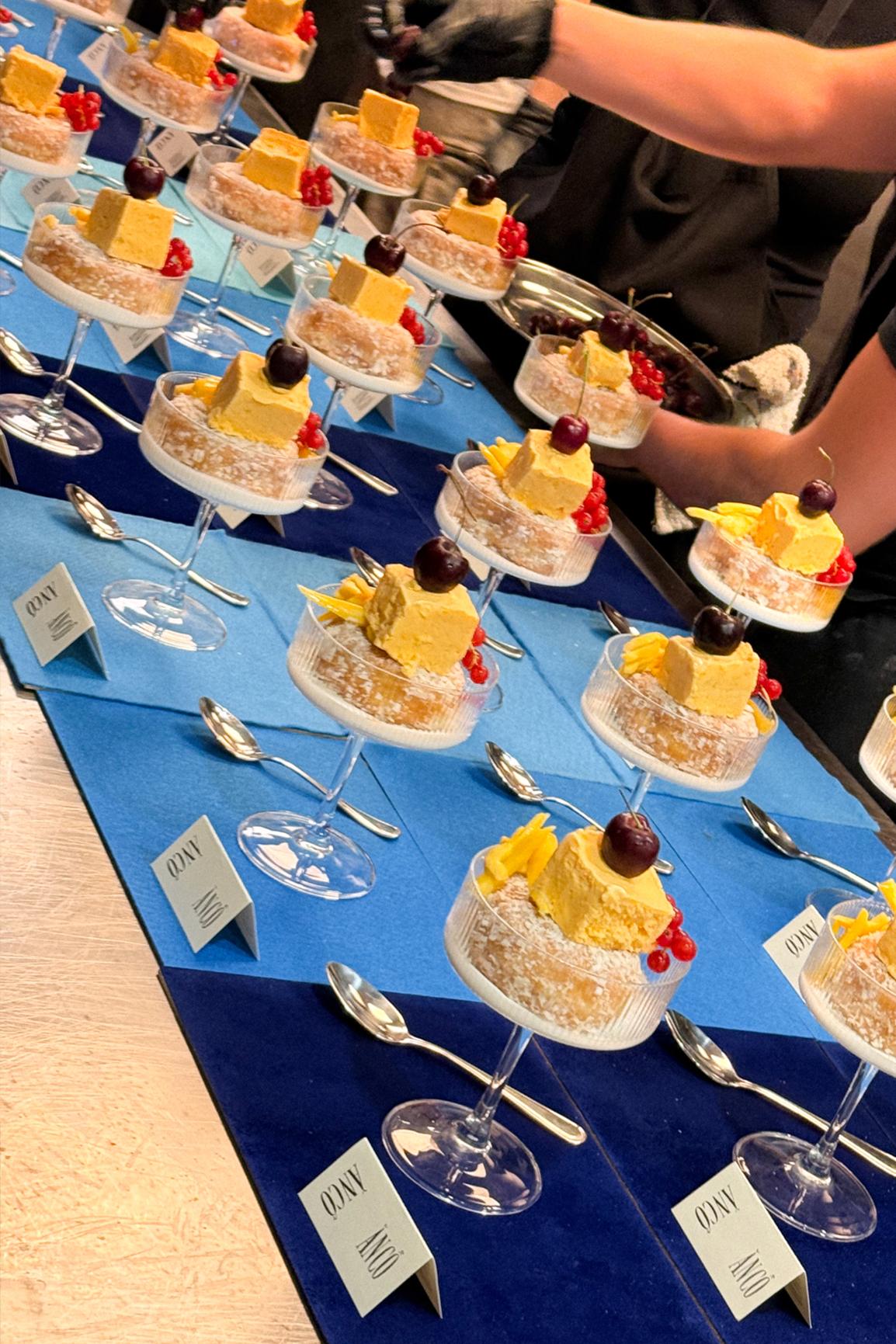
When brainstorming this menu, we started by flipping through our photo album from our first little vacation together to Nam Du in 2015. We had just started dating for a few months and were kind of figuring things out, but our little island escape ended up being a mess. Stormy waters and me being seasick was not a cute start, but we pulled through and had this beautiful time together after all. He took me snorkeling for the first time on that trip, so the “coral crush” salad (gỏi rong sụn) was a little nod to that moment of brilliant hues and color. I also recovered (from seasickness) with a bit of banana jackfruit ice cream, a little island staple I wanted to pull into the menu.
Our soup, the bún quậy, is this hyper-regional thing that you can’t even get outside of the southern islands. One of Taylor’s students owned a fish sauce factory and took us out to Hòn Sơn island one time in 2016. They kept a pot of simmering pork and shrimp shell stock throughout the day, seasoned with a splash of fresh seawater. When it’s time to eat, the fishermen smear some handmade shrimp paste against the side of the bowl and toss in the diced fresh catch of the day, cooking everything at once with a splash of boiling broth. We dipped in salt & calamansi, and it was this beautiful, fresh moment that I felt like captured the spirit of my whole menu—simple but high-quality ingredients that can create unexpected flavors.
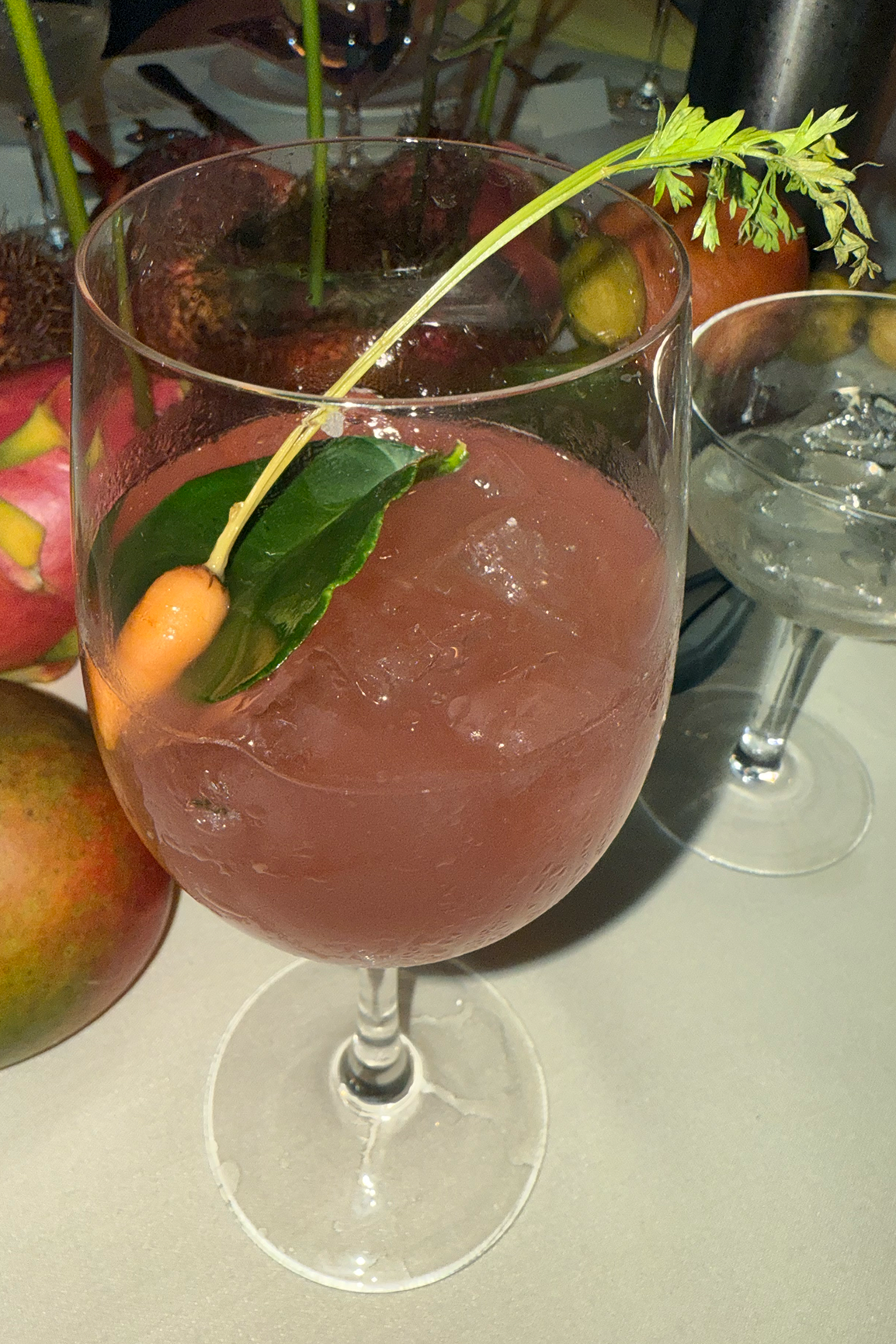
You encourage guests to interact with their meals—building their own wraps, picking from fish, and getting their hands a little dirty. What else do you think Western cuisine can take from SEA tradition?
I always urge people to seek more intuitive completeness in their meals. Vietnamese food has this millennia-old Five Elements theory (wood, fire, earth, metal, and water) that is less mysticism and more about using our instinct to balance flavors, temperatures, and textures so a meal feels complete and the body stays in harmony.
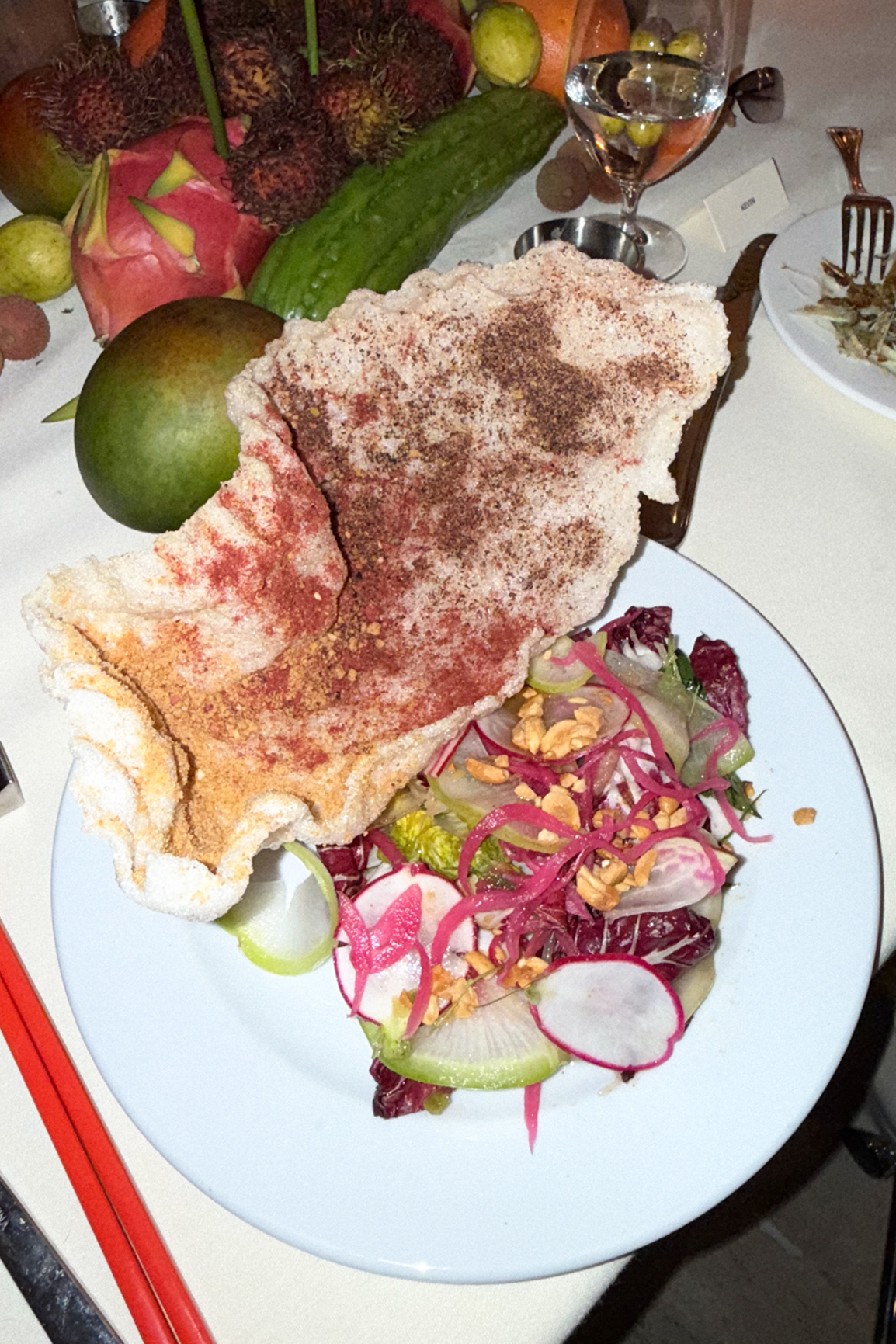
The science is shaky, but I do believe that the completeness of dishes, texture, color, flavor, and temperature is super satisfying. When I first moved to the States in 2017, I was shocked that everyone ordered something individually, and they could just eat a steak and mashed potatoes and call it good. I absolutely, hands down NEED a brothy soup at least once a day. A typical Viet dinner will have a meat dish, a veggie dish, soup, salad, rice, and some chilled fruit to finish. A perfect meal will also be a little symphony of color or flavor, and we aren’t afraid to lean into bitter things like bitter melon, which should stimulate appetite.
But intuition and completeness don’t just start at the dinner table, Vietnamese people touch and sniff every single thing they buy in the grocery store, starting to build that sense from the selection process to the final taste and season as they go.
Talk to me about the process of food styling. When do you know that a dish is finished? And what motivates certain design choices?
The process of food styling begins with ingredient selection. Food fills so many emotional needs for us, so I always think about the philosophical purpose that food will play in the final product, whether it's a commercial, cookbook, or editorial piece. Sometimes it needs to feel cozy, familiar, and gentle. Other times, it needs to be sassy and loud. My favorite things to style are the ones with more flair and attitude, especially if they fill three-dimensional space through stacking. Then, ingredient selection is all about looking for quirks or cues within the produce that might accentuate that role. For example, if the pepper has a super pronounced shape, or if the mushroom seems to bloom in a dozen directions.
I work to bring out that natural beauty through the cooking, preparation, and preservation process by trying to see the image in my mind through the camera’s eyes. Cameras can be so finicky with food. Things that look sumptuous to our eyes read flat on the screen. Things that are lush and abundant can be busy or crowded when cropped to a frame. When something feels “right,” that’s when I know that it hits the right mood of the shot—when things look layered without feeling arranged. When I see the photo and think it looks both beautiful and yummy, I feel like I did a good job!
You’re on Volume 7 of Ăn Cỗ — how has the series evolved since Volume 1?
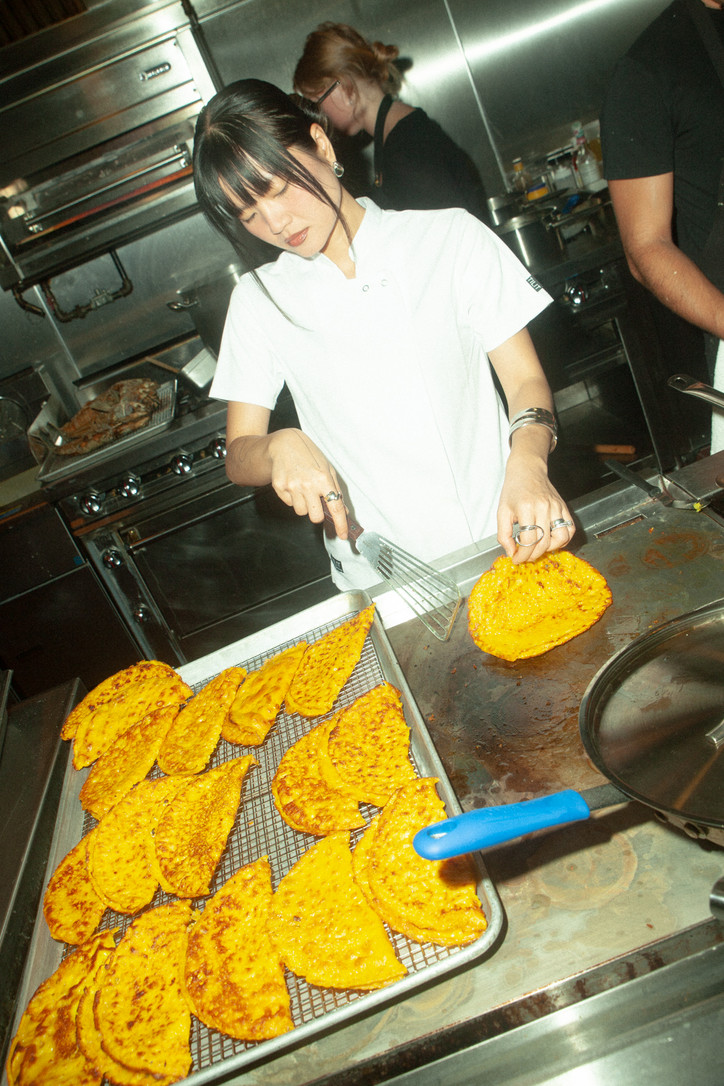
We try to make one big gamble each successive event. The first was seeing if we could pull it off at all, the second was incorporating more complex elements like hot massage stones under the grilled shrimp to keep them toasty, the third attempted live aquariums as centerpieces, and with the remaining volumes, I tried increasing headcount, experimenting with ice cream, dry ice, and smoke boxes. This event really felt like I took advantage of the whole commercial kitchen and chef team—we used every single piece of equipment, every inch of the walk-in fridge, and pushed a very professional cook team as far as we could go.
But most surprising to me was how strongly we started to lean into our own personal stories. I sort of started off like, “Who the hell am I to share my story, they are here for the food.” But over time, people kept commenting on our little introductory speeches, and they evolved from just explaining how to eat the dish to insights into our relationship and the process itself. The previous event, Vol. VI—Saigon Echos (Spring, 2025)—was a very personal reimagining of my mom’s dishes from her restaurant in the 90s. I served up her grilled goat and ochra, her beef jerky papaya salad, and Taylor told a lot of anecdotes from that period of my life. He also liked sharing how I got kicked out of seven schools between middle school and high school…
To wrap up the Island Sunsets, Taylor went around to the tables and asked people what their favorite sunset memories were. I’m really happy that people have found joy—not just in eating the meal I prepared, but knowing more about where it came from and perhaps reflecting a bit on their own journey.
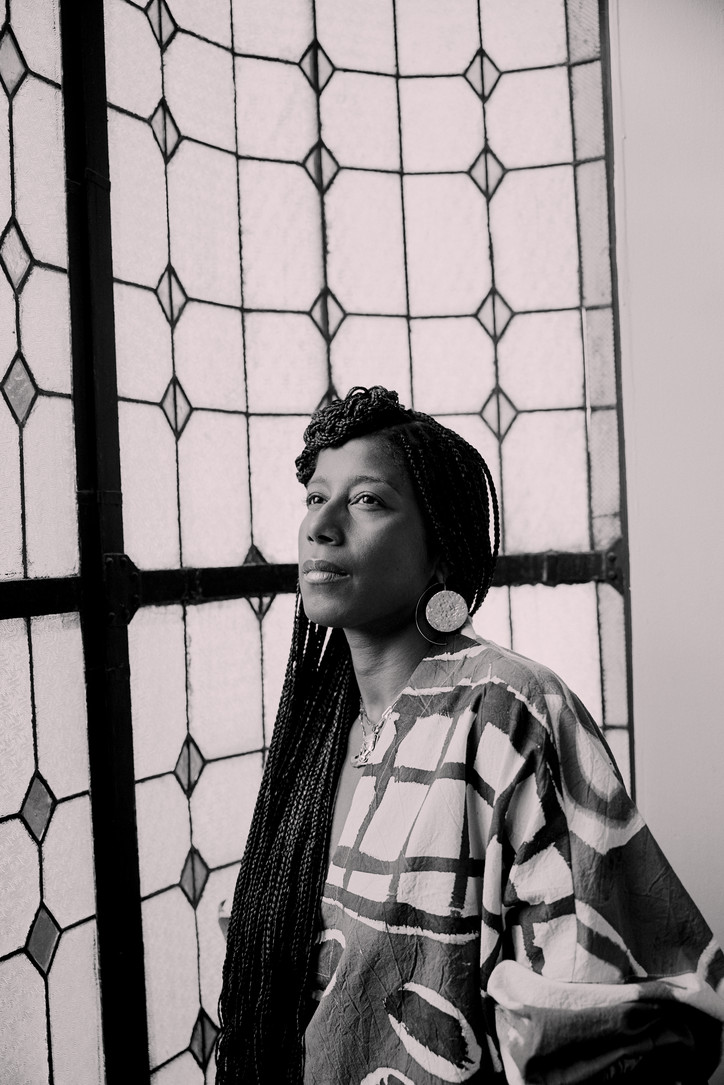
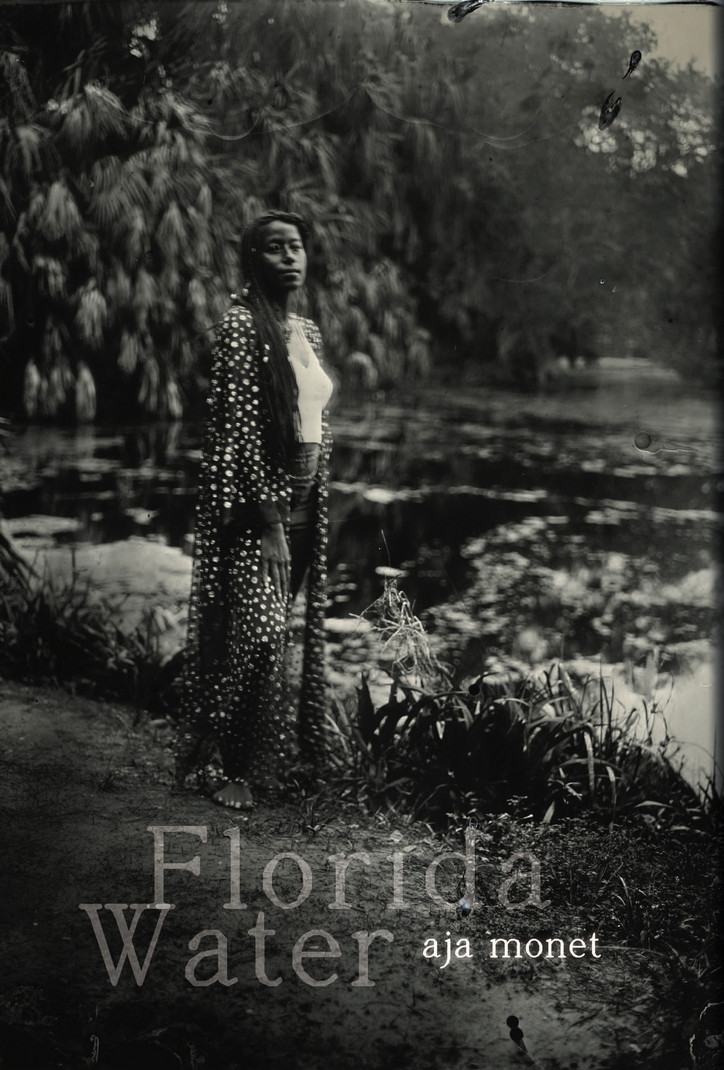
Coming at the heels of her debut, My Mother was A Freedom Fighter, and album When The Poems Do What They Do, Florida Water, available via Haymarket Book, dives into the truths we’re often afraid of confronting. With much on her heart, the artist spoke with office on stewardship, community, love, and her writing process.
How did your relationship to poetry start?
It started when I was young, and I think a big part of it was just being impacted and falling in love with other poets and finding a lot of connection to what poetry was and the elevation of language. I think a lot of it starts with early schoolhood, and people like Langston Hughes were a huge part of my introduction to what a poem is and finding a way to use language in a way that's not just empowering, understanding the musicality of language.
How did you get comfortable being vulnerable with your inner thoughts and sharing them with so many people?
I don't know that I've ever been super comfortable, but I think that part of what you learn is to live with the nerves and live with the fear. It's not about escaping it. It's just more about acknowledging it, sitting with that, and recognizing that—that's part of the process. I think for me, it's never been an either-or. It's just like, okay, this is what you're doing. The poets that I loved always brought me to a place of being able to connect deeply, because of their vulnerability and because of their authenticity. I wanted to make people feel the way other poets made me feel. A huge part of that is leaning into your most authentic, vulnerable self. Sometimes that's not always the most presentable. It doesn't feel like it's the coolest thing to do.
I think everything about art, and particularly the poem, is in the process. So one becomes transformed through the process. I think once you share, once you get to the point where you're sharing it with people, or you're sharing it with someone, you're choosing how you want to invite people to commune and deal with this, sort of, collective being. It’s not just me versus the audience, or me versus the reader, or me versus the listener. It's a conversation, and you're hoping that someone else connects, recognizes, feels tapped into what you're doing, and feels like they are a part of it; a part of what the conversation is, a part of the narrative.
You learn to feel less alone. I think poetry can be very isolated and lonely when you're doing it in solitude to yourself, but when you're in community, you're sharing it with others, which is what I love about poetry workshop spaces is that you find yourself among other people that value language and also value the power of story and how we connect through stories.
You were ahead of your time regarding activism for Palestine and #SayHerName. How did you sit with those thoughts and feelings about what you believe in and what you want people to hear and join in on the cause?
I think a lot of my relationship to the work or the way I see the world is not because I have any unique, significant, gifted approach, or anything like that. I think it's like, if you're a human being living in the world, I would hope you care about the world that you're essentially responsible for.
It’s a place that we all have to live and coexist. It's funny and it's frustrating. How can you be a living, breathing human and not just care about the air we breathe, the quality of the water, or whether or not we have access to good food? This is impacting everyone. What’s happening in our country is not sustainable. Not only is it not sustainable, it's just not smart, it's not intelligible, it's not emotionally intelligible, it's not intellectually intelligible, it's not spiritually intelligent, it's not physically intelligent. We will not survive if we continue this way.
People start to call you an activist because they see your frustration and your angst, and then they wrap you up in, sometimes, this limited identity around your frustrations or your angst or your anger or the things you want to change. And it’s really just all deep love. That's a real deep, profound, radical love that motivates one to do something different, to see their role in it, to want to participate. That's all it is. It's just a deep, radical love that's willing us towards participation.
I think, from a very pure, selfish perspective—I want to live. I want to live abundantly. I want to enjoy life. I want to be around other people who are enjoying life. It does not help me to see other people hurt. I do not feel good. I do not get joy out of that. I do not think there's anything about my life that enjoys seeing other people suffer. All of us have some level of accountability we must answer to. That's where I get inspired. When I see people show care and solidarity, when I see a world that reflects a politics and ethics of love
Can you talk a little bit about why you moved to Miami from New York, and what that process looked like as you were writing Florida Water?
Well, Florida Water wasn't an intentional thing. I wasn't like, “I'm going to write a poetry book about Florida, or my time in Florida.” It was just a reflection of the time and the experiences, and the collection of poems that happened in that period. I moved to Florida because I was invited by the Dream Defenders to go on a delegation in 2014 to Palestine. It got delayed because of uprisings across the country. So we ended up having to go at the very end of the beginning of 2015, and I met an organizer there who was one of the co-founders of the organization called Dream Defenders. We fell in love in Palestine and got connected with other organizers in the organization. I went back home, and we made a decision for me to move to Florida together.
I was so excited to meet this organization, to meet people from this organization who weren't just like talking about the changes they wanted to see. They were doing things that reflected that. While in Palestine, I think what we learned about ourselves, we learned about our organizing, and we learned about the world. It uprooted a lot of the things we thought prior, and I think we became way more aware of our international class consciousness, and we became more involved in making connections by what's happening at home in the States and what's happening abroad, and how those things are coordinated.
That sort of connection-making manifested in this way, where it was like, I need to be closer to these individuals. I wanted to be around people who get it, who are working to change these things. The Dream Defenders was one of the first organizations that uprooted our generation. I remember seeing, for the first time, young people taking to the streets when Trayvon Martin was murdered, and they went to the governor's mansion and took over that. That was a huge thing to see as a young person. I was like, “Wow, these kids are standing behind what they believe.”
What was the main lesson or thing, or memory that stuck with you while being in Florida?
I think the biggest lesson is the one I learned from the book, where I explore how writing a poem became a form of organizing, or how organizing is a poetic form, and how the page failed me. “The courage and compass created in the process of the struggle to grow to be transformed poetry is awaiting through or with diving further in the depths the why the door to door blues of organizing in South Florida, the paint brush of canvassing in neighborhoods, the heart is puddle to be shapeless as the swamp we give thanks to the water spirits.”
The biggest thing is that you can't take away from Florida, this deep connection to nature and this humility that one must learn because of the proximity to hurricane season every year, and sea levels rising. It's like the front lines of so many concerns and issues in our country. I think one of the biggest things I learned was that one must bear witness to the land and be receptive to it, and recognize that you must have a sense of humility, because ultimately, the land and the planet, and nature will have the final say. It's no coincidence that Zora Neale Hurston wrote a book called Their Eyes Were Watching God, and in that book, once you live in Florida, you learn exactly why she wrote that title. It's both literal and metaphorical. I know what it's like to watch God, having lived in Florida, and one recognizes one's limitations, as well as the power to help steward the land, to be of service to the land. I think there's a deep reverence for the land that I have, and because of that, I've learned to have a deep love and appreciation for the people who steward the land, and how we take care of each other on the land that we steward. All of that is the most profound poetry one can ever bear witness to or read. It's like the poem is us and how we take care of each other. That is the poem. I think that's a huge lesson I've learned.