Magdalene is Dangling Hollywood in Front of Our Eyes
Tell me about this single. The themes center around fame, and the "big city," "taking your clothes off" for lucrative reasons to get ahead. What inspired it?
We touched on the super baseline, obvious Hollywood tropes of the big executive man taking advantage. It’s a tale as old as time, and people don't really bat an eye at it. Through the lens of a woman doing it to a boy, it becomes more sinister. Just because it goes against womanhood, and when it's through that lens, it's like that's actually so fucking weird.
Classic Hollywood tropes of old white dudes dangling your dreams in front of your face and a bunch of money in front of your face, and then taking advantage of young people who don't have money and are out in California by themselves, and it's always too good to be true.
Is that something that you've experienced firsthand, or heard stories of?
I've been privileged enough to be a little older because I came up in the indie rock scene. So I toured in indie rock bands for years and then started making pop music. I kind of had the privilege of watching other people make mistakes and watching the industry eat people alive.

So was it fun to flip that on its head and play that big executive guy, but through the female perspective?
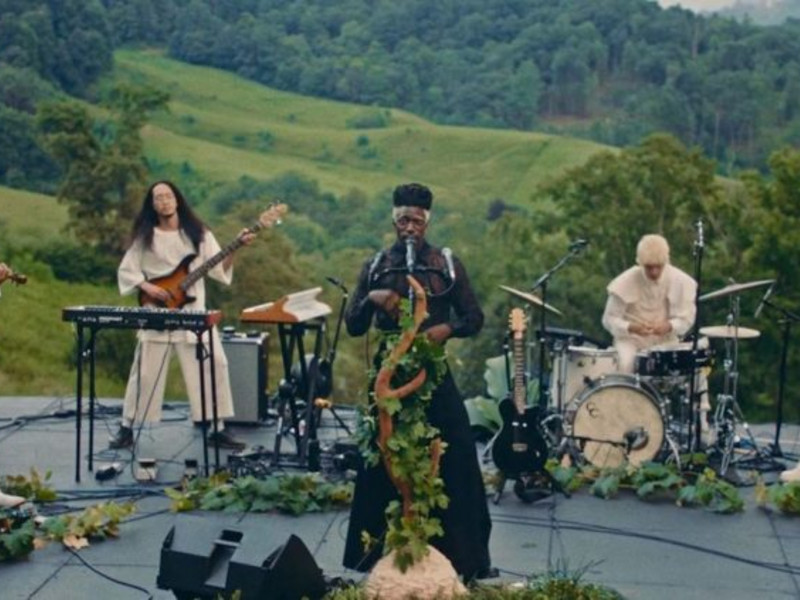
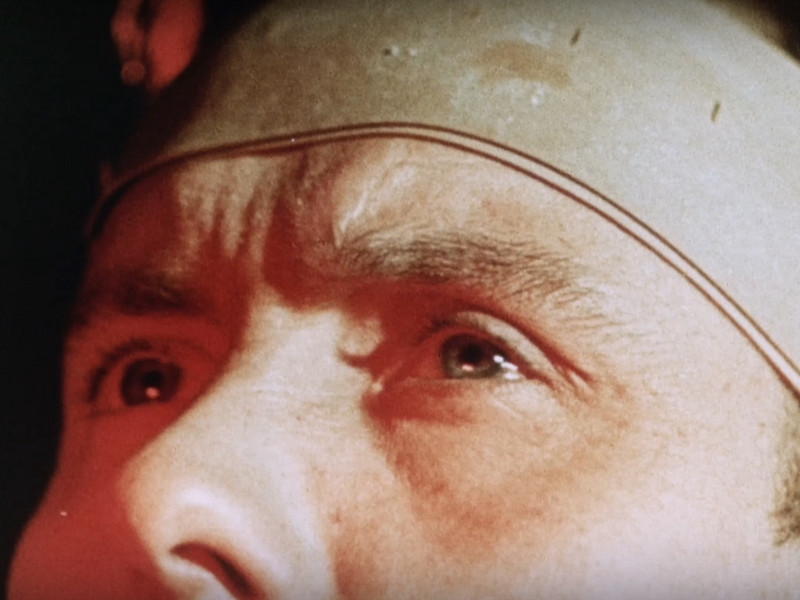
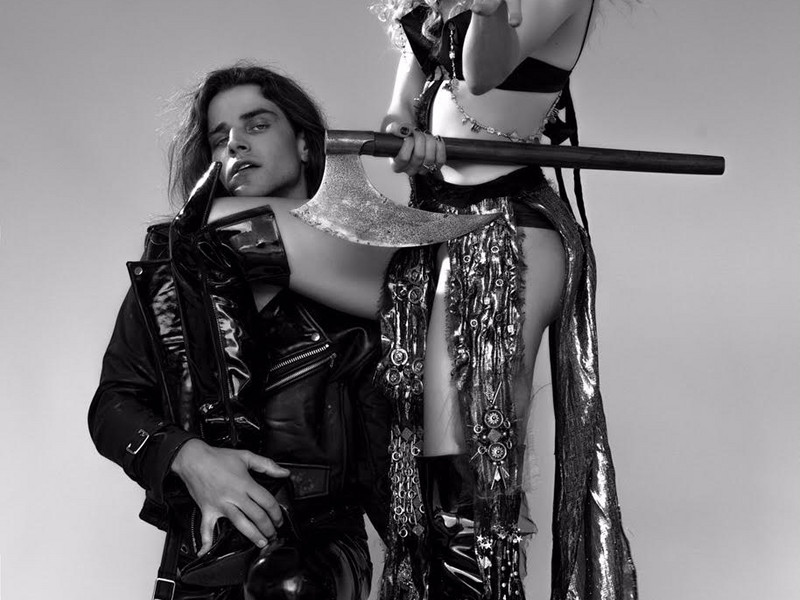
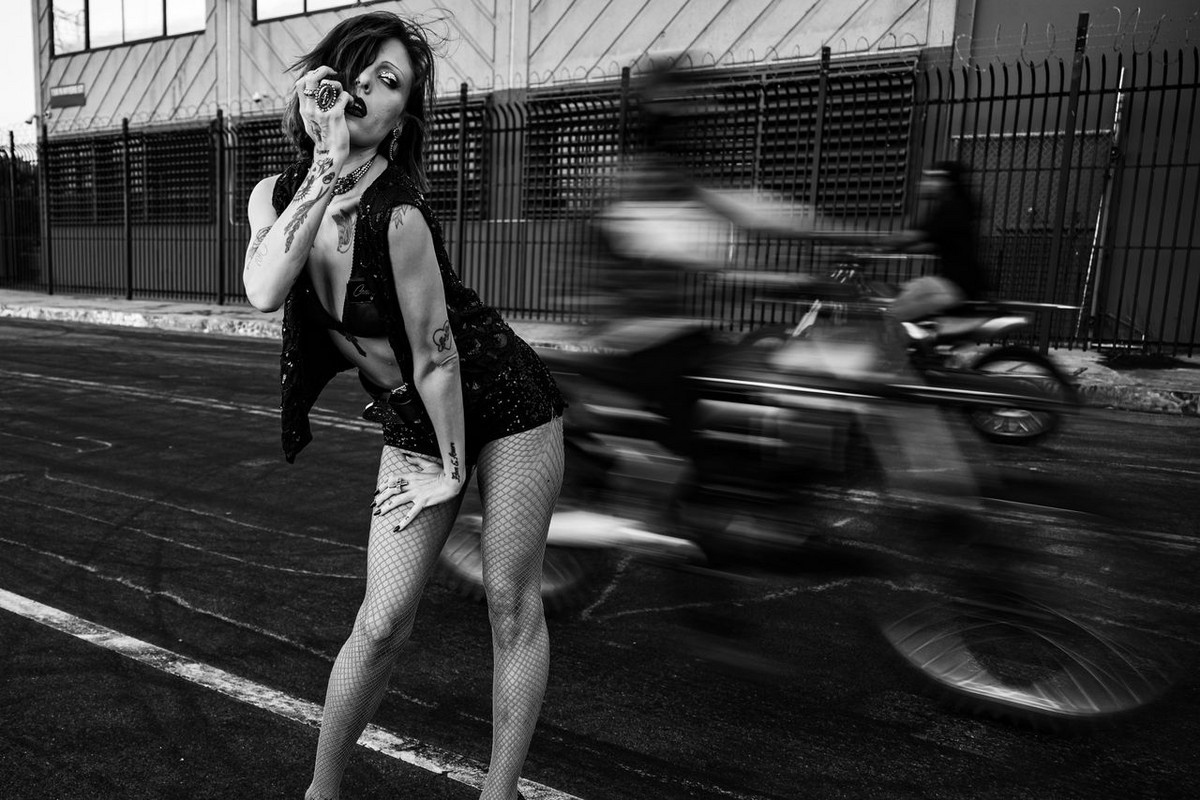
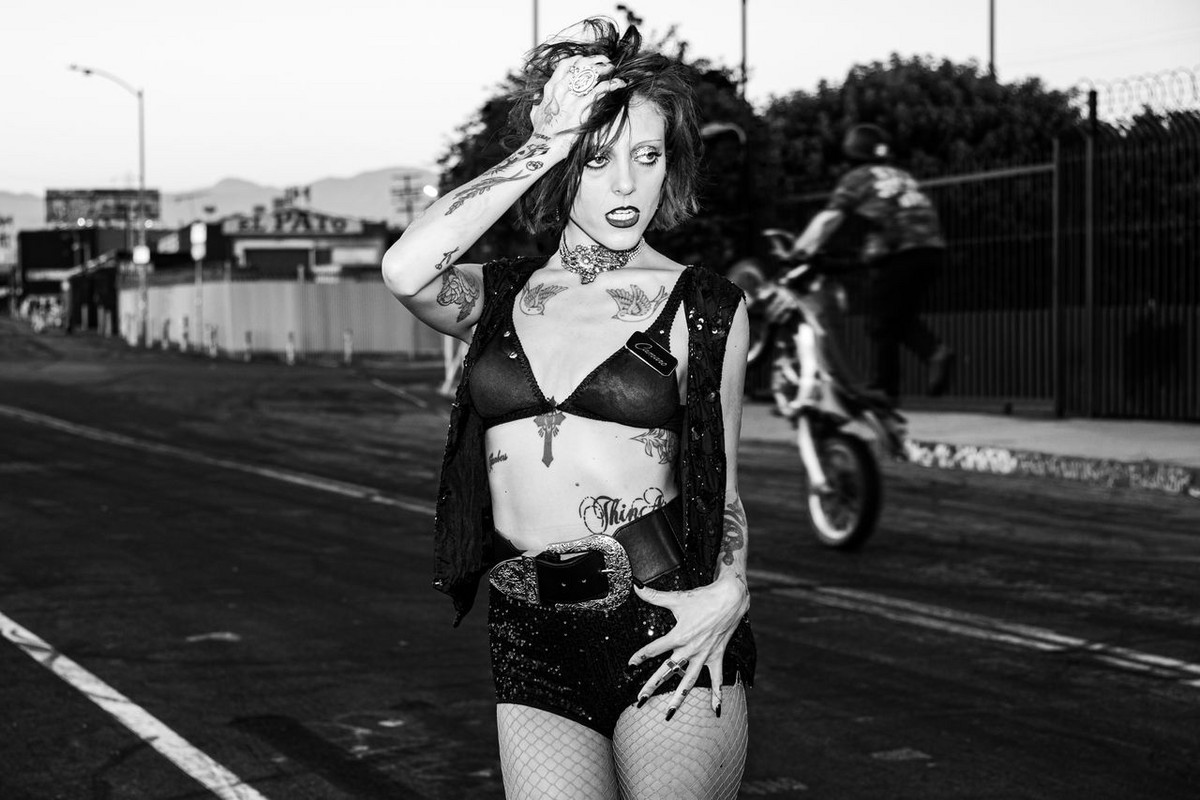
Totally, and in a way that's like making fun of it. The video is meant to be very House of a Thousand Corpses, where it's this weird, on the fringe of society, group of people. There's this John Waters movie called Cecil B. Demented. That was a huge reference.
Do you think that boys are more naive?
I think it's an 'ignorance is bliss' thing because they're just not faced with it. And it's not even fair, you know. Even just things as simple as going into an industry meeting, the way that women are compared to each other, you're always being compared to someone. That doesn't happen to men in meetings. Men are never getting compared to each other like that. There are just certain things that men in the industry don't have to deal with, and it's not even their fault. They are naive because they don't have to be on guard as much, and not to say that young boys can't be taken advantage of in the industry, because they can and have been.

There's kind of a cultural moment happening around Los Angeles and critiques of the weirdness of the city, with people like Slayyyter and Kim Petras. Do you find that there's a sort of cultural convergence there? Is that something that you've noticed at all?
Yes, I definitely do. Especially someone like Slayyyter, who also is a bitch that's been in the game for so fucking long. I think TikTok killed the industry and killed creativity and ruined culture for a second, and also doesn't hold the power that industry people thought it would. But labels are still functioning as if it does. I think there are a lot of artists finally being like, fuck it. I'm just gonna make cool shit and fuck TikTok and fuck the internet, and I'm just gonna make shit I like, and it's nice to see that coming out of LA because I think quarantine really killed the underground here.
You know, when I was here playing with bands from 2014 to 2018, the underground scene was so alive. There were house shows and warehouse shows and bands playing all the time, it was packed the fuck out, there was so much shit happening. I think the underground kind of died here, and when the underground dies, pop music dies too. It can't exist, at least good pop music. So it's nice to see that starting to bubble back up in Los Angeles. I feel like it was a little bleak here for a moment.
That's a really interesting thing to say, that pop music can't exist without the underground, and that also reflects on your path through music. Is that how the Current Joys collaboration came to be?
Well, I was in that band. Little-known fact! Little lore drop! One of the greatest privileges of my life, honestly. I would not be where I am today without that band. Coming here, it wasn't even about, like, kicking the door down. I was like, I don't know where the door is. Ending up being asked to play in those bands. It showed me how to pursue my career and how to tour and how to be DIY. It was so fun, we were all best friends and were making good money, and were on the road. It was so fucking fun.

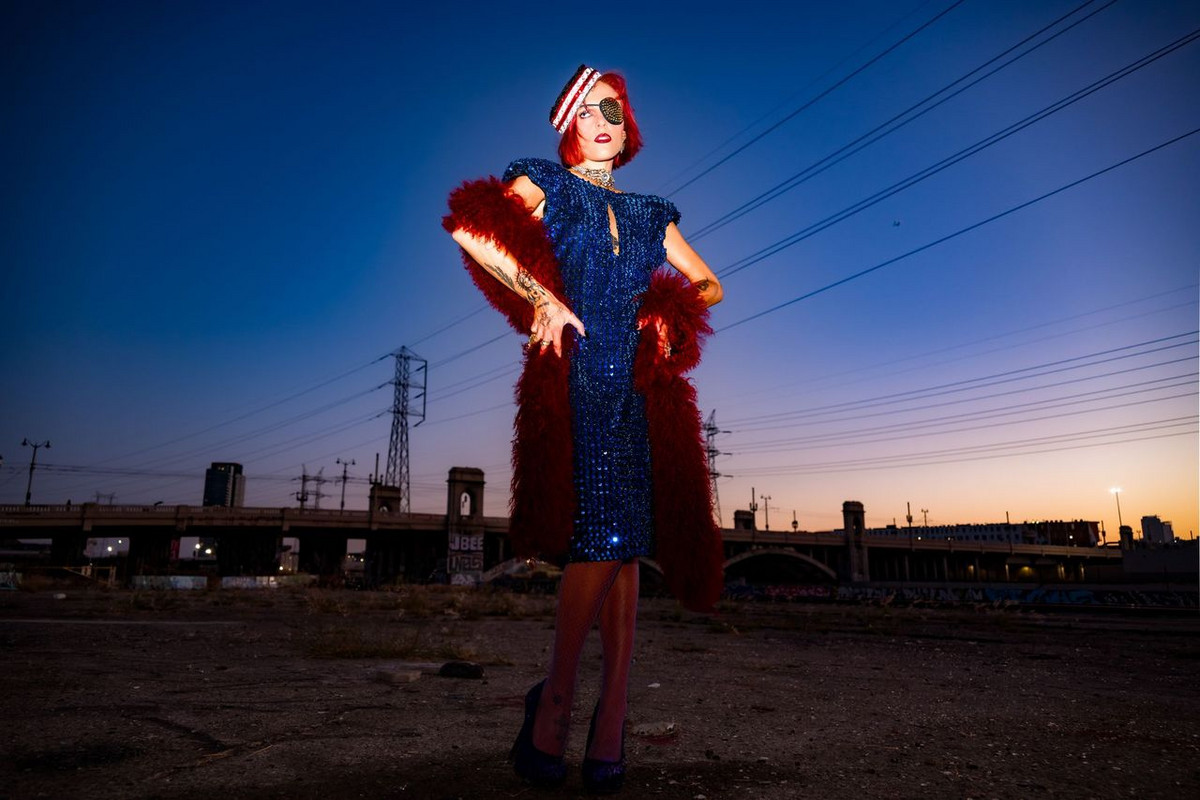
How does this single sit alongside the others from your upcoming album, American Heroine? Why did you choose to implement more rock influence in this project?
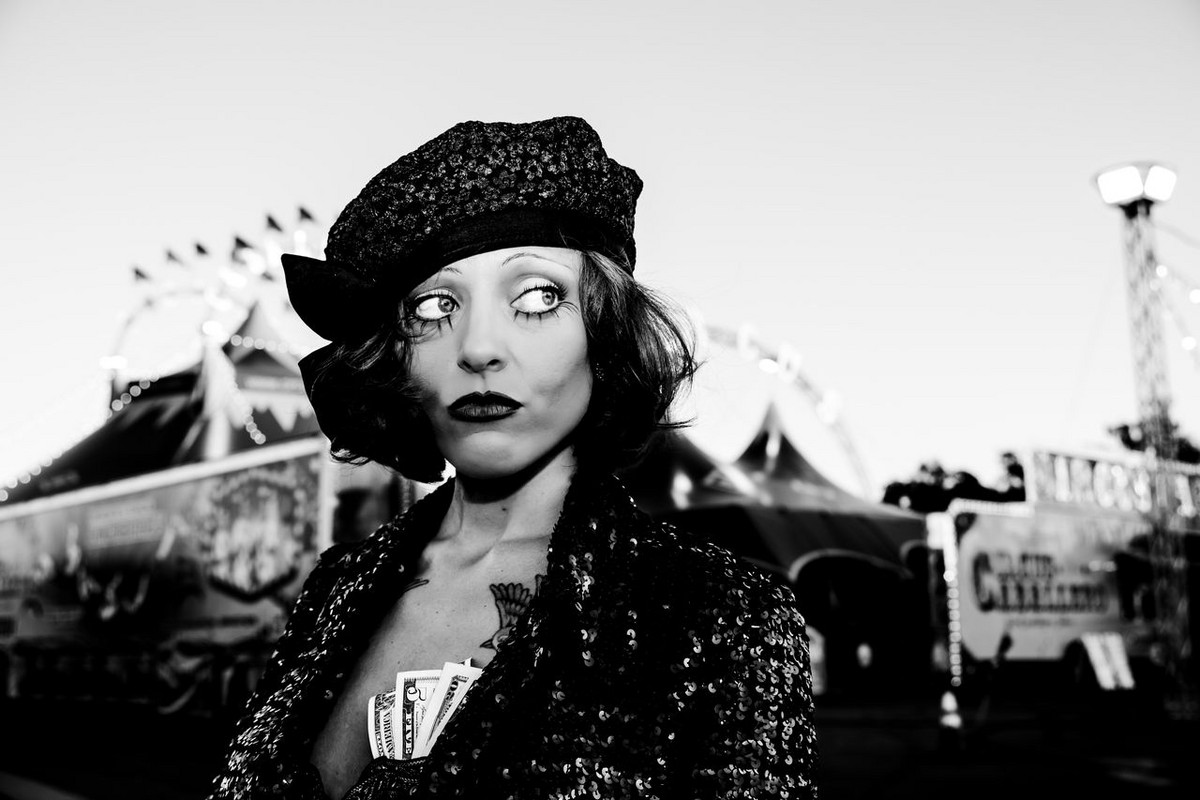
I think this single is a good example of the rockiness on the album. It's definitely a pop album, but it's in the rock space. But not pop rock. I keep describing it as The Fame [by] Lady Gaga meets A Fever You Can't Sweat Out, Panic! at the Disco. It has that rock opera theatricality to it.
What are your thoughts on theatricality? Is it a necessary deterrent in a culture of nonchalance?
I'm actually trying really fucking hard. Like, I'm like putting my fucking pussy on the line here, people. I feel like the older I've gotten, the more [I think] being too cool for school is actually the most embarrassing vibe of all fucking time. I think of the artists that really inspired me, and it's Madonna and Gaga.
Those were bitches that were pushing culture forward, they were not nonchalant, they were really fucking loud and stood for something, and said shit that mattered and pushed boundaries. It pushed culture. That's what I'm interested in doing. If I'm gonna pursue the most elite version of a music career, then what the fuck am I doing it for? Because it's not to get famous, I don't care about being famous. Fame feels like the sacrifice you make to have a successful career.

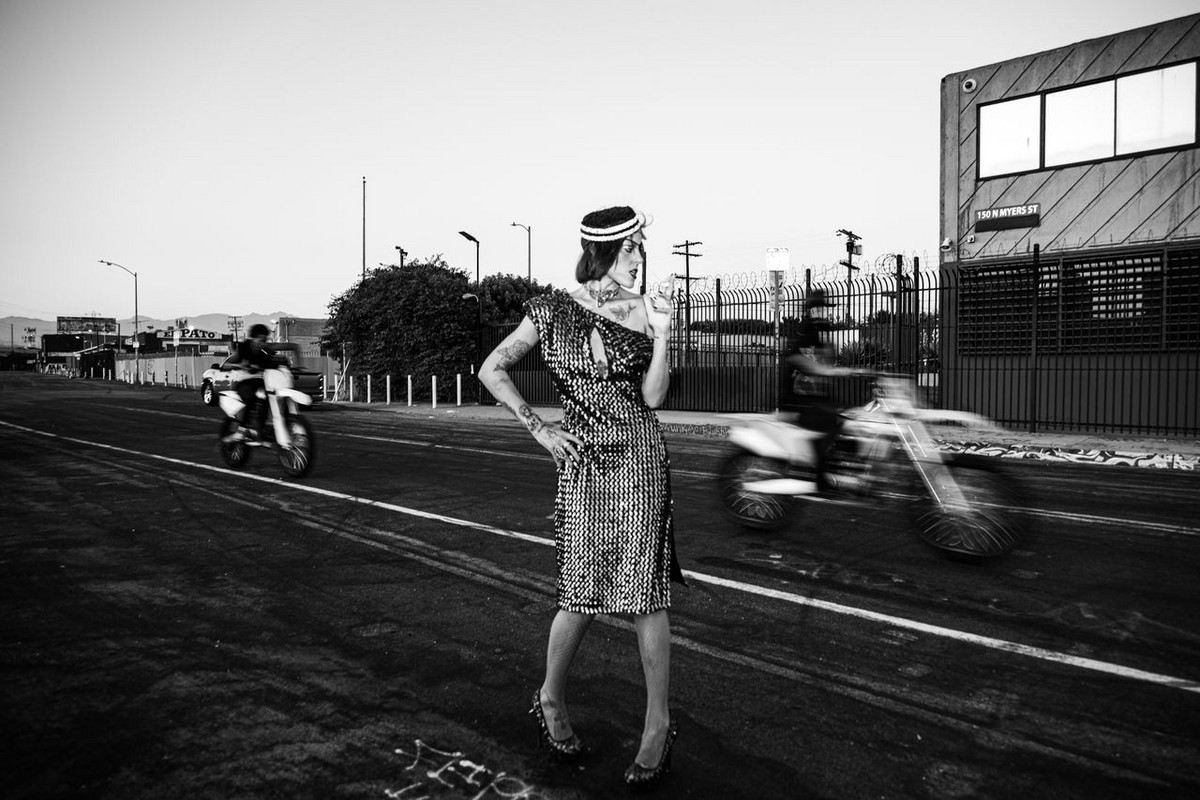
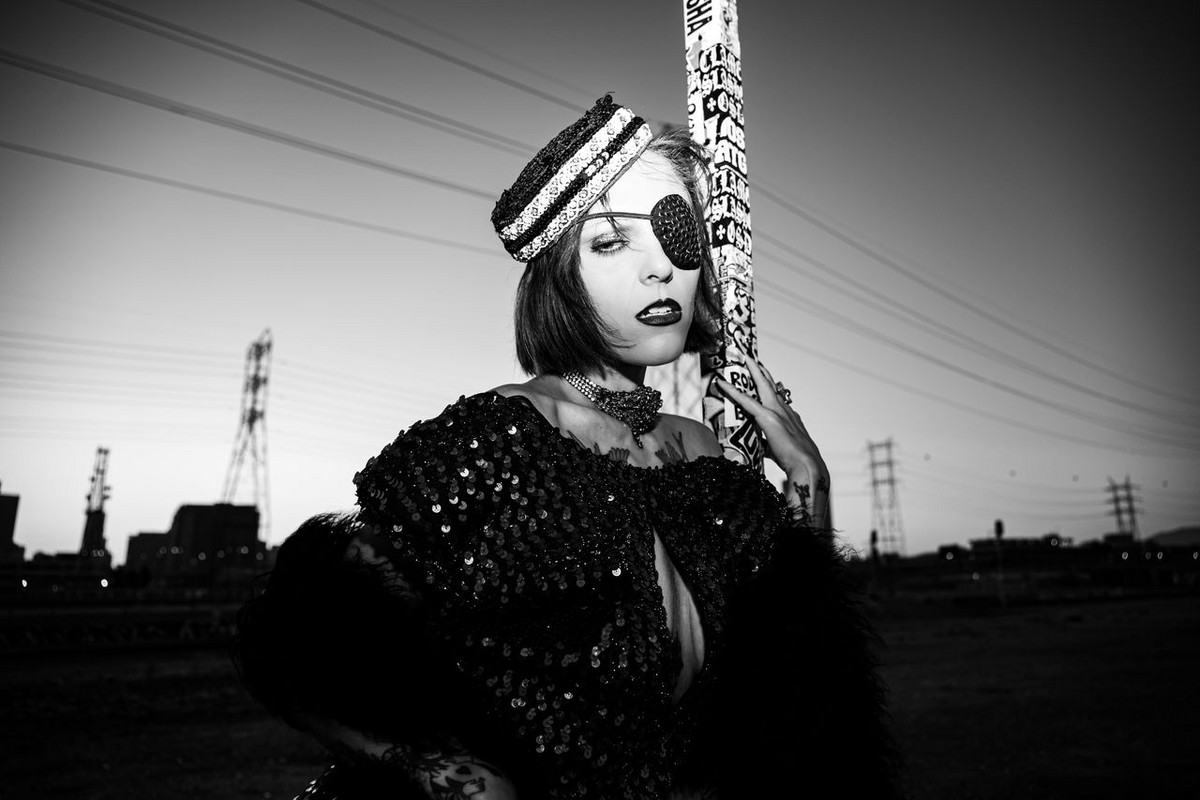
Your stage name, Magdalene, and many of your past singles ("DJesus" and "Heaven") cheekily play on religious iconography, but this seems like a bit of a departure from that. Why was this the direction that you chose to take?
It's all American commentary, whether it's like politics or entertainment. “DJesus” to me is a commentary on the cult that is Christian nationalism, you know what I mean? And how we're AI-ing Jesus' hands on Trump's shoulders, like he's the second coming of Christ, yet me in the crown of thorns is blasphemous. It also feels like my journey from my childhood to now almost. It touches on things I went through as a teenager and experiencing the city for the first time and experiencing the industry for the first time and the things that I was learning along the way and just becoming an adult.
Being able to look back on that and use all of those life experiences, do you think it lends itself to a more mature way of songwriting?
Yeah, definitely. I think that now I'm a woman, and I know myself, and I know how I feel about the world. I know where I stand on things, and I'm also not afraid to say those things, and I'm not afraid for people to hate me. I actually want to be polarizing. I want people to either love me or fucking hate me, and if they feel neutral, then I feel like I failed. It’s very fearless and purposeful, which is what I think feels mature about it.