


Short for the word promenade, the night is modeled after the debutante balls of high society, which served as coming-of-age ceremonies for young women from wealthy families. Participating in a debutante ball meant a teenage girl was ready to be introduced to society and meet her future husband. Until the early 20th century, proms were reserved for male college students and their affluent families. In the 1920s, the traditional was democratized and transitioned to high schools where they became a much more casual and inclusive event for boys and girls on the brink of graduation. In the 1950s, prom became an integral part of every student’s high school experience.
For the queer community, particularly in places where queerness is met with hostility, prom often brings about moral dilemmas, anxiety, and residual questions like, "Am I allowed to go with my partner?," or "Will I be allowed to dress how I want?" However, we respond with a resounding, "Fuck your censorship!" Prom is meant to be a celebration, filled with music and dancing, a time for young people to feel like royalty. And what about that doesn't scream queer?
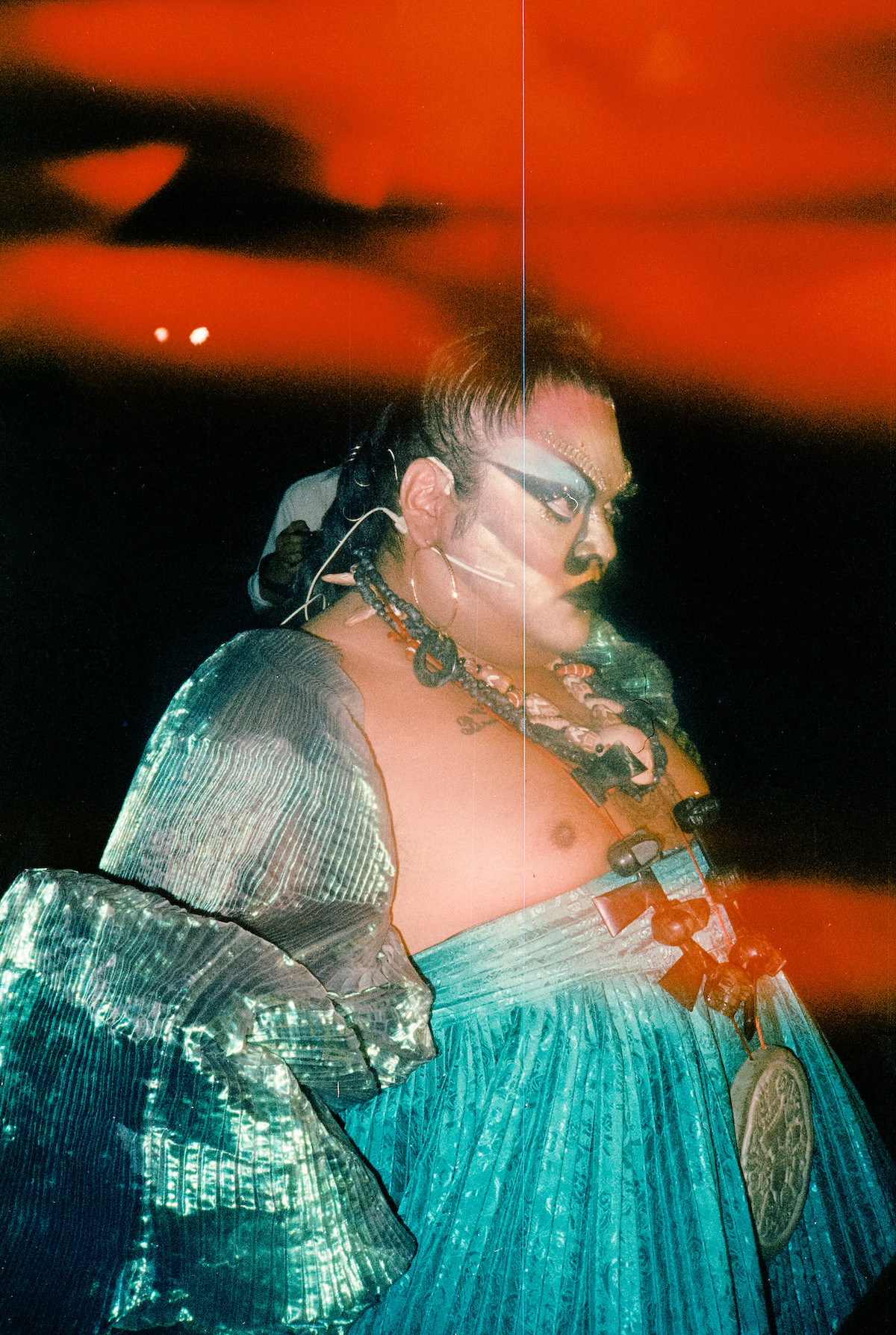
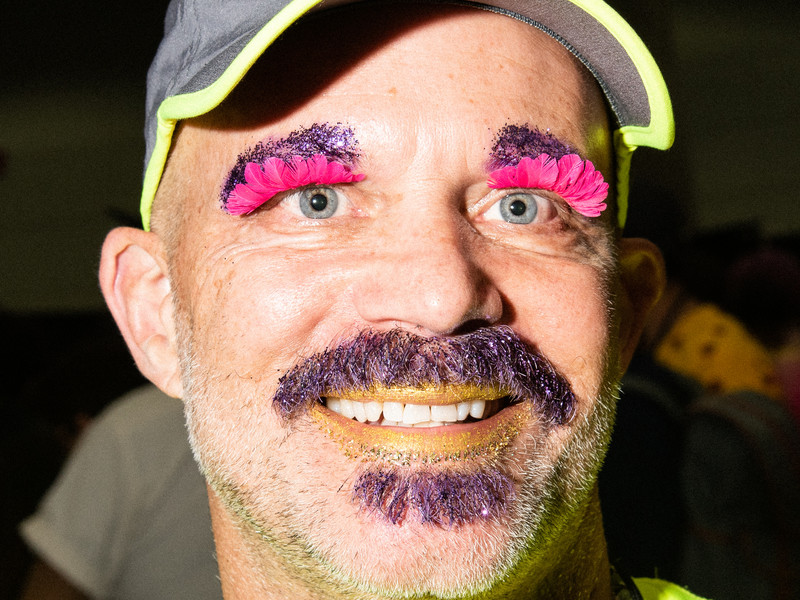
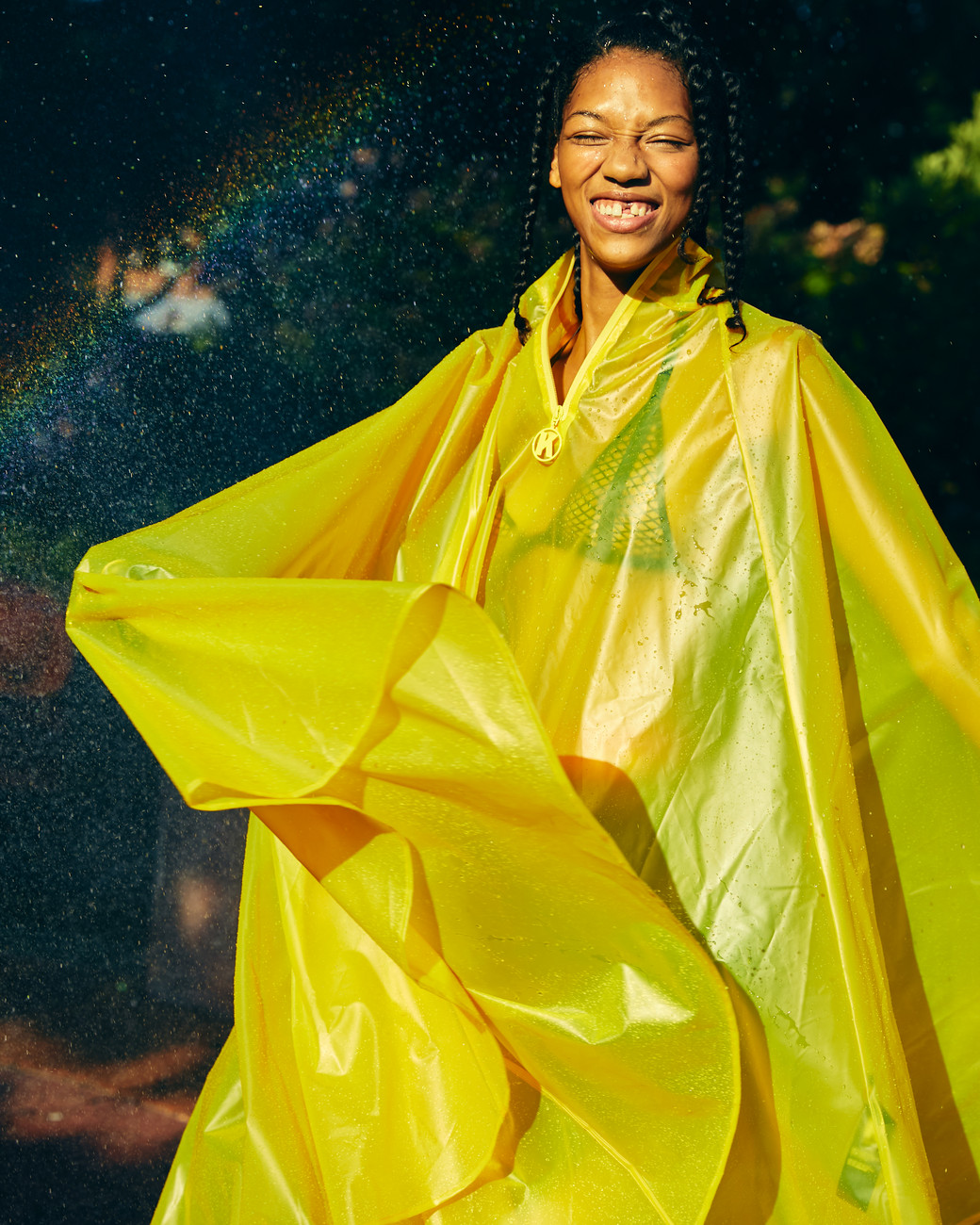
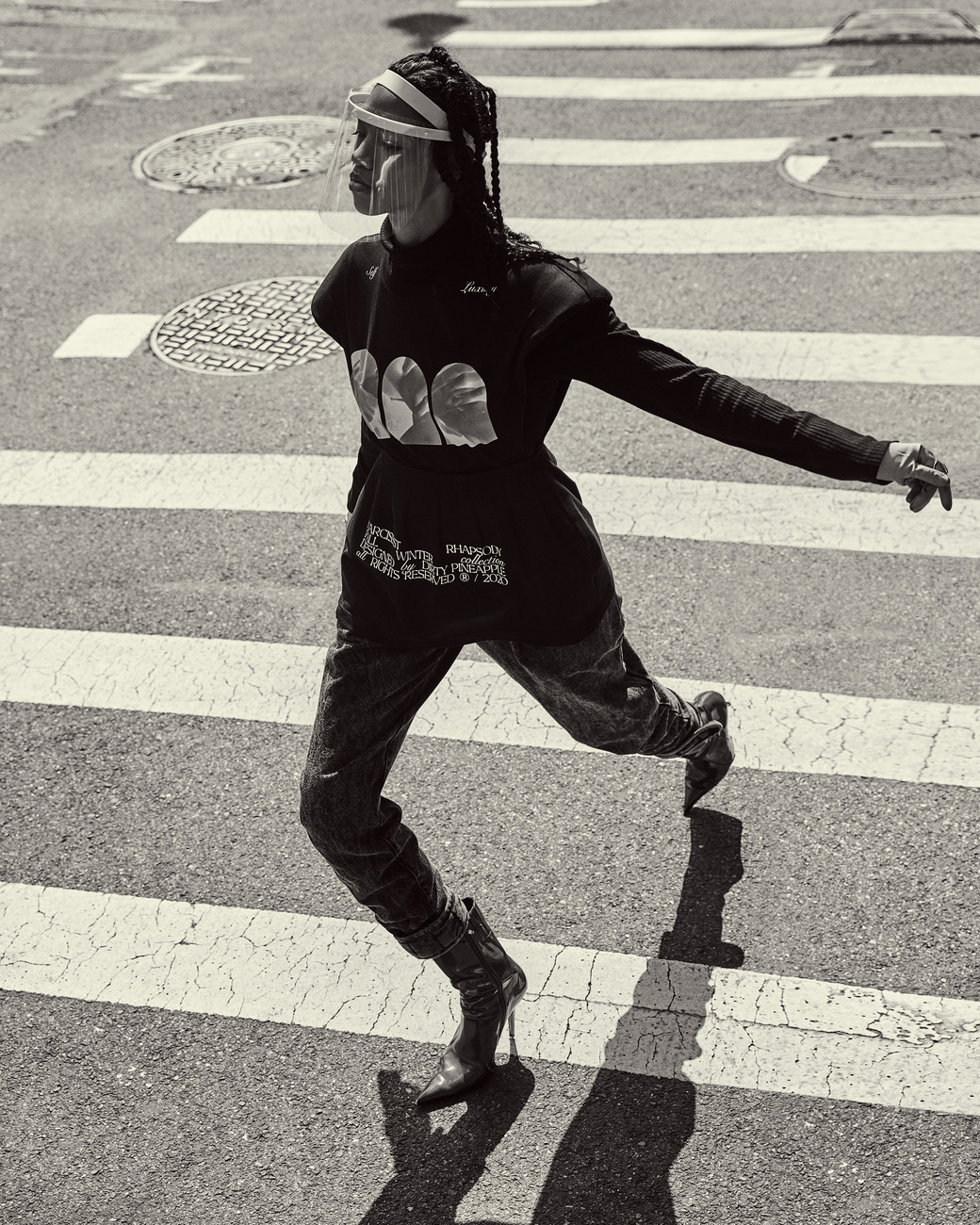
This pride, office sat down with five queer people to dress up and reflect on what prom means to them — from experiencing hostility to using prom as an opportunity to pull a look and dance their hearts out.