
You're a former fashion model, why did you make the transition from modeling to artist management and consulting?
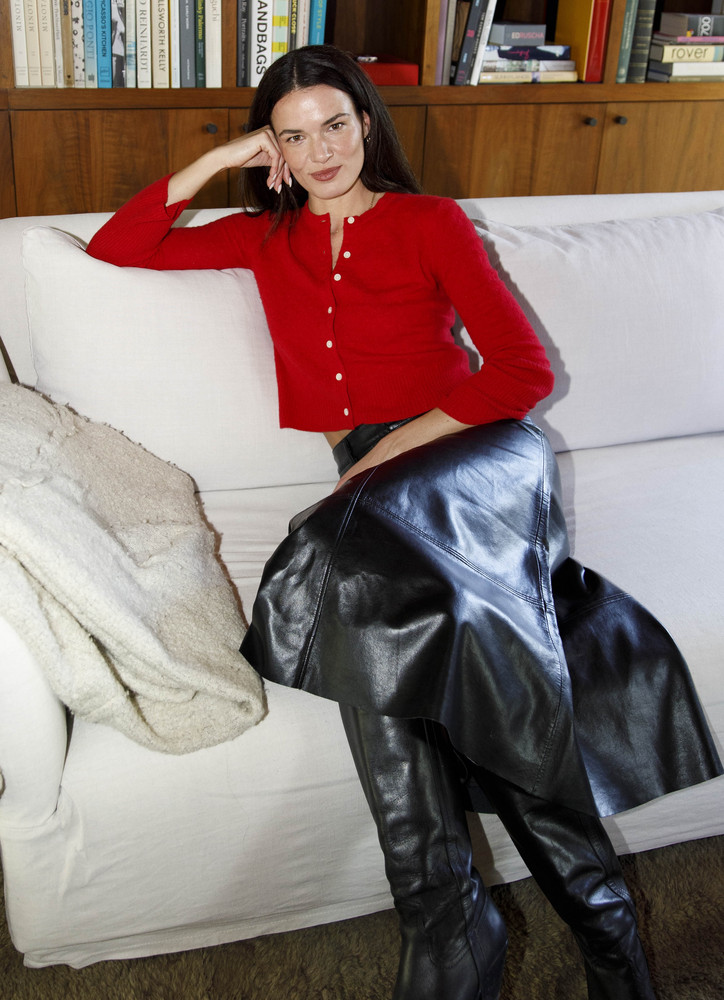
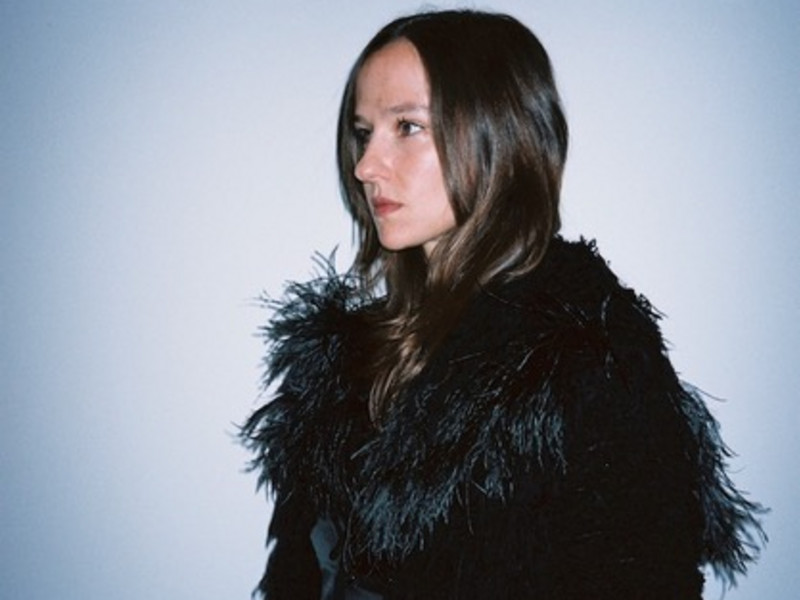
Art was always the through-line for me, even as a child. I had a strong connection to music and art. I started modelling and traveling very young and eventually moved to New York City as a teenager. The city's creative world pulled me in immediately. I sought out gigs with curators, artdealers, and producers, and built a network in the arts in parallel to everything else I was doing. Those experiences were where I started to notice the infrastructure that existed in fashion, supporting talent, agents, managers, and strategists, was almost entirely absent in the visual art world. That observation never left me. It eventually became KUNST.
For a long time, I didn't lead with my modeling career as being part of my story. Not because I wasn't proud of it, but because I underestimated how profoundly it shaped everything I do now. That experience gave me a front-row seat to what good and bad representation looks like. I experienced firsthand what it means to have your career handled with care, or not, and that stayed with me.
What needs did you notice in the industry before starting your agency?
When I entered the art world, I was genuinely surprised to find that most visual artists were navigating their careers on their own. Coming from fashion and entertainment, where agents and managers are understood to be the driving forces behind a talent's trajectory, functioning as strategists, business partners, opportunity architects, it seemed like an enormous gap.
Almost ten years ago, I took my first role at a global agency, CXA, where I focused specifically on bridging the art, fashion, and luxury industries and orchestrating collaborations between them. That role taught me an enormous amount about the industry and being an agent and manager. But it also clarified my ambitions. What we do at KUNST is much more holistic. 360 management that looks at an artist's entire career ecosystem, not just individual deals or brand moments. The industry is ready for this now in a way it maybe wasn't before. The need was always there. The infrastructure just hadn't caught up. The most interesting careers don't fit neatly into one box. We are drawn to multi-disciplinary artists, creatives who work across different mediums. That's always been where the most interesting careers live. The need was always there. The infrastructure just hadn't caught up.
Are there any misconceptions you notice people have about talent agencies and artist representation?
The biggest misconception is that representatives are gatekeepers. That representatives stand between artists and opportunity. In my experience, the opposite is true. At the core of this work is the expansion of existing relationships and the facilitation of new ones. At KUNST, our artists have their own relationships. They work with galleries, brands, institutions, developers, hotels, musicians, and more. We're not here to own those relationships; we're here to deepen them, extend them, and open doors to new relationships. A good representative isn't a gatekeeper, but a career architect working behind the scenes so the artist can stay focused on what they do best: creating.