
Your mom was also a chef—can you speak on growing up around her restaurant? How did your mom shape your culinary education?
Weirdly enough, my mom and I never cooked together. I remember peeking in wonder from behind the door at her whirlwind of activity or sneaking tastes, but she very firmly wanted everyone out of her space. She was this “one woman force of nature” and cooked a shocking amount of food from a little shoebox kitchen. It was stuffed from floor to ceiling with dry goods, machines, and tools, but meticulously organized—she never spent a half second looking for anything. Every time I cooked in the kitchen, I'd try to put everything back, but the next morning I'd see she had swapped cups or rearranged the ends of the chopsticks to be in order.
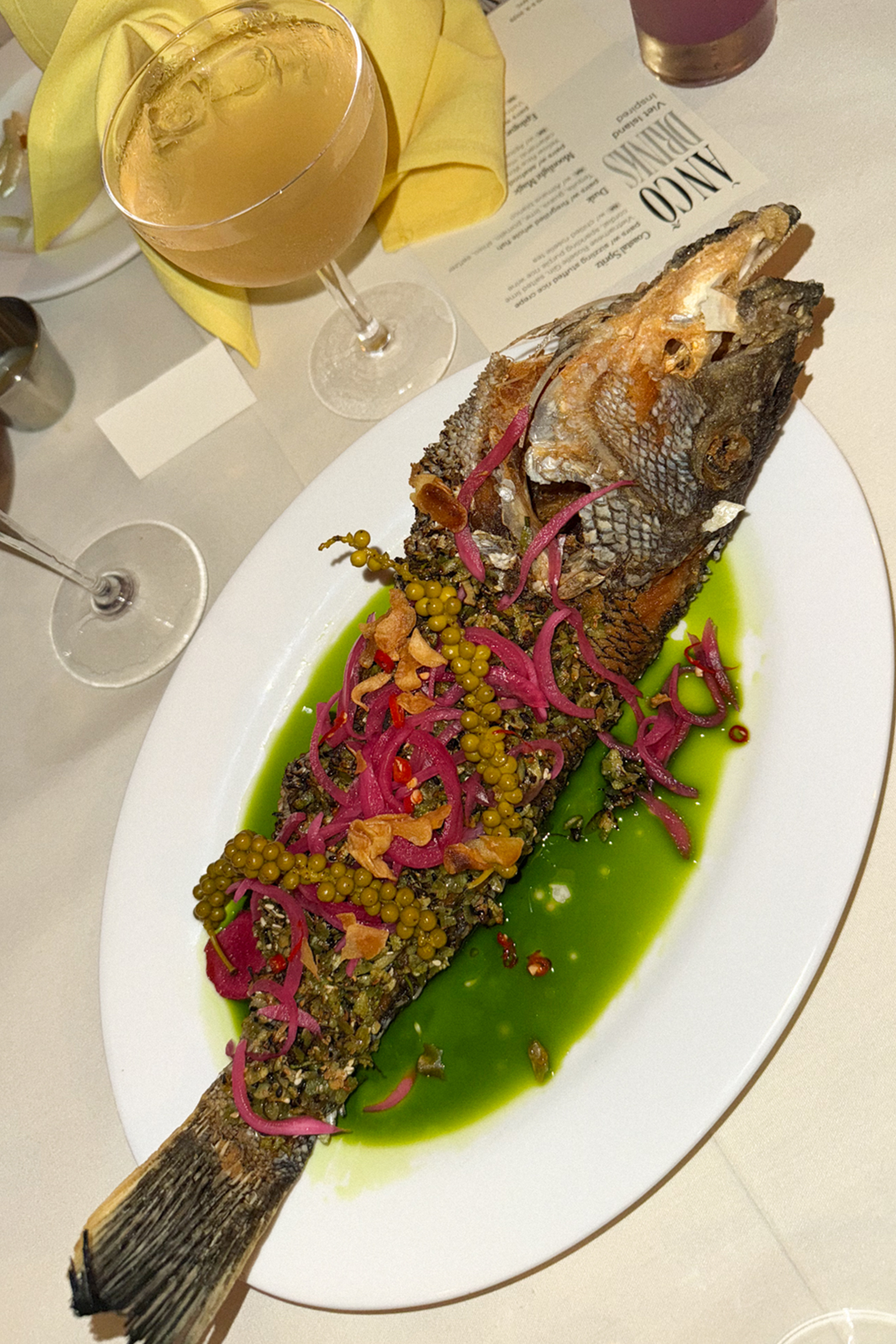
But even though I was supposed to be kicked out, I was always getting caught underfoot (and smacked with a spoon). Her dishes are to die for, but I learned that not everything needs to be so “by the book.” For example, I was like, “why can’t we use Vietnamese coriander (rau răm) to make infused oil? Why can’t we use sea moss in savory dishes instead of desserts? Why can’t I use cốm (young green sticky rice) as the crust on my fish? My mom might say, “It’s just not done.” I know she’d lowkey love it, though… But I think my mom and I share the same opinion—the magic of Vietnamese food is humble ingredients transformed into bountiful dishes & complex flavors, through hundreds of small steps.
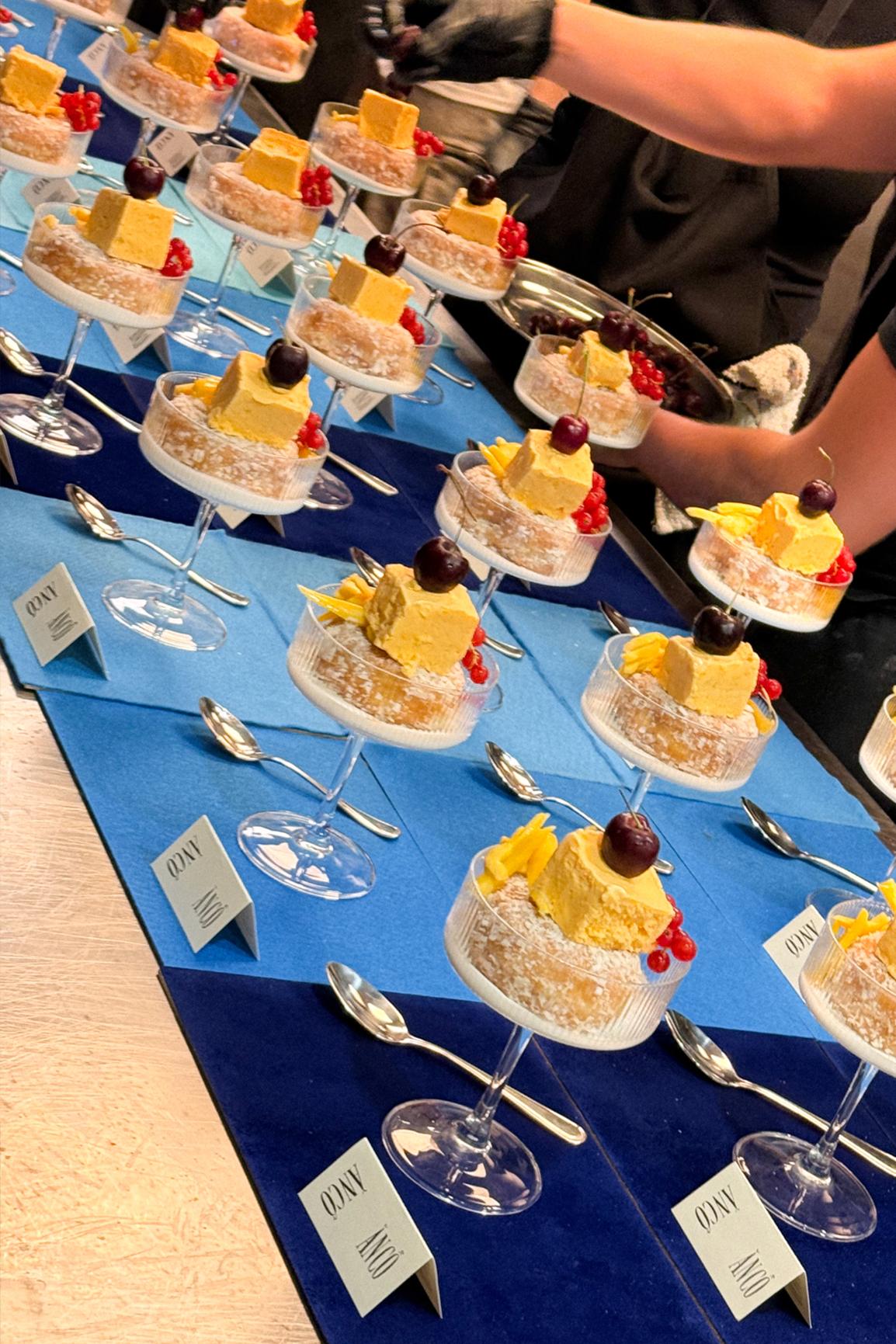
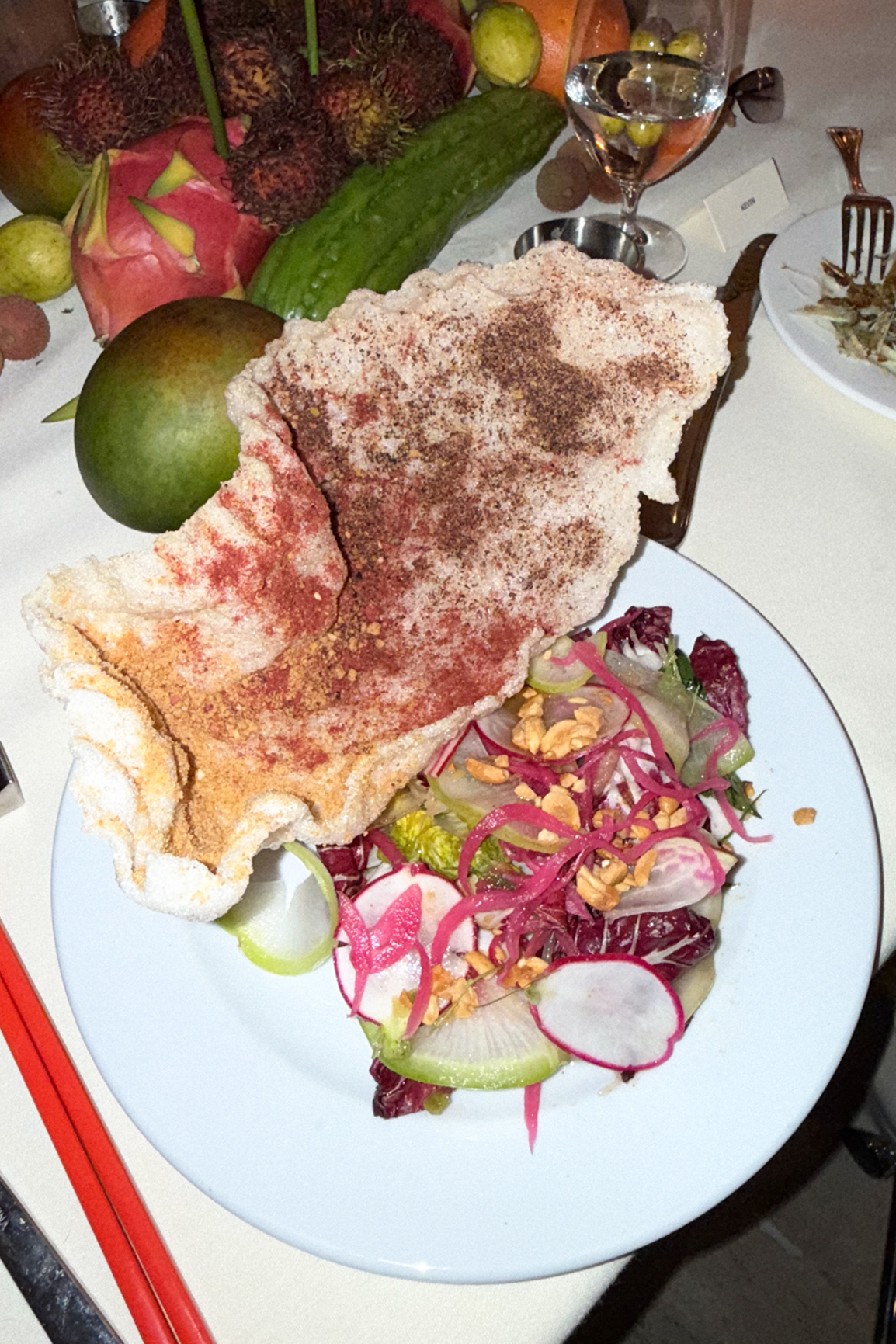
I see Ăn Cỗ as the next layer on top of the foundation set by the generations of food creators that came before; these chefs and restaurants laid the necessary groundwork and goodwill for Vietnamese food and turned our staple dishes into household names. My dream is to fill in the gap for what’s next. I think Vietnamese people love our comfort dishes, but it’s not always how we see our cuisine. We also want that dazzle and splendor we think of when we imagine our food. To bring that vision to life, I want to serve not just a slice, but the whole cake—the dish, the culture, the vibe, the design, the drinks, and the stories that make up our food. The holistic vision of Ăn Cỗ brings is to reach deep into our heritage, history, and distant corners of the country, and reinvent, recontextualize, and reinvigorate the dishes our ancestors worked to develop. But for my mom’s food, I wouldn’t change a thing, and when Taylor and I go back we are so excited to just stay home and feast.
You went from your parents’ restaurant in Vietnam to Le Cordon Bleu in Spain. What were the differences in each approach to cooking?
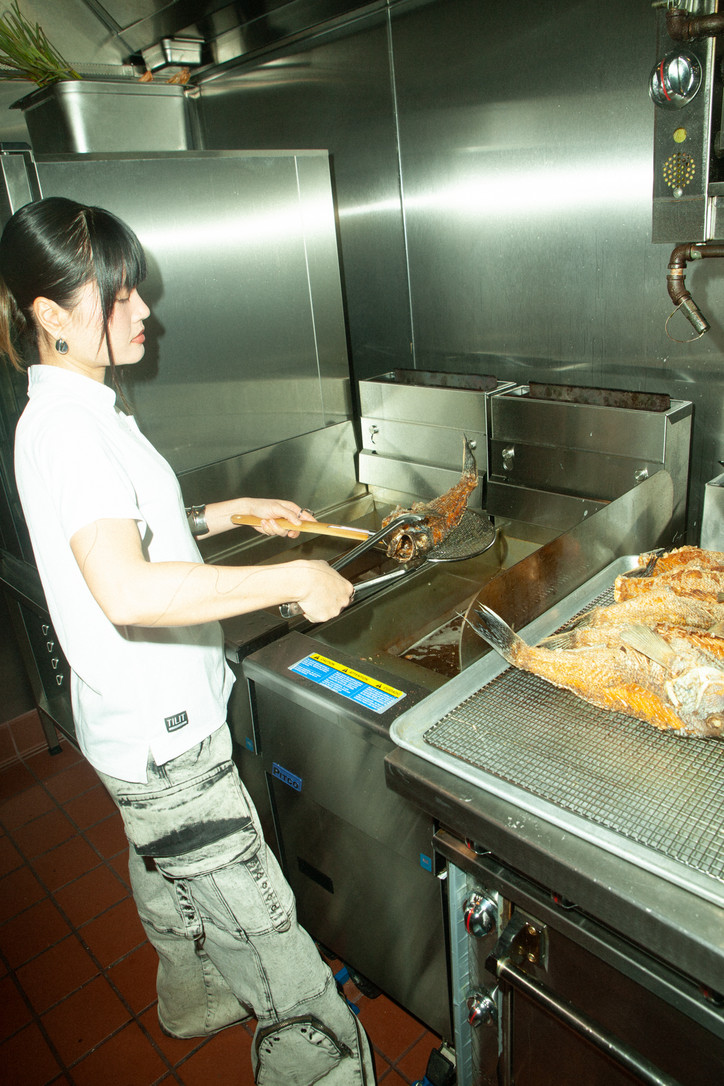
I loved what I learned at Le Cordon Bleu, and I was shocked to see how much standardization formed the basis of culinary communication in the West. Instead of the organic process of watching and learning in Vietnam, I saw chefs measuring carrots by millimeters and steaks to fractions of degrees. I am able to do what I do today because I can speak to my cooks in sizes and processes that we all know. However, the hierarchy was super weird to me—luckily, my tiger mom had prepared me well, so chefs yelling into my face was unwelcome, but also irrelevant. I was already inoculated!
Looking back at how we cook in Vietnam, I lose my mind watching cooking videos from Vietnam because they’ll casually throw in vague terms like “cook it until it looks right” or “Now we stir-fry onions… oh I forgot, but make sure to add the garlic first.” But I have also learned to appreciate our organic approach to cooking, and I am consistently surprised at how dependent classically trained people are on recipes. Up to my 7th volume, there have been no recipes written down and I probably couldn’t make it the same again if I tried… and somehow that feels just right, given the ephemeral nature of the series as a whole.