MIRRORS

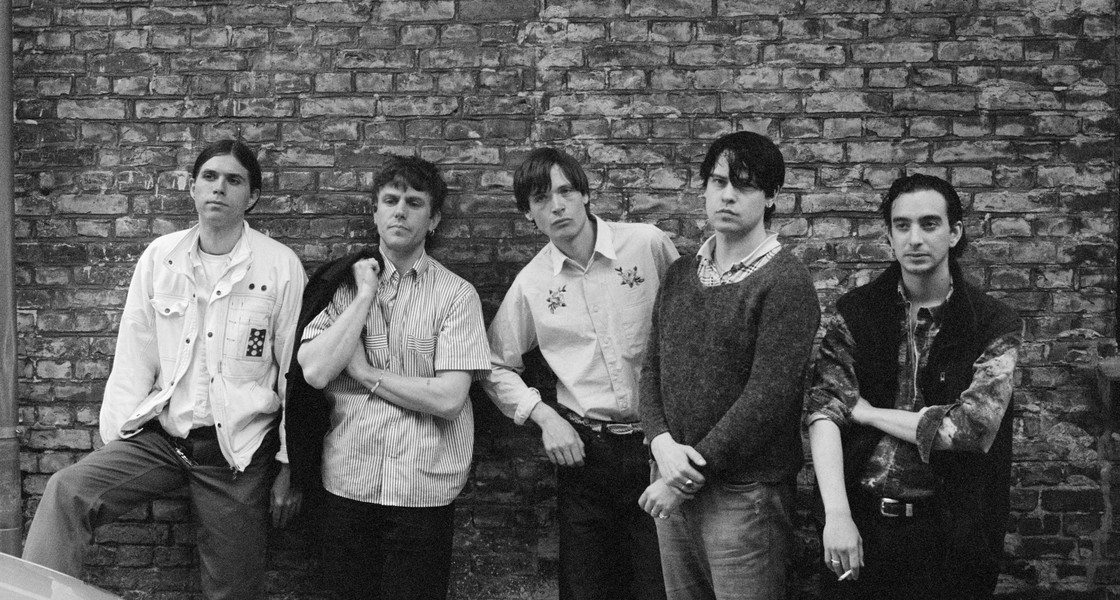
Check out the interview below and watch the video for "Vendetta."
Congratulations on the record release. Were you able to enjoy the fruits of your labor this past weekend?
Yeah, on Thursday we were playing two shows in a row, which was the first day that they allowed restricted shows to happen again. The first show was — I think it was fine, but just having been away from concerts for a while, it took a minute to sort of step back into it. I was kind of like “Oh, is this what concerts are like? Is this what I had been missing this entire time? Because this is not as good as I remembered it.” But that kind of made it so that we had everything to lose with the second concert. Because playing with that feeling two times in a day would just be mind-shattering. And then the second one was actually quite glorious and after we played the second show everybody was getting drunk and there came the realization that this was everything we kind of built up to making this album, that was this moment. Everybody was just kind of looking at each other in the eyes, and it felt like a special moment.
The bulk of the album was recorded at the end of 2019. I imagine you've been sitting with it for over a year now. Was that an excruciating process?
Yeah, usually it would be. I’m used to finishing an album and having to wait six months, which historically has kind of killed me. I think I'm going to hate it by the end of it. And I mean, it did take a little bit longer to finish the album because of quarantine, and it wasn’t as easy to meet up and get in studios. But, a pandemic comes and sweeps over the whole earth. And that’s a good of a reason as I can think of to wait a little longer. Plus, I don't know if anybody else has that feeling, but anything that’s called “fear of missing out” is eradicated during quarantine because there was nothing going on anywhere. So yeah, it could be suffocating, but it wasn't like you were in a hurry to get out to something because there was nothing to get out to.
In regards to your busy touring schedule and short returns to home, you've mentioned this “sailor syndrome”; the sailor comes back, and he finds it hard to adjust to staying put with his wife and kids. He wants to get back to the sea, or in your case, back on the road. Were you having that feeling with the album? You’re sitting with it as if it's the wife and kids?
Yeah, man. Once it was finished, you know, I had my little moment with it, trying to understand. 'Okay, this is what we did. This is what we've done.' And then, I deleted it off my computer. I didn't want to have the option to listen to it, or to find faults with it, or anything because it's locked. It's done. To have any chance of enjoying it, once it came out, I just deleted it. I've purposely not really thought too much about it. And, now it’s nice that it’s out.
Do you and the band experience that phenomenon of wanting to go back and change things once they’ve been released?
It's not so much those kinds of thoughts. It’s more like how you see faults in yourself on an existential level or as a human being; the way that you look in a mirror and feel the sight is unwelcome, or look in old diaries and find that kind of cringe-worthy. [The album] is what it should be, and I know that because it was what we intended when we finished it. Staring your own past in the face is not something I like to do too much.
You’re known to write lyrics in one fell swoop. What’s the benefit of that? Does it help circumvent writer’s block? Or is it more about tying an album to a certain emotional time period?
I think it's about capturing a moment and making sure that everything comes from a somewhat collected mindset. Writing sporadically over a year these lyrics can become the subject of eternal continuous editing. And I think you can get to a point where you edit the life out of something. Then, the original core of it is not there anymore. So it’s exactly the same with recording in a studio. You need urgency and an environment where you're not dwelling on decision-making too much. It's more about what you can release rather than how you can scrutinize what's there. And I think that there needs to be some kind of time demon chasing you in order to push yourself out into a place where it just becomes about the release, and whatever blurts out is the end product.
Do you write melody before the words?
Yeah, all the compositions are kind of there. So I know exactly the amount of songs that have to have lyrics. Some writing will have been done with no music in mind and then molded into the composition. Sometimes you know exactly the number of utterances in verses that need to be in there. But there’s not really any rules.
On Instagram, I saw that before you guys will go properly on tour next year that you're looking for writing residencies in Europe. What do you see yourself writing in a situation like that? Are you thinking of songs, or have you considered expanding beyond; doing fiction work or poetry?
I mean, first of all, I'm just trying to travel and play for people because I'm not looking to do any substantial concert playing this summer. It’s hard to book anything when everything's pretty much uncertain. And I'm a musician. What I do is I play for people, so to sit a whole summer again, and just kind of wait to be allowed to practice your craft, essentially, I don't think can do that. So, I'm just gonna kind of bring a guitar on my back and hopefully get lost again, because it looks like you'll actually be able to travel. So hopefully, I’ll chase that uncertainty that's been absent from the world for so long now.
On 'Seek Shelter,' the band continues to open up sonically, incorporating more “beautiful” sounds in the traditional sense, like the gospel choir on “Shelter Song” and “Love Kills Slowly”. Did pairing those sounds with the more aggressive and brash music you’ve come to be known for happen organically? Was there a point where the band is thinking, “We don't know how to get these two things to work in tandem?"
I think it's just something we've just been quite attracted to. We're big fans of people like Scott Walker or Serge Gainsbourg who can combine lush arrangement with something that is quite inherently broken. And I think that just creates a contrast which just rings kind of true to life for us. I think what we do will always be inherently broken. Those are the sounds that you hear in your head, right? Like you have something intangible flowing around your head and you don't quite know. I started writing, therefore, I had an idea of how I felt. So chase these sounds that are in your head and you bring in whatever elements that asks for. And, hopefully, you come out with something that feels like what it was supposed to be.
One of my favorite songs on the record is “Drink Rain." Of all the songs, that one seems to conjure up an older form of music. Is there a benefit to getting out of the first-person perspective and writing about specific characters or archetypes? And the same goes for the music, trying to embody older musical forms?
Yeah. I mean, it's definitely probably a way of pulling yourself out of your own belly button, you know? I don't lurk around at night drinking from rain puddles. So I don't think I was writing directly about myself here. That was just one of those things where you kind of sitting with a paper, and then there's this opening, and it just spills onto the paper and you look at it and then you're like 'what the fuck is this?' 'What is this narrative going on here?' I think it's the most perverted thing we've ever committed, disguised through like a Burt Bacharach— jazz sort of thing, you know? I remember we had just done the first couple of takes of that in the studio, and we were all listening back to it in the mixing room, and we were kind of grossed out by ourselves. We were like this feels like some kind of transgression, like I’m not sure this should be here. But it kind of made it all the more attractive. There’s something that is actually also truly creepy about that song and a strange veil of beauty over it. So I like that tune. But, it's a weird one.
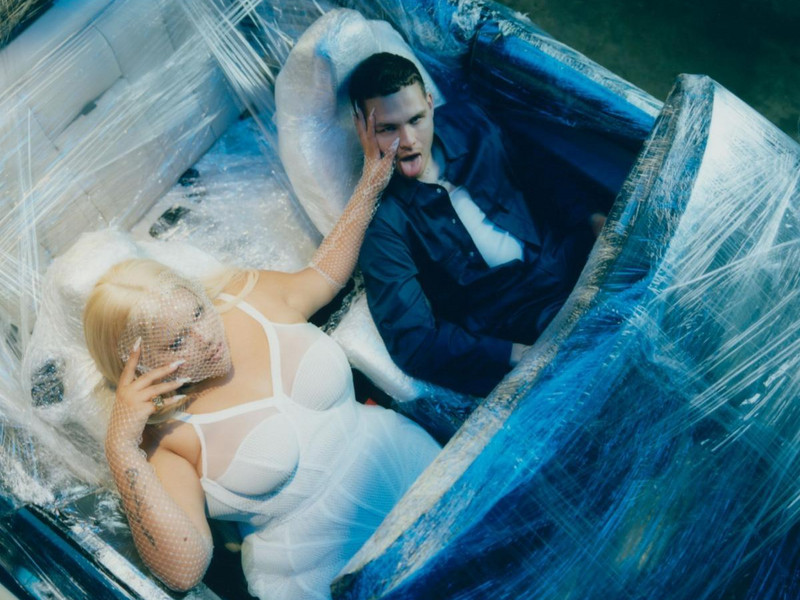
The visuals on the release have been very strong, particularly the music videos. How much of a hand does the band take in the visual rollout of a record? Do you do see a look to an album when you're making it?
Yeah, we are involved with designing all the merchandise and all the graphic designs for the records and stuff. And then like “Vendetta," the video was an incident where like we send off all the references and had a fixed idea of what kind of elements we wanted in there and then collaborated with the director Jonas Bang to kind of realize that vision. And then another instance with the "Shelter Song" video, we kind of just asked our friend Cat Pattinama Coleman to do a video. We trusted her vision because she's an old friend that we’ve known since childhood almost. And she wanted to do a very intimate portrait of us and our friends, which was kind of daunting because historically we've been kind of guarded a bit with our personal lives. And we would probably find it more comforting doing yet another video where we were just doing a bunch of posturing, you know? But she's the only one that could do that because she knows everybody that we know. She just invited our community over for an afternoon and whatever happened, happened. And I'm really glad that that portrait exists because I think it kind of speaks to the fact that we have a community here that is very tightly bound with each other. And there's a lot of sweetness to be found there. So I thought it was brave of her to want to show that side of things. So we're involved with everything, but sometimes we trust others to do the job.
“Love Kills Slowly” seems to share that unguarded quality. Is that personal mode something that you're opening up to a little bit more?
That one definitely felt like a new place in the sense that it wasn't really packaged in, it was very simple. Like, I usually write quite voluptuous and wordy lyrics with lots of imagery in it, and this one was just trying to speak to a simple and perhaps even obvious truth. And how do you do something that is dealing with the obvious and make it your own? Make it relevant? Not to be some kind of like contrived thing, but I also think it's like if you are going through love, or heartbreak, or grief for personal joy or tragedy, you can argue that is never special because it's common. It's common for everybody. Everybody goes through all these things. Yet it means the world to the individual. So heartbreak is a thing of massive gravity, although, in the grand scheme of things, it's just common. Happens every day.
We've come out of a sort of apocalyptic year. Do you see the band taking anything from the madness that the world has just gone through, and letting it materialize in how you approach music and performing and everything going forward?
I think everybody is so hungry for the life that was before. I think like many, I hope that the world and the atmosphere in the world would reward itself with some sort of explosion once things go back. I hope it's going to be a mad decade. .
Seek Shelter is out now via Mexican Summer.

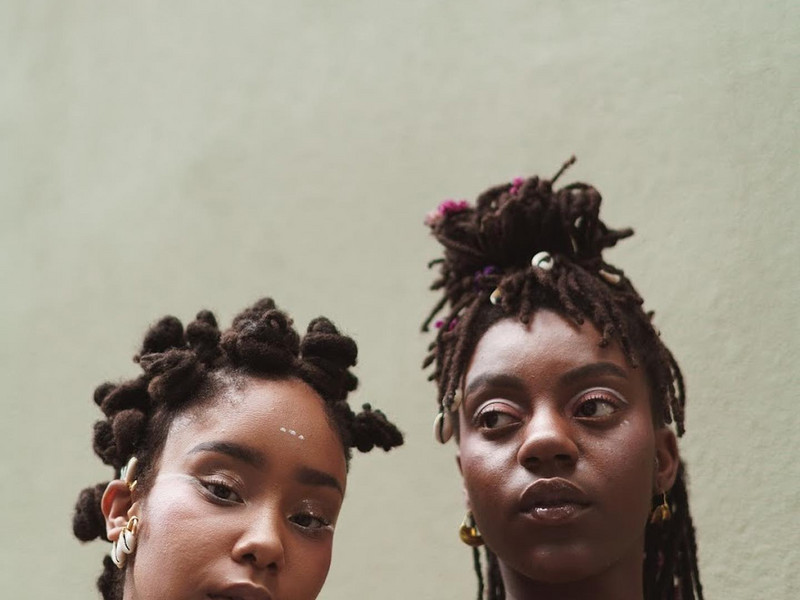
The music video for the title track of the LP, "Noir Brésil", is a video collage of many different kinds of footage, all combined together to create a picture of the Afro Brazillian culture, an homage to her ancestors, and who Yndi is as both European and South American.
Every few songs on the album, you are entering a new level of a video game, whether you’re in a boat approaching a strange shore, or fighting feverishly through the jungle to get to a volcano (these are things Yndi really pictured as she organized the project). Singing in both Portuguese and French, the smooth tones in her voice interact with the distinctly Brazillian percussion in a really beautiful way. The music envelopes you.
Check out our conversation below.


Hi! So Yndi, tell me where you’re from.
Right now, I’m in Paris, where I live and work, and where I was born. Right now it’s kind of weird with COVID and everything. I grew up here. My parents are Brazillian, so my house was a pretty typical Brazillian household. I grew up here and I never lived in Brazillian. I’ve been a lot of times but I’ve always studied here and worked here.
You have an LP coming out soon, Noir Brésil, the first under your new moniker. Why the name switch?
I used to work with the moniker Dream Koala. This album is pretty much the first thing I’m doing with my real name - Yndi. I felt like I put so much of myself into it and it was so intimate and I didn’t want to use another moniker because I felt like it wouldn’t feel natural.
I get that. What was the process of making Noir Brésil?
Honestly it was very personal. At first, I kind of always wanted to make an LP but I felt like everything I was making worked with three or five songs but not thirteen or on a longer project. The moment I found something I’d really like to explore for this long of a project was when I first started writing in French.
I used to write in English, my songs before. Since it’s not my first language, I felt like switching to French helped me to get deeper on what I felt and what I was writing. Also, I spent five years on this album. So it’s been a lot of work. Five years ago was a moment where I was talking a lot with my mother and grandmother and we had a lot of discussions about their upbringing and the differences between our generations and between Brazil and Europe. Talking about this made a lot of my memories come up with music and things linked to Brazil. It was a moment I realized even if I was born here, in Paris, I will never be considered as a French person by other French people. I wanted to put in my music everything I could that I got inspired from Brazillian music. I didn’t want to copy other Brazillian artists but translate that in my own way. It’s not traditional Brazillian music but it has a lot of percussion and rhythm, and some lyrics in Portuguese, too.
Right. This project really represents who you are. You’re speaking in both French and Portuguese. It’s a fusion of both your identities. What imaginary physical landscape is your music and your sound creating?
If my music was a landscape, it would be something like… My girlfriend showed me videos from Patagonia a few days ago. She told me it was a place with the most differentiated landscape. You have volcanoes, then fields, and rocks… I think it would be a really tiny place with a lot of different kinds of landscapes. Volcano, forrest… Not really a realistic landscape. It would be a collage.
Like a magical oasis.
Yes, like an island. With a volcano, because I love volcanoes.
I wish I could visit there. How would you describe your sound, and how has it changed over the years?
What changed a lot is that at first, I had seen myself as a producer. I was into the production. With time, I became more comfortable with working as a singer and songwriter and adding my producing skills to that. Rather than thinking of production before anything else. It took a long time. It wasn’t overnight. With experiences and working with other people… From my previous projects, I used to produce and do everything on my own. On this album I worked with other people, like this French producer Superpoze. We worked together and he co-produced this album. I also worked with some percussionists, Brazillian percussionists. And a pianist. My first time recording other people and collaborating this much with others. It has been really fulfilling. It’s like you can take the best parts of different people and put it in one project. It was really cool to work this way.
I also didn’t necessarily use a lot of Brazillian sounds in my work before. It’s the first time I’ve made a project where that’s at the forefront. You can’t listen to the album without realizing that. It has been really life changing. The language change, the sound change, the process change…
The sound changed, but also your creative process really changed. It morphed and it grew. You still use your knowledge and experience in your past work to inform your new work.
Yeah, it’s that. I feel like this album and how I’m working right now, if I didn’t spend five years of my life only being a producer before, I wouldn’t be able to do that. There is something in the industry about… a separation between who produces the music and who sings and who writes. When you hear someone who is there during the production process, I think you can hear it in the album. Bjork is a good example. I think Solange also.
Those albums, you can definitely hear that it’s one person. Both ways can make beautiful music, but I think there’s something more personal and unique to production when you are part of it yourself. I was lucky on this album to know how to produce, but I also had a co-producer, so I could step back when I wanted to. It was really fluid and cool. One time we were both working on the same track in different rooms on different computers at the same time. Then after, we joined together and compared and combined the two sessions.
I agree with you that you can tell when an artist is involved in all areas of the creation of their work because it creates a more cohesive or holistic concept and picture. What themes are you exploring in Noir Brésil?
My biggest fear with the album was to have like three singles and all the other songs are like other versions of those tracks. That is my worst fear to make an album like that. So I really wanted each track to have its own little world, it’s own little universe.
To stand on its own.
Exactly. "Noir Brésil" is really a track about people of Afro descent today and a poem to my ancestors. In Brazil, we really talk a lot and connect a lot with our ancestors. In a religious way, but also in a mundane way. In the way we talk and do things. You always have to not only respect, but pay homage to your ancestors. It’s really present in the culture, especially in music and all that. I feel a large duty to keep the history of our ancestors to protect it. Some other songs can be more about childhood memories, some are also about me questioning my faith, spiritual things. Some are more melancholy and about depression. Each song has its own little cell. It’s difficult to say what is common between the lyrics. The sounds have connections, but the lyrics, they’re all different.
When we were making the album, at first, I was scared the first track would cut you in the album. But now I feel like I like it. You can listen to it three tracks by three tracks. You don’t necessarily listen to all of it. You can be like, I’m only in the mood to listen to this part of the album, and then you only listen to that part and it’s okay.
I don’t consider that the album is a “fail” if you don’t listen to it all together. What really helped me to understand that was Frank Ocean’s Blonde. It’s one of my favorite albums ever. In that album, I never listen to it in its entirety. I only listen to the end, or the middle, or the beginning. It feels so good to know the part of the album you want to listen to. You’re in control as a listener. I wanted the same feel for my album.
Some parts have heavier rhythms and are more produced, some parts it’s only guitar and voice… really soft, and all of that kind of follows each other.
So what is the trajectory of moods then, if it’s organized by different moods. What’s the path?
I feel like the pattern if you’re listening in order- the first track, to me, I wanted to picture the beginning of a game. You’re on a boat and you discover a shore. It’s the entry to a new world, or territory. It follows with more rhythmic things, with a lot of percussion. After that, it has a dreamy part, where you are in the middle of a more eerie place. And then it goes back to rhythms but with dark tones. Then, the end is like going back to the beginning. It’s difficult to explain.
I’m excited to listen to it with that in mind! Thinking of it that way, it’s almost like a video game.
I’m obsessed with video games. We are actually working- it will be out in the second part of May- but we are programming a game, and a music video made kind of like a video game. It’s something that’s really important to me. I was like, I have to do this. Even in the studio, I wanted that part to sound like a fight, and this part to sound like… blah, blah, blah. And we like the same games, so we were relating on the moods. This is the part when your friend’s dying in a fight and you have to heal them! It’s not explicit. You can listen to the album and not get these references, but I feel like it really nourished our energy in the studio and our connection. In terms of aesthetics, I’m really kind of obsessed with that.
Usually when you say you are influenced by video games, people expect you to be more electronic, futuristic… But when you think of it like the emotions you have playing a video game, it’s pretty elemental. Fear, excitement, discovery… It’s really basic emotions. I feel like this is what I really like about this medium. It’s not necessarily the sound of synthesizers or digital sounds. I don’t consider my music to be digital. I want those basic emotions and to play with them the same way you would in a video game.
What you said about your album that’s coming out soon, about the different levels and the paths it takes you, you mentioned a really dark point before you get back to the beginning. It reminds me in a video game when there’s, like, a final phase or a final battle…
Yes, that’s it! You get it. What you are saying about the final battle. I don’t think the album has a final boss at one point, but I feel in terms of intensity of sounds, some tracks are more intense because they have more sharp sounds, more in your face… I feel like it’s something really present in Brazillian music. If you listen to Samba, it's really percussion driven and loud. It’s really overwhelming. At the same time you can have lyrics that are more melancholic. We call it “saudade” in Portuguese. Melancholy.
You have this contradiction with the rhythm and lyrics a lot of times. I wanted to have this strong percussive thing that can be kind of overwhelming sometimes, but I don’t like to sing loud; I don’t know how to scream. So the music has to do it. So I can sing at my pace. I’d love to make a final boss theme song, though, that would be really cool.
Where did the concept for the video for your title track, "Noir Brésil," come from?
I was really present in that. At first, this song was about my ancestors. It is linked to racism, obviously, but also colonialism and slavery and all that. I wanted to make a music video for it, but I didn’t know what to use for imagery. I didn’t want to use violent images and make them beautiful, because that’s weird. I didn’t want to use documentary things or other images that would have nothing to do with that.
So, there’s an artist, Arthur Jafa, he’s American. He used to work for Spike Lee. He made video art. He has some harddrives full of images from the internet, magazines, fliers. He collects a bunch of images and makes a collage of them to have a visual depiction of the black experience in America. It really focused on North America and the U.S.A. He would put something from a Pharell Williams t-shirt, and then he would flip it, cut it, and put it with an African statue that has exactly the same shape. I really wanted to make a collage video, inspired by this. We looked for a bunch of images from Brazil, social media, also from documentaries, and I wanted to use images from Afro Brazillian culture, because it’s part of my culture too. And it’s something so underrepresented, especially in Europe. People know a lot about Black North American culture, but not South American.
I really wanted to make a video that represented pieces and connections and gestures from Black Brazillian culture. You can see people dancing Capoeira, and I mixed this with some fútbol footage, where you can see the link of those gestures, but also with offerings to the goddess of the Ocean, Yemayá.
That’s awesome. It sounds like you have a really vivid and thorough vision for your art. You’re involved in all of the different facets of it, and that definitely comes through in your music, and in your video.
Thank you! For the U.S., from Europe, we always see music in the U.S. as something so far from us. It’s like another world.

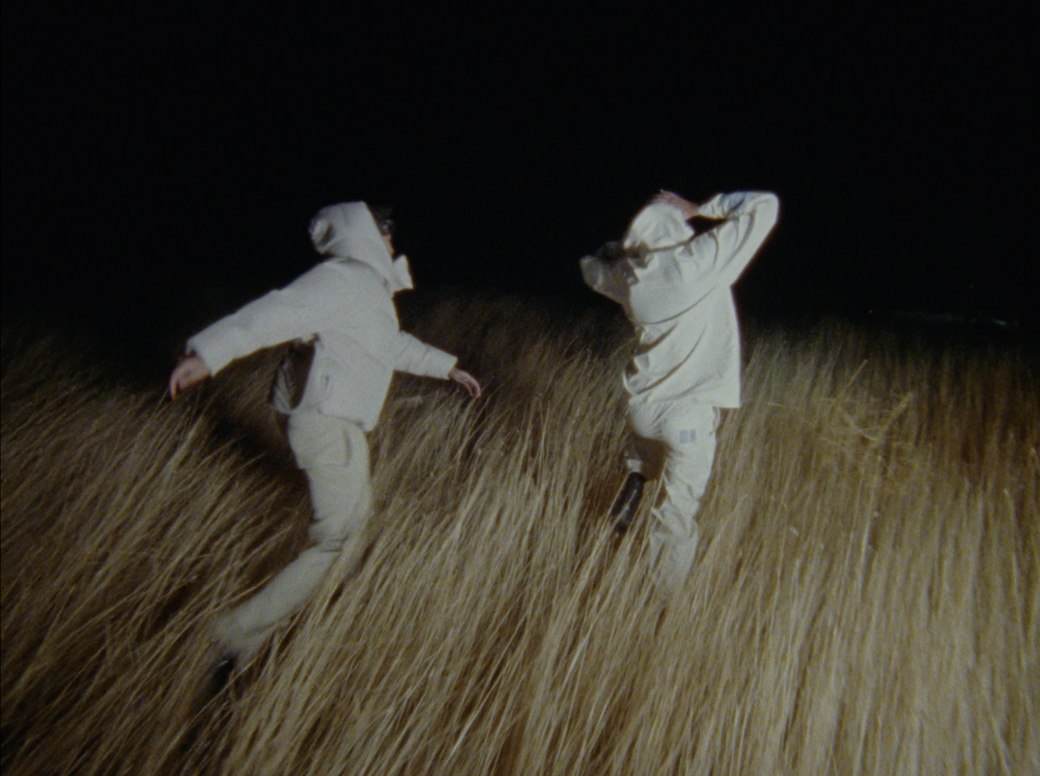
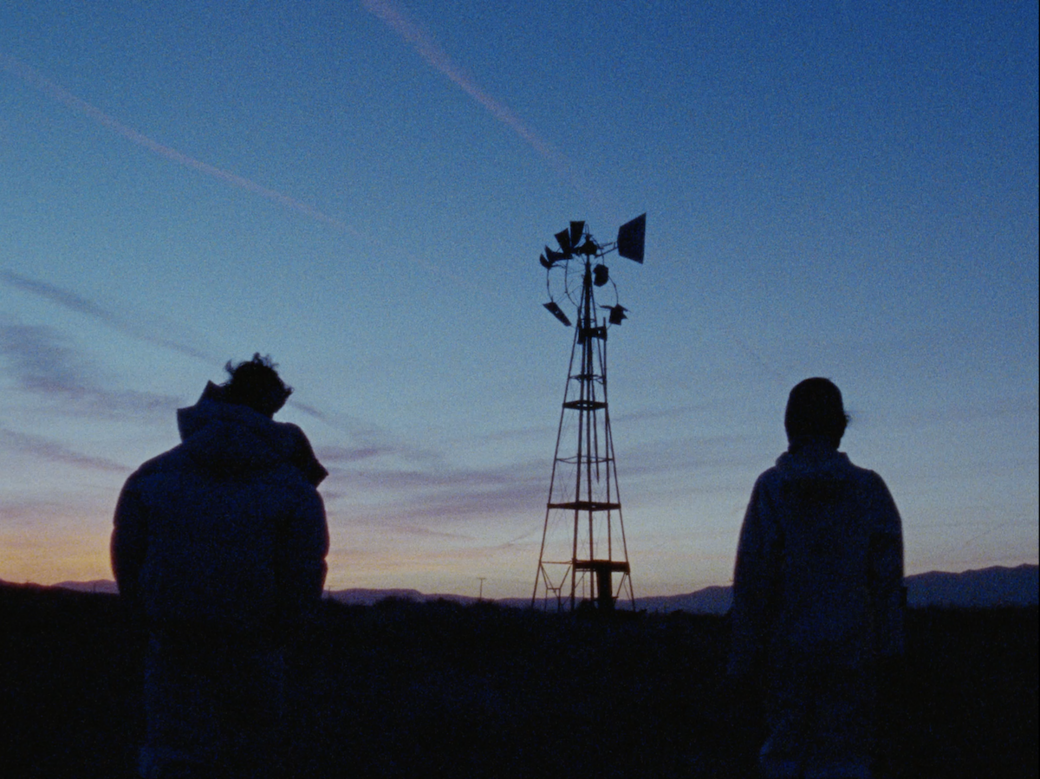
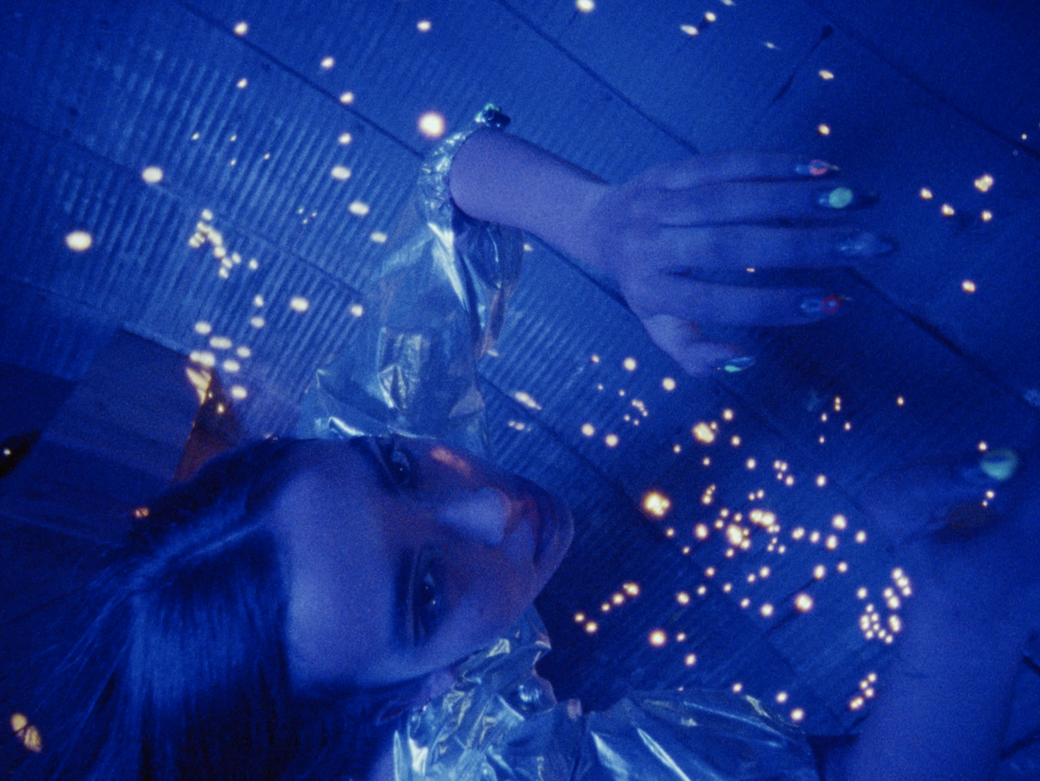
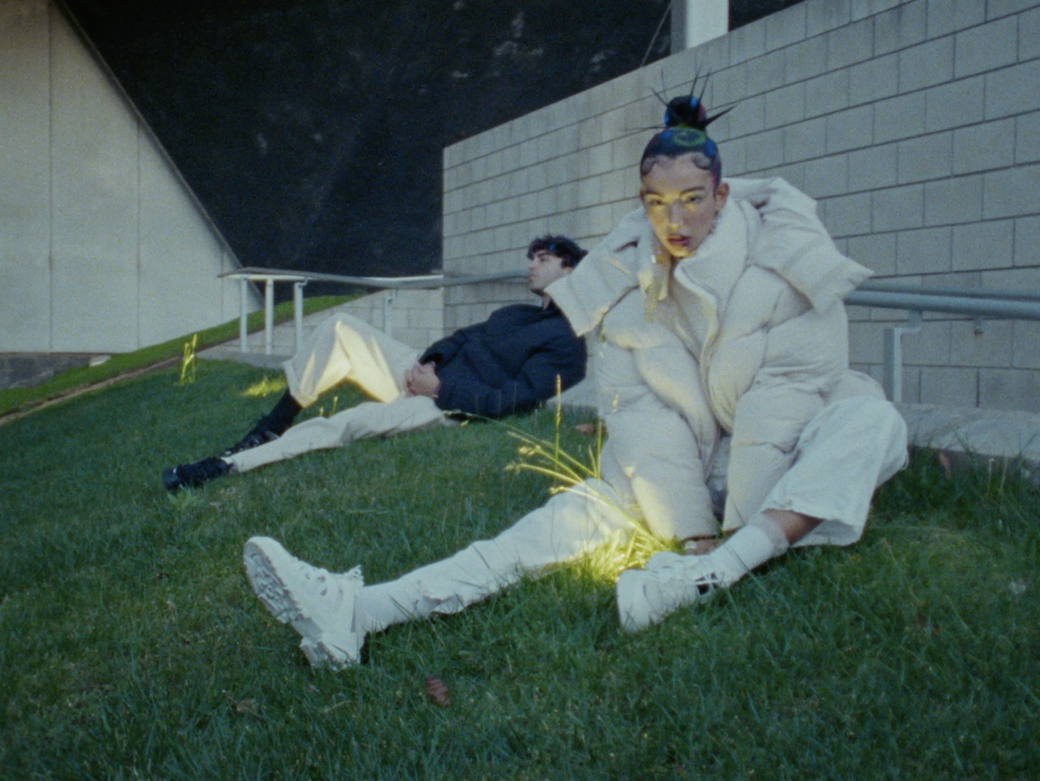
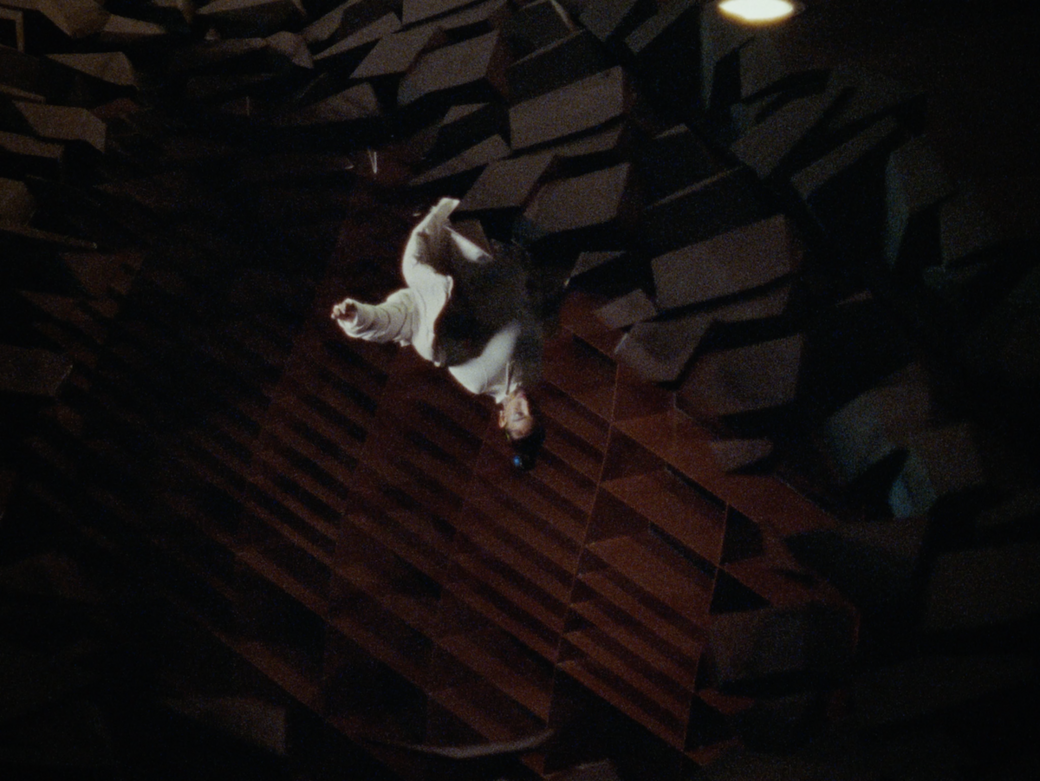
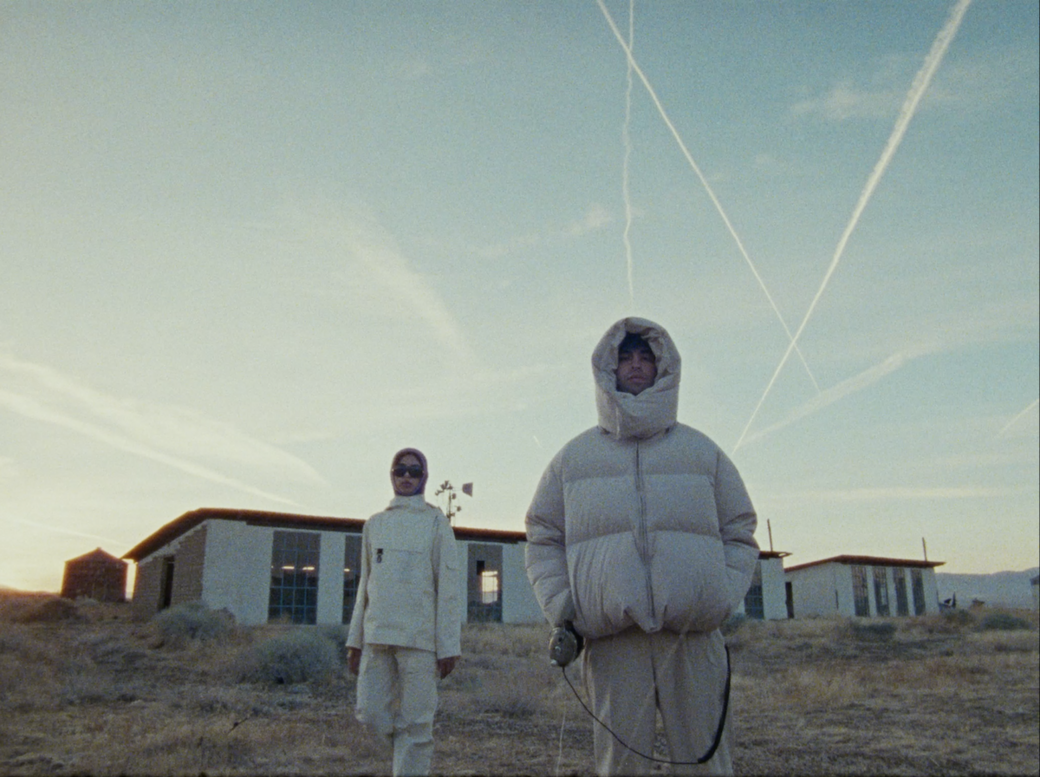
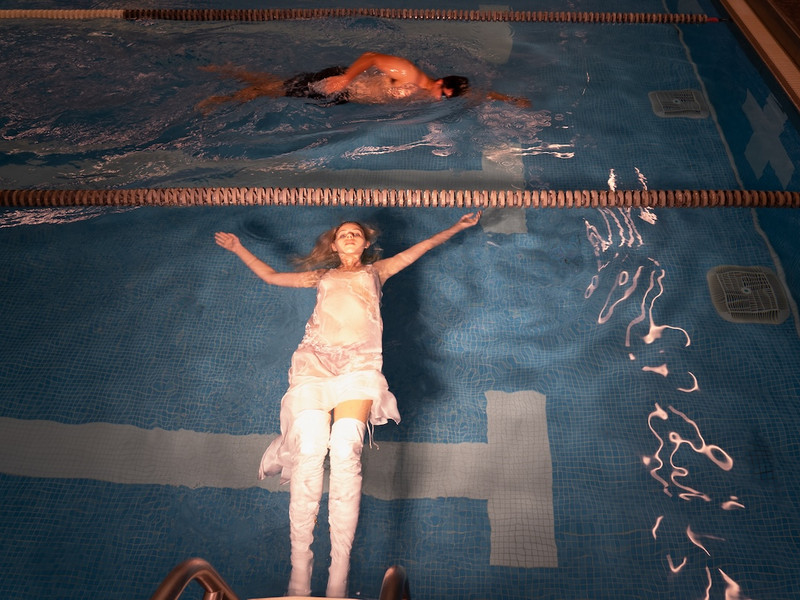
Their new video trails behind the duo in a dystopian like world with hypnotic visuals that'll linger with you even after you finish the video.
This is one essential part of a 5-song project that places a spotlight on seclusion, contemplation, and letting go of a disconcerted past in order to step boldly into a new frontier. For this video, they wanted to accentuate the idea of isolation and highlight the bittersweet feeling that accompanies it.
Read our exclusive interview with the duo below.
First of all, where are the both of you at the moment and how is it there?
We are currently in Topanga Canyon, it is partly cloudy at the moment but starting to feel like summer again.
How would you introduce yourself to someone who isn’t yet familiar with BETWEEN FRIENDS?
"Hi, we are BETWEEN FRIENDS, we make stuff and would love to design a sweater for you and then soundtrack your experience."
We love your new single “lonely” and the accompanying video. What does the video represent in your opinion?
Over the past year, we started to realize that the music we are making really sounds like our space. We could try to make whatever kind of song, but at the end of the day it’s always gonna sound like us and the room that we made it in. That whole idea was really inspiring to us and we wanted to translate that visually by creating our space in a new perspective. We hope that the video means something different to everyone though. Gonna be checking reddit.
How was shooting the music video during such weird times?
To be honest, it really felt like a moon landing being back on location and shooting things. It's been such a long year of isolation, having had such a lovely crew to help us execute this idea was very special. It was a 2 day shoot, a lot of run and gun and an isolated ranch in lancaster. We wanted to try out every idea that popped into our heads.
The music video of “lonely” feels very dystopian. Why did you choose this mood for the video? And how would you describe your visual aesthetics?
We love to switch things up and try whatever we are into at the moment. The idea of being boxed in makes us pretty claustrophobic. When we started BETWEEN FRIENDS, the goal was to create something that could be anything we wanted whenever we wanted. We were watching a lot of old space movies when we made ‘lonely’ and that idea kind of stuck with us. We knew we had to bring it there.
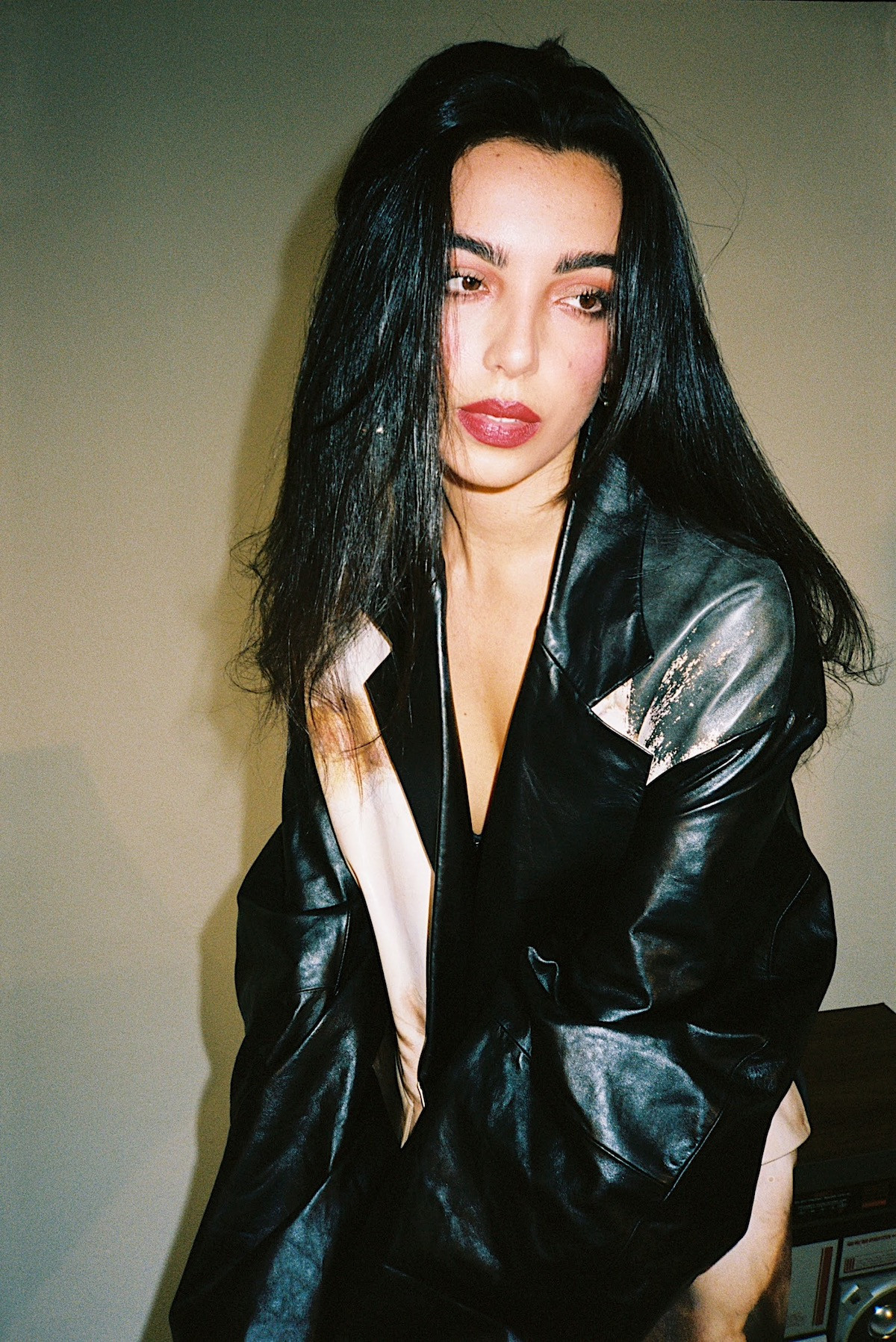
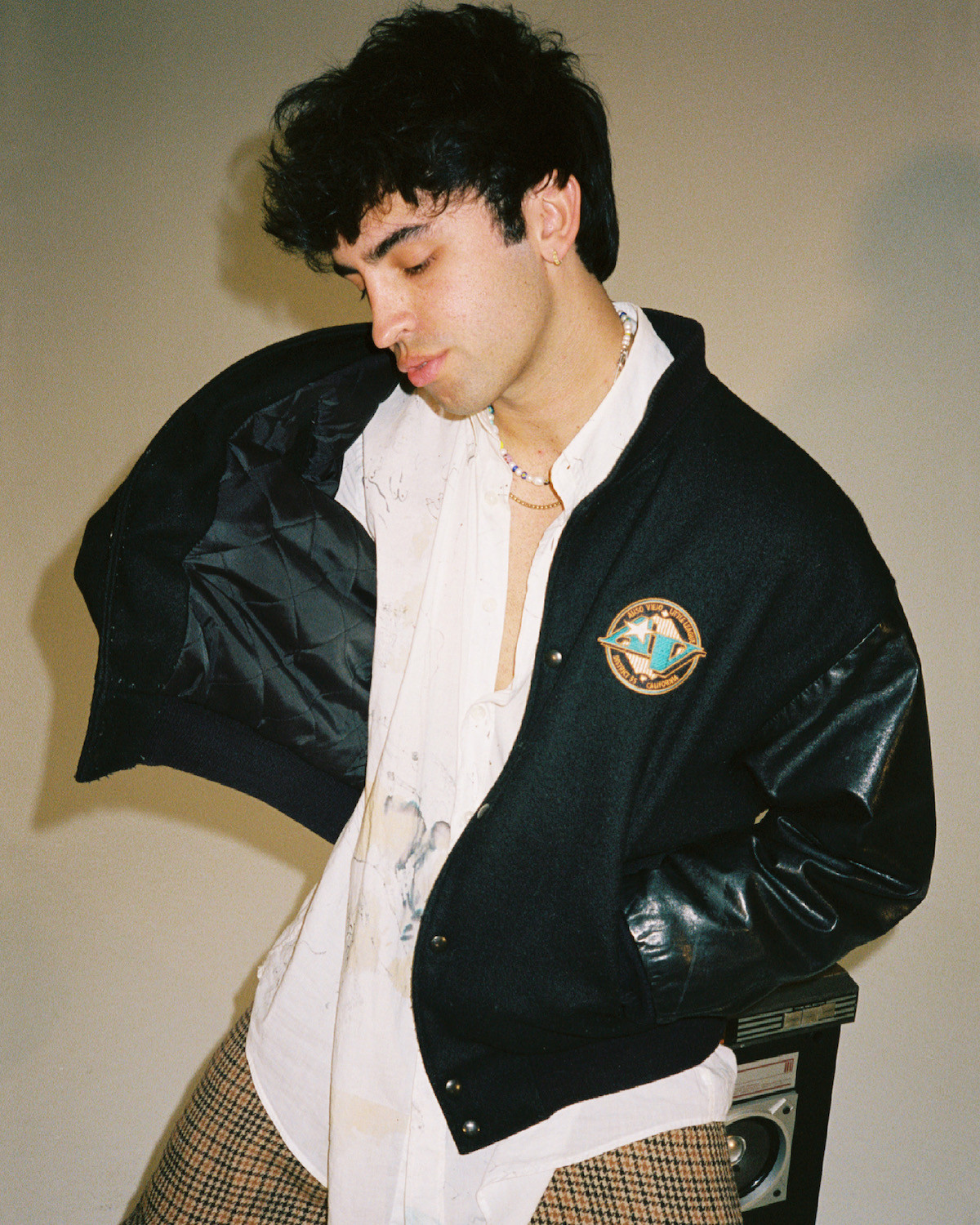
What’s the process like when you both conceptualize your vision?
Oddly enough, we are rarely on different pages. Since we were kids, we’ve always shared a very similar vision and as we grew up we grew into that together.
This new single can be labelled as a crossover between stratospheric and hi-fi sounds. What makes this such an irresistible combination for the both you?
During the strange beginnings of lockdown, we were pretty much in the studio 24/7 working on what became our mixtape. It felt like an escape from reality and took our minds somewhere else. Some days we would bounce 3 to 4 ideas off of each other and then finish them all in a couple of hours. ‘Lonely’ happened super late one night, we had just wrapped up working on another song but had nothing else to do. Emotions were at an all time high, and the feelings came out in every bit of the song. Sonically, we just wanted it to sound like how we felt in that moment — desperately needing loud bass and human interaction.
You’re both part of a generation that exists in the age of social media, would you prefer to live in a different era or are you both happy with where you’re at?
We assume everyone feels different about this, but for us we are really happy with where we are in this era. It’s incredible having access to everything and more. The ability for our generation to obtain as much information as we do is pretty mind blowing. Instantly staying connected is also a major perk. Will say that our attention spans are a lot shorter though.
The definition of music consumption has changed over the past few years. How did you witness the evolution?
We have really grown with it. We are a product of the streaming era. It’s incredible to be a part of this movement in music. The fact that we can make our own variation of pop music from our home and it can travel all over the world is really bizarre and exciting.
What do you have planned for the rest of 2021?
More creating of all things BETWEEN FRIENDS.