MIRRORS


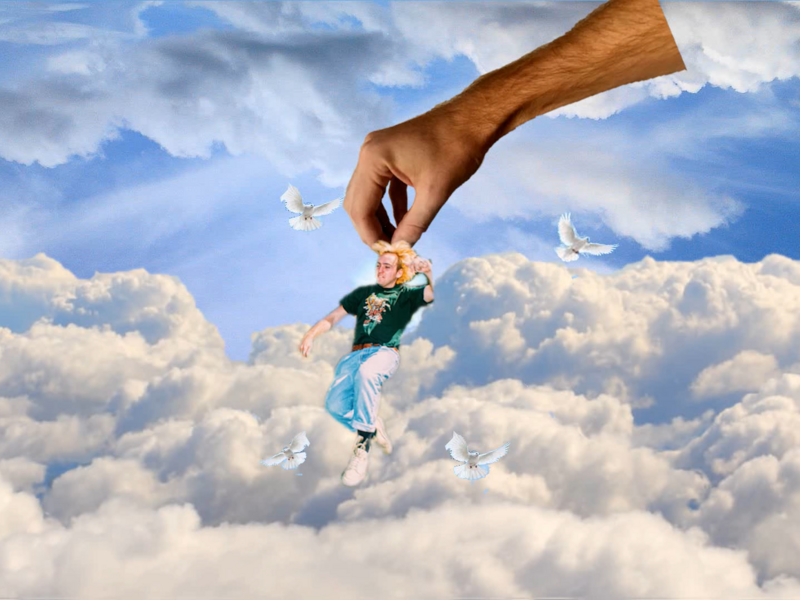
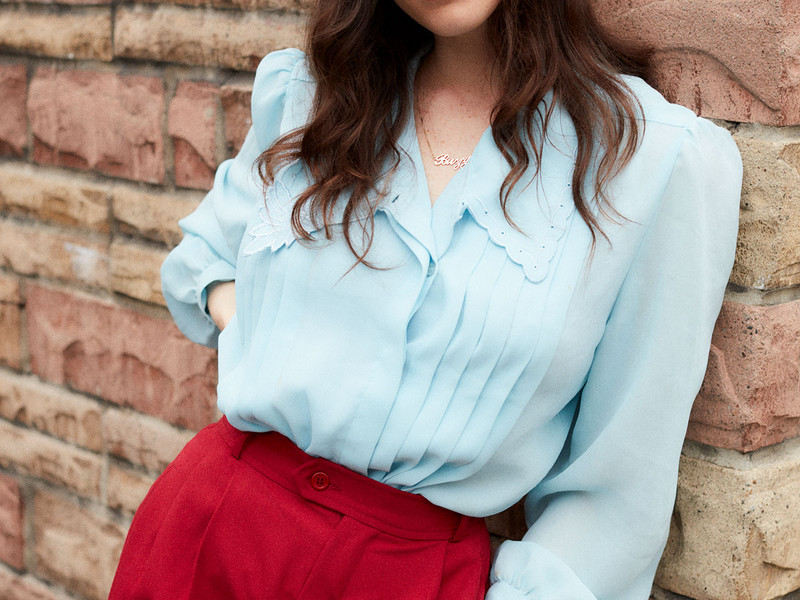
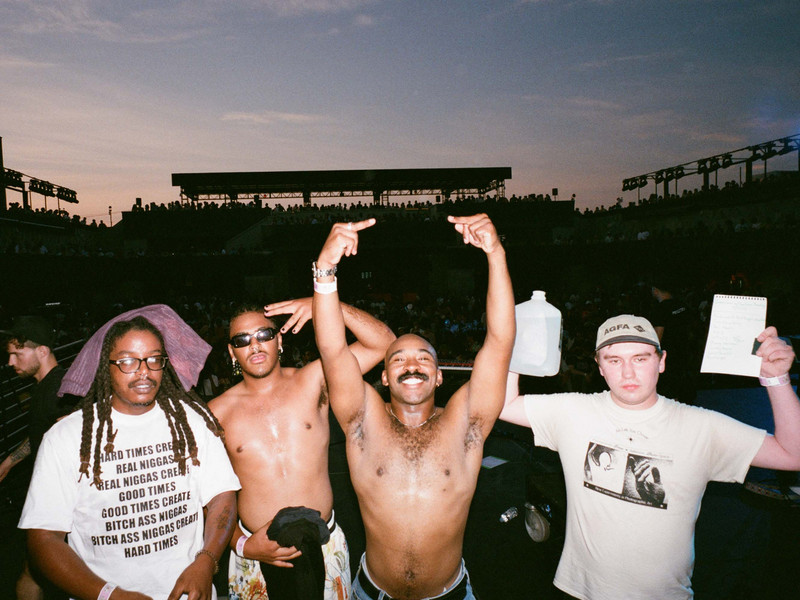
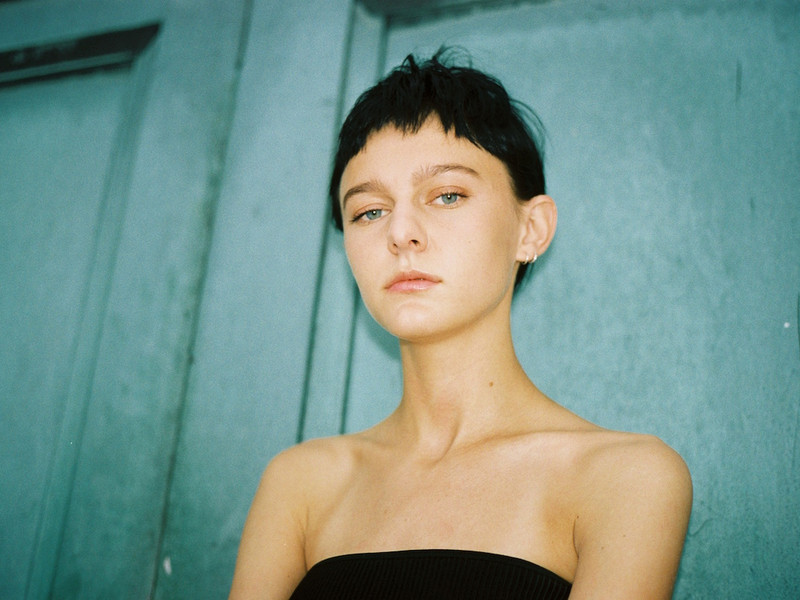
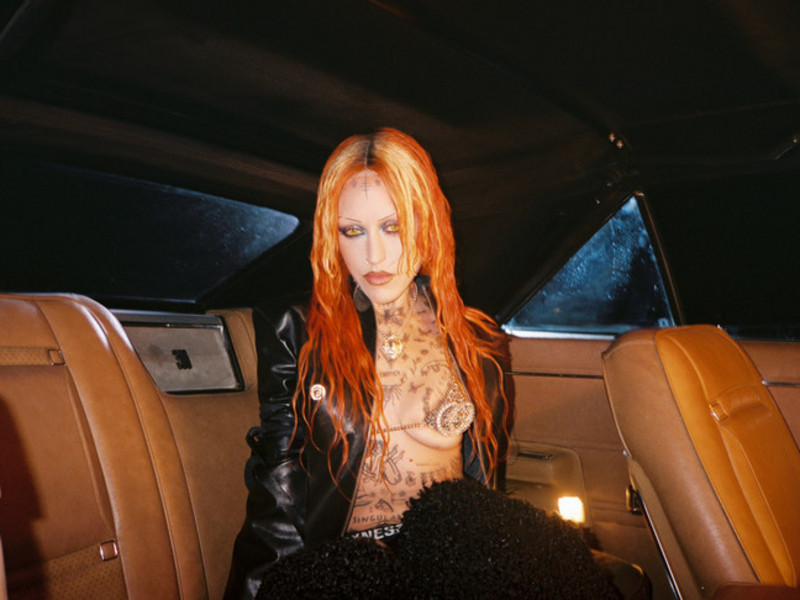
Lead image — Shirt and pants by SAGE NATION, jewelry by FEATHER PENDANTS, shoes by SASKIA LENAERTS
Boyd is a prolific drummer, producer, and composer, and strikes a finely-tuned balance of humility and intelligence. With such a blending of moods, feelings, and genres, Dark Matter is a remarkable continuation to Boyd’s career, which he hopes to center more on production in the following year.
Where are you right now?
I’m at my place in Southeast London.
Congratulations on your new album, Dark Matter!
Thank you, thank you.
What is the subject of this album?
I would say it was more a feeling, really. I think a lot of what was going on around the time of making it, I think there was a lot of darkness. A lot of darkness going on in the UK, institutionally, socially… a lot of unrest. I was traveling a lot, and so it was more trying to synthesize a feeling and a sound into a record that kind of just summarized that. I don’t think I overly thought about it while I was making it, I think I was just responding to what was happening in the world, and these are the sounds that came out of it.
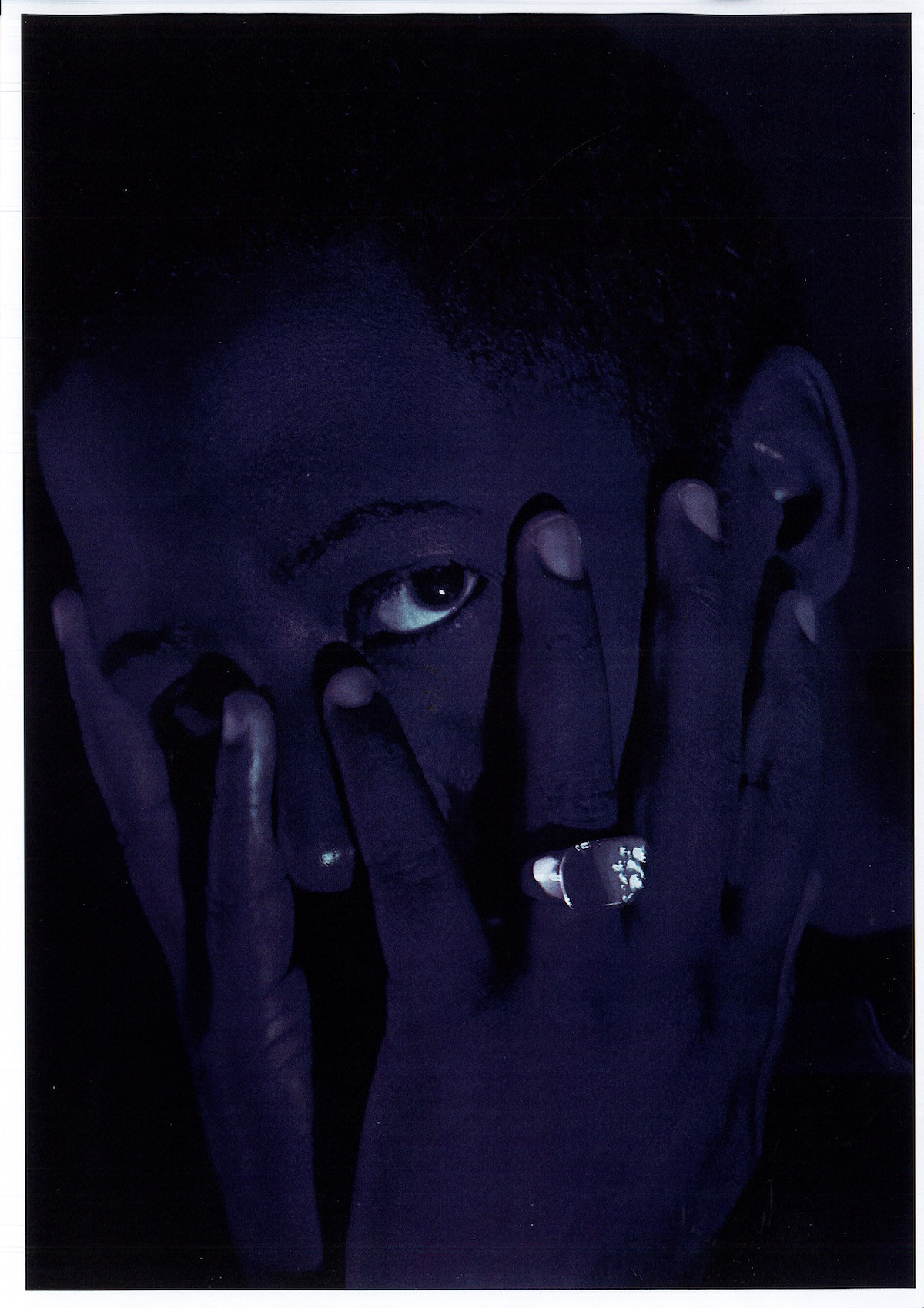
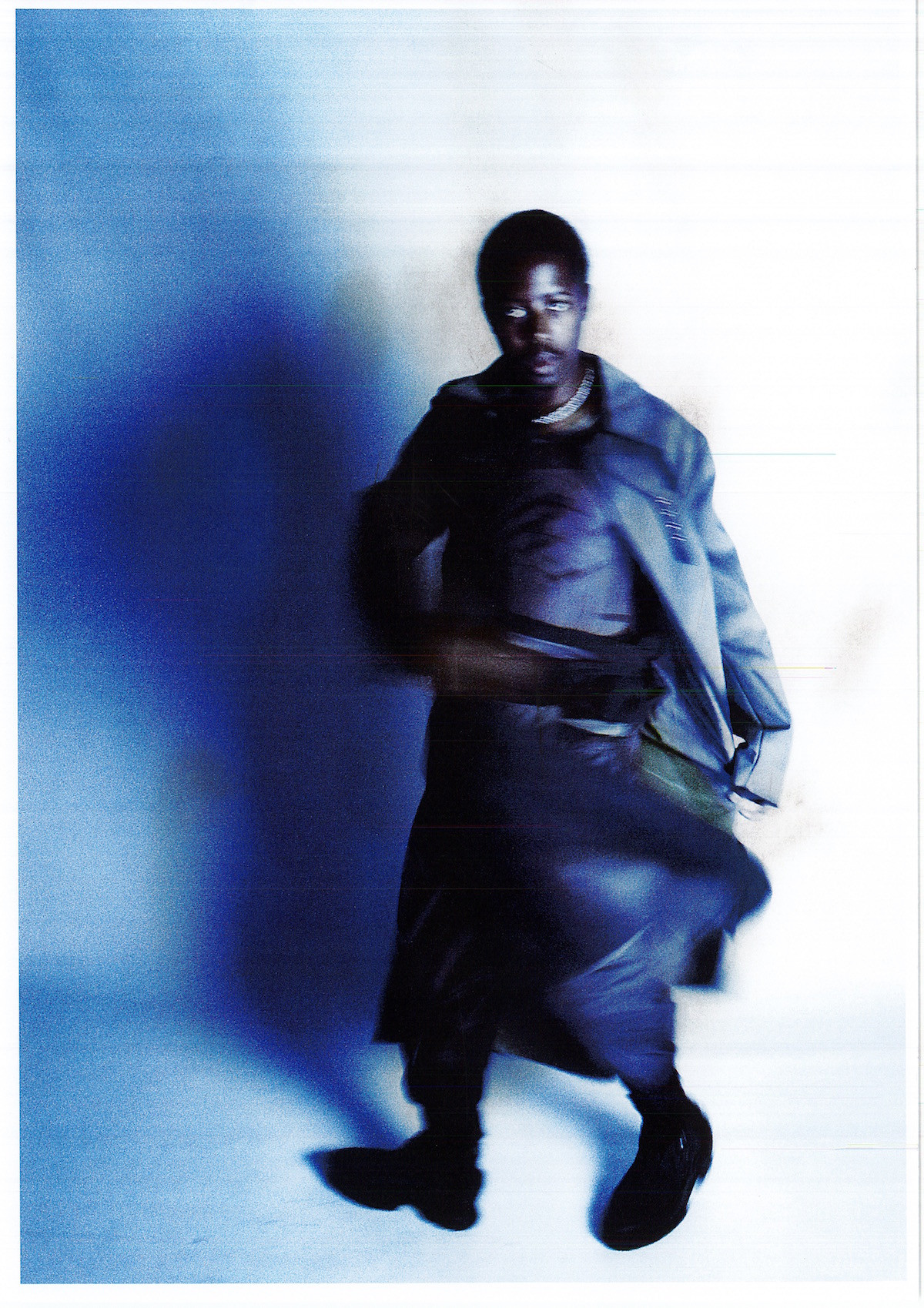
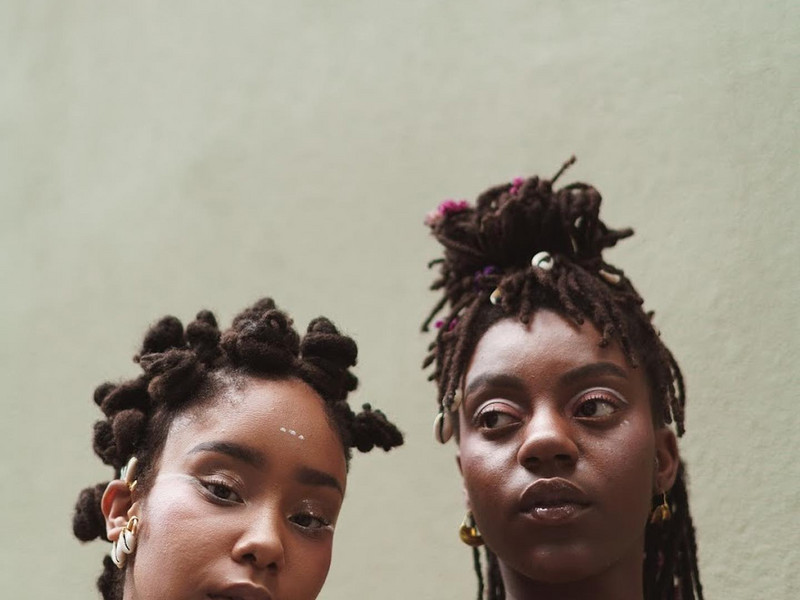
Left — Coat, top, and pants by JIYONG KIM, jewelry by FEATHER PENDANTS, shoes by SASKIA LENAERTS
Right — Ring by FEATHER PENDANTS
What was your biggest inspiration in its creation?
I think it was people, man. Like I said, I was doing a lot of traveling, touring, going to places: America, South Africa, Europe… And just meeting really interesting, resilient, and amazing people across the world that were very open with sharing their culture, their information, their stories. It was a mix of everything that might have been going on at home or in the world. That was such a fun part of that time, being around incredible people.
Was this last year?
No, it would have been between the beginnings of 2018.
So you’ve been working on this for a minute.
Yeah, a little while.
The song “Stranger than Fiction” begins the album and was also released with a video. What is this song about and what was the process of making the video like?
The song is, you know, there’s a phrase, “The truth is stranger than fiction,” and it’s just a take on that. There’s so many things in the last five years, that when you sort of talk about it now, from Trump’s travel ban on Muslims, to Brexit, to the Windrush Scandal, to, you know, the list keeps going, you’re like, Is that actually real? I was trying to mirror that sentiment with music, so listening to it is like, What is real? Are the drums real? Are the synthesizers real? The blurred lines… it was kind of a creative response to the phrase “Stranger than fiction”.
It’s very impressive how you can translate, so distinctly, an emotion without saying it. I don’t know, it’s just very impressive to me. How does this project differ from your previous ones?
In a few ways: I think it was recorded very differently. Prior to this one, everything I’d done before was more traditional… Like, I would go into a studio for maybe one or two days, write the music beforehand, and come out with almost a project 80-90% done. Whereas this was a lot more open ended, it was a lot more experimentation, a lot more process, a lot more time to just sit and develop things. I didn’t record it in one space in particular; I would go between studios, people’s houses, bedroom studios, my bedroom studio… It was very open. There was no sort of constriction or time limit set on me. I just had time to do it. And nobody knew I was doing it or working on it, and it just naturally snowballed.
That’s cool. So, was it kind of a secret because you wanted to have the freedom to allow your creative process to flow freely?
Yeah, kind of. I mean, it wasn’t that deep, but yeah it was in a way. The minute you tell people you’re working on an album or something, press or whatever, I just wanted to get back to making music for me and having fun and having that moment, and not having to think about the radio, or this, or the other mechanism, or PR. I just wanted to make it. And then once it’s done, then we can enter those worlds. So for as long as I could, I tried to keep it very close to my chest.
What is your composing process like?
I think it changes, it’s developed. With this again, it was very open. I was very conscious to not go into the habits I had before, or just sitting at a piano and working out chords and structures and forms. I was more interested in making sounds that made me feel a certain way and not worrying about how I made those sounds or where they came from. So it could have been a synthesizer, it could have been a drum machine, it could’ve been me in Ableton or Logic. I didn’t really know how I was gonna arrive at certain things, but I knew when I had arrived at them, if that makes sense. Whereas before, I would sit at a piano and I’d know when a song was done. And then I’d work from there. This was a lot more explorative. Just open. I didn’t have one process for each track. I wanted to look at it from various angles.
So would you say in the past, you’ve worked more linearly, like, you had more of a step by step process? And this was not created linearly?
Yeah, definitely, definitely. That’s a great way of putting it.
How many instruments do you typically write parts for in a given song?
I play drums and I play a bit of piano, not enough to perform, but enough to compose and write. But I write for everything. I can write for everything except I’m terrible with lyrics. It’s just melodies, really. I know the melodies I want and I know the sonic capabilities of most of the instruments I write for: the brass, the guitar… I know how they sit in a song and I can hear what I need and want, so I’m good enough to write enough down on paper if I need to communicate to a trombone player.
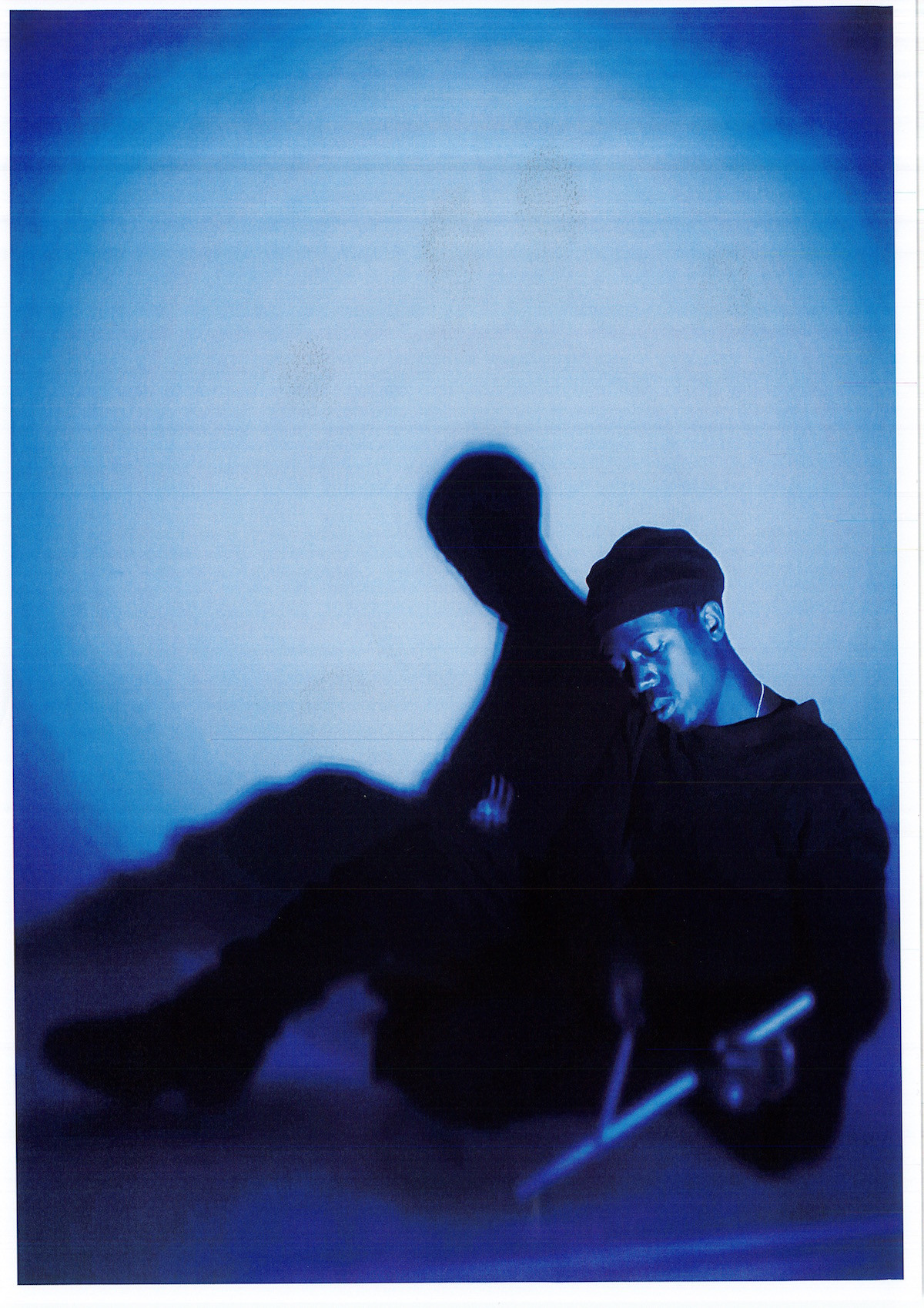
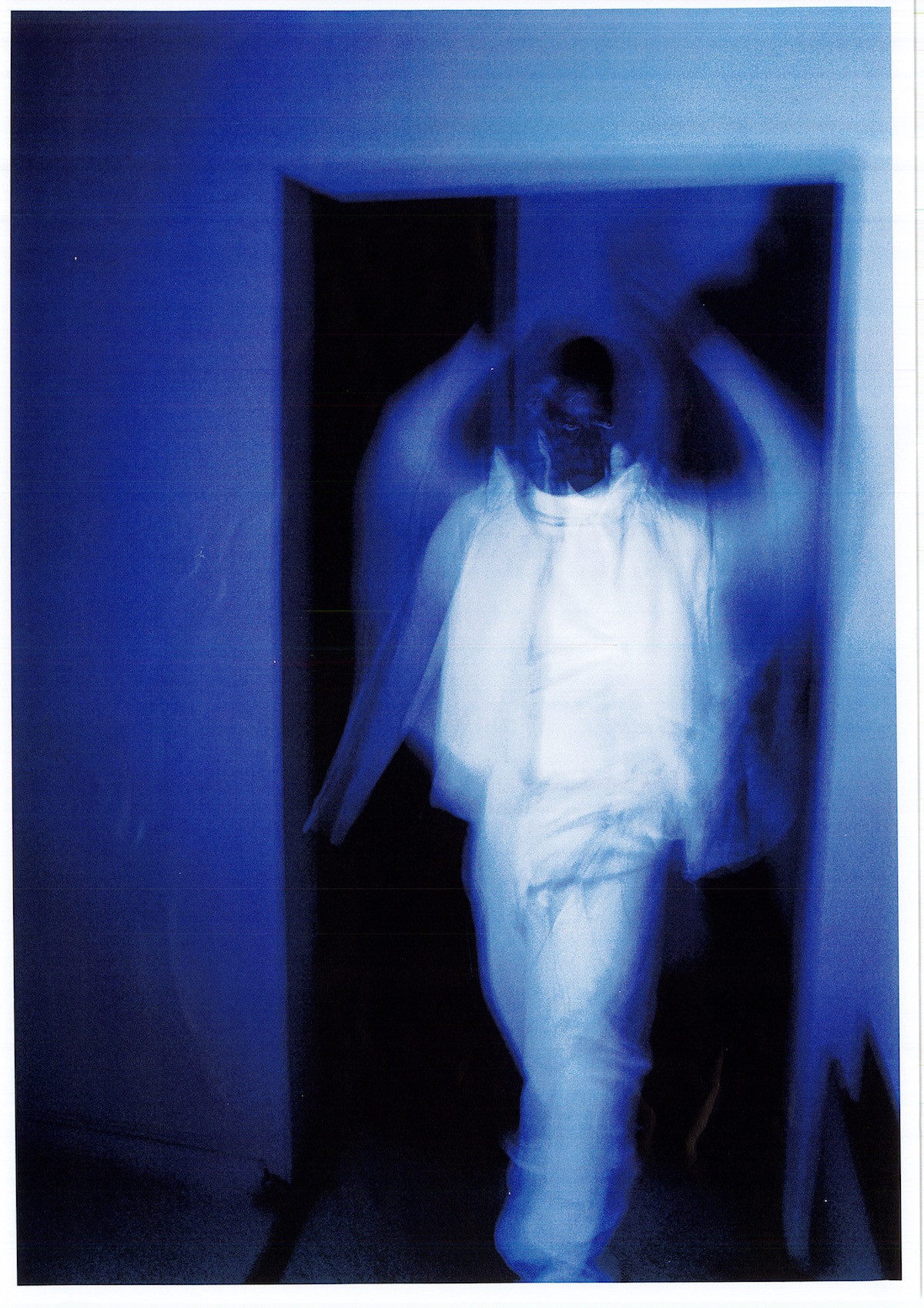
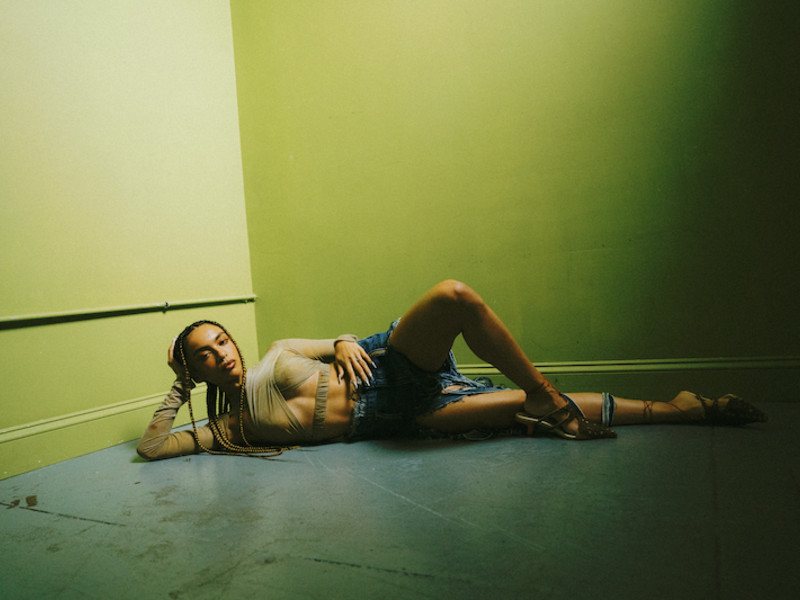
Left — Sweater, pants, and beanie by JOSHUA CRABTREE, shoes by SASKA LENAERTS
Right — Full look by SAUL NASH
Have you always done music?
I’ve been doing it for a long time. I can’t really remember not doing it. I’ve not really done anything else. I’ve been very lucky in that respect. I started performing and touring quite young, and was earning money playing in other people’s bands quite young. So, I’ve never had to, fortunately, do other things outside of that. It’s not all I know, but it’s all I do.
Who have you been listening to in quarantine?
I’ve been listening to a lot of Denai Moore, Cleo Sol’s album, Salt… A lot of old jungle records, artists I don’t even know who they are. A lot of mood music, so to speak. And just going through my old vinyl collections, like, records I bought while on tour. Really sitting down and taking the time to listen to an album top to bottom and just be in that world. And your album is also very much meant to be listened to in full. That’s the hope.
How has your life changed since quarantine?
Dramatically, man. This is the longest I’ve been in one place in probably a decade. I used to be playing multiple times a week, sessions, touring, it’s all kind of stopped. There’s nothing I can do about it, I’m not too down about it, but it’s reality. I didn’t realize how active I was prior to this. It takes having to stop to be like, OH. Now whenever I’m in any semblance of business, it’s like Ooh, that’s a bit strange.
How does it feel to be releasing your art, saying what you need to say, right now in this political climate?
It feels good, man. It’s hard because I have nothing to compare it to, in a way. I’ve always had the opportunity and the freedom to, but I know that’s not the reality for a lot of people. I know technology wasn’t like this for my elders, so I’m definitely very grateful, very appreciative, very thankful. And I’m also very grateful that people are into it. I could put it out and it might get lost in the algorithm, but people are responding and are into it, so that I’m very grateful for. I’ve got a lot of support, so very happy.
What can fans look forward to from you this year?
I think I’m now in a sort of head space where I’m more interested in making things for other people. Writing and production. Obviously, I’ll always do my own thing, but I’m very eager to get in the rooms with different artists and make things for them, work with them. I’ve been making beats with different artists… You can look forward to seeing my name popping up in places you wouldn’t expect, you know, behind different people.

In a New York minute, anything can happen. You can go from forming, to dismembering, to reforming a rock band with random people you meet in random countries, and then creating an EP at 14 years old. For Wade, Austin, Sabrina, and Orazio this is applicable, but the minute stretches longer for a rollercoaster of a beginning, middle, and ending in their evolving story.
Ahead of their EP, an angelic and nostalgic sonic biography of what it’s like to be a kid toughing it out in NYC, they premiere a depiction of downtown New York in the form of saturated heaven for the "Allen Street" music video. With depictions of waking up in a blood-bath haze to cruising down familiar streets, crying out, “Nothing’s gonna last forever!” Manon Macasaet—friend and director to Pretty Sick—captures it all.
Read our conversation with Sabrina, and watch the "Allen Street" music video, below.
I know Pretty Sick started when you were really young, can you elaborate more on that story?
Pretty Sick started when I was like 13 with my friend Eva Kaufman. We met at Willie Mae Rock Camp for girls. And then the next year, I think we were teaching and not camping. We were just like teaching guitar and drums. And we met Ella Moore, I think, and then she joined the band. So, we met when we were like all 13, 14 and started playing in the city and writing lots of songs and music together. We recorded our first EP after winning a battle of the bands. We won recording time. So we were able to go into a studio and actually lay down some tracks when we were really young. And that's what our first EP is. And then, Ella and Eva unfortunately moved to different states to go to college. But we all talked and they were like, "You should keep doing Pretty Sick, blah, blah, blah." It's because they were both going to music school in different places, and like wanting to start new projects anyway. And I wasn't sure if I was going to stay in New York or not. I thought I would, but I didn't end up doing that. But then I was like, 'Okay, well I guess I'll keep doing this for a while and figuring out what I need to do.'
But I had a really hard time finding bandmates after they left the city, just because we like grew up together, we were so attached to each other, and we had so many of our first show experiences, so many of our first victories and moments to be proud of together. I had a really hard time finding new people, so I didn't really play that much. But the year following them leaving I met Wade, who is our guitarist now. I write songs with him sometimes. I met him through Richard Kern, who was shooting me and shoots a lot of familiar No Agency models. Still, he shot with me like a few days before I ran into him with Wade. And Richard was like, "Oh wait Sabrina is trying to start a band. You guys should hang out." And then I met Austin, who drums for us through my friend Adam Zhu and Isaiah. And yeah, we really hit it off. Me and Wade started playing together like before I met Austin. Just me, him, and a drum machine. And then we opened for Onyx Collective on Halloween. One year, Austin and I thought we really blew. I thought we did such a bad job, I almost cried. And then Austin came up to me after the show, he's like, "You guys are so good. I really want to be in the band." And I was like "really?" And that's what we've been doing ever since. Then I moved to London to go pursue studying music at university. And I met Orazio, who plays bass for us. Now we have two basses, one guitar, one drummer, and we did some touring. I've been bouncing back and forth in London and the city a lot for shows. And also just, you know, like any free time that I have, I'm here pretty much.
So growing up, I'm assuming that a lot of the music you listened to is aligned with the music you make now. who were some of those people?
My parents always get mad at me for saying this, but I'm going to keep on saying it because it's true. But, they didn't really listen to that much music when I was a kid growing up. They had like a few core bands that they really liked, they were kind of like dad rock or like radio rock. The only one that really stuck with me in the biggest way was the Smashing Pumpkins. I feel like most New York kids grew up listening to a lot of like classic rock and I just really never heard that stuff until later in life. But yeah, I grew up listening to the Smashing Pumpkins, Nirvana, Hole, Pixies, basically like all that grunge stuff, all the obvious ones, for sure. But as I got older, kind of got more into like indie stuff, garage rock, punk and post-punk. And then finally, classic rock and stuff. It really took me a long time to get there. Basically, It was like the Beatles and Pink Floyd, but outside of that, I didn't listen to it. Like, I didn't listen to Led Zeppelin until later in my life.
So obviously, it's been like a full long journey, having a band, dismembering, and then making a new band, traveling, etc. Did you ever see yourself doing this in a sense? Did you always know you wanted to do music or did you have different interests as a child?
Interests as a child? I wanted to be a paleontologist, just like a dinosaur scientist or entomologist, which is like a bug scientist. But mostly, I just wanted to be a musician and dig in the dirt. I always liked doing music. Kinda the only thing I ever really cared about. I'm a bit obsessed.
The music video for "Allen Street" obviously nods to downtown New York culture. How has downtown shaped you?
I mean, I feel like downtown and the whole city just has shaped me as a person and given me all the opportunities that I've had, you know? It's been a privilege to live here and to grow up here. It's just like, it's really a different world. And you realize that when you move away. Like, living in London is so different than living in New York, socially and community wise. And like, the way things work here, it's just like very unique to anywhere else in the world. Like, you just don't really see communities that function in the way they do in New York, anywhere else.
Yeah. It seems like the whole downtown scene has your back in a way. That's what I got from the music video. What does that feel like to have your whole community in one music video and have them constantly support you?
It feels really good. I'm really grateful every day for the friends and collaborators I've been able to have. And it does feel like in a lot of ways, like a lot of New York has my back. I think that's just kind of part of growing up here, actually getting to know people, and like really being—you know, you're just there throughout people's lives. It's like living in a small town, you know? It's like there's all these people I've known or known of since I was like a little kid, basically. Like, some of which helped even raise me. And it's just like, I don't know how to describe it. It's something I'm incredibly grateful for. I'm glad I was able to like to find the artistic community I needed. As a young teen, I didn't feel that comfortable in like the teen band scene. And my family isn't really artistically inclined, besides me. And, I really had to kind of like dig and look for a long time to find people who like the same stuff as me. I think that's something everybody has to do. I think anybody who's been handed like a community of people who are really dope, don't really understand what they have until they've had to fight for it.
Obviously, when you have your own community and when you kind of know the ways of how things work in New York, especially like downtown, you kinda go to certain streets or you avoid certain places. So on the every day, let's say you're doing your whole 'New York Scene' rounds, what places are you going to?
I always get really worried about answering these questions because I feel like I'm just going to keep doing the same thing for the rest of my life. And it's going to be really easy for stalkers to find me because I've had stalkers before, but I'm gonna answer it.
Okay wait, maybe don't then.
I don't know. I just can be found in any part that my friends live around or that I live around. I like spending time outside mostly. I hang out in the parks even in the winter, and I have since high school. Because in high school, it's like you can't really—or I could because I had a fake ID, but most high school kids like can't really go to bars. They don't have an ID or their ID is always going to get taken away. So they have to like buy it from delis that they know won't take their ID, and then drink outside or in someone's house. But if their house isn't available, you just have to drink outside. In the winter, it gets really fucking cold in New York.
That's why you have to go to the "free's," or be like, "Who has a free?"
Yeah, exactly. So if no one has a free you're just chilling in the park. And you'll just be like drinking 40s in the park and passing around like one spliff. It's like a bonfire. I just like being outside. I feel like I've met so many people just walking on the street. I walk all day and barely take the train or the bus. I actually really never take the bus, but I rarely take the train unless I'm just taking it to come all the way downtown and then go all the way back uptown. I'm just always in the parks. I just always have mosquito bites in the summer, and I've always have frostbite in the winter.
So going back to "Allen Street," like I said, it kind of has a nostalgic and saturated picturesque feel. With Manon Macasaet's direction, where were both of your heads at during production?
I mean, when collaborating with visual artists, I kind of like letting the visual artists get their own idea of the song without me telling them exactly what it's about. And Manon knows me really well, so obviously she's been my best friend for years, so she has more context. But even so, we were talking about it recently, she has this like really uplifting, like party, like kind of teen - New York vibe for the video, which I love. It's definitely like true Manon in a lot of ways. But then as she was like listening to the lyrics, she was like "what does this mean?" and I was explaining and she's like "Oh, it's actually kind of sad." And I was like "Yeah, it is a little sad." And we were just thinking out loud about how that would have affected the video even I would have had to give her like a word for word description of the song.
And so I think that the way the videos worked out and the way it's been made — just like, it's like optimism and like naive in a way. It has that naivety that Manon's work tends to have, and like this like youthfulness. And that's paired with a song that I wrote when I was pretty young, and going through a lot of shit. And then revisiting as I was older with Wade, who's also older and has like a different kind of mature look at these subjects, otherwise undeveloped could seem really youthful and naive. But, I think now that they've been developed sonically, they sound a lot more well rounded and like less youthful and more like nostalgic. But yeah, the video's definitely more nostalgic and youthful, and the song is a little bit melancholy at times.
Do you feel like you do this in your everyday life? Like you put on the appearance of naivety and optimism, but in reality, you have these symbols and systems within you that are like a little bit deeper and melancholy?
I think in person, people have always known or thought of me as mature. From the age of like 14 to 17, I like really didn't have any friends my own age. All my friends were like adults that I've worked with or met through work. And I always felt very grown-up and people always really treated me like a grown-up. And so, I grew up really fast because of that. I think the music, I don't know — I have such a problem with self-expression. I don't know how to handle my emotions freely. And I think that like children and like youthfulness is like very emotional in it's purest state. And I'm not that emotional of a person when you're talking to me face to face. So I think music is like really where that youthfulness comes out for me. It's where I like to kind of allow myself to be a kid because in everyday life I'd never have.
A lot of people often say that they use music as a form of therapy of what they can't express in real life. Or even a way of escape. So, what would you say you're escaping that you put in your music?
I don't know. I've never been great at expressing my emotions or like even really knowing what my emotions were and identifying them properly. I don't know, life moves so fast in general, but especially in New York. And it's rare that people take moments to like slow down and process what's going on around them. And I think I use music to do that a lot. It's like meditative and therapeutic for sure.
With every form of art, I feel that people are creating their own world. So in Pretty Sick's world, what are you envisioning? Like what are you looking at? What color is the sky?
Pretty Sick's world is chaotic, but benevolent I'd say. And colorful and accepting. It's colorful, accepting, chaotic, benevolent, and fun.
How will you ensure that this manifests into reality?
I'm never gonna allow the community around me to be anything but that. I'm going to hold myself and my peers to being the best versions of themselves they can be.
Gotta hold the homies accountable!
And yourself, and yourself.

If last year’s All Mirrors—a synth-laced record that documented the same breakup in soaring, orchestral splendor—was a career climax for Olsen, Whole New Mess is something of a come-to-Jesus moment. “When it all started and nobody cared about my music, making something was so simple and pure,” she tells me, “I needed to return to that, because I realized I had basically become a business. People were depending on me for their livelihood.”
Whole New Mess, Olsen’s first solo album since her 2012 debut, features nine of the eleven songs that first appeared on All Mirrors, though you’d never recognize them. Olsen relocated to a crumbling church near the Canadian border to reconnect with herself and rework the album, swapping full-throttle vocals and a 14-piece band for ghostly reverb and a solitary guitar. “I needed to let those feelings haunt a space that wasn’t my house,” she says, “and to only be responsible for my own wellbeing.”
Now that Whole New Mess is out in the world, Olsen finally has time to focus on new projects—from writing comedy to trying her hand at sound design for film. To celebrate the release, we sat down with Olsen to discuss everything from the recording process to the best technique for running intrepid tourists out of quiet North Carolina towns.
Tell me how you spent your morning.
I'm sitting in my plant room between my bookshelf and my potted jade. It’s like a greenhouse in here. Last night I had to sign a bunch of records for a promotional thing, so I invited my friend over to sit with me and listen to Gary Numan while I did that.

Now that the album is finished, have you been taking a break?
I have not had a break in a long time. I try to leave my house for an hour a day just because I get so tired of being in my house working all day. There’s a lot of promo to do for this album, and when I’m home all the time I just get sucked into task after task. But in September, I’m finally gonna just chill the fuck out.
What does that look like for you?
Well I’m so focused on other projects now that it’s really hard to focus on Whole New Mess. It’s often the case that by the time the record comes out you’re already into something else. I’ve written six or seven new songs recently, but I’m not really sure what direction they’re headed in yet. Other than that, I’ve been trying to work on totally new projects with friends. I’m working with one friend on a comedy show featuring New Age music and historical anecdotes.
Wow.
[Laughs] I know. Niche. Other than that, I’ve been working on sound design for an upcoming film. So I’m excited to make my side projects my main projects for a while. Another one of my hobbies is that I’m trying to find a way to get rid of these damned tourists. When the reopening comes I want to be prepared. My best plan so far is to import truckloads of durian to leave out in the streets. That is one stinky fruit.

What inspired you to move to Asheville?
I was chasing someone. He owned—well, owns—a record store here. It was very High Fidelity. I really did chase him though, I don’t think he wanted to be with me. I was like “Oh, but you do. I’ll change your life!” [Laughs] But I loved the town, so I stayed. I was like, “You’re not gonna get rid of me! You’re going to bump into me at the grocery store. I fucking love this place.”
Let’s discuss Whole New Mess—
Oh, so you don’t want to talk about my relationship in endless detail?
I’d actually love to talk about a different relationship of yours, the one that inspired All Mirrors and Whole New Mess. Both of these albums are about heartache. How did you cope with it?
Well, I looked around and saw who my actual friends were. That was the hardest part of losing someone whom I built a life with—realizing how many people I thought I was close to who I actually wasn’t. I guess it really needed to happen, because it shook my whole value system up. I learned to focus on friends who actually listened, were curious and not so self-involved. If you’re a friend caught between two people going through a breakup, there’s a way to be supportive to both parties. It shouldn’t have to be a battle.
What do you think you learned?
Well, I just had another relationship end, which sucked, so that’s why I have so much to say about this right now. I went through the whole journey of asking myself, “were any of the things he said even true? Did I make it all up?” But I know that, from my side, all that I said and felt was real. When I think about heartache and everything that goes along with it, the most important thing I realized is that my identity doesn't need to be rooted in whether or not that person and I work out.
You just have to wait for it to pass.
You do. And I’m so fucking grateful for that process. Because this most recent time, I was like “Okay, I know the drill now. I need to not make this day about my tragedy. I must get out of the house and see my friends, and hear about what’s going on with them.”

How does Whole New Mess relate to All Mirrors for you?
I wanted All Mirrors to show people where I was heading, and what I can do when I work with people. It was always the plan to do a solo version of those songs that felt like Strange Cacti [Olsen’s 2010 EP] with distant, dreamy reverb. I wanted Whole New Mess to feel like my roots, where I started. I also wanted to explore how the context of my words changes when the music alters the meaning somehow.
Whole New Mess also came from processing a lot of what I’d realized about this industry. I thought I was just making music, but after I released Phases [2017] I realized that I also became a business. I had to learn the difference between generosity and exploitation. These industry interactions are all so complicated. Sometimes I just want to throw up my hands and say, “Just take all the money. I don’t care, I just want to write a good song.” But I can’t do that, because I employ people. It all feels very corrupt, but it’s a classic tale. So, I’m trying to be more frank about what the value system is for art today. I’ve learned a lot of this the hard way.
Is that part of the reason this album is so spare?
Absolutely. I really needed that experience of working alone and not feeling responsible for anyone's livelihood or happiness. There’s so much freedom in that.
That seems like a real weight off.
As someone who focuses so much on how other people are doing, I often forget about myself. People who are working with me and seeing an audience praising my work every day don't always realize that I may need friendship more than a crowd sometimes. People assume that an artist who has a strong following has all the attention they need.

Tell me a bit about where you recorded this album.
No, I just want to talk about my problems! [Laughs]
I had my eye on Phil Elverum’s studio in Washington state. After the breakup, I needed to get out of Asheville. I wanted to find someplace far away so that I could release all those feelings.
You say you want this album to reflect where you started. Are you trying to remind your listeners—
I’m trying to remind myself. I’m glad that there’s a real community around my music, and I’m learning to make it less about me. I mean, I don’t walk around saying “I’m Angel Olsen buying tampons,” or anything. I’m not carrying that awareness of my audience with me everyday.
Is there a song on this album that’s particularly special to you?
“Lark” was four different songs that I stitched together. I’ve never written anything like it, so I wasn’t sure it would work. When I perform it live, I break it into different musical parts vocally to express the different facets of this memory. I think of it as an example of how I’ve entered so many relationships without realizing that I’m getting involved with someone broken. All the trauma and verbal abuse that I’ve dealt with in some of my relationships are right there in that song.
There's a line in “Lark”—“I was there and I held him, I was there and he put it all on me.” That line still breaks my heart. I was holding this person who was crying right after he yelled at me. But that song ends in a realization: that it’s not my burden, that it’s not my shit to deal with. I’m so proud of articulating that feeling.
I’m glad you feel like that’s all behind you.
Thanks. At this point, I’m just trying to have a fuckin’ sense of humor man. About my karmic situation.
Are you a believer in dating apps?
No. Should I sign up for tinder right now though?