MIRRORS


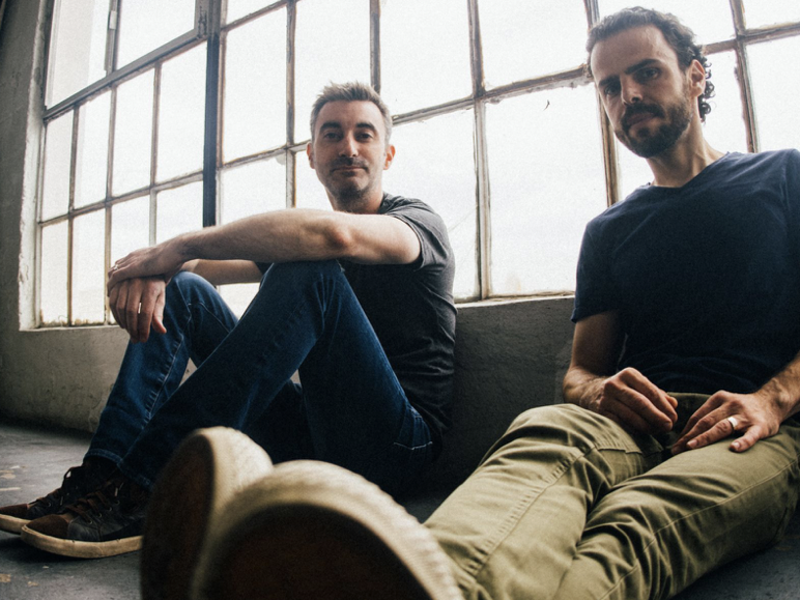
Today on office, they premiere “Waste Your Time,” a nearly 170 BPM belter of a tune, while simultaneously announcing their signing to independent music darling, Terrible Records (Solange, Le1f, Kirin J. Callinan, Miya Folick). Accompanying the single is a string of grainy footage featuring youthful partygoers, heralded by the nonpareil jack-of-all-trades, Reggie Watts, all of which visually harkens to a scene on the well-worn floors of Hurrah or Danceteria. S. Product spoke with office on the duo’s origins, the shortcomings of genre-labelling, and producing music videos under $200.
Share with us the genesis of S. Product. What’s the meaning behind the name?
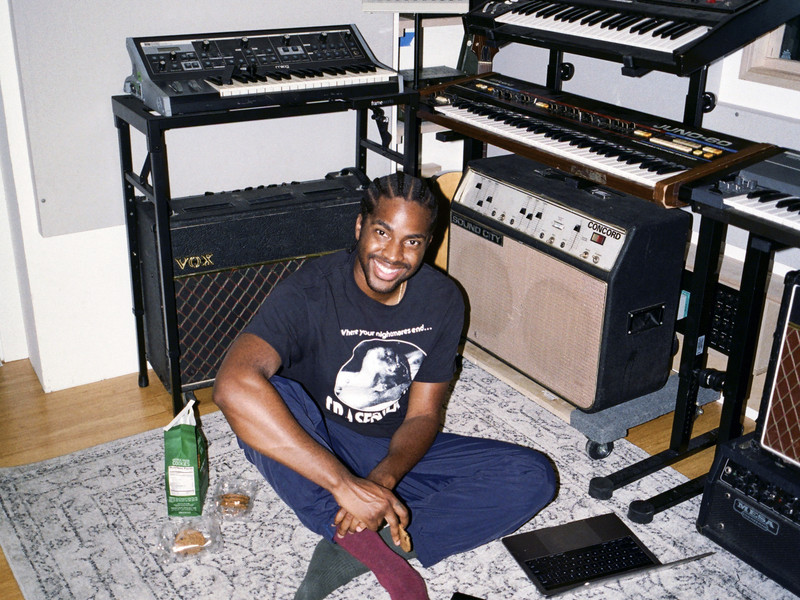
Kyle—We had met years before while working at a record store in Hollywood and both were inspired by each other's music tastes and musical worlds. Mel had been playing in a band that had just broken up and both of us had just come out of relationships but wanted to keep our musical momentum moving forward. We had been playing with a few different band names that never really felt right. Ultimately, we were inspired by SPK’s approach in changing up what their name meant on every record they put out. "S. Product" felt like a way to leave it up to interpretation and allow us not to fall into any archetypes of what people perceived our name to be associated with, musically speaking.
Describe in your own words S. Product’s sound? Are there any descriptors you have found/would find annoying?
Kyle—I find music descriptors increasingly more dangerous, at least when it comes to this project. Like our name, our music also shifts depending on what feels right at the time of recording. "Waste Your Time" is the first single for this EP but really, nothing else on the record sounds quite like it. There's a kind of industrial/acid track on the record, there's a synth-pop sounding track, and there's like a funky, playful, 80's dance track. Even with the seemingly chaotic amalgamation of genres, I do feel that there is a constant thread to each song that ties them all in a cohesive and natural way. How exactly that thread can best be sonically described is up to the listeners.
Melissa—Throughout musical history, all genres seem to be completely bastardized after 20 years. What did R&B become? How has techno progressed? What about house music? What is the definition of post-punk anymore? Unfortunately, I hear it used as a blanket statement to describe mainly dark wave bands now, but what happened to the fun of post-punk or the amount of disco influence in its formation? In my opinion, the existence and actualization of true 'Post Punk' has not been heard or seen since Mark E. Smith died. Understanding the history and impact that a genre made during the time period in which it was popular is crucial to preserving its integrity and is consequently what makes me hesitant in claiming association with one.
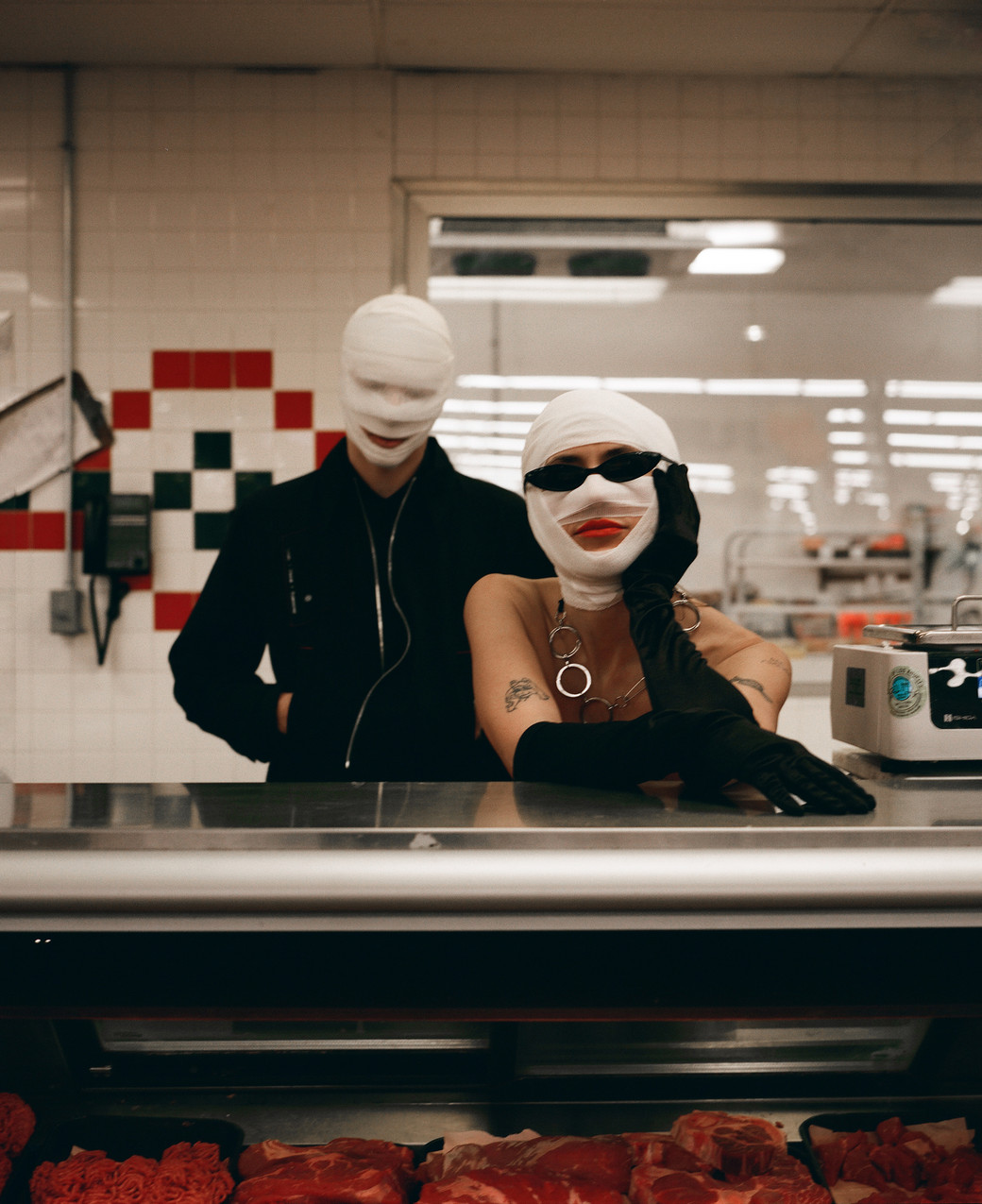
Reggie Watts is featured in the music video for “Waste Your Time.” Is he a fan of S. Product?
Melissa—He is. He is also a great friend of mine. I met Reggie when he approached another project of mine to do a remix for him. We became buds as we have a mutual love of dancing together. More so, he is just that homie that always wants to create and down to clown, so I asked him to be the host in the music video idea that I had, which required someone just like him.
Kyle—Melissa calls Reggie a patron of the arts which I 100% agree with. He really does a lot in supporting artists and friends, a lot of whom are still a part of the underground scene, all without expecting anything in return. That kind of genuine love for a community, and desire for the people in that community to thrive, is something I don't often come across and is something I subscribe to and admire deeply.
How did the music video for “Waste your Time” come to pass?
Melissa—I have always wanted to have a music public access show since I was young. I used to watch Night Flight as a kid and episodes of New Wave Theatre used to come on—it was an old L.A. Public Access TV show from the early ‘80s. I didn't grow up in LA, I grew up on the East Coast, and thank god for Night Flight. I basically had the idea for the look of the show to resemble a classic New Wave Theatre set, but wanted the audience dancing behind the band like they used to do on another public access show from Chicago called Chic-a-Go-Go. We hadn't really had plans for a music video yet, but when Alfredo Lopez, who had previously seen us play, reached out to us telling us he liked our music, he offered his talents as a director. We shot it at Non Plus Ultra, the best space in LA.
Kyle—Alfredo, Melissa and I managed to make this whole video for under $200. It was the help of everyone else involved that really made this happen. Friends, and friends-of-friends came out to offer their help by dancing for four hours, filming, helping create the set, advising, and lighting—just for the sake of creating something fun and memorable. I've never felt such a strong sense of community as I did that night. I’m eternally grateful for everyone that was involved in the making of this.
Despite most folks loathing quarantine, what have you found to be most rewarding and/or enjoyable?
Kyle—It's interesting to be given the time to better understand what you are capable of as a human being, how easily you can adapt to challenging times, understand how healthy your methods of coping are, and what you can do to keep yourself as optimistic as possible in what is otherwise an unprecedentedly, devastatingly frustrating, and frightful time for so many people. Free time wasn't really a luxury that was easily available to me before this pandemic, so I just try to stay grateful for the amount of time I've been given.
Melissa—I rediscovered “It’s-It” ice cream sandwiches: real game changer in the gratitude department!
If you could throw a live show tomorrow, who would be your dream audience and co-headliners, and what would be the most ideal atmosphere/venue?
Kyle—Honestly, I really miss the warehouse scene here in LA. It doesn't always happen, but there's a unique energy that's created when a large dark room at 3 AM is full of people dancing to your music, it’s really indescribable and a feeling I greatly miss—that's all assuming the promoter ain't skimping on proper sound! As for headliners, a dream show would probably consist of a weekend-long festival worth of co-headliners: DAF, Suicide, Nitzer Ebb, Factory Floor, and Golden Teacher would all be on that list due to the role their music has played in my life. Tragically, not all of the members of these bands are still alive today, they're just a few of many other bands currently still playing, and not, that continue to leave an imprint on me.
Melissa—Even though I have always started in a small community of DIY warehouses and venues, I really love playing festivals due to the professional lights & sound. In a dream world, I'd love to rip an S. Product set and run over to see Iggy Pop, Nine Inch Nails, Depeche Mode and Brian Eno playing separate stages, and end the night crying because Spacemen 3 reunited and played ALL their records in full.
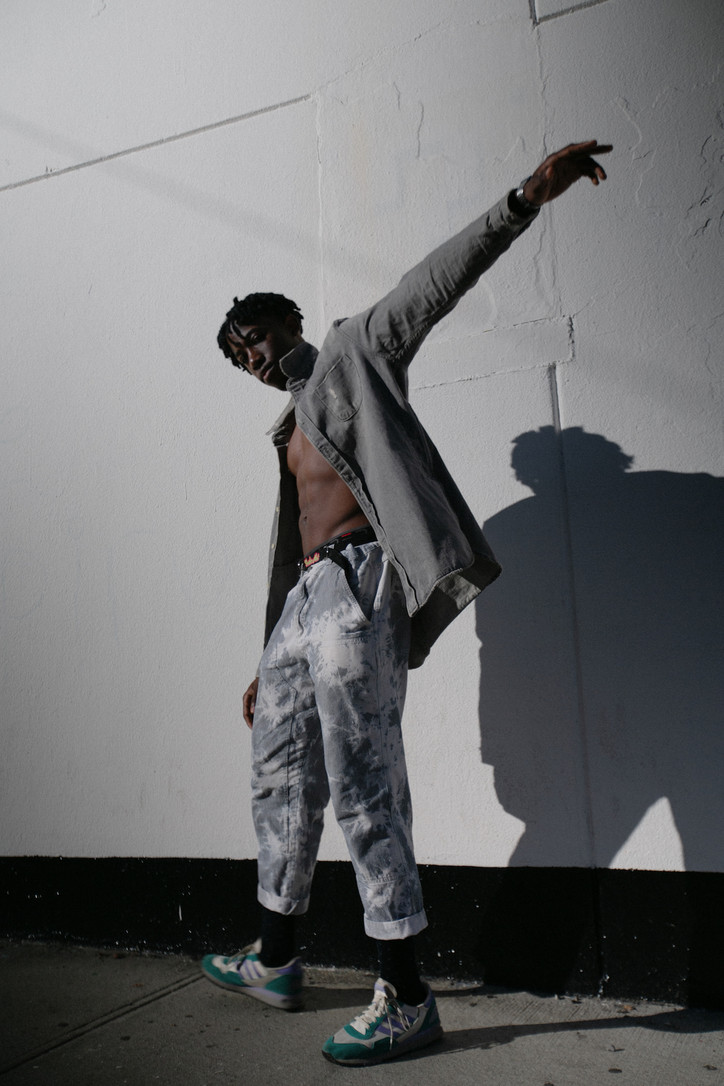
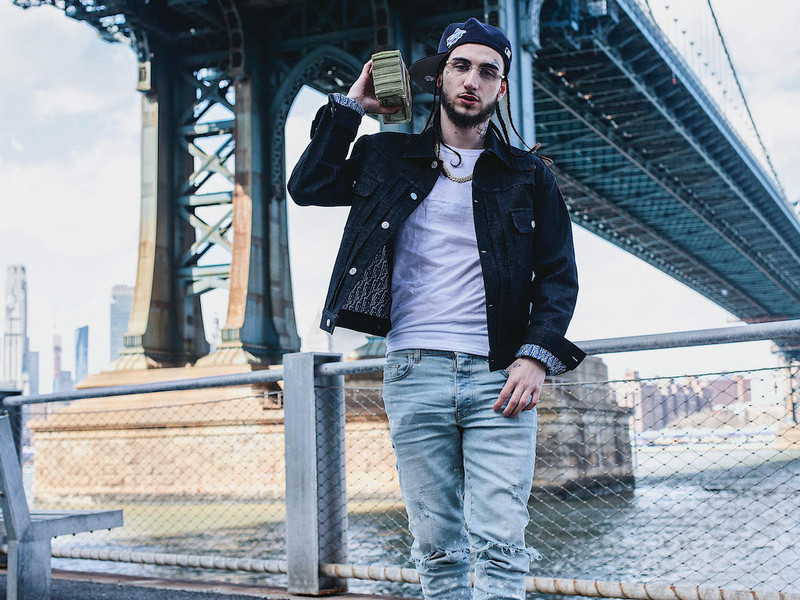
In some ways, the uncertainty which has become a normal feeling for much of the world is the same uncertainty which burdens many immigrants daily in a normal world. This also doesn’t exclude musicians—especially those who are independent. “I do all my ads myself. Just the mixing and mastering is thousands of dollars,” says Akinyemi on the unseen struggles of unsigned artists, “The reason people sign to a label is because they don’t want that to come out of their own pocket. It has come out of my own pocket.” These financial obligations in no way guarantee any sort of return—let alone profit.
To take a risk like Akinyemi requires a steadfast confidence and trust in your process and craft. It means a bit more to Akinyemi than it does to most: after three years of studying computer science at university, to his parents’ chagrin, Akinyemi dropped out to focus on music full-time; “Imagine paying for your kid to go to college for years and then they end up wanting to rap. My parents [thought] I was wasting my life.”
When asked how the 24-year-old garnered the self-confidence to make such a life-altering decision he laughed and responded: “I’m Nigerian.” It doesn’t hurt that Akinyemi has a monumental stage-presence that even many veteran artists can’t compete with. “His energy is uncanny,” says Akinyemi’s manager Noah Padawer-Curry, “Yemi is the best live hip hop act I’ve ever seen.”
Akinyemi wasn’t discouraged by his parents’ skeptical outlook on his burgeoning rap career. “I needed to come back to her with ten thousand people and say: All these people are supporting me, why aren’t you?” And he did. Unaware that his mother was in the audience, Akinyemi performed to a crowd of thousands just months after he made his decision to pursue music. His mother looked-on and cried from the mass of people.
Warrior’s Fate will arrive this summer, with songs that explore Akinyemi’s experiences living in a COVID-19 world. “I’m telling people it’s okay to be vulnerable,” he remarks on what he hopes the album will inspire, “more than that—it’ll help you.”
What was the original concept behind the album?
The original album was the story of a New York City immigrant. I'm Nigerian-American and I went to school for computer science and I found out that I had this knack for music and rap. I feel like hip hop and computer science were total opposites, but I found myself as a rapper. This record was me fighting with myself. I know a lot of people go through that same identity crisis. It's a story that a lot of first-generation immigrants face, but it’s really for anyone that's put in a box by their family, their teachers, their friends. It was that stress, that uncertainty that comes out a lot in those records. Songs that I've already released like "I Feel," "Breathe," "Seaworld" were kind of methods that I use to deal with it and methods that are general enough that other people, regardless of if they have the same story as me or are from across the world, can still relate to.
It sounds like making music is therapeutic to you. What part of it is healing?
Collaboration. I work with a slew of different people so the collaboration process is therapeutic but really it is the fact that I can say things in my music that I can't otherwise express. I feel like music often for people who it is that gateway of communication between people who might have regular day jobs or who freelance like myself.
When was it that you realized that music has this power?
I think that dates back to before I was making music. It's very often that we share experiences just through things we've heard. Whether it's people captioning song lyrics on their Instagram or just sing-alongs in a car. When I started making music in college, when I broke away from the computer science aspect of things and I was going through this trauma almost, I feel that music was the healing point of me [because I am] able to say anything I wanted to that I couldn't say to my friends [or parents] because they didn't really understand what was going on in my mind. I put that all in my music and I realized more people shared that same story than I thought. At the time I was alone in that experience.
A lot of people might not understand the financial risks that independent artists have to take. What is the independent hustle like?
I have more of a care for the craft. PR, videos—all these risks are investments that you don’t know if you’re going to see back. I feel like if I wasn’t doing it, I couldn’t sleep at night. This is the only thing that makes sense for me, so I’m happy that I’m invested in it as much as I am.
As you’ve been adapting to this new world, what changes happened within the album?
Coming to Colorado was huge for the change of the album. I made songs that touched on that. I feel like the songs I made before were still relatable, but now that I’m here, I’m able to develop more visuals and it’s way more of a conceptual visual record. We’ve been building something really unique here. A lot of the songs on the record are very introspective. I see myself in nature so to finally be able to go out and live that and have that actually reflect in the music is a beautiful thing. I made a bunch of new songs that are about staying positive.
What is it about nature that helps your mental health?
I feel like it’s the contrast of it. I’m from the city and all you see is grime, the subways, the skyline. You ask anybody in New York—everybody’s got to get out of there every now and then for their sanity.
What is it about New York that inspires your sound?
I was born and raised there. New York is very different than other parts of the country. You’re able to change your environment very quickly. I can get on a train and go to Far Rockaway and be in a totally different spot. It’s the hunger, the constant competition, the circuits that I’m put in and get out of. There’s a hunger in New York. I used to dip Queens, come to Brooklyn and just immerse myself in these shows, in this hunger. You go to shows and everybody in the audience is an artist, too. They all want to shine. My influences are my friends and the stories they’ve told me from being all over. Queens is the most diverse place in New York, so when I grew up with people from everywhere and they told me stories from all over the place and I feel like I absorbed that.
How does your Nigerian heritage influence your music?
The record is called Warrior's Fate. My name, Akinyemi, in Yoruba which is one of the three tribal languages in Nigeria—that's what my parents speak—It means 'fated to be a warrior.' That's where that confidence comes from. I'm trying to start an episodic series of records. Episode 1 is Warrior's Fate. The first song is called "Reborn" and it's really about me coming out the shell of what y'all knew in the past. I feel like Nigerians are good negotiators. They have a certain warrior's spirit to them—something that I've seen in my mom and my brother. Try until you don't succeed. That's why I'm trying so many different forms. I feel like that starts with my heritage.

The film/album is in participatation with Shelter Shorts, an online film series sponsored by Short of the Week & Sugar23 in support of World Central Kitchen’s COVID-19 food relief efforts.
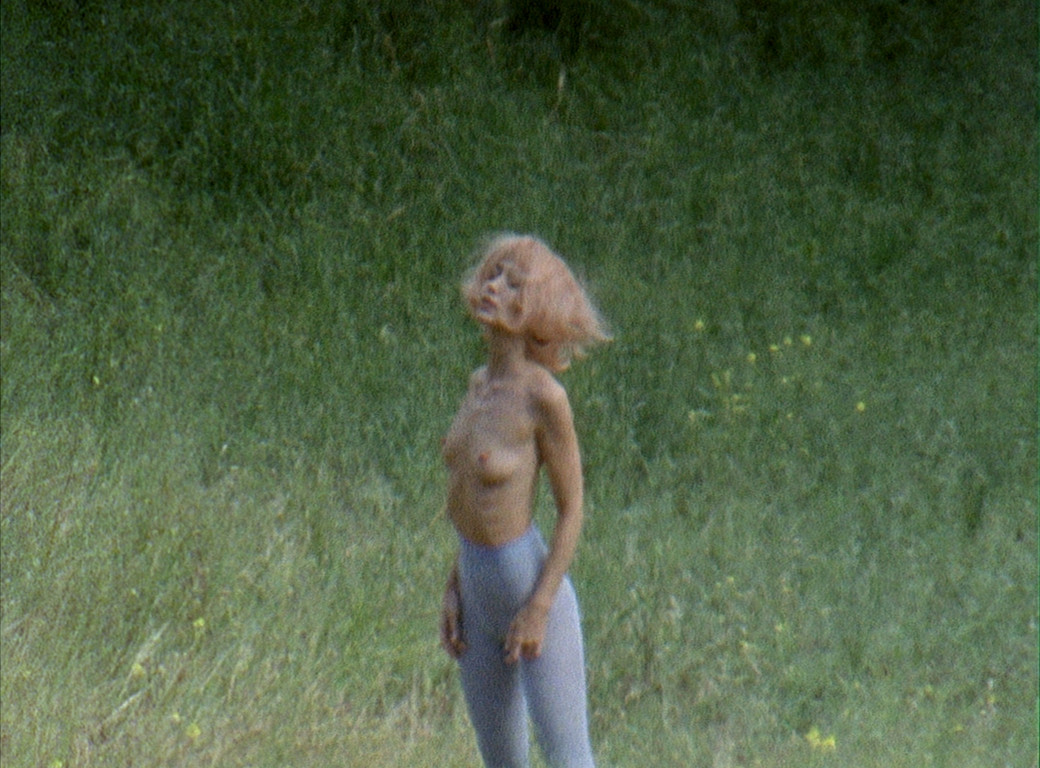
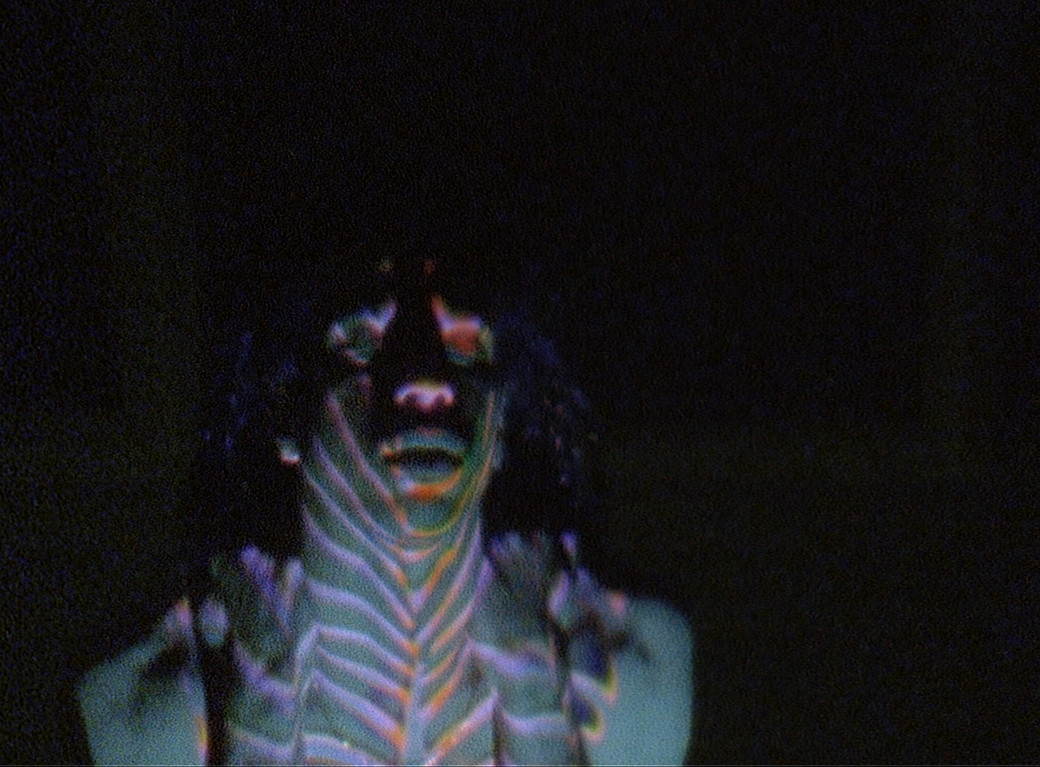
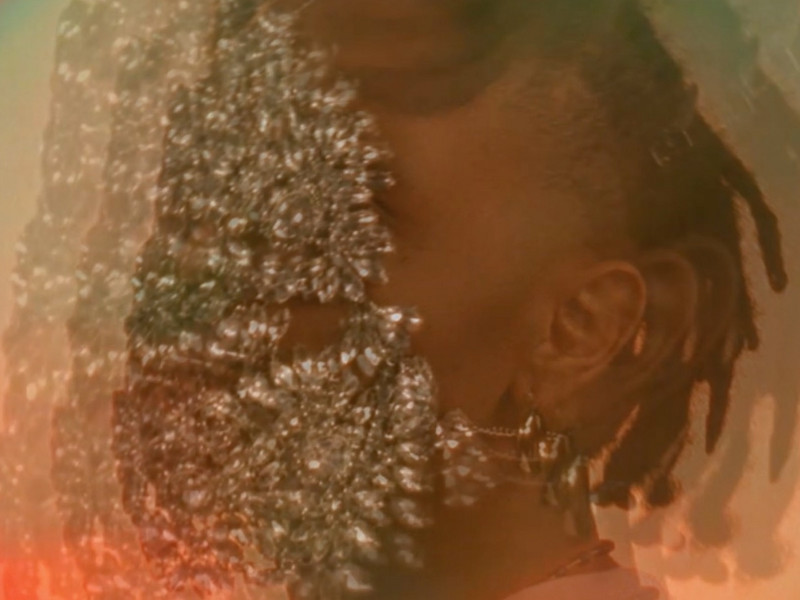
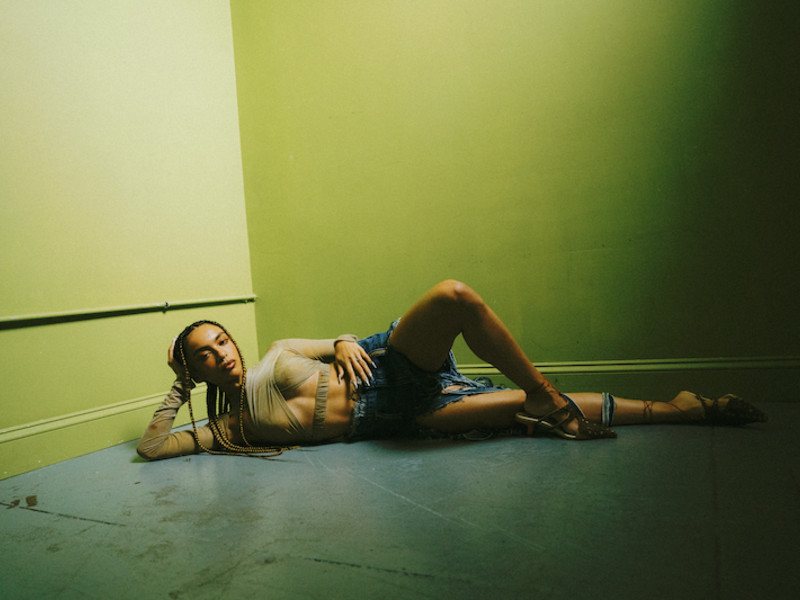
Formless stars Nadia Lee Cohen, Ajani Russell, and Sean Frank and was made in all of its complexity during quarantine—a time with many artistic limitations. Cara Stricker abandoned her comfortablity in having a crew with complex equipment and adapted to fit these new circumstances. She utilized a zoom lens to maintain distance from her subjects and went old school with a Kodak Super 8.
The short does a dance with what we can and can’t see, deconstructing the idea of a human form in order to conceptualize what goes beyond it. To further this give-and-take, the accompanied ambience is layered with frequencies and vibrations used in meditation practices to reimagine one's 'self' and harmonizes with the film's display of sculptural movement.
Yesterday, the film premiered with Terrible Records and the ambient album was released on Spotify.
Check out stills from the film below.