- Become a Model Citizen here.
Stay informed on our latest news!

Prior to the discovery, she and many of her loved ones contacted police about threats to her safety — all of this following a whirlwind of bans on gender-affirming care, sixteen of which were enacted this year.
Upon finding Mora’s body, the NYPD placed a police seal on the apartment to enable a proper investigation. However, Thomas Geberth of the 46th precinct, the detective assigned to the case, went on vacation the following day, postponing the search and leaving the evidence in record heat for over two weeks. Mary lived in housing provided by Urban Pathways, an organization that aims to make housing more accessible for those at-risk and in-need. In spite of this, the organization contacted Mary’s family demanding the furniture and apartment be given back immediately shortly after the discovery, disavowing the police seal meant to preserve crucial evidence.

The weekend of the memorial, Urban Pathways broke the police seal and erased any and all evidence that would have enabled a reopening of the case. Mary’s loved ones refuse to let names like hers fade into the background. Pauli Cakes, a community organizer and dear sister to Mary, as part of her chosen family, shared a few words to shine a light on the essence of who Mary was and the many dreams she had before she was put to rest:
“Our fallen angel Fernielle “Miss Mary” Mora also known as Mary and Fernie to close friends, was a shining star and beloved community member who tragically passed away in the beginning of July. Mary was born in the Dominican Republic and grew up in the West Bronx. She attended Harvey Milk High School in the Village, and was loved deeply by her friends and family. She was always known to be an unapologetic life force and an intuitive light with an infectious smile and laughter. Mary loved art, astrology, crystallography, fashion, nightlife and tarot. Mary was gifted with the ability to read tarot cards and channel clairvoyant messages from other realms.
She's always been an angel amongst us.
In 2014, Mary started going out and became a familiar face in the queer nightlife circuit in Brooklyn and Manhattan. Despite the adversities that Mary faced, she always strived to help others. Before her passing Mary had plans to go back to school to find work in an anti-sex trafficking agency and to become an advocate for LGBT youth. She had disclosed to loved ones that she was looking forward to continuing her transition and to a bright future ahead of her. Mary’s story is important and we must continue to shout her name, keeping her memory alive as we fight for her justice. Mary had just turned 26 at the time of her passing; the average life expectancy for trans people in the USA is 35 years old. We ask for friends and loved ones to please continue to amplify Mary's name and story.
We’re also still collecting funds for her family and memorial so please circulate and donate to the GoFundMe. Peace and love in the name of Mary #MissMaryMora”

At the rally, organizers from STARR and F2L and Mary’s friends and family compiled a list of demands on how to proceed forward in protecting the lives of those in the vulnerable trans and queer community. The demands are as follows:
- The City of New York and Mayor Eric Adams must establish a TLGBQ+ committee of dedicated workers trained in TLGBQ+ healthcare and wellbeing — “by Us, and for Us” — as well as a Trans specific SVU task force trained in protecting victims of trafficking and domestic violence.
- Urban Pathways must make a statement of breaking the police seal and entering a crime scene before an investigation is initiated, which is both disrespectful to the grieving community and as negligent as the NYPD postponing the investigation on what was a sensitive case.
- The tree next to Marsha P. Johnson’s fountain, at which the memorial was held, to be named after Mary Mora and an additional monument that highlights Marsha’s fountain to be put in place. As it stands, Johnson’s fountain has no plaque, making it difficult to find.
In conclusion, what we as Mary’s community ask is that a higher regard is given to Trans, Queer Black and Brown lives — the list is not hierarchical. As we grieve Mora’s passing, we are met with the loss of another brother in the public eye, O’Shae Sibley. The most radical act for Queer, Trans, Black, and Brown folk is to live long, unapologetic lives. This is a moment in time that we will get through, but it is not one that we will forget. When trans people are under attack, what do we do? STAND UP. FIGHT BACK.


George Edge (left), Dennis McInnes (right)
So, let's set the scene. You want to establish yourself in a particular industry so you decide that you need a website. You don’t love Wix or Squarespace, but you've never done this before and the platforms are seemingly easy to use. You start creating your brand, because well, it's yours, but then, after a couple of months, nothing comes of it. You are left looking at a digital trail of dead ends, dry designs and dud copy with the only course of action to be to untether your debit card from the subscription. Sure, your website has a Scandi aesthetic, but is minimal still even trending? And your posters and album cover look OK, but why settle for a workshopped project versus a good ol’ design made for you? None of that Dior Sauvage collectivism. Look instead to the prowess of design agencies and small practicez capable of flipping your idea into a story and your story into something that sticks — crafted, pushed out, and lapped up.
The best designs live in the present and evolve into the future and Cave Studio is one such entity that creates visual identities that are marketable but also personable and sustainable. Edge and McInnes provide elevated designs that cultivate ideas and promote action. Together, they enhance the meaning of images to a standard that garners attention much like a Reddit typography thread (at least for me).


Ahluwalia Spring/Summer 2022
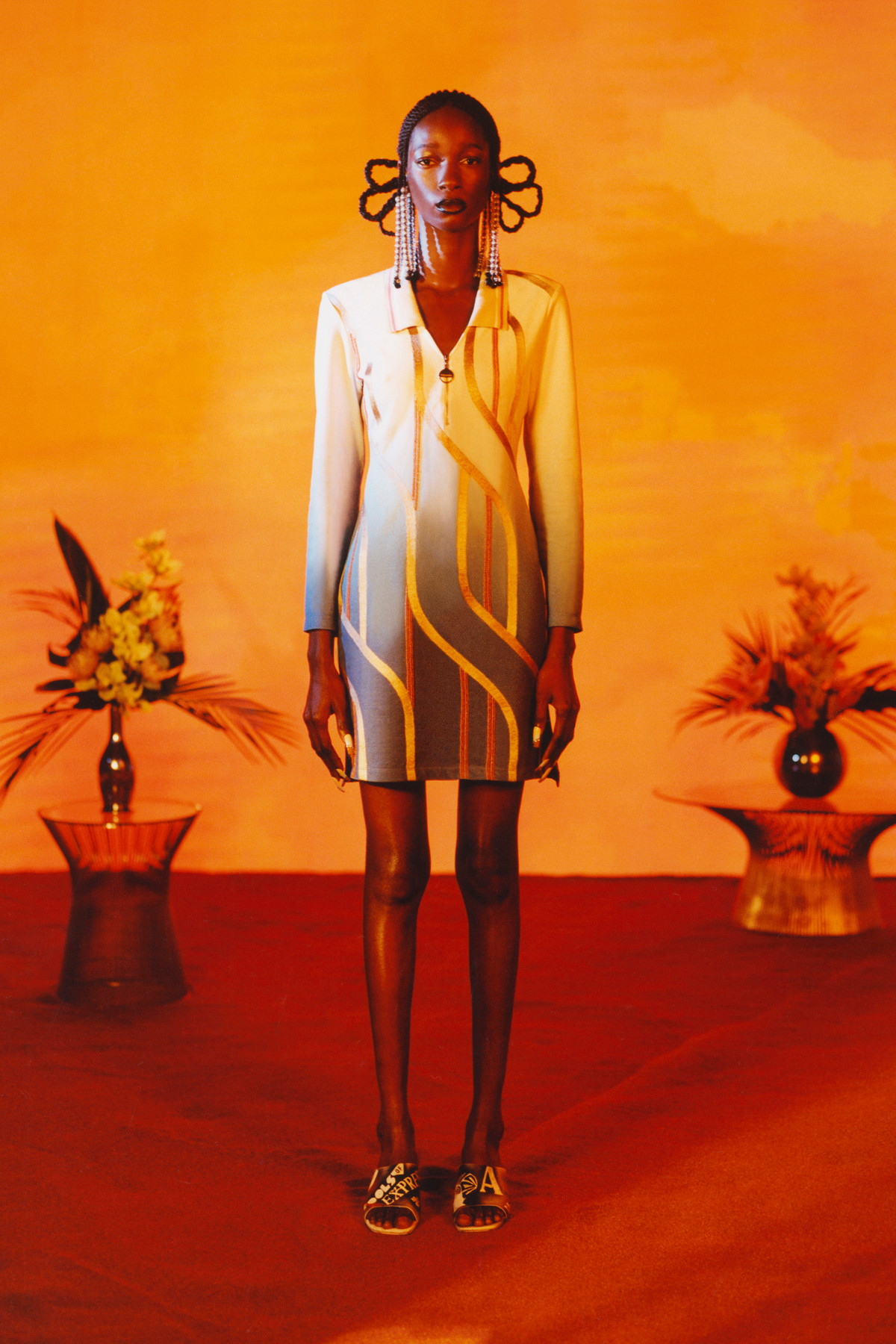
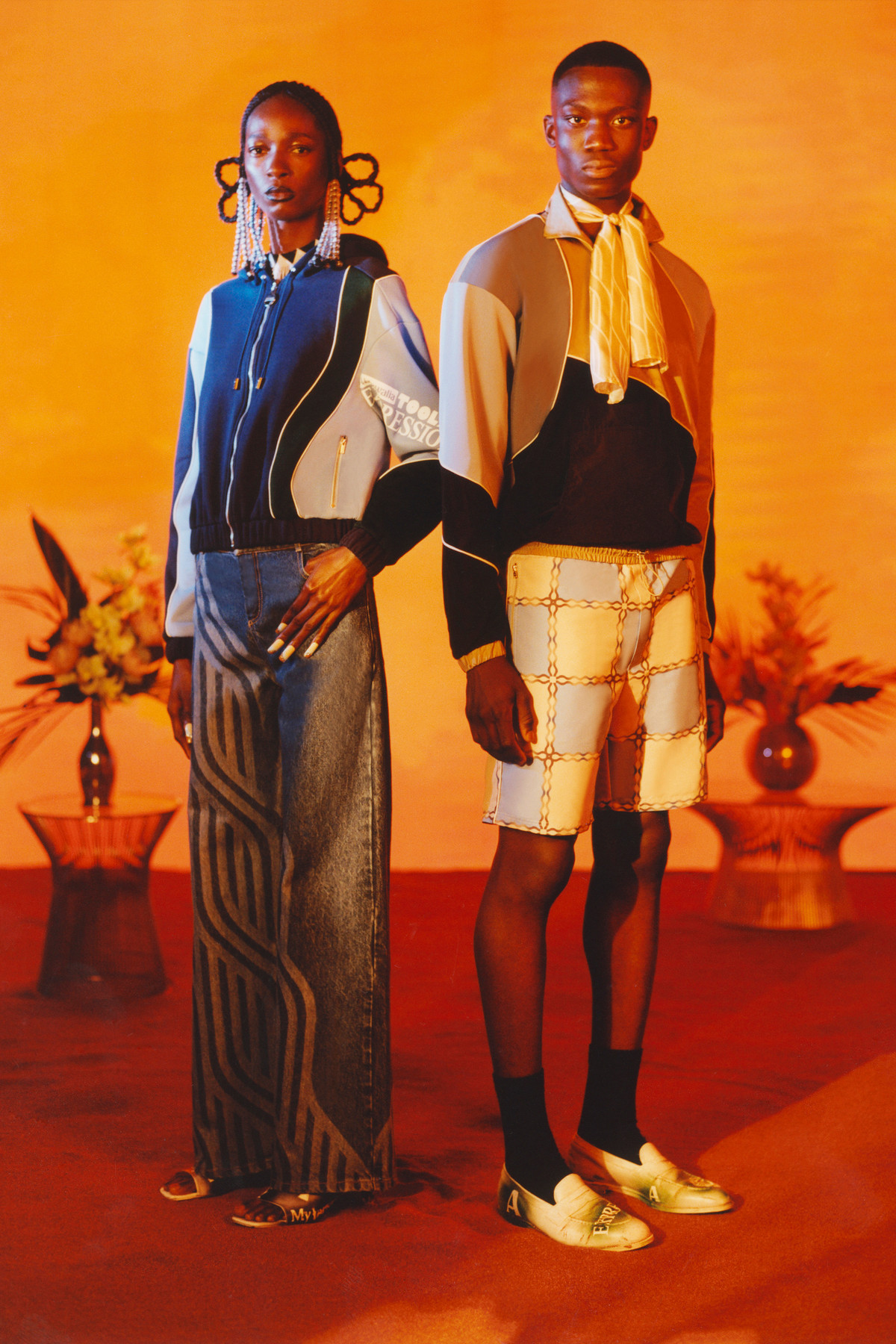
Take their collaboration for Ahluwalia Spring/Summer 2022 for instance. Priya Ahluwalia, the Creative Director and Founder of the brand, shared how the creative duo began with "discussing the overall direction of the collection... then exchanged extensive research and storytelling concepts" before developing their graphics and prints for the line.
Edge and McInnes once worked as separate entities, now as a team, they aim to also include their collaborators in the decision-making for their projects. British visual artist Haroon Mirza also worked with the two on the branding for his record label, OUTPUTS, which has grown since. They didn't come in and change his idea. Mirza said that instead, they “built on the initial reference material both visually and conceptually to create something that embodied the core ethos of what OUTPUTS is about."


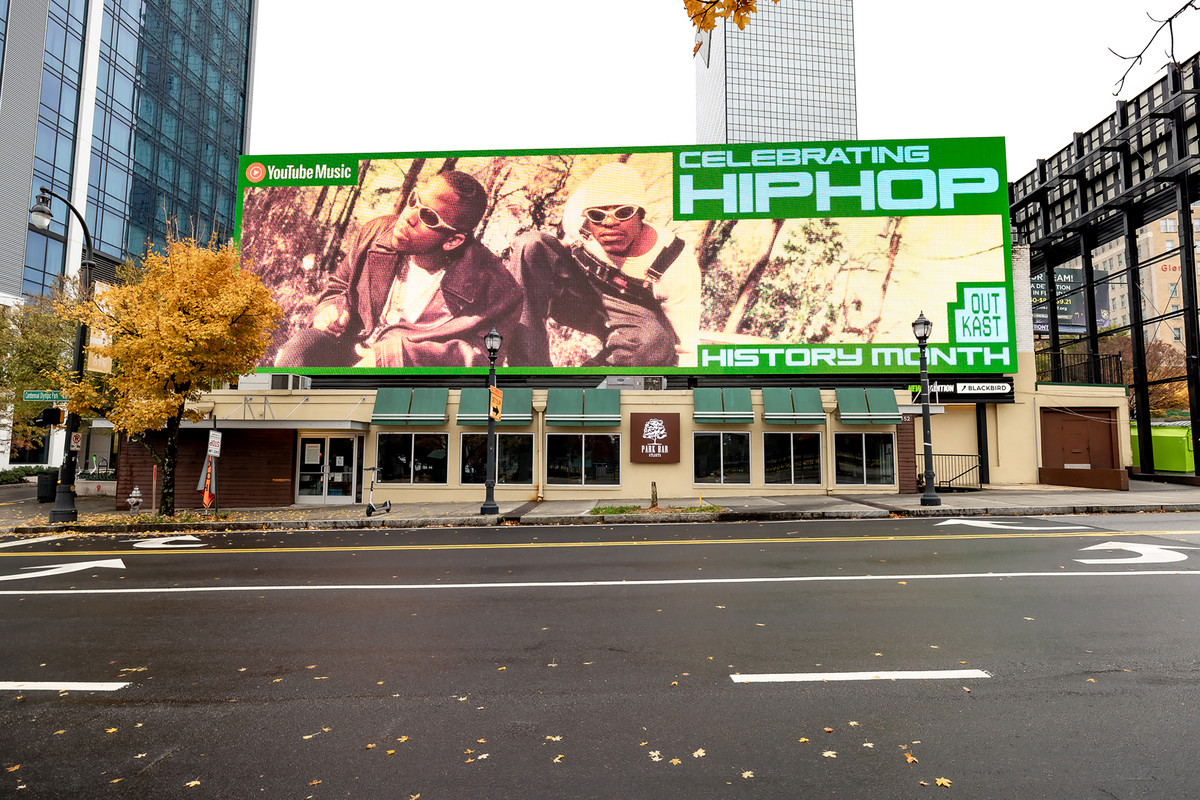
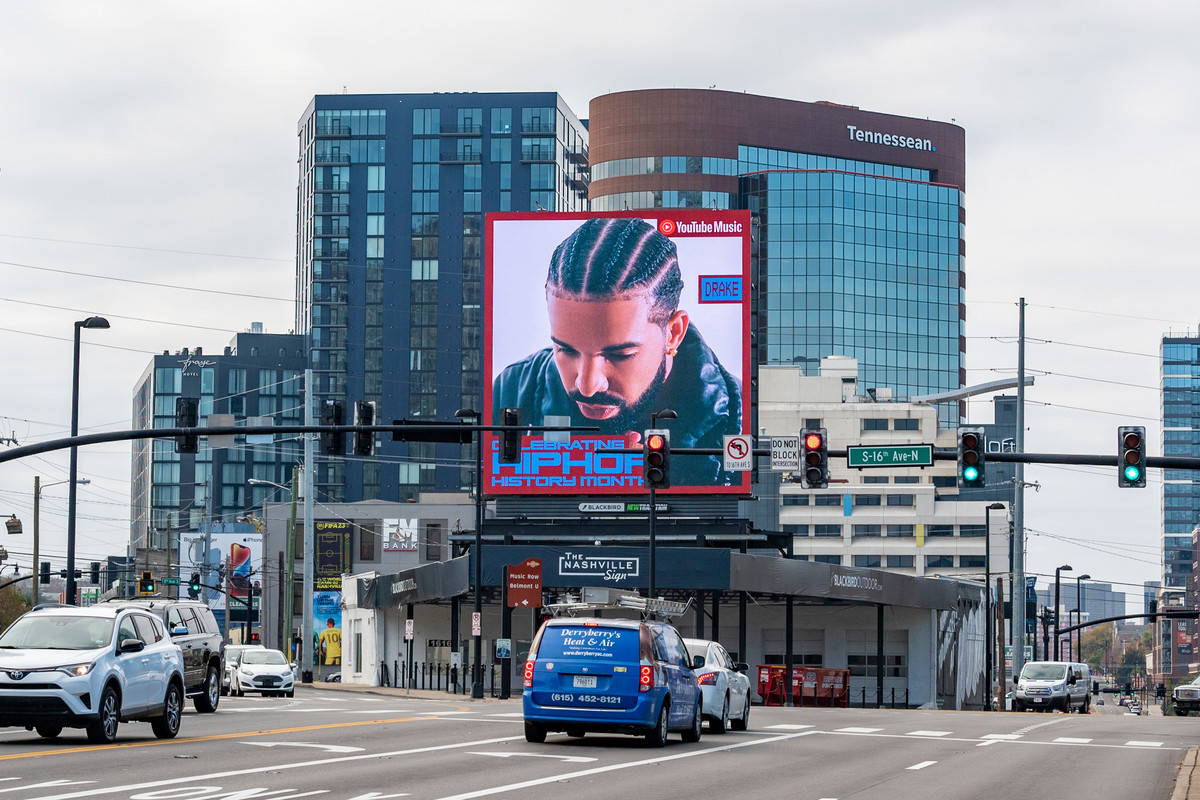
Youtube Music: Hip Hop History Month


It's Peak


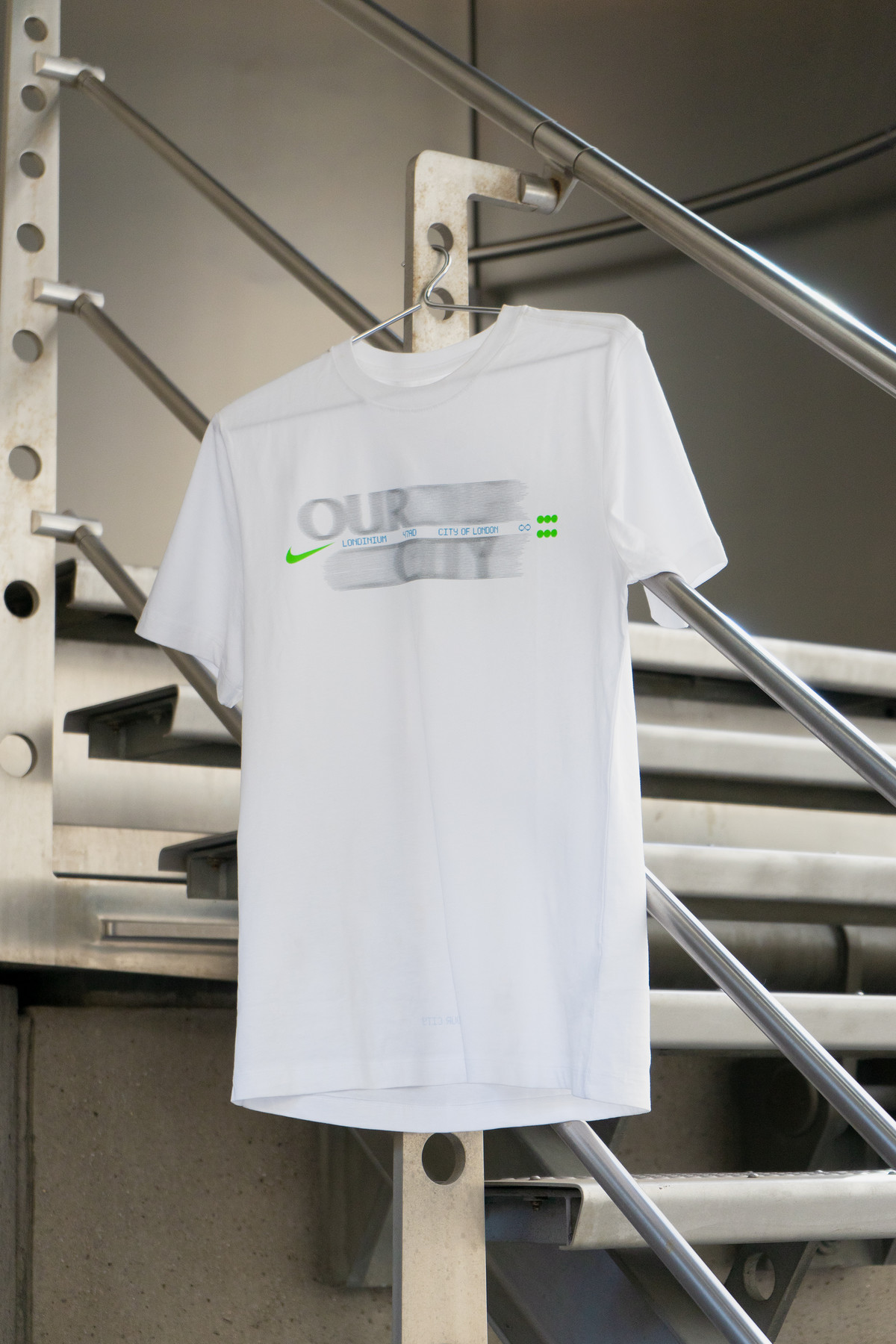
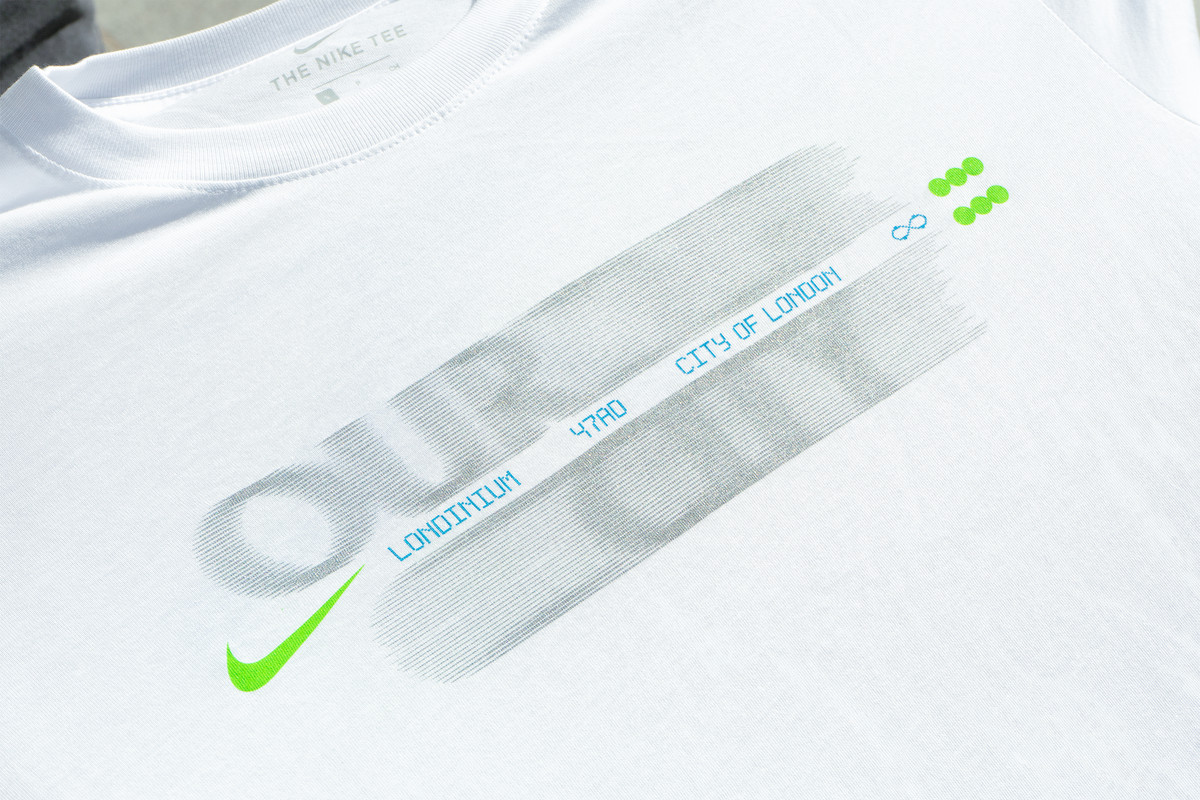
Nike: Our City
Outsourcing is too harsh a word for what design studios do. Cave Studio makes things. They allow artists and creators to tell their stories. They collaborate and work alongside businesses on branding, consulting, and creating websites and logos. They push to expose the heart of a brand then let it interact with and saturate the minds of an audience.
Until, of course, we buy.

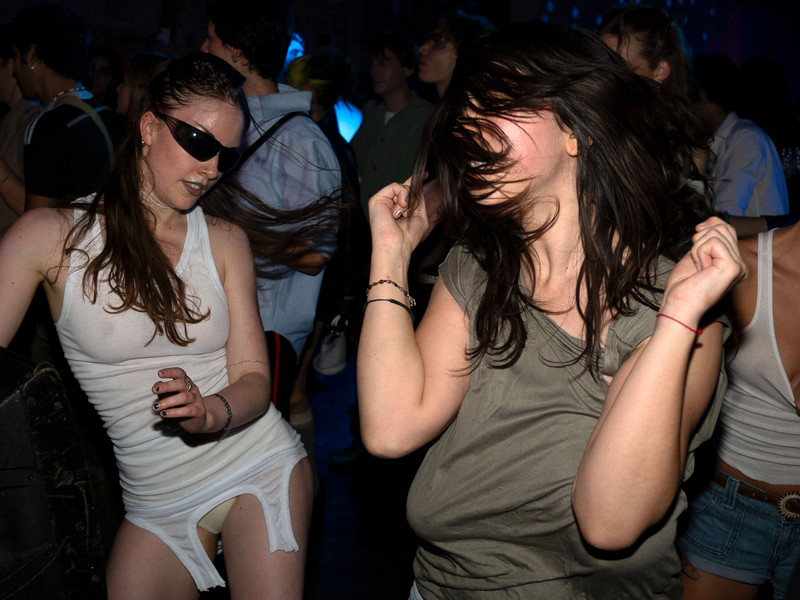
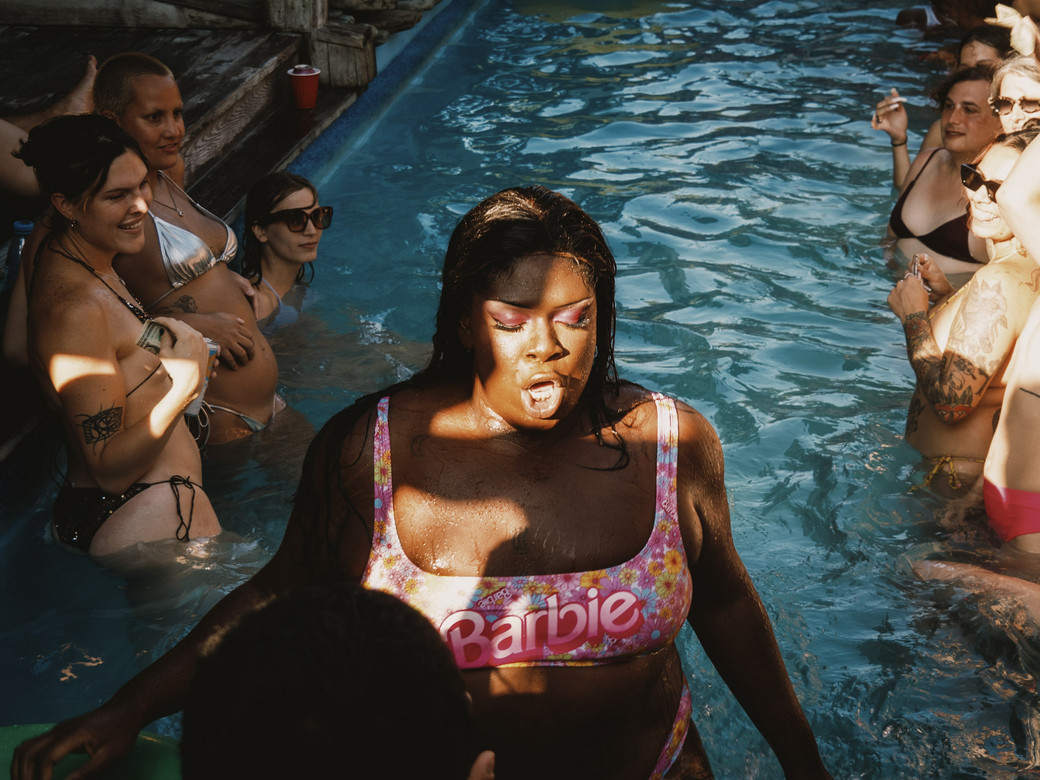
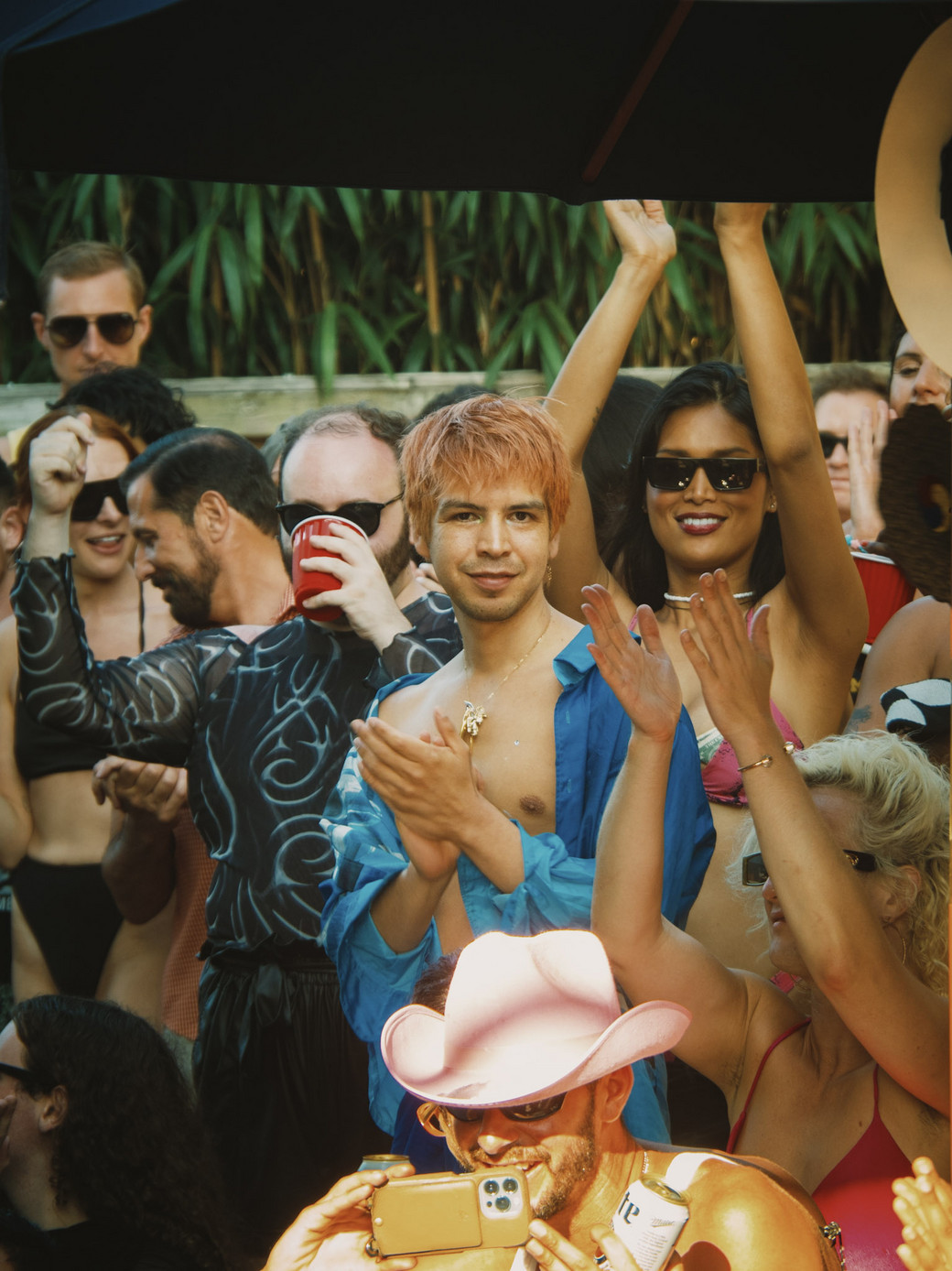
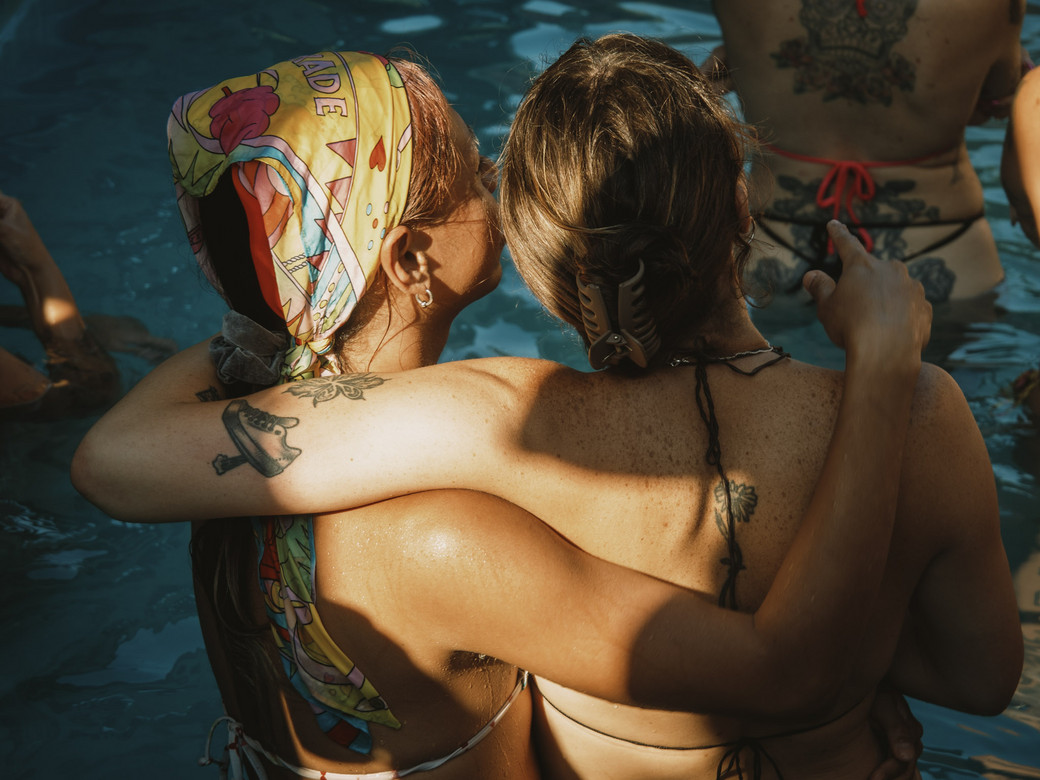
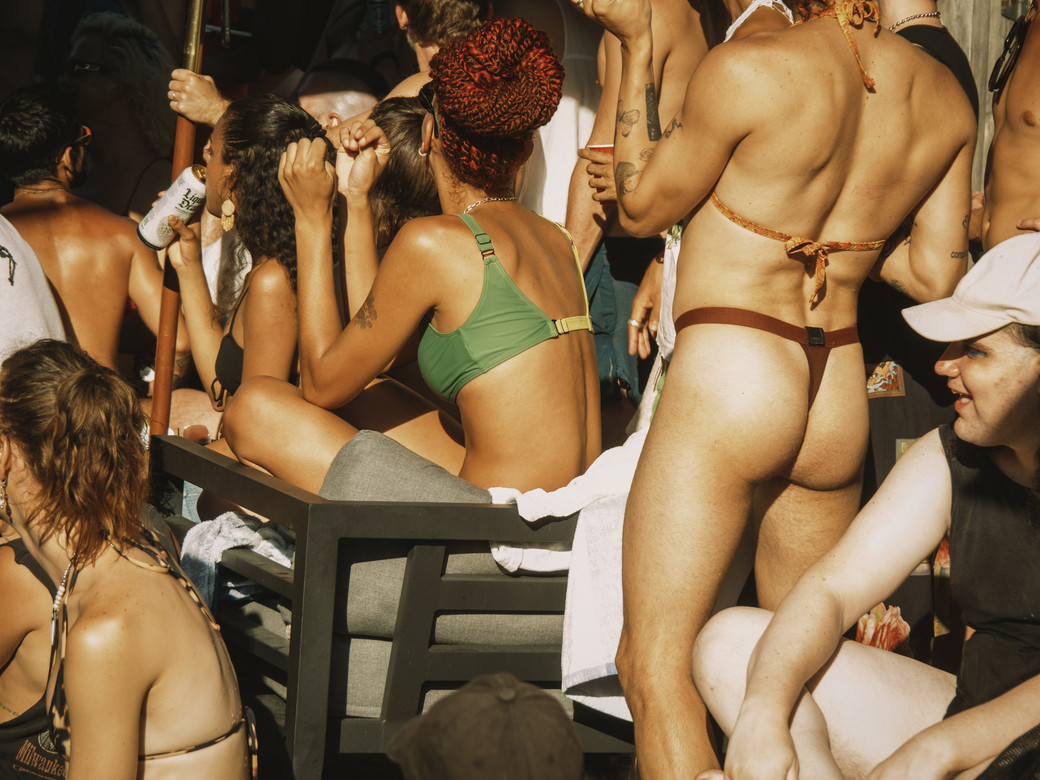
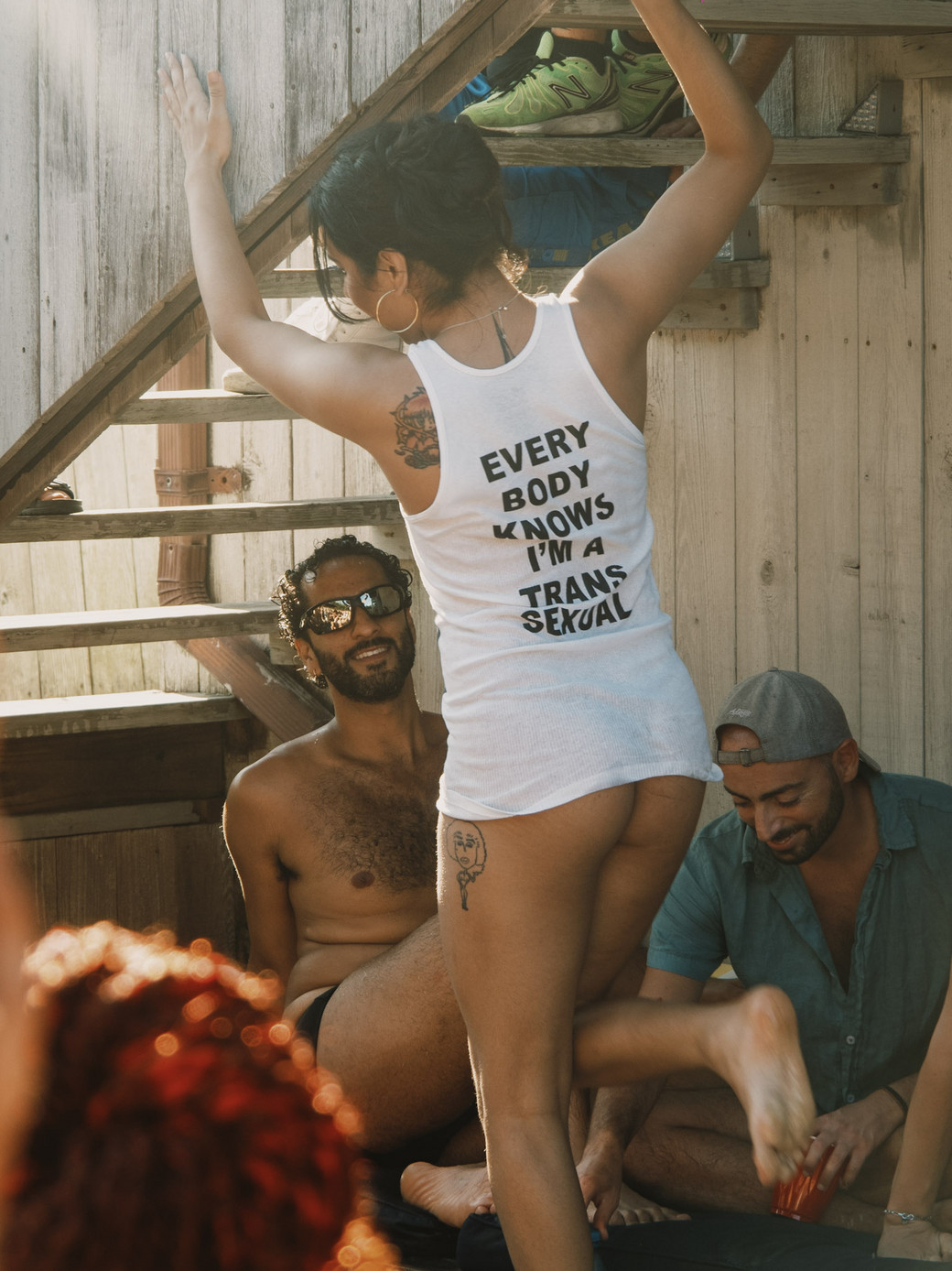
Fire Island, which has been known as a gay vacation destination for a century and has been referred to as “America’s first gay and lesbian town,” is located off the coast of Sayville, New York. Tirado had the idea for the event after taking a “magical” trip to the island with her friends last summer. “There’s something about the utopian nature of Fire Island,” she described, “Filling it with people that are not usually making trips there, like lesbians and trans people and people of color, and feeling safe there – it felt like it could be ours.”
She was also struck by the historical richness of the island, which has served as a safe haven for queer people since the 1920s and provided refuge to many during the HIV/AIDS crisis of the 80s and 90s. But the island has since become a prohibitively expensive vacation site, overwhelmingly frequented by affluent white cis gay men and strikingly absent of almost anyone else. “It’s disappointing now that it doesn’t really feel as radical as it used to be,” Tirado lamented. “But what if we created that space?”
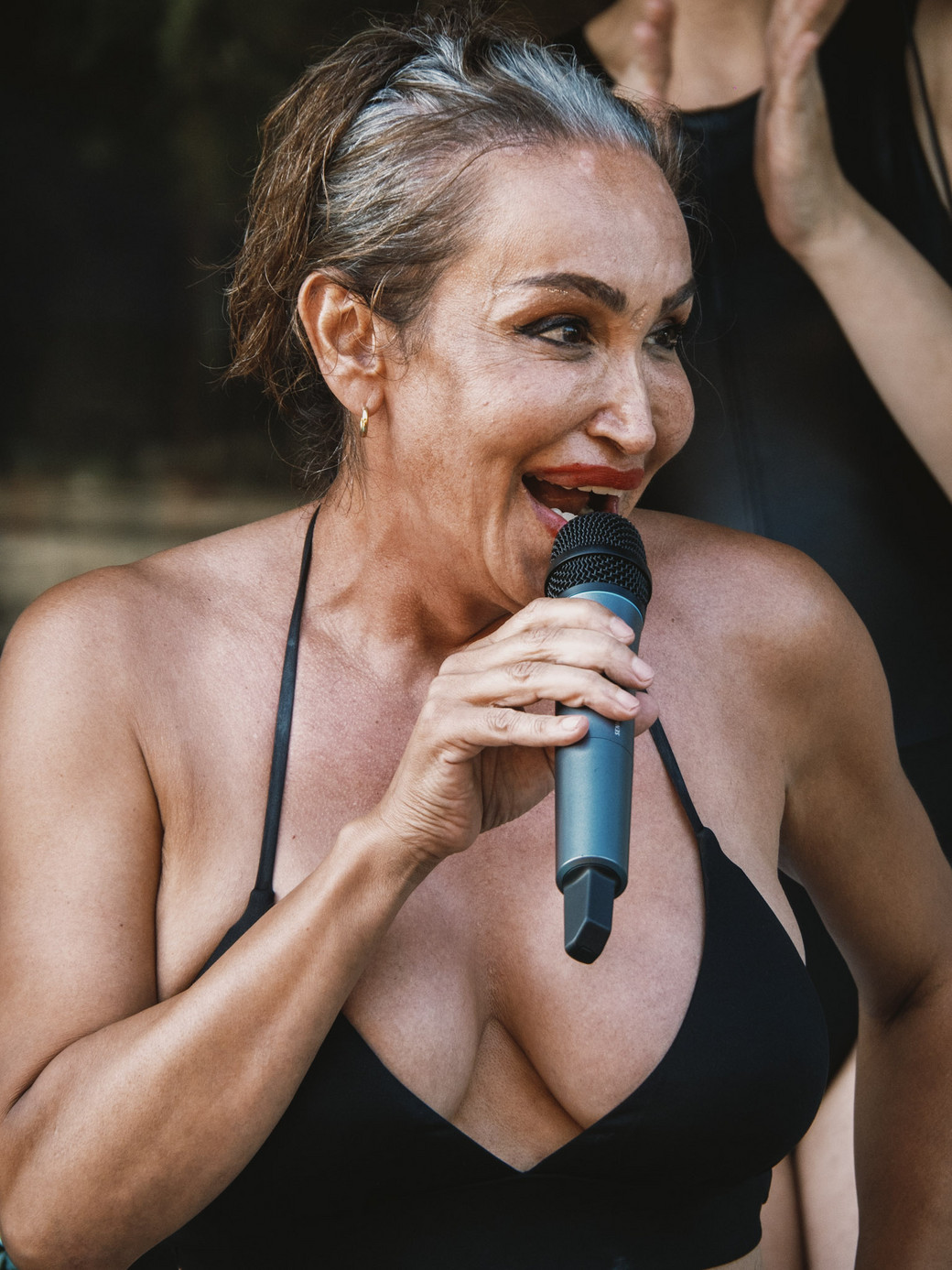
Tirado assembled a coalition to organize the event, including model Geena Rocero, designer Willie Norris, them EIC Sarah Burke, photographer Hunter Abrams, producer Alyza Enriquez, comedian Honey Pluton, drag artists Chiquitita and Cherry Jaymes, actress and organizer Ianne Fields Stewart, the tattoo artist @faggy_tats, and activist Cecilia Gentili. “It was really a matter of the collective,” Tirado said. “Nobody is the boss. Everybody was activating around the idea and putting in what they could, in real time.”
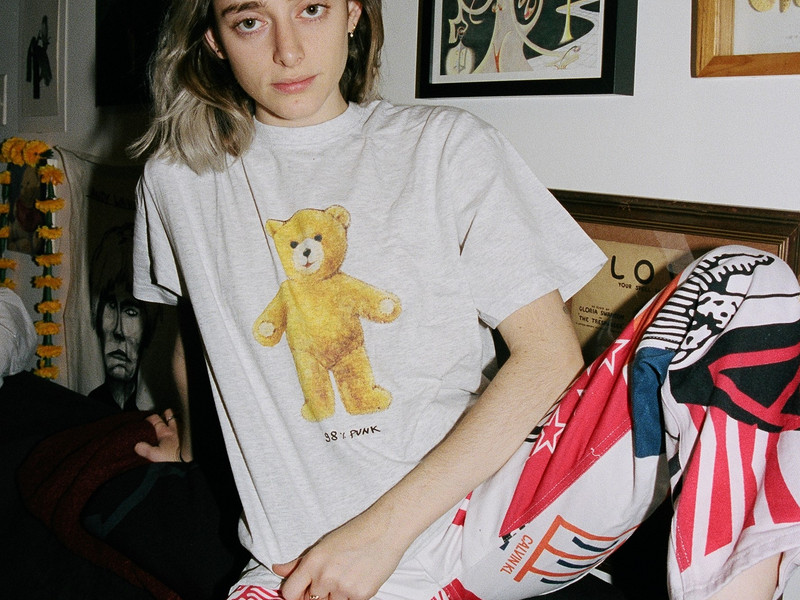
The inaccessibility of the island still presented an obstacle; the journey typically entails a train ride, shuttle, and ferry, and housing on the island is notoriously expensive to rent. But the organizers were able to provide financial support for trans women to travel to the island to enjoy free food, drinks, weed, and DIY tees by Norris.
When I asked Tirado if she had any personal highlights from the day she wanted to share, she laughed. “None that I can put in print, honestly.” Sounds like my kind of party!