The Modern Muse


Stay informed on our latest news!


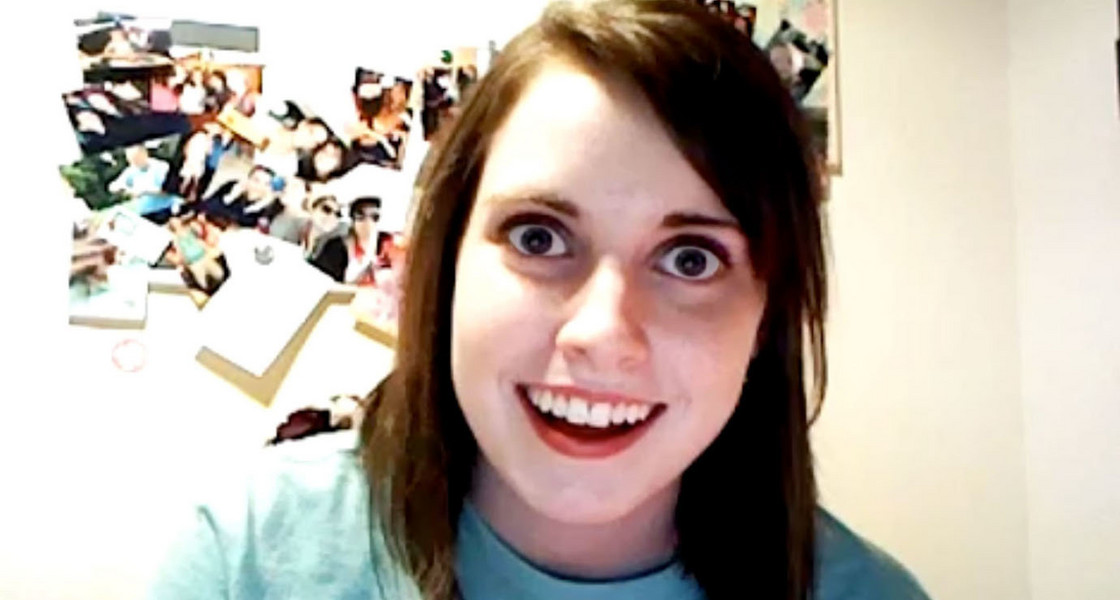
It seems less common to witness such a level of influence in today's digital age — in part because there are far more celebrities than the 1980s — but it still happens. I'm sure we can all remember when Justin Bieber was looking for someone to create a "Girlfriend" song to go with his hit single "Boyfriend," and Laina Morris took to youtube with her unblinking candor. Her "JB Fanvideo" quickly went viral and became the "overly attached girlfriend" meme. The video has since amassed 21 million views on youtube and is a clear example of how the internet has reshaped celebrity culture.
Since the rise of social media, "celebrity" has been democratized, dispersed amongst a growing number of micro-celebrities who prove that being "influential" is now more attainable. Even still, idolization and infatuation still exist as fans become more engrossed and emotionally invested in the lives of their favorite public figures with just a screen to separate them from their perception of those they idolize.
After hours of digging and curiosity about celebrity culture, I discovered a term for the obsession — Parasocial Relationships, or PSRs. By definition, a parasocial relationship (PSR) is a one-sided psychological attachment an individual forms with a media figure, such as a celebrity, influencer, or fictional character. The term was first coined in the 1950s by psychologists Donald Horton and Richard Wohl. In a parasocial relationship, the individual, or "fan," feels a strong sense of connection, familiarity, and intimacy towards the media figure, despite the fact the relationship is entirely one-sided.
In our digital era, the dynamic between celebrities and their fans has drastically evolved. From original icons like Michael Jackson and Prince, to today's sensations like Justin Bieber, BTS, and Taylor Swift, we've witnessed a significant shift in fandom. The evolution, fueled by social media platforms like TikTok, Instagram, and YouTube, brings about a myriad of implications for mental health.
My curiosity led me to comb through a few books like Everything I Need I Get from You by Kaitlyn Tiffany and to chat with people researching in this field. From my findings, the side effects of PSRs aren't all bad, so let's look into some of the positive aspects. A key benefit of PSRs is the sense of belonging they offer. Fandoms — collective communities formed around a celebrity — can be powerful sources of camaraderie and support. These groups foster long-term relationships based on their appreciation of a specific figure, ultimately forging a new way to socialize in the digital age.
[#Swifties could lead a revolution - Repost from Instagram]
I sat down with Aaron Easaw, founder of Koi, a behavioral venture studio, who says that the true power of parasocial relationships lies within fan-to-fan interactions. "What's unique about certain parasocial relationships is that, beyond the talent-consumer connection, the consumer-to-consumer community can be very strong. For instance, "Swifties" are known for their loyalty to each other, while other communities, like Nicki's "Barbs," have a significant focus on minority groups such as the LGBTQ+. With the loneliness epidemic prevalent in Gen Z and Gen A, this level of community offers a reprieve from what might otherwise be a lonely "real life".
Another example is the BTS "ARMY," a global fandom around the Korean boy band BTS, often rallying together to support social causes and create safe online spaces for fans. BTS has even said that they exist because the ARMY exists.
Although a net positive, the reality of celebrity infatuation also has its faults. There is a fine line between admiration and obsession. As my grandma used to say, “Too much of anything is bad for ya,” and that is especially true when reflecting on PSRs. The question here is: “What is a healthy amount of fanaticism?” Young fans often invest significant amounts of emotional energy into their favorite celebs, even to the point of distress, especially when the celebrity faces hardships or controversies. For instance, when YouTuber David Dobrik faced serious allegations in 2021, it caused a crazy wave of distress amongst his young followers, some of whom reported feeling personally betrayed.
We are not inherently equipped to handle the emotional volatility that accompanies the constant need to "keep up" with the latest trends in media while also maintaining our personal lives. This constant balancing act takes a toll on our mental well-being. With this in mind, there are two primary factors that deserve consideration:
1. Social Media Isn’t Real.
Social media often presents a curated, near-perfect depiction of celebrities' lives. Young people, in their formative years, often compare themselves to these seemingly flawless personas, feeling a sense of inadequacy and dissatisfaction when they fail to measure up. This is amplified by influencers promoting products or lifestyle choices that are extremely unattainable for most.
2. Celebrities are Human Beings. Everything you experience in your humanity is no different than them.
We’ve seen detrimental effects in fans' ability to respect celebs' humanity and understand the concept of consent and boundaries. It breeds an interesting sense of entitlement, leading fans to feel like they have a right to know every intimate detail about their favorite celebrities' lives, encouraging an environment where invasion of privacy is normalized. The issue is amplified by the media's constant scrutiny of celebrities, furthering the illusion of accessibility.
In this new era of fandom, it's essential to recognize the double-edged nature of parasocial relationships and self-evaluate where we fall on the spectrum of idolizing public figures. The solution isn't to demonize these relationships, but rather to promote media literacy and educate ourselves on how to healthily engage with cultural figures. In doing so, we can ensure that the fandom experience and our own lives remains as a source of joy, not distress.
So before you become a keyboard warrior and chew out your least favorite celeb in their comments due to recent controversy or even find yourself feeling a little woozy in the presence of your favorite star, remember — we are all just human.
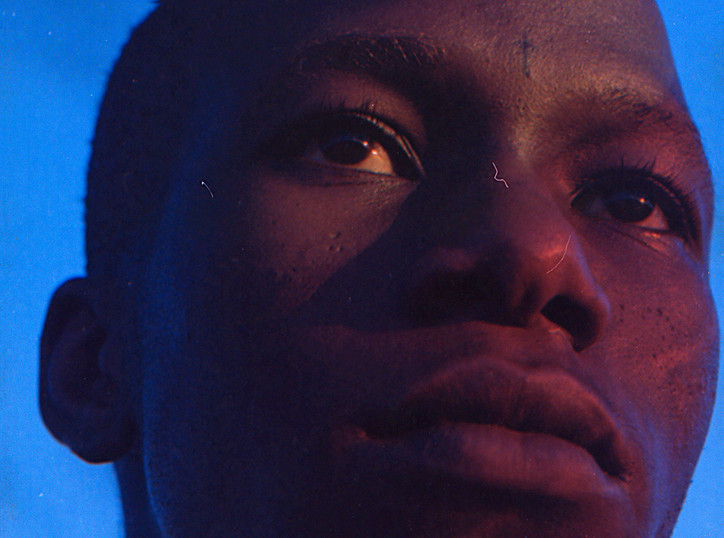
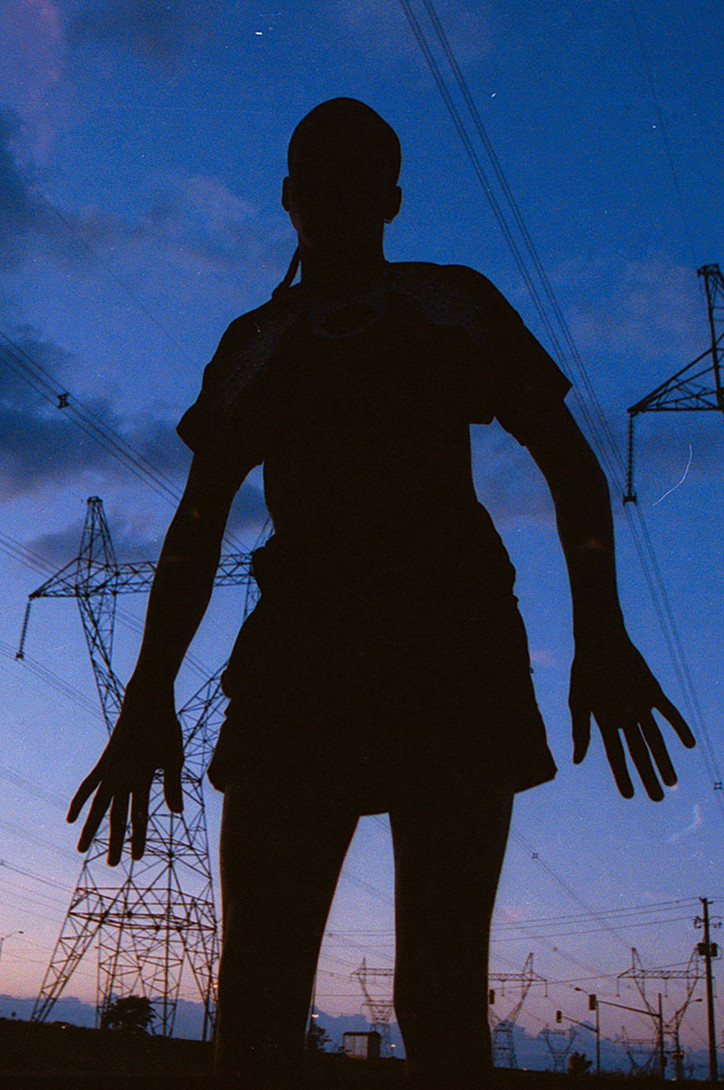
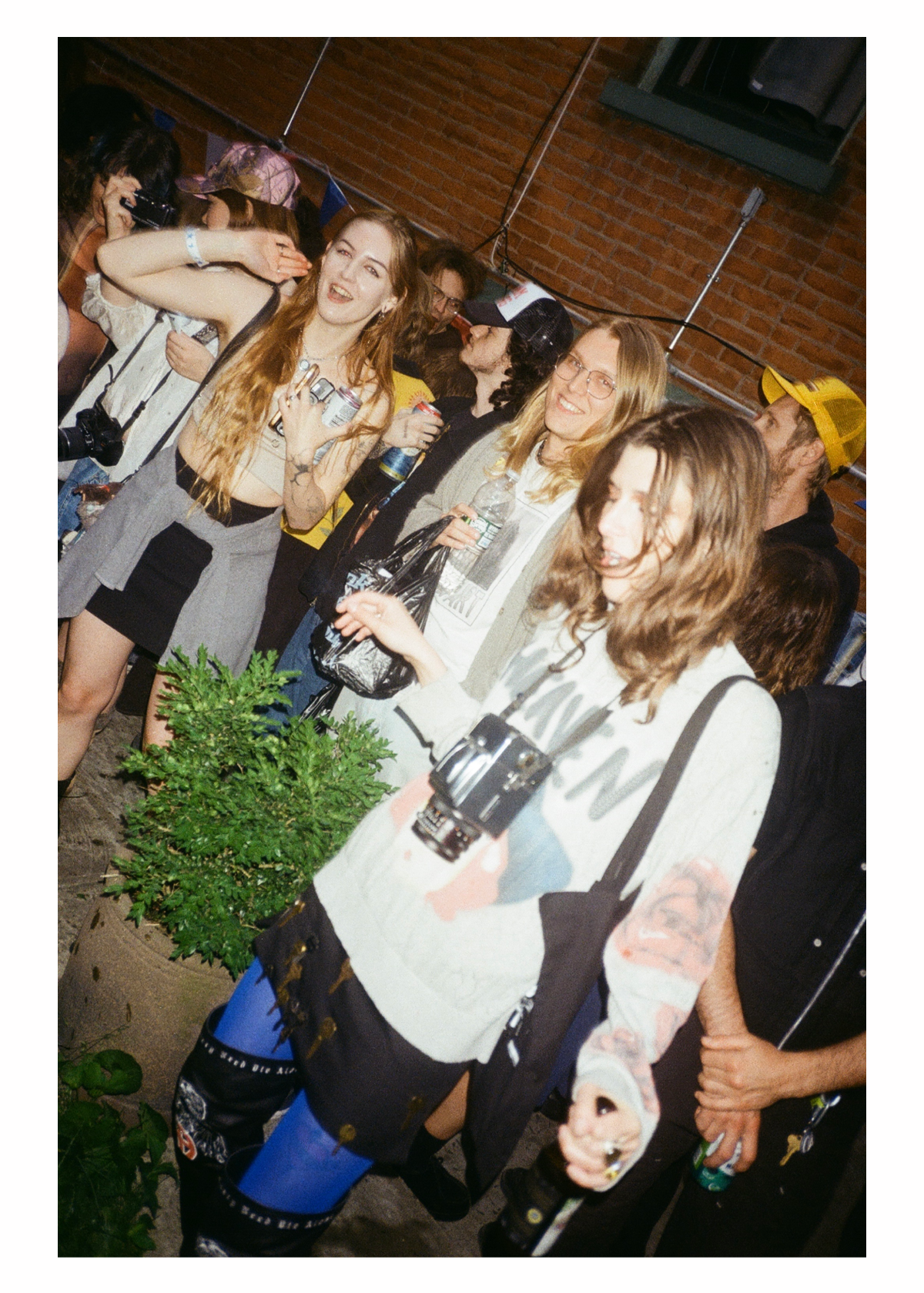
Much like others who grew up on Tumblr, November Girl’s Willa Rudolph and Sofia inevitably fell for the queen of all that is red, white, blue, and piping with melodrama. Their love for Lana Del Rey and her Americana aesthetic set the groundwork for their event — a backyard concert held at the Moran Victorian Mansion in Bed-Stuy. Later in the night, while in line for the bathroom, a guy told me that he heard that an art benefactor bought the brownstone for Georgian artists to live and work. Think Chelsea Hotel except, not.
In the midst of all the madness, I spoke with Willa who shared the reason for the theme: "We wanted to do something fun and active to kick off summer. Sofia and I were both in my music video for November Girl’s single Keychain, which involved mud — well it was inspired by CarStuckGirls — and mud has kind of just been a theme for me, visually and symbolically. Other than that, mud wrestling is just hot, icky, and fun.” The $11 hot dogs and PBRs drove home the American dream-like ambiance that pervaded the roar-filled air. It felt as if it was the fourth of July, not the first weekend in June.


The concert opened with Le Bang's debut. The French, drum and bass project opened based its show on a made-up comic that goes: Lola Lancón swallowed a grenade during Godzilla's first New York attack, turning her into a superhero with the power to make catchy lyrics with bass lines reminiscent of DIIV and La Femme. Clad in a mask and hot pink, duct tape corset, she performed with her bandmates Stavros Lari and Billy Hay of Gun who wore a clown nose and eye patch.
I then saw my first fight of the night, Stav vs Billy. A full referee was there as well — whistle, striped jersey, matching Adidas flats, and all. The only rule was you had to hold the opponent down for three seconds and you had two tries. Billy won, but he kept slipping when trying to get out of the kiddie pool, splashing mud on my legs (even if you didn’t fight yourself, there was no escaping the mud).
In between sets, people continued to take of their shirts to get down and dirty while Adam Targove from Speed Angel DJ’ed. He somehow managed to pull off using a range of tracks from O.D.B to Grimes to his own club banger six times. I didn't even notice until he told me himself.


The sun began to set as Homade, the only all-girl band of the night, played. They looked like Daria characters irl and sounded as if early Cherry Glazerr amped up the 90s grunge. Before the show, singer and bassist Lola Daehler said, “The DIY scene is fucking cool. It’s mostly happening in Brooklyn, where people actually know how to have a good time. There’s nothing like being on stage when it’s you and your friends throwing the show.”
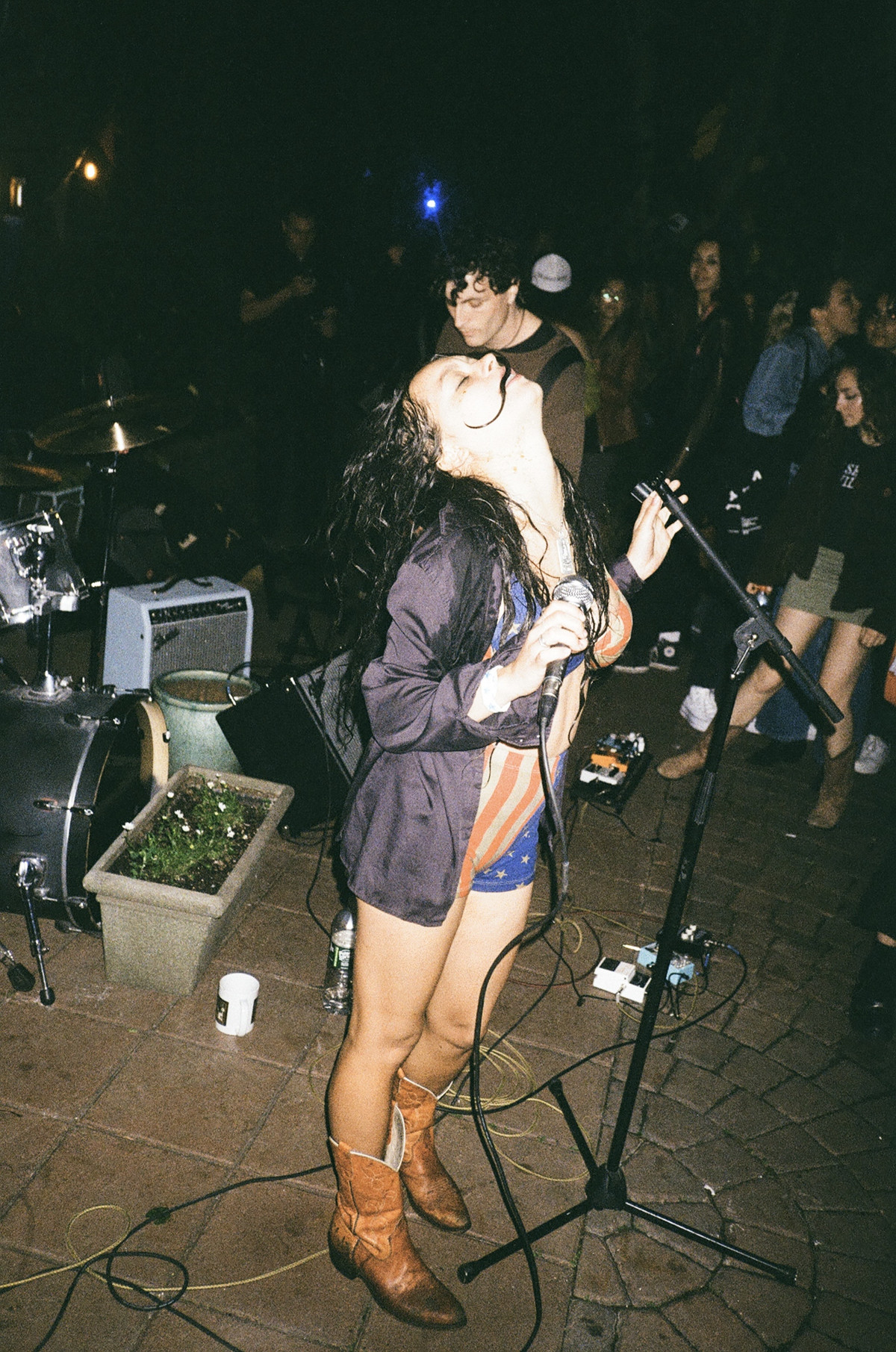
We all continued to dance or mingle on the balcony under the stars until it was time for the throwdown we were waiting for — La Loca vs Bang Girl and Triple D vs The Ho Down. The four girls on the flyer wrestled eachother. Afterwards, Sofia played a set featuring unreleased songs apart from “Boys.” It’s a favorite to see live. She gave it her all, falling to the ground while screaming, “I would do annnnnnythinggggg.” The new tracks appear darker and edgier than her usual indie pop-rock jams. She even invoked a mosh pit to break out in the middle of the backyard.
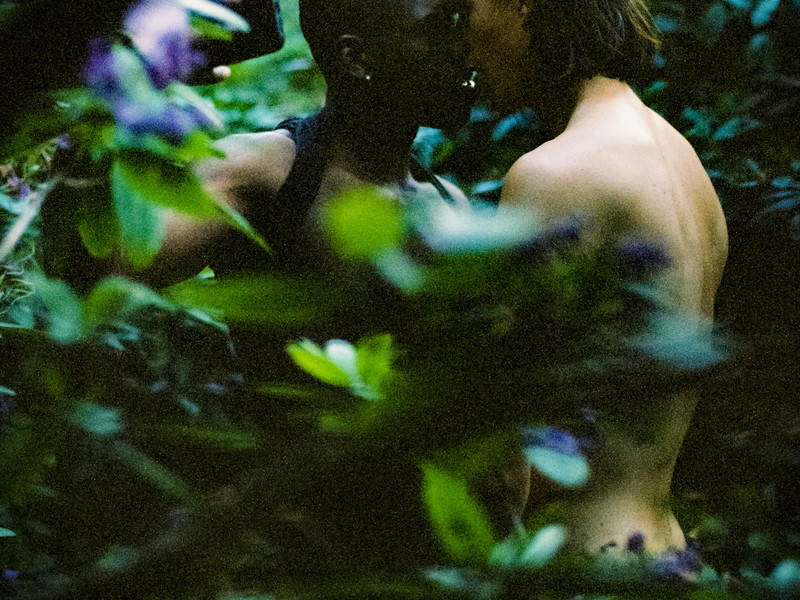
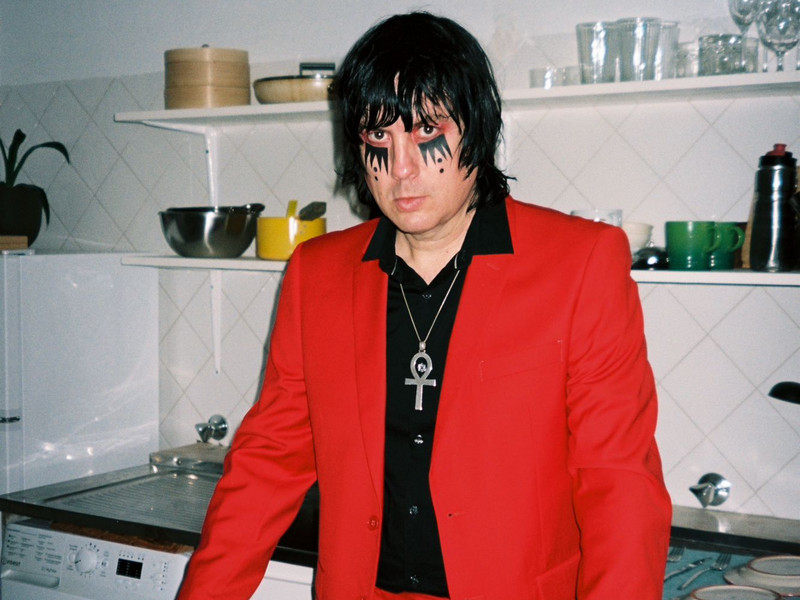
November Girl ended the night with a manifestation for two things: 1) amazing pussy 2) for all our wishes to come true. Adorned in a Spring Breakers type outfit: flag bikini, booty shorts, and hightop Nike sneakers, Willa's boy band played Smashing Pumpkins inspired riffs. Before Adam could play "808" for the seventh time of the night, the cops were already outside shutting it all down. See photos from the night below.

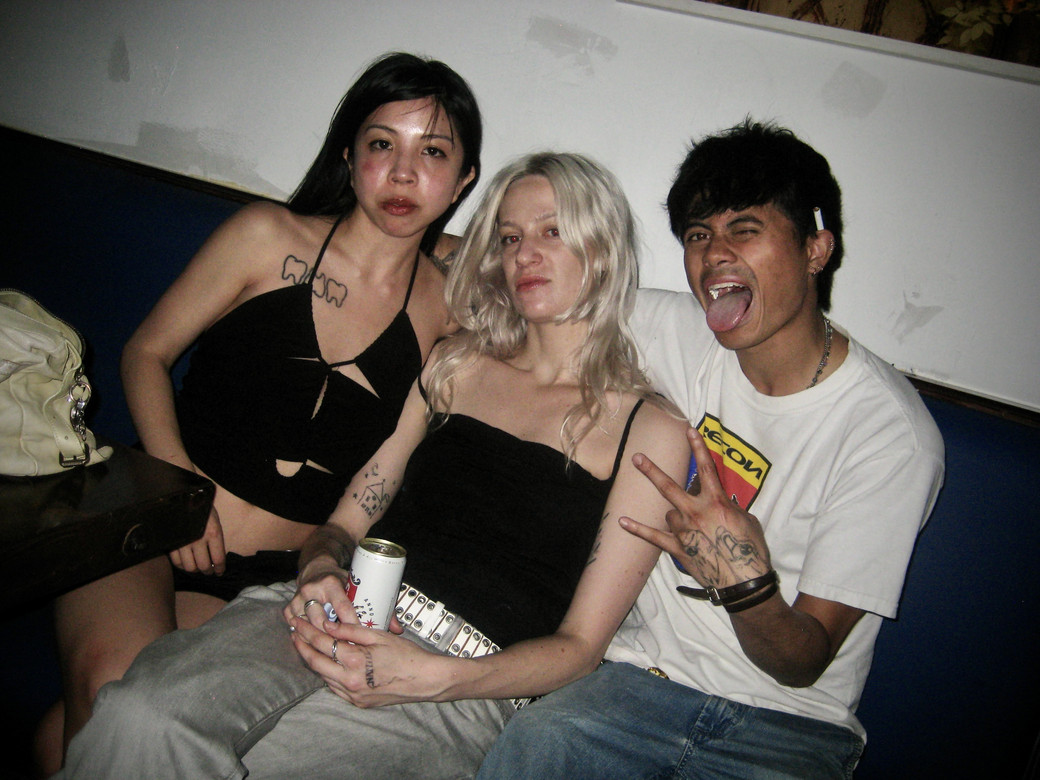
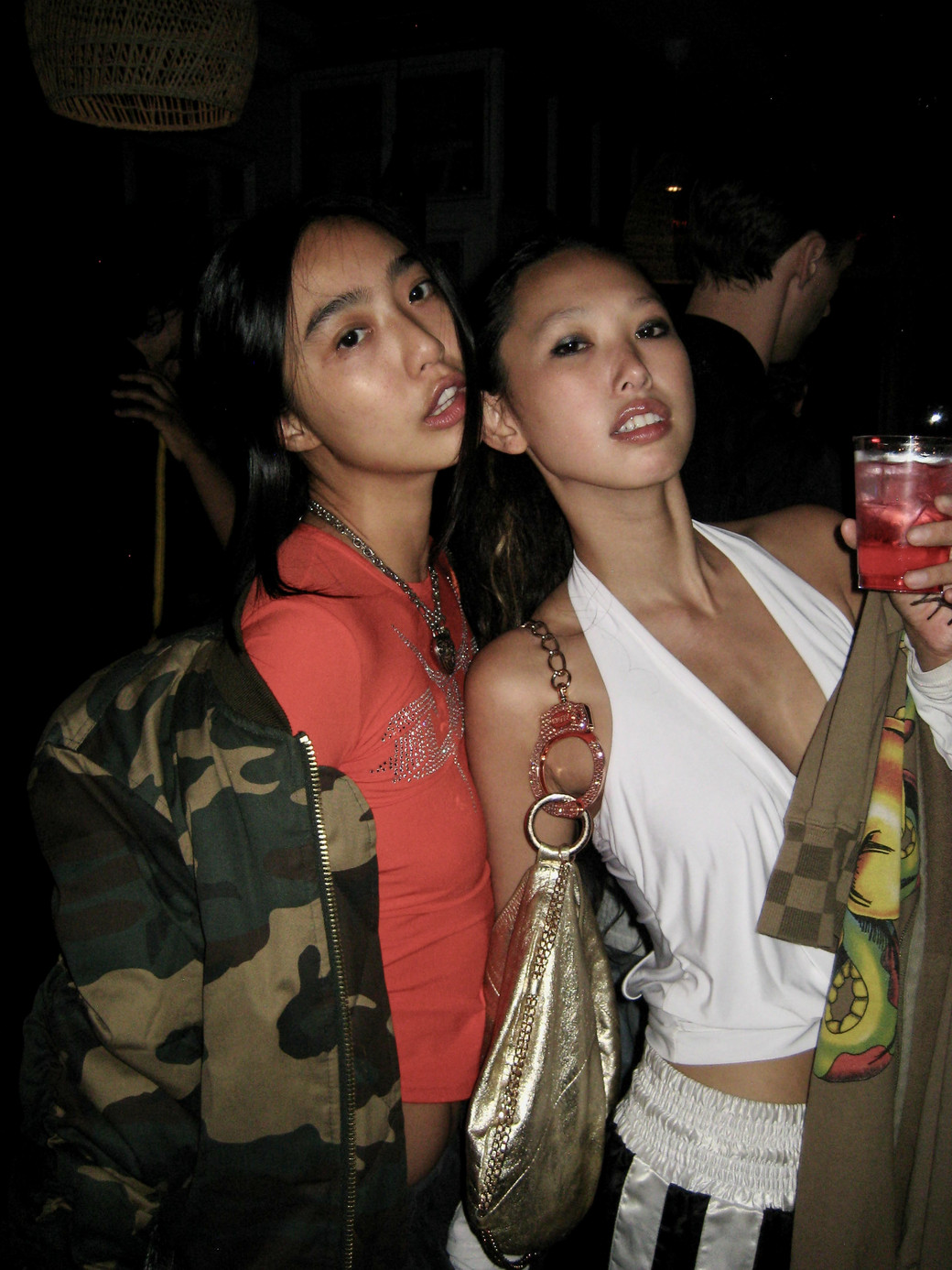
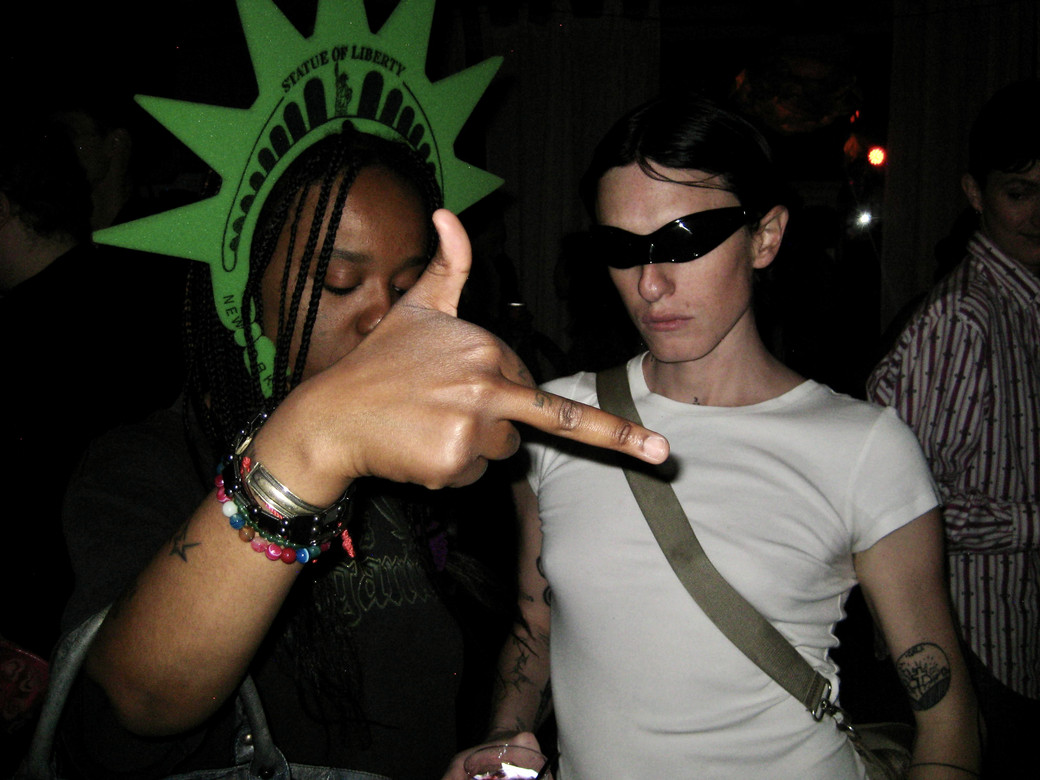
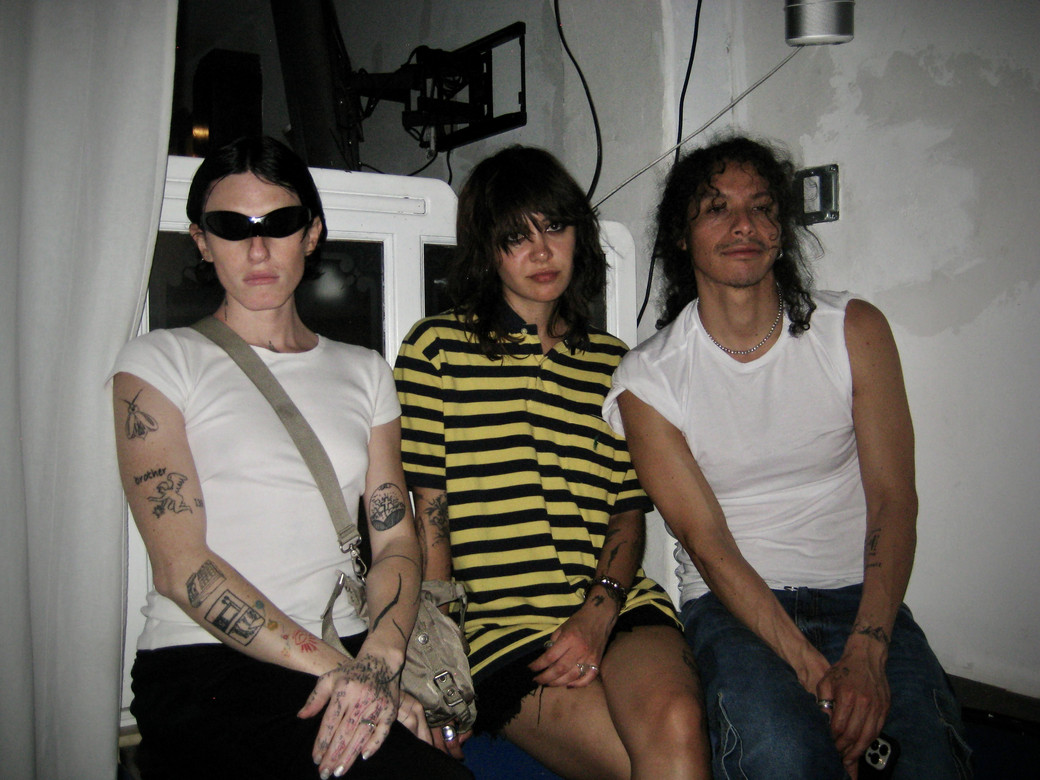
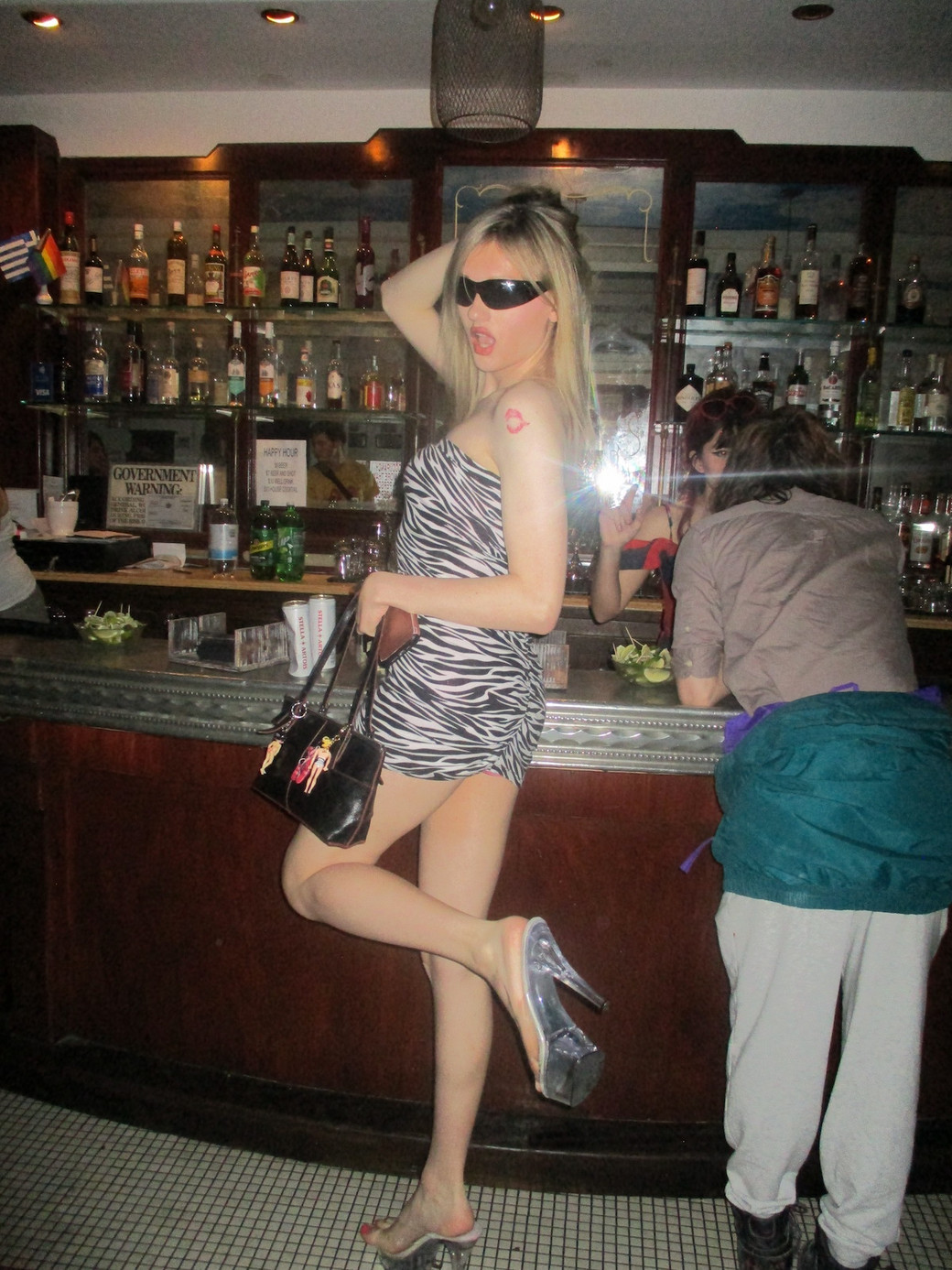
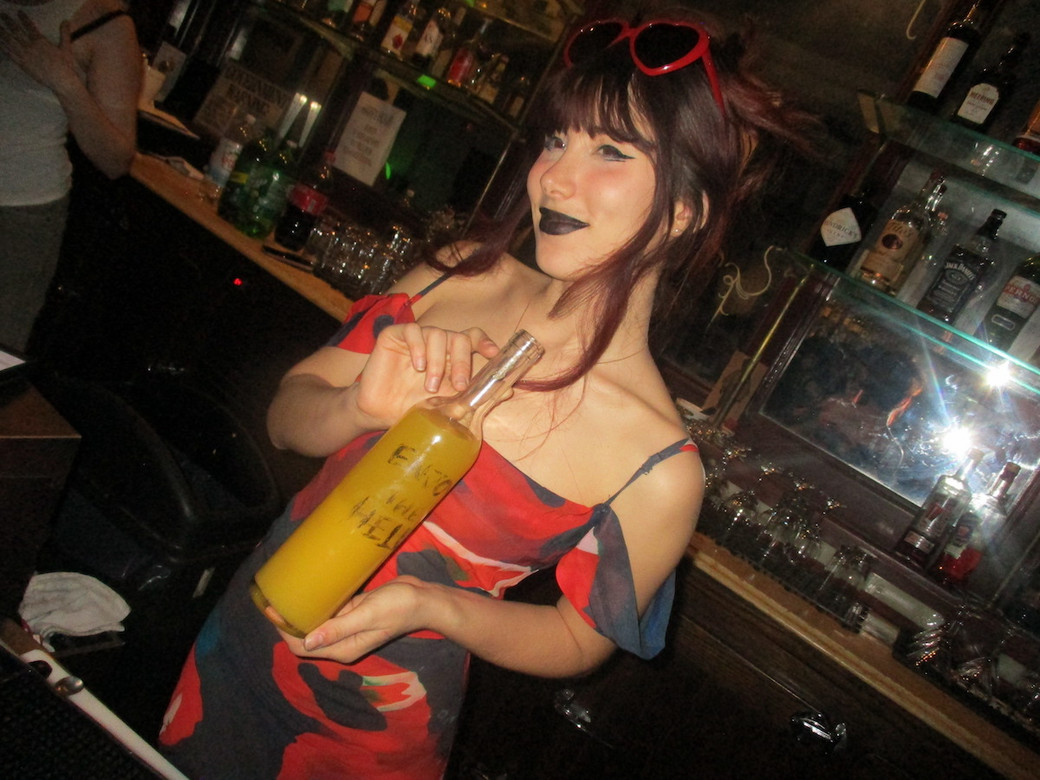
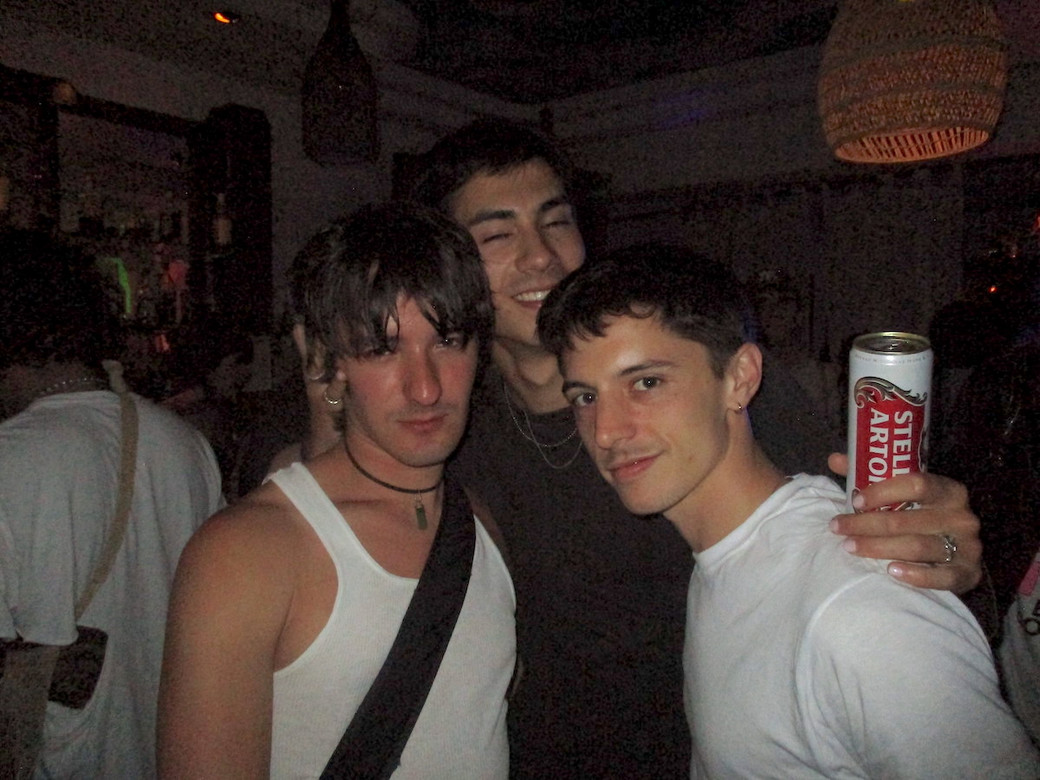
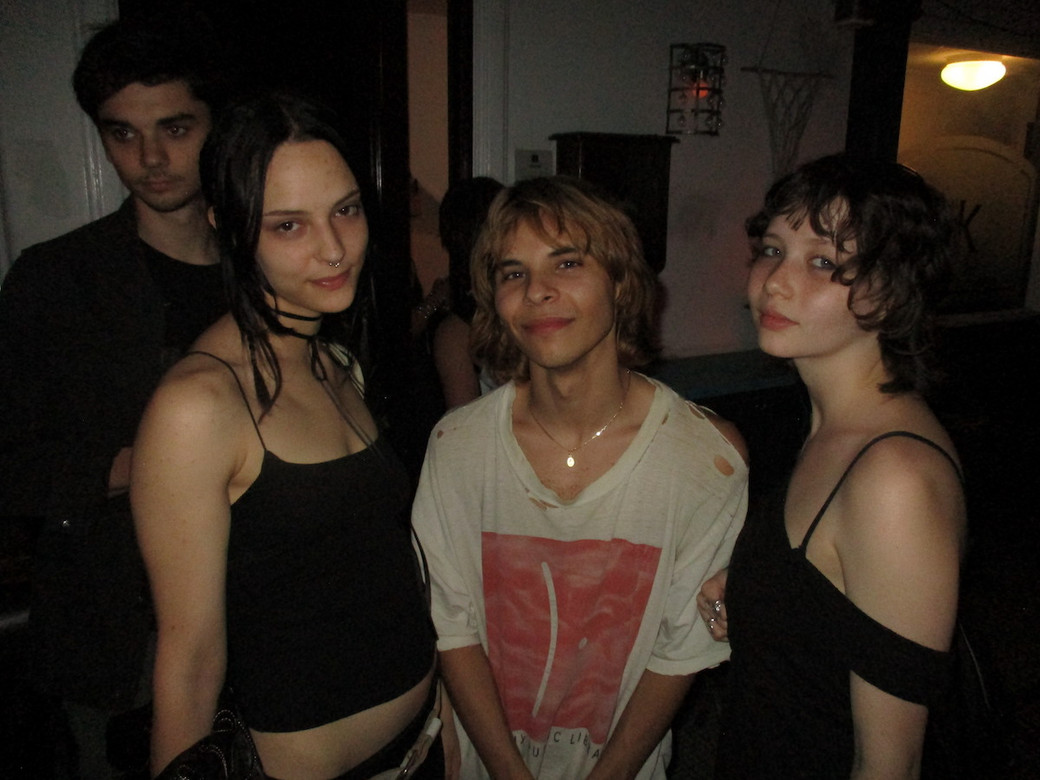
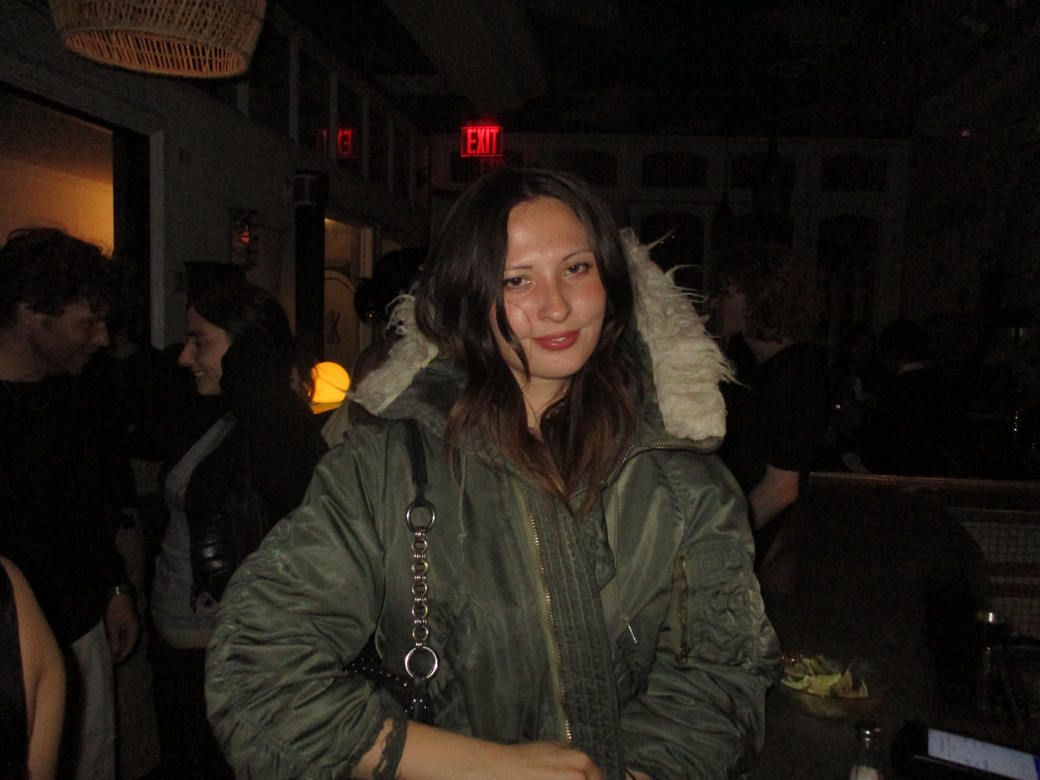
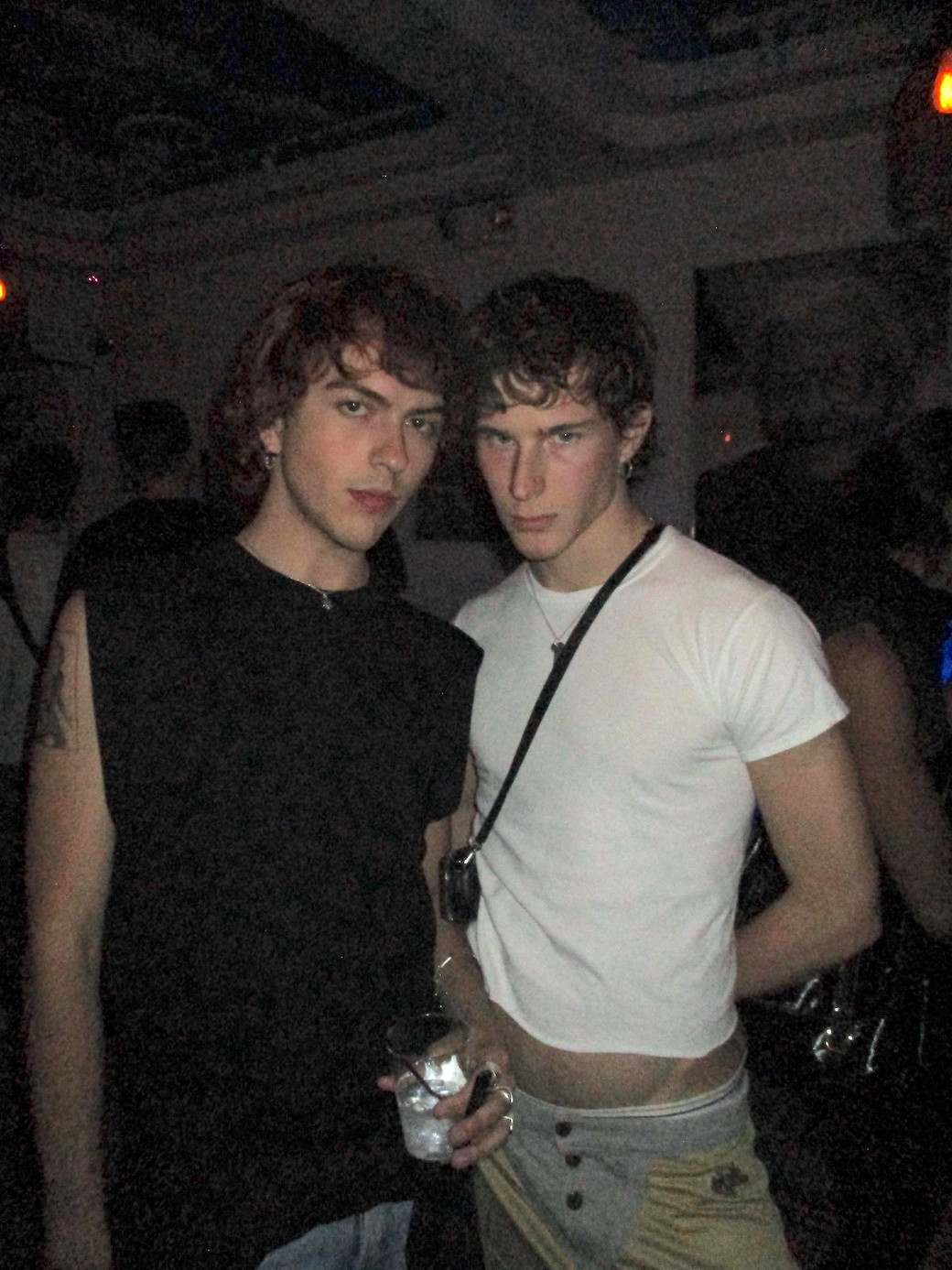
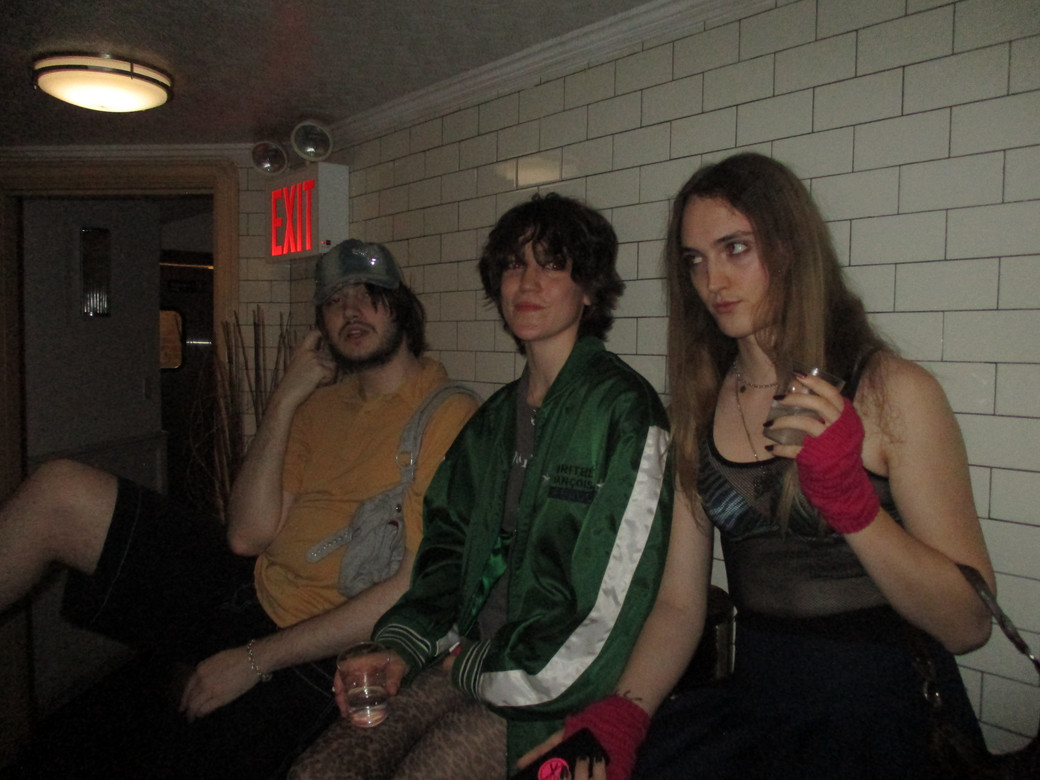
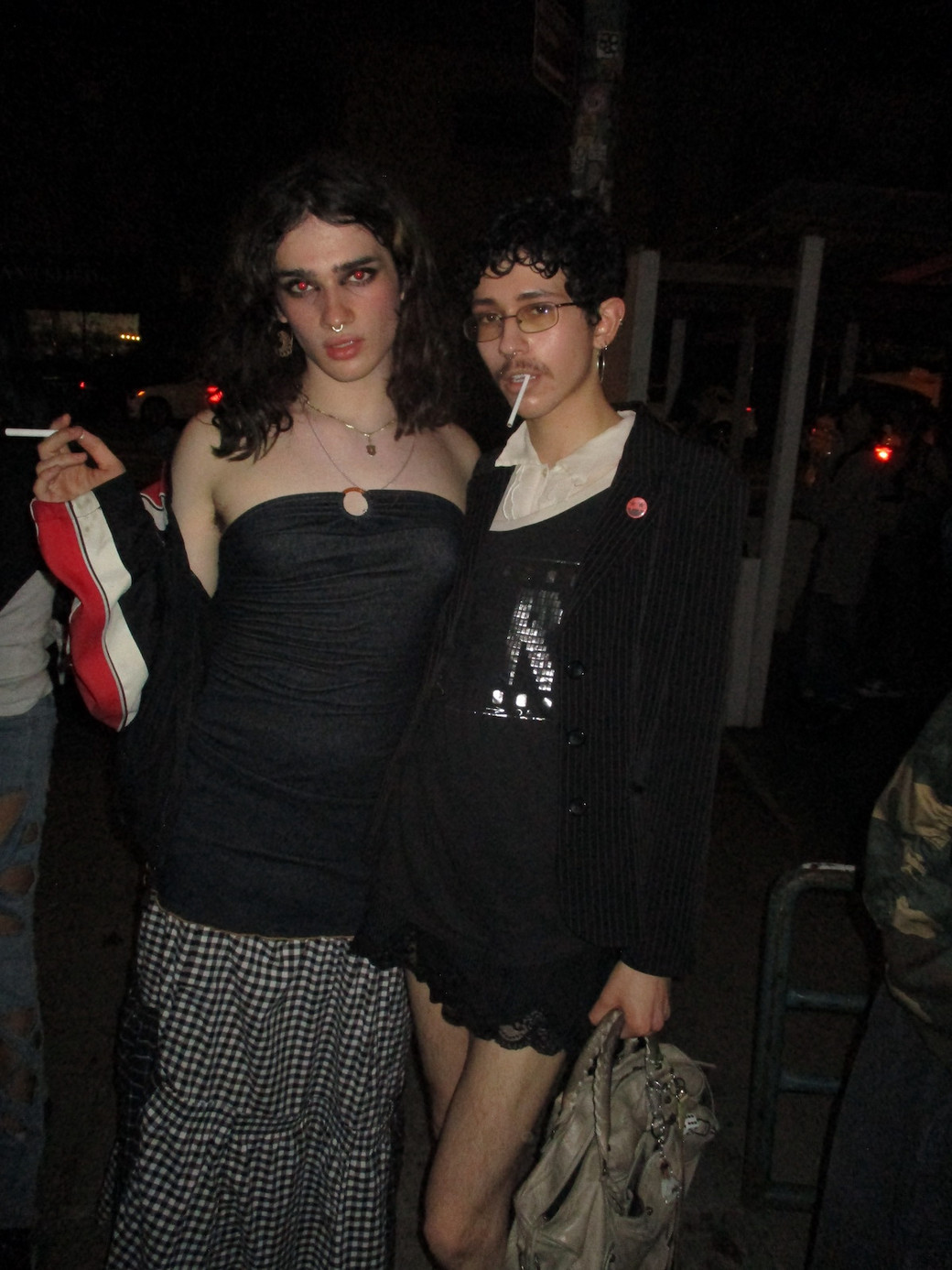
Thrown with Sofia Castillo, with a long list of hosts that included downtown favorite Dese Escobar, door legend Livthelurk, and DJ Sevyn, rumors of the party went far beyond New York City and Los Angeles, drawing out an amalgam of degenerates from every knook and cranny. Rightfully so, as there was really something for everyone. People vaped, danced, and many, unfortunately, just sat on their phones.Friends found each other by the bar or outside later on when looking for cigs to bum. Others crowded around the bar taking shots, exchanging instagram handles, and chatting.
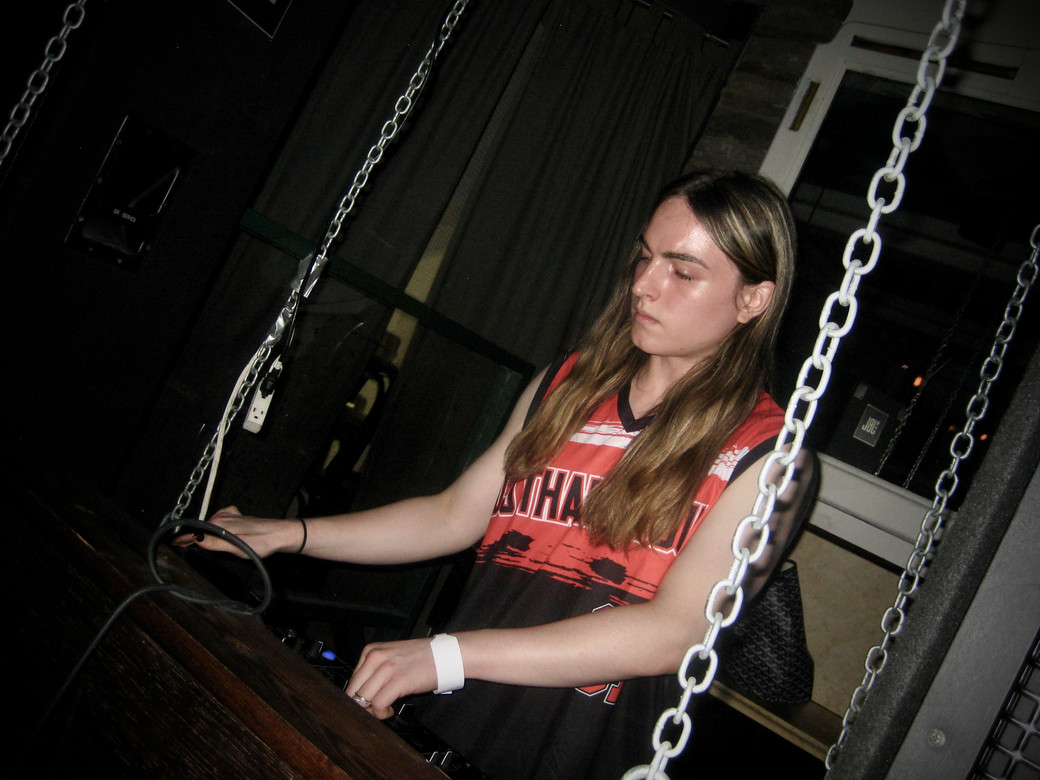
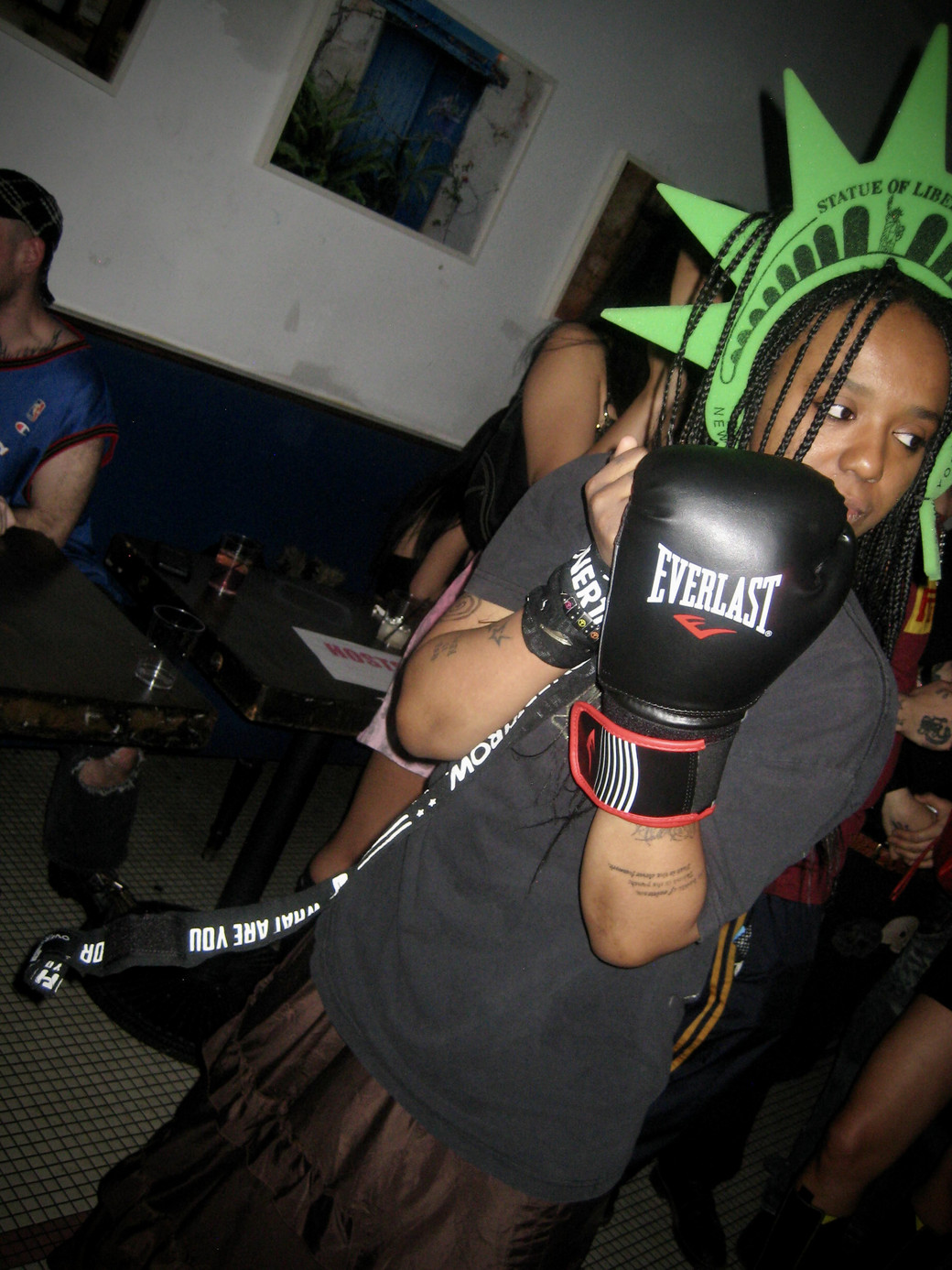
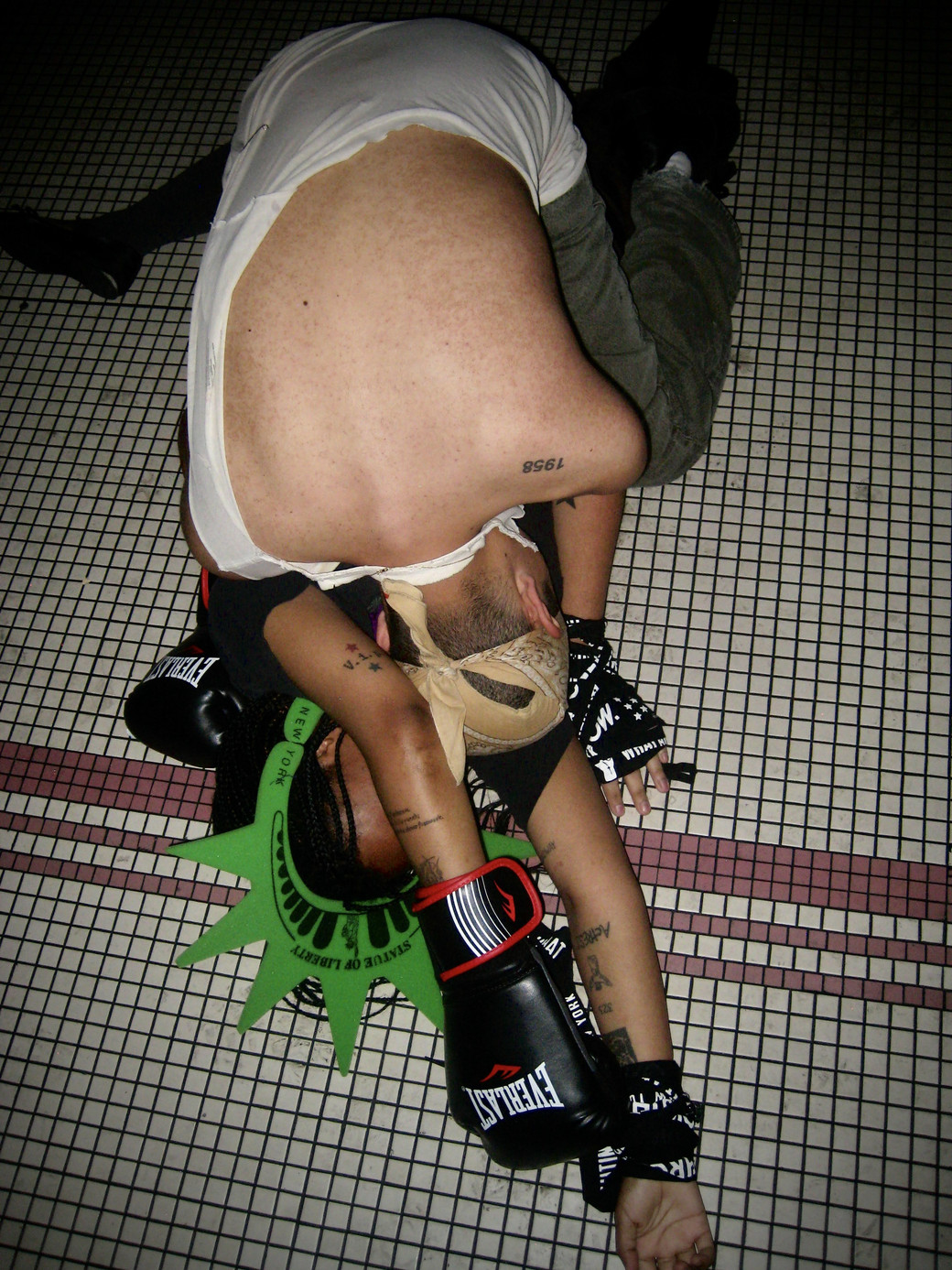
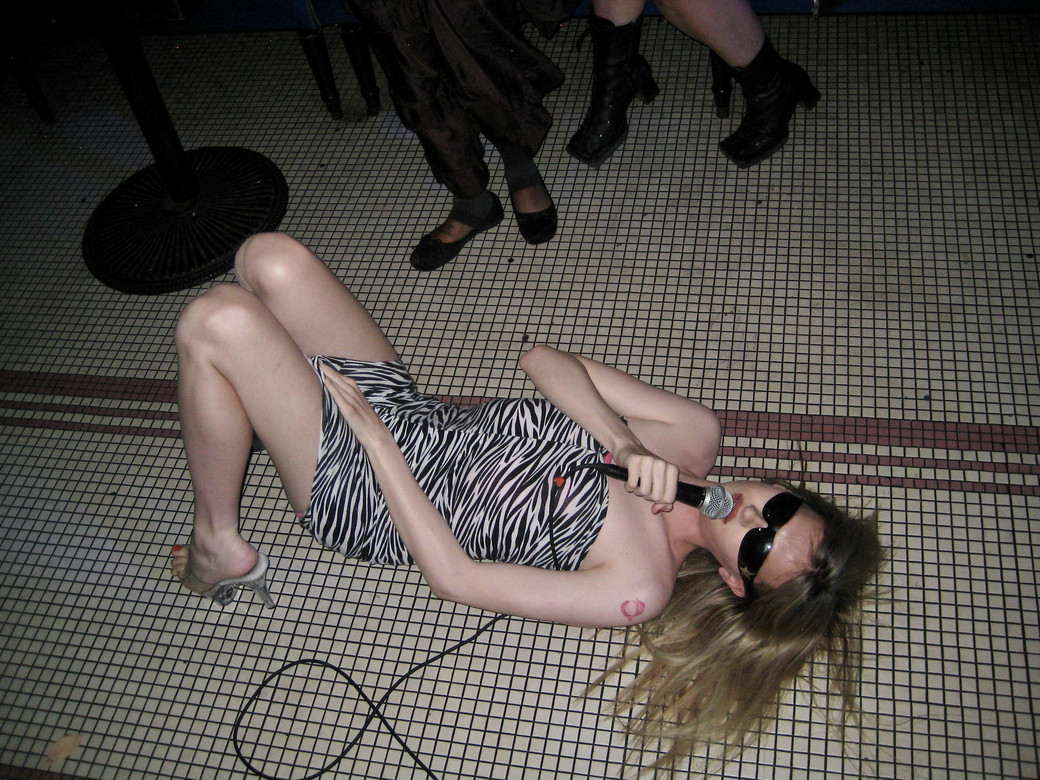
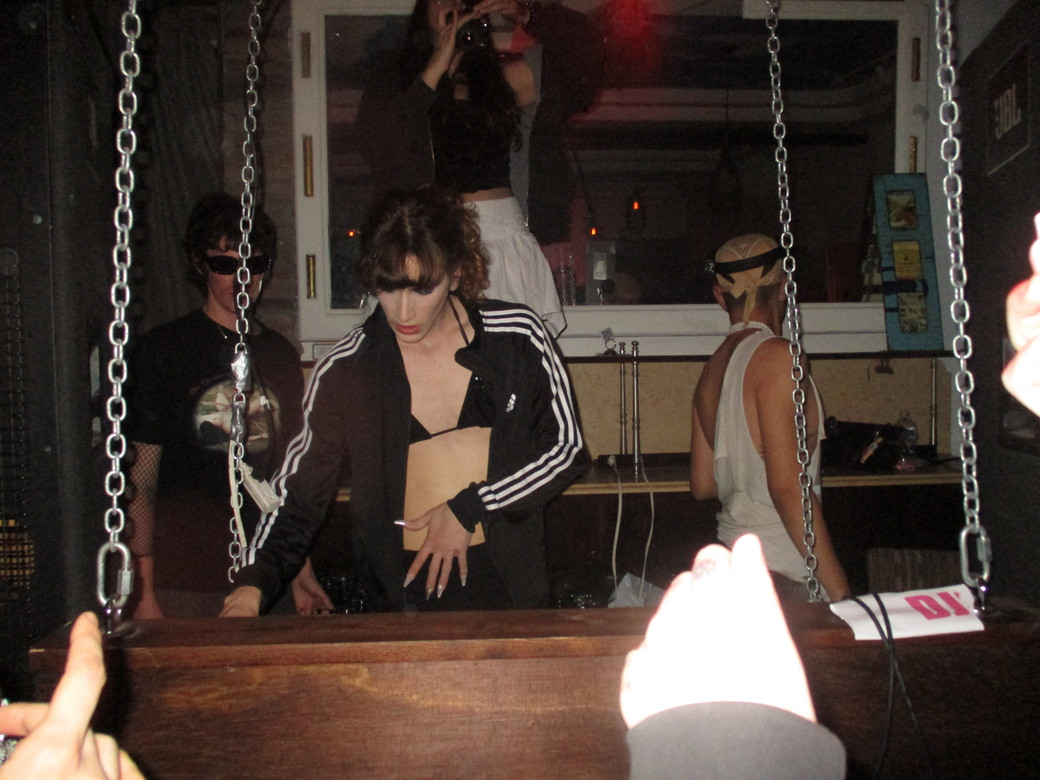
On the dance floor, the crowd swayed to sleazy club bangers from Boiler Room rostered Gbenga to The Lot Radio’s Djthankyou. FAGET’S very own Goldilux took to the floor for a sexy performance of her singles “SUGAR COOKIE,” “COKE WHORE,” and “FUCKBUCK." I'm sure it's still reverberating in the chained DJ decks suspended from the ceiling. At the end of the performance, came the true test of New York versus Los Angeles grit when Jacob and Jasmine took to the floor for a ringless boxing match — Jasmine, who repped L.A., ironically wore a headband that harkened back to New York's Lady Liberty. Jacob just dressed like Jacob. I don't remember who won but maybe that’s a good thing.