The Modern Muse


Stay informed on our latest news!


For over two decades, Høstbo has created a space where architecture and design are one. With a background rooted in architecture and in fine art galleries, where she focused on Danish furniture from the 1920s through the ‘70s, as well as experience as both a photographer and writer on top of it all—Høstbo has certainly earned the esteemed title at Fritz Hansen and more, consistently unifying the industries she’s conquered in her holistic approach to building on the brand legacy. Not unlike the Wabi-sabi mentality, Danish design has an equally simple, value-based belief system, and Høstbo has honed in on this. Design, to Høstbo, is not about drawing, it’s about seeing.
What is your ideal office?
A space filled with inspiration, people, collectibles, books, images, models, and samples. The ideal office space is one that is constantly evolving with the addition of new items that provides inspiration. My collection is continuously growing.
What is your least favorite texture?
An unfinished piece of design, such as a wooden surface or detail which has not been finished by soap or oil.
What is the greatest place you have swum?
The North Sea. I grew up in a small town, Hvide Sande, where I find my favorite beaches.
What is the most prized possession in your closet?
My father’s tuxedo from when he married my mother.
What’s your greatest weakness?
Impatience.
Who, what, and where do you find inspiration today?
Literature, culture, history, and people meticulously dedicated to their research.
What was the last thing you took a picture of?
The Taburet, a stool Fritz Hansen is co-creating with the contemporary Danish designer Cecilie Manz. We previewed this new piece during 3DaysofDesign in Copenhagen at the Danish Design Museum, where Fritz Hansen has built a beautiful pavilion in celebration of the brand’s 150th Anniversary.
Which design principle do you relate to the most?
Vitruvius’ - the pieces Fritz Hansen creates must be functional, lasting, and beautiful – as important as they must be aesthetically durable and have relevance to how we live and work today.
If you were a famous piece of furniture, which would you be?
The Brick screen by Eileen Grey, 1923. It connects spaces, architecture and design, different idioms, art deco and functionalism.
What is an unexpected skill you have?
The ability to let go.
What is the most beautiful word in your native language?
“Skøn”, meaning wonderful and beautiful – it’s used to describe aesthetics in design and architecture.
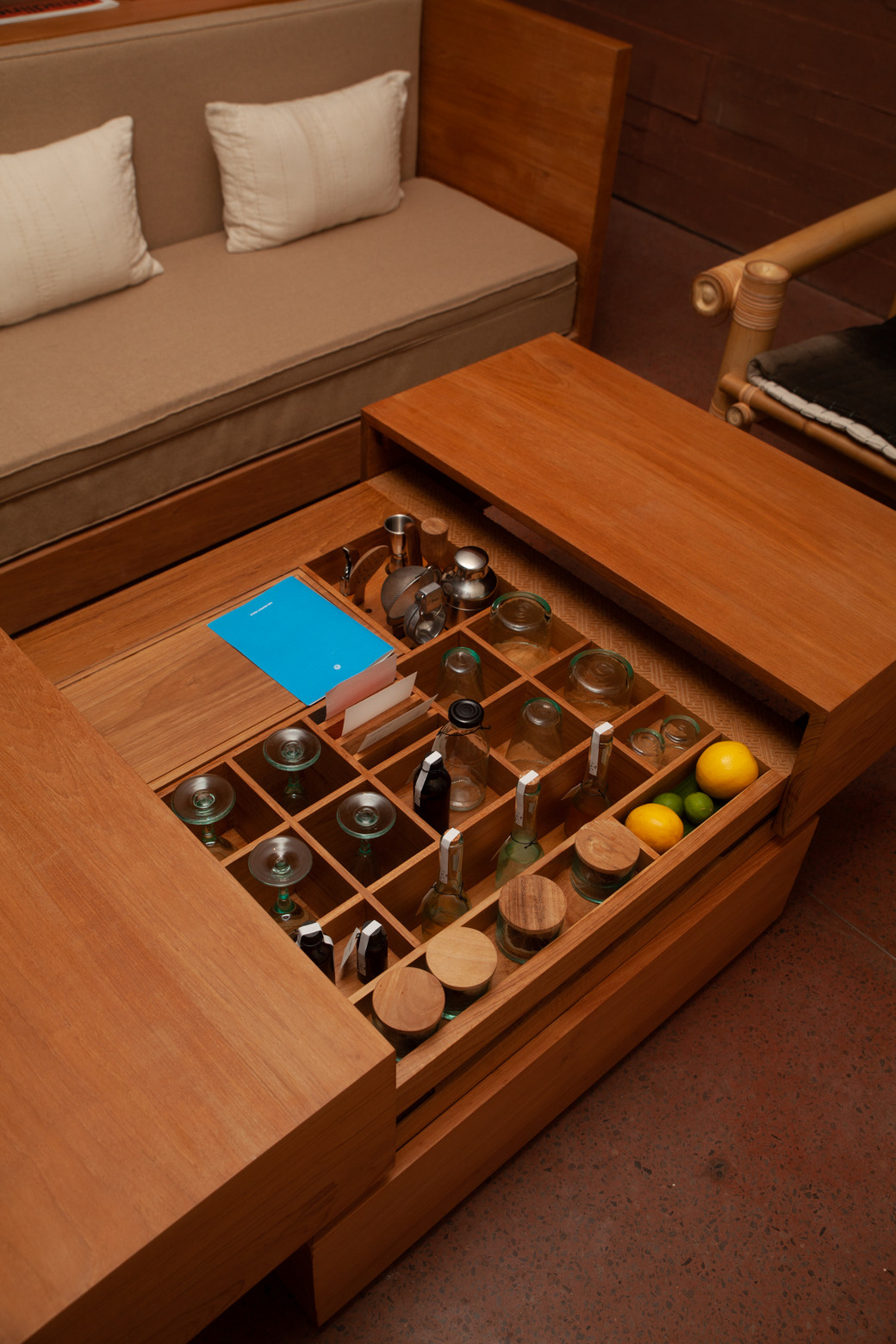
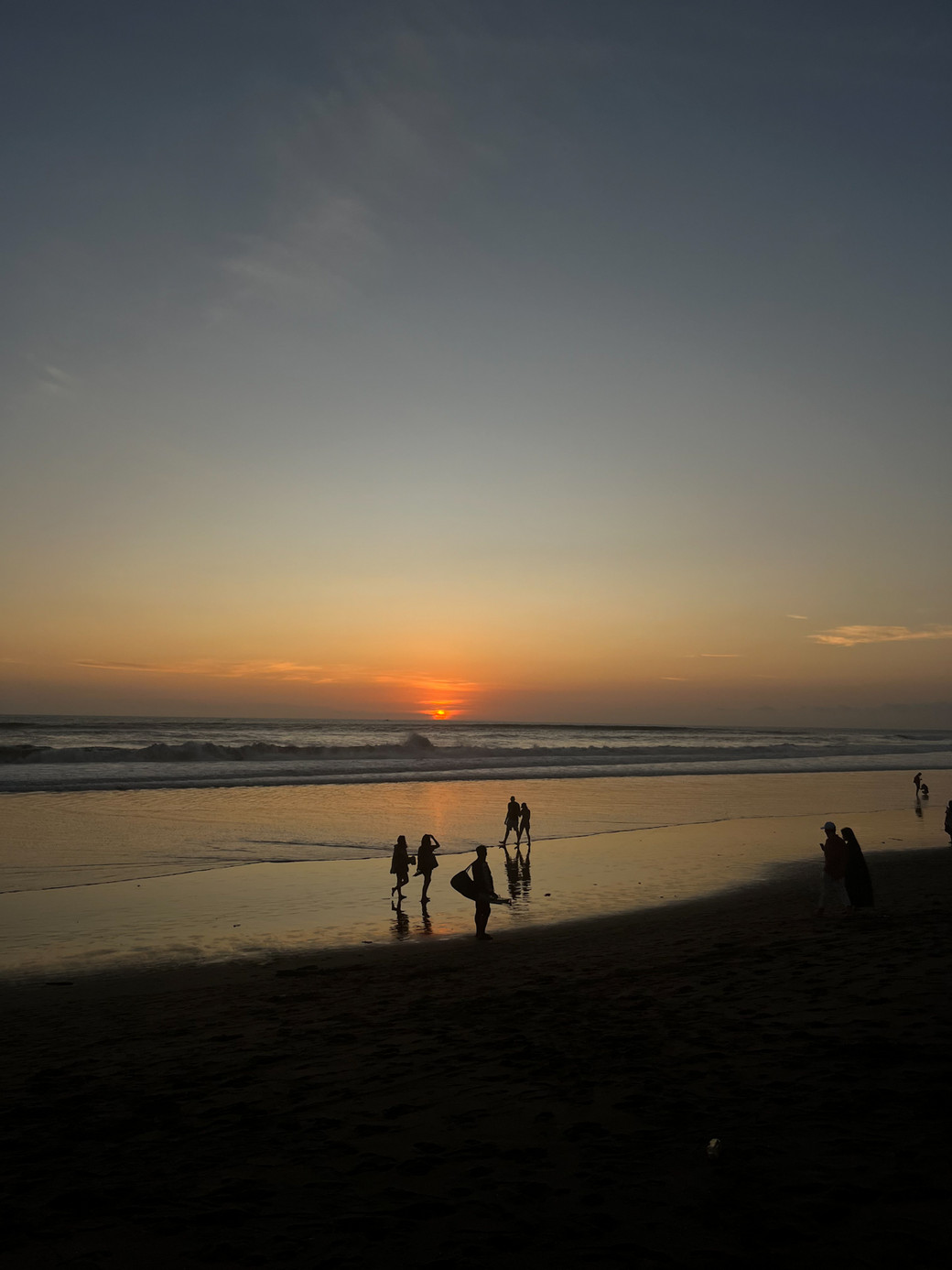
And it’s all the brainchild of Indonesian entrepreneur Ronald Akili. His calling for change came back in 2016 when he was surfing with his son and found themselves padding in a “plastic ocean”. Surrounded by rubbish, it clicked for Akili as a father and as human that he had to do something about the situation. Being a business owner, he recognized it was imperative for him to become accountable and accept that his business was part of the problem. From that moment, he has been working tirelessly to pivot the purpose behind Potato Head and any future companies he creates.


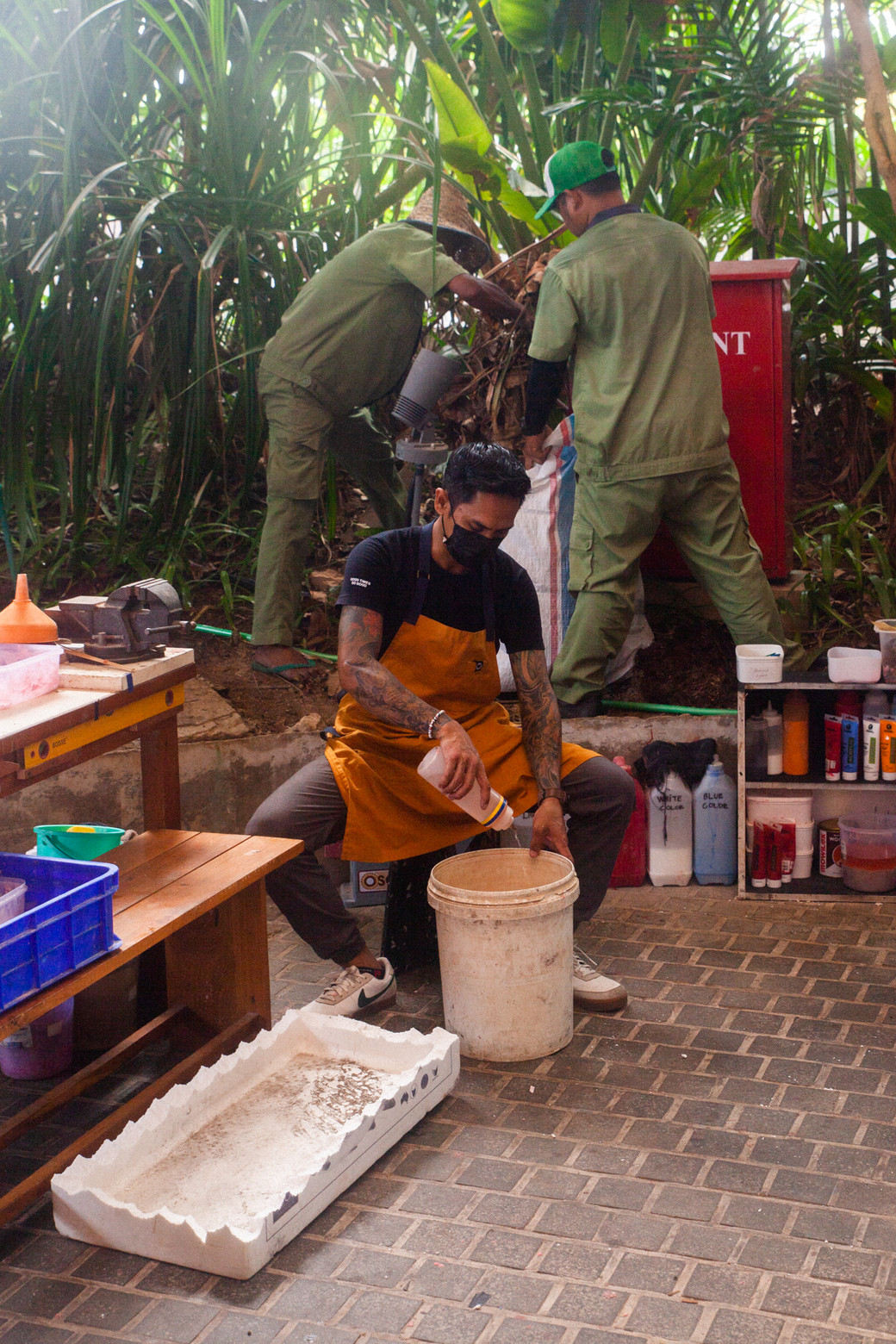
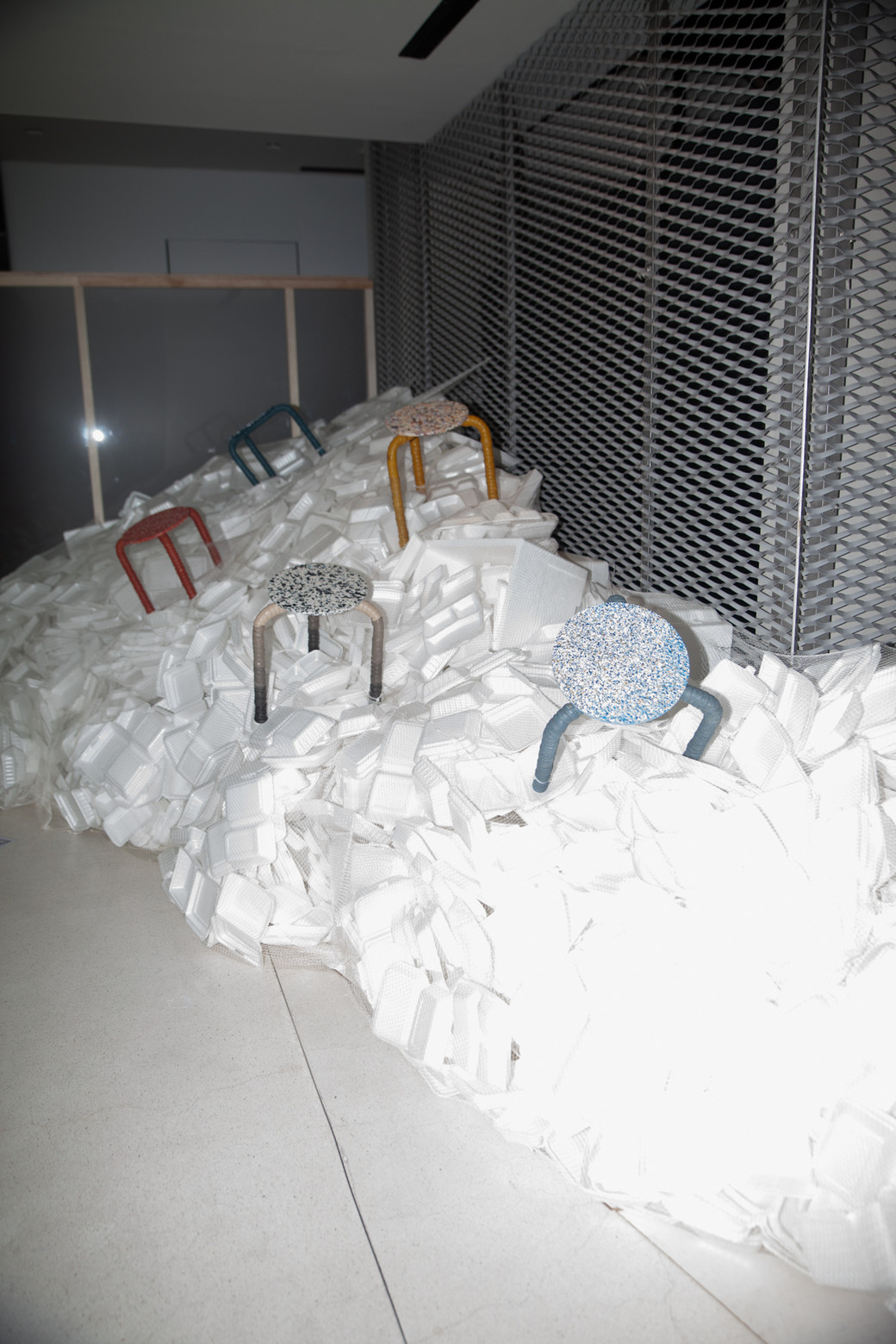
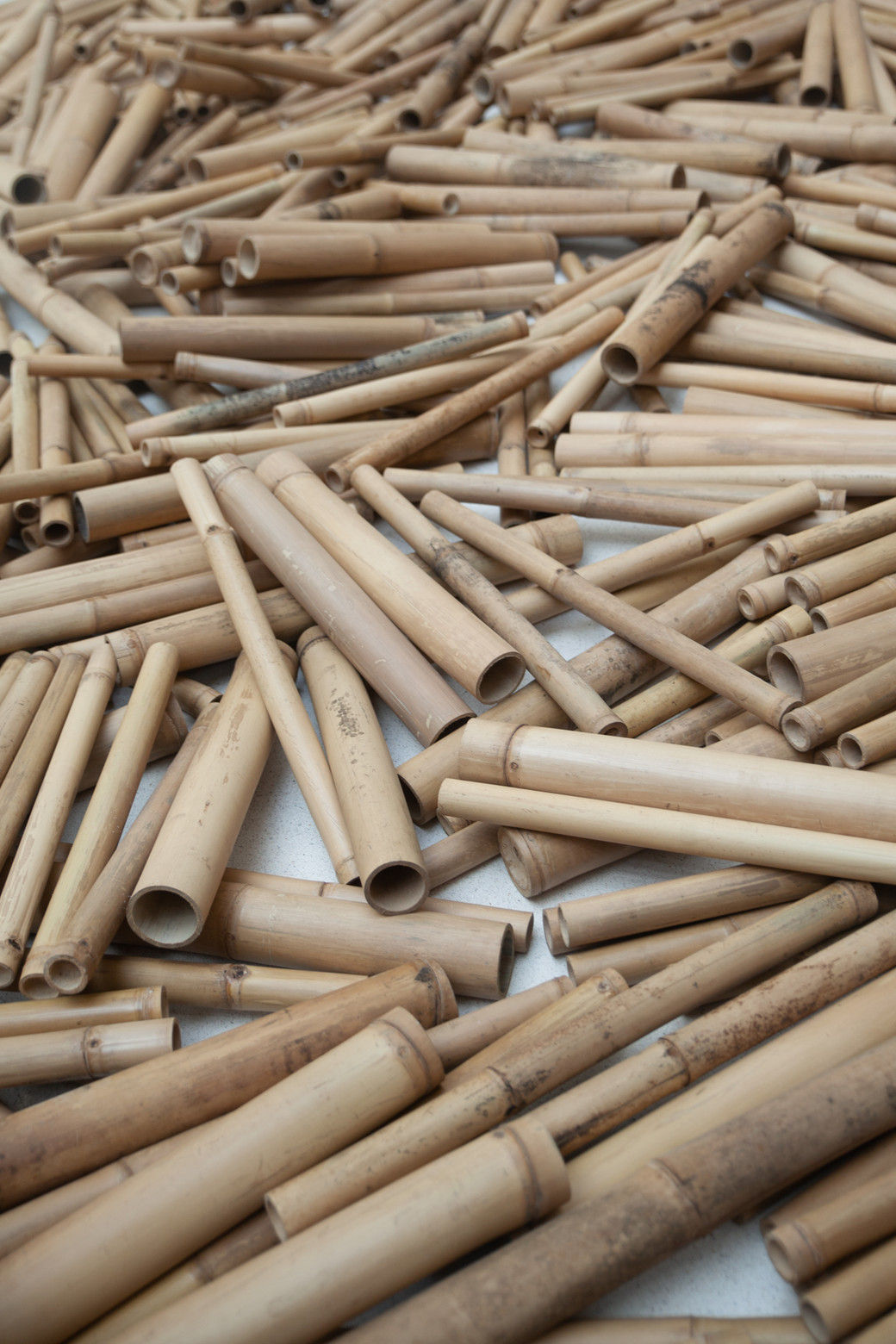
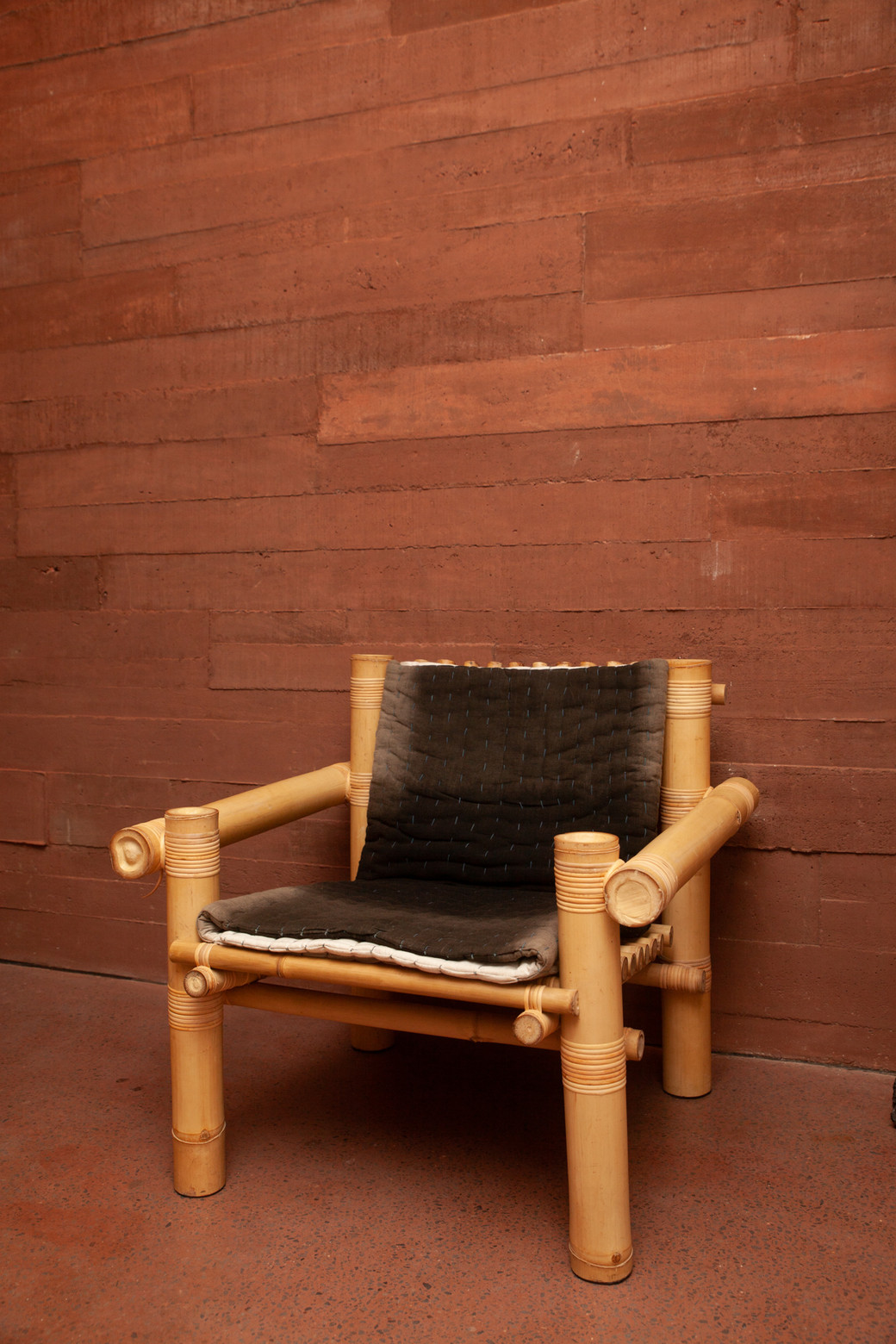
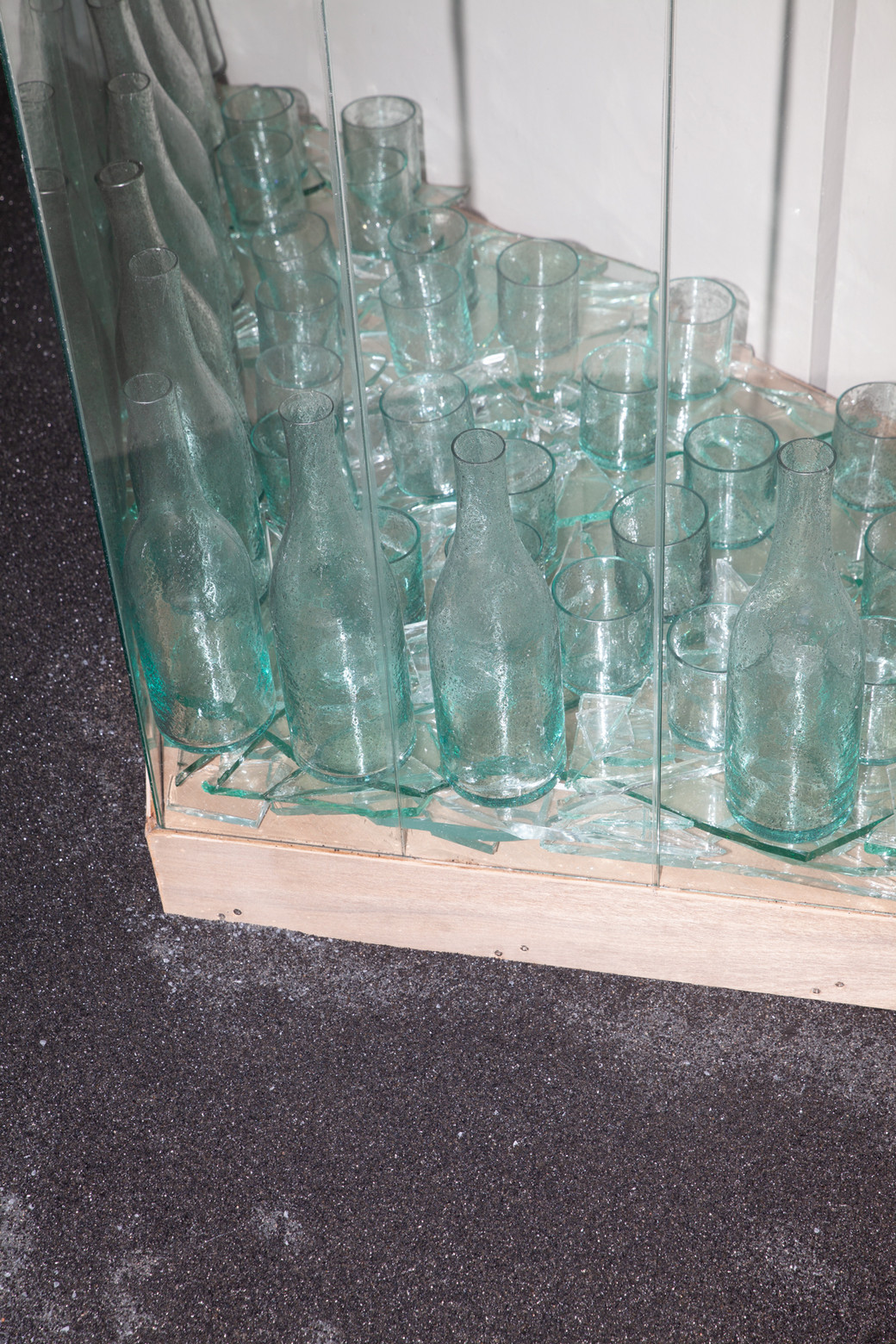
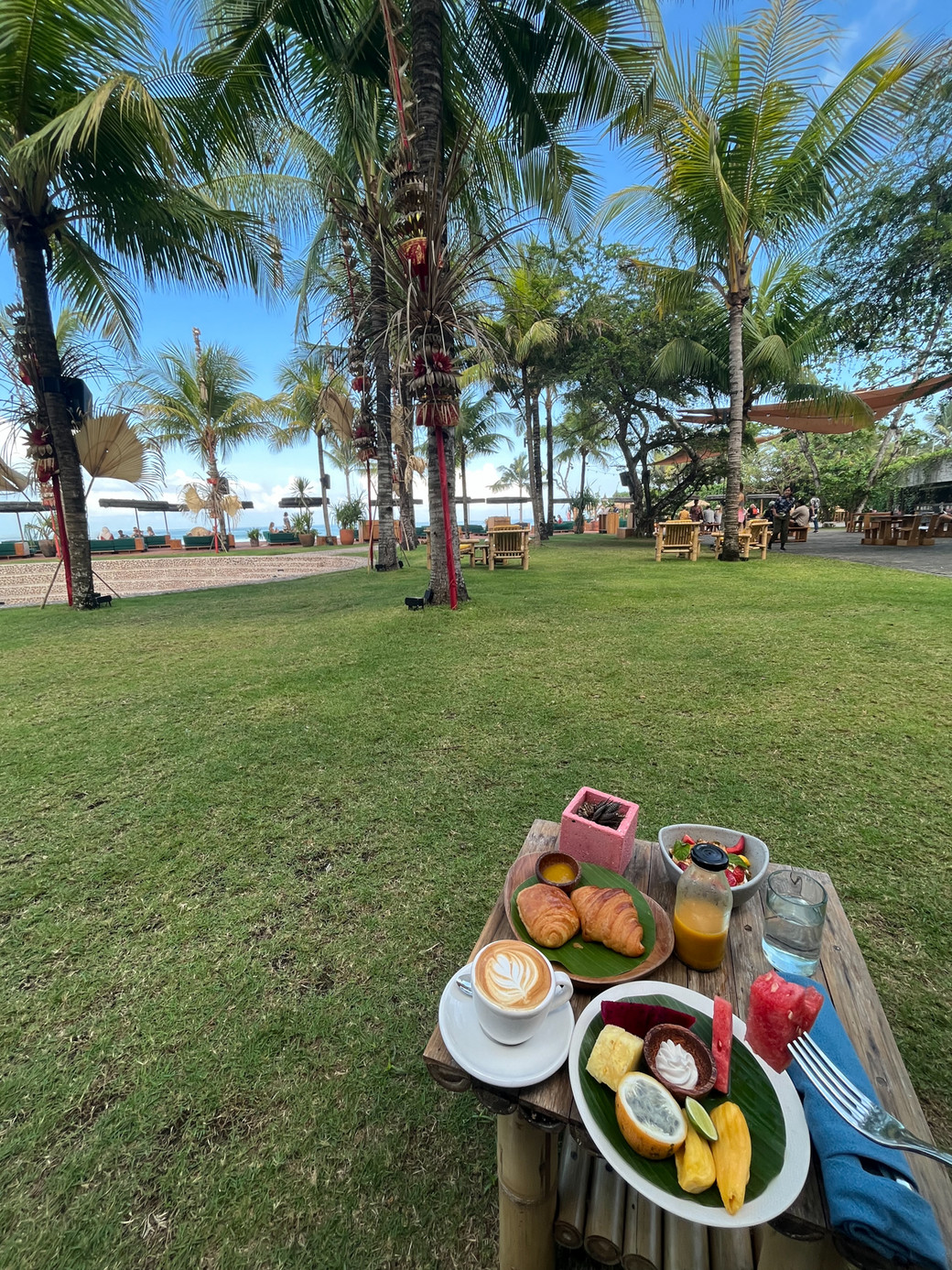
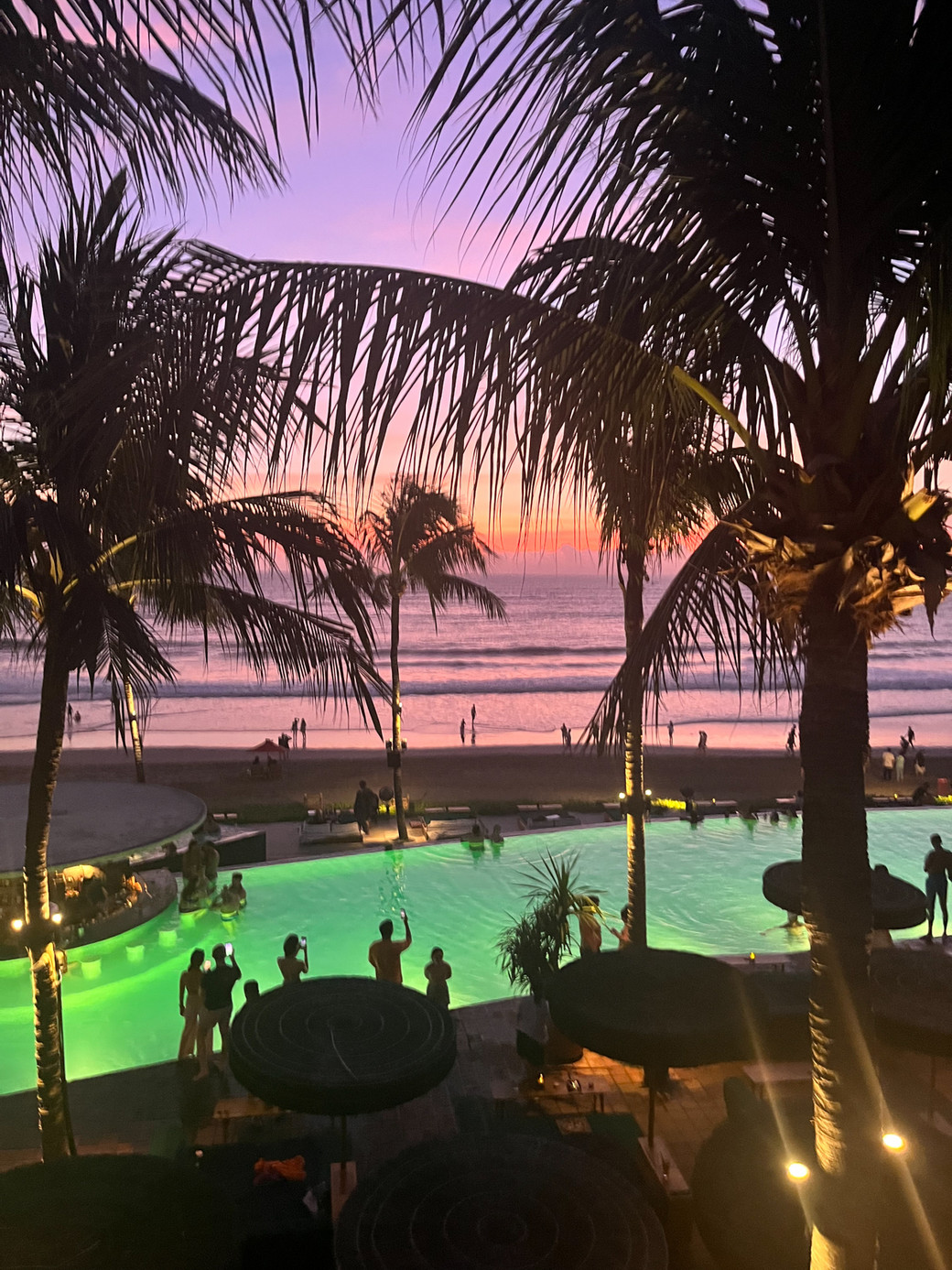
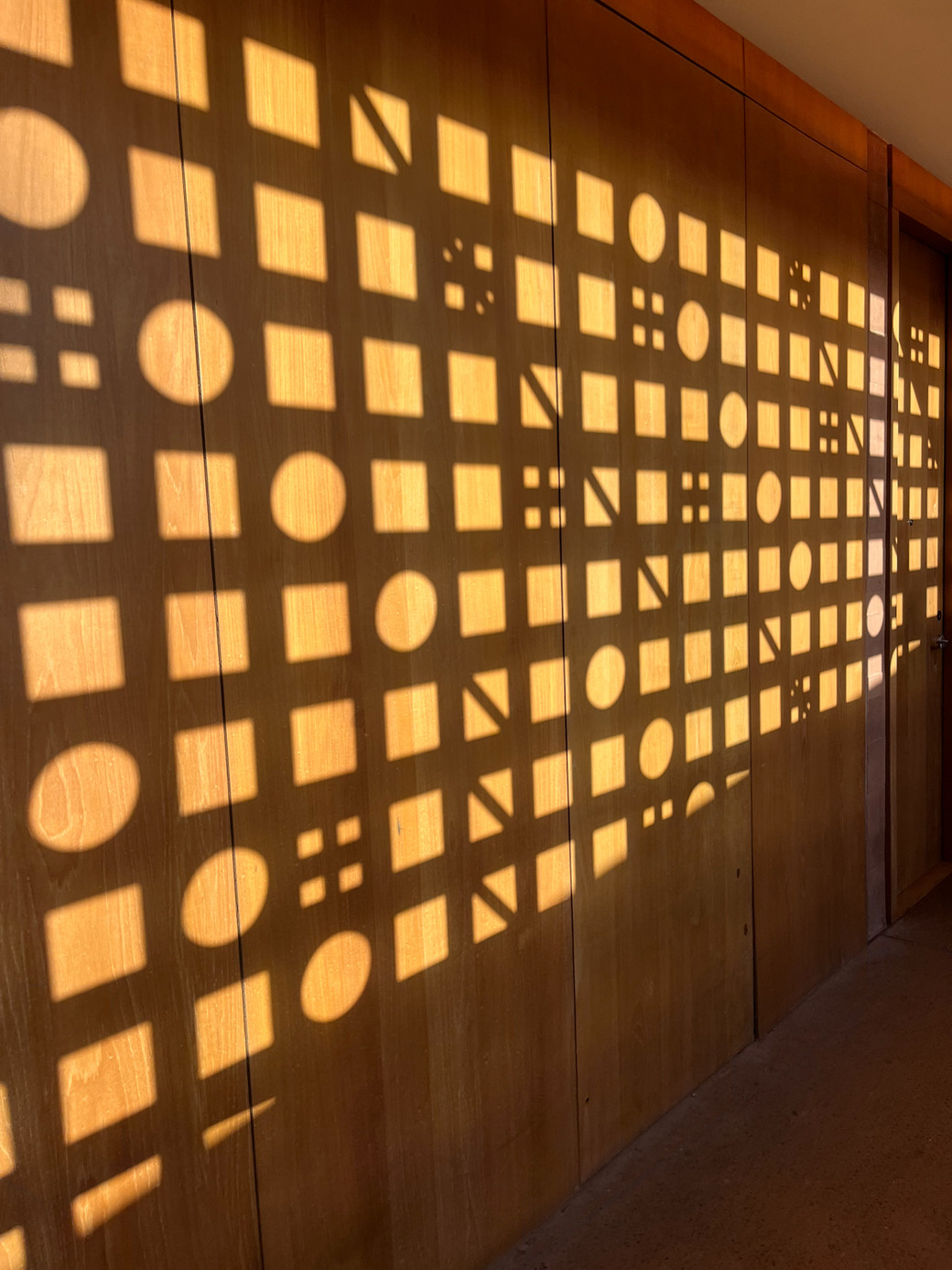
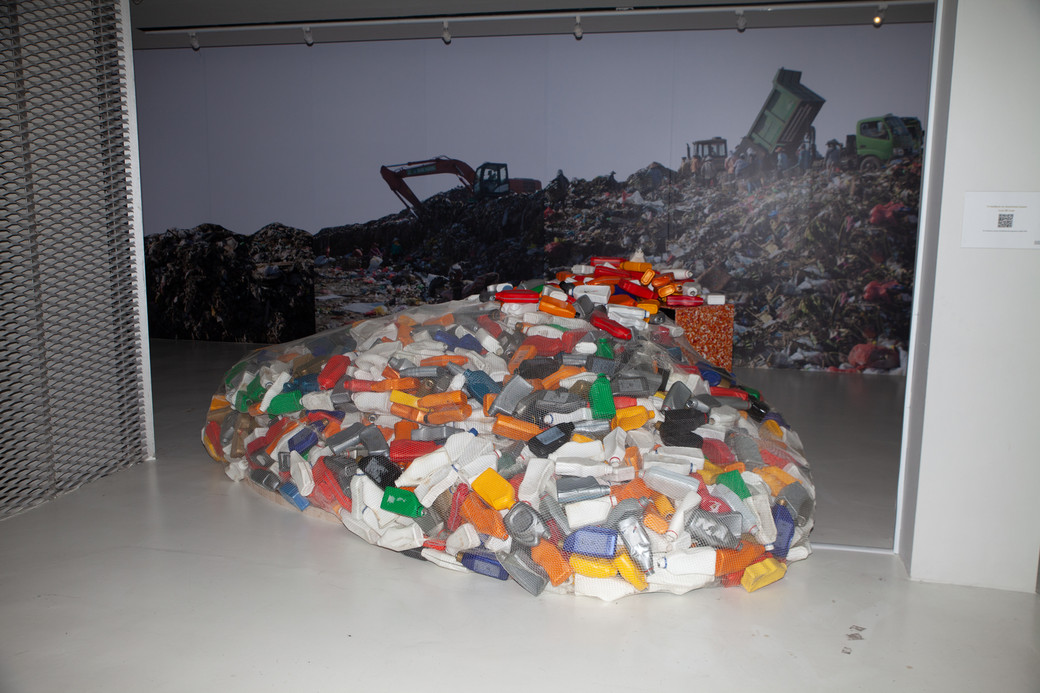
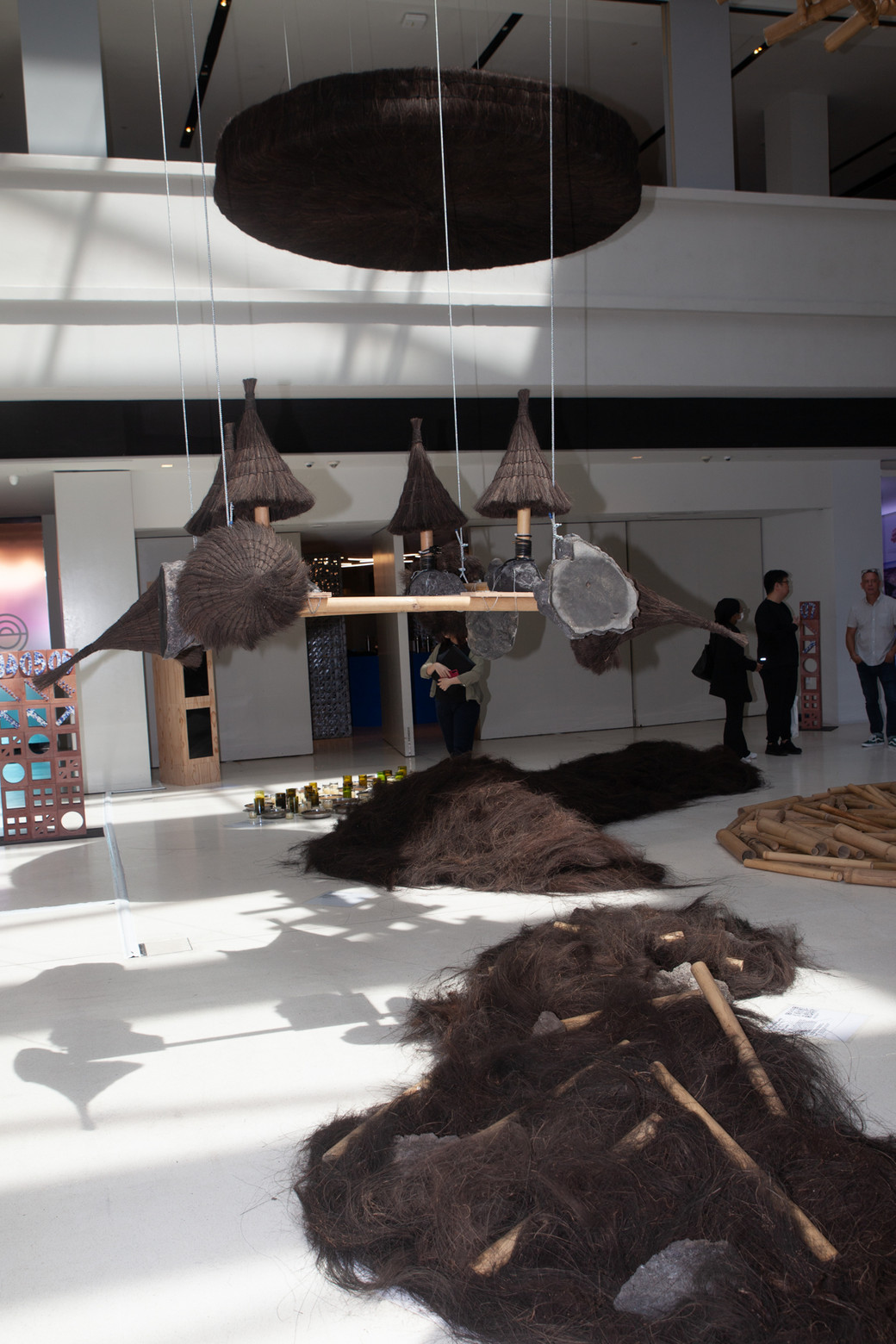
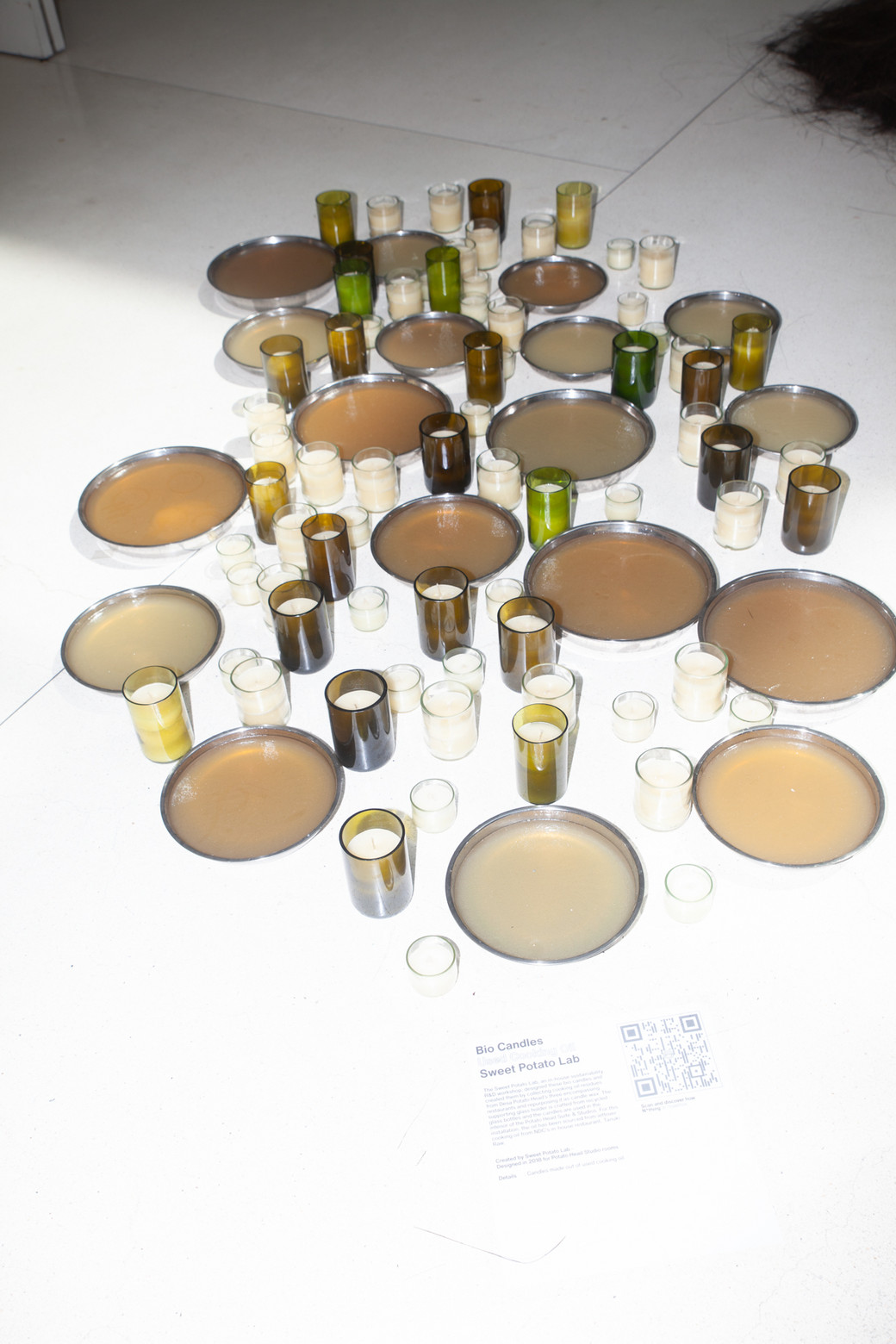
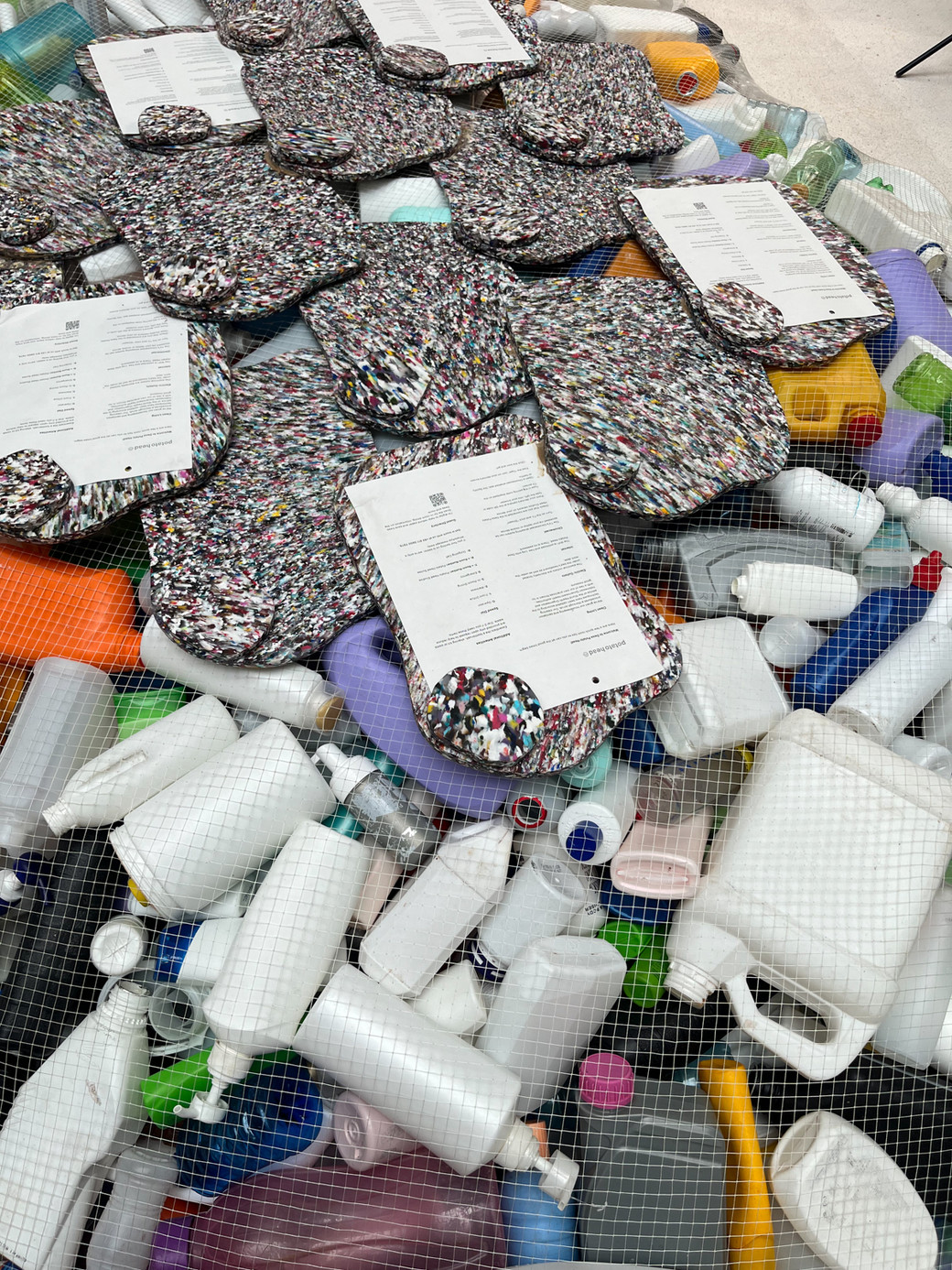
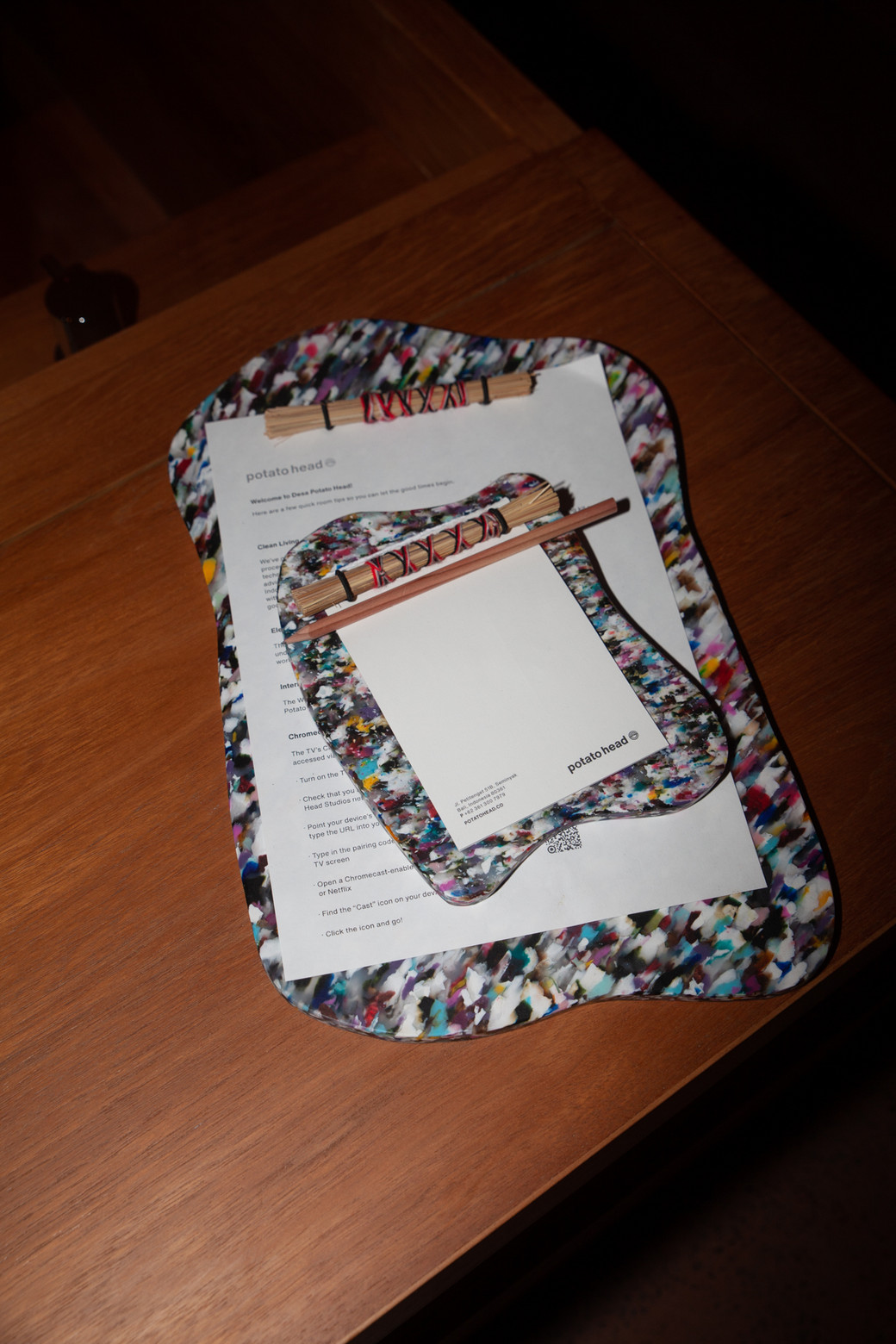
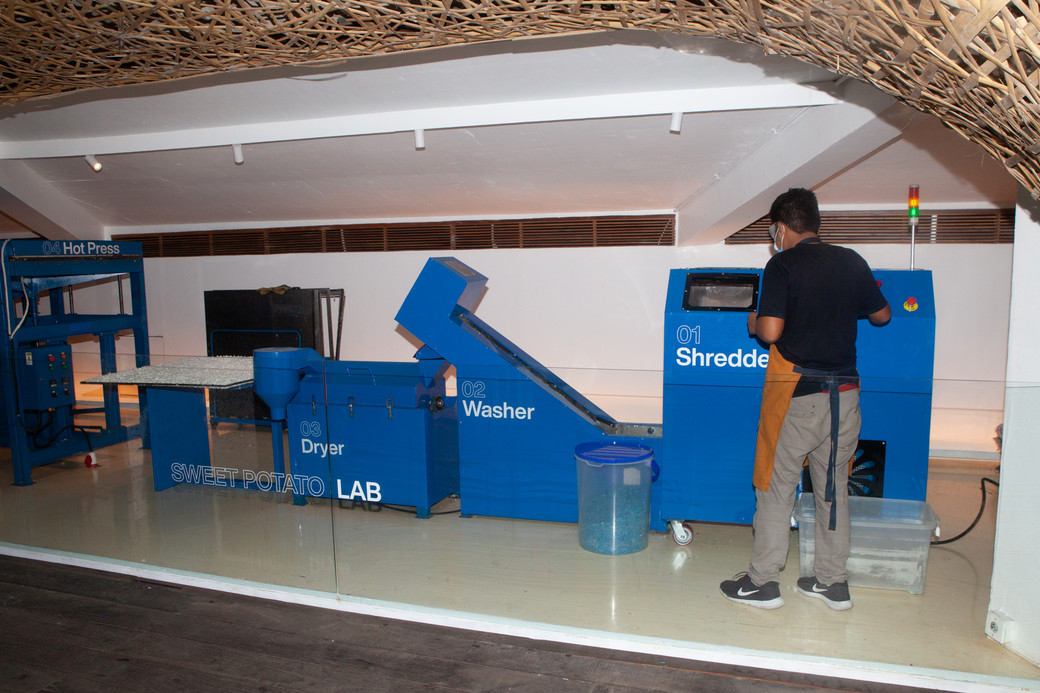
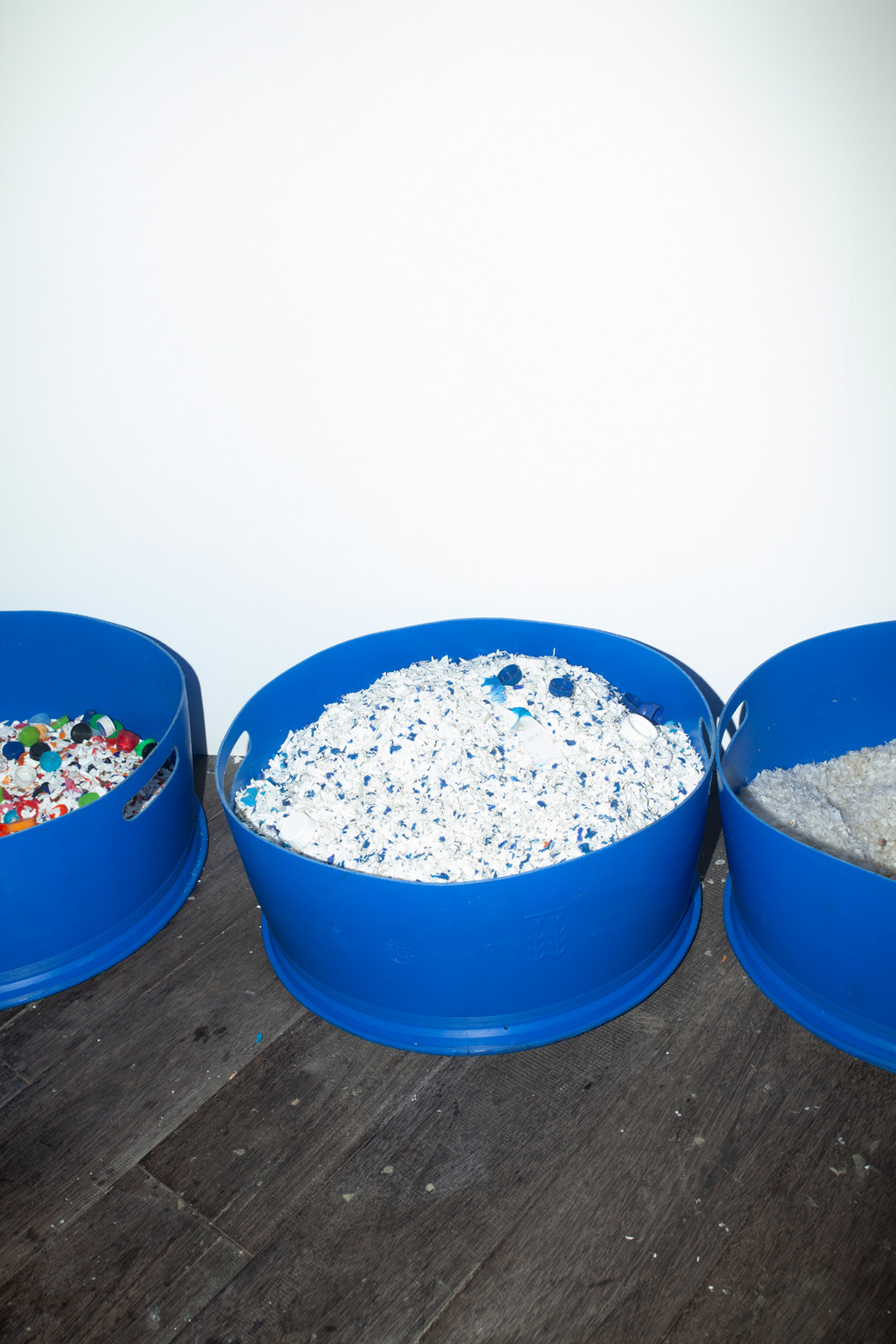
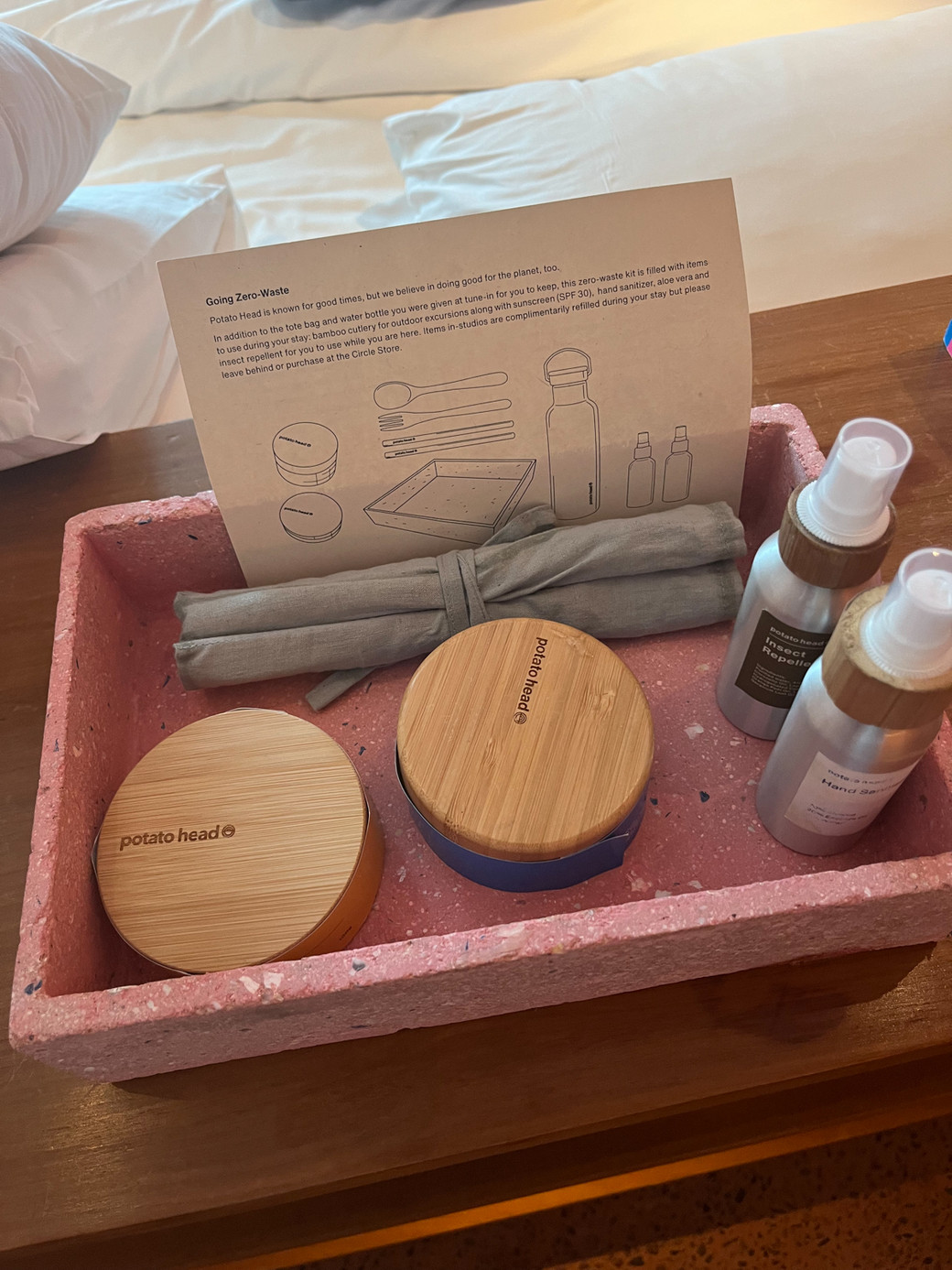
With the help of some friends, he began to draw up a roadmap. That was six years ago. Since, Potato Head Bali has managed to reduce their landfill waste from 50 to less than five percent. In 2017, with support from the UN, they were able to offset carbon emissions and became the first hospitality company in the region to go carbon neutral. They have built a creative village by turning waste into modern architecture and beautiful, high-quality products. They have created a platform for grassroot communities and change makers to share their voice. By serving 1000 people everyday for six years, they’ve touched over two million people with their story of the possibilities of a sustainable lifestyle. Last but not least, they have shown people that Good Times can be had by Doing Good.


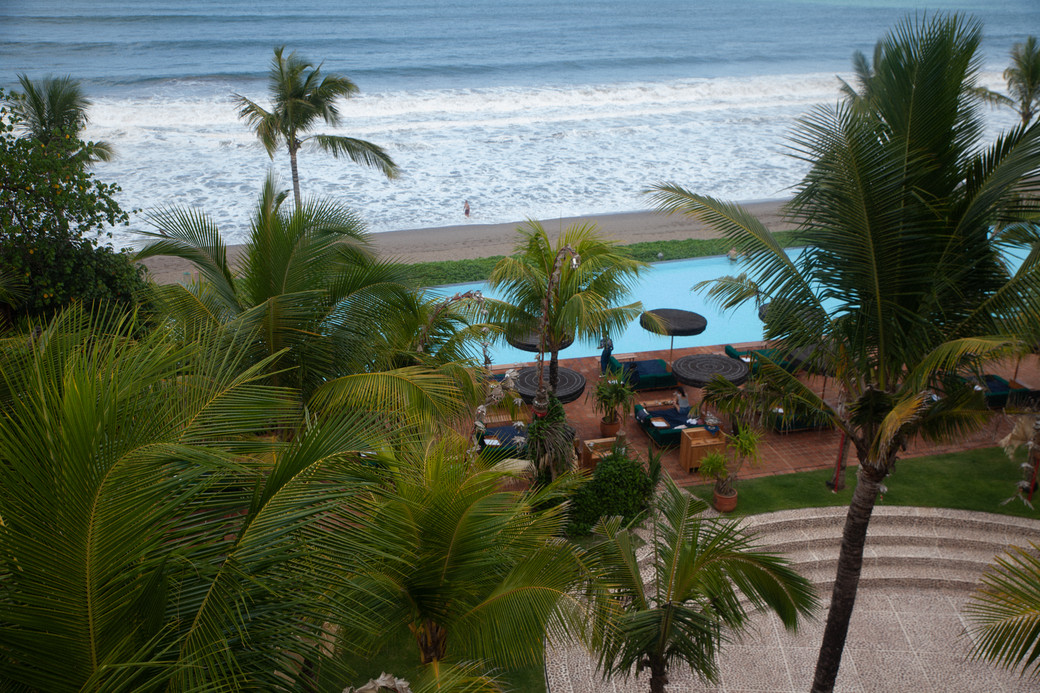
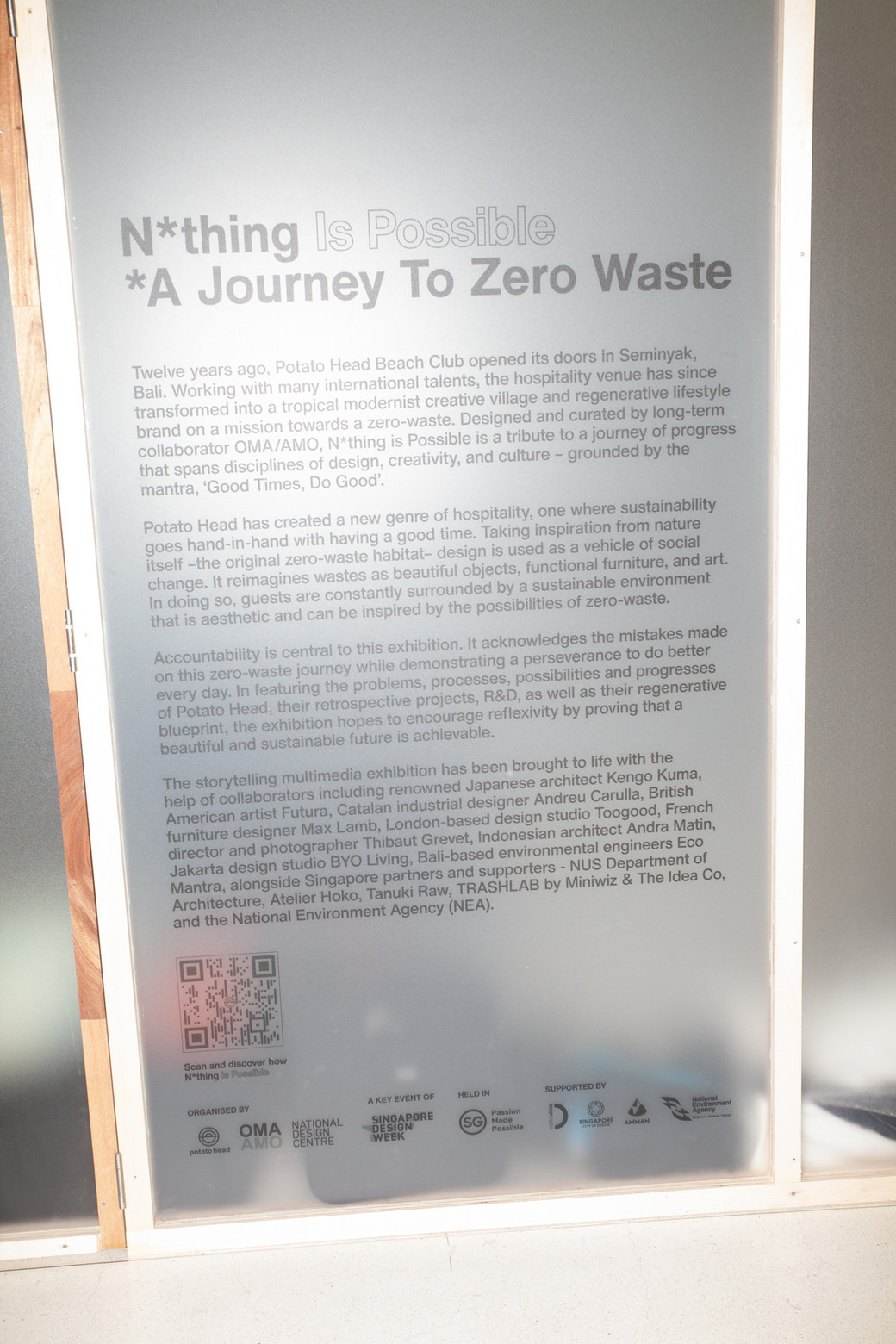
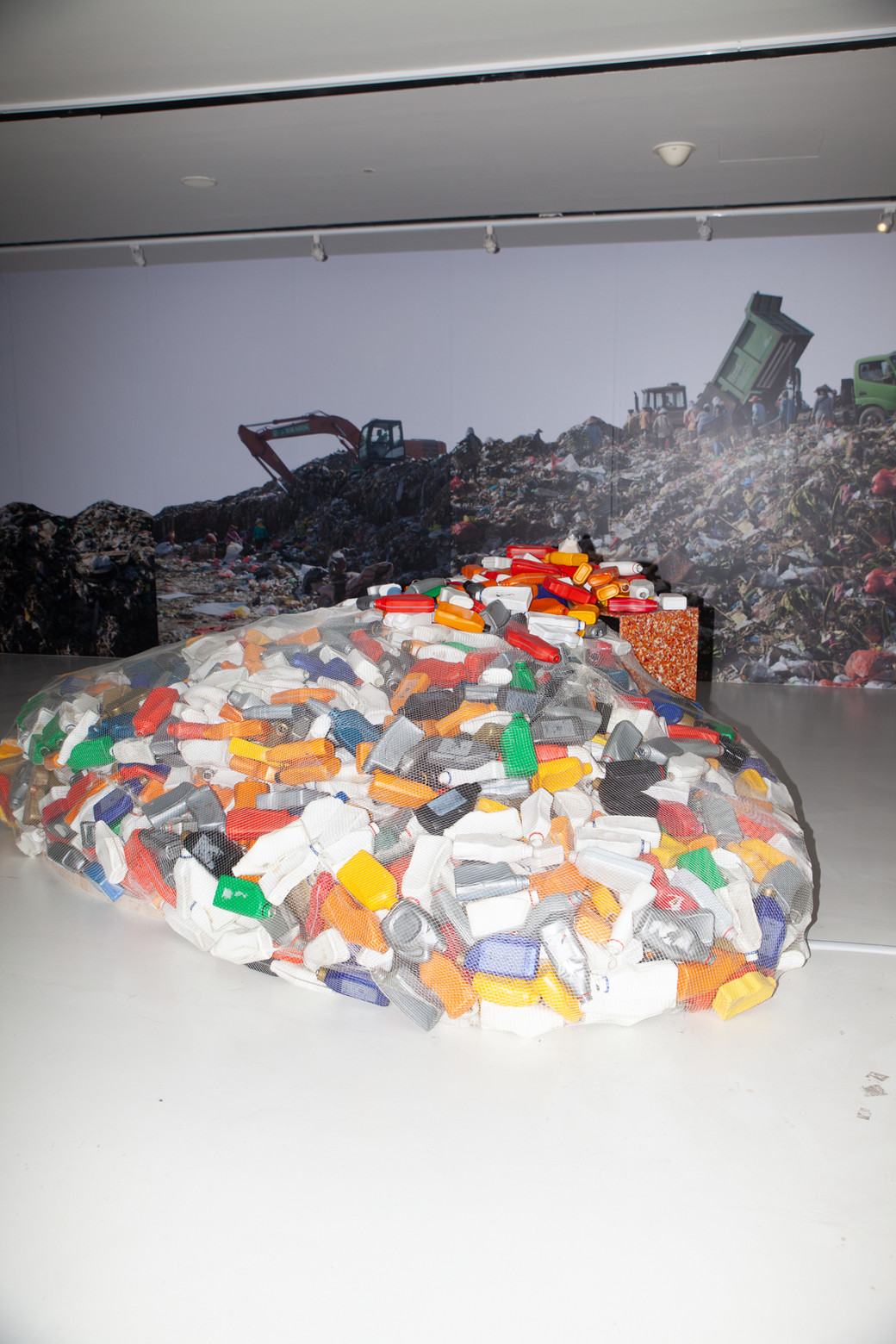
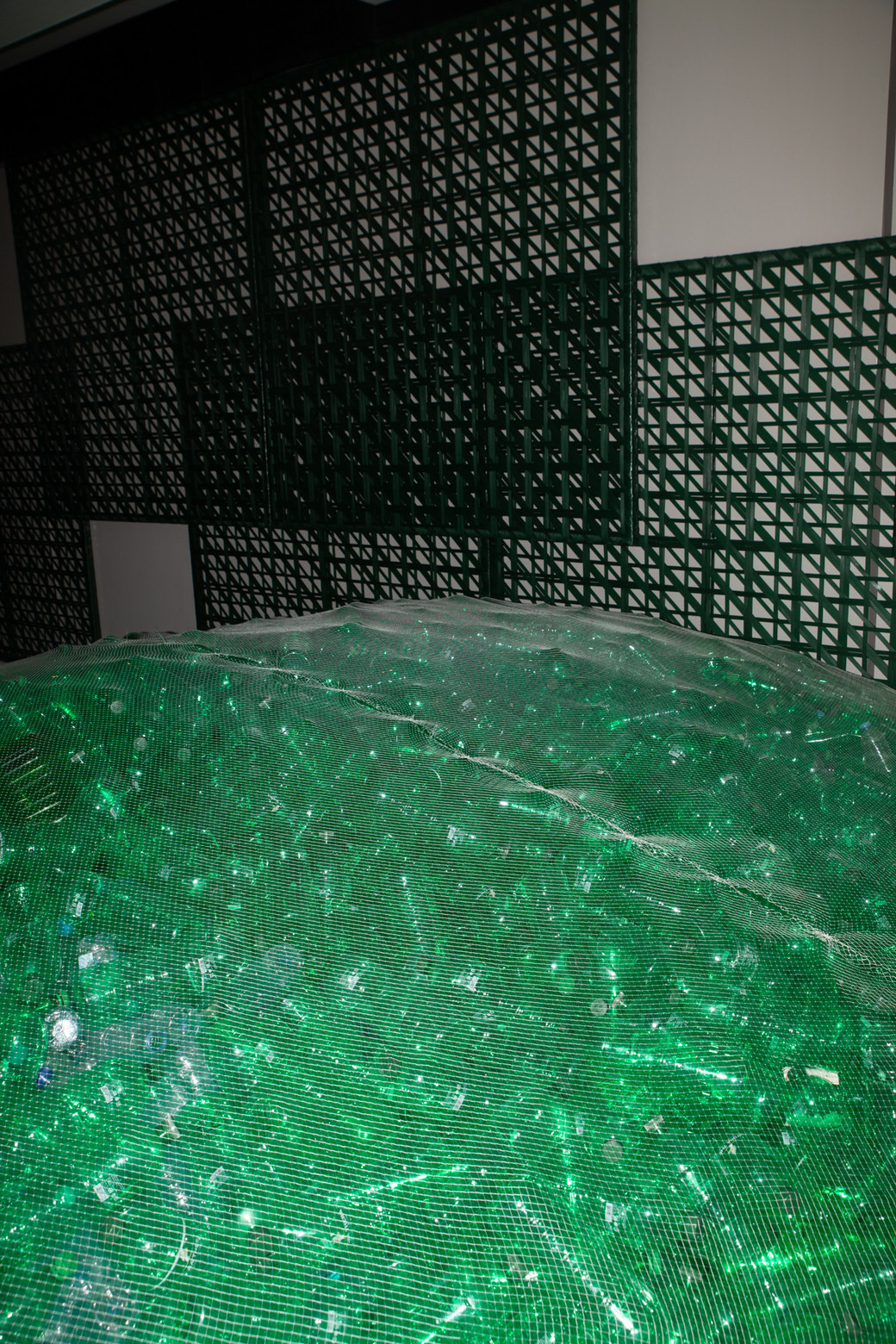
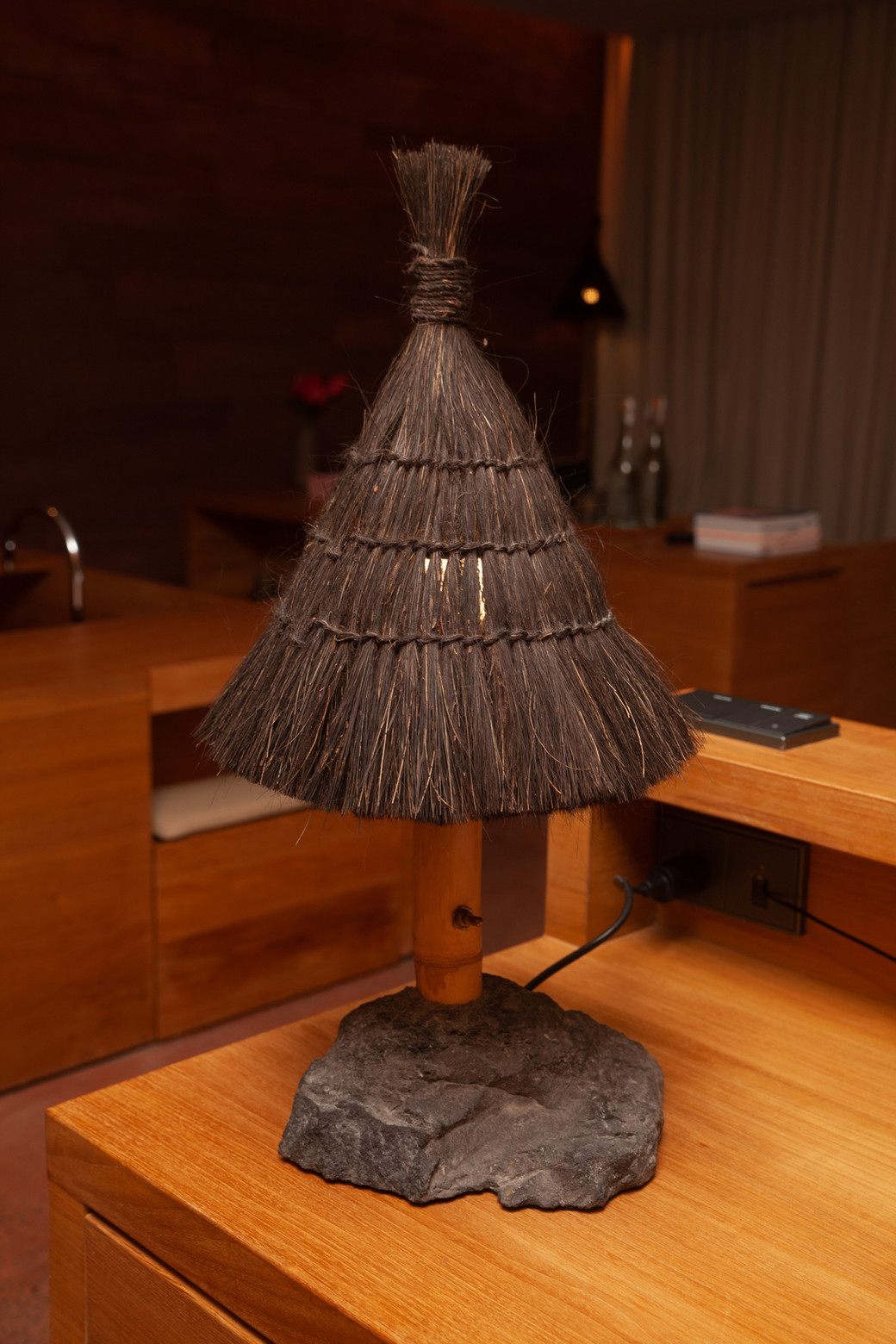
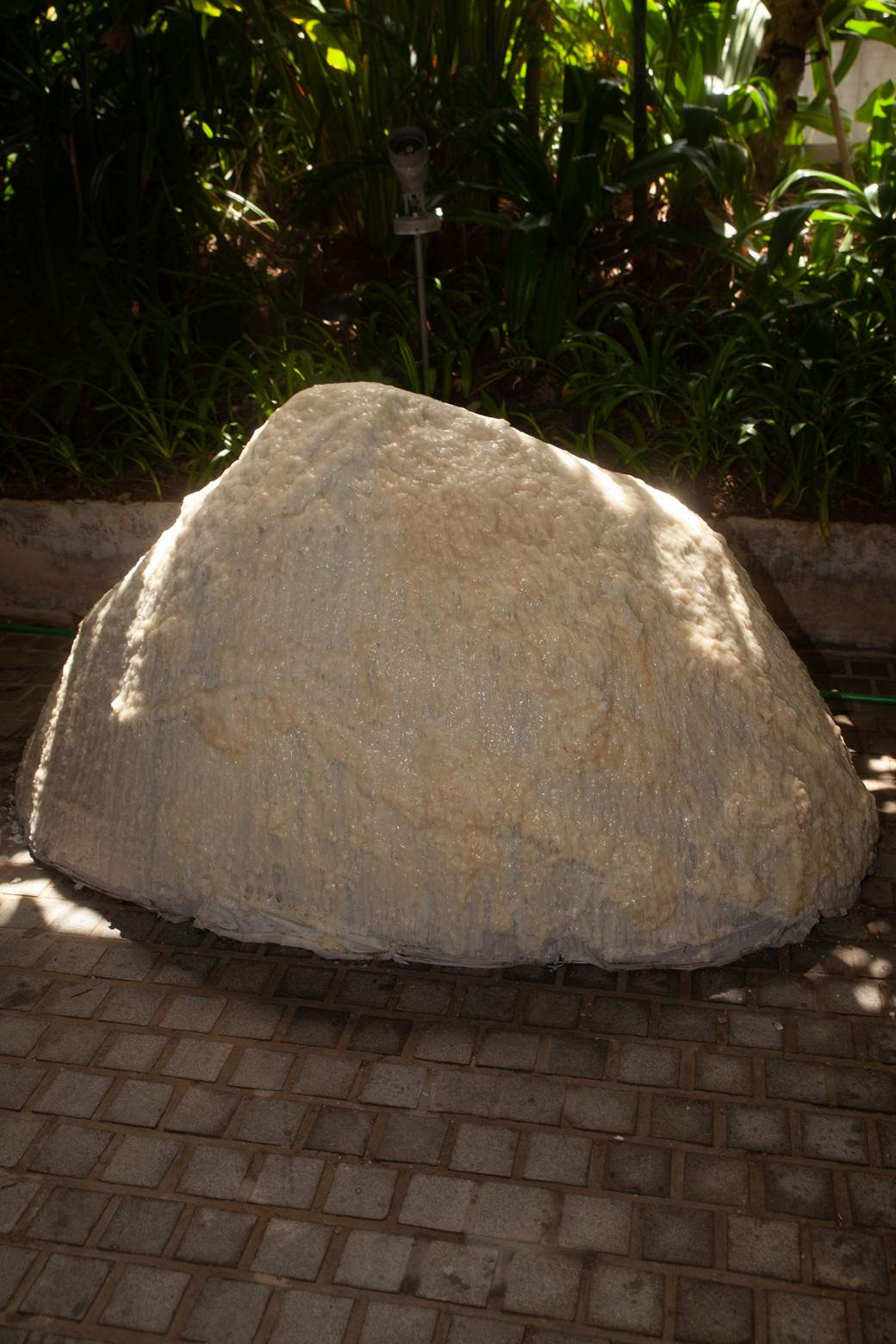
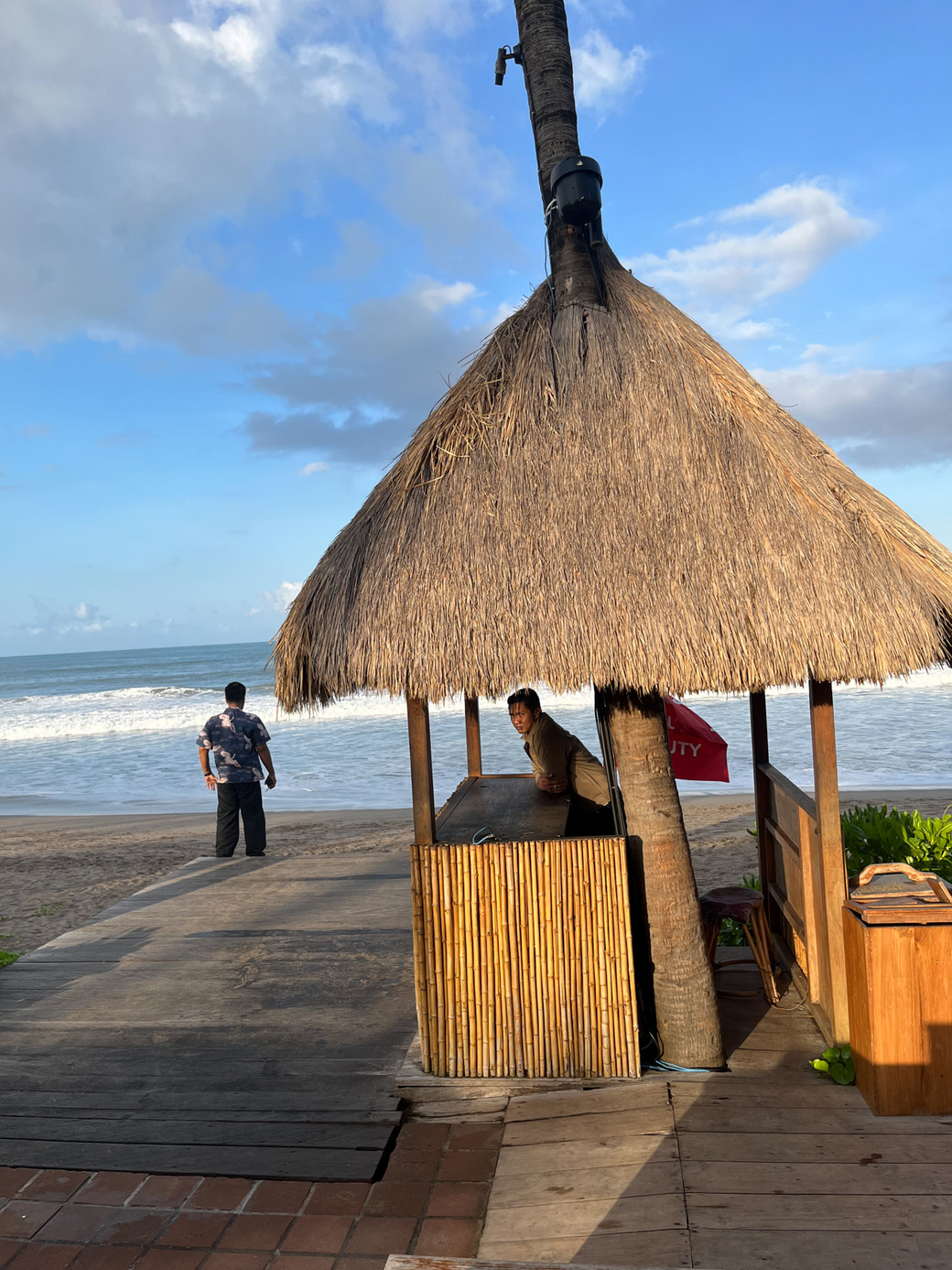
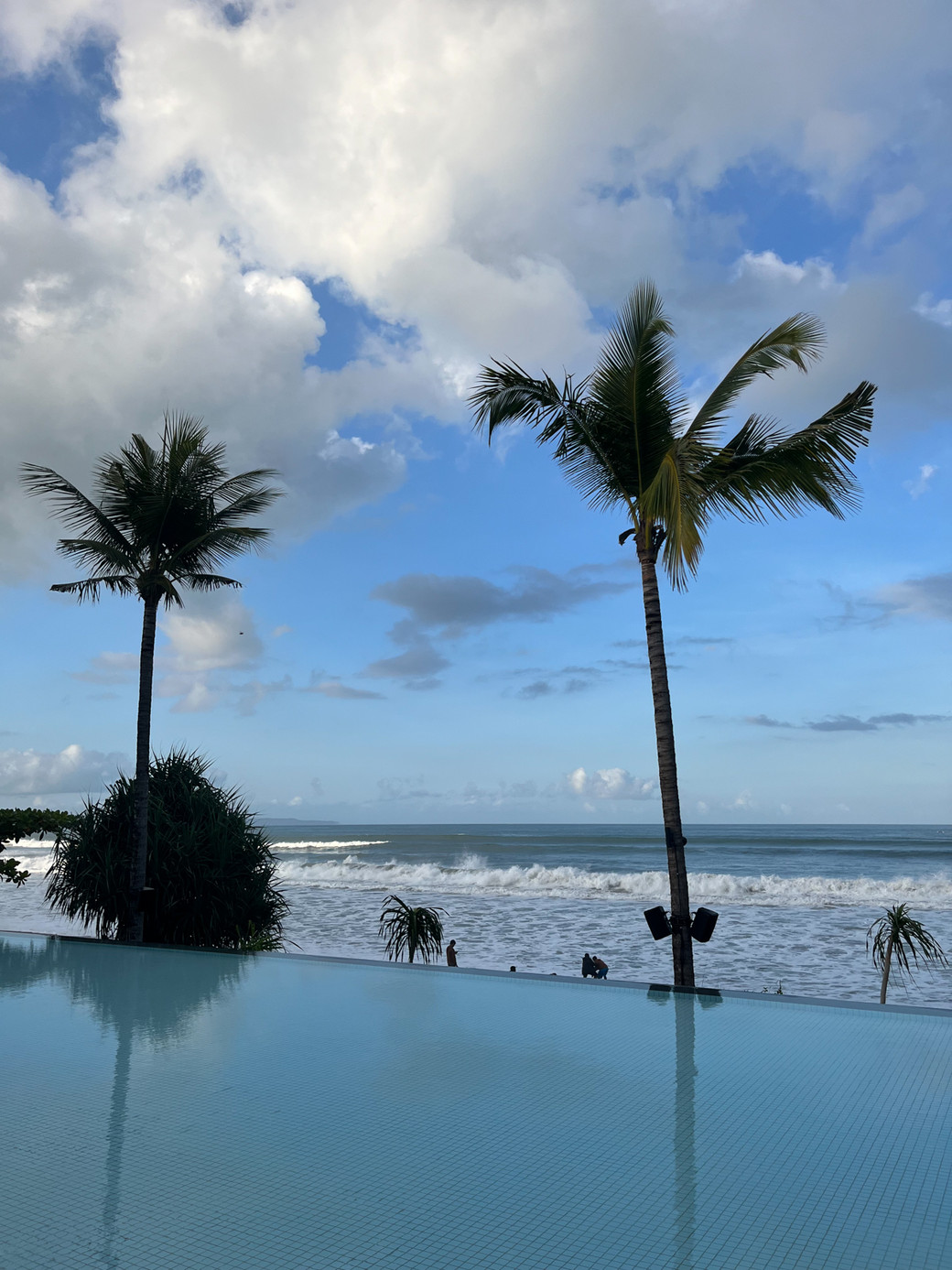
We got the opportunity to see this hard work ourselves, first at the exhibition in Singapore — which presented the art and design work created from waste — and then at the resort itself. Each chapter of our travels alongside Potato Head was important, unique and hopeful. Not only were we able to understand that sustainability isn’t simply a sentiment for idealists, it’s both possible and a path to beautiful art and awe-inspiring experiences.