The Modern Muse


Stay informed on our latest news!


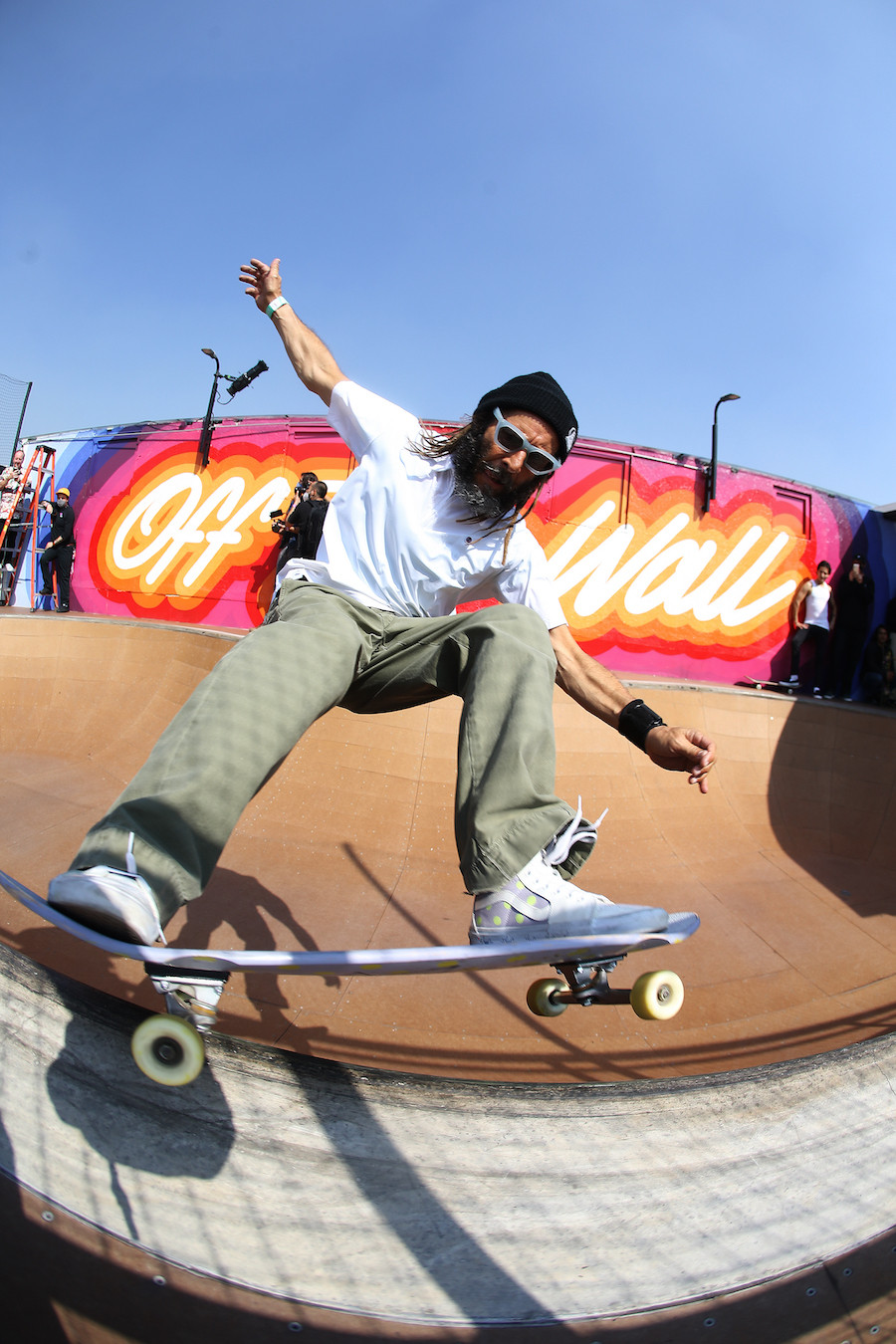
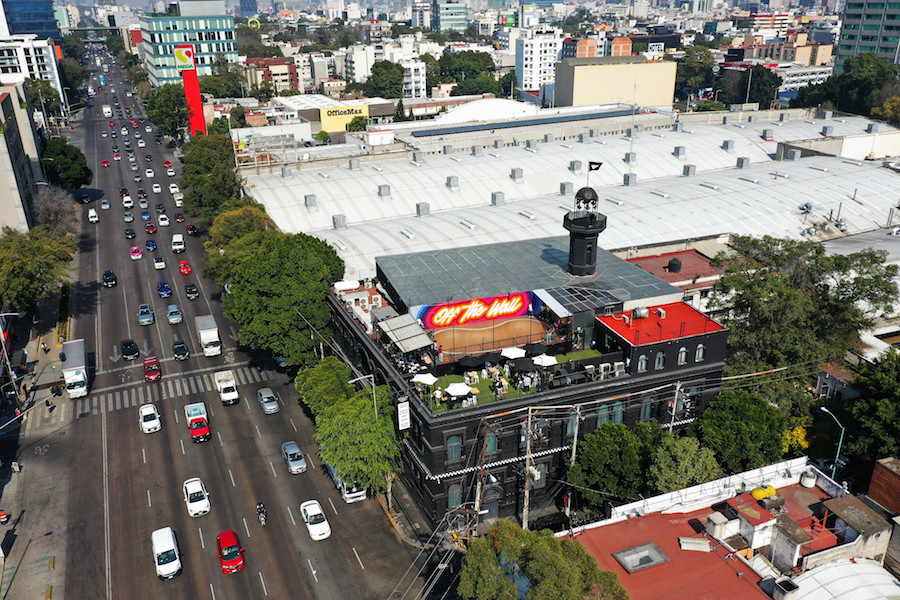
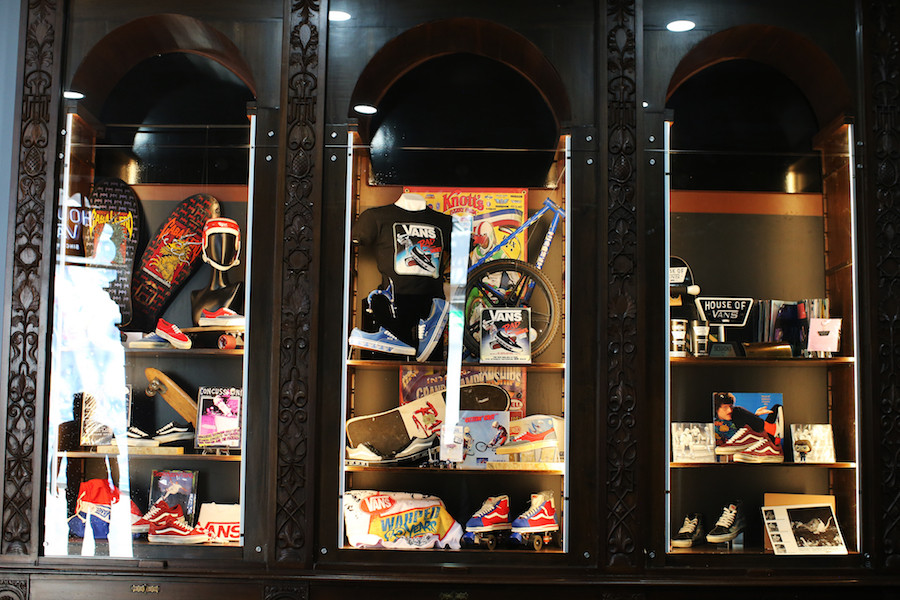
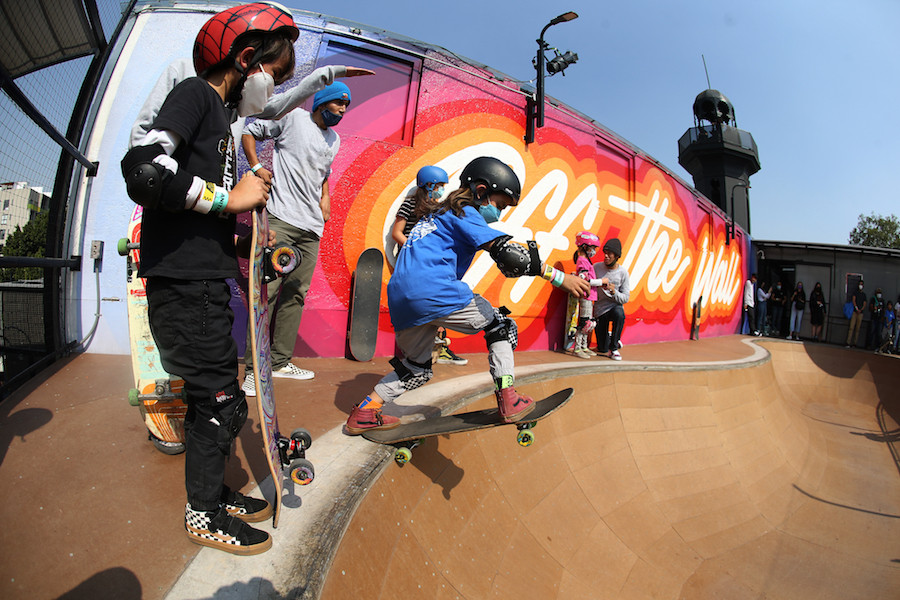
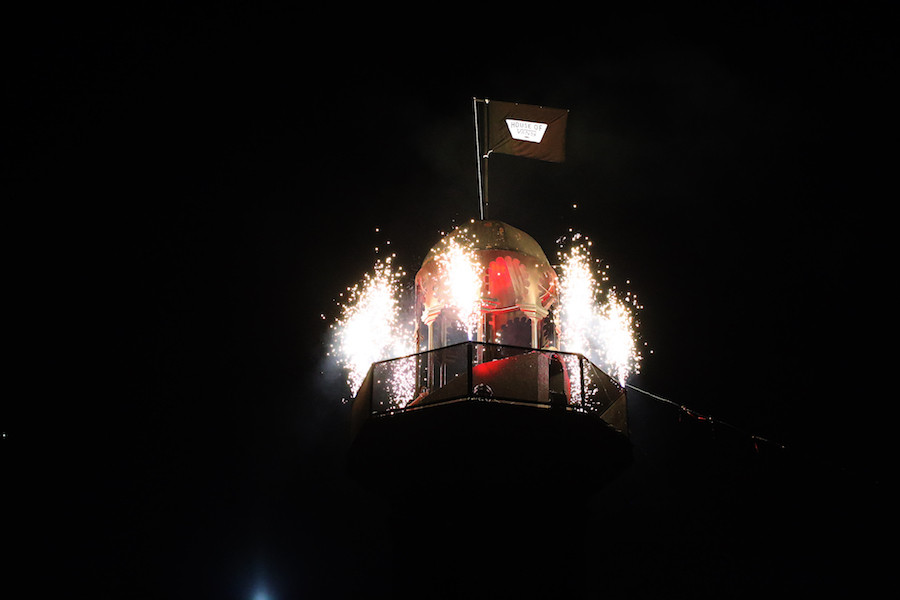
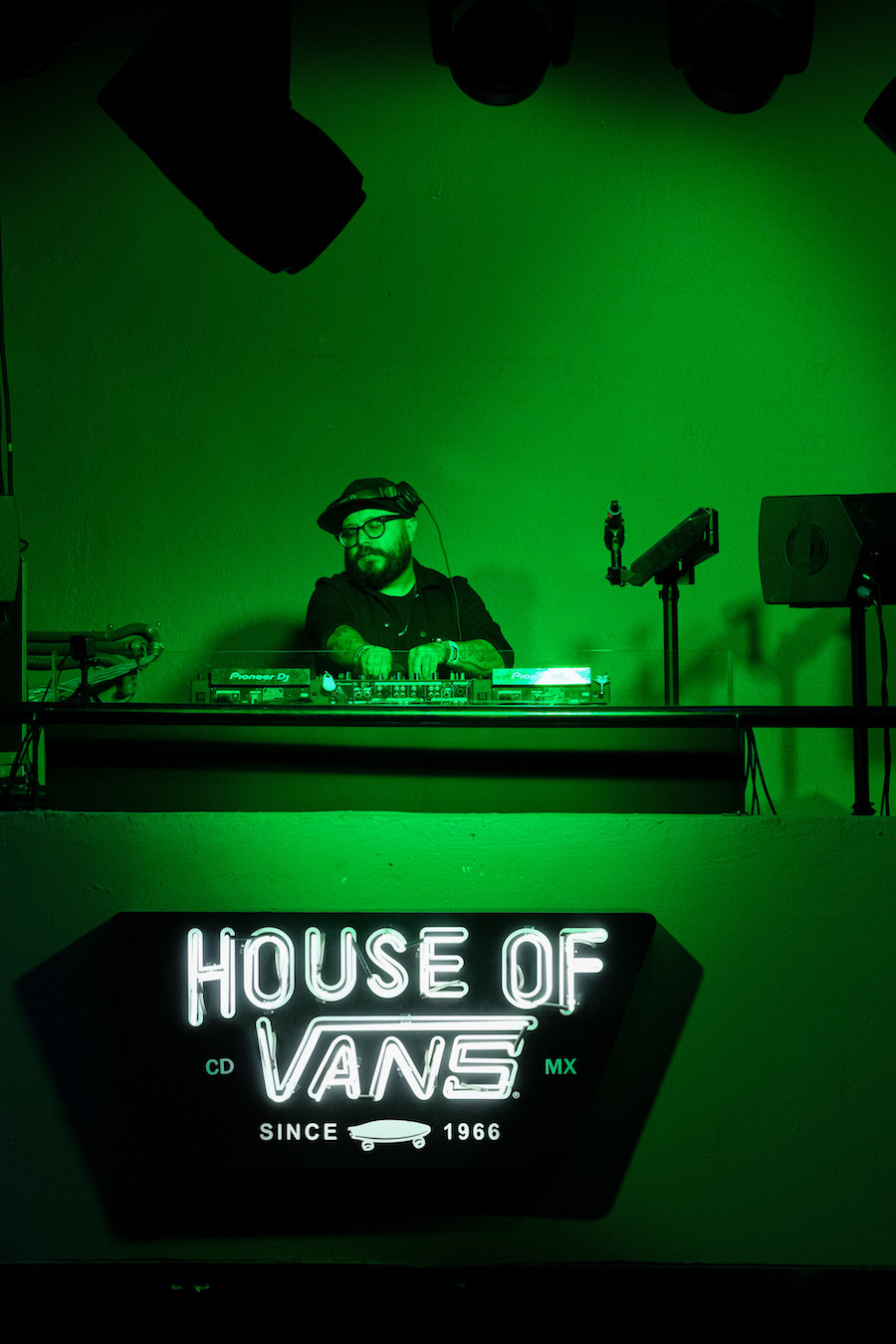
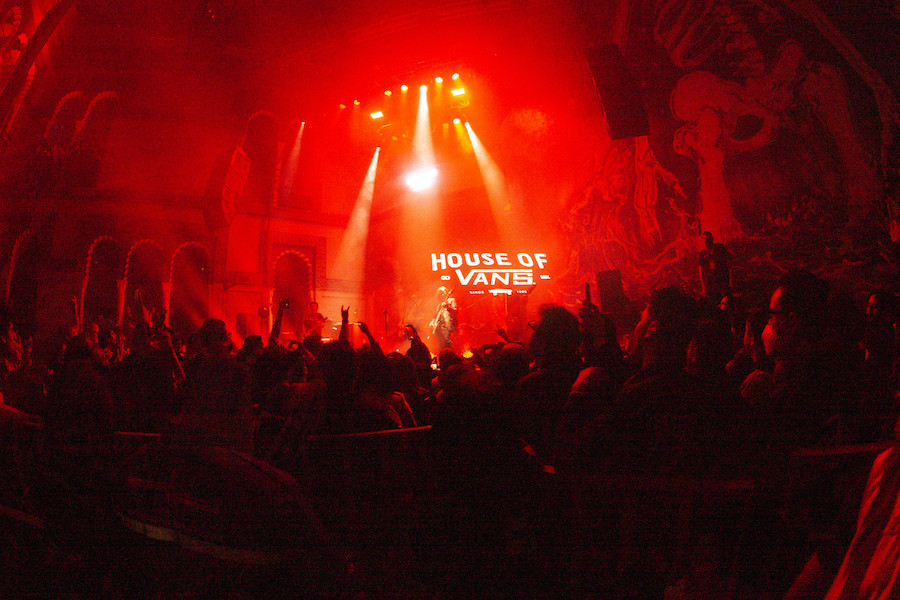
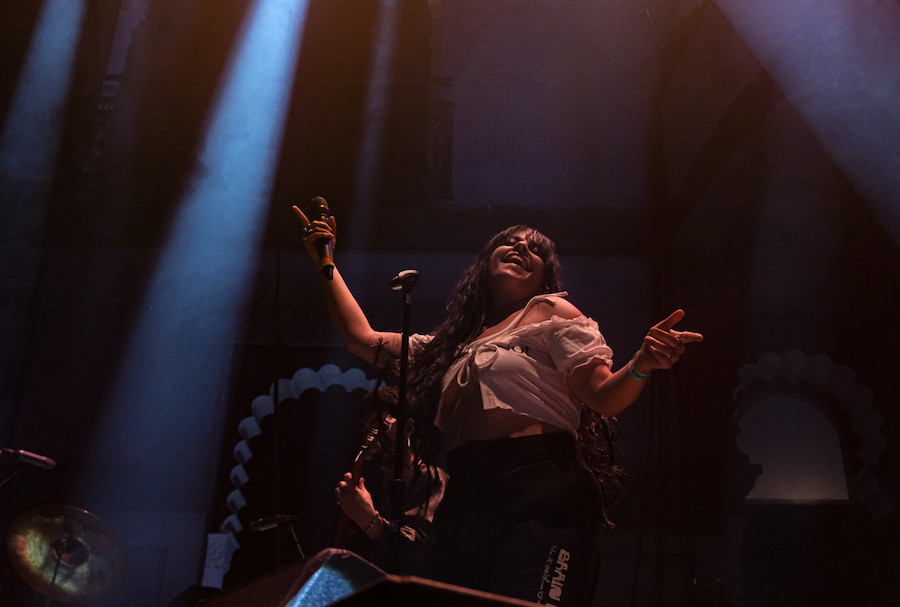
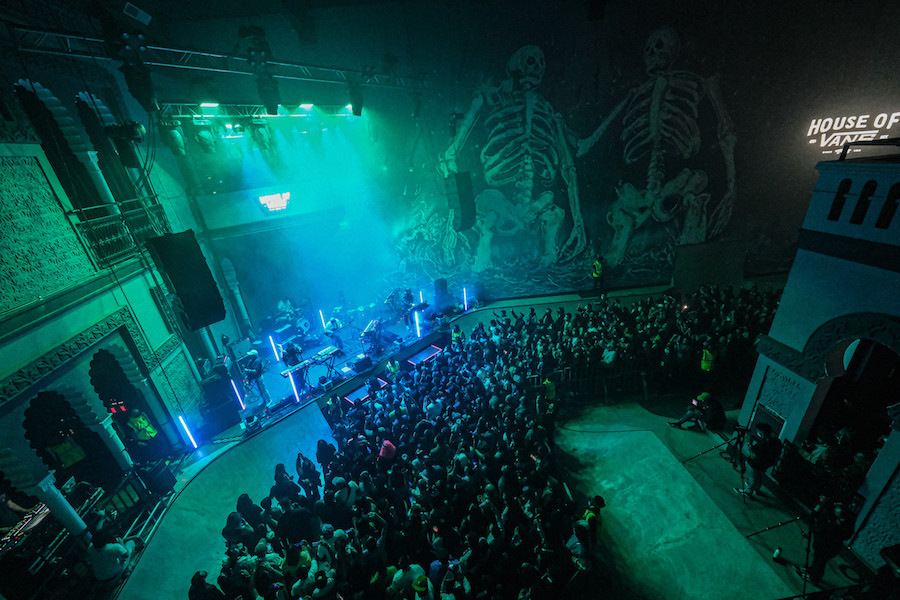
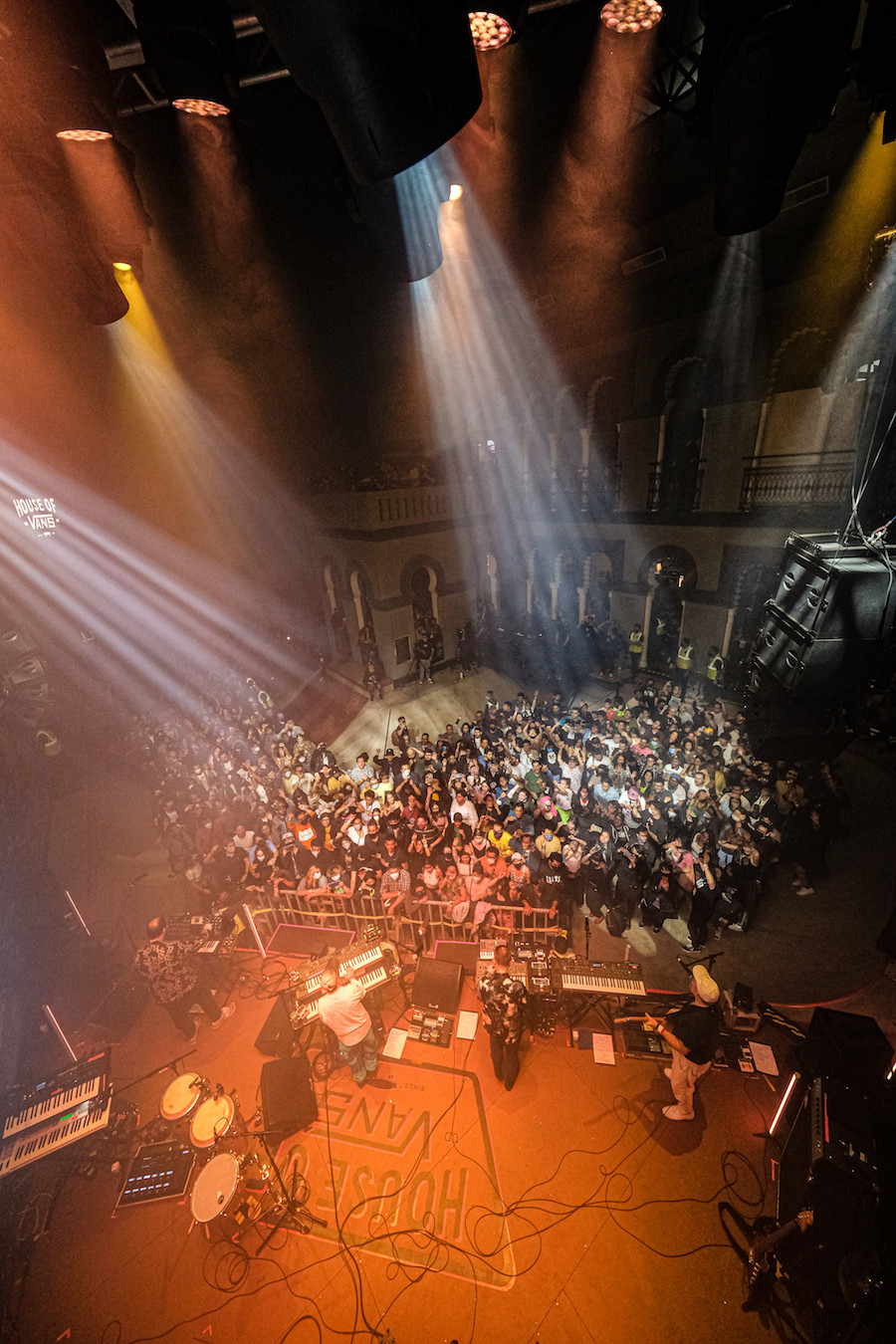
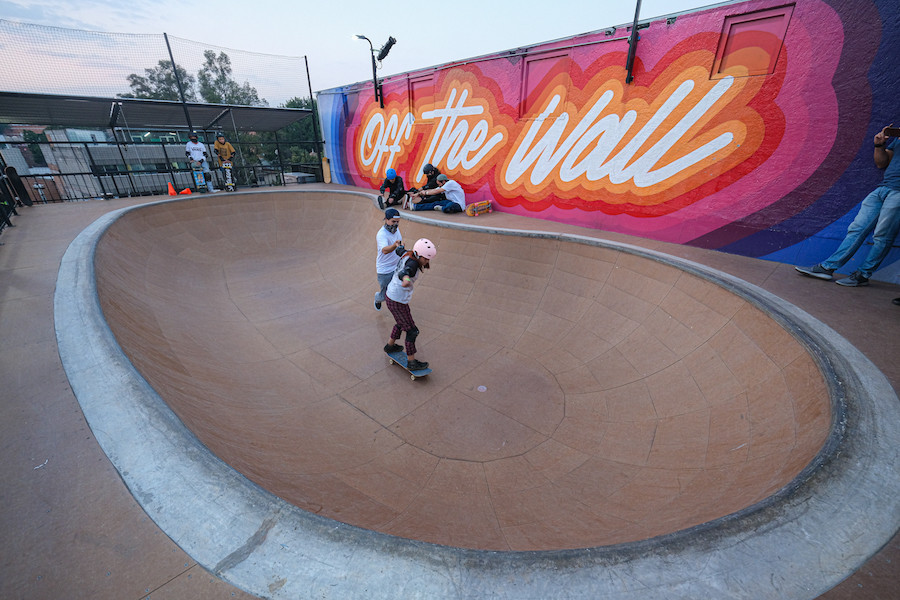
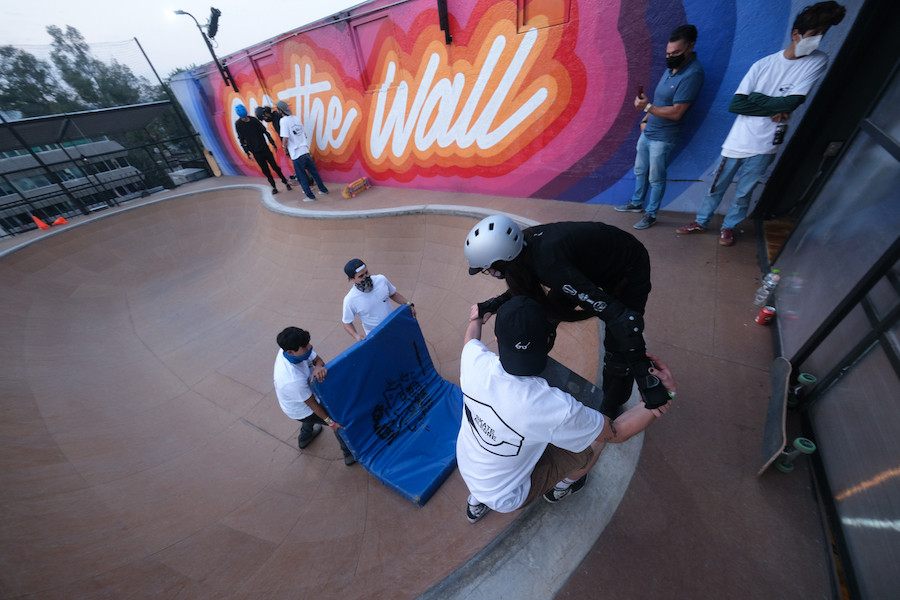
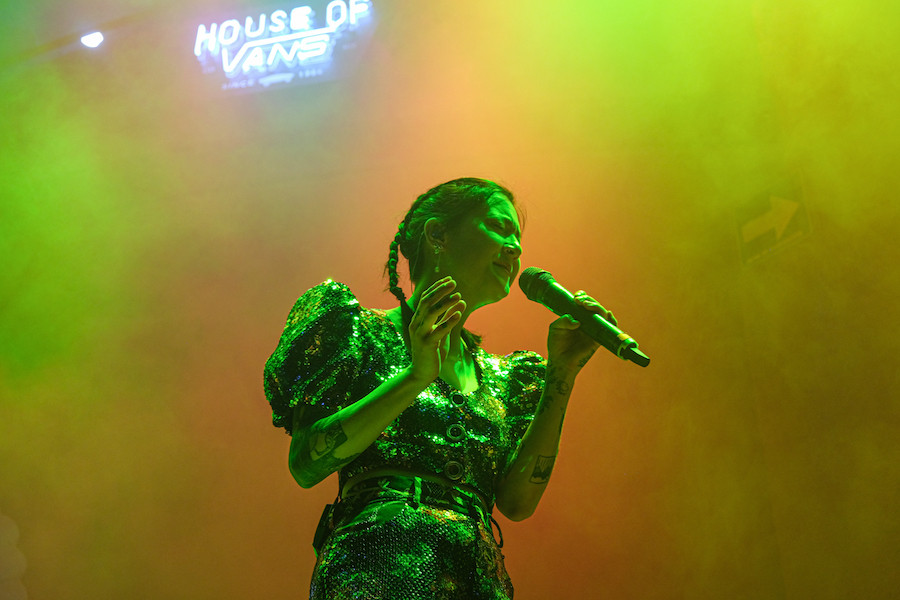
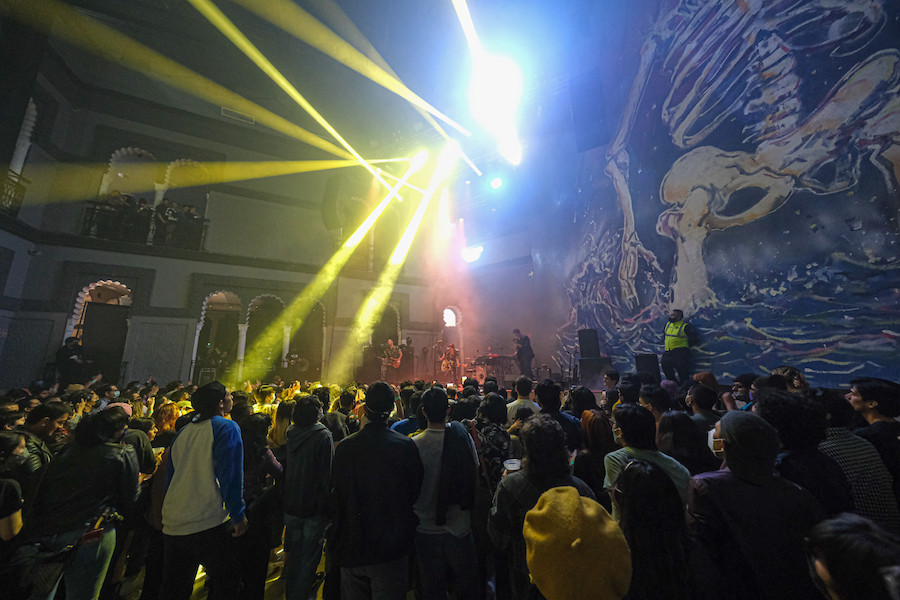
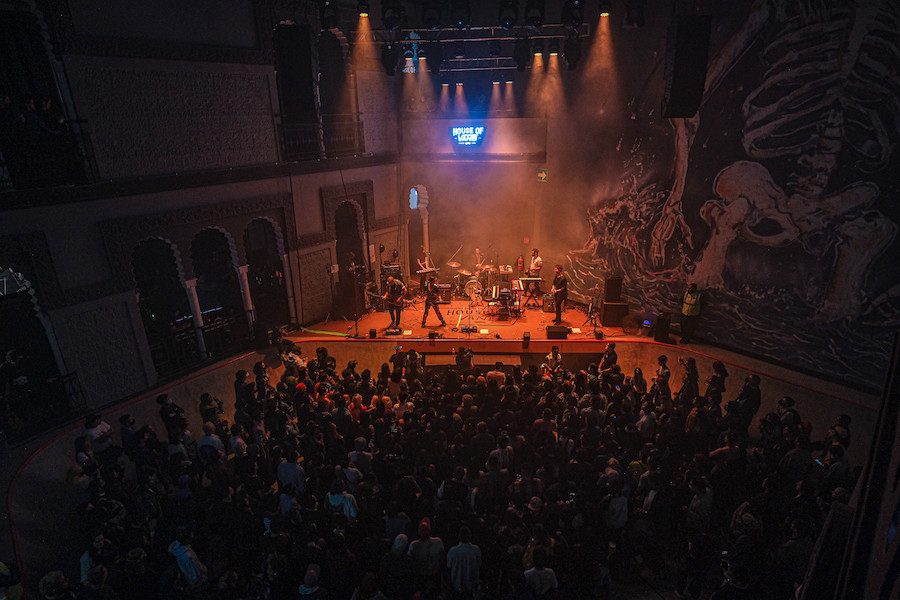
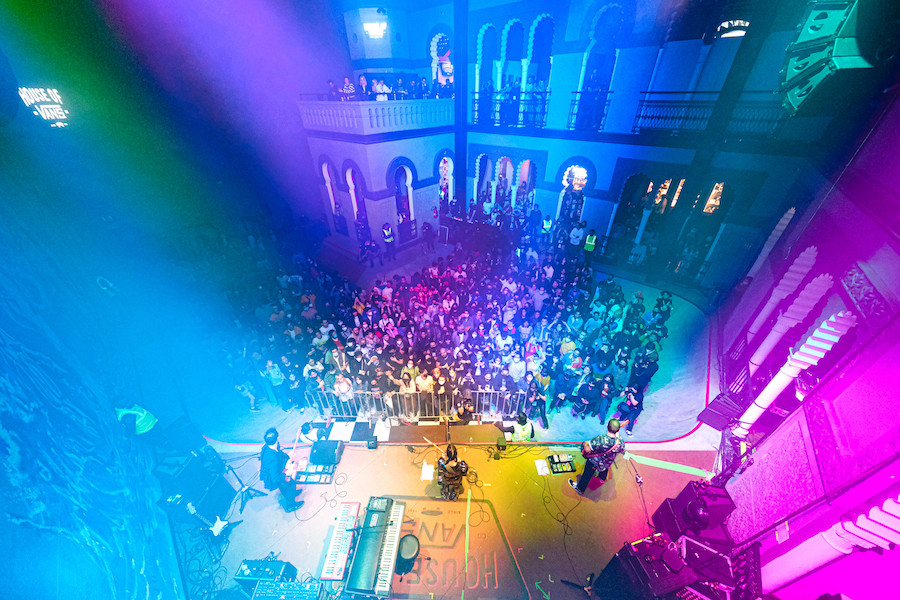
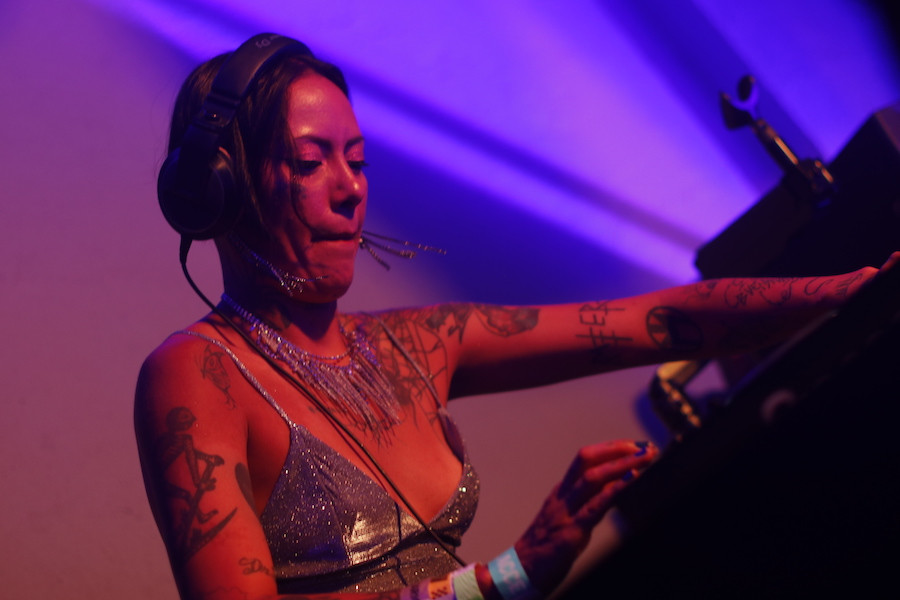
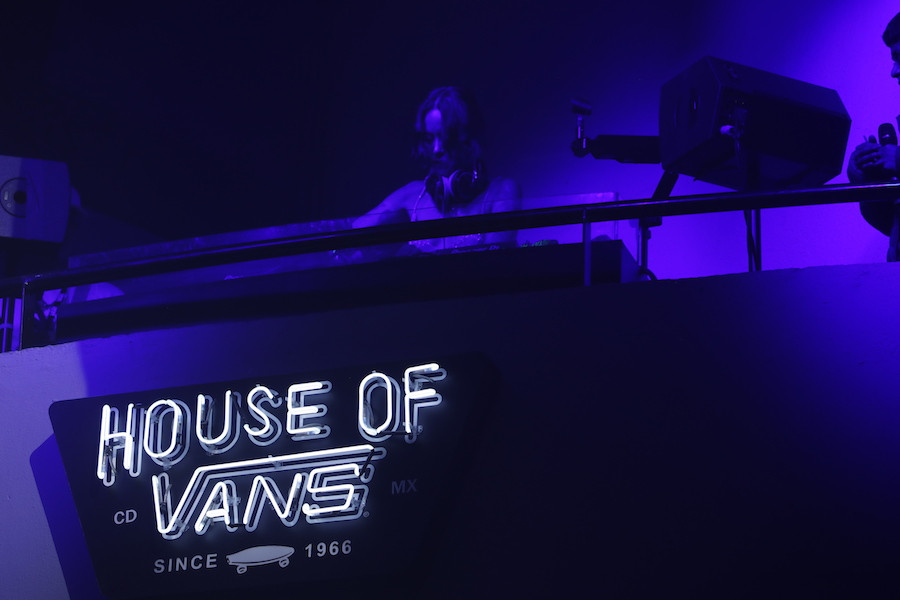
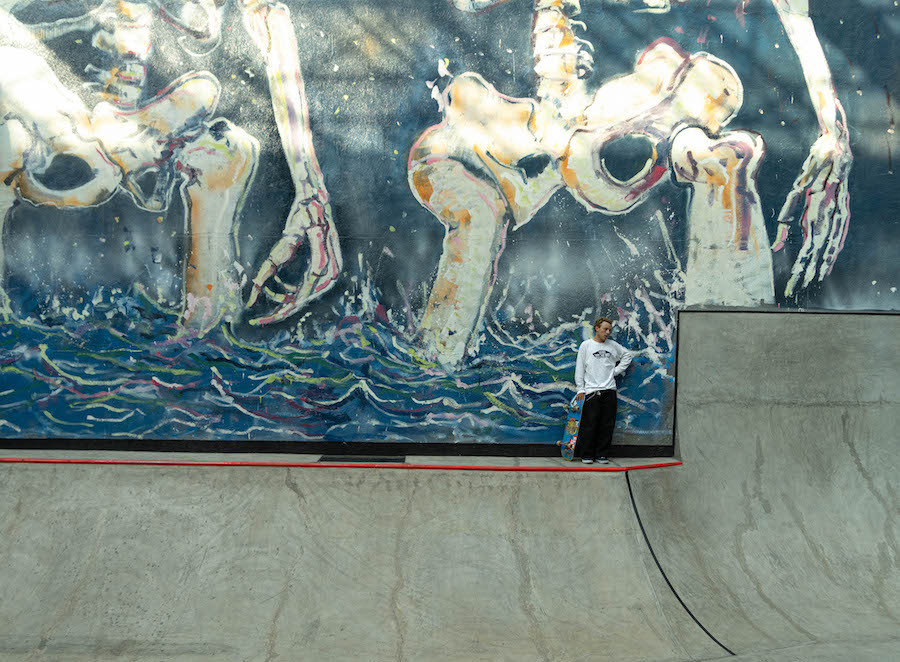
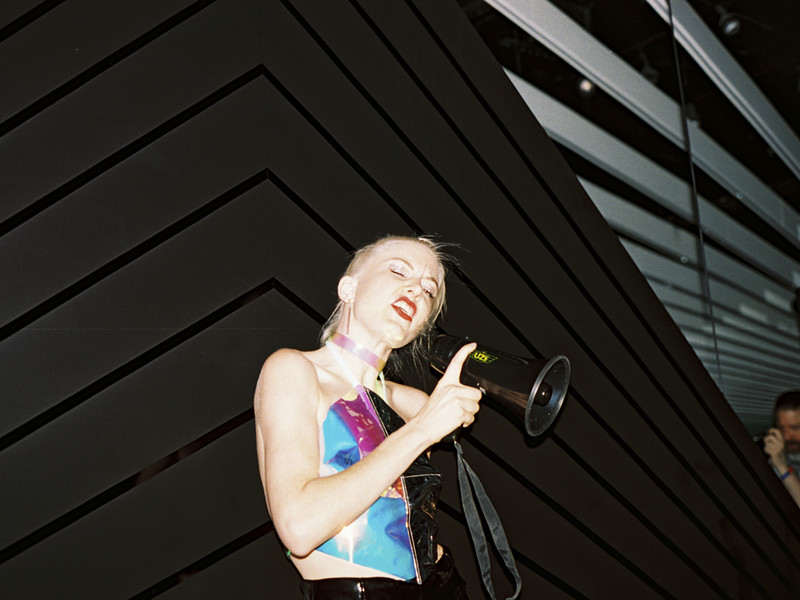
The first night caught sight of House of Vans Mexico City’s inaugural slate of workshops and skateboarding classes. Movie screenings featuring the premier of Para Ti and Tony Alva Story from Jeff Grosso’s “Loveletters” series lived in the day. And at night, the HOV Mexico City stage saw spirited live performances from Noa Sainz, Girl Ultra, and its main act, Japanese Breakfast performed in front of an enthusiastic crowd. The next two nights continued in the same high spirits to monumentalize the new space that will live on.
House of Vans Mexico City is located at Ruben 6, Col. San Juan. For all the latest updates on House of Vans Mexico City, including upcoming programming and events, visit vans.mx.

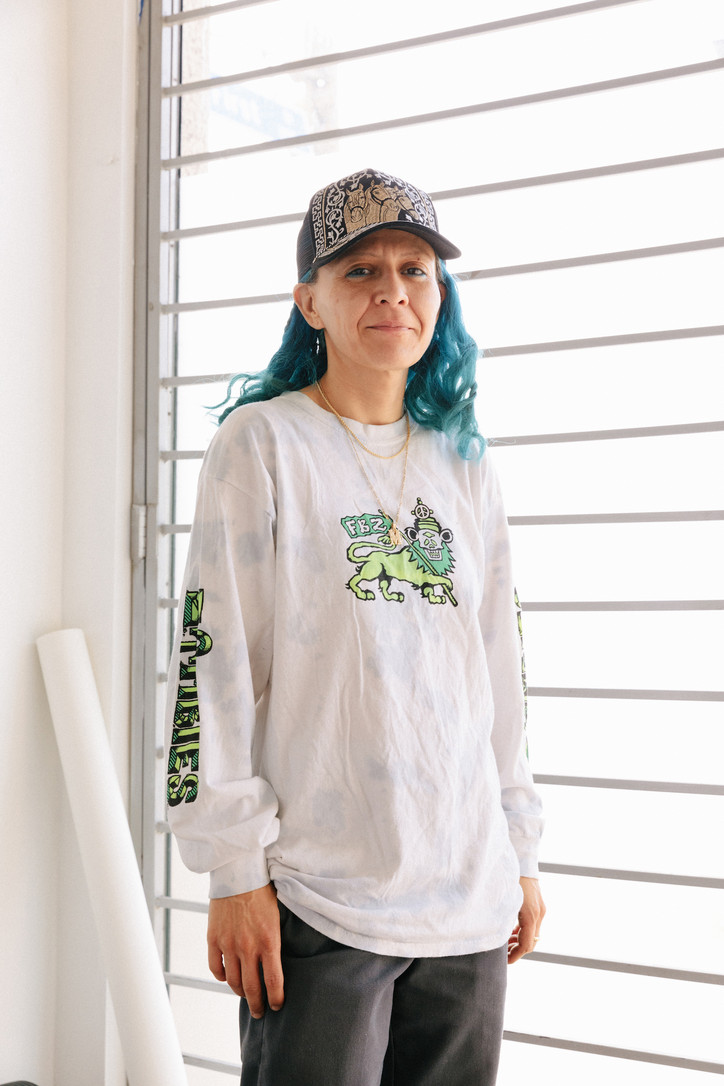
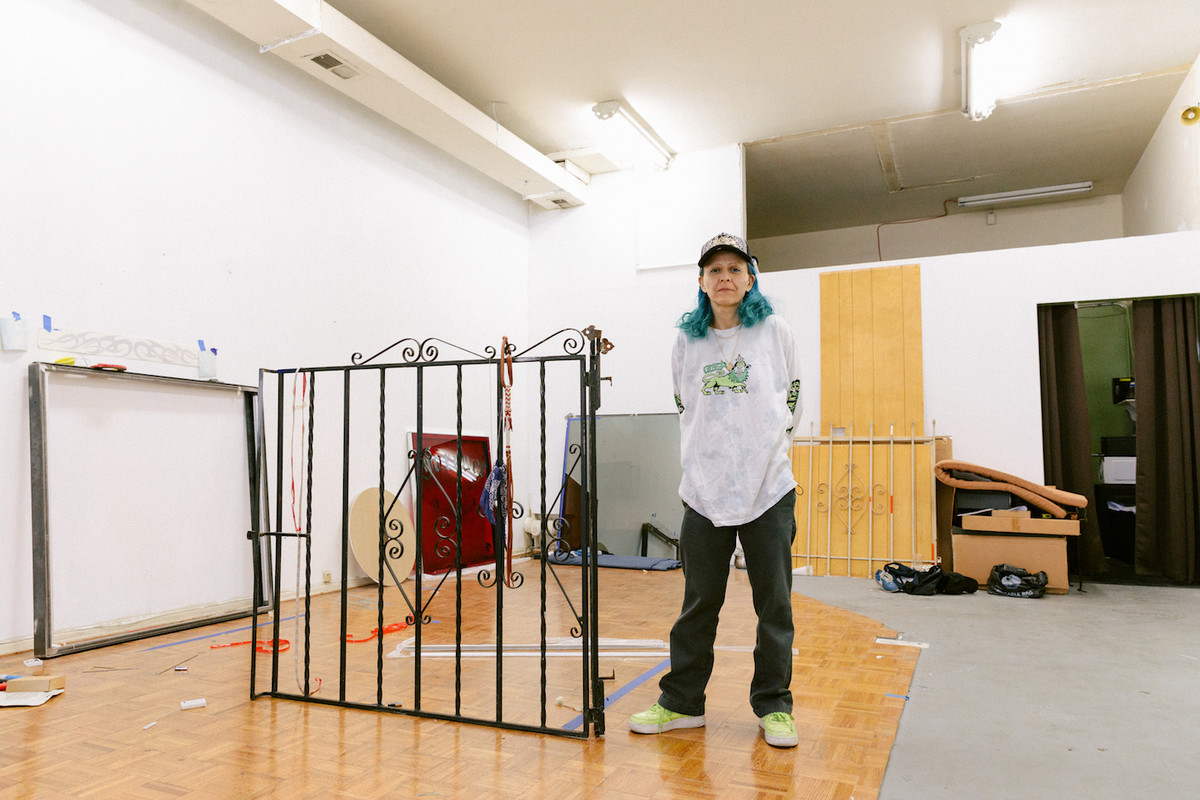
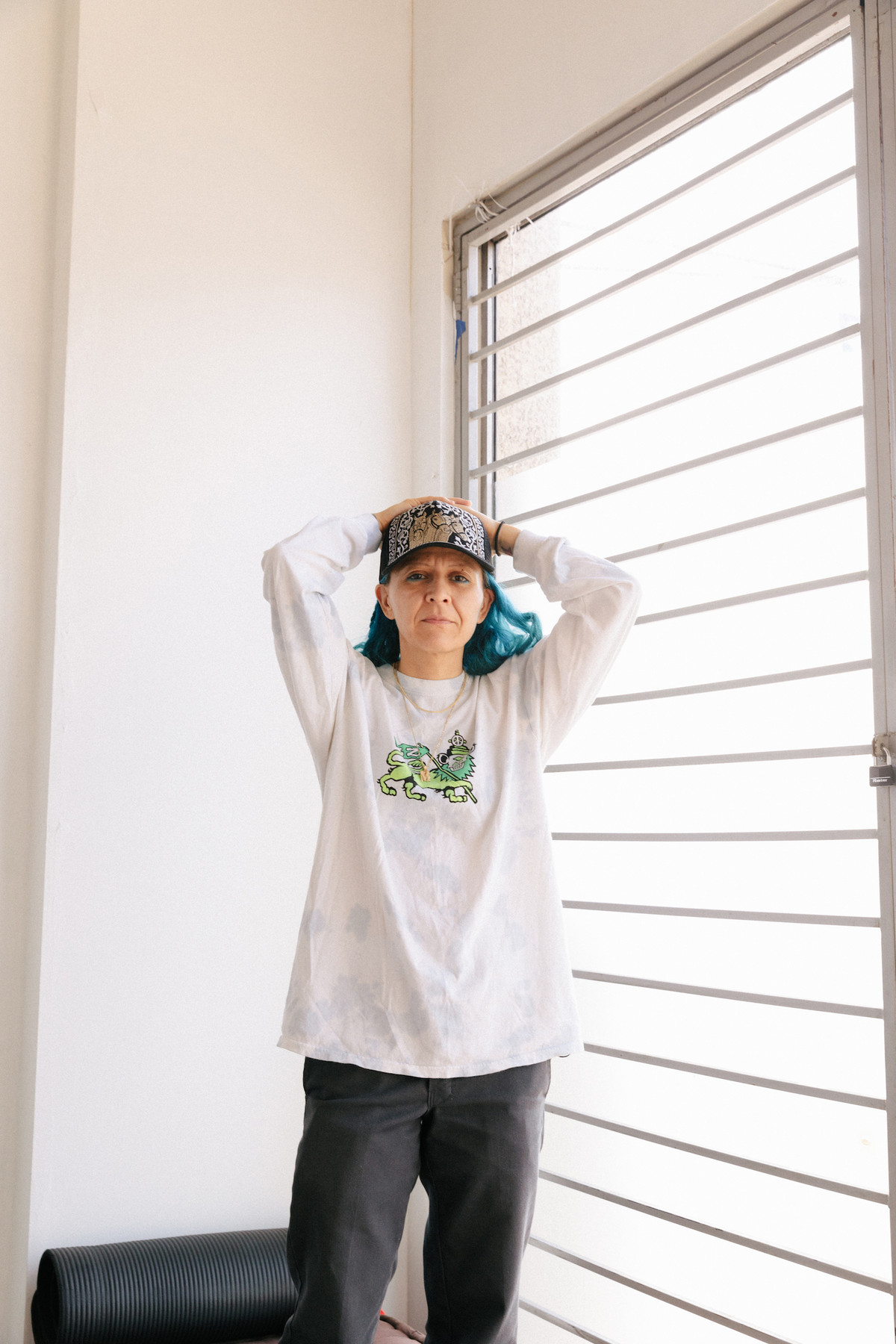
"The reason why I got this studio is because this is where I grew up, on the border of East LA and Monterey Park, but this is like, I'm very familiar with this area, and that's what I was attracted to. I was also thinking about, okay, if I were to have a community archive space or our own library, right, what would be the most ideal?" she explains. Carrying pieces of her upbringing stretching from East LA to Boyle Heights (specifically at the crossroads of Hunter and Lorena), Rosales meditates on her relationship with a city fueling passionate work. The multidisciplinary artist details the urge to carve out a physical space where the community can show up without restriction, immersing oneself in the richness of Latinx culture and the history it houses.
"I want to have a space where people can come in, hang out, engage with the archive. It's really hard for us to have a space like that for many reasons. My experience going into these spaces is also like, you have to go through so much. You have to register. You have to tell 'em exactly what you're looking for. You have to make an appointment. You have to wear gloves. You only have an hour, and someone's watching over you, like all these things. So, we're all like hanging out and putting in work. Let's say if you wanted to come and look at some archives, and maybe we can do an exchange where like, okay, you can come whenever you want, but you can also volunteer, like scan, help me scan some magazines, you know what I mean?" she elaborates. Community is always at arms reach for the artist whose mission is to visualize narratives that may not rest at the forefront. Rosales's offerings span various outlets and expressions, yet increasing social engagement has been with her digital archival spaces.


Nearly seven years ago, Rosales established Veteranas and Rucas, where she began posting submissions including portraits isolating moments that speak to specific eras of Los Angeles history. Through the submission process, Rosales connects with her followers, contextualizing moments through simple questions that lead to conversations and occasional bonds. "I build or create some sort of relationship with the person that's sending pictures or wants to share their story. I'm not just gonna post your picture, and then it's done, you know, I ask questions that people might also wanna know. Like simple questions could be, 'where was this picture taken?', 'Tell me what you were, you know, what that day was like, 'Just walk us through this moment.' And a lot of people really elaborate, which is amazing," she says.
View this profile on InstagramVeteranas And Rucas (@veteranas_and_rucas) • Instagram photos and videos
Stemming from her personal stash of photographs and family memorabilia providing solace, Rosales acknowledged the collective grief that others felt who grew up Latinx during the late twentieth century in Los Angeles— a time battered with injustice and governmental neglect. Aiding these remembrances of dark times, Rosales needed to share the importance of archiving. "I wanted to have that experience with other people outside of my family, close friends, and stuff because I knew that certain moments in the eighties and nineties were so specific in a way that a lot of us stopped talking about what happened. We were growing up when violence was at its peak, you know, and we also grew up with shame. I wanted to overcome that, not just move past that, but also acknowledge it, like okay, let's talk about that too," she says. While the archive is anchored in this form of catharsis, the digital platform contains thousands of stories.
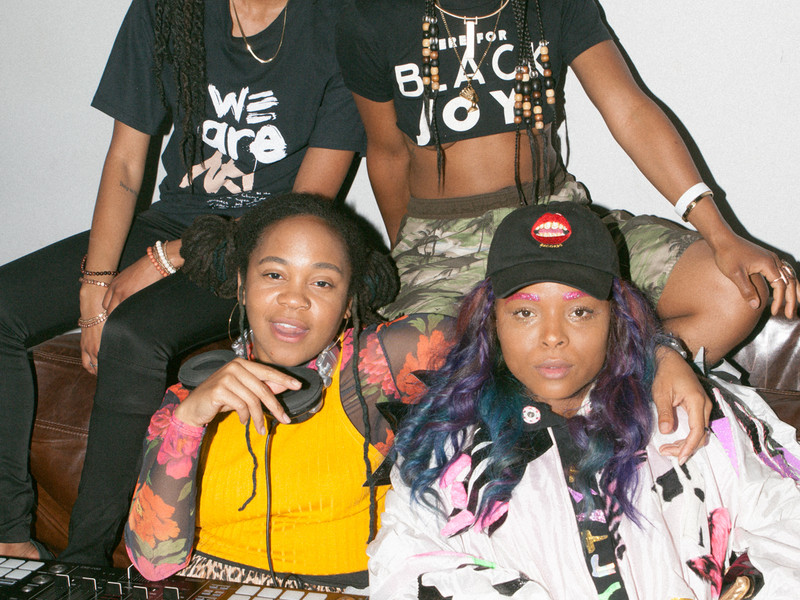
Scrolling through Veteranas and Rucas will have you transported to a backyard barbecue set in the late 80s, then immediately at a strip mall in El Monte. These submissions connect the greater Los Angeles area, which Rosales knows very well. Around the same time in 2015, Map Pointz was founded, providing an outlet to highlight the culture of underground clubs in the late twentieth century. At a time when Black and Brown party-goers threw on their most vibrant outfits and accessorized with hairspray, the underground scene provided safety from society's woes. Map Pointz documents the origins of house music that transpired in these raves and offers insight into sub-cultures that defined a whole genre of music.
While Map Pointz showcases moments of the 90s embellished with neon flyers and sweating silhouettes, Rosales continues this legacy through the work of programming — the Florentine Gardens in Hollywood hosted the most recent event that brought together LA ravers hinged on nostalgia. Providing safes spaces where individuals can bask in their individuality, specifically queer folk and femmes, Rosales understands the power of sexual exploration and finding havens that mirror one’s identity — reflecting on moments where she came into her own. Navigating a journey of self-exploration and cultural revelations, Rosales reveals a moment in time where she found herself living in New York, a time which opened her eyes to an art scene informing the archives we see today. "I do want to give credit to that community, my time in New York because living in LA, and I do also get like, I have this other part of me. I want to honor and give thanks to and celebrate, you know? So, I feel like maybe these two worlds collided, and in some way, like this is where these archives started. I'm like, let's just go with the flow; let's be poetic about it. Let's, let's be gentle, you know? And that's the beginning of what you're seeing now," she says.
View this profile on InstagramOfficial Map Pointz Project (@map_pointz) • Instagram photos and videos
Physical and digital archival practices have pieced together Latinx history, refocusing a narrative that Los Angeles is home to a diverse culture unfortunately undercut by years of gentrification, homogeneity, and injustices. Speaking to these decades of resistance and culture that sustained her community, Rosales's conceptual art hones in on the interconnectedness that makes this area so beautiful, resting not only on the past but the present and future.
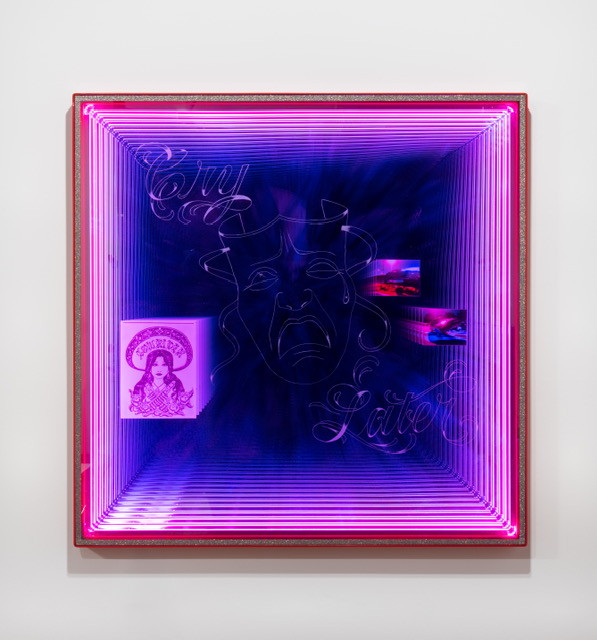
The multidisciplinary artist has exhibited work in major cities, including Los Angeles, New York, and Mexico City. Focalizing narratives of familial intimacies, generational bonds, and cultural acknowledgments, Rosales presents art in the form of installations, sculptures, videos, and audio experiences. Through acts of celebration and collective power, the multi-talent continues to provide visibility to a community that has contributed to her growth.
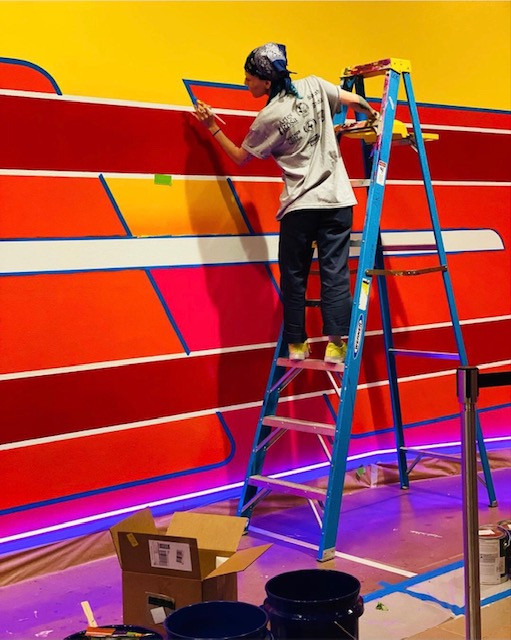
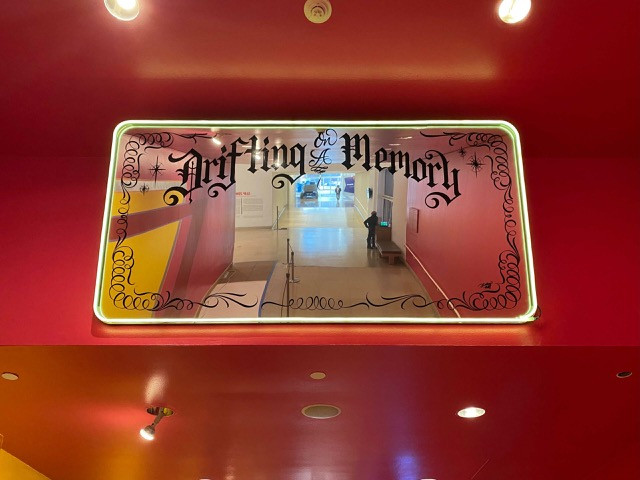
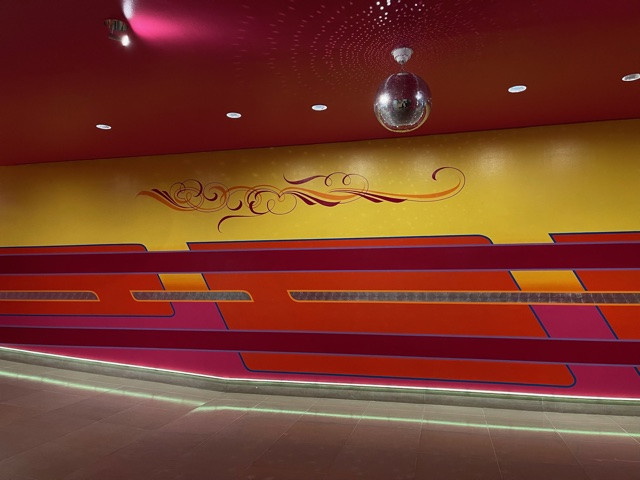
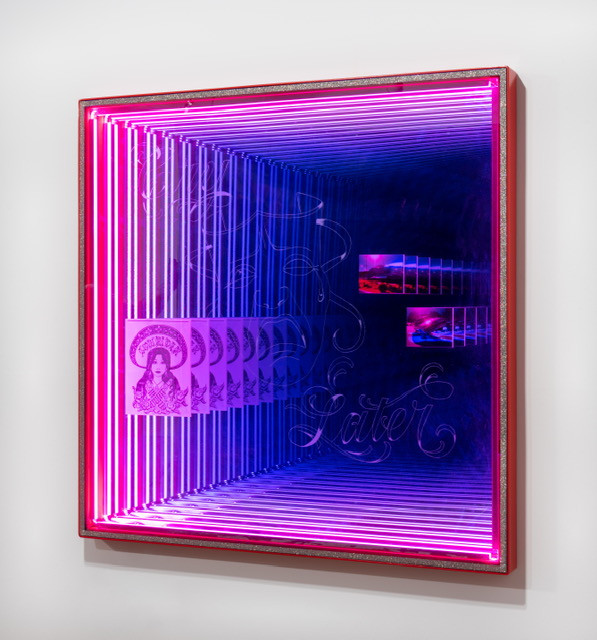
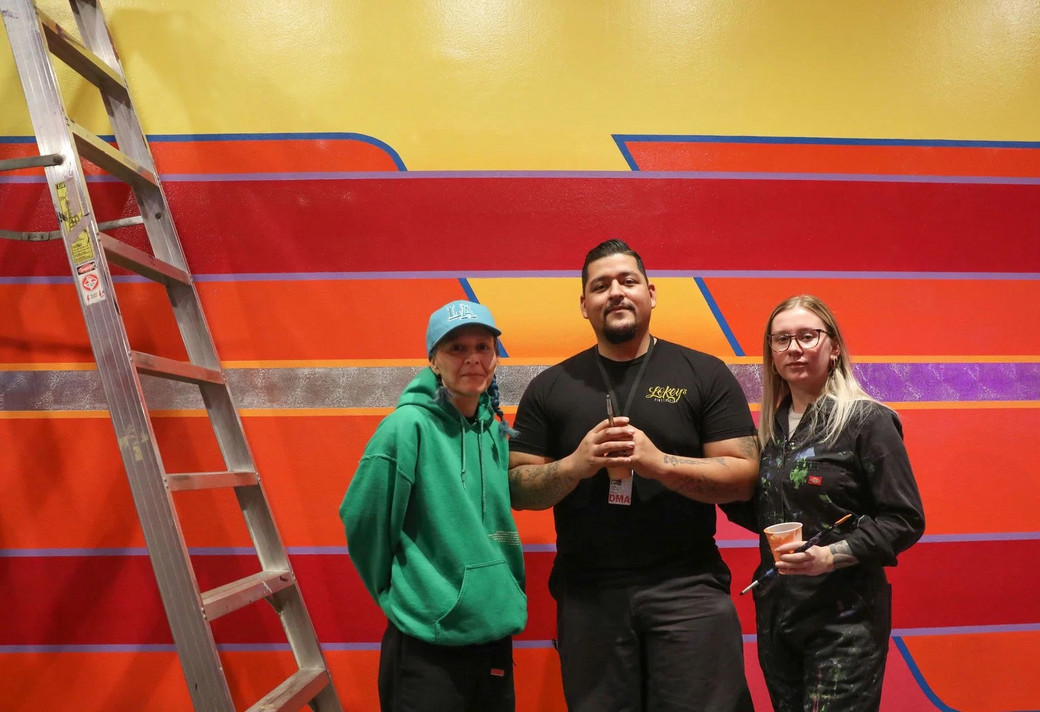
As I look around her studio occupied by in-progress pieces, Rosales gets ready for an exhibit at the Dallas Museum Of Art. Drifting on a Memory is a mural series marrying her archival work and artistry speaking to Chicano/Latinx history in the late twentieth century, including magazines, letters, posters, and other period ephemera. Bridging her passions of art and connectivity, Rosales occasionally speaks to academic audiences interested in her worldview and mission. Uplifting her community and honoring cultural roots deeply planted within her, Guadalupe Rosales continues to paint a picture of love, resilience, and memory.

You're known for your work using natural/available light, using lighting to evoke or perpetuate emotion. For the calendar you shot multiple images of each subject throughout the day..
Yes, the most important things for me when shooting the calendar were - the subject, the story of the subject, the light and the fragile locations. All the locations were picked from conversations I had with the artists. When you see the calendar it’s a little bit like a puzzle. I wanted all the photos to have a different feeling, to be able to express what was particular to each one of the artists/activists through different light and the different locations. And if you look carefully in the calendar, you can see the different angles of the sun and different angles of the light and the colors of the day.
What time of day/lighting do you respond to most? What emotions does this time of day evoke for you?
Particularly the times that I like the most, that I find the most mysterious, the most poetic and interesting, is the tuscan tones - either very early in the morning or once the sun’s set. In fact the photos that I shot of Saype were shot at like 4am in Alaska. For some reason I just like that time of the day, I think it’s a time when your iris is really wide open and you can see colors you otherwise cannot see. And you can see depth in a different way. They feel to me the most mysterious and the most unused because it’s so hard to shoot at that time, there’s almost no light so cameras don’t respond technically the way you would like. It takes more time, and I would say more knowledge, of techniques to shoot at that time.


There's something very captivating about how you seamlessly shift perspectives in a shot to show the perspective of the talent and the environment simultaneously. How did you incorporate this in the calendar shots?
In some of the shots I wanted you to feel the way I was feeling when I was shooting the photo. And that’s why I picked that aspect ratio, because it allows you to see the artists very close but also to see the environment where they were photographed. It is not easy because you have to work with a certain depth of field and equipment that allows you to do that, but it was a challenge I wanted to take. And again I wanted to feel that if you make these photos really large, the way you would watch a movie, they would hopefully be very immersive.
Typically the world in which the character is in tells us a lot about them or how we should feel about them. In Revenant you chose the forest in BC for the bear fight scene because of the tall trees, giving an exaggerated perspective to Leo’s size and his vulnerability. This built tension and, I believe, an extra sense of marvel at his triumph. How did you choose the location for each artist’s in the calendar and what does this reveal to us about them?
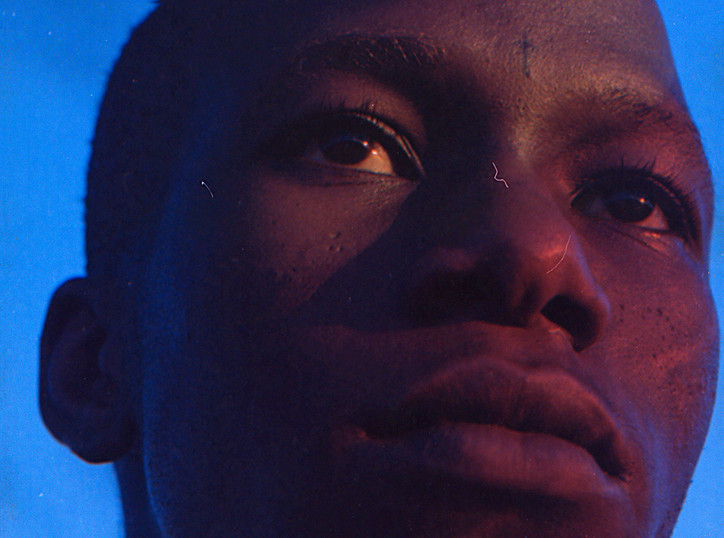
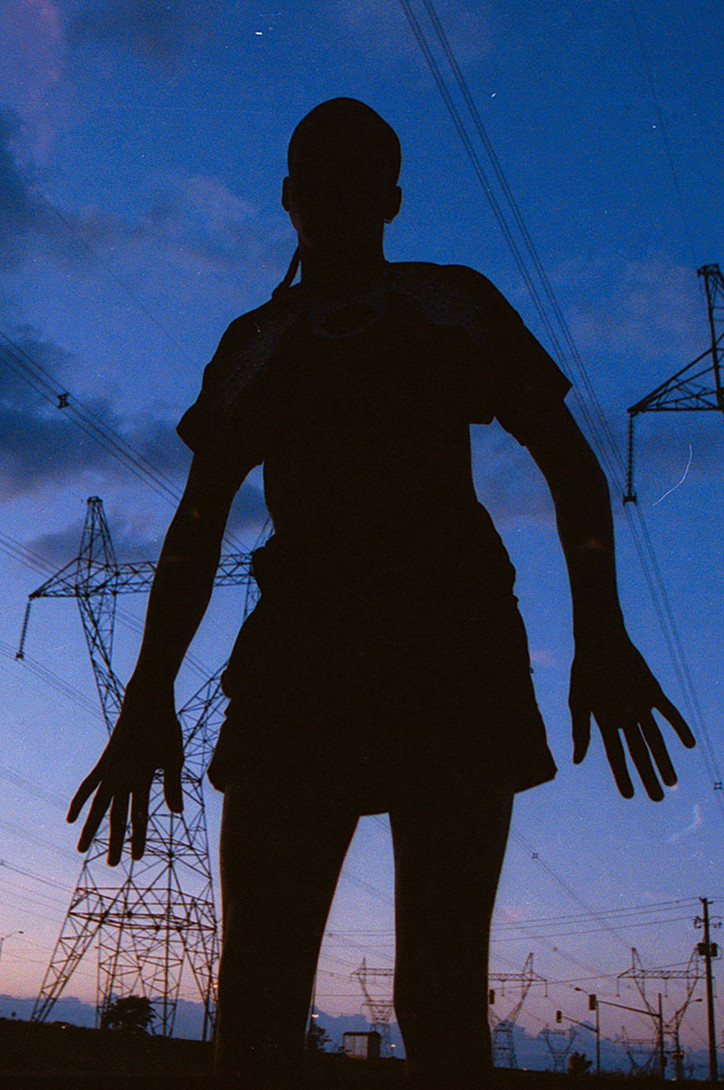
I had a lot of conversations with the artists, the conversations at the start are very, almost feel superficial - where do you want to shoot? How do you want to be portrayed? What clothing are you wearing? And then from these conversations I can start to almost dig into their subconscious. And these took me into looking for locations. When I was talking to Ben [Harper] about his guitar, the wood of the guitar, the importance of this swamp came up. So I went to look for swamps that I could shoot him at - somewhere he was not going to be eaten by crocodiles - and I presented the photos to him. His reaction was very visceral, he said, ‘Yes, that is exactly who i am! The wood of my guitar comes from here and the sound of my guitar comes from here’. And even though these conversations were slightly esoteric in a way, not very clear, it helped me dig into who they are, how they see the world. Funny enough, I found out the location was a few miles from where the first slaves came to America, where music was brought from Africa - that became blues, that later became jazz, that later became rock, that later became Ben! So there were all these interesting coincidences that I think, even though I don’t like to talk about the photos or explain all these things, I’m always hoping the audience will pick up on or maybe I’m hoping too much, ha!
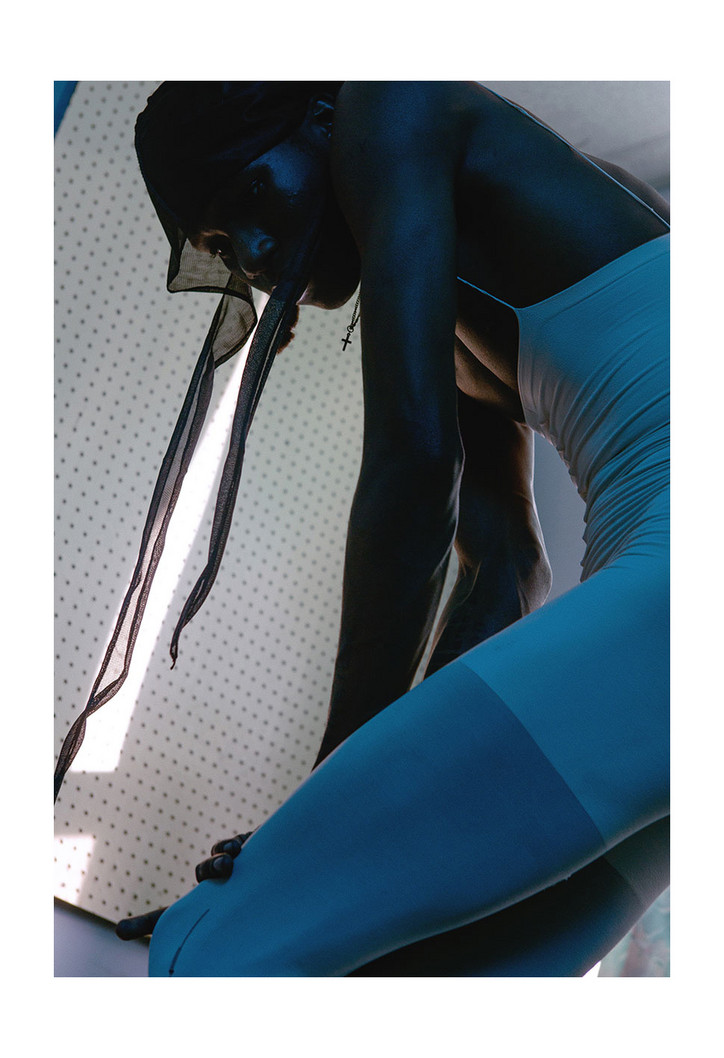
Well it’s interesting you say that because you know the old law of attraction, we are drawn to certain things, and sometimes you don’t even know why, and for him to be so drawn to that location without knowing the history..
When you see the images there’s some ambiguity but when picking the locations it really came from within their, I don’t know, their subconscious, the things they reacted to in a very primal way when I showed them the location options. You know Cristina [Mittermeier] said she, ‘I really need to be shot in Mexico, I have to be shot like a woman. Everyone has shot me as a diver many many times where I’m completely covered in equipment, I would like to be in a dress with flowers like Frida Khalo’. So we went to Mexico to shot her like that and it came out so mythical.
You know I’m a cinematographer so I usually work with a director. I would say what I do is listen to the director and I try to help them translate their ideas into images. So I made the artists/activists the directors and tried to turn their ideas into photographs.
What were some of the secrets embedded in each shot?
For example, Saype he wanted to be shot in the grass because he’s used to shooting there, thats where he feels very comfortable but when I saw the entirety of the calendar I didn’t want to shoot another green environment. So I invited him to go to the ice. What I love about the ice, the secret about the ice is that, well Saype’s work is very ephemeral, you can only see his work from high up and his work only lasts a few days or weeks because of the pigments he uses. So I said ok, lets shoot him in a very ephemeral place. The morning that we were taking the helicopter to shoot at this location and the location had vanished, the entire lake the size of football fields was just gone like into a toilet, just disappeared. But that’s why I wanted to shoot him in this type of location.


I was wondering what kind of environmental issues you had when shooting the calendar..
The whole shoot happened during the summer of 2020 and it was the hottest summer in the history, so we had tremendous issues. The last artist that I was going to shoot was Shilpa [Yarlagadda] and the location that we picked for her, we couldn’t get to it because the roads were so hot, the wheels of our car were melting. She wanted to shoot near a volcano because all the materials she works with come from the crust of the earth. We originally wanted to go to Iceland but we couldn’t because of covid, and then we picked this volcano that we couldn’t end up getting to. But it was kind of ironic that we were working with these artists that are so aware of what’s going on with global warming and global warming was stopping us from getting to the places we wanted to. With Cristina [Mittermeier] I wanted to have one shot in the Mangrove because the Mangrove is an ecosystem that is disappearing in Mexcio and it is almost like the lungs of the ocean, you know the water goes into the Mangrove and gets cleaned by this vegetation and goes back. And when we were shooting in Tulum, in the Sargases the seaweed was overtaking the ocean and it’s the seaweed that has overgrown because of the fertilizer in the Amazon. And that’s not explained in the calendar, I don’t know if that’s a mistake but I just hope the audience can feel it. Or when you go to research about Cristina [Mittermeier] that you can learn what she’s doing there. The objective of the calendar is in a way to amplify the voices of these artists and activists. And I hope we can achieve something from this. But you know I didn't want to go to a place that was completely destroyed. I wanted in the calendar to have a little bit of hope.
I picked up on something you mentioned in a previous interview where you eluded to the amount of waste when the set had been torn down after a movie. How do you hope the world of film will embrace eco friendly practices now and in the future?
You know sometimes we’re building all these sets and we are not thinking how to recycle. The film industry can be very wasteful but I have a feeling that most of the studios and more than the studios, most of the people in the industry are very aware and I feel change happening which is very exciting. In the last couple of movies and commercials you can see how important it is for the production not to use things like fuel, they are looking how not to waste fuel or wood, there’s more awareness. I just hope there’s enough time still.
How do you take your coffee?
Espresso, just espresso.