The Modern Muse


Stay informed on our latest news!


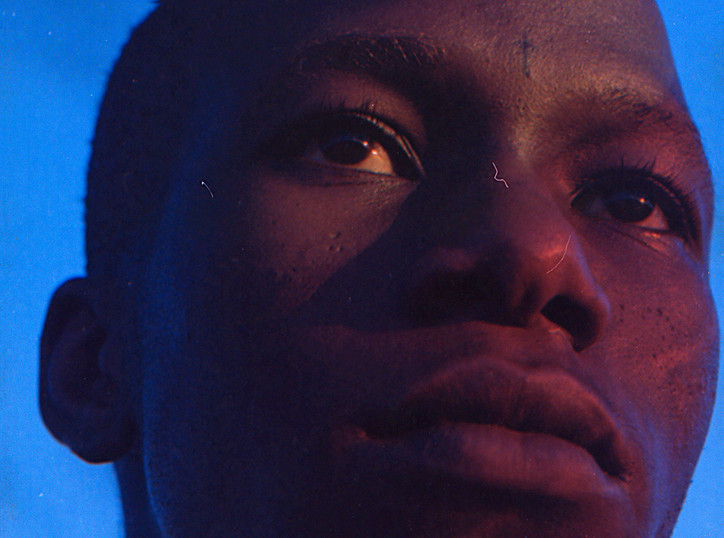
While sitting down with Veco via video chat, I immediately understand why creatives want to work with him. Poised, cheery, and introspective come through the screen, adding depth to an image that hinges on masculinity and smolder. Connecting to his Instagram bio, “Tio looks with Tia vibes,” Veco speaks in tones that remind you of an aunt or sister. Transcending normative views of expression, the talented model continues to carve out his path in the creative industry.
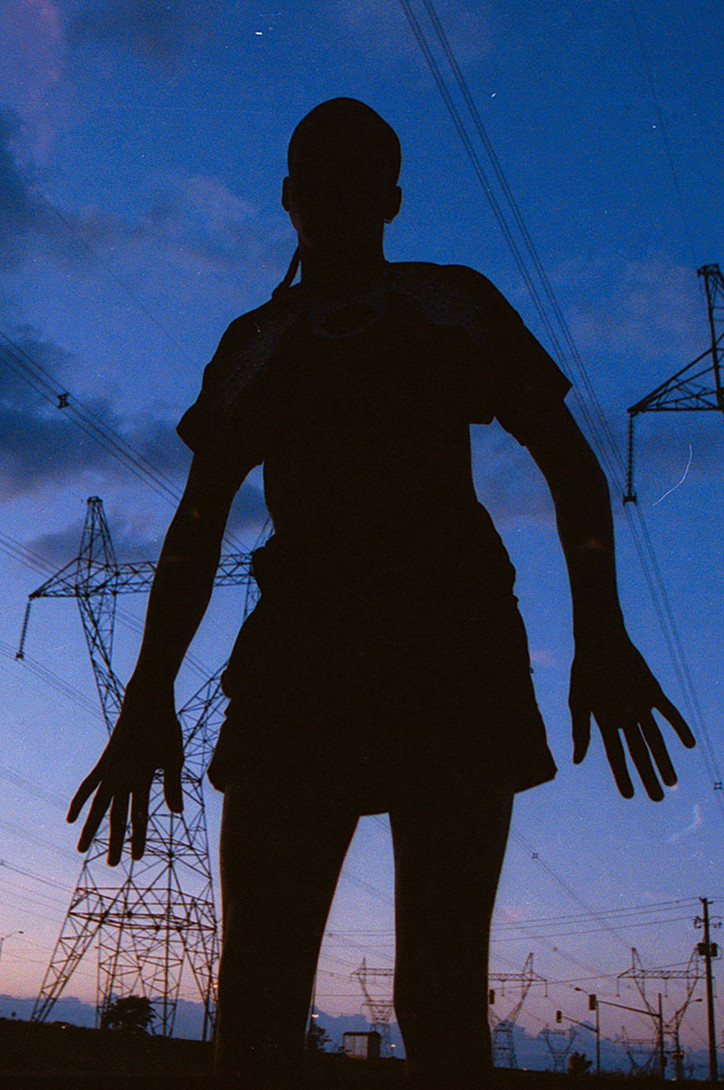
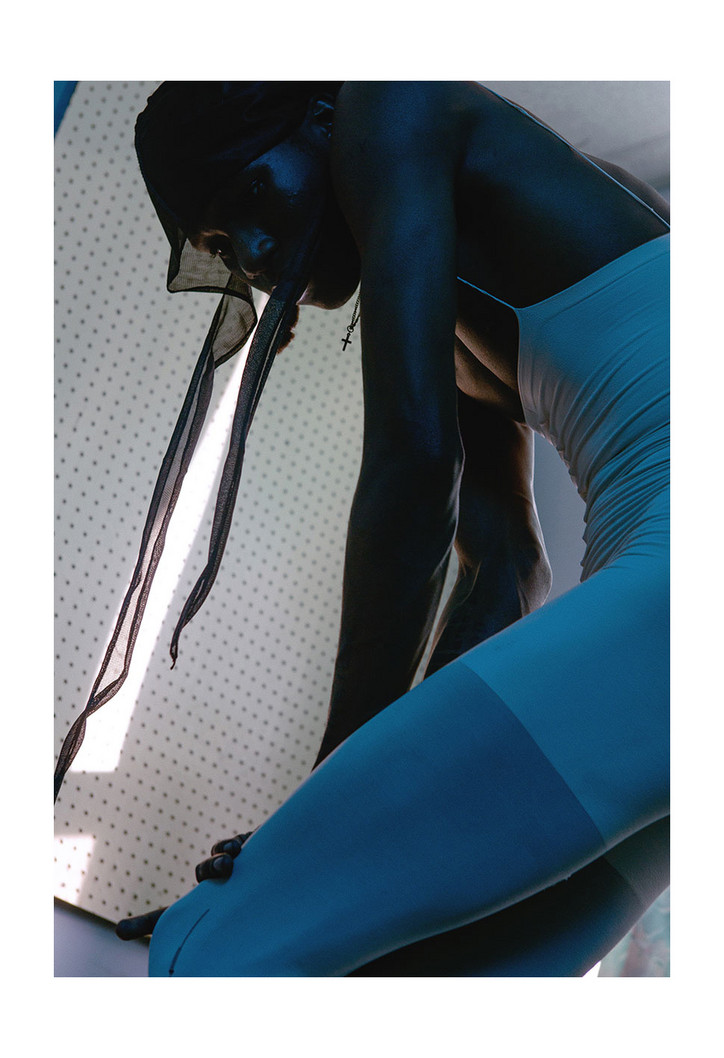
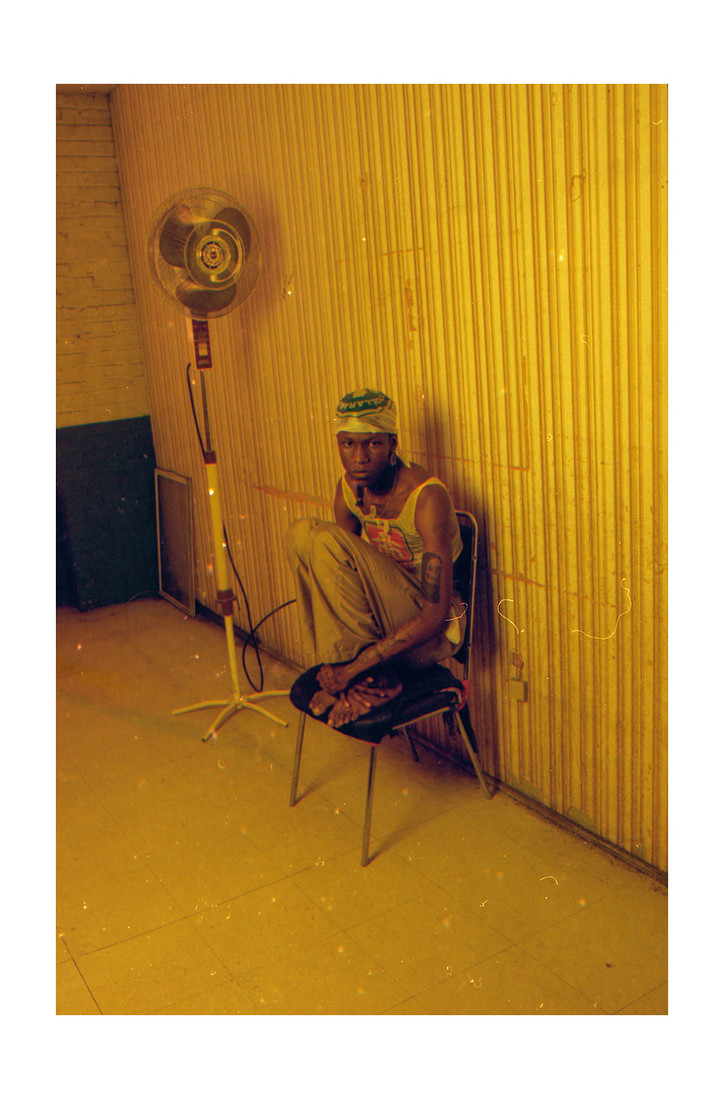
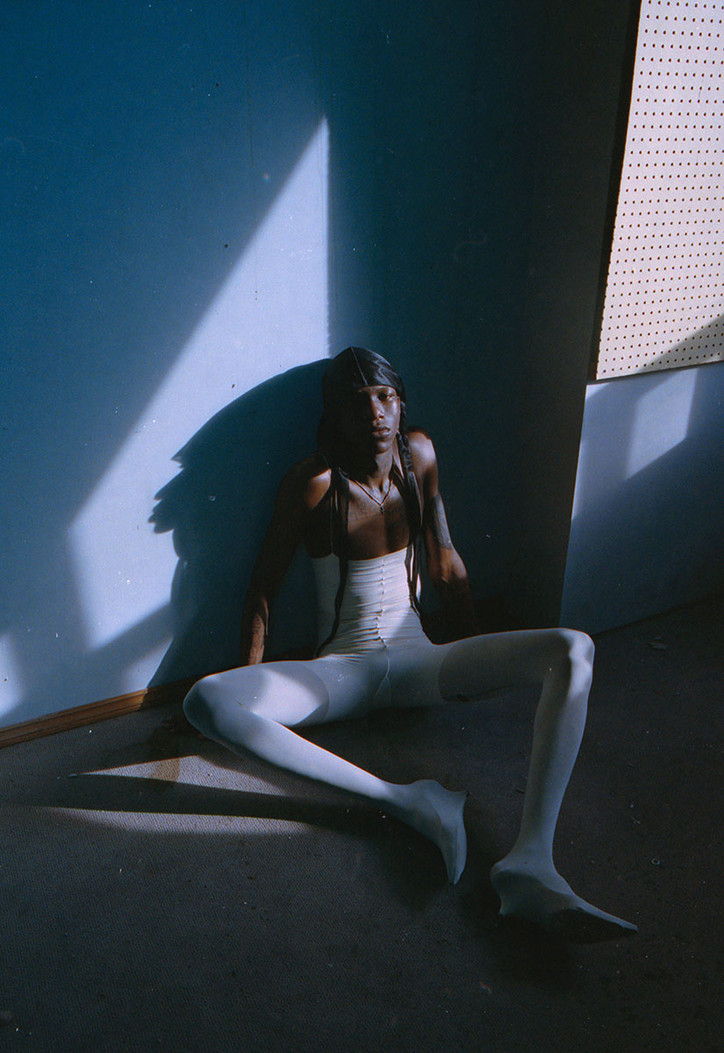
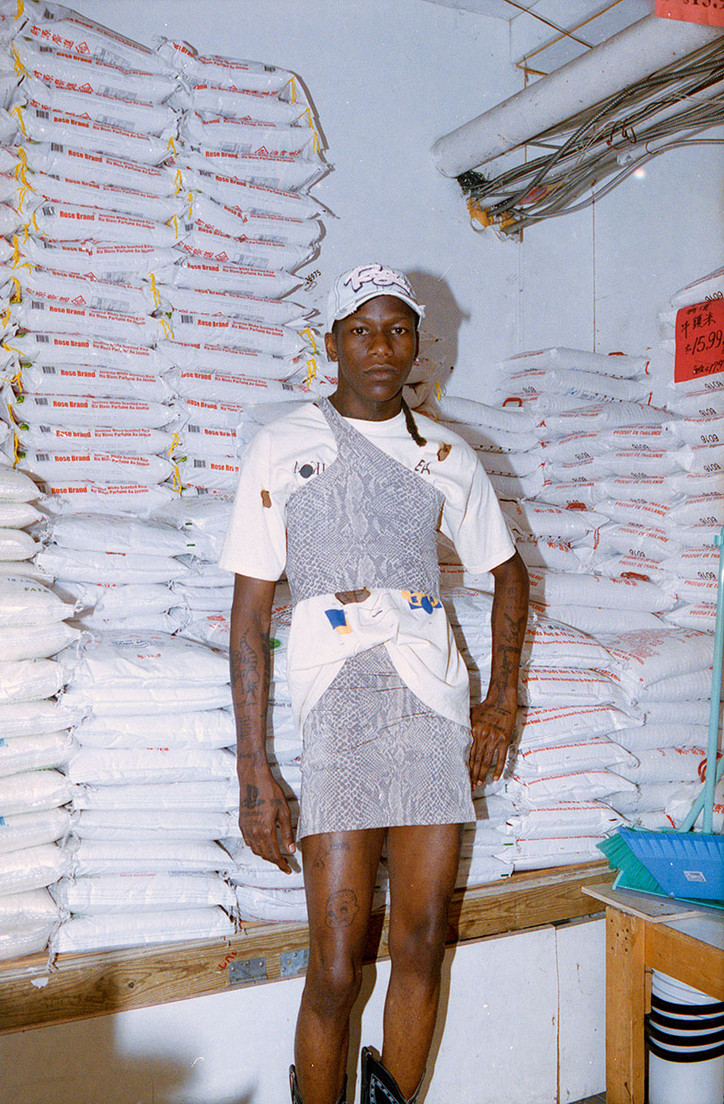
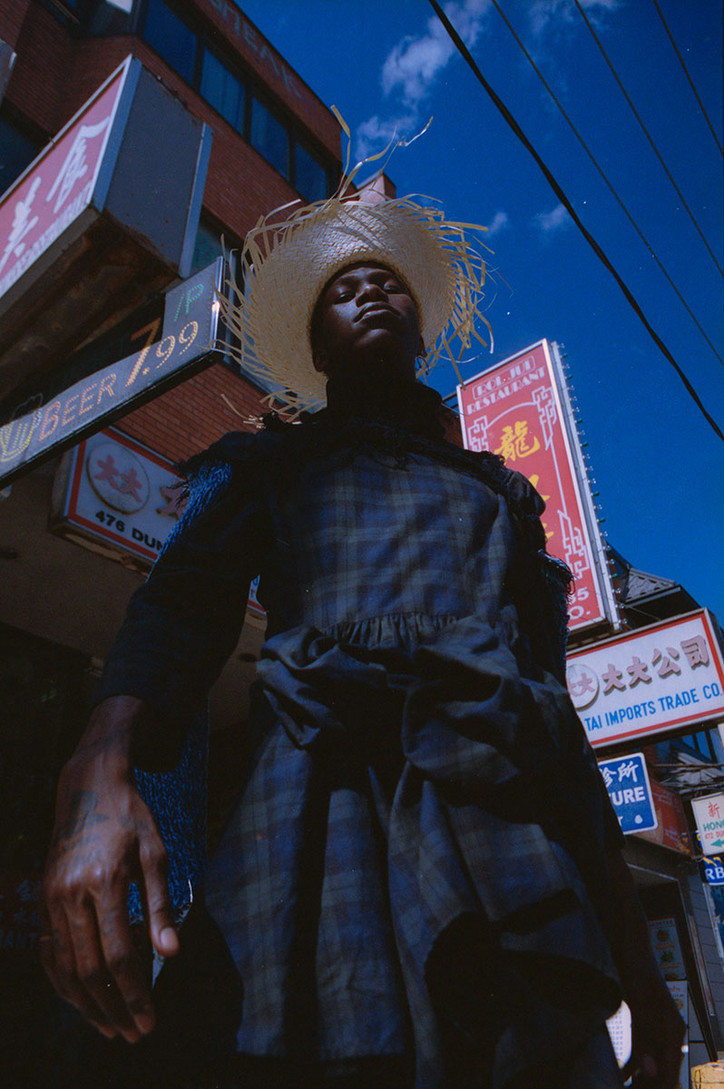
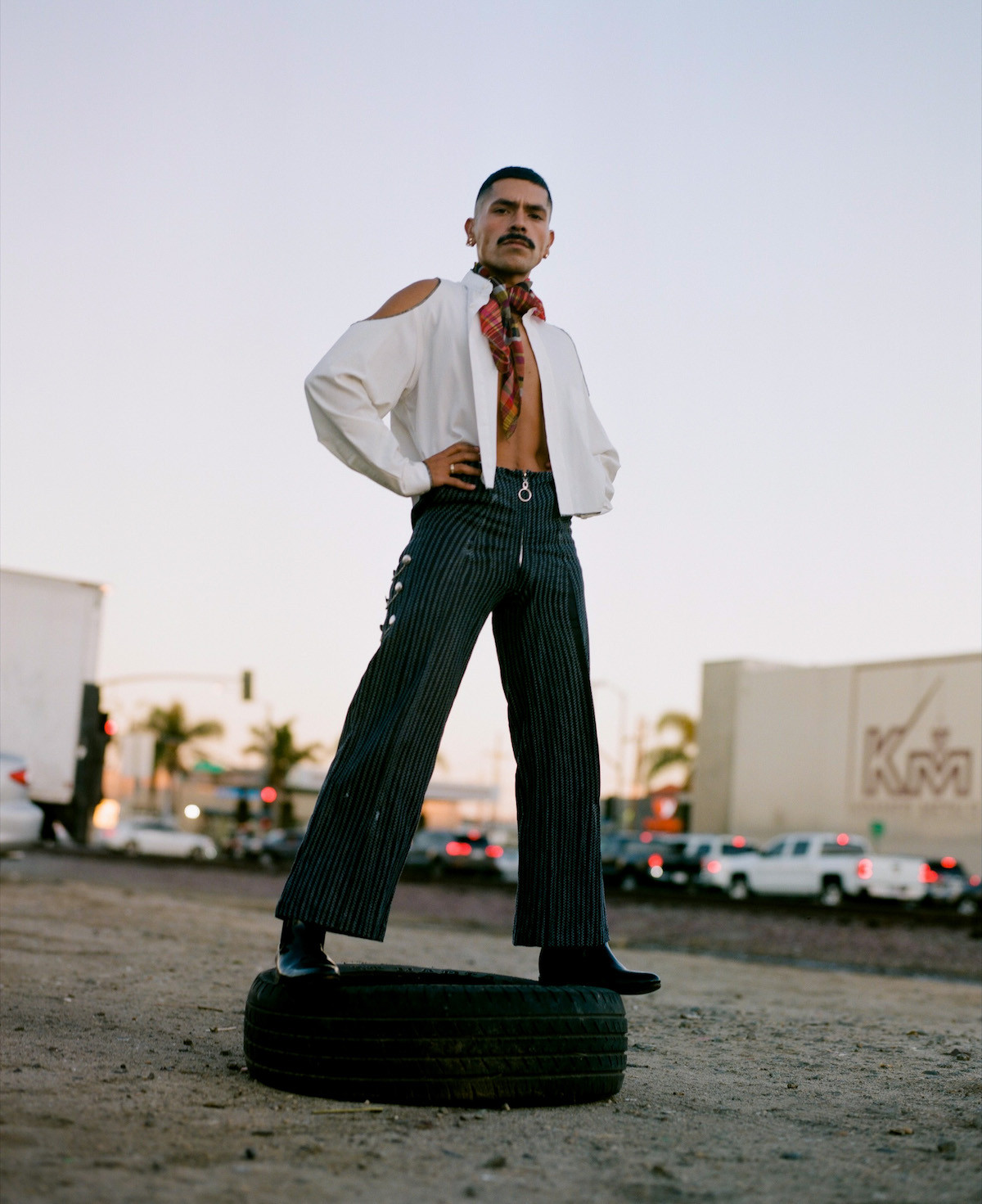
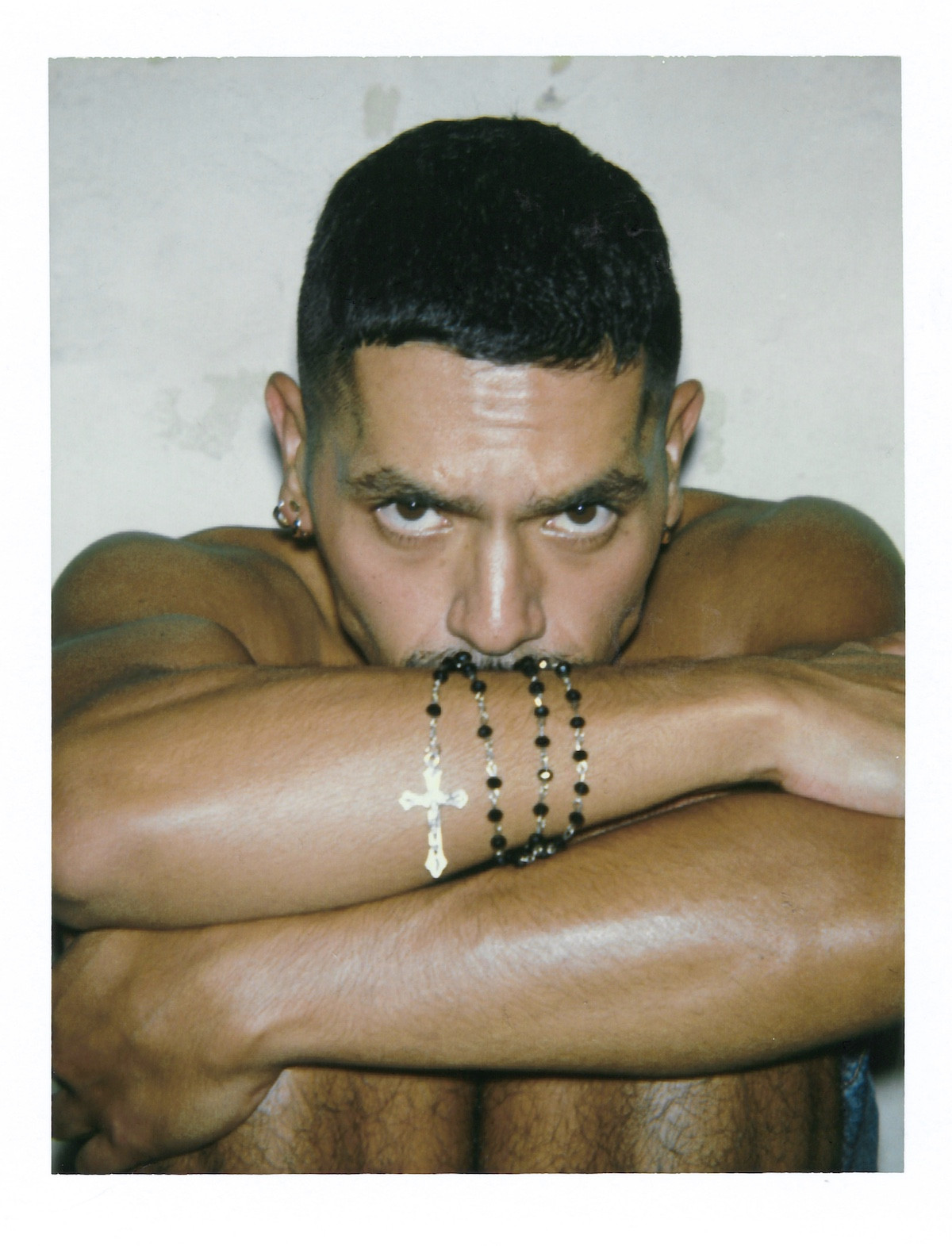
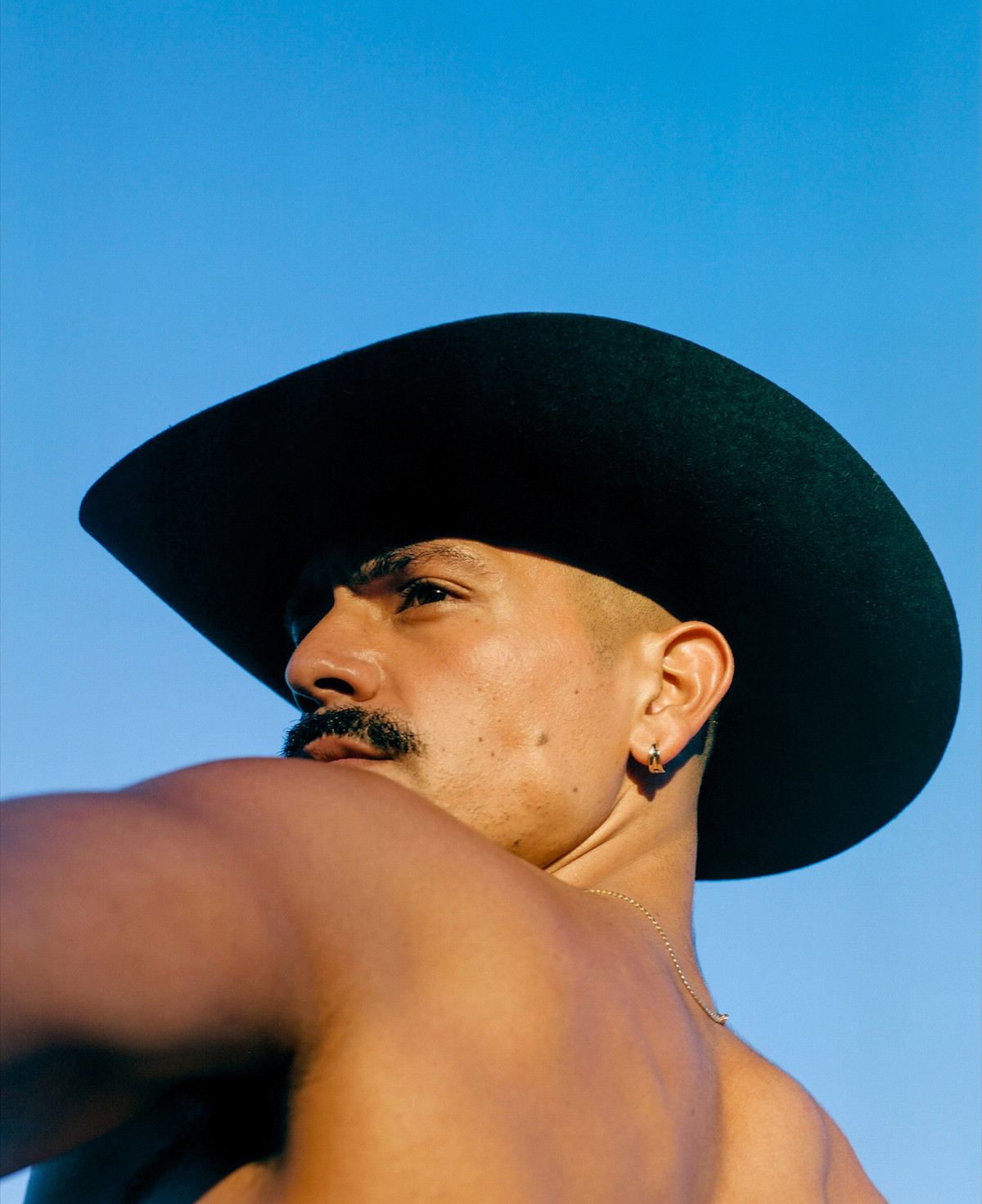
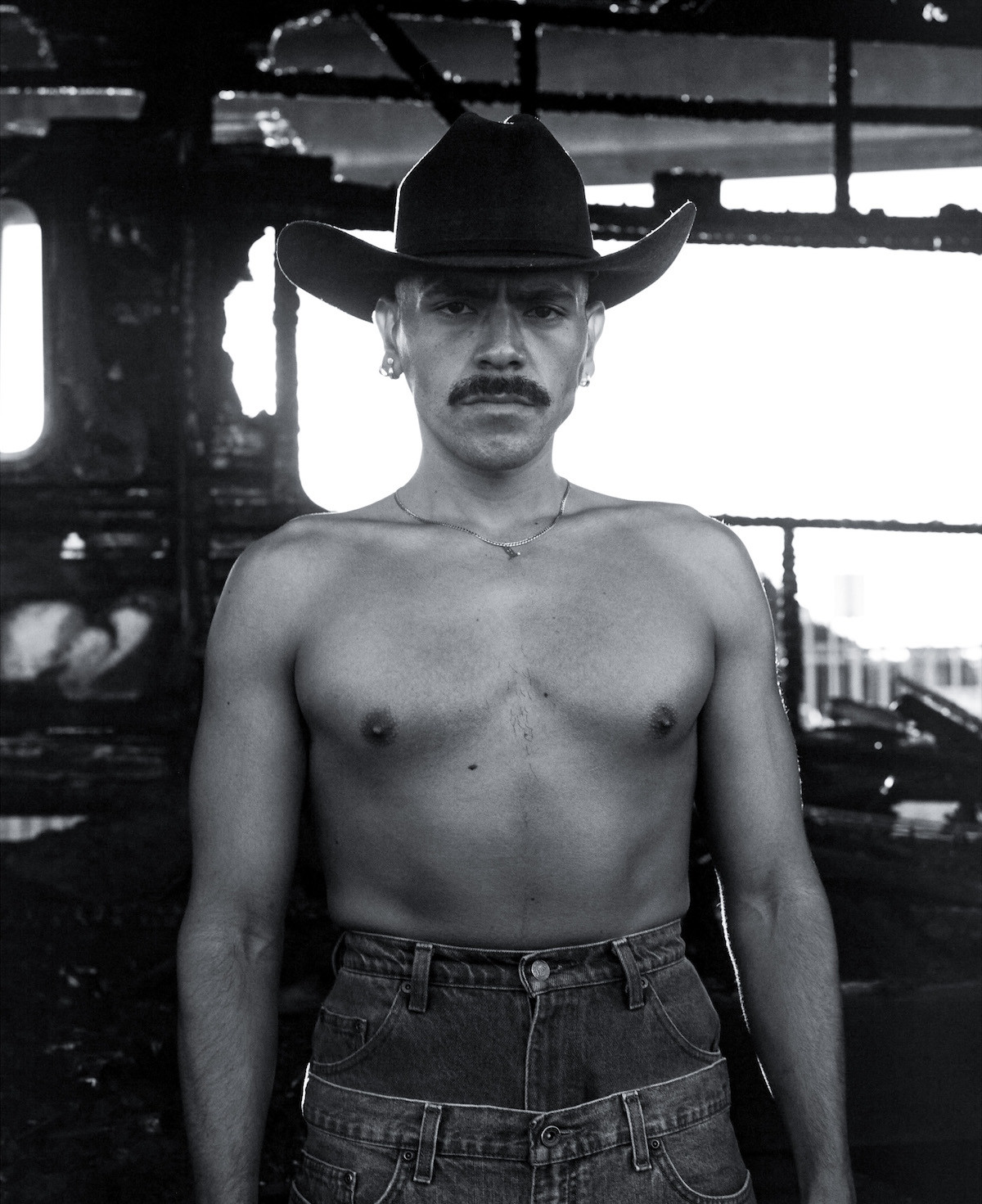
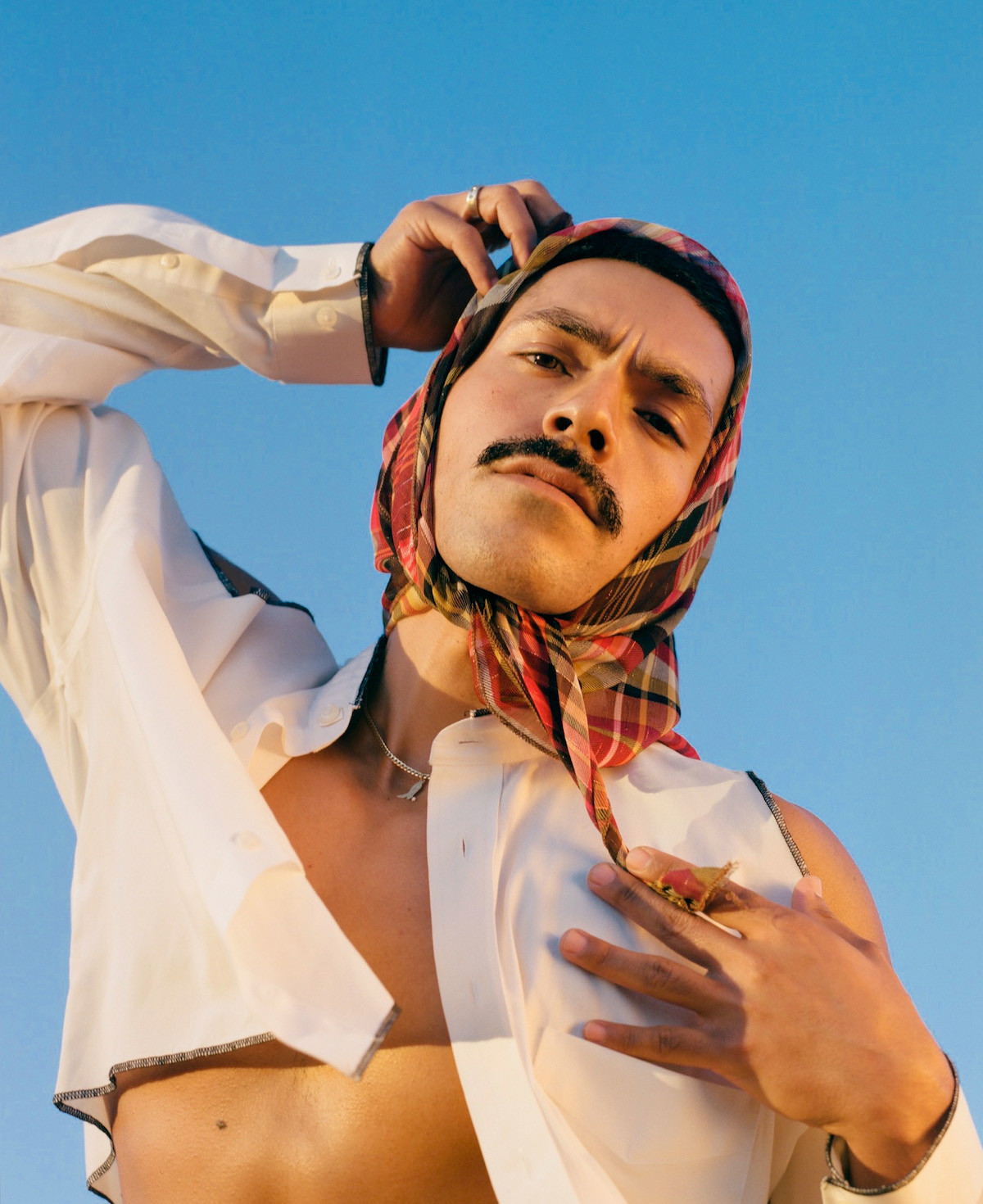
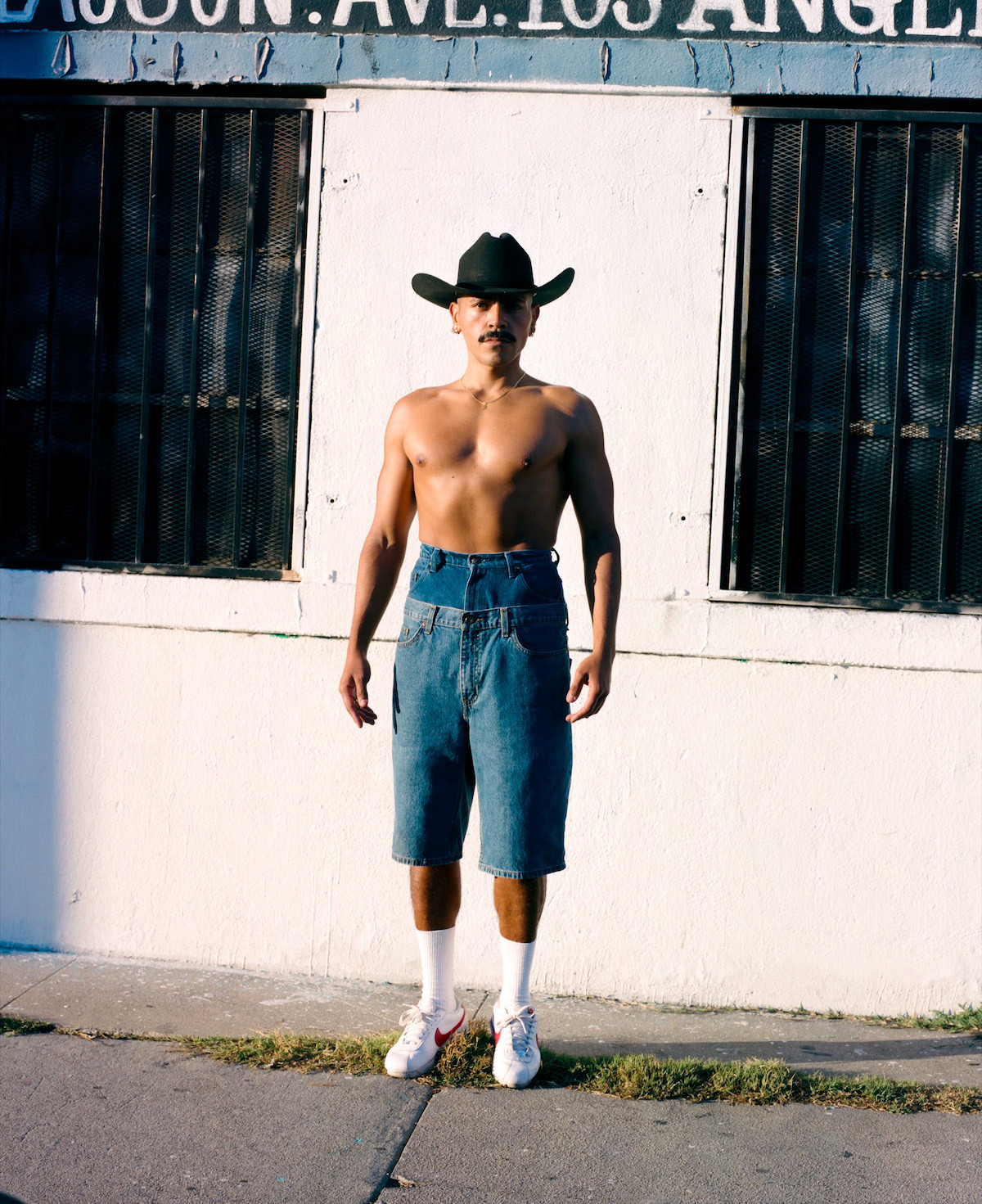
In an exclusive interview with office, including photos captured by Christian Soria and styling by César Álverez, Veco discusses growth, aspirations, and navigating a new industry.
Thank you for taking the time with me. Where are you right now?
I'm at home. This is not my real background. I had construction going on. I was like, 'I can't let them know that I have a mess back here.' It's not even that bad.
Where's home for you?
In Southgate. I grew up in Huntington Park, which is like, it's all Southeast LA kind of area, my parents still live there like 15 minutes away from me. When I first moved out of my parents, I was living in Koreatown. And then I found a place here in Southgate. So I moved back to South East LA which is funny because I never thought I would be back when I left my parents'. I was like, 'I'm done, I'm outta the hood, I'm in Koreatown now.' I thought I was cool. After a few years, I went back to my parents to save up and then found a place in South Gate. And I actually fell in love with it, and it's everything I could want in a place. So I've been living here for four, I think four years now. I love being close to my family and more so how much work my dad and I have put into this place.
What does a typical day look like for you?
If I'm working, so right now, we're still working remotely, which I love because it allows me to do side projects and shoots and stuff. I take my laptop everywhere. I've always had a nine-to-five job, but my true passion has always been photography and just being creative and modeling. I guess I didn't start modeling or felt that I was capable of modeling in a way until thanks to social media. But like three years ago was maybe when things started like popping off. Honestly, every time people ask me, "how did you start?" a lot of people think that I model full time, and it's like, no, like I do it on the side because it's a side hustle in a way, but it's also a passion of mine. So I wish I could afford to do it full-time. I'm not even signed or anything, but I love creating with other creatives. And I love when people think I'm a full-time model. I'm like, 'no, trust me. I'm not.'
I always credit when people ask me how I started. I always credit Fabian Guerrero, who is a photographer from Texas, well he just moved back. But I basically met him in late 2017, and he reached out; we never met, but just through Instagram, like we followed each other. And he asked me one time, "oh, can I shoot you in your cowboy hat? and I was down for it. He came here to my side of town. I went to Maywood and just walked around, shot outside of a laundry mat, and had tacos after. It was my first time meeting him, but it was so chill and comfortable. And it was great that we were able to connect and vibe off each other, even though he's from Texas with a different upbringing than mine here in LA. I feel like it's a little different, but both being Mexican, I think we found common ground. And since then, we've been friends, and we've collaborated maybe like a total of three or four times. I credit him because since then, once we shot those first few images, they were so simple; it was just me and a cowboy hat and a denim skirt. They just blew up on Instagram, Twitter, and Tumblr at the time when I was still using Tumblr. That's kind of how it started.
After that, more photographers started reaching out, brands, like brands that I would've never imagined that, would even notice me, you know, thanks to Fabian, and things just happened. I always credit him, and I say, like, life is crazy because when I was little, I would say, 'oh my God, I wish I could model or do this and do that.' But I never felt like the look or felt cause I'm short like I'm five, eight. I never thought it would be possible. I think it's the beauty of social media, it makes things happen, and it's opening up doors for people.


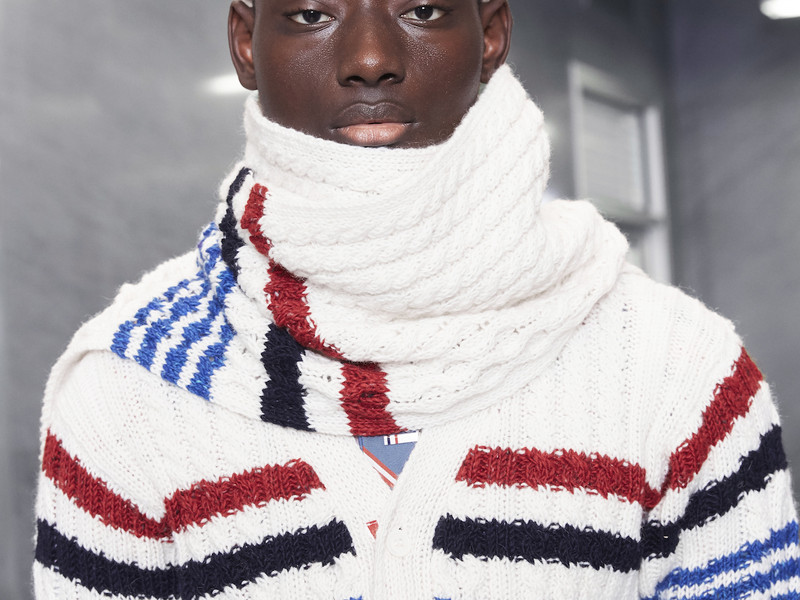
Gypsy Sport mascada and underwear, Lick Diablo trousers, HIM NYC shirt
Projects that you've collaborated on with Fabian are so impressionable. Do you have any other favorite collaborations that you've done?
A lot of people resonated with the magic that we created, the photos that we created. So definitely, those are some of my top favorites. Another surreal moment that I think was a favorite of mine was being able to walk for Willy Chavarria in 2019. I felt like a baby, and my walk was not the best. I'll be honest with myself. I was so nervous, and it was my first time going to New York, and I went by myself. Like I didn't, I never even thought I would go to New York, to be honest, but that happened. So that was a highlight and a favorite memory of mine; just because I was, I'm here like walking New York fashion week. I was mind blown that I was even there and meeting these people. I always feel like it's a blessing, and I'm grateful. Even though I've been doing it for like three years now, it still feels new.
Another shoot that I loved was one that I did for Agency Skincare only because I love skincare and to be able to have been used as a model for them, like for their line of new skincare. It was validating to be like, 'oh my God, I can do different things.' I can do a regular shoot and kind of put the masc face on, but then also do a little bit more fem and do beauty products and stuff. I feel like sometimes, in the past, I was super hard on myself. Growing up, I was a chubby kid. So to be modeling or being looked at in essence of like beauty is wild even to this day. I'm like, 'what?' but I'm glad I'm doing it and because it's a passion of mine and fun.
I want to touch on your intentionality behind how you present yourself, balancing masculine and feminine energy. I love your bio, "Tio looks with Tia vibes." I love that. You're pushing against this norm within Latinx culture and households where gender is very binary. When did you become conscious of these intentions and the fluidity of identity?
I think honestly, okay.So to be completely honest, I'm 31 now. I say my age only because it wasn’t until I was in my late 20’s that I began to appreciate and become more confident in my masc/fem qualities. It was then that I became much more intentional in expressing myself. But in a way, I'm grateful that I started in the modeling industry later in my life. Like I said earlier about my age, I was way more self-conscious. I don't think I would be even down to fly to New York and walk a show. You know, I feel like I was way too; I could not put myself to do that. I became a little more intentional with that.
My bio, came up organically only because when I met new friends, they would always kind of tell me, Tia, I would just give off that vibe. I mean, at first, it started with looks because I was; I've always been inspired by my cousins and just photo albums. My mom has a ton of photo albums and, you know, the way that my cousins would dress in high school with their Dodger caps and big puffers. Even just my dad would have his wife beater and slacks to be working in the backyard. And his mustache, I've always kind of admired that. And I think, in a way, I admired that because I was in the closet for a long time, but I always wanted to make them proud and be that kind of figure. But I knew deep inside, like I, it was a shortcoming. I don't feel that way now, but at the time I did, because I was, I'm the only boy in my family. So I felt like, not a disappointment, but in a way. My parents probably wanted me to walk these steps that my cousins have, my parents, and my uncles have.
So the looks I do, a lot of my references come from that. And then the vibes come from when I open my mouth and the way I just talk to people, I think it's because of my upbringing. I was raised by women, you know? And they're older; my parents are 70 something. So like my humor and how I relate to people, I feel like it's them in a way. And that's why my bio is that because I feel like that's all that I am. I can be masc looking when I want, but I can also work off my fem-like qualities that I maybe would've shied away from before and now I'm embracing. So it's definitely intentional. And I think that’s important in this day and age. Visibility and to be able to inspire those that might feel the same.
Your modeling career has grown tremendously within the last few years. Although we're in an age where inclusivity and diversity are appreciated, the creative industry still doesn't hold itself to that standard. Have there ever been moments where spaces have felt minimizing or made you feel tokenized?
It's funny that you touch on that because I feel lately I've kind of felt that way. I feel like people liked my look because I had a mustache, and it was really thick. And then one time, I kind of not related, but kind of in a way, like the fetishization, I shaved it, and they didn't want to book me because I didn't have a mustache. And I was kind of like 'I mean, it, that's not all I am,' I love to model, you know, yes, the mustache, I love it. And it was my look, but I think I got tired of it, that's just what they want. It's kinda like a fetish.
I kind of wanted to move away from that. It sucks that then it would take away jobs. In terms of navigating, I would say the fashion industry, for the most part, I think, and maybe it's just because I'm so excited to be involved with it; it hasn't been as negative as people would think it. I do see that brands are highlighting more of these groups of people. But at the same time, I sometimes feel these brands, they'll choose models to work with that are from these kinds of communities, but then the clothes that they are selling to their target audience is such a high price, I don't know anyone personally like I'm not gonna spend $300 on sweatpants. Maybe that's my mom and dad talking through me, but it's like you're targeting this kind look, you know, cholo and hood luxury and stuff. It's almost unattainable to me. Are they also like getting compensated fairly?
I feel like it's more intentional as far as the projects that I say yes to, because I'm like, well, I think we live in a society now that where you have to be aware, it's like read the room. Are you just using these people for hype, or are you actually, what are you giving back to the community. I mean, one time, I did experience that in a way about compensation because I was told I was gonna get this rate, and I wasn't. They didn't pay me what they said they were gonna pay me. And I just went home, and I was still happy. Maybe that's not the smartest thing, but that's just cause I have fun. Like I love it. It doesn't feel like a job to me, but it does suck. And I'm probably not helping because I didn't stand up for myself. But it just sucks for other people, for me to think that they're going through the same thing and we're just getting low balled basically, yet you are making money off of us, but you're not giving back to the community.


banzo bermudas
I definitely understand what you're saying. Although the culture within these spaces and the industry seems like it's shifting, there are still these questions: Are the people on the crew reflecting the talent? Are they reflecting the consumer? I feel that a hundred percent. I want to talk about your connections in Los Angeles and the roots you've created. A collaborator you work with is Los Angeles-based creative Cesar Alvarez, founder of Tótem Magazine. Can you speak to that relationship and your contributions to their latest project, Tótem TV, in partnership with Vans Channel66?
We met a few years ago; he actually reached out because he wanted to feature me. We had not met. We just followed each other on Instagram. He's like, 'oh, I wanna feature you for Tótem's September issue.' And I was so excited cuz September's my birthday month. So I was like, 'oh my God. Even better.' So we met, and we discussed a little bit of his idea for the shoot. He told me about the photography and who he was looking to work with, which was Clifford Prince King. So we met with Clifford, and then we shot a few days later. Since then, we've been just doing little side gigs together. He's so sweet.
He's from Mexico City. And when I met him, I felt like he reminded me of my cousins from Mexico, honestly. Since then, we've been friends, and probably because I'm loud and crazy or whatever, he asked me to be a part of Tótem TV for Vans Channel66. I was like, 'obviously,' I said yes. I trust him for everything. I'm like, 'listen, I trust you. Like with whatever, I'll ride or die.' We've been doing that since I think it's, we did six shows. I only did. I think four, only because two of them were in New York and I wasn't going to go.
That's a great platform; I think more so for an artist because we invite different creatives and always have a DJ there. We have designers, creative influencers and just highlight different groups of creatives and give them a platform to reach a different audience. It's almost like a little talk show, and we ask our questions. Vans literally gave us a platform that you can do whatever you want—we just kind of love to talk to people and get to know other creatives. Tótem wants to create a community, so I think it's great to be able to bring all these kinds of different people into our space and share their stories and highlight them.
Are there any dream collaborations you have or any dreams about the future in particular?
Oh my gosh, well, since I was little, now that I'm modeling, I can kind of scratch that in a way. I would love to; I've always wanted to cover celebrity news, like a host kind of thing, which is funny because yesterday at Vans Channel66, I wanted to be a co-host, and I guess I'm doing it in a sense. I would love to do that or like a fashion kind of correspondence. I feel like that would be so fun. Either if it's in, in Mexico or any, like in Spanish, I'd be so down.
I also would love to hopefully even do work with movement, like art direction for movement, music videos. I feel like that'd be cool. Just to be on set and not even be the one in front of the camera. Like I just love to be there and just take everything in. So I think to direct somebody or direct a shoot would be something amazing that hopefully will happen in the future.
You're taking the industry by storm, so those dreams seem very realistic. Is there any advice you'd give to an aspiring model or creative who has a similar background or may think it's too late for them to pursue creative projects?
I feel like I was never the most confident person. I think later in my years; I grew that confidence. Dealing with life and putting yourself first. I think you should always want the best for yourself. Sometimes we forget because we give so much of ourselves to other people that we forget about ourselves. I think just always putting yourself first and trusting in your gut, and just being open to opportunities. I feel like sometimes we get in our head and we feel that we're not good enough right away, and so we just close off any kind of, even if there's like a slight interest and someone wants your input on something, and you're too scared to even just like open your mouth and share your ideas.
We all have a special something in us and own it and be confident in that. To me, it was like being confident with who I was as a person—the balance of being femme and masc, like carrying those and walking with my head up high. I feel like there's magic in that, and people will see that and resonate.


banzo bermudas, nike shoes, Gypsy Sport mascada, HIM NYC shirt
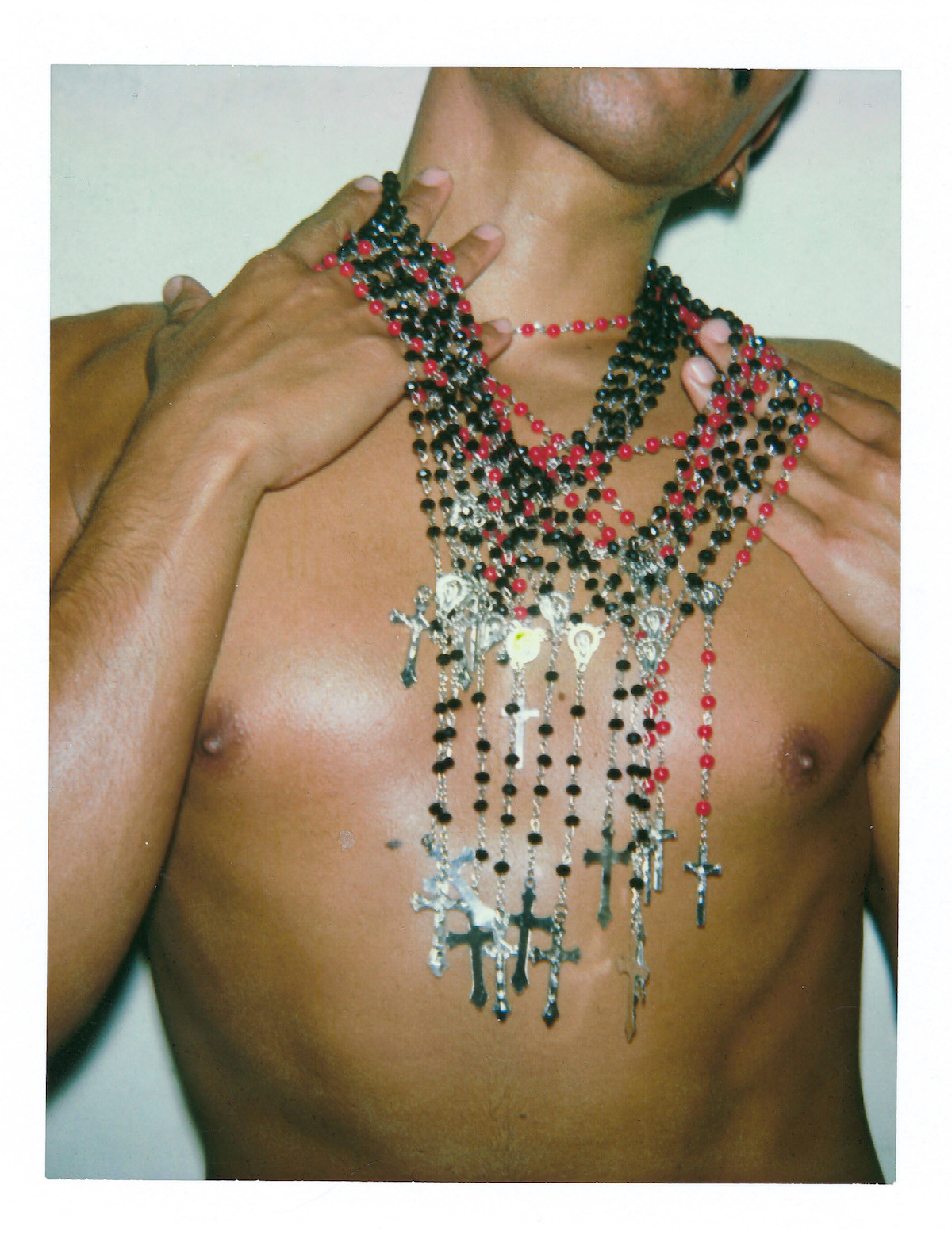
That was very inspiring. Before we end, I want to talk about the beautiful images taken by Christian Soria and styled by Cesar Alvarez. In a few of the pictures, there are religious aspects, including a cross. In Latinx culture, Catholicism is very prevalent and has a massive influence on how one's raised. Can you speak to your experience with the church and how you explored your identity, like how you talked about coming out later in life and balancing expectations?
I love the photos too because of the whole, like the cross and the religious aspect. I also think my style, in a way, sometimes is influenced by growing up in a Catholic household. My parents, like I said, my parents are in their 70s, so they had me; they were like 40. They've always been involved in the church. Like, honestly, I could get married if I want to, like, I already had my confirmation done.
When I turned 18, my mom let me kind of do my own thing and didn't push me to go to church. I mean, she would say little side comments, as you know, they always do, but you just kind of shrug it off, ignore it. My style, I kind of like Catholic schoolboy looks, I'm influenced by a lot, but growing up, that's why I think I came out so late because I didn't wanna be a disappointment to my family. It didn't help that when I, where I grew up, literally the street where I grew up, all my mom's side of the family lives on that street, like, my Tia is across the street. My cousin Ruby is two houses down. My Tio is three houses down like my other cousin's on the corner. I felt like I couldn't come out because there's no way; everyone's gonna know, the whole block is gonna be like, 'oh, you know, there's the gay boy.' Yeah. So I just couldn't come out. I had friends that knew of my identity. I had a journal that I would write things in. My sister found my journal, and she called me asking, 'Veco, who is this guy's name that you write here?', then I told her I'm gay.
There was a Sunday with my mom, she was like, 'Oh, I'm gonna take you to church with me because I don't believe, if you say you're gonna go by yourself, you're not gonna go' which was true. So we're driving, and I told my sister, Julie, before we left, I was like, 'I'm gonna come out.' Finally, we're turning into the parking lot. And I asked her, 'why are the views in religion of the gay community so awful?Like people claim that gay people are gonna go to hell.' She's like, 'well, what does it matter? Who's gay?' I told her me, and she was shocked to say the least. Honestly, my mom and me, like after I came out, we had a horrible time, which is why I moved out to Koreatown. I was scared to come out to my dad, and my dad was like the opposite of my mom. It did take a strain on our relationship and my family. I feel like for a while; I felt like I lost a lot of time. It's been ten years later, and it took literally like she just came around, probably like last year.
It was very stressful, and I think that's why in a way, it was weird to me to kind of like when Fabian reached out, and things started happening, something that I only dreamed of as a kid, and for people to hype me up or resonate with me in a way. Sometimes I think deep down. It's almost like I don't feel worthy. I'm always so grateful for every opportunity because I know they can choose anybody else. And I love what I do. I think it's an amazing experience. And I always say life is crazy because I would've never imagined where I'd be right now and be able to meet these people and be in this kind of room. Even when I did the Gypsy Sports show, I told like Rio, the designer, I was like, 'this is like, I'm reclaiming my time.' Because when I walked in New York fashion week for Willy, I hated my walk. But when I was in the Gypsy show, like even being backstage, this model looked at me, and I was like, 'oh my God, you're always just smiling when I look at you.' But it's like, I'm just grateful to even be in that space with everybody else. I feel like I'm worthy, you know? Even though I tell myself that and I'm confident even more than I was ten years ago. It's a beautiful feeling, like wow, I'm worthy of being here.

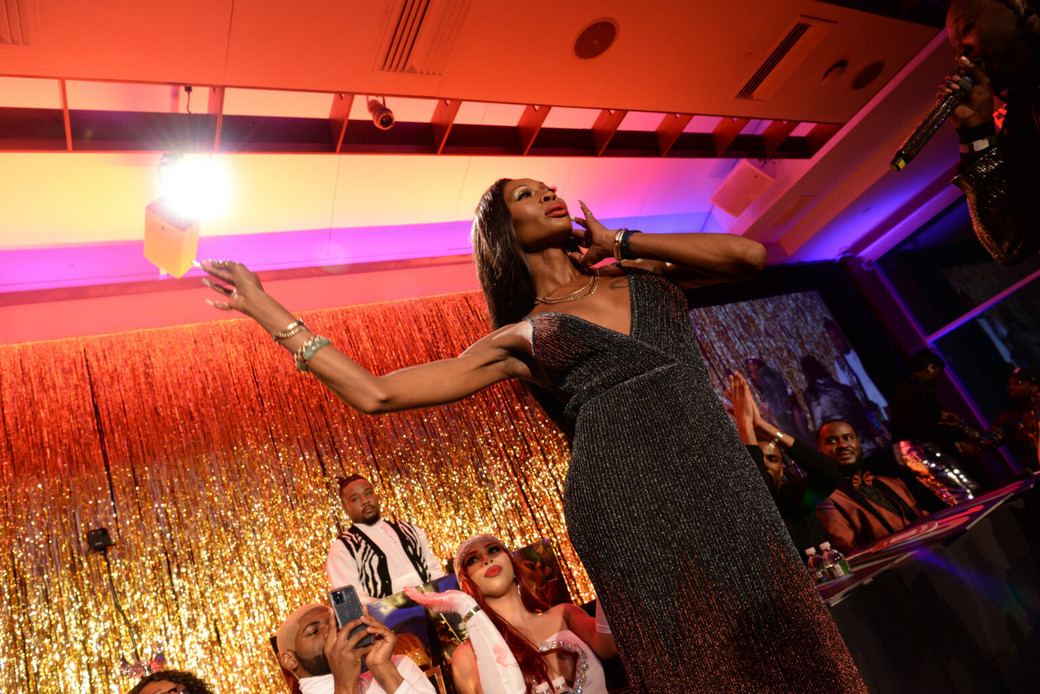
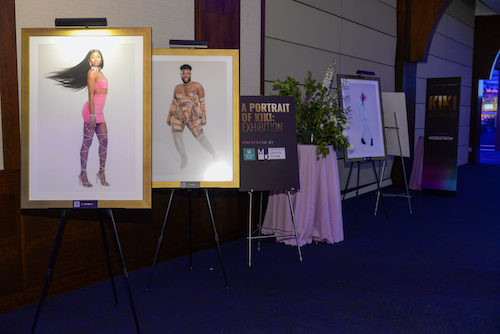
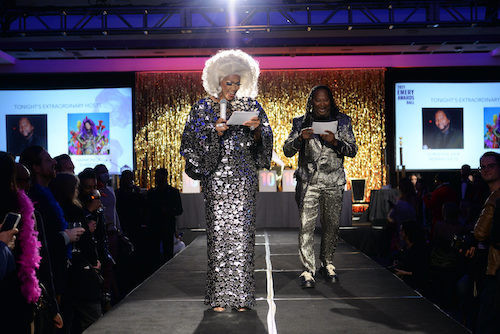
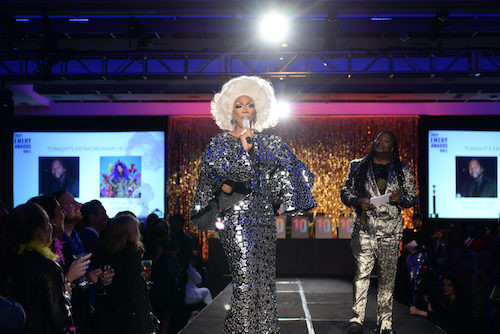
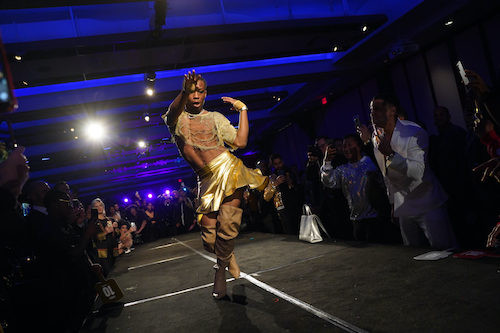
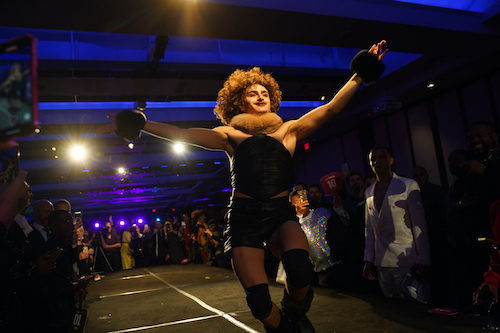
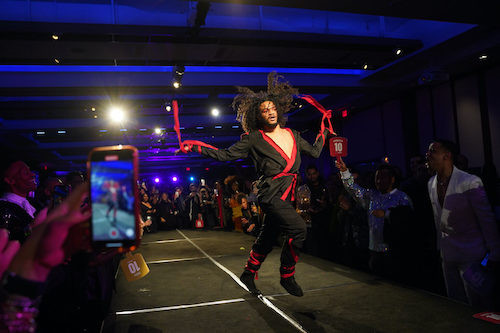
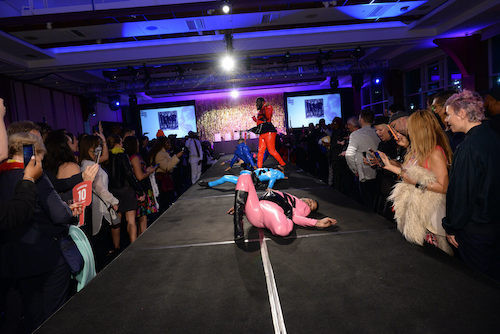
Like many years prior followed theme, this year commemorated the rise of the Kiki community and the ballroom culture they have cultivated. This exposition featured a Ballroom Showcase and Photo Exhibition featuring ballroom icons that have molded the community, including a deep-dive into the Kiki scene.
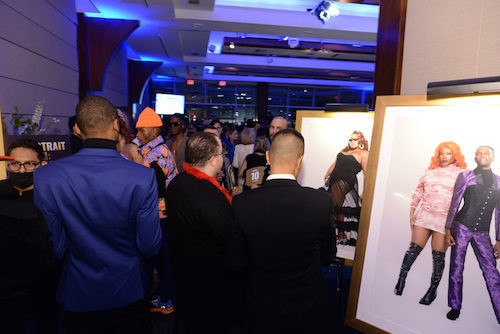
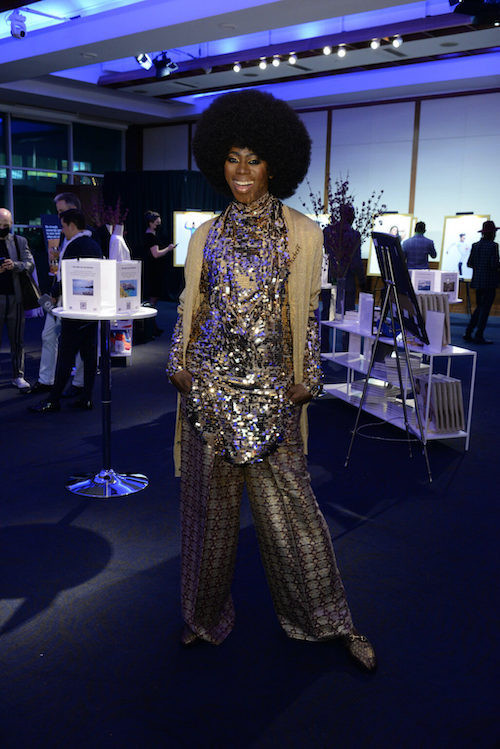
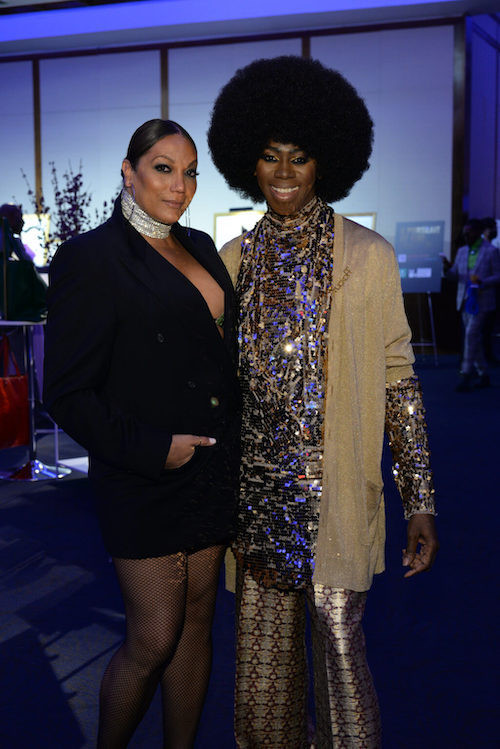
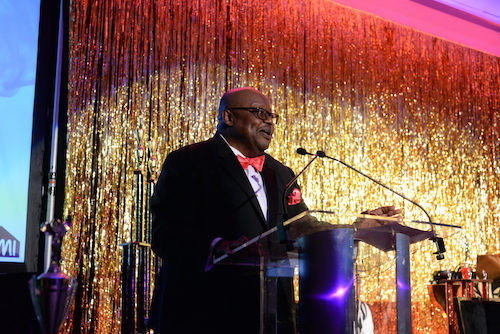
The event commenced with a red carpet in mind, as stars from each area of the LGBTQ+ community showed out this year to support. As you made your way inside of the sumptuous venue located right outside of Piers Sixty studio that overlooked the Hudson River and glimmering skyscrapers, a night full of vogueing, eccentric looks, colorful boas, and kiking began. HMI board members worked overtime this year to show out and ensure entertainment was abundant. With legends like Lina Bradford and Byrell the Great on the decks, it was sure to enhance the opulent-like environment as guests shuffled in. Throughout the evening, attendees were able to observe an illustrious photo exhibit, "A Portrait of Kiki" curated by Jonovia Chase and HMI Board Member Shelly Brown.
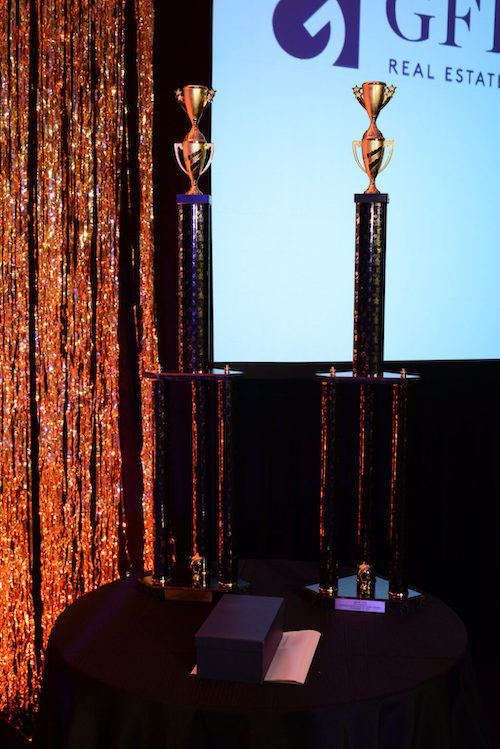
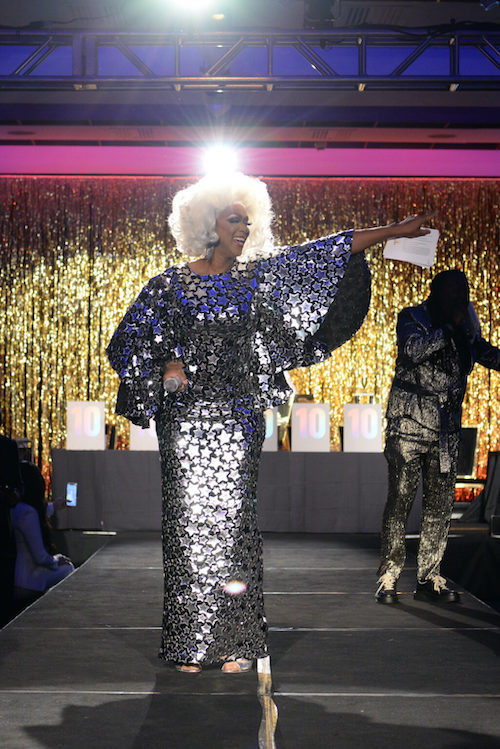
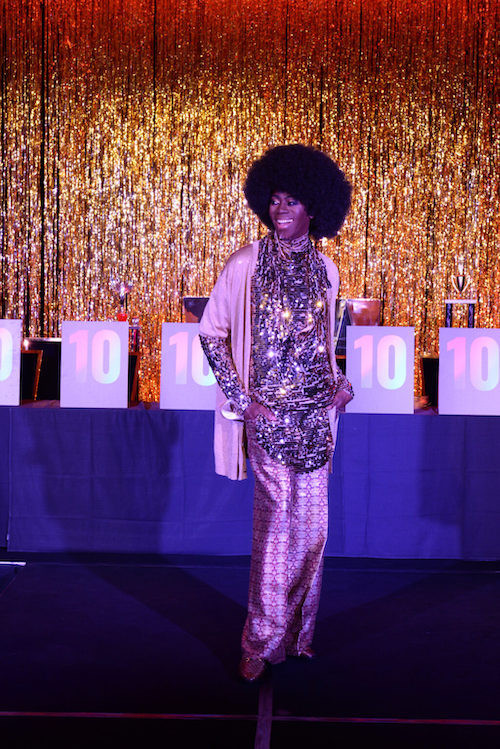
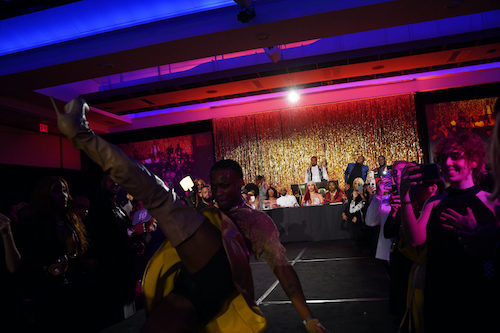
Ahead of this, the main event of the night takes the spotlight — The Ballroom Showcase. Four houses— The Imperial Dynasty House of Hua Mulan, The Iconic House of Juicy Couture, The Royal House of Old Navy, and The Luxurious Fashion House of Louboutin—battled it out in a voguing competition over four categories. Who served face and who was best dressed became everyone's business when contestants walked up on that stage in the name of philanthropy. Following this, the night ended with a live auction and on a high note when nearly enough funds were raised in the name of HMI by its guests, honorees, entertainers, and sponsors.
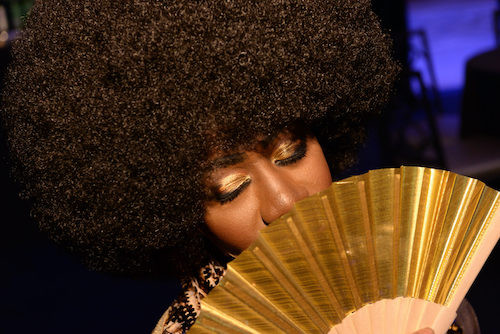
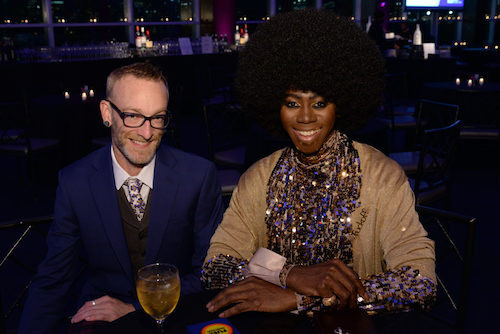
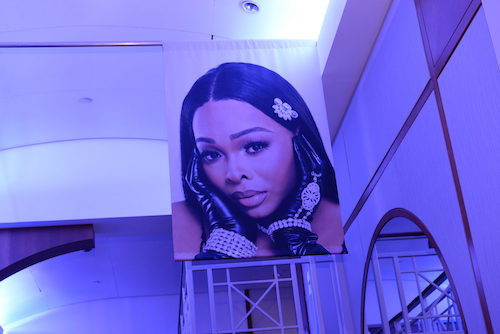
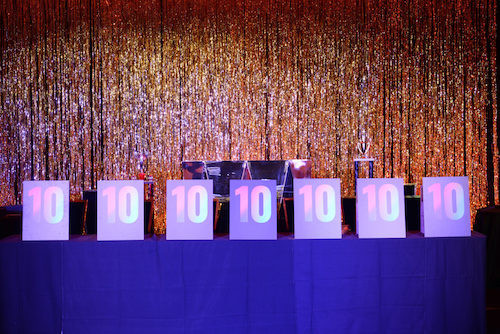
Check out the scene from the night below.

office sat down with founder, Monica Wesley, to get the tea on this matter: why brands are censored for showing all-gender and size inclusive imagery.
Non-male bodies have been policed since the dawn of time, and this is a continued issue on today’s platforms. One can be sexy but not sexual, especially if it’s from the point of view of the male gaze or serving the male gaze. When the woman or non-man has the agency over their body, when they’re the one in control, suddenly the image violates community guidelines.
You may be thinking, “No way, I’ve seen lots of models and influencers post sexual content on Instagram that doesn’t get taken down.” But how many of those influencers are fat or plus sized? How many of them are queer? Disabled? According to Wesley, the system is seriously working against these groups.
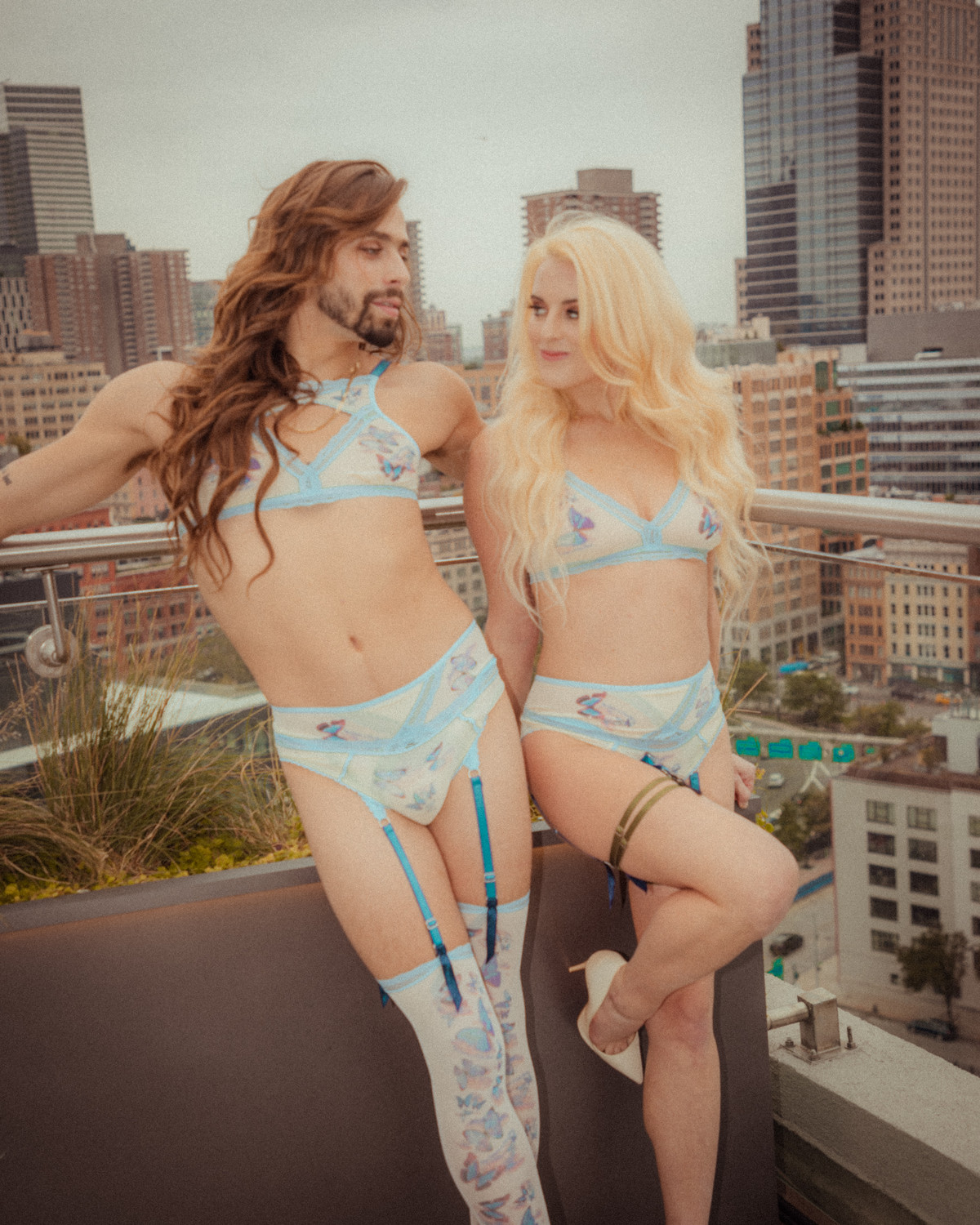
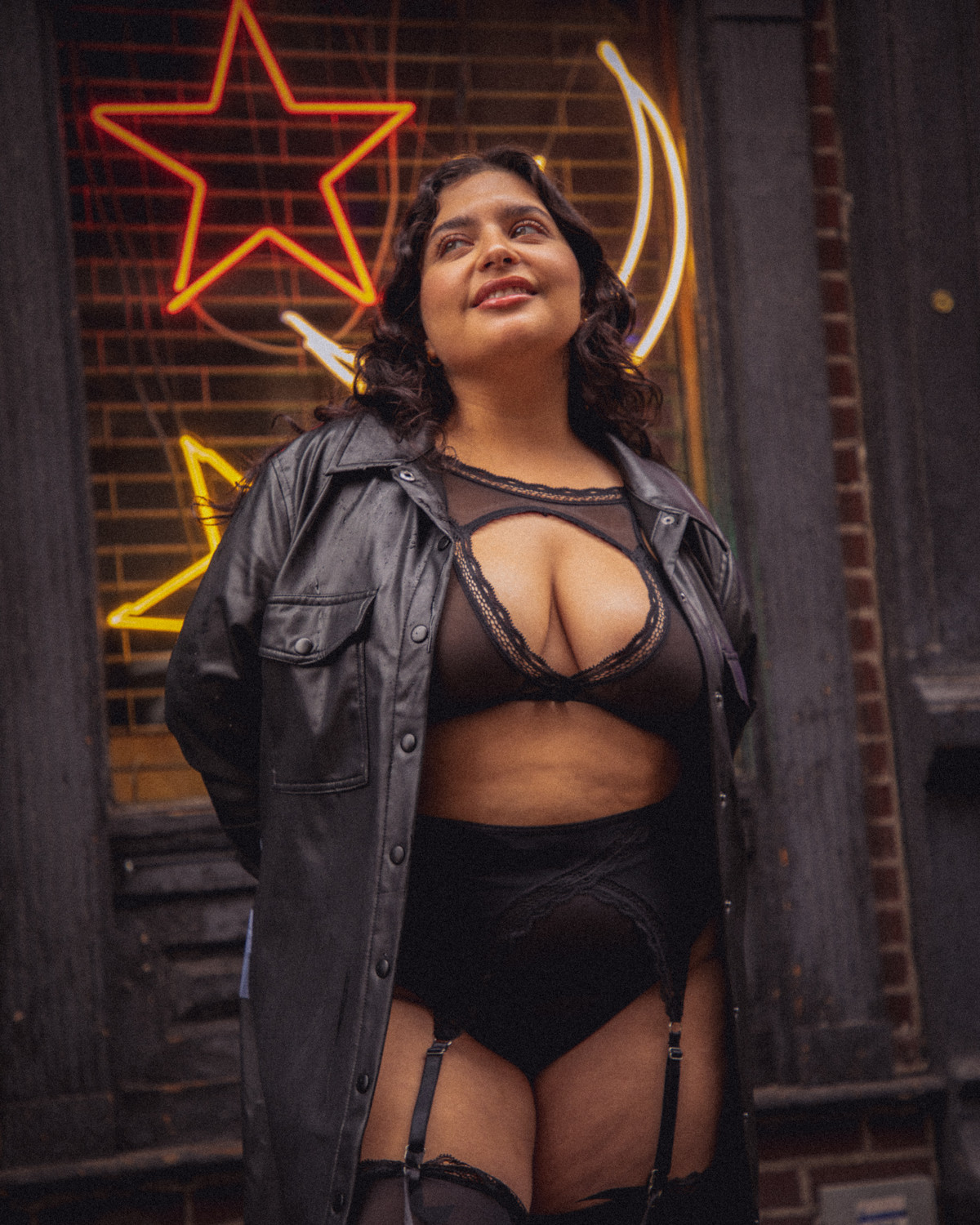
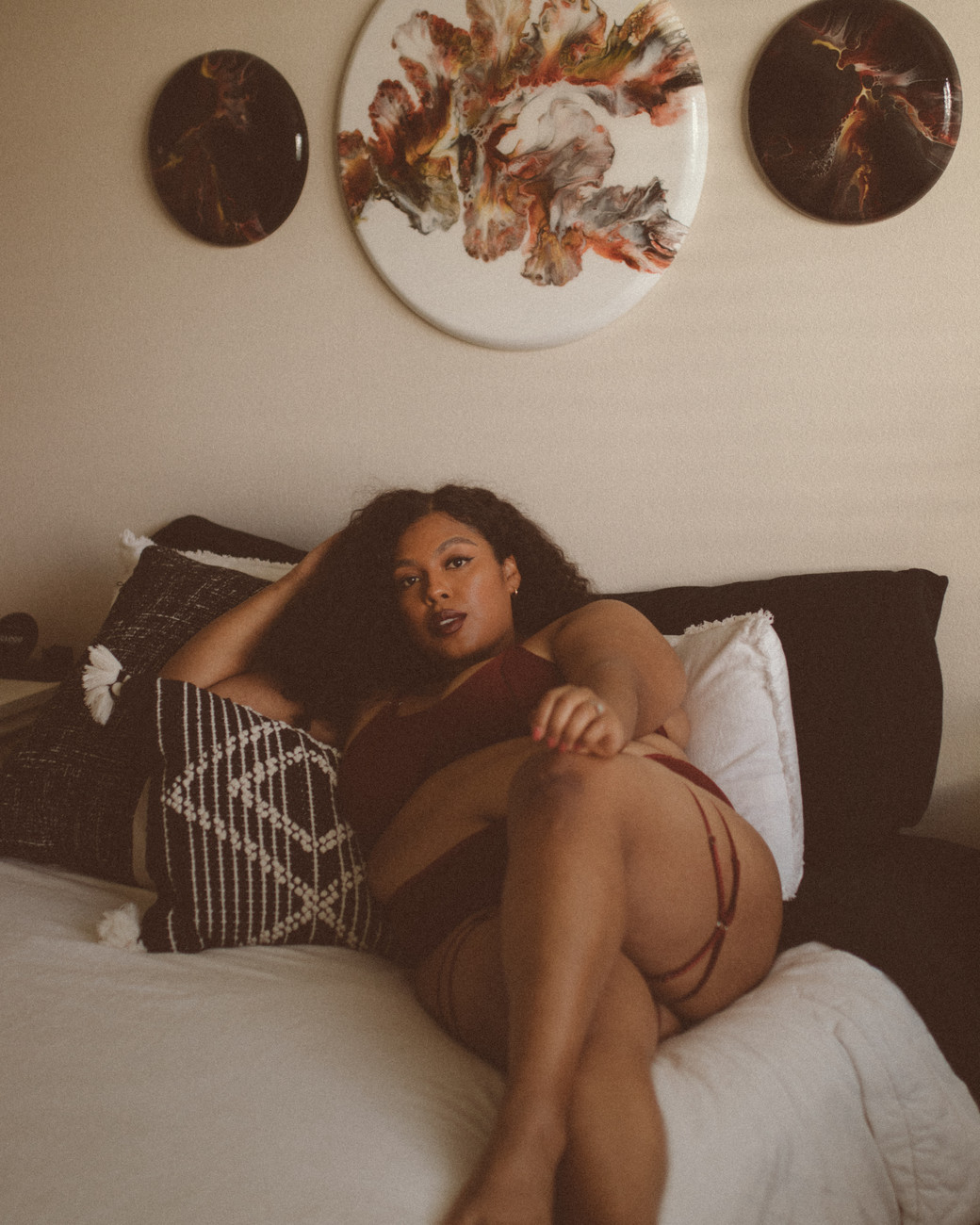
Monica showed office two images that were left up on Instagram. One of a man with a naked woman draped over his shoulder like an object, taking a mirror selfie with his phone strategically placed “censoring” her. The next is an influencer’s photo of herself in lingerie. These photos are acceptable to Instagram, while Uye Surana’s product representations seemingly are not. “Clearly Instagram does not treat accounts the same,” Wesley explains. “These are both examples of content that by Instagram’s standards should not be discoverable across their platform and maybe one might argue that they should have been removed based on other similar content they have taken down in the past.”
Uye Surana has been flagged for “overt sexualized positioning,” and has suffered from Instagram’s recent “Sensitive Content Control” that was put into affect this past summer. “We’ve always received product violations… on a regular basis. While I consistently submit appeals, which usually get the products approved, this is only a temporary solution. Facebook continues to review our products frequently and takes them down for the same violations.” Uye Surana is not alone in this struggle. Many other small businesses that market lingerie, undergarments, or anything related to sex or sexuality are censored consistently. The excuse is that it’s about censoring sexually explicit content, though we see that when the woman is thin enough, or the photo is tailored to the male gaze, suddenly it’s acceptable. So, it’s really not about sex. It’s about control.
The more Uye Surana has attempted to correct this issue and recover their outreach, they’ve noticed their content continues to be pushed further and further away from their followers and from discovery. Wesley notes, that the Sensitive Content setting “limits and does not differentiate between ‘sexually suggestive or violent’ and ‘drugs or firearms’. So they are saying you have a choice if you wish to seek out ‘Sensitive Content,’ but clearly you don’t actually have that choice,” she claims. This is why censorship is such a slippery slope. It’s a question of what these platforms really are protecting us from, and why. It’s a question of choice - shouldn’t we have one? Who are the victims of accounts like Uye Surana, who are trying to offer a wider variety of people something to feel sexy and confident in?
Below is our conversation with founder of Uye Surana, Monica Wesley. See what she has to say on this matter!


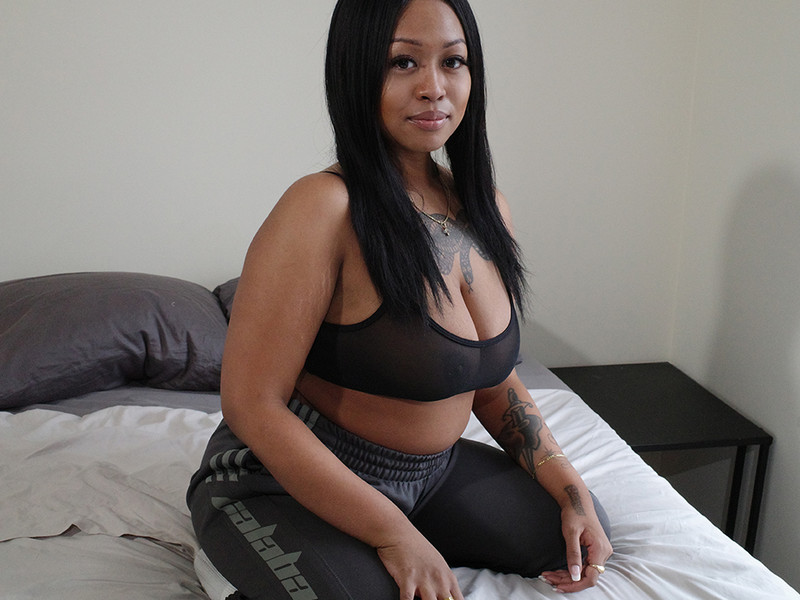
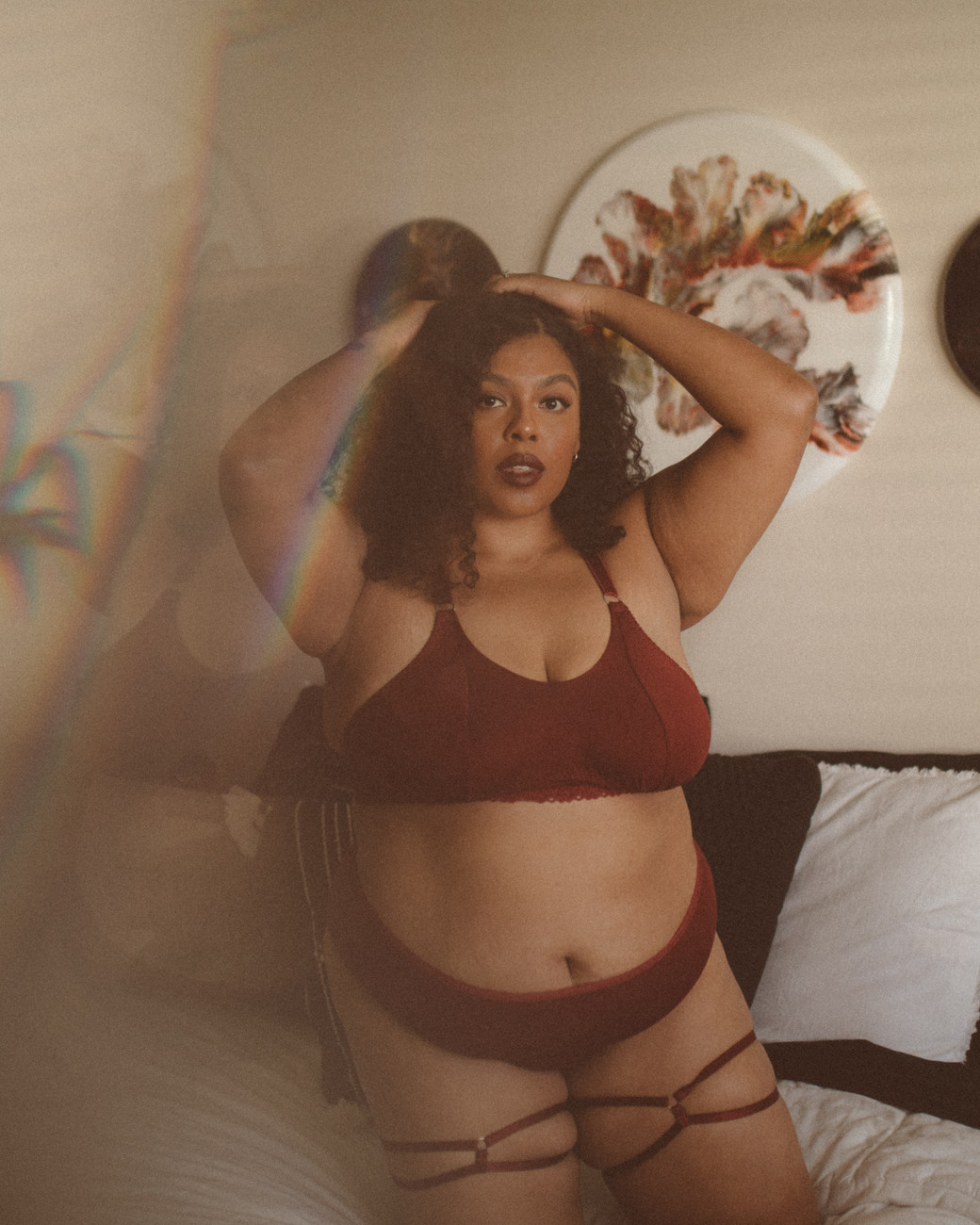
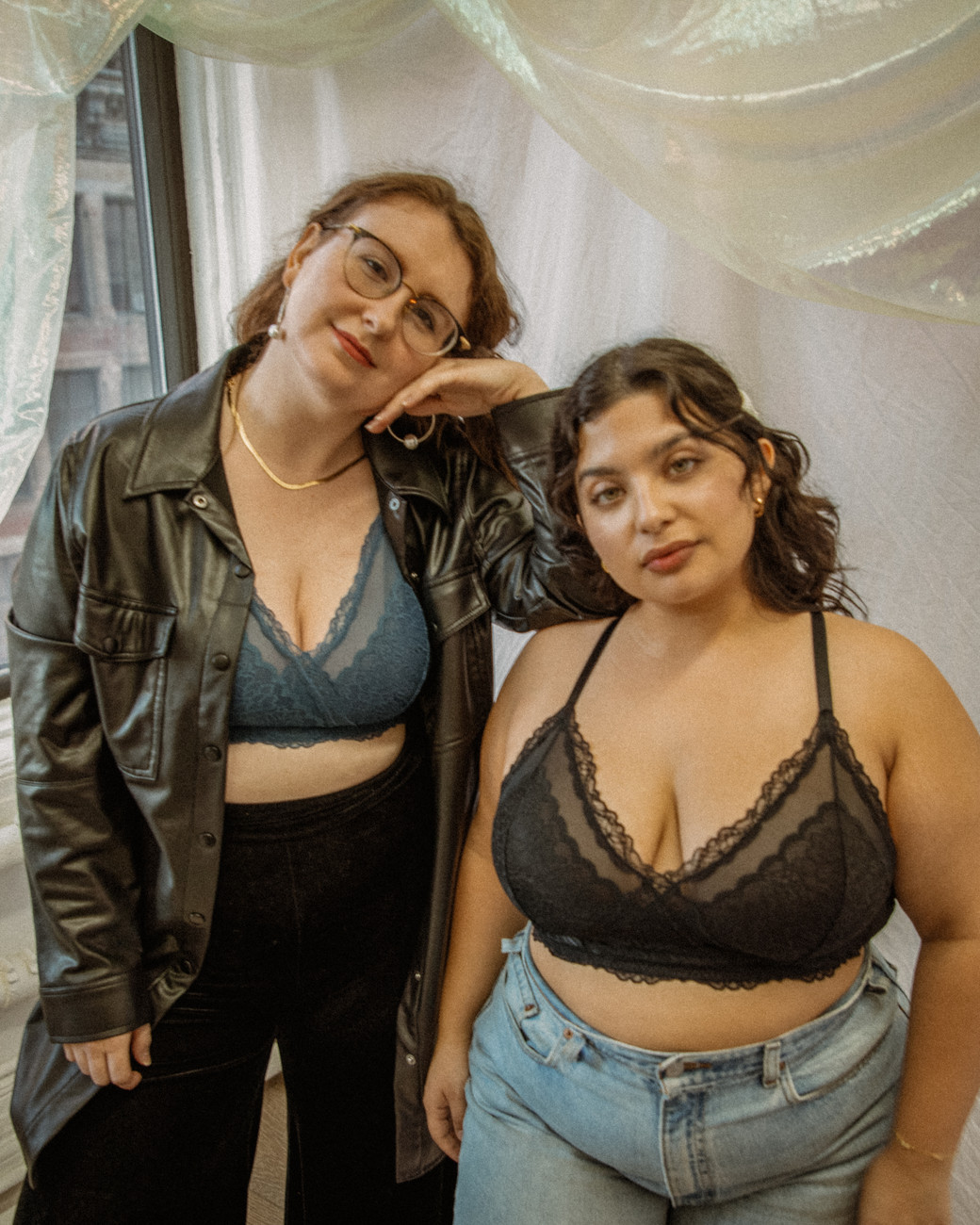
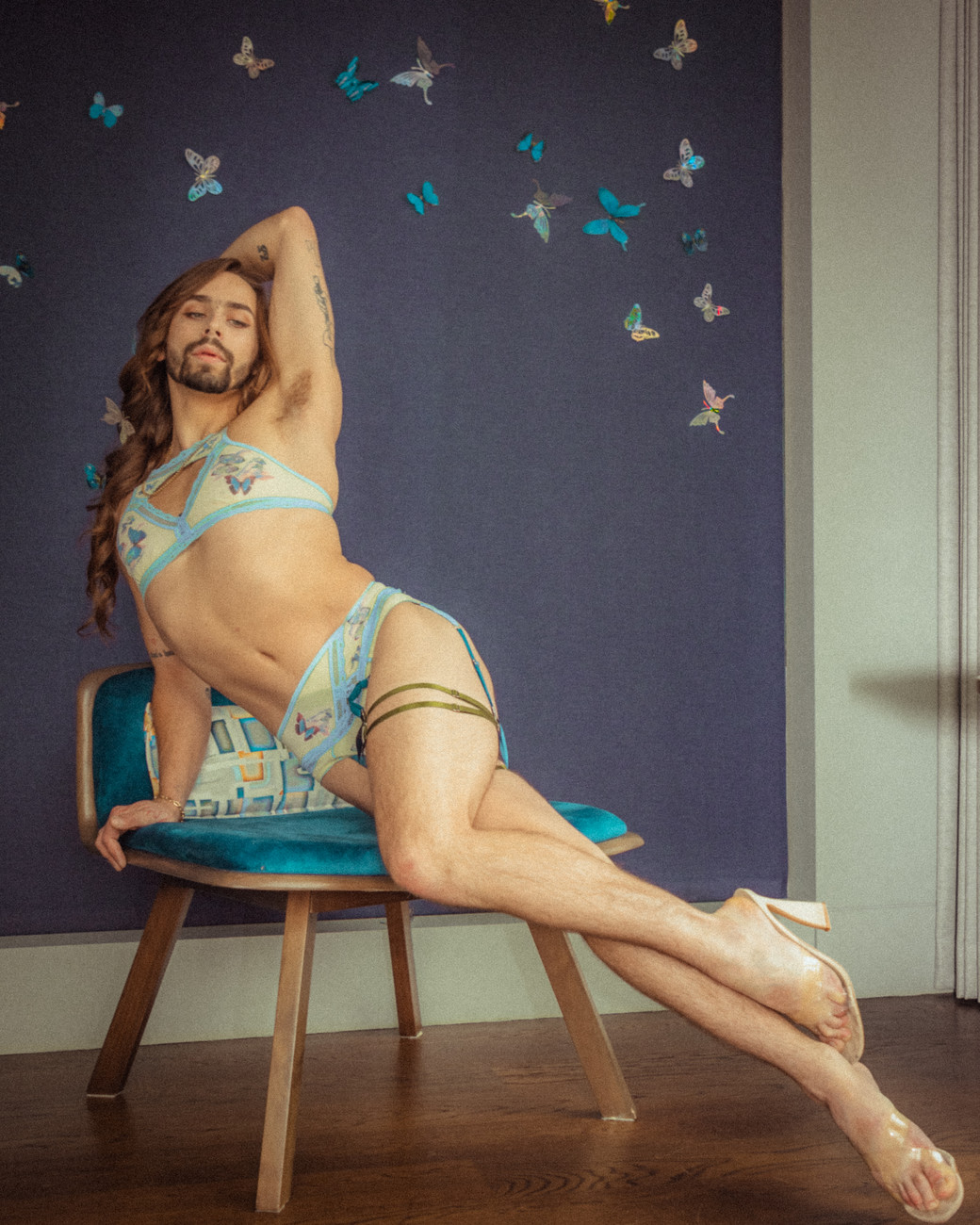
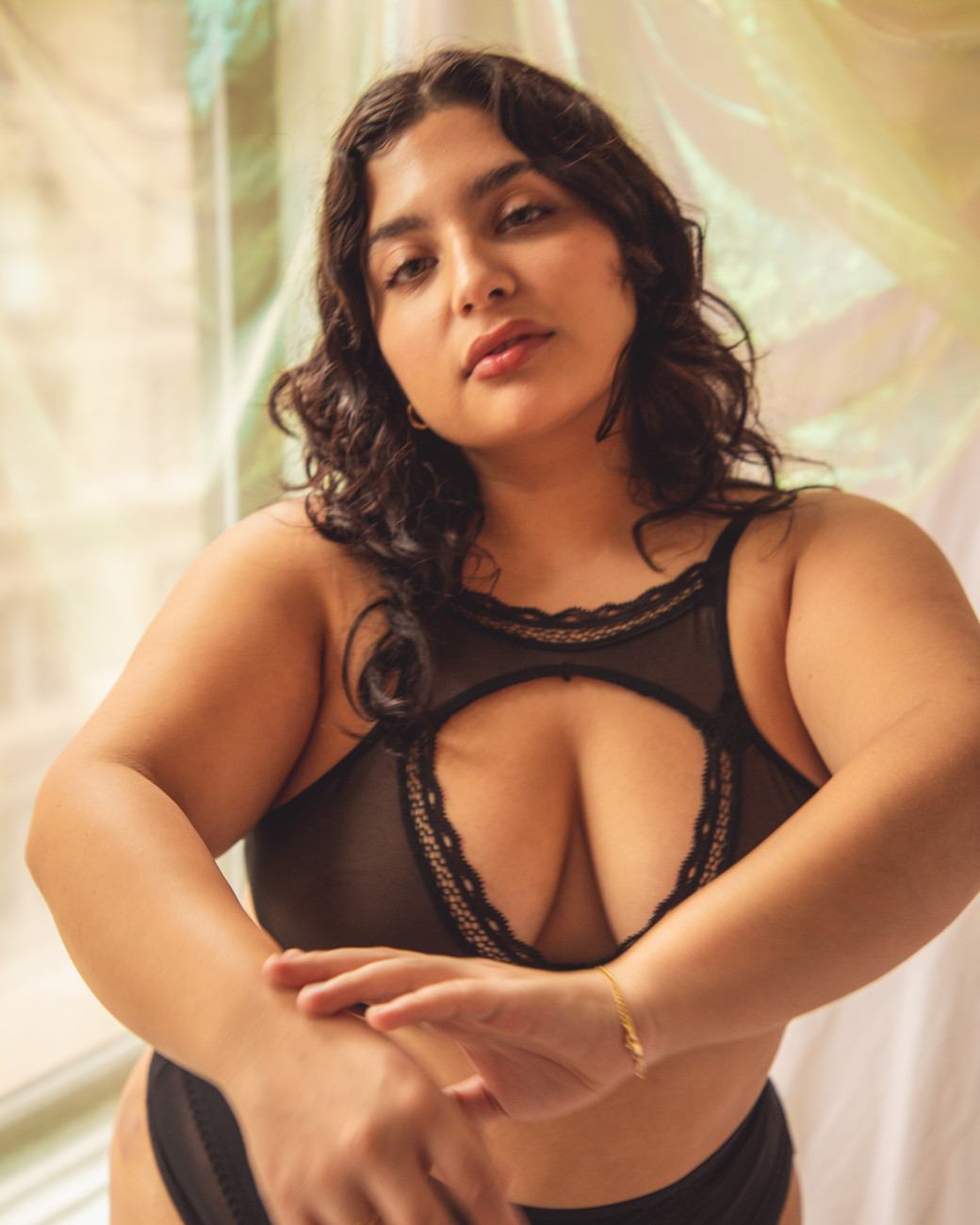
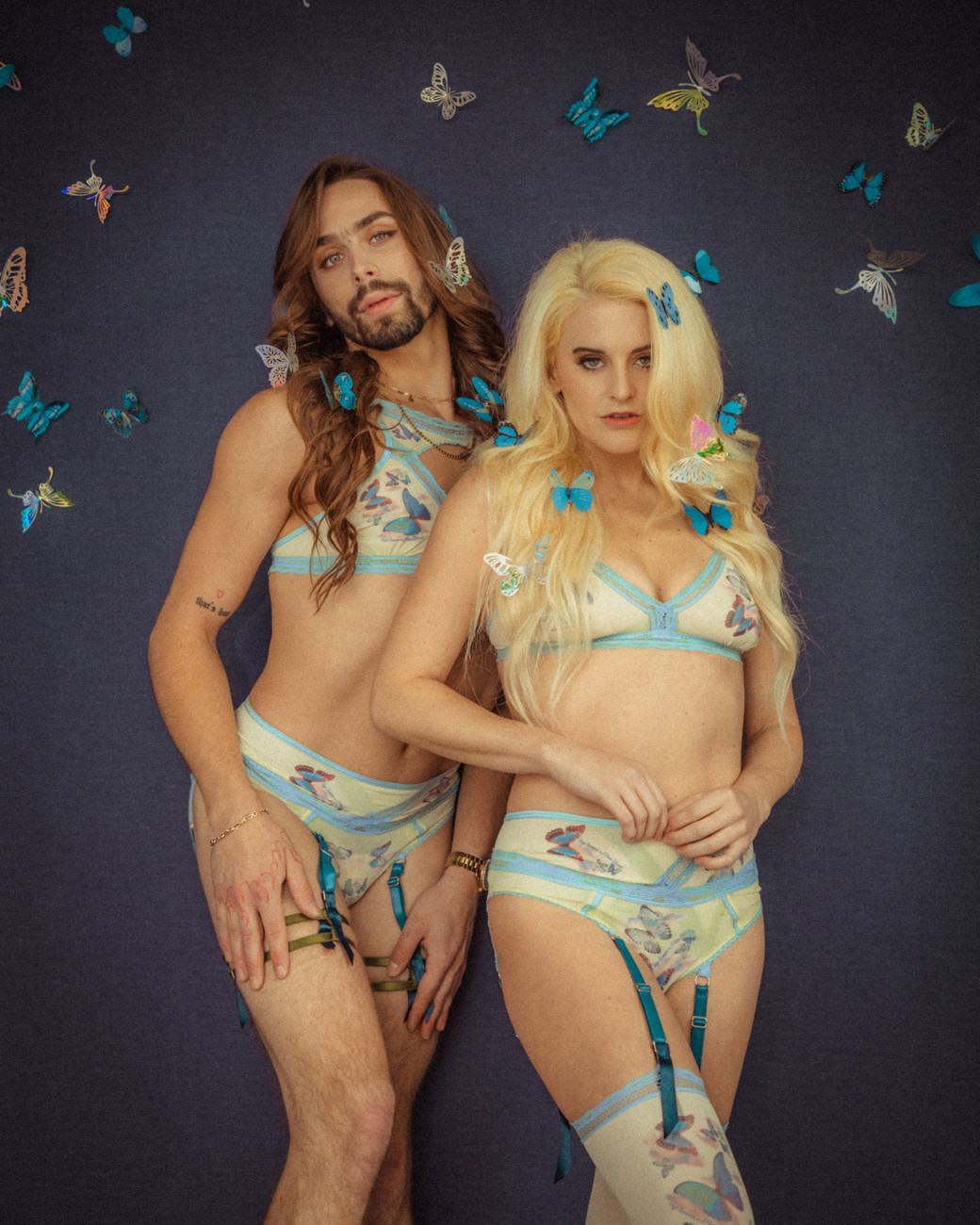
Above photos picture Dale Keswick and Rachel Lynch, then Gina Sophia Zamudio.
What is the mission of your Uye Surana?
I founded Uye Surana in 2012. During my time, it was developing garments that were intended to be both as comfortable as they were beautiful, and we focused on soft lingerie and adjustable styles. Empowering the wearer to take control over their undergarment. Have it feel like it fits well, it looks good, give them some ways to adjust it during its lifespan.
Do you think your goals have shifted since 2012 when you launched the brand?
Yes, little by little I wanted to include different groups of people and be able to develop garments for them. Having a background in design and being very perfectionistic, I had to work with different people first to be able to find garments that would work with different body types. I began with expanding our bralette range sizing to accommodate more of a small back and full bust woman. Then, shortly after that, I expanded our size range to 2XL, 3XL, and worked with fitting people who were plus sized and learning what the difference is and what their needs were. As I’ve gone on, I’ve begun to see different groups of people and try to think of how they can be included in the design.
What kind of instances of censorship have you come across? Why do you think this is?
I have been working using Facebook and Instagram since the beginning of when these products were available to brands. I, as a small business owner, had to use them to build awareness for my company, and I’ve invested a lot of time into them. I’ve experienced from the beginning that they’ve allowed products to be tagged on Facebook and Instagram that they are constantly going through this frustrating cycle of disapproval. Where first they go up for approval, then, during the process, a few of them, a lot of them, whatever, get rejected. There’s not necessarily anything you can find different about it. In the replies that they give now, ‘cause I had actually looked over -- I had taken some screenshots when I was frustrated back in 2019 over their rejections of products, and then I looked at them more recently -- and the replies have become even more vague. All that they say now is that the products are rejected due to “overtly sexualized positioning,” and that that should somehow be corrected. Not how one can correct it. I mean, I am so careful with how we promote. There are no exposed nipples, no exposed anything. I blur things out, we always use covers. We’re super, super careful. But, somehow there’s always some way, and you’re always left guessing because they’re not clear guidelines. I’ve been very frustrated trying to look for information and articles. I’ve actually spoken to a marketing expert from Facebook that, when you have a brand account, one of Facebook’s marketing experts will reach out to you from time to time to try to set up a call and see how they can help you successfully run ads. I met with them to get some insight into how I can get these products approved [for advertisement]. I can submit an appeal, and sometimes they get approved again. Probably a handful still get rejected no matter what. How can I fix this? So, I spoke to the marketing expert, and they were surprised and had never heard of this issue before, which, to me, was really surprising. They said, “Well, you know what? I’ve actually never worked with a women’s lingerie brand before.” He noted he had worked with a mens underwear company. I asked if any of their products had gone through this and been rejected, and he said, “no, never once.”
It’s a situation I’ve dealt with for as long as I’ve dealt with the platforms that I’ve largely stayed silent about because how most people view my work is through a brand. They don’t see me as a person who might speak up about things that bother them. But I’ve been experiencing it, and then in 2019, Instagram came out with this “demoting of vaguely inappropriate content.” There’s only one article on TechCrunch that provides two examples. I tried to find so much more information on how to get around this, but there’s only that one article out there. It’s a woman sitting three quarters in an opaque bra and some panties on a bed smiling, and a close up shot of a man wearing jeans grabbing his crotch. Those are the examples that the platform provides as vaguely inappropriate.
As a lingerie brand, I don’t really have an option. The content is already downgraded by the platform. On top of that there’s now this "sensitive control." Another level of downgrading. They’re going to “give you a choice,” but the default is that you will not see content that is potentially offensive, which is sexually suggestive or violent, could be about drugs or firearms. Any of those four categories they’ll limit out. They won’t give you the option of deciding for yourself what you might find offensive. Most people are largely unaware of that. There is really no choice. There’s censorship on top of censorship. It’s a little disheartening. I don’t know what else I could say.
That’s understandable. I find it disheartening, and I’m not even in your position. You’ve suggested that gender and sex is a factor, how does body type and race play into it in your opinion? What other factors are there that you believe affect censorship, too?
I’ve long seen conversations and known that body type, like if you’re a plus sized or larger body, the skin ratio is automatically going to be censored because there’s more skin to be shown. There’s a big demographic of people that have to cover up a lot more in order to have their photos be shown.
So, your brand being a brand that focuses on accommodating a lot of different body types means it’s automatically going to be censored more over brands that only pay attention to XS-L sizing, which is really unfortunate and not fair.
Right. It feels like my brand has kind of been doing things a little bit before they’ve become popular for bigger brands to do them. We’ve included different groups and thought about different people before it was even on the radar for big brands. A lot of the reasons that Uye Surana’s audience follows us is because they feel inspired. They know from a deep place that we want to show them, and show them different types of people to the best of our abilities. A lot of diversity, body type, race, gender, whatever areas we feel like we can. That’s a lot of why our audience follows us. So it feels really difficult, because the things our audience wants to see are the things that have to be censored and hidden from the platform. And things they don’t care as much about are the things that are acceptable. These things work against each other with factors of trying to get past an algorithm that just cares about likes versus trying to get past censorship. So those things combined make it so that we’re at a kind of plateau level that we can’t really -- even though I see people follow us every day, I’m like, You’re not gonna see our content, it’s not going to show up on your feed.
It’s all so ironic because it’s okay when there’s a man present who has agency, or it’s okay when it’s for the male gaze.
It’s okay when it’s shown through a male lens. That’s what really baffles and upsets me about this image I sent you of this man holding a naked woman over his shoulder like she’s some sort of prized cattle, and just to censor one part of her body that absolutely could not be seen with his cell phone to capture the moment. That’s what can be seen across the platform on the Discover Page? Because it’s through a male lens. If a woman does it then it’s not acceptable. These are not things that you can say that the platform says, because the platform doesn’t want to say anything. But, after observing for so long, these are the only things you can conclude because it becomes very apparent over time. This other photo, next to the man with the woman over his shoulder, this influencer with the see-through top and her nipples are showing. And the product image below of the model with a mesh top and her nipples are showing. I can’t really sell mesh products. They often get rejected even when no nipple is showing at all. I think it is possible the platform is internally labeling, like, This is a brand that constantly violates policy, or We know it’s a lingerie brand that isn’t acceptable to us.
I can’t help but think it has to do with the size of the breasts as well.
I try not to think that something is happening unless I really know it’s happening, and to a certain extent, you really know it’s happening. I think what definitely happens is that you can show the body every five posts. You can show a woman in a bra and panty set. But the other four or more posts are all a jacket and a coat. Occasionally “violate policy?” That’s okay. A lot of time I see the image of them in almost nothing does better than the images of them in a dress and blah blah blah. But if every post you have is like that, I think they label your account and hide all your content.
Well I really hope this interview reaches some people and helps in whatever small way it can. The hypersexualization of women, bigger women, women of color, it’s an issue I really care about that I believe is largely at play here.
The fetishization.
Exactly. The larger message is repeatedly pushed to society, not just on social media, but that women’s sexuality and our bodies are only allowed to be sexual through a male lens. Or are only appropriate to be viewed through a male lens.
Yes. That’s very true. You can’t let women have the agency to profit off of that. Only men can.
Yeah. Makes my blood boil. So what can people do to help combat this issue that you and your brand are facing?
It feels as though, as a brand, our voice has been taken away. And so by trying to speak out and bring awareness, when I initially spoke to my colleague Katie, that’s when I wrote the first press release we sent. That’s when we posted the video about the sensitive control and to turn on the “allow” feature. But at this point, there is no small “turn allow” feel. It just feels like there really is no awareness toward this at all. It needs to be more of a conversation. When you think about it, our content can’t really be seen. It does affect sales, we can’t tag products, Facebook and Instagram want to push their “Shop” section more, it’s not really a big possibility for us. These things do affect women, non-cis men. They affect your livelihood, your freelance, your income, they affect businesses owned by these groups. It’s just, you know. The people in charge of these things don't want any of that to change.
Why do you think Instagrams like the Fenty X Savage account are able to post raunchier things? Do you think that has to do with followers?
It’s also because, like, if you’re a celebrity you can do more things. The bigger you are, the more resources you have. They probably have better connections to Facebook and Instagram because they spend more money there, they might have more of an “in” and be able to get past these things.
But in terms of what people can do to help Uye Surana and other small brands that may be experiencing this, to add to your answer, would be to support those small brands and maybe share their pictures on Instagram…
Sure. Support, share, comment. Don’t assume the brand is expecting you to buy. We also just want to engage with our followers.
That’s a really good point.
We love when people send us photos when they do buy something or comment what they like or what they’d like to see more of, why they follow. It becomes ever so much more feeling silenced and you can’t do anything about it when your audience is cut off from you. Just engaging.
What makes your brand stand out from other lingerie companies?
I think that it’s a unity of the design and the comfort level and the putting the wearer in control of how their garments can fit their body. Offering all of our styles through our full size range, working with creating unique prints and things that are fun and playful and reducing what waste we can with our dying processes and techniques.
What inspires your designs?
I think a lot about the functionality and something fun. I like a lot of different lingerie that can be incorporated into your outfit or plays with outerwear ideas and plays with something different. For prints, I really like researching and looking at different nature imagery.
I think that definitely comes across in your designs, especially in the high neck bralette; that piece is so functional for a cute outfit or as an undergarment. Lastly, when do you feel your sexiest?
My hair when I take it out of a bun, and it has perfect waves for, like, 15 minutes. Good skin days, boots I can walk in, lipstick, stockings, and matching lingerie sets that coordinate with my outfit. Like, from outerwear to what's layered underneath!