The Modern Muse


Stay informed on our latest news!


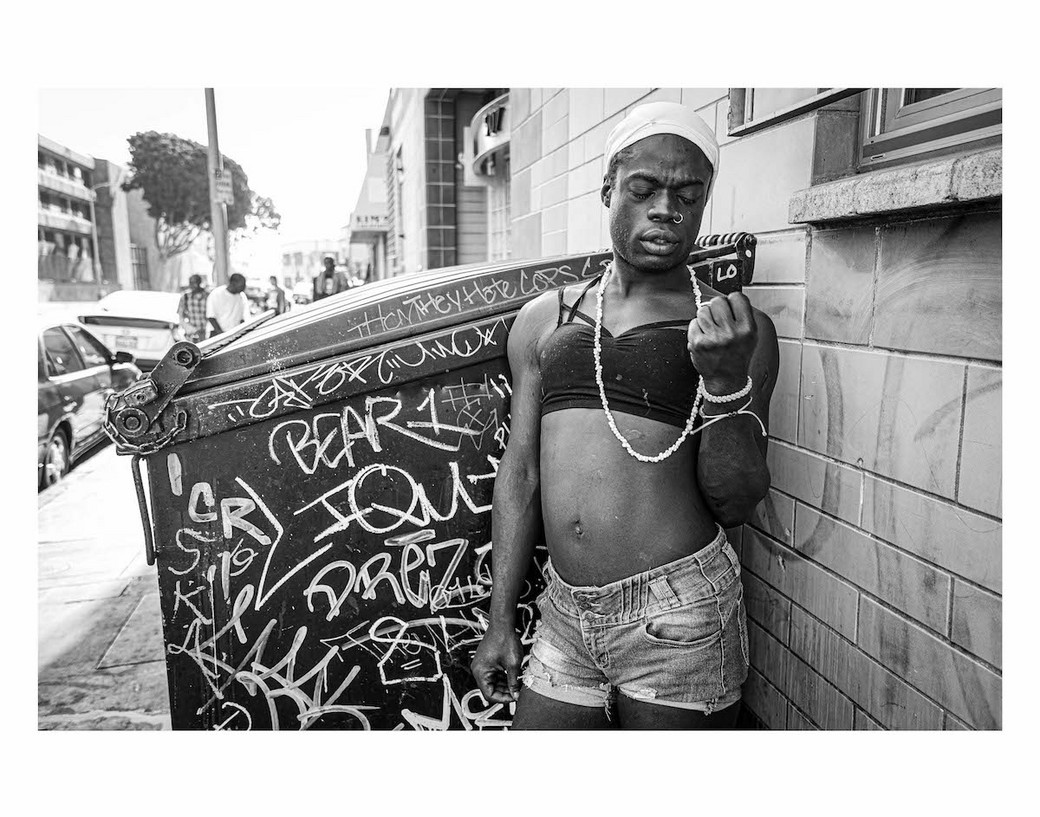
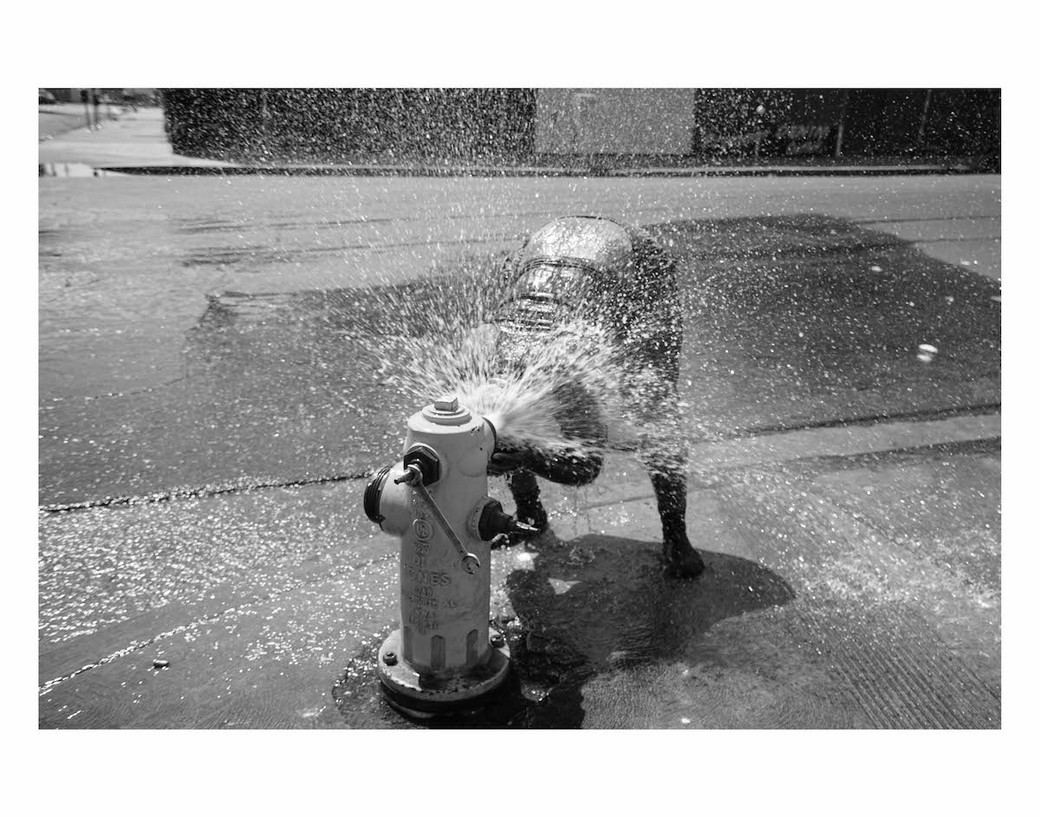
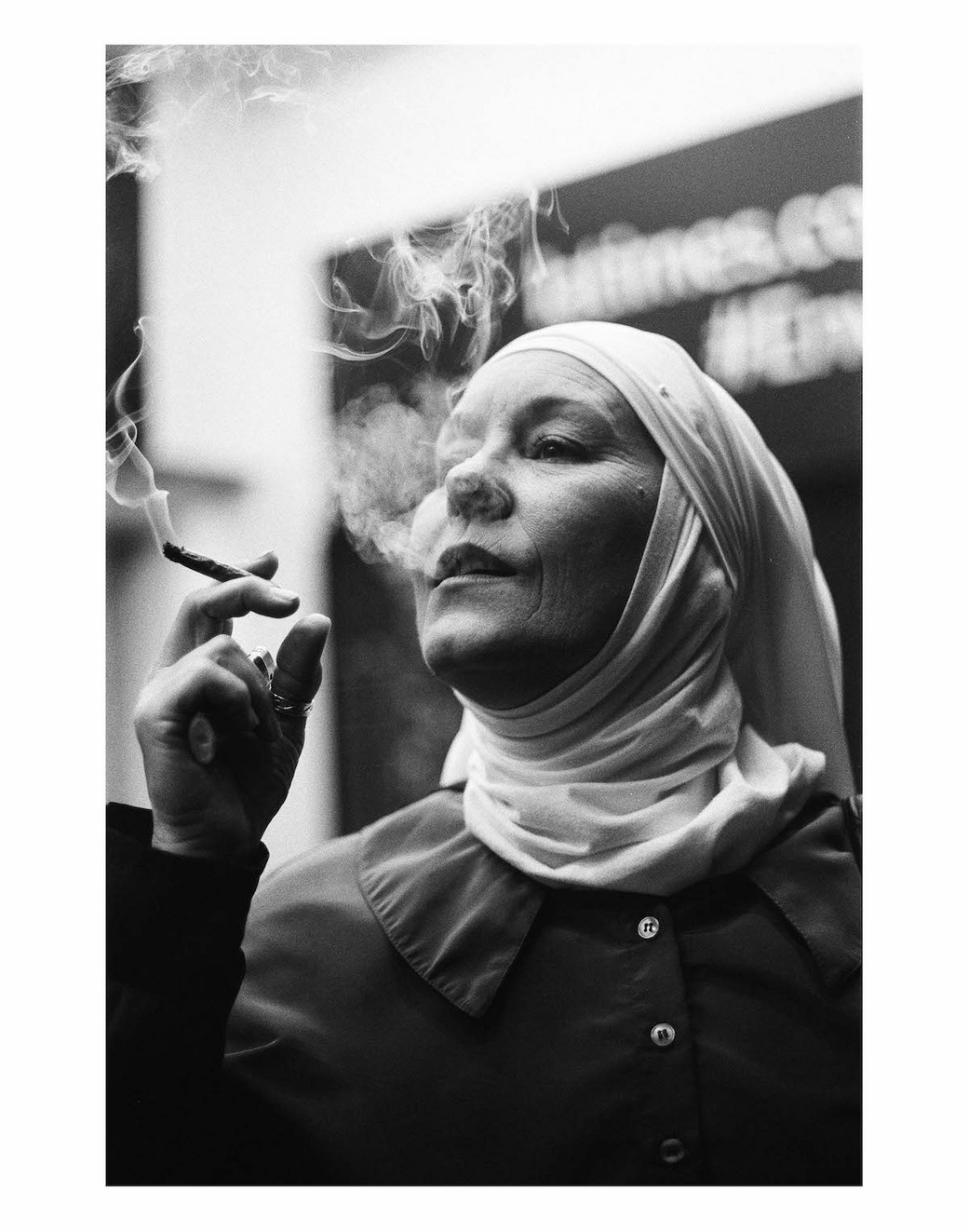
This collaboration reveals the importance of artists’ social commitment to tolerance in the face of a crisis, and the power of collective dedication to change. “We believe that every individual can make a difference in this world, but especially when we join forces. We wanted to show the power that Art has as a collective. We are beyond grateful for the support we have received, and hope we can continue to help as much as we can,” shares the organization.
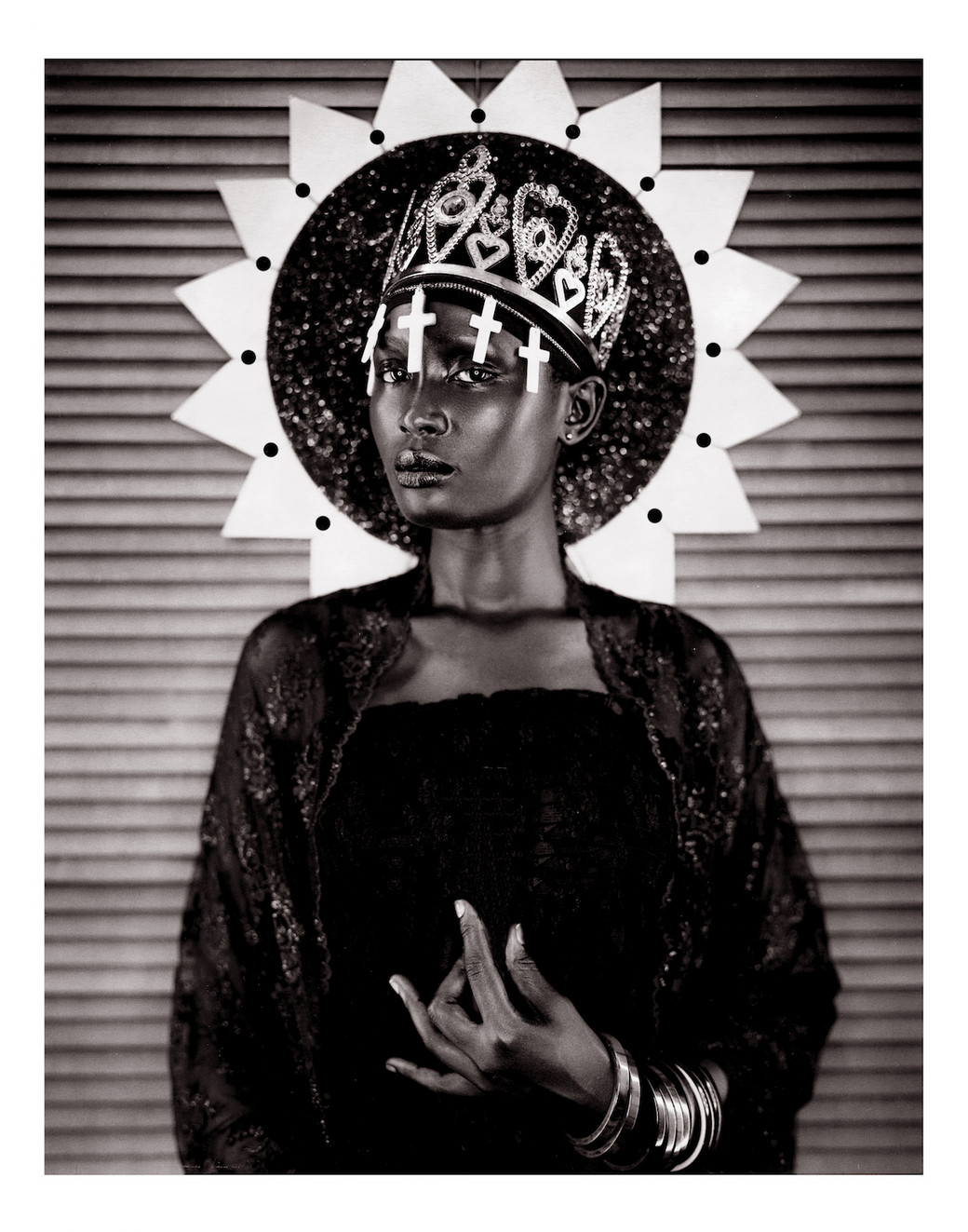
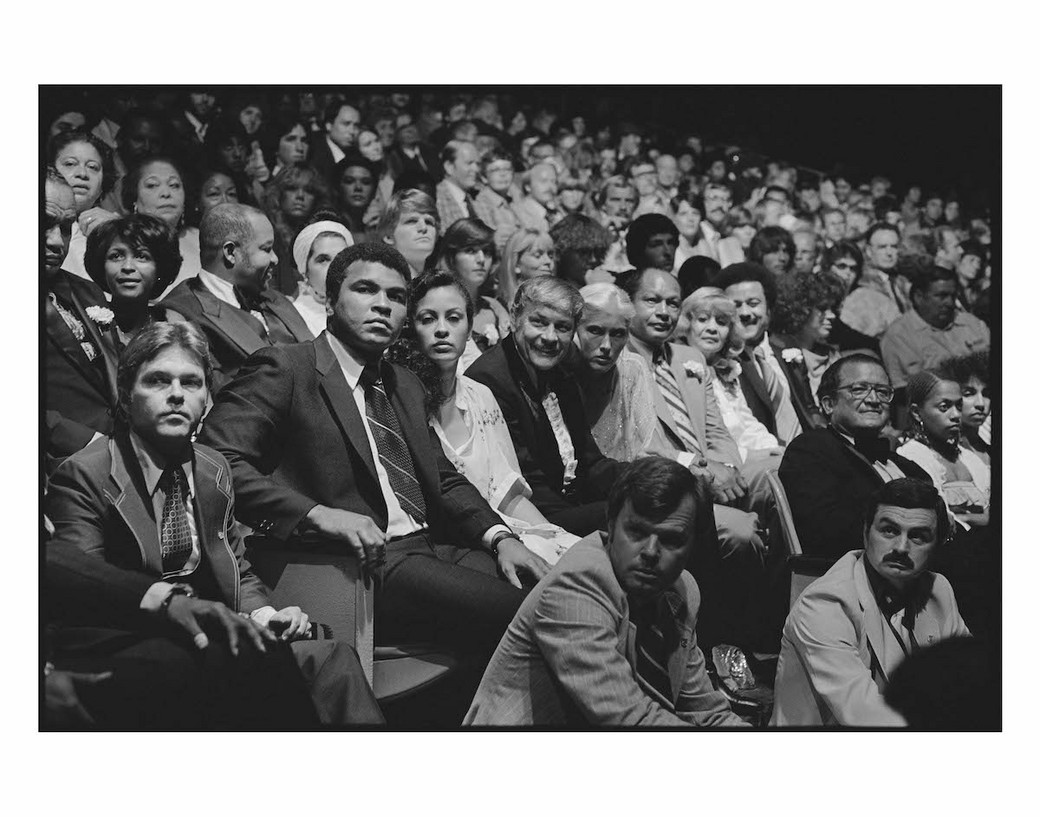
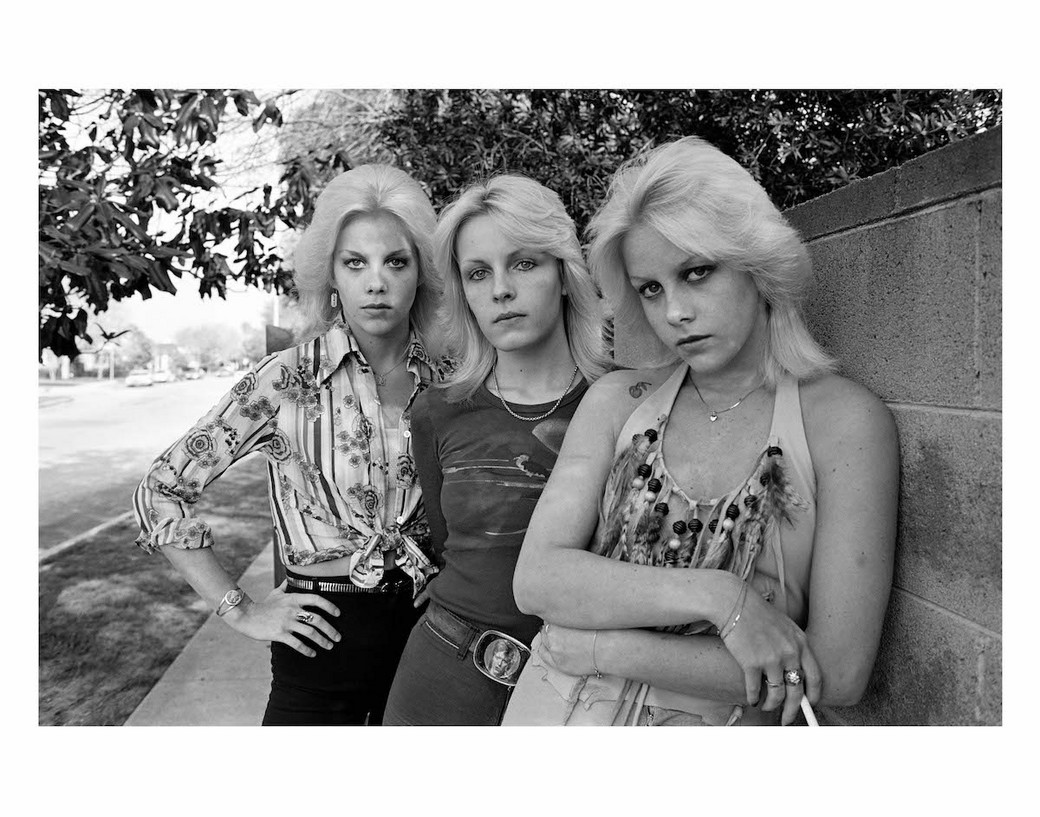
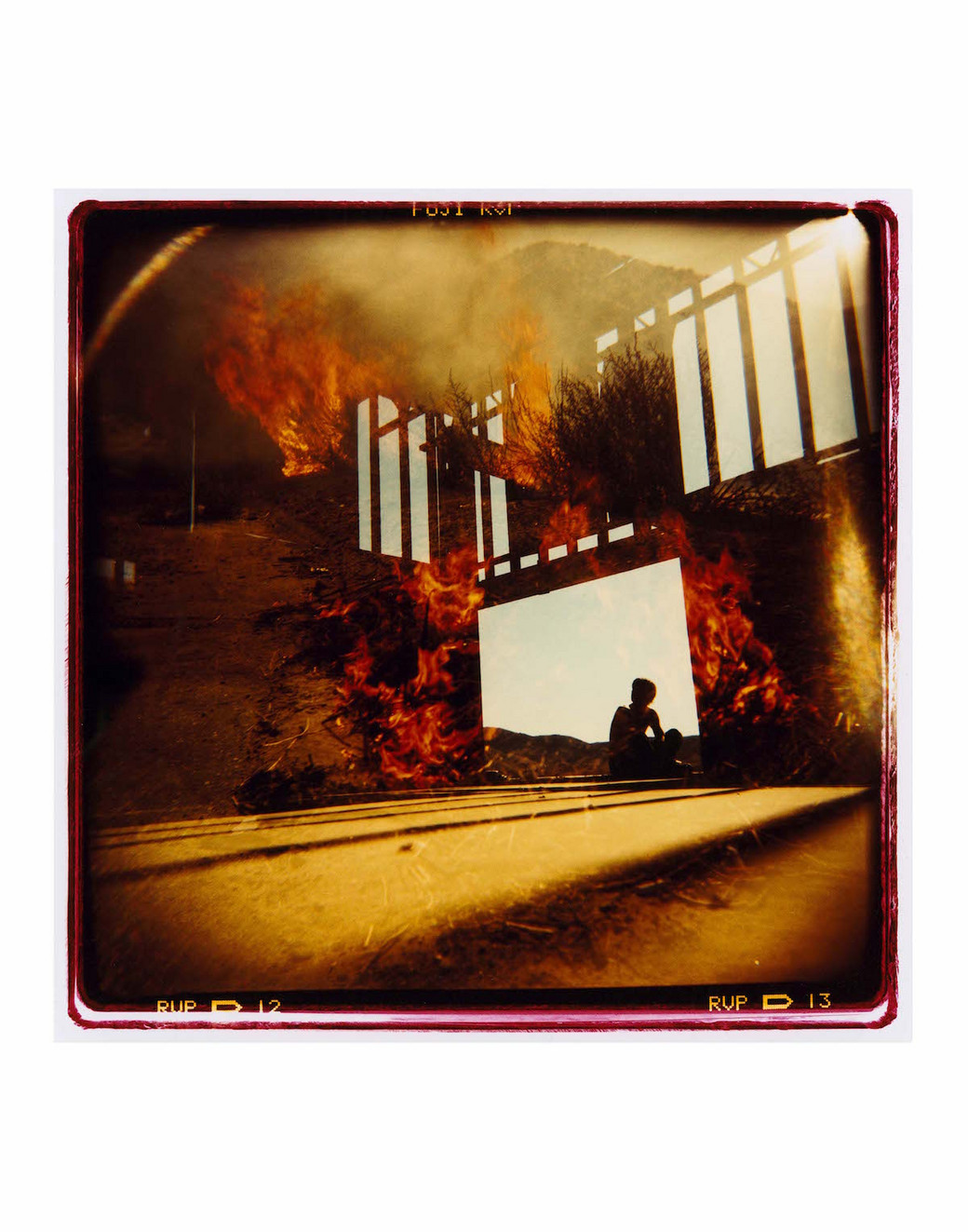
Don’t Back Down! is generating the prints in partnering with downtown L.A. based Contact Photo Lab, a Black-owned printing company. The initiative will be ongoing throughout the year with the regular sale of limited prints from a rotating collection of photographers and different organizations to support.

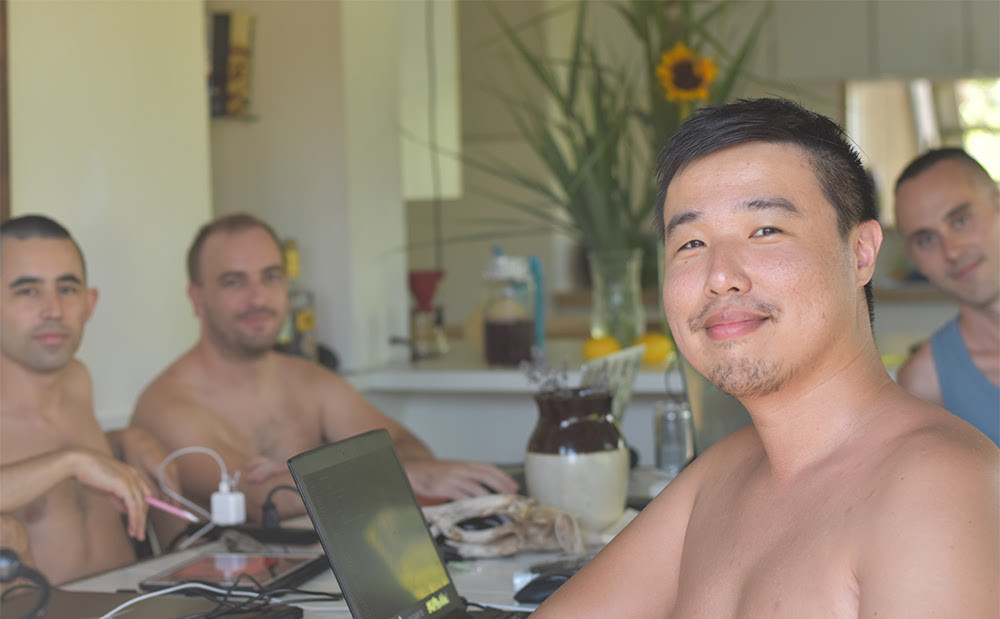
One of the most banned game developers in the world right now, Yang makes games that deal with and explore gay sex, intimacy, and culture. You may have heard of or seen his game, Rinse & Repeat, in which you get to wash a tempting gym rat-type of guy in the gym showers, only accessible by adhering to this sexy character’s schedule. Yang started with playing Mario at age 4, and now designs and simulates complex and immersive LGBTQIA+ scenes that allow players to navigate themselves through and explore sexual situations.
The BOFFO Residency Fire Island is an artists' residency located in the Pines, which houses queer artists every summer and provides them with a beautiful environment in which to make work. BOFFO is now looking to contribute to their community in socially distant ways, including screenings, artist talks, and a book club.
When was the first time you played a video game?
I was maybe 4 years old. I played the first Mario game on a Nintendo. I didn't really understand what was happening, but I was into it.
What video game made you love video games, and what ultimately made you want to start making them yourself?
I think Half-Life is probably the game I hold in my heart, it was one of the first games to really invest in its 3D world. In general, imperfect games motivate me the most—the gaps or omissions or problems suggest new game ideas, and then it's up to me to make that game exist.
When did you start making them, and what was your approach at first? How did you learn to make video games?
At first I started by modding my favorite games, making new stories or game worlds, and self-publishing my mods on the internet. It's kind of like fan fiction, but for games. It's about building on top of something you already understand, which is great for learning.
Was the subject matter always about gay culture? When did that become your focus?
I think maybe it started in 2009, when I had come out as gay to my friends and family, and started getting involved with the indie games movement—which is about making smaller games that are more personal, so I thought, why not also make gay games that explore this part of my identity.
How is gay culture defined in the gaming world? What kind of representation does the LGBTQA+ community get in the gaming world, and in what ways do you think this could change, is changing, or won’t change?
LGBTQ representation in games is still unfortunately focused on tokenization and "respectability politics" -- big budget blockbuster productions throwing some gay crumbs, like a secondary trans character here or a bi character there. This is fine but it's always strained through the market requirements of big commercial games, when we should be pushing for so much more imagination like a radical queer rethinking of video game culture itself, e.g. Marina Kittaka's recent call to "Divest from the Video Games Industry."
You’ve made many games; what’s your favorite one you’ve ever made?
I think Succulent is my favorite. It's short and sweet, and I made it in just 2 weeks, which is very very fast for a video game. It really just came together without much pain. It's short and sweet.
What does your game Succulent entail?
Succulent is a short music video game where you help a man eat a popsicle/"ice lolly"/"ice block"/oblong frozen treat. It's very straightforward, it's just about puppeting a sexy man eating something in a sexy way. But he also symbolizes a very specific muscular white stud masculine sexiness, and at the end, he devours the player. It's a cursed fantasy.
Which has been your most successful?
Rinse and Repeat is probably my most played and YouTubed game, and it was even featured at the Victoria and Albert Museum in London as part of its big "Videogames" exhibition. The tone and core fantasy are probably the cleanest work I've done, so I can see why people gravitate to it so much.
Can you explain Rinse & Repeat a little bit?
Rinse and Repeat is a shower simulator game about washing a guy at the gym. He'll tell you where to scrub, and how he wants to be touched, and you have to do your best to fulfill his desires. So it's about listening to a partner, but it's also about the boundaries we set. The hunky shower man will only appear at certain times in real-life, once per day, so like sometimes he'll be showering at 3 AM on Monday.
Will you reconfigure your real-life schedule just to play this game? What are you willing to do to maintain this virtual relationship? In what ways are you exploring sex through your games?
The main goal of my work is to normalize sexuality and sexual culture in games. Sex can be fun, boring, sad, beautiful, disappointing, annoying—sex is all these things, and excavating the depth of sex is a crucial project for sex positivity, feminism, and LGBTQ rights around the world. I'm also currently one of the most banned game developers in the world right now, so I frequently simulate the police in my games. It's important to understand the oppressive ways that sexuality has been policed in the past, present, and future.
Is your work changing at all due to quarantine & COVID?
As you can imagine, most video game development work already happens on a computer, so my work has been minimally disrupted, apart from the usual existential dread and depression facing everyone everywhere.
What has your residency at BOFFO Fire Island been like? Having time to rest and reset has been vital, and me and my collaborators are just so immensely grateful for this respite. We've been going to the beach like every other day, and we sorta can't believe rich people get to do this all the time?
But then I'm told that rich people actually think going to the Pines is sort of like, slumming it, which is absurd. So a lot of this residency has been about learning about all these perspectives.
Does living and working in Cherry Grove, a well known gay haven, inspire your material? If yes, how so?
We're based in the Pines, which has been funny for our research—there's been almost no parties or big events here due to quarantine—and everyone keeps telling us how weird and unusual and empty everything feels. So do we spend our residency making a game about this very abnormal time, or do we make something about a fantasy gay circuit party paradise that we never even witnessed? We decided to sort of try both: acknowledge the reality and the fantasy.
You’re collaborating with Eddie Cameron, Fernando Ramallo, and Kevin Watters on developing a new gay video game… What can you tell us about this project?
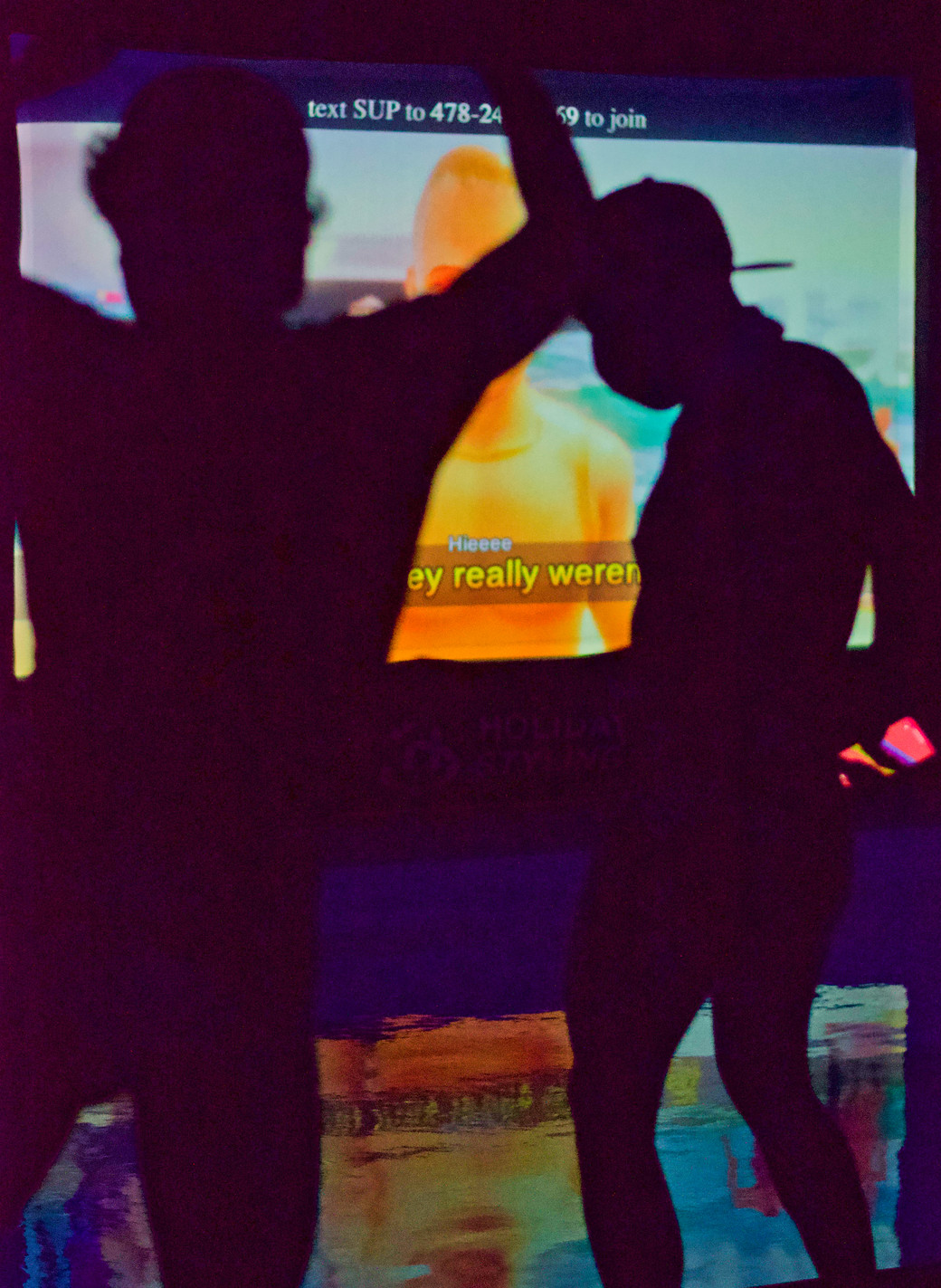
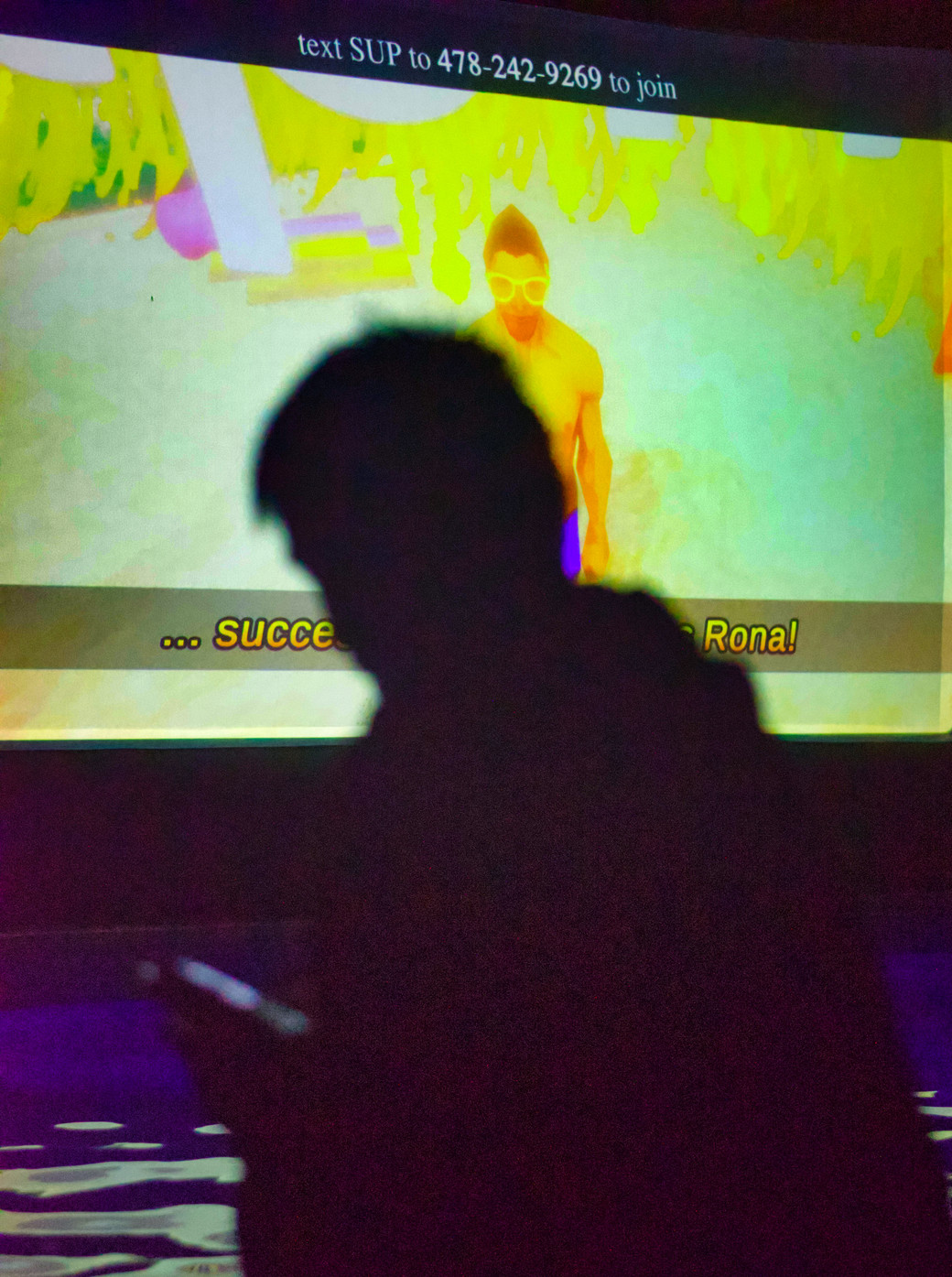
We wanted to make a Fire Island Pines sim game, playable in-person by a non-gamer audience, while preserving social distancing restrictions. So there's a big screen where we project a big 3D recreation of the Pines that I kinda built, filtered through Kevin's social simulation and Fernando's camera director AI, and Eddie built a system that lets players send text messages to control their avatar. It's kind of like an interactive decentralized mural, where the accumulation of all the players' decisions add up to this collective image. We wanted to make something public at a time when the public sphere has basically disappeared, to reflect this community back onto itself in a playful way.
Kind of like another dimension where Quarantine never happened?
Well, not exactly, because we've never experienced the quarantine-free Fire Island ourselves. It would feel dishonest. It's more about the tension between these two dimensions, maybe? The BOFFO director Faris Al-Shathir has been working so hard to finalize the physical public installation at a time when society is killing off arts and culture—so pending approval from the local government, we're going to try to setup a big projection in the Fire Island Pines Harbor, which should allow enough space to safely socially distance. It'll be like going to the ferry docks to leave physical Fire Island, to go to a virtual Fire Island... but in real life, you're still sitting there socially distanced, you're still masked, you're still under this weird public surveillance of lockdown America, it all becomes part of the game experience. So in the game, between sex parties or beach outings, your avatar also might be masked, might encounter story beats about dealing with lockdown, might even participate in a Black Lives Matter march, etc. Fantasies are never completely detached from reality, but rather they collide and intersect with everything else—and this is just the mess we live in, every day.

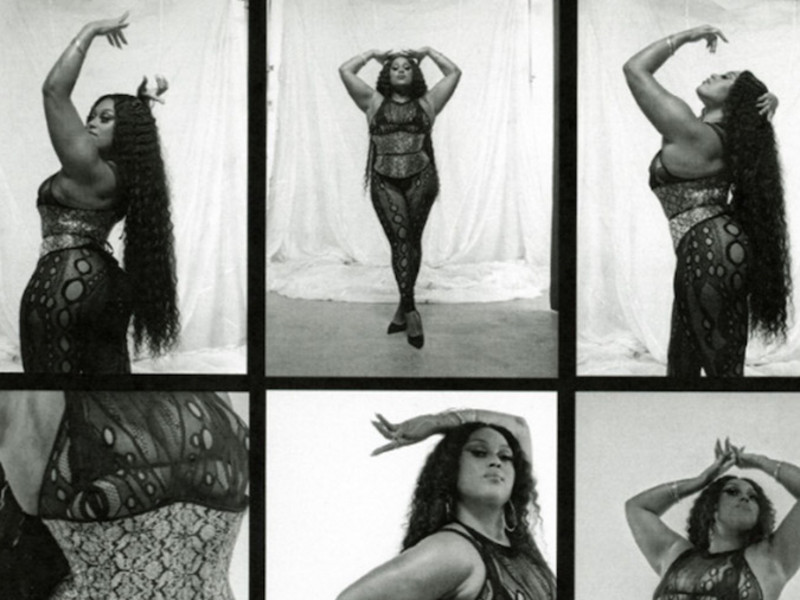
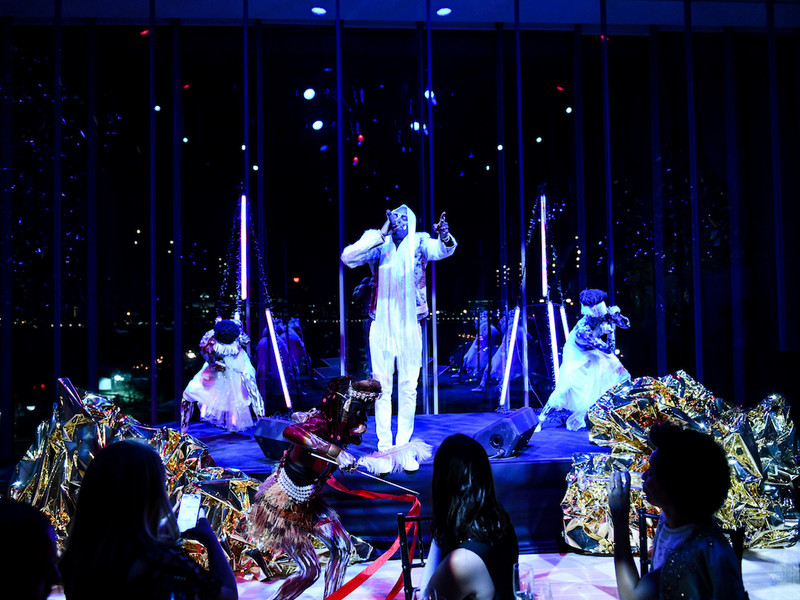
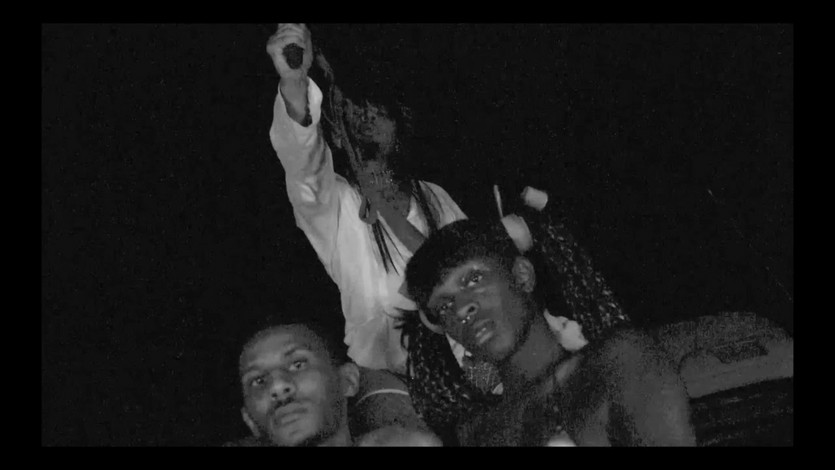
The collective is a reimagined ballroom house of the future. They're physical, having brought their subversive performance art and musical pieces to events and festivals around the world. But first and foremost, they're digital, an intuitive group of forward-thinking, Soundcloud era individuals who were raised by the internet and know its boundless reach.
But ultimately, there comes a point where online community naturally blends into real life. This is how the house was formed. "At their core, ballroom houses come together because of a need for organization, structure, platform, and for garnering power together," member Ledef tells me. "It's survival. That's exactly what we do." It's an added bonus that the group organically creates compelling music, performance art, and dialogues in the process.
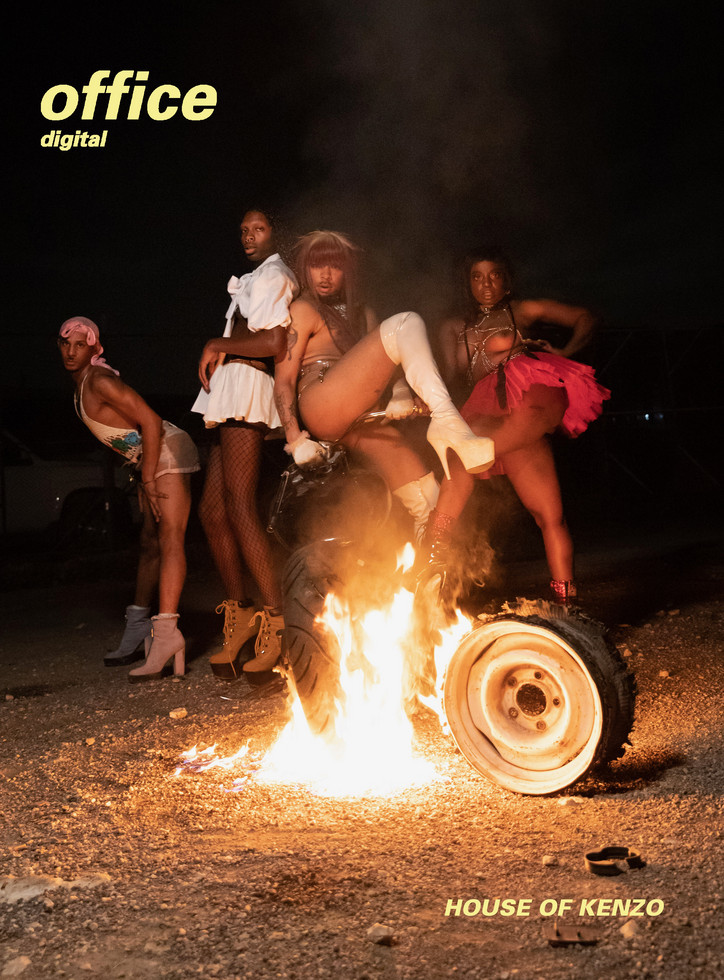
Comprised of four core members—Ledef, Bobby Bearz, Brexxitt, and Josue—House of Kenzo utilizes the space of Texas as both their playpen and their battleground. Being queer and black automatically makes you a target, especially in the south, and the group has been forced to navigate this situation every single day. Their very first ball—the very first ball of its kind in San Antonio, for that matter—was raided by police, and house member Brexxitt was arrested and brutalized. "That just radicalized us off the bat," Brexxitt says. "We realized that we have to hit it hard every single fucking time now. Now it’s personal."
The self-proclaimed "doll gang" is here to inject the open space and ignorant mindsets around them with a contemporary consciousness, no matter what sort of violence is thrown back at them. As a "radicalized collective of fucking cunt," their message is clear: fuck with us, and we'll fuck with you back.
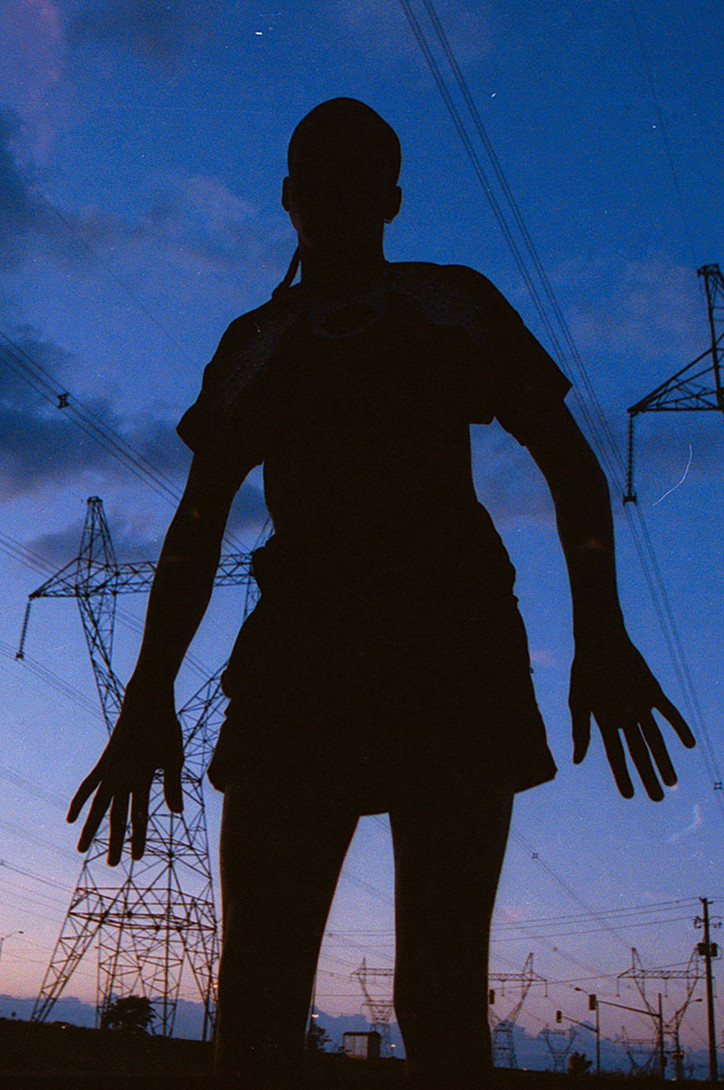
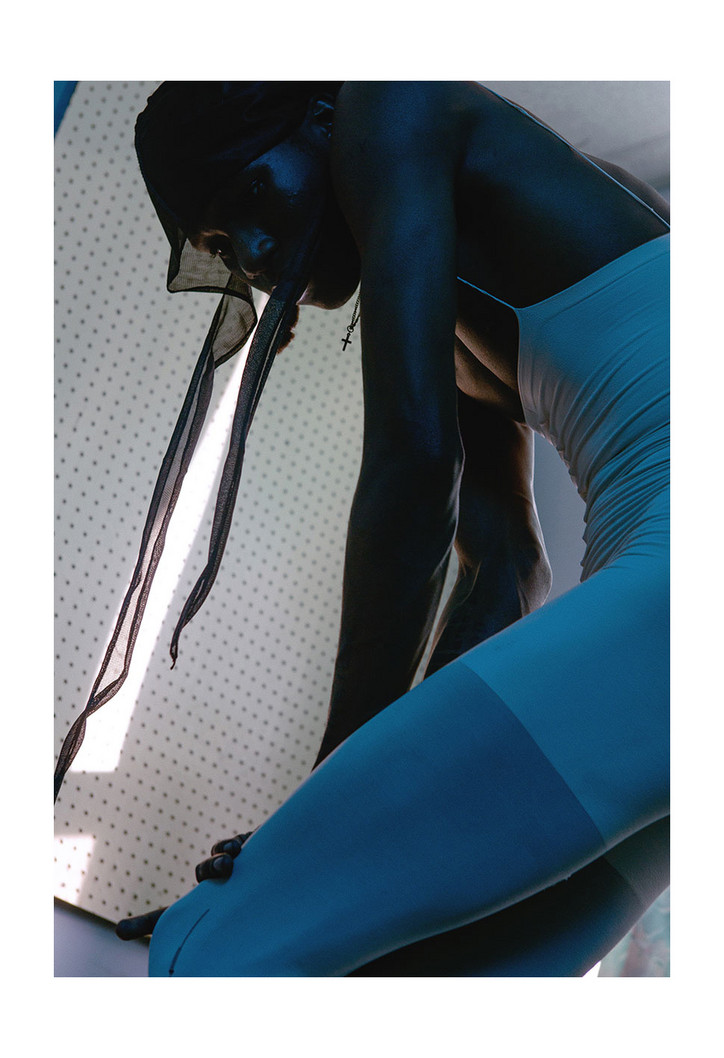
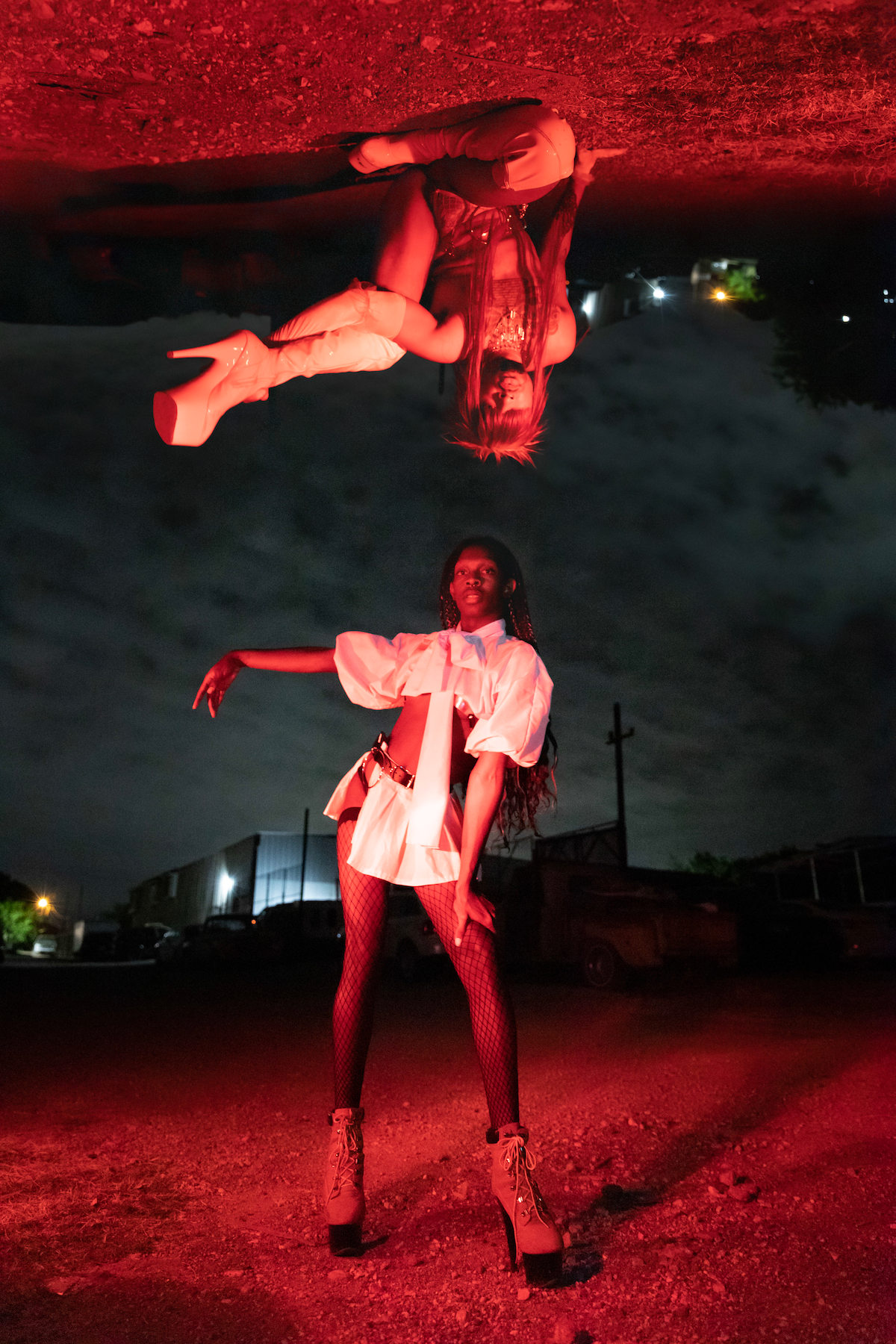
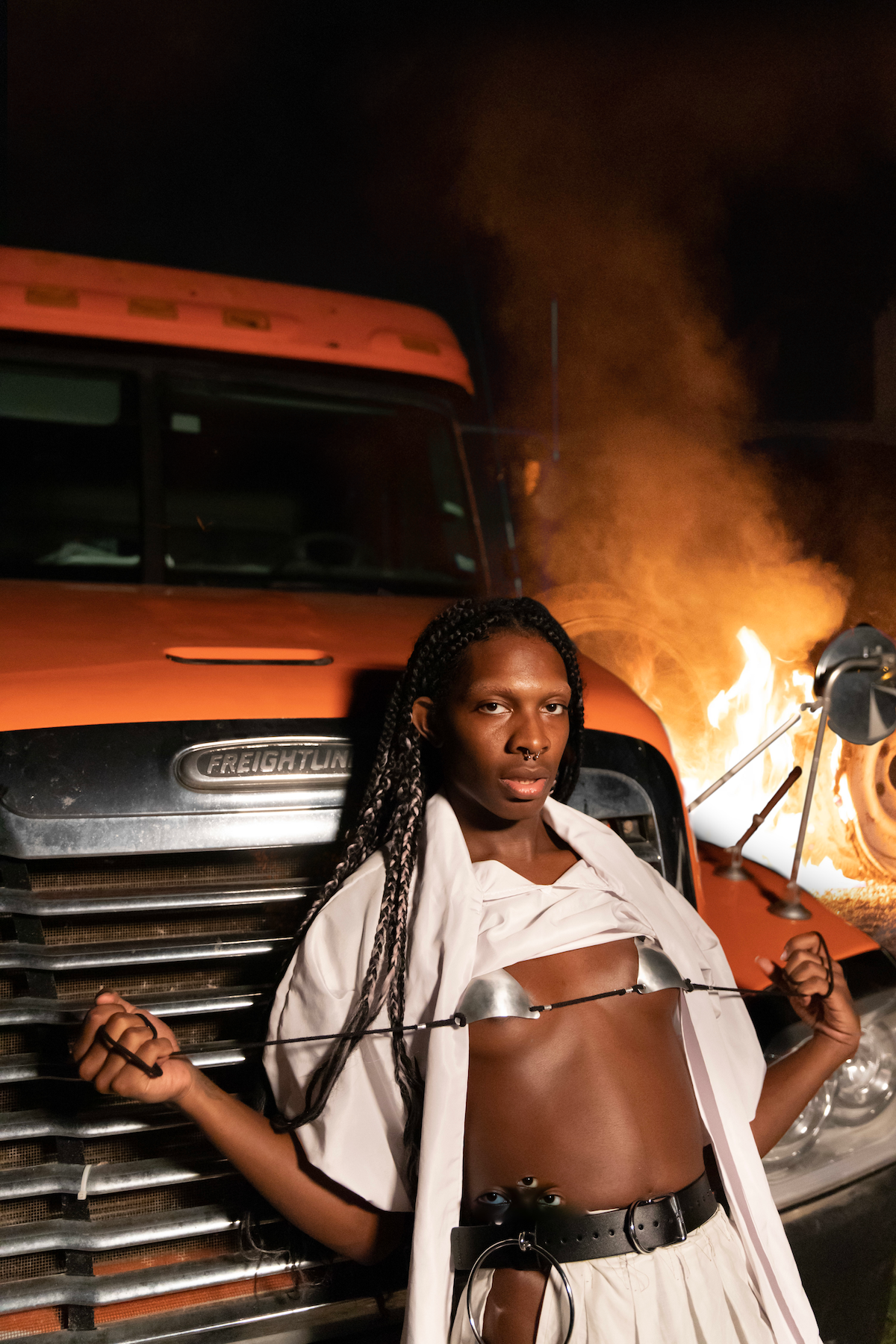
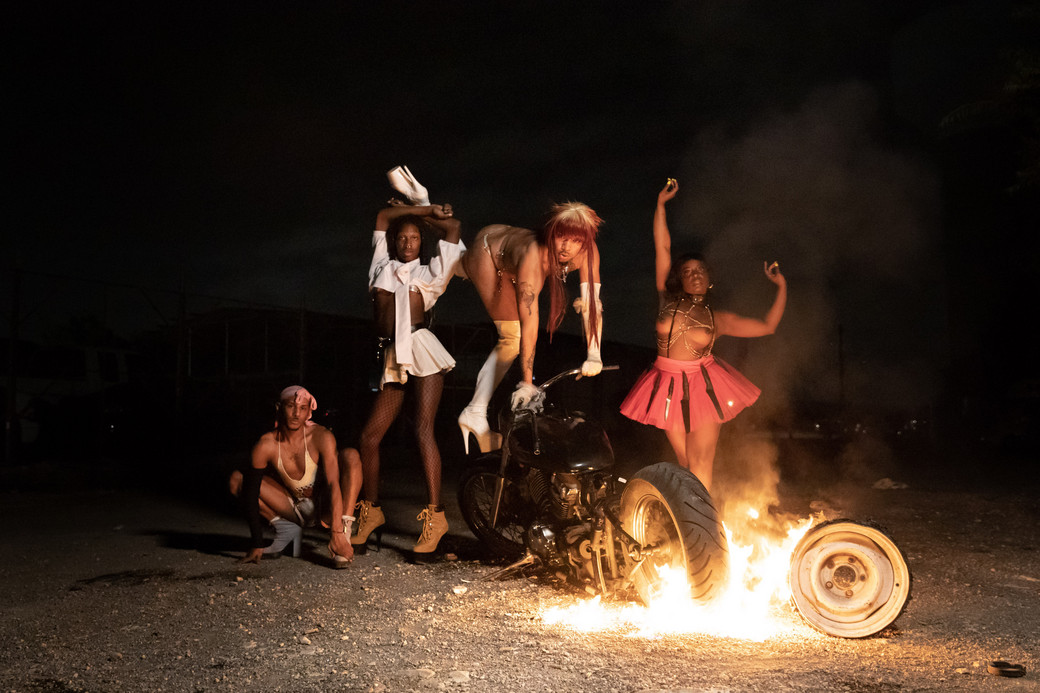
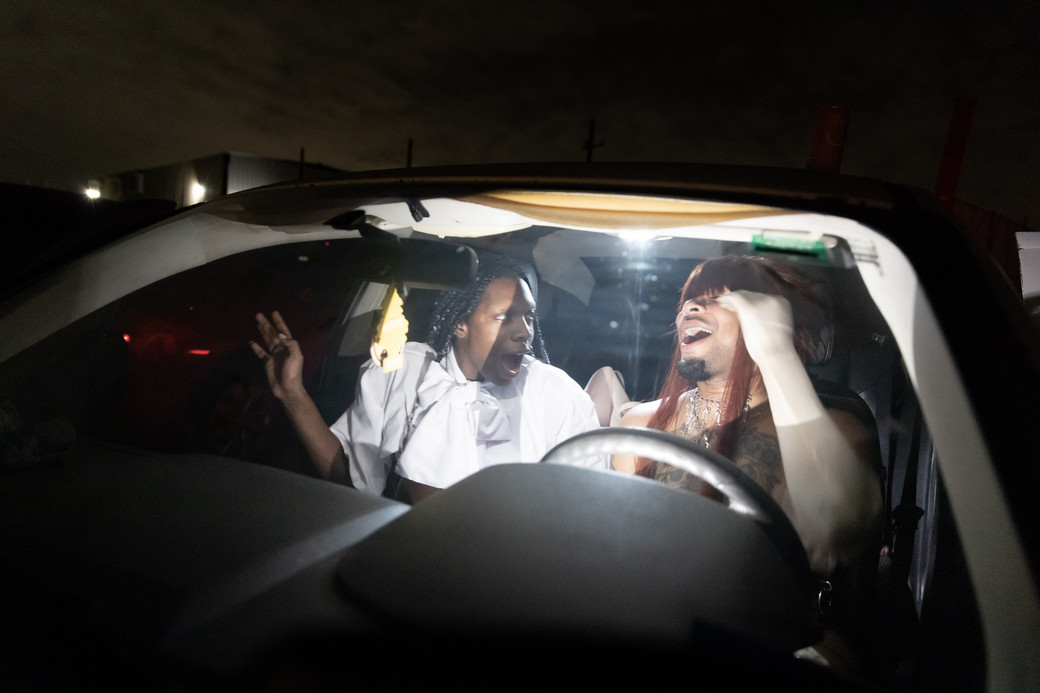
The crux of our June digital cover shoot revolved around a simple phrase: "DEFUND THE POLICE. ARM THE DOLLS." With rifle and bow and arrow in hand, House of Kenzo is armed and ready to dismantle any obstruction that may come in their way, and they always have been.
"We must destroy to build," Ledef says, citing one of the house's core philosophies. Touché.
Tell me a bit about this network you have in Texas.
Ledef—You came to the right bitches, for sure. The network in Texas, throughout all the cities, because Texas is basically its own country—each city has the dolls running shit. We all have a network between each other, and we have actually built really strong, organic, solid friendships and relationships between each other. We all link up every once in a while, share resources, and make sure all our needs are met, everything we’re searching for is found, and anything that we want is gathered. Period.
What is this underground queer scene in San Antonio like?
Ledef—Girl, there is not one! More like the lack thereof. The community we have, is the community. We really jumped out the gate with crazy style. Like, our first event was called RNBW Extravaganza. That was the first ever ball in our city. And it was raided by police. Breezy (Brexxitt) was brutalized and assaulted by three white male cops, three people went to jail.
Brexxitt—That just radicalized us off the bat. We realized, well, we have to hit it hard every single fucking time now. Now it’s personal.
Where was this event?
Brexxitt—It was at a dance studio in downtown San Antonio where I used to teach dance classes. That was where we got arrested and brutalized.
Ledef—I recently posted the video. I’d been sitting on it for years, but I thought in light of everything going on recently that it was really important to share our story and what happened to us.
It's pride month. As I was formulating this digital cover with all the racial injustice and social unrest happening around us, I was thinking about how you guys really do embody, like, radical queer pride.
Ledef—Exactly. We recently got interviewed by a local magazine in San Antonio, and they asked us what pride means to us. I think the conversation having to do with identity politics is so fucking fried and tired. We need to progress the conversation. So we were talking about anti-surveillance, anti-corporatization, and an anti-police state for pride. And I don’t think that’s what they wanted to hear because they just immediately stopped replying. We did all the work, sent them all the information and content that they wanted. But that’s just how it’s been. You see a group of queer black people, and these people want a certain narrative. These platforms always be like, “Meet the underground ballroom scene of San Antonio, Texas” or, “See who’s decolonizing the dancefloor now.”
Brexxitt—“Oh, can you vogue?!”
Ledef—So I think we transcend any specific genre or niche, because we’re really trying to be as radicalized as we can and push the boundaries in any way possible. Because, bitch, we’re bored. We’re bored with art, we’re bored with music, we’re bored with what it means to present. We’re like, how can we push this to the next level? That’s the only thing that we want.


I was thinking about what pride means during a pandemic and while you’re being isolated. A lot of what mainstream "pride" consists of is white gays on Chase Bank floats, and Target selling rainbow tees.
Josue—And you said it right: gays, only.
Ledef—We got a bitch in every gender, period. So don’t try that identity politics shit with us, because we’ll collect you.
If a stranger asks you, “What is House of Kenzo,” and you only have 5 seconds to reply, what would you say?
Ledef—Doll gang. Radicalized collective of fucking cunt.
Brexit—Successful. Important. Black. Demonic.
Josue—Angels.
Yeah, what is the elevator pitch of House of Kenzo? Is it always evolving?
Ledef—Always. Like I said, we’re always bored, even with our own history. Like, bitch, we’re not gonna do that again. We’re not gonna wear that again. That concept, that show, clear it, darling. Let’s come in on glass boxes.
If House of Kenzo was a drug, what drug would it be?
All—Oooohhh!!
Ledef—Ketamine.
Josue—I’m gonna say mushrooms.
All—Noooo!!
Bobby—Drug soup!
The first time I saw you guys was at "Trust Me Daddy" in Houston. I feel like so much of what you guys do is dependent on physical performance and space. How do you think the space of Texas has formed you guys?
Ledef—First and foremost, being from San Antonio we are completely isolated from any sort of counterculture or any kind of big city, so we learned how to be digital girls first. We do not rely on physicality or being there in person. Our strength, before performance, is that we know how to navigate digitally. I do live streams, audio reactive visuals, we make music, we make 3D renders, we can do it all. It is not dependent on having a group of people physically there together, to get our point across. We have all mediums at our disposal, and we will use it accordingly.
Josue—I’d like to add, we’re also rarely together as a whole. I’m usually not around. We’re all jetsetting, doing our own thing, and when we come together it’s always cohesive.
Brexit—Every time. The color, the hair, the wig, the movement, the vibe.
Ledef—Curated down to the floor boots.
It’s crazy that the shoot happened when it did because you guys all happened to be together.
Ledef—It was really fun. I hit up my cousin because I just did something really intense for her last week. I called her and I was like, “Girl, remember last week? I’m calling in a favor. You have an hour to find a place for me to burn a motorcycle and bring assault rifles so we can shoot.” And it happened. We did it.
Where was it shot?
Ledef—It was a junkyard we used to party at. Me and Josue used to go to parties there, and it was real hood. It’s a chop shop, essentially. We used to go to parties there, and it would get shot up all the time. Real San Antonio.
I saw you guys set a violin on fire.
Brexxitt—Setting the violin on fire was so important. That was my violin, I used to play the violin for a very long time. My mother actually broke her back to buy this violin. And so throughout the years, I had been playing it and playing it, but I eventually lost the ability to play. And then it broke, and started deteriorating part by part. So I wanted to burn it, and now I’m gonna frame it when we get the cover of the broken pieces of the violin. It just goes full circle.
Ledef—Something that we’ve learned is to not put too much emphasis on what concepts mean upfront. If you do something, that means that there was a reason and intentionality behind it. You know, we’ll learn the reason why we did something later. It’s not so important about why we’re doing something. I think the academia of art really fucks up shit by trying to police the vocabulary or articulation of what art could mean. I really am proud of us for not falling into that trap. Later on, we’ll figure that out. It’s all about not falling into that trap, not falling into the academia and just focusing on destruction. We must destroy to build.
Can you give me a basic timeline of House of Kenzo? What sparked the idea to create the collective? How did you guys meet, first of all?
Ledef—It’s a lot. And honestly, that’s a boring question.
Brexxitt—[Laughter] We love you!
Ledef—We come from the same city, so of course we found each other, period.
Brexxitt—We’ve always been connected. And we would’ve found each other eventually.
How do you think House of Kenzo upholds the traditional structure and ideas of a house, and how do you think you guys push those ideas into the future?
Ledef—We’re a family. It’s not fake, we’re not just working together for clout or for art. We take care of each other down to our essential needs and wants and what we need to have in our lives.
Brexxitt—We do take care of each other, very much so. And we love each other so deeply, and you can’t fuck with that. You know, you can’t beat it down because it’s so deeply rooted within us. That’s a house. You have to have your bones in order to build this house, and that’s always what we’ve had. So it never was “a house.” It never was that thing. It was always just love and family.
Ledef—At their core, ballroom houses come together because of a need for organization, structure, platform, and for garnering power together. Survival. That’s exactly what we do.
So the theme of the cover is “DEFUND THE POLICE. ARM THE DOLLS.” Can you guys tell me a little bit about what this idea means to you?
Ledef—Bitch, we’ve been through so much both individually and together. We’ve all had to protect each other in so many ways. Violent ways. We’ve had to fight. We’ve had guns put in our face. Knife fights. We’ve been all up in it, and it’s not a game. It’s not silly, and it’s not a joke. There’s a conversation behind placing weapons in trans or black people’s hands, because clearly we all see what’s going on with the police. There’s a conversation to be had behind that, but at the front, I think it’s a very easy, simple message. At the core of it, I think trans people, queer people, black people need to have protection and the agency to keep them, their loved ones, their families, and anything that they care about, safe.
Brexxitt—Yup. There have been numerous times where we’re just out here, and it ain’t safe, and I’m scared.
Ledef—It’s not. I’ve had to get into at least five fights because of Breezy, or securities, or because of random people walking down the street after a show. I’ve had people pull up and point a gun at me. I’m just like, what now? Well, get out and fight me then! If you’re gonna shoot me, shoot! Like, what are we gonna do, run? But no, they drive off.
Brexxitt—Yeah, and the fact that no one shoots at you—it’s still an unruly situation, though. That really pisses me off as well. So it’s just all of these things combined into that message. It’s really dramatic. It’s such a battle out here every day. And I’m thirty-some and have been fighting for so many years, I cannot go through any more. It stops today.
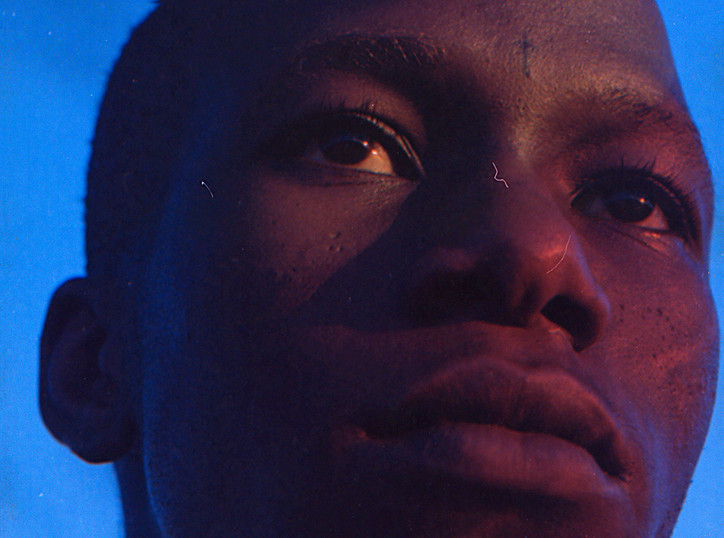
Texas is crazy right now. It’s the COVID hotspot. Houston is basically on lockdown right now.
Brexxitt—People wanted it to open, bitch! People wanted to get out of the cage, girl!
Josue—Like, I live in New York, I know already. I already came for the girls.
Ledef—Texas is not looking out for the interests of people of lower classes. Clearly this is a class war. Obviously. They’re out for the production of money, the production of power, the production of class, and that’s what it’s about at the end of the day. They’re not worried about our lives, and the lives of people like us. And clearly you can see that within, like, the structure of society and our communities. People are trying to party, and it’s a whole bunch of—and, you know, no shade to my lightskins out there—but it’s always a bunch of white people out here not giving a fuck about masks and throwing fits. It’s like, wow, you really can’t be inconvenienced just the tiniest bit to keep our communities safe? That really says a lot about you and and your people and where you’re coming from mentally.
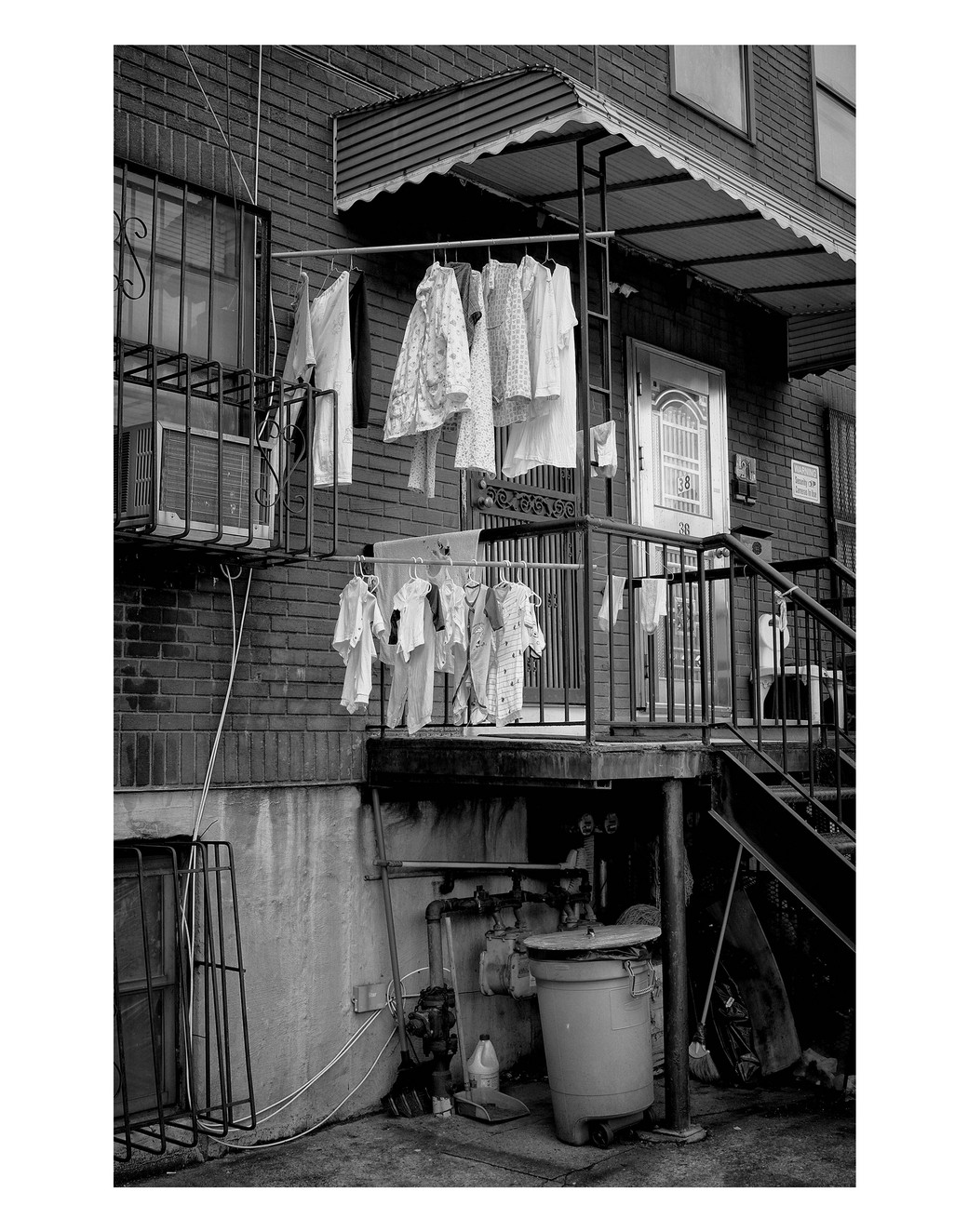
Brexxitt—That is Texas. It’s so, ugh, I just feel overwhelmed at some points because it’s just, like, I have to go through this every fucking day. It’s always a look behind my back, it’s always a snarky shift, and it’s always something so small, but it’s just like… why do I even have to give these things the time of day? Why are these things given to me every fucking day? Why can’t I just sit down and drink my coffee in a public place without people being like, “Ohh, did you see that black girl?”
Do you guys experience that a lot in San Antonio? Microaggressions and racist acts?
All—It’s just straight up aggressions.
Ledef—It’s in our face. I think we’re as strong and as ready to squad up as we are because of where we live and the way we have to exist. So we’re ready at any time. You can run up if you want it, sweetie. I will beat your ass in these heels and this wig, I don’t give a fuck. Pull out the pistol from the Telfar, bitch. Out the Telly. Out the boot.
Brexxitt—Imma shoot you with my bow and arrow.
Ledef—The tea is that my weapon of choice is a katana. So if you want me to pop trunk, if you want me to pop trunk, girl! We ready.
Do you think being from Texas separates you from performers or artists in, say, New York or LA?
Brexxitt—Fuck yeah!
Ledef—Texas is a lot of open space, open land, open property, and there’s not a lot of stuff going on culturally, as far as contemporary culture is concerned. So we have a lot of space to grow and manifest however we see fit, you know? Because there’s not a clear set path ahead of us, so we have to manifest it ourselves.
Bobby—We built our own agency, essentially.
Tell me about the mixtape from last year, Coochella.
Josue—It was a very collaborative effort for my sake. I abruptly decided that I wanted to have the surgery for myself, and everyone immediately mobbed in and was like, “I got you, I got you, I got you, bitch,” because, again, we’re a family.
Brexxitt—So with that, it just became this movement. Funding was being raised for Josue through it, and everyone just came through with a track. Everyone popped the fuck off.
Ledef—Rabit the icon—who I would call our legendary mother—submitted a track that she used for Hood By Air. Just for the contribution. She’s done so much for us. Rabit, you the realest, period.
Do you ever feel like people bite your style?
Brexit—Ha!
Ledef—Girl, we’re unbothered. We show love period. Art is there to inspire. But if you're acting shady and saying some dumb shit, you might get ran up on.
Brexit—I don’t know, I just don’t like when anyone copies what I do. I’m like, bitch, don’t copy me!
Ledef—Just don’t be silly. Don’t be silly with how you navigate. If you show love, it’s gonna be love. But if you acting weird, then shit might get weird. And some of these girls ain’t ready for weird! But we always ready.
If House of Kenzo was a social media platform, which one would it be?
Ledef—I don’t think it’s been built yet.
Brexxitt—I was gonna say Instagram, but mmm…
Ledef—Maybe 4chan. If 4chan was run by cunts, hello! Take out all the racism from 4chan, and maybe that. An ever-evolving thread of ideas, you know? That makes sense.
Brexxitt—Chaturbate! If Chaturbate was run by black queers.
Ledef—Website is coming soon. And then we need an app.
I feel like there’s so much cool tech collaborations that are possible for you guys.
Ledef—We love it, we love it, that’s our goal. When these investors come down to Texas, imma be in their inbox.
Brexxitt—H-E-B! We love H-E-B. Give it up for H-E-B! [Clapping]
I fucking love H-E-B.
Brexxitt—They’re a good one. They, like, fund locally and use local farmers from Texas, first of all. They uplift the community. They’re always uplifting their employees, for sure. They help the little ones. But above all, they start at $15. Period.
What is the future of House of Kenzo?
Josue—Undefined. It’s ever changing. It can go anywhere.
Brexxitt—Successful. Clearly we already got successful. But I just see a whole world, a whole building, a whole skyrise, a whole monument. I just see a building. A headquarters. Somewhere that’s really home for the house. I see us on a fucking skyrise, bitch.
Ledef—Fulfilling our every want, need, luxury and desire. And really just injecting contemporary consciousness with a little bit of that good shit from doll gang.
Bobby—The next decade of it-girls. Period.
The Station Museum of Contemporary Art is based in Third Ward, Houston. The institution focuses on showcasing local, national, and international art, with a focus on art that reflects the cultural diversity of Houston's communities.
Their current show, No Man’s Land, is a group exhibition that features artists and individuals from four continents whose work reflects on the legacy of colonialism and intervention, especially as it relates to migration and diaspora. In creating artificial boundaries and imposing foreign power structures, colonialism often generates conflicts which force people into new locations. Many of today’s refugee crises, whether driven by conflict, climate or economic opportunity, can be traced back to colonial imposition. This exhibition is a meditation on the complex legacy of colonialism as well as a starting point for conversations on the shifting layers of indigeneity and belonging.