The Modern Muse


Stay informed on our latest news!


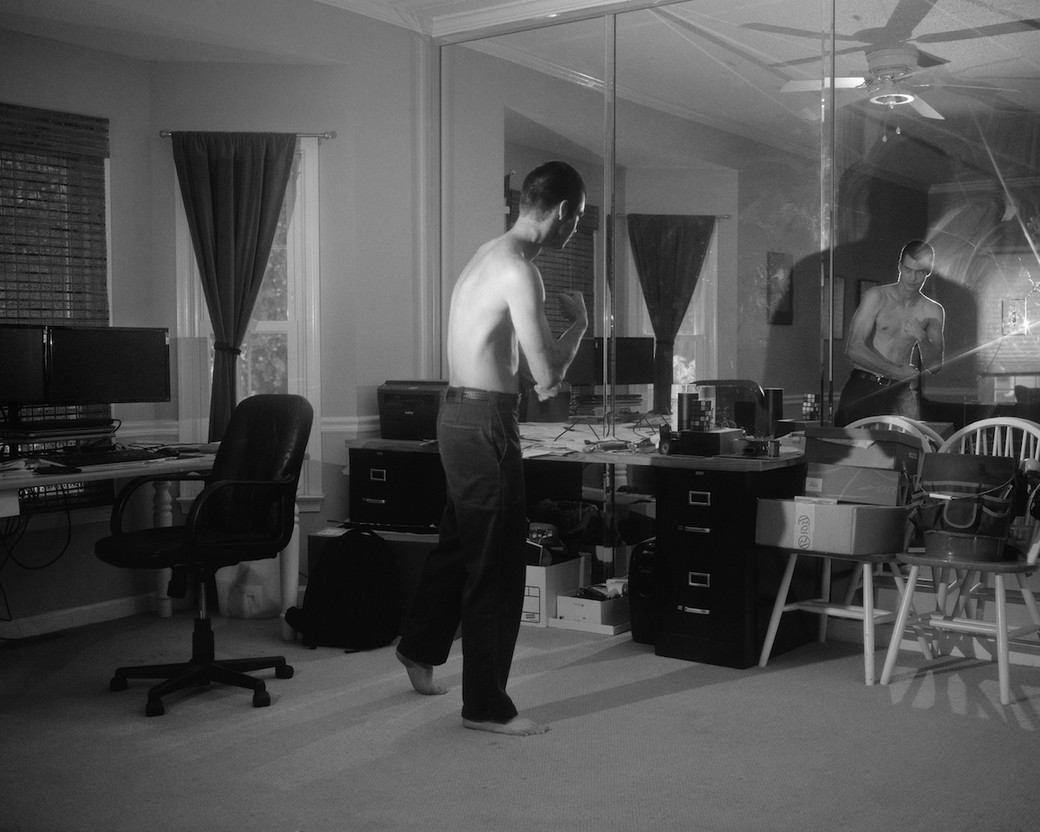
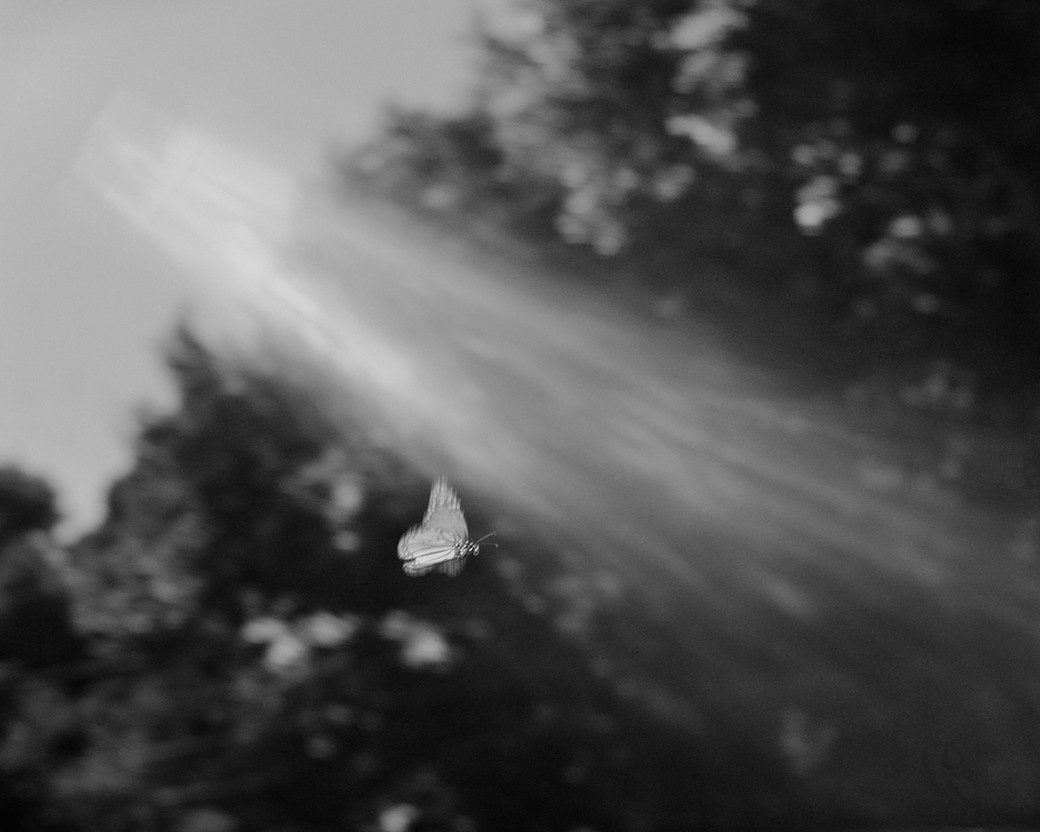
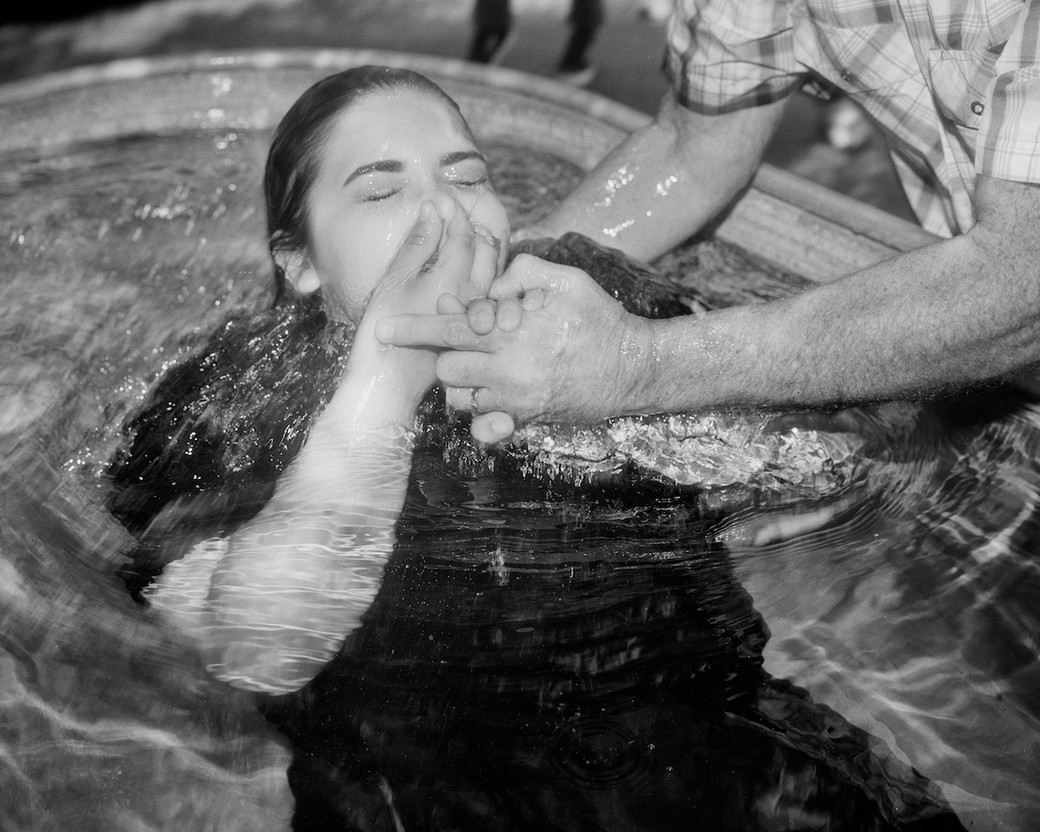
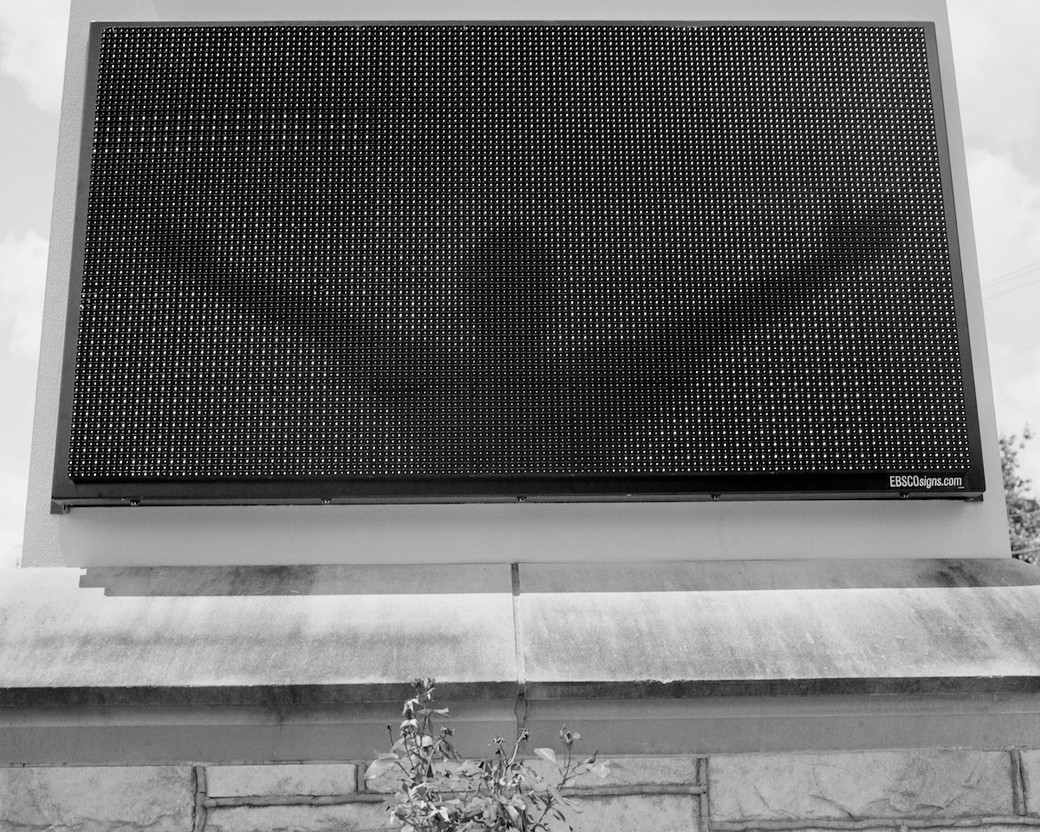
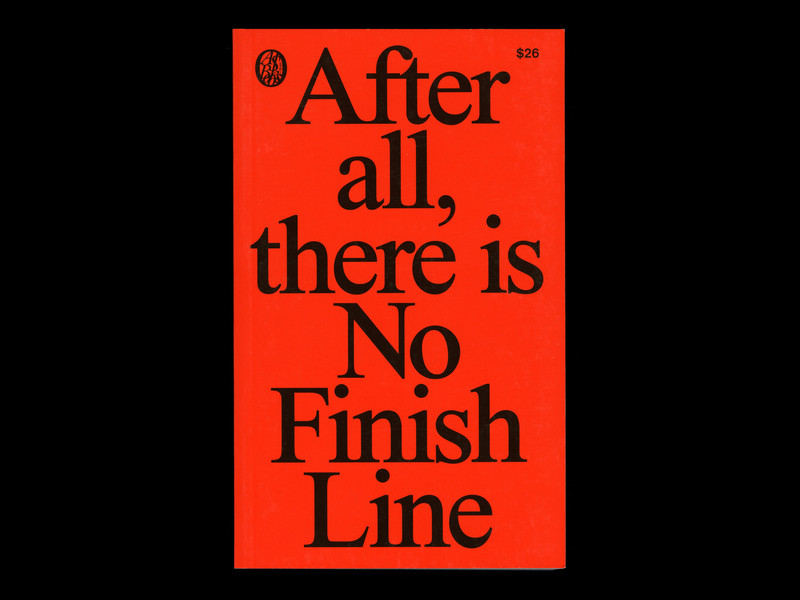
“If these pictures and book can open up a new way of thinking and feeling for a viewer rather than telling them something they already know, that's a win and is beautiful.”
office sat down with Billet and Kline to hear from the photographers about the process, feelings, and ideas that brought this piece together.
How did Rabbit / Hare come about?
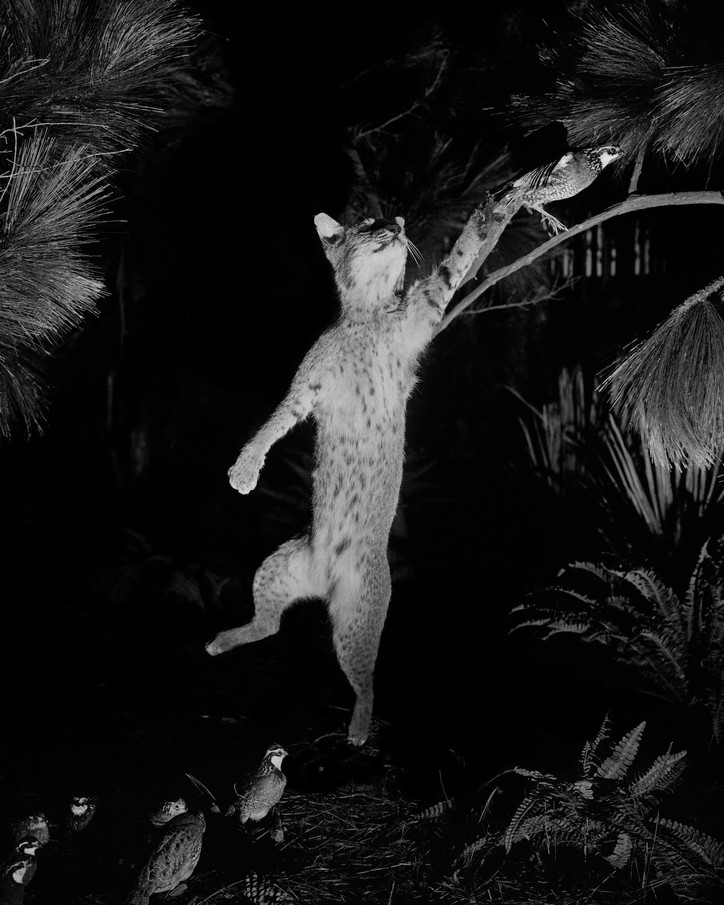
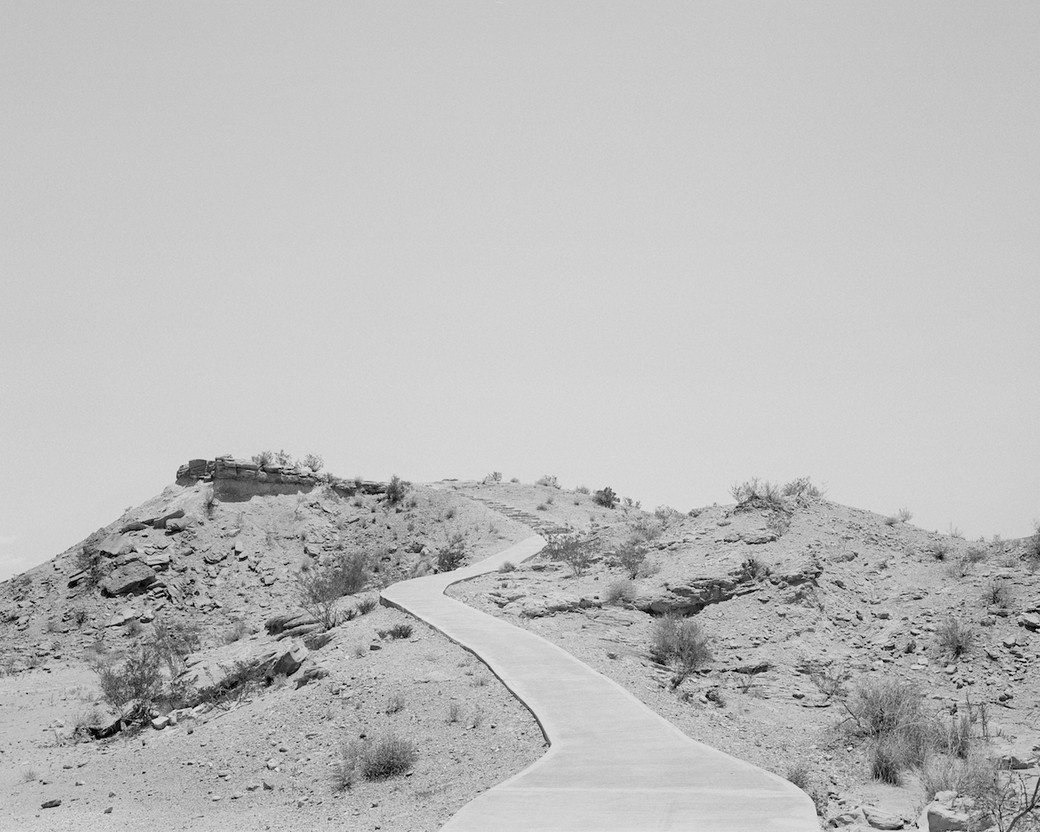
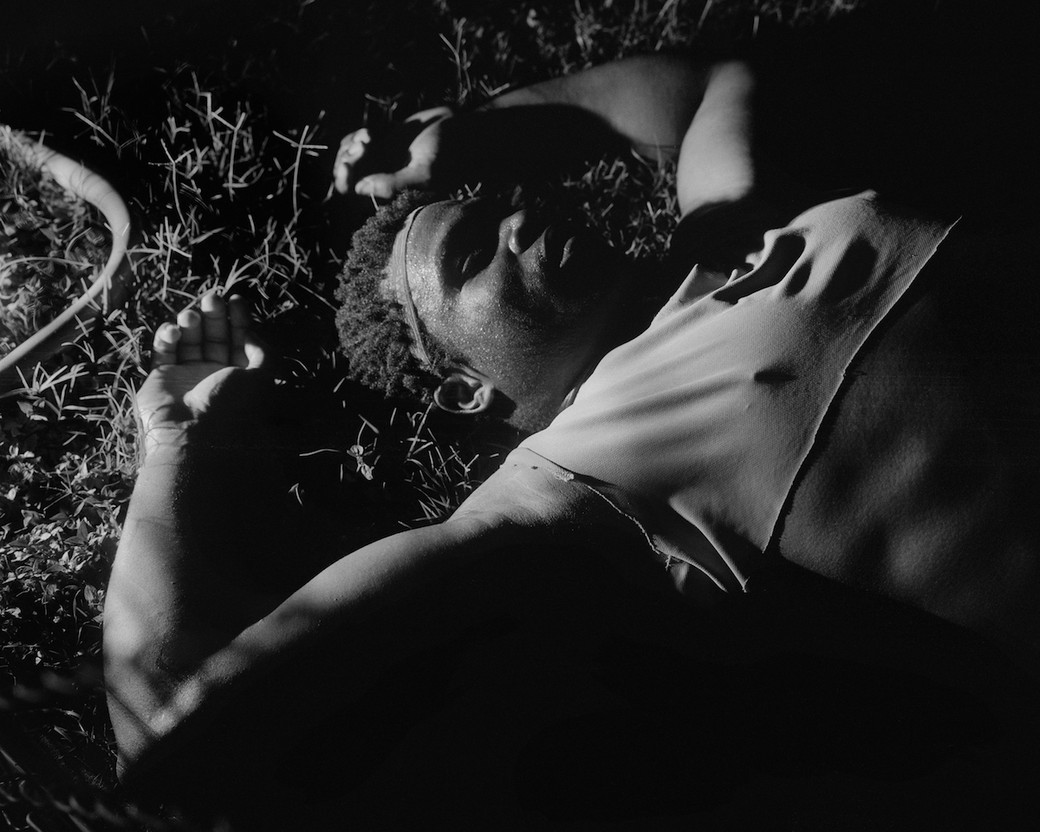
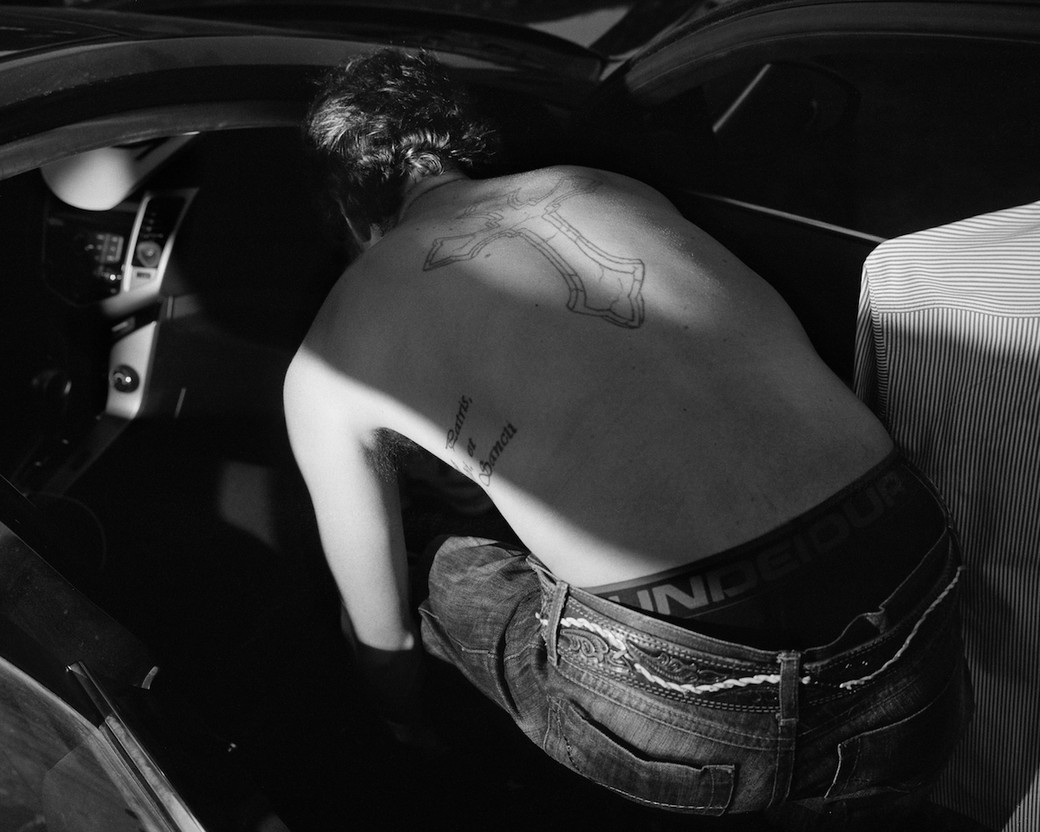
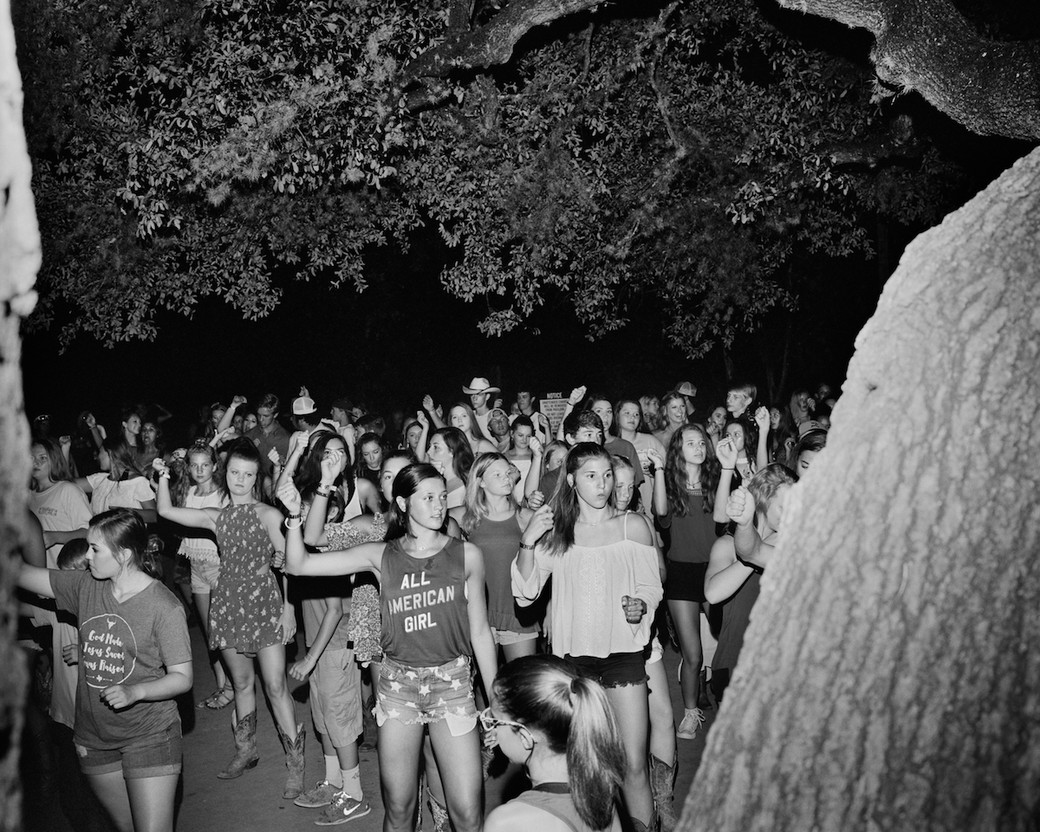
During the very confusing socio-political atmosphere that began to scream in the summer of 2016, the idea for the project started coming together right before the start of our final year in undergrad. We had this broad idea to go to Texas for its importance to our understanding or questioning of American masculinity that trickled down to us through our fathers and families’ relationship to Texas. The project took on the form of a two month road trip through the American south to Texas and back, because the road is what best facilitated our interest in embracing the unknown, interacting with people and looking at the country following the election of the 45th president.
It had actually been largely fueled by where we grew up and who we grew up around. Both of our mothers’ sides of the family are from small farms in Spring Grove, PA, two of the men in our lives drove trucks, both our parents are seperated, and we lived a few blocks away from each other for the majority of our adolescence. Depending on who you talk to or what timeline of documents you look at, York was the first capital of the US or the fourth. Either way, you’d think this would somehow ground this place. But it never felt that way. It always felt like this place was constantly in between identities. The area we grew up in was largely middle class, blue collar with some shades of baby blue. The men in our family and in the general area held their visions and lives to a certain hard-edged, emotionally distant masculine stereotype, a stereotype neither of us felt at home in and butted heads with.
On I-83 going north out of York there is literally a 15 foot tall ripped man lifting weights spinning in circles at the York Barbell company. This identity made up the environment we were growing up in, so there was always a push and pull with our relationship to this heteronormative lifestyle that made up the majority. The way that Texas had been mythologized, romanticized, and dramatized for us through family and media, it seemed like the epitome of the identity we were questioning since we were in middle school, so we needed to go. We didn't have an option.
Did the state’s polarization play any role in the idea for the road trip?
There were political motivations going into thinking about the project before we hit the road. The nature of Texas being a largely red state, specifically in relationship to the resurrection of outdated “shoot first ask questions later” ignorant views that were coming back into the spotlight during the 2016 presidential election, was definitely important. But at the same time we weren’t going into this with the idea of illustrating these things we were already seeing in the media and things we already knew. Why make anything if you know what the outcome is going to be? The world needs to talk back with you.
However, as we mentioned before with our upbringings, Texas has always played a big part in our lives, even though neither of us had been there before receiving the grant. We used those elements and larger political motivations as jumping off points to get us on the road. But as soon as we got on the road it was important to keep our minds open and embrace the unknown chance encounters to form our new experience together, rather than let someone else tell us what’s what, and make images that can exist outside of a confined political discussion.
How does the contradiction of “gentle,” being in such a polarizing state, come about for you? Are these motifs you purposely set about creating?
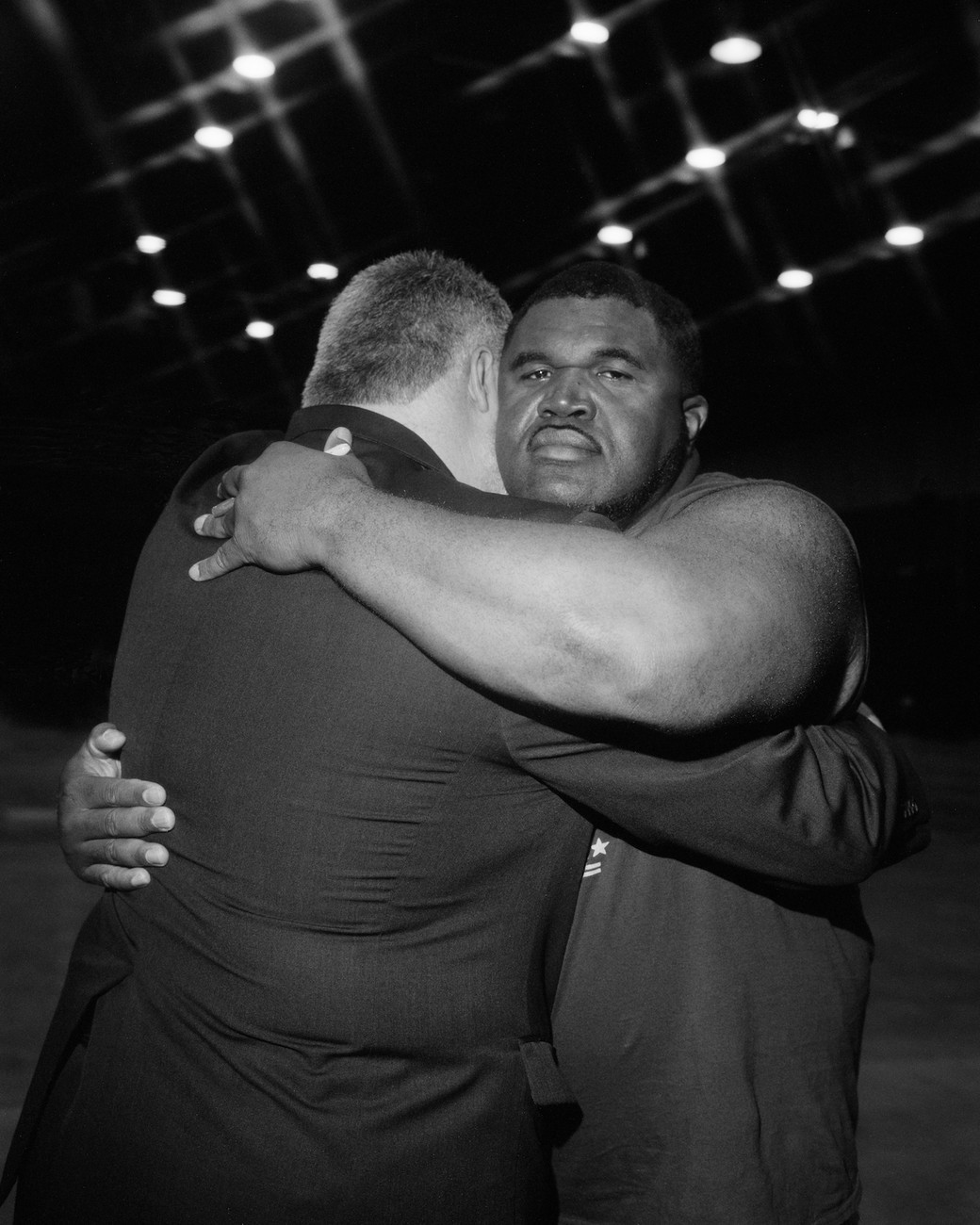
Billet: With everything we photographed, we had an open mind and heart towards it. We went into this space having no idea what to expect but trying to make our own sense of it. This contradiction came from us trying to escape from a place we called home, and expecting to be greeted with animosity. However, we were surprised to find the opposite: we found pieces of home along the way. We realized that the harder we pushed and tried to escape the place we knew, the more we found people and places that reminded us of where we come from. Since we shot on film we didn’t look at any of the images until the project was done and we developed it. We had no intention of this while making the work.
Kline: When we were getting ready to get on the road we had a few people and professors express explicit concern for the two of us. They knew how we worked and were concerned for our safety going into new places during a tense time in the country. We may have been a bit naive going into it but as soon as we got on the road and throughout the entire trip we really didn't run into any opposition. So right from the beginning, these expectations of tension made way for the openness.
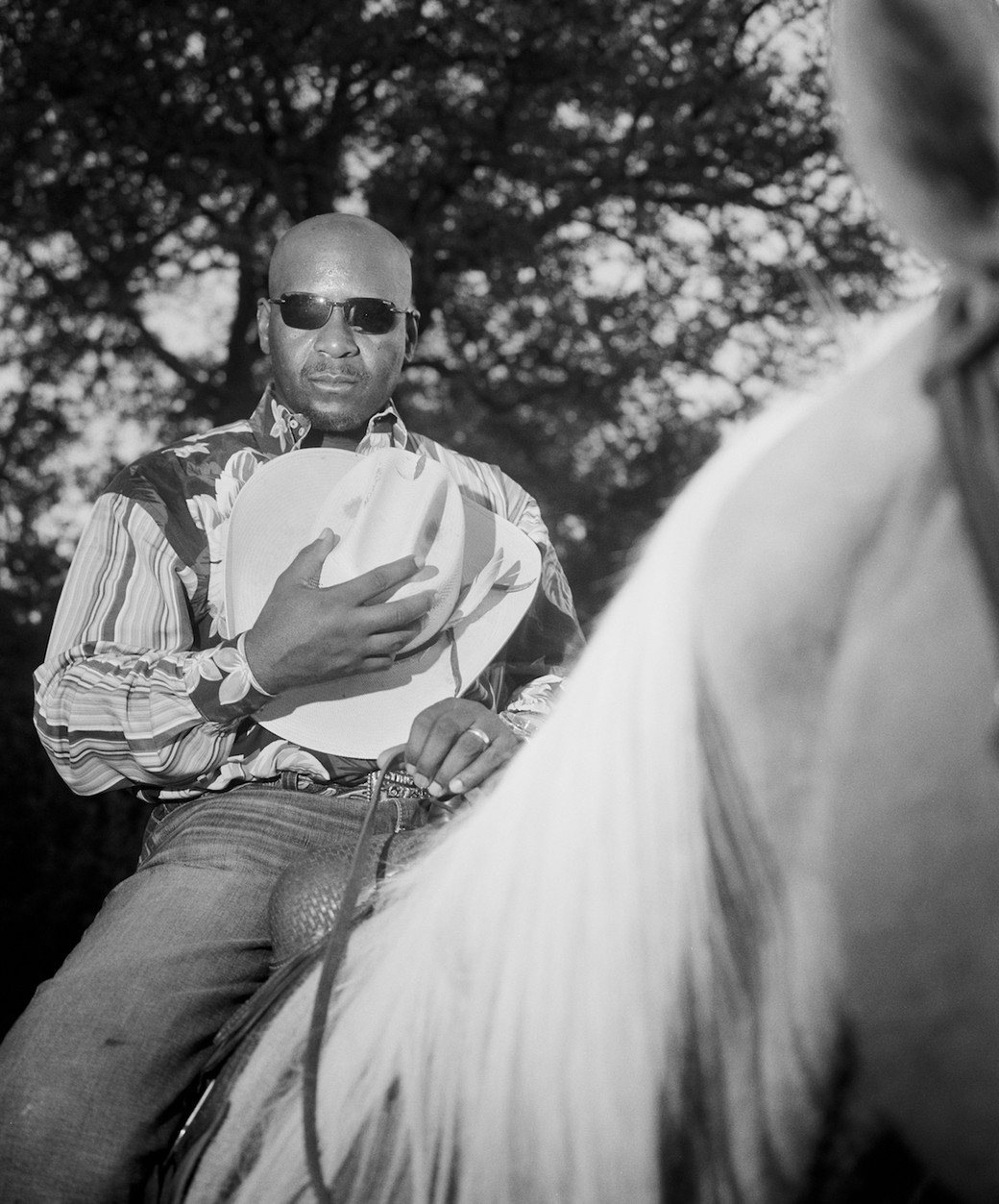
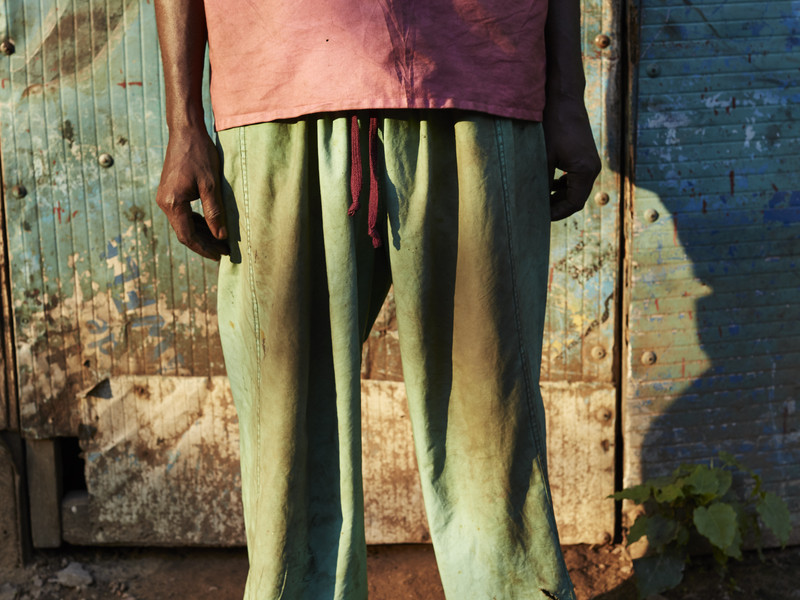
Photographically, I think it comes across most literally in the portraits of men. This might be obvious but many of the men we photographed just totally opened up in front of us, letting their guard down and sharing themselves, breaking down a bit. Which I do think was also pushed by the way we held ourselves and also the common trait shared between us of being male. If we wanted to work with people we had to open ourselves up as well and be vulnerable in the collaboration and spend the time in conversation to try and make a picture with them. Most of the people were just as interested in us as we were in them. As soon as we described what we were doing, that allowed for a way where we wouldn't just be just taking [photos].
We didn’t set out to illustrate these motifs of contradictions happening in a seemingly polarizing state, because we couldn’t. This was our first time being in any of these places so it was all new and we were learning on the road daily. One of the things that I think brought out the resulting gentleness was just how generous most people on the road were. Southern hospitality is totally a thing. But there was still a feeling of violence floating in the void just outside of the light that countered the openness, even if it wasn’t tangible.
What is it that attracts you to human vulnerability and producing art that provokes thought, possible discomfort, and possible pleasure?
Billet: Well, honestly I’m not a very good musician and I wish I could be. [laughs] But, in all seriousness, I think one of the most beautiful things about producing or making an image is that your emotions going into it can be seen. You have an opportunity to construct how this moment makes you feel, it’s not only what you’re seeing but a document of the atmosphere and thought of the place from my own viewpoint.
Going back to music, it creates a mood and evokes a whole array of feelings. Through my practice both in collaboration with Ian and on my own, I’m trying to do the same and allow for the viewer to enter my version of the world we’re living in. I think about the pictures, how all parts of it create meaning, and these parts of the image that we see are so familiar to us because they are an actual thing. The nuances of color, the space, and tones of an object that you can relate to, and they are not just an idea of an object. Everything around the object gives context to what is being shown. All of these aspects don't force you to try and automatically feel. With a photograph, you allow yourself to enter the space and work your own way around it. For me, a picture can be an individual experience guided by your private personal associations with the subject or object.
Kline: People are so interesting and weird and beautiful. Making work that provokes thought is so much better than just waiting around to die. To make something that makes me feel, that can make someone else feel is so goddamn special. We fuckin need people. If a tree falls in the forest and no one is around does it still make a sound? If I exist in the world but no one else is around do I still exist? I don’t think so.
Maybe that’s dramatic, but everything right now is dramatic. We need people and the variety of experiences that each and everyone of us brings to the table to open up the world and open up the stories. Even if opening the dialogue up brings in views we don’t agree with, that's what makes the stories more complex and interesting and human. Thank god everyone isn't a replica of each other in grey suits. It’s essential to produce art that provokes thought, possible discomfort, and possible pleasure because we need to, because that is what life is, it’s a spectrum of confusing emotions and our role is to embrace that and make something weird from it.
You can purchase Rabbit / Hare here.

Great series! Can you break it down for me? What were your inspirations?
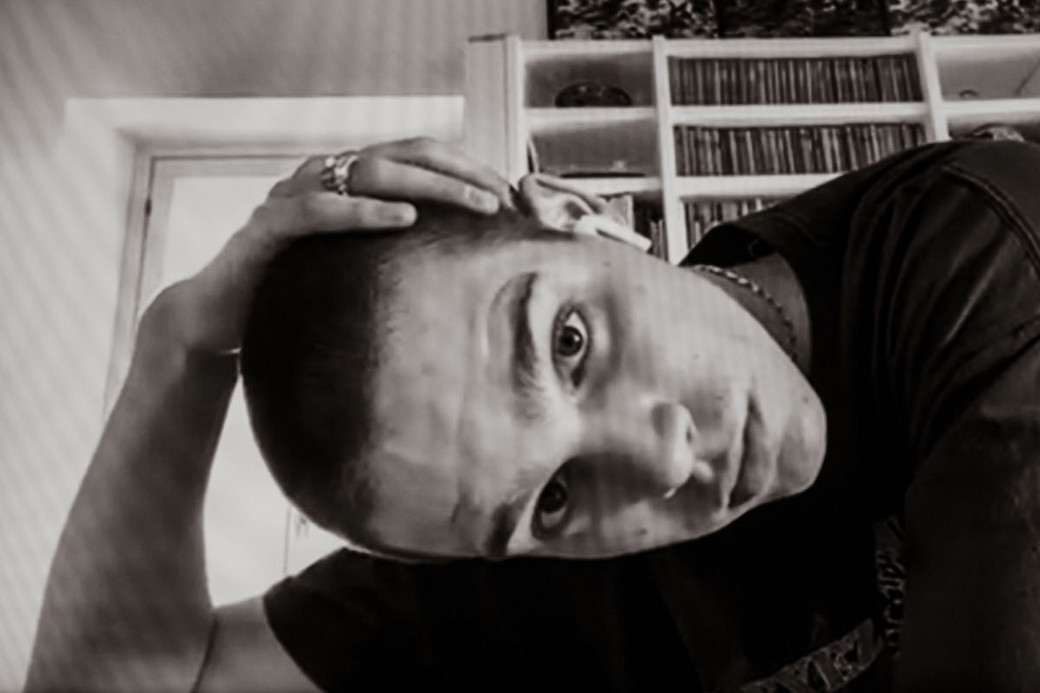
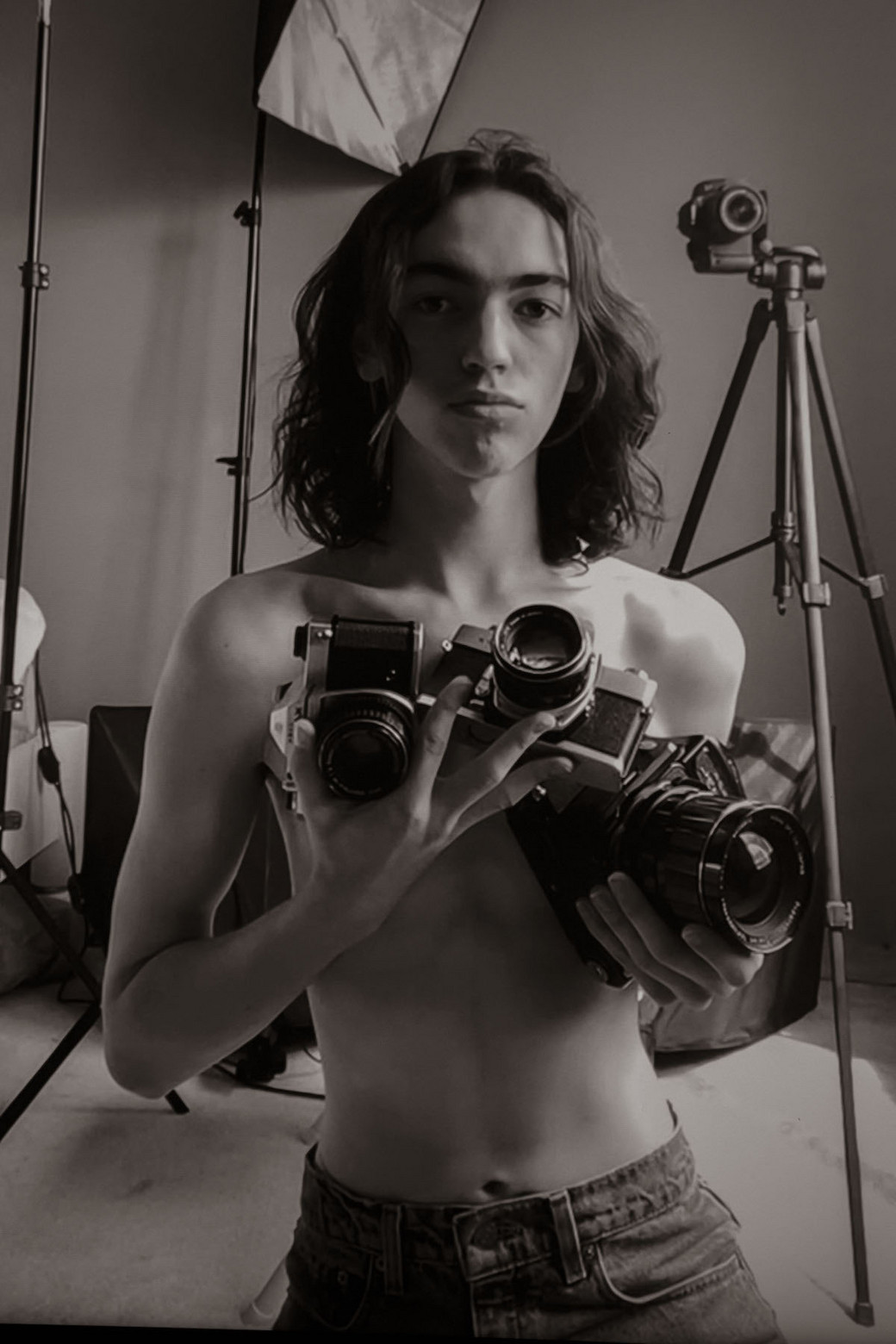
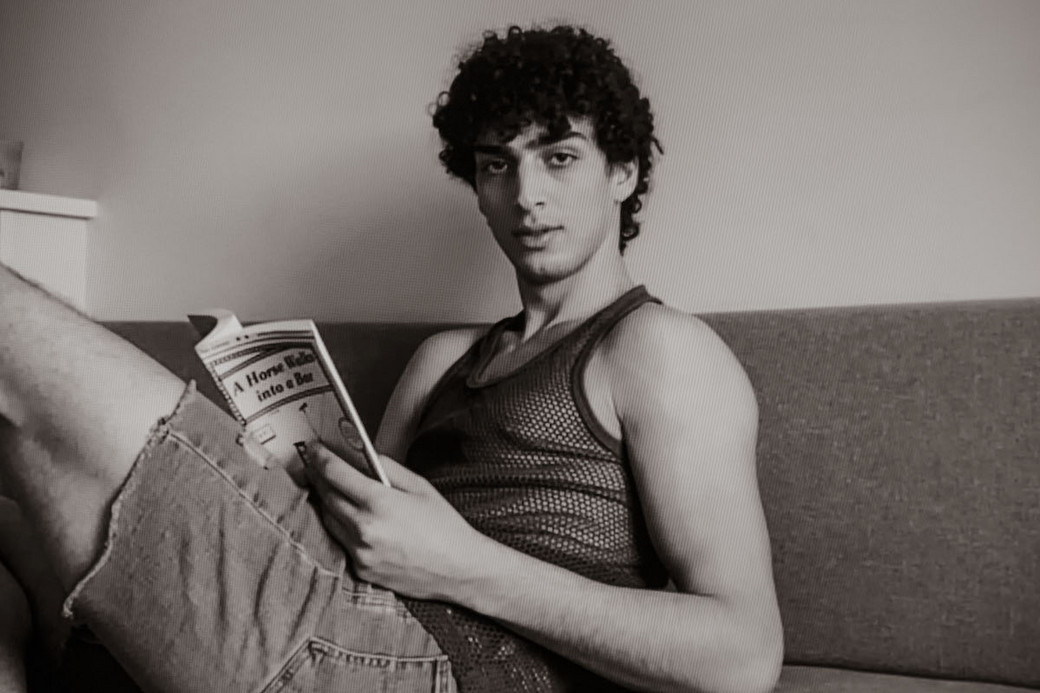
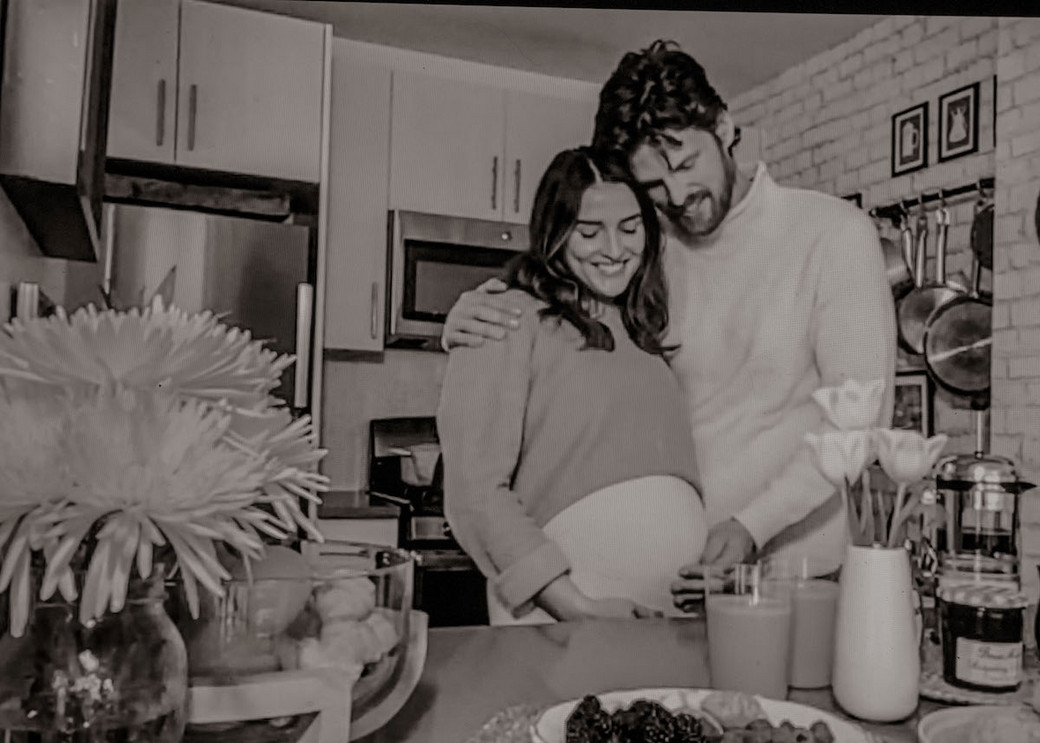
Well, I was trapped in the house and when this started, like everyone else, I was talking to my agents at The Society Management about what we can do. We thought it would be cool to get all the guys who were willing to participate in an at-home shoot. It was something new, I was eager to do something different. It was challenging and fun. I wanted to show them in their home environment, what they are doing, how they are spending this time at home. The main idea was to show what’s keeping them busy while they’re trying to wait it out during the pandemic. Some guys have families, some guys live alone, so I really wanted to show their family and how they are spending their time. I tried to show viewers what an ordinary day in quarantine looks like for them. I didn’t really have much reference, I just wanted to go with the flow. We were very limited with resources. At first I wanted to shoot them in these crazy looks but then I thought, well what will they wear? They probably don’t have crazy, cool clothes at home. I told them to wear whatever they feel comfortable in, be yourself. Read a book, watch TV, play with your kids, whatever you’ve been doing and just pretend I’m not on FaceTime taking pictures of you.
What did your process look like for these shoots?
I called them from my laptop to their iPhones. The iPhone camera is the best they can have at home. I was screen mirroring my computer screen to a massive TV and then taking pictures with my professional camera through the TV screen. It was challenging because we had to wait for better service most of the time. Some guys wanted to go outside on their rooftop because it was such a gorgeous day outside, but then he got to his rooftop and service was terrible. So the picture quality was rubbish and I wouldn’t be able to use those. It was interesting from that point of view. I tried to push as much as I could. Some guys in Italy had really bad service—I had to call four or five times trying to get the best quality, we were fighting against bad wifi. Sometimes the pictures were so scrambled, that I had them move to another room for better service. So guys were hopping around their rooms as close to their routers as they could. I learned a lot about technology! But we managed to get some amazing photos.
What surprised you the most about this?
I was so nervous. I was thinking this will never work. Then I started to shoot and when the pictures came back on my camera, my first thought was, “Wow! This is really amazing.” When you take a picture of a screen, it gives the picture more of an attitude. It adds character to the pictures. I was really surprised how good the photos came out. That was my biggest surprise. Every guy was a little skeptical at first, as I was as well. I experimented with my wife at first—I called her on FaceTime, she went into another room in our house and I tested it out. I was seeing some potential with it, but I wasn’t expecting them to turn out so well. I wanted to keep on going and shooting more. Most of the guys were very skeptical because they didn’t realize you could do this. The most challenging part was getting the perfect lighting, trying to guide them into light and positioned right. It was challenging and tricky, but it was a nice experience for everyone. They were so surprised and happy.
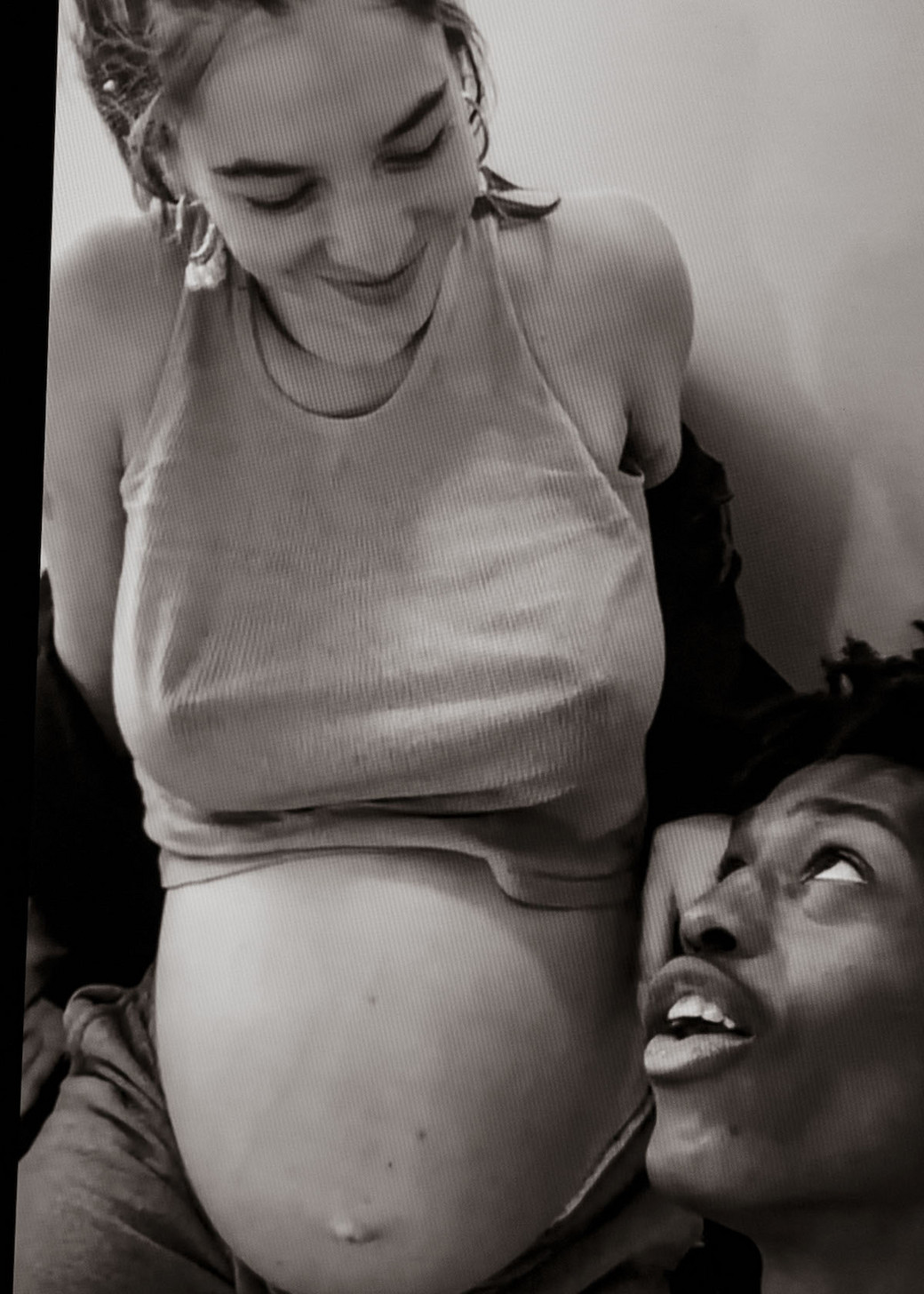
The series features Bryce Anderson, quarantining in Arizone; Federico Spinas, quarantining in Italy; Hao Yunxiang, quarantining in Bejing; Jake Dietrich, at home in NYC; Jake Parker, at home in NJ; Ronald Epps, quarantining with his wife and two children in Philadelphia; Serge Rigvava, at home in NYC; Tamal Lee, expecting his first child, this week, in Brooklyn; Quaher Harhash, at home in Berlin.
Check it out below.

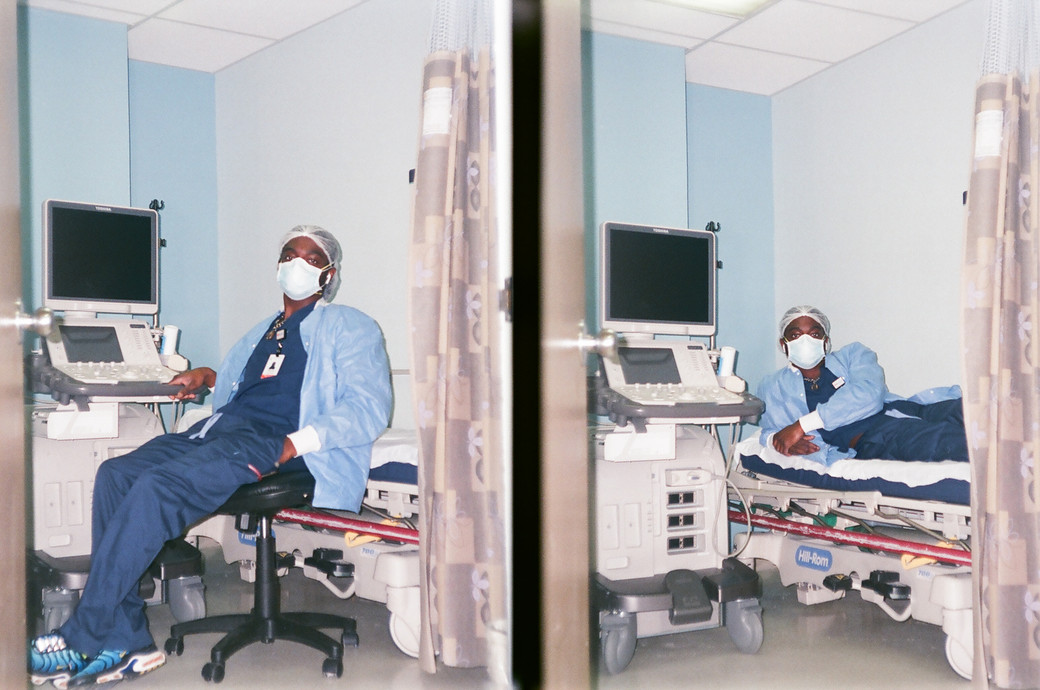
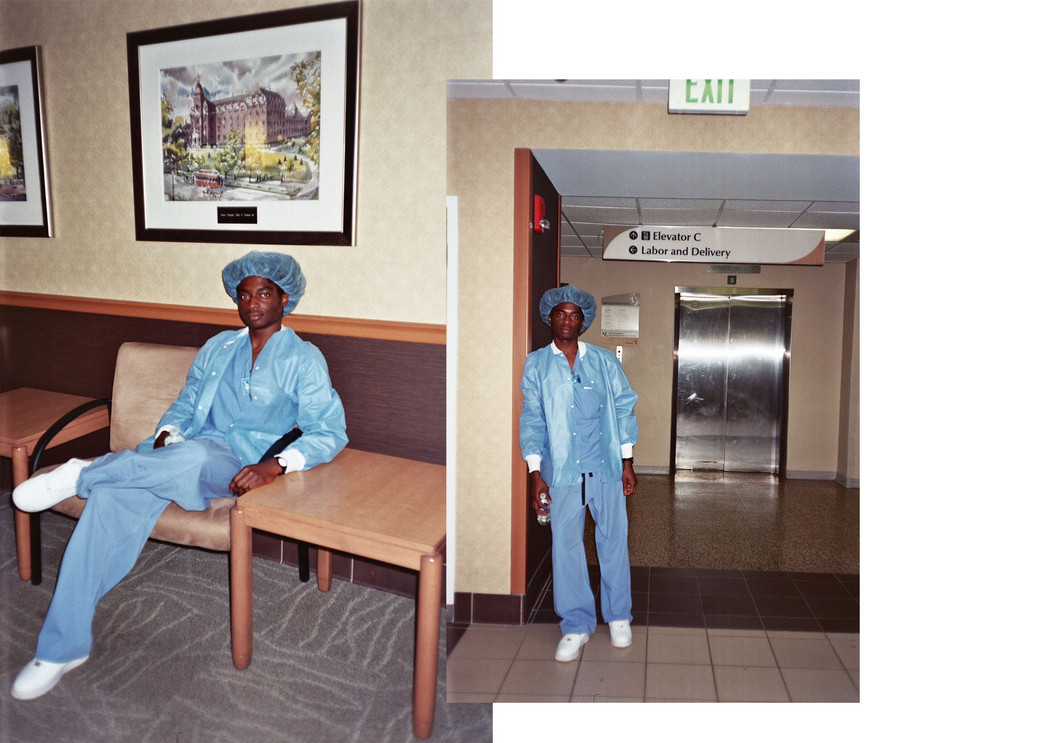
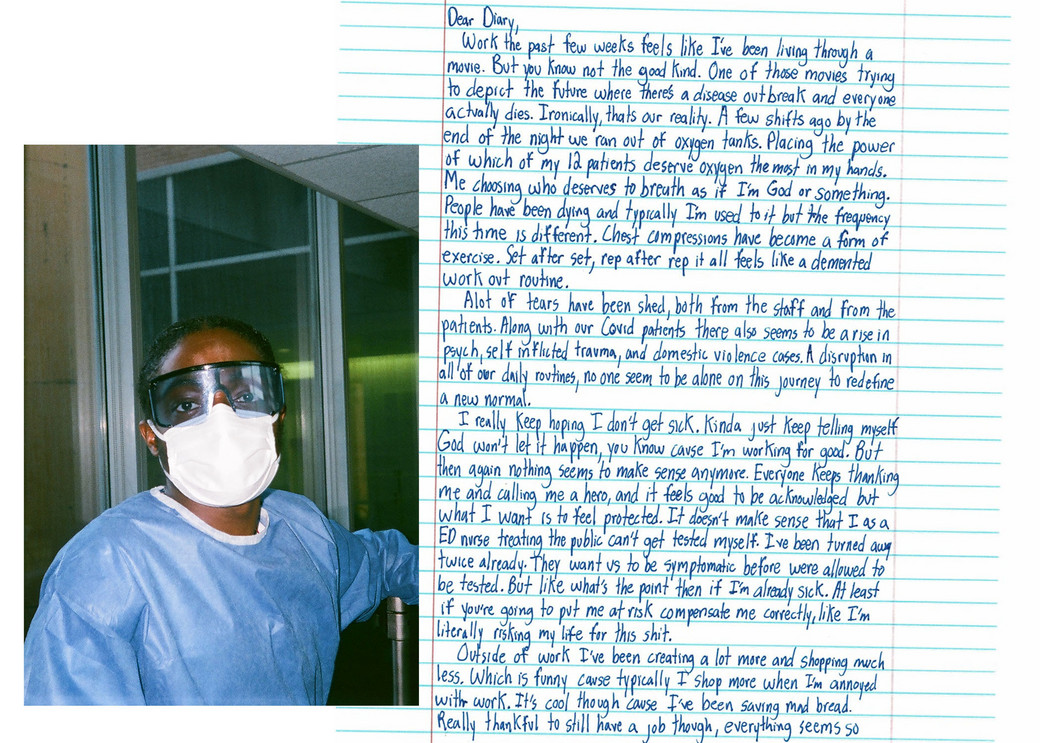
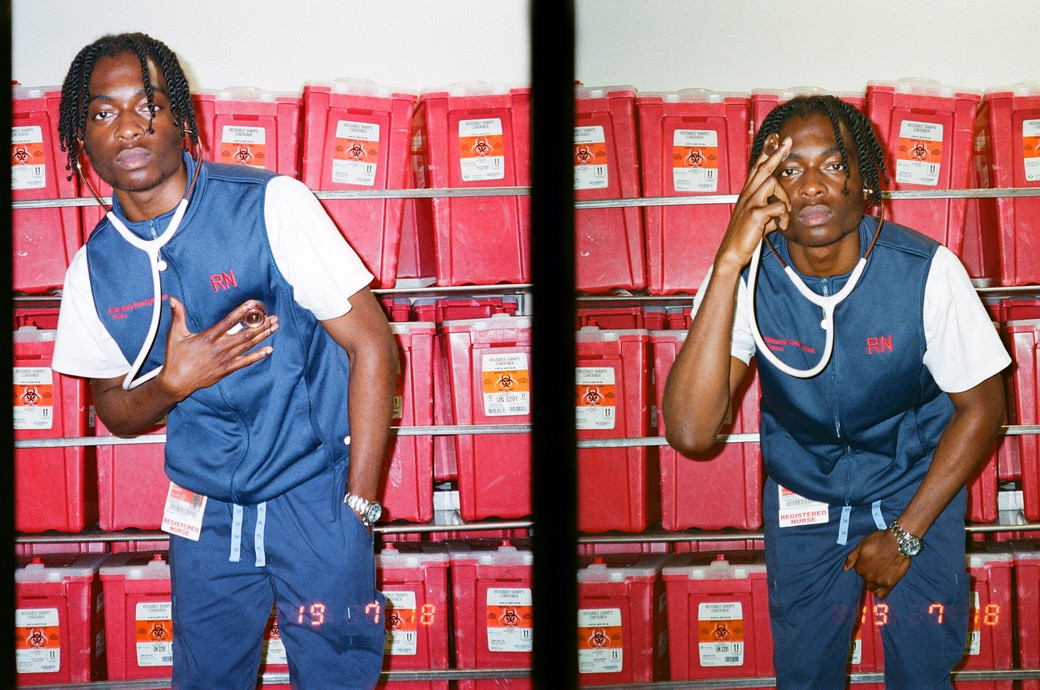
In the weeks following that entry, Wole—like countless other frontline workers—did in fact get sick, though he has since self-isolated and recovered. And like so much else in the face of an unprecedented pandemic, we made the decision to delay our April digital cover in order to faithfully represent Wole and his story, as we believe there is no subject more important to highlight in this moment than the self-proclaimed 'medical creative.'
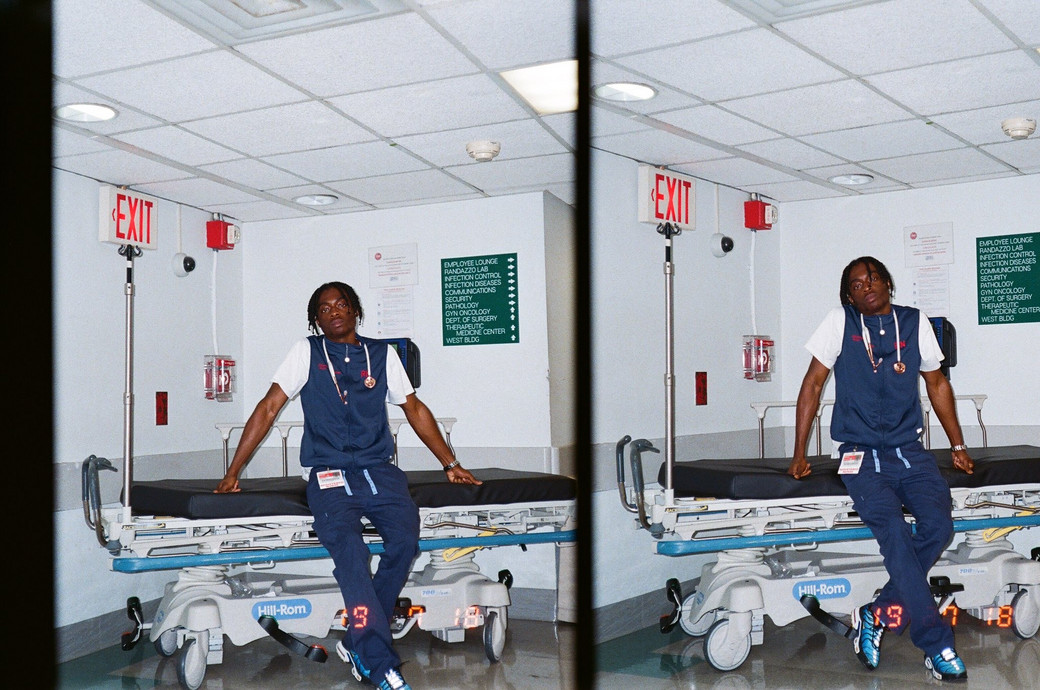
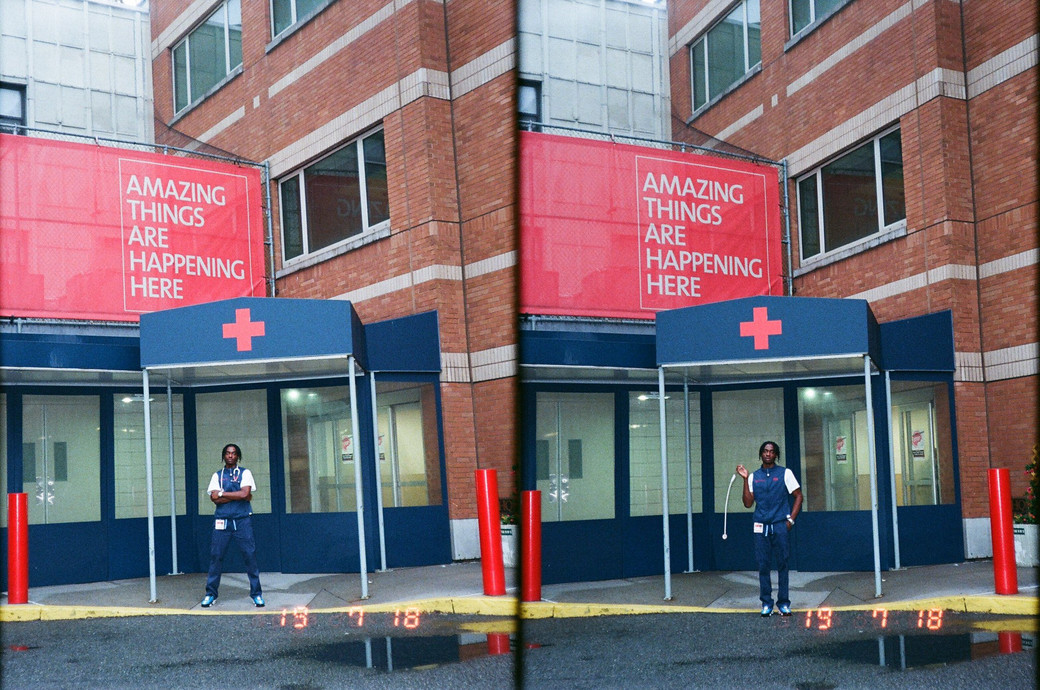
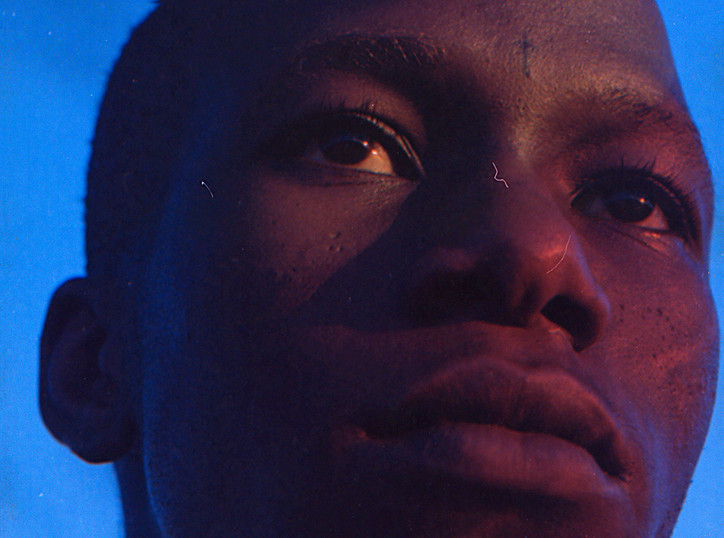
Wole first caught our eye because of his Instagram posts—he stunts so hard in custom drip that, upon first glance, one would never guess that he's a full-time RN. But that contrast is Wole's motivation—the premise that you can have your hands in two wildly different career paths while not only succeeding, but being able to give your all in both fields, is what keeps him going every single day. "My daily life is just trying to prioritize my creativity while maintaining my career in nursing," he tells us.
And upon talking to Wole, you get the sense that this underexplored intersection of healthcare and fashion is truly what takes up most of his headspace. He talks about how he's started to design clothing based on the themes of transparency and vulnerability that he experiencs with his patients, comparing the pieces to x-rays, radiology, and CAT scans in the way that they explore interiority. He tells us how he wears the same stainless steel necklace, which is shaped like a pair of lungs, every day and has found its progressive rusting to symbolize the organ's natural deterioration. His duties as a nurse in paying attention to patients' bodies influences how he approaches the shapes and fits of his garments. And his ultimate goal is to design pieces specifically for nurses. "I feel like more fashion brands and the really big sports houses like Adidas and Nike should make certain clothing that acclimates to healthcare workers."
At office, we are committed to keeping art and creativity alive during this pandemic. We also understand that, in reality, art and fashion are not, and for many, cannot be priorities right now. Before finding Wole, we never thought that one could do both—play an essential role in saving people's lives while also imagining a post-pandemic future where fashion and medicine can somehow inform each other. Meet Wole Olosunde BSN RN.
You clearly have lived many lives. From skipping several grades in school to being the youngest man to ever graduate from Buffalo University’s Nursing Program, and now fighting this ongoing pandemic, what made you want to add fashion to that roster?
Well, fashion has always been a part of it, even from when I was young. I grew up in New York and being a young New Yorker, going to middle school and high school here, clothes held some type of importance to me. At an early age, that really helped me develop as a person in terms of trying to get more money and trying to do different business transactions. Cause you know, you're this young kid buying, selling and trading clothes, to try to get more clothes. So fashion has kind of always been a part of it. In middle school, I used to spend a lot of time in Bushwick because I would go to this store Mishika, a music store. I would go there to play street fighter. And then when I was like 12, I did a program at NYU, but this was like 2010 to 2012 when Soho wasn't really what it is today. So all of that has kind of exposed me to fashion. I've always wanted to make my own clothes, and as I got older and just had the means to do it. You know, you get older and your resources get larger, so you're able to do more things.
Did you find growing up as an acclaimed student, people put you into a box?
A hundred percent. It's like people expect you to choose between the two, when it's like, why can't I just do everything that I want? Why should I allow you to make this rule for me when I'm a young adult and I have all the time that I need to do all the things that I want. And graduating from school early, I didn't have the highest grades in high school. Like I didn't have the 90 average. But, it's about knowing what you want and knowing how you plan to get there. Because I graduated from college at 20 because of the foundational work I did. So all of that kind of just led up to the bigger picture that I am at now. Every New York City high school kid can graduate early. You don't need to spend four years in high school. You know, you only need to really complete the requirements. But ideally, the best thing is to really just get out of high school and start college if that's what you want to do. But if it's not what you want to do, then you really just take these classes and know where you want to go. In terms of knowing, knowing self, knowing where you want to go, knowing what you wanna do, and being aware of that as you grow up. It'll help you guide to the bigger picture.
And you have immigrant African parents, how did they take your transition into the creative world?
I'm Nigerian. They immigrated here. My dad came to New York in the seventies and my mom came in like the late eighties. I don't think they realize the money that's in fashion. 'Cause that's how immigrant parents think, because they were kind of conditioned in a place where it's like, I have to grind out the hustle. I need money. I came from this country and I'm in America now, and I don't have much money. What am I going to do next? What's my next job? What's my next idea to make more money? So money and financial issues hold the biggest theme in a Nigerian household. But, in terms of doing fashion along with medicine, my parents were okay with it because they knew that my studies wouldn't really be affected. I'm pretty good at being responsible with what I have to do and meeting the requirements. So they would just try not to allow the fashion thing to obscure the goal of completing school, which I am thankful for.
As a young person, you hold different things to a certain priority and you might prioritize certain things over things that may help you in the long run. And you know, your parents kind of just help you stay focused through that. They definitely were not as accepting of it before I graduated college. Because you know, you haven't secured that security. Having a degree is a form of security, in a sense. But, after I graduated they definitely became much more lenient towards my lifestyle as a whole, just because I'm kind of more established.
So in moments of this pandemic people are able to find themselves and work on their passion projects. With you being multifaceted in the field of your career, I’m sure that you’re prioritizing one over the other, how has that affected you?
My daily life is just trying to prioritize my creativity while still maintaining my career in nursing. I work about three or four days a week. Aside from that, when I'm at home, it gives me a lot of time to create. I'm always on my laptop. It's like my laptop is my best friend. I've been working on this umbrella line that I want to do. My brother I moved out and we have an apartment now, and since I've been traveling so much this year, this is giving me a chance to slow down. I tried to find some artwork for the apartment, that's what I've been really focused on. It makes you realize, you know, being forced to be home, it makes you want to make your space a place of serenity. So I've been really focusing on trying to put my apartment together and making more clothes.
When you’re approaching the medical field and fashion world, do you often see those intentions overlap ever? Do these professions ever inspire each other?
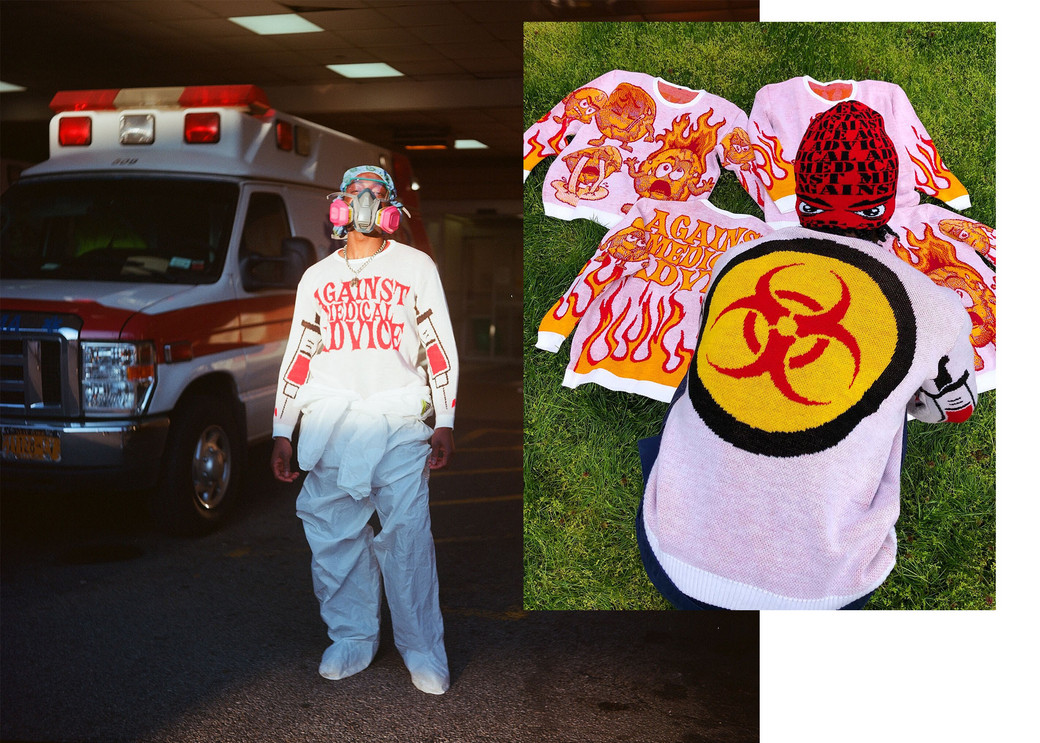
They definitely inspire each other. For me, even with the clothes I'm working on right now I'm doing this thing called Against Medical Advice. It is like a brand based on the premise that people often want to put you in this box. They say, "Okay, you're a nurse, then be a nurse." And they're focused on that, as opposed to looking at you as a person and all your other interests. So, it's just about leaving the hospital on your own and deciding against the scientific information that the doctors are giving you. You know, choosing your own prerogative over what has been "proven." So, that's the kind of idea of a lot of the clothes. So I work in the emergency department. I come across a lot of different people with a lot of different stories. It's beautiful to listen to them and be inspired by them and the things that they tell me. And I work in New York, so people who grew up in New York are telling me about what they used to do. It inspires me to work harder and inspires me to live my life to the fullest.
The hospital, you know, it's like a portal. It's like either you're coming in because you're sick, there are people there that are dying, but yet they're still being brought on. My job inspires me a lot in terms of just life in general. It still has a very big impact on my artistic work as well. Being a nurse, you know, you pay attention to detail, you pay attention to the body and you see so many different types of bodies. And being a designer you want to—I want to specifically create for all types of bodies and all types of people. So, my nursing job kind of gives me a way into a realm where people are getting into that. Where people need compassion, where people want to speak, people want their story to be known, they want to be heard, they want the help that they need. And just being a nurse, it's lovely being there, to be able to give that to them while still being a sponge and absorbing all the information that they're giving me. It's beautiful to apply to my life and my artistic journey. I'm really proud of that.
With this, you talk about breaking down preconceived notions of people in creative fields not having an interest in medicine. You say it’s not impossible juggling the two, but I’m sure it’s not easy. How do you find a healthy balance?
It's definitely not easy, especially when you're still in school. It sometimes sucks everything out of you. You know, there are periods where you have to be focused specifically on school and there are periods where, you know, you might have more time to be able to design. But after school things get a little better because you can schedule your work week, so you can only work half a week and still have time off. Like nursing is definitely something where you're a little more autonomous in your scheduling. But like if you want to go to med school, you're going to be sucked into just school for a really long time. And that's a commitment that you really have to be invested in. I loved the route that I decided to take instead. But it's definitely possible, like anything is possible. People take that for granted, because of the things that society tells them they can and can't do. Even in school, going to an advisor in college, this person doesn't really know what you plan to do with your life. Like they're just there to help you and try to guide what they think is best for you based on your grades. But you can't allow that, you know that you don't want your past to shape what you're trying to do. Even if you got like a C in the class and they're telling you you're not going to be able to get into this program cause you got a C. It's like, "I could probably take the class again and try again." But they're not going to tell you that because they're going off of what's already been established, even though you have this other dream and goal for yourself. So it's really just a matter of being headstrong, knowing what you want, and balancing your responsibility. Like if you wake up early, you can definitely fit like a 30-minute workout, then go about your day and be able to study for like two hours, especially when you're completely invested in school.
Because of the way I did it, I worked a lot before I went away for school to save money. I was just doing everything. I was like selling clothes. I was like literally just doing anything I could to like save as much money as I can so that when I'm in nursing school, I don't have to work on that. I just have to focus on school, cause it's like you're in school but you still have to work at the hospital 24 hours a week as an internship. So you already have a part-time job that you're doing for free, they're not going to pay for this because it's a part of your studies. But then on top of that, to be balancing being the youngest person ever to graduate from my program. There are other people who are in their forties or fifties and you see them juggling three kids, another job, and mortgages. And it's like, "Who am I to complain when I'm in school with no other responsibilities? This is my only focus." So that used to inspire me a lot.
How important to you is it to use your platform as a voice from inside the hospital during this time?
It's definitely really important, especially in my age group. Not many people have friends that are already nurses or already doing something directly in the hospital. Young people relate more to younger people. Like when an older person is telling me to do something it'd be like, "Yo, you're not my dad. Like what are you actually telling me here?" As opposed to someone that I know I can relate with. I feel like having the inside eyes and having that inside voice, it's important for me to use it even outside of the workplace. There are certain things that people need to know. We live in an information age and information is just the most important thing. It's like the most tangible thing in the world. Like for you to be equipped with the knowledge that you need to know, especially during a time like this where there are certain things that we can do to protect ourselves outside. It's important for us to have that knowledge and be able to know how we should operate. I like to just kind of dwell how sharing information could impact somebody else and you don't know how much someone else could relate to this.
You’re selling “Against Medical Advice” pieces, what was the inspiration behind your most recent pieces?
It's funny because social media has been talking about love and sex and you know, just emotion in general. Like we're at a time where emotions are very heightened because of the crisis. So I feel like people are isolated a little more, they're in their own thoughts a little more. Which definitely can be a good or a bad thing because, in a time of a pandemic where people are forced to stay inside, some people mentally can't be inside for long periods of time. From a medical standpoint, it's interesting seeing the things that come of it. I'm designing a lot of stuff based on transparency and comparing it to x-rays, radiology, and cat scans. I made like some umbrellas based off some of my favorite movies. So I've been like doing a lot of research in terms of setting up imagery in a certain way. I have a whole bunch of stuff that is based on radiology like I said in pertinence to transparency and being emotional with someone.
I’m sure this moment in history will leave a big imprint on you not only as a creative but also as a medical professional, how will it leave its mark on you in all aspects of your life?
A lot of things are going to change after this. Just like in terms of the way we can interact with people. Even going to parties and like being at a bar, you notice just how actually crowded they are. And you know, before being in that type of space, you're kind of like, "This is okay, there are people I can talk to," and then now it's like, the other day I got on the bus, and there were too many people on the bus. I was like, "This is like a regular day as if we're not, you know, in quarantine." And I honestly had to get off. It gave me a little anxiety. I'm like, "I don't want to be in this space right now." It's going to definitely change the way we interact with people. Even the way we travel, like how cautious we have to be when we travel. In terms of fashion, I definitely know it's going to change the whole world of fashion. We will have to find a different way to be able to portray clothes. We can't shop in stores anymore.
What is paired perfectly with scrubs that make you feel confident enough to go into work and fight these ongoing cases?
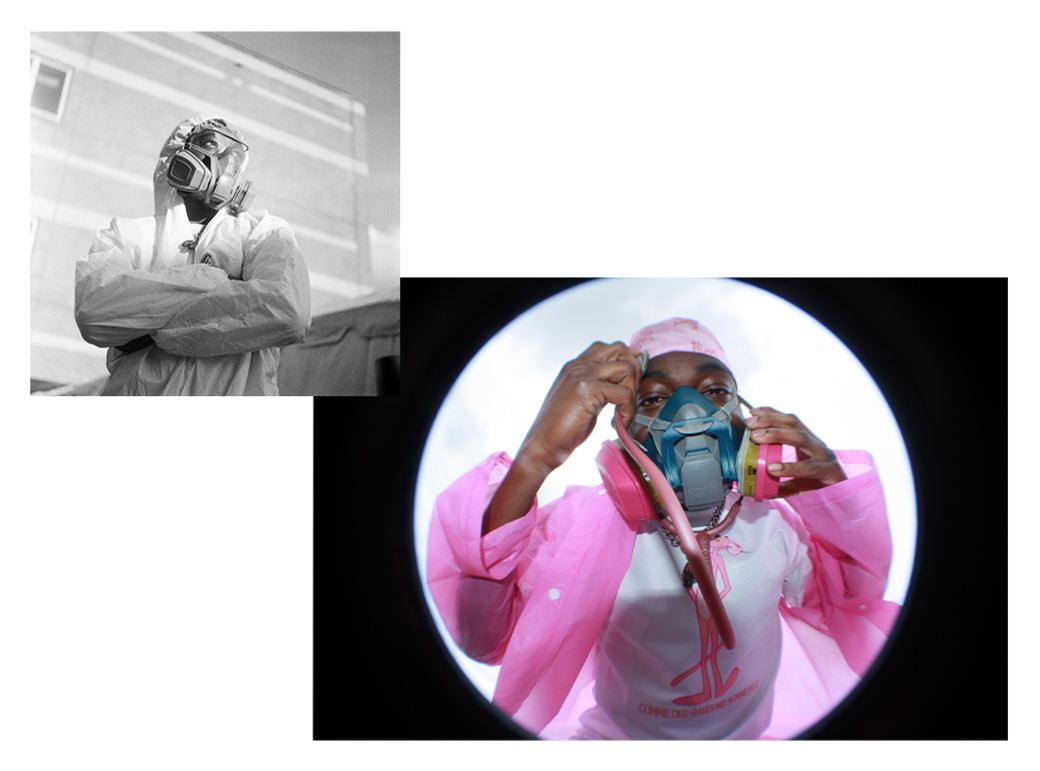
There's this chain I have that I bought right after nursing school. It's like a crappy stainless steel chain. But it's a set of lungs and I wear it every day where it's kind of become a sentimental thing for me. You know like a pair of lungs, first it starts off like super silver and then it keeps rusting. So it kind of ages like, you know, like a real pair of lungs. Also, definitely cool colored stethoscope. I have a pink pair and I had a neon green where I "lost" them. And sneakers for sure. But then I stopped wearing sneakers just because I would think about like infection control. I rotate between these air max TN's that I have and a pair of Nike X cold walls. I definitely want to get into designing some of that stuff and making things for nurses. Like watches, little watches that you can have to wear to work because you don't want to wear your other jewelry to work. I feel like more fashion brands and really the big sports houses like Adidas and Nike should make certain clothing that acclimates to healthcare workers.
That's a big goal of mine. I definitely want to eventually work with them because nurses are on their feet all day, we're running back and forth. We're actually like doing pretty strenuous activity. We're moving patients. It definitely takes a toll on your back or your physical health in general, especially being a nurse for like 20 years.
What is some medical and non-medical advice you can give us during this time?
I always try to live by living on your own prerogative, just like making your own decisions and always hearing the suggestions of others and never allowing it to completely shape what you want to do. I'm a person who doesn't like to lie, I hold a very high esteem of confidentiality. I think a lot of these come apart with my job as well. Just like in terms of HIPAA and not being able to disclose anything. I try to hold that same standard to my friends. When it comes to living on your own prerogative, I feel like everyone should have their own set of ideas and their own set of goals. People are always going to critique you, that's a part of life. People are gonna put you in their box and tell you what you probably should do. I'm never gonna say you should shut that out, but, I'm definitely not for allowing that to completely shape your idea.
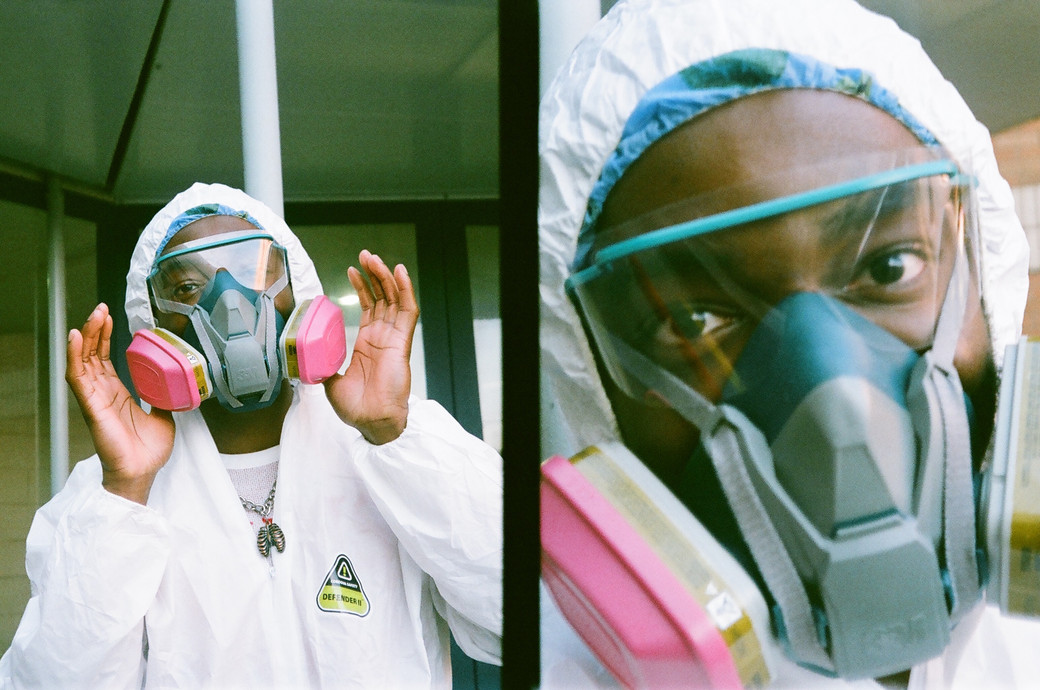
In terms of medical advice, I'm wearing a mask. It definitely protects you outside. So like, even if it's some type of covering. Like if you're going for a walk, you should wear one. Wash your hands. I cannot emphasize that enough. Washing your hands is so important. In nursing school that's what they emphasize the most. Hand washing is more important than wearing gloves. Like if you're wearing gloves, then something can still get on your hand. You can take the gloves off and something can get on your hands. But if you don't wash your hands after that, now you're just spreading whatever. I advise people not to wear gloves because it makes you wash your hands less. When you're wearing gloves you're still touching stuff and when you take off your gloves, you're still touching those same things all over again. You're still getting in your car and touching your steering wheel. Like, your car is your own space. You don't need to wear gloves in your car, same thing as your phone. I think the glove thing is like a crutch for a lot of people because it doesn't force them to wash their hands as much as they're supposed to.
NYC Health & Hospitals for Good is an organization that donates directly to NYC Public Hospitals. If you're able, click here to make a donation.