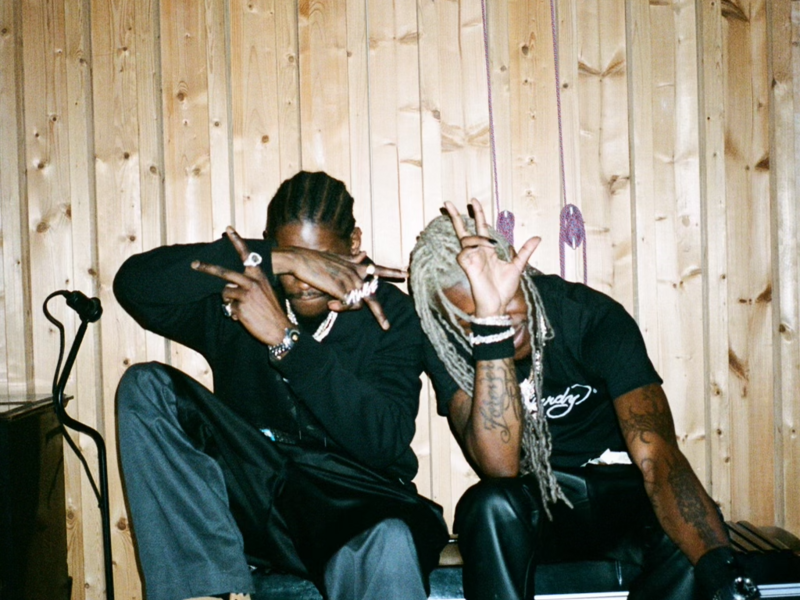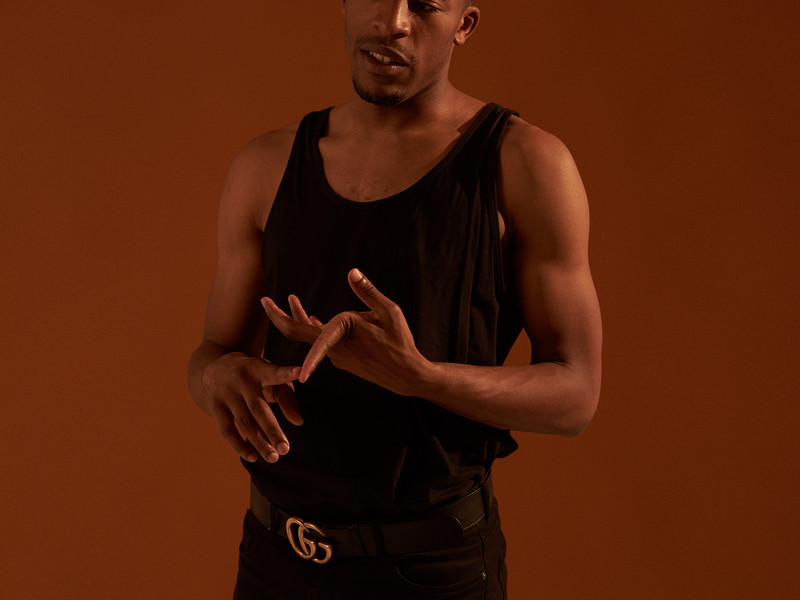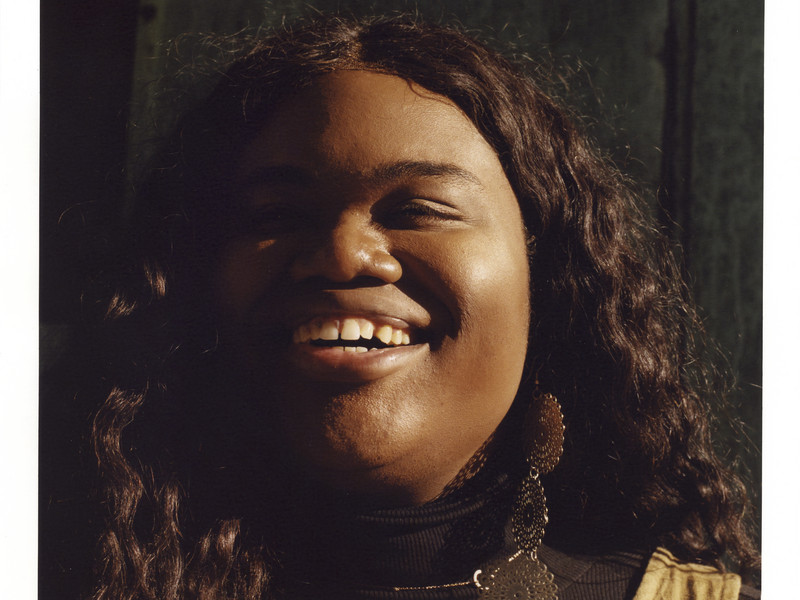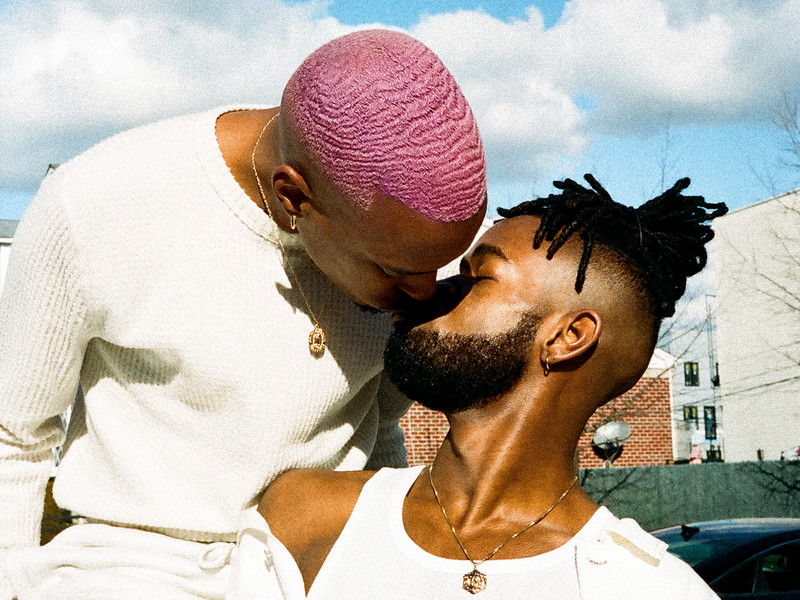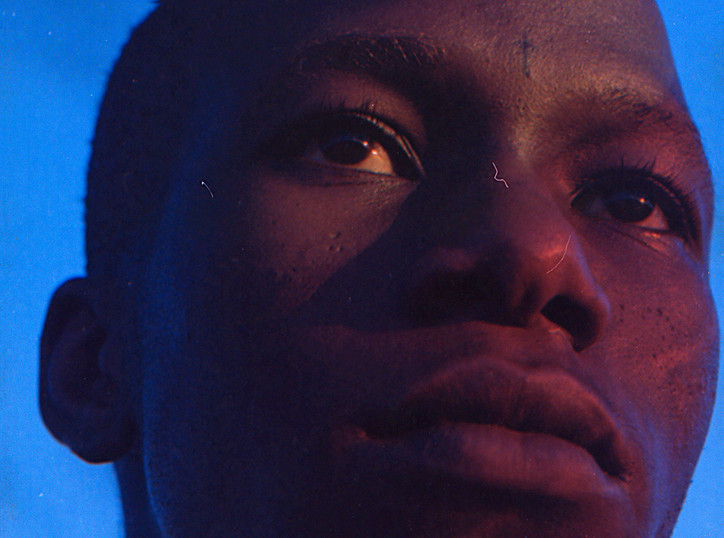
It’s not easy to be yourself or else everyone would be doing it.
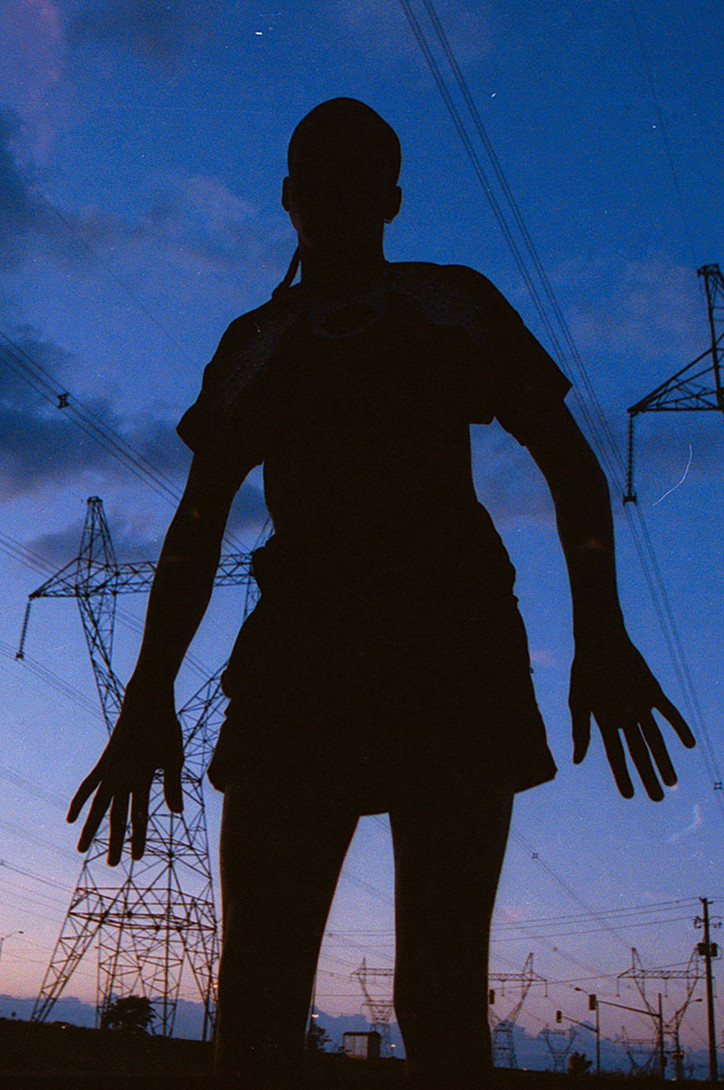
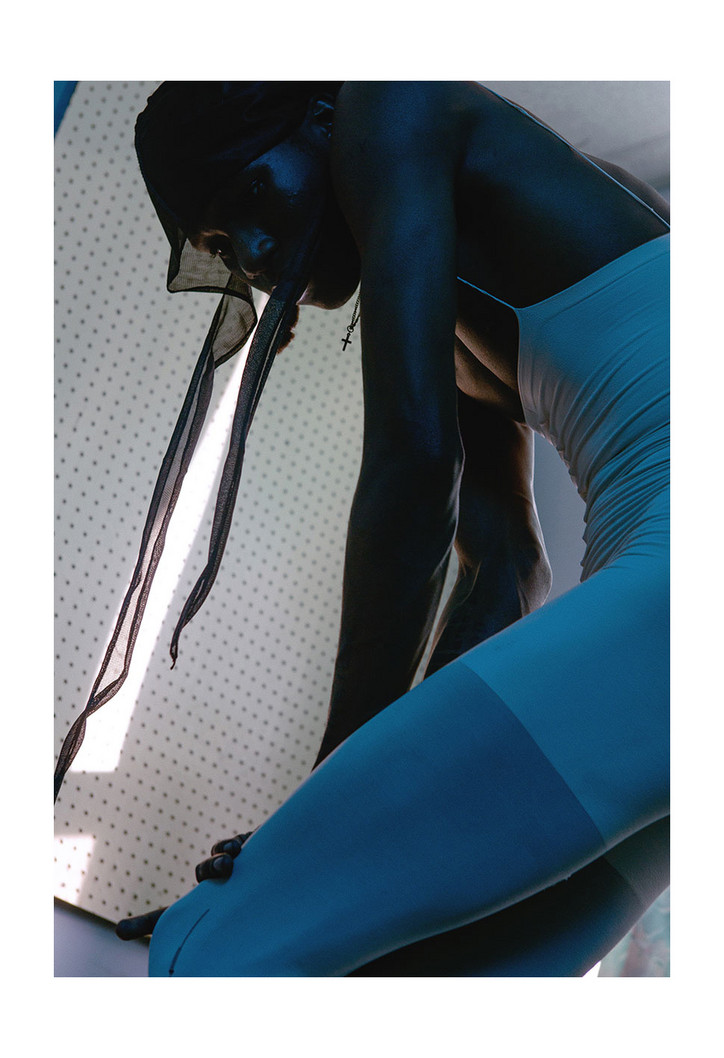
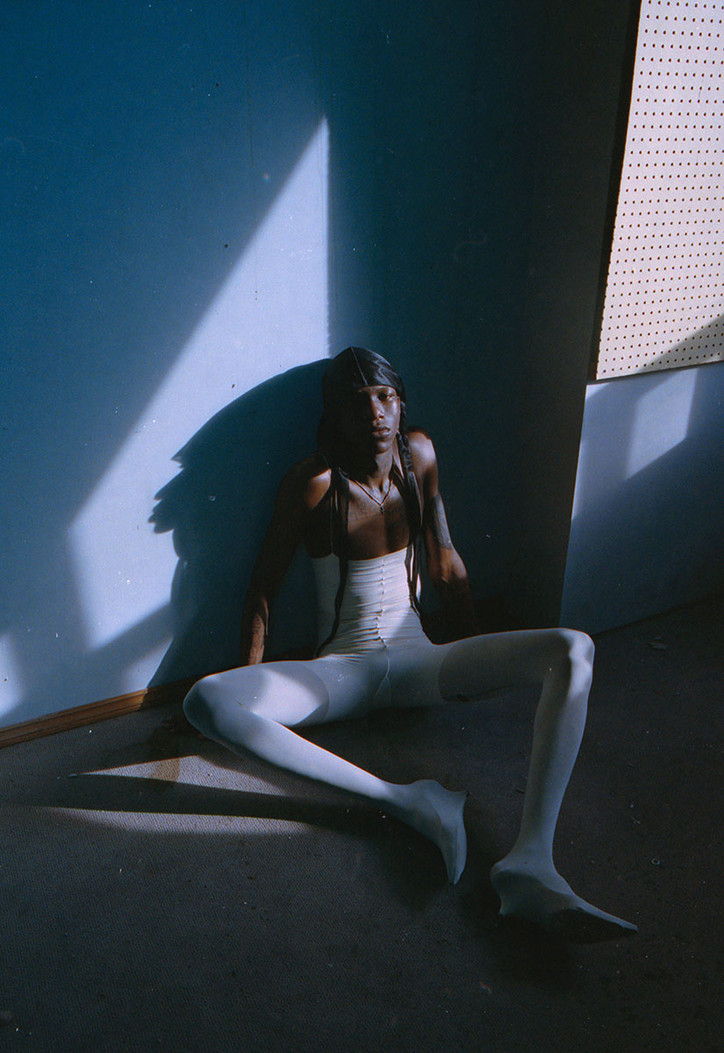
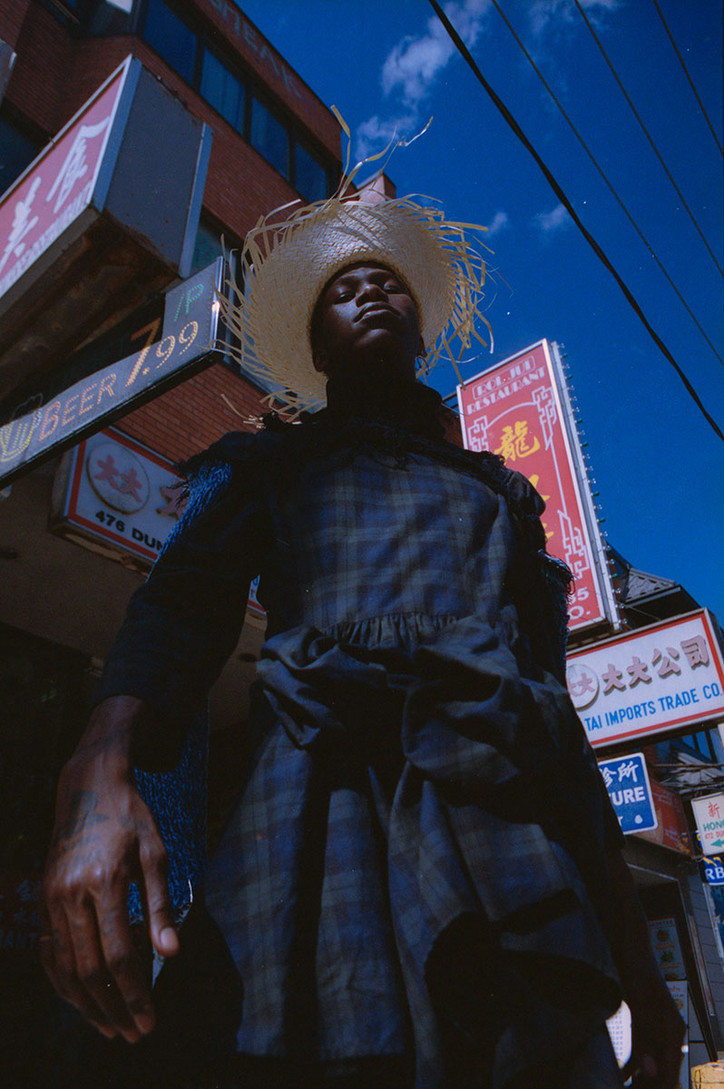
Timpa’s persona goes against toxic hyper masculinity, especially in the black community. He doesn’t conform to any social constructions – he’s extremely fluid and this allows him to be any character he wants.
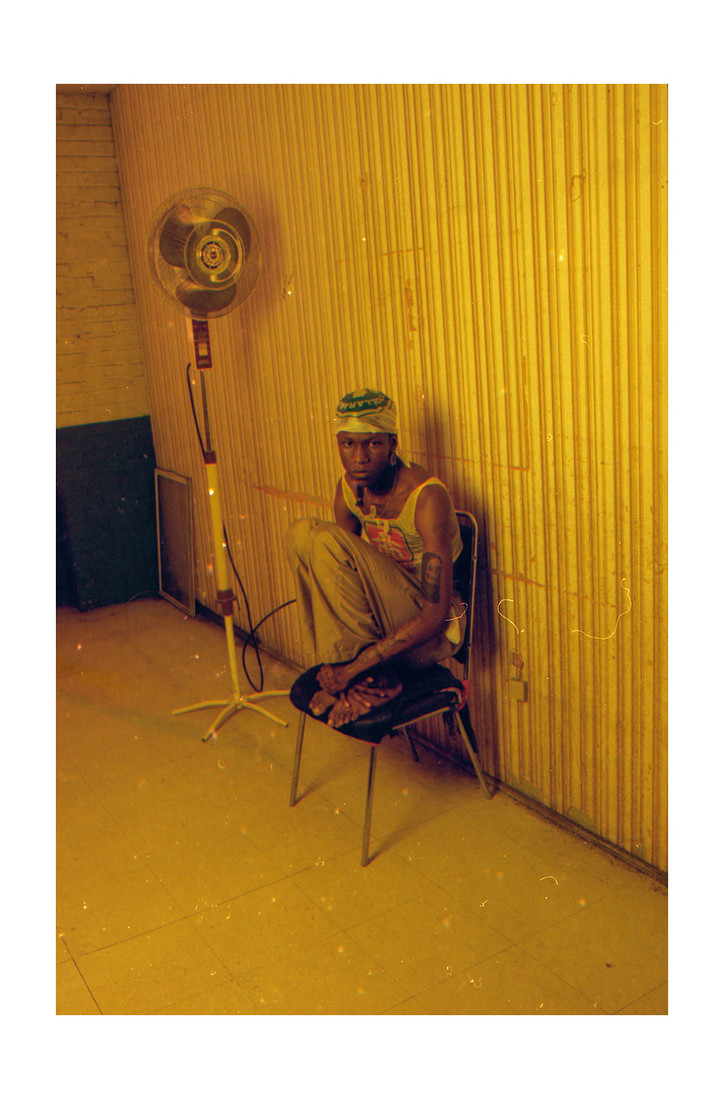
I think it is important to expose the general population to individuals who are comfortable with themselves— I find those people to be a great reference point of how the future will look.
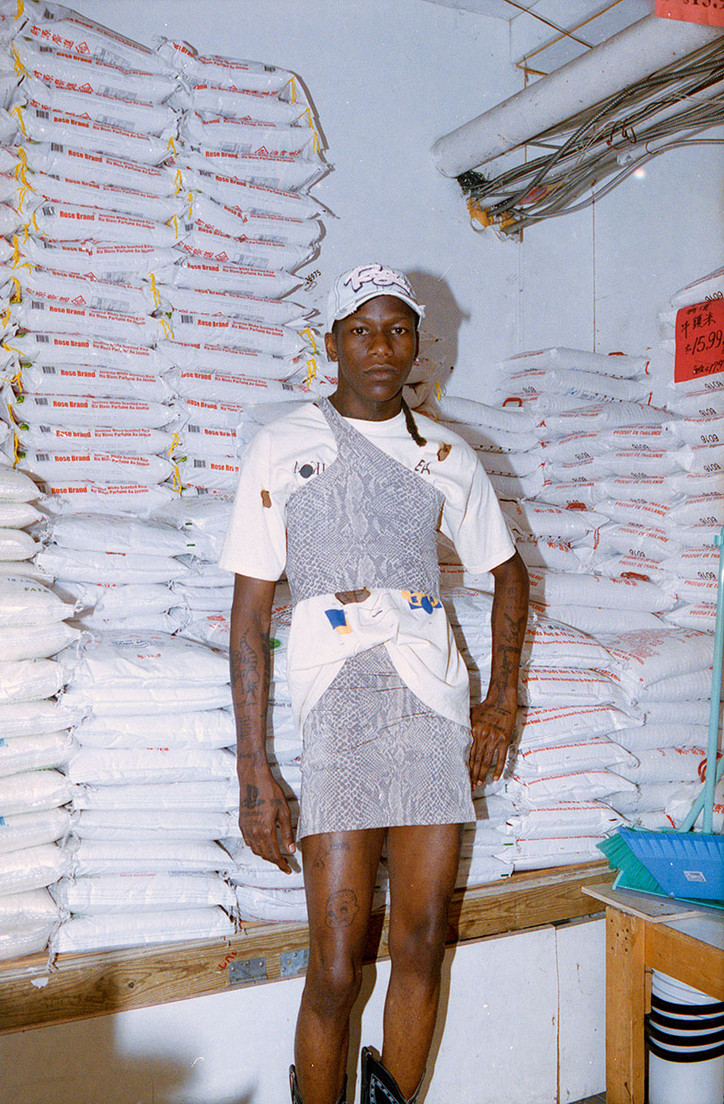
I often play with juxtaposition, I feel Timpa naturally contrasts environments he enters, he is never fazed by strangers watching eyes.
Timpa is a local enigma, his essence is free and expressive.
I was invited to go to the Congo by the Congo Nation of Ball to do a documentary to promote sports and to basically show the Congo in a more positive light then is normally conveyed. The Congo immediately conjures up a lot of feelings and almost a preconceived perception of what you are about to experience. I can now confirm that it’s not what you think…
Did you yourself have preconceived notions before you went?
Well, I wasn’t expecting such a busy metropolis, and of course my mind was on the not-too-distant war.
Can you talk a little more about your visit and what it was like?
While I was there, I would run around like crazy doing my personal projects. “Dusty Congo” was shot just before dusk every day for twelve days—I love to shoot most of my stories in the same light. With this way of working, you only get about two hours a day to shoot in the same light. So, you normally only get a few great shots a day. It was rainy season, and the sky was a mixture of moody clouds and then shafts of sunlight. I think that’s what gives these images a certain feel. My friend is originally from Kinshasa, so we spent a lot of time meeting up with his old school friends and family. This was great as we got a real feel for the Congolese family life and their hospitality.
This photo series, “Dusty Congo,” kind of strays from the sports documentary you went to the Congo to make. How would you describe what the photos turned out to be? In other words, what do you want your viewers to take away?
[Laughs] Yes, they do stray from my brief just a little. I would shoot the documentary in the day and then concentrate on a couple of personal projects at dusk, “Dusty Congo” being one of them. I think this set gives a sense of normality of day-to-day life in Kinshasa. They hint at the amazing colours and fashion without giving too much away.
So you shot this series in Kinshasa, which is the capital and the largest city of the Democratic Republic of the Congo, right?
Kinshasa is an attack on the senses—crazy traffic jams light up the night as there are no street lights on the side streets. Some of my colleagues on this trip told me that they looked at some websites before they left, like TripAdvisor, about the Congo, and they read things like, “Don’t go out at night if you are white." That’s bullshit, and it really annoys me. The people who write this stuff must be really wet behind the ears.
Would you recommend visiting to others?
All I can say is this: Give Congo a go. Plan your trip, and I can assure you that the people will welcome with open arms. If you are white, be prepared to feel like a rockstar. The Congolese people call white people "mundele,” and as you walk down the street, people shout out “mundele welcome.” It’s an affectionate term.
What did you bring back with you? Any souvenirs or other big insights?
I came back with a love for Africa, lots of new friends and a banging new playlist, as I was shazaming all the tunes out there.
And the food?
The food was really good. River fish from the Congo River in a spicy stew wrapped in banana leaf parcels and BBQ chicken and goat, again with lots of spice.
Any other interesting tidbits from your trip?
I did have some hassle from the police asking what i was taking pics for. On one occasion, a police officer stopped me, went through my phone and deleted pictures he didn’t approve of. Then, he asked me for $20 dollars for the privilege to take photos.
To further its impact, Project Zero has decked out the streets of London's Carnaby Street to celebrate the holiday season as well as raise awareness. Made with sustainability at the forefront of importance, the installation is composed of entirely recyclable and reusable elements, including repurposed fishing netting and vegan paint. So, if you happen to find yourself at this iconic landmark this season, make sure you "Tap to Donate" to Project Zero at one of the various partnered locations throughout Carnaby.
Not visiting London town anytime soon, but still want to get involved? We don't blame you. Make individual donations via the Project Zero website, shop the Project Zero Collection and Project Zero X Carnaby range (featuring exclusive t-shirt and tote bag collaborations perfect for this holiday season) and follow @projectzero for more.