The Modern Muse


Stay informed on our latest news!


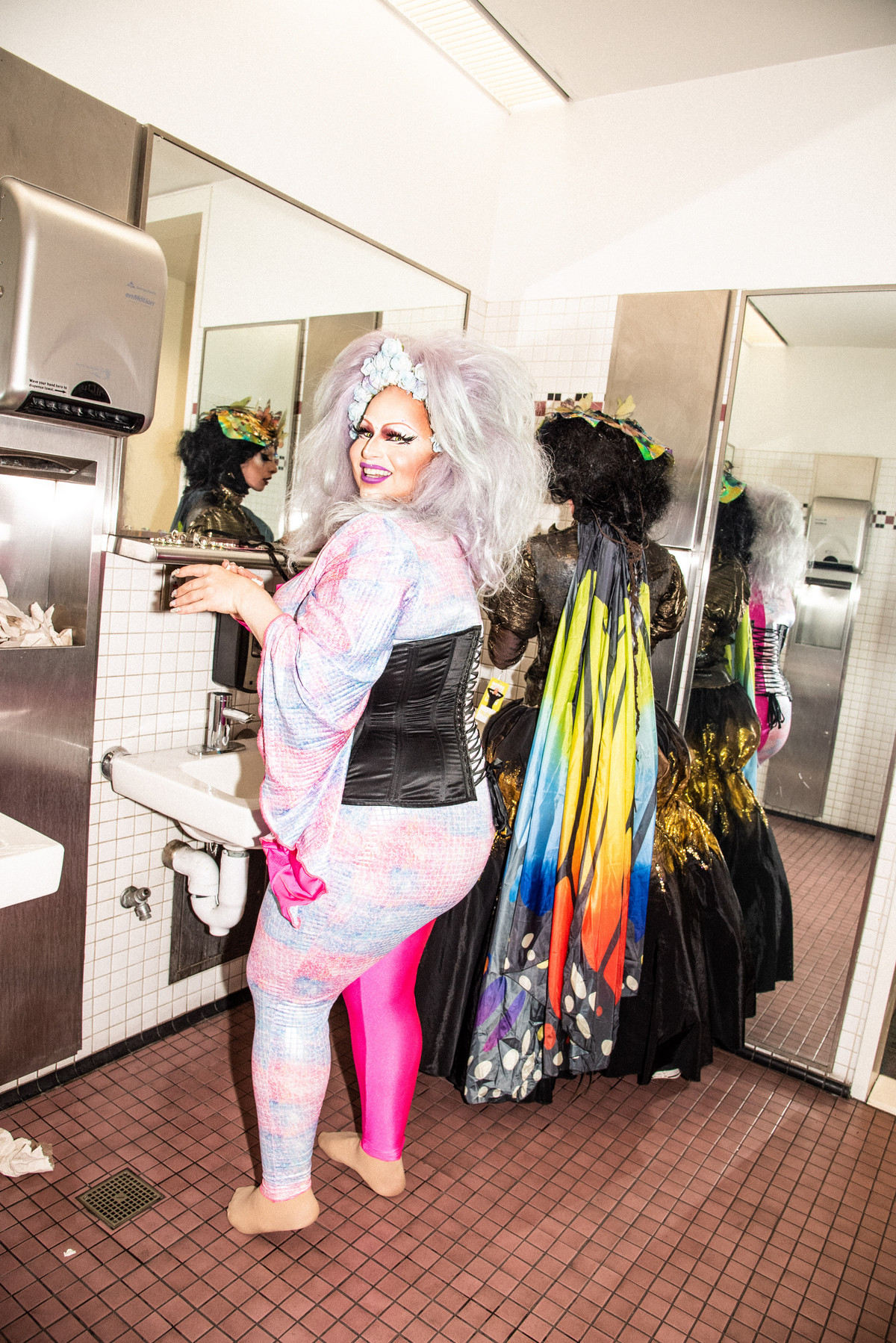
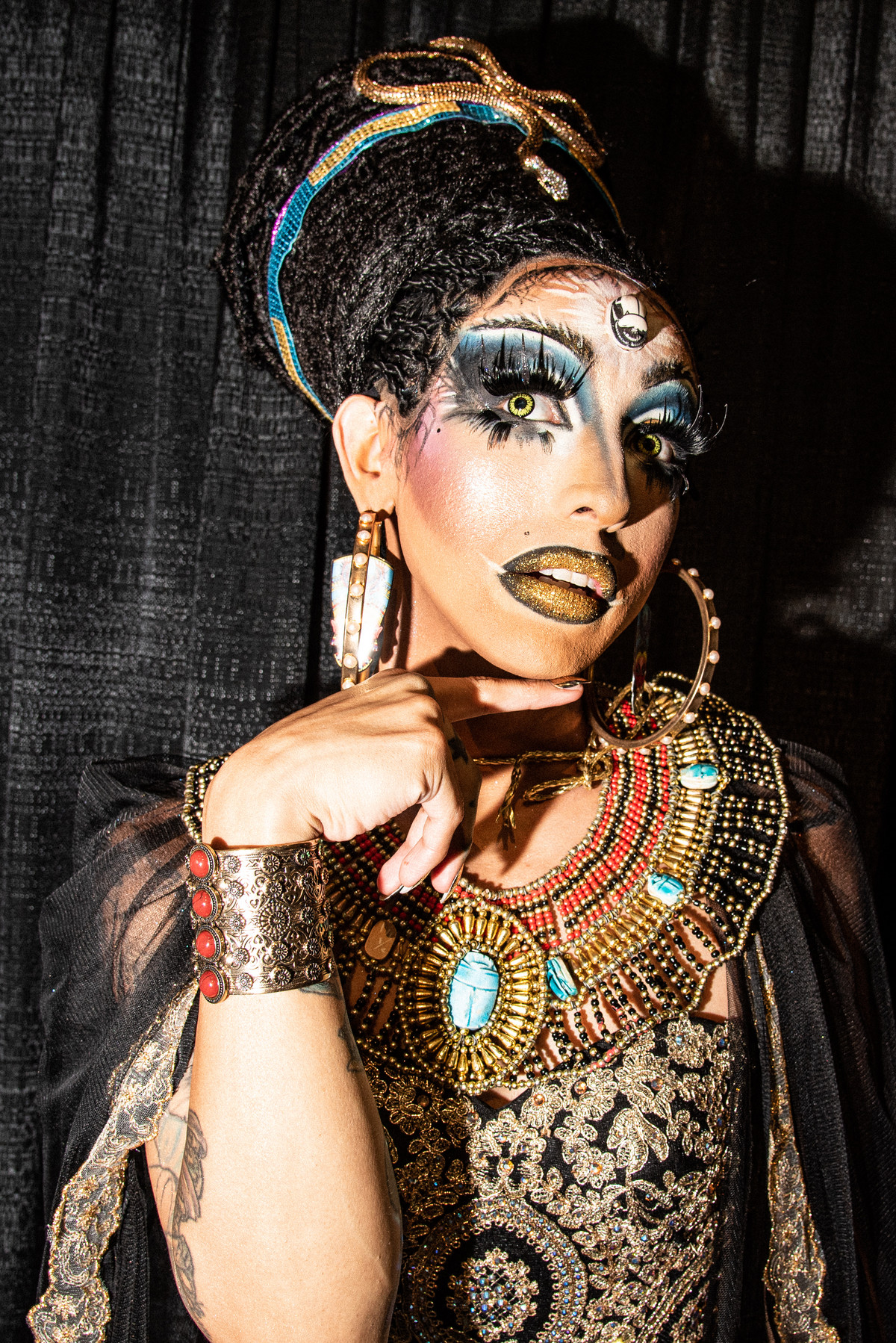
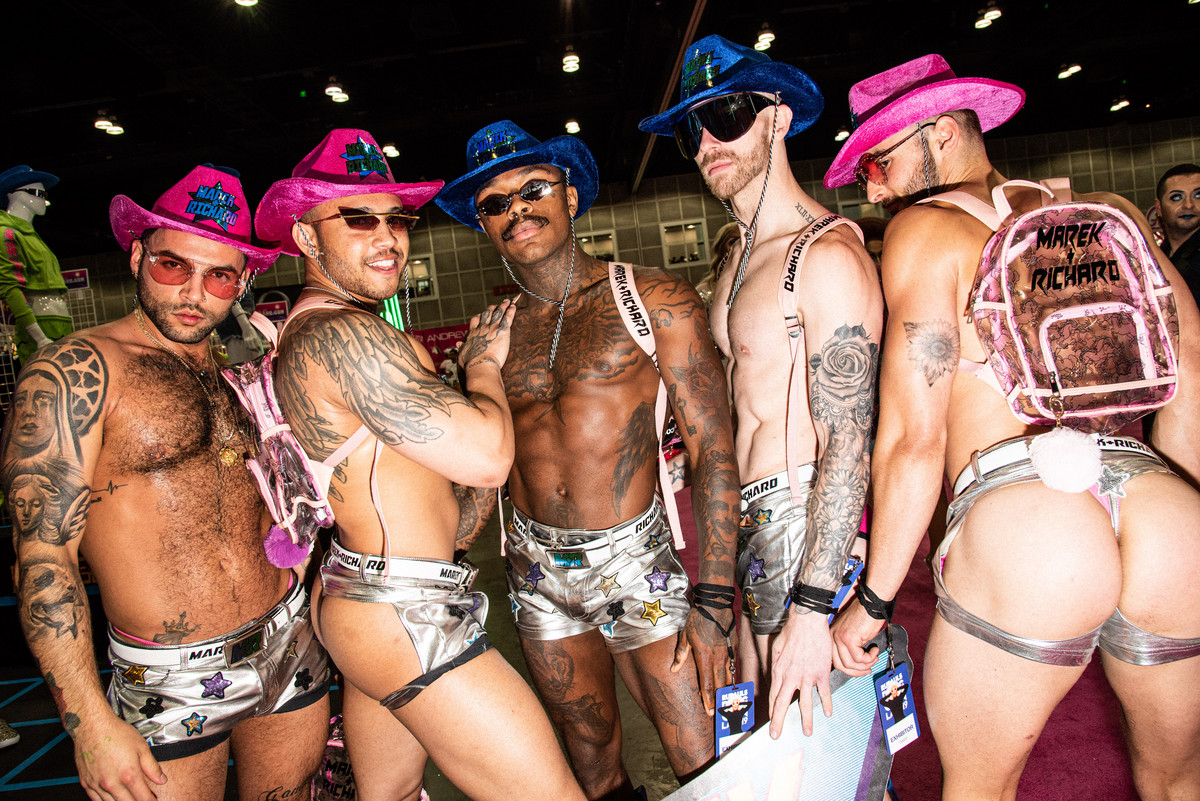
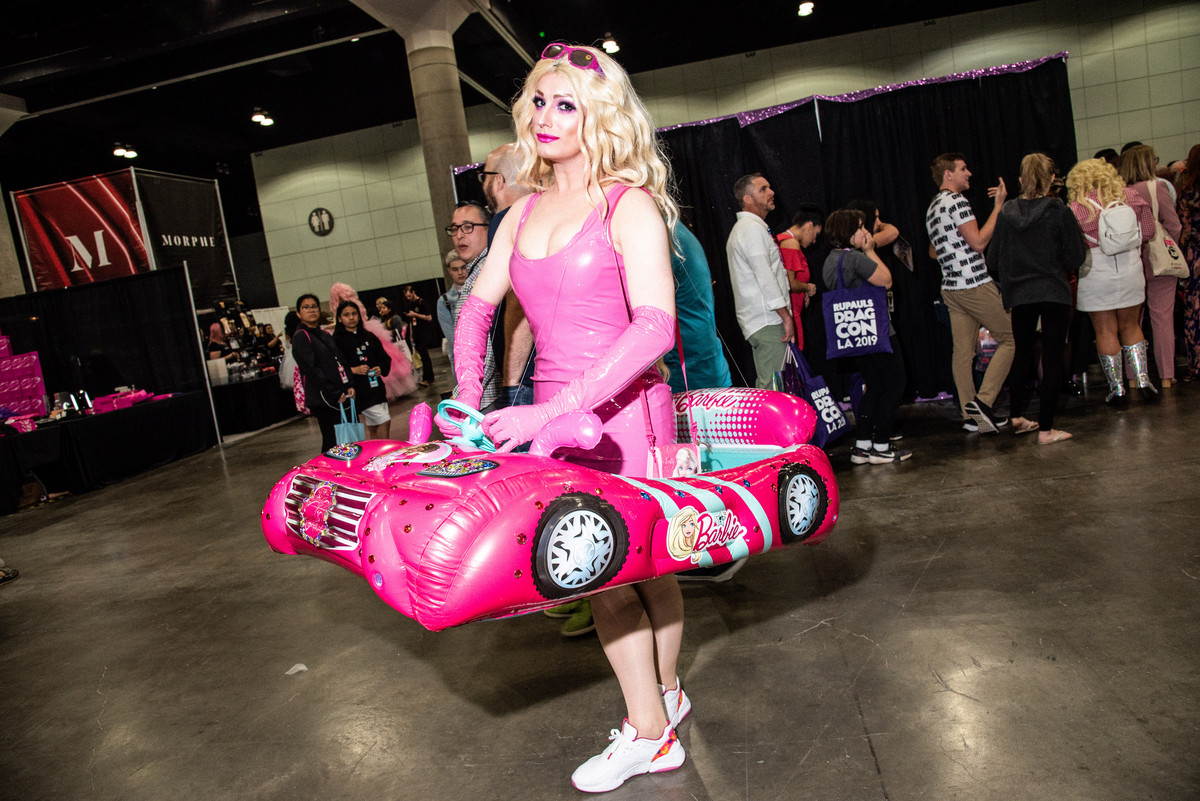
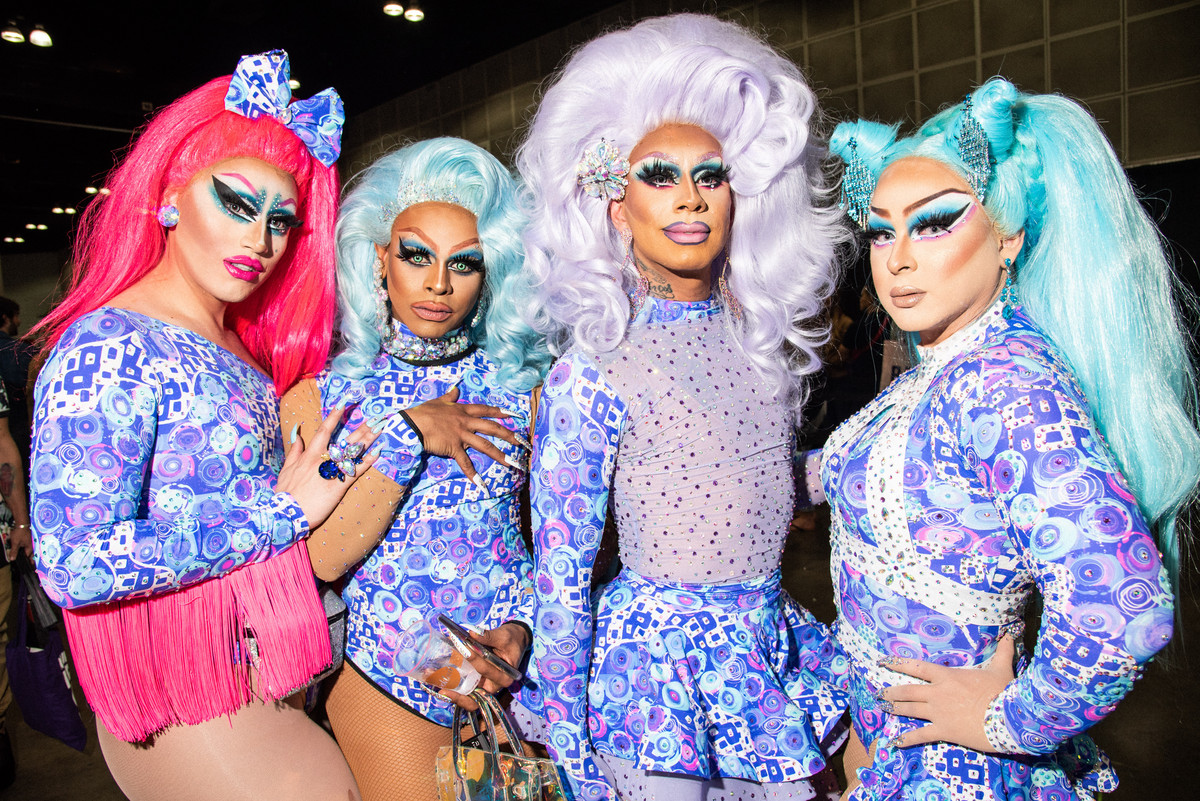
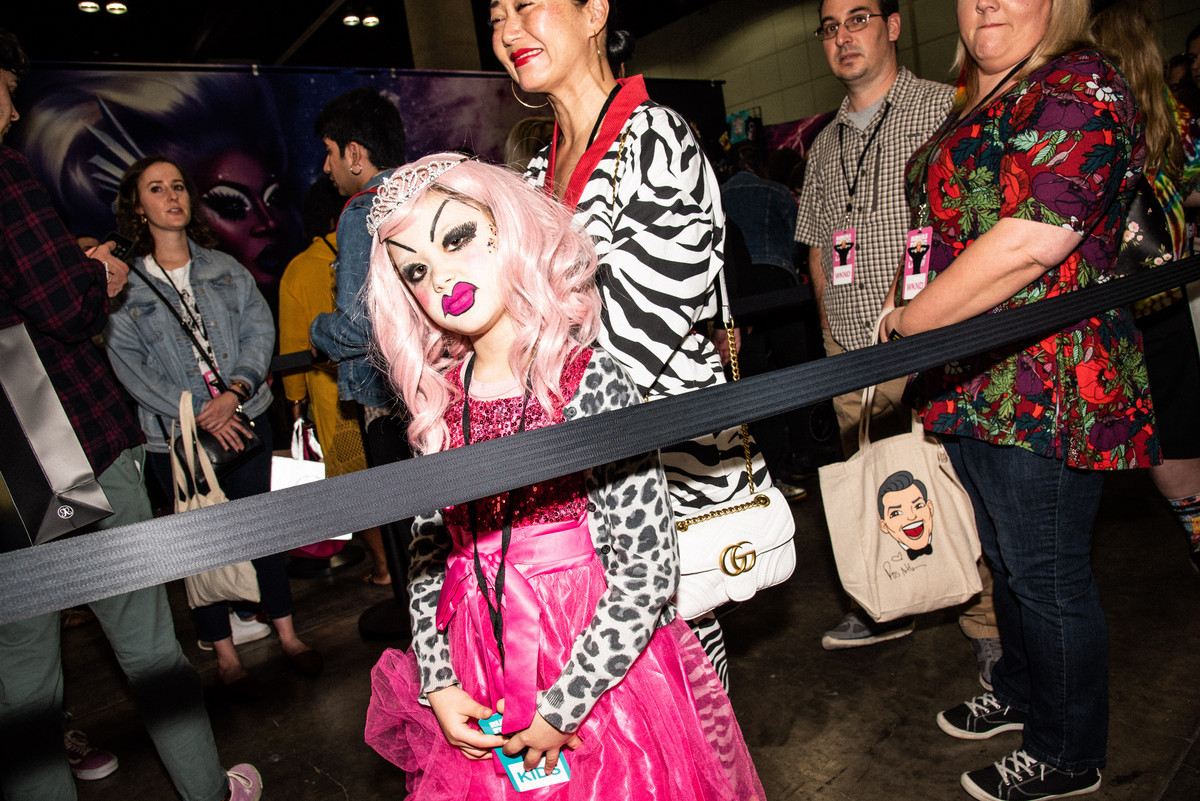
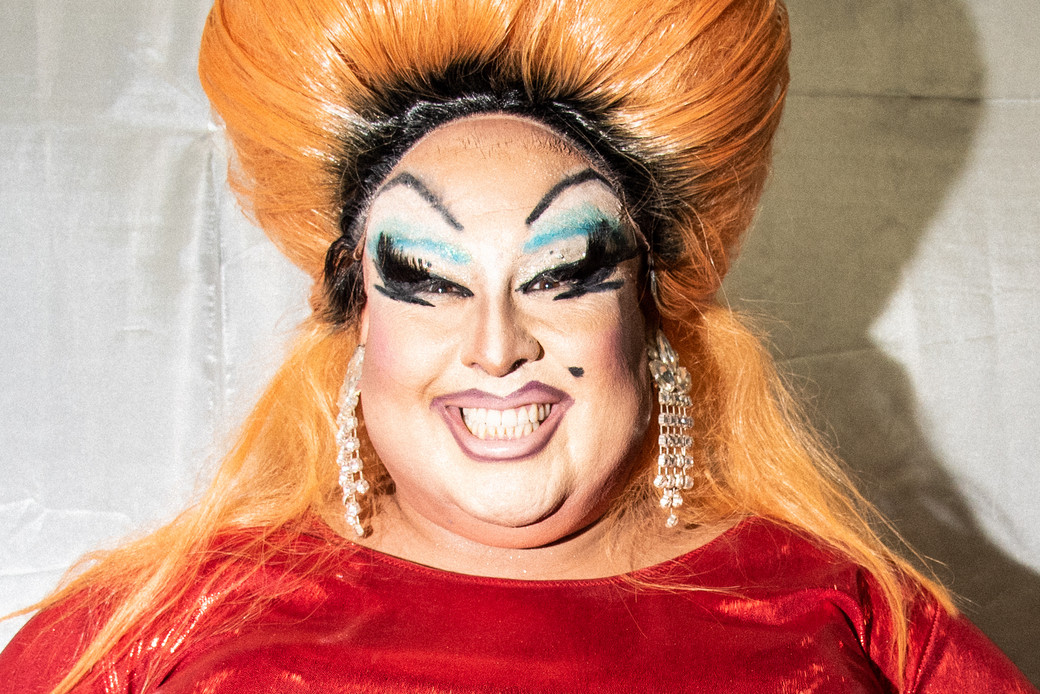
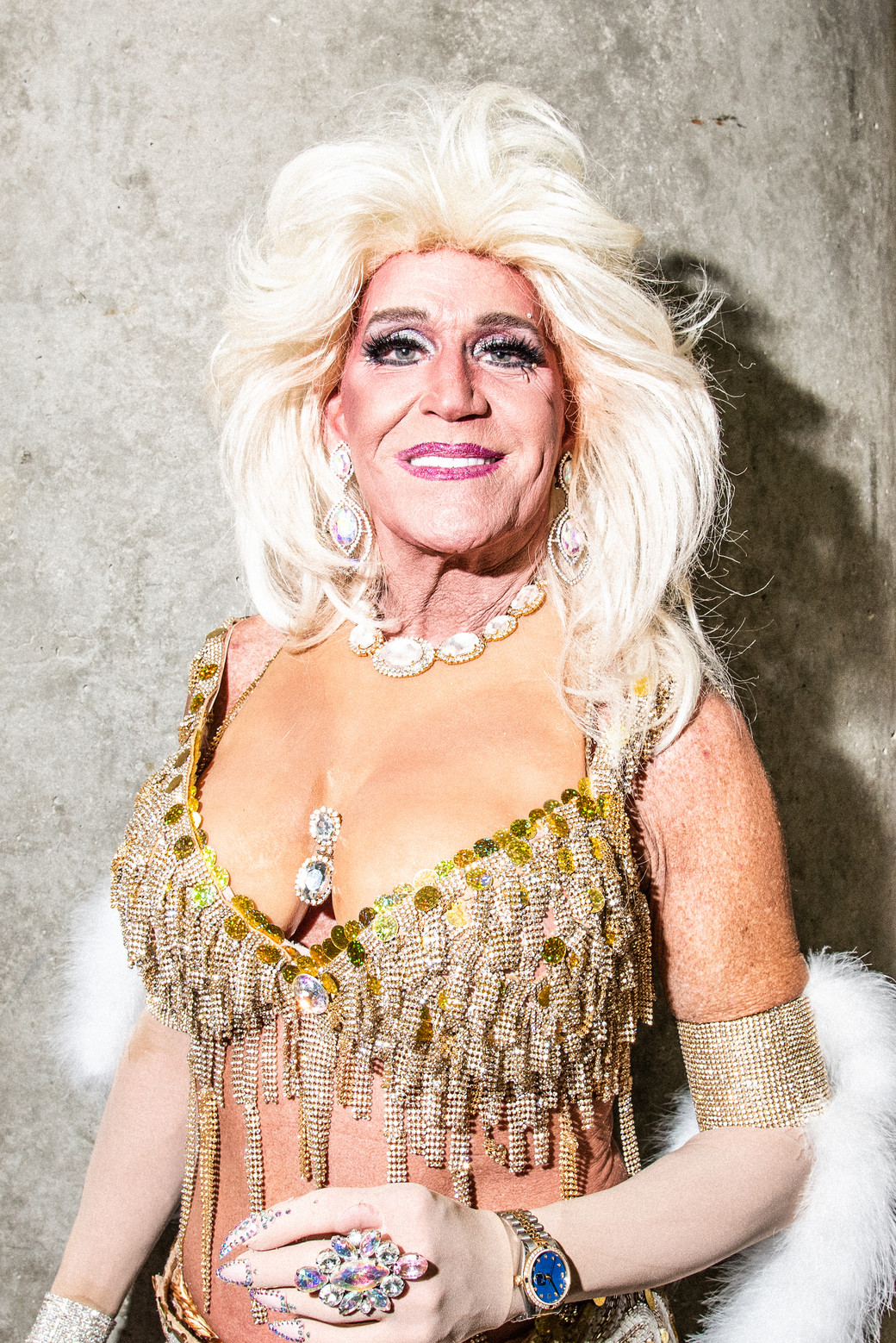
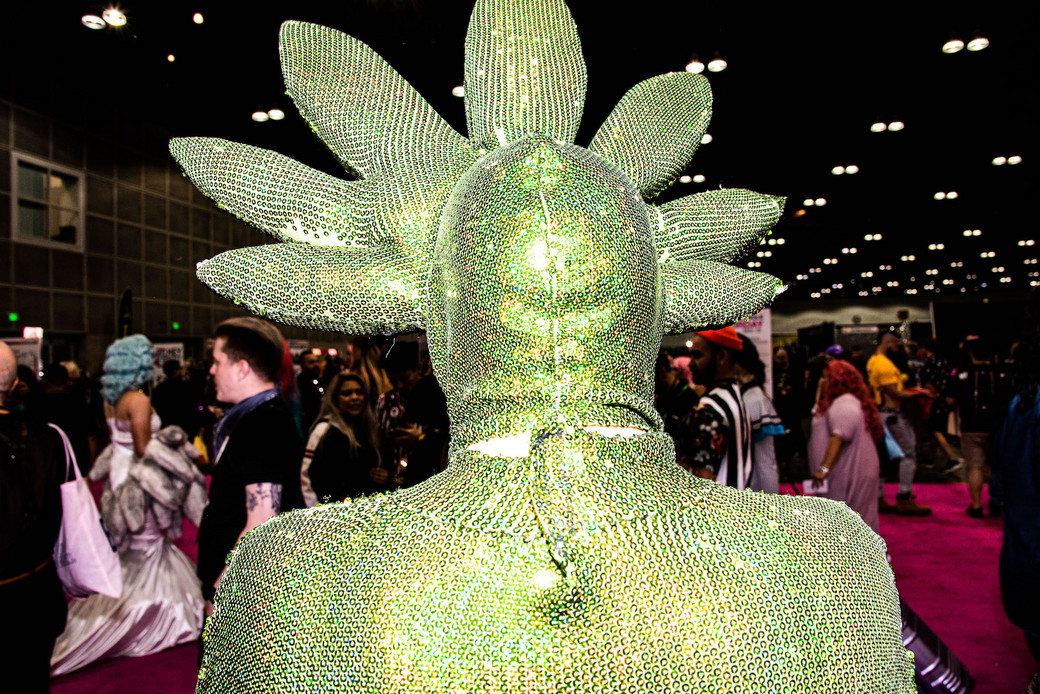
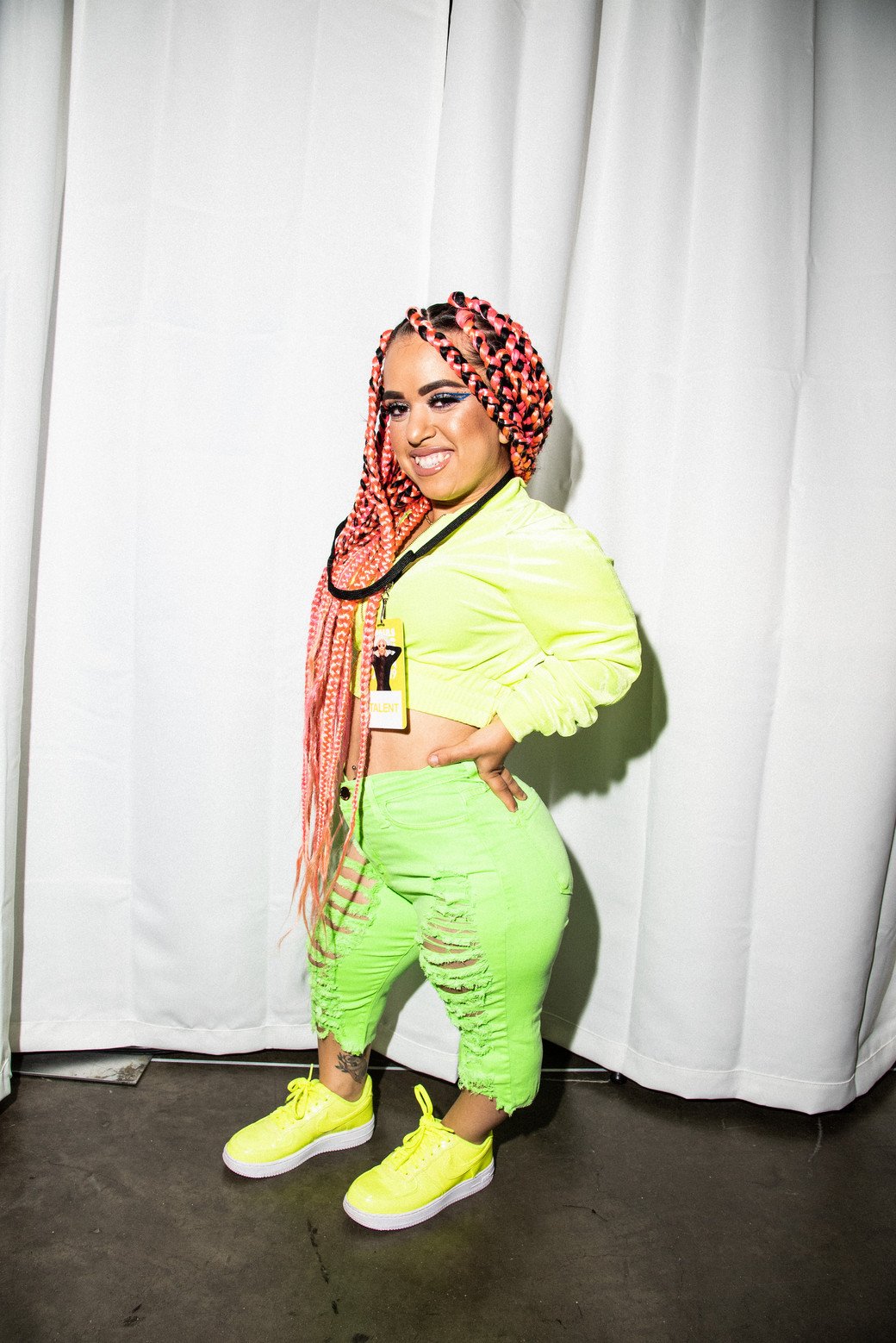
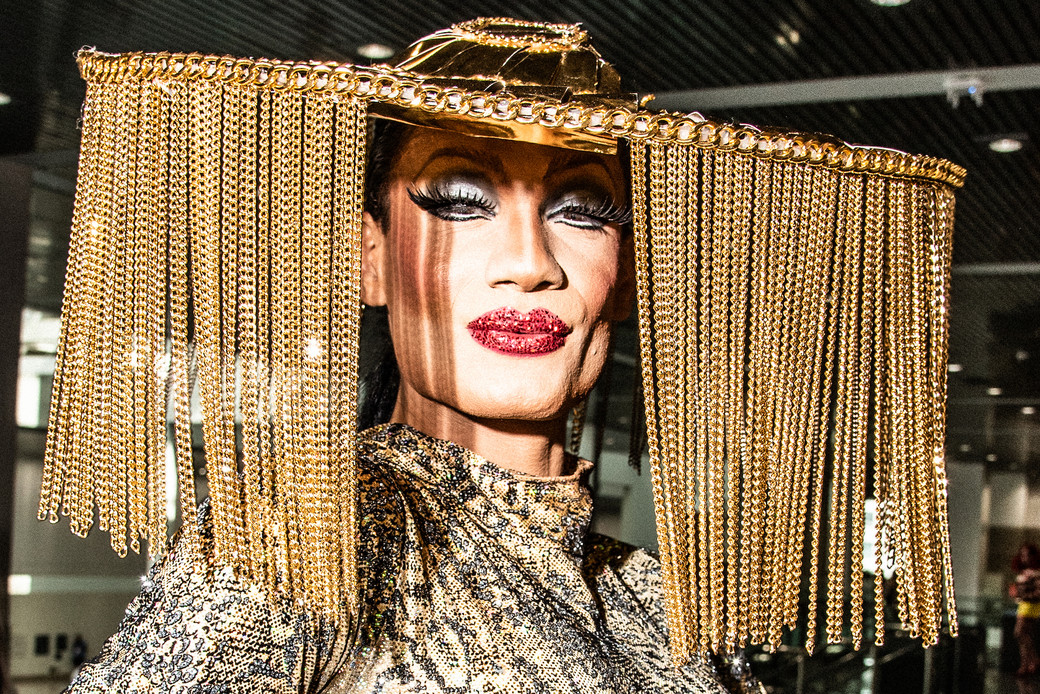
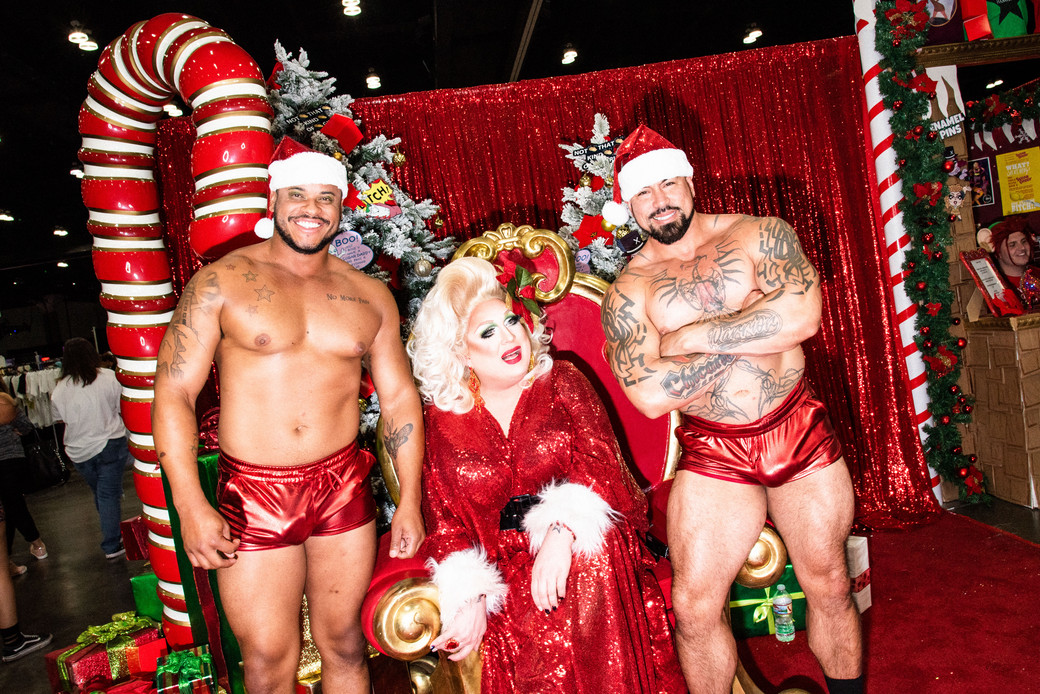
office chatted with Vassalli about his work and his experience at DragCon this year. Check out the interview with Vassalli and see his photos below.


What draws you to events like DragCon?
I love photographing anything that is eccentric and over-the-top, even if it is not as intentional as DragCon. Self-expression and a sense of community play a big role with my work. I love seeing people come together for something they love. DragCon is special because it’s basically a circus of creativity and self-expression.
Who attends DragCon?
Most people who attend DragCon are fans of ‘Drag Race’ and people who use drag or makeup as a creative outlet. It’s such a diverse crowd. There are so many talented artists roaming around.
How have you seen the crowd at DragCon change? Does it attract a niche audience, or have more and more people started attending each year?
It has definitely gotten more popular each year. It’s amazing to see the range of age groups that come out. Two years ago, I took a photo of a 5-year-old dressed as Bette Davis in Whatever Happened to Baby Jane. It was amazing.


How has social media created a space for communities represented at events like DragCon, World Goth Day, and Sailor Moon Day?
Social media is a great way for fans to keep up with their favorite drag queens. It has also become a great tool for people to share their ideas and looks with each other. Social media has helped drag become more mainstream within our media.
Because of these different communities’ use of and access to social media, do you think that events like this will continue to grow within the next few years?
Totally. I think they already have.
What has been your favorite event to photograph so far?
Palm Springs Pride is always exciting; anything in Palm Springs.
What other events would you like to document but haven’t yet?
There are so many! I have a list. But I’m most excited for Anime Expo in July.


Is there anything unique to DragCon in L.A.? How does the event affect and represent the city itself?
L.A. has an amazing drag scene. There are so many innovative LGBTQA creatives here who are able to come out and show people what L.A. has to offer in such a unique way. What at this event stands out to you and makes you want to stop and take a photo? Anything that is unexpected or out of the ordinary will make me stop. It’s more of an instinct, for me. It’s a feeling I get when I’m scanning the room.
Describe the best look that you saw this year?
Borgia Bloom as Divine!
What do you think that DragCon contributes to the community as a whole?
DragCon is able to bring people together in so many ways. It’s important for there to be safe spaces for LGBTQA people to be whoever they want to be without judgement, and DragCon offers that. I think a lot of the younger attendees are people who don’t feel safe or comfortable expressing themselves where they live, so DragCon is a weekend dedicated to being whoever you want to be within a completely safe and supportive space.
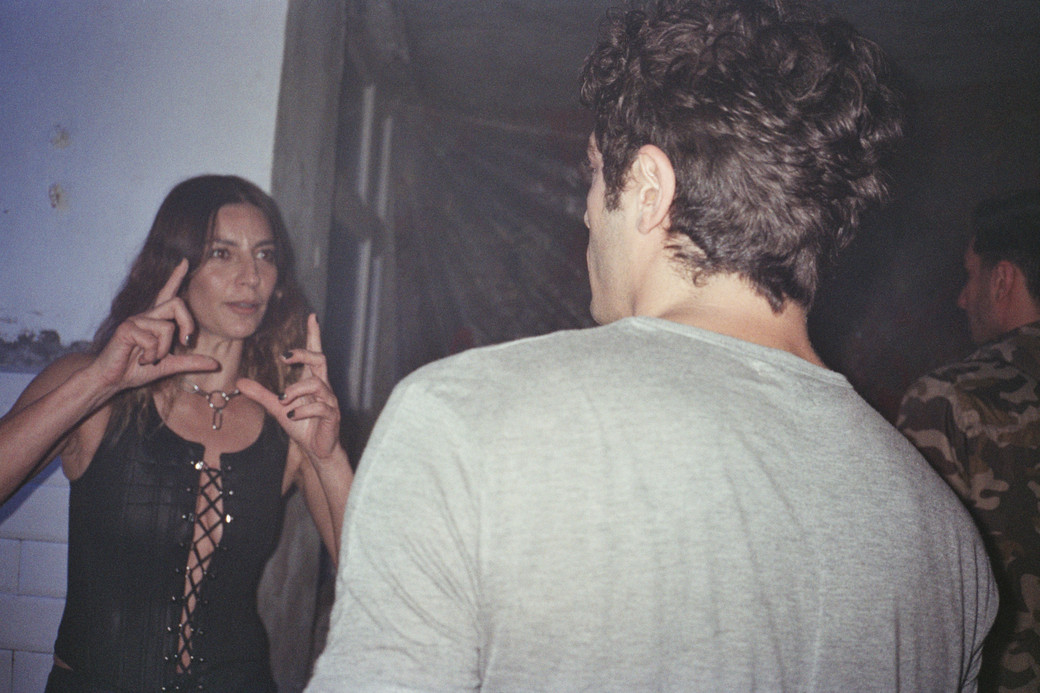
Altan lived a past life as a successful singer in the mid-’70s, but was forced to relinquish his dream when he was drafted into the military to fight in the Turkish coup d'état of 1980. By the time his service was up, the entertainment industry in Turkey had all but forgotten about him. “There was no media at that time,” Tunc told office. “There was one national TV channel. And when you’re away for 15 months, people forget you.” So for years he’d say he would return to making music, but according to Tunc, “That time’s never going to come.”
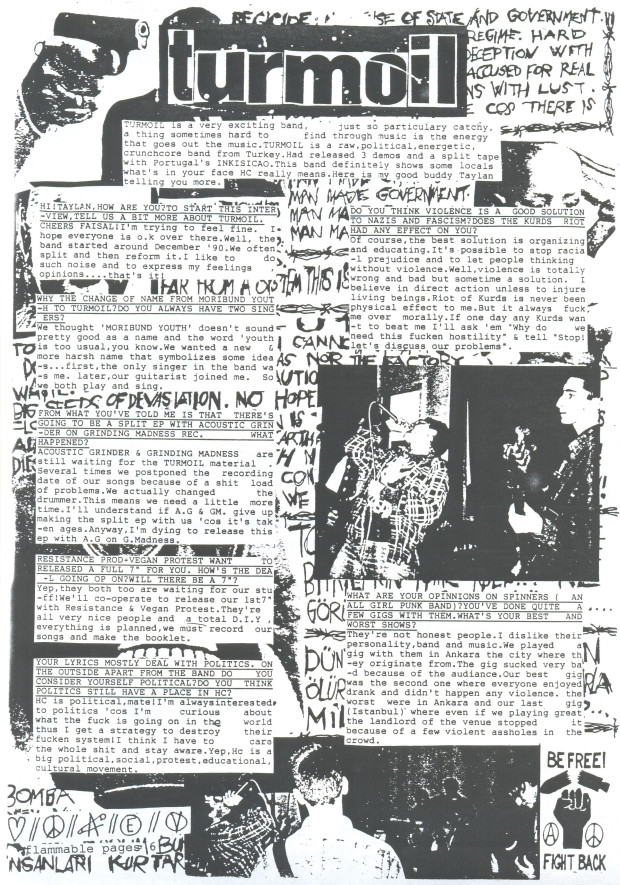
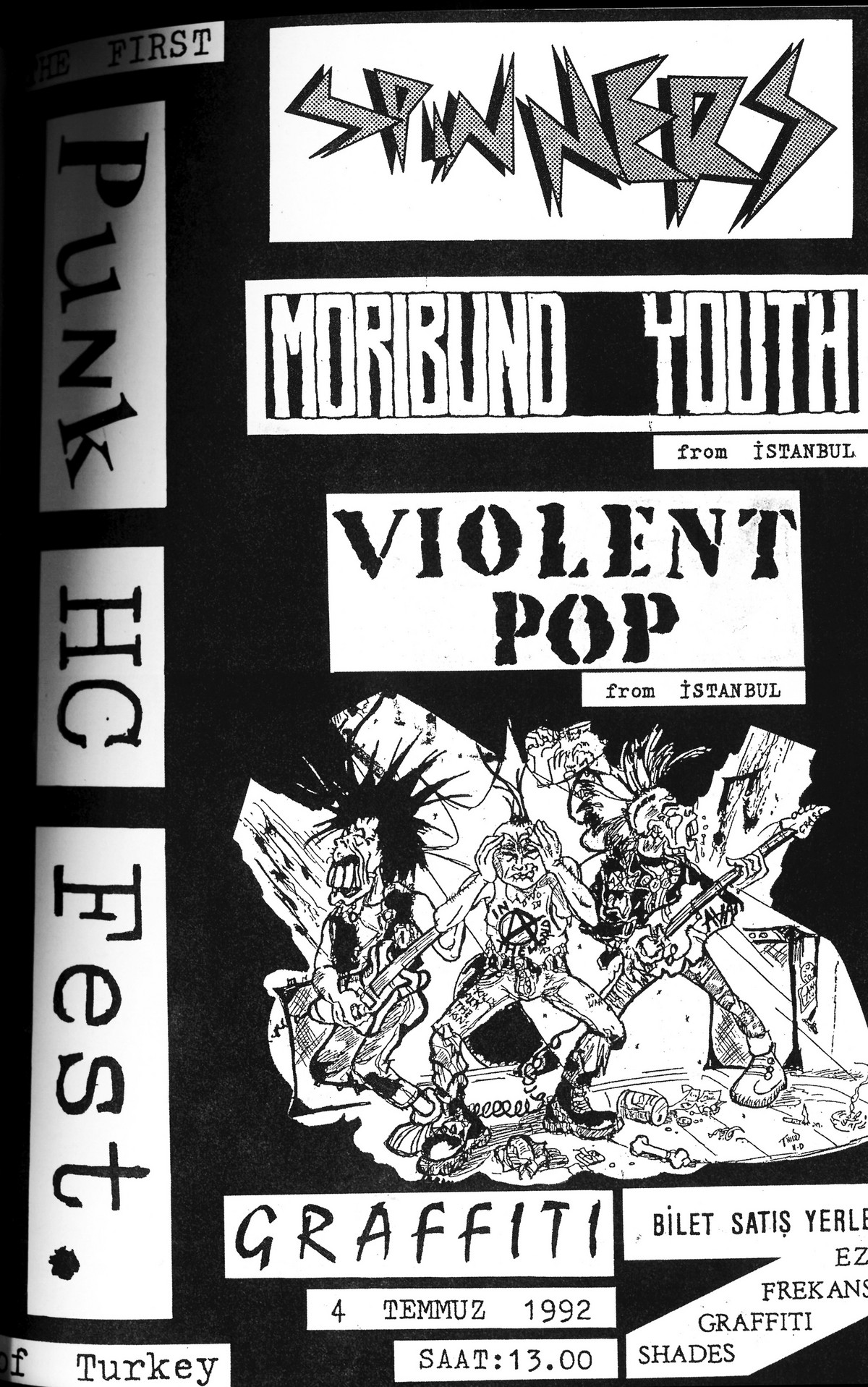
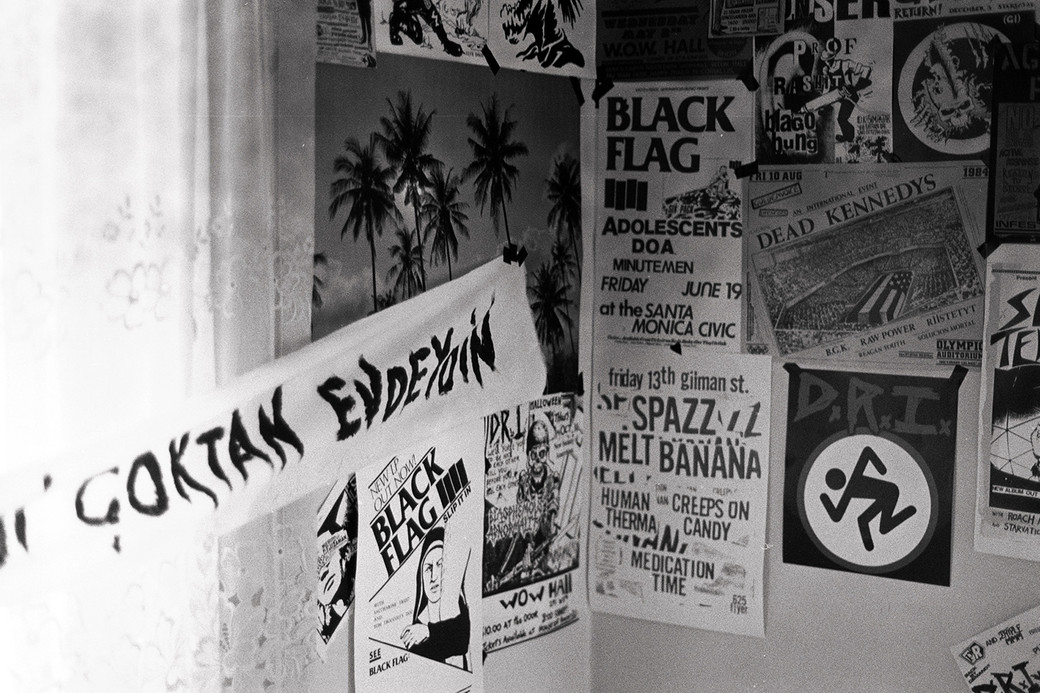
But Orkun inherited Altan’s love of music and performance. He and his friends formed a band as kids called Violent Pop, and in 1993, he released an EP with his second band Turmoil––a group that collaborated on splits with other bands like Mexico’s Regeneracion through the mail. In this pre-internet era, kids looking to find other punks would write their mailing addresses in fanzines and in the sleeves of records to be found by whoever else was looking, and send their tapes back and forth.


This was a conservative moment in Istanbul when “having different taste and bringing it up in conversation, you couldn’t do that,” Tunc said. “It was the late ’90s and people were narrow-minded.” Tunc, now 32, grew up to work behind the scenes in fashion in Paris and London, leaving the memory of Istanbul’s once-burgeoning punk scene behind. But after a fateful split with his last bad boss, he realized that in trying to emulate a Western lifestyle, he’d abandoned a critical piece of himself and his culture. “I thought being Western meant acting like them, but that’s not West. That’s losing your identity––ignoring your culture, ignoring everything coming from the East, ignoring your mother and father, ignoring your taste, everything.” And what he wants now is to bring this forgotten element of the East to the West––to preserve the memory of a subculture that shaped him.
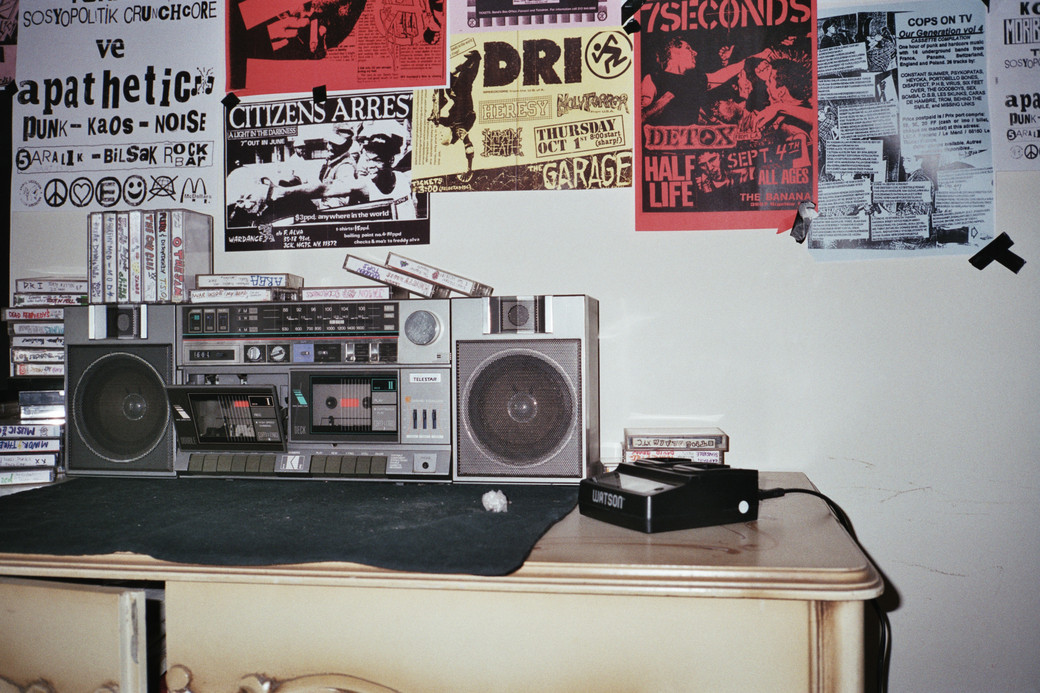
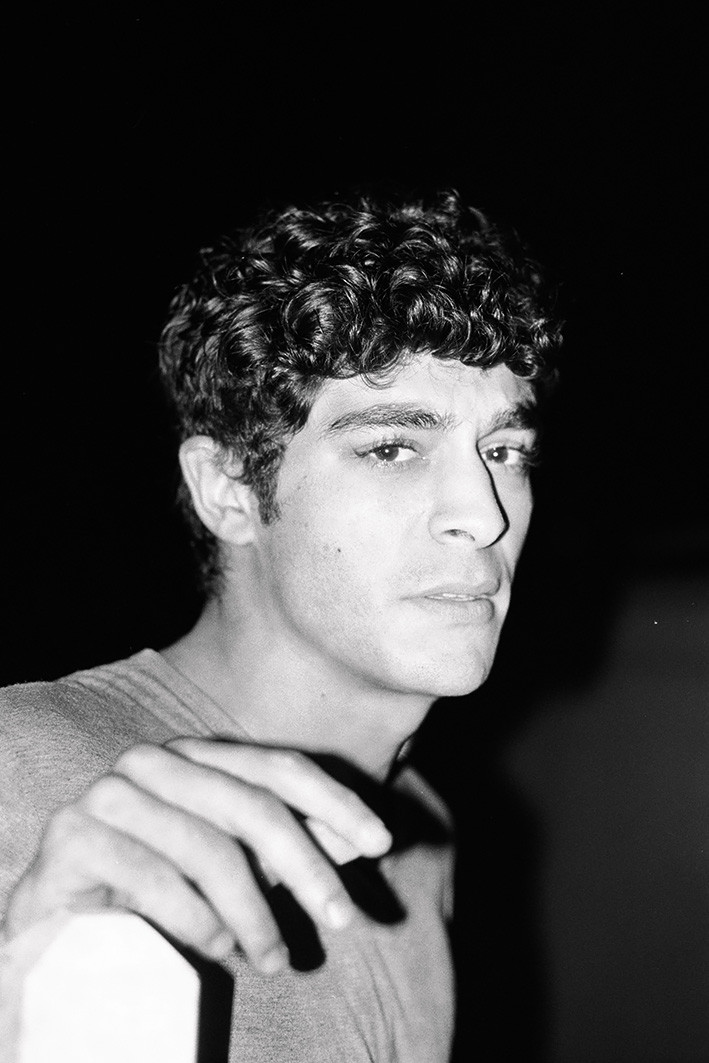
After leaving his job as a brand consultant, Tunc put his degree in cinema to use and began making the film 'ARADA,' Turkey’s first punk movie. It’s a fictional film based heavily on his experience growing up immersed in Istanbul’s unique hardcore scene, telling the story of Ozan, a young punk who wants to leave Istanbul to release a record in California. Shot in just 13 days, the film sheds light on the restless energy young people felt in the ’90s, wanting to escape a country they felt would never allow them to be themselves.
In creating 'ARADA,' Tunc hopes to reach Istanbul’s youth of today, many of whom never even knew of the scene’s existence. “We have to give our energy to creating a dialogue,” he told office. “Anarchism is within you, it’s within us. That’s sexy. Swearing or shitting in the street, that’s not sexy anymore, using drugs is not sexy anymore. Changing something is sexy right now.”
Catch the US premiere of 'ARADA' tonight at the Museum of Arts and Design, and check out behind the scenes imagery from the making of the film, below.
Lead image: Violent Pop. Courtesy of Mu Tunc.

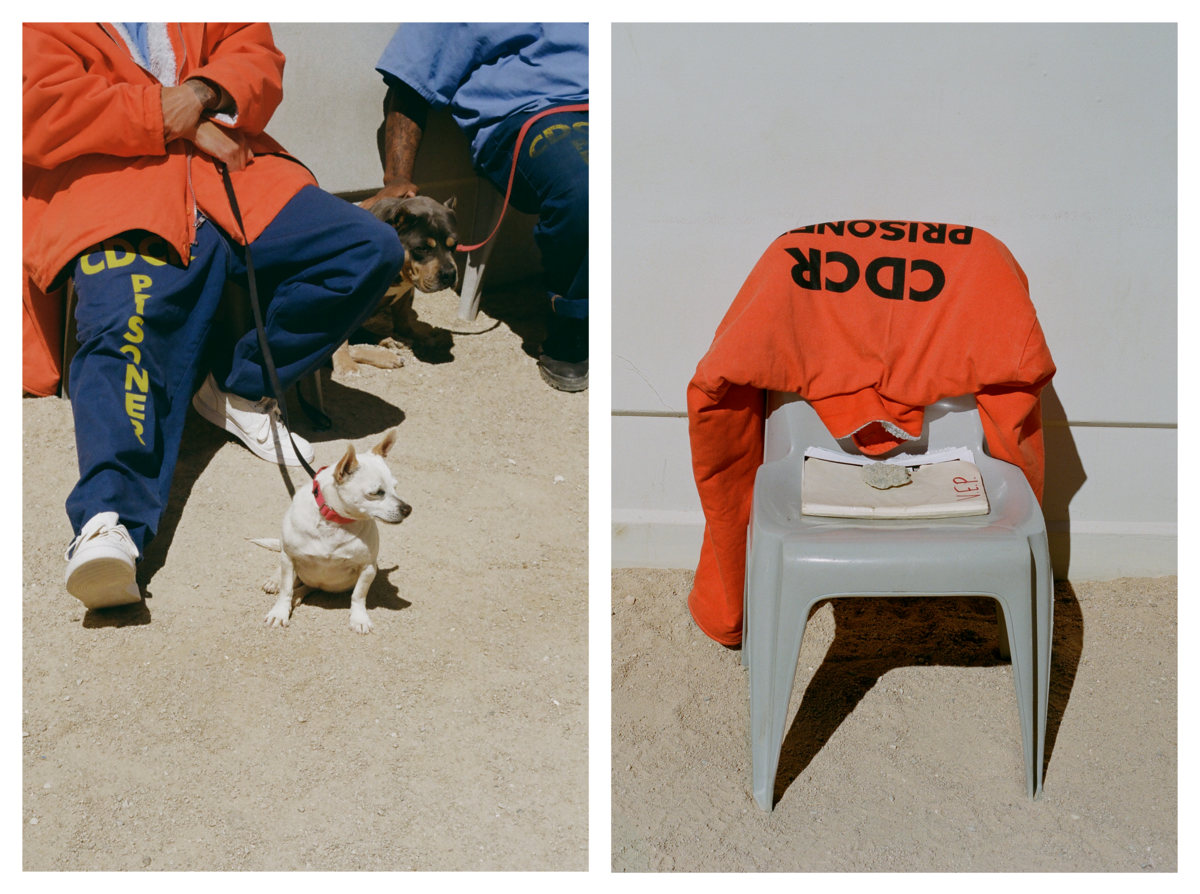
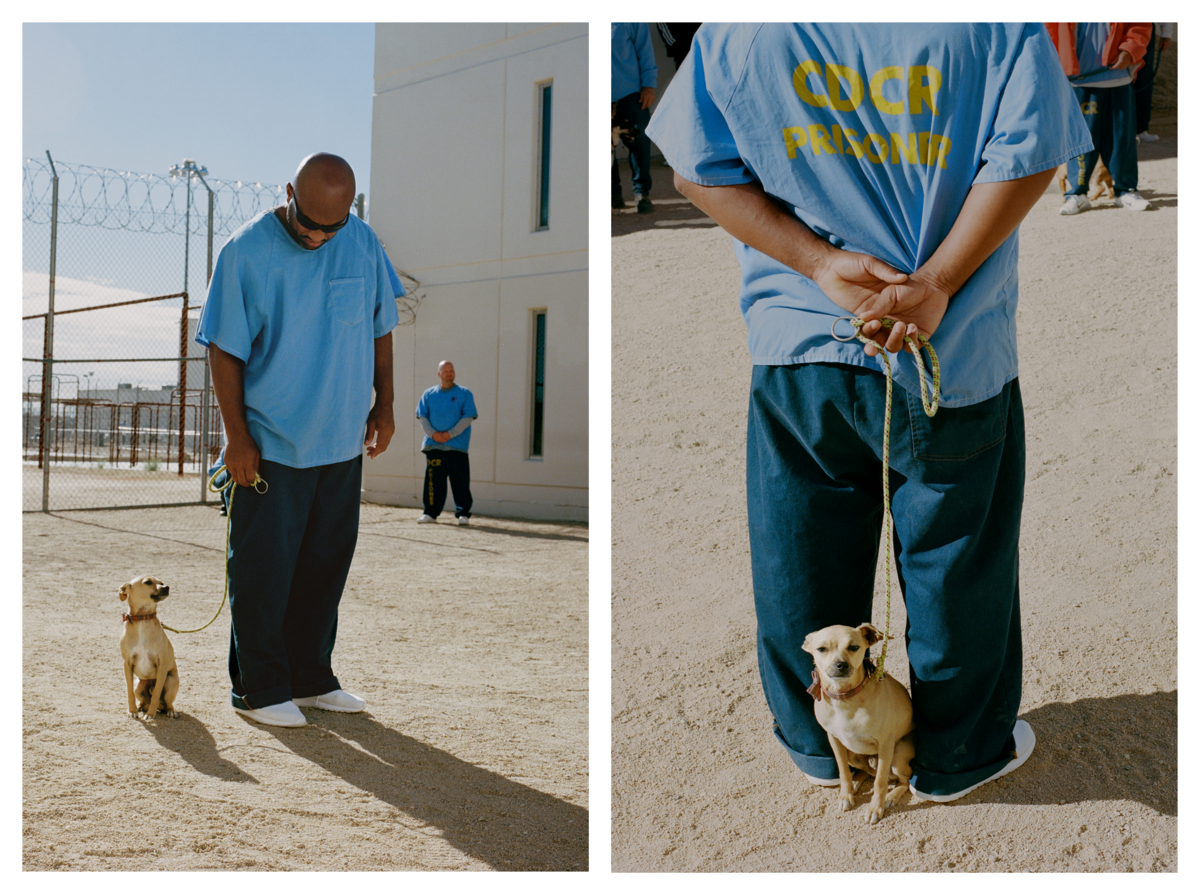
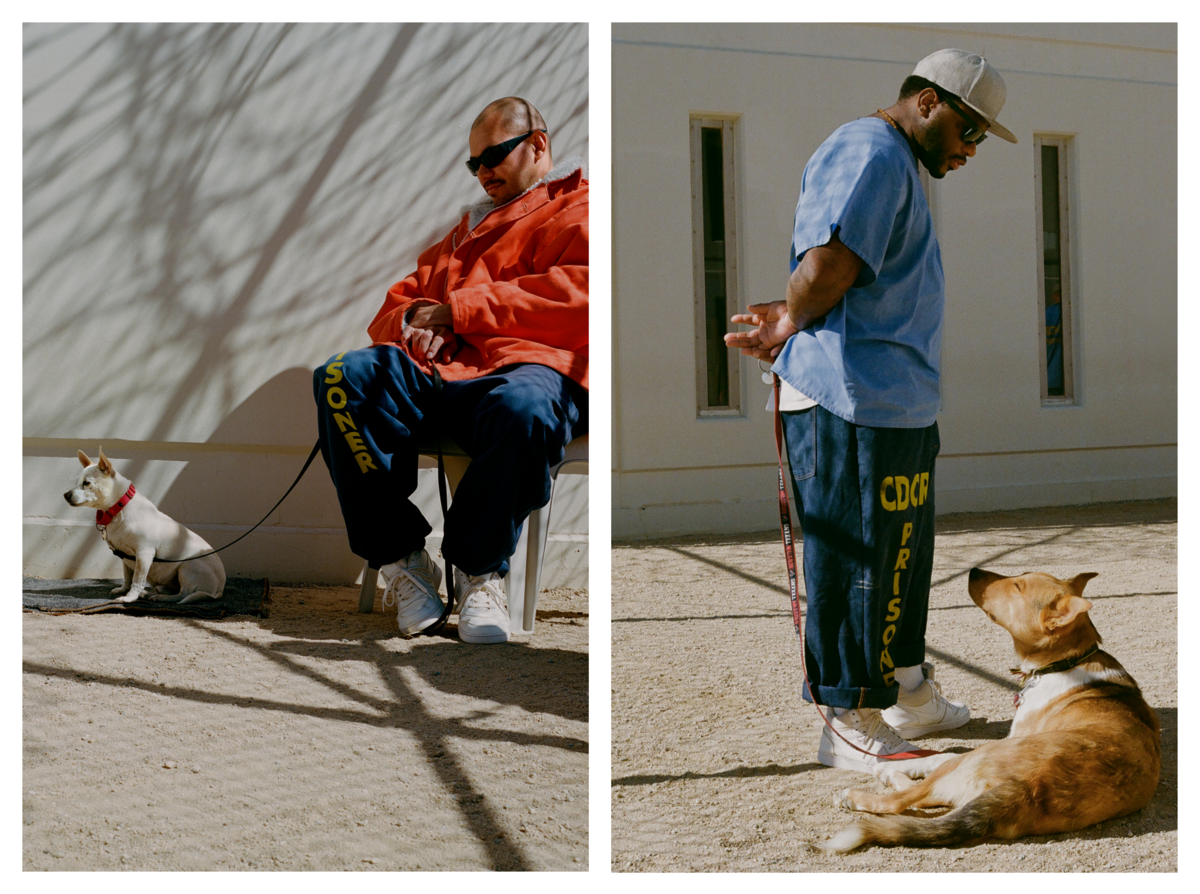
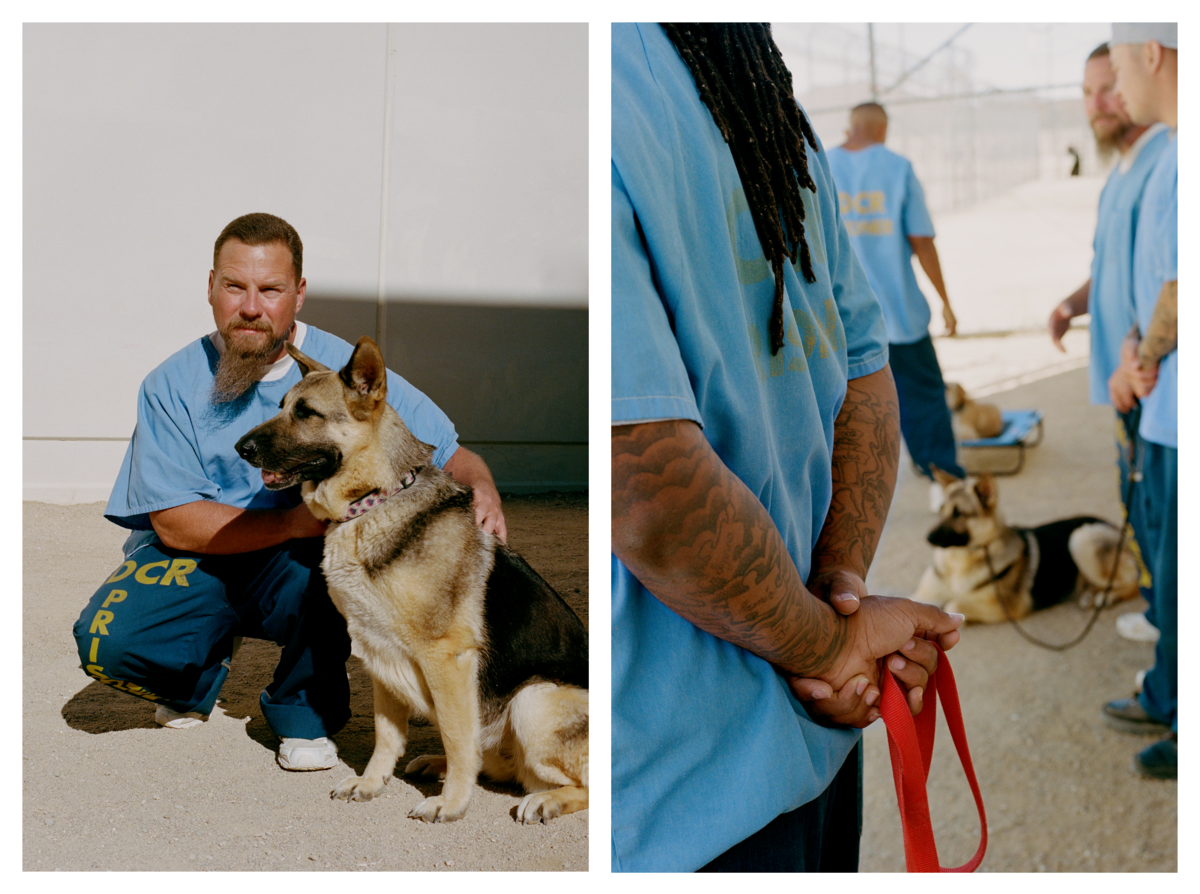
A non-profit organization that rescues, rehabilitates, trains, and re-homes death row dogs from Kern Country's high-kill animal shelters, Marley's Mutts taps into the power of that very bond, utilizing it as a force for positive change and transformation in the lives of individuals undergoing rehabilitation. Since 2009, Skow has worked tirelessly to implement the Pawsitive Change Program throughout the California prison system, pairing shelter dogs with inmates to help these individuals develop skills that can't be taught in a classroom or learned from a book--we're talking major characteristics like compassion, respect, empathy, the list goes on. But the true beauty of this organization lies in its ability to function in two ways, fostering meaningful relationships that help to heal the wounds of two distinctive yet equally-marginalized groups. Marley's Mutts serves as a profound reminder that everyone deserves a second chance. Read our interview with Skow below.


Can you walk me through the inspiration behind Marley's Mutts and how it all got started?
Zach Skow Marley's Mutts was created when I went into liver failure at the beginning of 2008 brought on by years of alcohol and drug abuse. I spent six weeks in the hospital, and when I got admitted to the comprehensive transplant program at Cedars Sinai they basically sent me home with instructions that I needed six months sobriety in order to be transplant eligible. The only thing I was focused on was getting a liver transplant. When I went home I needed to find a way to survive and at the time I had less than 90 days to live without a transplant. Physically I was as sick as you could be, and I had also never been without alcohol or drugs so I was emotionally and spiritually dog shit; my entire life was upside down. I had no direction, no hope, I was mortally ill. When I finally got home I went through withdrawal from the stuff I'd gotten addicted to in the hospital and I was really focused on suicide. My biggest challenge was not taking my own life while I pursued that six months of sobriety. It all kinda came to head one particular evening when I went to the bathroom on myself. You take a lot of weird medicine when your liver is failing, and one makes you lose your bowels. I got up to try and clean myself off in the middle of the night and I walked by the mirror in my bathroom at my dads house. I caught a glimpse of myself and just stood there looking in the mirror, naked. I was shockingly ill with this gigantic 9-months pregnant ascites belly and I was all purple and bruised and I just looked super old, just dead, like a ghost. I started to weep. It's a really terrifying situation to feel like you're going to die and there's absolutely nothing you can do about it. I was at an ultimate low--the lowest low I've ever been--and I looked down at my dogs and they were all looking at me, wagging their tails, delighted like I was the sexiest man alive. It was a real pivotal moment for me because they still saw who I was.
They still recognized the potential within me, they saw my soul and what was still in there even when I wasn't even sure if it still was. I felt so beaten down by life and I was so bad at being myself that I just didn't know if I was worth keeping around, you know? That next day was a real commitment--I felt like if I couldn't do this for myself, I had to at least do it for my dogs and live up to the person they still saw in me. It redoubled my efforts to discover myself again. So we started walkiing in the mountains everyday multiple times a day. I started watching the sunrise in the morning and I started journaling. Pretty quickly, within a few days, I started thinking to myself I'm going to get back into rescue. I had been working with the Humane Society for the previous 4 years, and I decided to reach out and see what I could do in the dog world to keep me occupied. They were happy to have me, and I started adding dogs to my pack very quickly. I threw myself into getting creative around the dogs, writing their adoption posters, taking pictures, exercising them, and walking in the mountains. Before I didn't have a purpose , no drive, no joy--these dogs became my entire focus. Helping to rehabilitate them while I rehabilitated myself. We just kept moving and grooving and people really took to my story. Right around the time I got my six months of sobriety was the time we started Marley's Mutt. Everyone kept motivating me and encouraging me to start a rescue. I had no confidence whatsoever to do so and I didn't think it was possible to turn this into a real tangible movement, but we did. That's when we officially created Marley's Mutts, in May of 2009.


Once the fostering of dogs picked up, how did this then grow into you being inspired to target incarcerated inmates and juvenile girls with the Pawsitive Change program?
It all started with recognizing the development and rehabilitation my dogs were able to prompt within me, it made me think about how we could utilize the human-canine bond for good. In 2011 my mom ended up in a homeless center so we started doing programs at the mission. Our first program started with 12 step programs for homeless woman and men in recovery. Pawsitive Change developed when a guy named Robbie had just gotten out of prison after serving 13 years for a variety of violent offenses. His mom had contacted me sayng she was interested in adopting Shadow, a pitbull I was fostering who had suffered a gunshot wound, for her son. Robbie came out to visit and he was like a feral human, you could tell he had been in prison for 13 years--he didn't make eye contact, he didn't know how to converse. He was super bashful and meek, so his mom was hoping that the dog would bring him out of his shell and be that source of love that he needed and had been deprived of for so many years.
Really what it did for Robbie was fundamentally change his life, it just turned him into a totally different person. He started volunteering with us, speaking about his experience to various audiences, he became very outgoing and started to develop relationships. Honestly without that dog, I don't know where Robbie would be right now. He got a job at Free to Live Animal Sanctuary in Oklahoma and went on to become the director of the organization. We then hired him to work at our ranch. So the initial impetus behind the Pawsitive Change program was watching what the dogs did for Robbie when he got out of the prison. Then we tried for about 4 years to create a program at various prisons but we hit barriers everywhere we went. They didn't want programs because they didn't need programs and they certainly didn't have the money to fund it so they only way it would've been possible is if we paid for all of it, and we weren't able to do that either. We didn't have the money or the infrastructure to support that kind of commitment. Finally California City Correctional Facility reached out to us and said they were interested in a prison program and asked if we could pitch what we were working on. This opportunity got the ball rolling and enabled us to launch our pilot program.
Having had the opportunity to go visit the Cali City program and see for myself how incredibly unique and special it is, what were some of the challenges in getting the program started once you received approval?
The primary challenges were fitting into the daily operational procedures. Every door opening, every door closing, every inmate being accounted for--everything is timed out from rise and shine at 6 AM. The way it's all done is extremely structured and strict, so trying to implement such a comprehensive and immersive dog program in the middle of that while correctional officers are trying to keep track of men who live within such extreme parameters was incredibly difficult. It was mainly a challenge from the standpoint of a prison union because they viewed having a dog program in the pod or on the yard as more work for the correctional officers without proper compensation, which they believed could lead to a union hold out or strike. It was a pain in the ass getting the union to give us the wiggle room to fit the program in.
How quickly after getting the program started in Cali City were you able to implement the program in the other prisons?
Less than a year after we implemented Cali City we were awarded with an innovative program grant that allowed us to expand to Wasco and North Kern. We've since added a second program at North Kern and a program at Corcoran.
I know you touch on the impact Shadow had on Robbie he served 13 years, but is there a specific connection or inspiration behind wanting to help incarcerated inmates and young woman?
100%. I feel like I was always categorized as a throw-away human being. I very much felt like someone who had just been discarded and lost faith. Little did the world know I had a big upside and a lot of potential that had gotten lost in my addiction and alcoholism. The success that I've enjoyed due to my relationship with dogs has lead me to believe that the human-canine bond can truly help these guys to see their own potential, to break down the barriers that exist in prisons, and to help them cultivate who they are as individuals.


As many as three out of four people remain unemployed a year after being released. How to do you think the program has impacted inmates or helped with the adjustment of returning back to everyday life?
Recidivism is a gigantic problem in the US prison system, between 8 to 10 violent offenders end up back in prison within 3 years. So not only are they not employed, they're back in prison at a cost of $50,000 to $100,000 a year per inmate. We're paying more than I make in a year just to incarcerate a single human being in the state of California, which is astounding to think about. Conversely, there is a couple things that are important: theres about 2.5 million incarcerated Americans, and up until recently we euthanized 2.5 million animals a year so it only makes sense to have those two figures work to cancel one another out. We can do that because the pet services industry is an $80 billion dollar a year industry. To give you some perspective, the music industry is $43 billion a year, so it's almost double the size. The pet industry is in critical need of trainers well-versed in dog physiology that understand canine handling, reactivity, and behavioral modification. and that's exactly what thes guys are getting in prison. By the time they graduate one round of the program, they've racked up hundreds of hours of dog training experience, as well as weekly hands-on experience every with some of the best trainers in America.
I see you keep in touch with the parolees that have graduated from your program. Has the program inspired or motivated some of them to pursue careers in the dog industry once out?
Yes, 9 of the 17 men who have been released are now professionals within the pet industry.
In what ways would you like to see the program grow? What can people looking to help out contribute?
Because so many animals are still being euthanized every year, my vision is to implement this program into every facility. What this program does for safety on the yard, for inmate-and-correctional-officer interaction, for the families who are able to see their guys on social media, how the program brings down drug dealing and drug usage--there are simply just too many benefits to mention. The program can and should be in every prison, if not on every yard. Most prisons have several yards. There's certainly enough animals to do so, and it would radically reduce costs at a state level in terms of programming for inmates, animal control, and getting these guys on the pipeline for employment. Our biggest objective is to create a training program and facility at our ranch so we can host people who are interested in rescue and give them the tools needed to start their own programs.
You see tough situations and animals in horrific conditions daily, how do you manage to remain optimistic?
I have the fundamental believe that people are inherently good, I just do. It's just a matter of how do we access it, how do we cultivate the goodness in people. How do ER doctors or EMTs deal with seeing mangled corpses everyday? You just get use to that aspect of it. I'm also just highly aware of our overall purpose, and that purpose is to create change and institute paradigm shifts and in order to this sometimes you gotta obliterate it. I'm certainly trying not to get jaded because getting misanthropic is the last thing that would help me be effective.
What’s next for you and the program?
We're heading to Washington D.C. this week, where we're meeting with a lot of important people to try and make this program a requirement within the prison system. Next up, we're implementing Pawsitive Change within teenage male foster homes, so be on the look out for that.