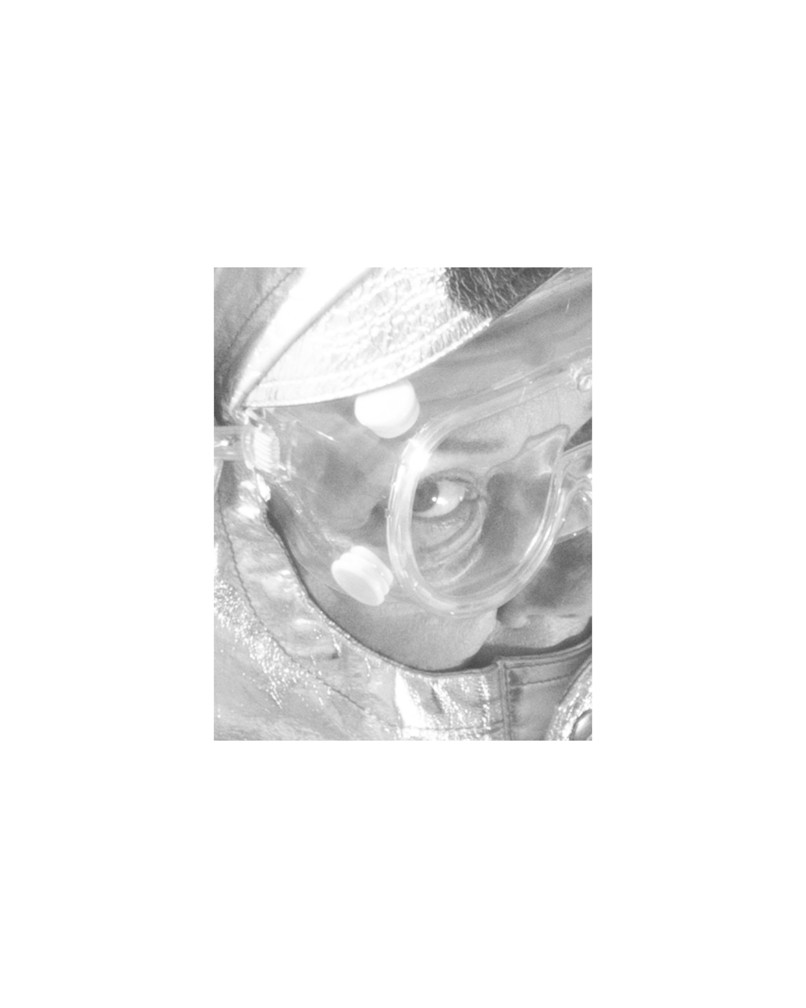
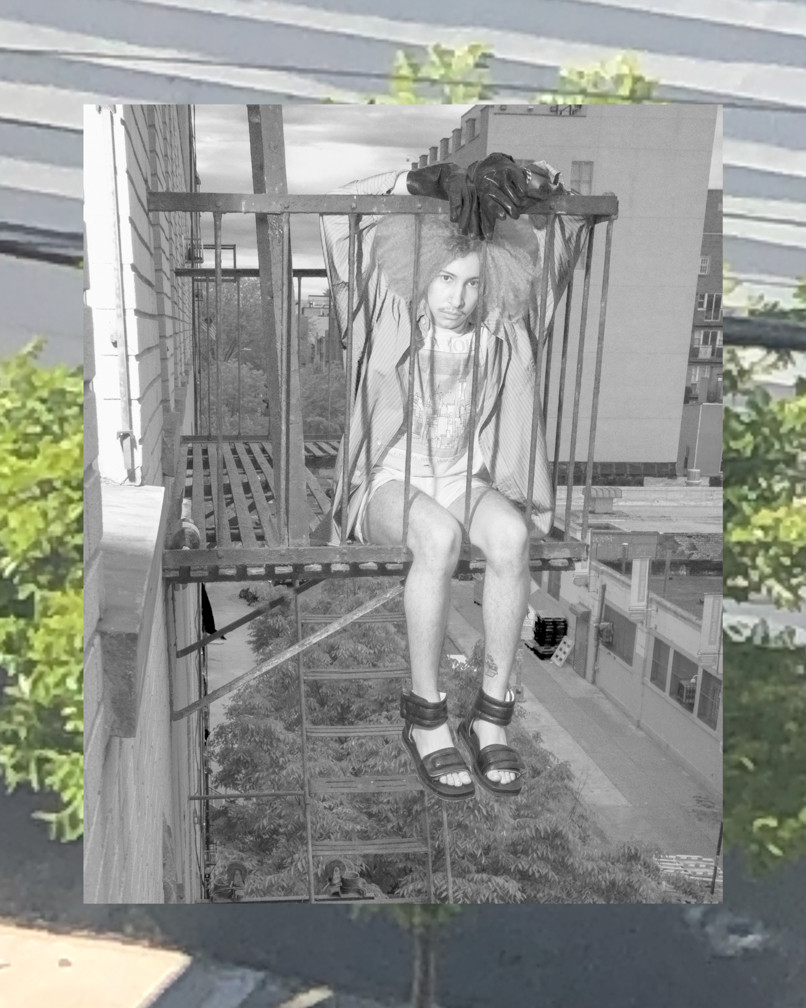
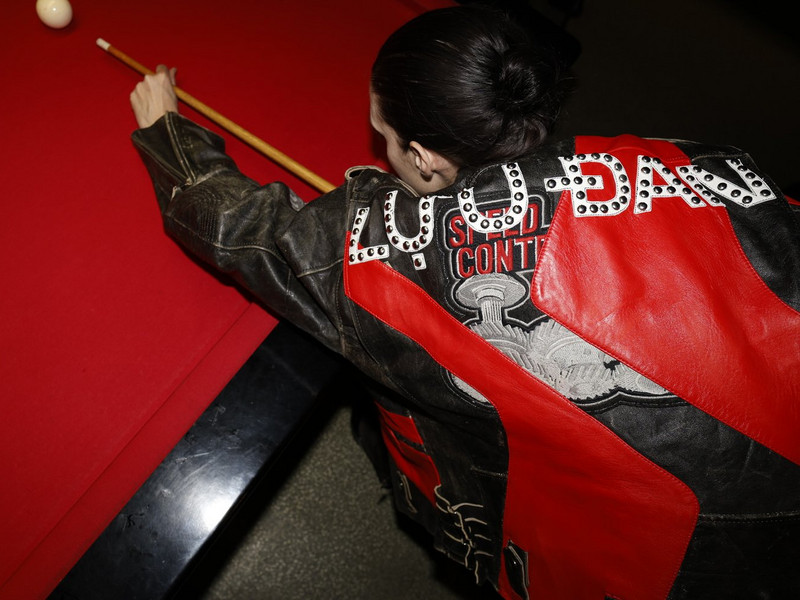
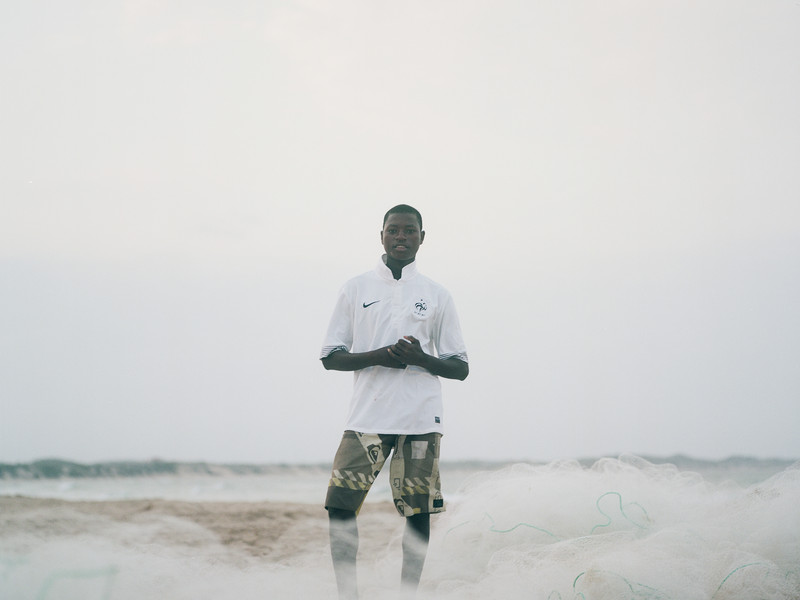
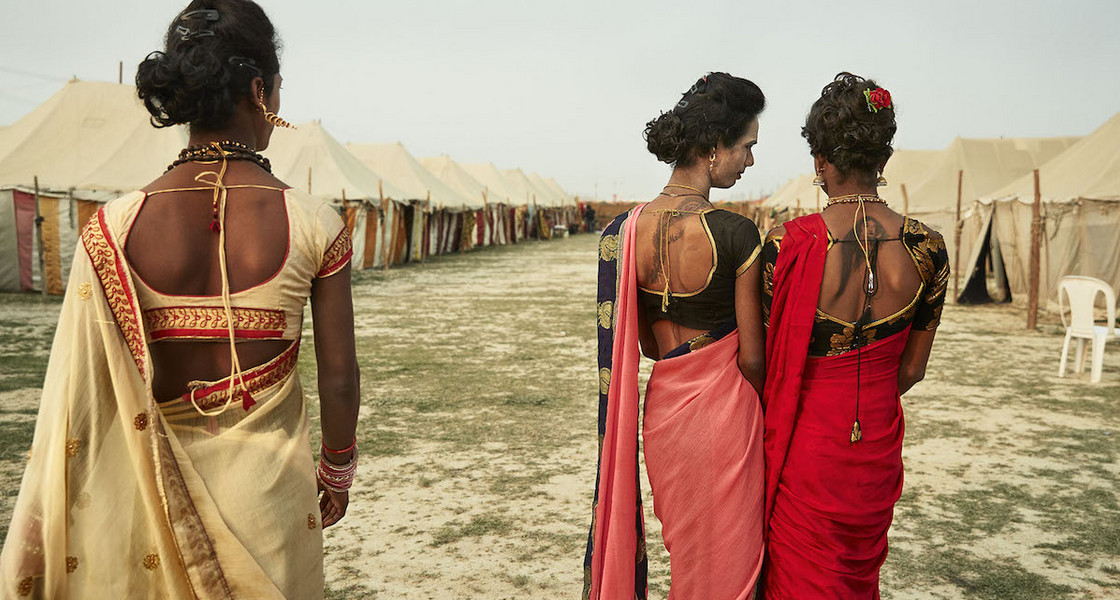
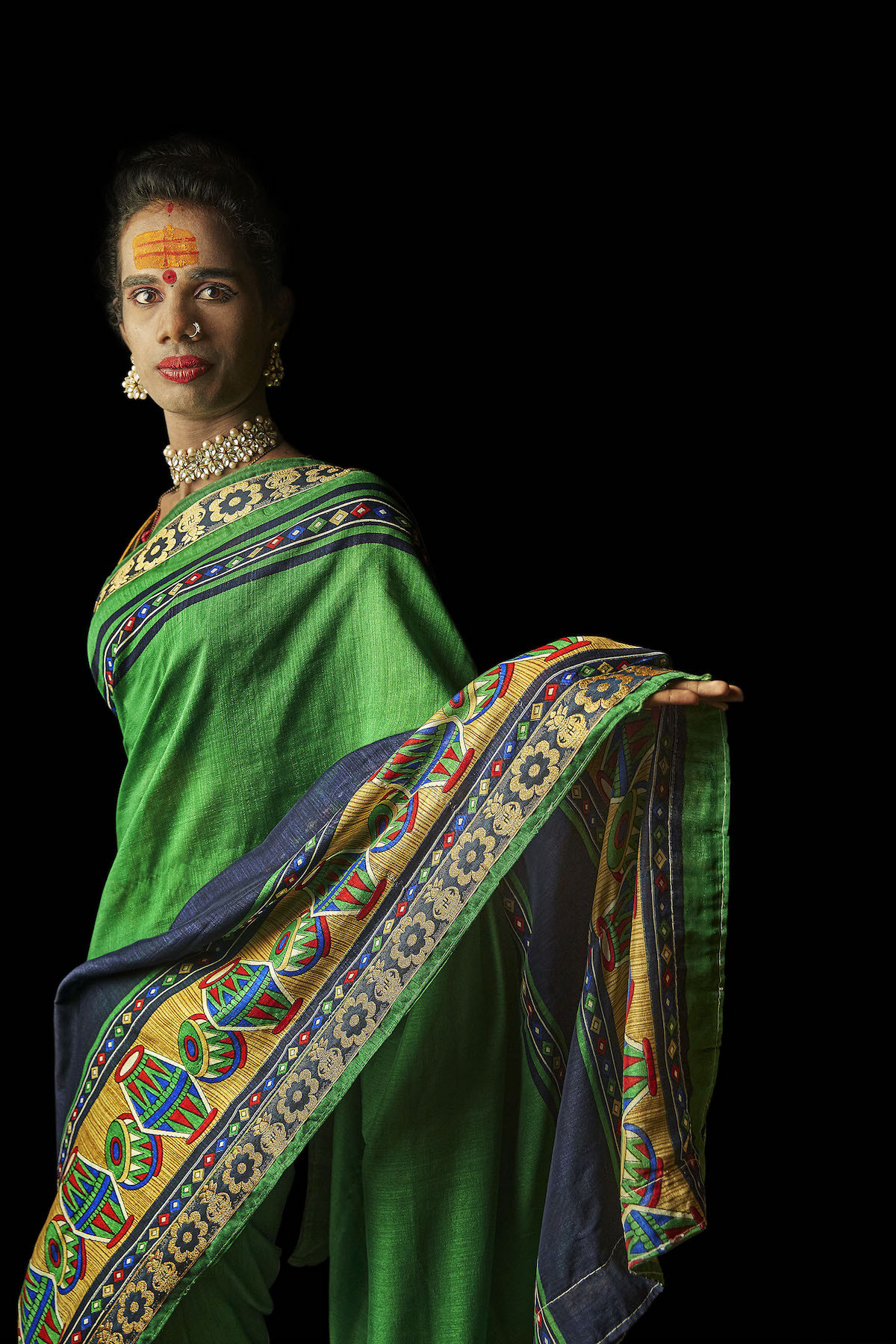
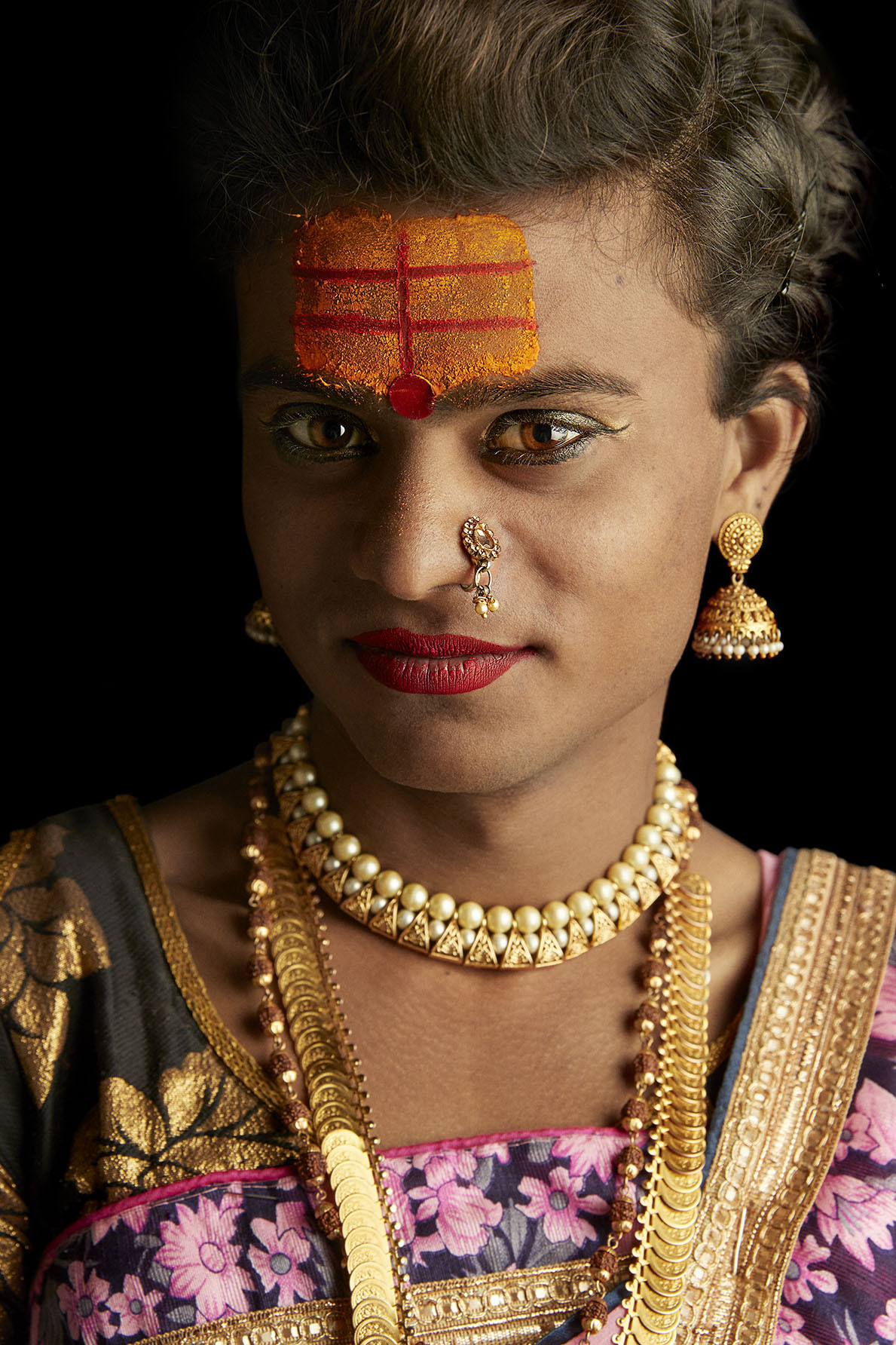
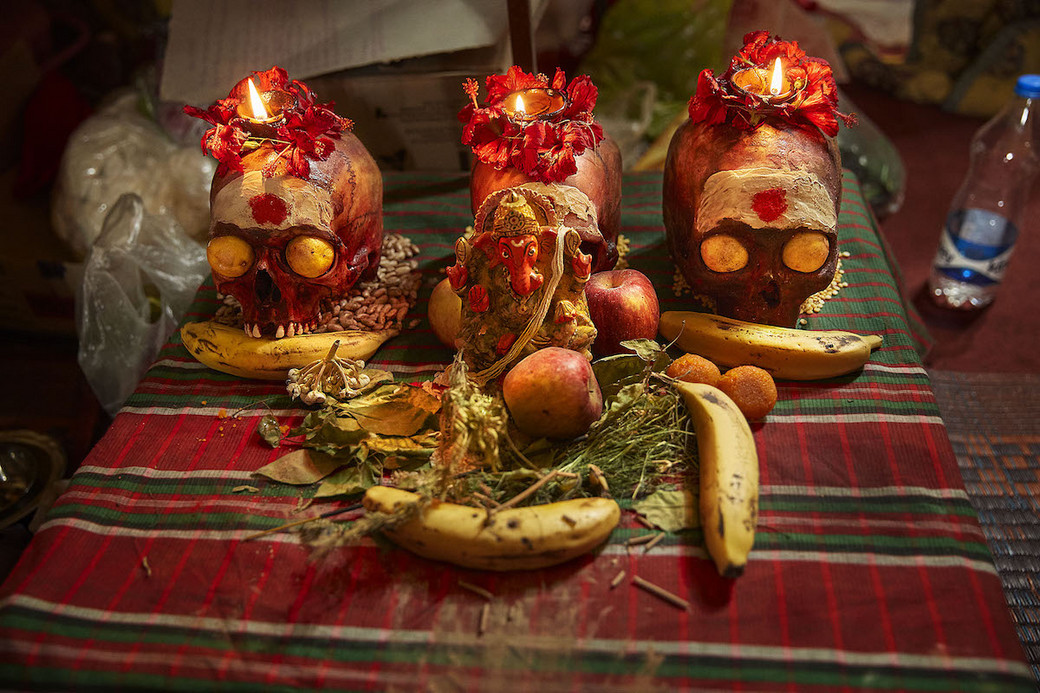
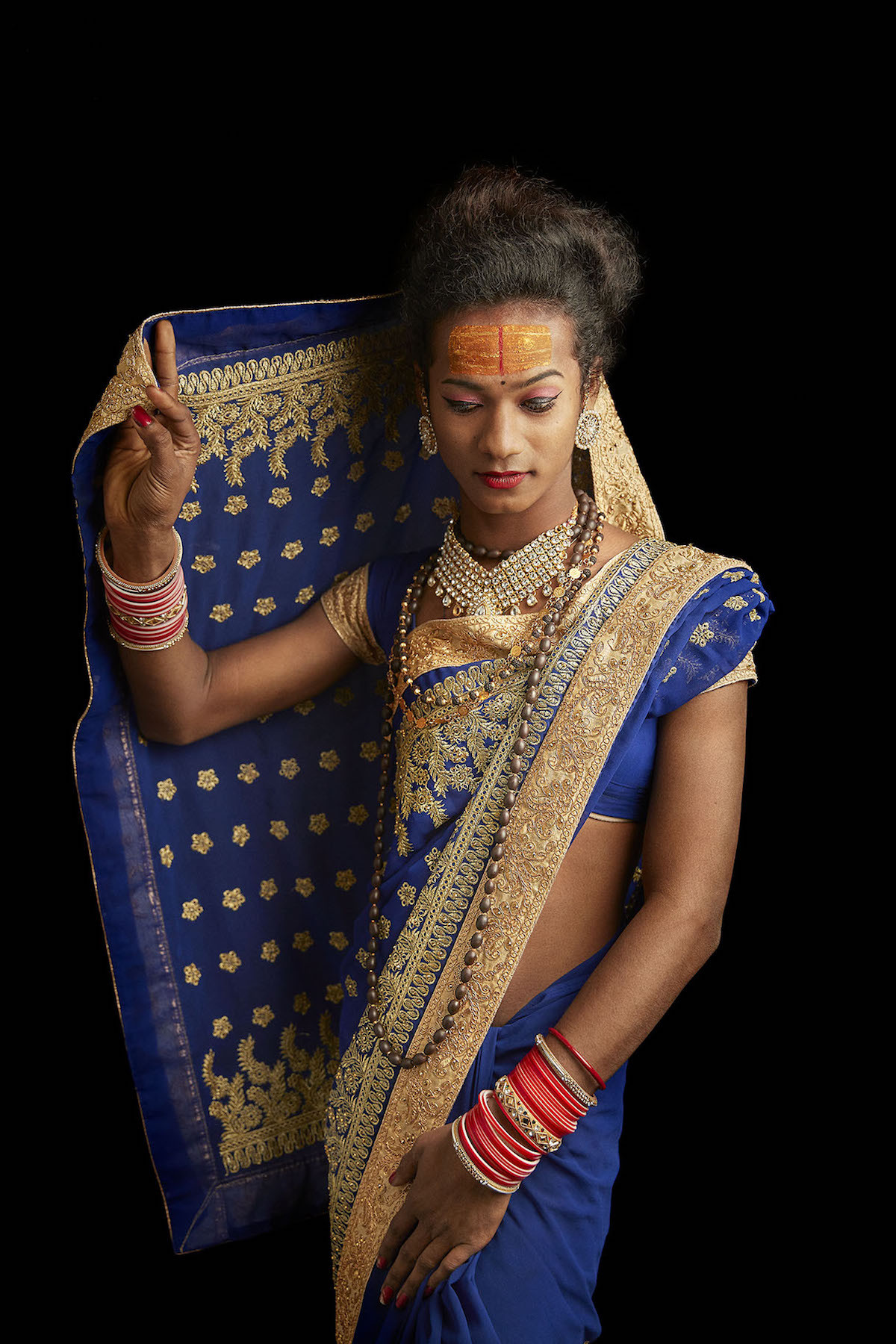
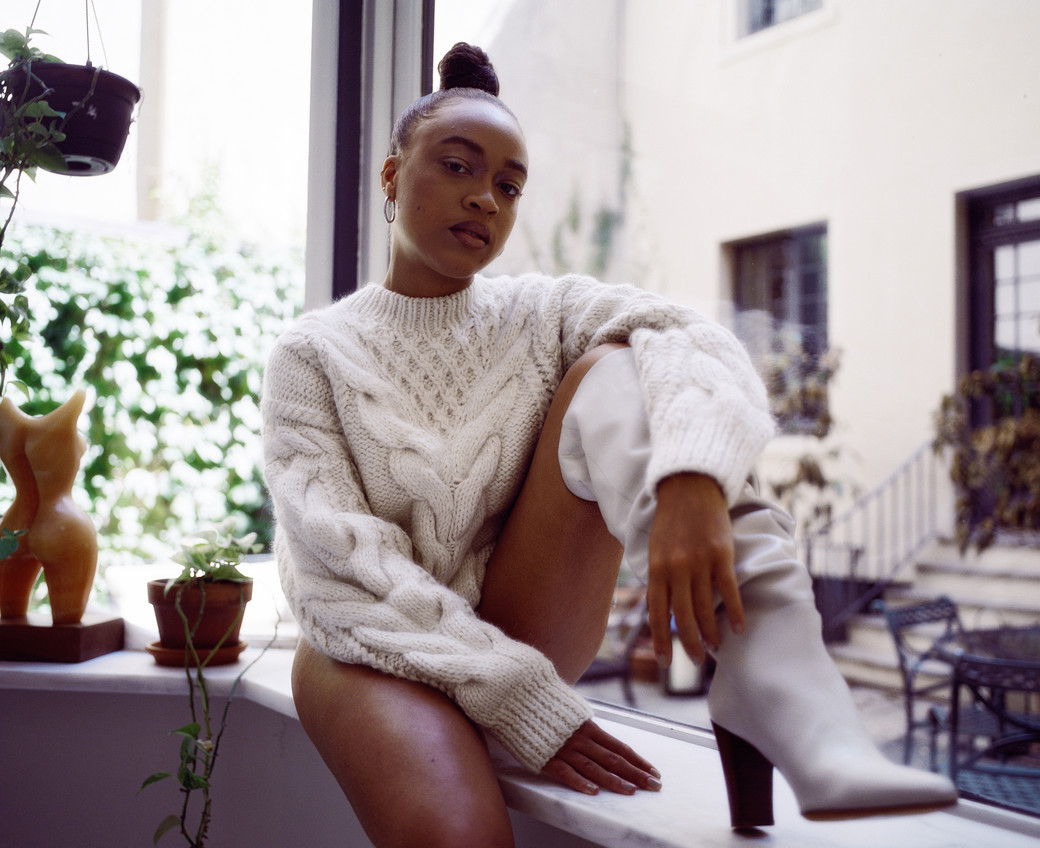
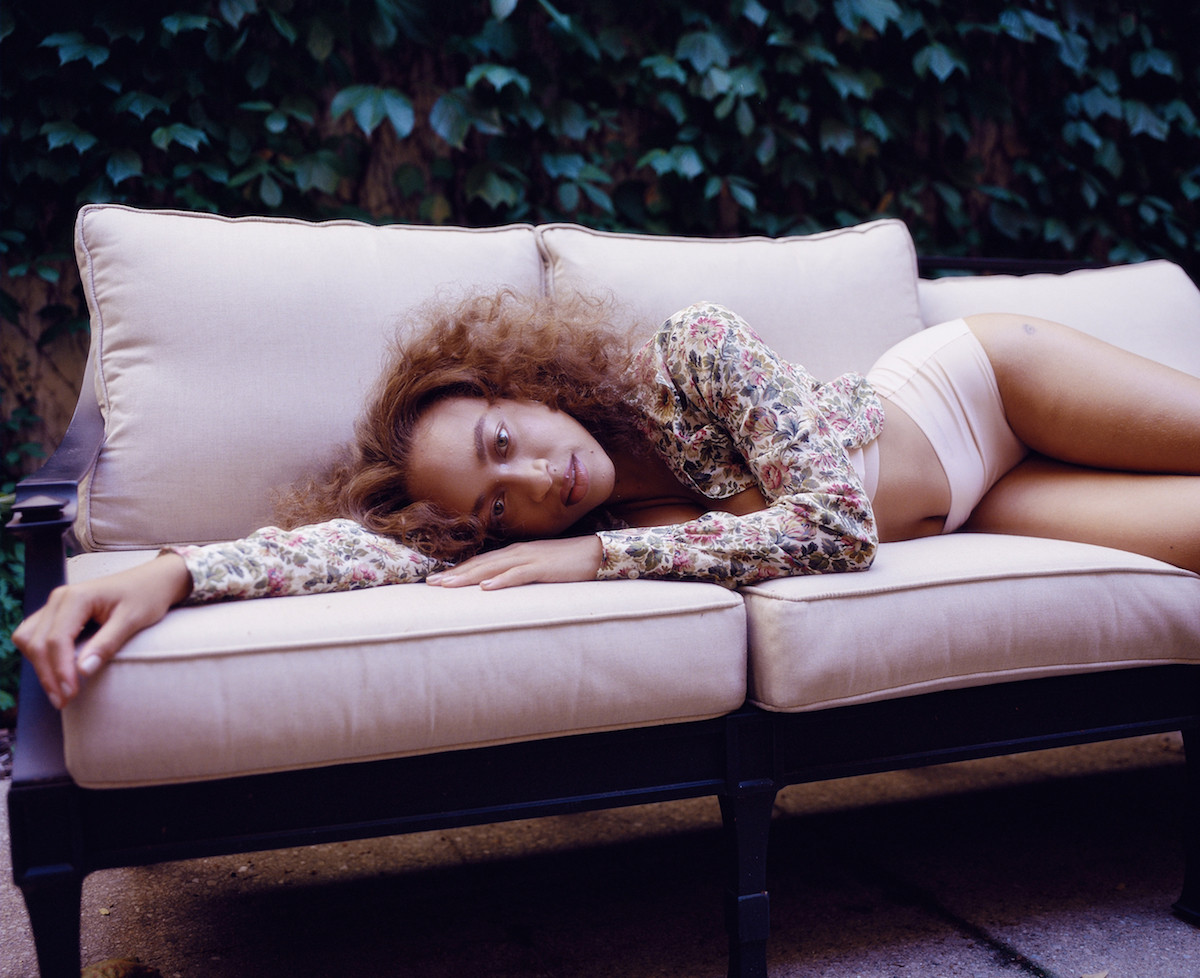
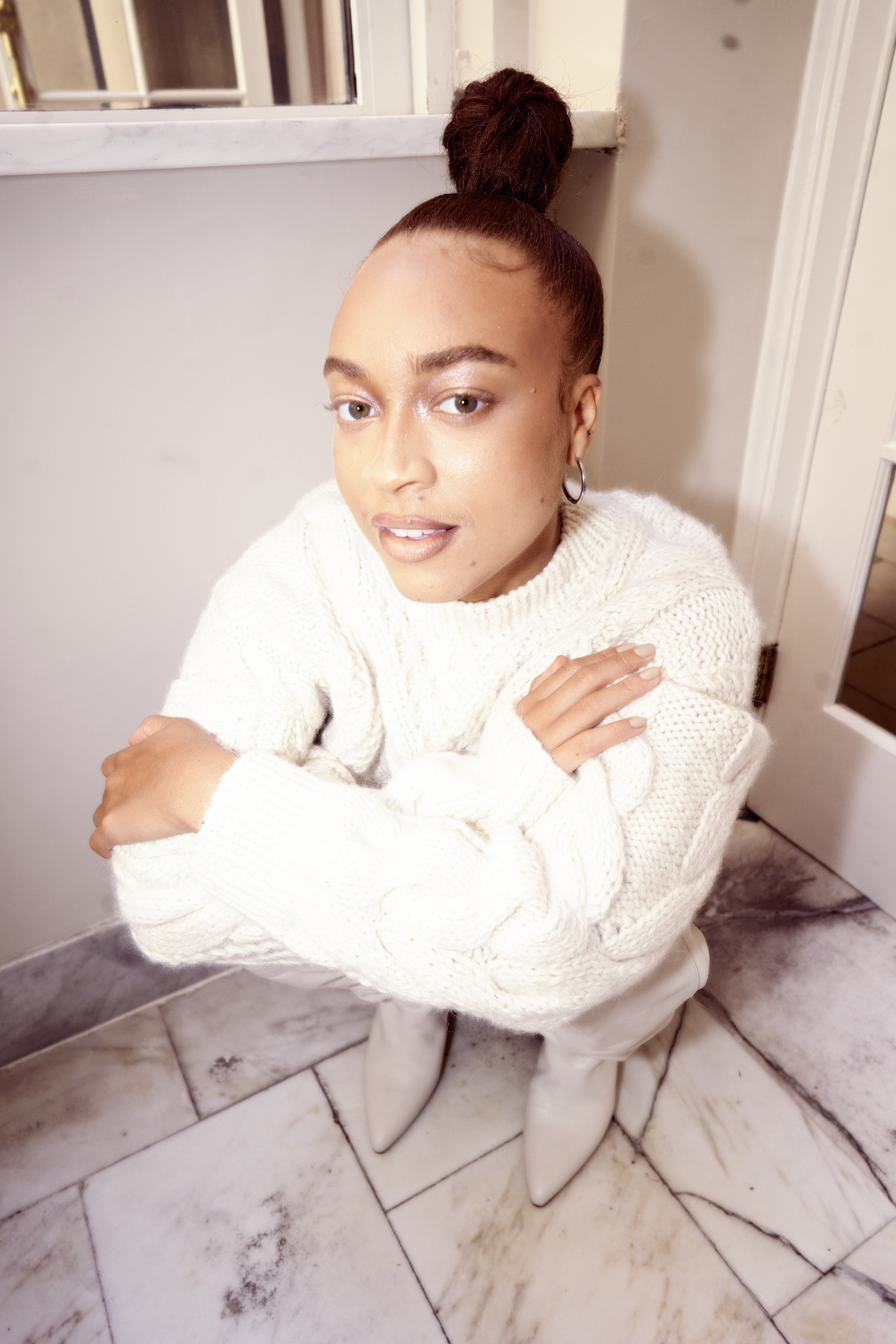
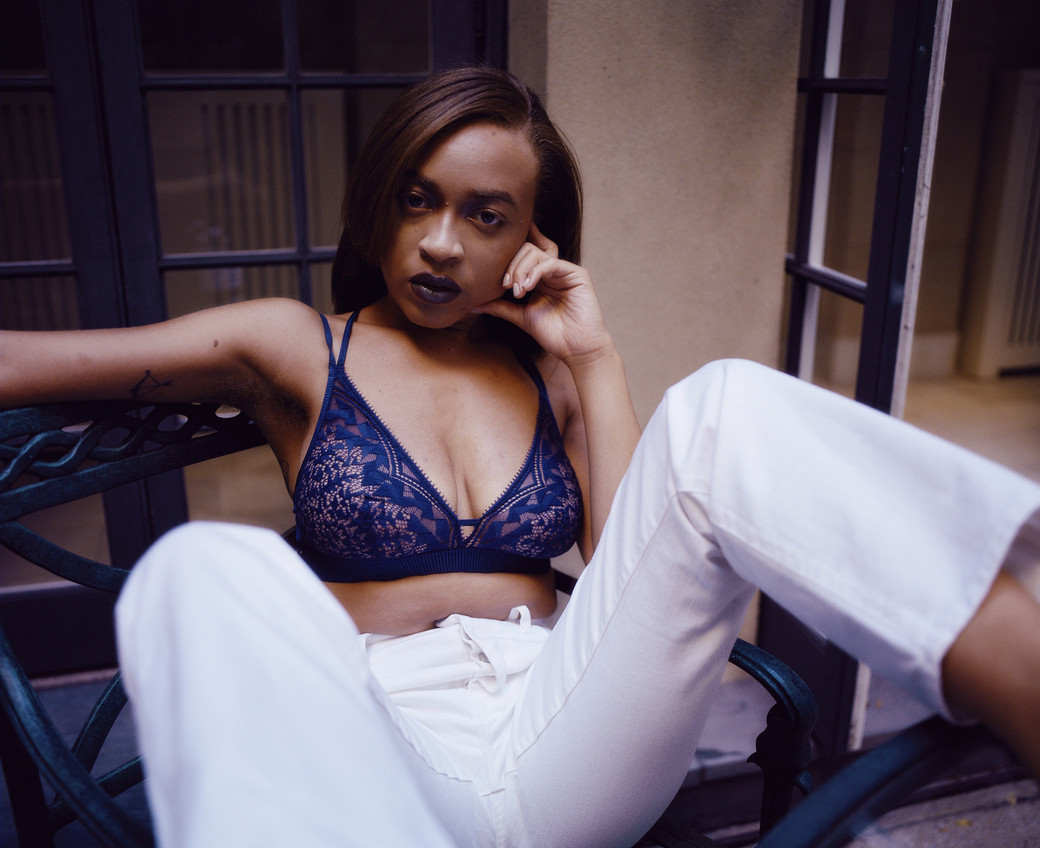
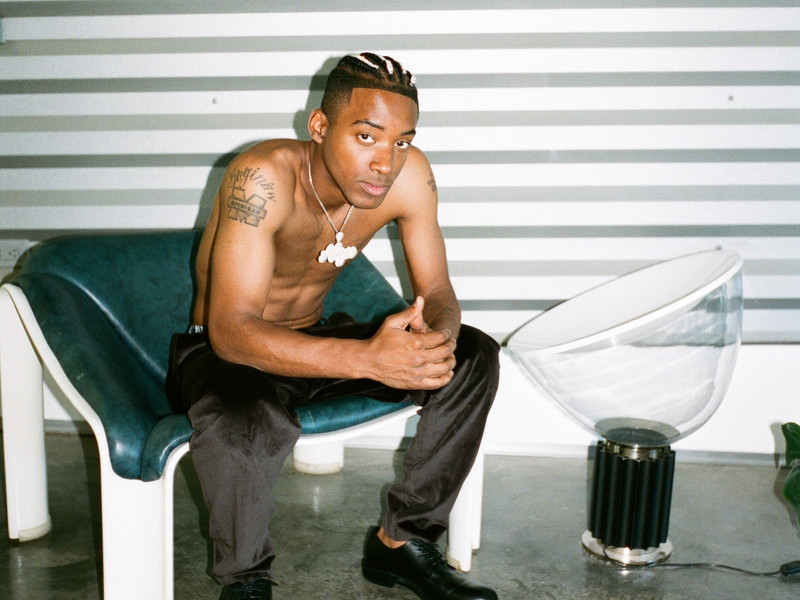
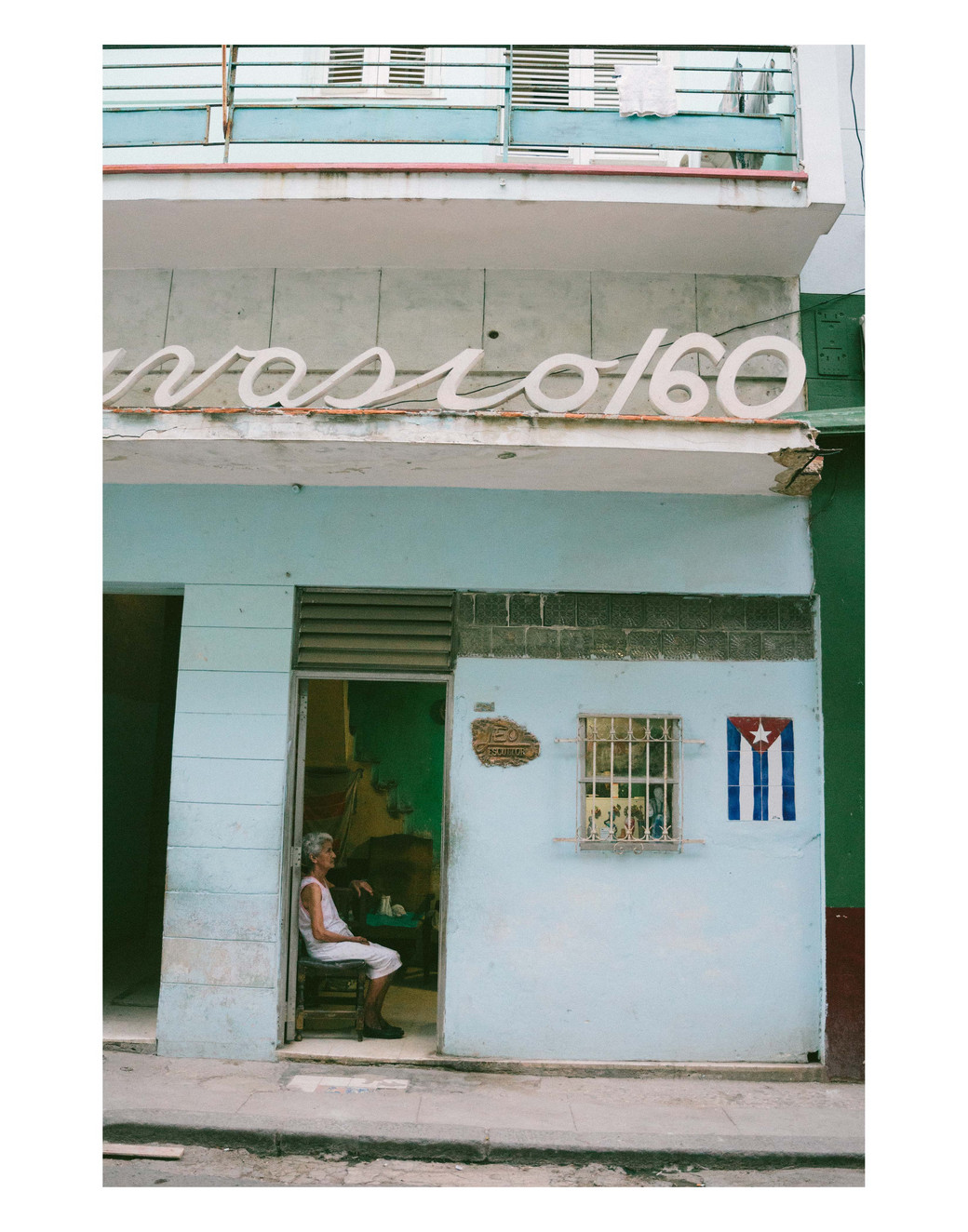
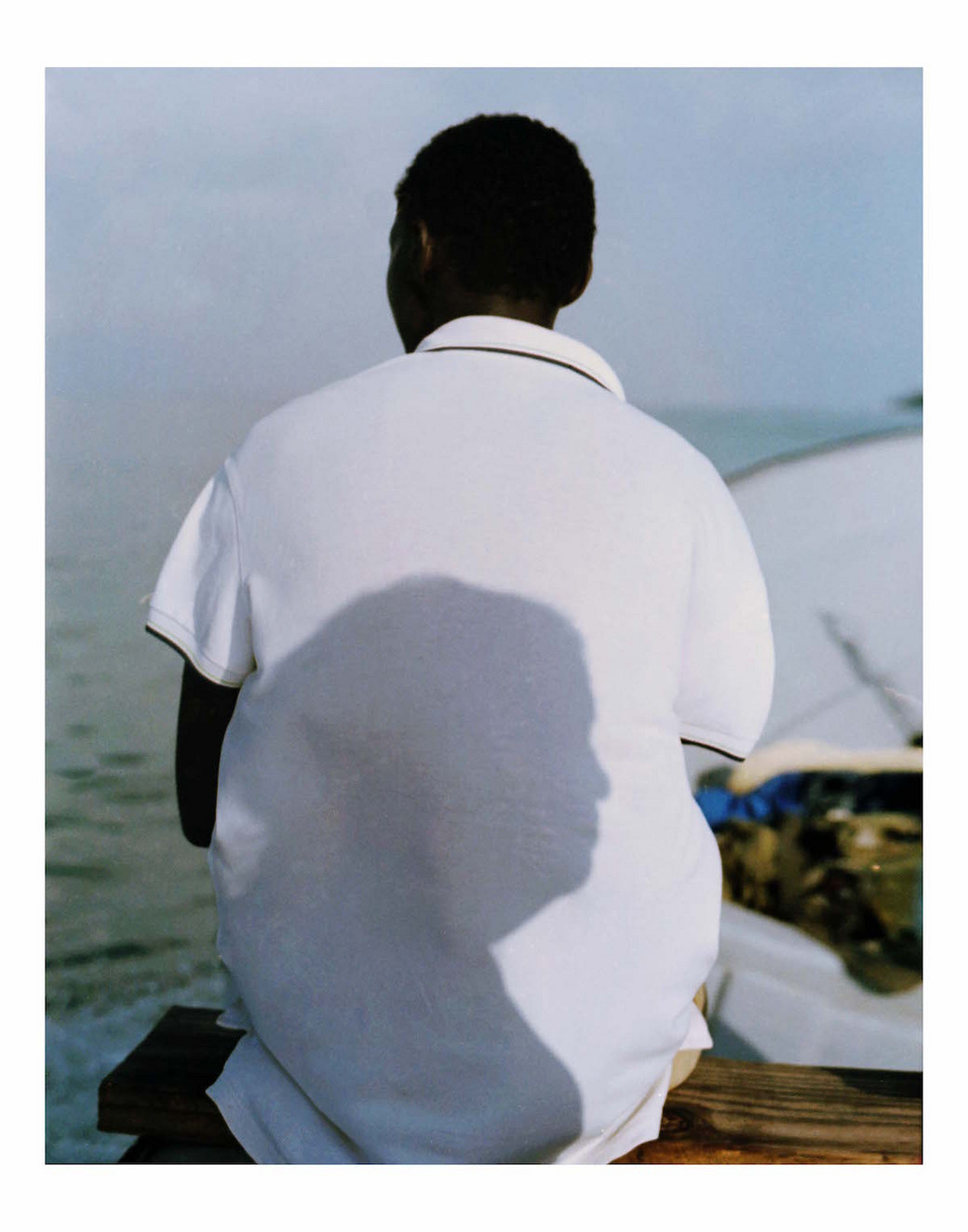
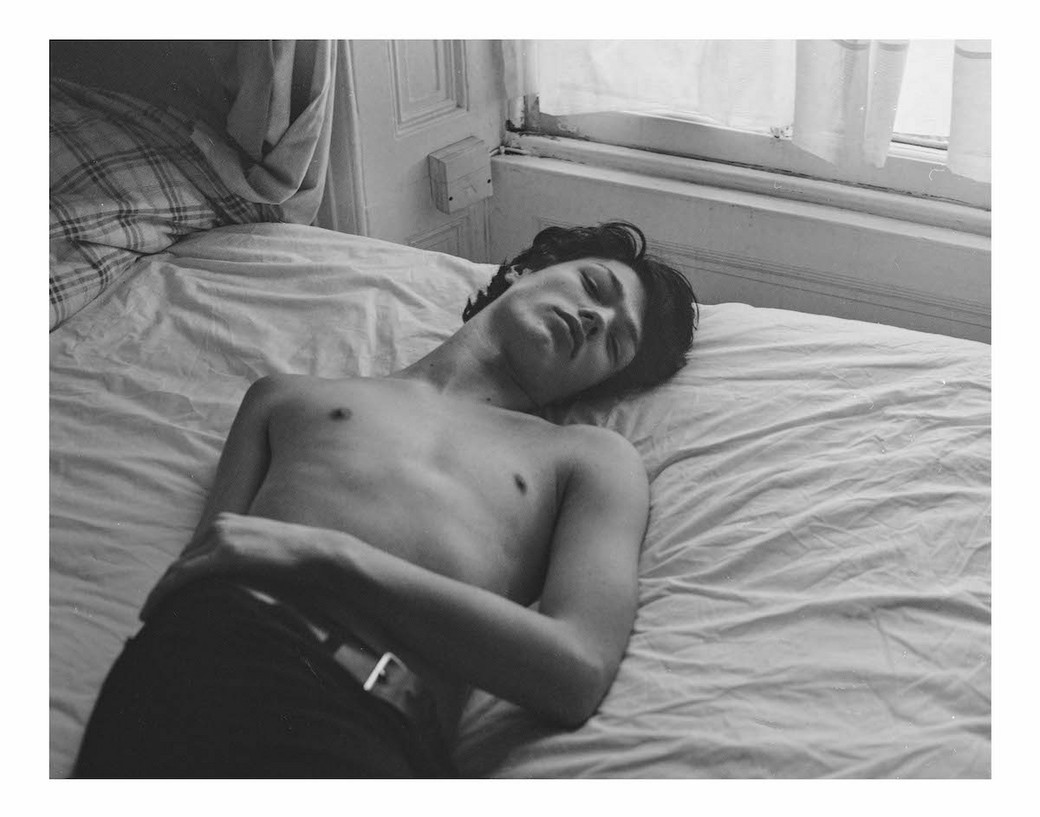
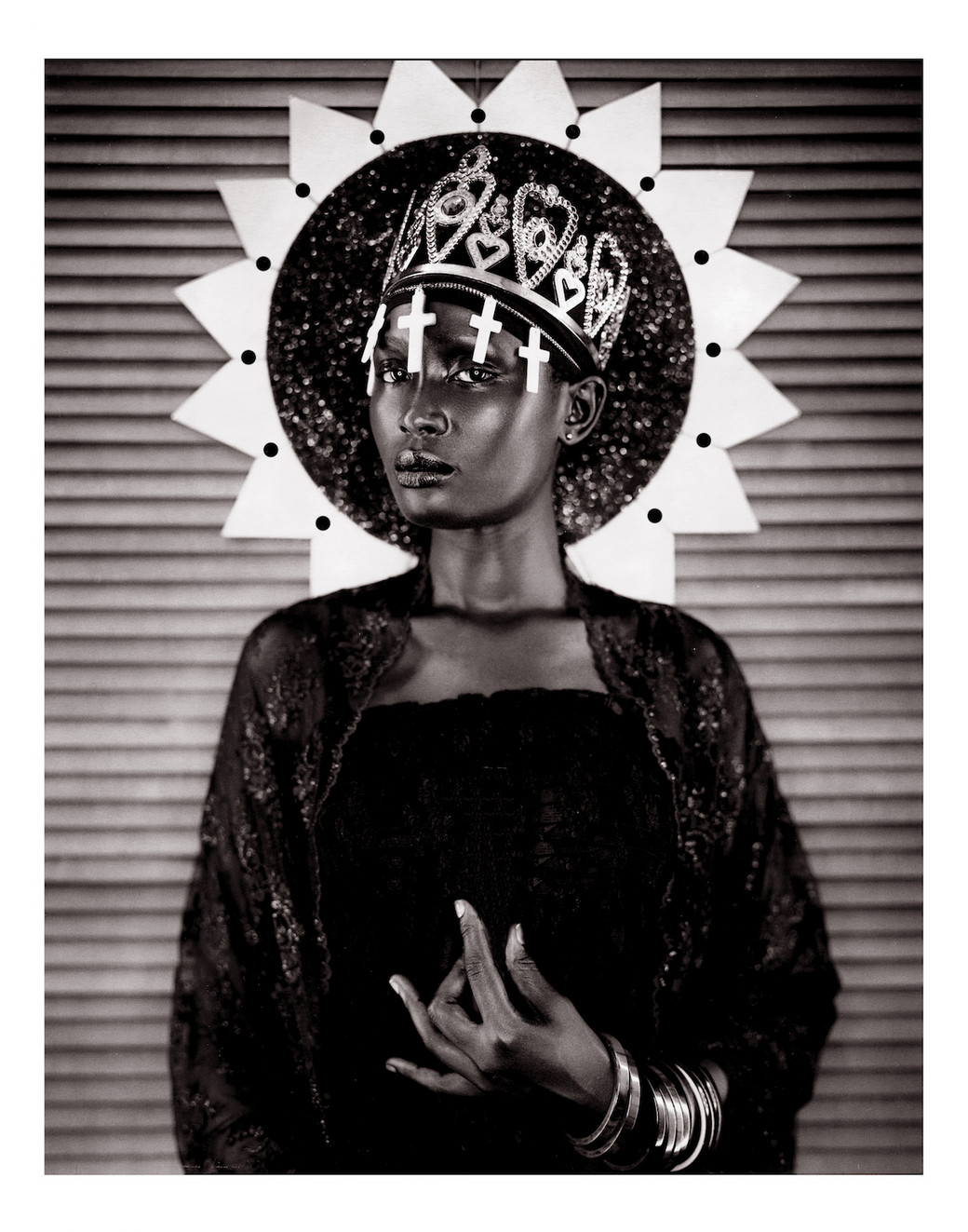
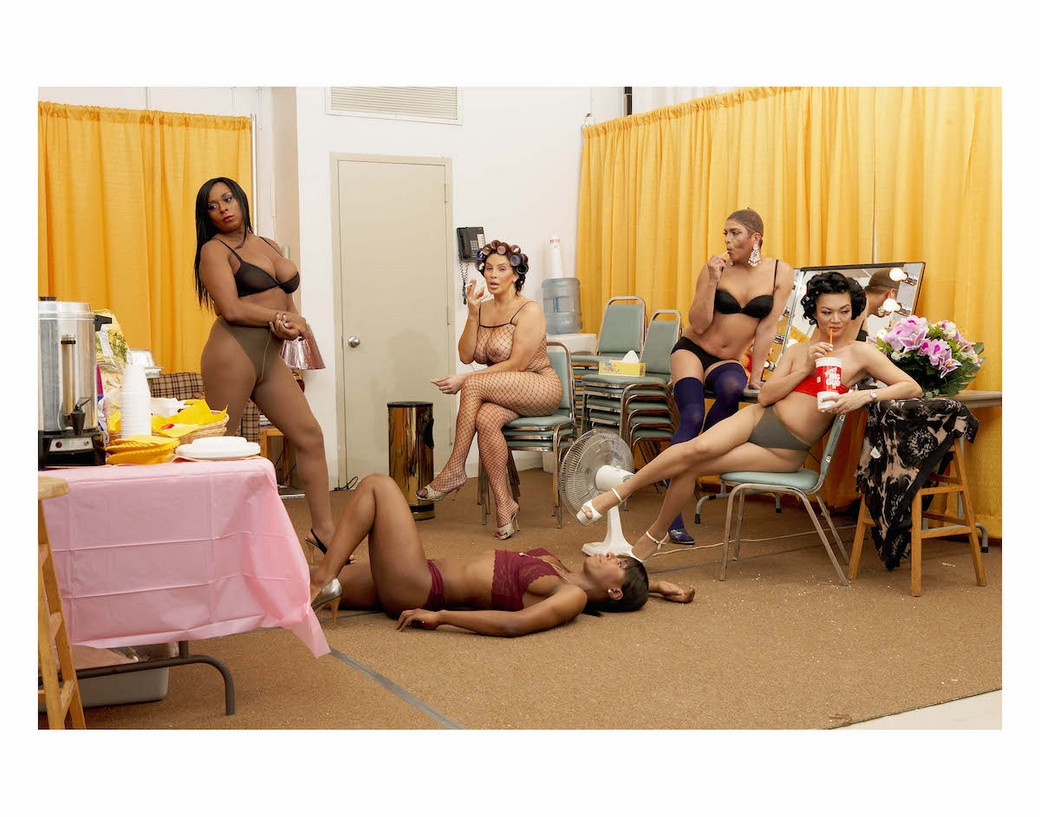
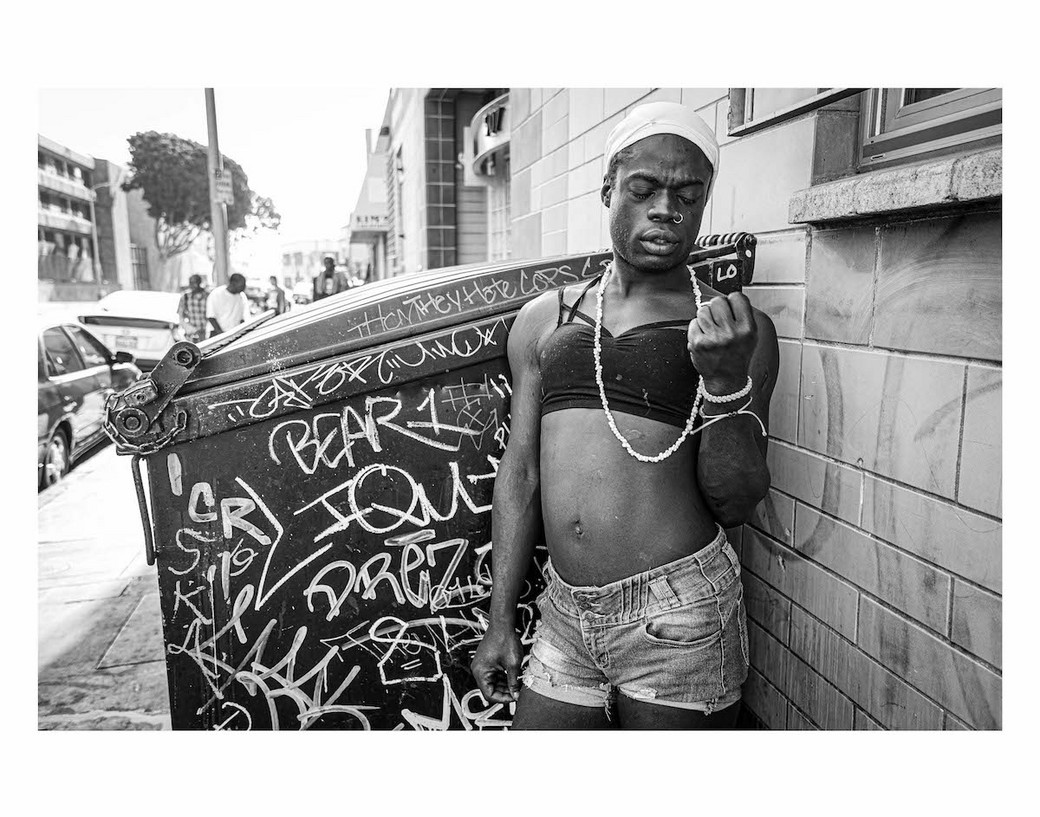
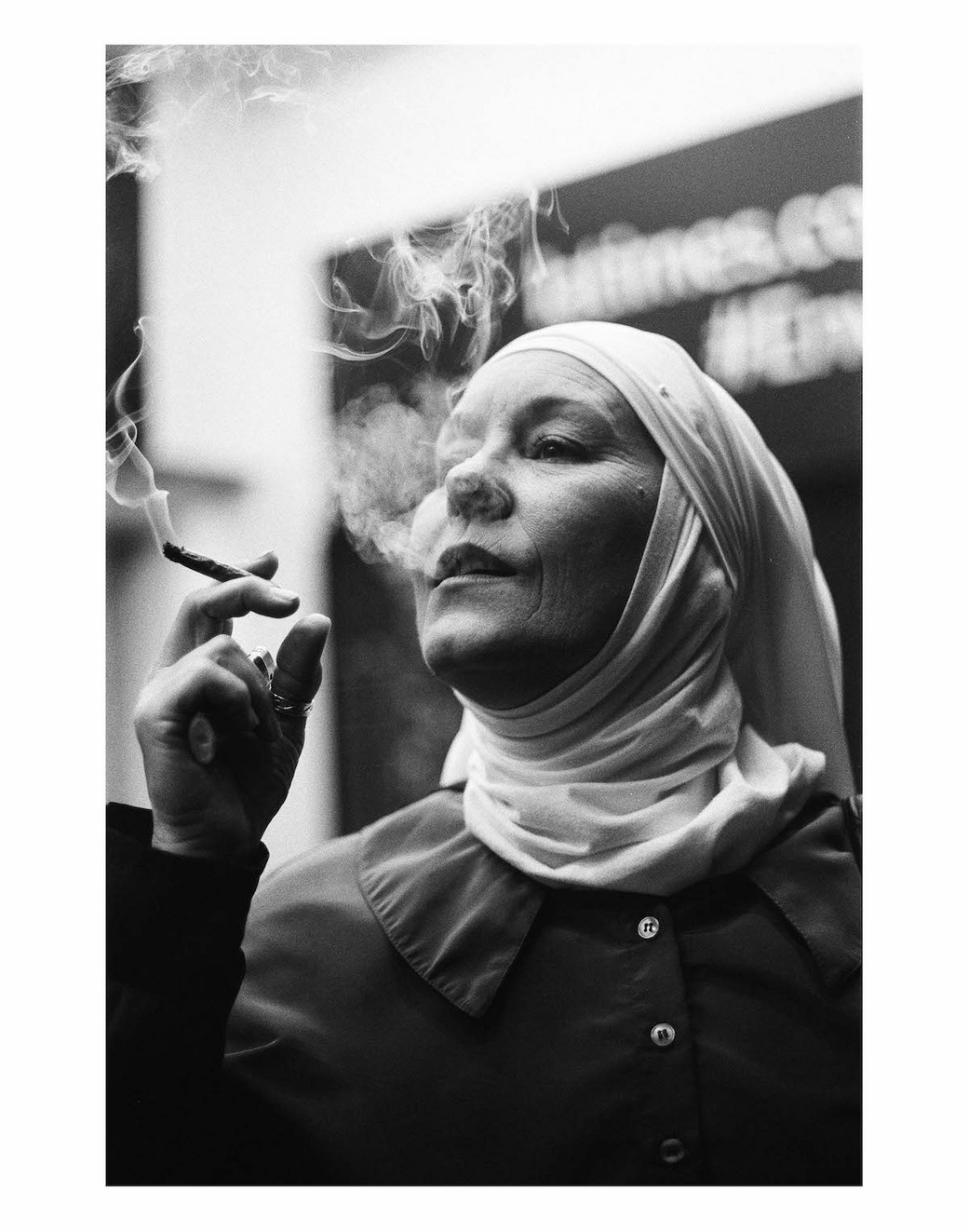
Kinnar Alter, 2020. C-Print Fujicrystal mat. 40 x 60 cm | 15 3⁄4 x 23 5/8 in. Courtesy of the artist and Perrotin.
How do you get your subjects to accept being photographed?
The first thing I hope for, is a kind of flow, a kind of electricity that passes between me and the person. And if that happens, I try to make friends. I always try to take my time, because it ends up making all the difference when you eventually do start shooting. I spent 2 to 3 days with the Kinnar Sadhus without any equipment when we first were getting to know each other.
I can’t take a portrait without having a chat, and having the person understand what the project is about, and where I’m coming from, and what I’m trying to do. Of course I also need to better understand who they are, how they talk and express themselves, how they react to what’s around them. Then I can think about where to place the lens.
Have you stayed in touch with them?
Yes, of course. I’m in touch with about 15 Kinnars Sadhus, but I talk regularly to 3 or 4 of them, that I’m closer to.
In what cities do Kinnars mostly live?
They are spread all over India, randomly, I’d say. They join up for the festival under the same temple, but then they return to different parts of India.
What is the difference for you, between photojournalism, and an artistic project?
I think documentary photography and photojournalism can cross over into art, and the reverse is also true. The video in the show feels more like a documentary piece to me, whereas the photographs reflect a more artistic project and perspective. I wasn’t shooting images for the news. I wanted to show who these people were, something from inside of them. I don’t think you can always allow yourself to do that when you’re trying to report on what is happening for the news. With these portraits, I was actually thinking of my photographs as a kind of version of religious iconographic art, where I try to show these women almost like goddesses – which is how I saw them. So I’m showing a perspective, and for me, something of their inner soul, so that others might feel or connect to what they see there. To me art is one good way to express that, versus photographic reporting, which is more about saying: this happened here at this time, and it’s a fact.
During this unprecedented period where people are protesting for Trans Black Lives Matter, what can New Yorkers learn from the Kinnars?
I hope these portraits and the video, can add another piece to the protests, by showing how another culture is handling this. The Kinnars fought and succeeded in getting a legal status for the third gender in 2014. So on their passports it states that they are third gender individuals, and this makes them eligible for affirmative action types of aid. The Kinnar Sadhus in particular have had to push to get recognition of their religious group, and they spoke to me a lot about wanting equal opportunities to work like everyone else.
So to answer your question, I think the idea here is that trans communities are fighting everywhere for more acceptance and equality, and seeing that, and seeing where they’ve succeeded, and where and how they are still being held down, is important for everyone – whether you feel part of the LGBTQIA+ community, or not. We all need to know more about what is going on outside our own, smaller worlds.