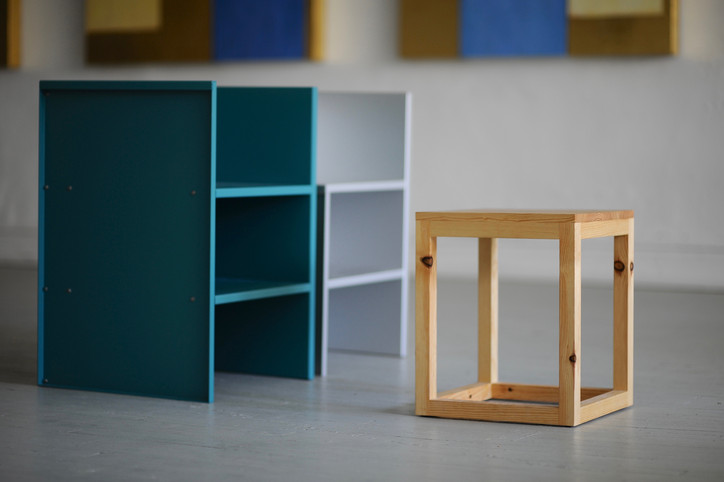
Itʼs been noted that your father began to design furniture out of a want for functional pieces for your home - what do you remember/know of the design process from sketch to finished product?
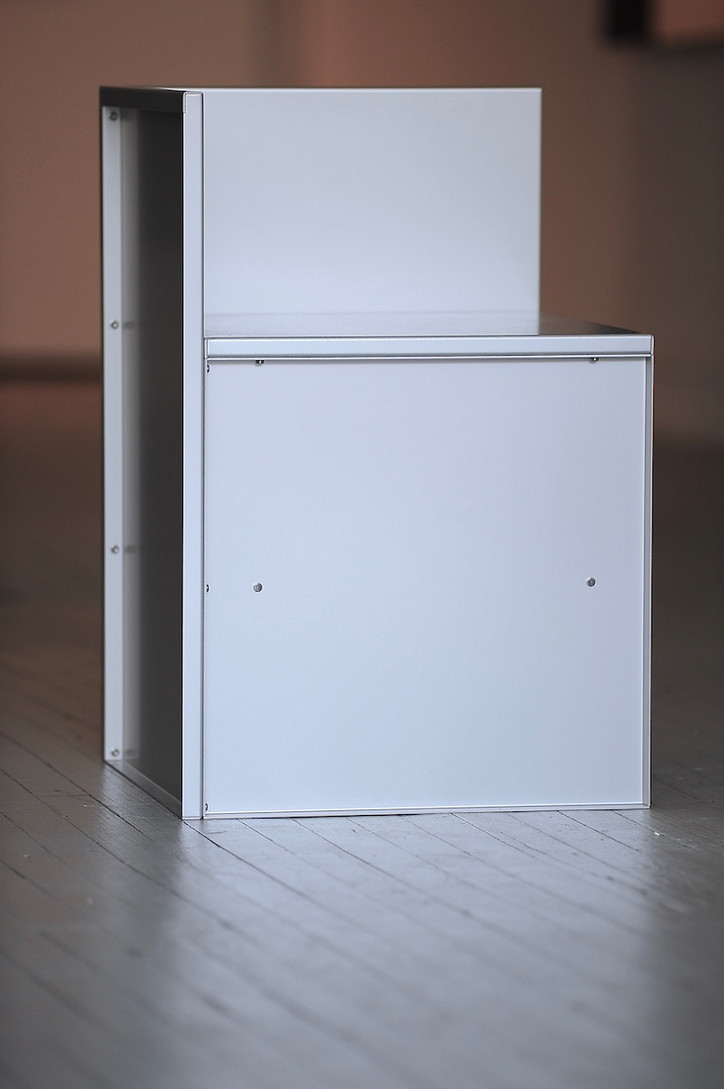
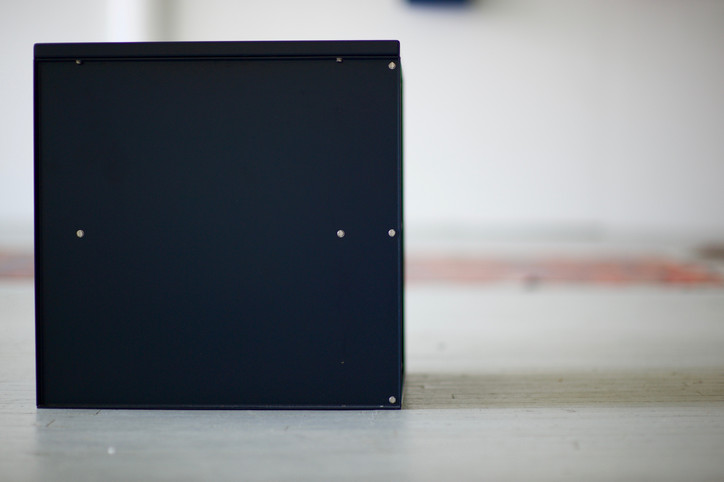
It was really simple because most of it was figured out in his head and then there was usually a quick sketch for a fabricator. When Don started using so-called real carpenters in New York problems started because they wanted to fetishize the joints and the surface and Don had to keep working with them to keep the pieces plain and simple. He didnʼt want fancy joinery, he wanted the parts to cleanly and simply meet.
What was his favorite piece and why?
He didnʼt have a favorite piece and he was never finished designing. He wasnʼt finished designing furniture, buildings or art or anything else.
Was it ever a case of furniture being “precious” and something you and your sister had to be careful around once finished?
That was true but not any more than any other furniture or object. Don treated everything with respect, you didnʼt break the spines of books and you didnʼt fall down into the Breuer chair and you didnʼt do that with Donʼs furniture. He didnʼt treat his furniture any differently from others.
How does your fatherʼs furniture fit into the narrative of the space?
Any narrative within a space is imposed upon it by us and Don didnʼt like narratives.
Tell us what you remember of your father designing furniture - did he sketch? Source inspiration from somewhere?
There are many sketches, some ultimately made and others not. Like the architecture, it is about solving the immediate spatial problems before you. In Donʼs case, he tried to solve these issues in a way that felt right to him, he wanted to find solutions to problems but they had to fit in with what he wanted to look at. His standing writing desk, for instance, doesnʼt look like any prior desk but it also is something that he would have liked to see every day. He only made things he could live with on a daily basis and that was a pretty high standard.