A night in MIDTOWN

Hujar encountered various creatives in his life – Andy Warhol, Susan Sontag, and Nan Goldin to name a few – forming a luscious constellation of close friends and cultivating a genuine reputation. Despite his starry social circles – who frequented not only The Factory, but also Hujar’s cheap loft above the Eden Theatre – the artist never really earned a living. He even washed his laundry in his sink. Described as handsome, flamboyant, promiscuous – not glamorous – he wasn’t particularly interested in what seemed to appeal to his peers. For the majority of his life he declined commercial jobs and hung up on art dealers.
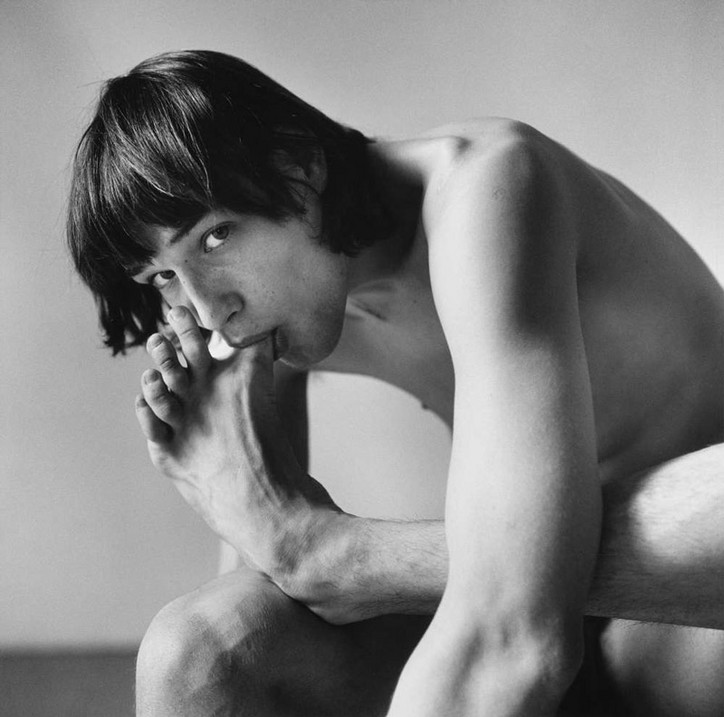
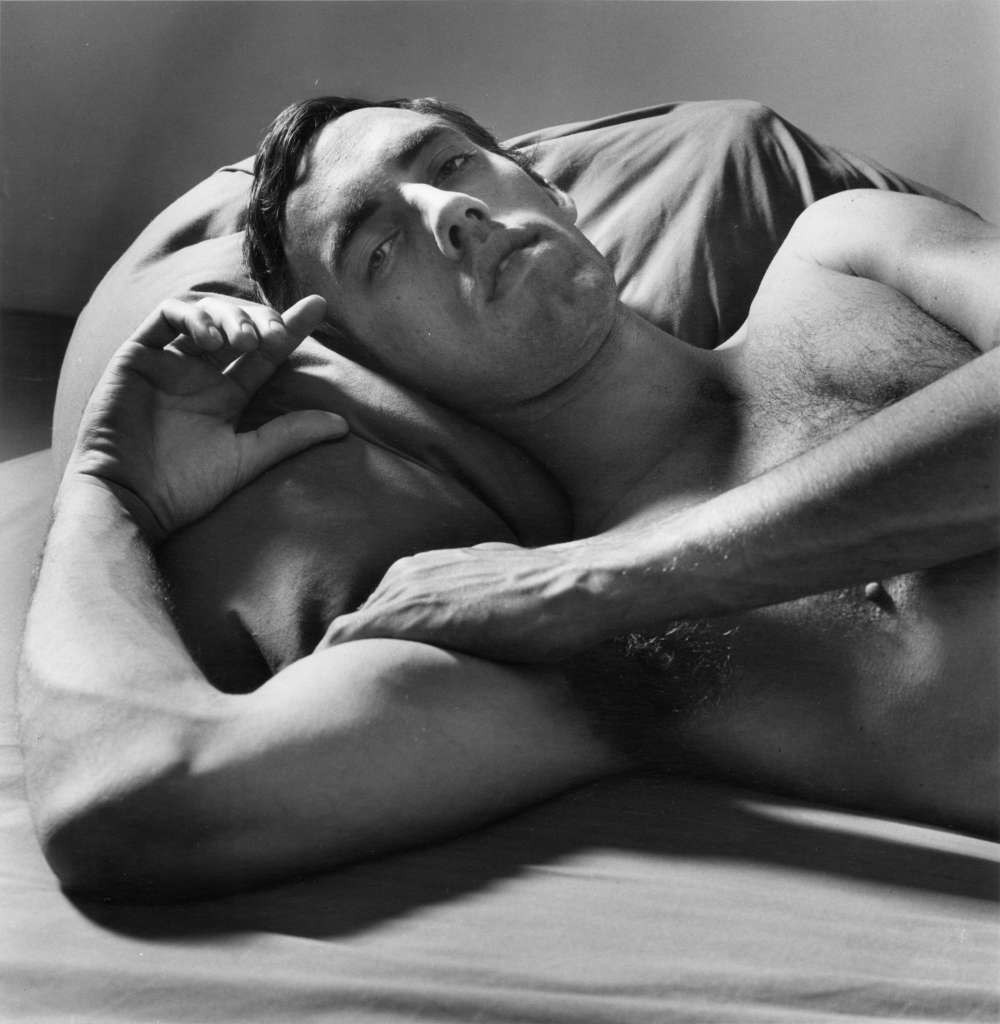
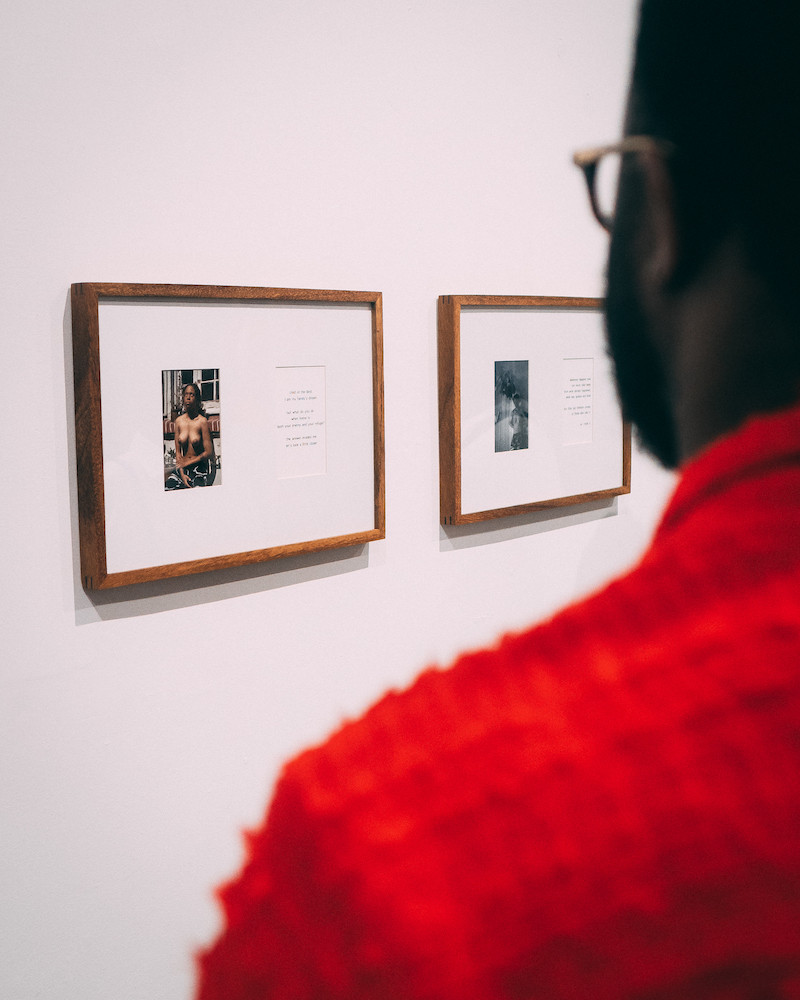
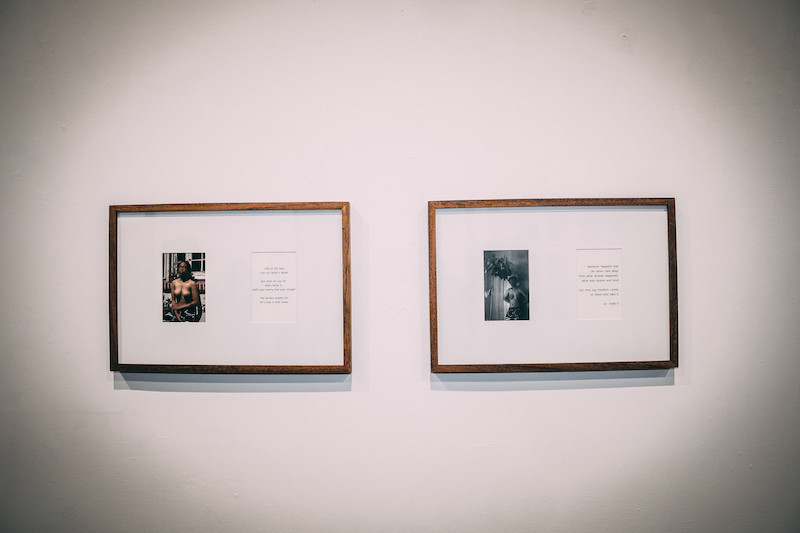
While Mapplethorpe transformed his subjects' personalities into performances, his characters into costumes, Hujar stripped them of these signifiers. His documentation transcended nudity, surpassing flesh and bones and uncovering the true nature of his subjects, qualities typically invisible to the eye. His photographs enacted a realm in which the soul could likely be heard whispering, aching to break free of its corporeal form.
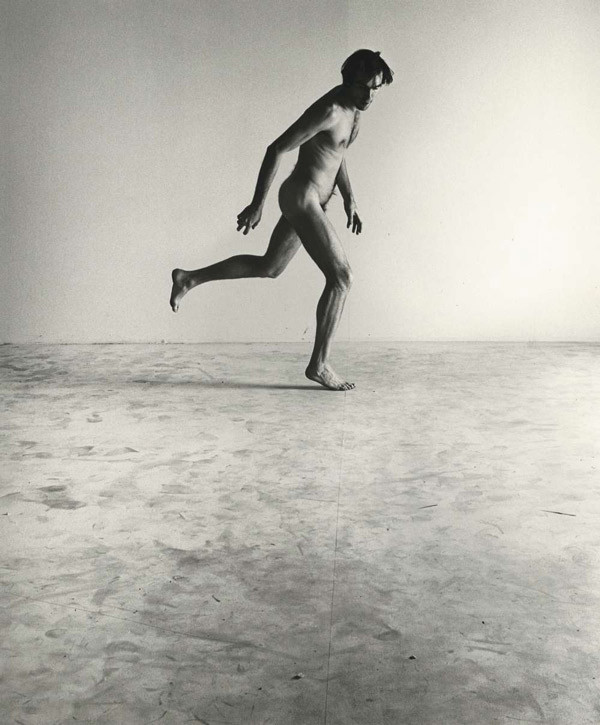
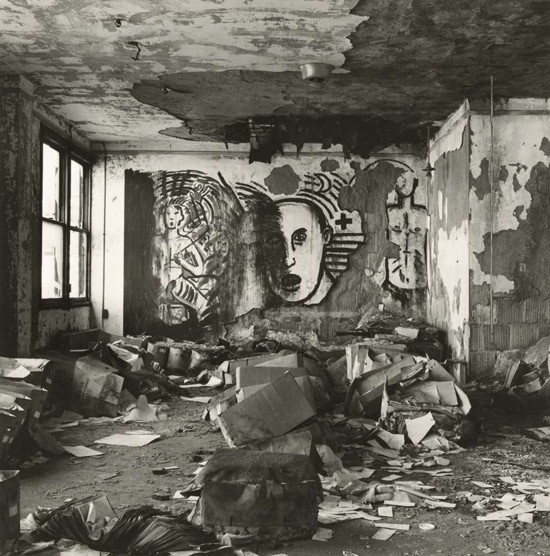
Conceivably, the relevant question to ask is, "Why not then, but now?" Schultz suggests that, "A whole generation of younger artists is looking to Hujar for inspiration right now, ... artists across the spectrum who are interested in the questions of intimacy and desire, espcially as they relate to queer culture." In her introduction to Hujar's only book, Sontag cautions that photography “converts the whole world into a cemetery,” a nod to Roland Barthes conceptual explorations of the art form in Camera Lucida. Perhaps then, Sontag's ghosts are destined to rise from the dead – to find new life in a generation defined by an insatiable search for individuality balanced with a desperate need for collective understanding.
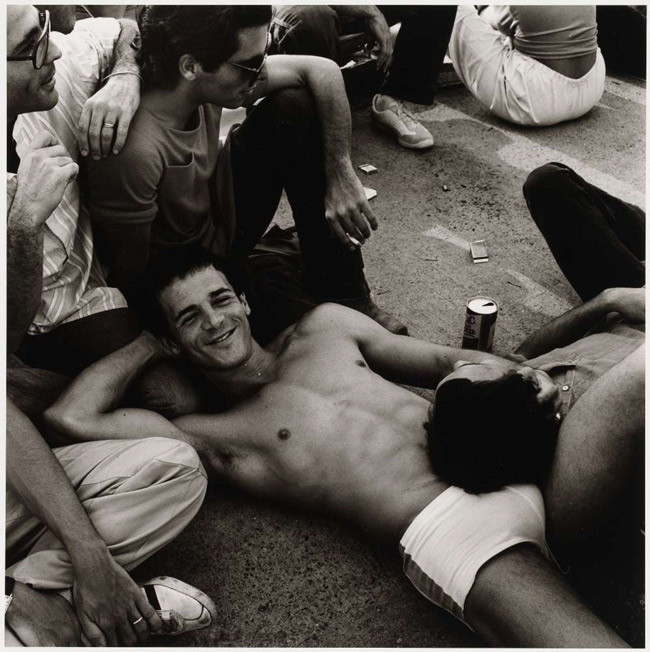
" ... Hujar captured the essence of a community in a way no one else did. You can really hear the echoes of Hujar’s world reverberating from his photographs. There is an immediacy to the work that is arresting, a penetrating quality where his subjects feel as if they’ve been summoned from the past into the present moment."
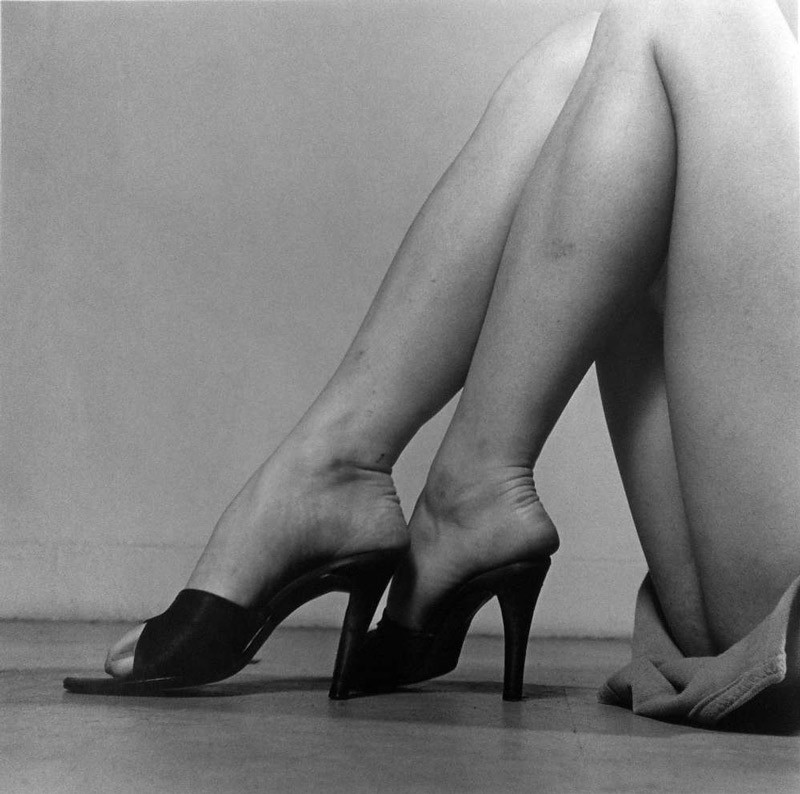
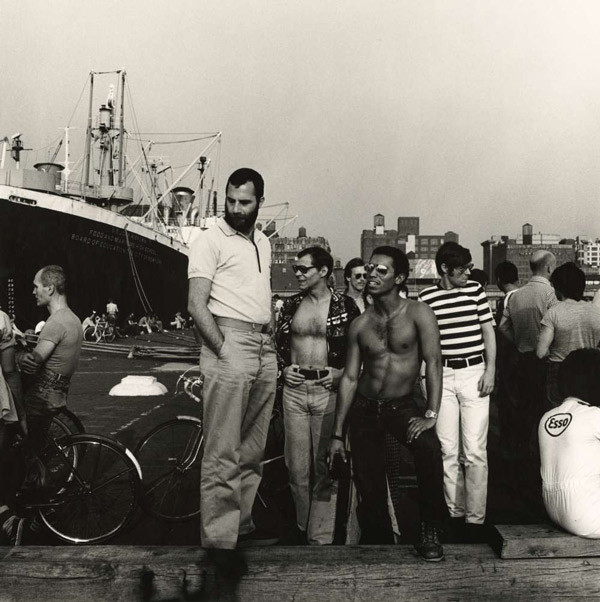
The show at 125 Newbury covers two lesser-known aspects of Hujar's work, "almost classical images of people posing for the camera in Hujar's studio ... and photographs of the piers on Manhattan's far West Side," an epicenter for the queer cruising scene at the time. His lens pierces a territory of emotional uncomfortability that arrests his audience – frozen between the paradox of vulgarity and vulnerability. He expressed once that he wanted two graves, one for his body, and one for his work. Don't show up to 125 Newbury expecting his body, but anticipate finding his soul through his body of work.
Peter Hujar: Echoes is open until October 28, 2023.
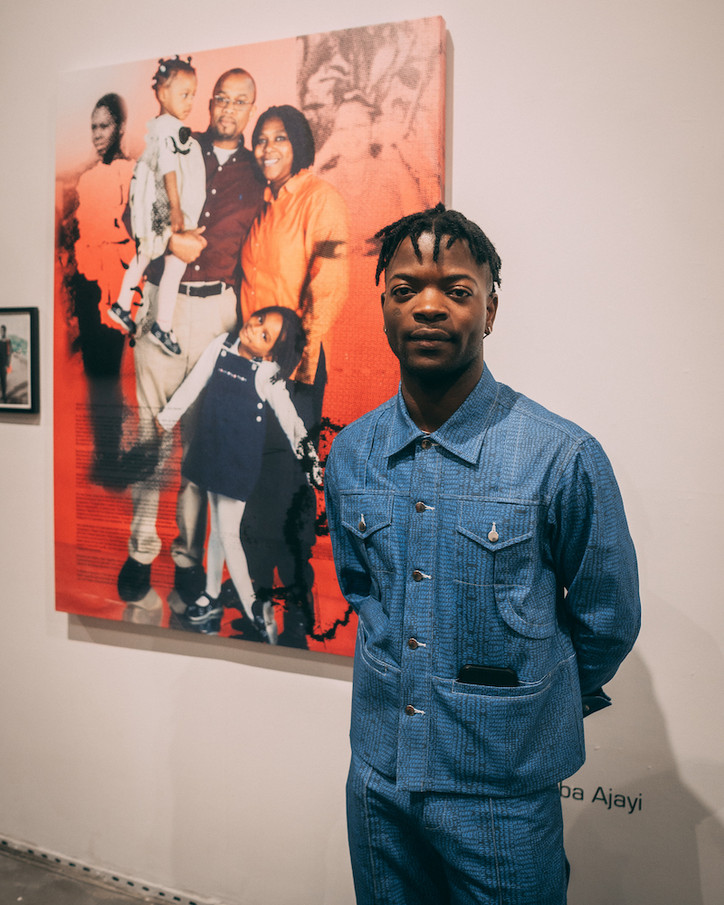
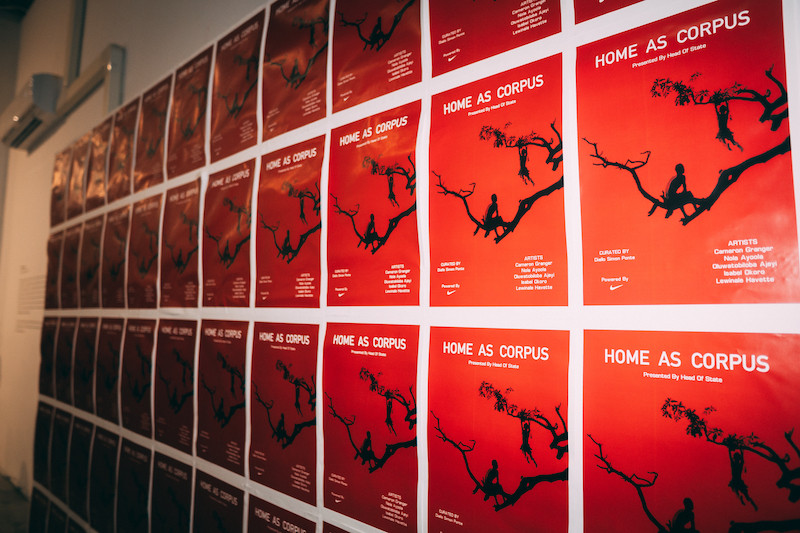
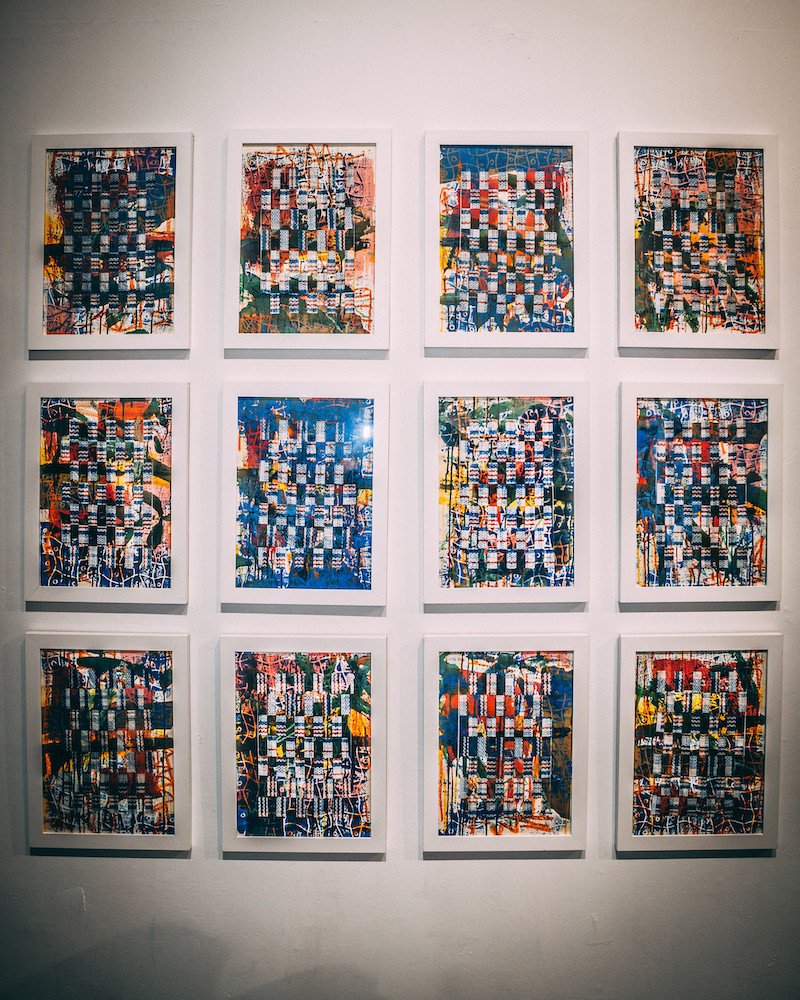
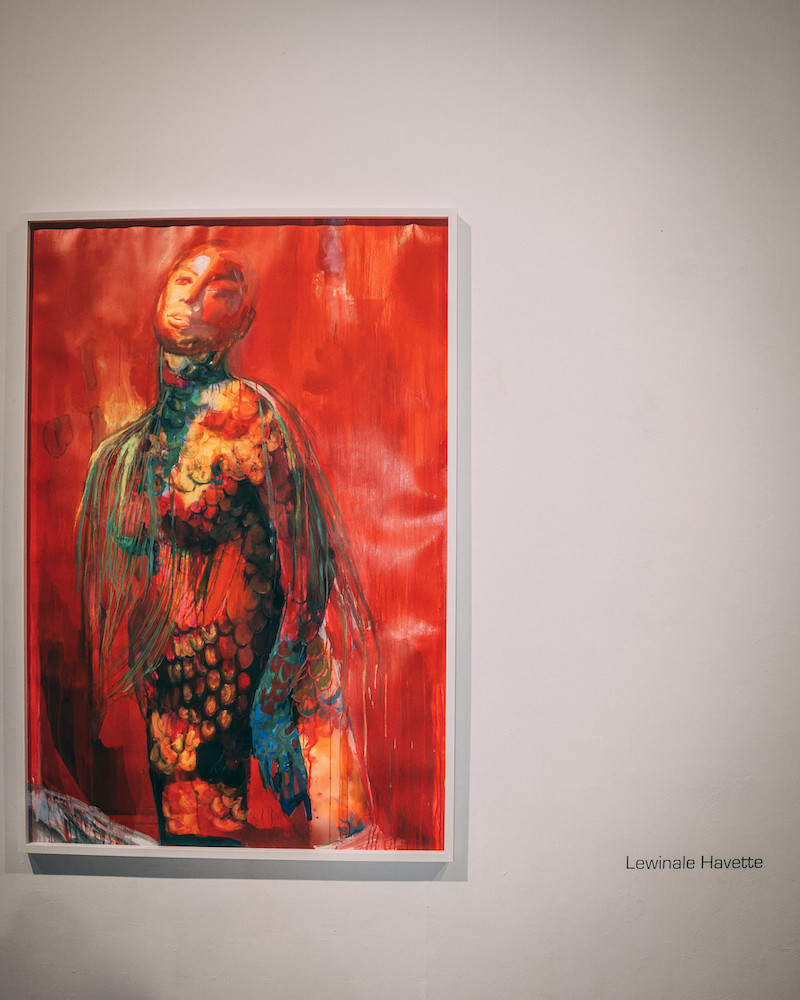
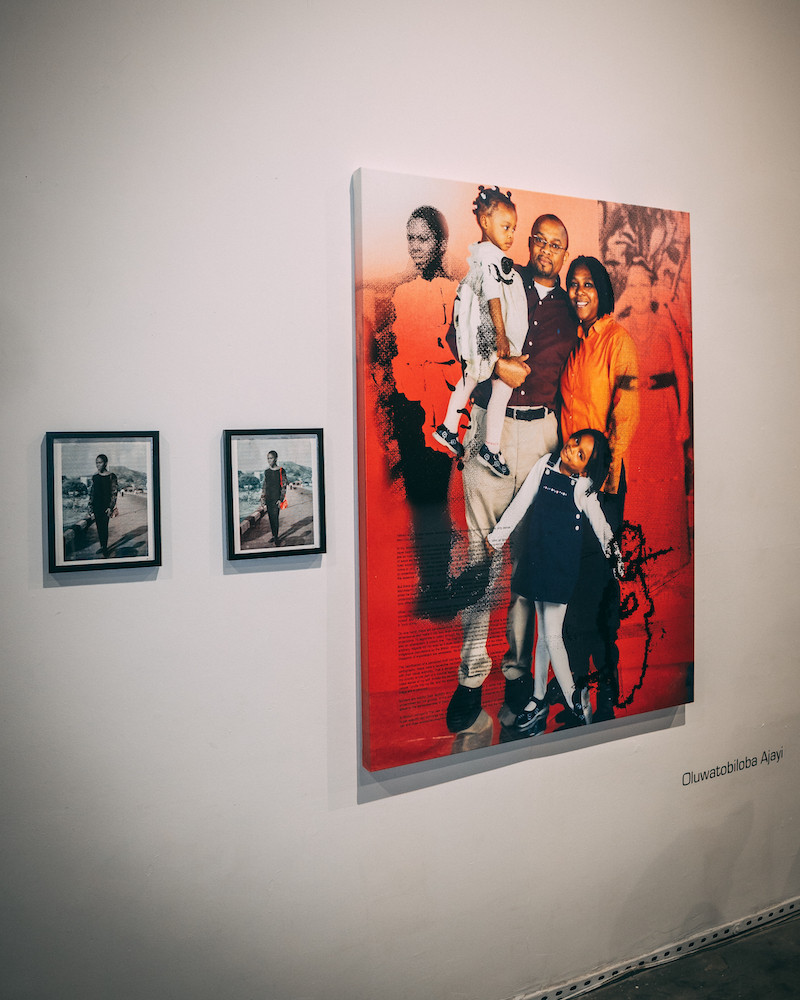
Home As Corpus serves as a platform not only for showcasing Taofeek Abijako's artistic vision but also for celebrating the talents of artists who have long inspired him. Joining Abijako's compelling work are Cameron Granger, Nola Ayoola, Oluwatobiloba Ajayi, Isabel Okoro, and Lewinale Havette, each contributing their unique perspectives.
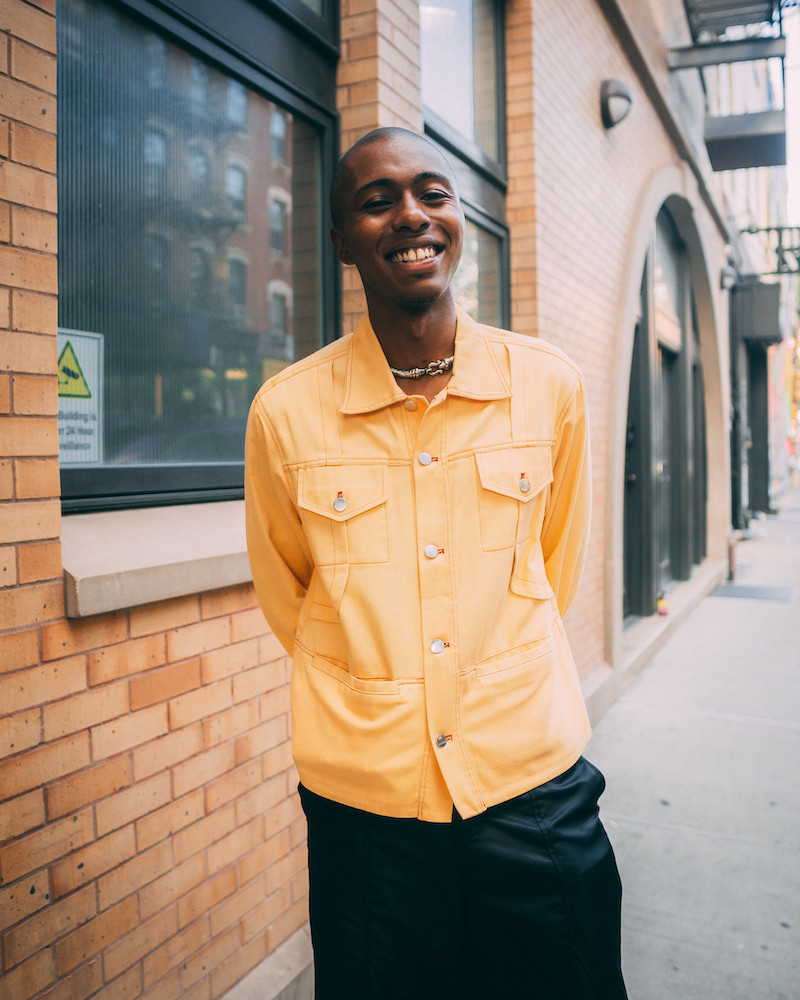
Abijako passionately conveys, "This is more than just my own creations; it's an opportunity to spotlight artists I deeply admire. These artists share a common diasporic heritage, and Diallo and I initiated this dialogue months ago. Our aim was to expand upon the narrative of Head of State."
This collection forms a poignant trilogy alongside Abijako's previous collections, Homecoming and Memories of Home. While those collections offered glimpses into Abijako's Nigerian culture, Home As Corpus invites us on a profoundly personal journey, delving into his family connections and the intricacies of his craft. Abijako acknowledges the allure of the runway as a powerful medium for presenting designs, but this time, he aspires to encourage viewers to pause, delve deeper, and immerse themselves in the brand's essence, encompassing not only clothing but an entire artistic endeavor and a series of collaborations.
Diallo Simon-Ponte, assistant to Director at Gagosian and Abijako's collaborator, curated the entire exhibition in partnership with Nike. Their successful collaboration has cemented their desire to transform these exhibitions into an annual tradition.
Abijako reflects, "This exhibition is a culmination of our shared conversations, experiences, and mutual admiration for artists. It's a tangible expression of how 'home' transcends physicality, remaining an integral part of one's identity, forever imprinted in our hearts."
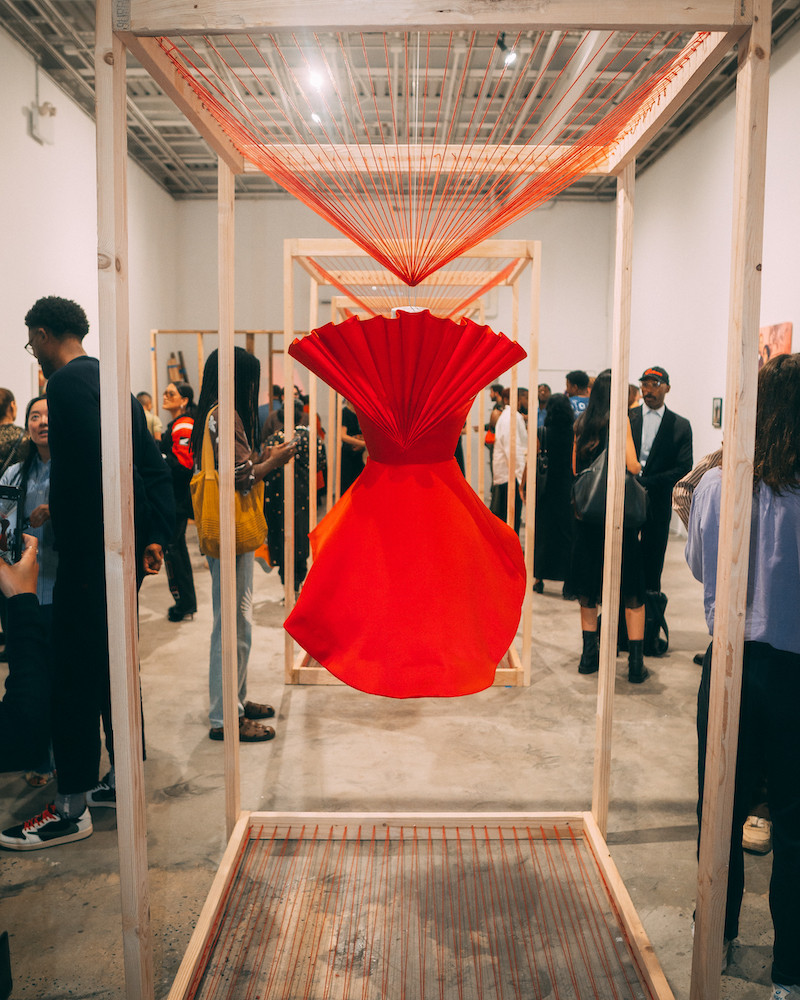
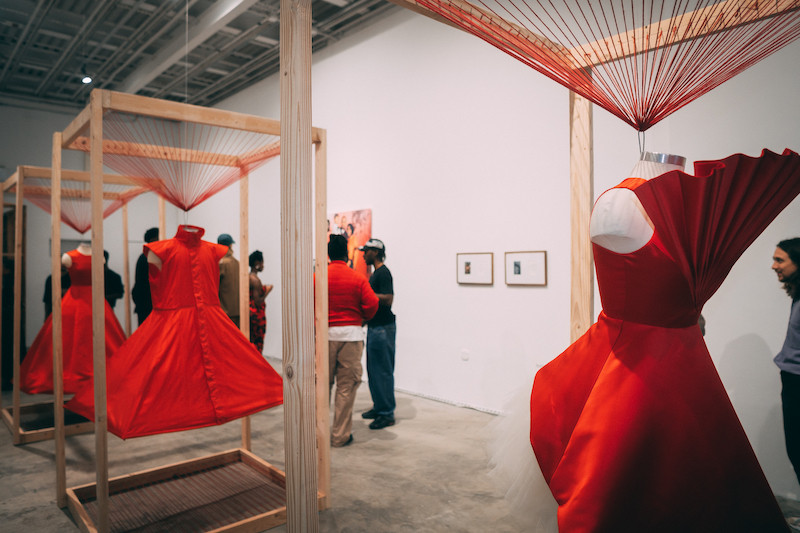
In the heart of the gallery, three distinct yet harmonious red dresses hung gracefully on wooden planks, suspended by crimson strings thoughtfully crafted by Abijako himself. His intention goes beyond mere dress displays; he aims to convey these garments as complete sculptures, each imbued with the essence of Nigerian notes and cherished memories.
Abijako eloquently elaborates, "In Nigeria, self-entrepreneurship is a pervasive form of employment. You'll find individuals under market umbrellas, seeking shade and sustenance. Those umbrellas symbolize something profound ... so, how can I encapsulate that in a work of art? Many of these pieces are direct architectural references from my homeland. Home As Corpus signifies that home resides within you, and thus, the sculpture itself embodies the essence of a dwelling, with this piece residing within it. That's the genesis of this entire concept."
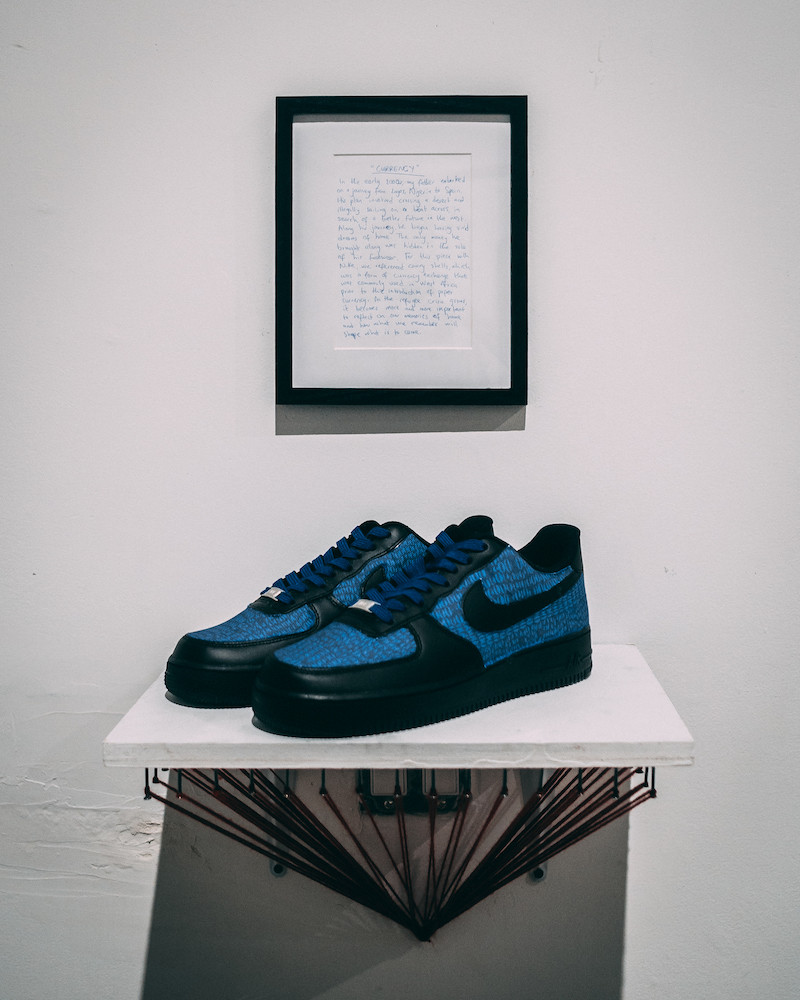
Back in July, Abijako joined forces with Nike to introduce the inaugural 4v4 Co-Ed Futbol Tournament. He designed distinct team uniforms in a spectrum of colors, including red, green, white, orange, gray, black, blue, and yellow. Continuing this partnership, Home As Corpus marked the unveiling of Head of State's inaugural Nike Air Force One. This striking shoe boasts black leather with azure laces and meticulous detailing in the form of cowry shells. This design draws inspiration from Abijako's father's courageous journey from Lagos, Nigeria, to Spain — a voyage across deserts and sea, driven by vivid dreams of a better life. In his shoes, quite literally, his father concealed money in the soles, along with cowry shells, which once served as a currency exchange in West Africa before the advent of paper money.
Home As Corpus warmly welcomes the public until September 15, inviting all to partake in this exploration of culture, art, and heritage.
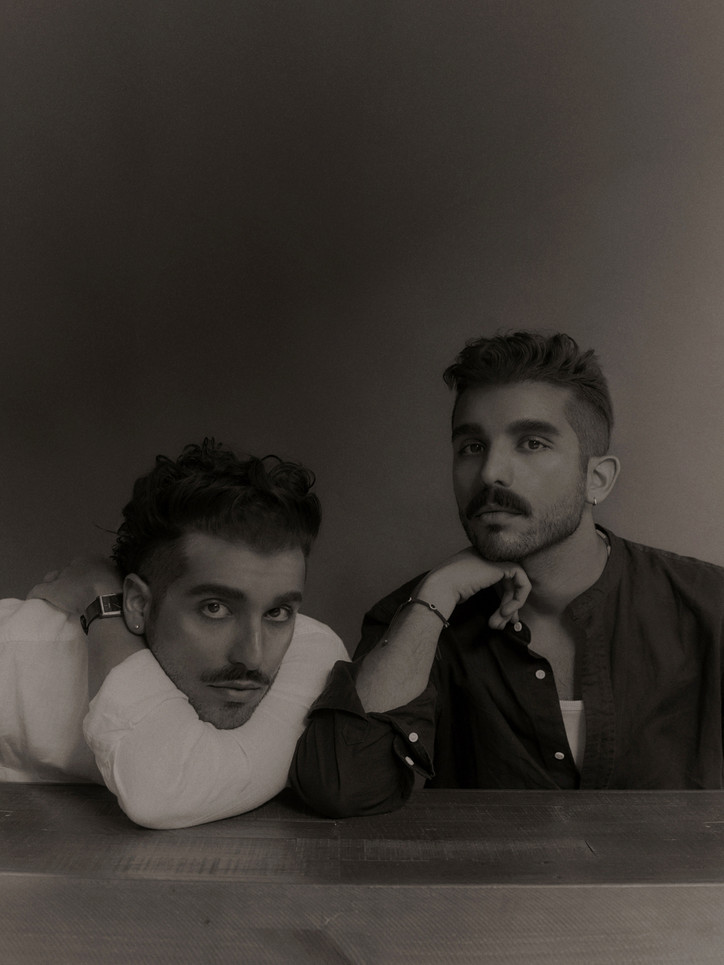
What pushed you to pursue photography as opposed to other fields?
We’ve been interested in photography since a young age, we took a photography course in high school and never looked back— we got our start in fashion photography, which we still work in. Although both the art world and fashion have their differences, they share many parallels with each other, particularly for photography. It always felt natural to us and this medium has allowed us to participate in both worlds fluidly.
How has your Cuban-American heritage influenced your work?
It’s had a significant influence, particularly for our art practice. There is this mystery behind Cuban culture and religion, given its complicated history, that people who aren’t Caribbean may not necessarily be aware of. It’s culturally diverse and there’s a duality that’s steeped deep in the narrative of the island that sort of became our point of reference. Being twins, Cuban-American and raised in a biracial family— there’s a binary there, which has always been present in our everyday lives. Our work reflects all of that.
You cite a theological upbringing that explores the element of mysticism of gods in mythology, Yoruba and Catholic syncretic elements. How have you weaved such influences in your photographic practice?
Cuba’s religious influences are unique to the island— it once belonged to Spain who colonized it, decimated its native people and took enslaved Africans for labor. Between the influx of the Yoruba people from West Africa and the Spaniards, a syncretic belief system was born. One that essentially merged two unlikely theologies into one, referred to as Lucumí. It’s a spirituality embedded in the DNA of Cuba and passed down orally over centuries. Working from our own cultural background, these deities and folklore stories became the center of our work, visualizing our own interpretations of them.
There’s a lot of historical references that permeate your work: how do you contextualize them in your broader practice?
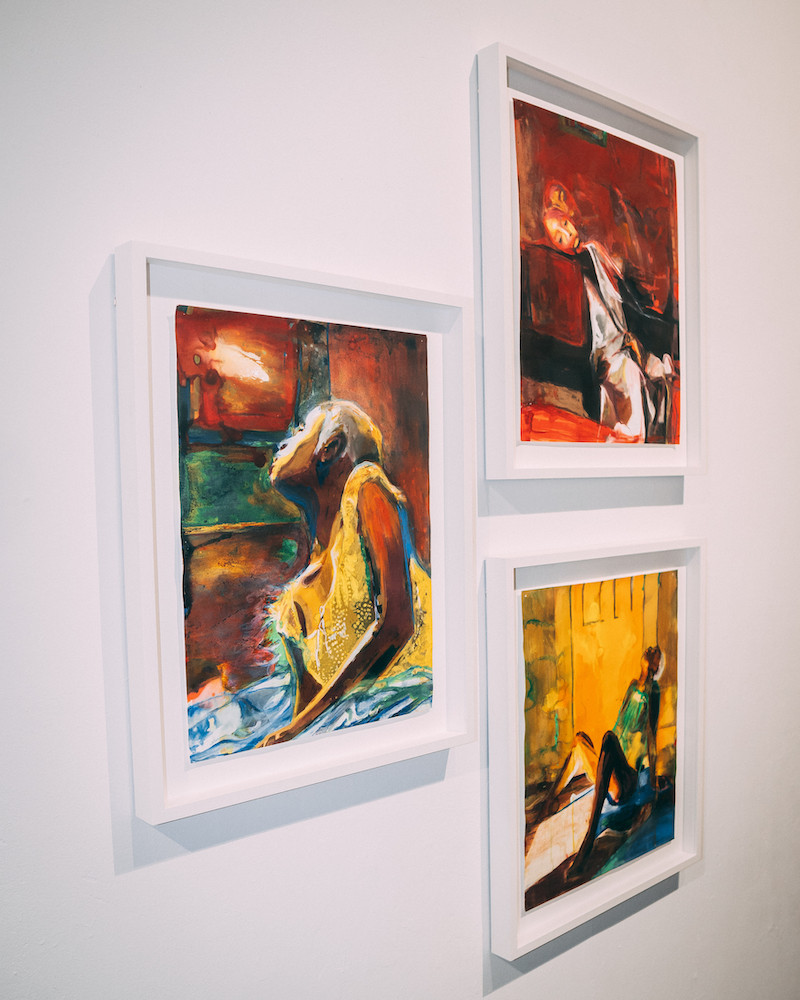
Being first generation Americans, we were exposed to many things our family was not. One of them is the discovery of art through traveling. We’ve always been interested in art history and the way in which it relates to us. We recontextualize and even reappropriate art historical paintings that have been canonical for centuries, but historically have excluded other narratives. We’ve taken the symbolism within these works that may have meant something different to the artists who created them during their time period and translated what they could mean in our culture today. For example, take the Grande Odalisque (1814) by Jean Auguste Dominique Ingres, which lives in the Louvre. A representation of a venus, holding peacock feathers in one hand. Oshun, who is syncretized with the patron saint of Cuba, became our odalisque; covered in crystals and surrounded by hues of yellows, a color that has always represented this deity. The peacock feathers are also a symbol indicative of Oshun. Seen as a venus of sorts herself, it only became natural that she represented this iconic painting for us.
How did you edit the curation of works for the exhibit at PHOTOFAIRS?
This was actually done by our gallerist, Anthony Spinello, who always does a great job at curating the work in conversation with each other. This exhibition will showcase works from our first exhibition with Spinello Projects as well as new works created for Photofairs NY.
What is the key message you’ve discovered - can be past or contemporary - when capturing your subjects?
That everyone brings something new to each portrait. Doesn’t matter how much planning we can do, there’s always a collaborative effort that takes place which can spontaneously change things in an exciting way we may not have expected. The end result always being exactly what it was meant to be, even if it isn’t exactly how we pictured it.
There’s a sense of anonymity that comes through the gaze of your subjects - who are they, Exactly?
This part of our images presents both a thrilling challenge and an invigorating opportunity. We aim to create photographs that possess an enigmatic essence while still being relatable to any of us. Within their concealed identities, there exists a universal sense of empowerment. The ability to grasp the essence of an image isn't contingent on identifying the subject. Coming from a background in fashion photography, where significance often hinges on the subject's prominence and recognizability, this opportunity offered an interesting avenue for us, from what we were used to doing. Though the work is still photography and featuring actual individuals (friends, models, and family members), portraying anonymity in a creative manner presents its challenges within this medium. The shadow figures we depict maintain a powerful presence, irrespective of their identities—whether shrouded in blue body paint, obscured countenances, or clad in full-body suits with only their eyes exposed. This artistic choice reflects the historical existence of Lucumí living in the shadows and its contemporary tendency to remain concealed for certain individuals, partly due to the stigma within religious circles.
As symbolism is quite a potent undercurrent within your work, what’s the most challenging aspect you encounter when approaching your subjects and, also, while defining a theme?
Our process typically begins with an initial idea that gradually evolves into a coherent theme. We delve into the story that inspires us and contemplate how best to visually convey it. Symbolism naturally finds its place in our work as our images often carry deeper connotations. It goes beyond merely interpreting deities or folklore; it also involves linking art historical references and weaving our own personal narrative into the visuals. A significant challenge we initially encountered was ensuring that our subjects grasped our artistic intentions. They don't necessarily need to be familiar with Lucumí or our specific story, but they should comprehend the visual aesthetic we're striving to achieve. When we first started working on this, it was difficult to explain because we had not done it before. However, now that the work exists, we have previous references we can share with our subjects, so they better understand. More so, we remind our subjects that the images go beyond what they look like, because recognizing individuals in these images is usually unlikely. Within portraiture or figurative photography, the subjects tend to focus on what it is they look like but the central emphasis lies on the broader theme and the final image— a sentiment usually grasped upon seeing the finished outcome.
What’s coming up for you?
We are part of a museum show early next year around Caribbean surrealism, which we’re looking forward to! This will take place at The Modern in Dallas, Texas and will encompass Caribbean artists spanning the 1940s to today. We also debut our first public art project which will go up this fall, a monumental site-specific two panel billboard installation of a reclining Venus. The project, which was produced by Fringe Projects, will be on the historic Moore Building at LVMH & DACRA’s Miami Design District.