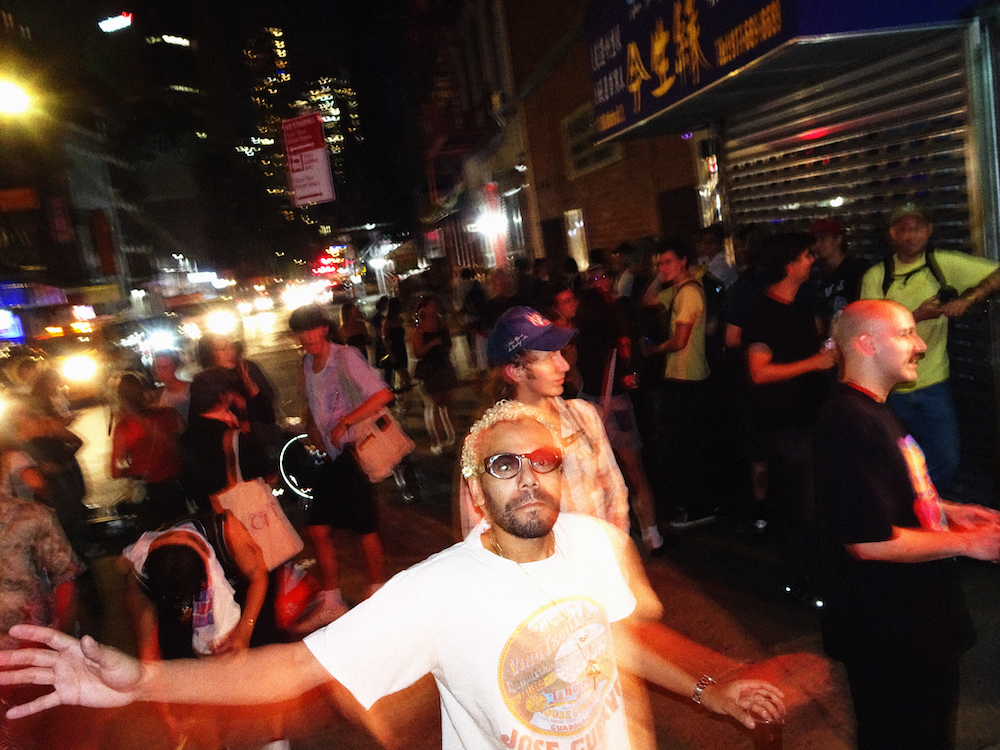
A night in MIDTOWN

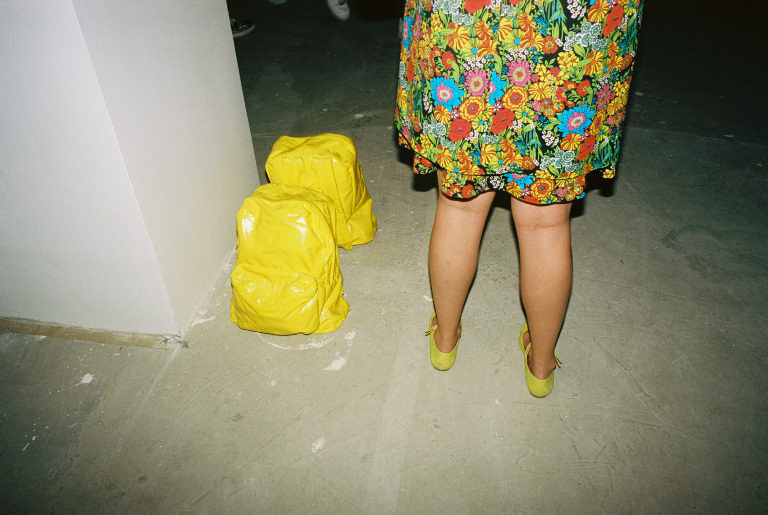
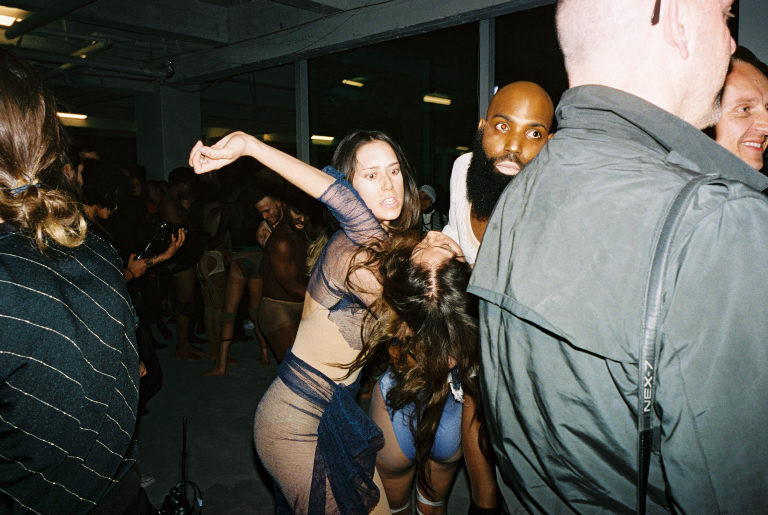
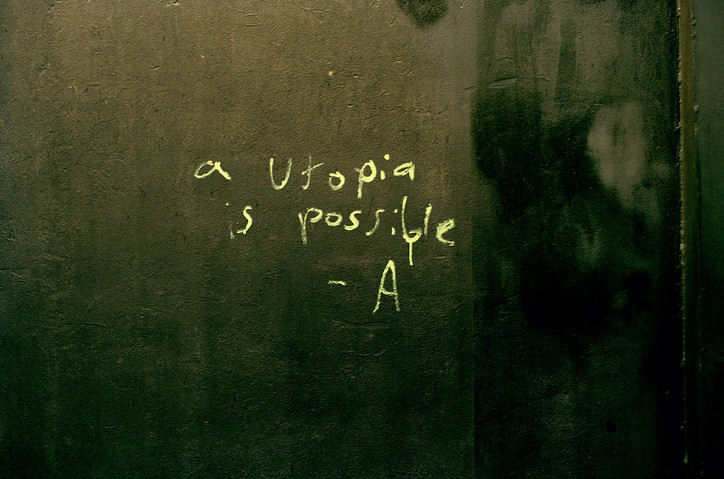
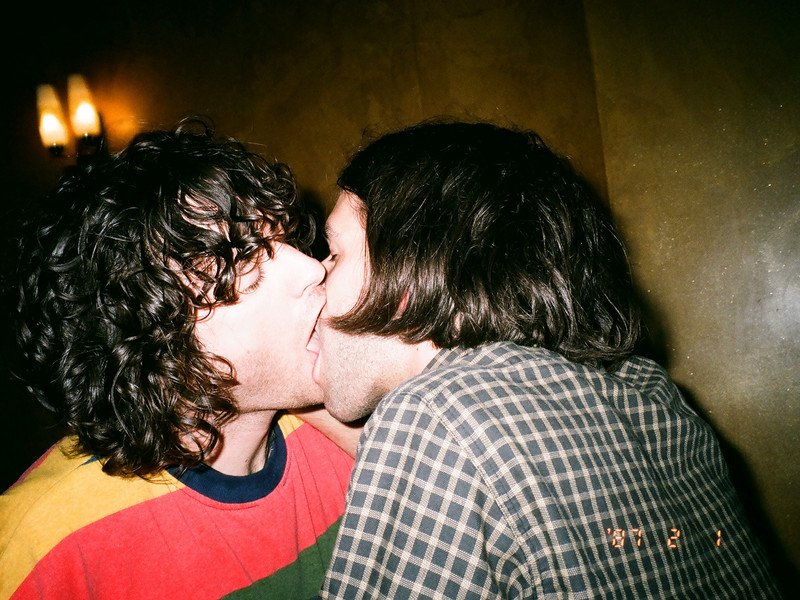
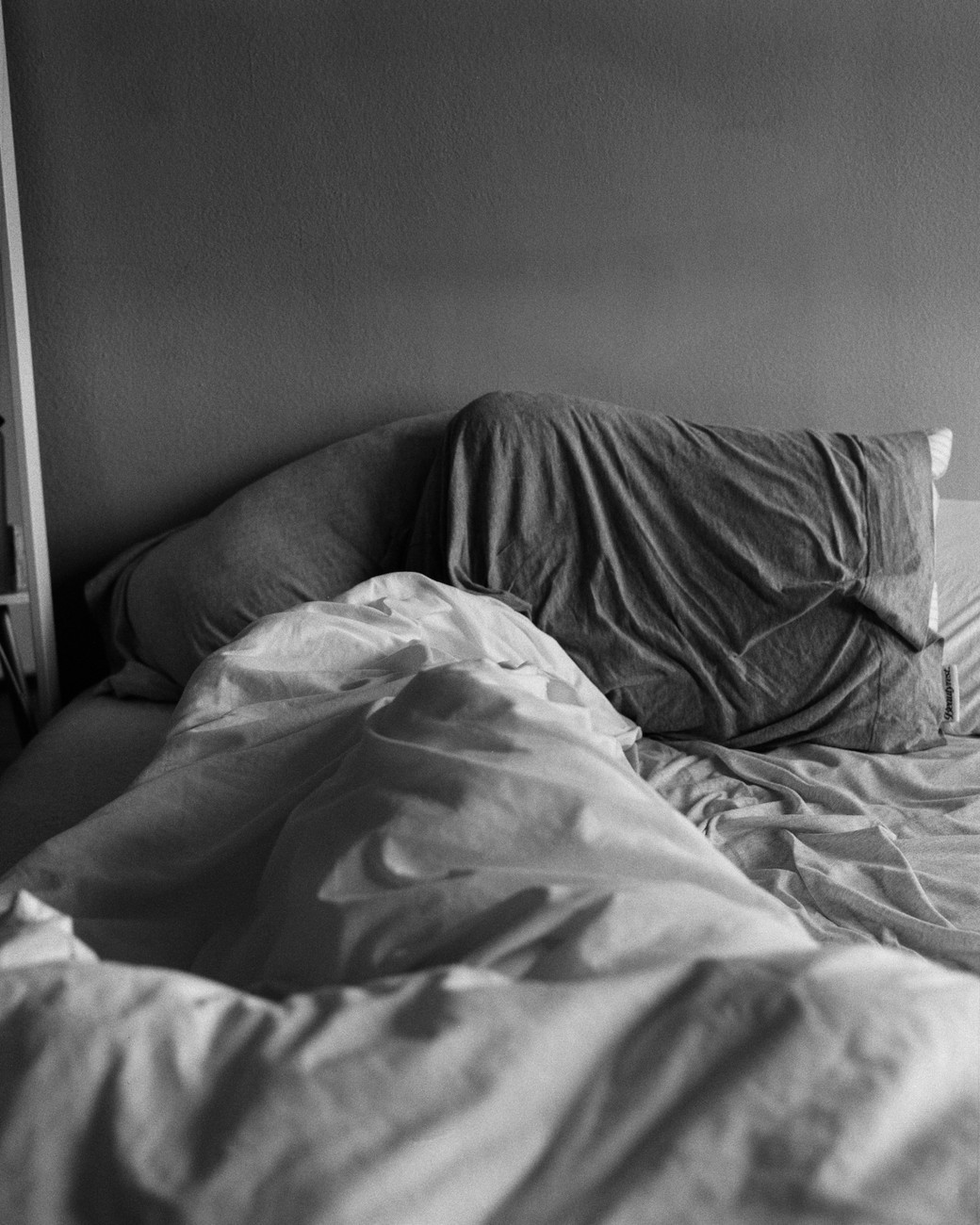
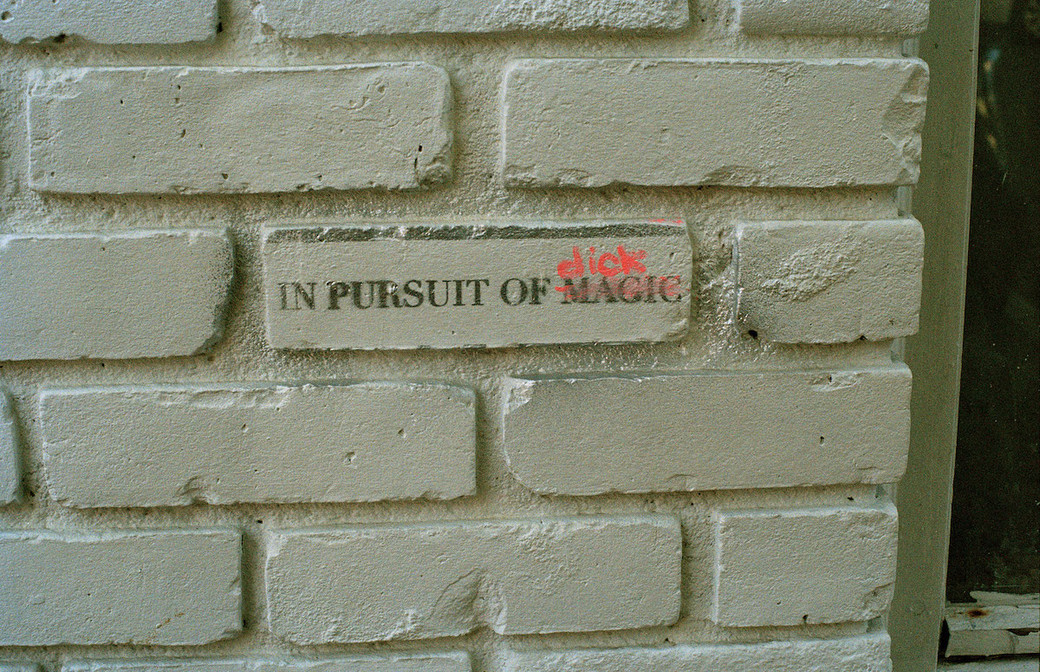
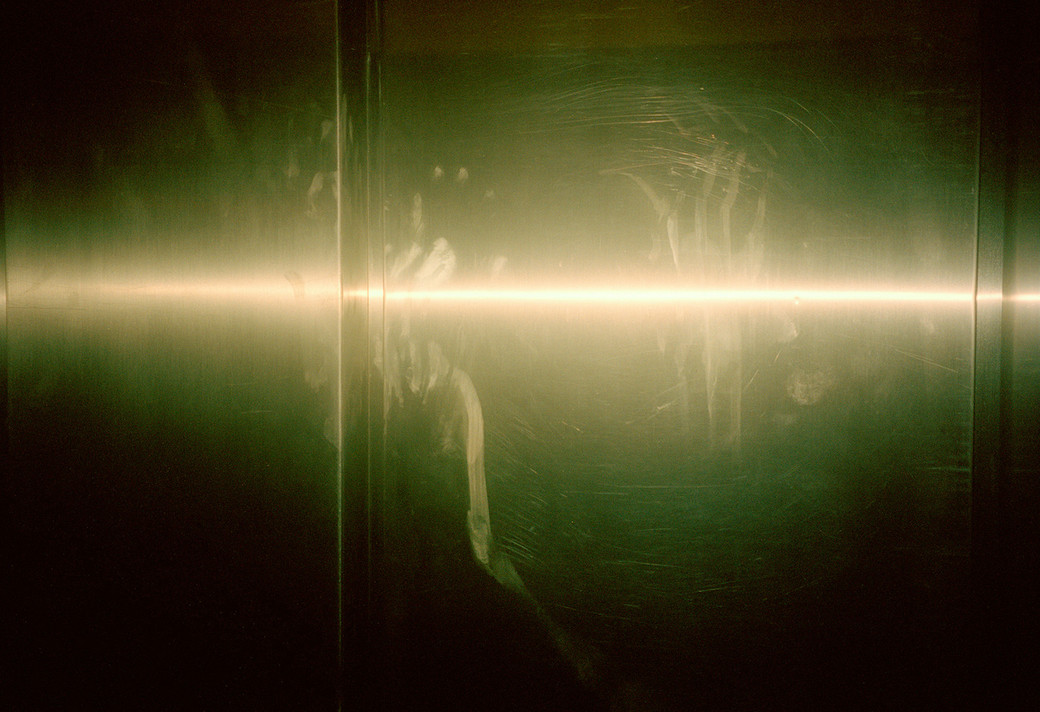
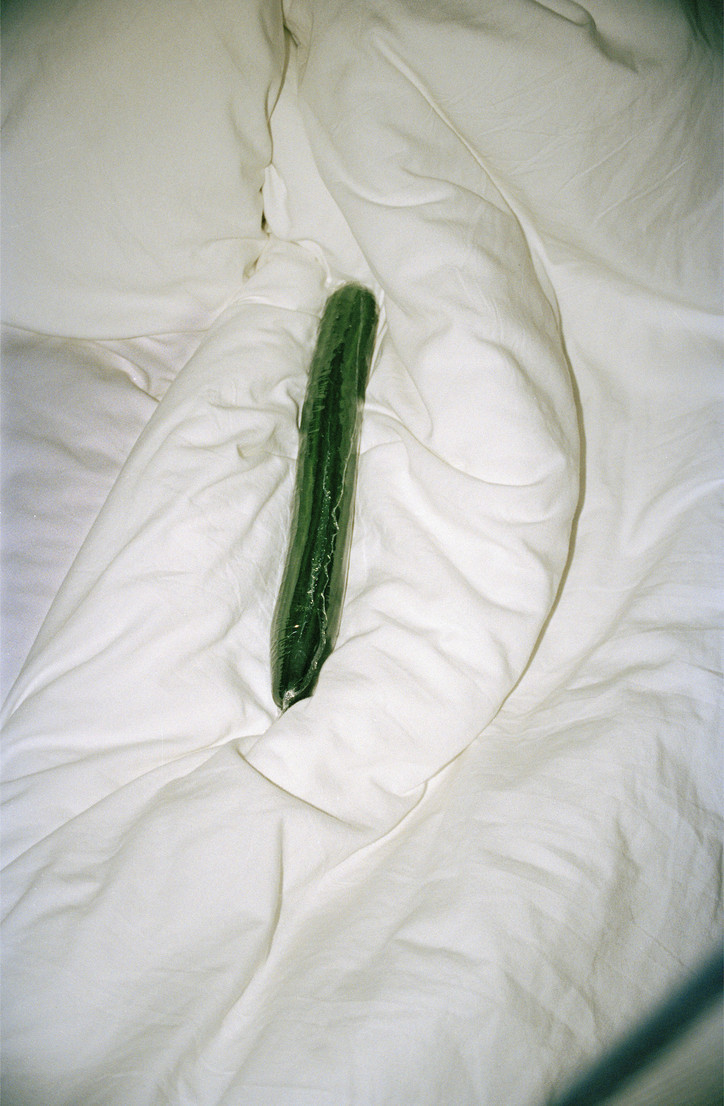
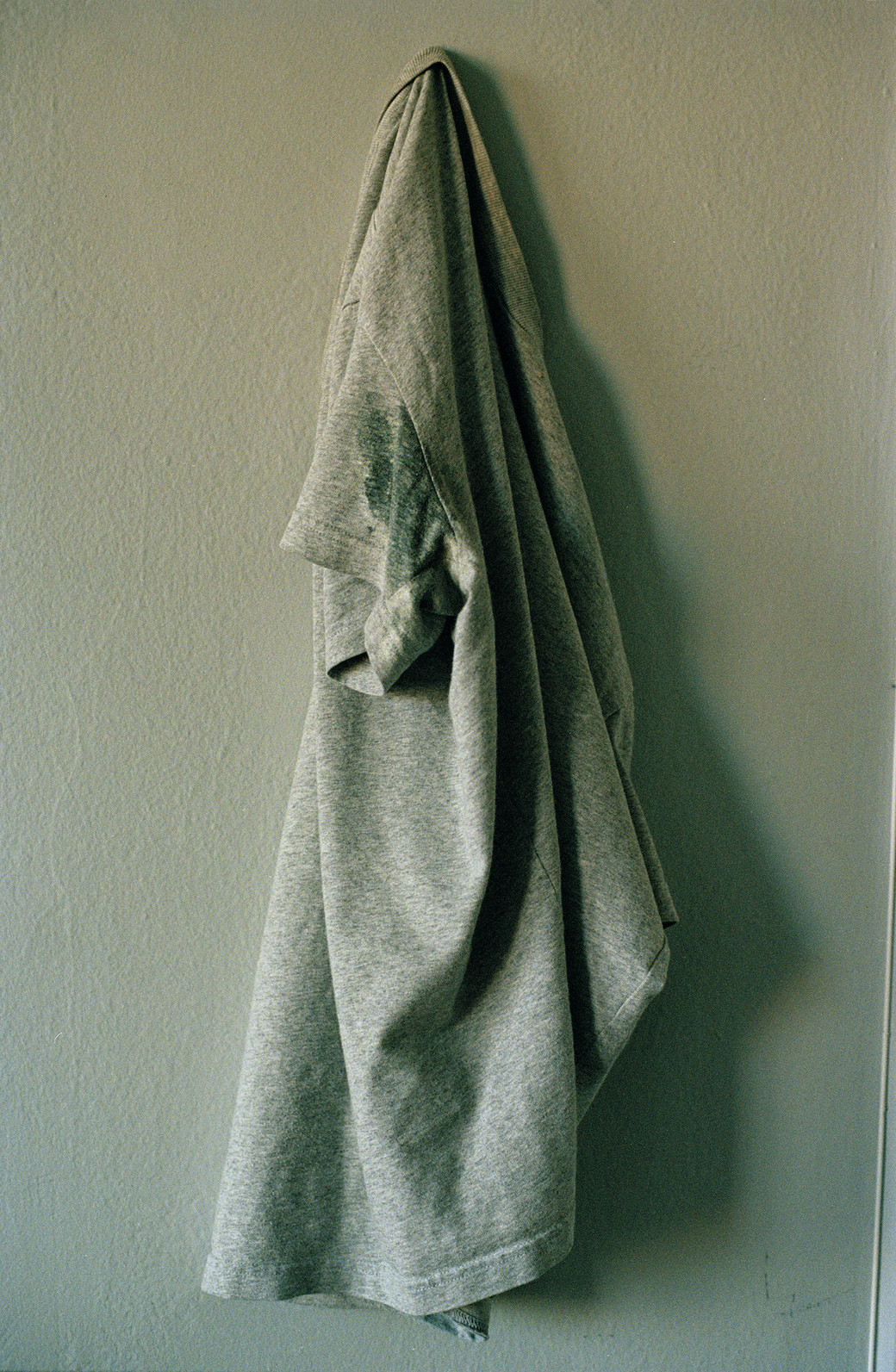
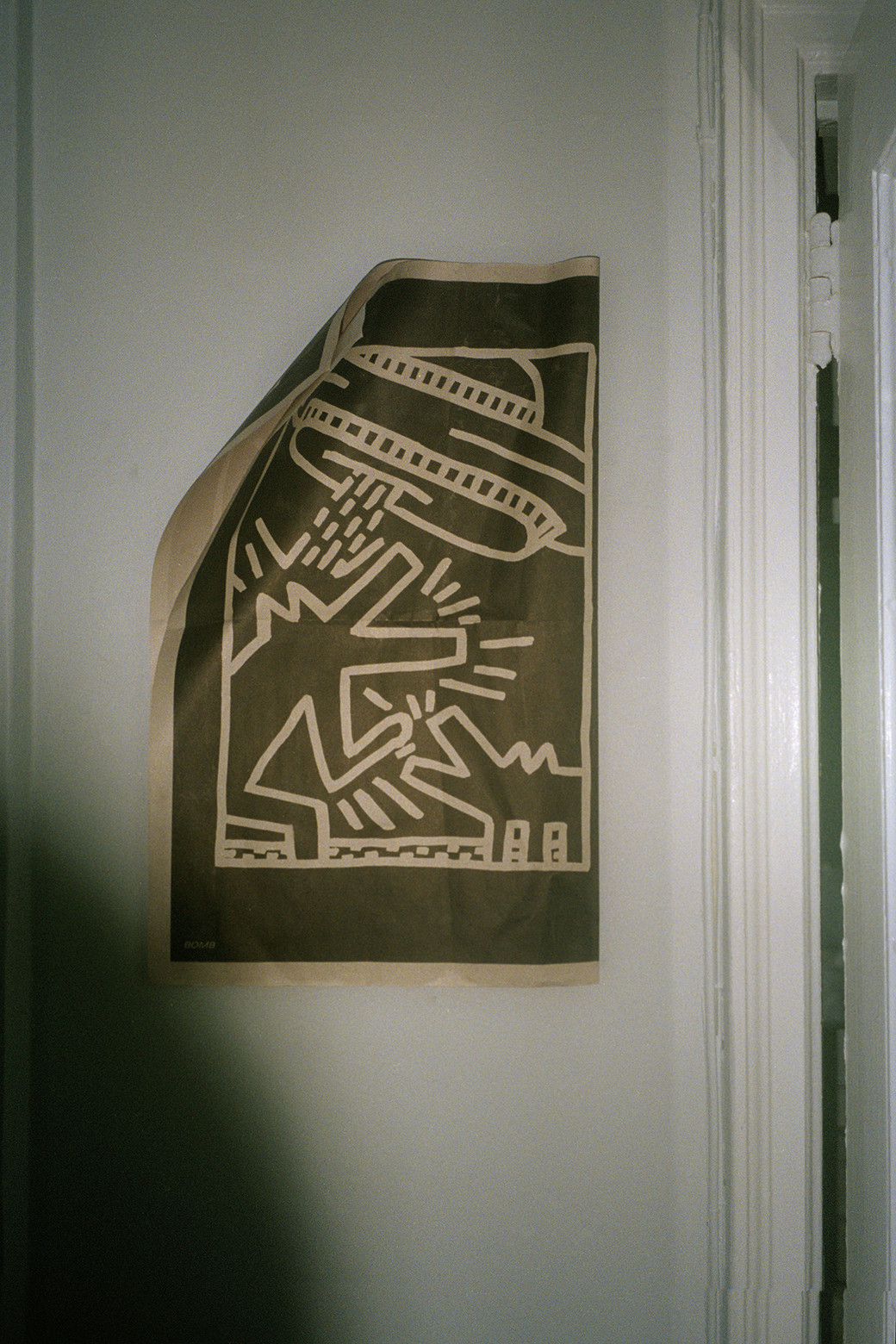
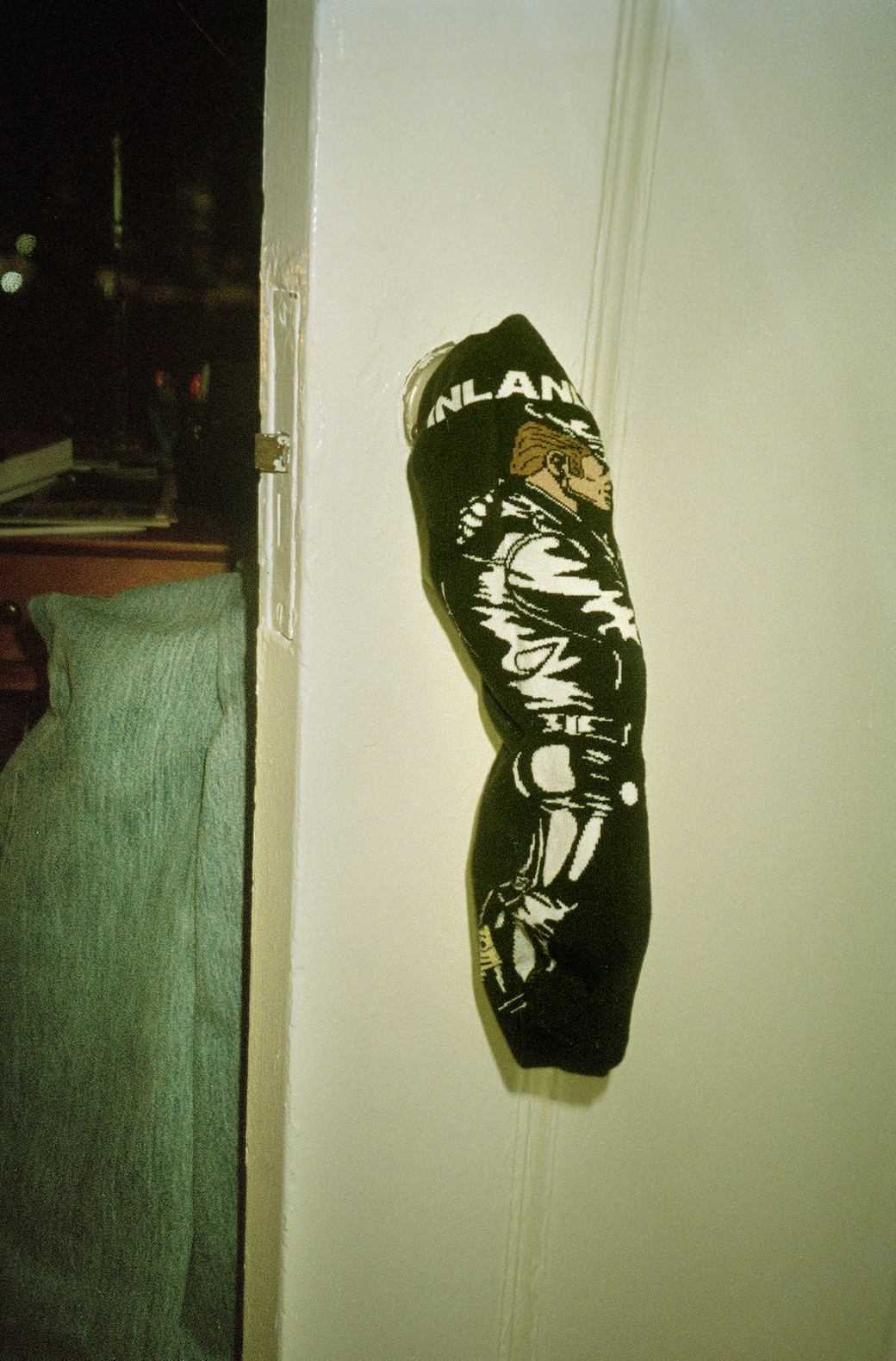
Otherwise overlooked, he approaches evidence of queer existence with care and reverence. Snapshots of unmade beds and overlapping handprints on bathroom stalls represent the beauty in the ephemera. Despite the suppression of queer life and queer living, Capacyachi’s documentation serves as undeniable evidence – not only of existence but of the love that was present. Photos of “IN PURSUIT OF dick” graffiti and a single plastic-wrapped cucumber are cheeky and conspicuous; the act of queer sex itself is not only an affirmation of queerness, but an expression of queer joy, love, and lust. And what is more utopian than the ability to recount love in even the smallest of instances?
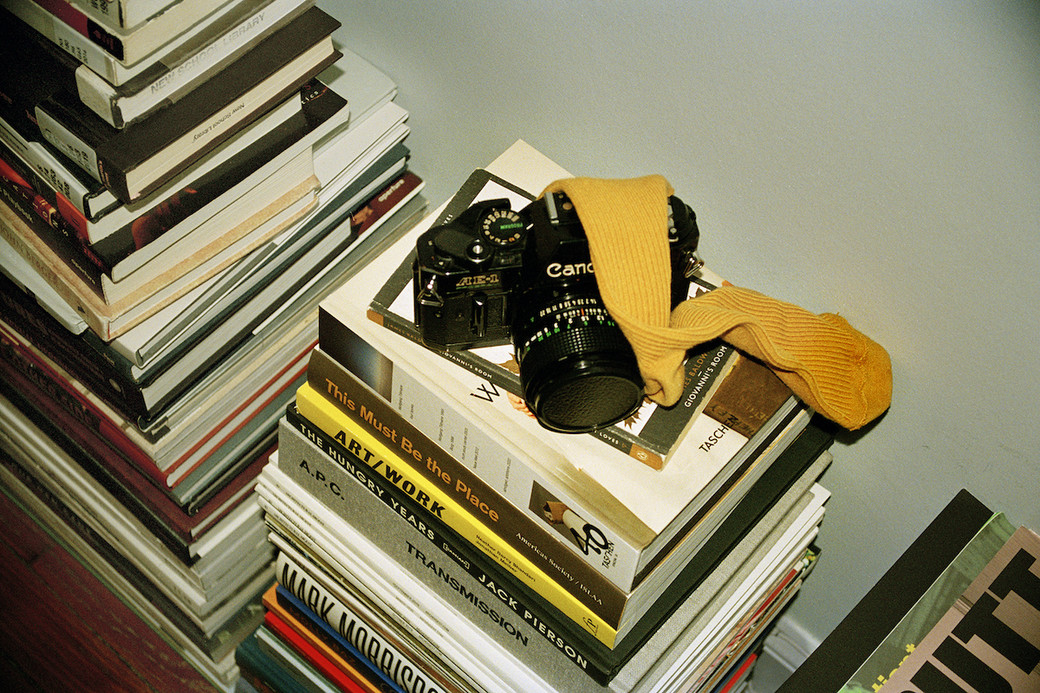
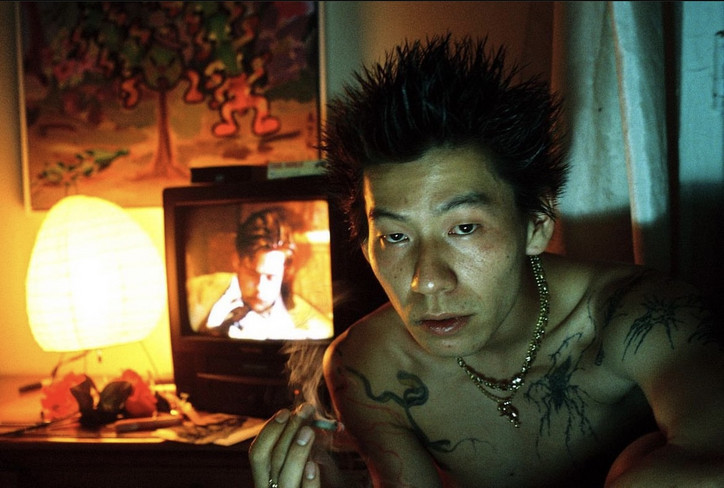
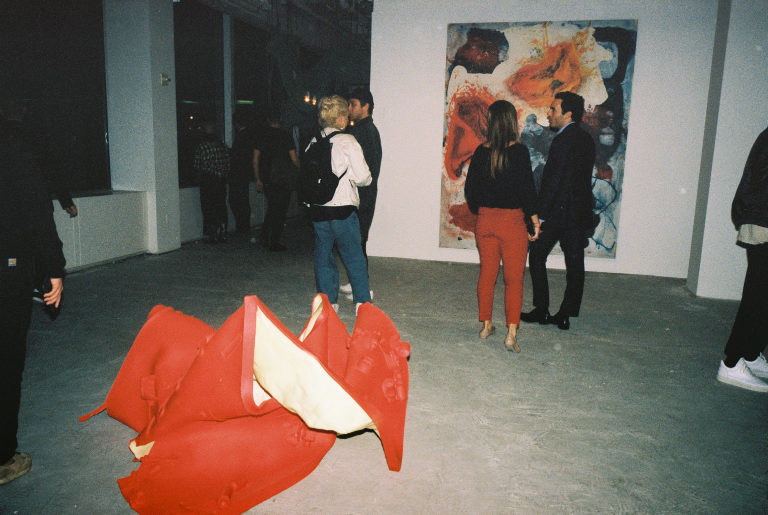
Juxtaposing these artists in a space fosters an open dialogue among the artworks on display, inviting viewers to engage with art and the experience of viewing art in a new and profound way. Efron Danzig, Daisaku Hidaka, Ron Baker, Tenzin Che Miyahira, and Troy Gipso all live in New York and draw inspiration from their individual relationships, experiences and personal histories.
Despite the diverse influences that shape their artistic journeys, a common thread runs through each of their works — themes of identity, preservation, memory, and language resonate deeply.
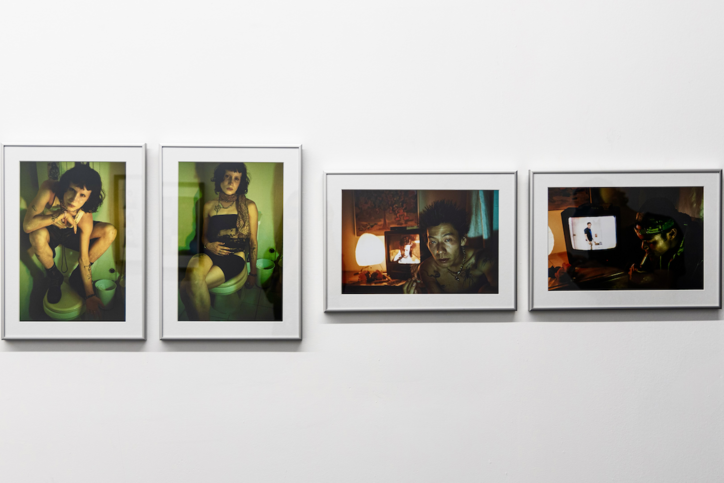
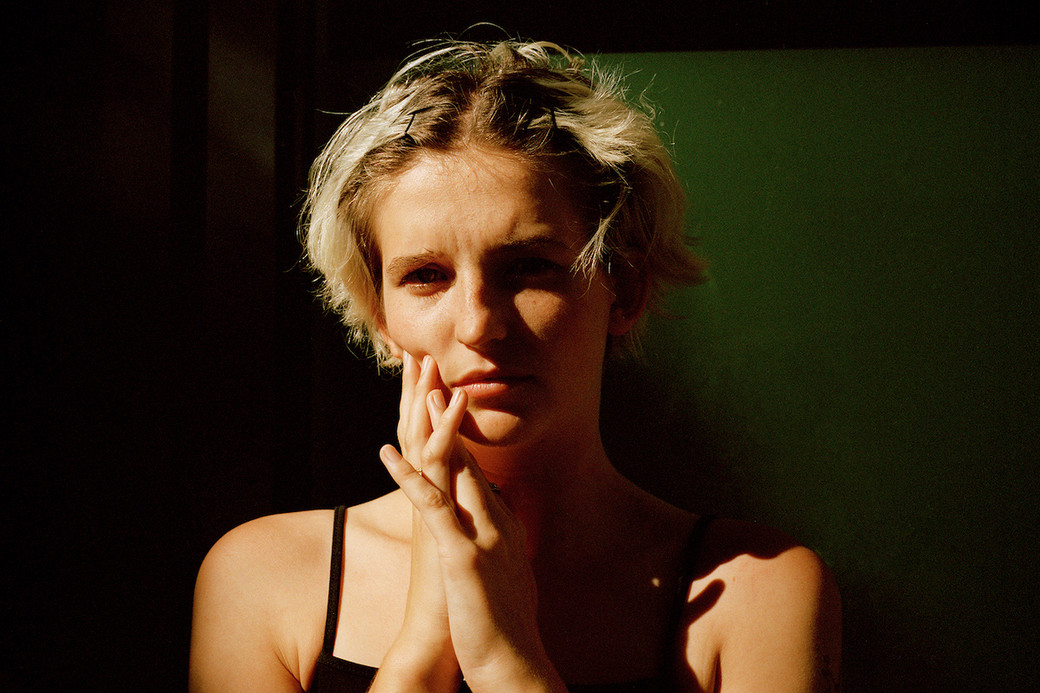
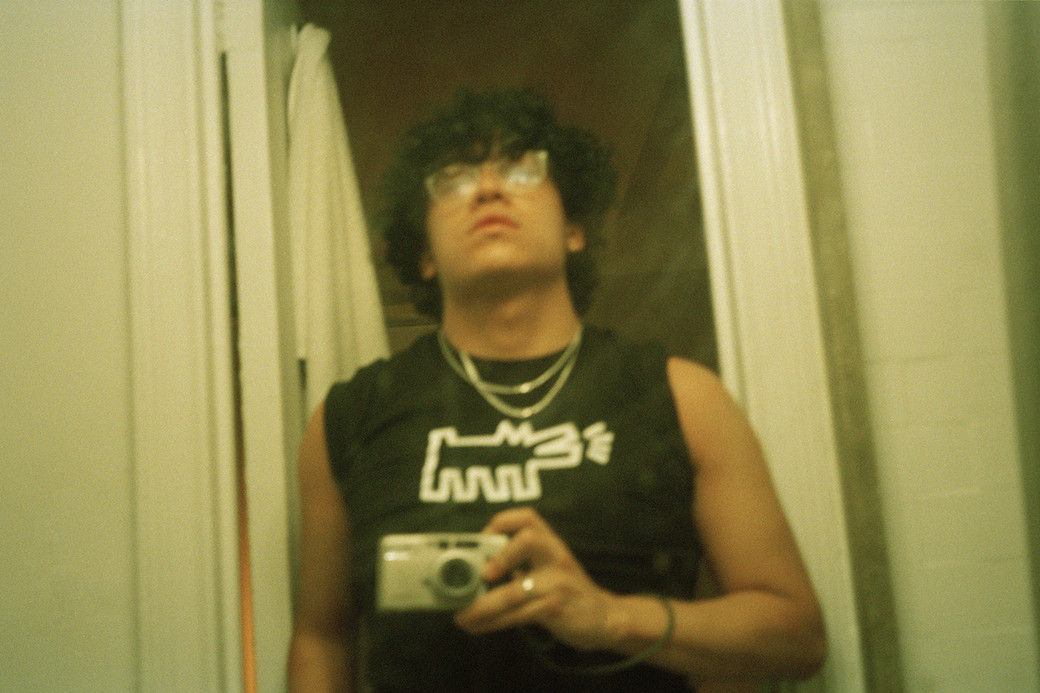
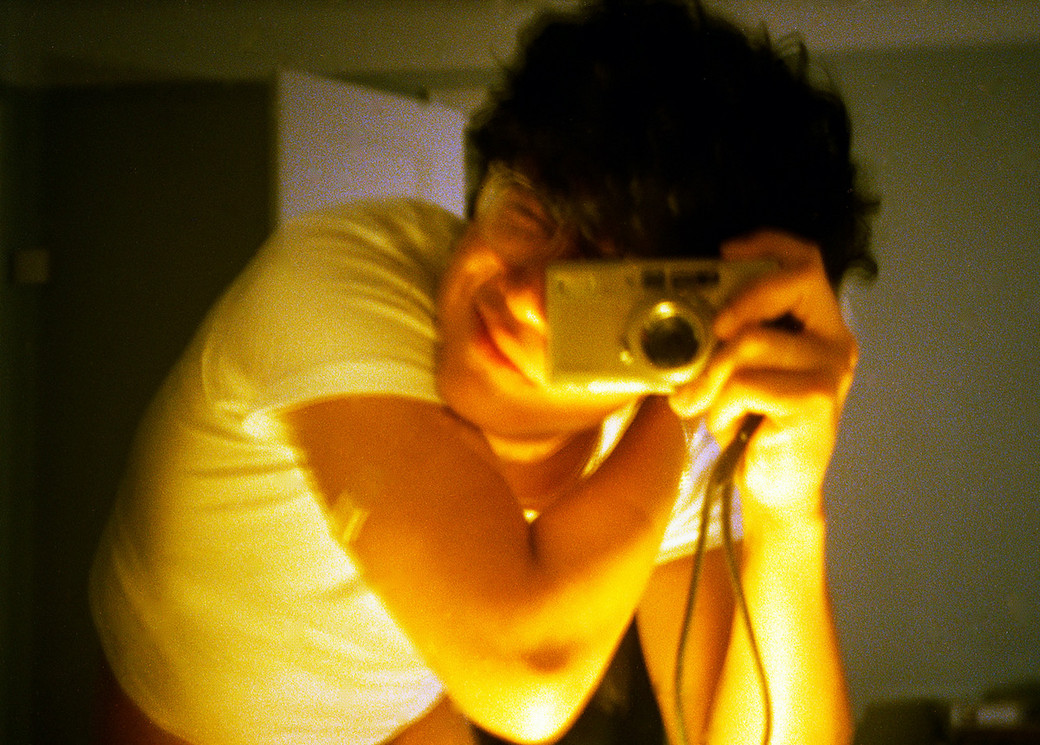
Efron Danzig unveiled a compelling series of self-portraits, along with intimate portraits of fellow artist Troy (also in the show) and Taito. As a skateboarder and poet, Efron's photographic approach is deliberately unpolished. Unburdened by the constraints of formal training, her technical naïveté has enabled her to cultivate a style defined by curiosity.
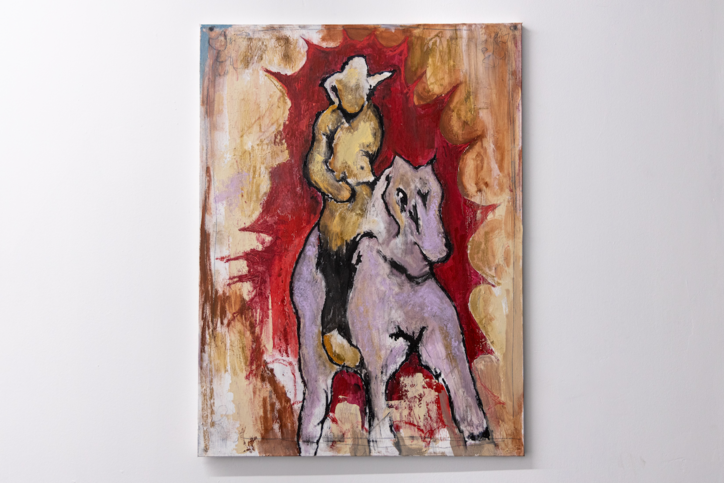
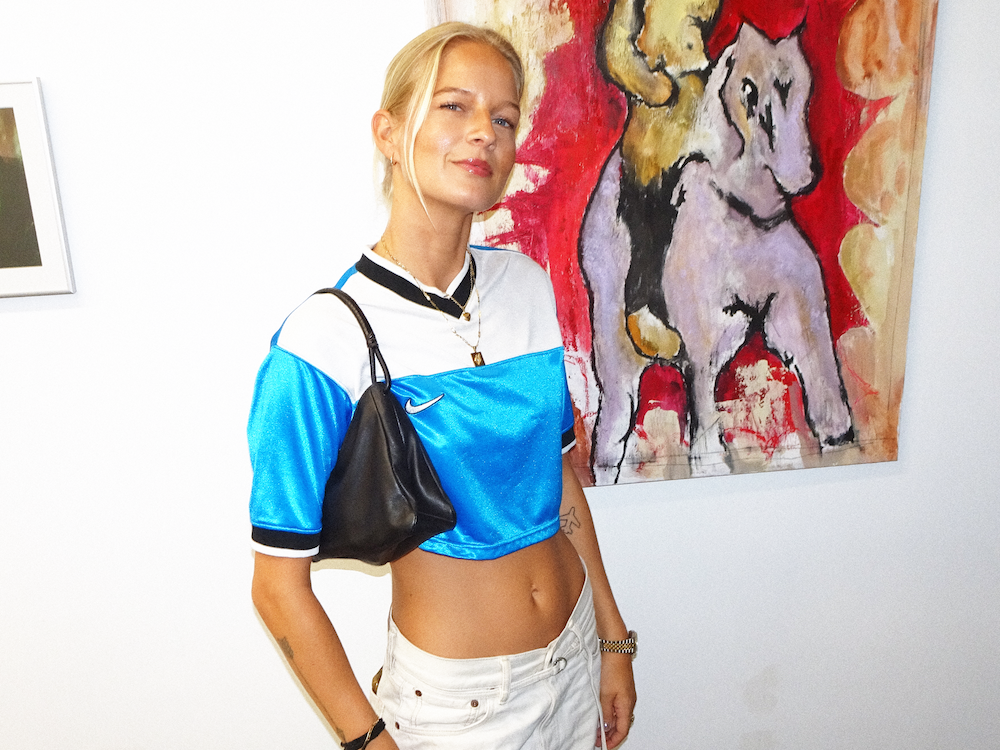
Daisaku Hidaka's artistic odyssey took true direction after a torn ACL kept him off the board. Not being able to skateboard gave him time to further explore painting as a medium of expression. He likes painting horses. He appreciates their symbolic meaning — power, gentleness, a sense of calm. He says that it may be inspired by his Chineze zodiac sign. Nevertheless, here, the cowboy and horse melt into eachother as if part of the same being.
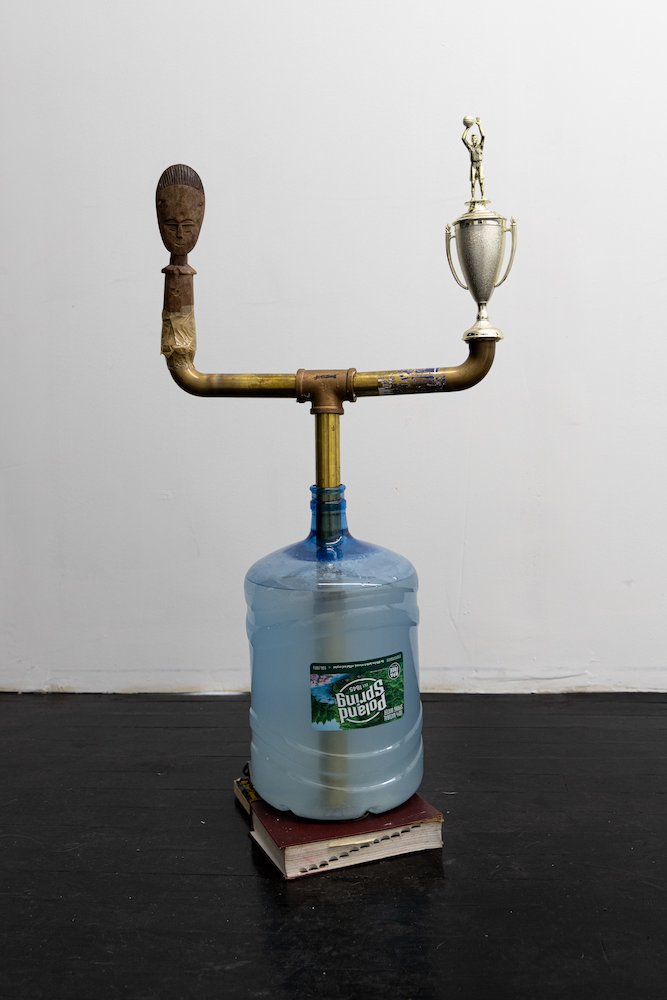
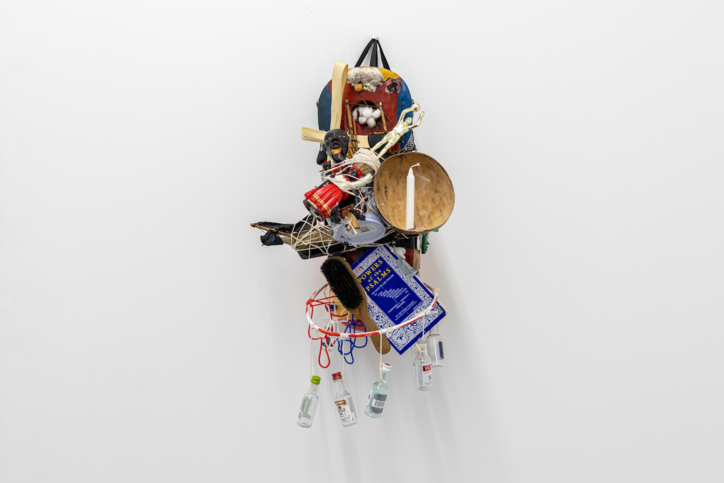
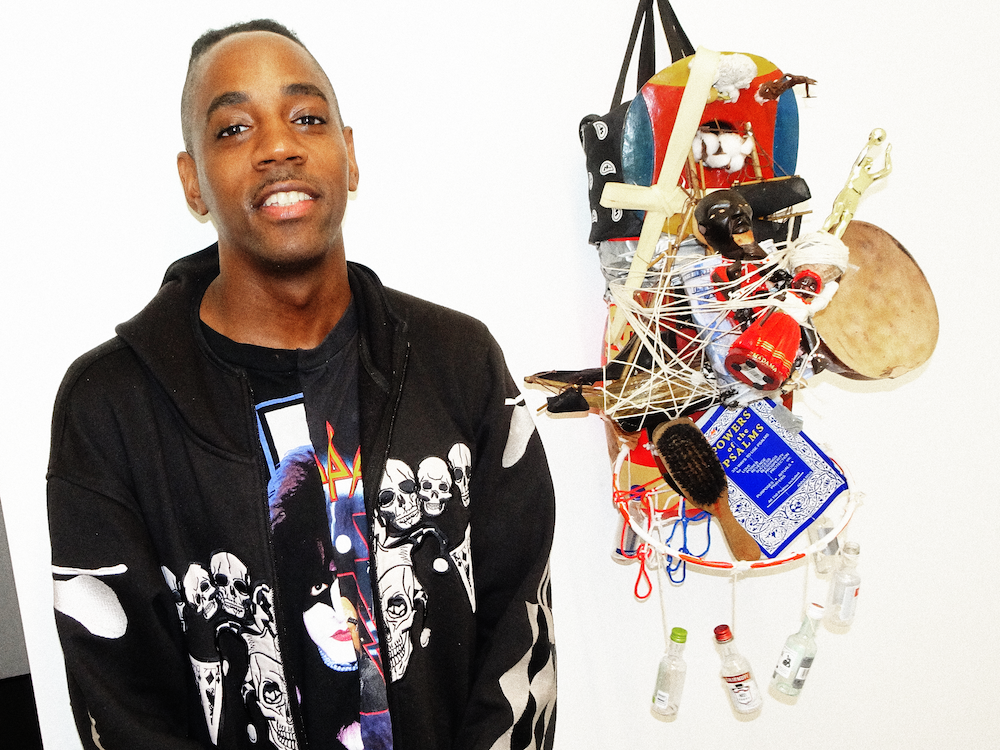
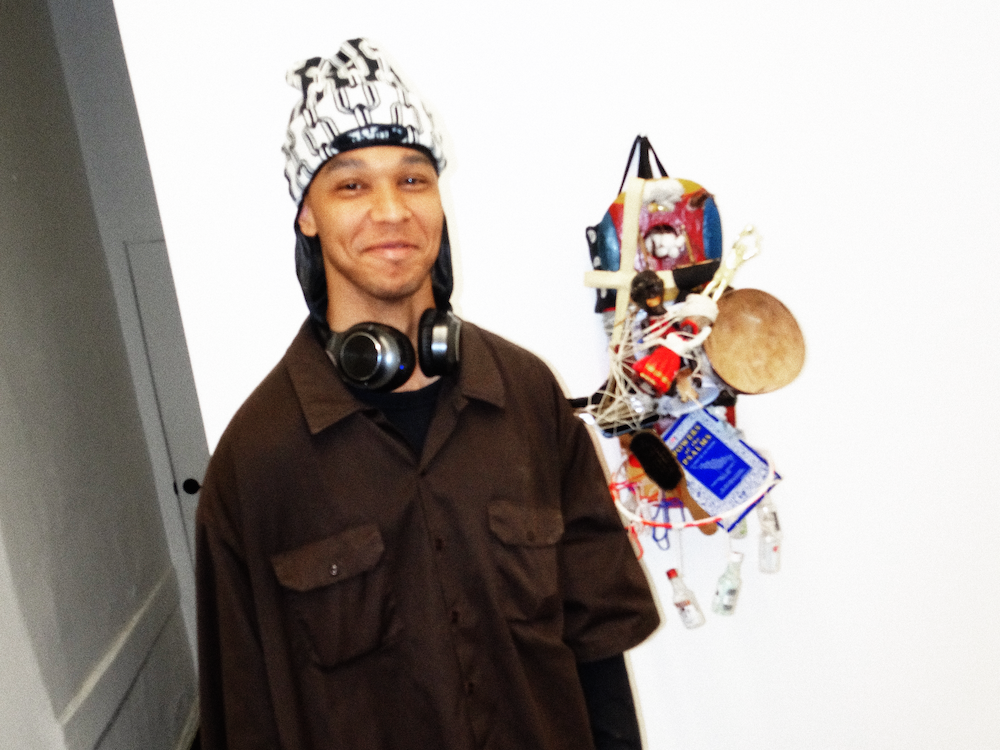
Ron Baker pays homage to his ancestors and explores his own identity through his artwork. In "Holy Water," a captivating play on the narrative of baptism, Ron delved into his recollections of attending church with family members. He recalled sipping water from the church fountain, a superstitious act said to bring good luck and prosperity. Ron's second "untitled" work was a multi-layered tapestry of artifacts that intricately told the story of his upbringing. These artifacts included money, boats, religious symbols, figurines, books, and basketball hoops.
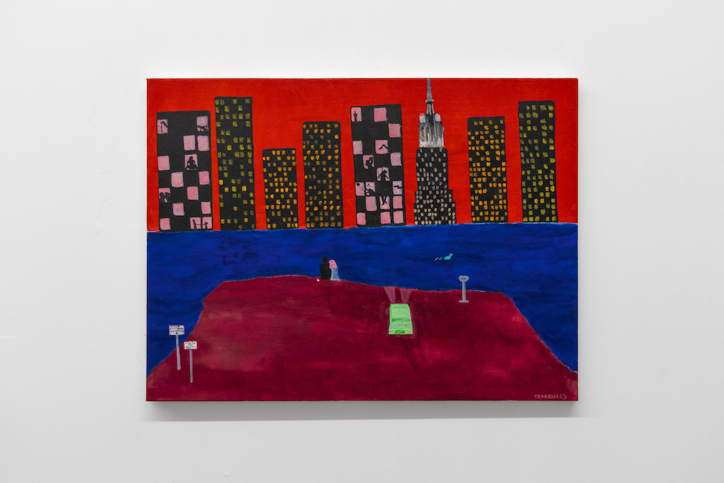
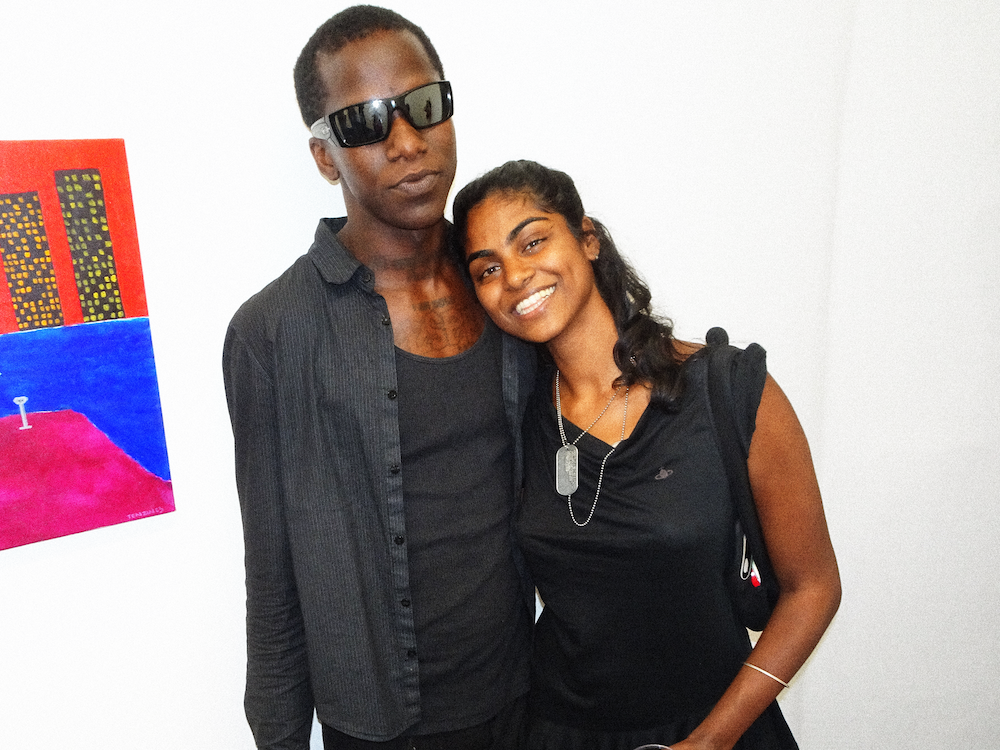
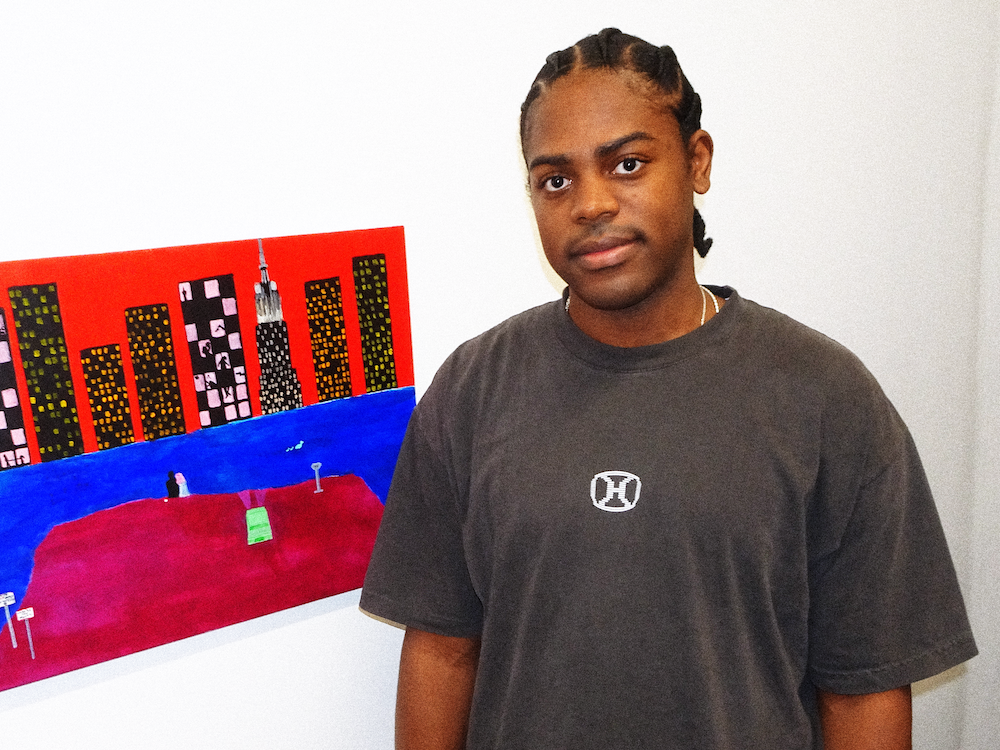
Tenzin's masterful painting transported viewers to cherished memories of moments spent along the Hudson River. His work skillfully weaved together elements drawn from American pop culture, including iconic references such as the Chevy Malibu from Repo Man and the humorous tent scene from Austin Powers 2. He captures the inevitable passage of time and the enduring cultural and personal moments that etch themselves into our own memories and the collective consciousness.
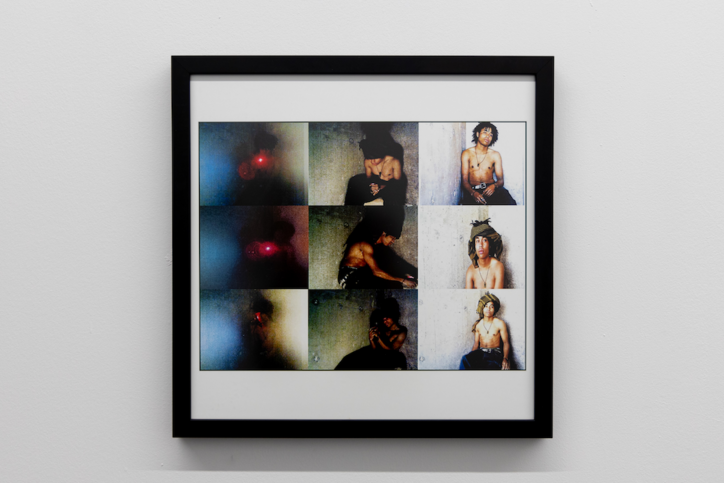
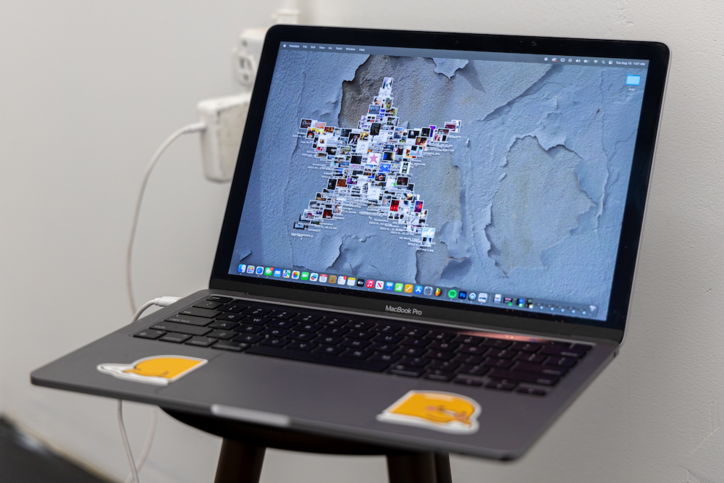
Troy's self-portraits, thoughtfully juxtaposed with a video of his computer screen, serve as a window into his creative world. The star motif, composed of the relics that live on his computer provided a rare glimpse into the artist's psyche. Within this digital trove lay a collection of unfinished projects, lost photos, original music compositions, and other abstract artifacts.


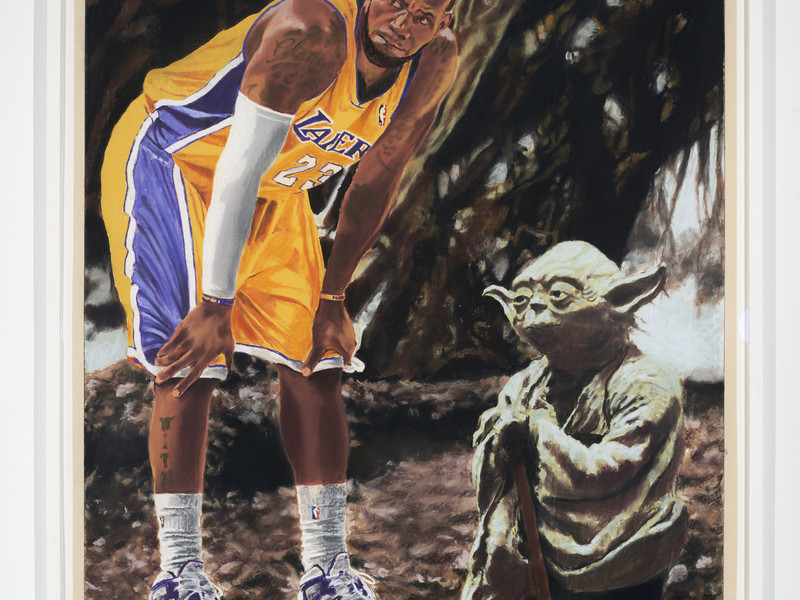
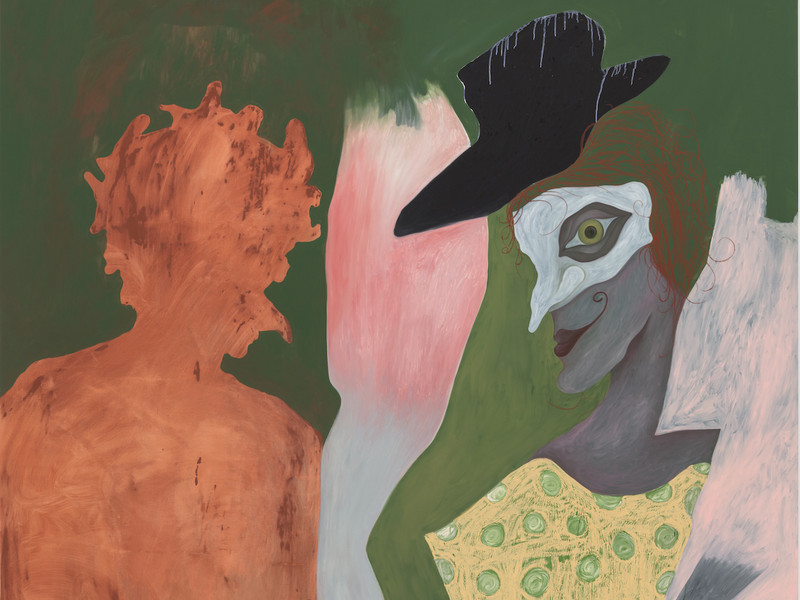
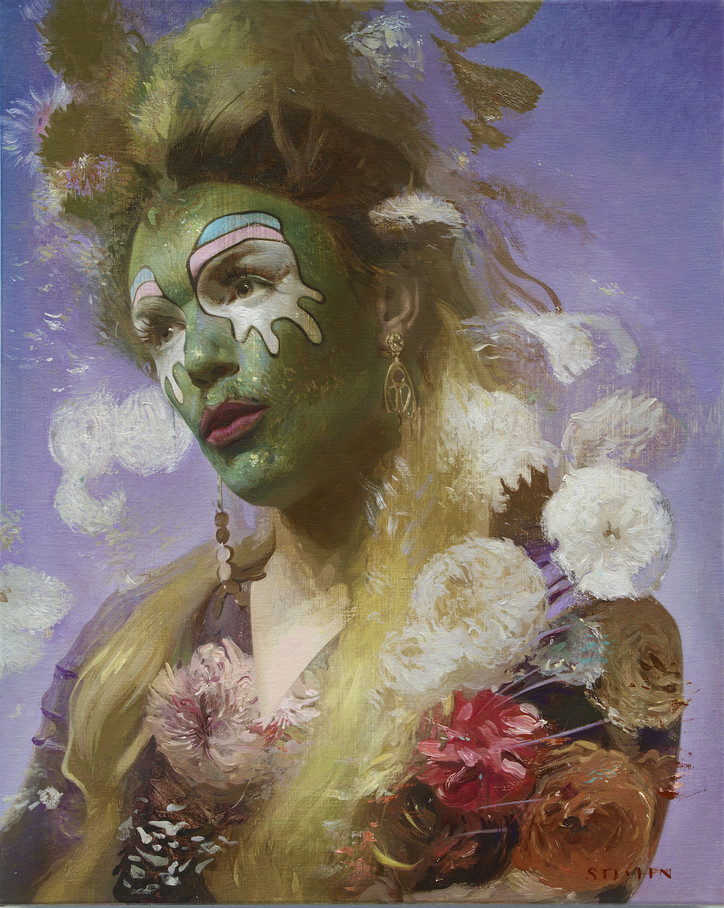
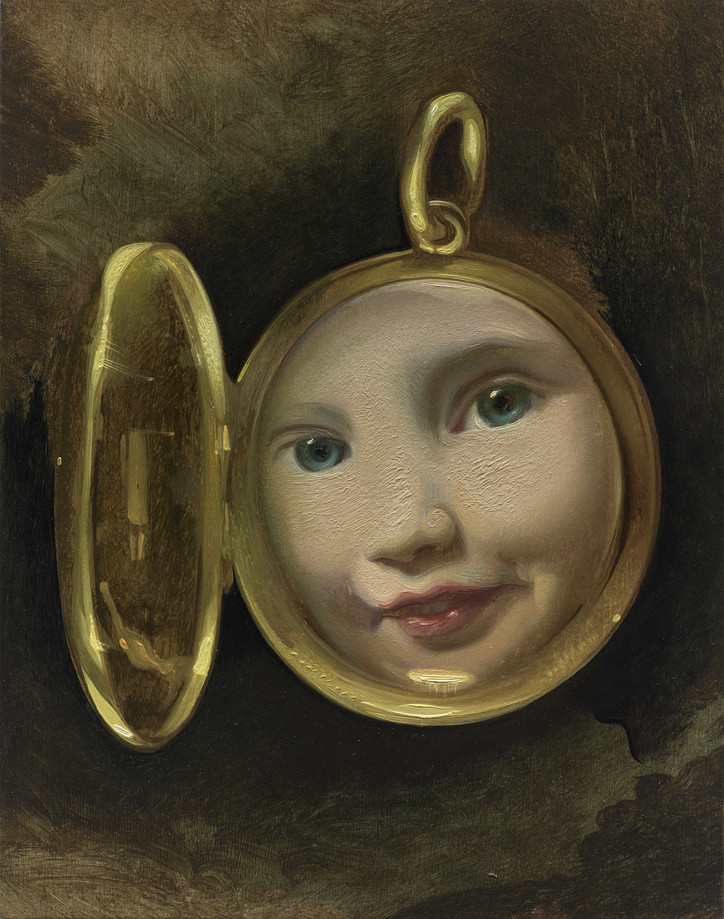
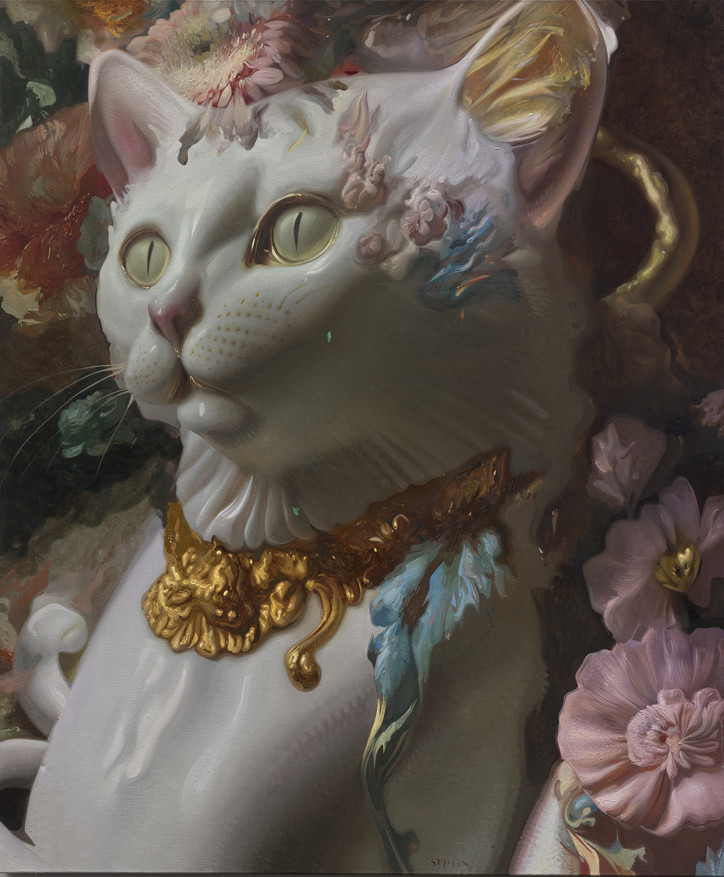
Kudos to St. John for presenting a soft-edged spin on the ubiquitous French Rococo movement, layering whimsical symbols such as rich brushstrokes and an infusion of vibrancy. Here, subjects are visually satisfying, tapping on modern scenarios with an avant-garde streak: featuring Drag Queens and Trans models in bold form, they’re paired alongside antique porcelain figurines that root in paintings of the Classical epoch. “For generations, royalty and nobility have been immortalized in portraiture in European national galleries,” note Phoebe Saatchi Yates and Arthur Yates, Co-Founders of Saatchi Yates. “Will St. John captures the Kings and Queens of New York Bohemia and paints the characters who live on the fringes of society, with the same reverence of the portraits of the past.”
The only lingering question is: how many times can you reinvent the sphere of Realism? Uniting two discordant representations of royalty and nobility was a polish that informed the artist’s oeuvre with deviceful insight. You couldn't really call it a reinvention of Realist underpinnings, but St. John is rethinking its purpose in a way that jibes with society’s current pursuit for inclusion. Case in point: immortalizing the nobility of New York City’s niche creative communities conveyed in regal renditions of his subjects. Consider them a lovely queer spurt.
On Inspirations
“I’m lucky enough to live in New York City where people travel from all over to be a part of an artist's creative vision, to become muses. The streets are flooded with undiscovered ‘It-Girls’, ‘It Boys’, and everything in between. I’m very lucky to have worked with some of the most interesting, sexy, mysterious, and creative cultural figures in this town; and I’m just getting started.”
On Creative References
“The internet is the greatest creative library that has ever been devised. Not only does it contain access to every single image in recorded history, but it’s being updated minute-by-minute with millions (maybe billions) of new images every day. And it’s all accessible on a tiny computer that fits in your pocket. It bends the mind to think of what’s possible today.”
On Practicalities
“As an inveterate daydreamer it took me many years to develop a system where I could actually turn my visions into reality. Many, many failures. I must have discovered at least 10,000 ways how not to make a painting. Ultimately, I discovered that the point of art is not to make one great painting, but to develop a “system” that can make great paintings. This all developed in the factory of the mind.”
On The Work Process
“I have a very methodical process. There’s some room for mystical intervention in the beginning, sure, but once I really go it’s very precise and systematic.”
On Pushing Boundaries
“Pushing boundaries means being willing to look like a total fool among your peers, your followers, everyone who may be paying attention. It can be daunting, until I remember that life is just a grand experiment anyway.”
On The Message of Art As A Cultural Weapon
“I don’t think of art as a weapon, but as a seduction. You simply cannot make people adore you by force. In this way I aspire to be less like Napoleon and more like Casanova: a Casanova of painting.”
Will St. John at Saatchi Yates will be on view from 14 September to 22 October 2023 at 14 Bury Street, St James’s, London SW1Y 6AL.